Liveaboards · Thailand
Orca Oktavia — a comfort-focused Andaman liveaboard built around diving, food and photography
What makes this boat unique
- Orca Oktavia is a 30-metre liveaboard for up to 20 passengers, with 10 cabins and 13 bathrooms.
- The boat was built in 2003 and renovated in 2024, with air-conditioned cabins, private bathrooms and panoramic windows.
- The dive setup includes 12-litre tanks, DIN adapters, nitrox, a dive platform and sidemount diving.
- Five-day, four-night Racha trips run from Phuket to Phuket and include the diving package, meals, non-alcoholic drinks, Wi-Fi and airport transfers.
- The boat welcomes open-water divers, basic freedivers and non-divers who snorkel.
For subtitles in English: start the video firstthen click the gearat the top right of the video, select “Subtitles/CC”, then “Auto-translate” and choose “English”.
The invitation
Orca Oktavia suits divers who want the Andaman Sea without giving up a proper cabin, a camera-friendly boat and food that is treated as part of the trip. It is not presented as a stripped-back dive platform: the rooms have private bathrooms, large windows, air-conditioning and televisions, while the sun deck gives photographers and non-divers somewhere to spend the surface hours. The reason to choose it is the combination. The route reaches Racha’s walls, pinnacles, reefs and wrecks, while the boat gives the group a comfortable base between dives. A photographer has dedicated support on board and underwater; a mixed group can include open-water divers, freedivers and snorkelling non-divers. The diving remains the point, but the boat is designed for the hours around it too.
Boarding
From the dock, Orca Oktavia presents itself as a compact liveaboard with a deliberately comfortable, minimal feel rather than a bare working boat. The 2024 renovation matters here: the interior is arranged for private cabins, air-conditioning, large sea-facing windows and easy movement between the saloon, outdoor dining area, sun deck and dive platform. Once aboard, the emphasis is clear. This is a boat where people return from the water to hot showers, towels and a place to sit, eat or review images instead of simply dropping their gear and disappearing below. The engine, sea state and other passengers will still be part of liveaboard life; no cabin can remove that. What Orca Oktavia offers is a more polished base for a short Racha circuit, with the diving deck kept central to the layout.
The atmosphere on board
Orca Oktavia’s atmosphere is shaped by a crew that covers the whole day rather than only the dive briefing. The boat manager, chefs, butlers, dive leaders, captain, engineer, seamen and photographer each have a visible part in making the trip run. Dive leaders bring 10 or 20 years of experience in Thailand and abroad, while the chef team brings hotel experience to the meals. English, Thai and Chinese are spoken. In the evening, the group tends to gather around the food, the saloon, the sun deck or the images made during the day. The photographer offers service on board and underwater, which changes the trip for anyone who wants more than a few hurried phone pictures. The tone is comfortable and sociable without requiring every passenger to follow the same routine.
The sites you’ll dive
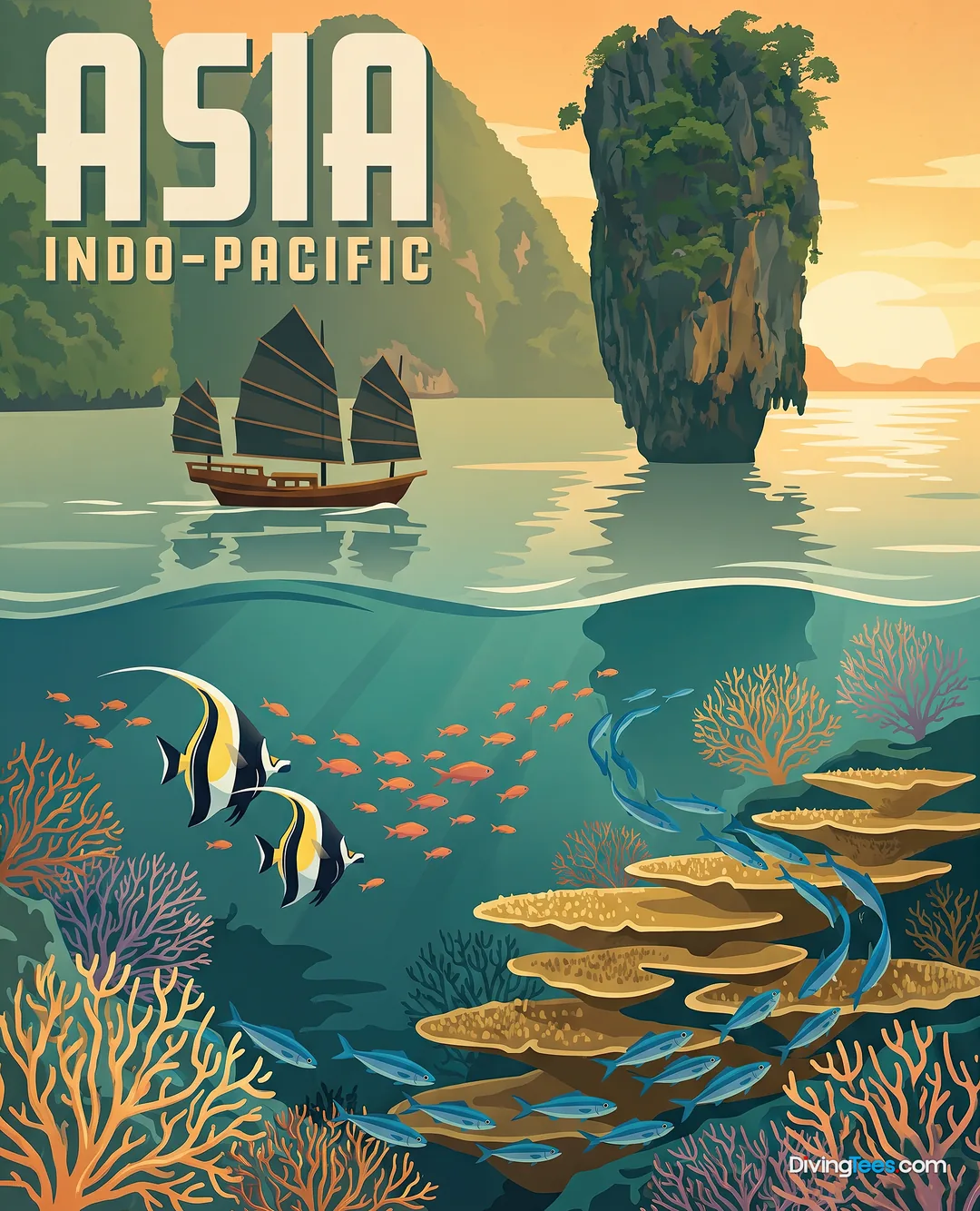
The Racha itinerary runs five days and four nights from Phuket to Phuket. Racha Yai offers sheltered diving, sloping coral gardens, sandy bays and four wrecks, reaching -40m. Racha Noi brings walls, boulder fields, drift diving and pelagic possibilities, with the island’s sites reaching -80m; Banana Bay is the gentler eastern side at -50m, while Racha Noi Bay reaches -30m. Koh Doc Mai is a limestone wall with caves, coral and macro life to -32m. Near Phuket, Koh Waeo combines protected coral gardens with a local tin-mine wreck at -12m. The deeper, current-affected sites add the drama: South Tip reaches -70m, Koh Tachai Pinnacle -40m, Christmas Point -40m and Deep Six -50m. Shark Fin Reef reaches -40m, Breakfast Bend -35m, and King Cruiser Wreck -35m. King Cruiser is an 85-metre twin-hulled ferry now covered in marine life.
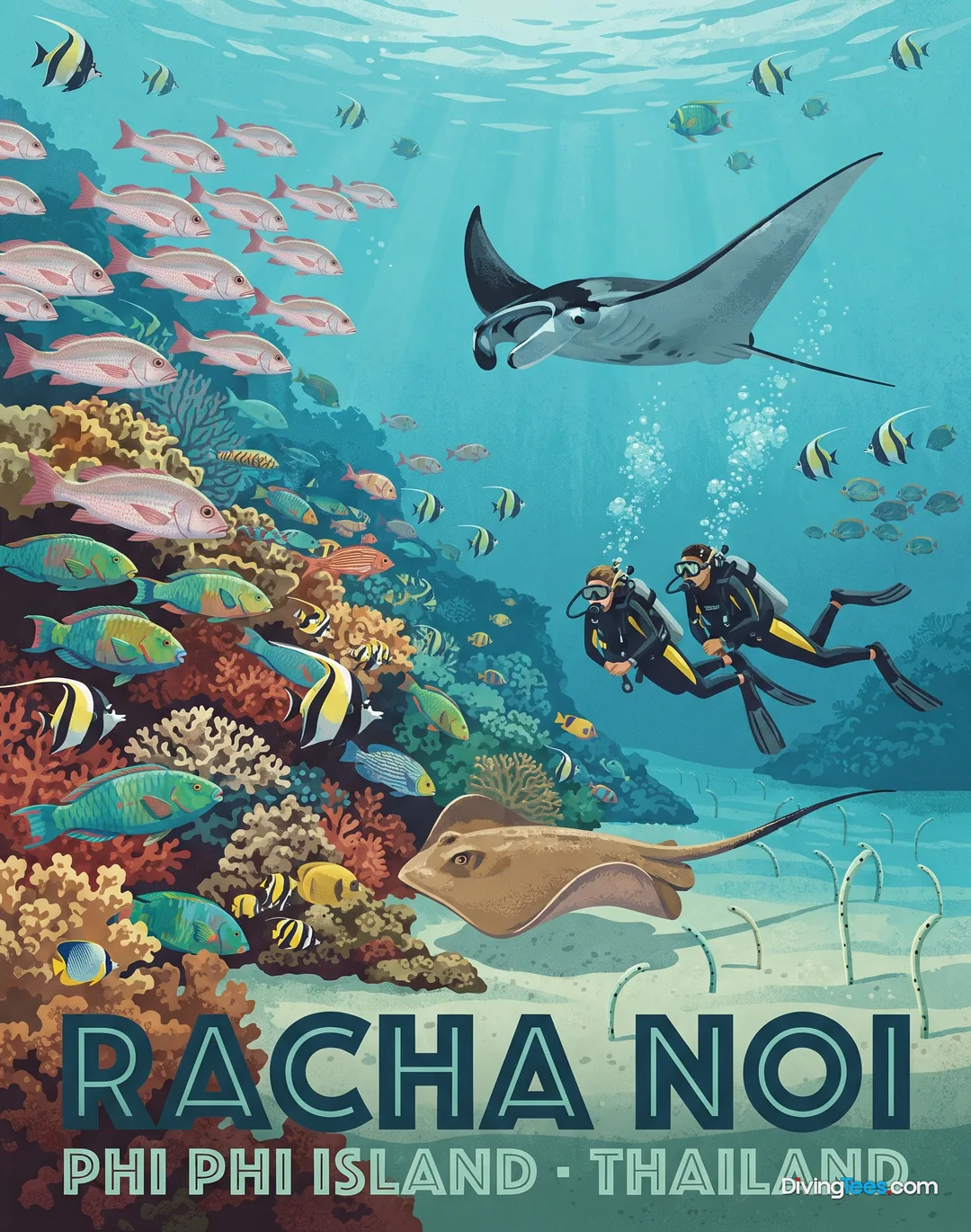
Racha Noi →
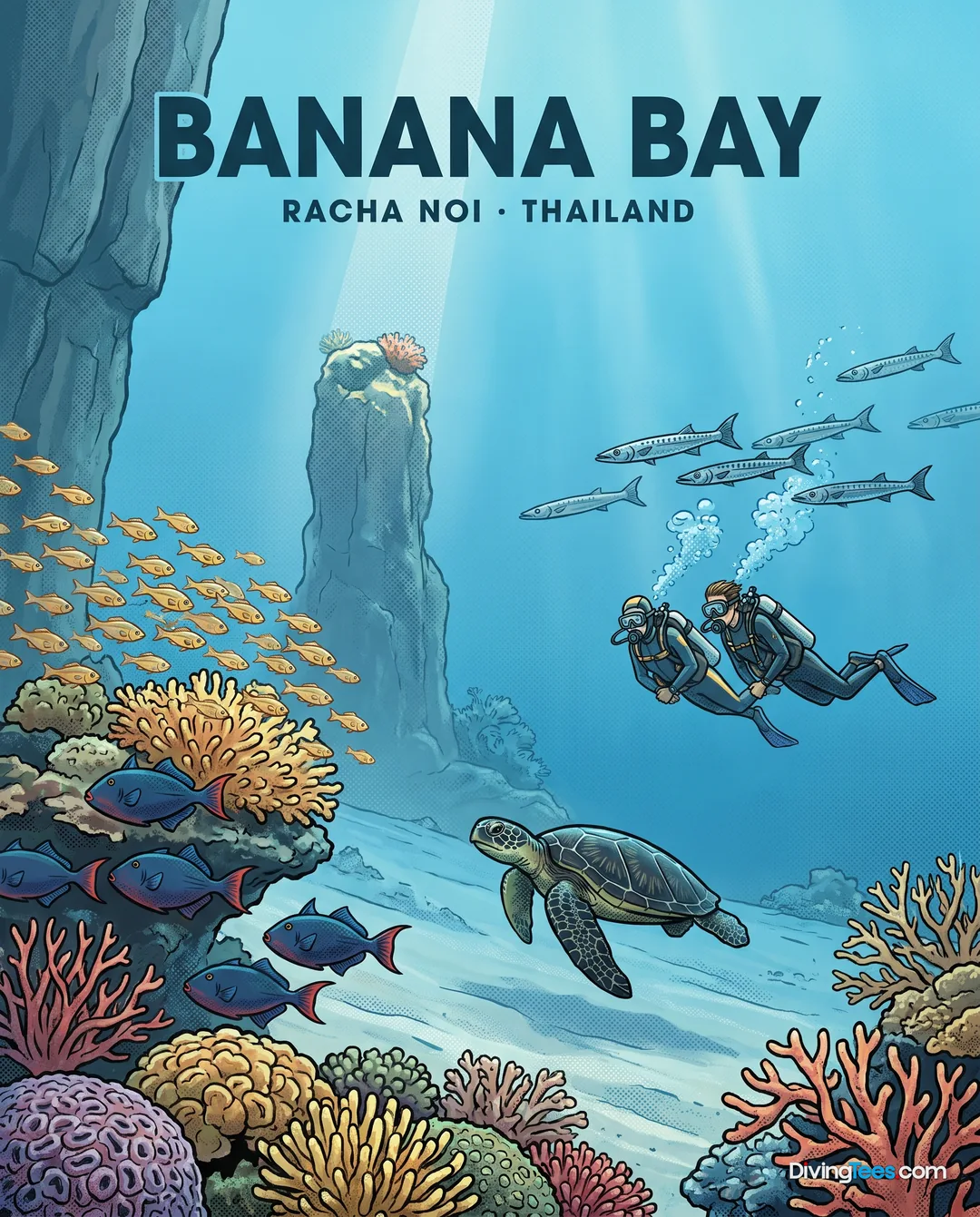
Banana Bay →
Max. depth · 50 m
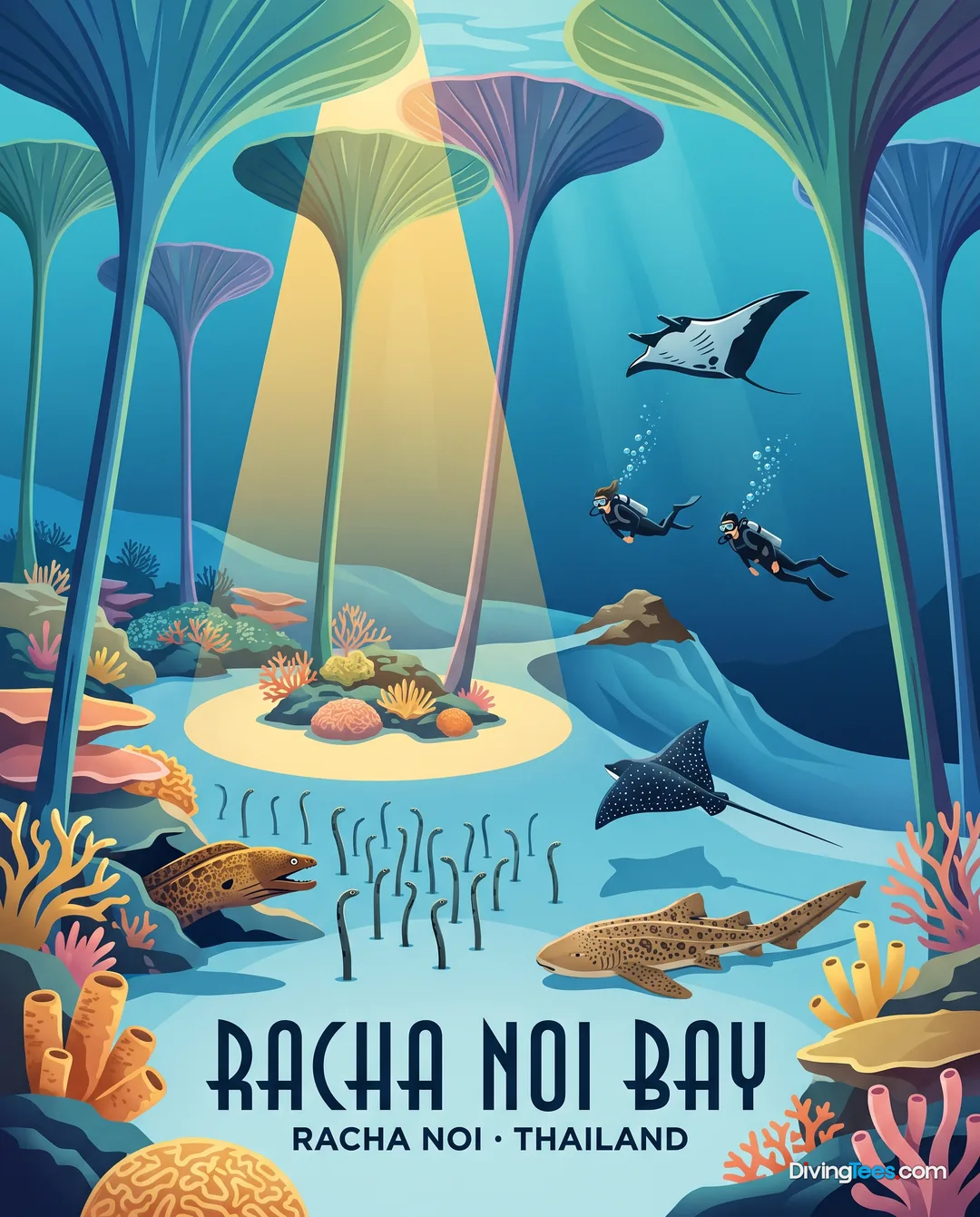
Racha Noi Bay →
Max. depth · 30 m
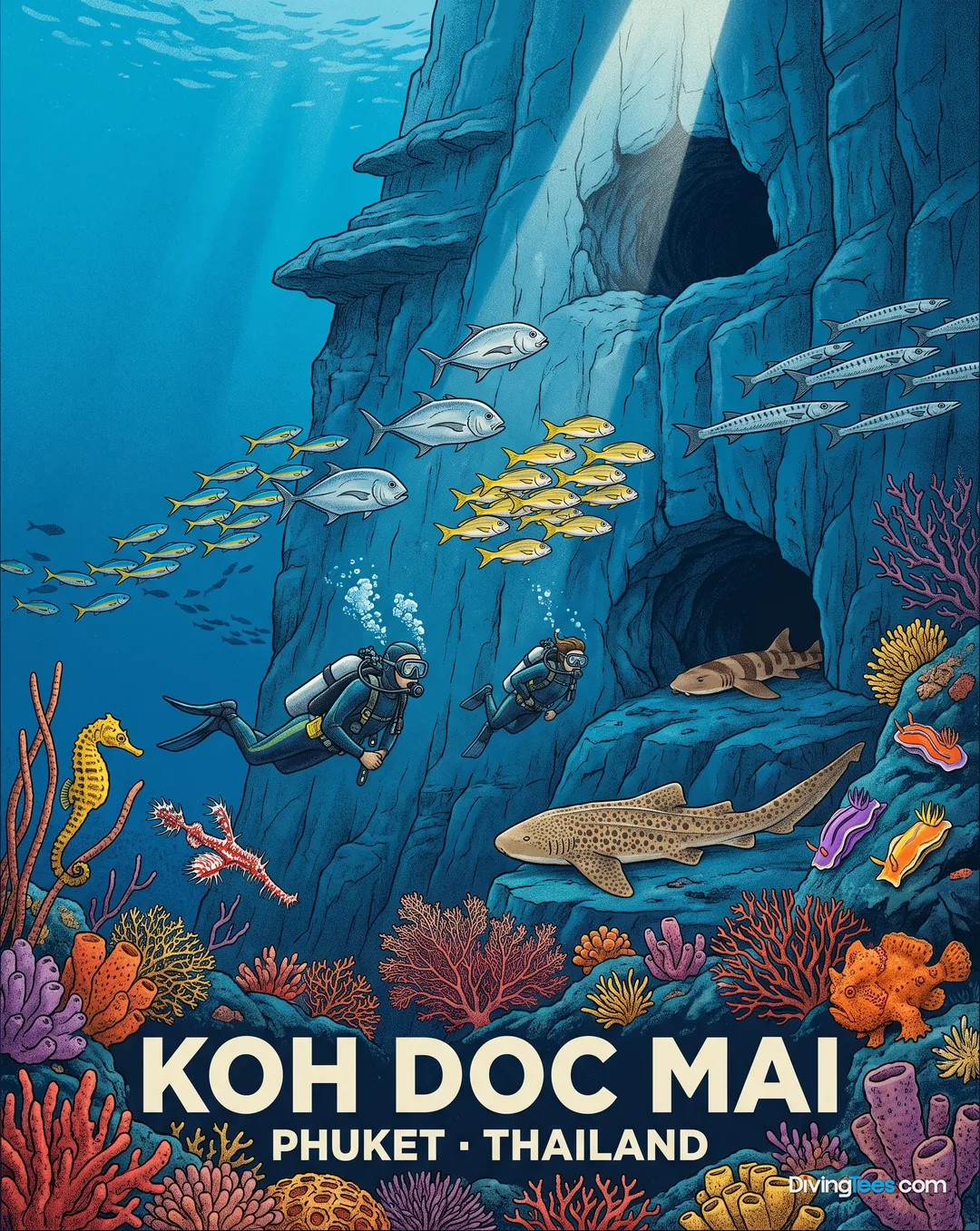
Koh Doc Mai →
Max. depth · 32 m
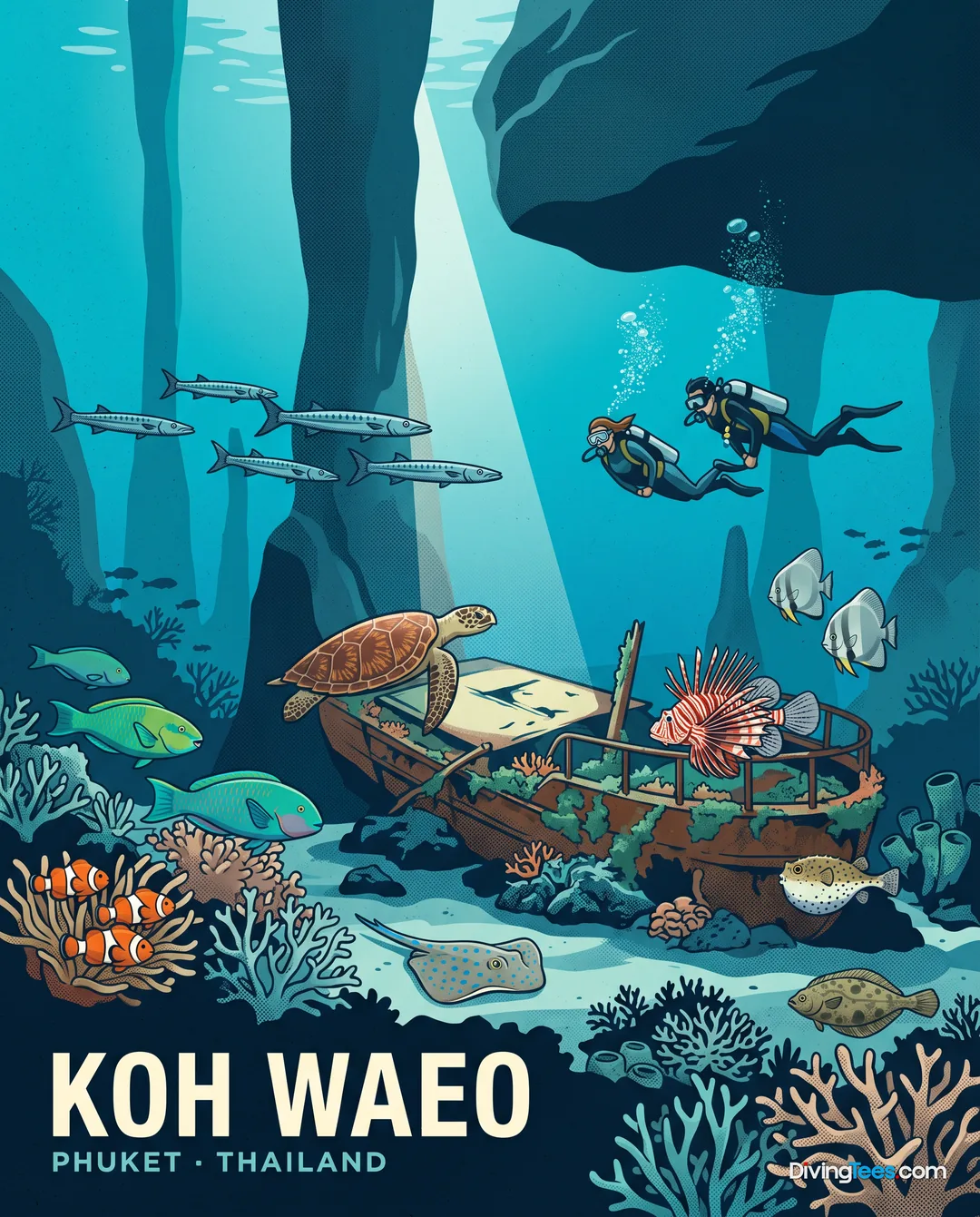
Koh Waeo →
Max. depth · 12 m
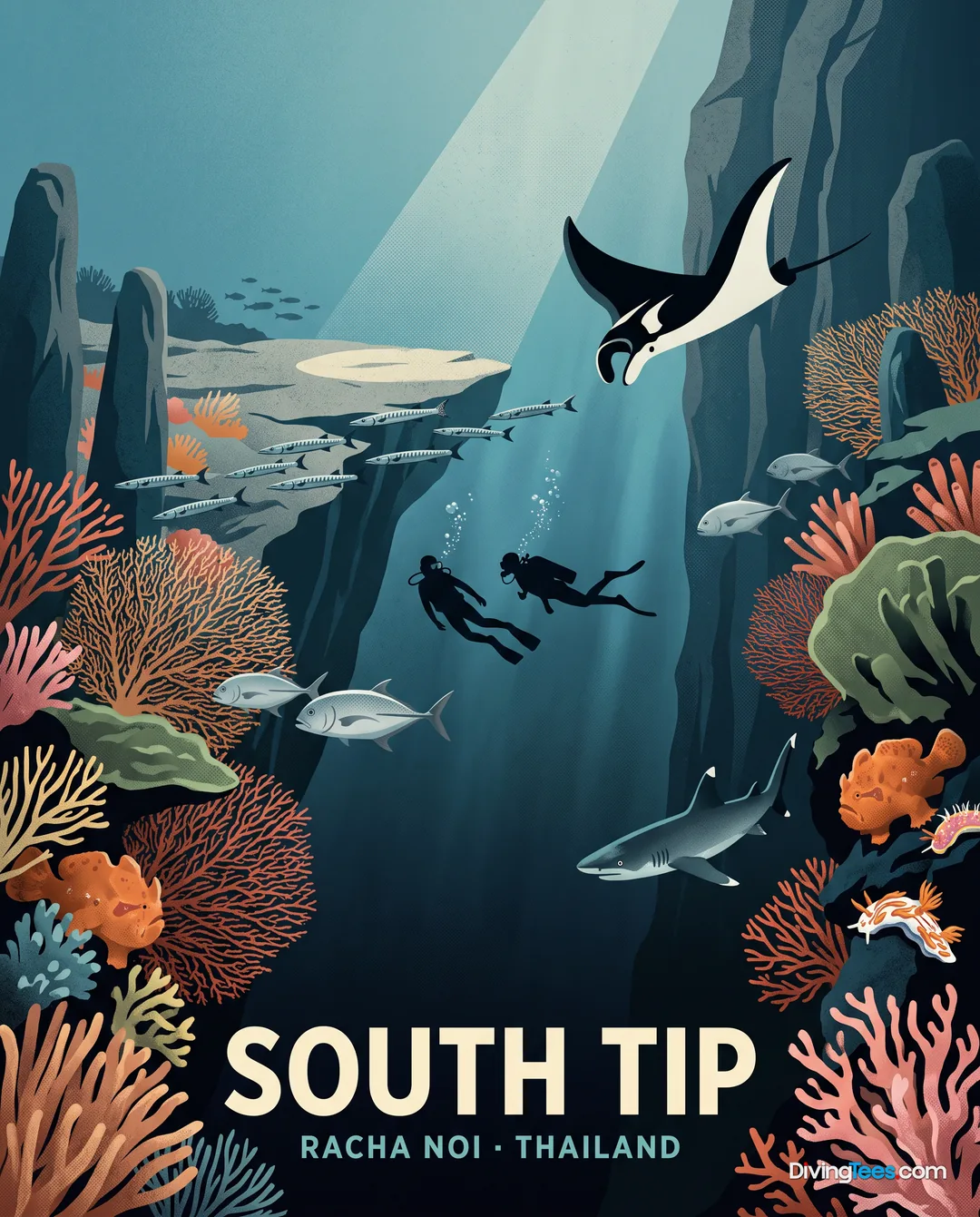
South Tip →
Max. depth · 70 m
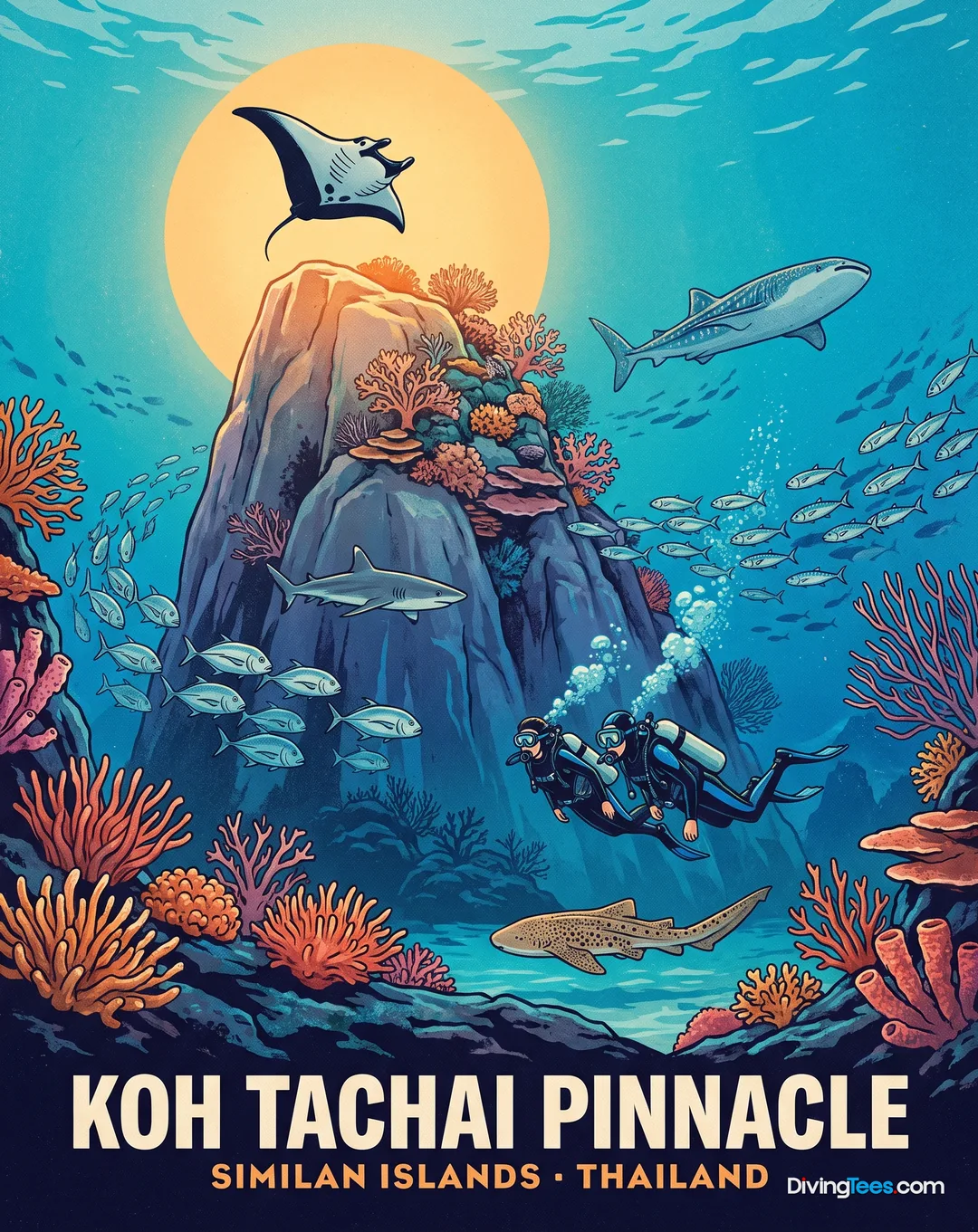
Koh Tachai Pinnacle →
Max. depth · 40 m
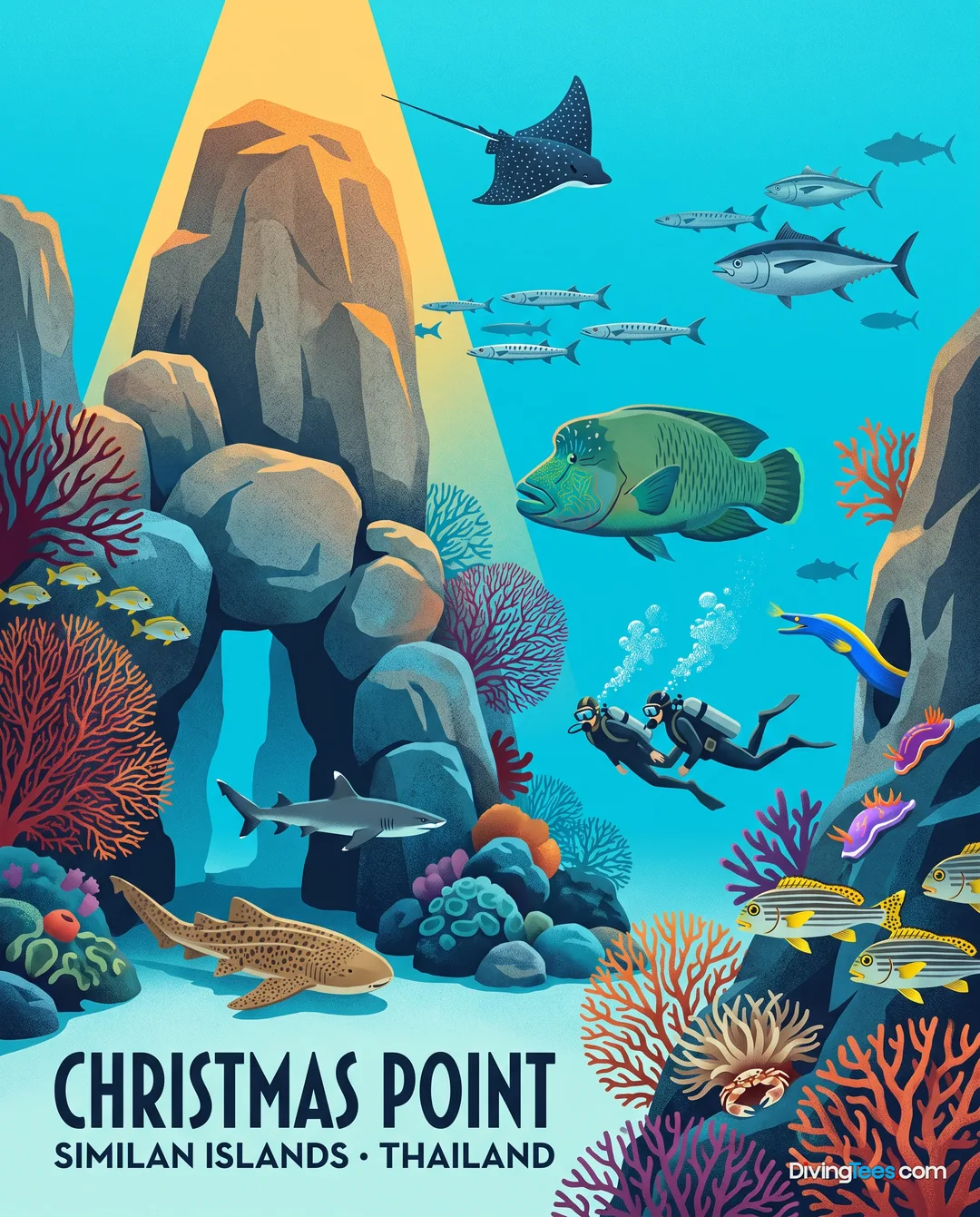
Christmas Point →
Max. depth · 40 m
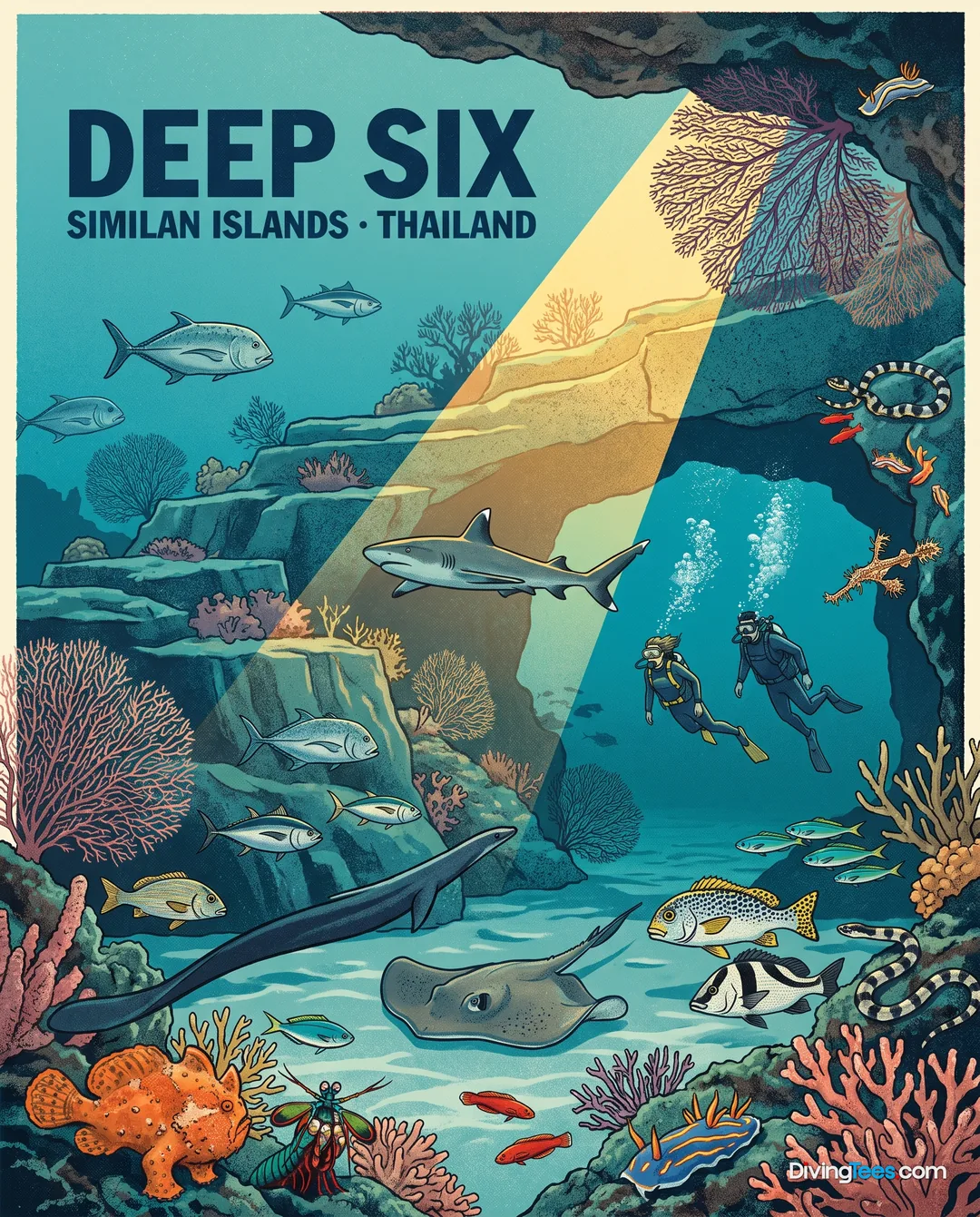
Deep Six →
Max. depth · 50 m
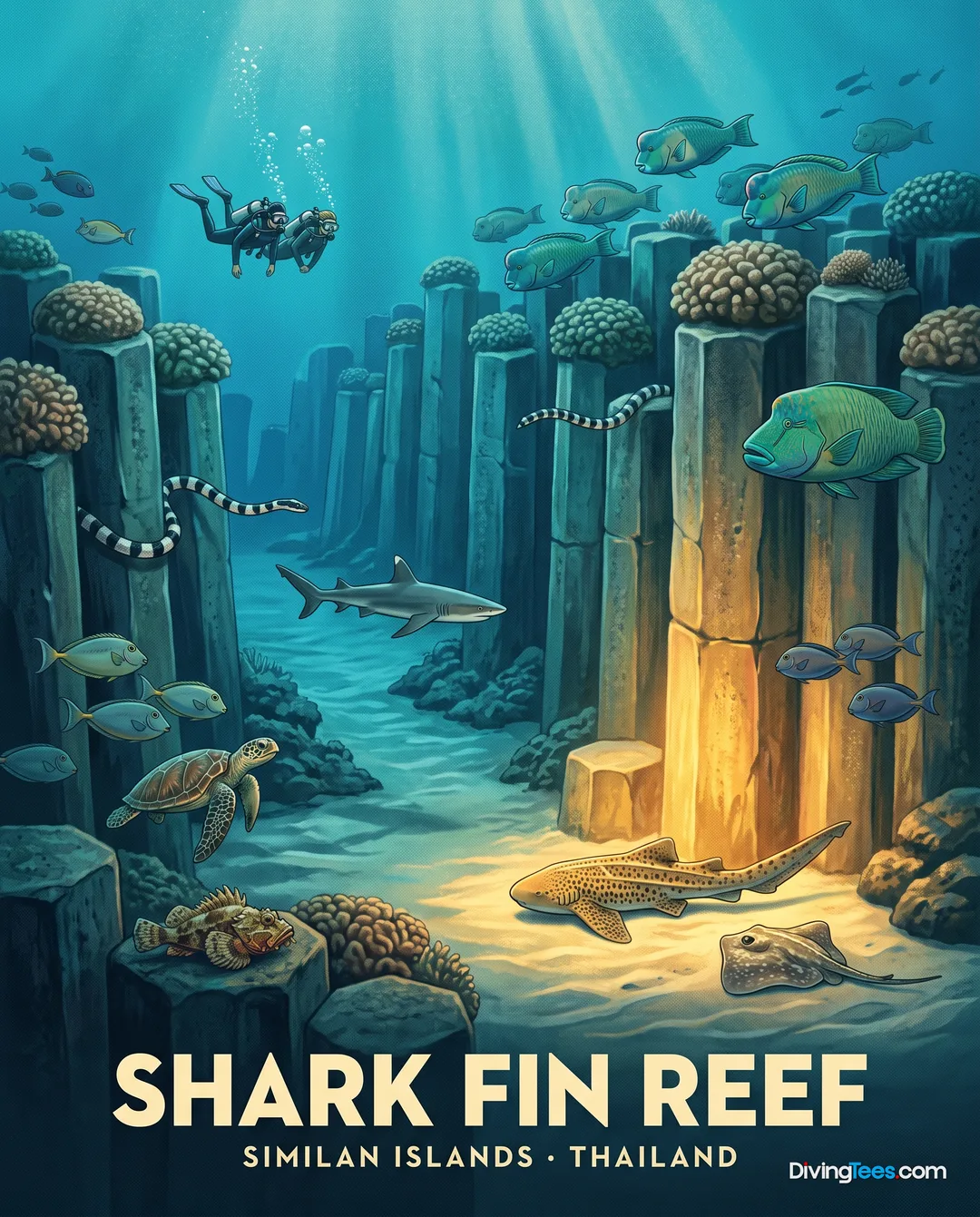
Shark Fin Reef →
Max. depth · 40 m
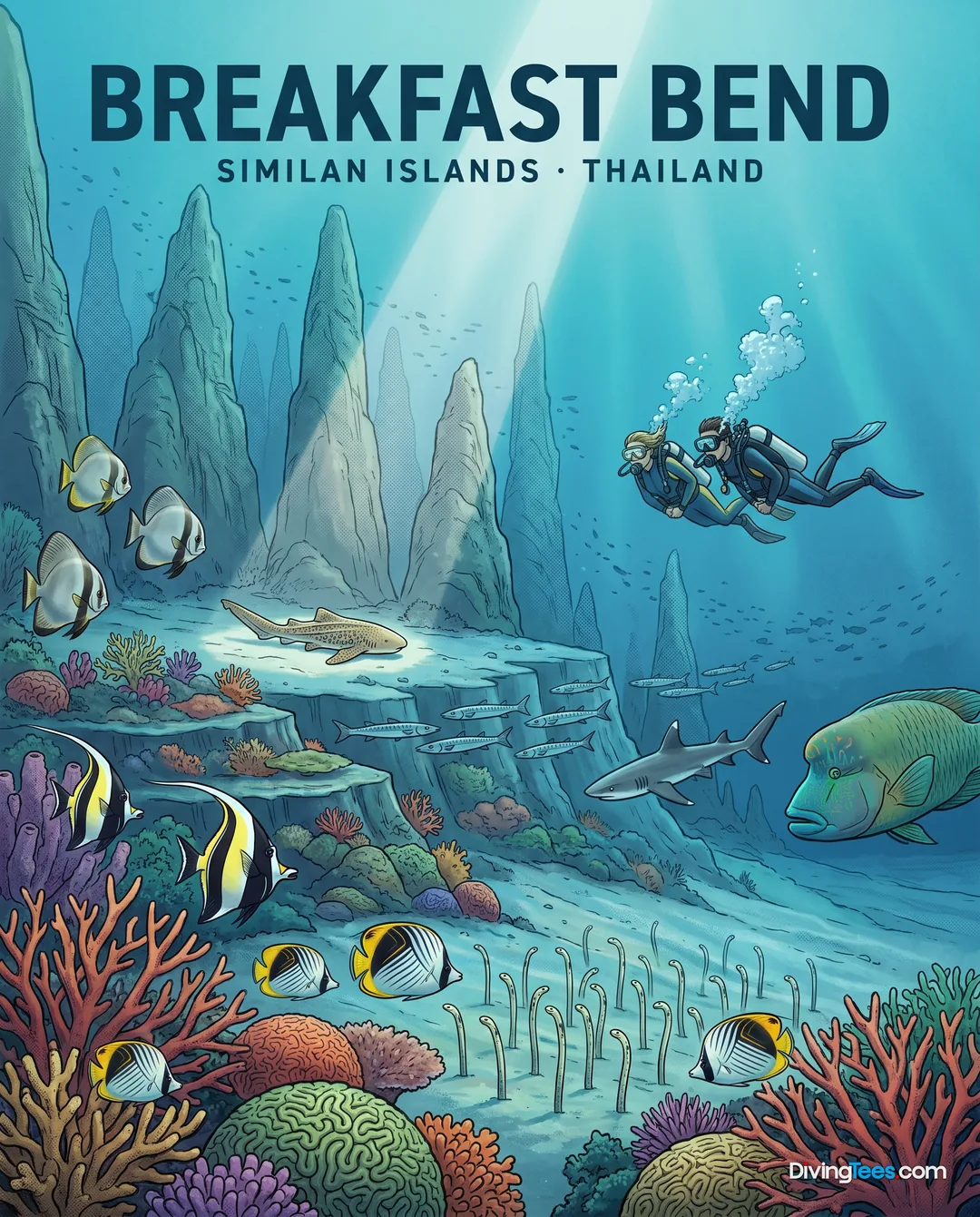
Breakfast Bend →
Max. depth · 35 m
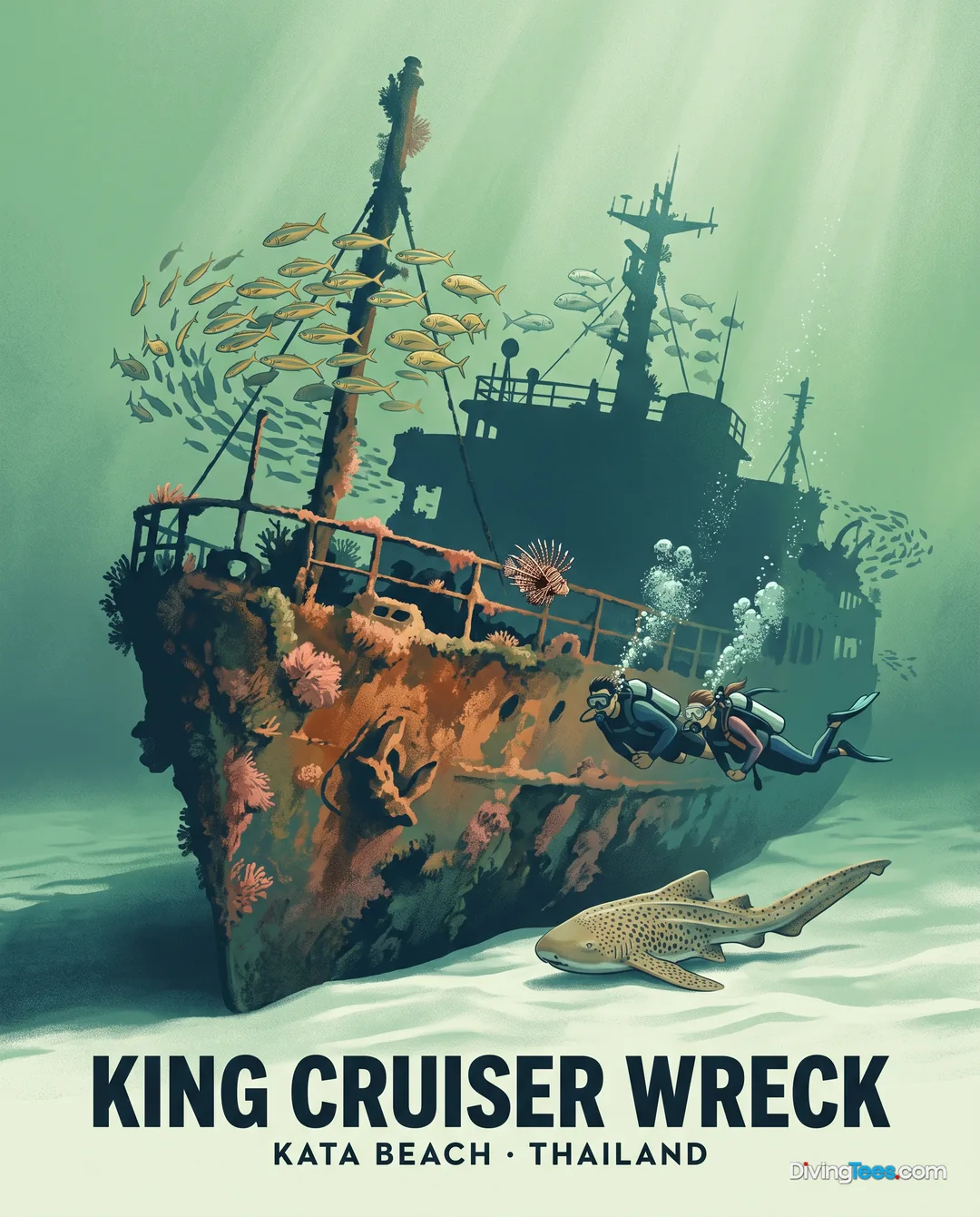
King Cruiser Wreck →
Max. depth · 35 m
Itineraries, dates and prices
Prices per person. Each month shows its lowest price: click a month, or pick an itinerary.
Next departures · 32 departuresfrom £815$1,089€973
November 2026
January 2027
May 2027
See dates and prices
If you click these links and make a purchase on the partner site, DivingDeal may earn a commission, at no extra cost to you.
Dates and prices taken from liveaboard.com, updated 20 October 2026
What you’ll meet underwater
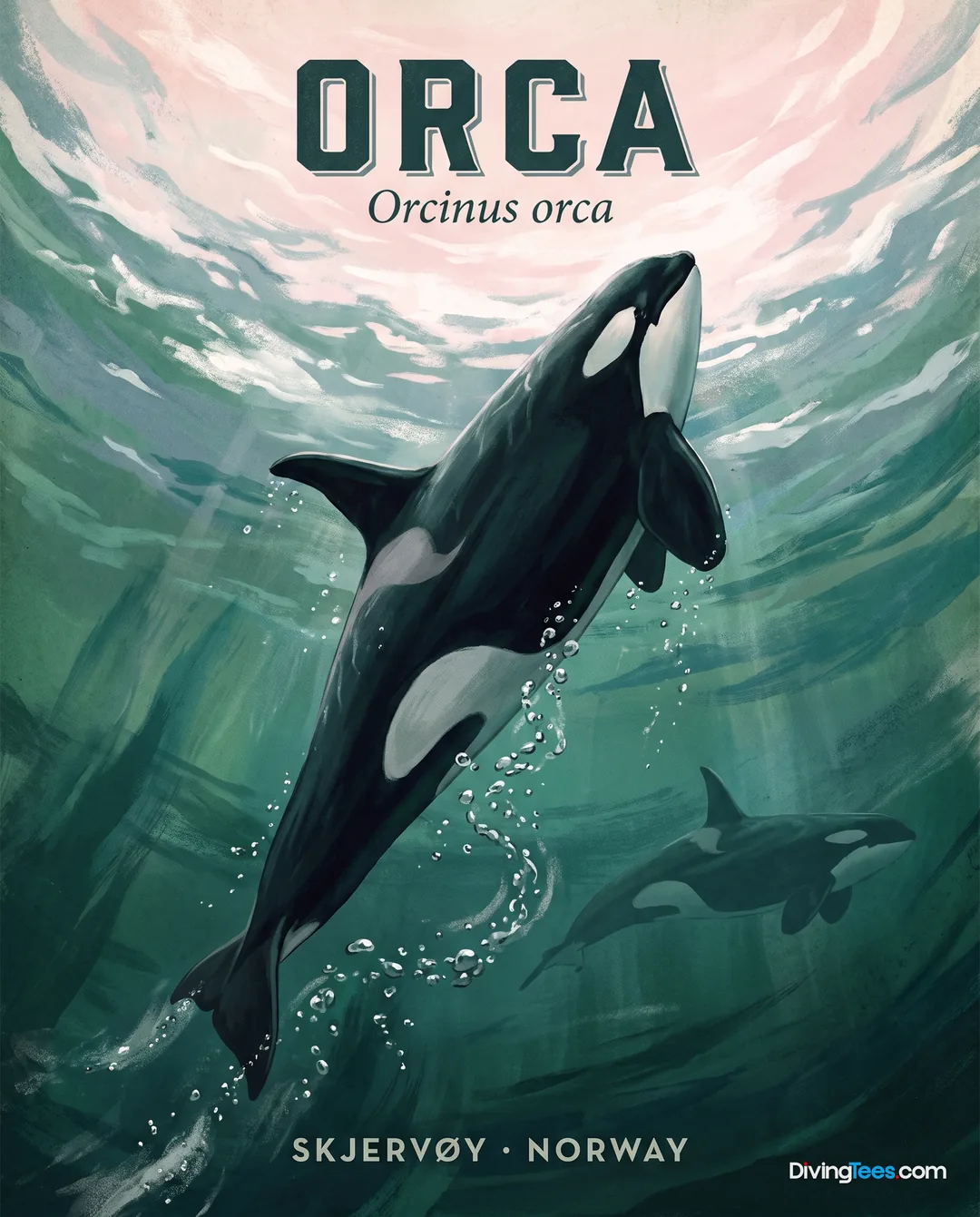
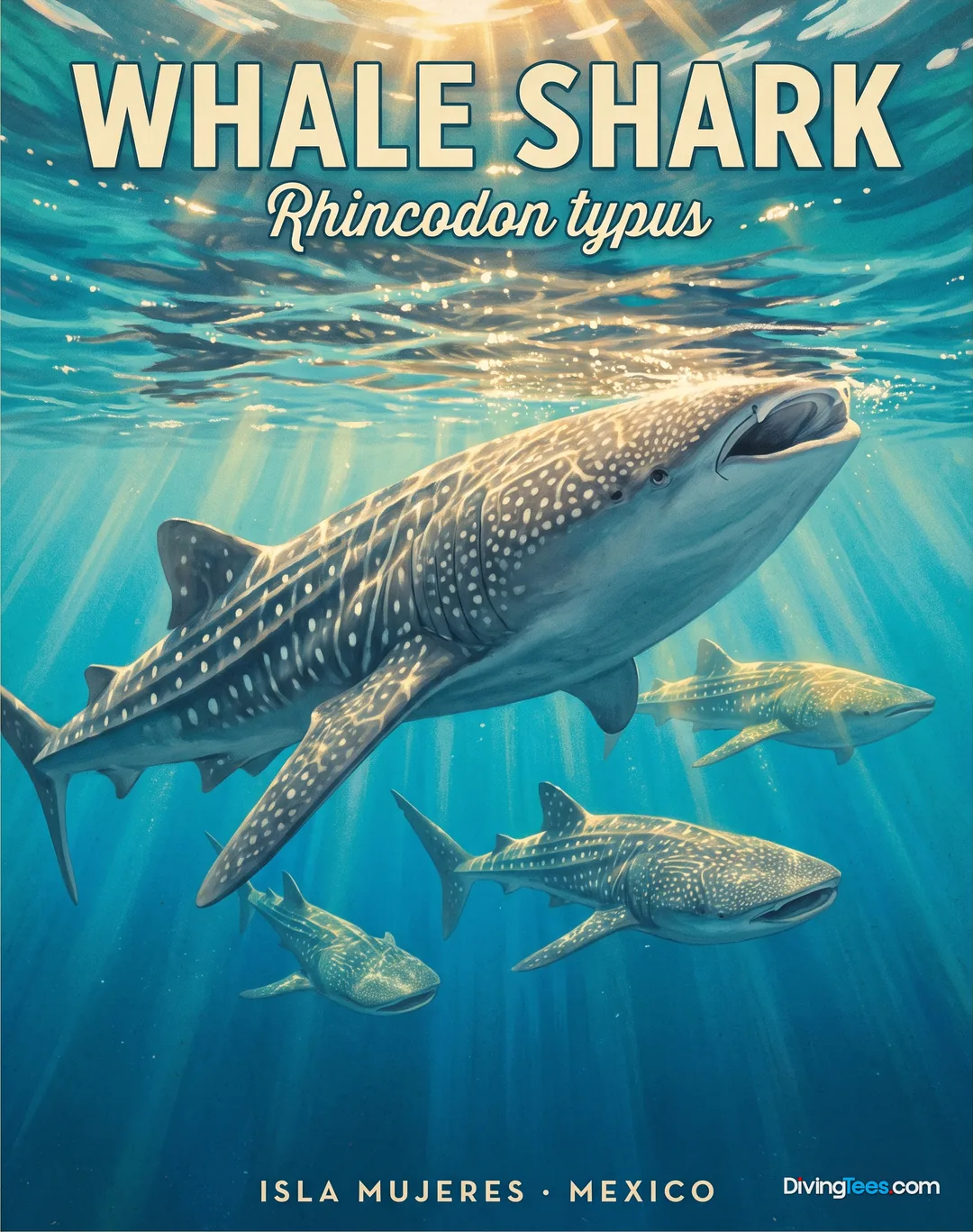
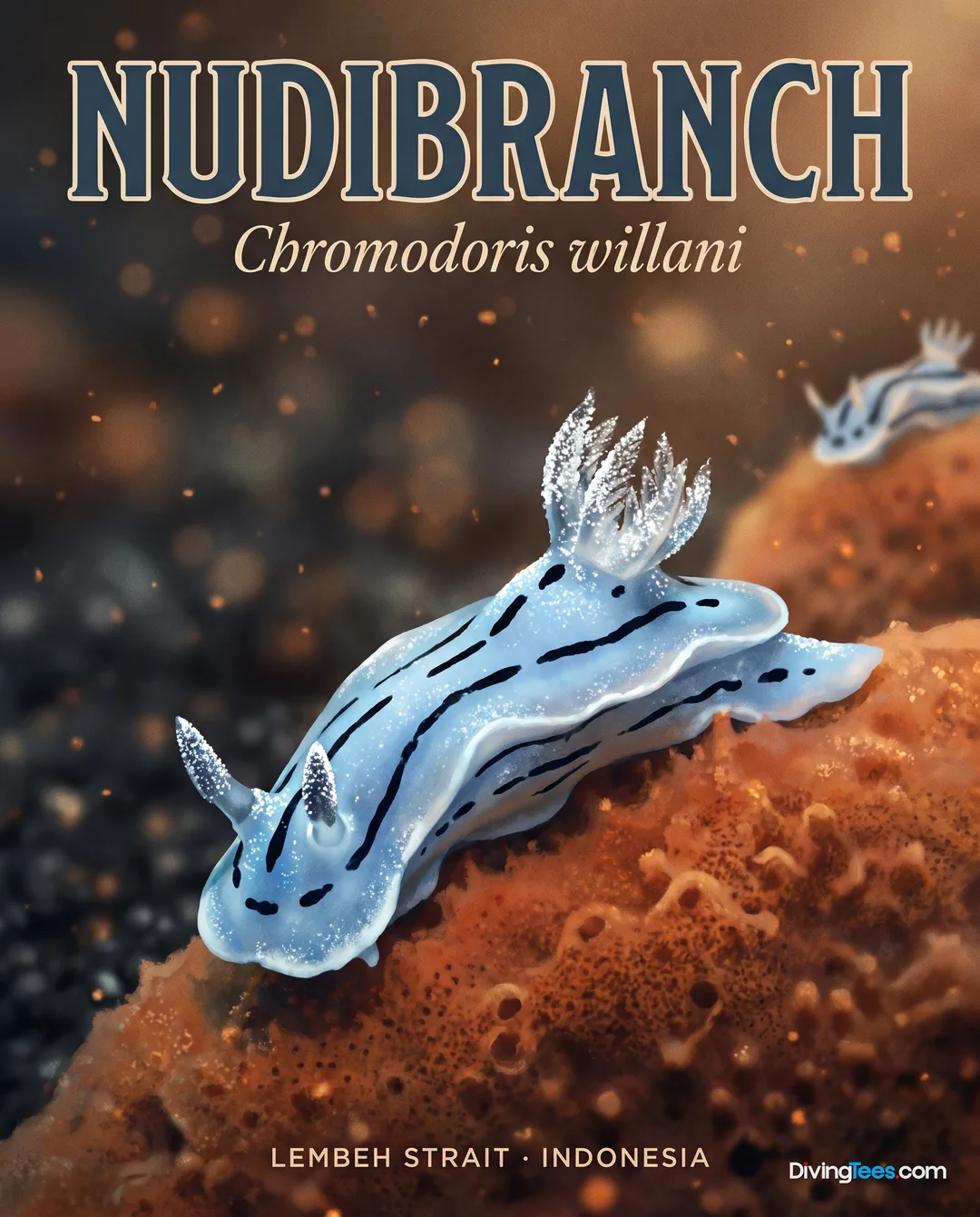
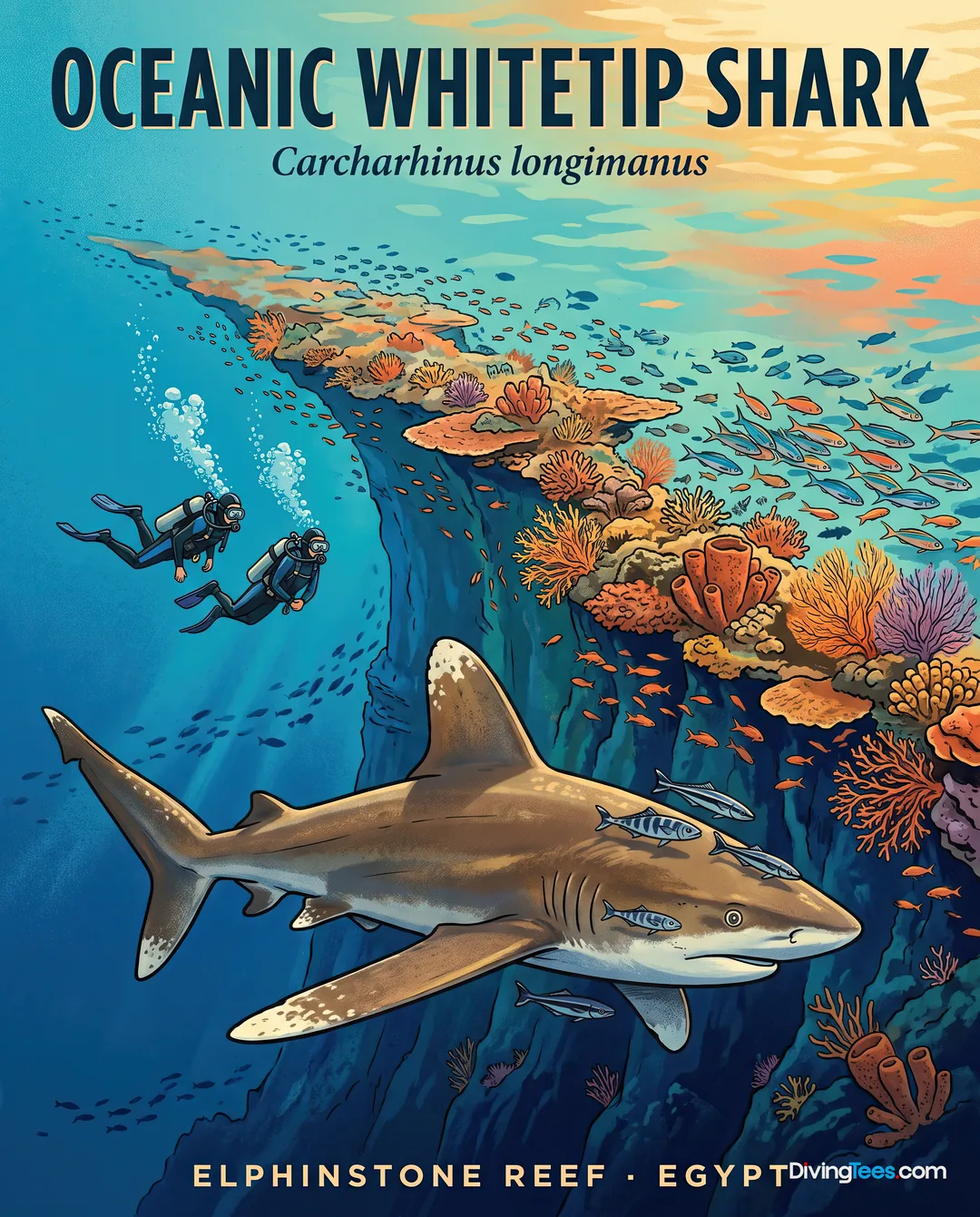
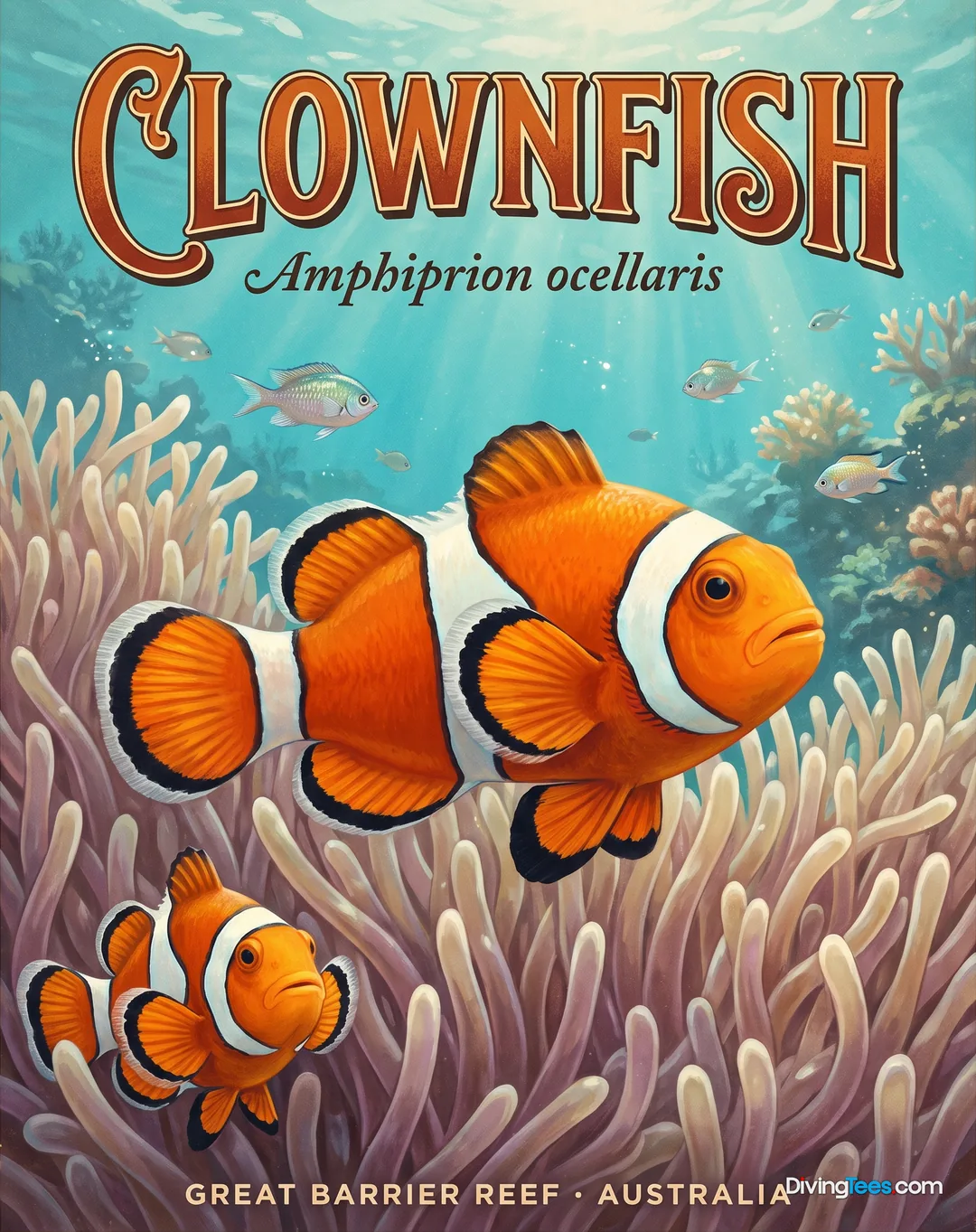
Across the route, barracuda, trevally, leopard sharks, sea turtles, reef sharks, manta rays, whale sharks, tuna, giant morays, nudibranchs, octopuses and ghost pipefish are among the recurring possibilities. The sites earn their place through different kinds of encounters: currents at South Tip and Koh Tachai Pinnacle can draw pelagics across soft coral and the pinnacle, while the granite ridges and passages of Christmas Point, Deep Six and Shark Fin Reef give reef sharks, leopard sharks and large schooling fish room to pass. Some sightings are tied to one particular stop. Koh Tachai Pinnacle is the place on this route for the oceanic whitetip shark, as well as labrids and boxfish. King Cruiser Wreck holds the recorded anguilliform eels and crabs. Banana Bay is the site for porcupinefish, Koh Waeo for clownfish, South Tip for surgeonfish and unicornfish, and Breakfast Bend for gobies and bannerfish. None is guaranteed; the reward lies in looking closely and reading the water.

Who puts you in the water
The dive team includes two listed dive leaders with 20 years of diving experience in Thailand and abroad, alongside another crew member with 10 years of scuba-boat and yacht experience. The crew speaks English, Thai and Chinese, and a private dive guide can be arranged as an optional extra. Open-water divers can join, as can basic freedivers and non-divers who snorkel. Advanced open-water divers can work around their own needs and timeframe. Diving and nitrox certifications can be arranged as optional extras. Oxygen and first-aid kits are carried on board, and the wider crew is trained in first aid.
The dive deck and the gear
The dive platform is the working centre of the boat, with 12-litre tanks, DIN adapters, nitrox and support for sidemount diving. A diver can bring DIN equipment without relying on a last-minute workaround, while rental equipment is available as an optional extra. The boat carries oxygen, first-aid kits, fire alarms and extinguishers, life rafts, life jackets, marine radios, GPS, radar and sonar. Orca Oktavia also has a photo area and photography service both on the boat and underwater, giving cameras a defined place in the diving routine.
Between dives
The sun deck is the natural place to settle between dives: open to the light, useful for drying off, and especially suited to photographs when the sun drops. The boat also has an air-conditioned indoor saloon for the hotter part of the day, with more than 1,000 films available through the televisions. A massage chair in the Deluxe King cabin gives one passenger a private way to deal with tired legs, while the photo area keeps cameras and image work close to the diving routine. When there is no dive, the gap can be spent outside with a drink, in the saloon with a film, or at the table waiting for the next meal. The spaces are made for a mixed group: divers, photographers and snorkelling non-divers can all occupy the day differently.
A day on board
A day on Orca Oktavia is built around the order of diving rather than a fixed clock. The first briefing comes before the first entry, followed by food, hydration and time on the deck before the next dive. Between sites, the boat moves through the Racha area while passengers dry off, eat snacks, work on photographs, watch films or retreat to the air-conditioned saloon. Meals punctuate the day, with buffet food ready for a group that has been breathing, swimming and carrying equipment for hours. The last part of the day belongs to the surface: sunset on the sun deck, dinner, images from the water and the option of a quiet cabin.
What you eat aboard
Meals are served as full board, with buffet service combining local and Western food. Vegetarian and vegan options are available, and non-alcoholic drinks, water, tea, coffee and snacks are included through the day. The galley is run by a head chef with hotel experience in Thailand and abroad, supported by a second chef, so the table is more than a quick refuelling stop between dives. Fine-dining service includes draft beer and red wine, while wine can also be ordered as an option. On a trip built around repeated entries into the water, the important point is regular access to food without turning every meal into an event. Eat, hydrate, return to the deck, and be ready for the next briefing.
Nights at sea
The cabins are named after Andaman Sea animals, and the categories run from Deluxe King and Deluxe Twin to Twin Standard and Double Standard. The difference between them is felt most in space and position: the Whale Shark suite is 13 square metres, the Deluxe cabins measure 9.5 and 8.6 square metres, and the standard rooms are more compact. Every room has a private bathroom, hot-water shower, air-conditioning, television, refrigerator, hair dryer and a large window bringing in natural light and sea views. The Deluxe King cabin has a massage chair, a rare touch on a dive boat and a useful one after a long day in the water. These are enclosed, practical rooms rather than open-plan bunks. The cabins are non-smoking, and daily cleaning keeps the small spaces workable over four nights.
Deluxe King
Deluxe Twin
Twin Standard
Double Standard
What to know before boarding
The trip departs from Phuket and returns to Phuket. Round-trip airport transfers are included; hotel transfers are available as an optional extra. The airport arrangement should be made with the operator before arrival so the pickup information is clear. Arriving in Phuket the night before remains the sensible way to protect the boarding day from a delayed flight.
Deck plan
- Year built
- 2003
- Year renovated
- 2024
- Length
- 30 m
- Maximum number of passengers
- 20
- Number of cabins
- 10
- Number of bathrooms
- 13
- Cruising speed
- 8 knots
- Website
- orcaoktavia.com ↗
Hello, I'm Marina, DivingDeal.com's AI assistant. I answer in detail about hotels, dive centres and liveaboards.
Thinking about the whole trip and the flights? Talk it over with Edith →
Marina is an AI. Some links are affiliate links: DivingDeal may earn a commission, at no extra cost to you. Bookings are made with the partner.