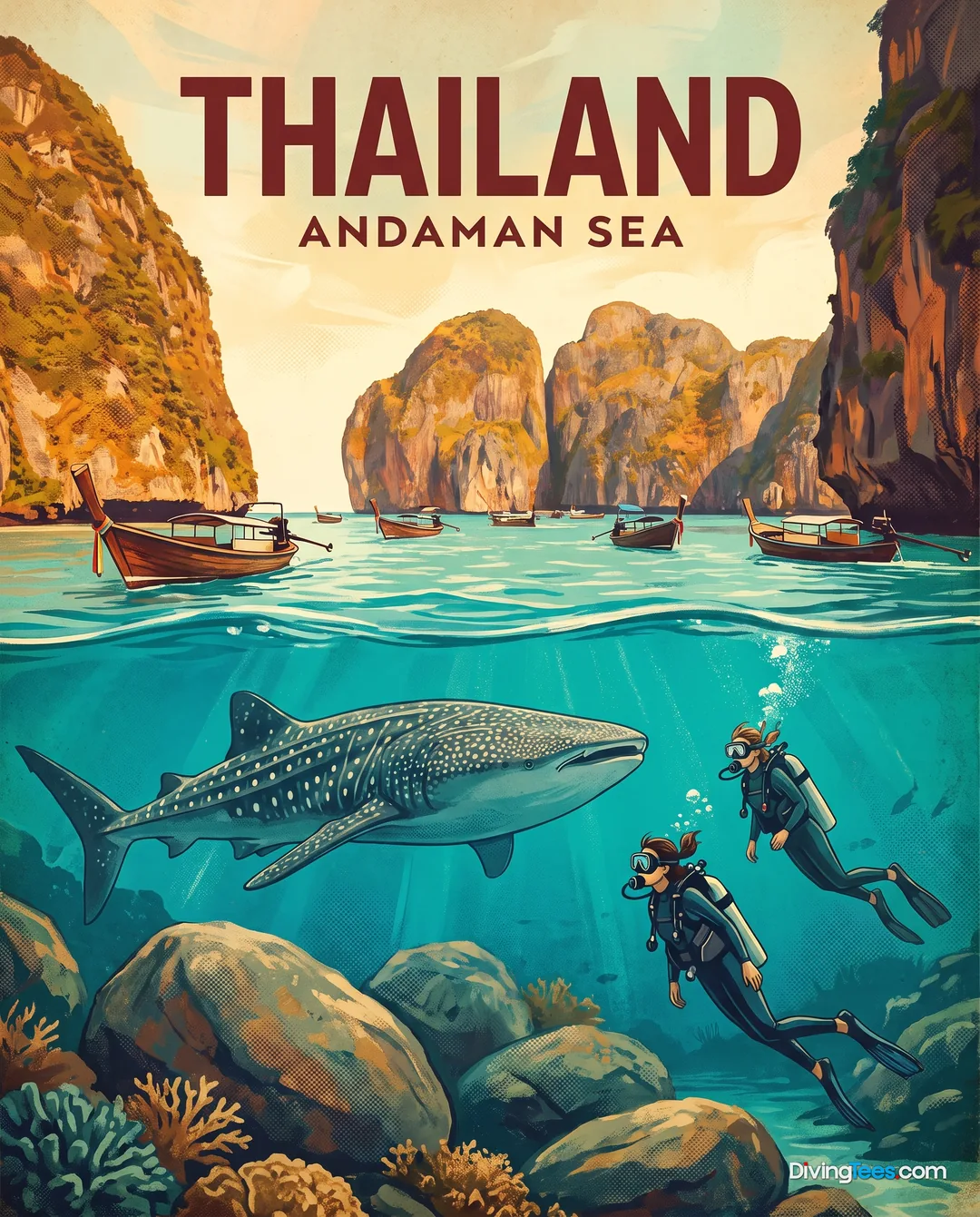
Liveaboards · Thailand
Raga — a spacious steel liveaboard built around serious diving
What makes this boat unique
- Raga is a 37-metre steel liveaboard renovated in 2024 for up to 28 passengers.
- The dive programme covers the Similan Islands, Koh Bon, Koh Tachai, Richelieu Rock and Boonsung Wreck on 5-day, 4-night trips, with South Andaman routes also available.
- Every cabin has air-conditioning and a private bathroom; the Master Suite adds a TV and mini-fridge.
- Nitrox, DIN adapters, camera rinse facilities, two tenders and night dives are available on board.
The invitation
Raga makes sense for divers who want the range of a large liveaboard without giving up the details that matter underwater. The route reaches the granite boulders of the Similan Islands, the manta cleaning station at Koh Bon, Koh Tachai and the whale-shark country of Richelieu Rock, with wreck diving included on the classic northern itinerary. The boat was renovated in 2024, and its strongest points are clear: diving and food both score at the top of the passenger feedback, while the crew scores just behind them. That combination matters after several days at sea. Raga is not the intimate choice for a small group that wants to know every passenger immediately; it is the better fit for divers who value space, private cabins, a large dive operation and a crew that keeps the practical side of the trip orderly.
Boarding
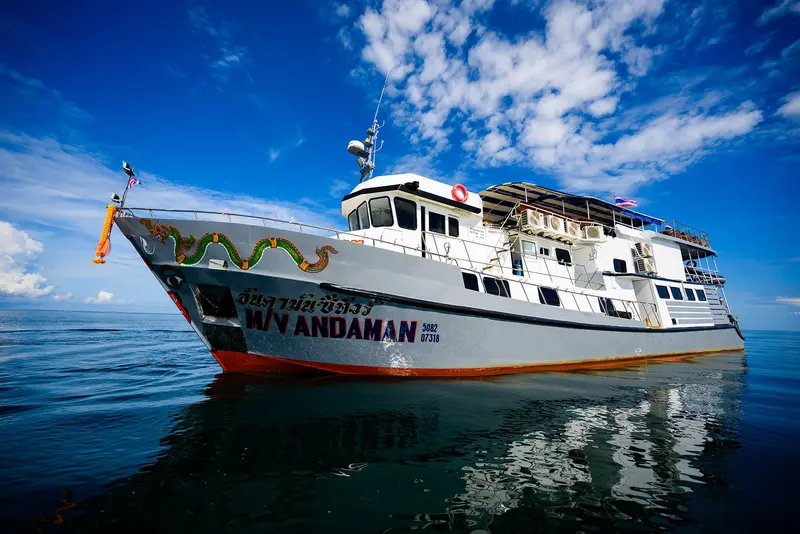
Raga arrives as a substantial steel vessel rather than a compact diving boat. The 2024 renovation gives the accommodation and shared areas a current, maintained feel, while the scale leaves room for a proper saloon, an outdoor terrace and a dive setup designed for repeated entries and exits. The engines are Cummins, and the boat cruises at 8–10 knots, enough to connect the Andaman sites without making the crossing itself the main event. Once aboard, movement is straightforward: cabins sit on the lower deck, while the common areas give passengers a choice between air-conditioned shelter and open air. Two tenders handle the transfer to the sites, so the mother ship can stay clear of the reef while divers return from the water. Raga feels made for a full week of diving, not converted from a pleasure boat and asked to cope.
The atmosphere on board
Raga's atmosphere is shaped less by formal luxury than by how well the crew removes small problems from the day. Passenger feedback describes staff who anticipate needs, divemasters who give clear support and a service that remains attentive without becoming theatrical. The crew speaks English, Thai and Chinese, which helps a mixed group settle into briefings and meals quickly. With up to 28 passengers, the boat is social rather than private: divers meet at the dive deck, compare sightings over food and carry the conversation into the saloon after the last dive. The crew's role is practical and visible—keeping cabins clean, meals moving, equipment organised and the vessel orderly—so passengers can spend their attention on the next descent. Raga suits people who want a polished week with other divers around them, not a silent charter or a tiny expedition where everyone shares one table and one timetable.
The sites you’ll dive
The classic northern trip runs for 5 days and 4 nights through the Similan Islands, Koh Bon, Koh Tachai, Richelieu Rock and Boonsung Wreck. The Similans combine coral reefs with granite boulders and reach a maximum of -40m; Elephant Head Rock drops to -60m through arches, tunnels and caverns where reef sharks shelter. Koh Bon is the manta site: its walls and cleaning station give divers a place to hold position while large rays come in for maintenance. Koh Tachai and Koh Tachai Pinnacle reach -40m, with submerged pinnacles and current sweeping pelagic life across coral. Boonsung Wreck is shallower, reaching -18m, an old tin dredger now crowded with fish. Other recorded northern sites add structure rather than repetition: West of Eden's granite canyons reach -40m, Anita's Reef slopes to -35m, and Breakfast Bend reaches -35m across hard-coral gardens. South Andaman departures run for 4 days and 3 nights, while longer routes may include King Cruiser Wreck, an 85-metre ferry reaching -35m, Christmas Point at -40m, Deep Six at -50m and Shark Fin Reef at -40m.
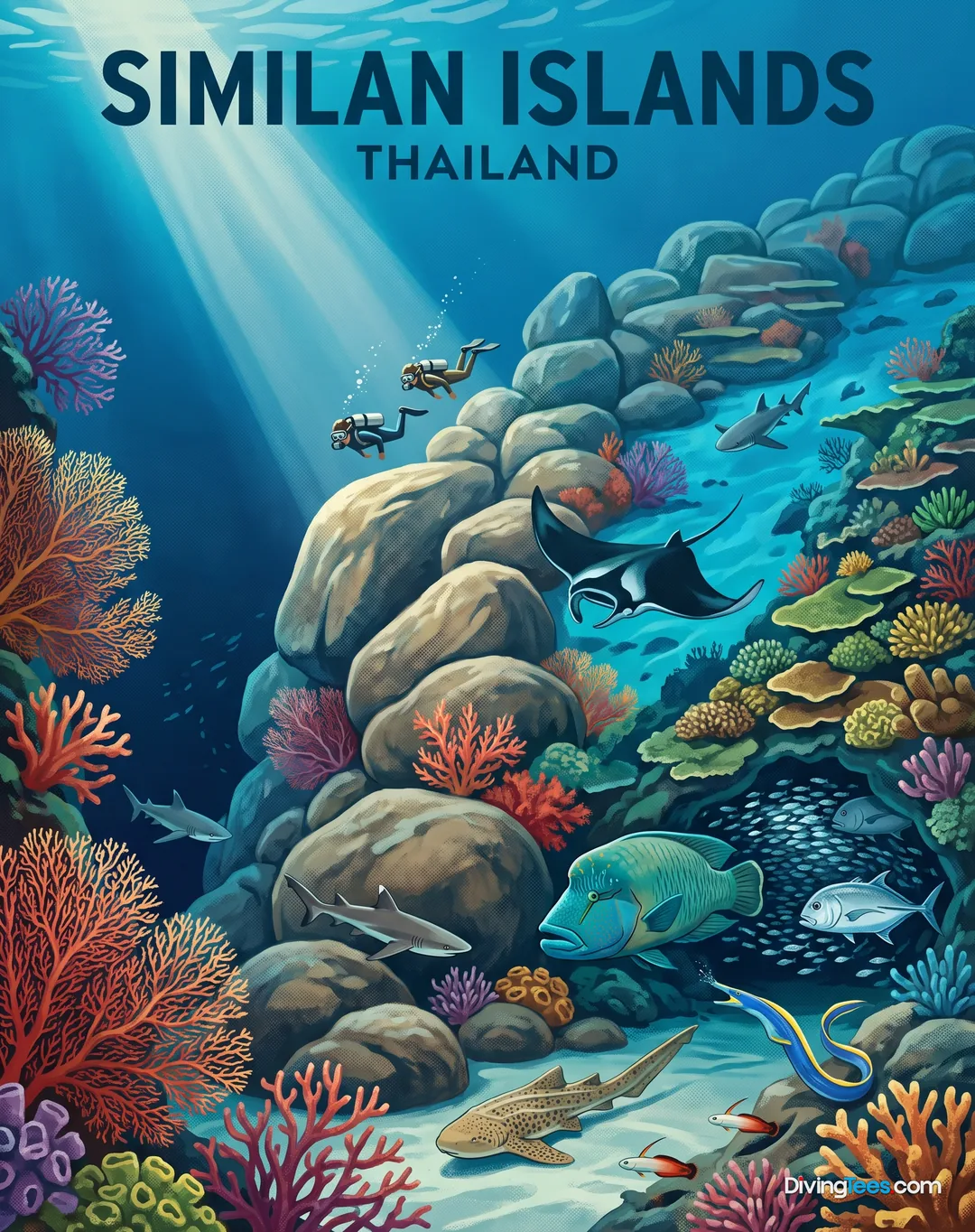
Similan Islands →
Max. depth · 40 m
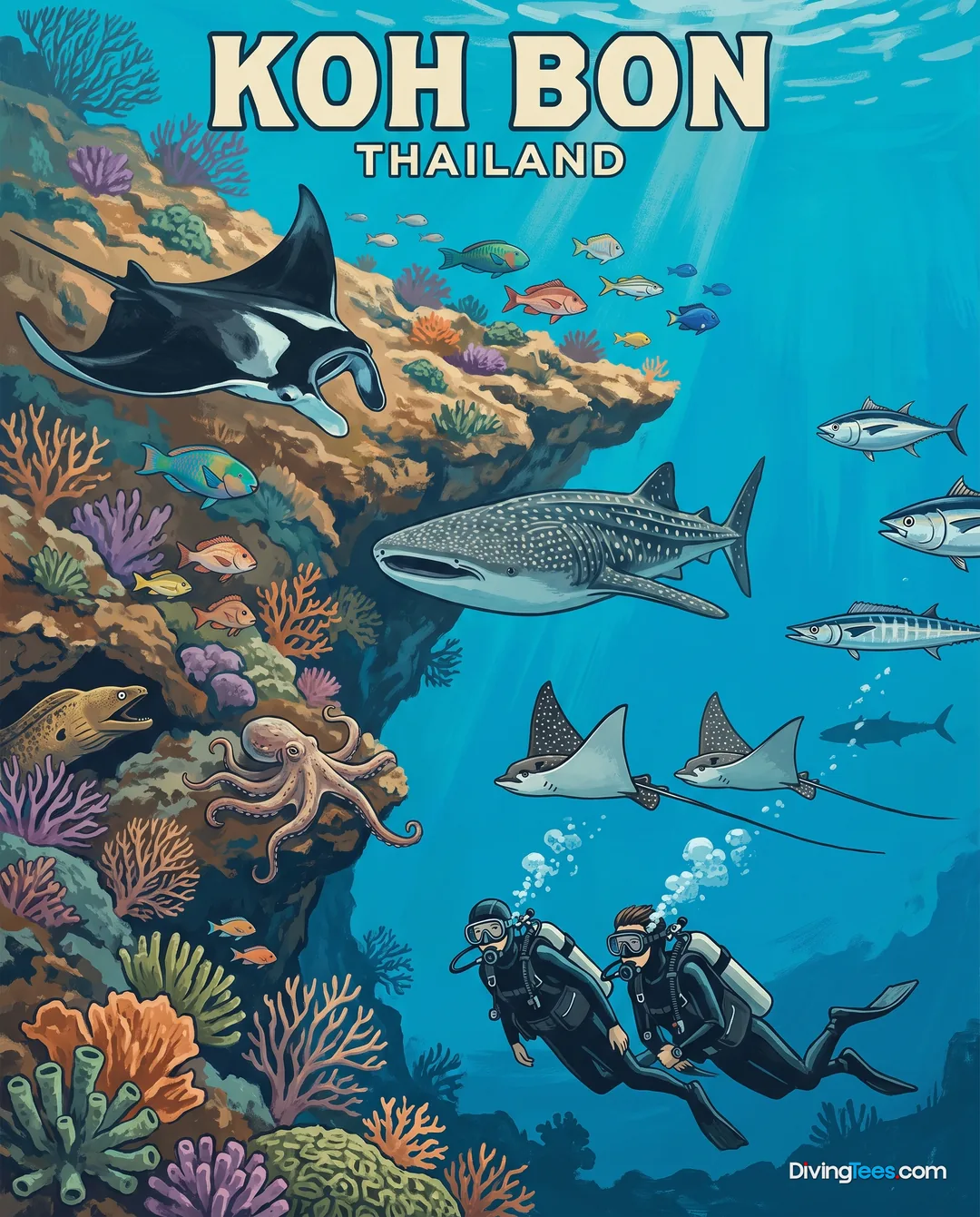
Koh Bon →
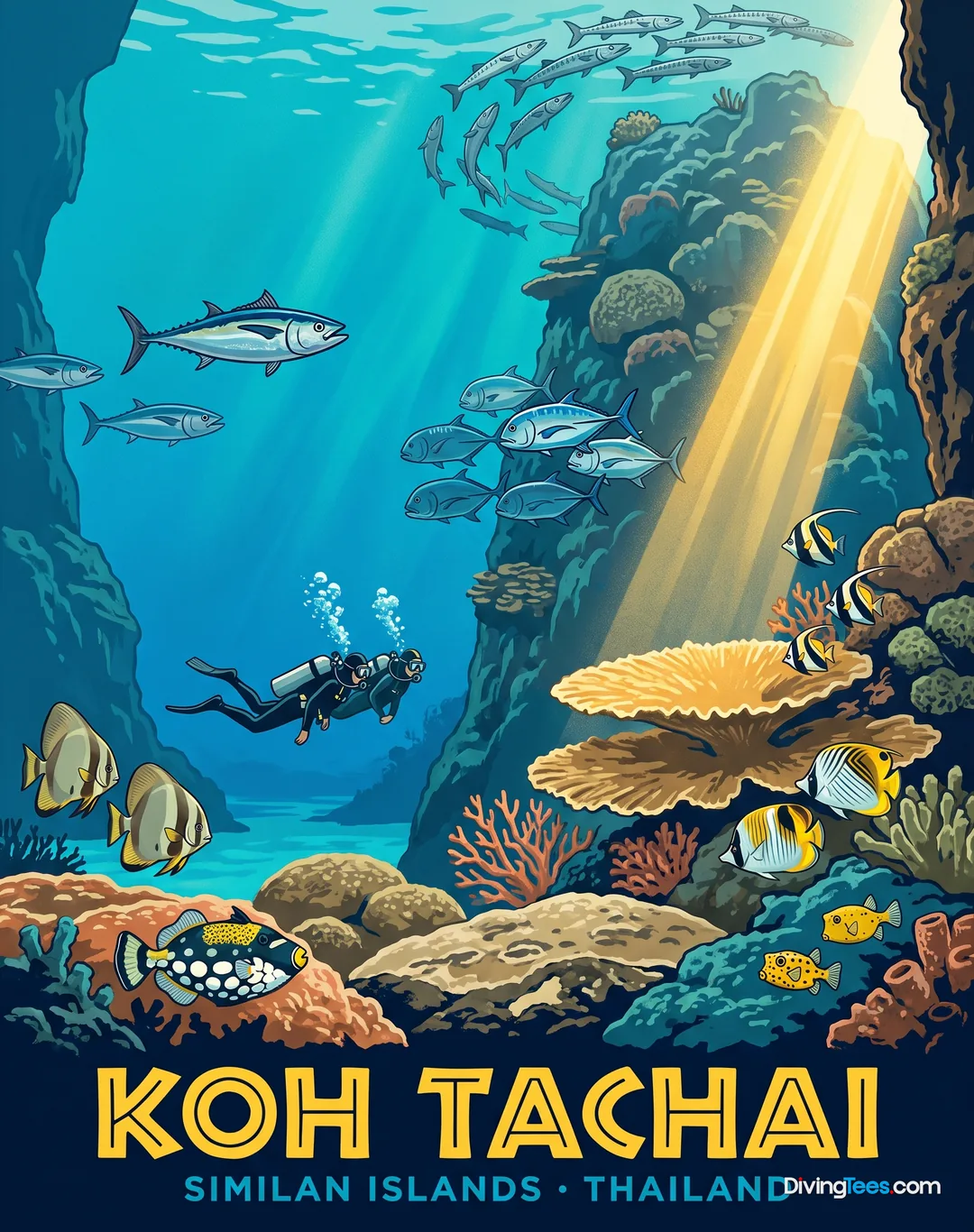
Koh Tachai →
Max. depth · 40 m
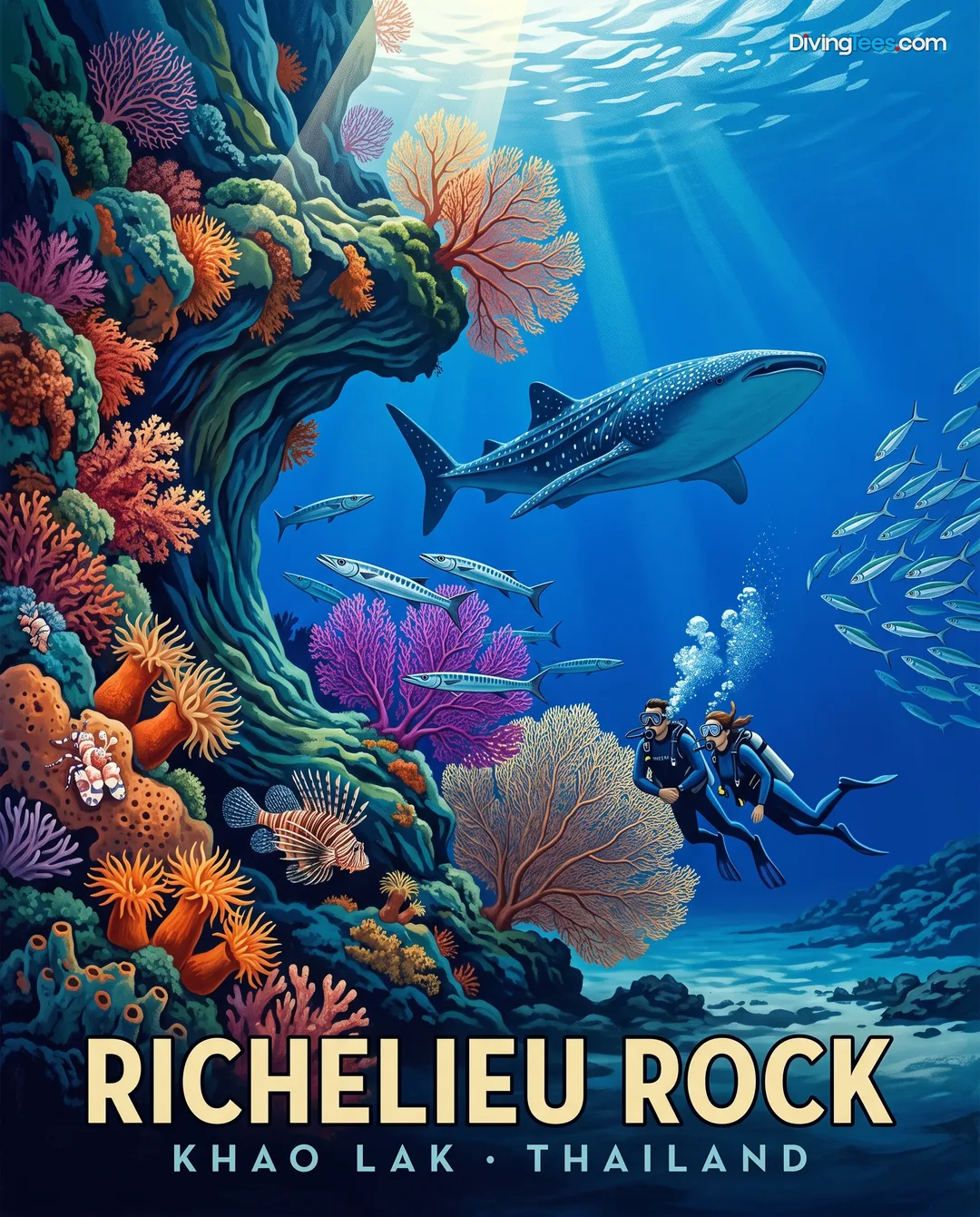
Richelieu Rock →
Max. depth · 35 m
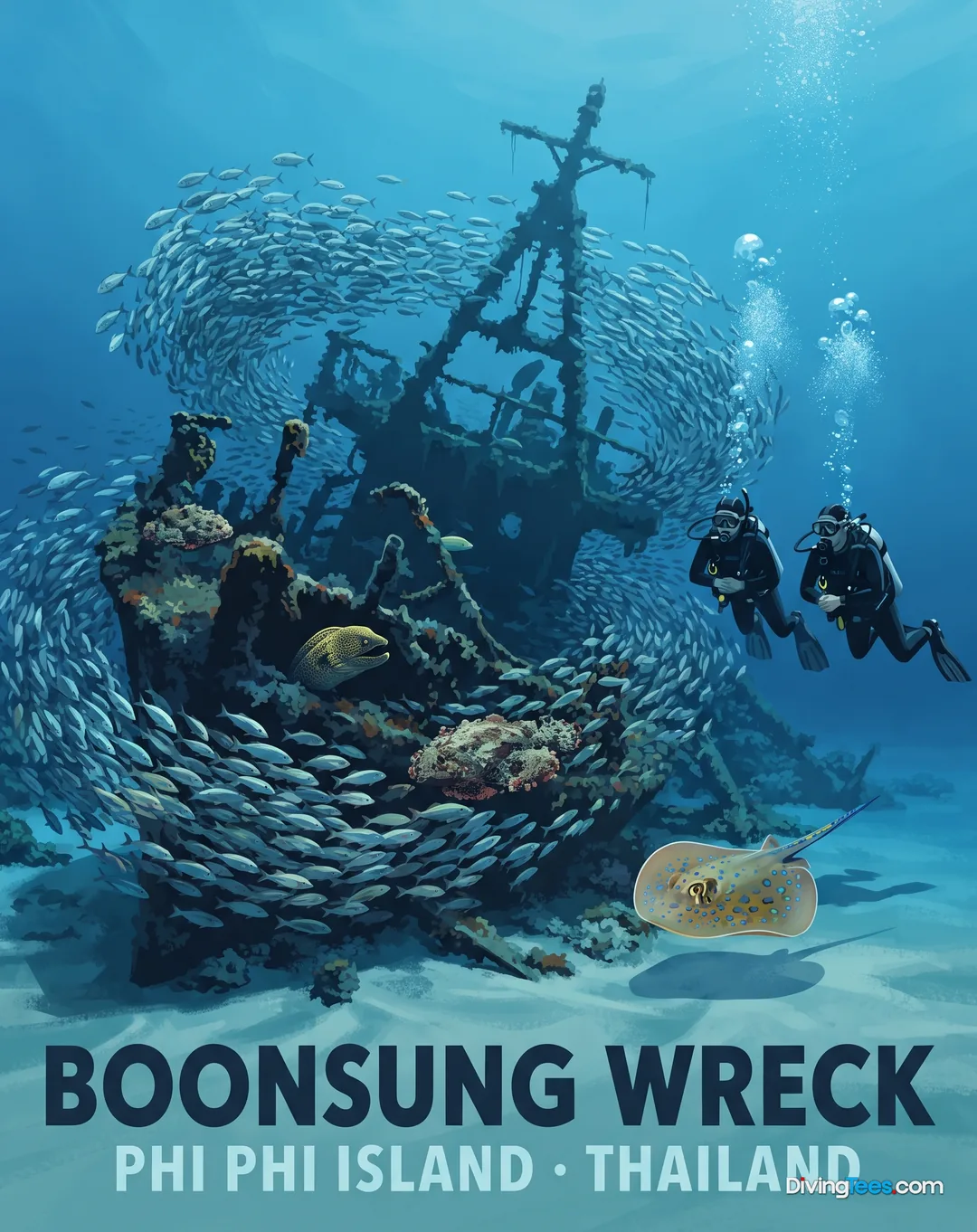
Boonsung Wreck →
Max. depth · 18 m
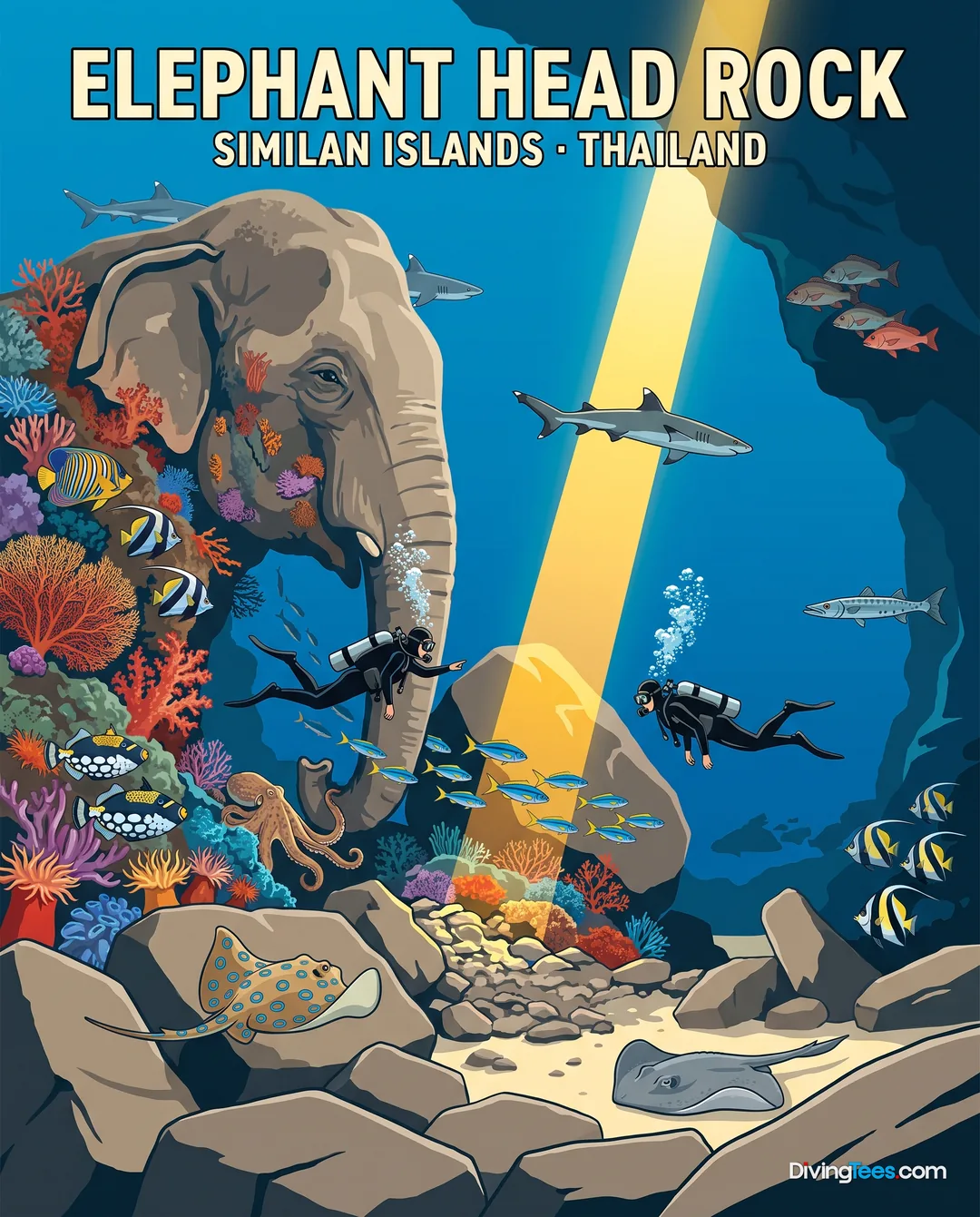
Elephant Head Rock →
Max. depth · 60 m
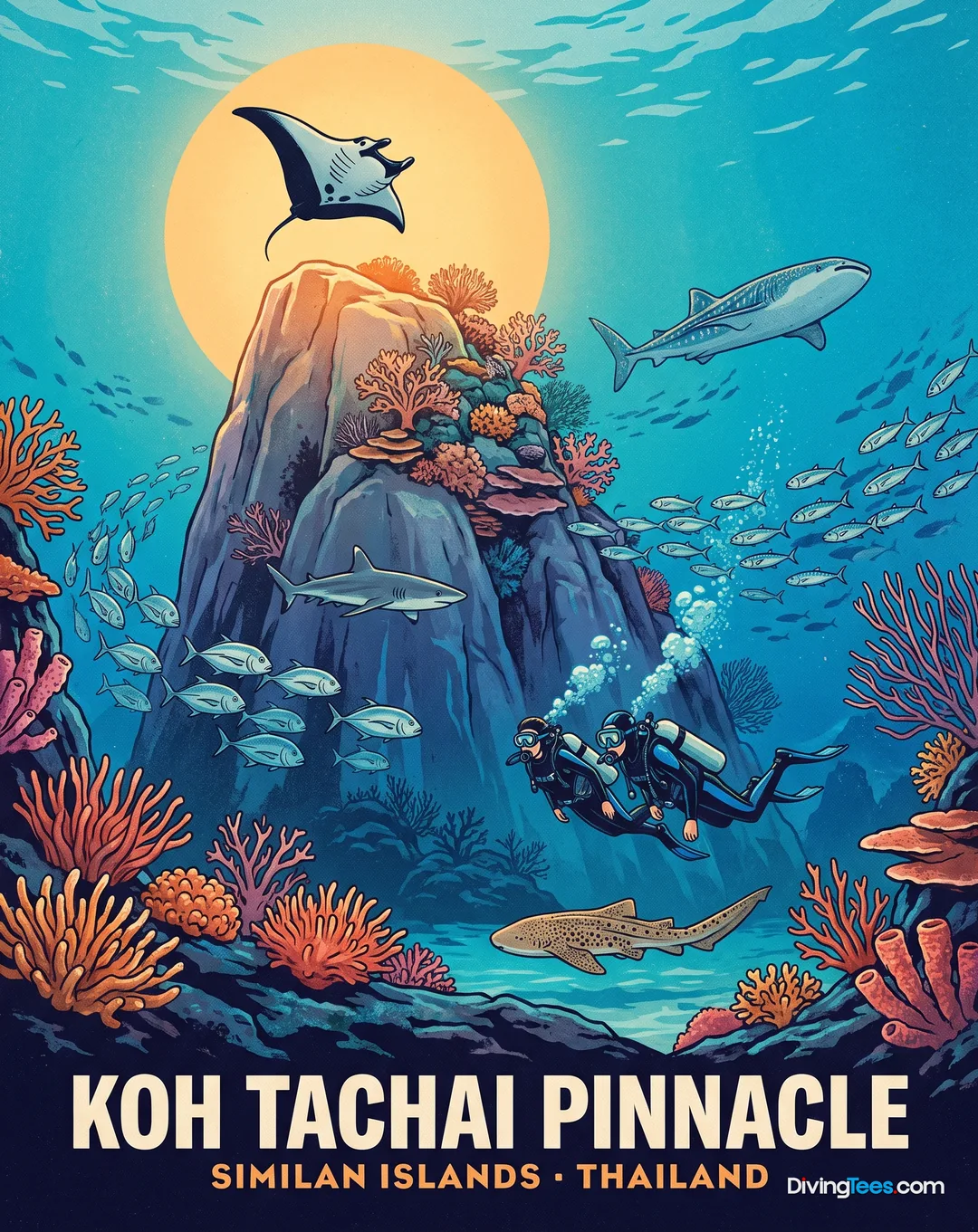
Koh Tachai Pinnacle →
Max. depth · 40 m
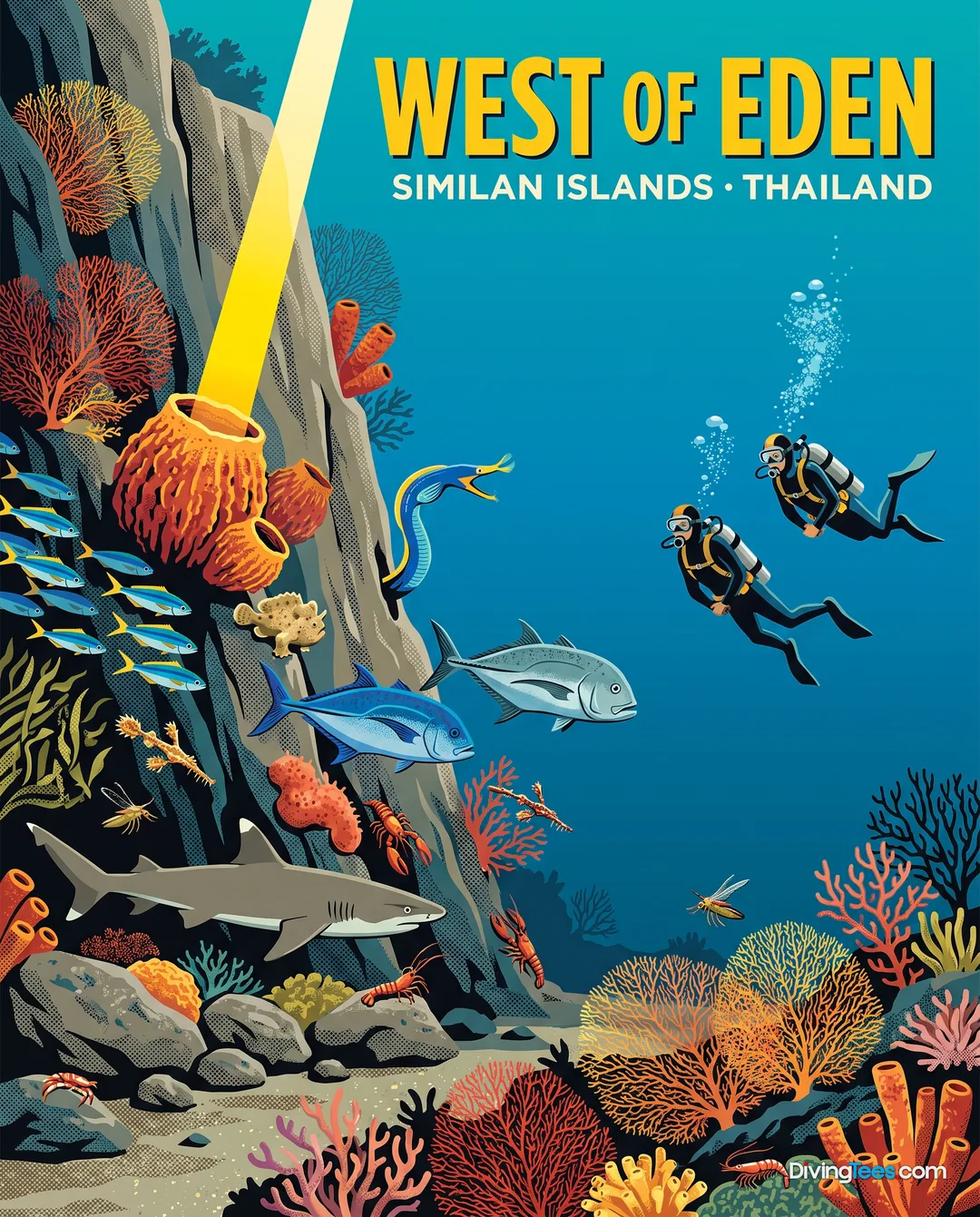
West of Eden →
Max. depth · 40 m
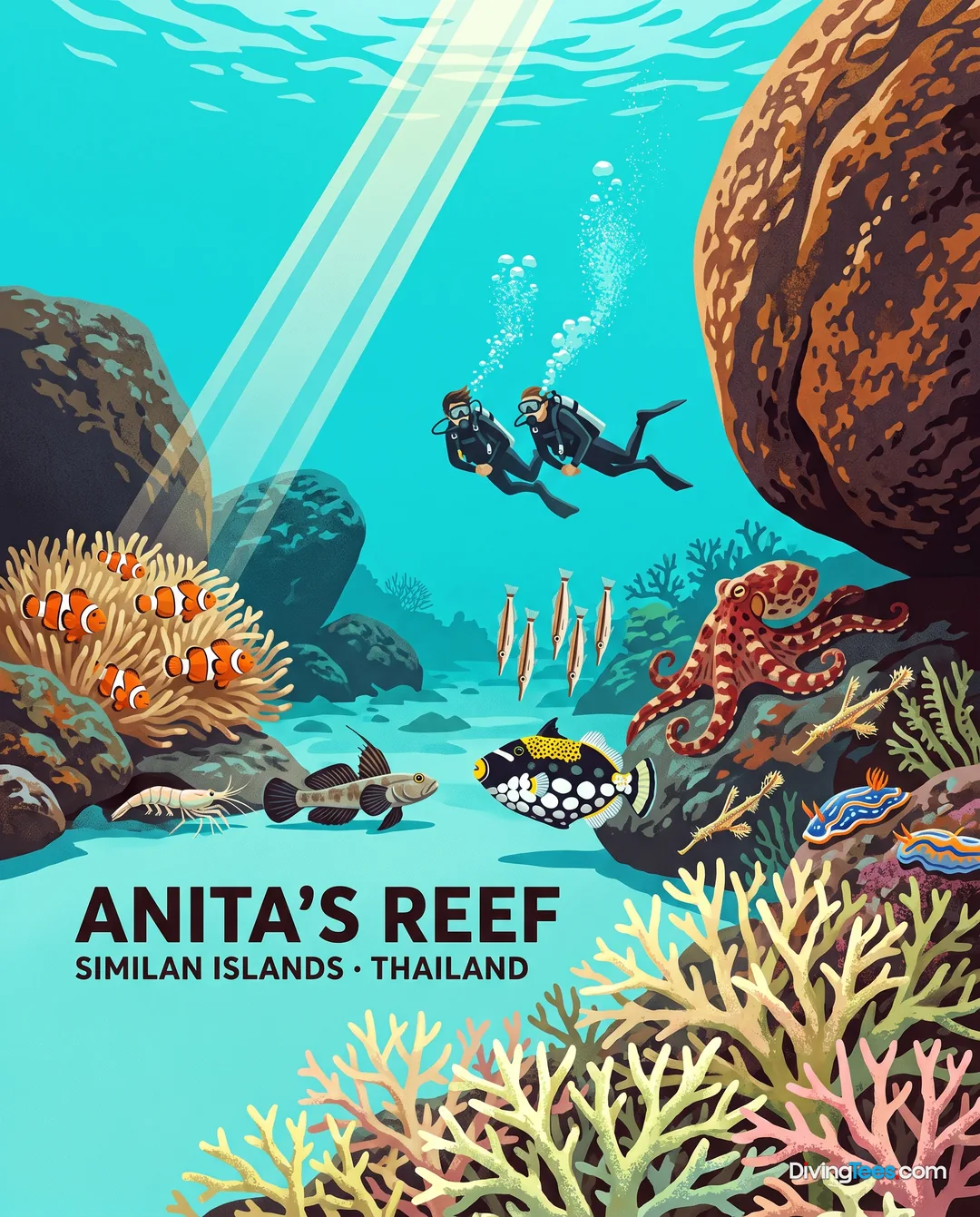
Anita's Reef →
Max. depth · 35 m
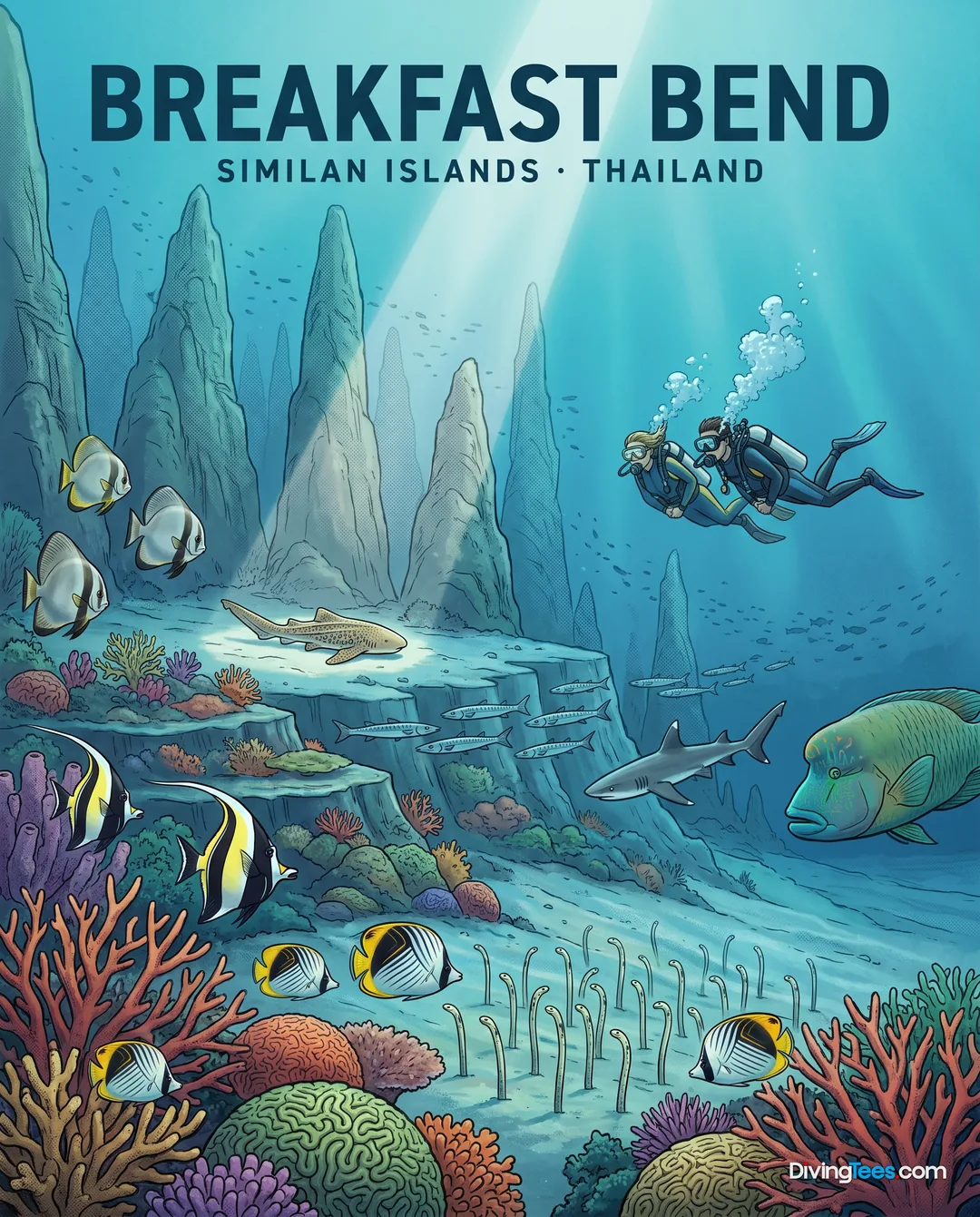
Breakfast Bend →
Max. depth · 35 m
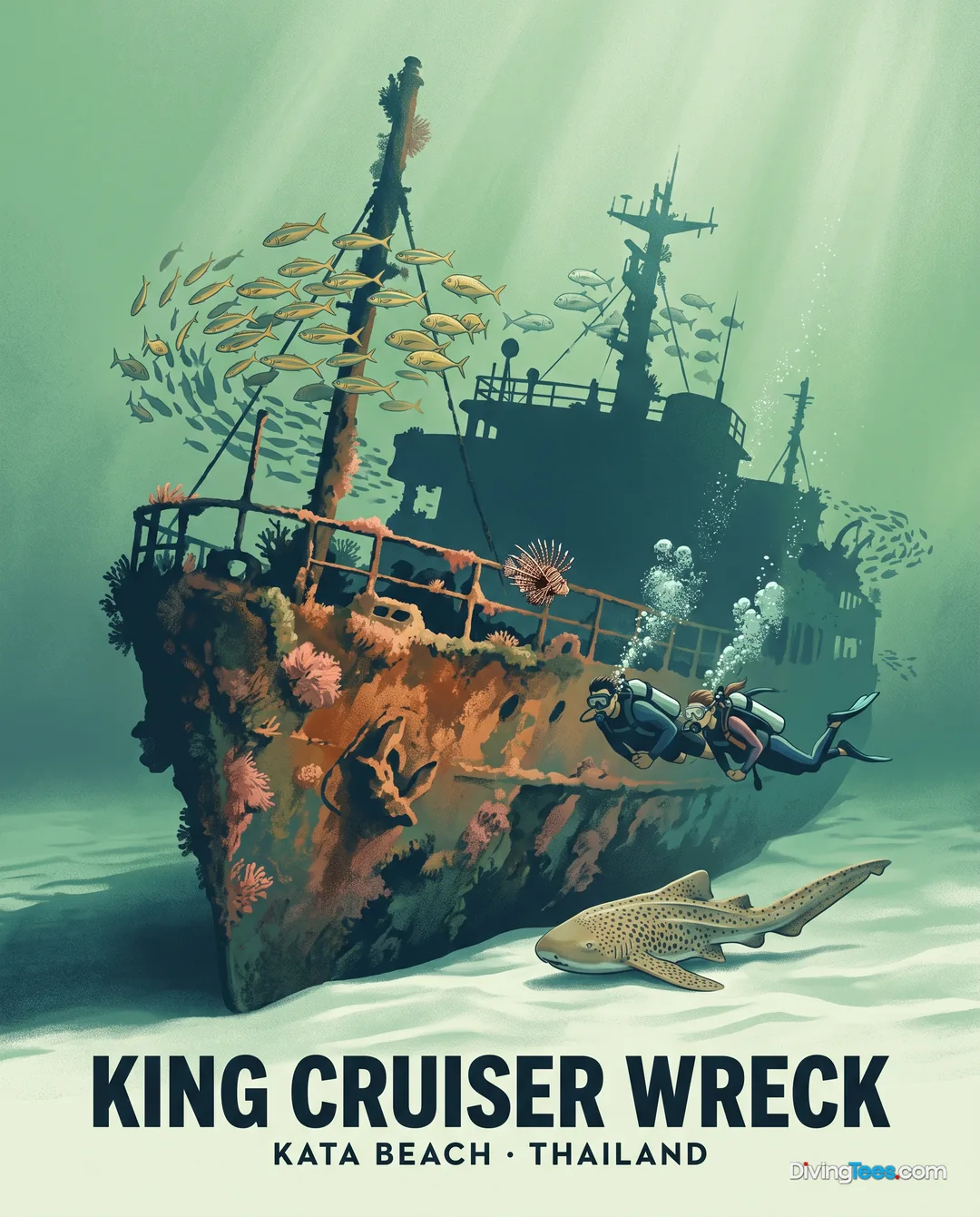
King Cruiser Wreck →
Max. depth · 35 m
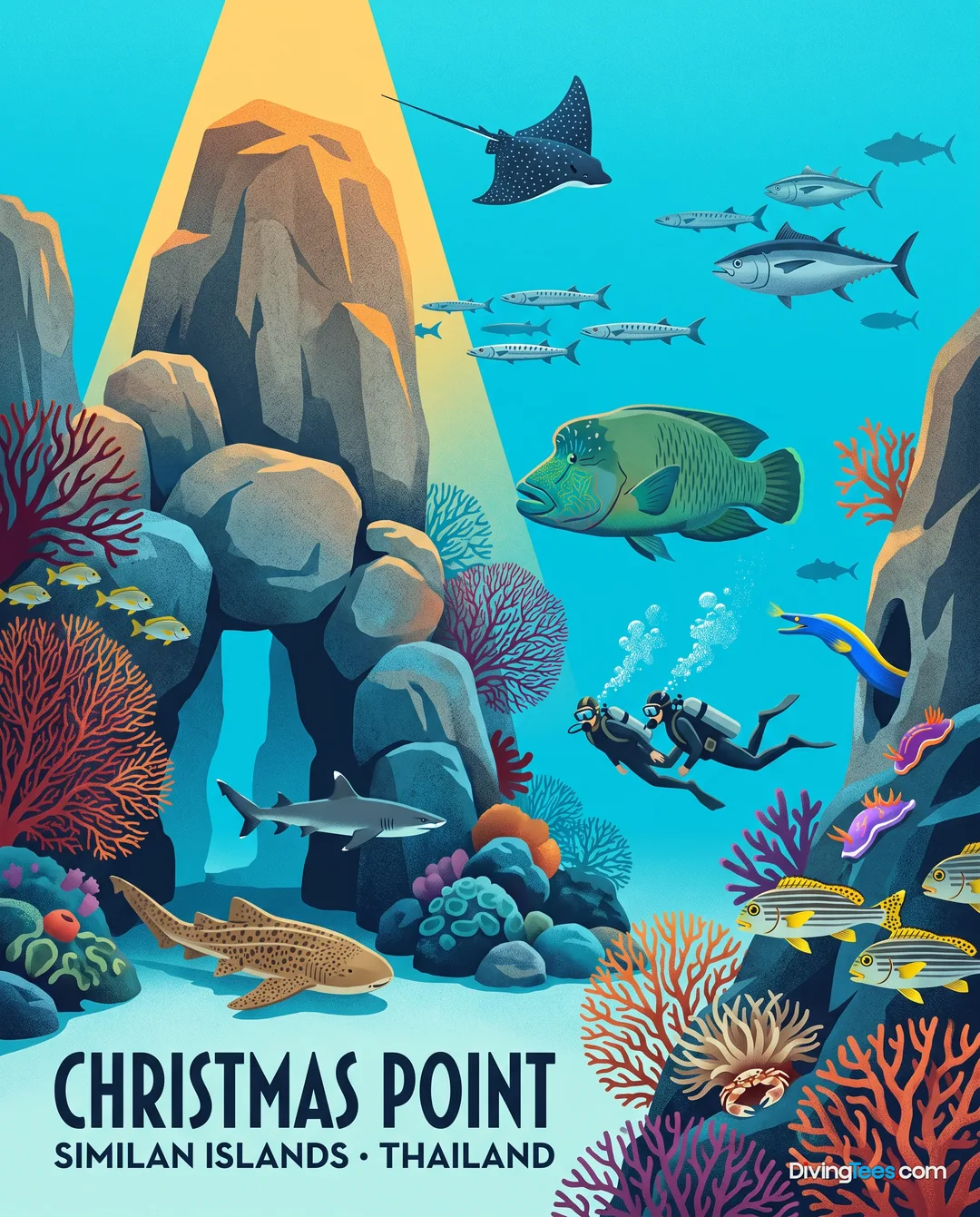
Christmas Point →
Max. depth · 40 m
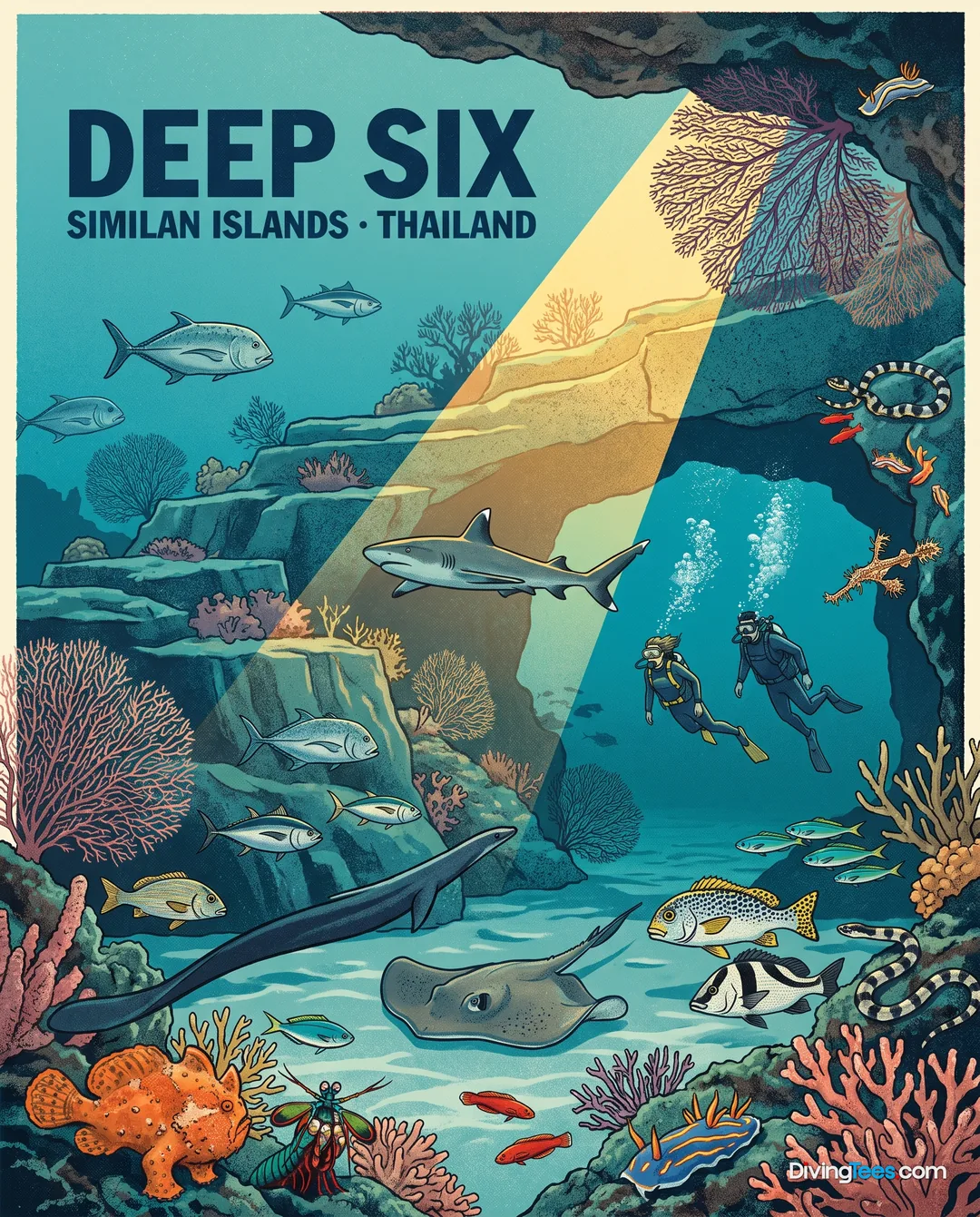
Deep Six →
Max. depth · 50 m
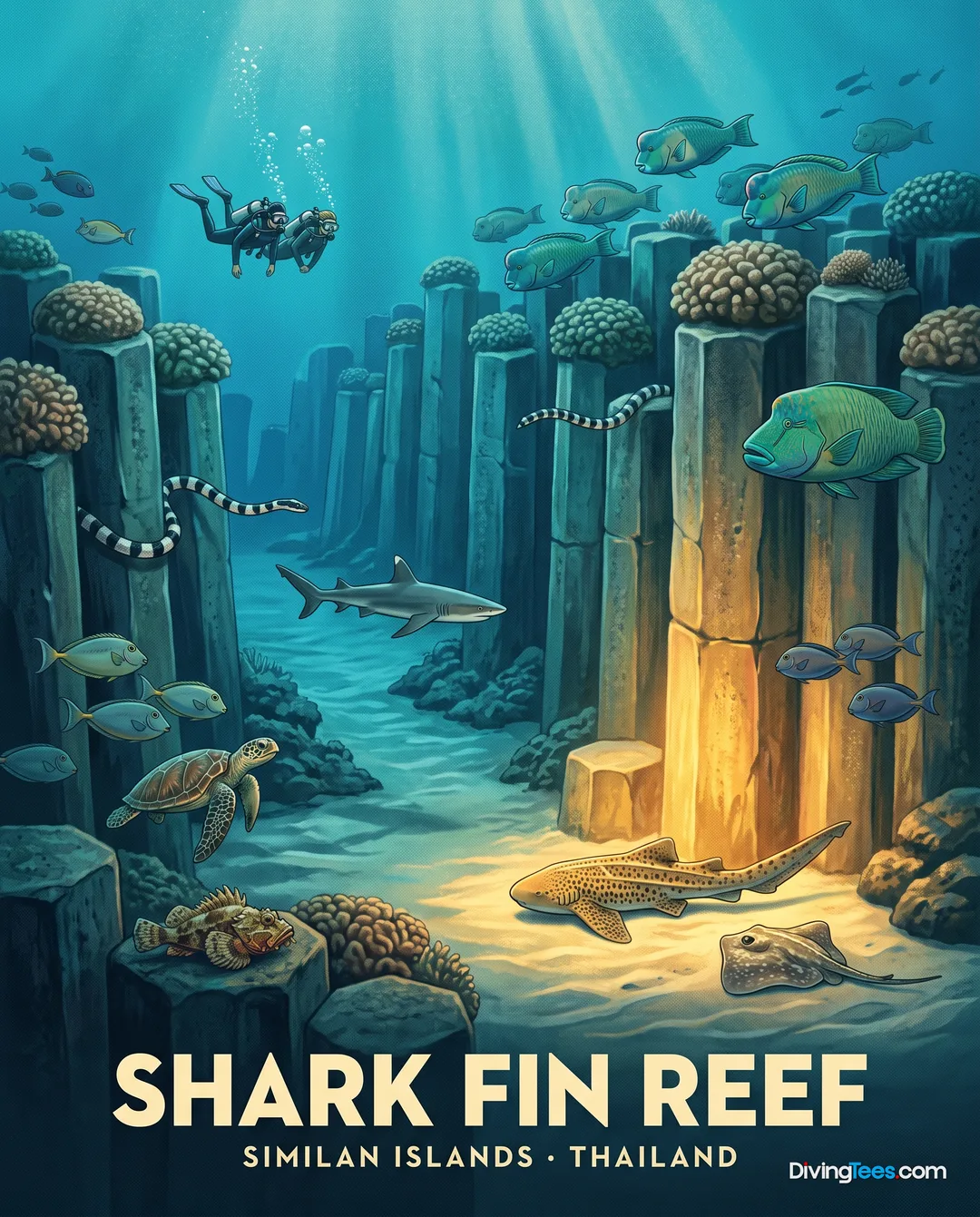
Shark Fin Reef →
Max. depth · 40 m
Itineraries, dates and prices
Prices per person. Each month shows its lowest price: click a month, or pick an itinerary.
Next departures · 42 departuresfrom £702$938€838
October 2026
November 2026
December 2026
See dates and prices
If you click these links and make a purchase on the partner site, DivingDeal may earn a commission, at no extra cost to you.
Dates and prices taken from Divebooker and liveaboard.com, updated 20 October 2026
What you’ll meet underwater
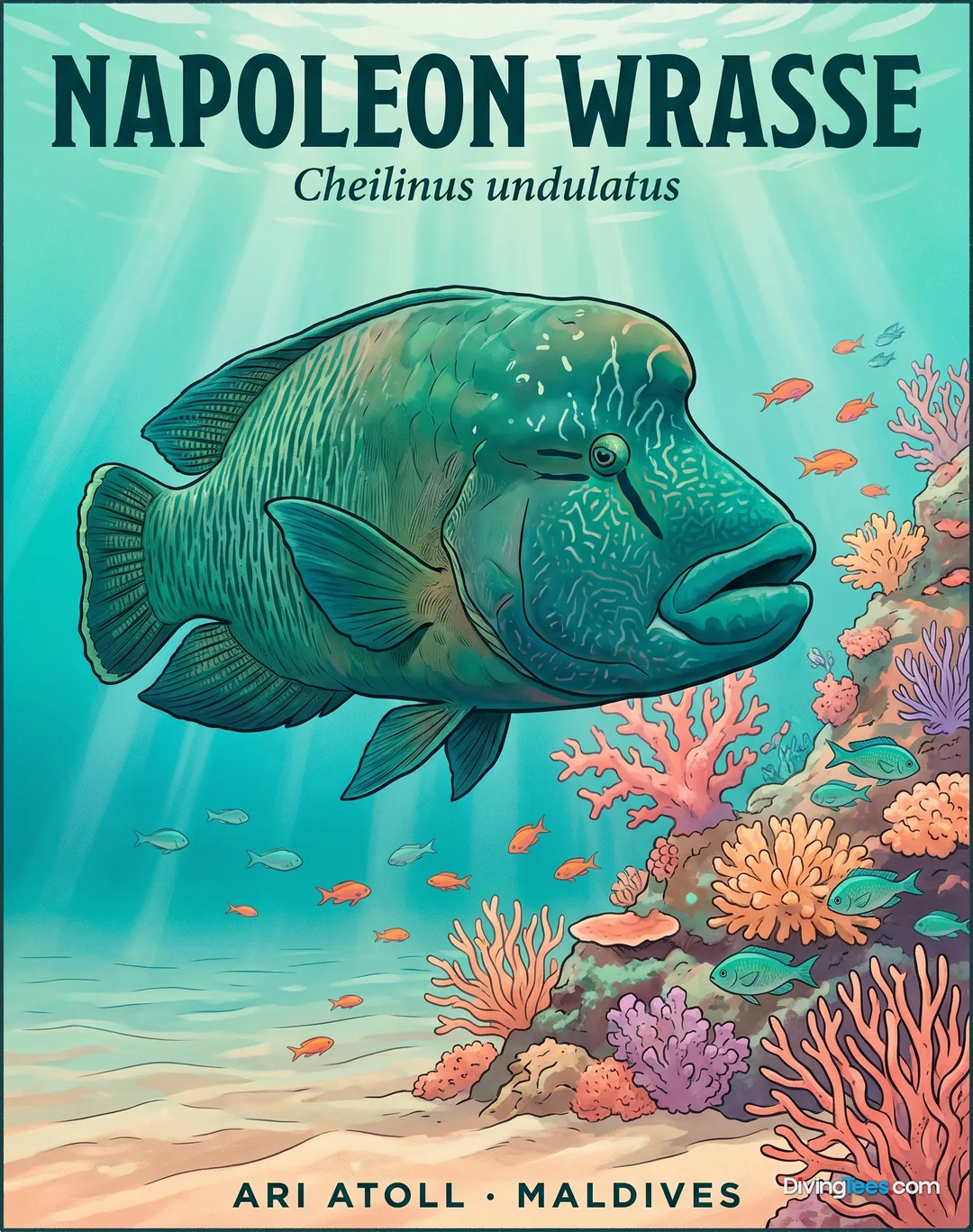
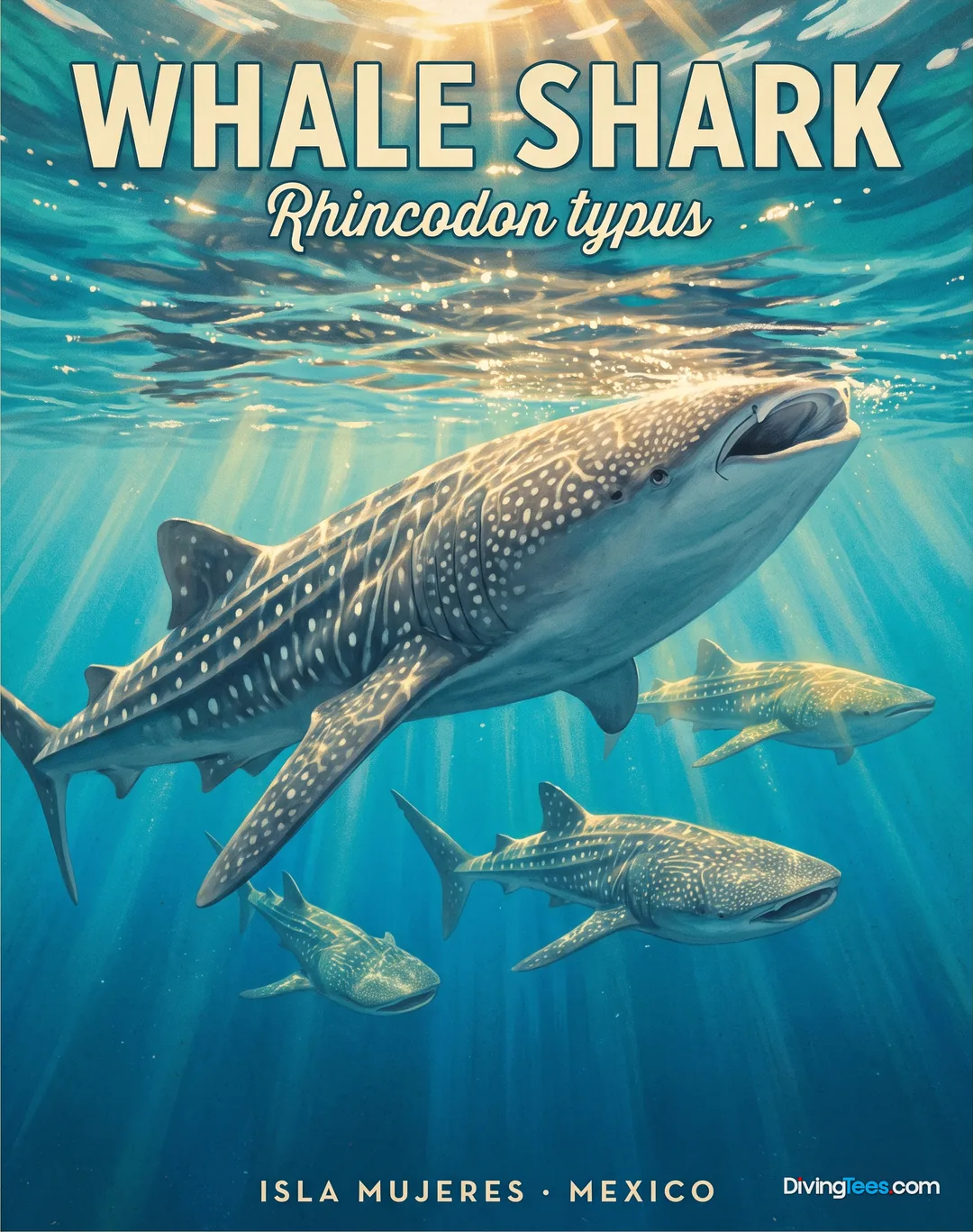
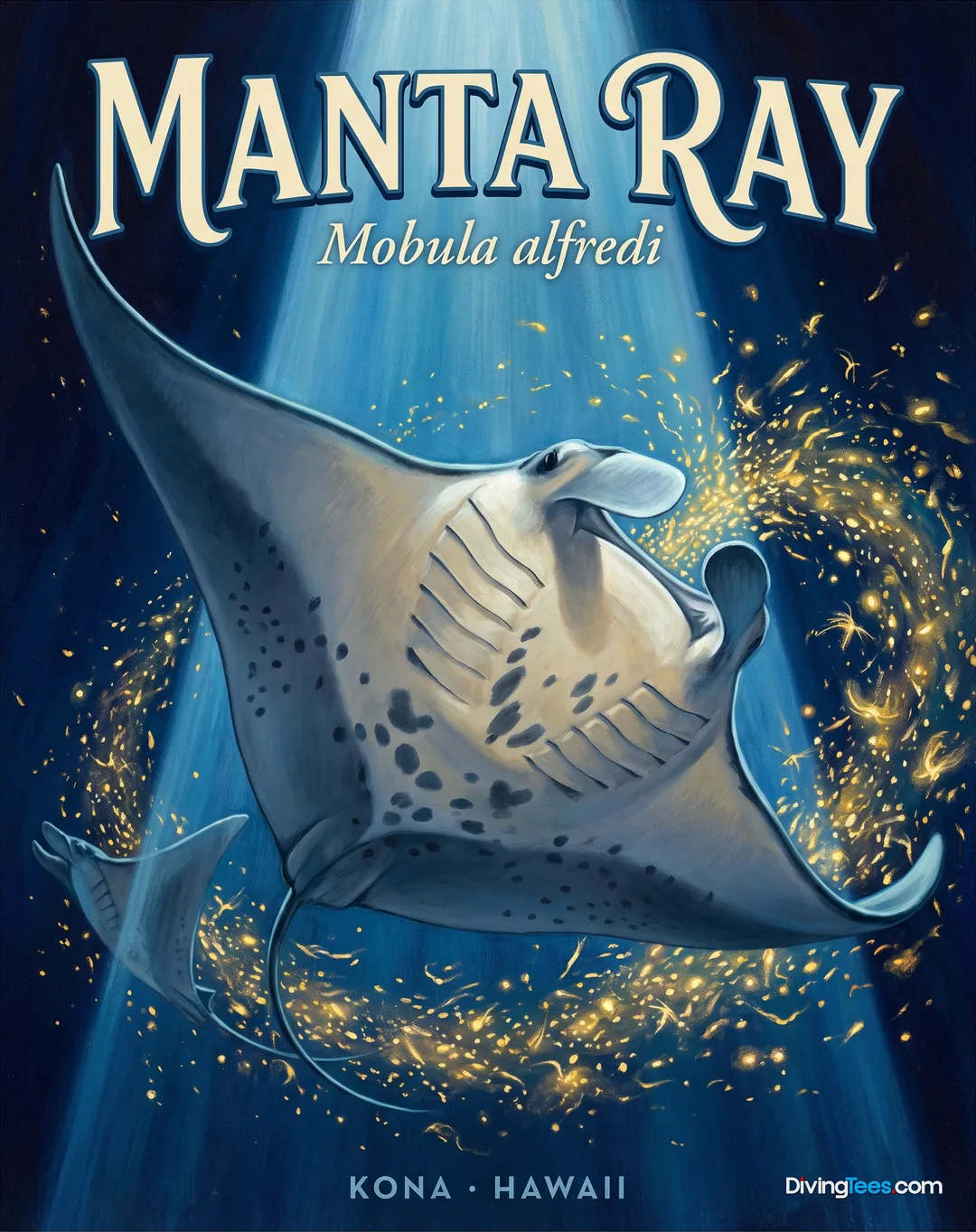
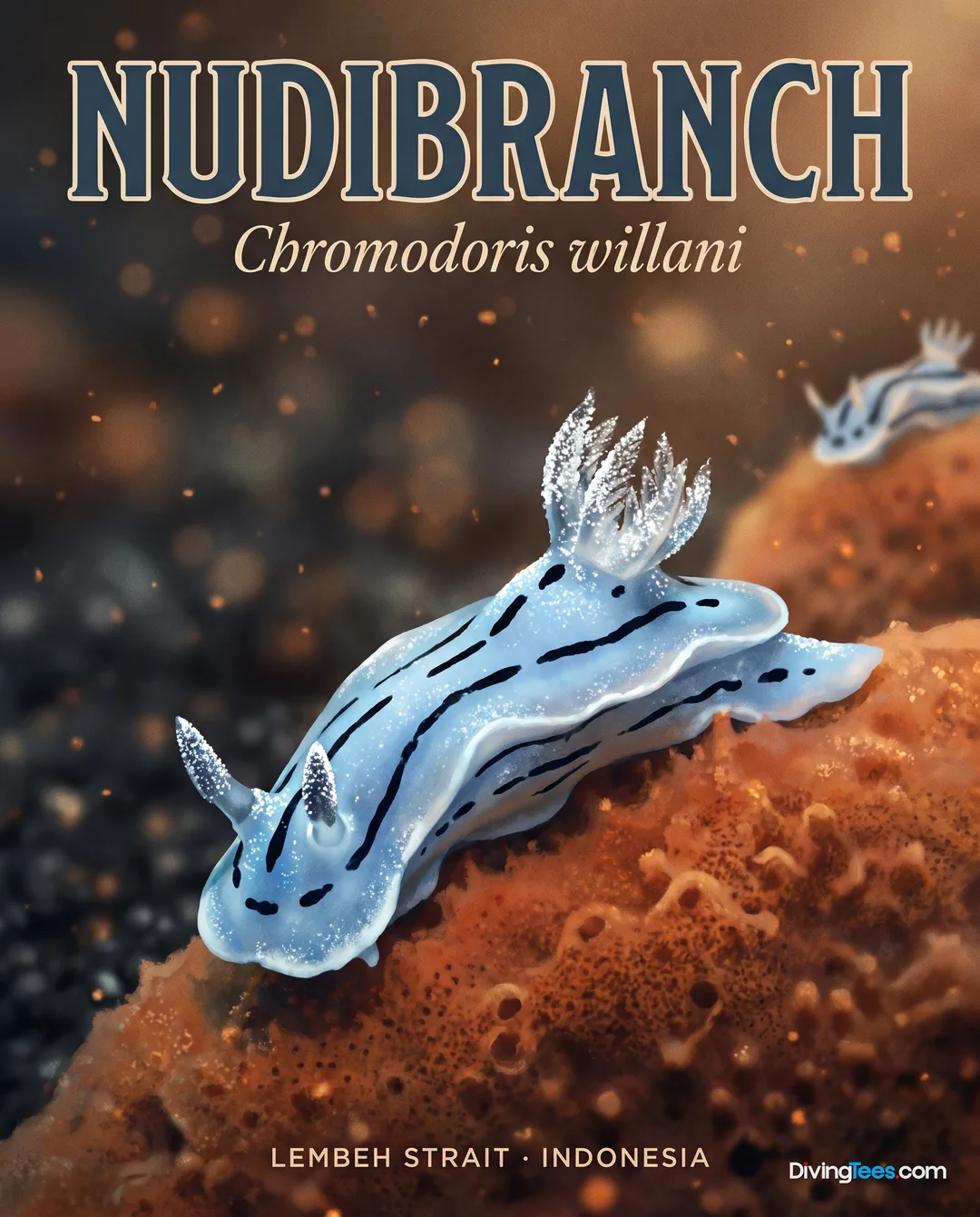
This route repeatedly puts reef sharks, whitetip reef sharks, barracuda, leopard sharks, tuna, Napoleon wrasse, turtles, groupers, whale sharks, manta rays, jacks, fusiliers, nudibranchs and morays in the diver's field of view. The sites change the scale: at Koh Bon, the cleaning station is the reason to watch the blue water; at Koh Tachai Pinnacle, current can bring manta rays, reef sharks and schools of jacks across the pinnacle. The Similan boulders turn the dive into a search through passages and overhangs, while Boonsung Wreck concentrates fish so densely that the surface can disappear behind them. The unusual sightings are site-specific. Garden eels and damselfish are recorded at Breakfast Bend; stonefish and porcupinefish at Boonsung Wreck; bamboo sharks and eels at King Cruiser Wreck; and anemones and sharks at Christmas Point. None of these animals is guaranteed, but the route gives each encounter a particular place to look.
Who puts you in the water
The divemasters are the people who turn Raga's site list into workable dives. Passenger feedback highlights precise dive guidance and knowledgeable staff, and the crew speaks English, Thai and Chinese. Divers are organised into groups for the dives, with private guiding available as an optional extra. The safety equipment is concrete: oxygen, first-aid kits, fire alarms and extinguishers, life jackets, radar, sonar, GPS, VHF/DSC/SSB communications and mobile and satellite telephones are carried on board. The operation suits divers comfortable following a normal liveaboard briefing and dive-group system.
The dive deck and the gear
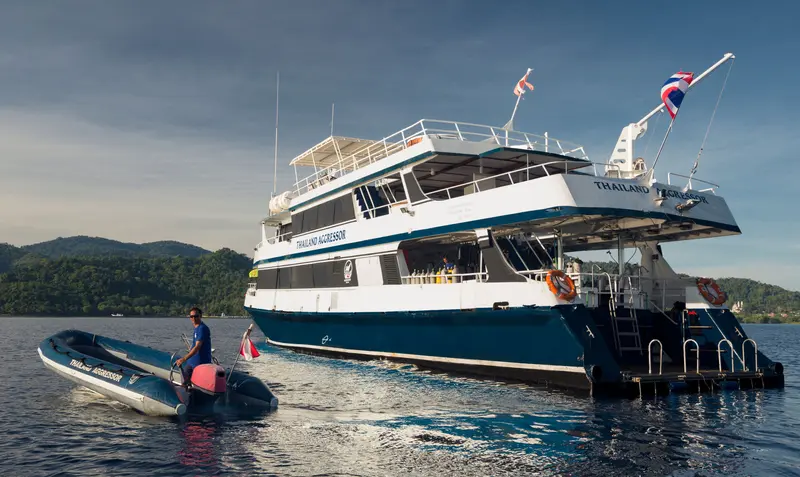
The dive operation is the centre of Raga. Divers use the dedicated platform, rinse tanks and separate camera rinse facilities, with two tenders taking groups out to the sites and collecting them after the dive. The deck is set up for repeated diving rather than one excursion a day: tanks, weights and weight belts are included, and DIN adapters are available for compatible regulators. Nitrox is available as an optional extra, while rental equipment can also be arranged. Night dives are included, so lights, cameras and surface equipment remain part of the working area after sunset. Raga's advantage is the combination of a large platform, tenders and separate camera handling. A private guide can also be arranged as an optional extra.
Between dives
Between dives, Raga gives the day two different rooms. The air-conditioned saloon is the retreat for a nap, a film or a quiet hour with the body still catching up after the morning dives. Outside, the terrace and sundeck provide shade, sun and a view of the islands when the boat is moving between sites. Kayaks are carried for passengers who want to leave the dive routine for a while, and the boat welcomes non-divers who prefer snorkelling to four entries a day. There is also a separate camera rinse area, so photographers do not have to compete with masks, torches and wetsuits in the ordinary rinse setup. The point is not a long list of distractions. Raga gives a diver somewhere dry to recover, somewhere open to watch the sea, and enough deck space to make the hours between dives useful rather than merely endured.
A day on board
A diving day starts before the sun has properly warmed the deck. The first briefing comes before the first descent, then breakfast follows the opening dive; lunch and snacks divide the later dives, and dinner arrives after the last planned entry. On the longer northern programme, divers may make several daytime dives before a night dive, with the boat moving between sites during the surface intervals or after the evening meal. The schedule is built around the water, not around a hotel timetable. A morning on the Similan boulders can give way to Koh Bon's cleaning station, while the next day shifts to Koh Tachai or the wreck at Boonsung. Between entries, divers dry off, check cameras, eat, sleep and listen for the next briefing. At night, the boat either settles around the evening meal or runs the lights and rinse areas for the final dive. Then the cycle starts again.
What you eat aboard
Food is one of Raga's strongest reasons to choose it. Meals are served as a buffet combining local and Western cooking, with vegetarian and vegan options, non-alcoholic drinks, tea, coffee and snacks available through the day; beer is available as well. The important part is timing. Breakfast follows the first dive, lunch sits between the morning and afternoon diving, and dinner closes the working part of the day, with snacks filling the short gaps that appear whenever divers are hungry but not ready for another full plate. On a four-dive schedule, the galley is not decoration: food has to arrive promptly, remain varied and work for people who have just come back from current, depth or a night dive. Passenger feedback consistently singles out the cooking, and the rating for food reflects something more useful than a polished menu—the table keeps its place in the diving day.
Nights at sea
The cabins are air-conditioned and all have a private bathroom, wardrobe, safe and hairdryer. Standard double and twin cabins are the practical choices; Deluxe cabins give more room, while the Master Suite is the clear step up, with a king-size bed, TV and mini-fridge. The cabin deck is below, and the windows are portholes, so these are sleeping quarters rather than observation rooms. That is no criticism: after several dives, a cool, private room with a bathroom matters more than a large window. The air-conditioned saloon gives passengers a place to retreat when the sea is rough or the sun is too strong, and the outdoor areas take over when the weather is kind. Daily housekeeping is part of the service, a useful distinction on a boat where wet kit, towels and dive bags can otherwise make a cabin feel smaller by the second day.
Master Suite Cabin
Deluxe Cabin
Standard Double Cabin
Standard Twin Cabin
Lower Deck Cabin
What to know before boarding
South Andaman departures are listed from Asia Marina and return to Asia Marina. Other recorded Raga departures run from Asia Marina to Thap Lamu, or from Thap Lamu back to Thap Lamu, depending on the itinerary. Airport and hotel transfers are included, with the transfer arranged from Phuket airport or hotels to the pier and back. Arriving in Phuket the night before is the sensible choice, leaving room for delays before boarding.
Deck plan
- Year built
- 2018
- Year renovated
- 2024
- Length
- 37 m
- Beam
- 8 m
- Maximum number of passengers
- 28
- Number of cabins
- 14
- Number of bathrooms
- 17
- Engines
- 500 hp Cummins
- Cruising speed
- 8-10 knots
- Tenders
- 2
- Website
- smiledolphin.com ↗
Hello, I'm Marina, DivingDeal.com's AI assistant. I answer in detail about hotels, dive centres and liveaboards.
Thinking about the whole trip and the flights? Talk it over with Edith →
Marina is an AI. Some links are affiliate links: DivingDeal may earn a commission, at no extra cost to you. Bookings are made with the partner.