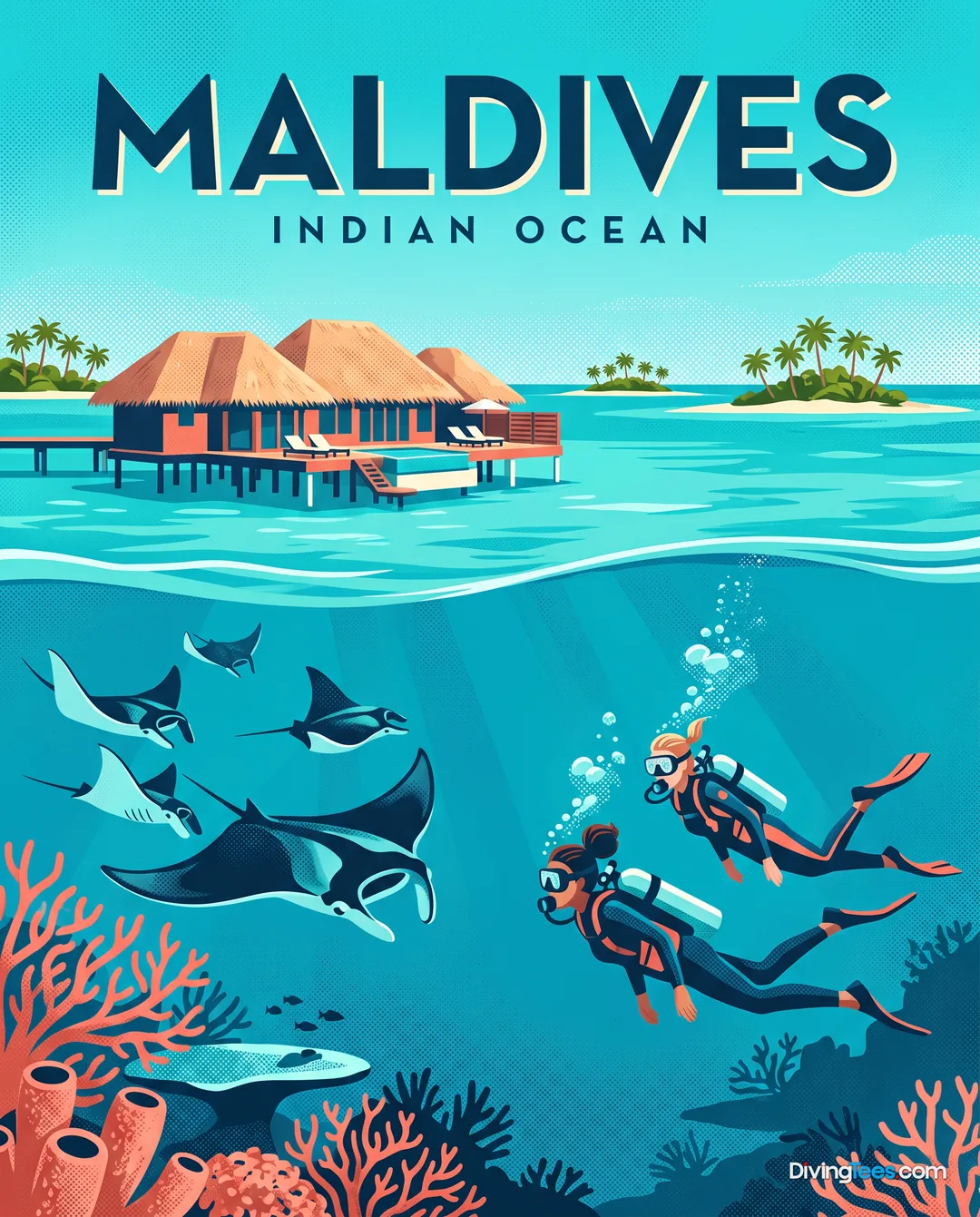
Liveaboards · Maldives
Nautilus Two — a purpose-built Maldives liveaboard for serious, comfortable diving
Deal on this boat
Per person
£2,763$3,694€3,300 £2,135$2,854€2,550
Discount calculated by us, against the boat's usual price for a trip of the same length.
See all discounted dates ↓What makes this boat unique
- The 43-metre Nautilus Two carries up to 24 divers in 12 air-conditioned cabins, each with a private bathroom.
- Its shaded dive area has a platform, diver tenders, DIN adaptors, rinse tanks and camera facilities.
- Nitrox is available as an optional extra, while ENOS diver-recall and location equipment is provided at no extra cost.
- Routes from Malé cover Ari, South Ari, North Malé and Baa Atoll sites over 8- to 11-day trips.
For subtitles in English: start the video firstthen click the gearat the top right of the video, select “Subtitles/CC”, then “Auto-translate” and choose “English”.
The invitation
Nautilus Two is for divers who want the Maldives as a working dive boat, not simply as a floating resort. The route brings together current-swept channels, shark pinnacles, manta cleaning stations and the South Ari whale-shark area, while the boat gives the week enough room to remain comfortable between entries. The balance is clear: a large vessel with 12 cabins and generous relaxation areas, but a dive setup built around getting people into the water repeatedly and collecting them safely afterwards. ENOS is provided at no extra cost, which matters on current-led dives where the group can spread out. Nitrox is available for those who want it, and non-divers or snorkellers can come along too. The reason to choose this boat is the combination: a broad Maldivian animal itinerary, practical diving arrangements and enough private space for a full week at sea.
Boarding
From the dock, Nautilus Two makes the impression of a proper expedition vessel rather than a converted yacht. She was built in 2007 and has the length and volume to absorb a full complement of divers without making the shared areas feel like a corridor between cabins. Once aboard, the movement is straightforward: cabins are grouped on the lower and main decks, while the working end of the boat is devoted to diving and the upper areas to air, shade and views. The 580 PS Cummins-turbodiesel installation gives the boat a cruising speed of 10–12 knots, with more available when a crossing demands it. That matters in the Maldives, where a good route depends on moving between atolls and channels rather than lingering in one bay. The boat feels organised around the water first, then around the hours spent out of it.
The atmosphere on board
The atmosphere is likely to suit divers who want a well-run boat without a formal hotel routine. English is the working language, and the crew combines local and international staff. The crew’s real value is visible in the transitions: cabins are cleaned daily, dive equipment is handled between sessions, meals arrive without making divers organise the galley, and the tender takes over once the group is in the water. With 24 guests at full capacity, this is not an intimate six-diver charter where everyone disappears into the same small cockpit. It is a larger liveaboard, with enough shared space to spread out and a crew structure suited to keeping many divers moving. Evenings can happen in the indoor saloon, at the bar, outside over dinner or on the observation deck. The memorable part should be the ease of the operation: less time solving logistics, more time deciding whether to edit the day’s shark or manta footage.
The sites you’ll dive
The routes run from Malé back to Malé: Ari itineraries last 8 days and 7 nights, while Ari and South and North–Hanifaru Manta Bay trips run for 10 or 11 days, with 9 or 10 nights aboard. The sites explain the range. Barracuda Giri drops onto three submerged pinnacles to a maximum of -30m, where current brings barracudas, tunas, jacks and other pelagics past the reef. Banana Reef is a lively reef landmark with reef sharks, eagle rays and dense reef life. At Mushimasmigili Thila, also to -30m, the up-current pinnacle is the place to look for grey reef sharks. Dhonkalo is different: a sandy channel used as a manta cleaning station. In South Ari, Maamigili and Maamigili Beiyru reach -30m and focus on whale sharks and mantas inside protected waters. Kudarah Thila Marine Reserve adds clefts, overhangs and caves to -30m, with schools of batfish. For stronger current and more dramatic terrain, Foththeyo Kandu reaches -40m through caves covered in yellow soft corals. Northern itineraries add Baa Atoll’s Dhigalhi Haa Marine Reserve and Dhonfanu, both to -30m, plus Fushifaru Thila Marine Reserve to -35m, known for manta cleaning stations.
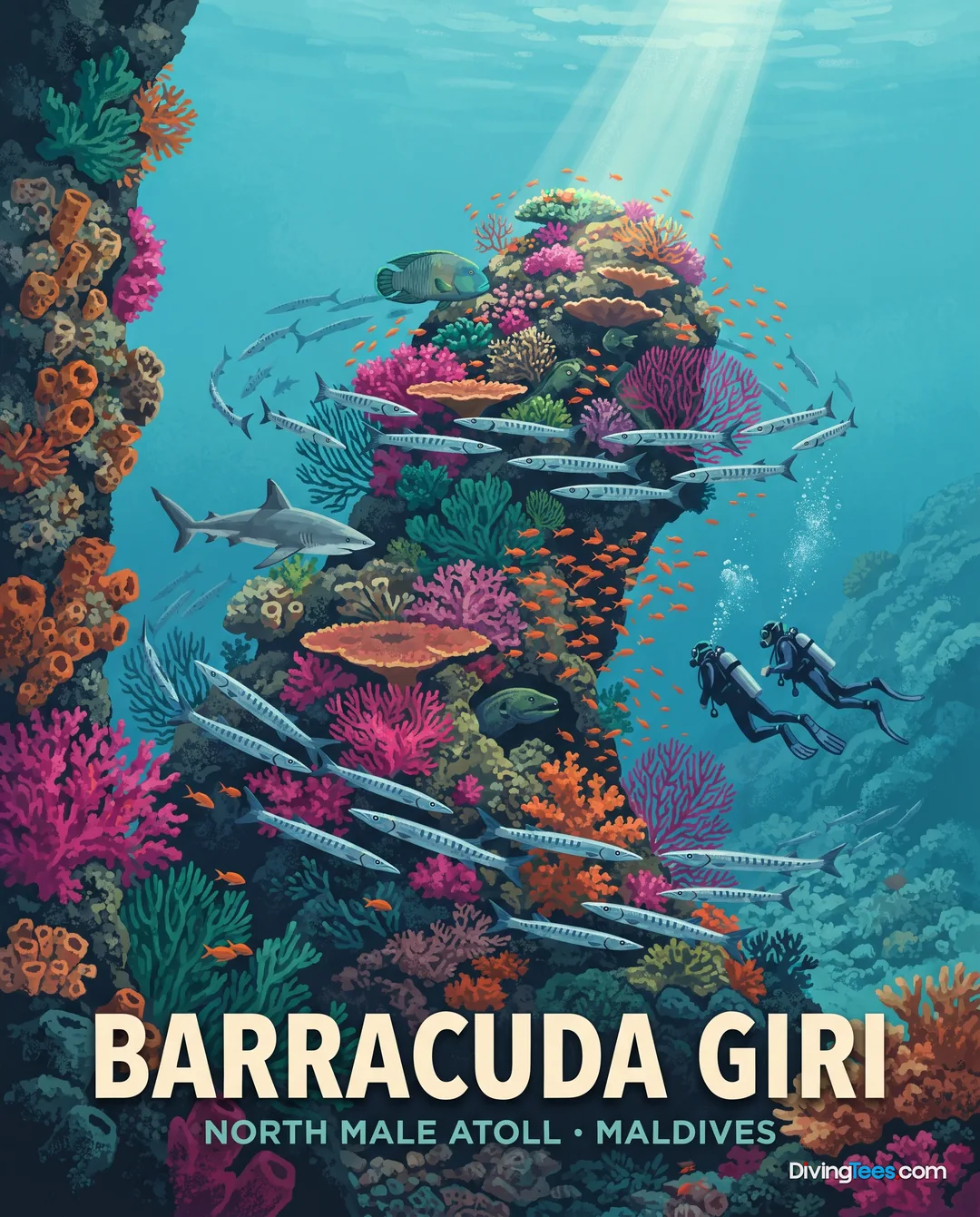
Barracuda Giri →
Max. depth · 30 m
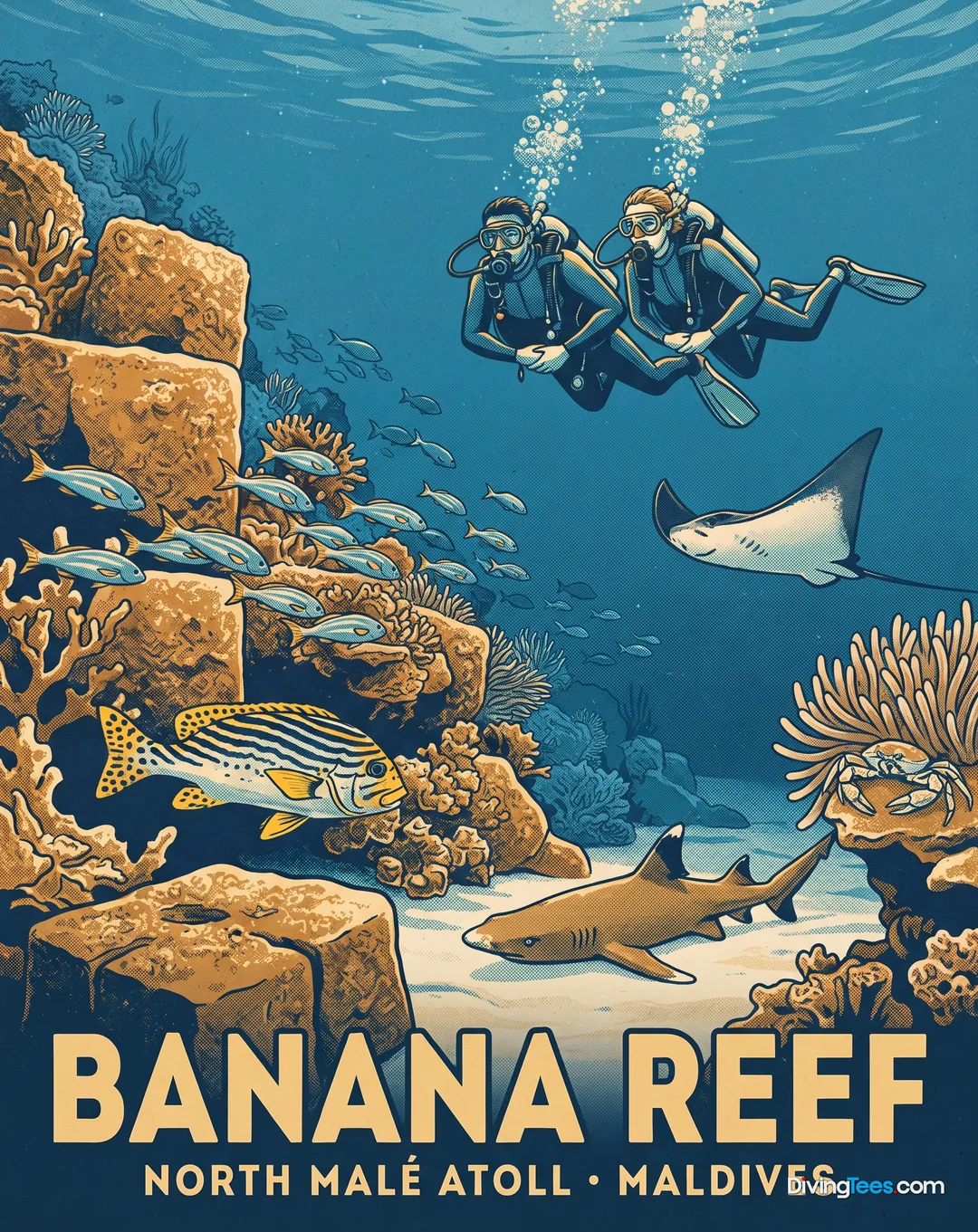
Banana Reef →
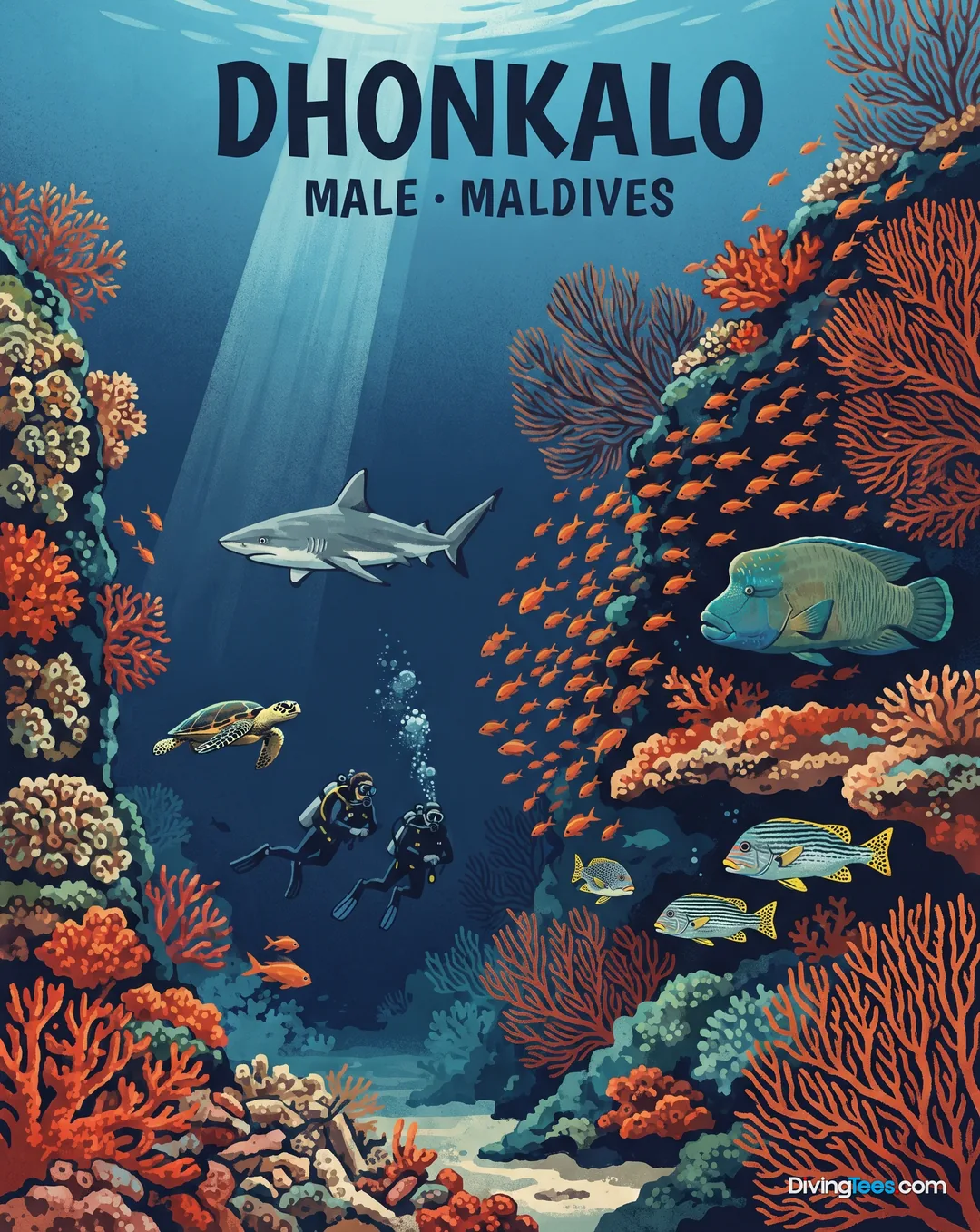
Dhonkalo →
Max. depth · 25 m
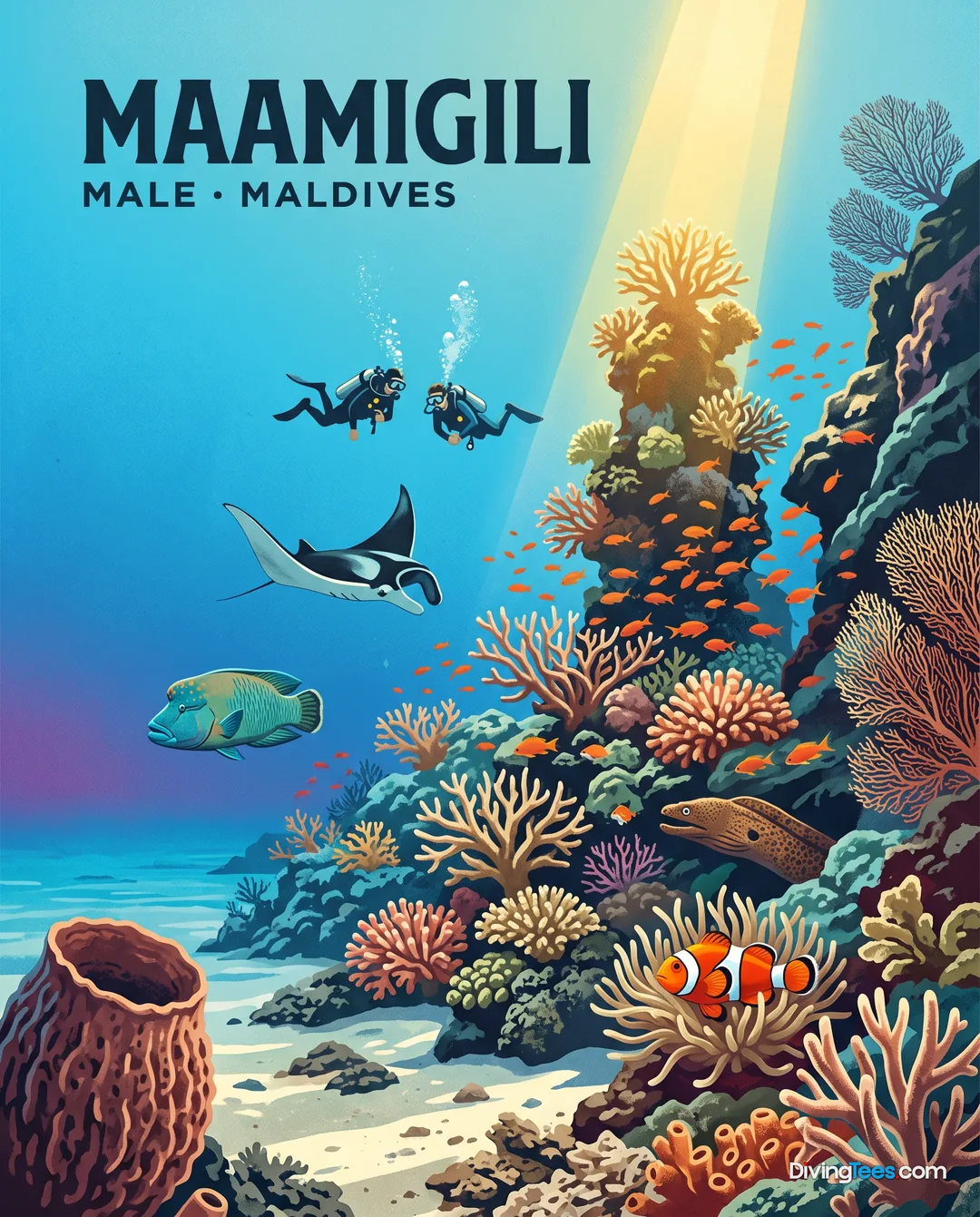
Maamigili →
Max. depth · 30 m
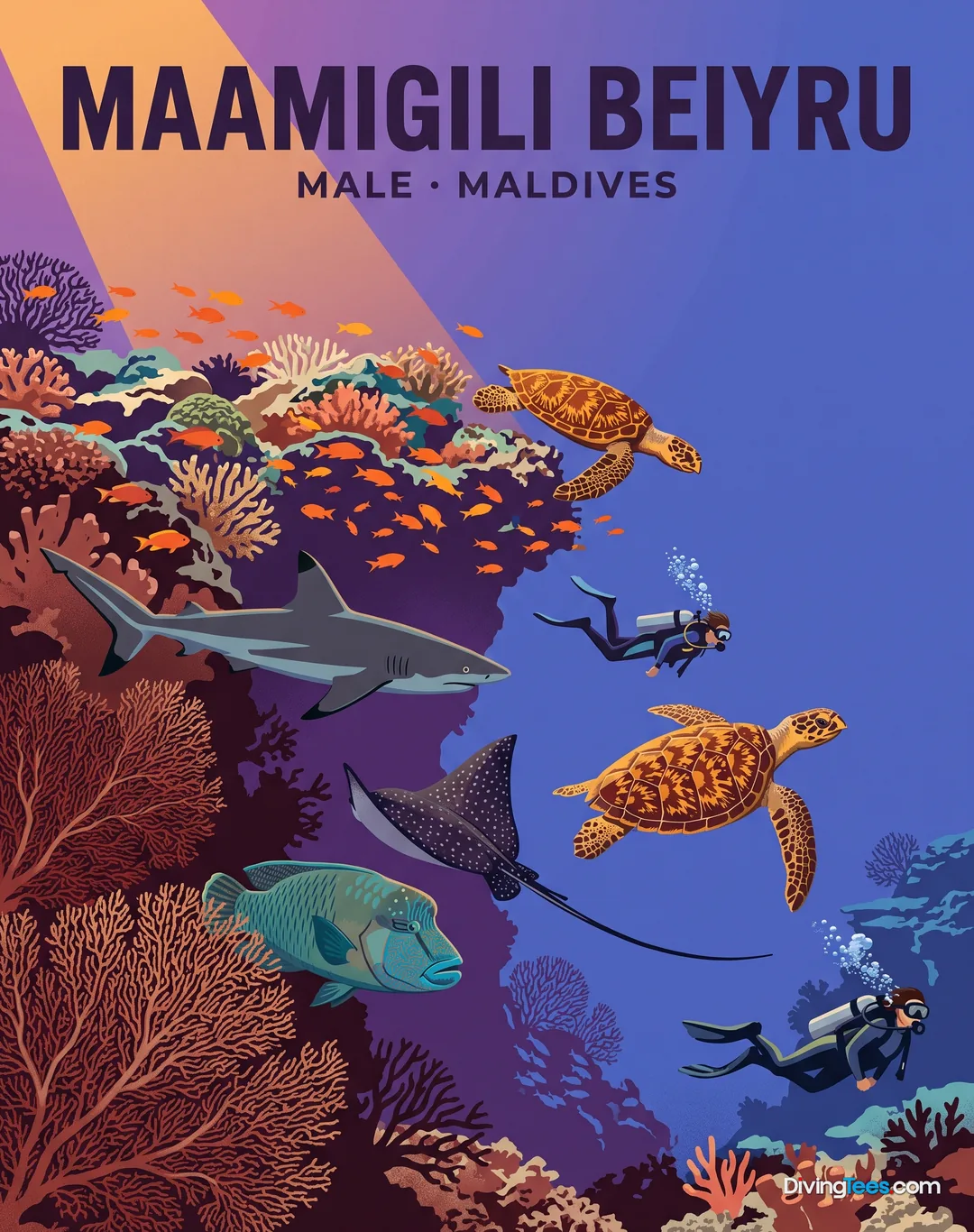
Maamigili Beiyru →
Max. depth · 30 m
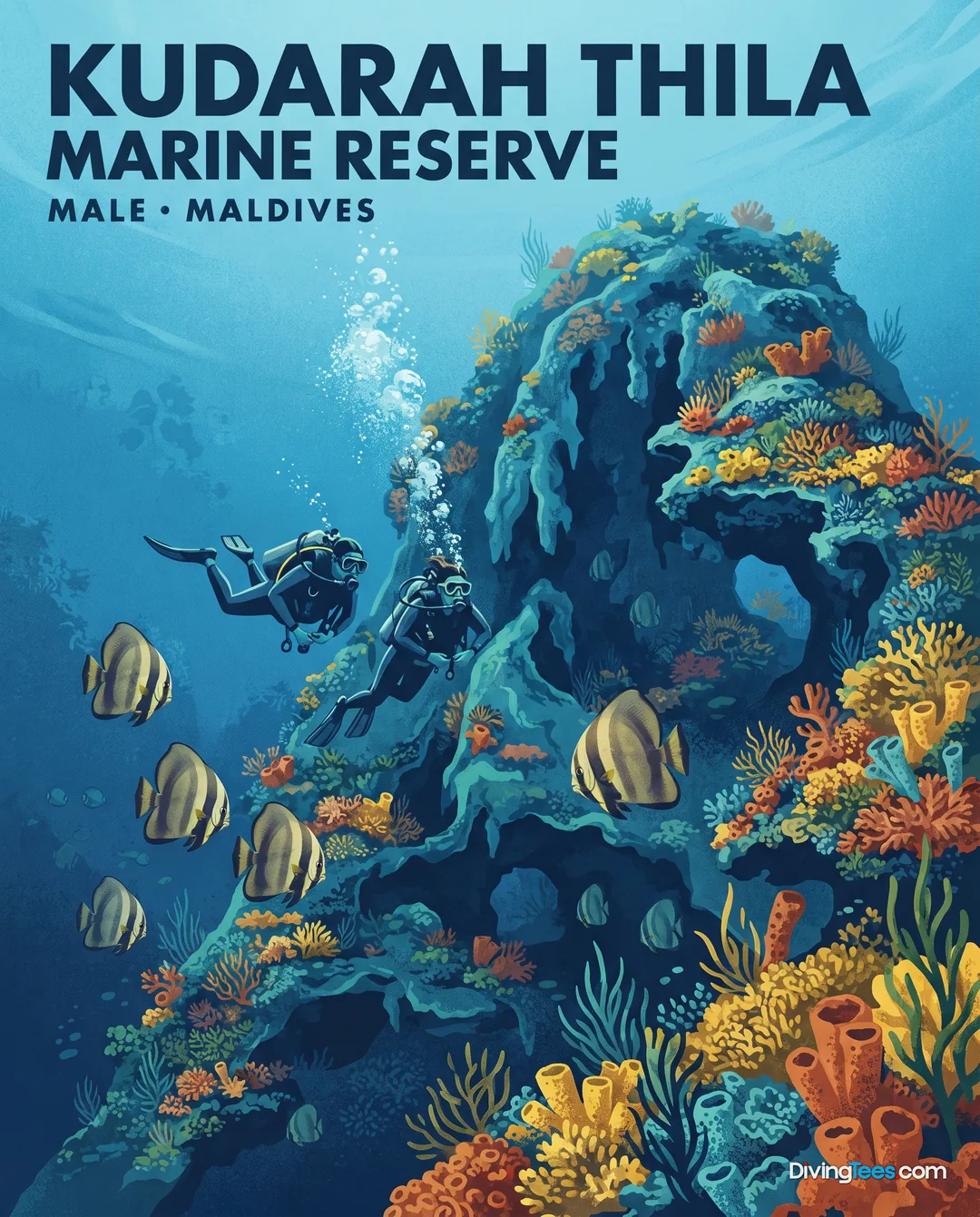
Kudarah Thila Marine Reserve →
Max. depth · 30 m
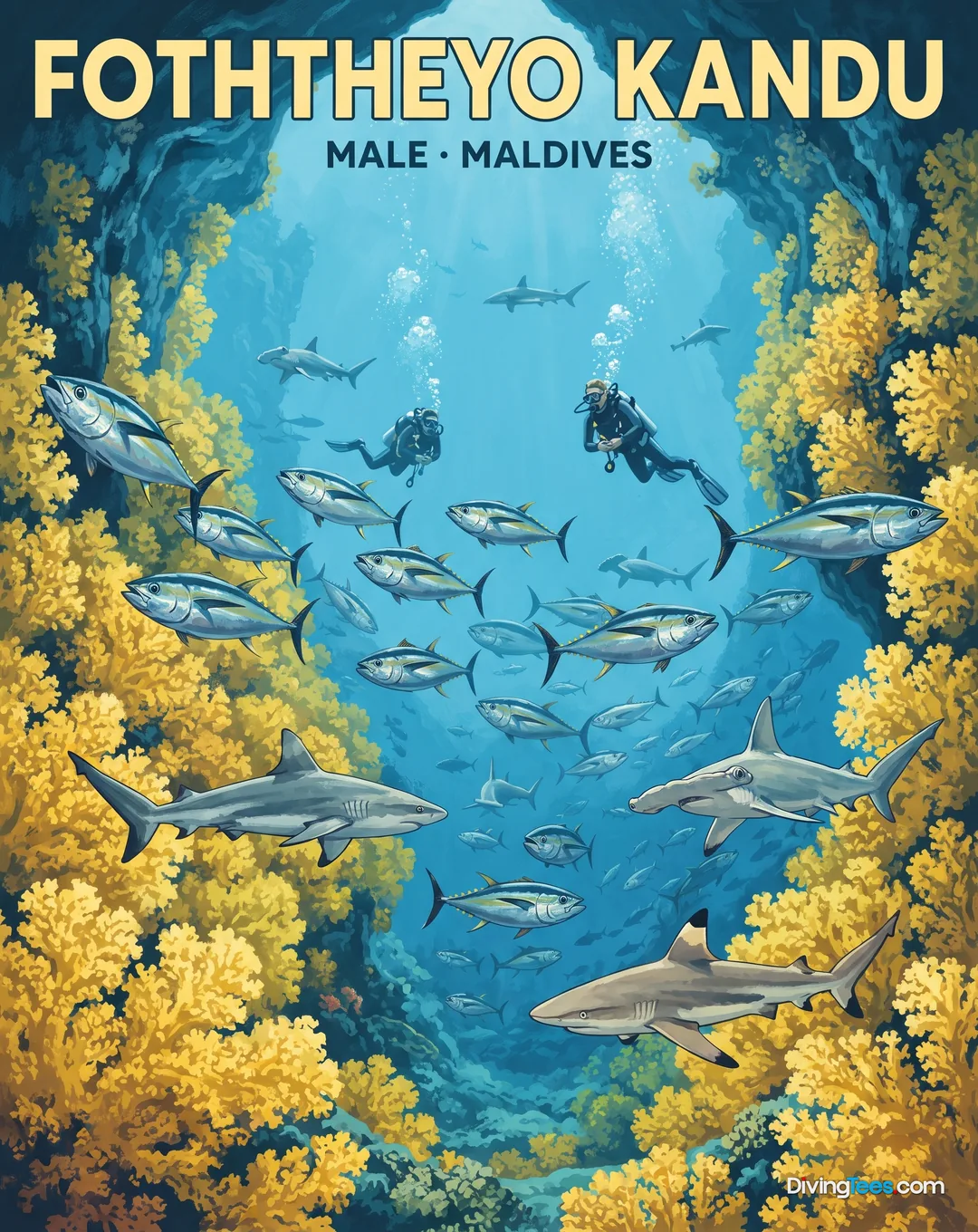
Foththeyo Kandu →
Max. depth · 40 m
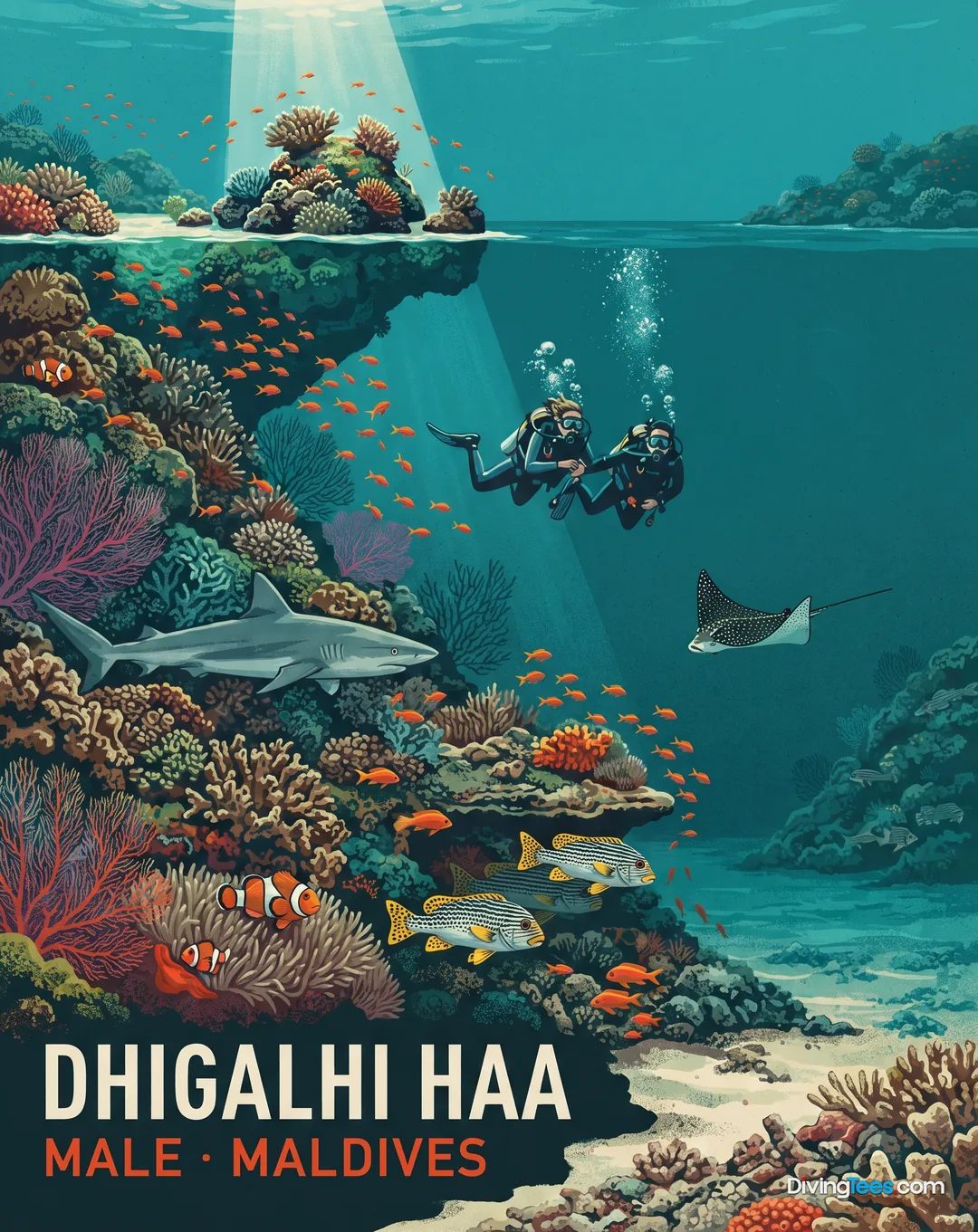
Dhigalhi Haa Marine Reserve →
Max. depth · 30 m
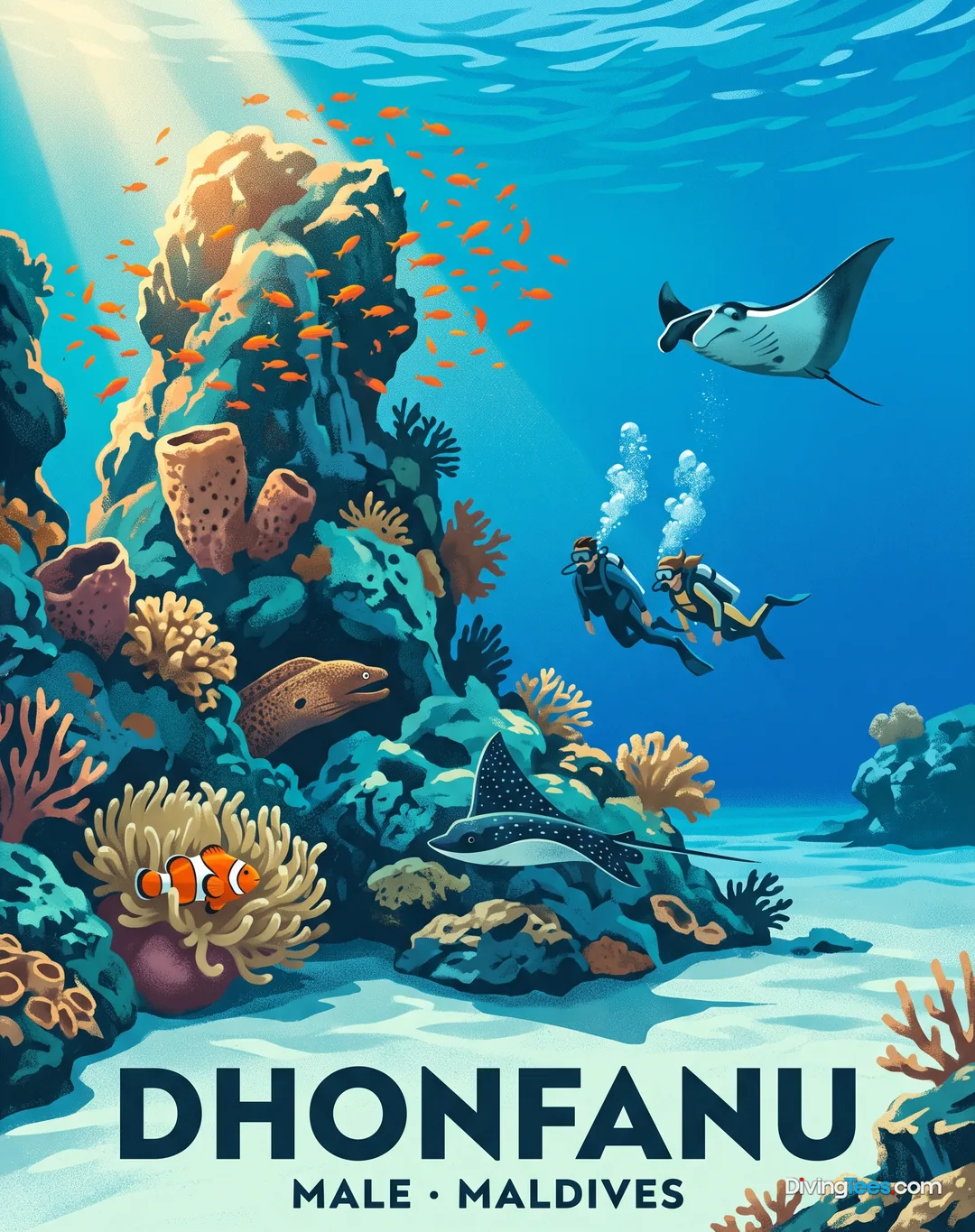
Dhonfanu →
Max. depth · 30 m
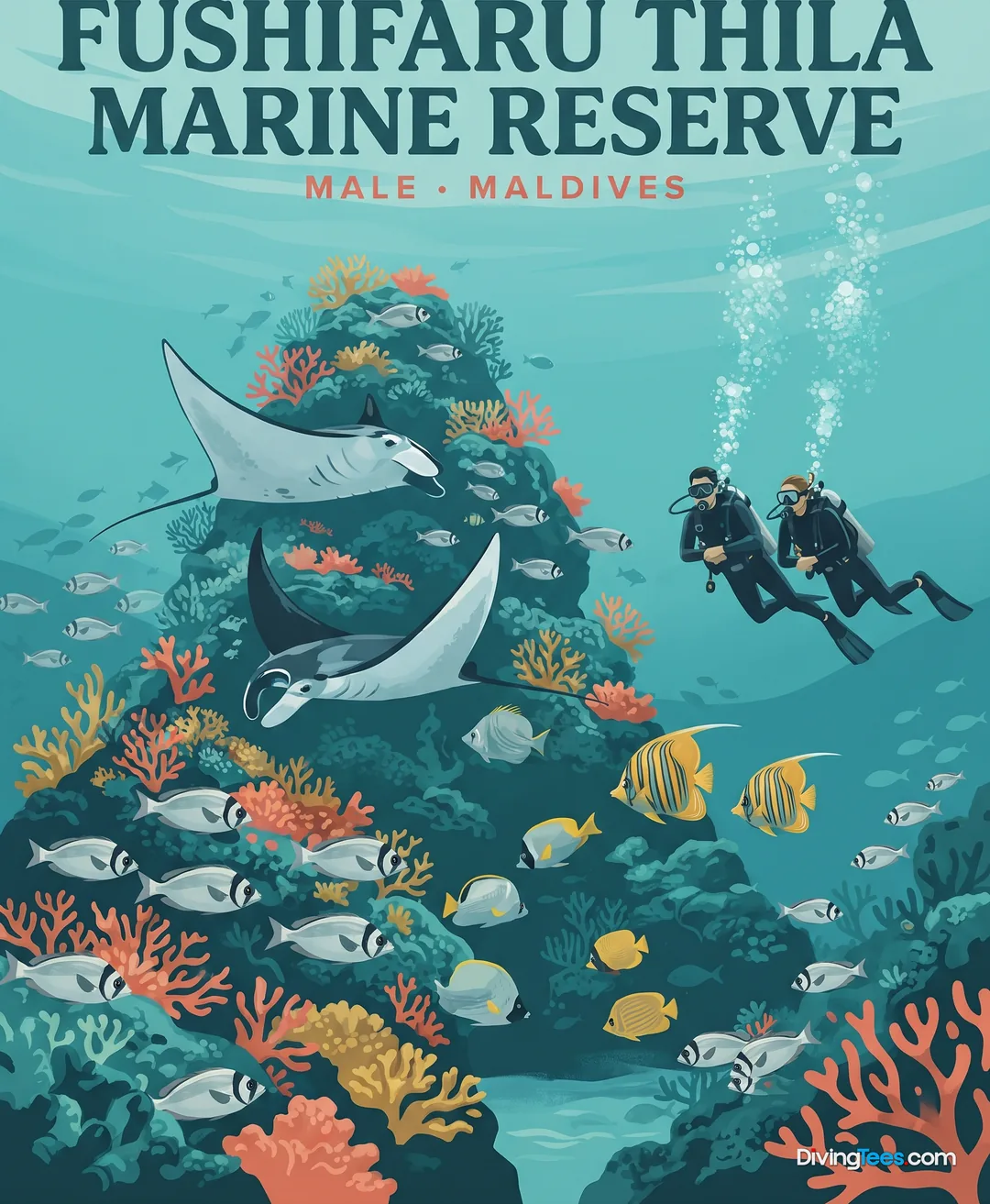
Fushifaru Thila Marine Reserve →
Max. depth · 35 m
Itineraries, dates and prices
Prices per person. Each month shows its lowest price: click a month, or pick an itinerary.
Next departures · 44 departuresfrom £1,495$1,998€1,785
November 2026
January 2027
February 2027
Green dot: a discounted departure that month. Discount calculated by us, against the boat's usual price for a trip of the same length.
See dates and prices
If you click these links and make a purchase on the partner site, DivingDeal may earn a commission, at no extra cost to you.
Dates and prices taken from Divebooker and liveaboard.com, updated 26 October 2026
What you’ll meet underwater
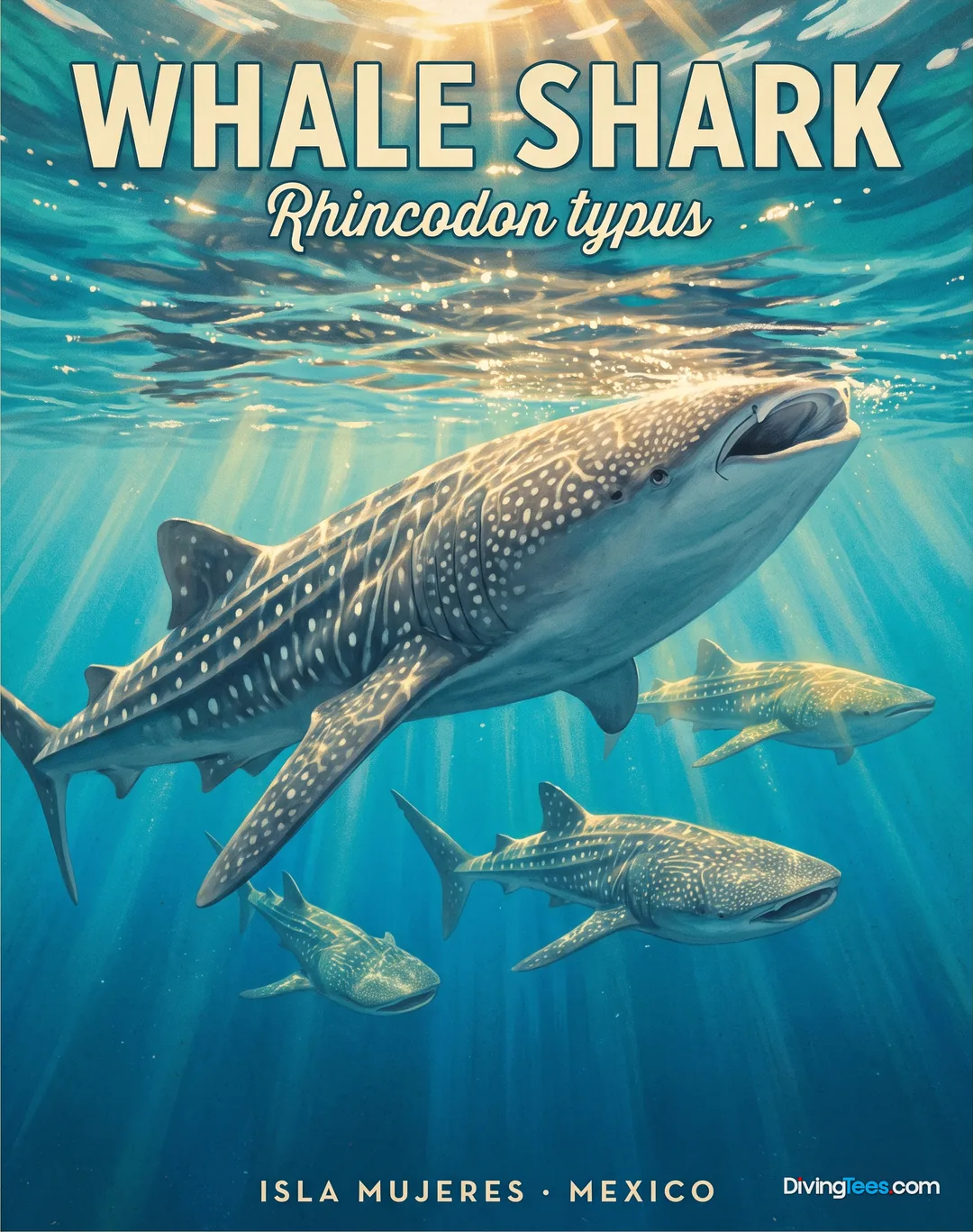
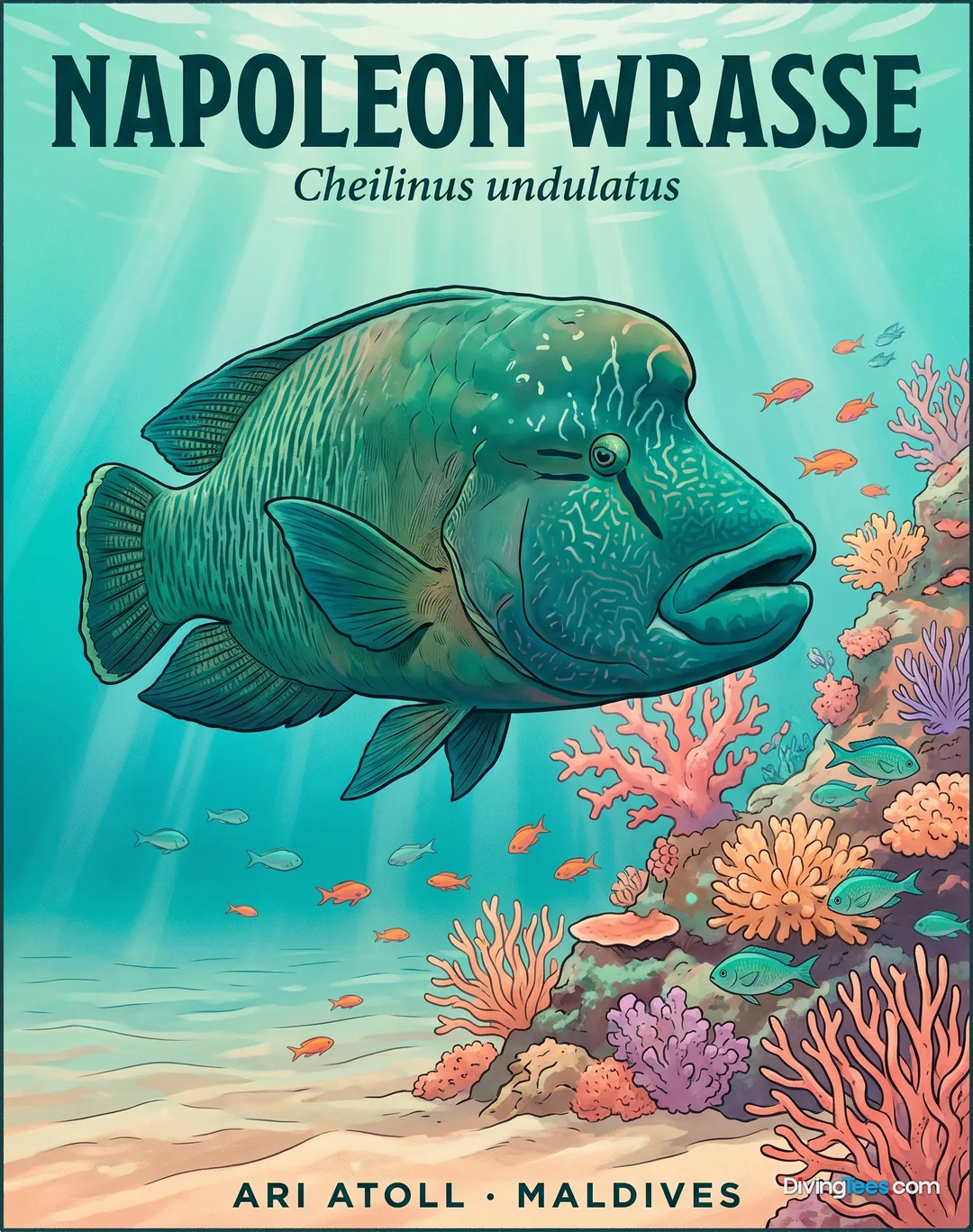
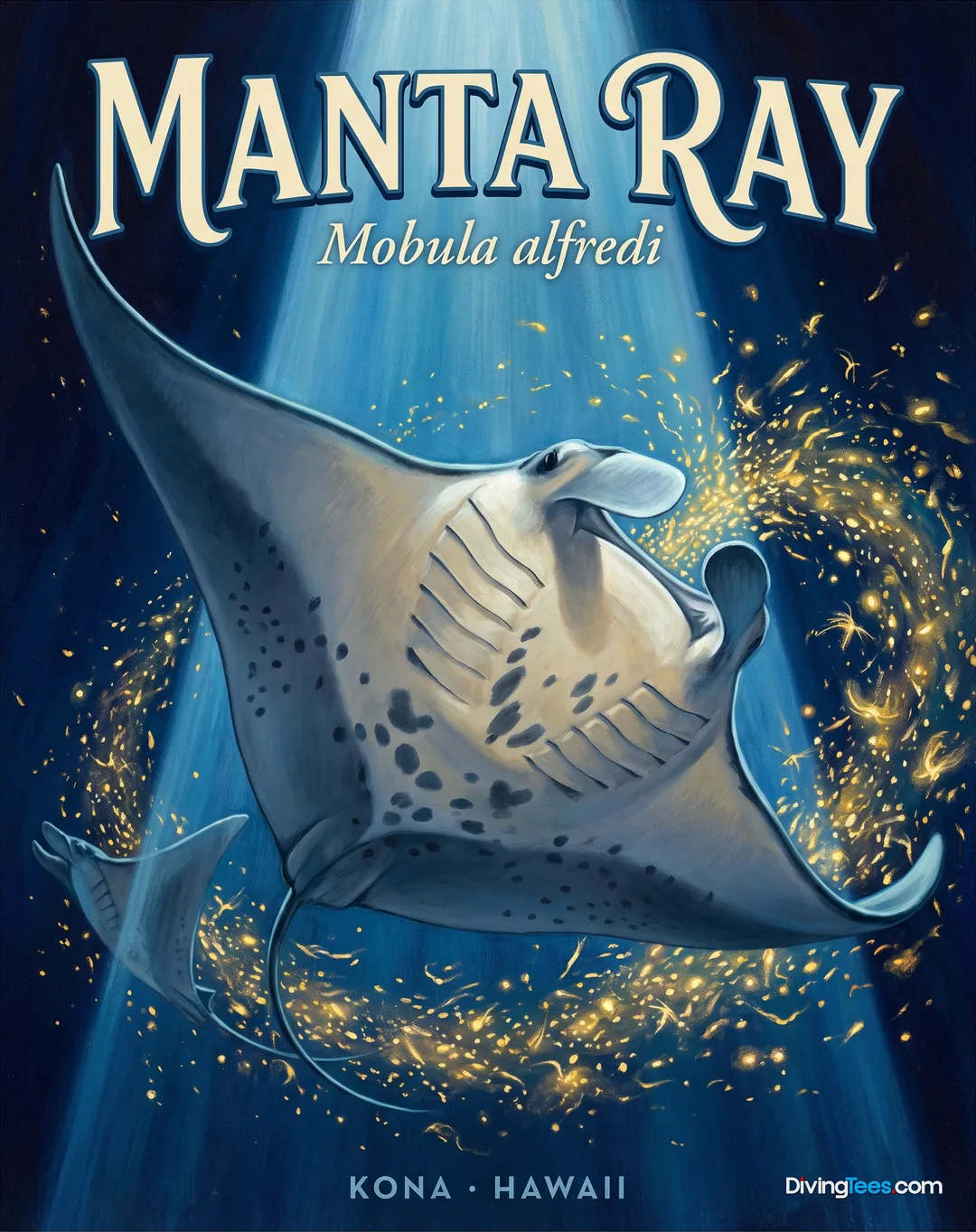
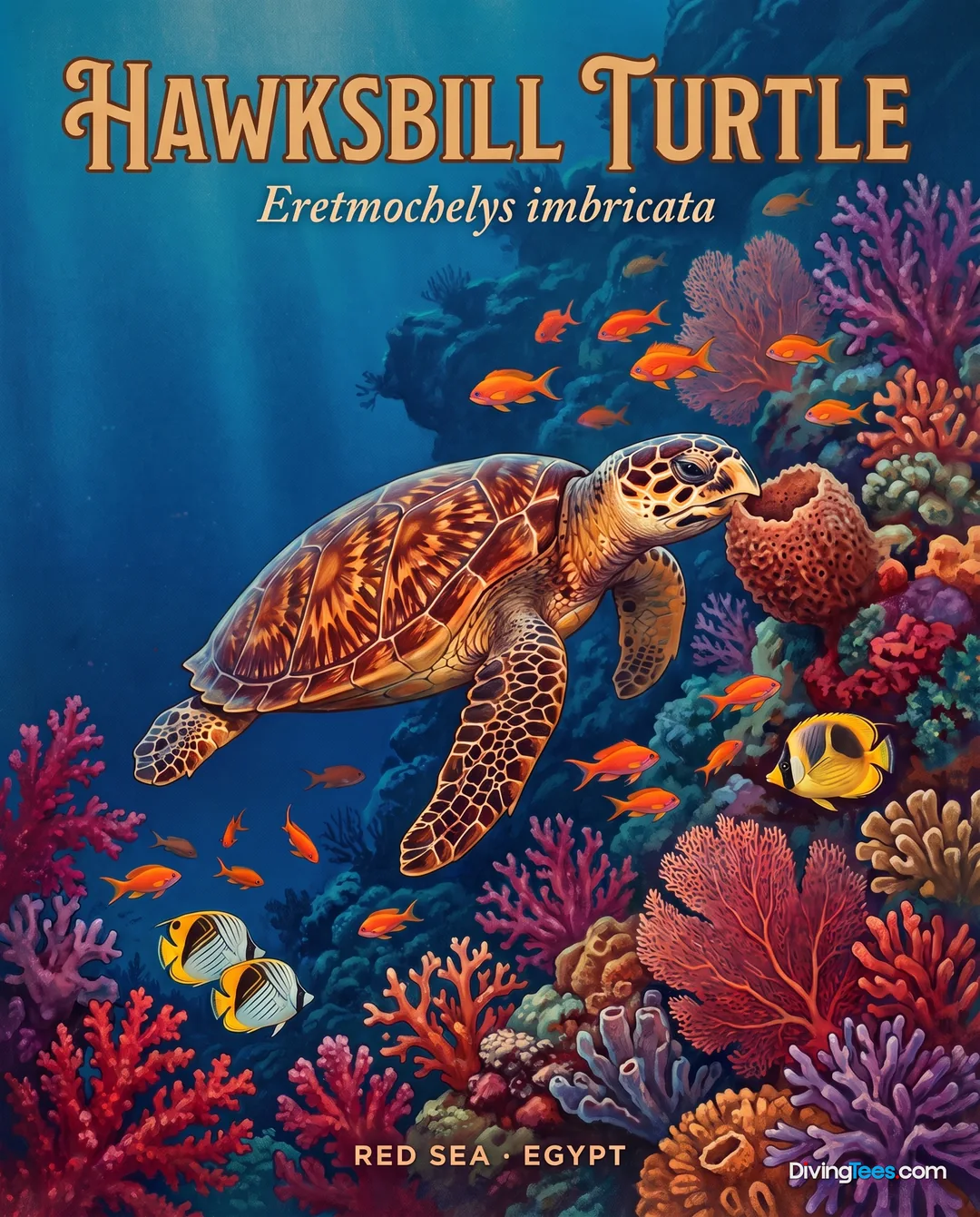
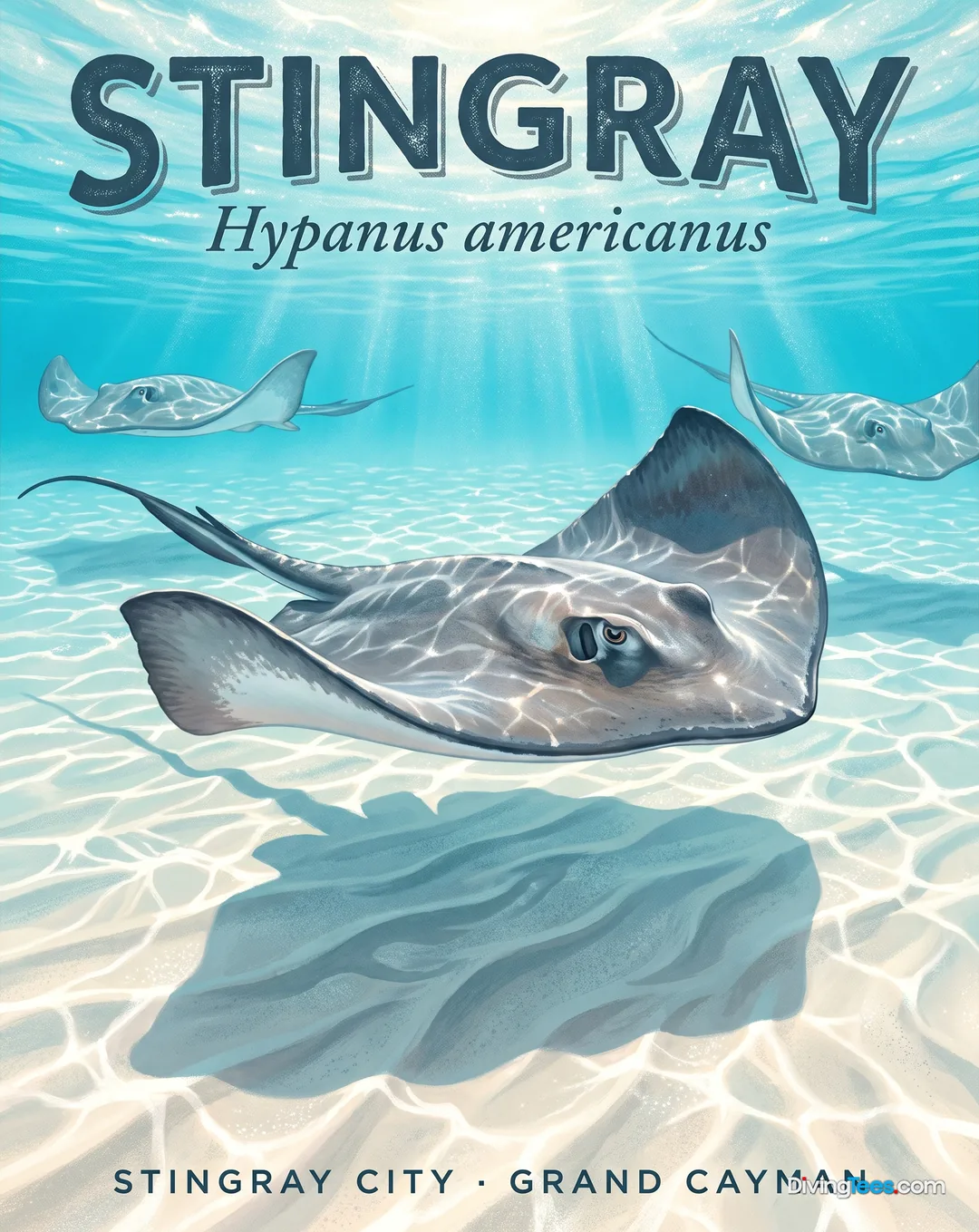
The route’s recurring cast is large and pelagic: Napoleon wrasse, grey reef sharks, fusiliers, sea turtles, barracudas, manta rays, tuna and eagle rays appear across many of the listed sites. Reef sharks and white-tip reef sharks add to the shark encounters, while jacks, trevally, morays and batfish fill the water around pinnacles and channels. The current is part of the reason these animals are here: it carries food through passes and concentrates fish around cleaning stations and up-current reef faces. Mantas gather at Dhonkalo and Fushifaru Thila’s cleaning stations, while whale sharks are associated with Maamigili and Maamigili Beiyru in the South Ari Marine Protected Area. A site-specific detail can be worth the whole descent: groupers and anthias are listed at Barracuda Giri, anemones at Banana Reef, soft coral and gorgonians at Dhigalhi Haa Marine Reserve, the hawksbill turtle at Dhigu Thila, and a stingray at Fushifaru Thila Marine Reserve. None of these sightings is guaranteed. The route earns its appeal by giving the diver repeated chances in very different habitats.
Who puts you in the water
The dive team speaks English and supports both guided divers and guests who prefer more independence. Briefings establish the route, current plan and group arrangements before each entry, especially at channels and pinnacles where conditions can change quickly. The boat is recommended for a routine diving programme and carries oxygen, first-aid kits, lifejackets, fire alarms and extinguishers, VHF/DSC/SSB radio, GPS and mobile and satellite communication. ENOS is supplied to help locate divers in an emergency. Divers who want close guidance should make that preference clear at the start.
The dive deck and the gear
The dive deck is shaded and arranged for repeated entries rather than occasional sightseeing. Divers have a dedicated platform, rinse tanks, DIN adaptors, camera facilities and diver tenders; one tender is listed for the boat. A separate camera rinse area protects housings and strobes from the general equipment wash. ENOS is supplied at no extra cost, adding a direct way to locate divers who become separated in current. Nitrox is available, but it is an optional extra rather than part of the standard package. Rental equipment is also optional, without a stated brand or tank specification. The published details do not give tank volume or whether the cylinders are aluminium or steel, nor do they describe the compressor or a hot shower on the dive platform. What is clear is the working layout: gear stays in a dedicated diving zone, entries use the platform and tenders support the boat’s atoll-hopping dive plan.
Between dives
Between dives, the boat gives people several ways to get out of the working area. The shaded dive space is the practical refuge after an entry, while the terrace, observation deck and open-air dining area suit anyone who wants wind and sea instead of air-conditioning. The jacuzzi is there for the hours when the body needs warmth more than another excursion. Kayaks, stand-up paddleboards, fishing and snorkelling equipment allow non-divers and surface intervals to do more than wait for the next bell. There is also an indoor lounge, library and camera room for quieter time, with separate camera rinsing facilities keeping wet gear and electronics apart. Internet is available, but the better use of a long crossing may be a camera-table session, a deck chair or a look over the atoll before the next dive.
A day on board
A diving day begins with the boat already positioned for the first briefing, followed by the first entry before the heat and surface traffic build. After the dive, the tender collects divers where they surface and brings them back to the platform, where tanks are reset and the next meal or snack marks the interval. Later dives move through the day’s sites, with the crew shifting the boat between pinnacles, thilas and channels as the route requires. The gaps are used for food, rinsing cameras, drying gear, resting in the shade or moving to the upper deck. The exact schedule depends on the site and conditions; the boat’s purpose is a steady diving programme rather than a fixed clock. When the vessel is underway, the open decks and observation areas turn the crossing into part of the day. Then the next briefing pulls everyone back to the reason for being aboard: another descent.
What you eat aboard
Full-board service keeps the meals aligned with a diving day: breakfast, lunch and dinner, with snacks and drinks available between them. The food is presented buffet-style and includes local cuisine, so the table can move beyond the familiar liveaboard rotation of pasta, rice and grilled staples. A beach barbecue is part of the trip, bringing one meal ashore rather than serving every plate against the same saloon backdrop. Tea, coffee and drinking water are included, while beer, wine, cocktails and other alcoholic or non-alcoholic drinks are separate. On a boat making several dives, the important point is timing: food appears as part of the reset between water sessions, not as a long formal interruption. The dining room is also one of the places where the whole group naturally comes back together, comparing current, visibility and sightings before the next briefing.
Nights at sea
The cabin choice is mainly about deck position and layout rather than a different onboard experience. Superior Double/Twin cabins are available on both the lower and main decks, alongside Double cabins on either level. All cabins are air-conditioned and have a private bathroom with hot-water shower; main-deck cabins have standard windows, and sea views are available from selected cabins. The lower deck keeps the sleeping areas closer to the water, while the main deck makes coming and going easier for guests who prefer fewer stairs. After repeated dives, the useful luxuries are simple: a private bathroom, fresh towels, daily housekeeping and a cabin that can be closed off from the saloon. The boat also keeps cabins non-smoking. It is not a page promising oversized suites; it is a choice between practical private rooms and a more open common life above them.
Superior Double / Twin Cabin - Lower Deck
Superior Double / Twin Cabin - Main Deck
Double Cabin - Lower Deck
Double Cabin - Main Deck
What to know before boarding
Nautilus Two operates these recorded routes from Malé to Malé in the Maldives. Airport transfer is included, with the transfer arrangements communicated as part of the boarding information. Arriving in Malé the night before is the sensible option, giving the trip some protection against a delayed flight.
- Year built
- 2007
- Length
- 43 m
- Maximum number of passengers
- 24
- Number of cabins
- 12
- Number of bathrooms
- 12
- Engines
- 580 hp Cummins-Turbodiesel
- Cruising speed
- 10 - 12 knots
- Tenders
- 1
- Website
- nautilusliveaboards.com ↗
Hello, I'm Marina, DivingDeal.com's AI assistant. I answer in detail about hotels, dive centres and liveaboards.
Thinking about the whole trip and the flights? Talk it over with Edith →
Marina is an AI. Some links are affiliate links: DivingDeal may earn a commission, at no extra cost to you. Bookings are made with the partner.