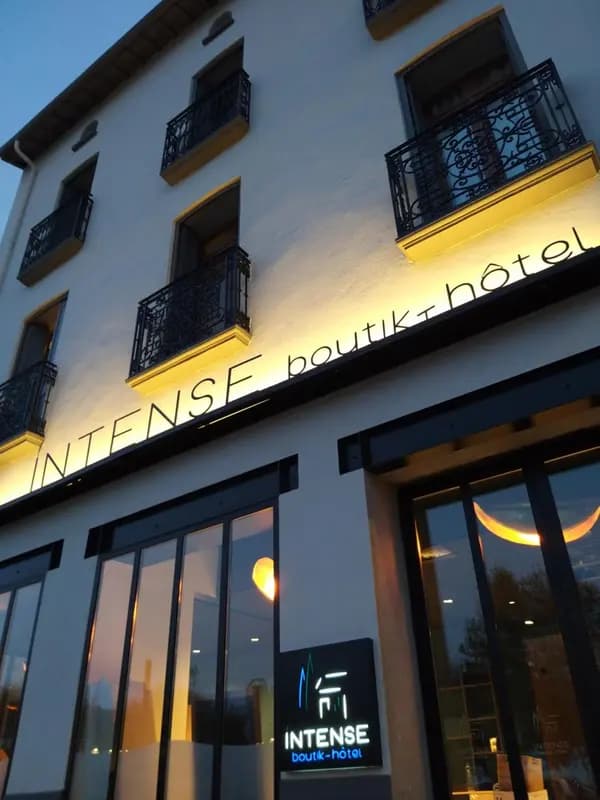
Intense Boutik-Hôtel
★★★
★ 9.3/10 (436 reviews)
4.4 km away as the crow flies
Dive centre · Banyuls-sur-Mer · France
4.9411 Google reviewsExplore the historic wrecks of the Catalan coast aboard the aluminium barge Aigle des Mers.
For subtitles in English: start the video firstthen click the gearat the top right of the video, select “Subtitles/CC”, then “Auto-translate” and choose “English”.
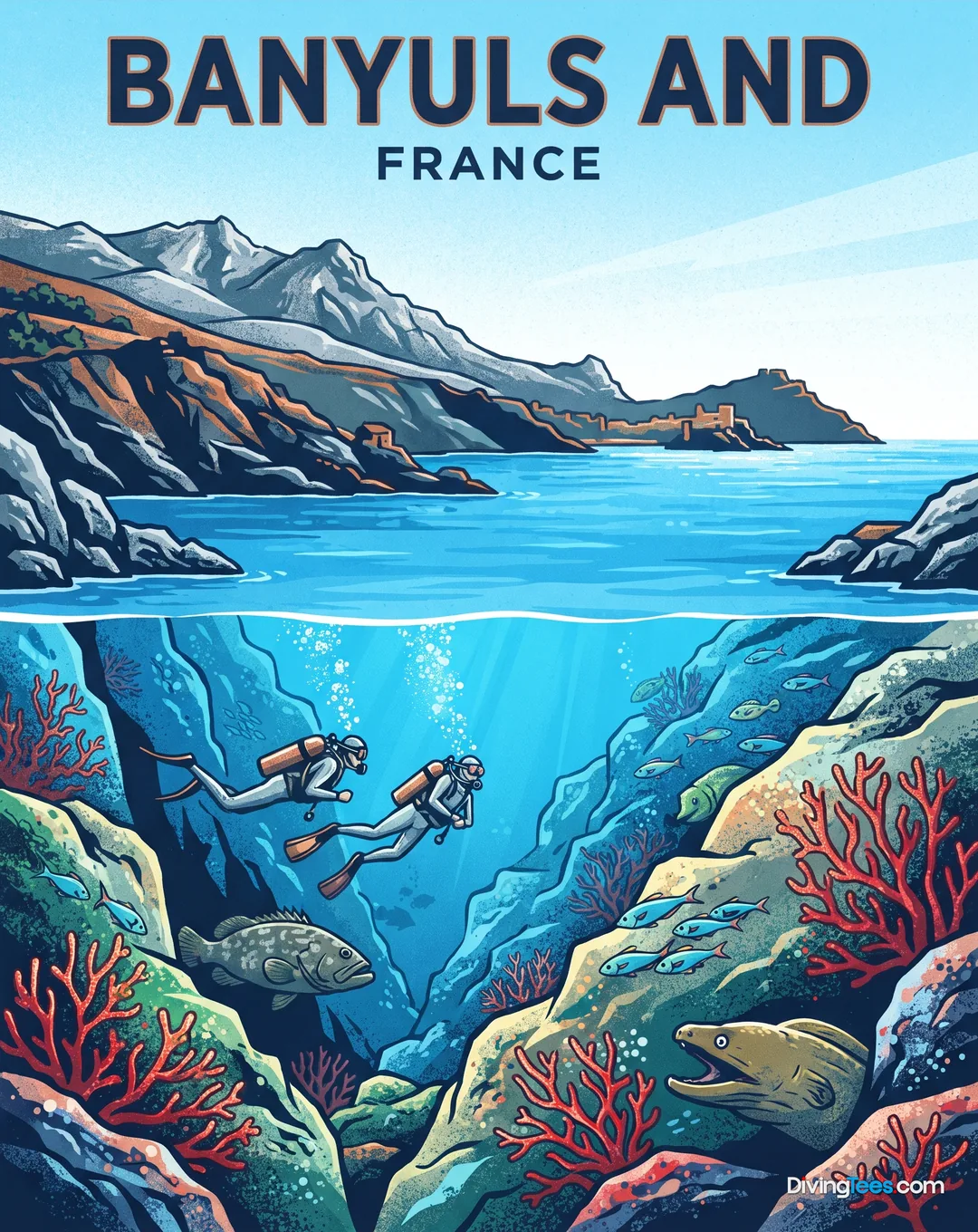
Rédéris Plongée has been a fixture of the Banyuls-sur-Mer diving scene since 1978. Situated just a five-minute boat ride from the Banyuls-Cerbère Marine Nature Reserve, the centre is perfectly positioned to exploit the diverse habitats of the Catalan coast.
You can expect a professional environment that caters to both the recreational diver and those pursuing advanced certifications. The location offers a unique combination of protected marine reserves and significant historical wreck sites, providing a varied underwater landscape for every level of experience.
The centre is run by state-qualified instructors who bring decades of experience to the water. They manage a wide range of activities, from introductory baptêmes and snorkeling to advanced professional training and specialised courses like ice diving and apnea.
Teaching is structured through multiple major certifying bodies, including FFESSM, ANMP, PADI, and SSI. This allows the centre to serve both the traditional French diving community and international divers looking for standardised global certifications.
The training catalogue is extensive, covering the full spectrum of scuba diving. Beginners can start with PADI Open Water Diver, SSI Open Water Diver, or FFESSM Niveau 1, while more experienced divers can progress through PADI Advanced Open Water, Rescue Diver, and Divemaster levels.
The centre also specialises in technical and professional qualifications. This includes Nitrox certification, CAH classes, and professional instructor training such as PADI IDC and FFESSM Monitorat. Specialised modules like drysuit qualification and apnea are also offered.
The centre operates two vessels to suit different diving requirements. The Aigle des Mers is a large aluminium barge with a capacity for 39 passengers, ideal for larger groups or day trips to more distant sites.
For smaller groups or more agile access, the Caïman zodiac provides a 19-place capacity. Both boats allow for various trip types, including day excursions to Cap Creus and night dives.
For divers preferring to travel light, a full range of kit is available for hire, including wetsuits and drysuits. The centre also stocks decompression cylinders and specialized equipment for those undertaking advanced training.
Nitrox is available on-site, with fills provided for 10L, 12L, and 15L cylinders. The facility is equipped to handle the specific needs of technical divers, including the provision of oxygen for safety and decompression purposes.
Alice Robert (Le Bananier) is a significant wreck site located between 25 and 50 metres. This 1934 cargo ship was torpillé in 1944 and now rests in two pieces, offering a highly populated environment for observing fixed fauna.
L'Astrée is a shipwreck situated at depths of 38 to 47 metres. This former coal carrier features large openings that allow for interesting interior exploration, and it remains a very fish-heavy site.
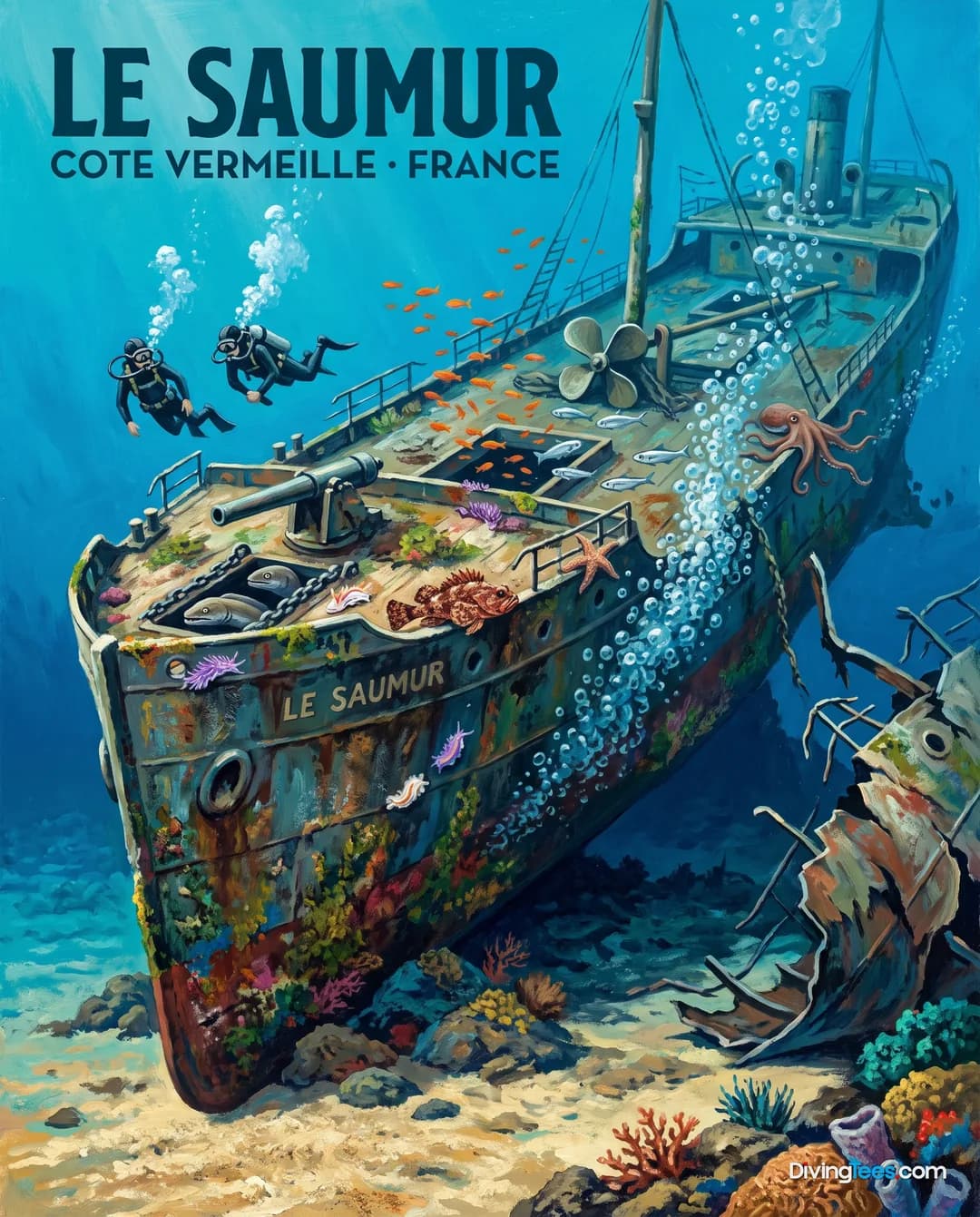
Le Saumur is the largest wreck in the region, resting at depths of 35 to 48 metres. This Scottish-built vessel lies in two parts, with the bow standing upright, and offers the chance to see its original machine guns.
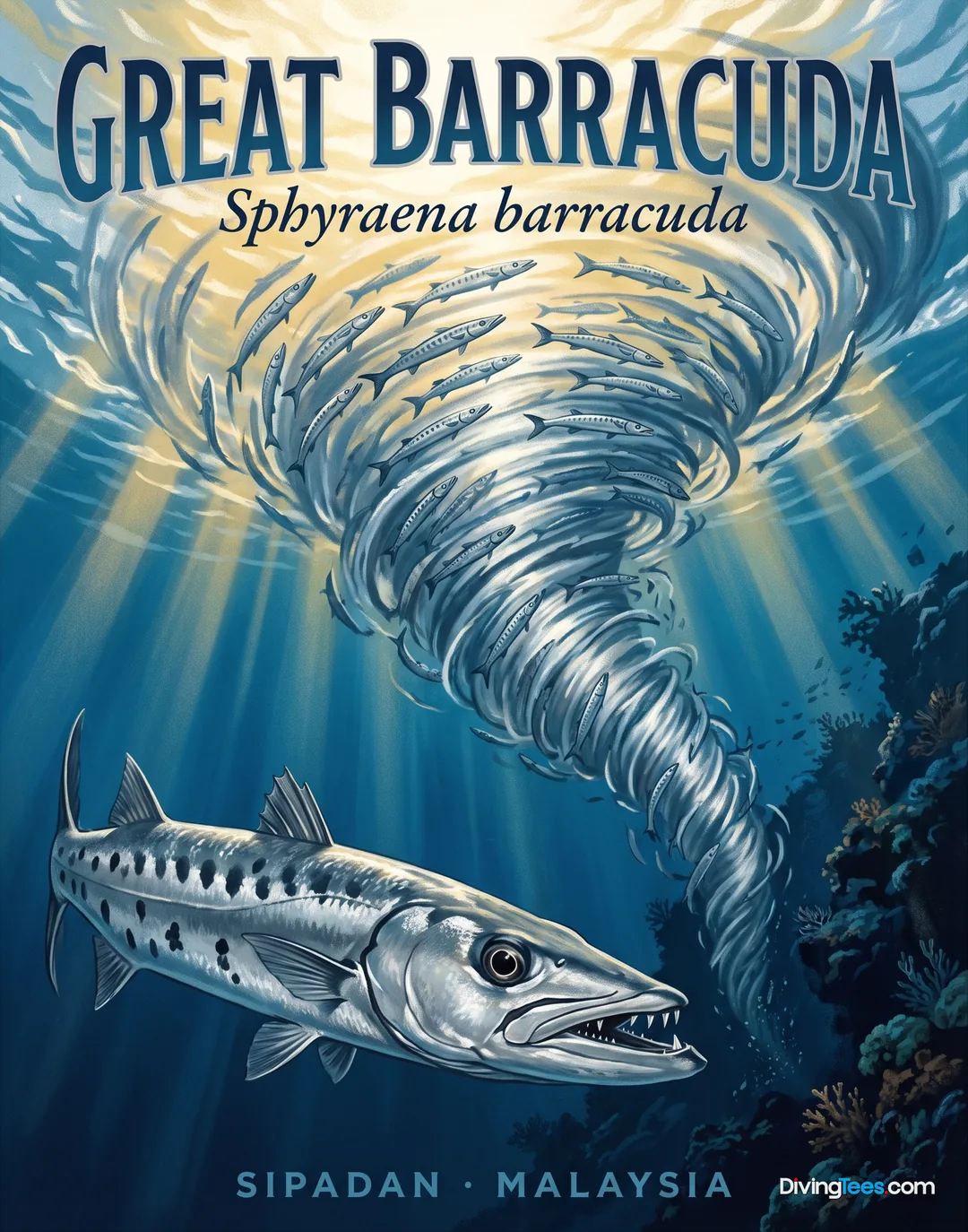
Cap Creus is a premier reef destination located about an hour's boat ride away near the Spanish border. The area is known for clearer visibility and high concentrations of groupers (Epinephelus), barracuda (Sphyraena barracuda), and red coral.
And some of the dive sites the centre runs.
The Mediterranean waters here are defined by their structural complexity, with gorgonians and red coral providing a vibrant backdrop for much of the local life. You will find a high density of groupers (Epinephelus), including Dusky grouper (Epinephelus marginatus), stationed around the wrecks and rocky reefs.
Large pelagic species are a regular sight, such as the Great barracuda (Sphyraena barracuda) patrolling the blue. Schools of dentex, sea bream (Sparidae), and gilthead seabream move through the currents near the reef walls.
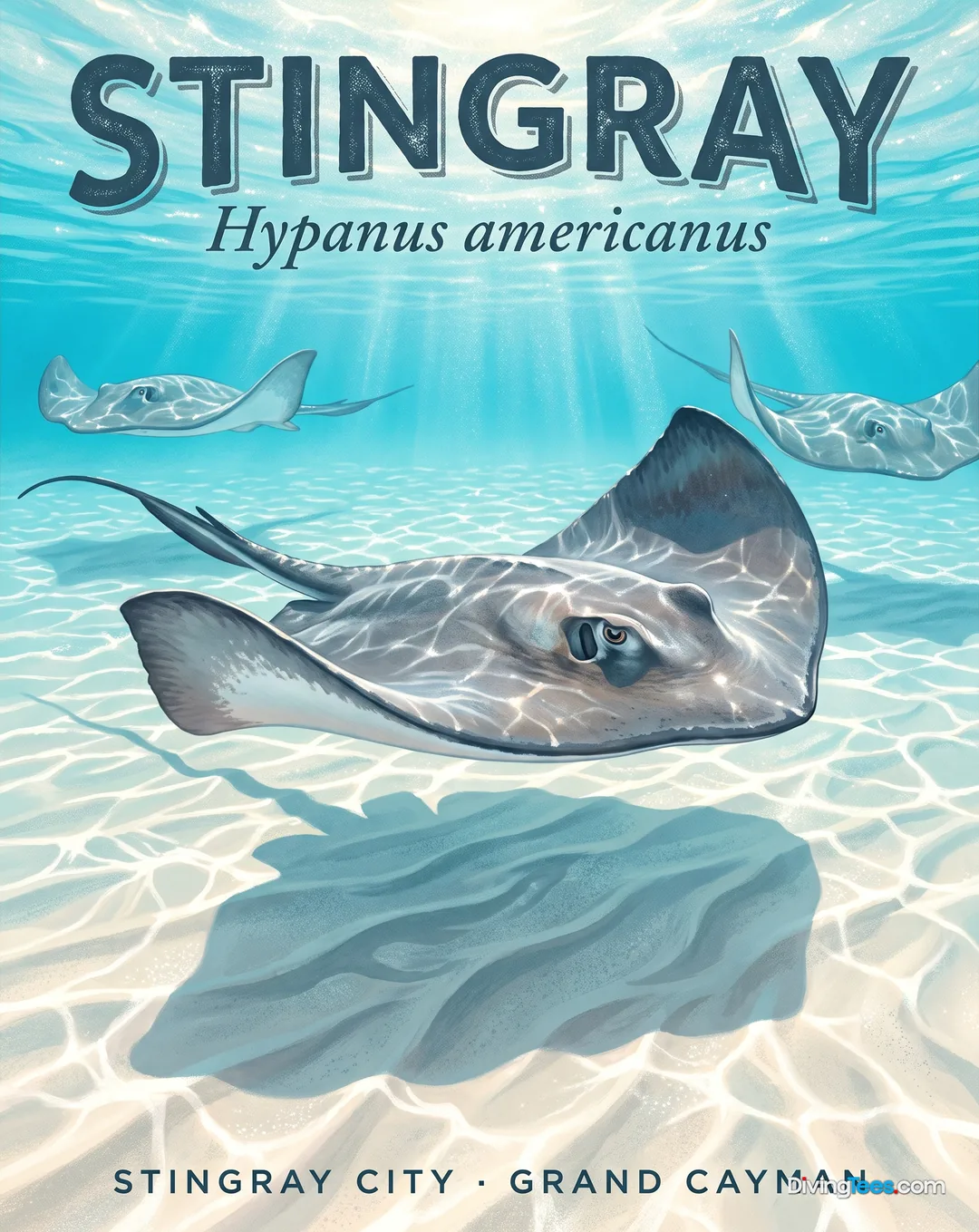
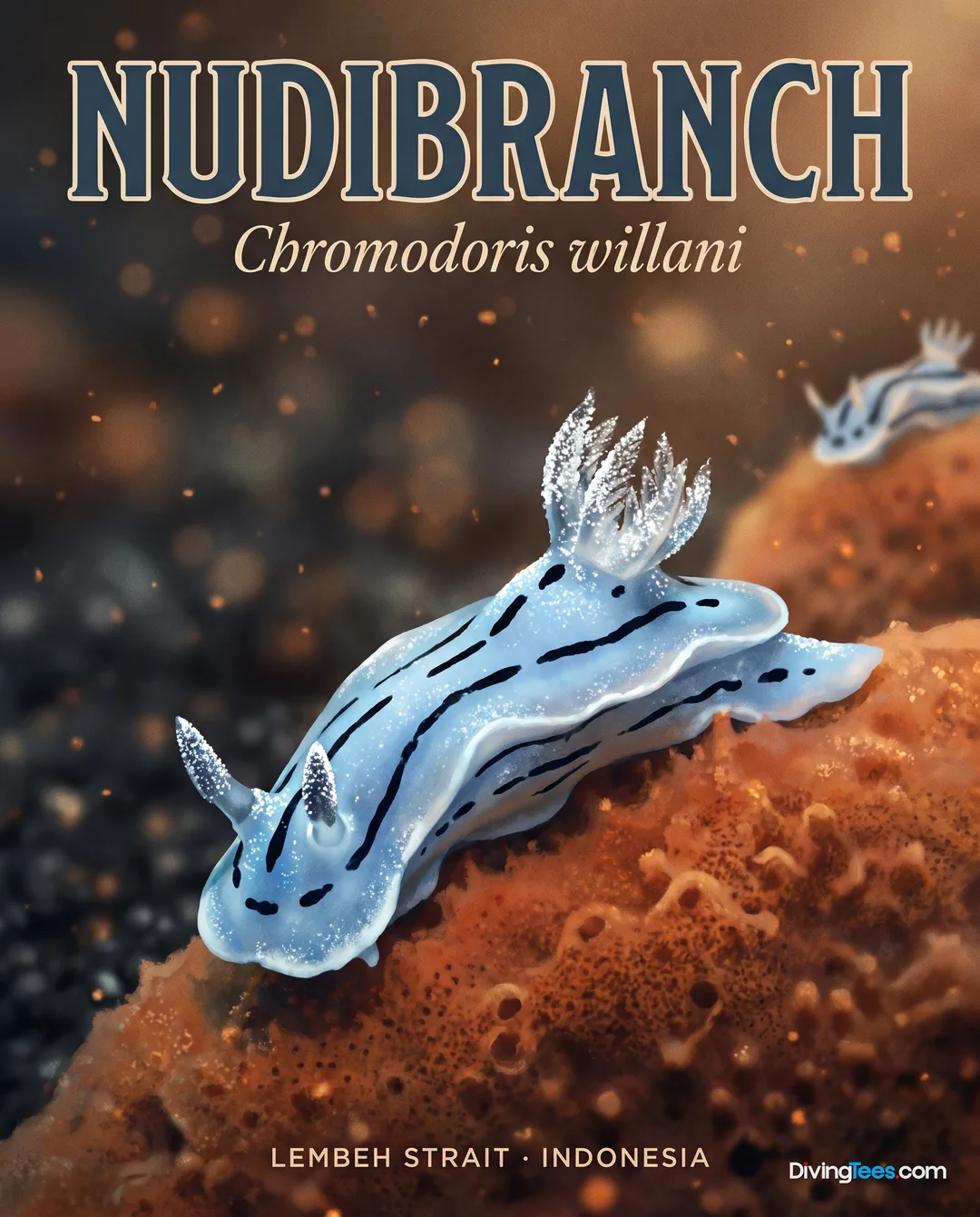
For those interested in macro life, the area supports a variety of interesting species. Look out for octopuses (Octopus vulgaris), various scorpionfish (Scorpaenidae), and nudibranchs like the Purple aeolid (Flabellina affinis). You may also encounter moray eels (Muraenidae) and stingrays hiding in the crevices of the wrecks or among the seagrass.
Diving in this region is influenced by the proximity to the Marine Nature Reserve and the Cap Creus area. While the local sites are easily accessible, trips to Cap Creus involve a boat transit of approximately one hour.
The area is well-suited for various diving styles, including night diving and exploration of deep wrecks, provided the appropriate certification and experience levels are met.
Hello, I'm Marina, DivingDeal.com's AI assistant. I answer in detail about hotels, dive centres and liveaboards.

Thinking about the whole trip and the flights? Talk it over with Edith →
Marina is an AI. Some links are affiliate links: DivingDeal may earn a commission, at no extra cost to you. Bookings are made with the partner.
★★★
★ 9.3/10 (436 reviews)
4.4 km away as the crow flies
★★★★
★ 9.1/10 (781 reviews)
less than 1 km away as the crow flies
★★★
★ 9.1/10 (763 reviews)
5.5 km away as the crow flies
★★★
★ 8.8/10 (793 reviews)
4 km away as the crow flies