

Rangiroa Diving Center
Google 4.9/5 (378 reviews)
Rangiroa · French Polynesia · Pacific
Max. depth · 30 mSuspended in a deep blue water column, you watch large pelagic species approach from the open ocean.
The Big Blue is an open-ocean site positioned off the outer reef slope of Tiputa Pass in Rangiroa. Unlike typical reef dives where you follow the topography of the seabed, this site requires you to leave the reef structure behind to hover over a massive, deep water column. The terrain at the entry point shares characteristics with nearby sites like the Windmill, but the experience quickly shifts as the bottom falls away. You are essentially diving in the blue, suspended above hundreds of metres of water. This transition from the reef edge to the open ocean defines the entire dive profile.
The dive profile is primarily a mid-water drift, with depths typically ranging between 15 and 30 metres. You will likely descend near the edge of the reef slope before moving out into the blue water column to reach your target depth. Because there is no bottom to follow, your buoyancy control is critical to maintaining a stable position in the water column. The focus is not on the substrate, but on the space around you. You spend the duration of the dive watching the surrounding blue for movement as pelagics approach from different directions.
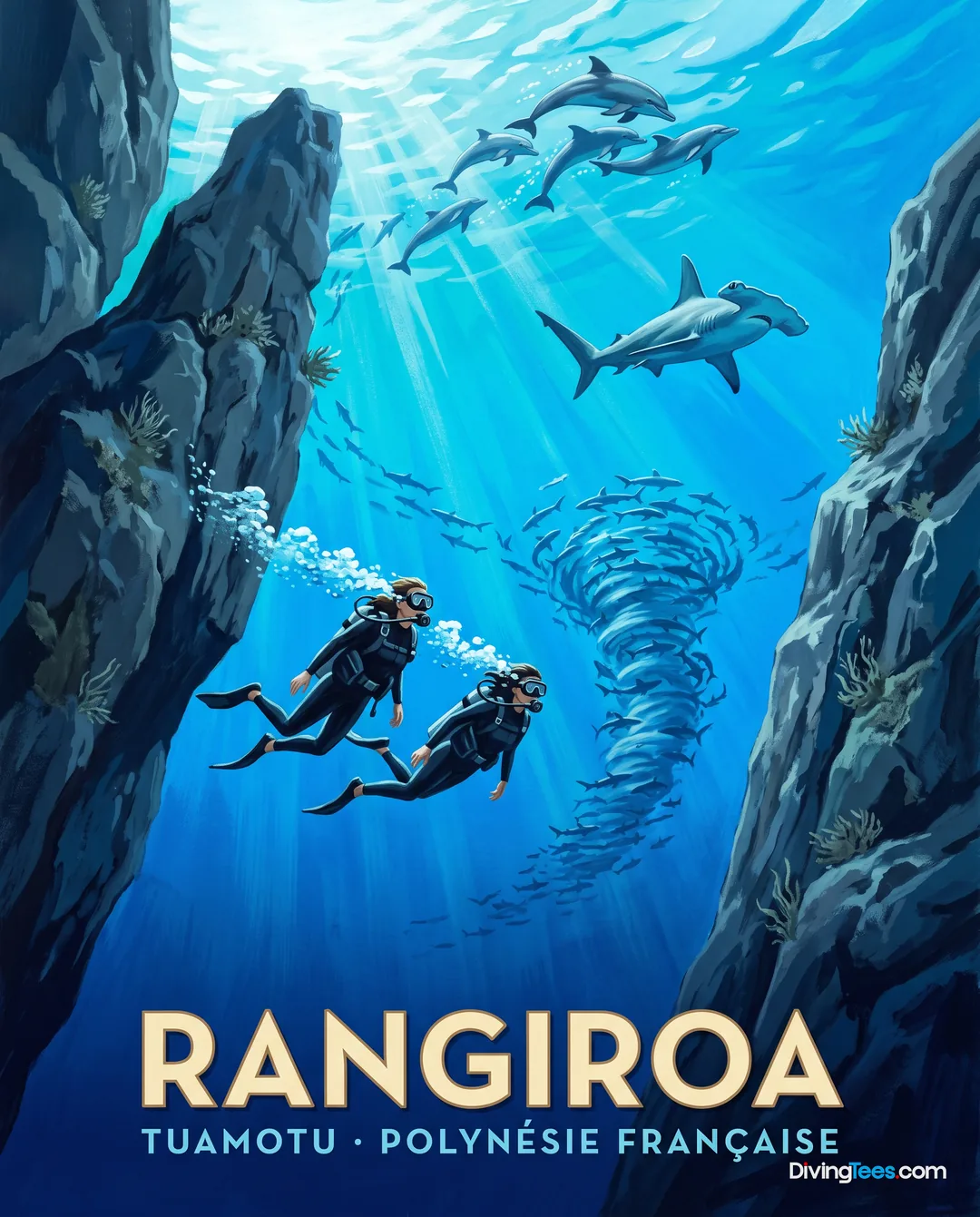
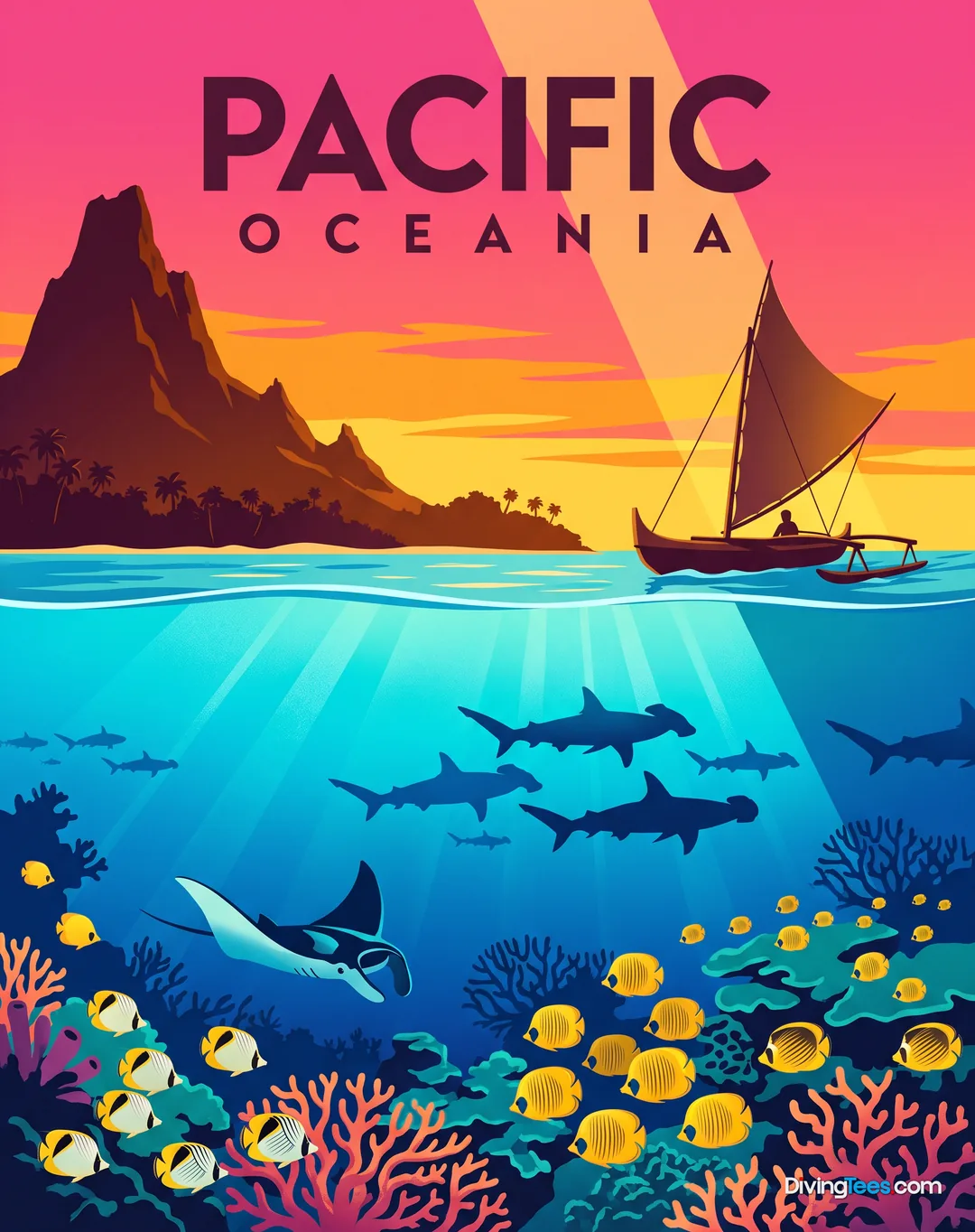
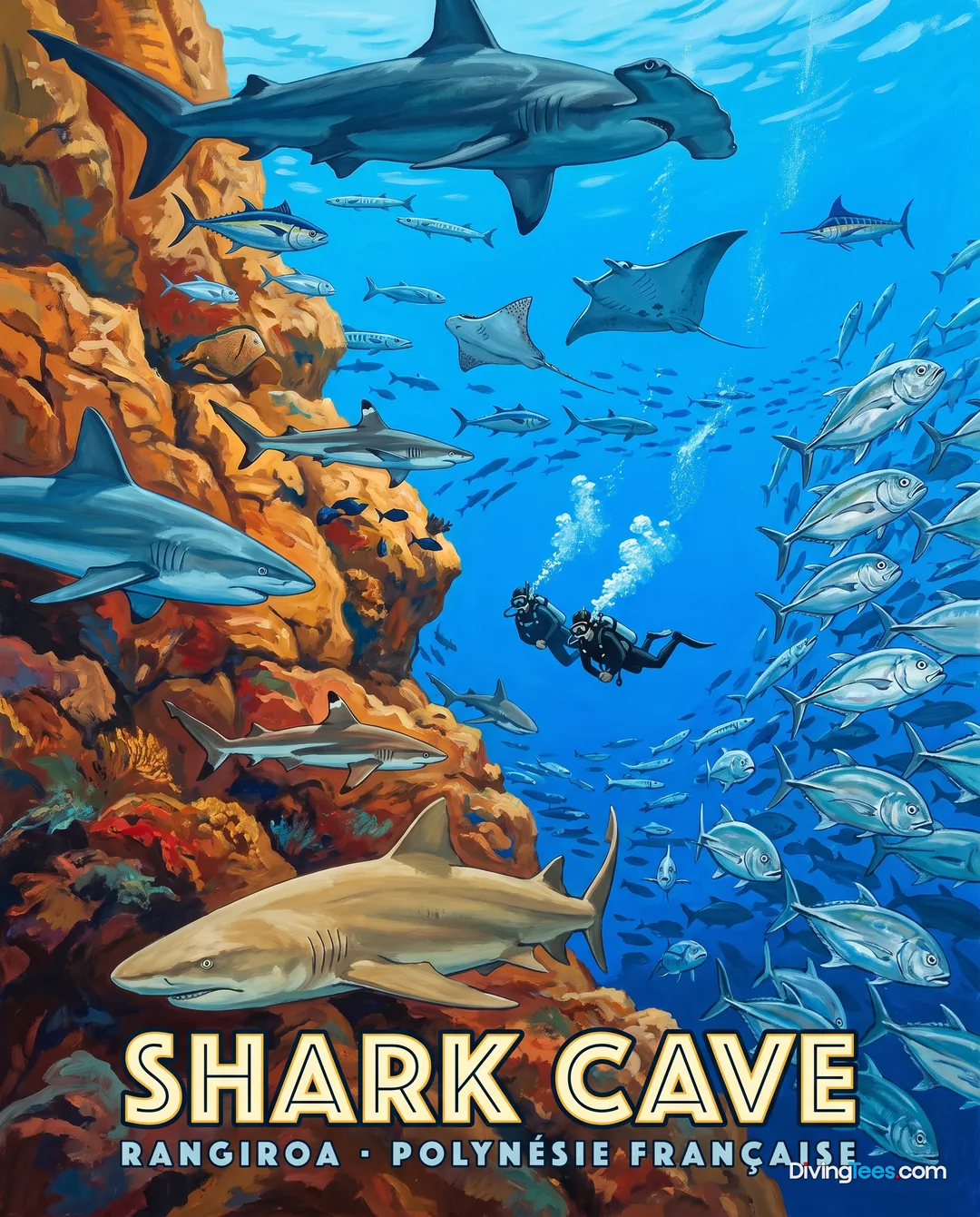
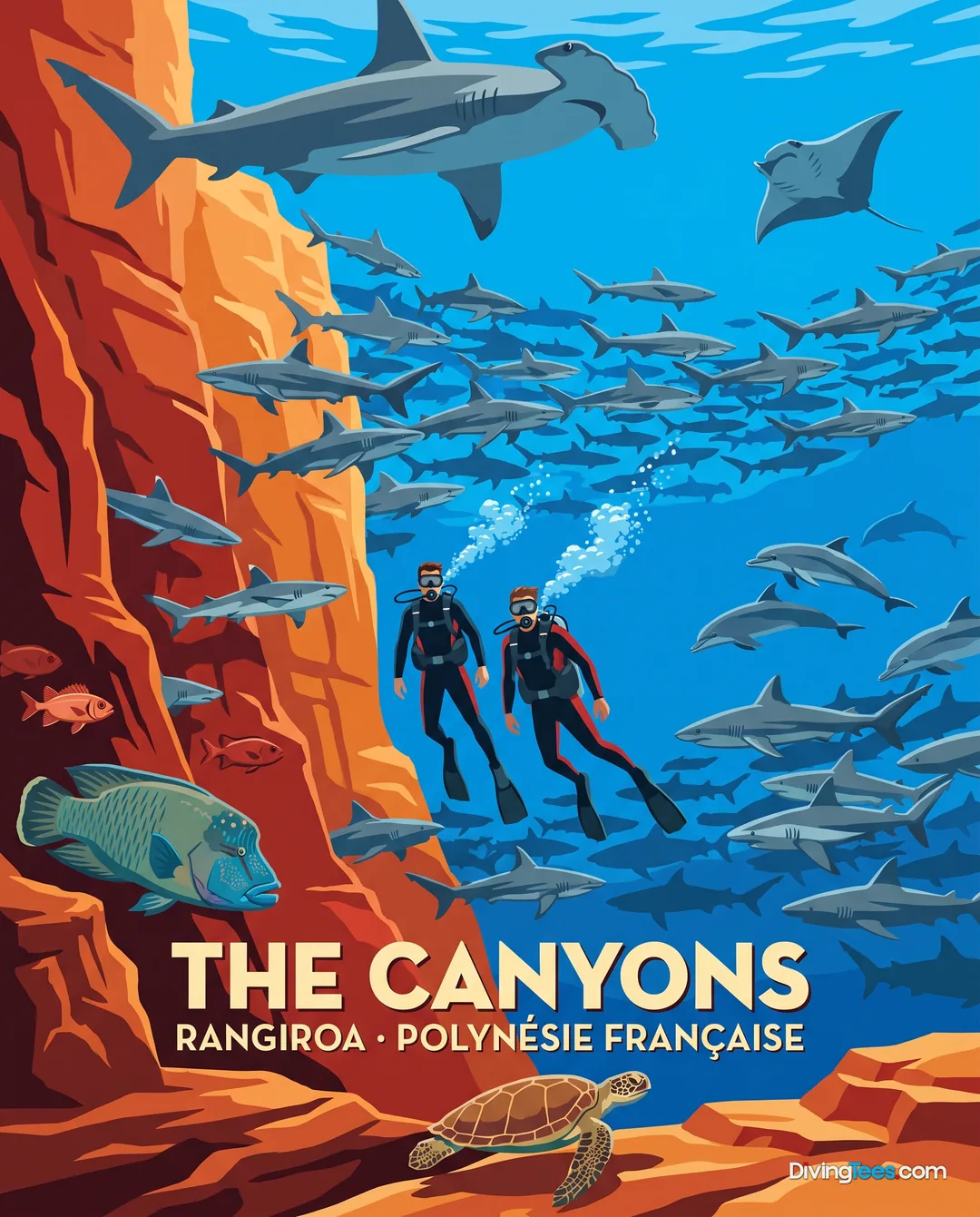
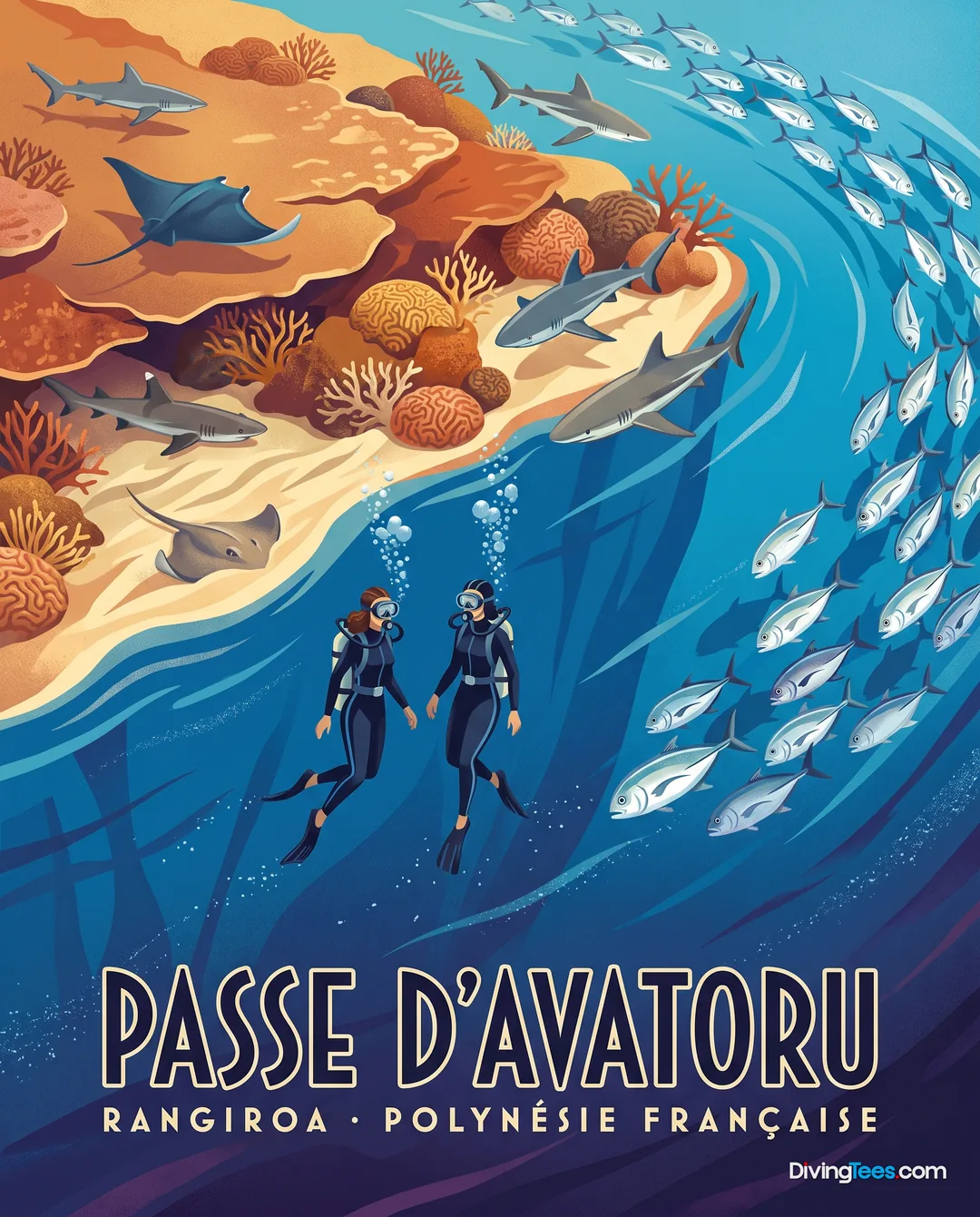
One of the primary reasons divers visit this site is for the high concentration of pelagic life. You can expect encounters with several species of sharks, including silvertip sharks, silky sharks, and grey reef sharks. Depending on the day, blacktip reef sharks and whitetip reef sharks are also frequently present. The open nature of the site allows these predators to cruise through the mid-water, often appearing from the depths or the periphery of your vision. This provides a different perspective than reef-based shark encounters, as the animals have no physical boundaries to navigate around.
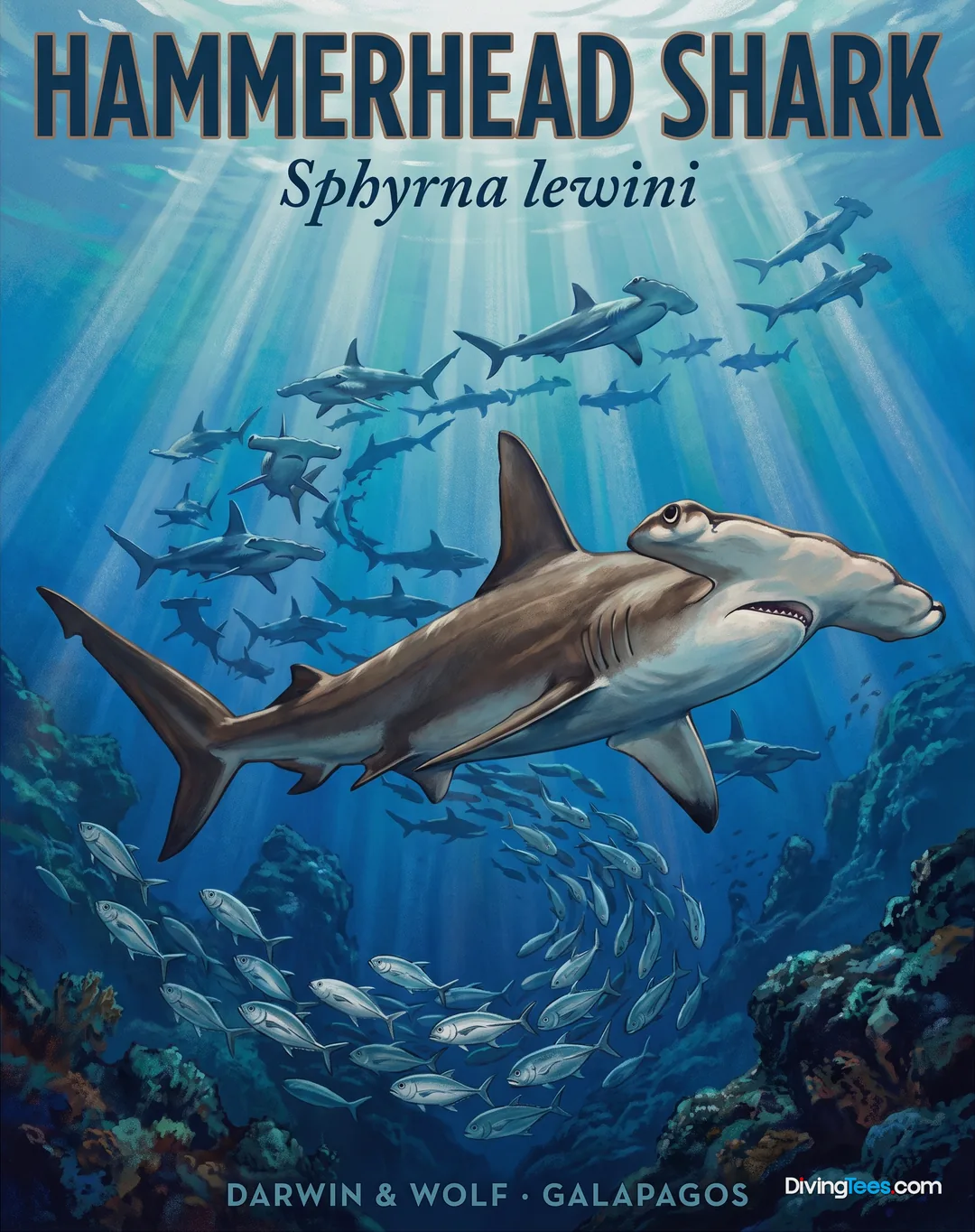
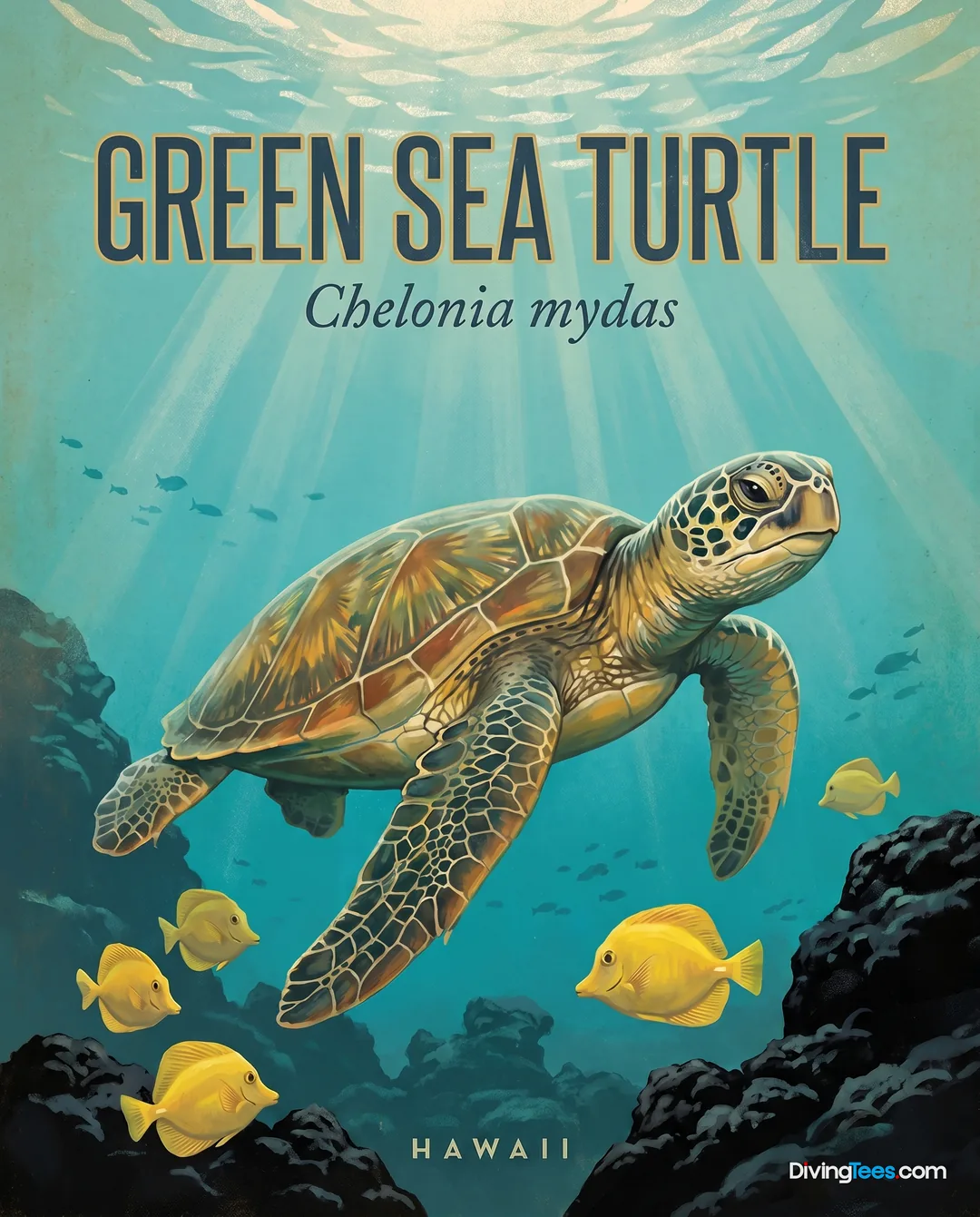
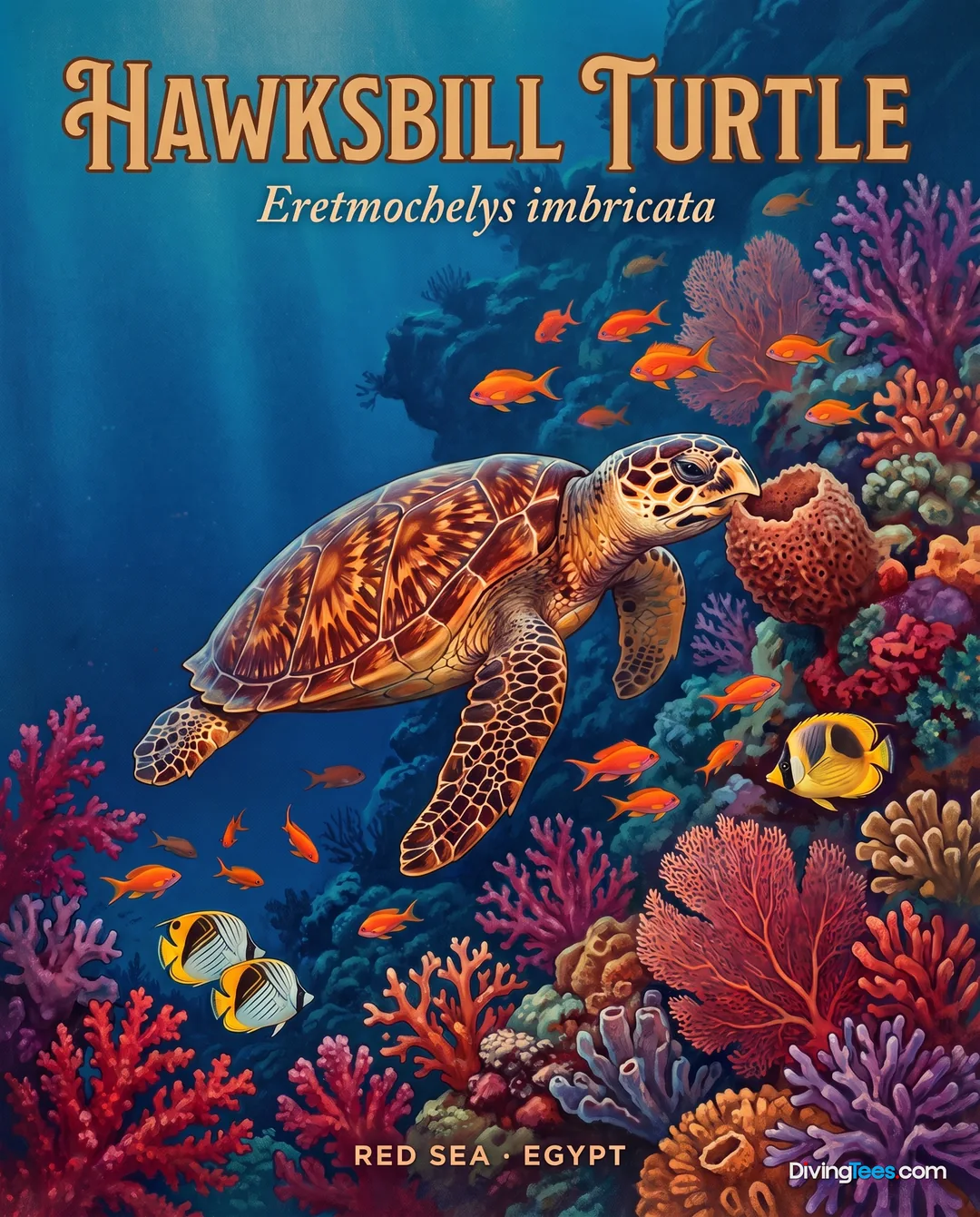
Large hammerhead sharks are a notable feature of the area, adding to the scale of the marine life encountered here. Beyond sharks, the site is a regular meeting point for large rays, including eagle rays, which move through the water column. You may also encounter green turtles and hawksbill turtles near the drop-off areas. The presence of these large animals is part of what makes this a signature site for the Tiputa Pass region. The sheer volume of the water column allows for a diverse range of movements from these species.
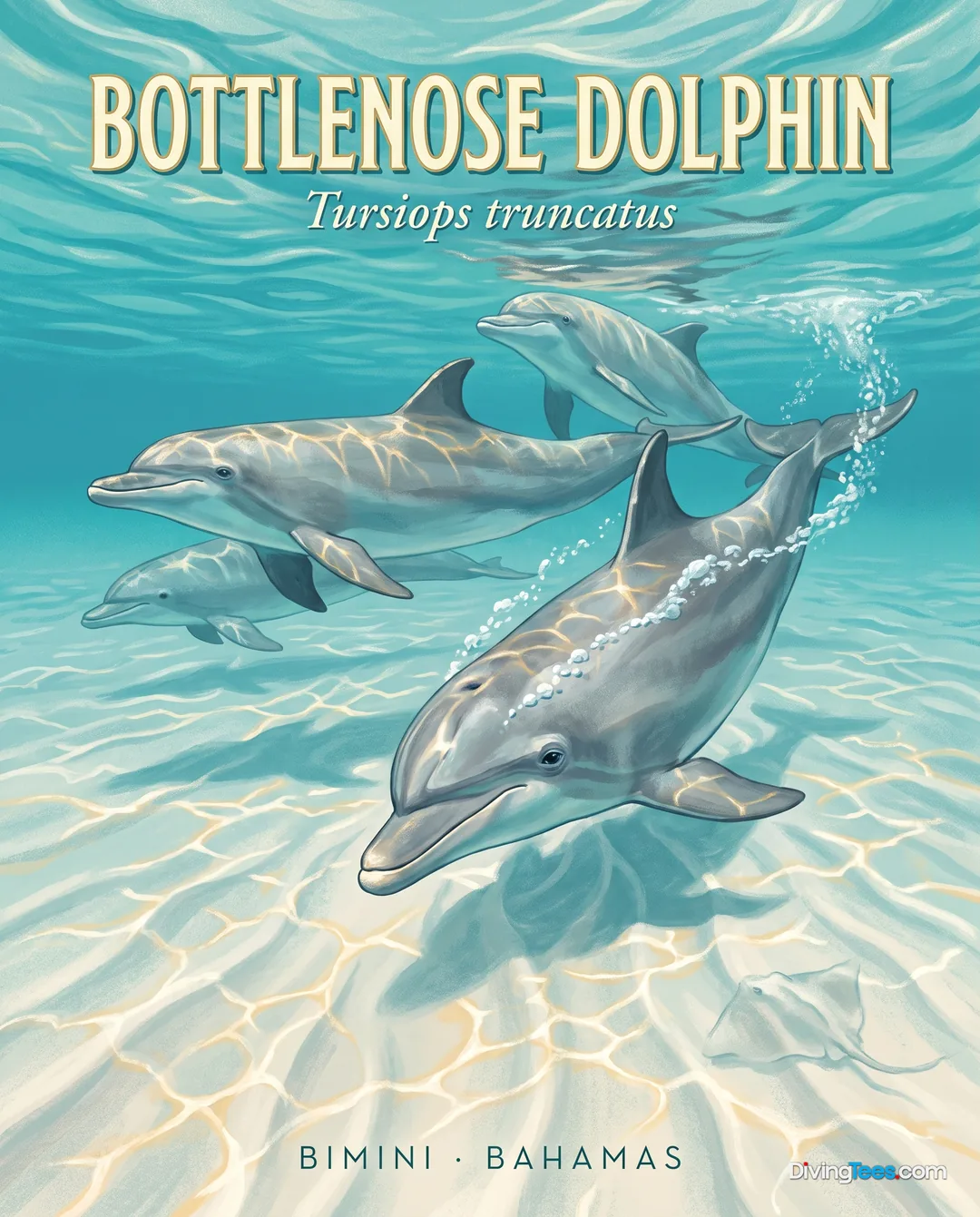
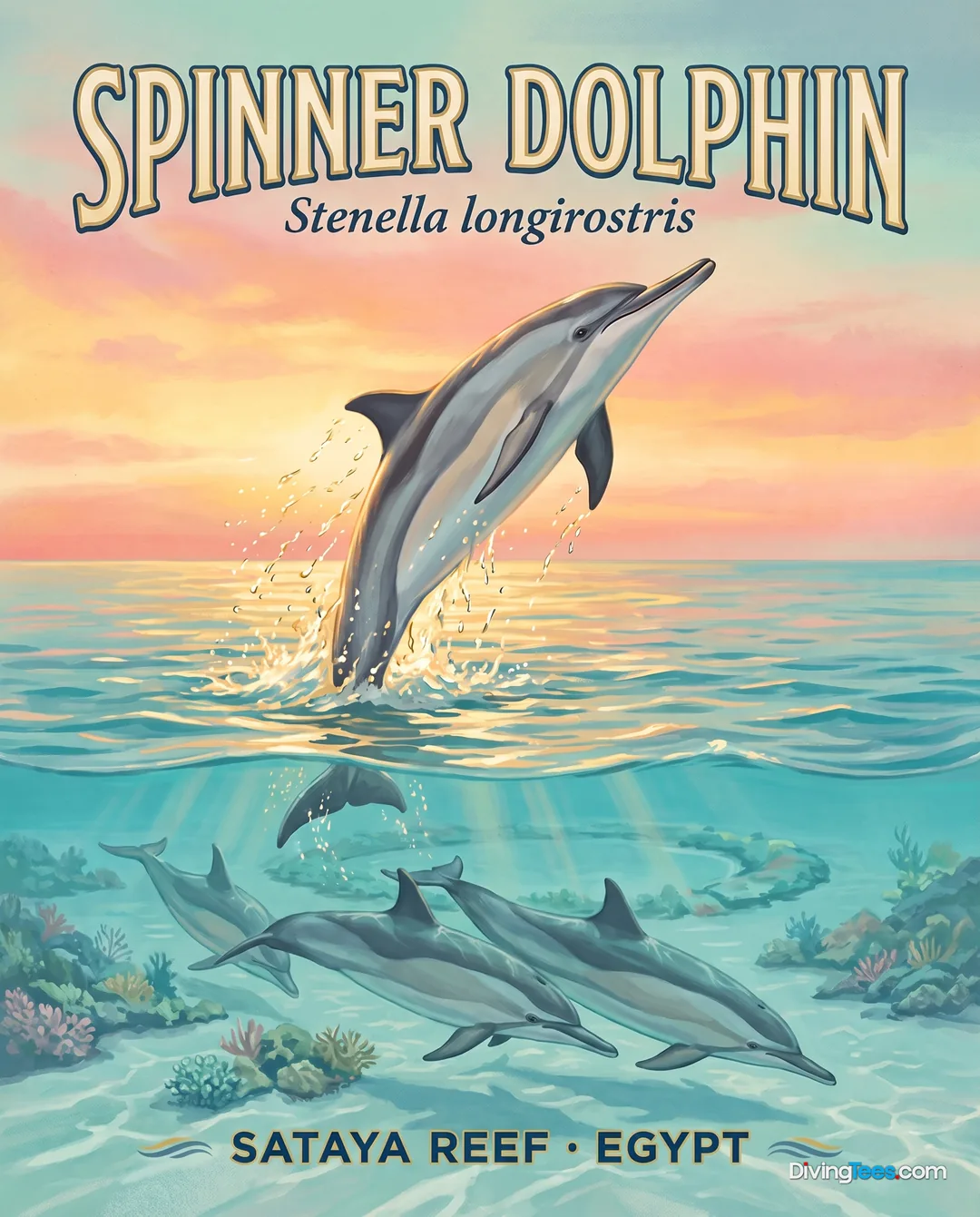
The site also offers opportunities to see dolphins, including both bottlenose dolphins and spinner dolphins. These mammals often cruise the edges of the pass and may approach divers during the drift. The interaction between the currents and the reef slope creates a dynamic environment where these animals are frequently seen. For many, the presence of dolphins alongside large sharks and rays defines the character of the dive. It is a site where the scale of the environment matches the size of the animals passing through it.
Current conditions are a key factor in how the dive is planned and executed. While the main Tiputa Pass can experience very high currents, the Big Blue area itself is generally more manageable. Local guides carefully time the dives to coincide with the tide, often choosing outgoing tides to ensure the drift is controlled. This positioning allows you to remain in the blue water while still being exposed to the pelagic species that follow the currents. Even so, you must be prepared for the possibility of shifting conditions as you move away from the reef.
Visibility at The Big Blue is consistently high, often reaching between 30 and 40 metres. This clarity is essential for a blue-water dive, as it allows you to spot approaching sharks and rays from a significant distance. The light penetrates deep into the water column, providing the illumination needed to see the shapes of animals cruising in the mid-water. This visibility, combined with the lack of bottom reference, creates the intense sense of scale that characterizes the site. You are fully immersed in a three-dimensional environment where movement can come from any angle.
What sets this site apart from other locations in Rangiroa is the specific focus on baited shark dives conducted by some operators. This practice specifically targets silky and silvertip sharks, offering close-range photographic opportunities that are difficult to find on standard reef dives. While not every dive at The Big Blue involves bait, the site's reputation for high-quality shark encounters is well-established. Whether through bait or natural movement, the site remains one of the most reliable places in the region to witness large pelagic species in an open-ocean setting.
Depths range from 15 to 30 metres. An Advanced level certification is required, and you should be comfortable with mid-water drifts and potential shark encounters; a significant number of logged dives is recommended to ensure buoyancy stability. Currents are variable but are typically managed by guides through tidal timing; visibility is excellent, usually between 30 and 40 metres.
You should dive The Big Blue when local guides time the dive with the tide, often choosing an outgoing tide. This helps keep the mid-water drift controlled while exposing you to pelagic species following the currents. Conditions can still shift as you move farther from the reef.
You need an Advanced level certification for The Big Blue and should be comfortable with mid-water drifts and potential shark encounters. A significant number of logged dives is recommended so you can maintain stable buoyancy while suspended above the deep water column without a seabed reference.
The Big Blue is typically dived between 15 and 30 metres, beginning near the reef slope before moving into open water. Currents are variable but are generally managed through tidal timing by guides. You should still be prepared for shifting conditions as you move away from the reef.
At The Big Blue, you may encounter silvertip, silky, grey reef, blacktip reef, and whitetip reef sharks, along with great hammerhead sharks. Eagle rays, manta rays, green turtles, hawksbill turtles, bottlenose dolphins, and spinner dolphins may also appear in the open-water drift.