



Rangiroa Diving Center
Google 4.9/5 (378 reviews)
Rangiroa · French Polynesia · Pacific
Max. depth · 46 mRide the powerful tidal currents through a deep oceanic channel to encounter resident shark populations and passing dolphins.
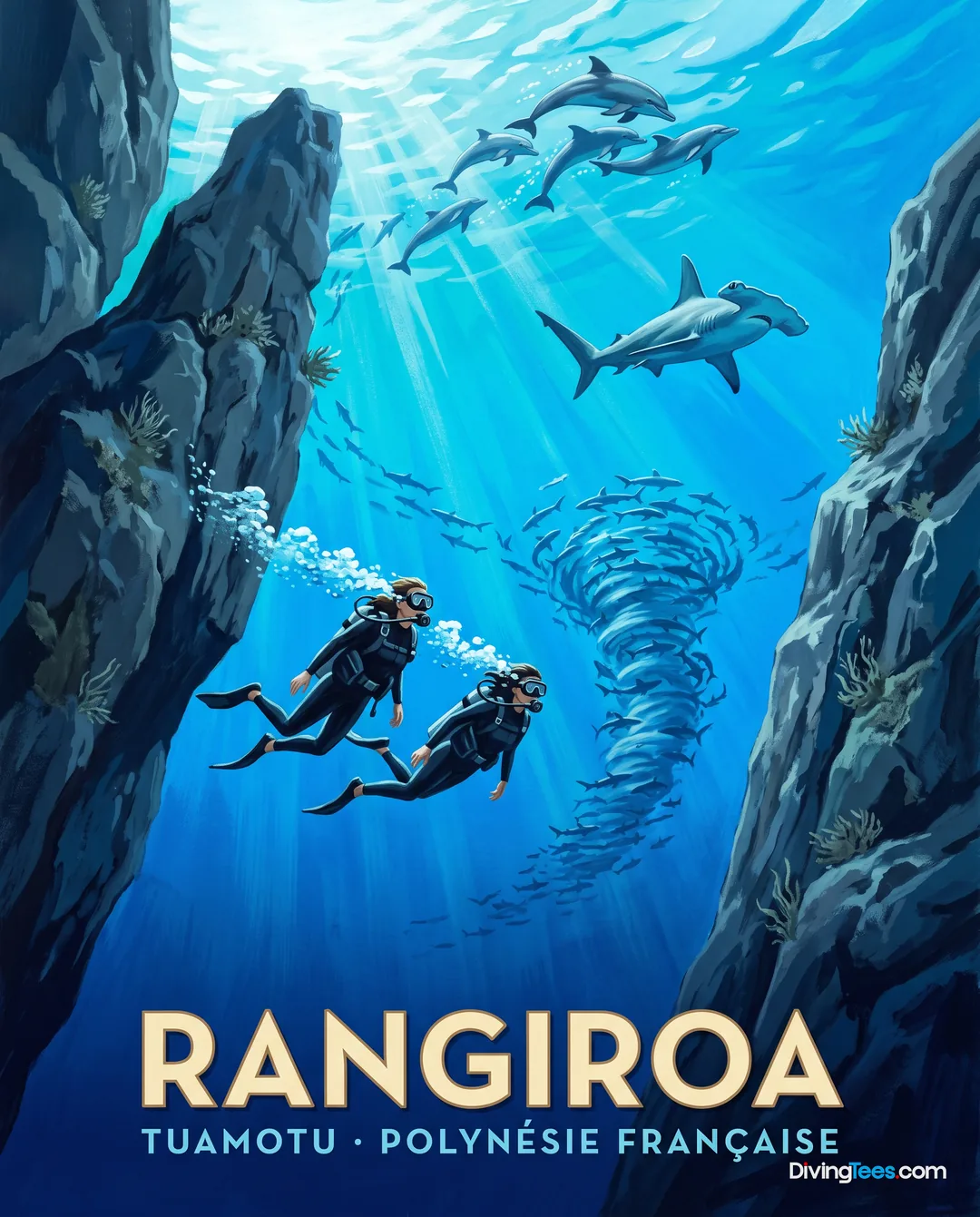
Tiputa Pass functions as a massive hydraulic artery, cutting through the outer reef of Rangiroa to connect the open Pacific with the interior lagoon. The topography is defined by a series of sloping ocean-side walls and sandy terraces that step down into much deeper water. As you navigate the channel, you move through a landscape of ledges, small caves, and dramatic drop-offs. The pass is not a single feature but a complex corridor where the reef structure directs the massive movement of water. Depending on the dive plan, you may begin your descent on the external reef slope before being carried into the throat of the pass by the incoming or outgoing flow.
The dive profile typically follows the natural movement of the tide, making it a true drift dive. You will find yourself navigating depths that range from shallow reef ledges at 12 metres down to the deep outer walls at 46 metres. The transition between these zones is often marked by sudden changes in topography where the current accelerates. Managing your buoyancy is essential as you pass over sandy areas and alongside the vertical faces of the reef. Staying close to the wall allows you to use the structure to find pockets of calmer water if the surge becomes too intense. The goal is to maintain a steady position within the current to maximize your visibility of the passing pelagics.
Currents at Tiputa Pass are driven entirely by the tidal cycle, switching between a strong influx of ocean water into the lagoon and a powerful ebb out to the Pacific. In the narrowest sections of the channel, these flows can become extremely forceful, requiring precise control and experience. Local operators time their departures carefully to match specific tidal states, ensuring the drift is manageable and the visibility remains optimal. You must be prepared for the current to shift or pick up speed without significant warning. Understanding the direction of the flow is the most critical part of your navigation, as it dictates your entire path through the pass and your eventual surface interval.
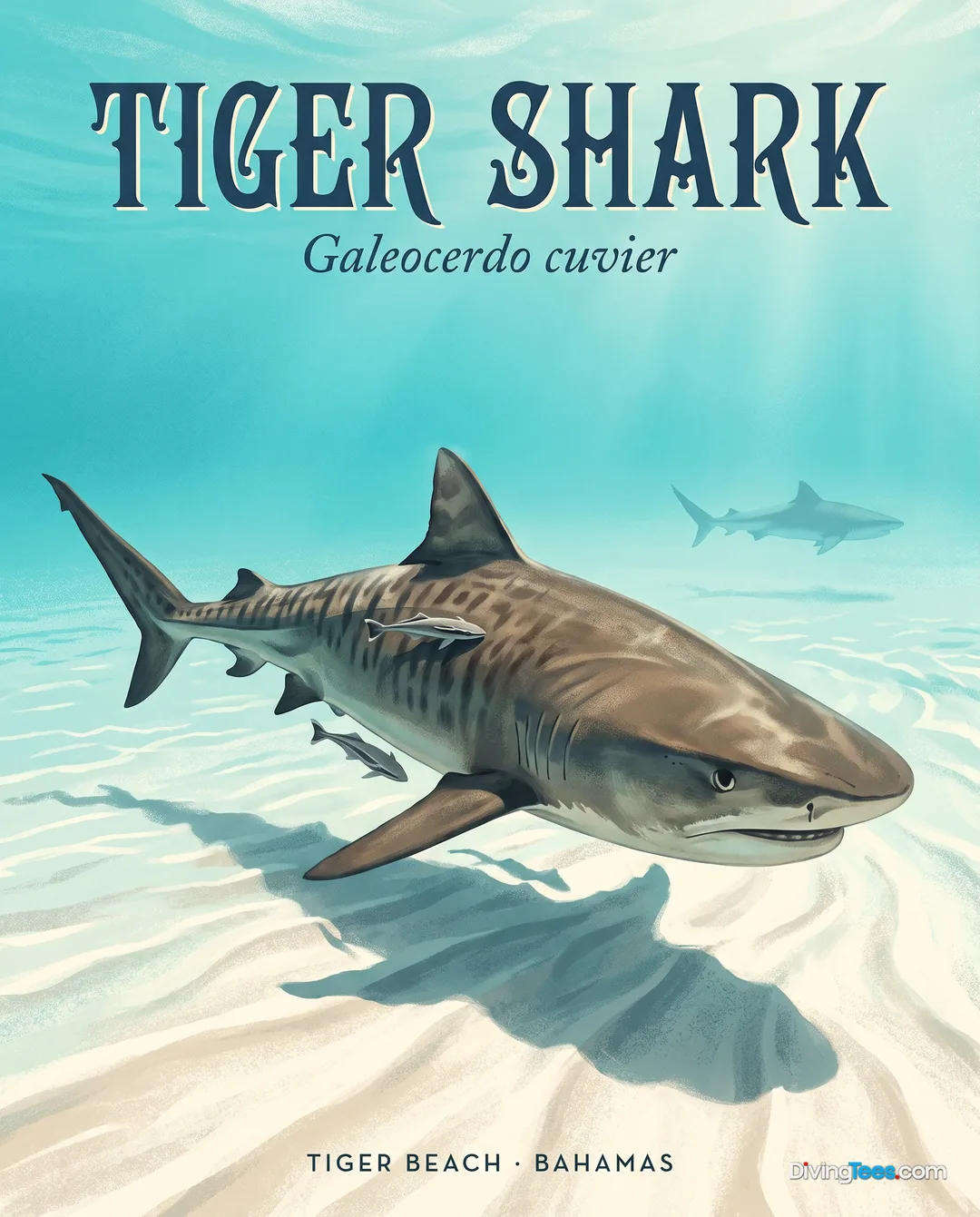
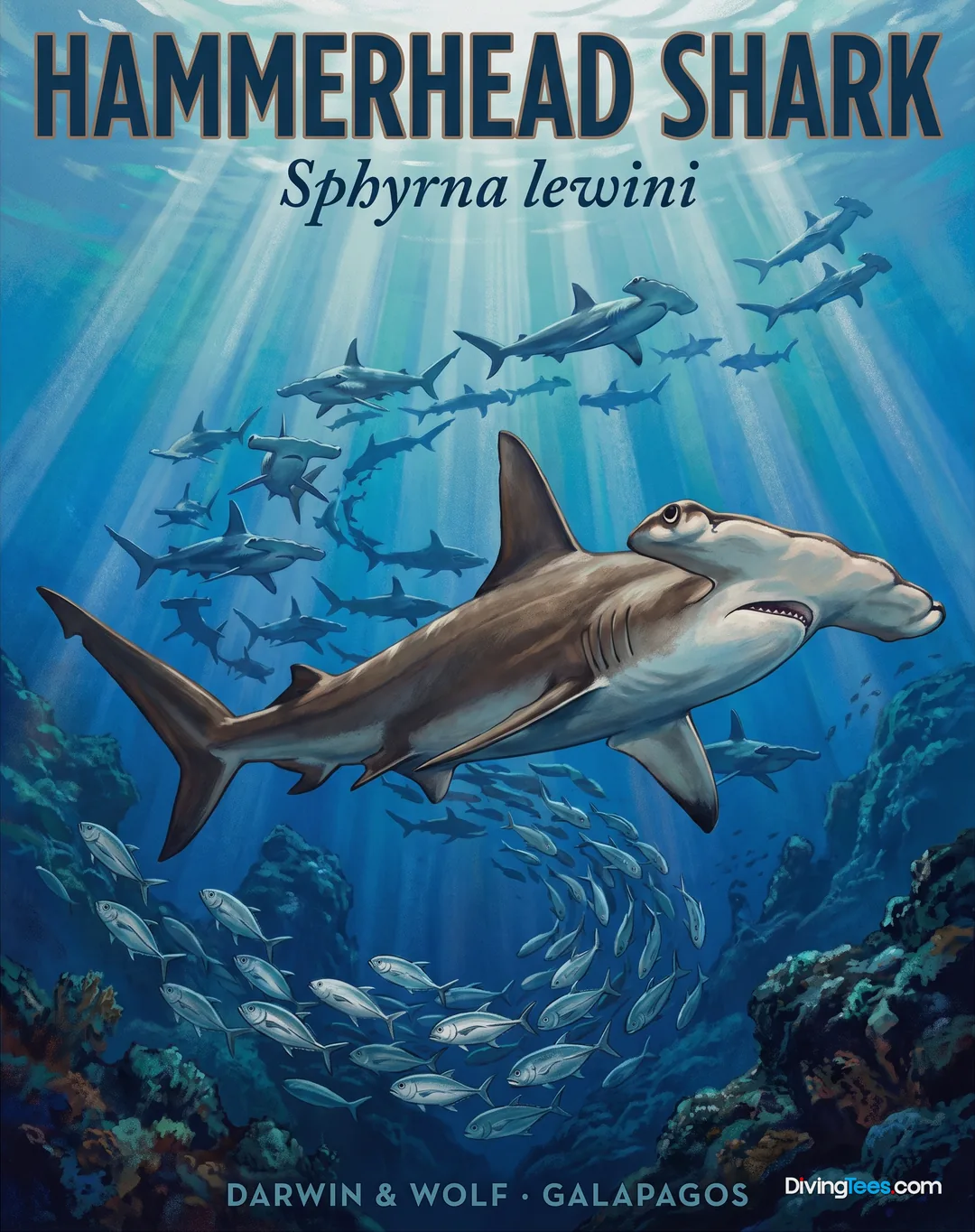
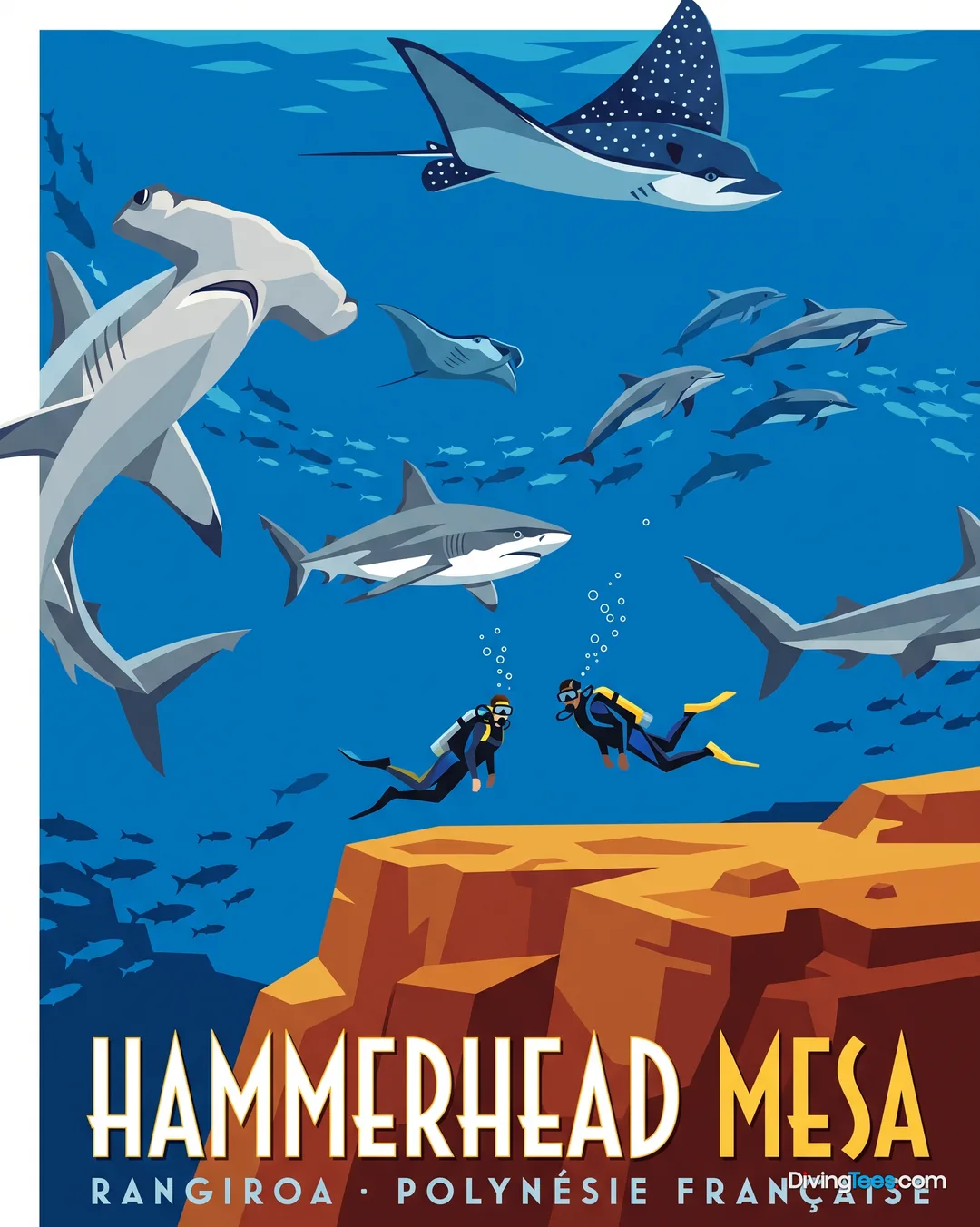
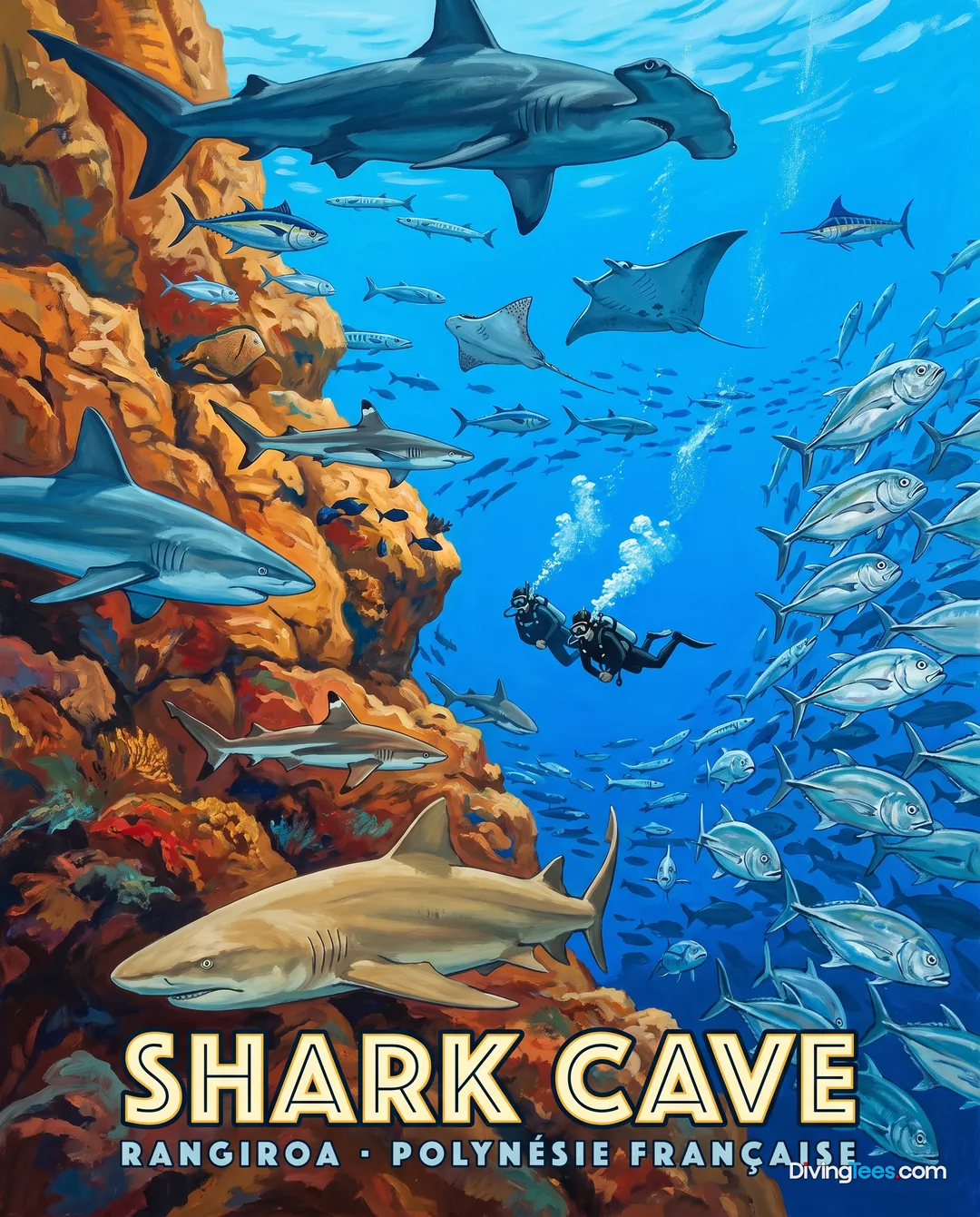
The most notable characteristic of this site is the high density of apex predators that use the pass as a corridor. You will frequently see large aggregations of reef sharks holding their position in the moving water. Grey reef sharks, whitetip reef sharks, and blacktip reef sharks are common residents, often found cruising the edges of the channel. As you move deeper or follow the current, you might encounter silvertip sharks or lemon sharks. During specific times of the year, the presence of larger species like the tiger shark becomes more frequent. These animals are not usually aggressive toward divers but are highly active due to the nutrient-rich water moving through the pass.
Pelagic life at Tiputa Pass extends beyond sharks to include several species of rays and larger migratory animals. Eagle rays and leopard rays are often seen gliding through the water column, utilizing the current to conserve energy. Manta rays are also a regular feature, especially during the austral summer months when their activity peaks. The open water above and around the channel can be a theater for even larger encounters, including the seasonal arrival of great hammerhead sharks. These sightings are often the result of the strong tidal movements bringing large schools of prey into the pass, attracting the predators that follow.
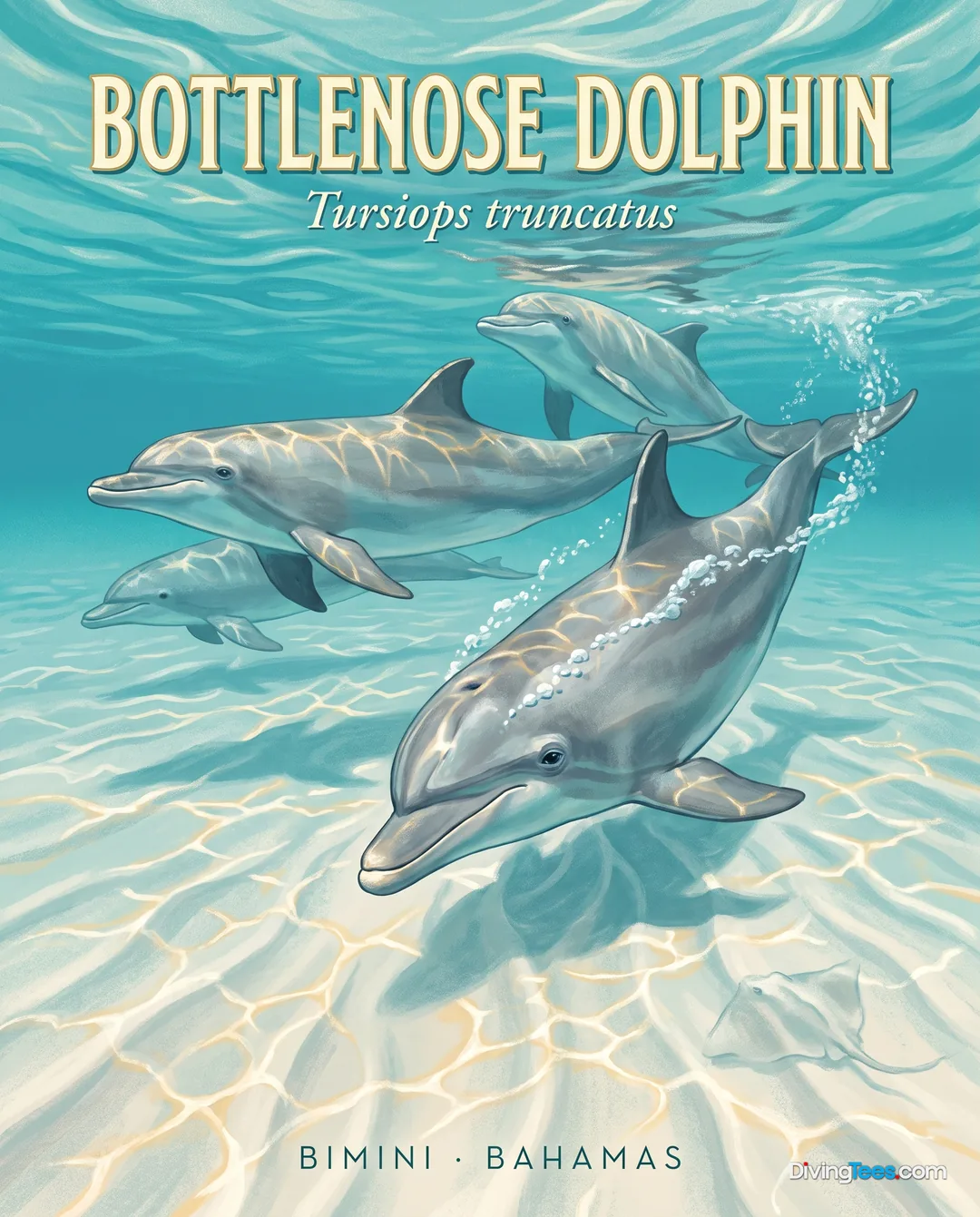
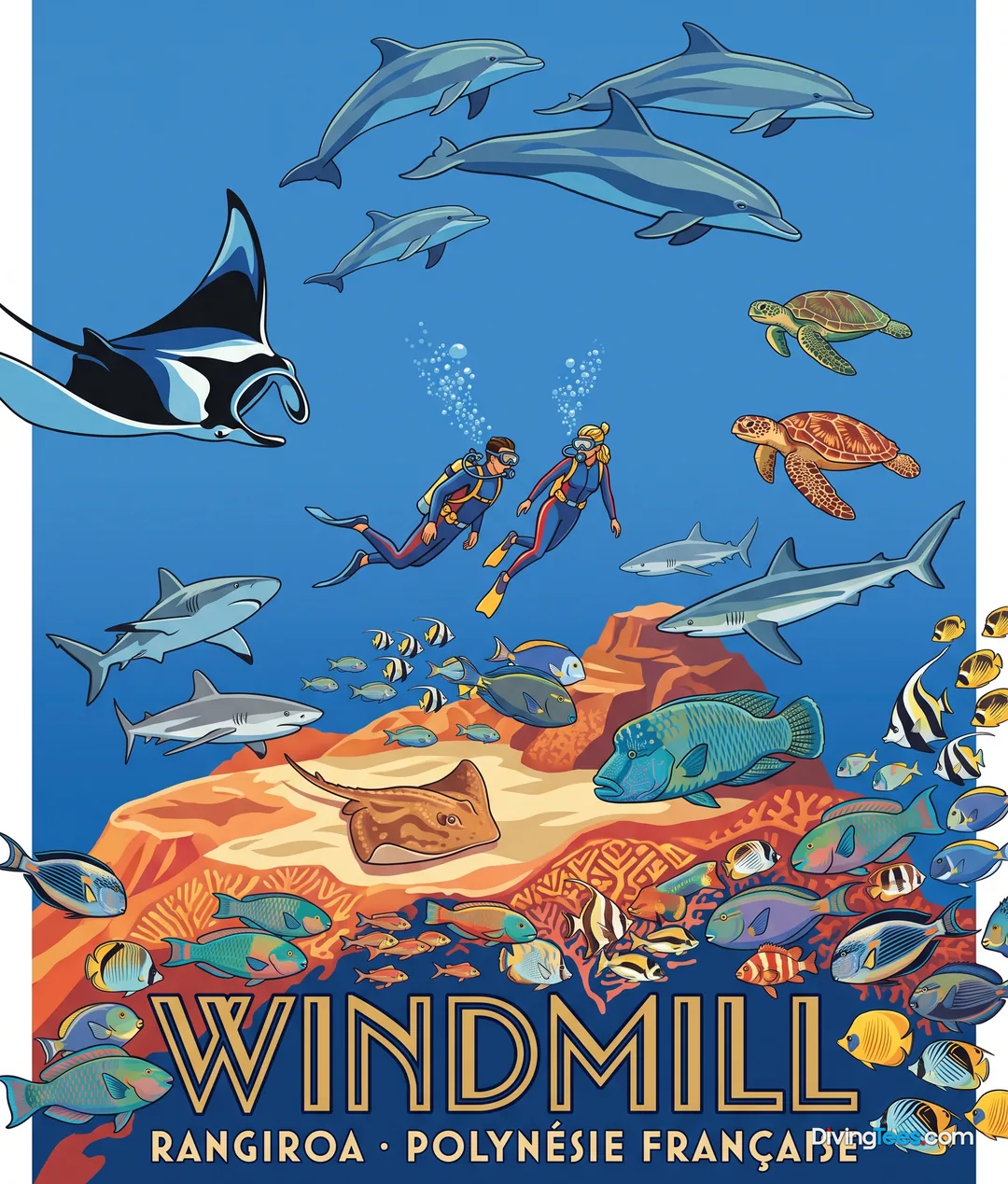
Dolphins are a constant and predictable element of the Tiputa Pass experience. Resident pods of bottlenose dolphins and spinner dolphins frequently interact with the dive boats and the divers themselves. They often ride the same tidal currents that you do, occasionally approaching divers in the water to observe them. This social behavior adds a unique layer to the dive, as you are not just observing marine life but interacting with a highly intelligent species in its natural habitat. Their presence is one of the primary reasons this site is considered a signature destination for divers in French Polynesia.
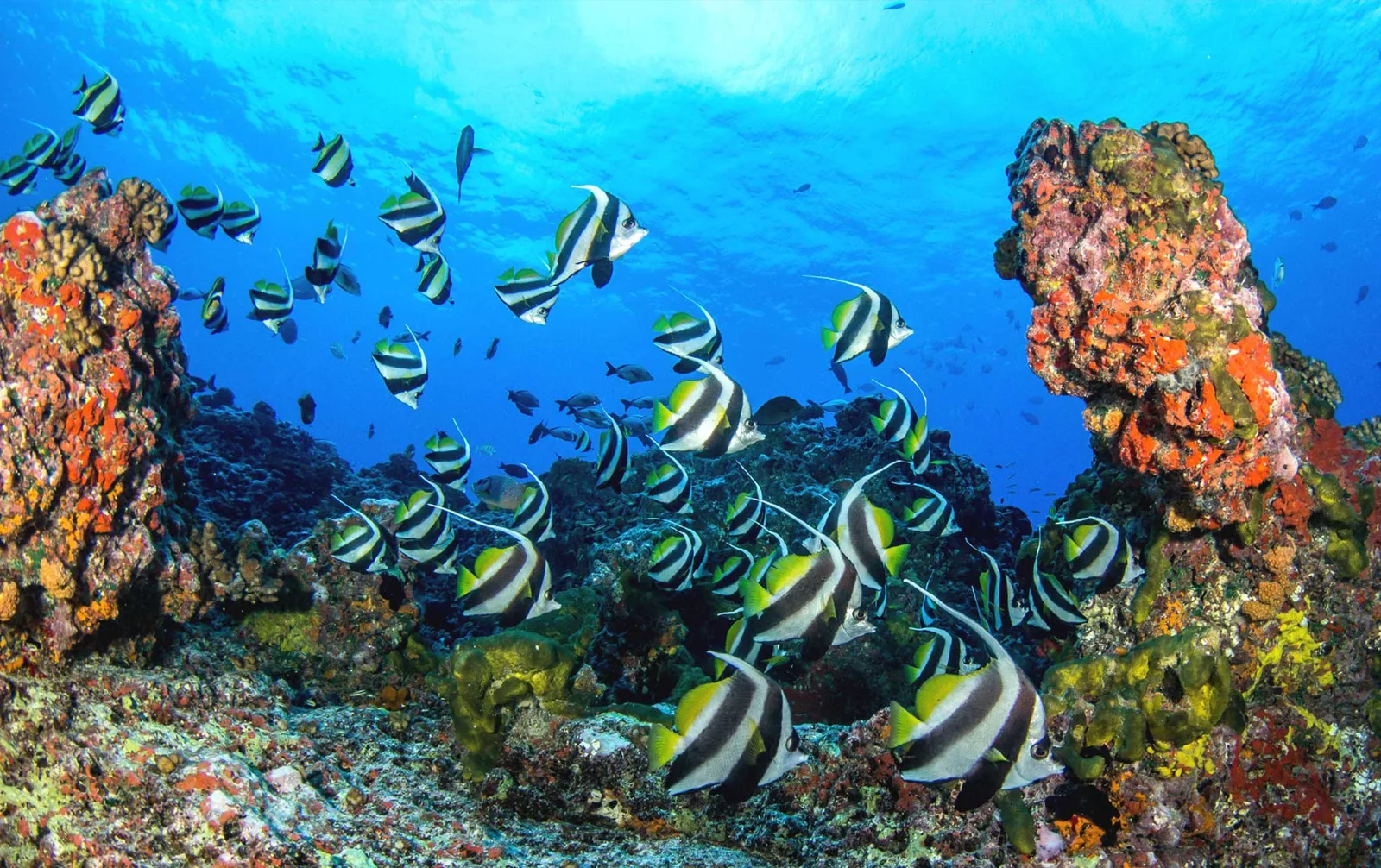
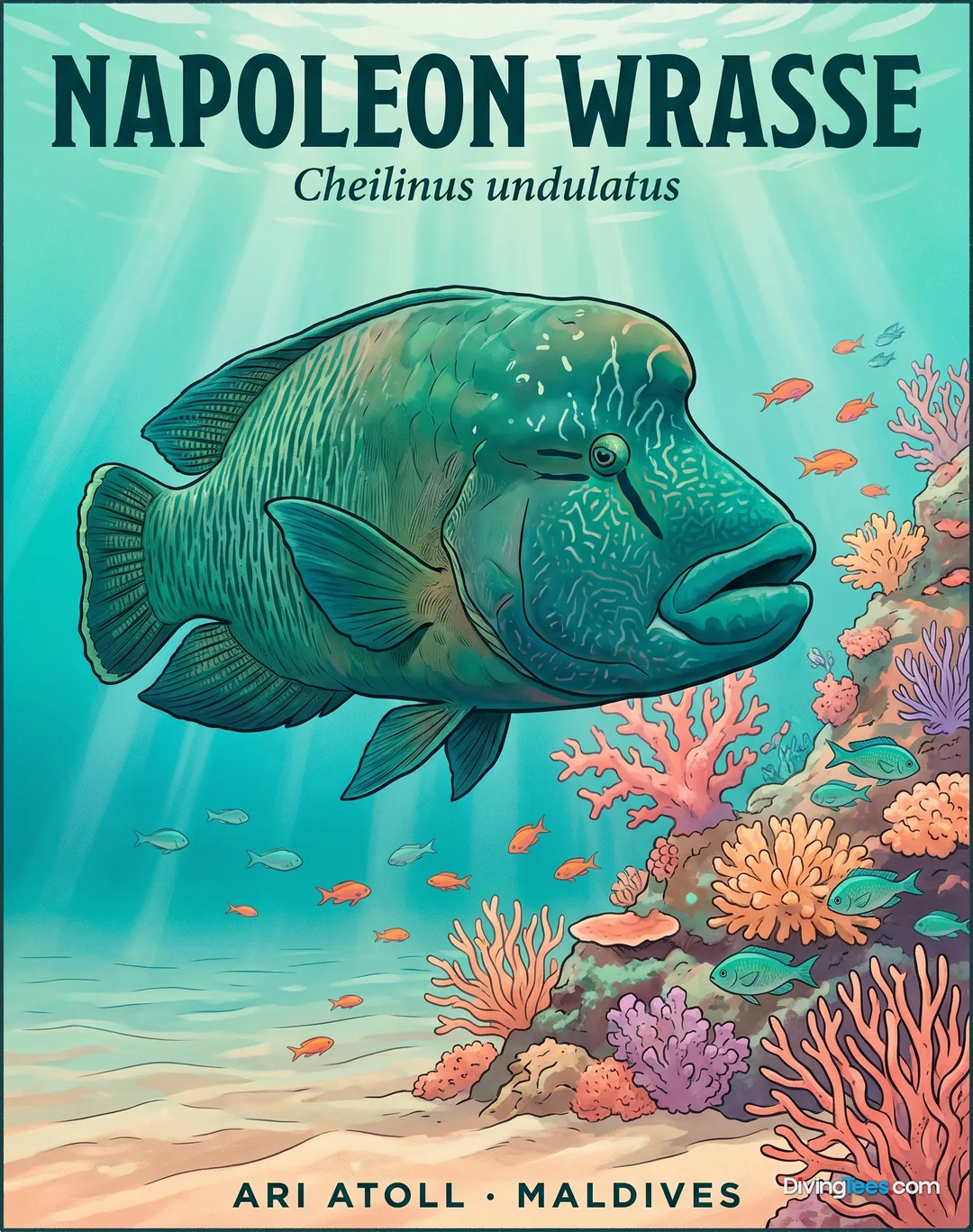
The reef structure itself supports a robust community of resident fish that inhabit the ledges and crevices. You will see large Napoleon wrasse patrolling the deeper sections, often staying near the same rocky outcrops. Schools of bigeye trevally and bluefin trevally move in coordinated groups through the current, hunting smaller fish. The reef faces are also populated by surgeonfish, triggerfish, and parrotfish, which graze on the coral surfaces. Watching these species navigate the surge provides a clear view of how life adapts to the high-energy environment of a major oceanic pass.
Visibility at the site is generally high, often ranging between 20 and 40 metres, depending on the tidal strength and recent weather. This clarity is essential for spotting sharks and rays that may be hovering at the edge of your visual range or coming in from the blue. The light conditions can change as you move from the sunlit shallow terraces into the shadows of the deeper walls. Planning your dive to follow the light can help in spotting the silhouettes of larger animals against the deeper water. This combination of high visibility and massive animal movement makes the pass a dynamic environment that requires constant attention to your surroundings.
Depth ranges from 12 to 46 metres. Advanced level required with significant experience in strong currents and drift diving. Currents are strong and vary with the tidal cycle. Visibility is typically 20-40 metres. The best period for great hammerhead and manta ray activity is the austral summer (December to March).
Choose the austral summer, from December to March, if you want the period associated with great hammerhead and manta ray activity. Tiputa Pass can also offer strong tidal drift diving, reef sharks, dolphins, eagle rays and other pelagic life, while visibility is typically twenty to forty metres.
Tiputa Pass requires an advanced level and significant experience with strong currents and drift diving. The profile ranges from shallow reef ledges at twelve metres to deep outer walls at forty-six metres. You need precise buoyancy control while moving across sandy terraces and alongside vertical reef faces.
Currents at Tiputa Pass are strong and controlled by the tidal cycle, switching between incoming flow toward the lagoon and outgoing flow toward the Pacific. They can accelerate sharply in narrow sections and may change or pick up speed. The drift direction determines your route, so operators time departures carefully.
At Tiputa Pass, you may see large aggregations of reef sharks, including grey reef, whitetip and blacktip reef sharks, along with bottlenose and spinner dolphins. Eagle rays, manta rays, reef fish and Napoleon wrasse are also present, while seasonal great hammerheads may appear in the open water.