Liveaboards · Egypt
Argo — a purpose-built Red Sea liveaboard for big sites and long days underwater
What makes this boat unique
- Argo carries up to 24 divers in air-conditioned twin and double cabins, with main- and upper-deck options.
- The dive operation has three Bauer compressors and a dedicated Bauer Nitrox membrane system; Nitrox is included for certified divers.
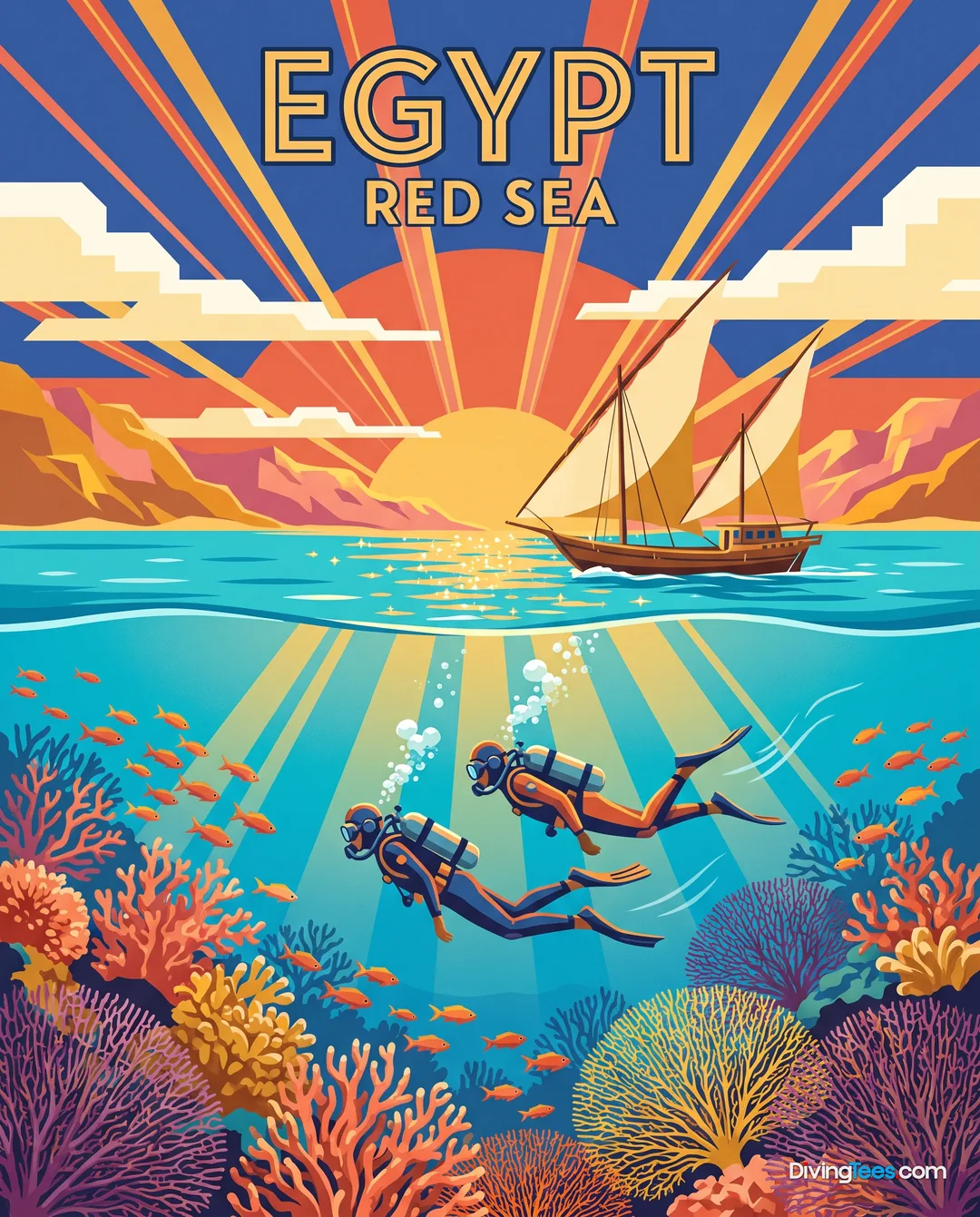
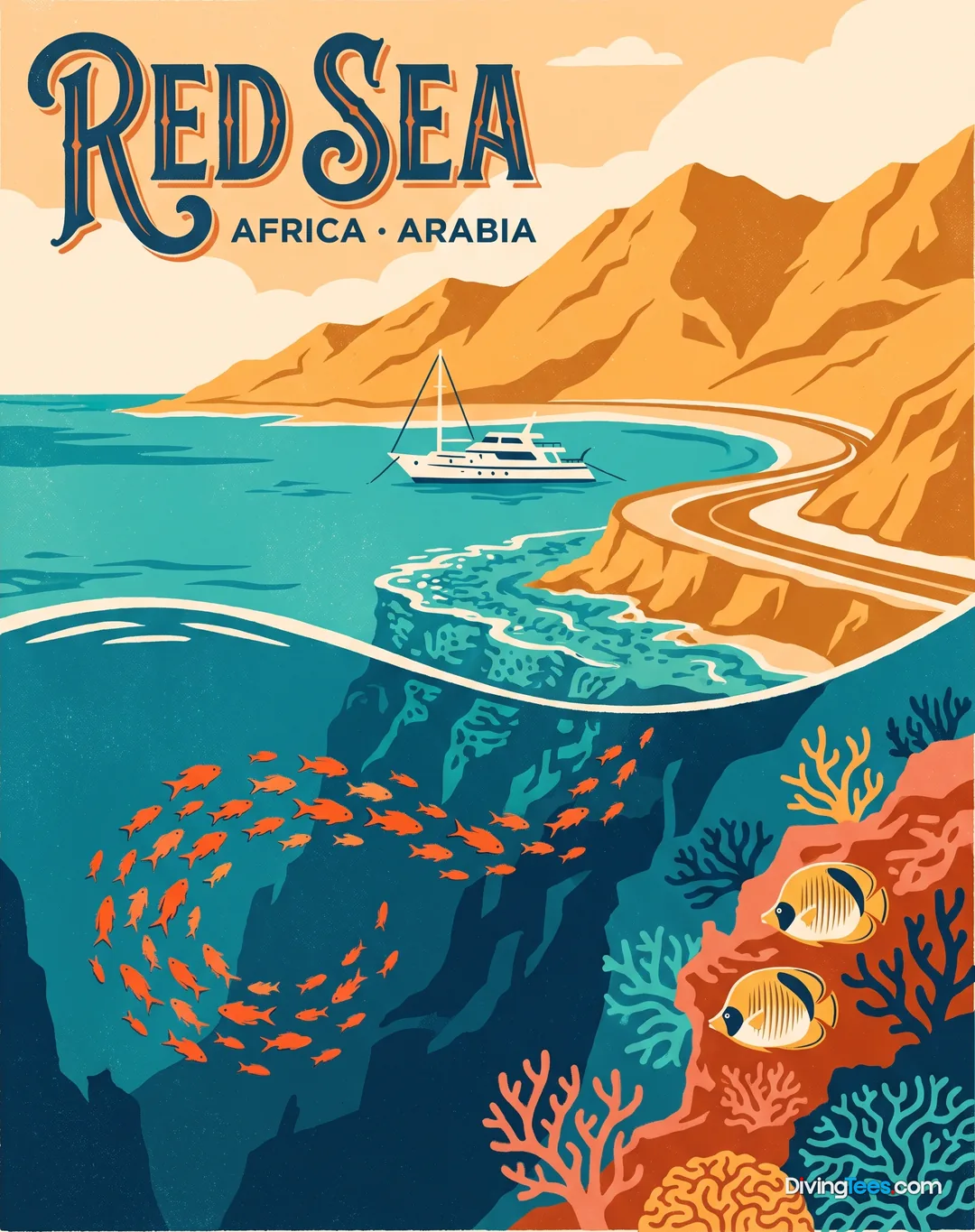
- The route reaches sites such as Elphinstone, the Brothers Islands, Numidia and the reefs around Hurghada.
- Six diving days are included, with two to three dives per day and two dives on the final day.
- A spacious sundeck, shaded upper-deck areas, an indoor saloon and a bar give the boat room between dives.
The invitation
Argo is for divers who want the Red Sea's large sites rather than a resort stay with occasional diving attached. Its itineraries link walls, offshore reefs, wrecks and coral gardens, with routes running from Hurghada or Port Ghalib and lasting eight days and seven nights. The boat was completed as Xplorer's own build project, shaped around feedback from divers, and the result is a platform made for repeated water entries: three Bauer compressors, a dedicated Nitrox membrane system and a generous upper deck for the hours between them. Elphinstone, the Brothers Islands and Numidia are not guaranteed on every departure, but they are part of the route network. Argo suits a diver with at least 20 logged dives, an Open Water qualification or equivalent, and enough independence to enjoy demanding Red Sea sites without turning the week into a classroom.
Boarding
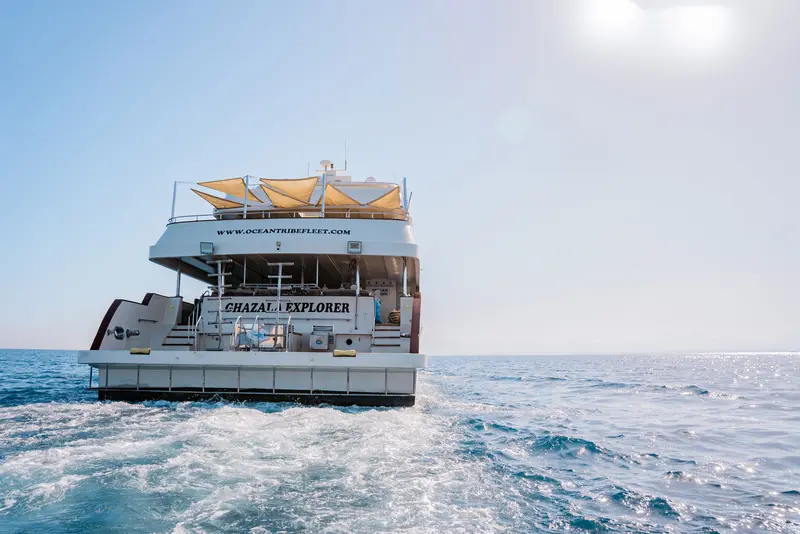
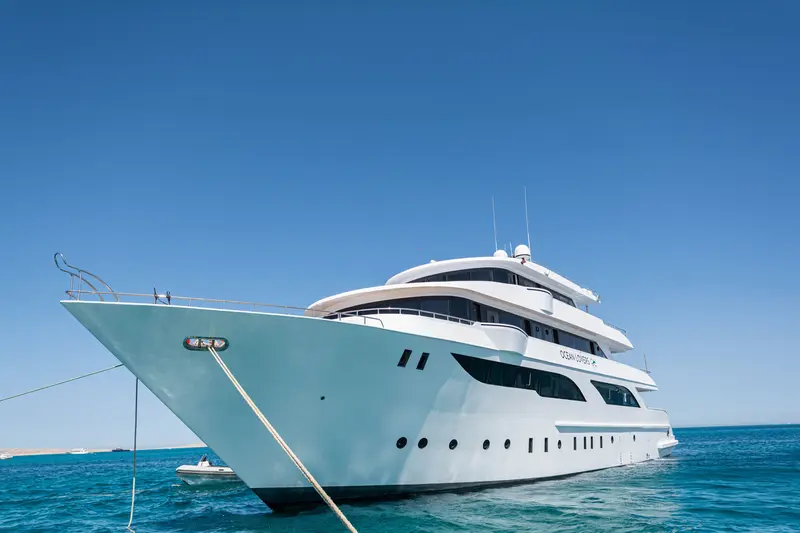
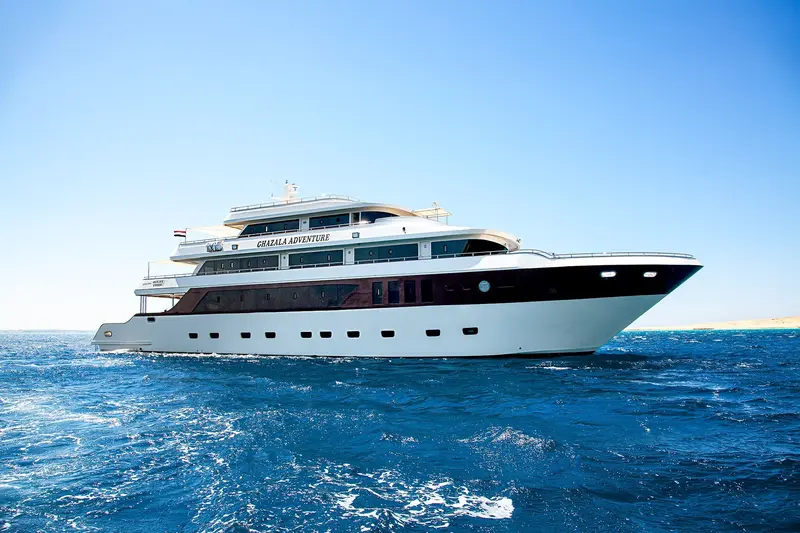
From the dock, Argo presents as a wooden liveaboard with a practical rather than hotel-like character. The boat was completed in 2023, so the wood, paintwork and public spaces belong to a recent build rather than a vessel being kept alive through successive repairs. Boarding leads into an indoor saloon, then out towards shaded and open upper-deck areas and a large sundeck. The layout matters after a dive: equipment, food and rest are not forced into one crowded corner. Silent generators reduce the background noise that can wear on a week at sea, while the twin Doosan engines give the boat the machinery expected for long Red Sea transfers. Argo feels built to move divers efficiently between remote reefs, then give them enough deck space to come back to themselves.
The atmosphere on board
Argo is run in English, with a dive guide and a crew organised around getting divers into the water and back aboard without fuss. The atmosphere is likely to form at the dive deck first: the same faces checking cylinders, listening to briefings and returning to the tender, then meeting again at the buffet or bar. A maximum of 24 passengers keeps the group large enough for different habits but small enough that the boat is a shared space rather than a resort lobby. In the evening, the saloon, audio and video entertainment, and open decks give people options instead of forcing one social rhythm. Divers who prefer to talk about the day's walls and sharks will find the natural meeting point; those who need silence can step away.
The sites you’ll dive
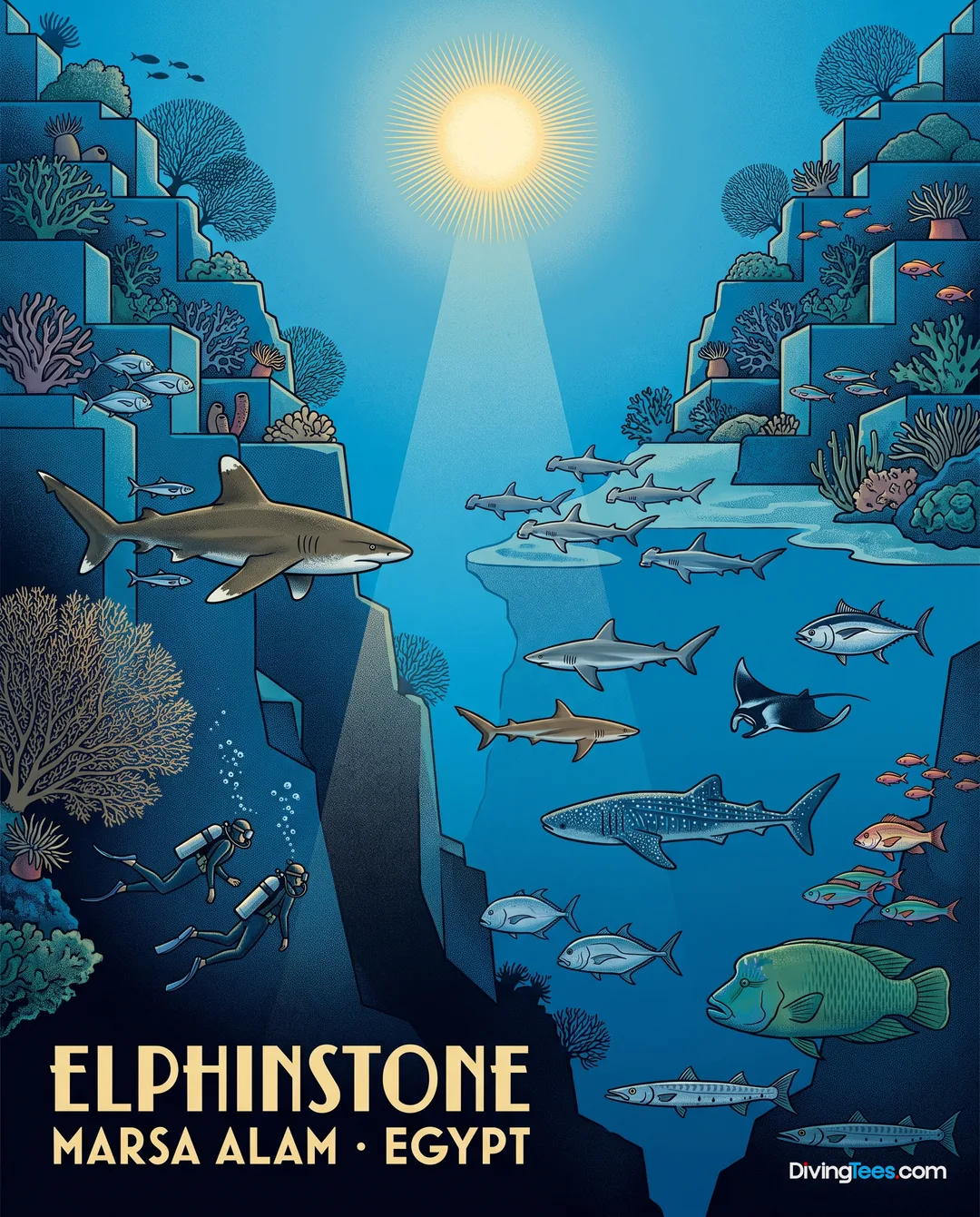
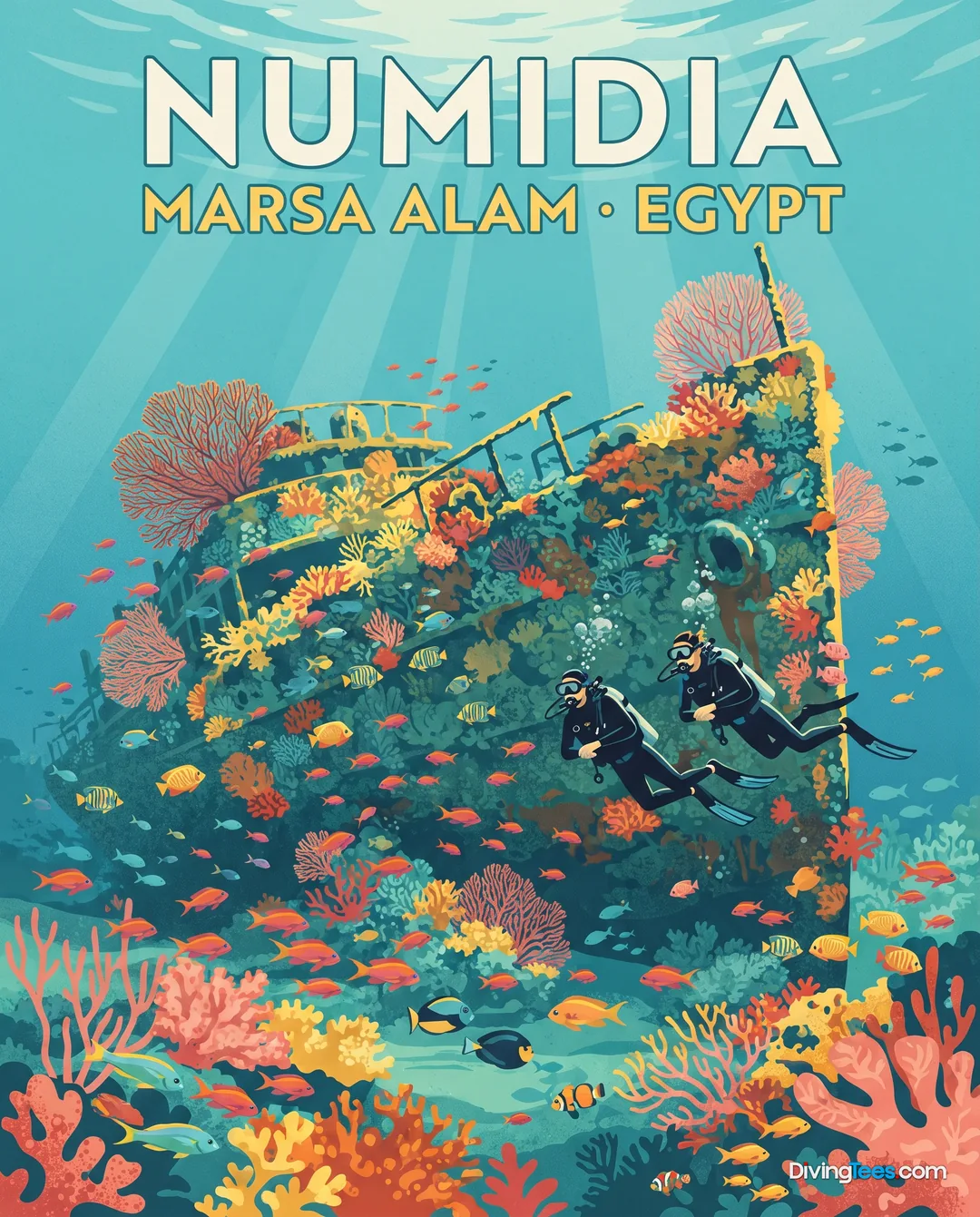
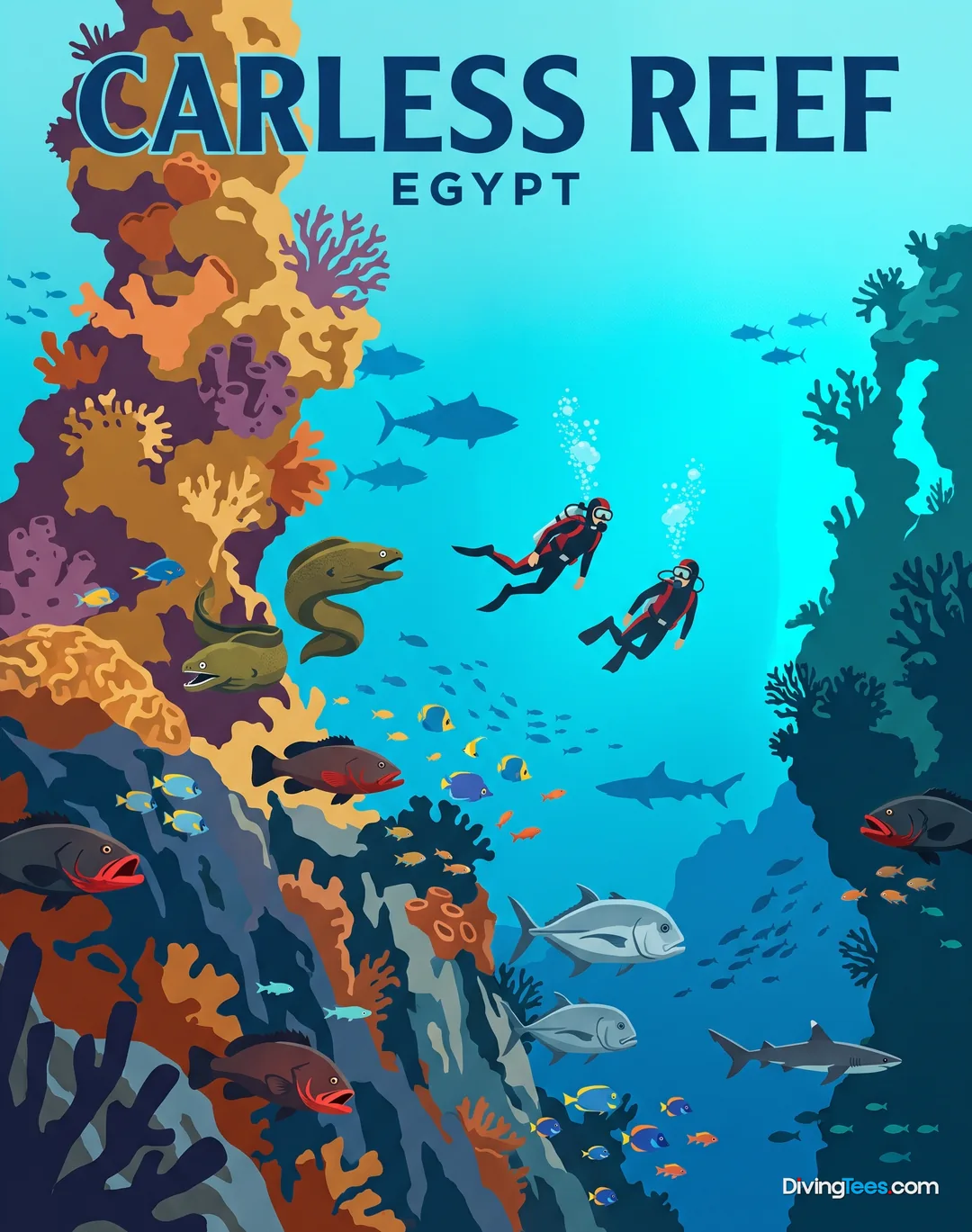
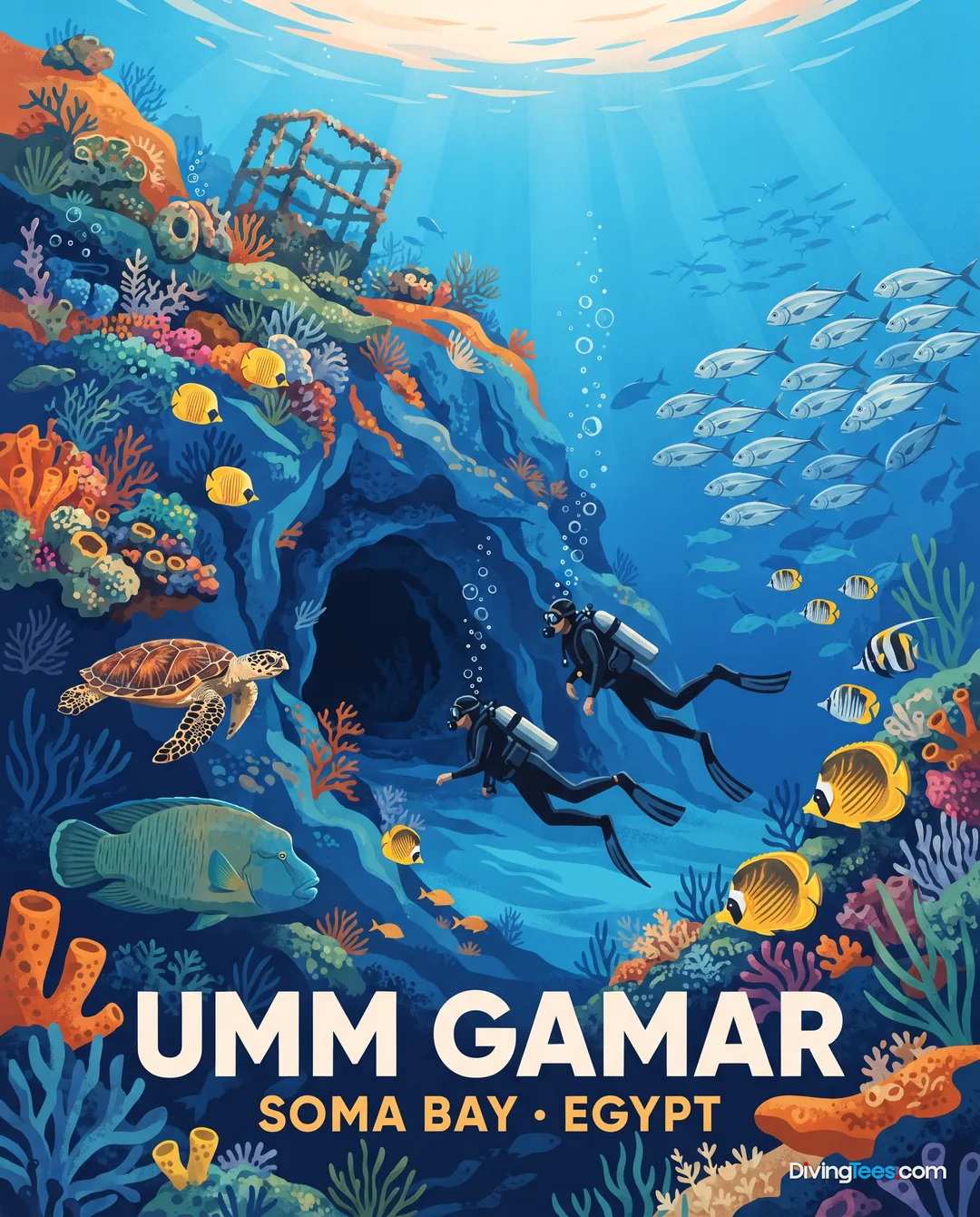
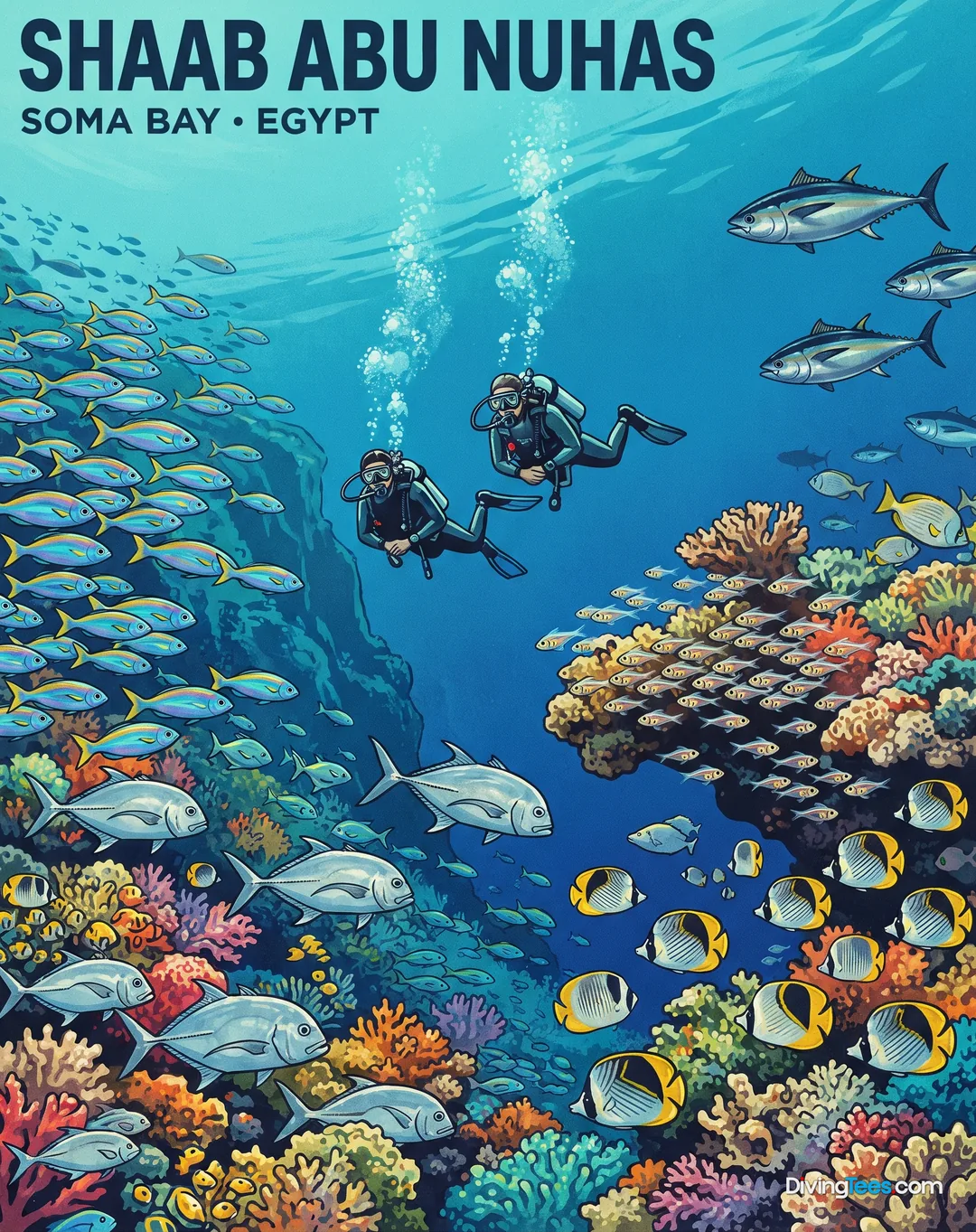
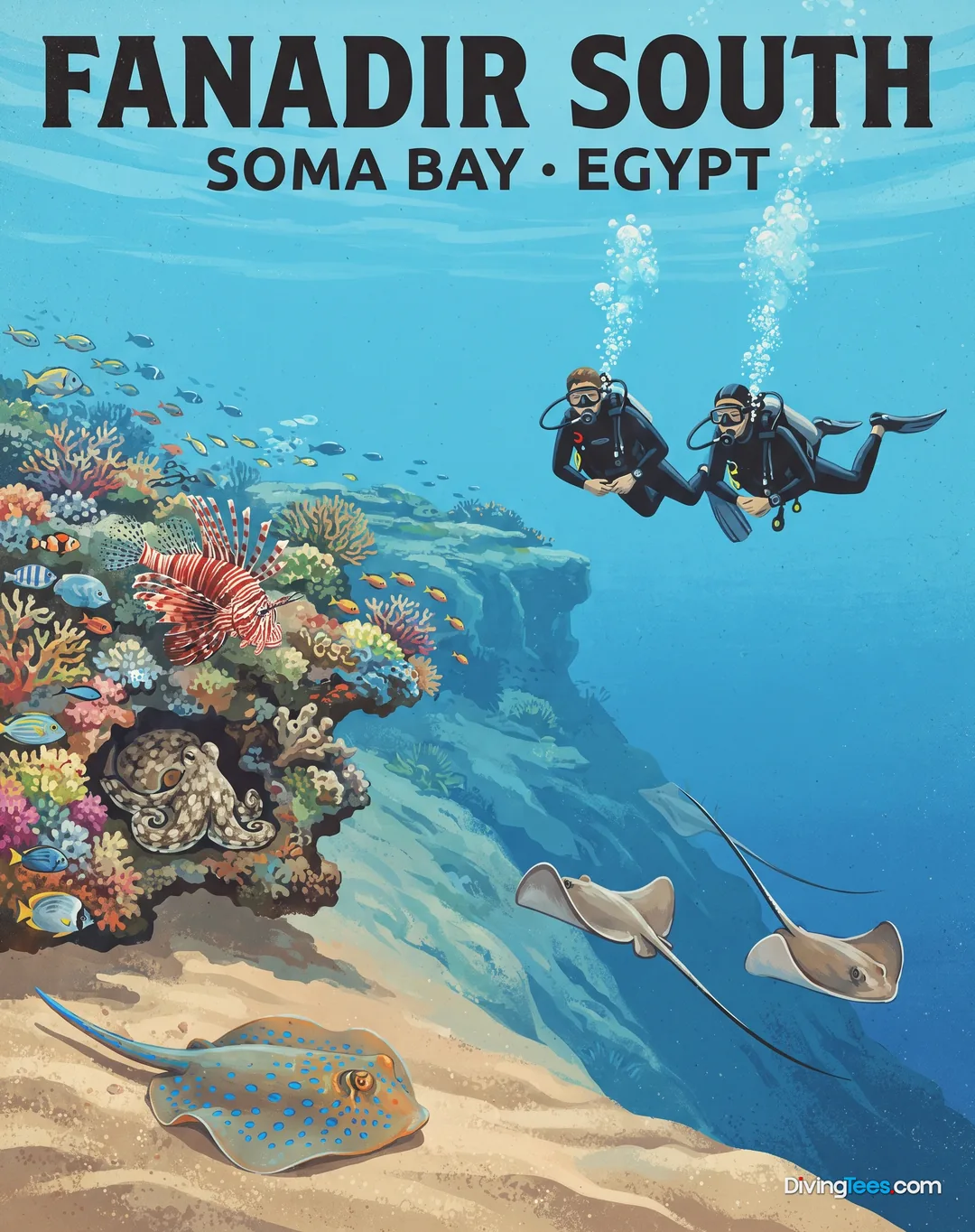
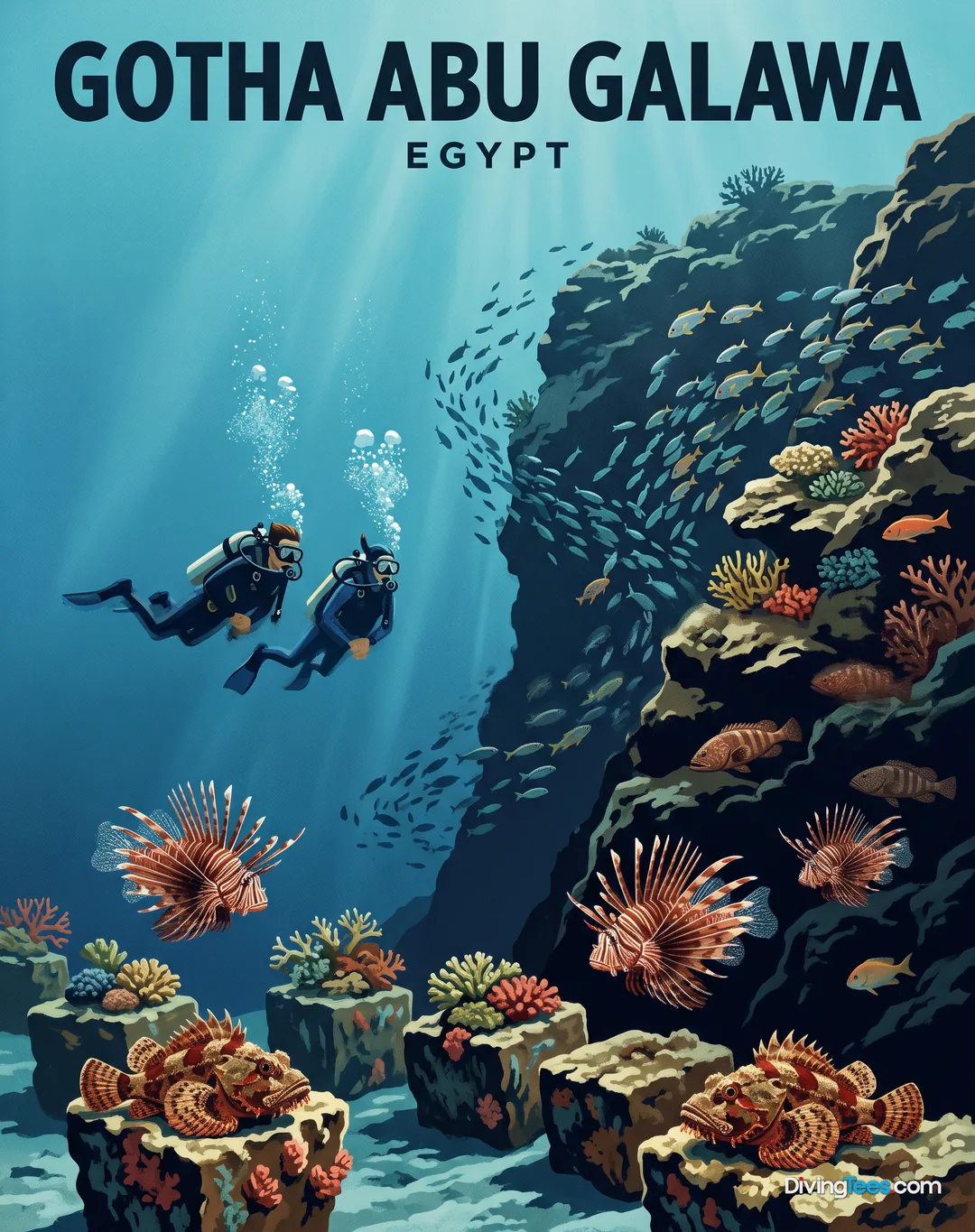
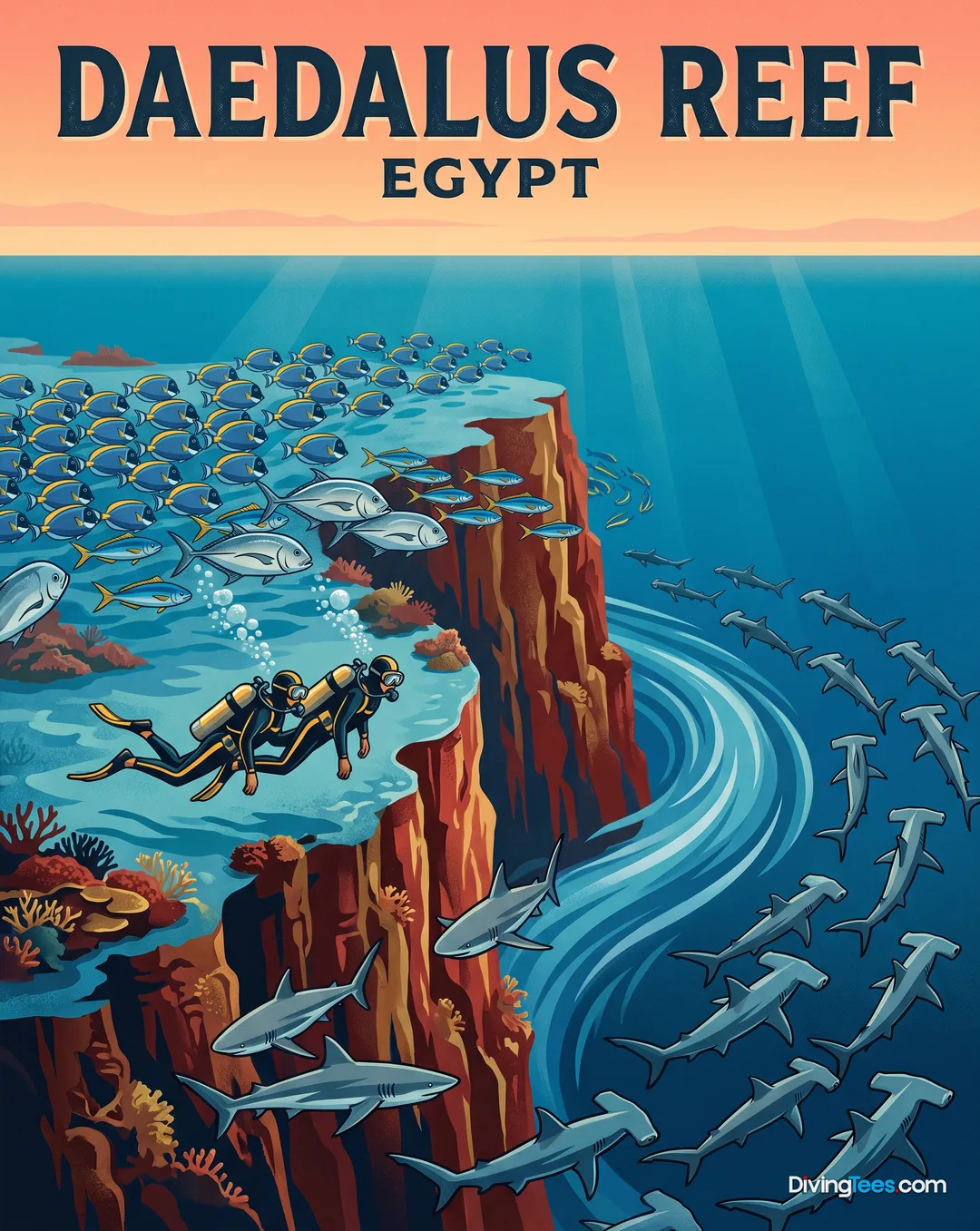
The site mix is the reason to choose the route. At Elphinstone, walls drop to -60m and the open-water setting can bring oceanic whitetip, hammerhead and grey reef sharks into view; giant trevally are also recorded there. The Brothers reach -85m, with isolated oceanic reefs, hard and soft corals, gorgonians and the possibility of grey sharks, hammerheads, silvertips and eagle rays. Numidia, a 1901 wreck, descends to -80m and is now covered in hard and soft coral. Around Hurghada, Carless Reef reaches -40m and is known for giant morays moving in the blue, while Umm Gamar reaches -30m and has a cave at 28m with remnants of Hans Hass's shark cage. Shaab Abu Nuhas reaches -30m with coral gardens and schooling fusiliers; Fanadir South and North stay around -30m, combining sandy slopes, a feather-tail stingray and a fish-rich wall. Gotha Abu Galawa reaches -35m and combines lagoon, wall and sandy slope, with night dives when conditions allow. Departures cover Ras Mohamed–Brothers, St. Johns, Brothers–Daedalus–Elphinstone, Daedalus–St. John's–Elphinstone and other eight-day, seven-night itineraries.
Itineraries, dates and prices
Prices per person. Each month shows its lowest price: click a month, or pick an itinerary.
Next departures · 8 departuresfrom £929$1,242€1,110
October 2026
November 2026
December 2026
March 2027
April 2027
See dates and prices
If you click these links and make a purchase on the partner site, DivingDeal may earn a commission, at no extra cost to you.
Dates and prices taken from Divebooker, updated 26 October 2026
What you’ll meet underwater
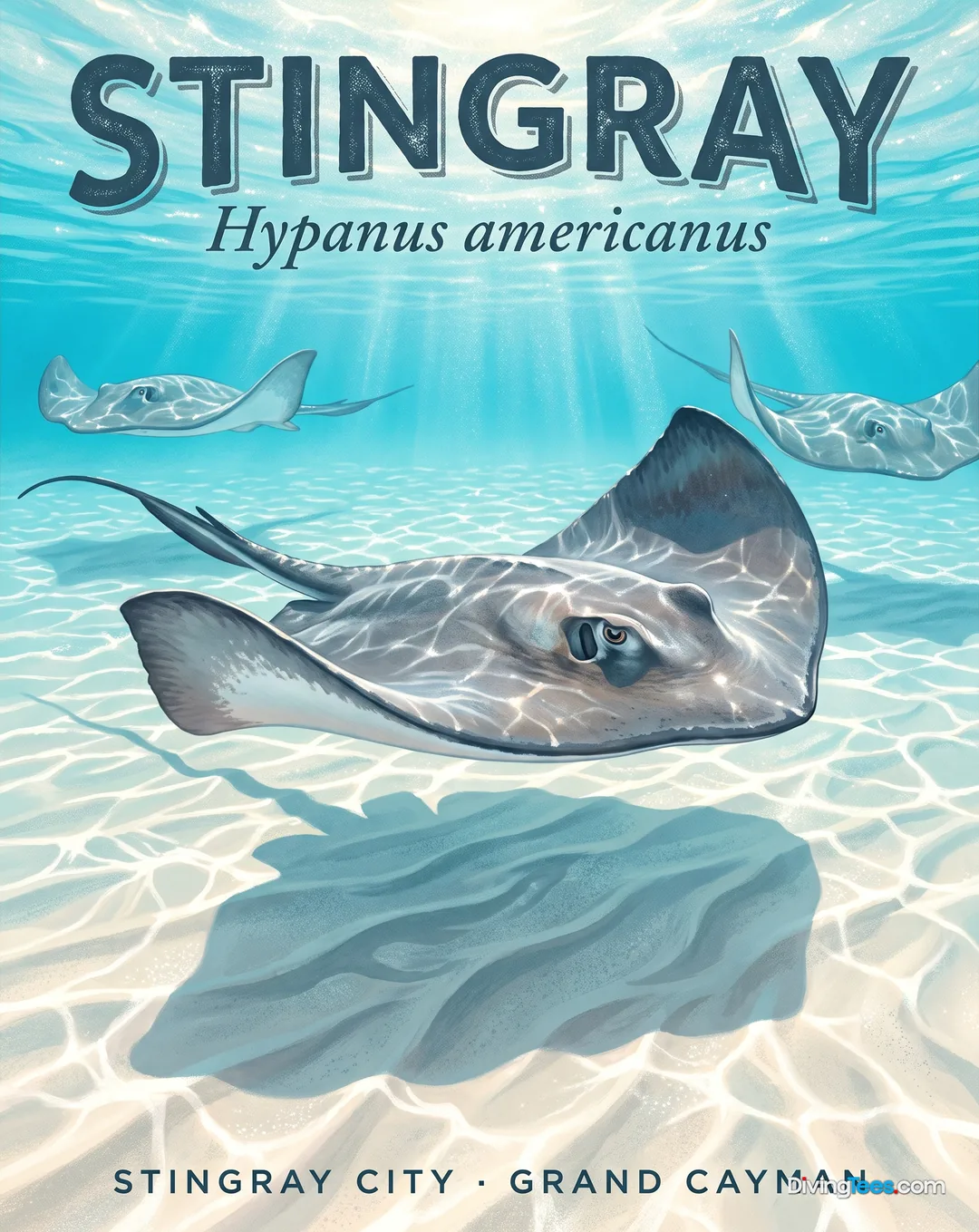
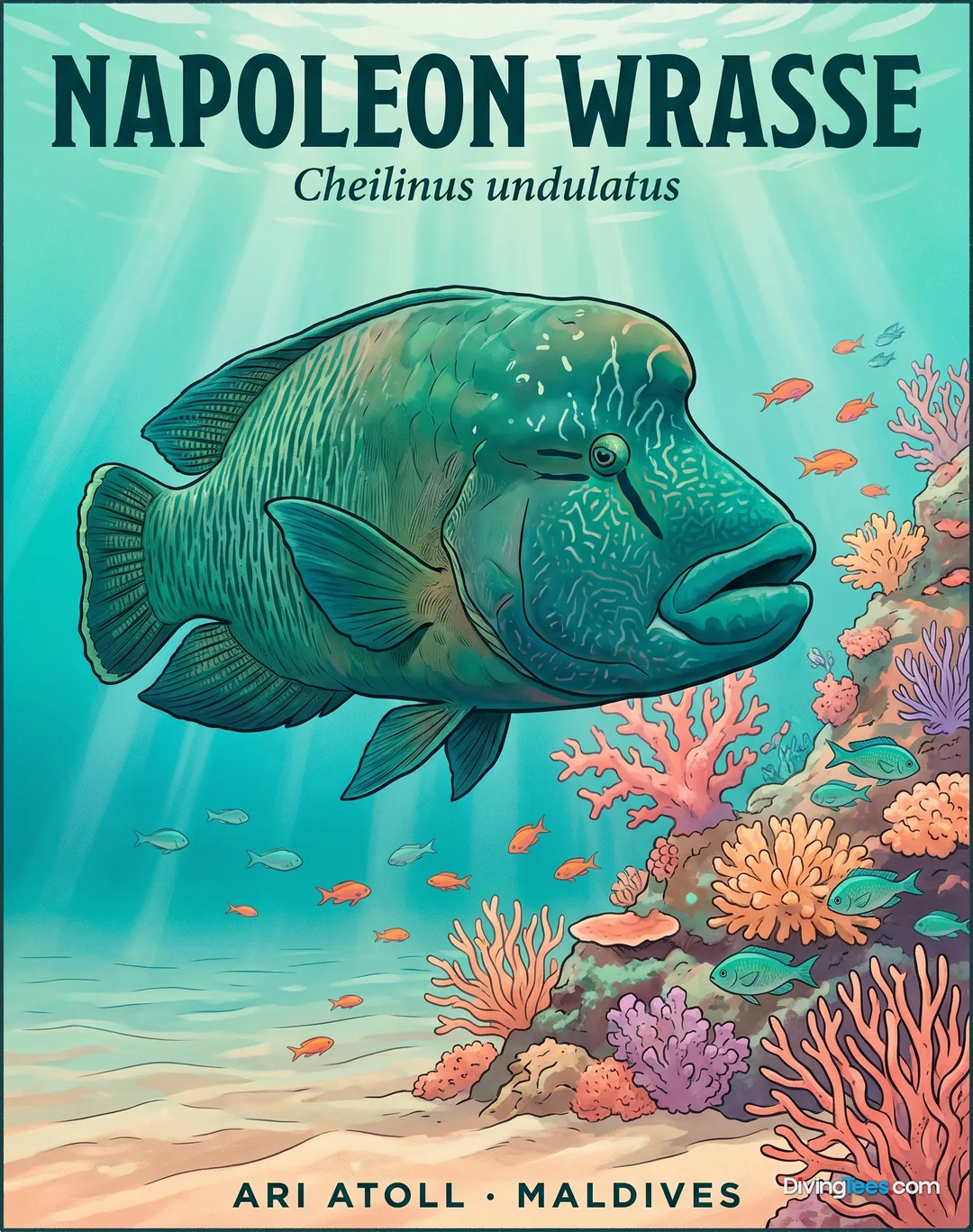
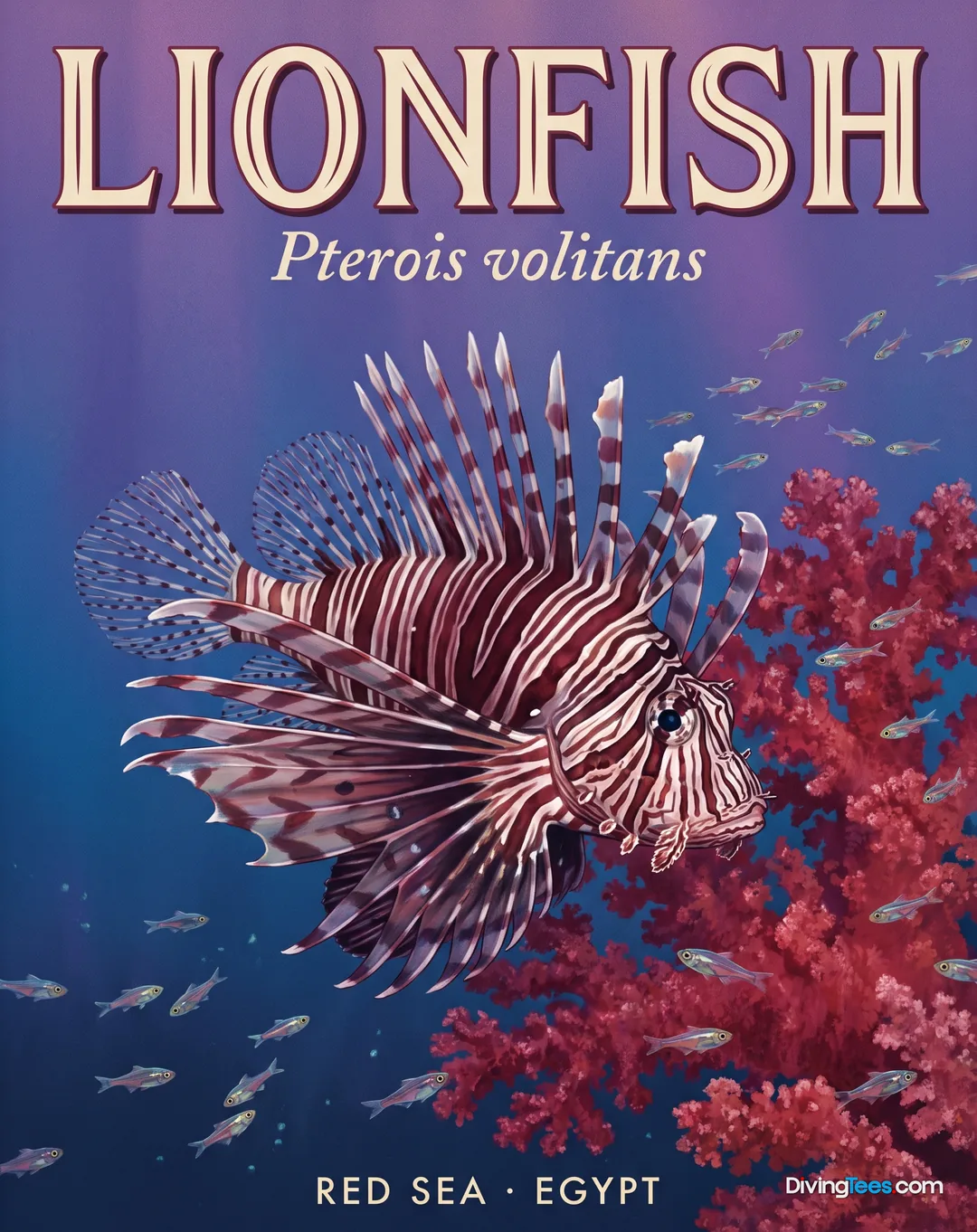
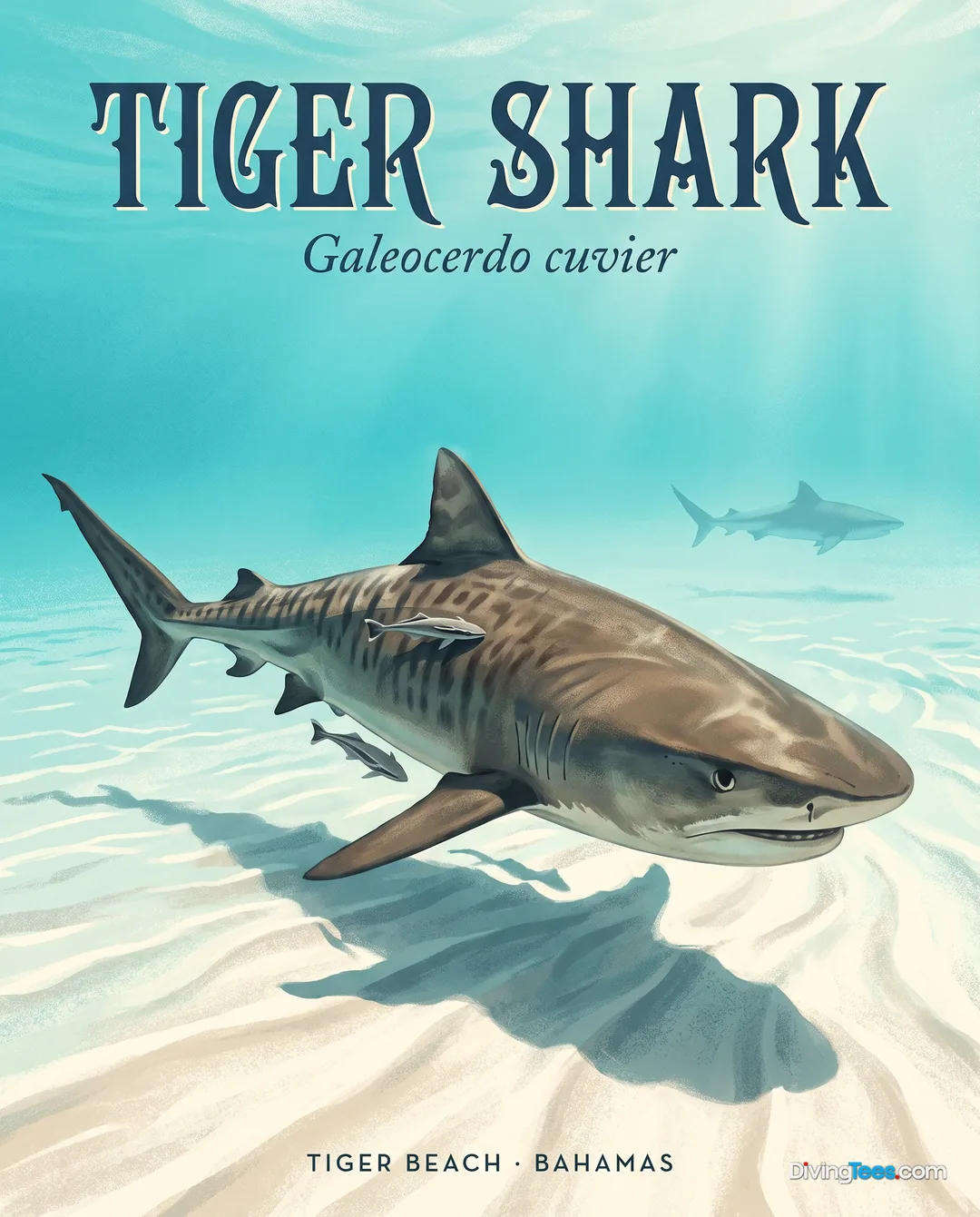
Across these reefs, morays, reef sharks, tuna and jacks are recurring possibilities, with Napoleon wrasse, scorpionfish, lionfish, groupers, sweetlips, anthias, soft corals and turtles adding colour to the walls and coral gardens. Dolphins are recorded at several sites, but none of these encounters is guaranteed. The site-specific reasons to go are sharper. Elphinstone is the place associated with blacktip reef sharks, tiger sharks and giant trevally. Brothers Islands bring the route's recorded anemones and eagle rays alongside pelagic sharks. Shaab Ruhr Umm Gamar is the only listed site for both grouper and giant grouper, on a reef that leads towards a plateau with small pinnacles and at least three wreck remains. Shaab Abu Nuhas holds glassfish, butterflyfish and parrotfish, while Fanadir North is the listed site for trumpetfish. At El Fanadir, a cleaning station and a frogfish make the shallow pinnacle worth a careful look rather than a fast pass.
Who puts you in the water
The onboard dive guide and crew work in English, and the standard entry point is an Open Water qualification or equivalent with at least 20 logged dives. That requirement tells a diver what Argo expects: basic skills should already be usable in current, from a tender and on remote Red Sea walls. Briefings organise each dive around the site and the conditions, while the tender and guide support entry and recovery. Advanced and Nitrox courses can be offered onboard, with course fees separate from the cruise. The operation is recreational rather than technical, and tech diving is not listed as a supported feature. The boat carries full safety equipment.
The dive deck and the gear
The dive operation is built around three Bauer compressors rated at 400 litres per minute, plus a dedicated Bauer Nitrox membrane system. Nitrox is included for certified Nitrox divers; 12-litre tanks and weights are included, while 15-litre tanks and other equipment are paid extras. Rental equipment is available, including DIN or yoke tank arrangements through the operator’s rental service, but Argo is not presented as a technical-diving boat. Tenders support the dives, and the boat has a dedicated dive deck for preparing and returning equipment. Three compressors and a separate Nitrox system keep filling moving for a full group across two or three dives a day. Divers should bring or reserve the specific kit they need.
Between dives
Between dives, the boat gives divers a choice of shade, open air and indoor shelter. The upper deck has both shaded and open areas, while the 145-square-metre sundeck is large enough to spread out rather than queue for the same patch of sun. Some people will sleep between briefings; others will sit with a drink, rinse salt from their face or watch the route change from reef to open water. The saloon and bar cover the hours when the wind or heat makes the shaded deck preferable. On longer crossings, that separation between active dive deck, quiet indoor space and open sun deck is what keeps a week of repeated dives from feeling like one long corridor.
A day on board
A diving day starts early enough to put the first briefing before the heat and the traffic of the day. The first dive is followed by breakfast or a substantial meal, then by the next briefing, another entry and the recovery period that follows it. Argo includes two to three dives on each diving day, with two dives on the final day, across six days of the cruise. The gaps are used for food, sleep, sun, shade and the passages between sites; when the boat is underway, the route itself becomes part of the day. One or two night dives may be scheduled during the week when the site and safety conditions allow, though remote sites can be excluded. After the last dive, the bar and saloon take over from the dive deck, and the boat becomes quieter before the next early start.
What you eat aboard
Full board is served buffet-style, with both Western and local food. Dietary restrictions are catered for, which matters when the same galley has to feed divers through several days of repeated exertion. Meals land around the diving rather than interrupting it: food is available as part of the day's cycle, with the table becoming the place where people compare what they found on the last dive and recover before the next briefing. The menu is not described as a restaurant performance, and that is the useful distinction here. Argo's food has a job to do—keep divers fed, hydrated and ready—while the local dishes give the week more sense of place than a purely international menu would.
Nights at sea
The cabins are simple, private and set up for the job: shower, toilet, air conditioning and a minibar. Main-deck cabins use twin beds or a double-and-twin arrangement, while the upper deck has both twin and double options. That gives travelling pairs a choice between separate beds and sharing, without turning the cabin into the centre of the trip. The character of the night comes more from the boat's wooden structure and the sea outside than from decoration. Public space is available when a diver wants air after dinner, but the cabin remains a useful retreat when four dives have taken the energy out of the day. Argo is not presented as a boutique hotel; its strength is a clean, self-contained place to sleep close to the next site's water.
Twin Cabin
Twin / Double Cabin
Double Cabin
What to know before boarding
Departures and returns use Hurghada or Port Ghalib, depending on the itinerary. Scheduled group transfers between the local airport and the boat are included; Hurghada boats use the Marriott marina, while southern departures use the Port Ghalib area. Boarding is possible from Saturday at 5 PM, with the cruise beginning Sunday morning and disembarkation the following Saturday after breakfast. Arriving the night before is the sensible choice, especially when a flight delay could otherwise cost a departure.
- Length
- 0 m
- Beam
- 0 m
- Maximum number of passengers
- 24
- Number of cabins
- 12
- Engines
- 2 Doosan 800 twin-turbo heavy duty
- Website
- xplorer-redsea.com ↗
Hello, I'm Marina, DivingDeal.com's AI assistant. I answer in detail about hotels, dive centres and liveaboards.
Thinking about the whole trip and the flights? Talk it over with Edith →
Marina is an AI. Some links are affiliate links: DivingDeal may earn a commission, at no extra cost to you. Bookings are made with the partner.