Liveaboards · Egypt
C Echo 2 — a small-group Red Sea dive boat with serious outer-reef routes
What makes this boat unique
- Departures are limited to 18 divers, with four to five divers per guide.
- The wooden vessel was built in 2007 and renovated in 2022.
- Nitrox is free for certified divers, and 12-litre tanks and weights are included.
- Two RIBs with ladders carry divers between the boat and the sites.
- Routes range from eight days and seven nights to the 12-day, 11-night Expedition Elba.
The invitation
C Echo 2 suits divers who want the Red Sea's outer reefs without being packed into a full boat. The useful choice here is not a polished hotel at sea; it is the combination of a wooden hull, a maximum of 18 divers, small guided groups and routes that reach Brothers Islands, Daedalus and Elphinstone. Those sites reward early starts, clean briefings and a dive operation that can move people efficiently from boat to reef. The boat also works for a mixed group: open-water divers can join the scheduled routes, while experienced divers have access to nitrox and deep walls, wrecks and current-swept plateaus. The point of boarding is simple: spend the week underwater, with enough room on deck and in the salons to recover properly between dives.
Boarding
From the dock, C Echo 2 presents as a working wooden liveaboard rather than a new yacht pretending not to be one. The 2022 renovation matters because the boat's character comes with maintained spaces, air conditioning and a cleaner, quieter base between dives. Inside, a main-deck restaurant and a separate upper-deck saloon give people somewhere to eat, brief and review photographs without turning every hour into time spent on the dive deck. The wood softens the feel of the vessel, while the two generators support the practical side of life aboard: refrigeration, air conditioning and European-standard 220V sockets. There is room to spread out on the sun deck, but the real luxury is the limited passenger load. By the second day, the group is small enough for names, habits and kit to stop being anonymous.
The atmosphere on board
The atmosphere is shaped by the small manifest more than by decoration. With no more than 18 divers and four to five people per guide, the crew can deal with divers as individuals instead of processing a queue. Personal attention begins with equipment preparation and continues through briefings, tender movements and the return to the deck; that is the difference between being handled as a passenger and being looked after as part of a dive group. English, German and Italian are spoken by the dive team. In the evening, the upper saloon gives the group somewhere to talk through the day's sharks, wrecks and navigation without competing with the restaurant. The boat is at its best when the crew's organisation leaves the divers free to concentrate on the next descent.
The sites you’ll dive
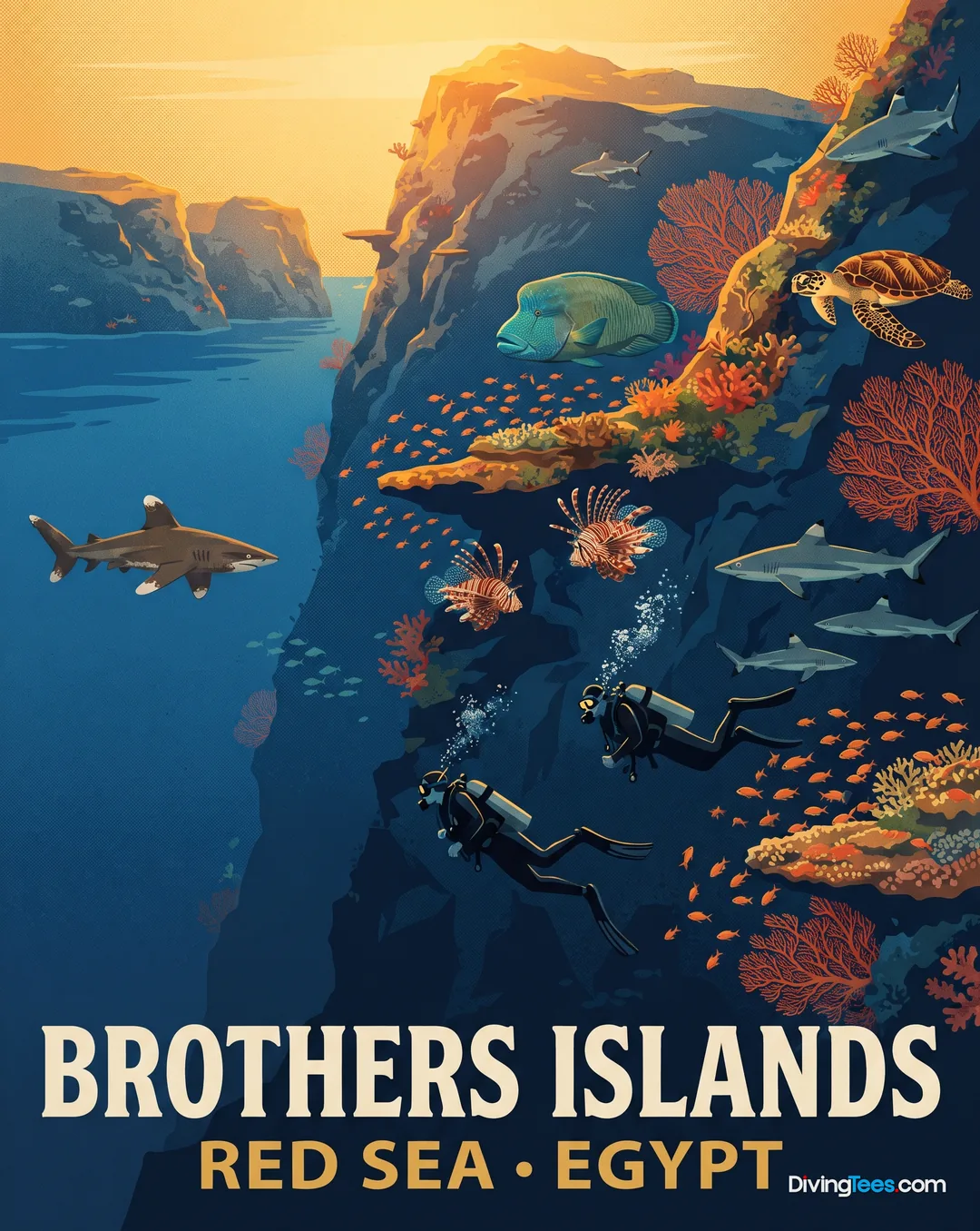
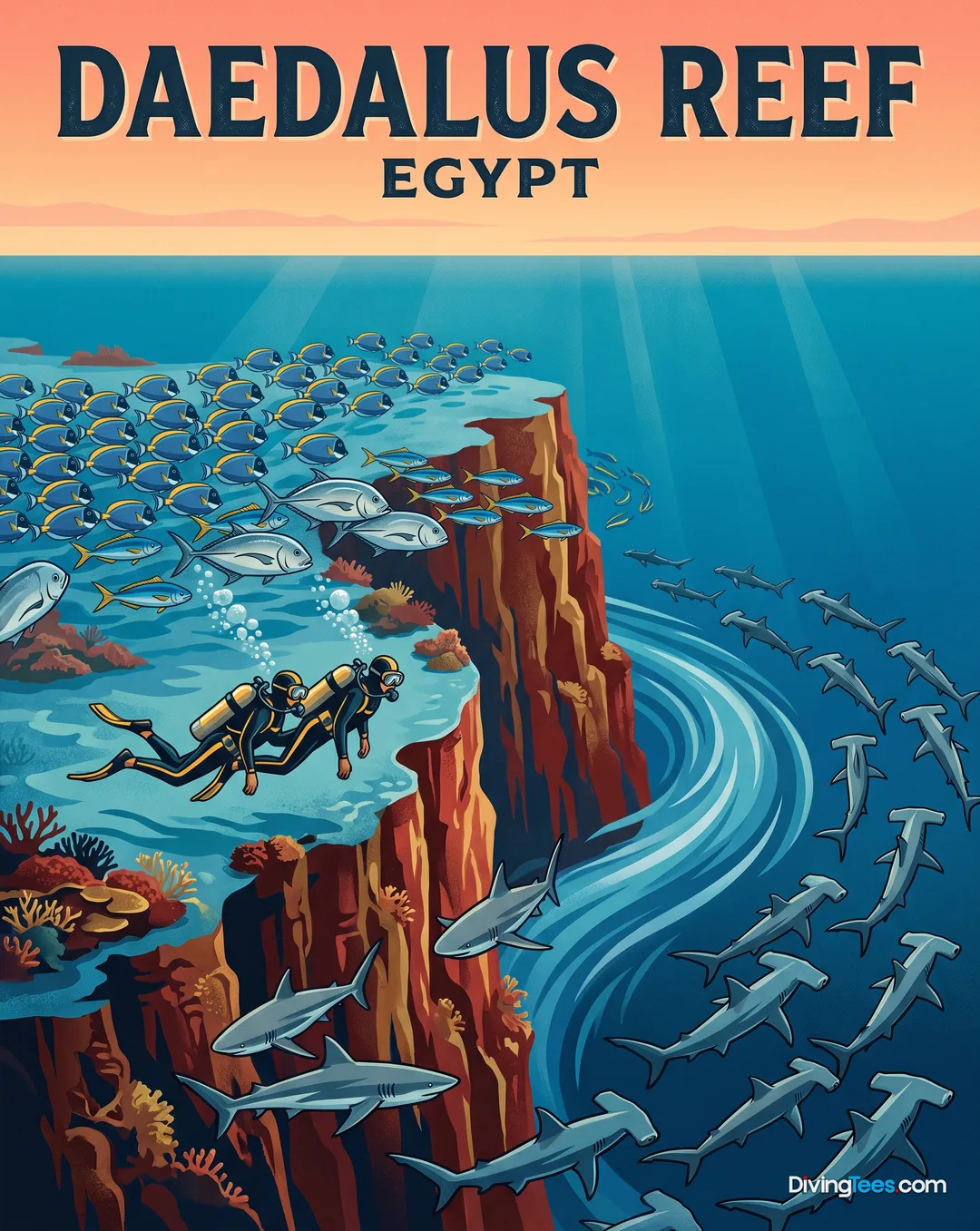
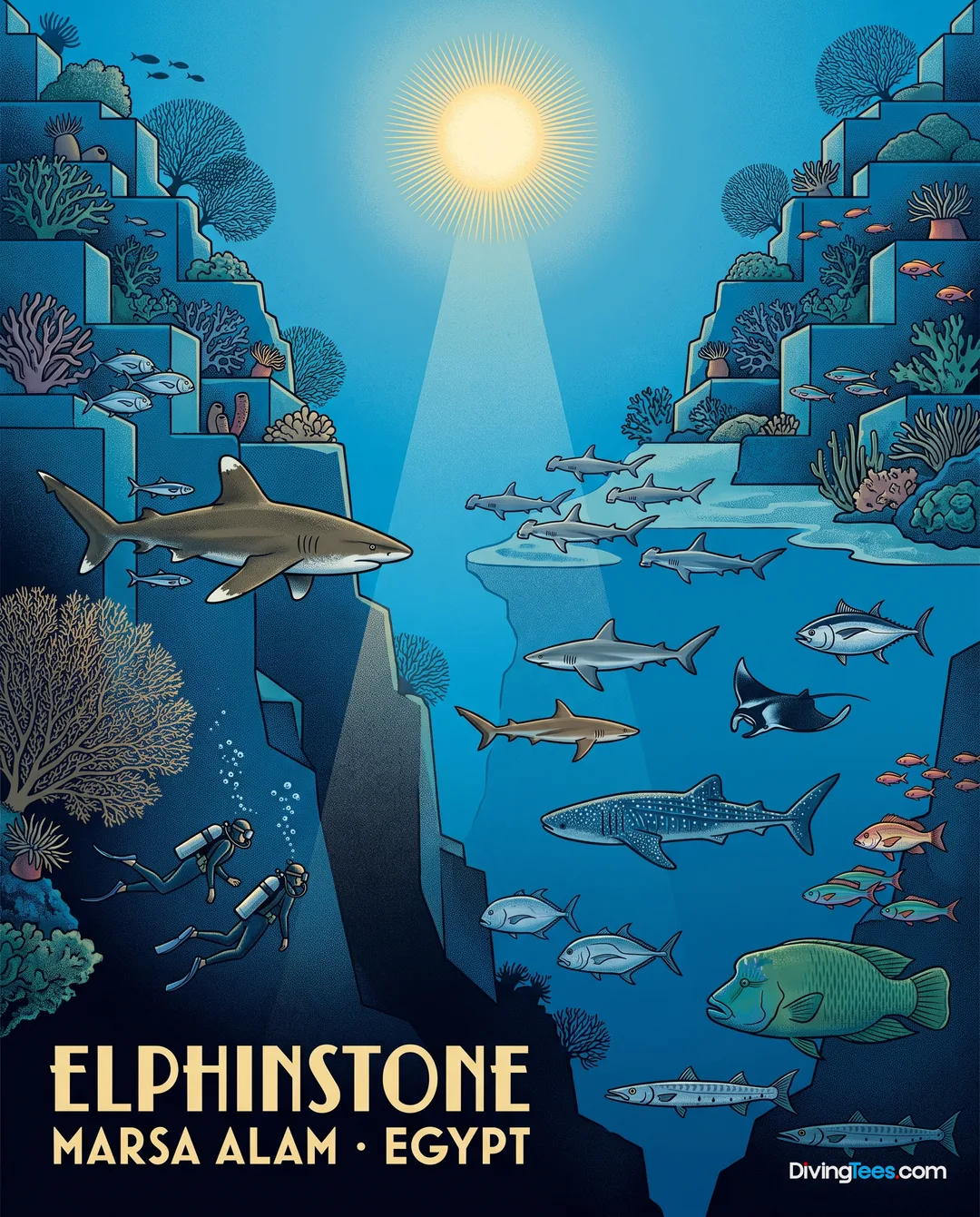
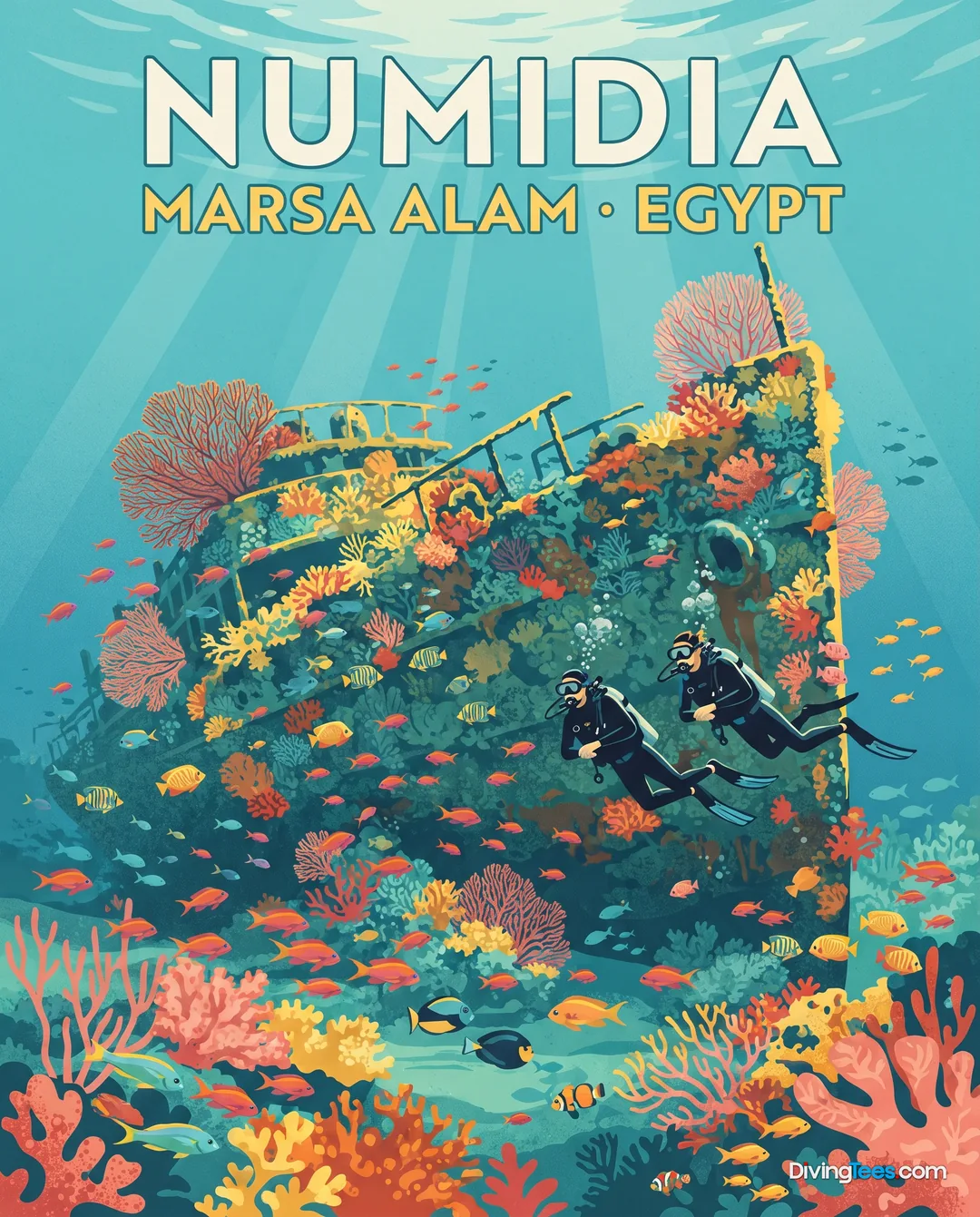
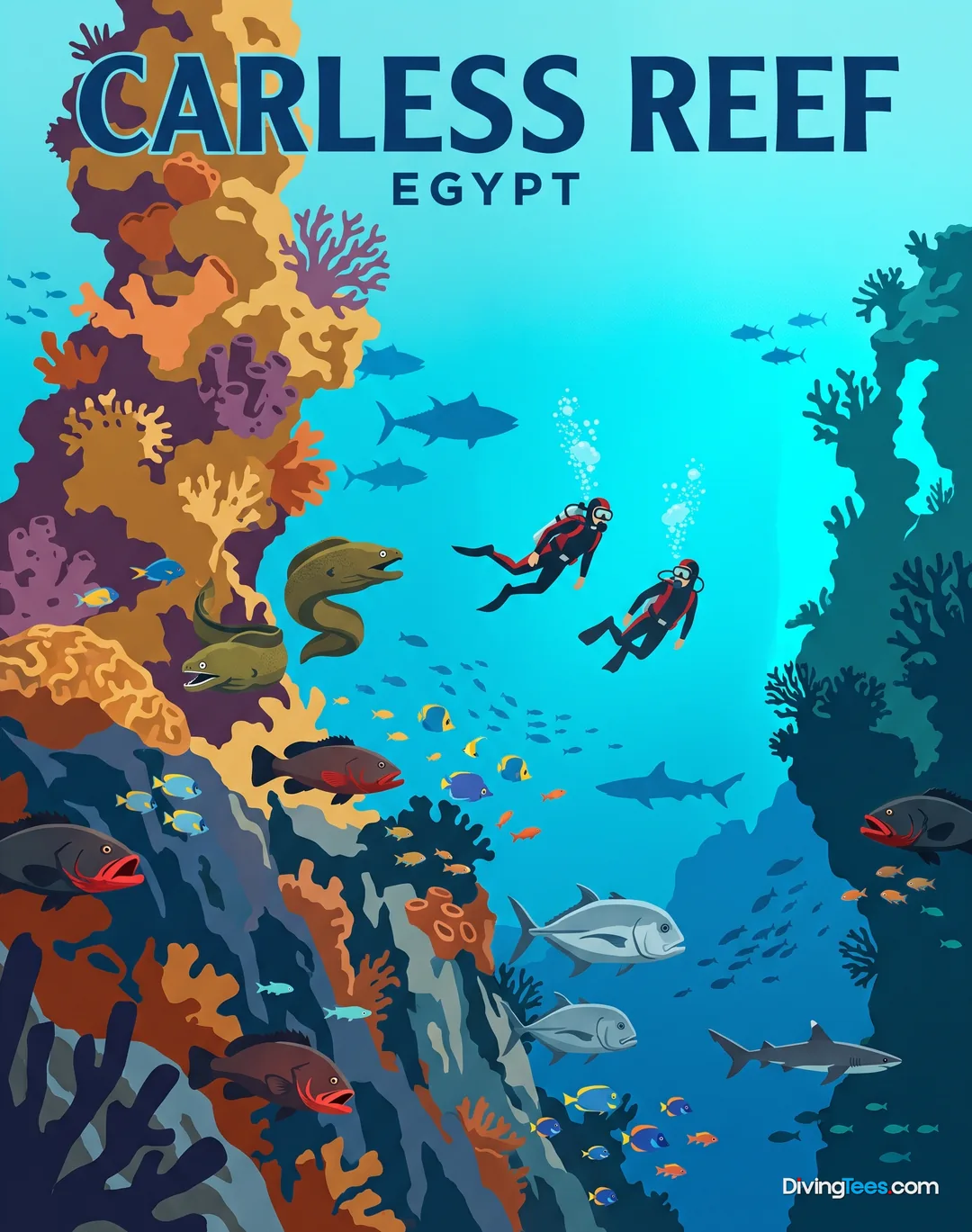
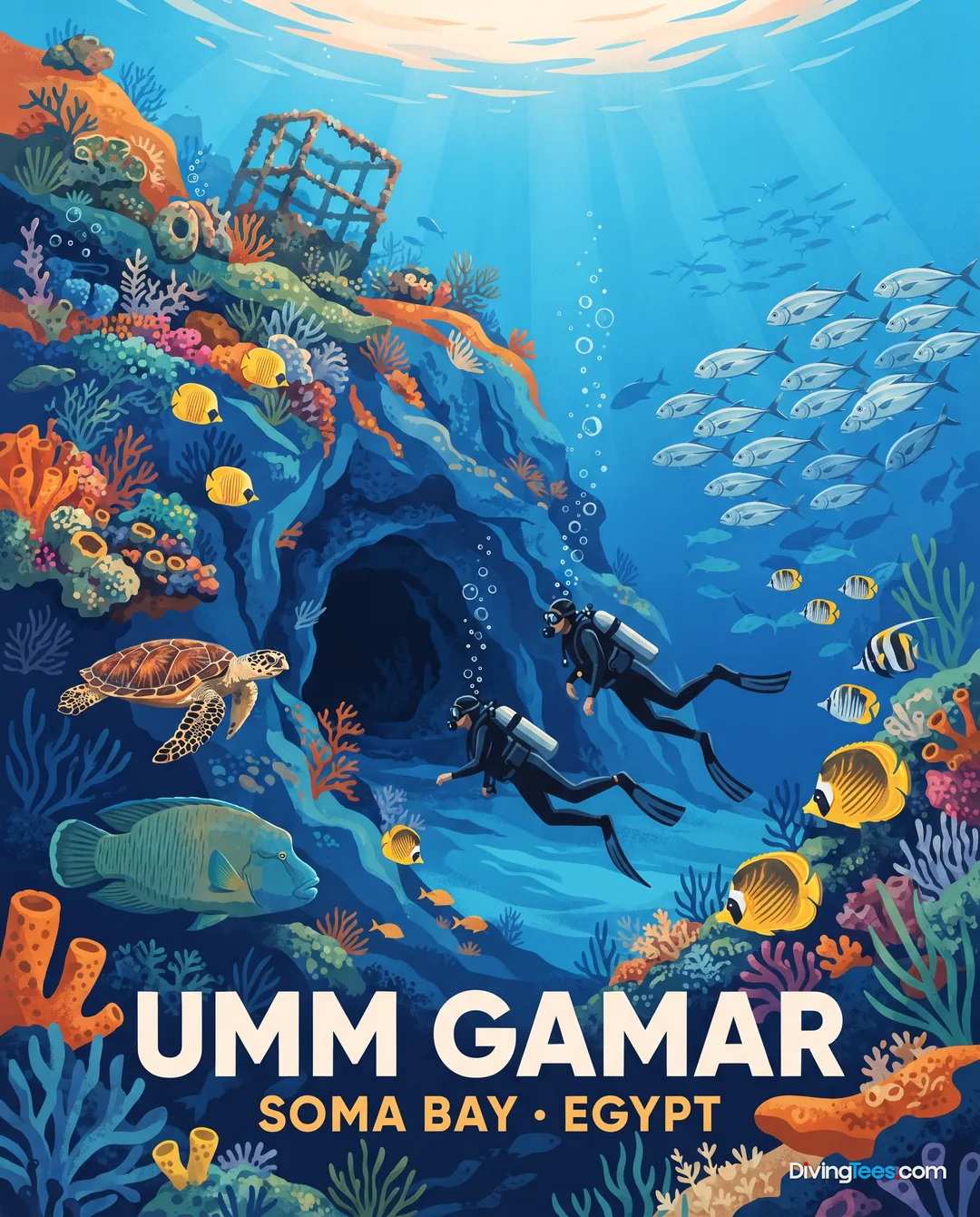
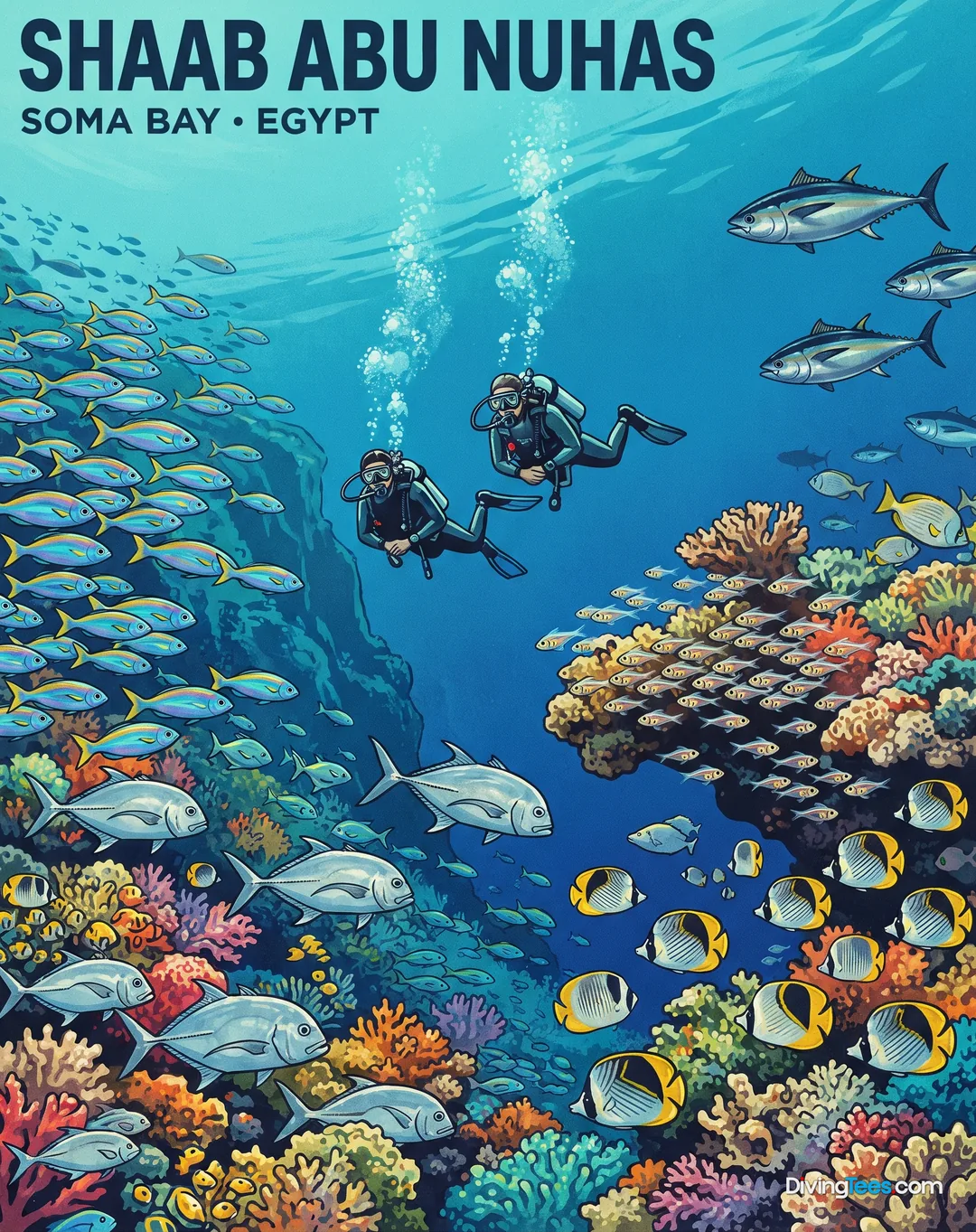
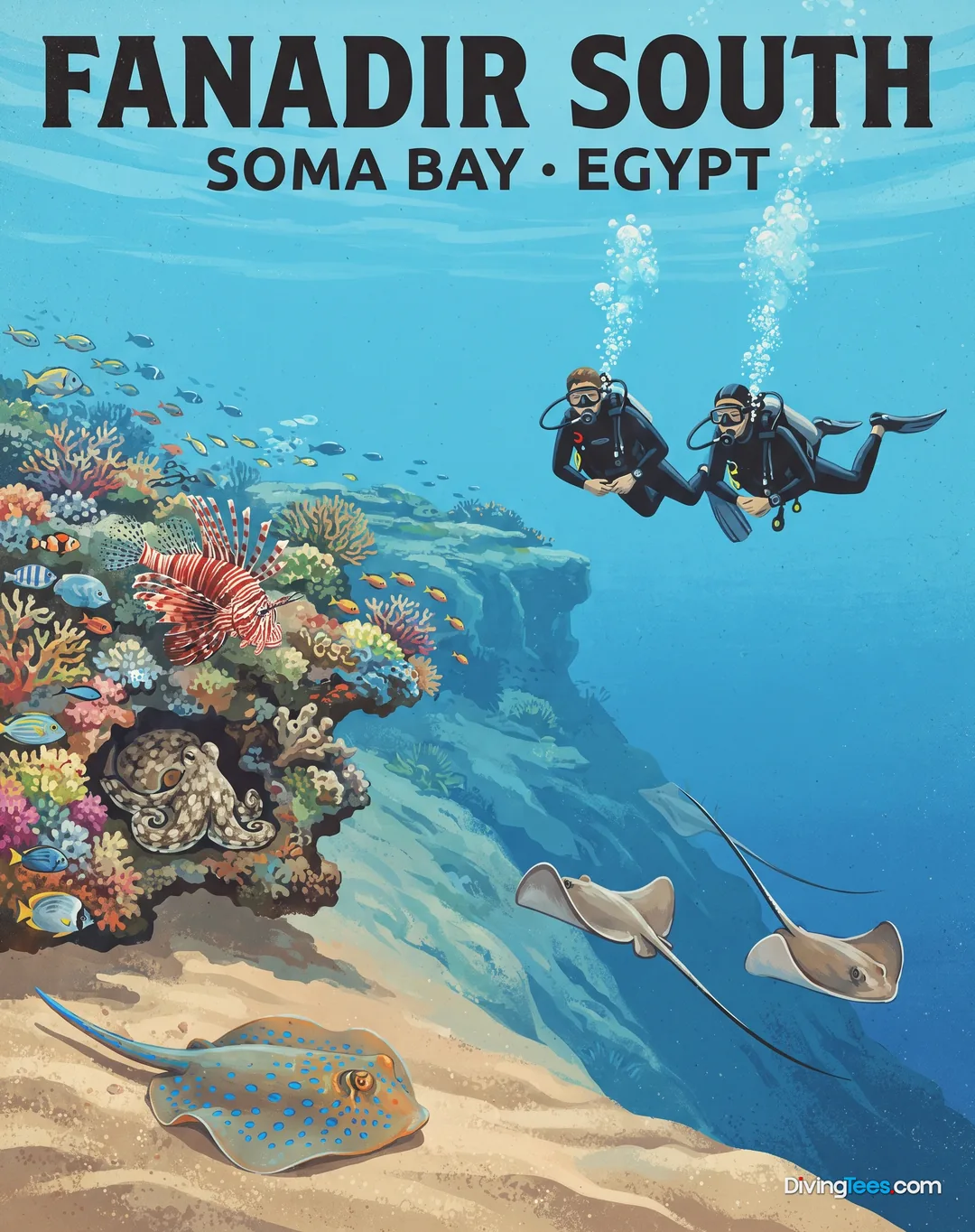
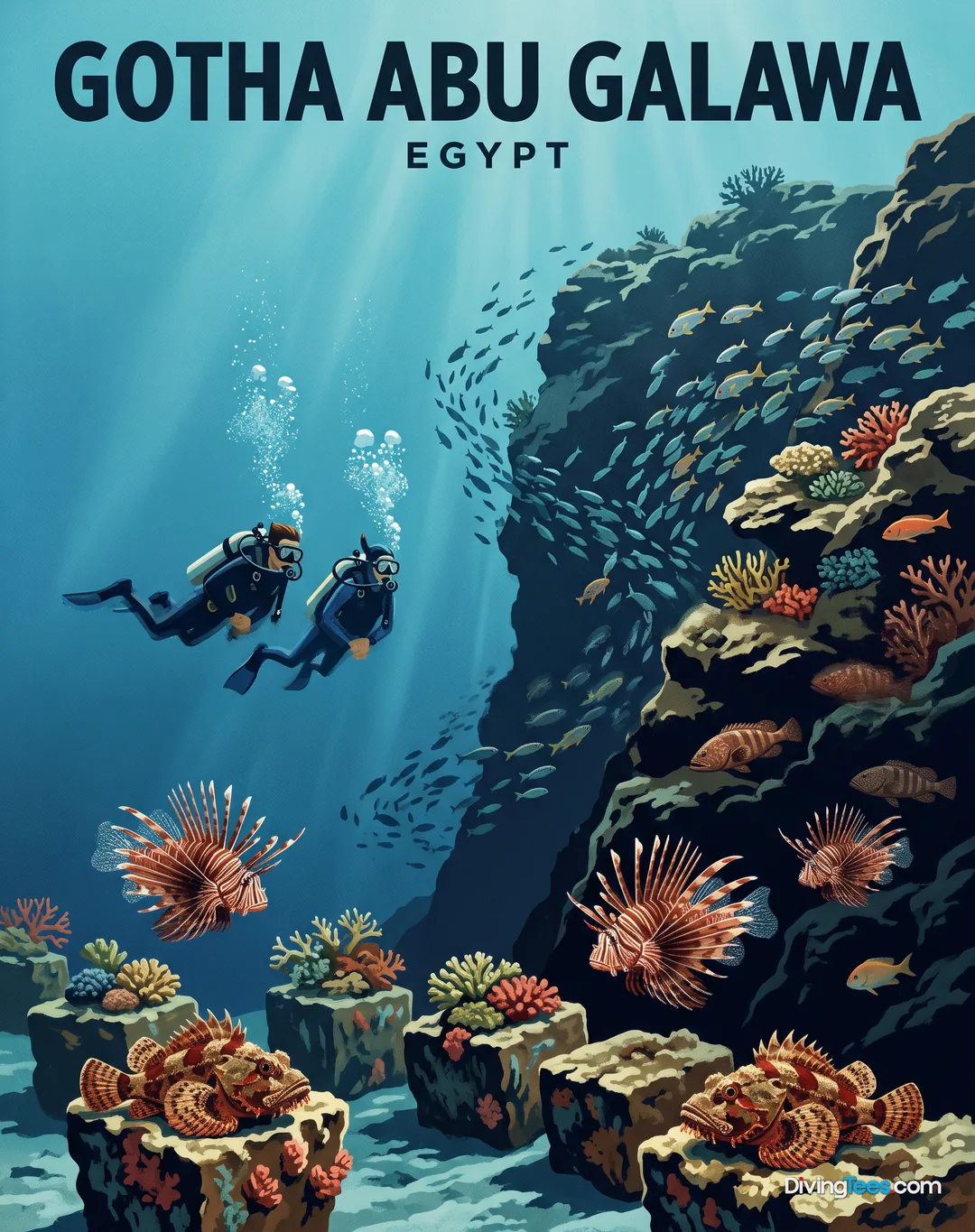
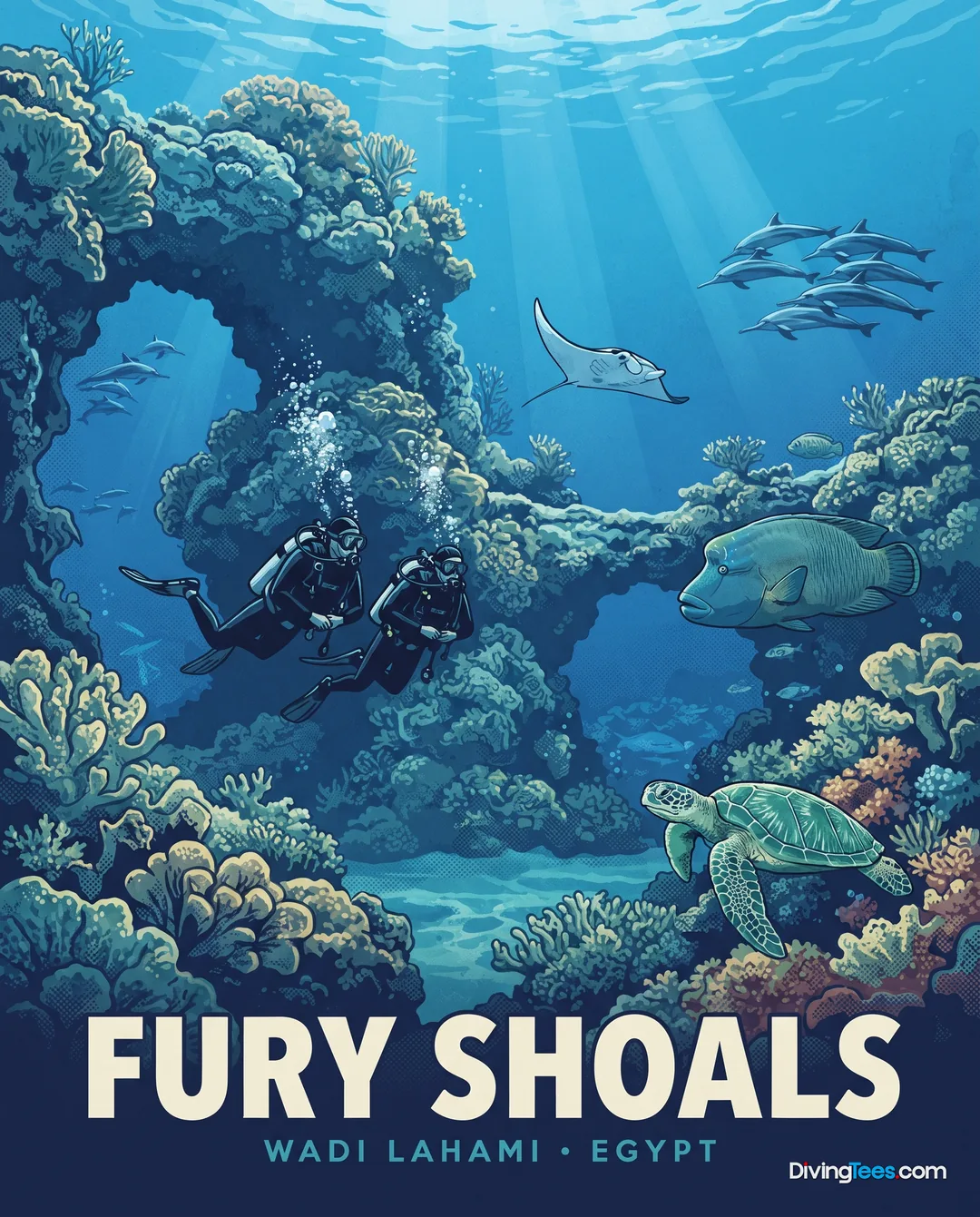
The recorded eight-day, seven-night routes run from Hurghada to Hurghada, or from Port Ghalib to Hurghada, with Brothers Islands, Daedalus and Elphinstone forming the outer-reef circuit. Elphinstone drops to -60m on steep walls where oceanic whitetips, hammerheads and other pelagics may pass. Brothers Islands reaches -85m, combining isolated walls, hard and soft corals and the possibility of grey sharks, hammerheads and an eagle ray; the 1901 wreck Numidia descends to -80m nearby. Around Hurghada, Carless Reef reaches -40m and is known for giant morays swimming in the blue, while Umm Gamar reaches -30m and hides a cave at 28m beside remnants of Hans Hass's shark cage. Shaab Abu Nuhas has coral gardens and a drop-off to -30m; Fanadir South and North offer sandy slopes and walls to -30m, with feather-tail stingrays, venomous fish and a trumpetfish encounter possible. Gotha Abu Galawa reaches -35m and is suited to varied profiles and night dives. The 12-day, 11-night Expedition Elba adds Rocky, Zabargad, Elba, St. John's, Sataya, Fury Shoals and a return to Elphinstone.
Itineraries, dates and prices
Prices per person. Each month shows its lowest price: click a month, or pick an itinerary.
Next departures · 2 departuresfrom £1,423$1,902€1,699
November 2026
See dates and prices
If you click these links and make a purchase on the partner site, DivingDeal may earn a commission, at no extra cost to you.
Dates and prices taken from Divebooker, updated 22 October 2026
What you’ll meet underwater
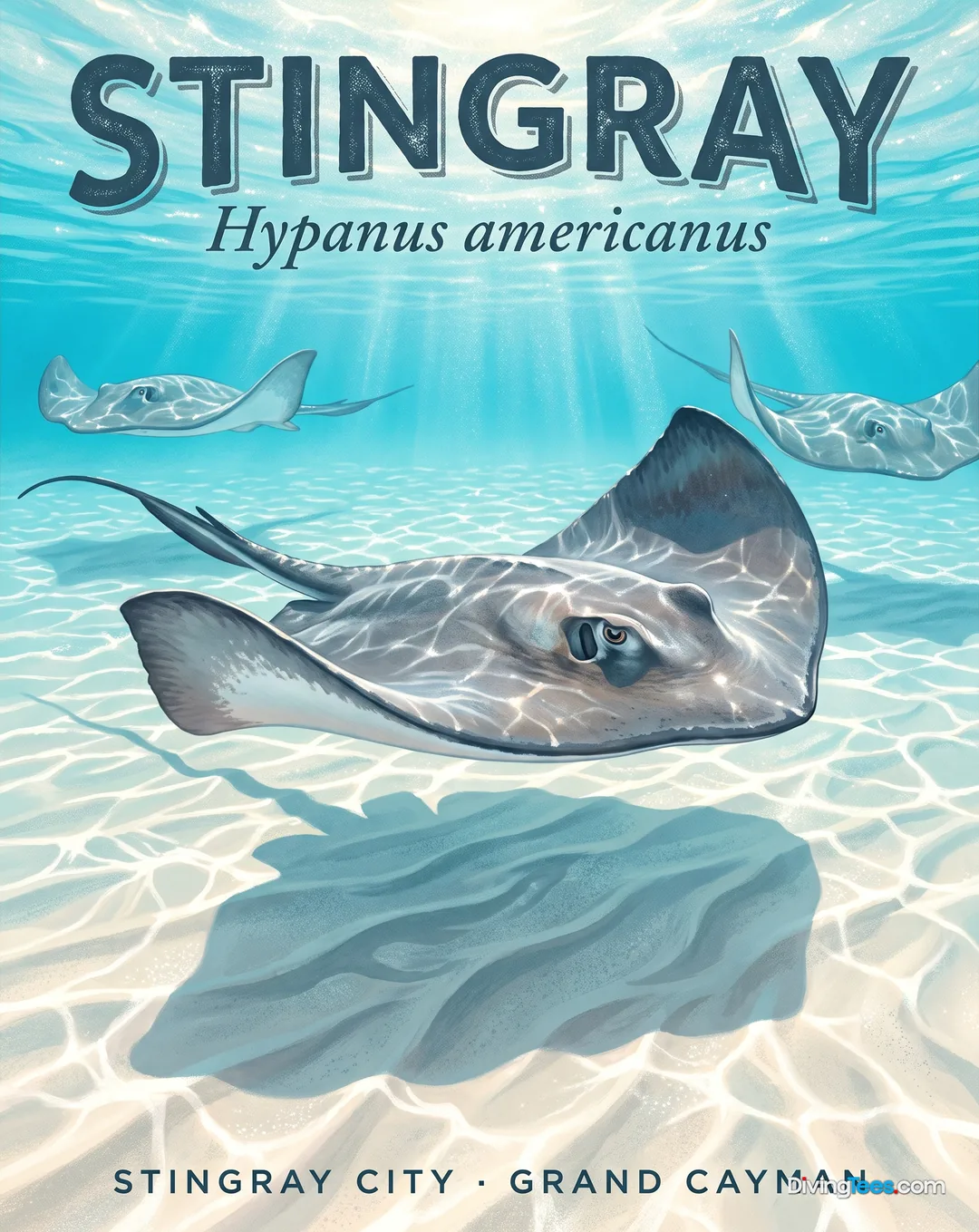
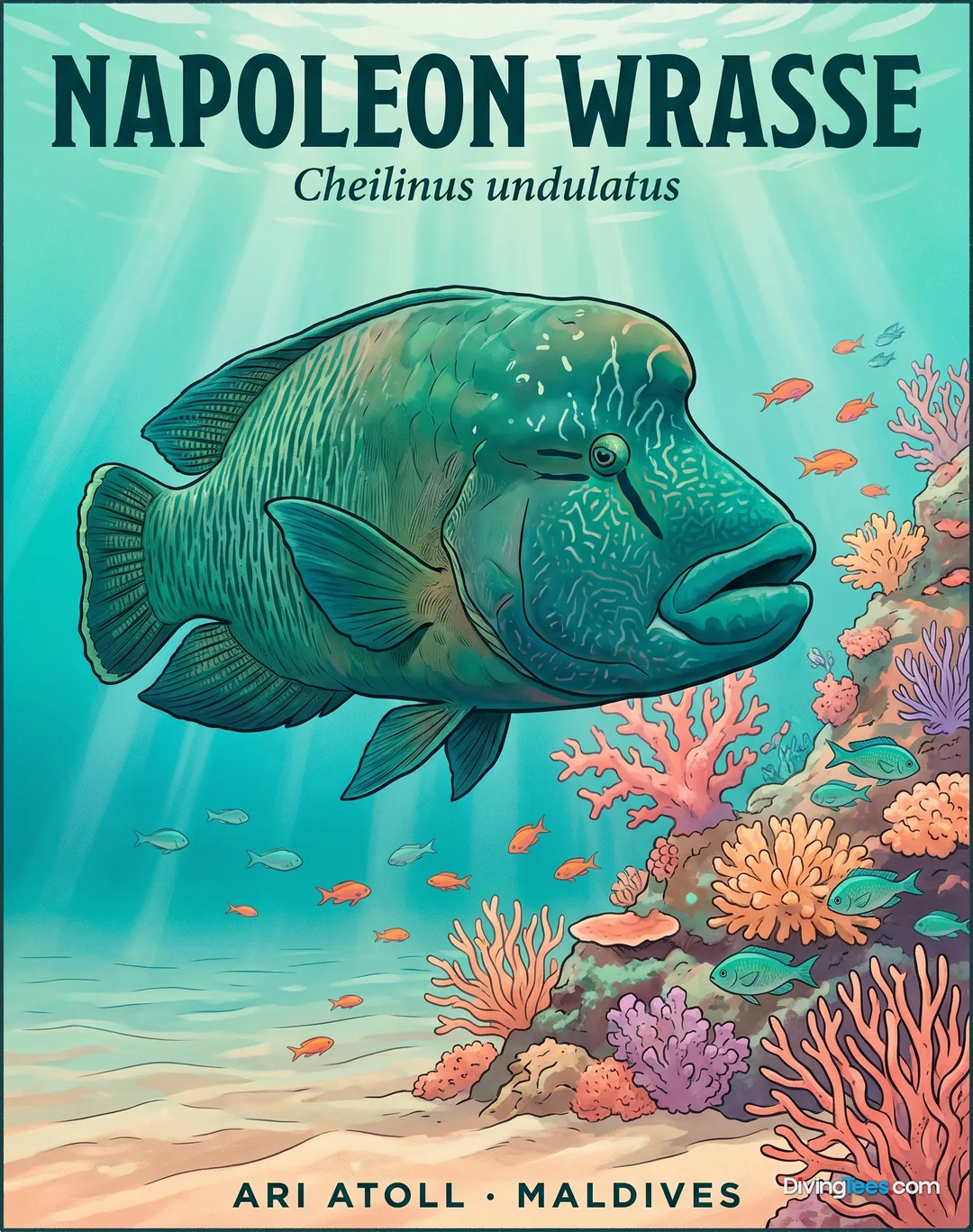
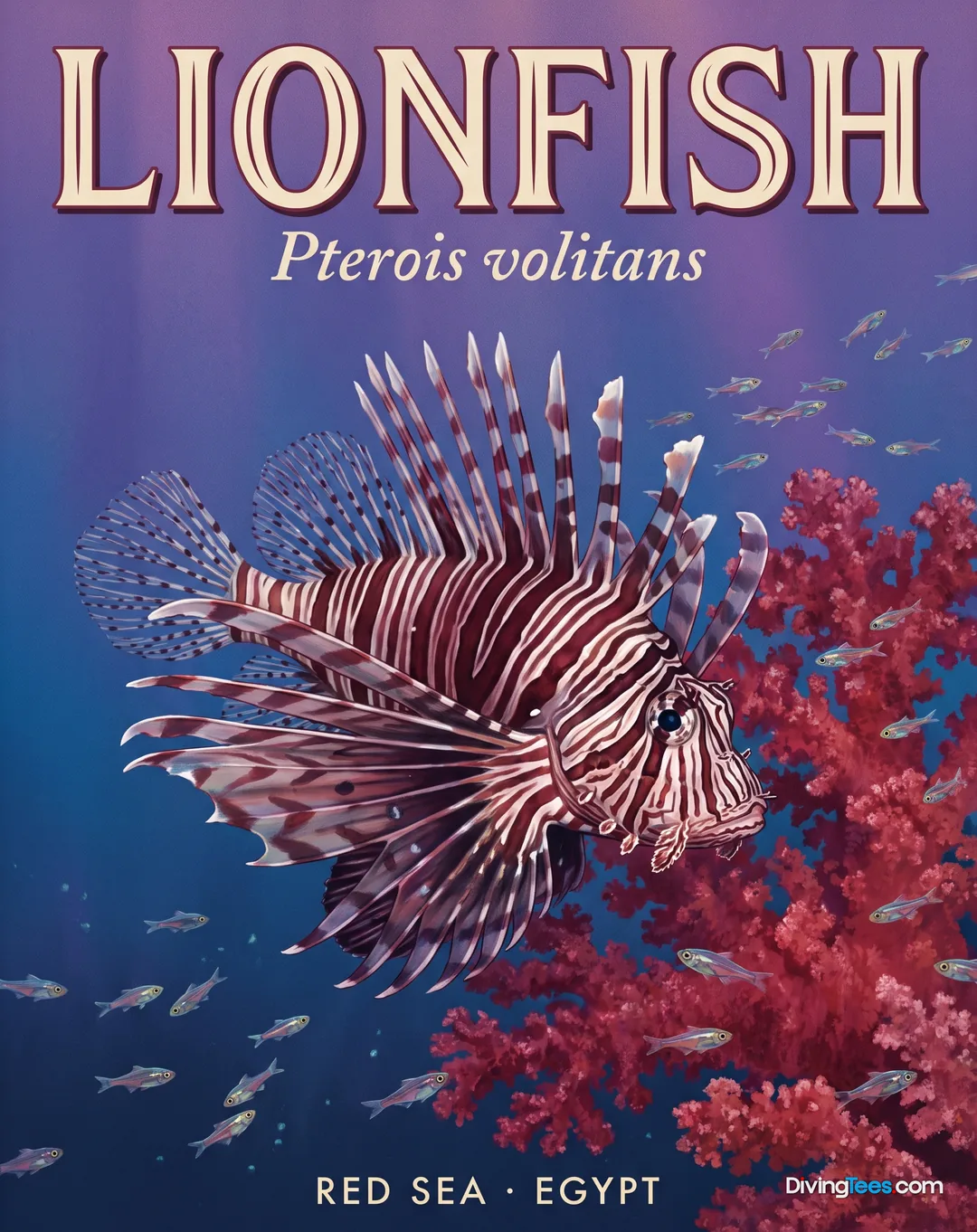
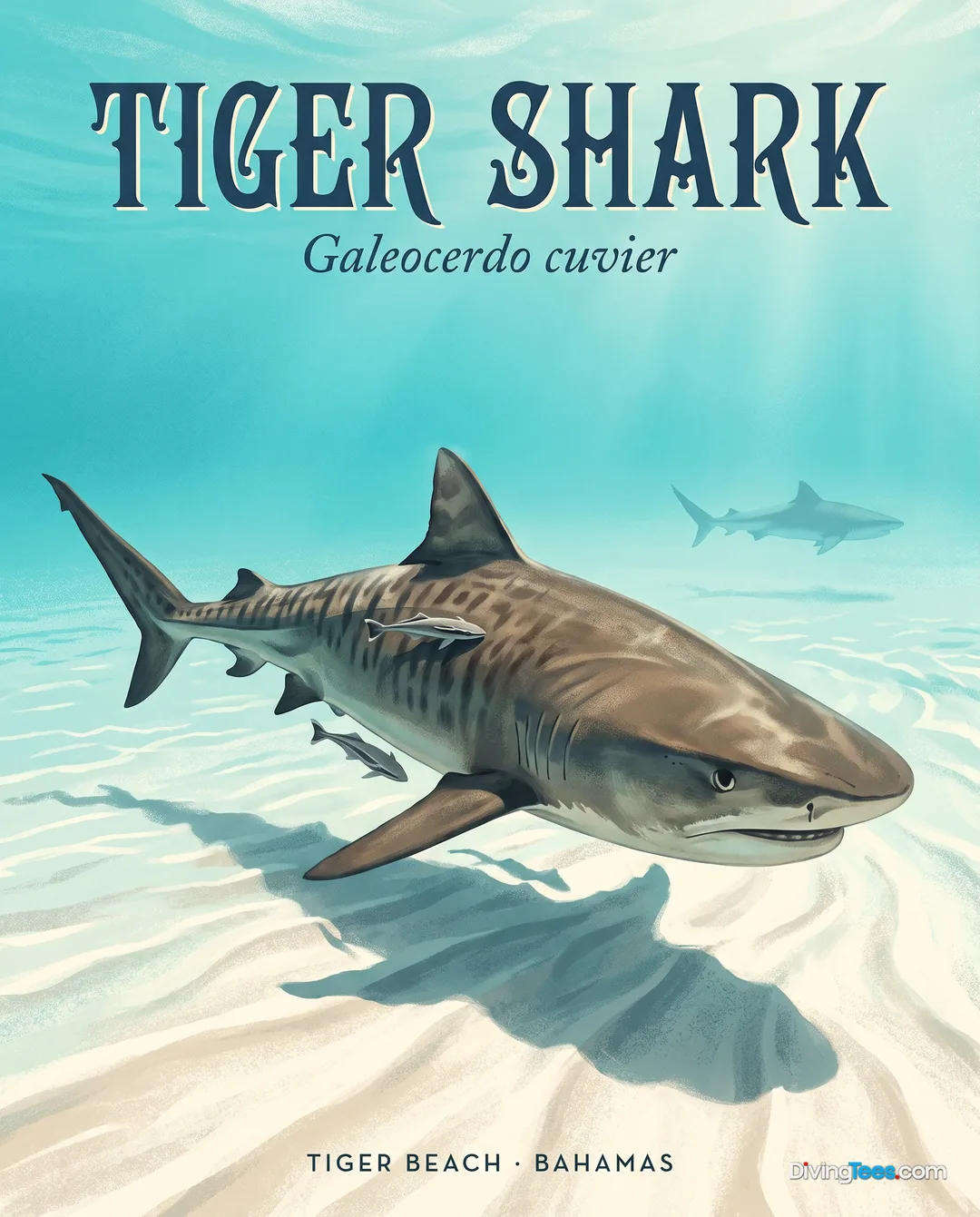
Morays, reef sharks, tuna and jacks form the recurring background of this route, with Napoleon wrasse, scorpionfish, lionfish, anthias, groupers, soft corals and turtles filling the reef scenes. Dolphins are recorded at several sites, while currents and exposed walls can bring the larger animals into view rather than keeping the dive on the reef. The site-specific reasons to go are sharper: Elphinstone is the place for the blacktip reef shark, tiger shark and giant trevally listed for this route; Brothers Islands is where anemones and eagle rays stand out; Shaab Ruhr Umm Gamar is the only listed site for grouper and giant grouper. Shaab Abu Nuhas adds glassfish, butterflyfish and parrotfish. Fanadir North is the place to look for trumpetfish, and El Fanadir has the unusual frogfish alongside its cleaning-station life. None of these encounters is guaranteed, but each gives a particular site more purpose than a general promise of Red Sea wildlife.
Who puts you in the water
Two instructors and two dive guides run the diving, with groups kept to four or five divers per guide. The working languages are English, German and Italian, and the team includes instructors and guides rather than a single guide trying to cover the whole boat. Briefings establish the site, route and return plan before divers move to the RIBs; the small groups then make it easier to keep the briefing relevant to the divers actually entering the water. The minimum requirement is Open Water Diver or equivalent with at least 20 logged dives. The boat carries oxygen, an AED, first-aid equipment, life rafts, life jackets, live buoys, smoke detectors, GPS and emergency signals. Private guiding is available as an extra.
The dive deck and the gear
The dive deck is built around repeated Red Sea operations: tanks and kit stay organised, cameras have separate rinsing tanks, and charging stations keep batteries moving between dives. The included tanks are 12-litre aluminium cylinders; 15-litre aluminium tanks are available as an extra, and DIN adaptors are carried. Three Coltri Sub compressors handle filling, with two rated at 250 litres per minute and one at 325 litres per minute. A membrane system supplies free nitrox to certified divers. Two RIBs, each fitted with a ladder, take divers to the site and collect them after the ascent, which is especially useful when the main boat cannot sit directly over a wall or wreck. Warm-water showers are available after dives. Rental equipment is available at extra cost; technical diving is not the boat's focus.
Between dives
Between dives, the boat gives people two different kinds of recovery. The sun deck is for shade, loungers and the first dry layer after a tender return; the indoor saloons are for air conditioning, food, briefings and the quiet work of checking a camera or logging a dive. The upper saloon is particularly useful when several divers want to review photographs and others need to sleep without retreating to a cabin. During longer crossings, that separation prevents the whole boat from becoming one noisy room. When there is no dive planned, the space can carry an afternoon of reading, editing images or simply staying horizontal while the next reef comes closer.
A day on board
A diving day begins with the first briefing, equipment checks and a RIB ride to the morning site. The schedule normally carries two or three dives, with the last day limited to two; some routes add a night dive when the site and itinerary allow it. Between entries, divers return to warm showers, food, shade or the air-conditioned saloon, then repeat the process after the next briefing. The longer outer-reef routes use early starts because Brothers, Daedalus and Elphinstone are blue-water sites where the first dive can be the most productive and the conditions can change. Meals punctuate the day without taking it over: eat, log, rinse, rest, brief, dive again. After the final entry, the boat may get underway for the next reef, leaving the deck to cameras, drying kit and the day's sightings.
What you eat aboard
Meals are served buffet-style in the air-conditioned main-deck restaurant, with Western and local food and provision for dietary restrictions. Hot and cold soft drinks, tea, coffee and snacks are available throughout the day; alcoholic drinks are separate. On a boat running two to three dives a day, the buffet suits the actual job: divers can eat enough, return for more, and avoid turning every meal into a formal sitting. The table becomes the place where the group compares visibility, current and camera sightings before the next briefing. Local dishes give the galley a Red Sea setting, while the Western options make repeated meals easier for a mixed group.
Nights at sea
The 15 cabins are divided between Twin Bed Cabins, Suites and Panorama Suites. All have an en-suite bathroom, air conditioning, storage, towels and a refrigerator; the upper-deck suites add a double bed, and the Panorama Suites give the best position for anyone who wants more light and a broader view. Every cabin has a window, so the lower deck does not mean a sealed-off bunk. Nights are therefore practical rather than theatrical: adjustable air conditioning, a private shower and a place to put wet-day fatigue. The boat's wood and engine systems remain part of the setting, but the renovated interior and separate salons keep the living spaces from feeling like an afterthought. After a late return from a dive, that matters more than decorative furniture.
Twin Bed Cabin
Suite
Panorama Suite
What to know before boarding
The recorded departures include Hurghada to Hurghada, Port Ghalib to Hurghada and Port Ghalib to Port Ghalib, depending on the route. Scheduled group transfers between the airport and the boat are included. Hurghada routes use Hurghada Airport, while the Elba itinerary uses Marsa Alam Airport and Port Ghalib transfers. Arriving the night before is the sensible choice, especially when a flight delay could otherwise reach the boat's departure.
- Year built
- 2007
- Year renovated
- 2022
- Length
- 35 m
- Beam
- 8.5 m
- Maximum number of passengers
- 18
- Number of cabins
- 15
- Engines
- 2
- Tenders
- 2 (RIBs with a ladder)
- Website
- ocenara.com ↗
Hello, I'm Marina, DivingDeal.com's AI assistant. I answer in detail about hotels, dive centres and liveaboards.
Thinking about the whole trip and the flights? Talk it over with Edith →
Marina is an AI. Some links are affiliate links: DivingDeal may earn a commission, at no extra cost to you. Bookings are made with the partner.