Liveaboards · Egypt
Freedom III — a practical Red Sea dive boat built around the water
What makes this boat unique
- Freedom III carries up to 20 guests in nine air-conditioned cabins with private bathrooms.
- The large dive platform has two toilets and showers, two tenders, DIN and INT adapters, camera rinsing, and charging stations.
- Nitrox is available for certified divers as an optional extra.
- Routes run from Sharks Bay to the Thistlegorm, Dunraven, Ras Mohammed, and the Strait of Tiran.
For subtitles in English: start the video firstthen click the gearat the top right of the video, select “Subtitles/CC”, then “Auto-translate” and choose “English”.
The invitation
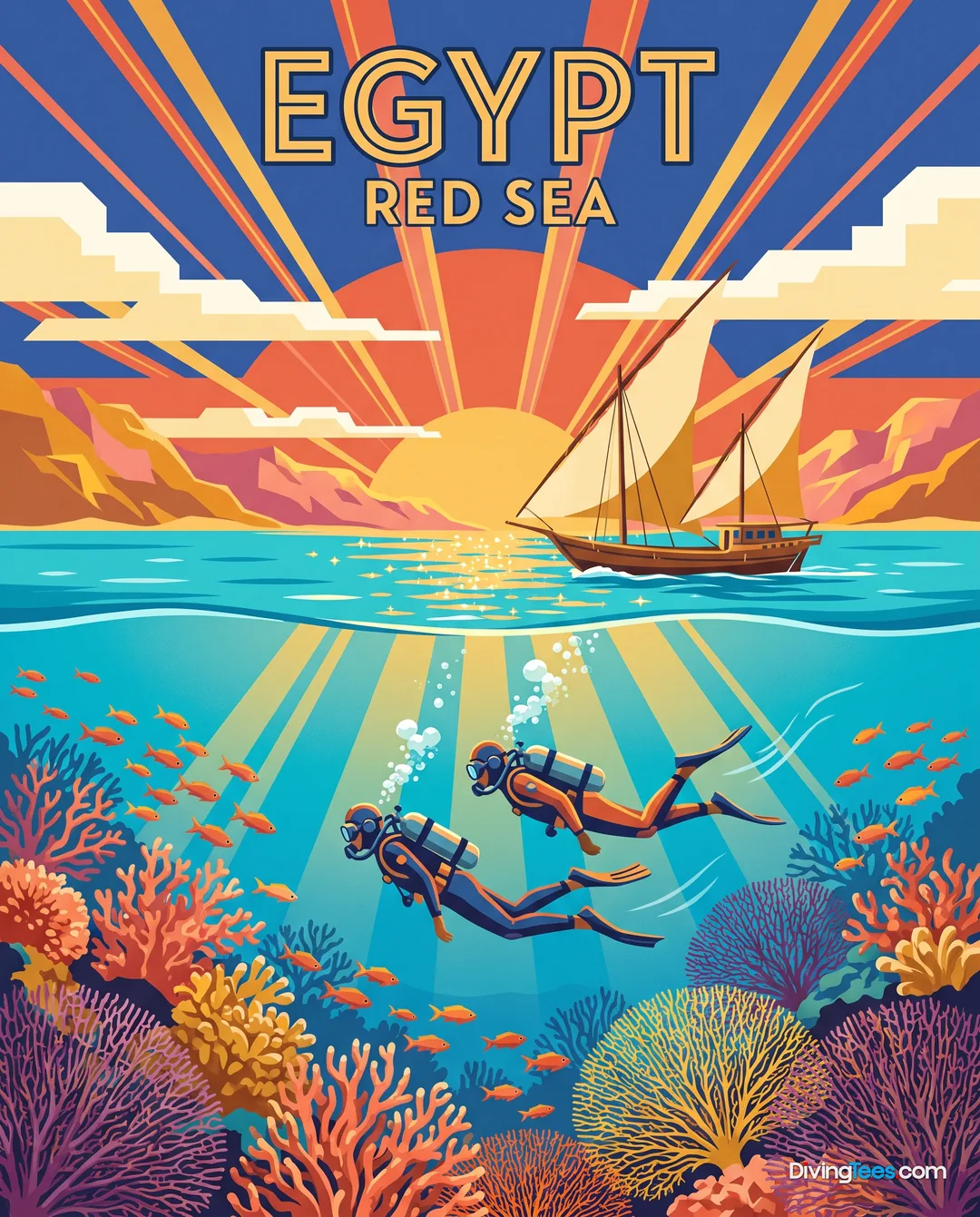
Freedom III suits divers who want the Northern Red Sea without turning the trip into a floating resort stay. The boat leaves from Umbi Sharks Bay’s private jetty, so the safari starts at the dive centre rather than after a transfer through a crowded harbour. From there, the routes reach the Thistlegorm and Dunraven wrecks, Ras Mohammed, and the reefs of Tiran, with three dives a day and a night dive when conditions allow. The boat works for solo divers, clubs, and private groups, while non-divers and snorkellers can come along too. Its strongest reasons to choose it are practical: direct embarkation, a proper dive platform, a crew used to running Red Sea trips, and enough route variety for both wreck divers and reef divers.
Boarding
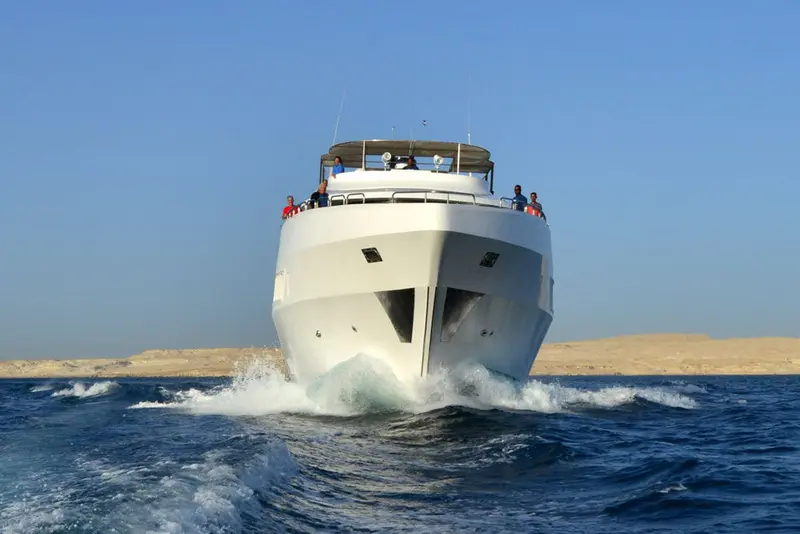
Freedom III arrives as a working dive boat, not a polished yacht built mainly for lounging. The private jetty at Sharks Bay puts the dive operation immediately in view: tanks, tenders, and the platform are part of the first impression. On board, the layout separates the active dive areas from the indoor salon and the two sun decks, giving divers somewhere to sit without blocking the crew’s work. The boat is large enough to spread out, but a group of up to 20 still becomes familiar quickly. The useful feeling is order. Gear has its place, the platform is made for repeated entries and exits, and the day is arranged around getting divers to reefs and wrecks rather than making a long crossing feel luxurious.
The atmosphere on board
The atmosphere is shaped less by formal service than by a crew that keeps the diving moving. Guides help with equipment, briefings, and entries, while the deck team handles the repetitive work that matters after every dive. Passengers describe helpful guides, efficient boat diving, strong food, and a relaxed welcome; that combination is why the crew scores better than the boat itself. Freedom III is a working vessel with a practical layout, not a new luxury yacht, but the people on board soften that distinction. English, German, French, Spanish, Russian, and Italian are spoken. By the evenings, the group usually has shared wreck stories, current reports, and the small jokes that come from seeing the same faces on the platform all day.
The sites you’ll dive
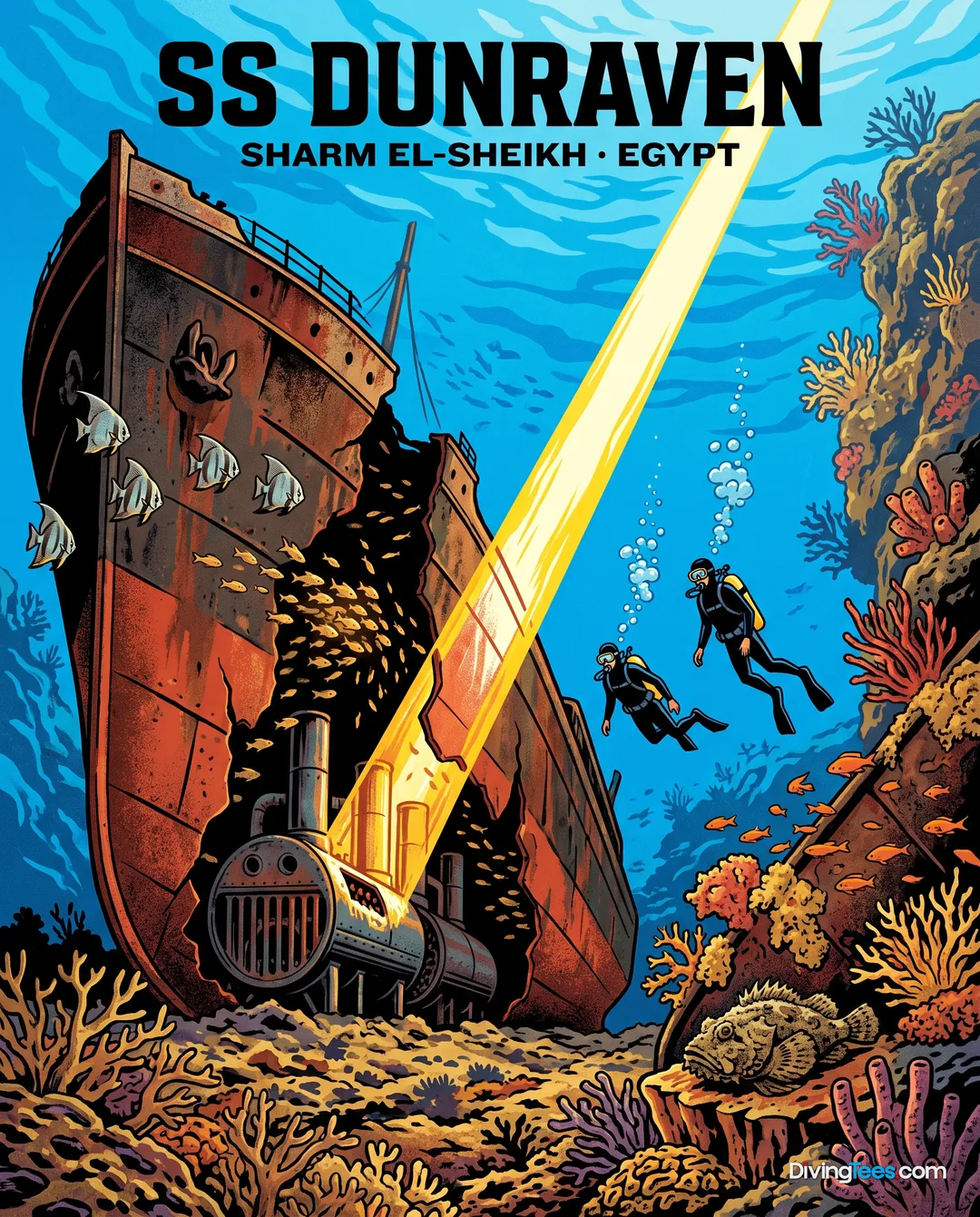
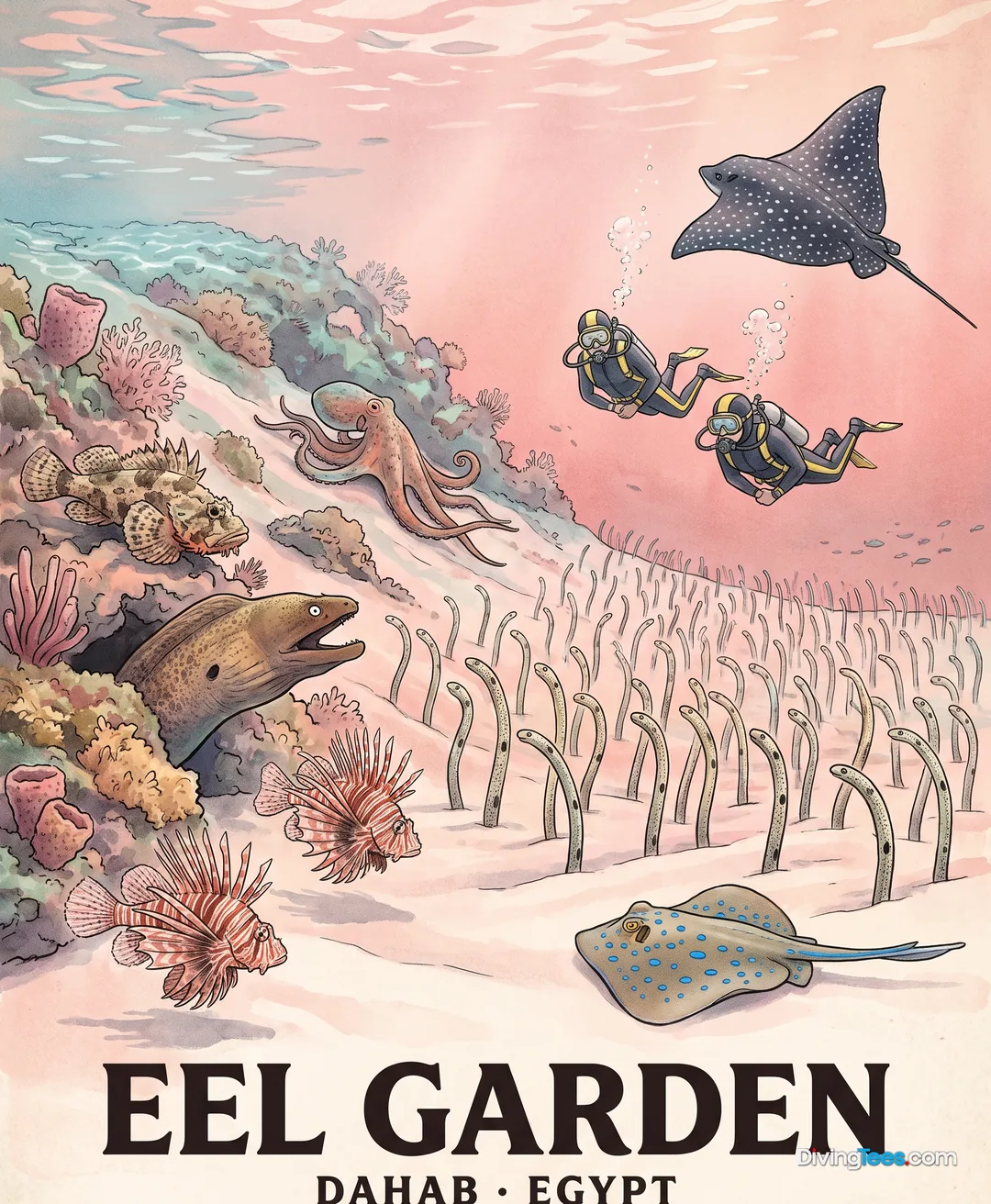
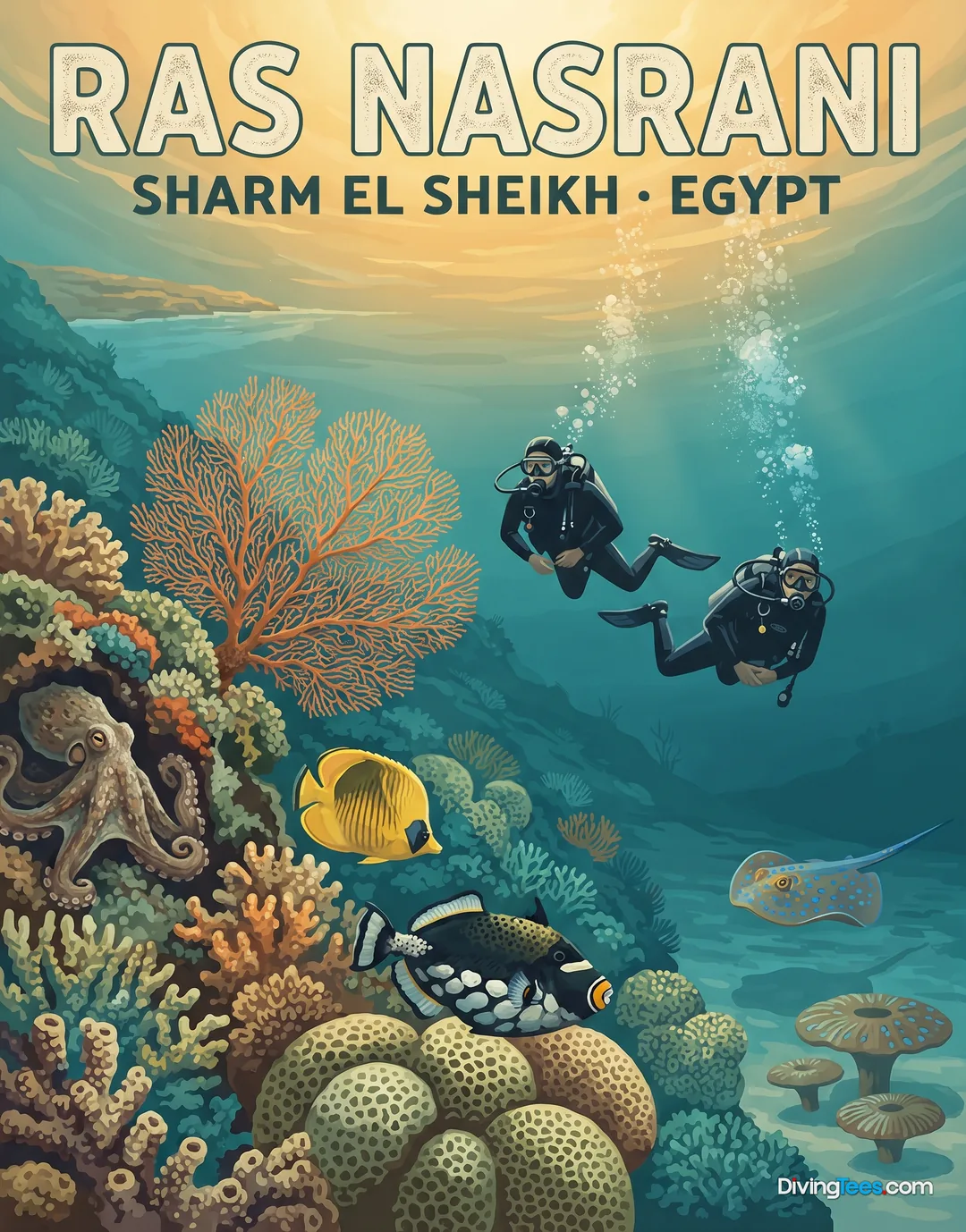
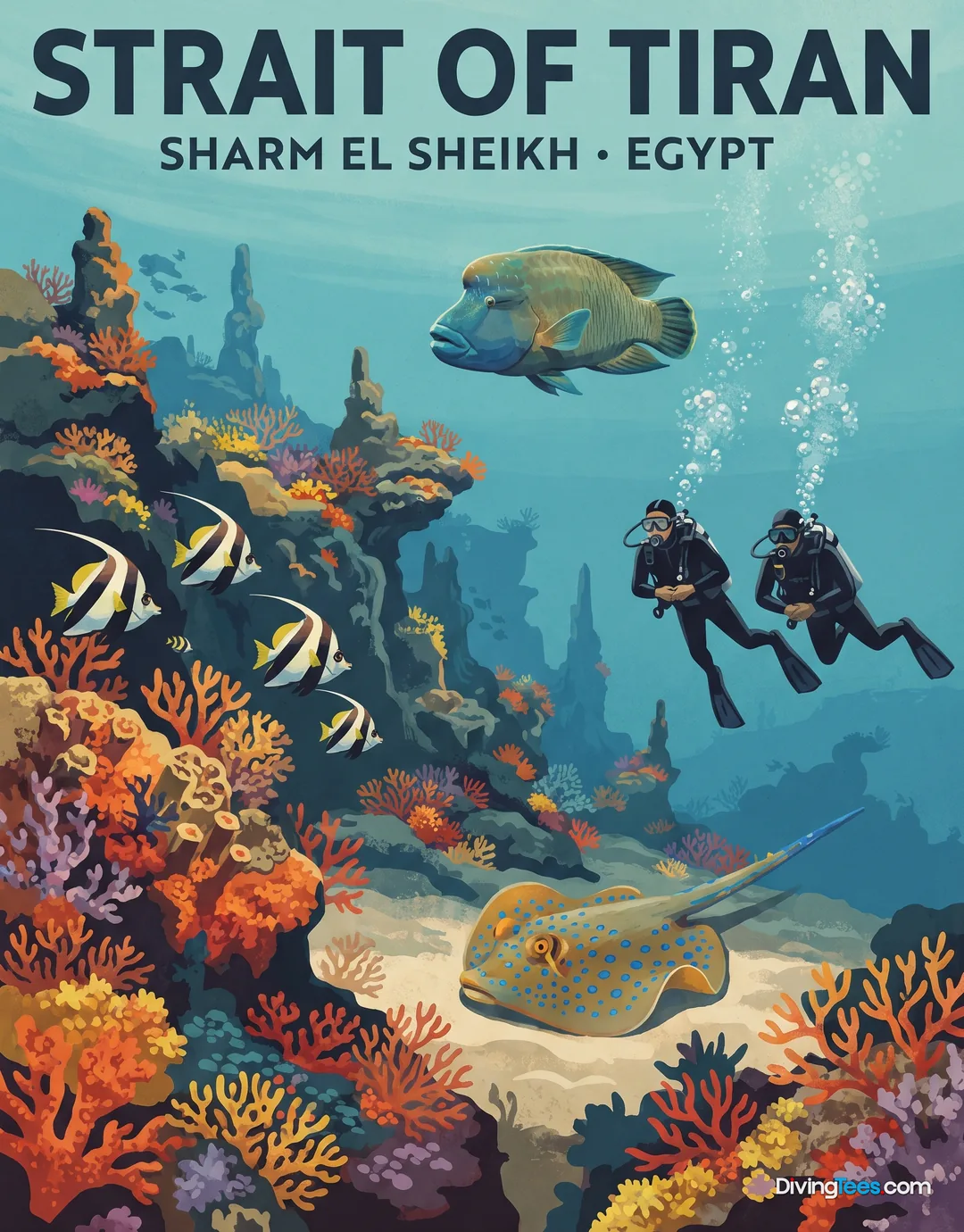
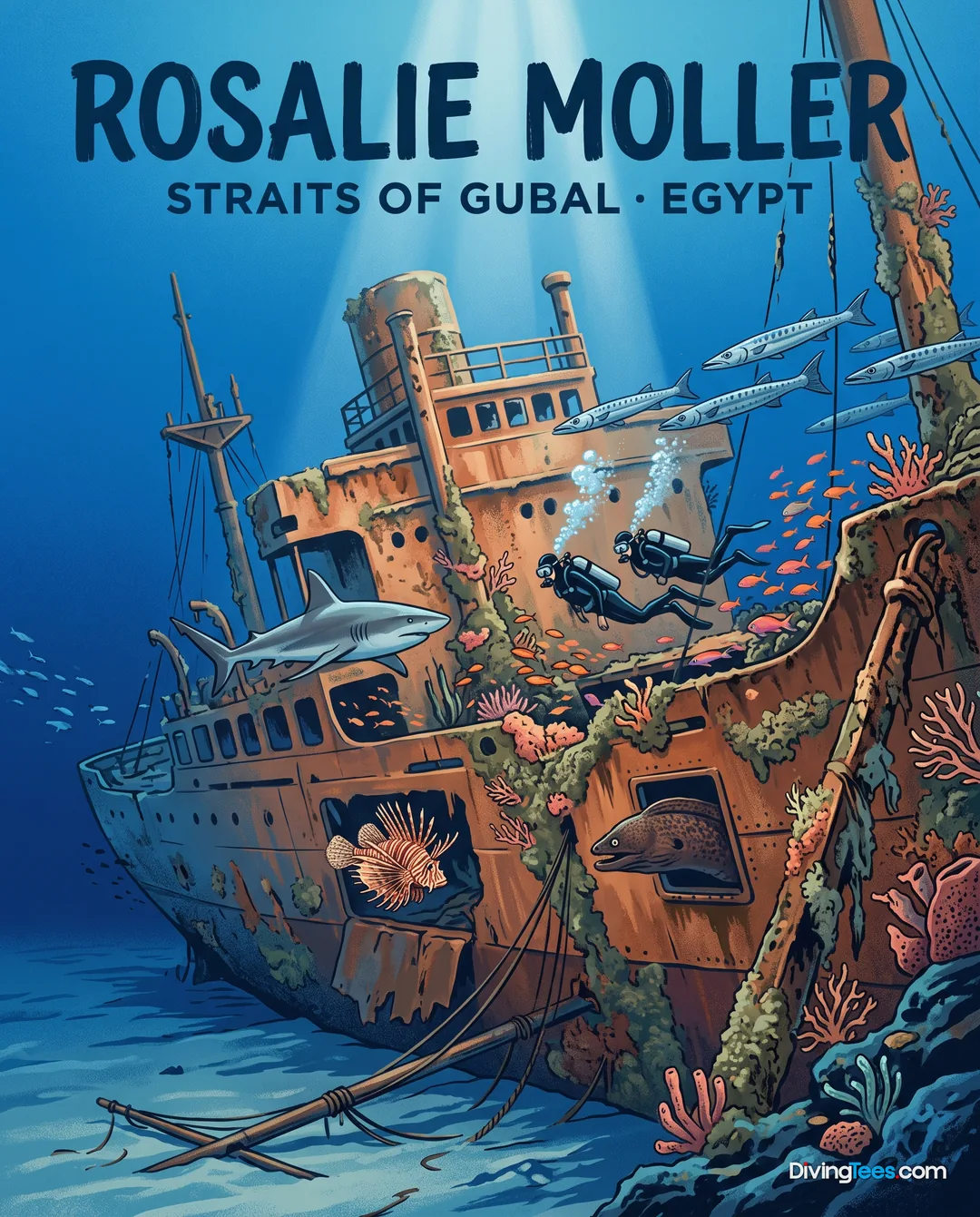
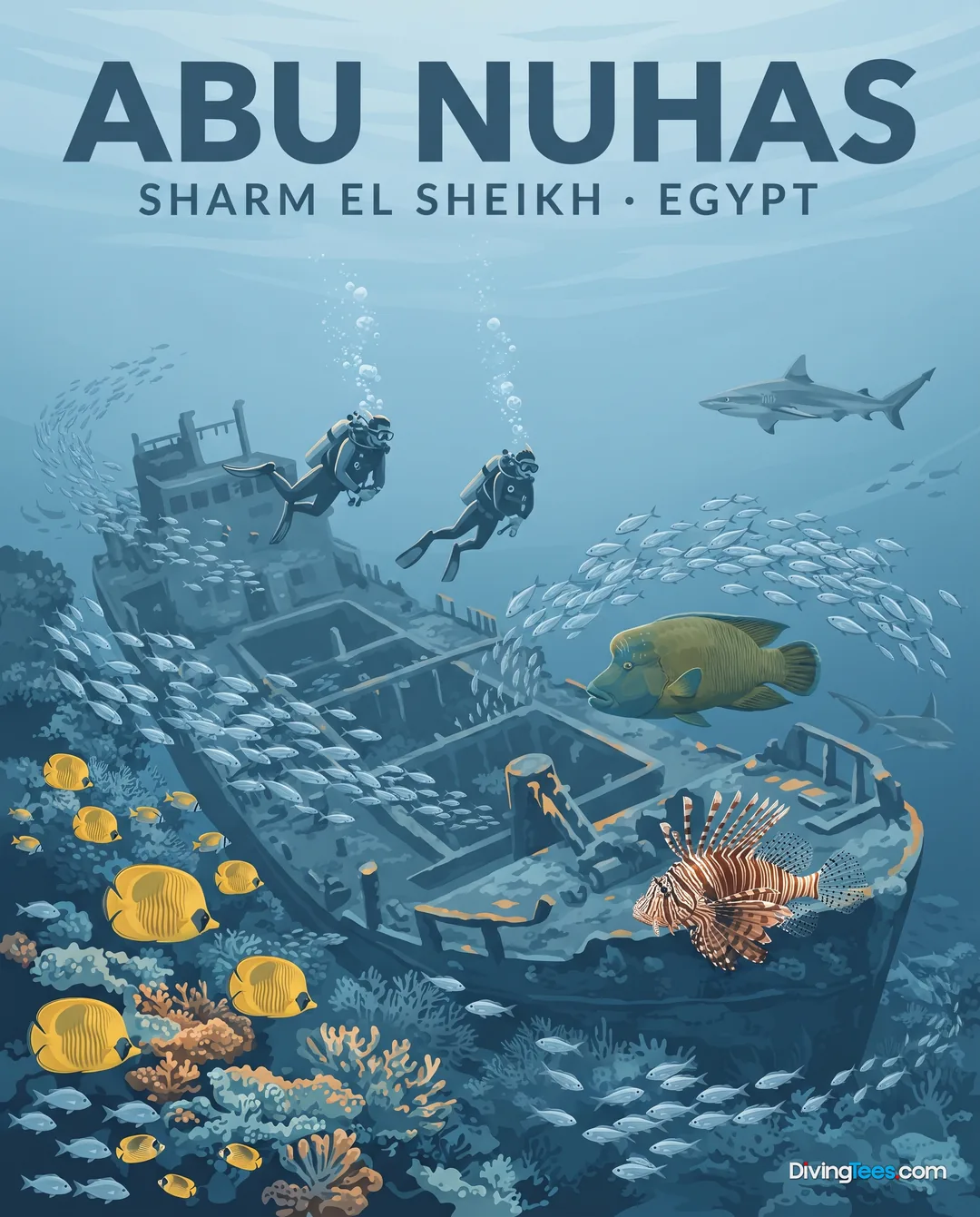
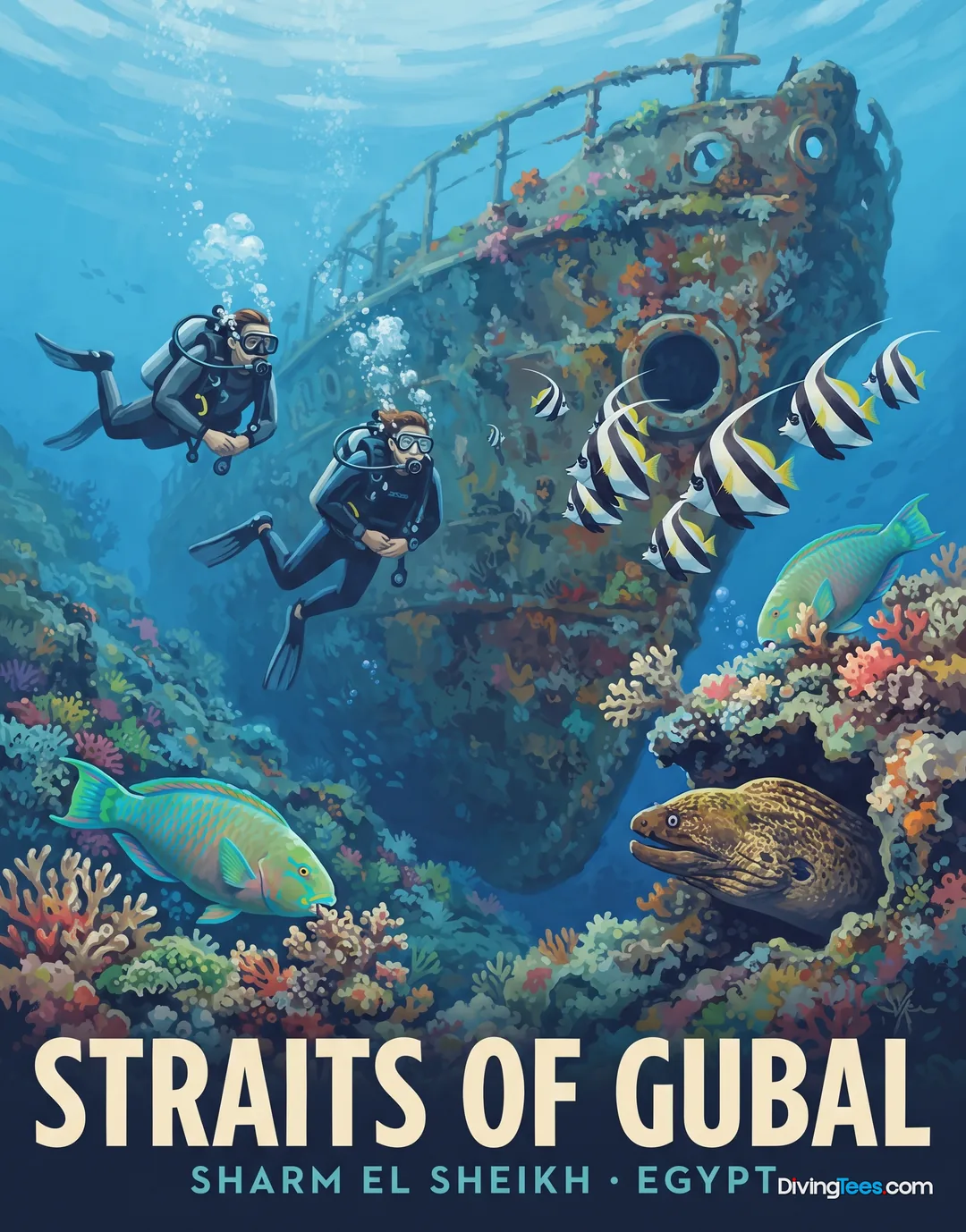
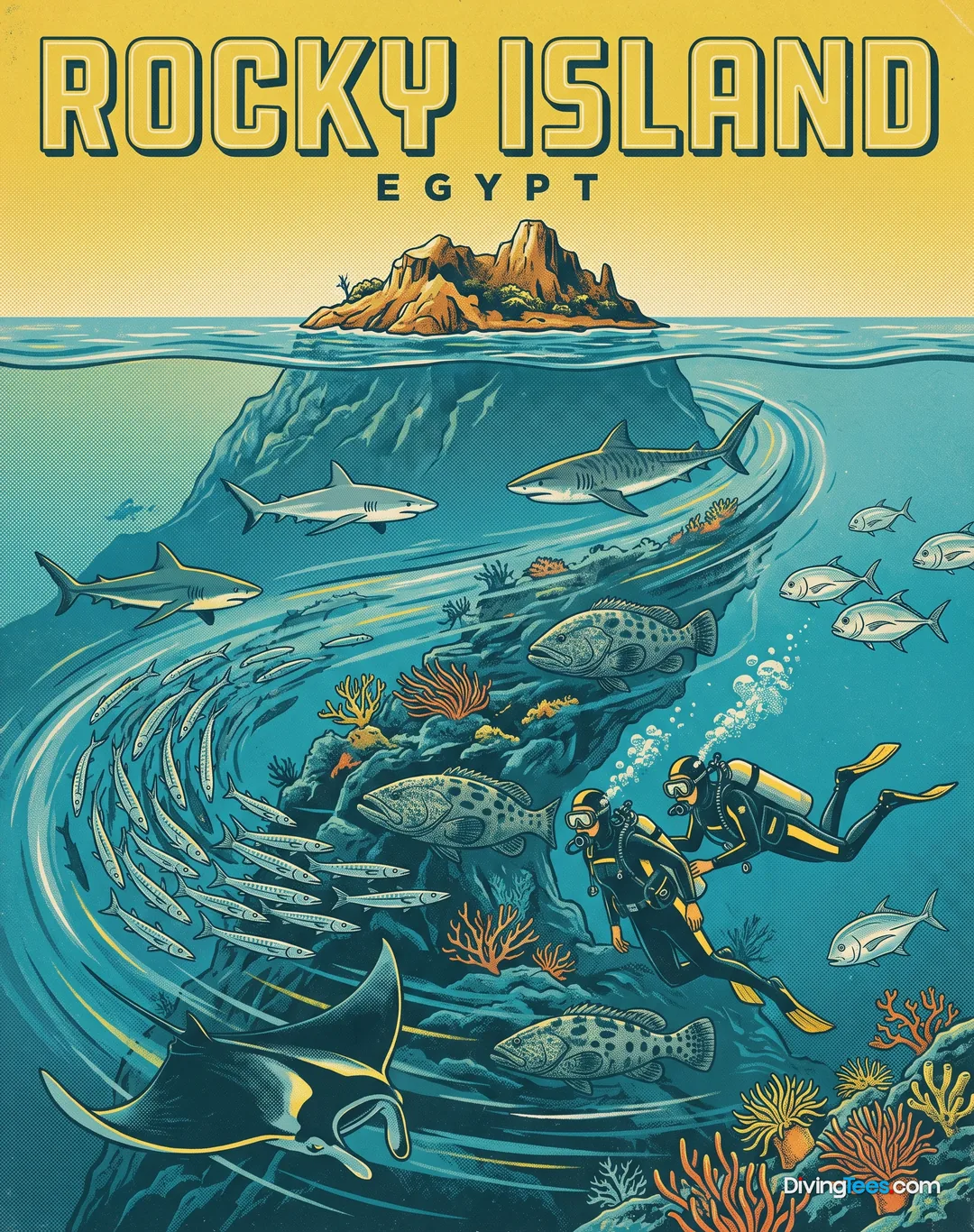
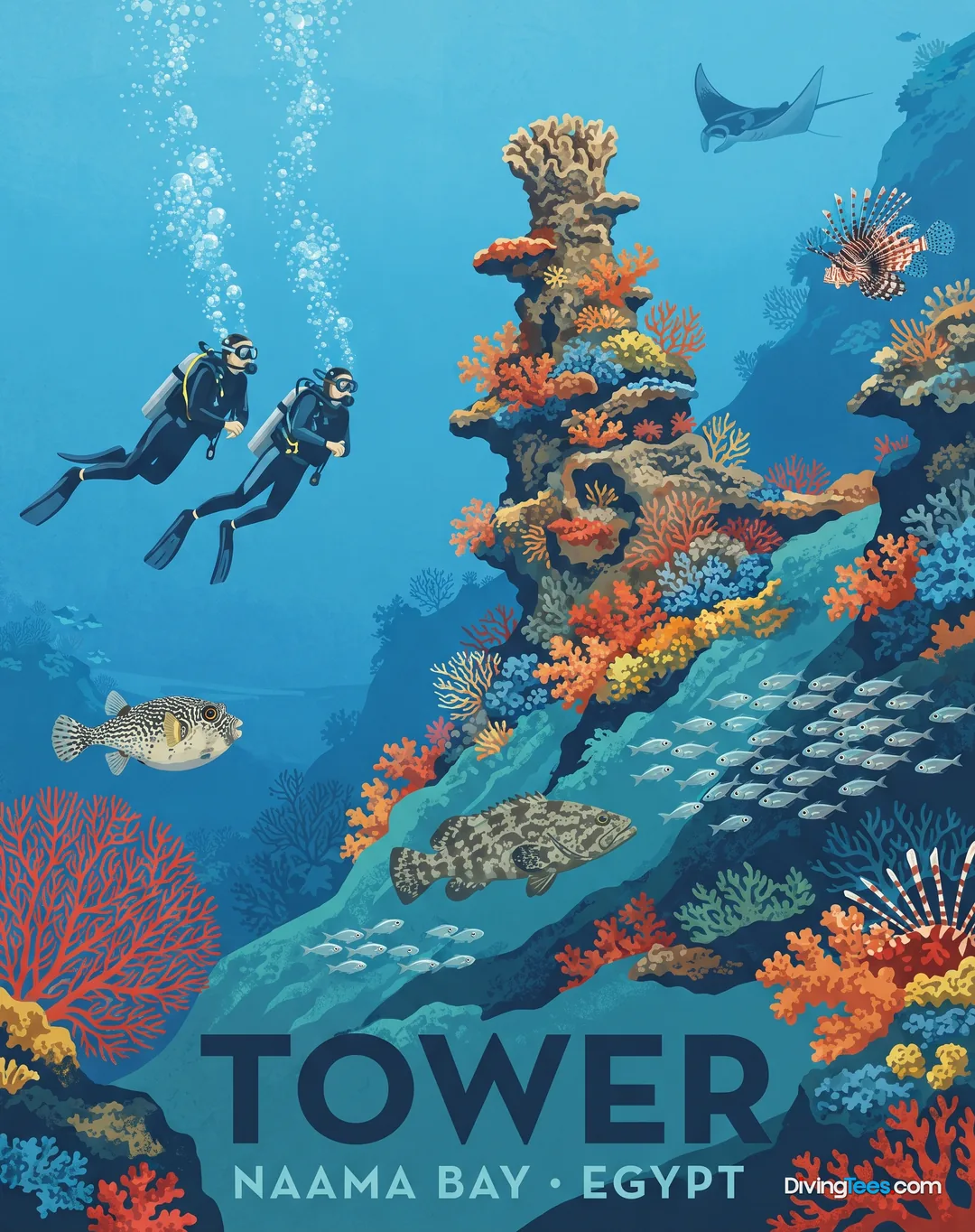
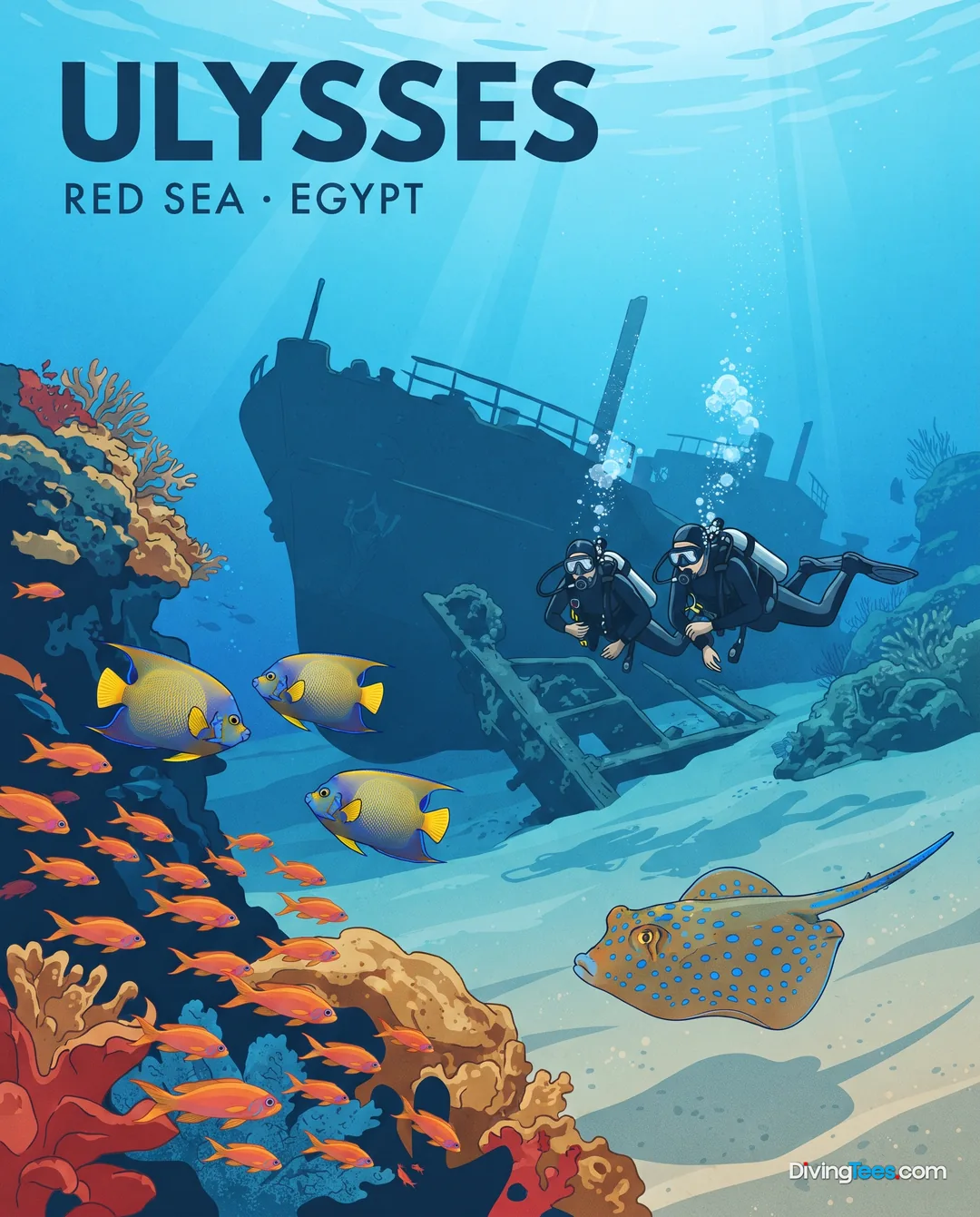
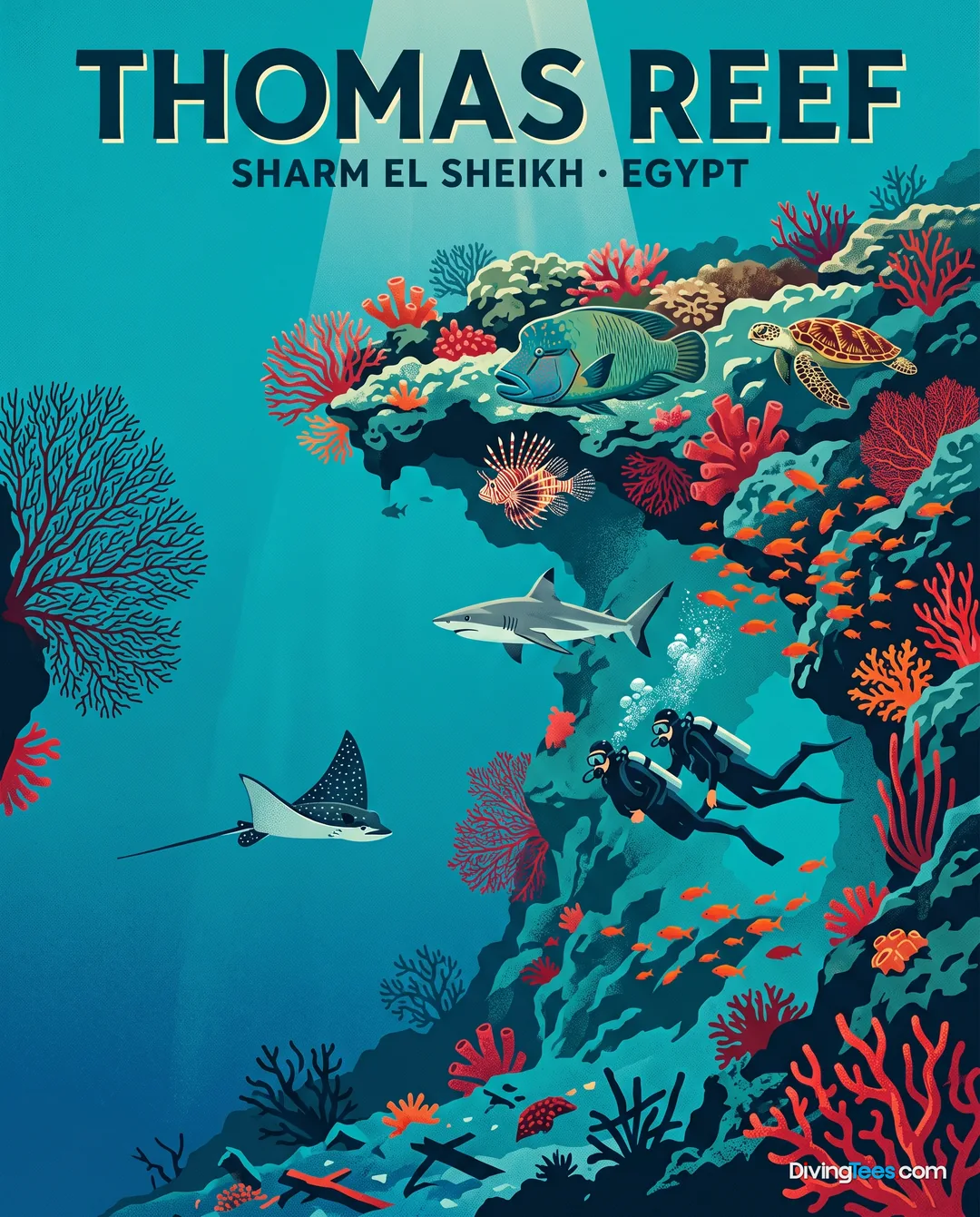
The longer five-day, four-night route combines the Thistlegorm, Dunraven, Ras Mohammed, and Tiran; the shorter four-day, three-night version focuses on Dunraven, Ras Mohammed, and Tiran. The Thistlegorm reaches -32m, with preserved wartime cargo holds, barracudas, giant tuna, groupers, batfish, morays, crocodilefish, and clouds of glassfish. The SS Dunraven reaches -30m and lies inverted, its wreck structure joined to an artificial reef and a natural coral wall. In Ras Mohammed, Eel Garden drops to -35m along a sandy slope covered by garden eels, while Ras Nasrani reaches -60m, where current-swept reef gives way to gorgonian fans and mushroom corals. The Strait of Tiran reaches -40m and links four offshore reefs, with hard and soft corals, pelagics, and the possibility of hammerheads in summer. Other Northern routes can include the Rosalie Moller at -50m, Abu Nuhas, the Straits of Gubal at -50m, Rocky Island, Tower, Ulysses at -27m, and Thomas Reef at -90m.
What you’ll meet underwater
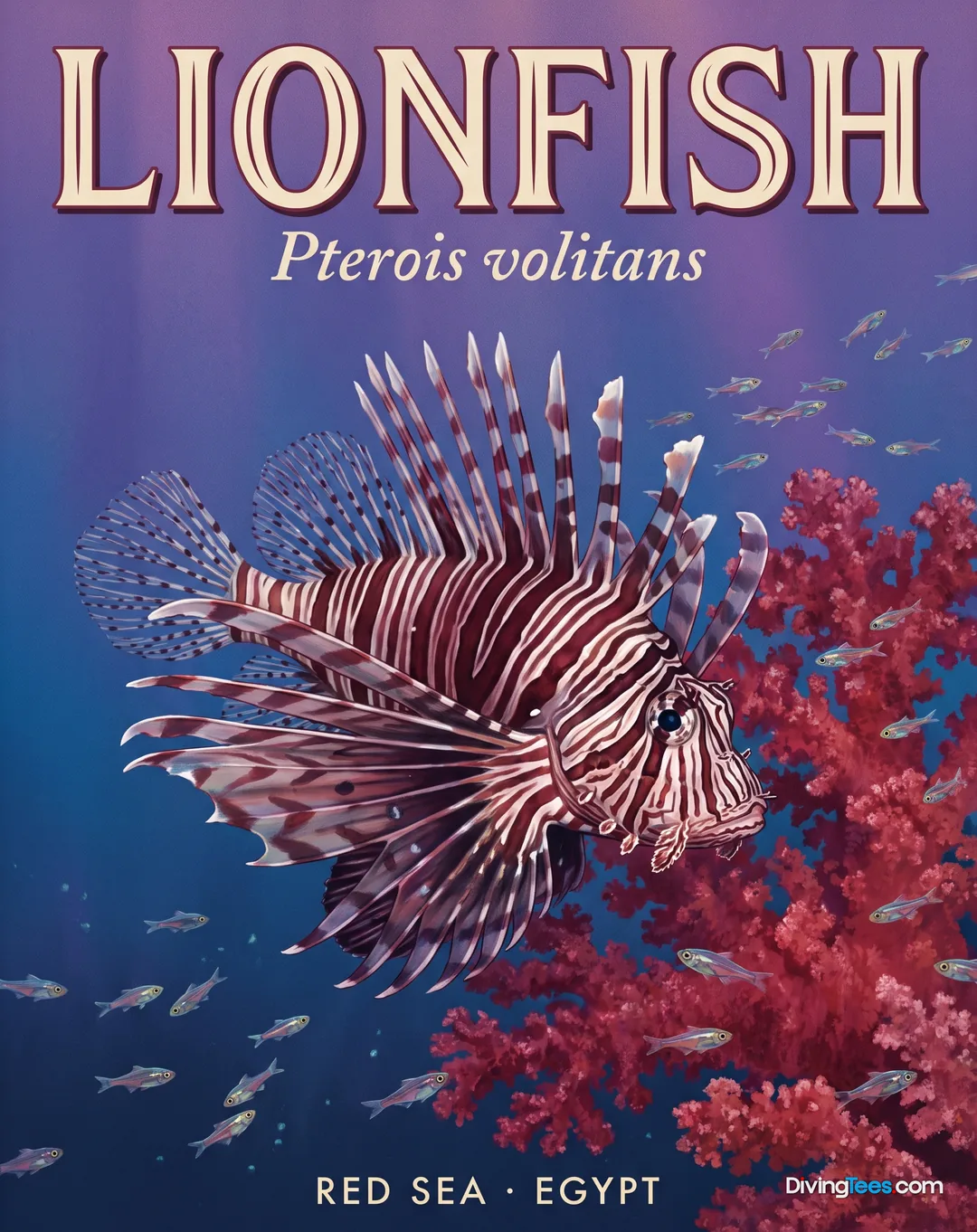
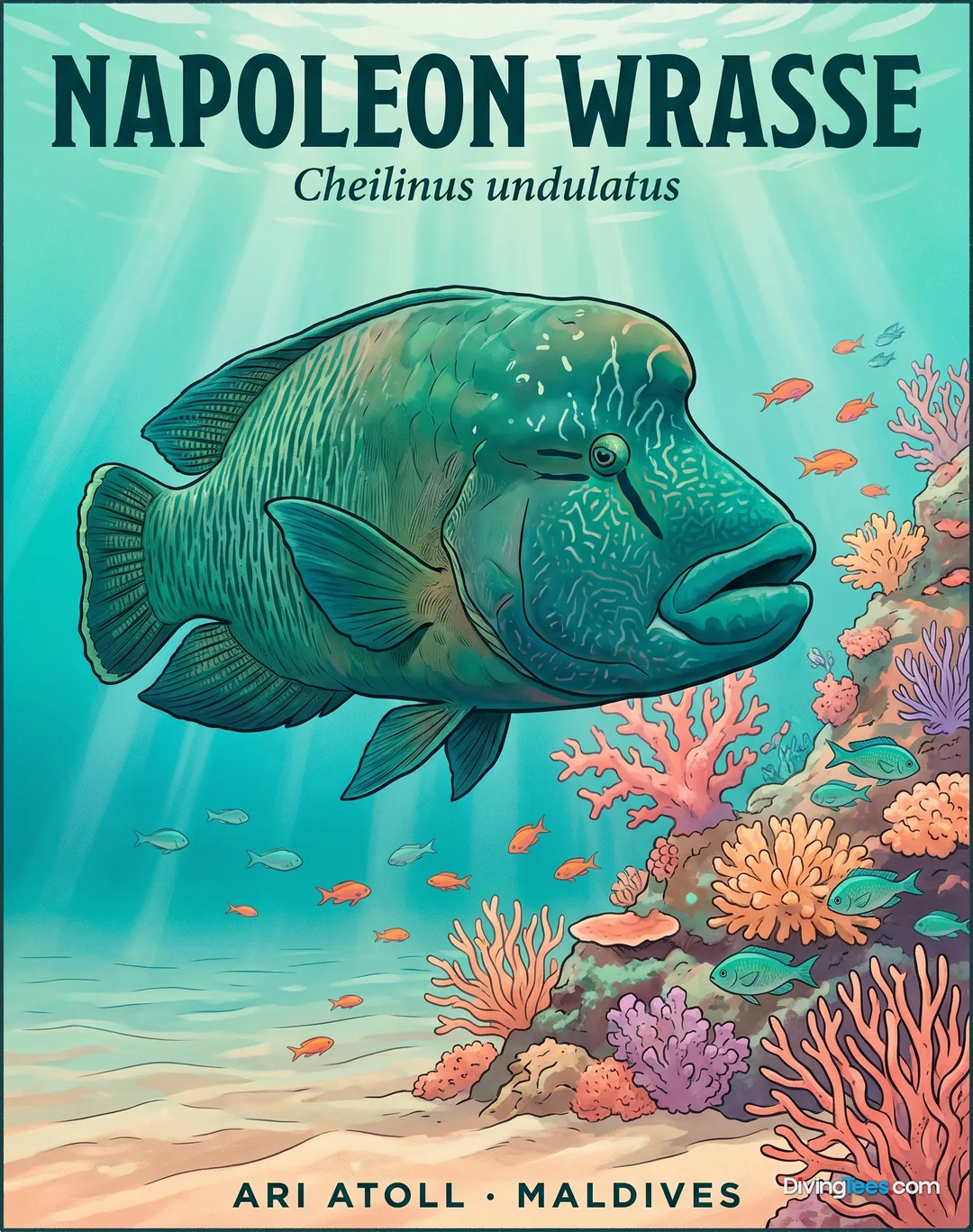
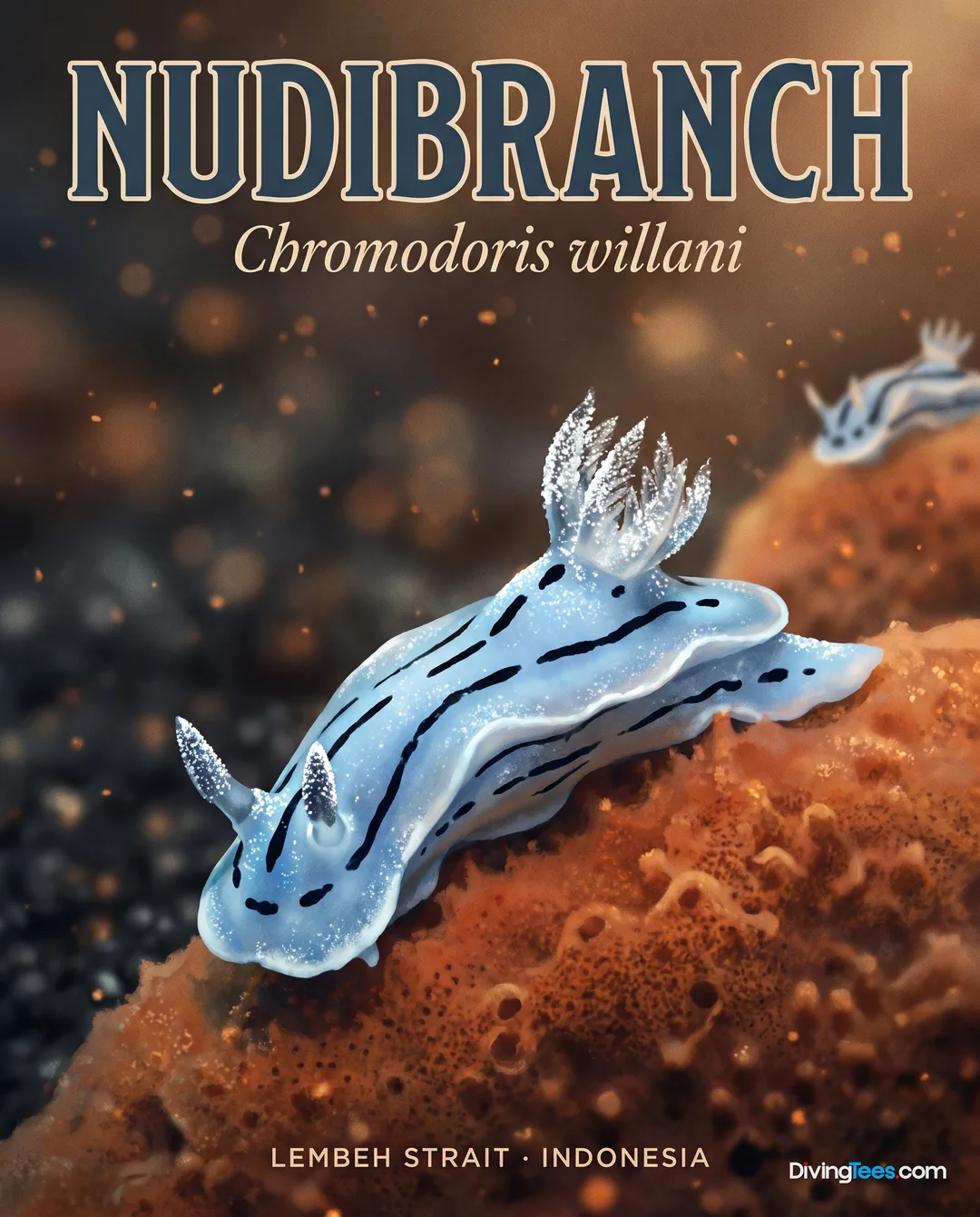
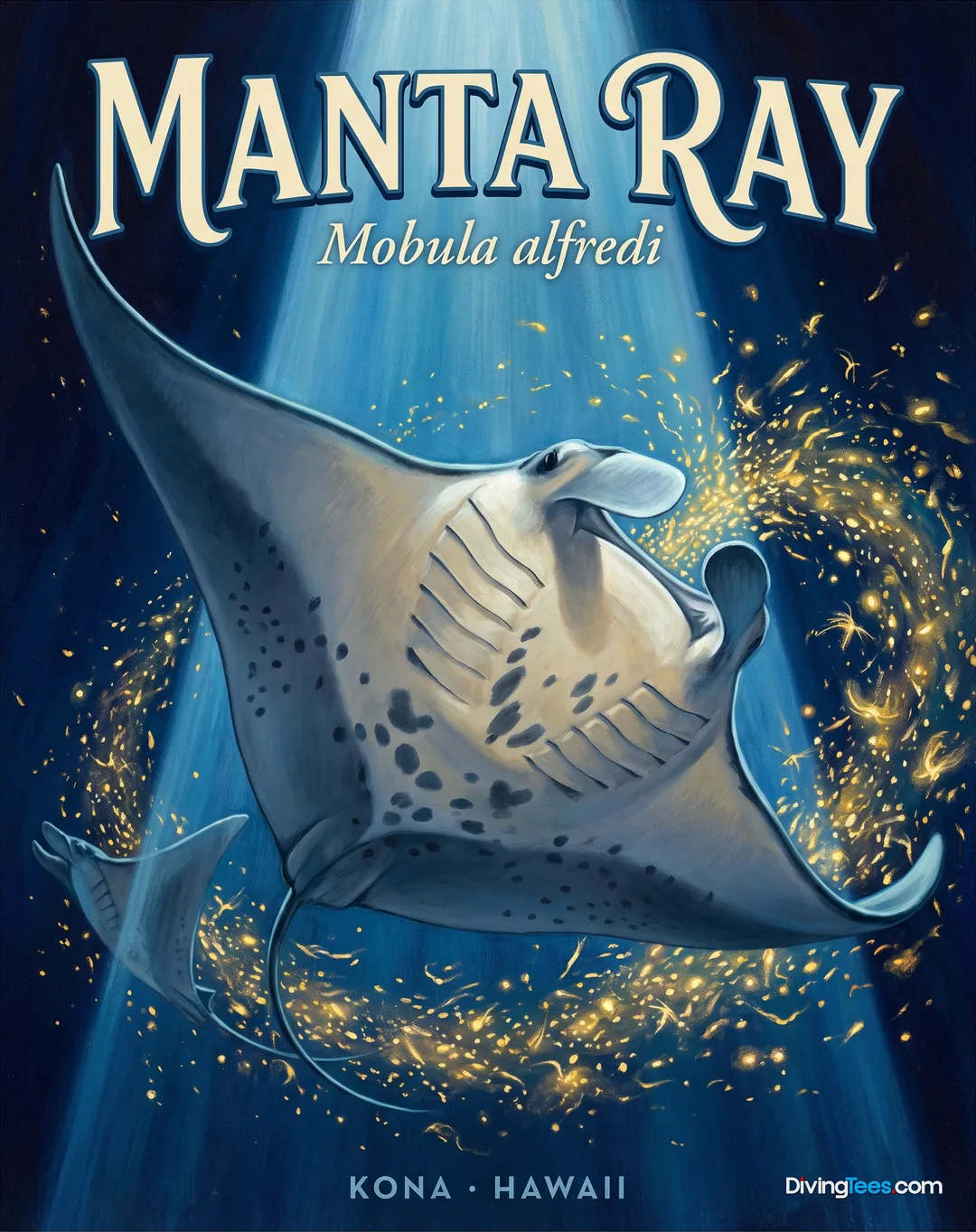
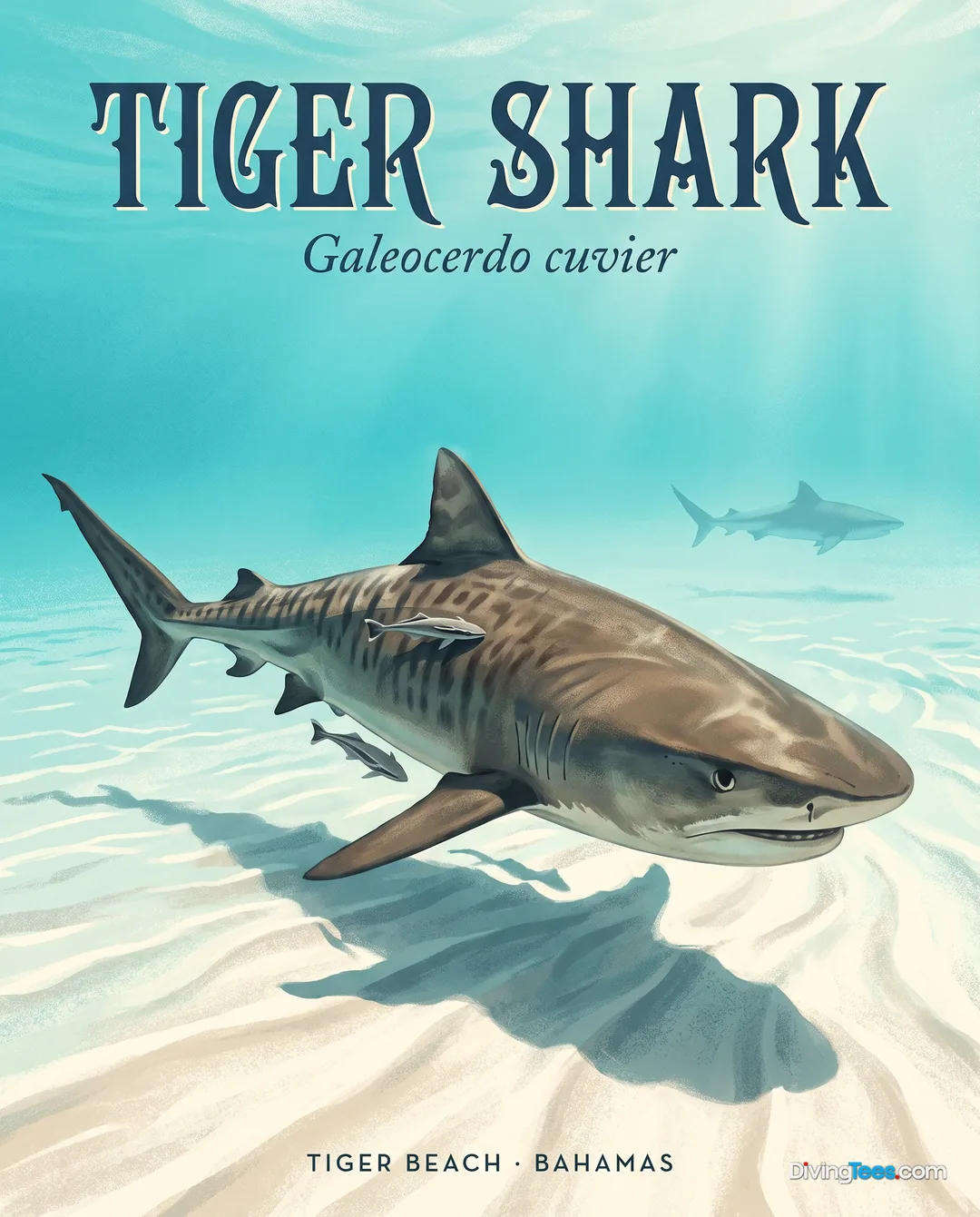
This route repeatedly puts carangue, barracuda, groupers, morays, reef sharks, scorpionfish, lionfish, turtles, Napoleon wrasse, tuna, soft corals, nudibranchs, and glassfish in front of divers. The larger animals are not confined to one dramatic site: currents and walls can bring reef sharks, tuna, barracuda, manta rays, and hammerheads into the picture, while the reefs keep the close-up life working between encounters. Tiran is the place for species recorded nowhere else on this route, including grey reef sharks, tiger sharks, green turtles, surgeonfish, and unicornfish; hammerheads may be encountered there in summer. Eel Garden is worth the dive for its extensive garden-eel colony, and it is also the only listed site for triggerfish, angelfish, boxfish, and balistids. At Rosalie Moller, bigeye trevally is the site-specific possibility; at SS Dunraven, divers can look for the recorded stonefish among the wreck life.
Who puts you in the water
The guides and instructors speak English, German, French, Spanish, Russian, and Italian, which helps mixed groups settle into briefings quickly. They brief each site, organise entries, and keep an eye on divers during the return to the boat. The liveaboard is aimed at divers with at least PADI Advanced Open Water or equivalent and a minimum of 30 logged dives, a level suited to current-swept reefs and deeper wrecks. Oxygen, first-aid kits, life rafts, life jackets, fire alarms, and extinguishers are on board, with tenders supporting the dives and surface recovery.
The dive deck and the gear
The dive deck is the boat’s main argument. It has a large platform, two toilets and showers, separate rinse facilities for cameras, a dedicated photography area, charging stations, and two tenders for reaching the reefs and collecting divers after the dive. The standard tanks are 12-litre aluminium cylinders with DIN and INT connections; 15-litre tanks, twin sets, manifolds, and other specialist equipment are optional rentals. Two Bauer compressors handle filling. Nitrox is available to suitably certified divers as a paid extra, and the Nitrox certification itself is separate. The boat supports tech diving, sidemount, and rebreathers, although the right configuration and gases need to be arranged before the trip. Oxygen and first-aid kits are carried on board.
Between dives
Between dives, the choice is simple and useful: shade on the dive deck, sun on either of the two upper decks, or cool air in the salon. The observation areas give non-divers and snorkellers somewhere to spend the day without being in the way of the dive operation. Photographers have a dedicated area, separate camera rinse water, and charging stations, so housings and batteries do not have to compete with the rest of the group. When the boat is moving between sites, the open decks are the place to watch the Sinai coast recede and let surface interval time pass. There is also a bar, a library, and outdoor dining, but the spaces earn their value by making repeated dives easier on the body.
A day on board
A liveaboard day starts with the first briefing before the first dive, then builds around three daytime dives and, when conditions allow, a night dive. Breakfast, a buffet meal, and dinner divide the diving, with snacks, drinks, and surface intervals filling the spaces between entries. The crew has time to move the boat while divers eat or rest, then the platform becomes active again as tanks are checked and groups prepare. A night dive changes the Red Sea’s cast: the same reef that held barracuda and jacks in daylight becomes a search for smaller, hidden life. Arrival and departure days are different; the full dive pattern does not apply to them. The final day includes lunch and two dives before check-out.
What you eat aboard
Full-board meals are served buffet-style, with both local and Western dishes and options for vegetarian and vegan divers. Beer and other alcoholic drinks are available separately, while water, soft drinks, tea, coffee, and snacks are included. The food matters more on a liveaboard than it does on a day boat: after the first dives, divers need a real plate rather than something grabbed between cylinder changes. The kitchen therefore has a practical job across the whole day, keeping meals available as the group returns from the water. Local cooking gives the menu more character than a purely international buffet, while the choice of familiar Western food helps when four dives have left no patience for culinary surprises.
Nights at sea
The cabins are air-conditioned and each has a private bathroom, with twin, double, triple, and master options. Panoramic windows and sea-view cabins give some rooms more light than the usual liveaboard porthole, while the family configuration makes Freedom III workable for more than pairs of dive buddies. The interior is simply furnished, with a salon for the hours when the sun is too strong and two outdoor decks for air and shade. A television, library, Wi-Fi, and private storage are useful after several dives, but the cabins remain places to sleep and reset. The real advantage is that every guest can return from the platform, shower, dry off, and be back in a cool room without leaving the boat.
Lower Deck - Twin Cabins
Lower Deck - Double/Triple Cabin
Main Deck - Master Cabin
Upper Deck - Master Cabin
What to know before boarding
Freedom III departs and returns to Umbi Sharks Bay’s private jetty in Sharm El Sheikh. Airport and hotel transfers are included, with the meeting arrangements provided for the booking. Guests can sleep on board the night before departure; embarkation begins from 20:00, dinner is served that evening, and there is no diving or sailing that night. Arriving the evening before keeps the first morning focused on the boat and the route rather than on airport delays.
- Length
- 28 m
- Maximum number of passengers
- 20
- Number of cabins
- 9
- Number of bathrooms
- 9
- Engines
- 2 × CAT 440 hp each
- Cruising speed
- 10 knots
- Tenders
- 2
- Website
- sharksbay.com ↗
See dates and prices
If you click these links and make a purchase on the partner site, DivingDeal may earn a commission, at no extra cost to you.
Hello, I'm Marina, DivingDeal.com's AI assistant. I answer in detail about hotels, dive centres and liveaboards.
Thinking about the whole trip and the flights? Talk it over with Edith →
Marina is an AI. Some links are affiliate links: DivingDeal may earn a commission, at no extra cost to you. Bookings are made with the partner.