Liveaboards · Egypt
Freedom IV — a practical Red Sea liveaboard built around northern wrecks and reefs
What makes this boat unique
- Freedom IV is a 30-metre liveaboard renovated in 2022, with 11 air-conditioned cabins and private bathrooms.
- The route combines the Thistlegorm, Dunraven, Ras Mohammed and the Strait of Tiran over 5 days and 4 nights.
- The dive deck has 12-litre aluminium tanks, DIN and INT fittings, two Bauer compressors, rinse tanks and two diver tenders.
- Nitrox, technical diving, sidemount and rebreather diving are available as options or specialist services.
- The strongest passenger feedback concerns the crew and food rather than the boat itself.
The invitation
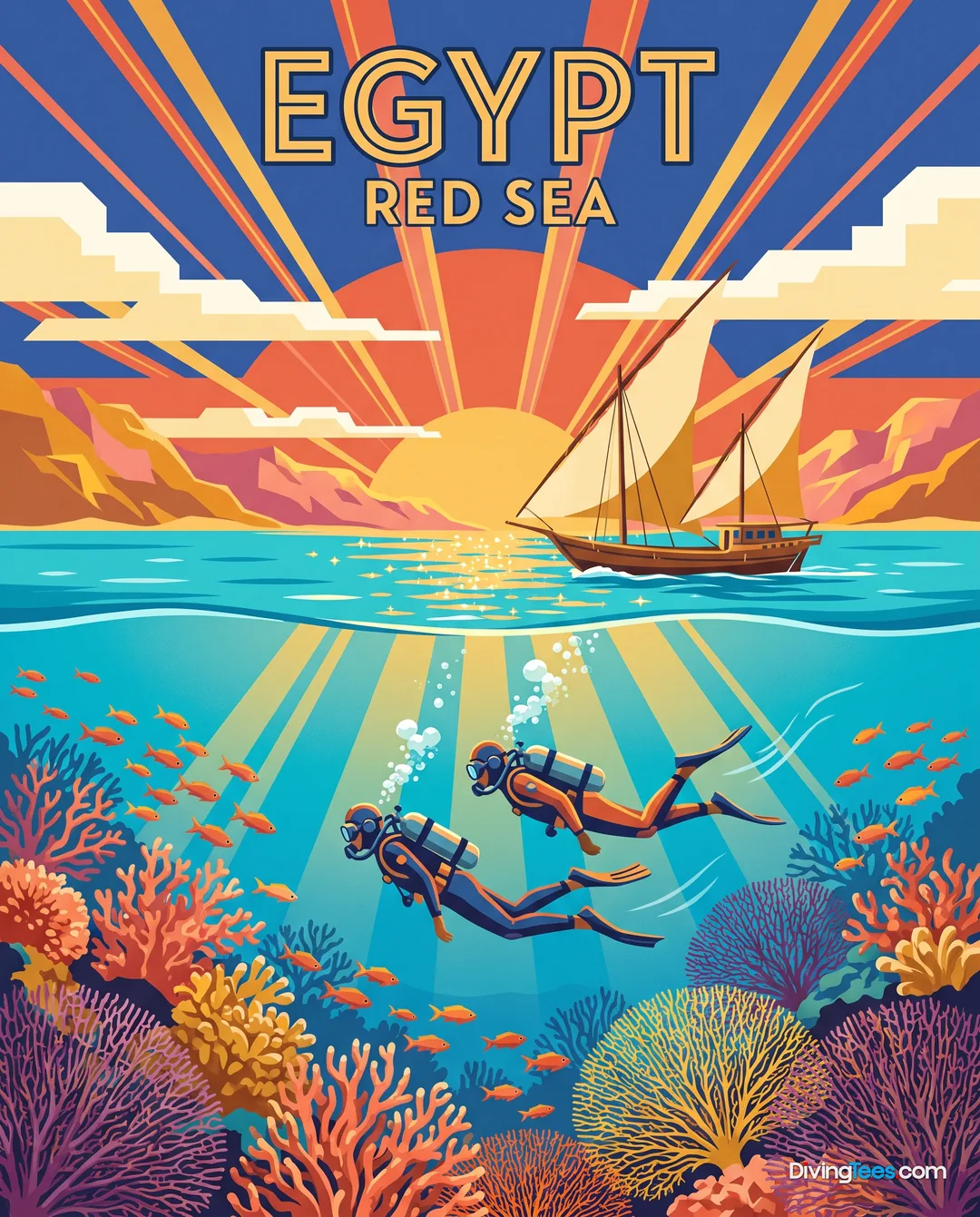
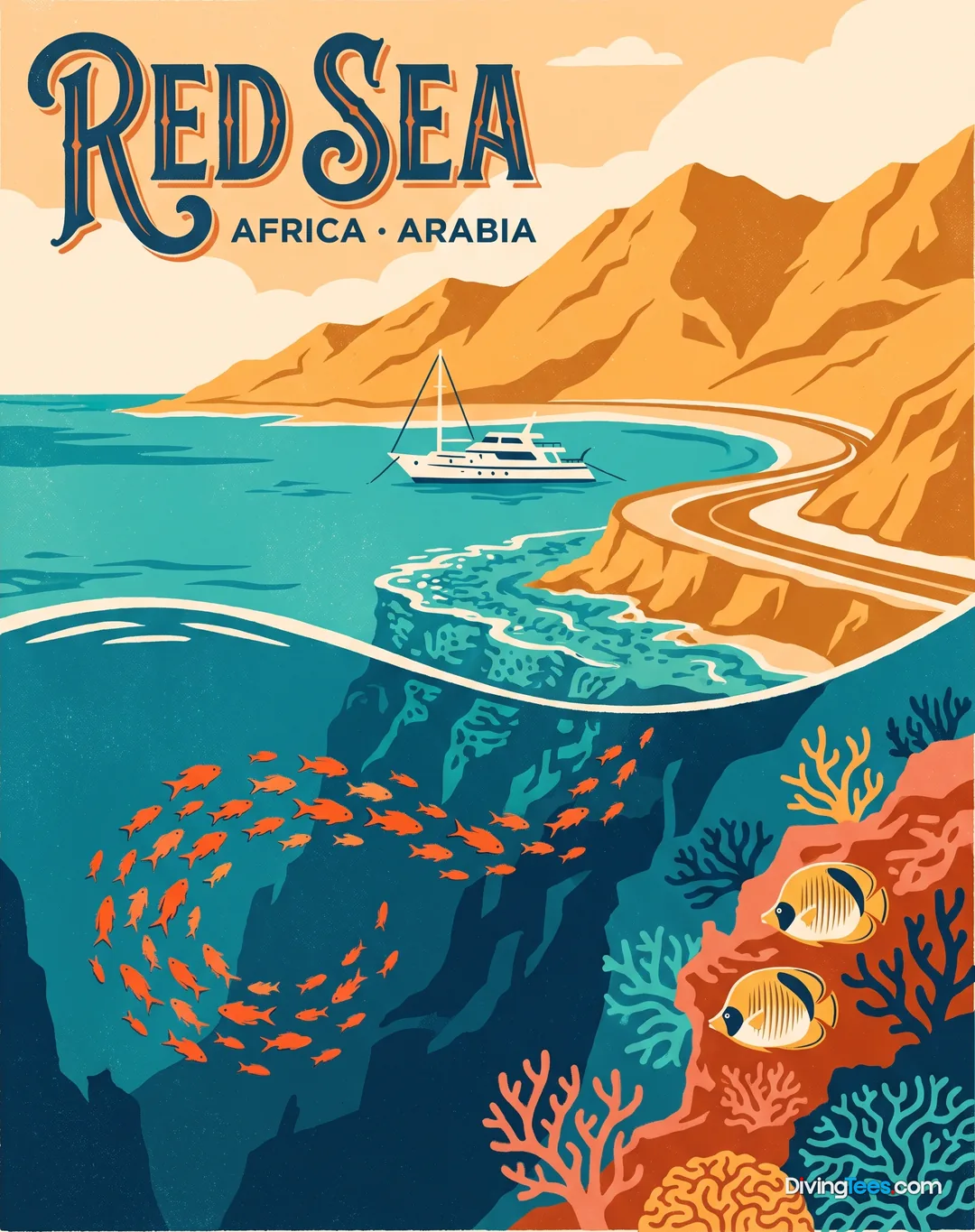
Freedom IV makes sense for divers who want the northern Red Sea in one compact trip: wartime wrecks, current-swept reefs, Ras Mohammed walls and the four reefs of Tiran. The boat leaves from Umbi Sharks Bay's private jetty, so the safari starts without a transfer through a commercial harbour. It is not the smallest boat in the fleet, and it is not built around private-yacht seclusion. Its advantage is reach: enough room for a full group, a serious dive setup and a route that puts the Thistlegorm and Tiran in the same week. The crew is the reason passengers remember the trip. They are repeatedly described as helpful, professional and strong underwater, while the food receives the best rating of the boat's main criteria. Step aboard for access to the sites, a well-run diving operation and the sort of crew that makes a busy boat easier to live with.
Boarding
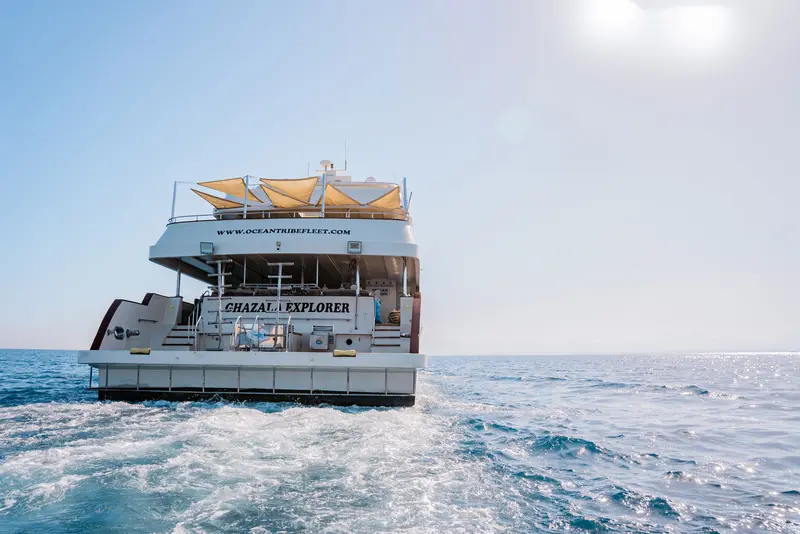
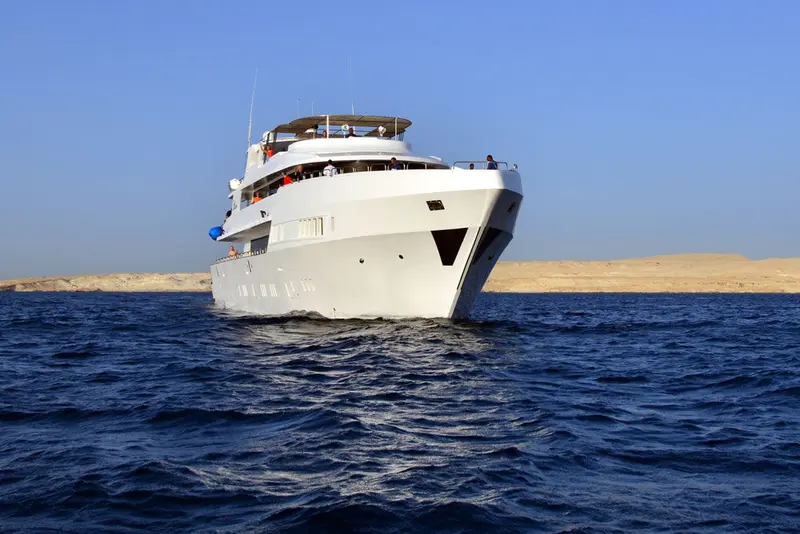
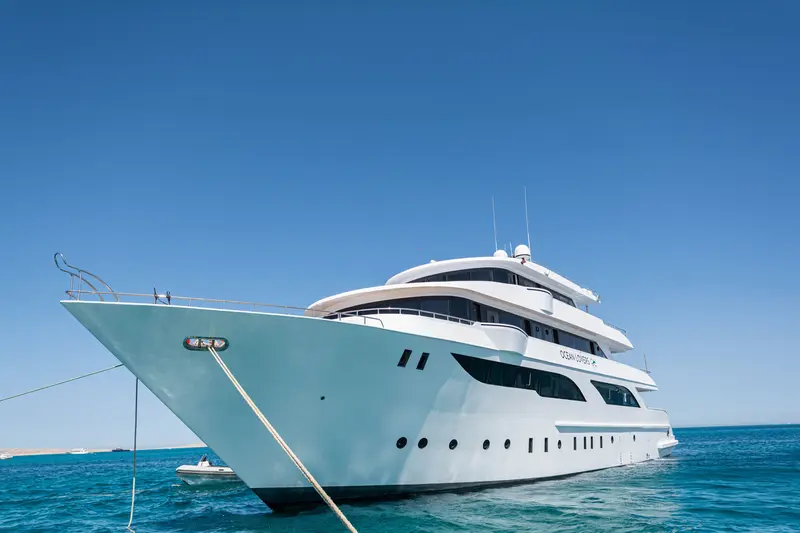
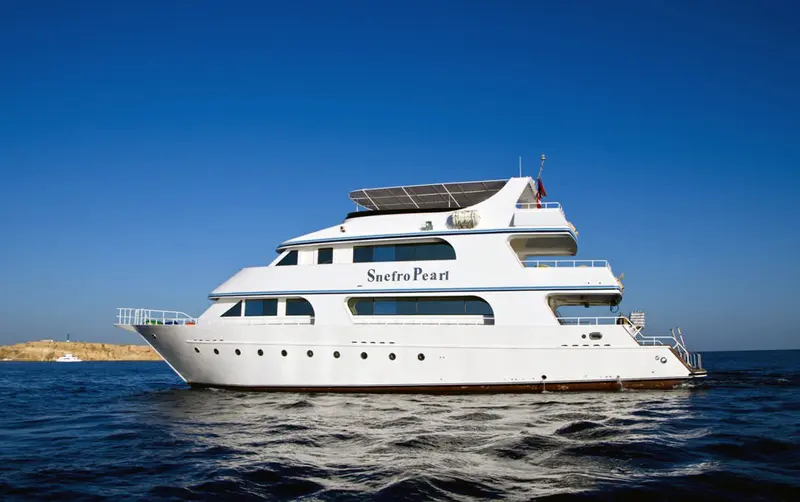
At the dock, Freedom IV presents as a purpose-built diving boat rather than a floating boutique hotel. The 2022 renovation matters: the boat belongs to a current safari fleet, with air-conditioning, private bathrooms and a dive platform designed for repeated entries and exits. From the private jetty at Sharks Bay, boarding is direct and uncomplicated. Once aboard, the useful spaces are easy to understand: cabins below the main working areas, an indoor salon for meals and briefings, and open decks for drying off and watching the Sinai coast recede. The boat can carry a large liveaboard group, so it will not feel like a private charter unless booked that way. That scale is the trade-off for a route covering wrecks, Ras Mohammed and Tiran. The first impression is practical, clean-lined and made for diving days rather than for sitting in a marina.
The atmosphere on board
Freedom IV's atmosphere is carried by the crew. Guides are described as knowledgeable in the water, attentive to safety and willing to keep the mood light when divers are back aboard. That balance matters on a boat with a full passenger load: the crew has to move people through meals, kit changes and briefings without making the day feel like a queue. English, German, French, Spanish, Russian and Italian are spoken among the crew. In the evening, the salon and open decks give the group somewhere to talk through the wreck's cargo, the current on the reef or the animal someone nearly missed. The boat itself scores lower than the crew and food, which points to the honest character of the trip: the polished part is the operation around the diving, not a promise of yacht-level finish. The crew is what makes the practical layout feel easy.
The sites you’ll dive
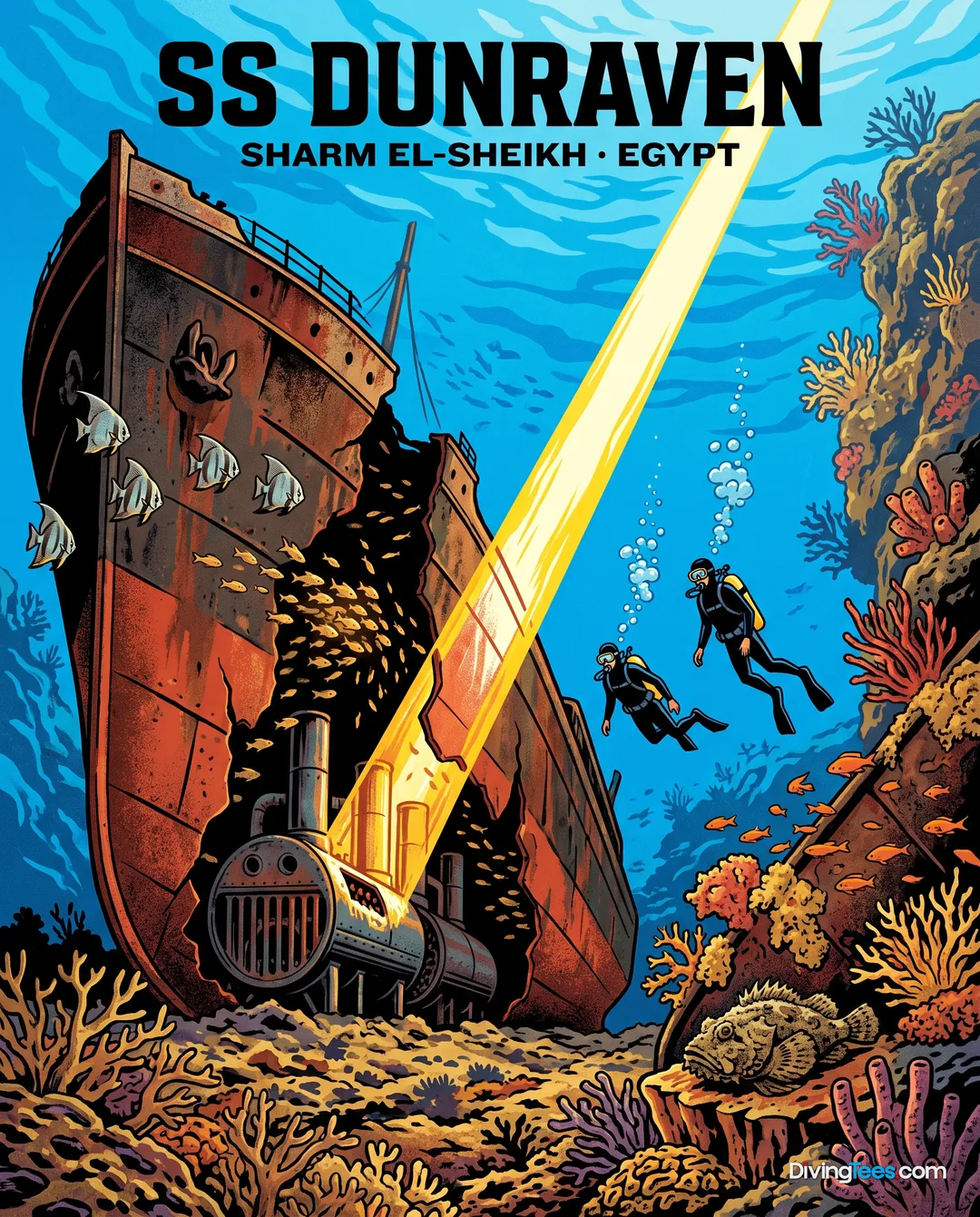
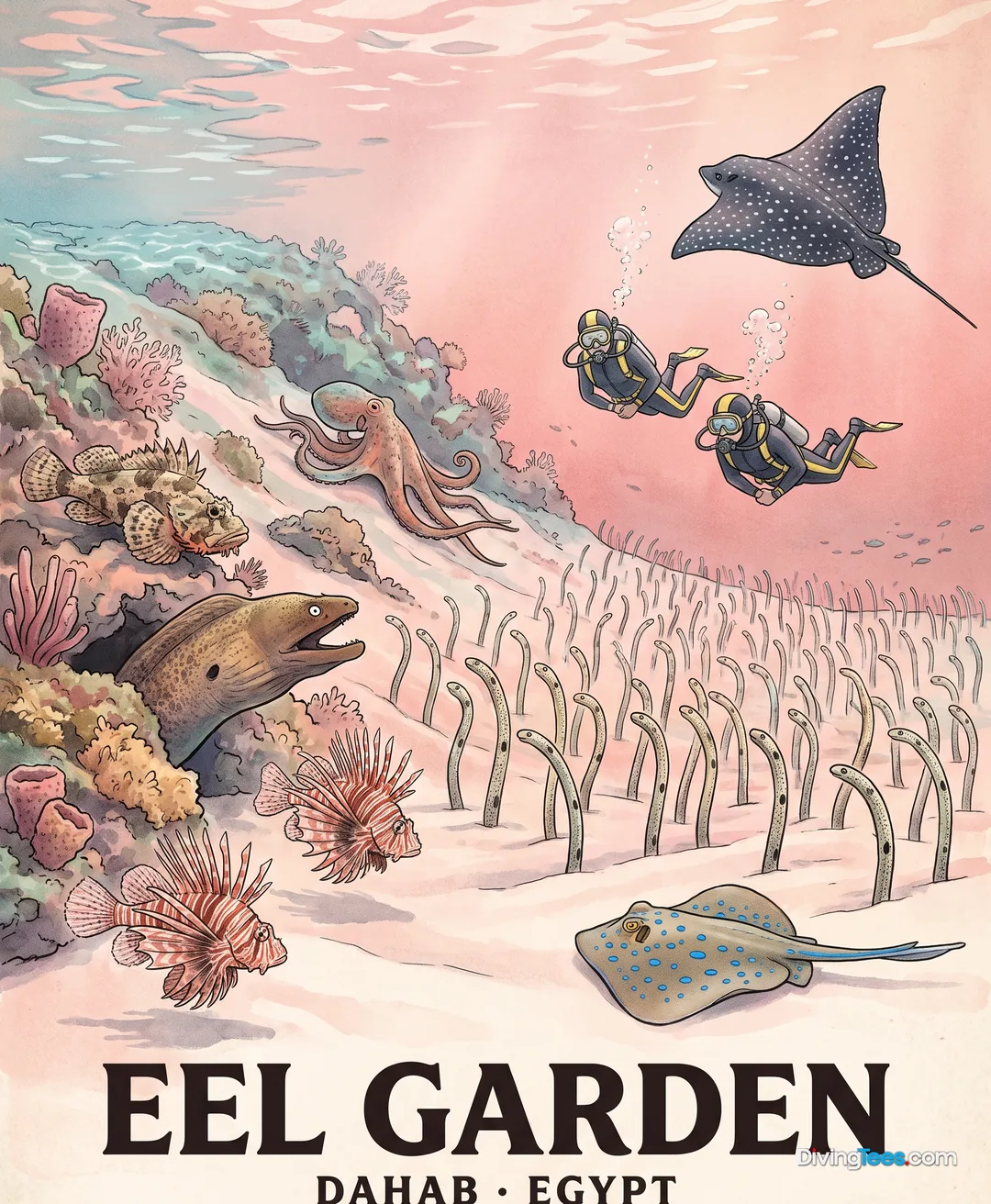
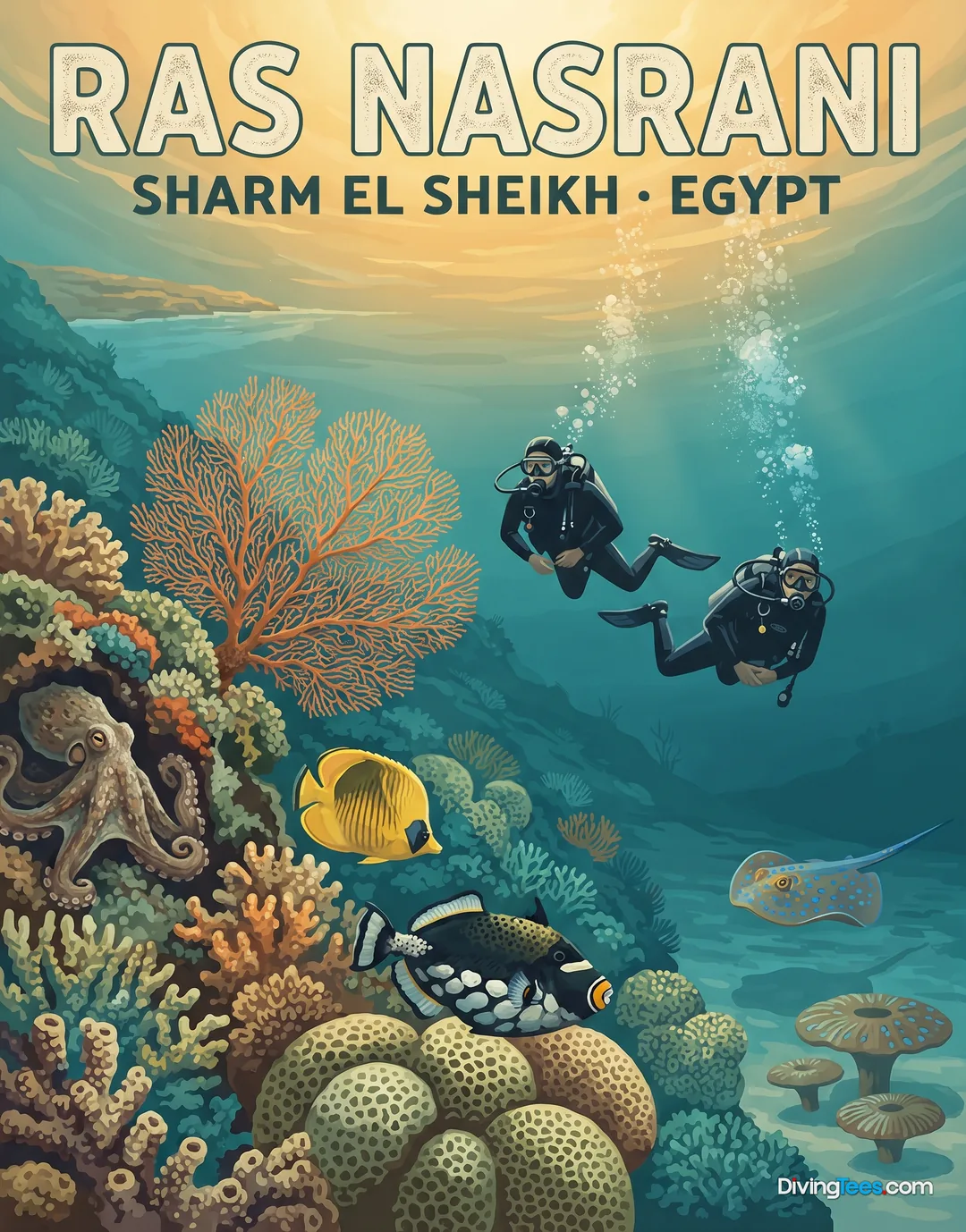
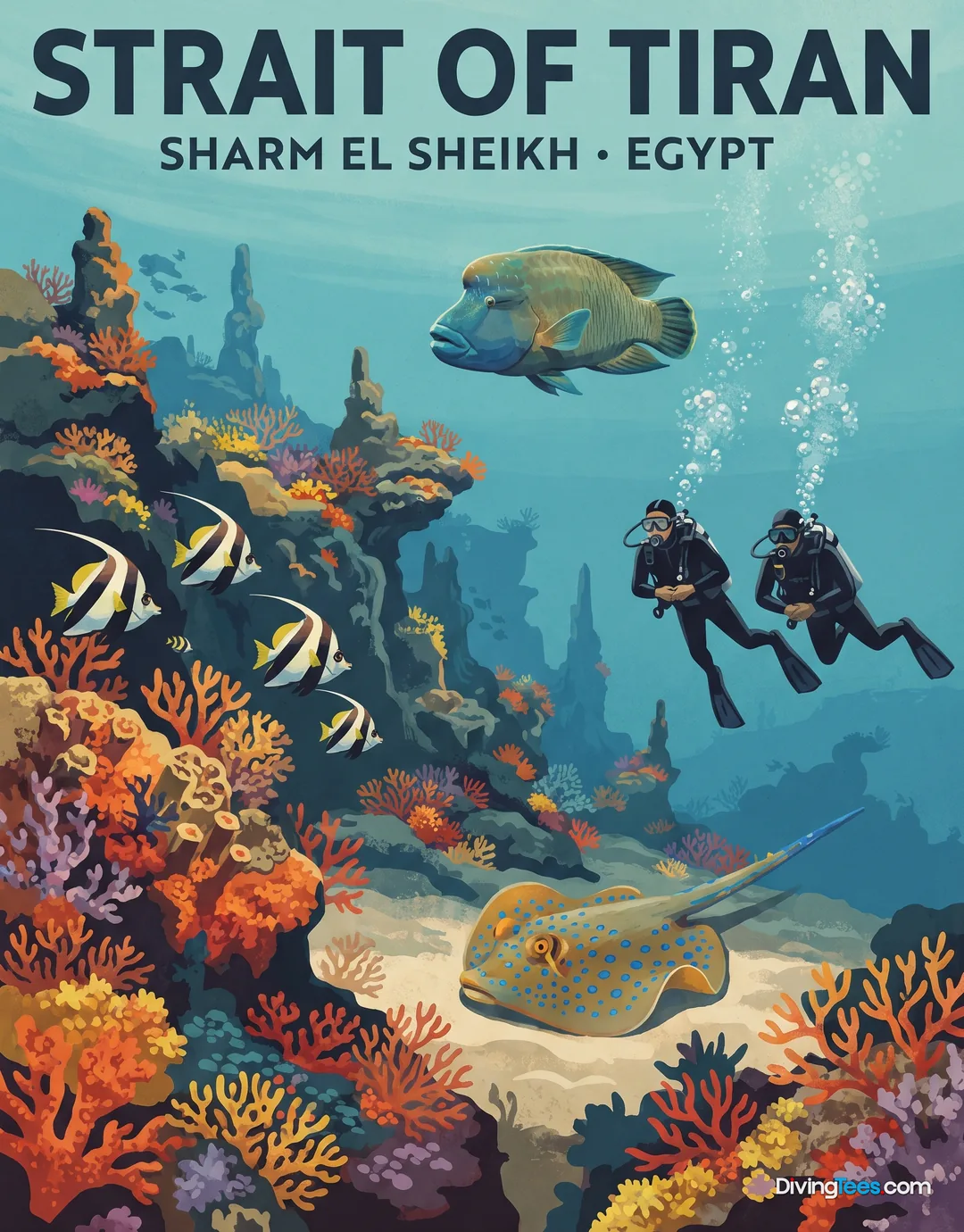
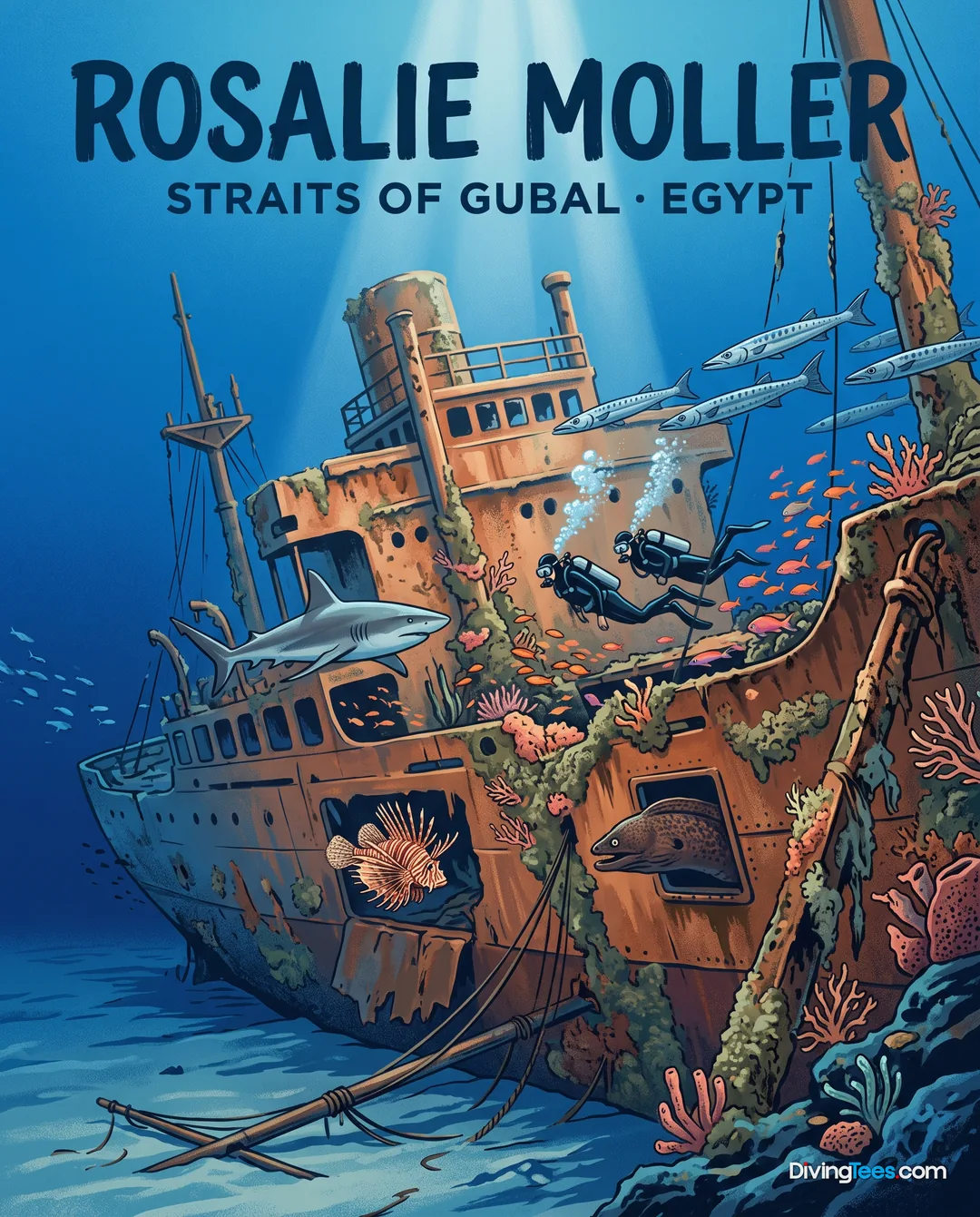
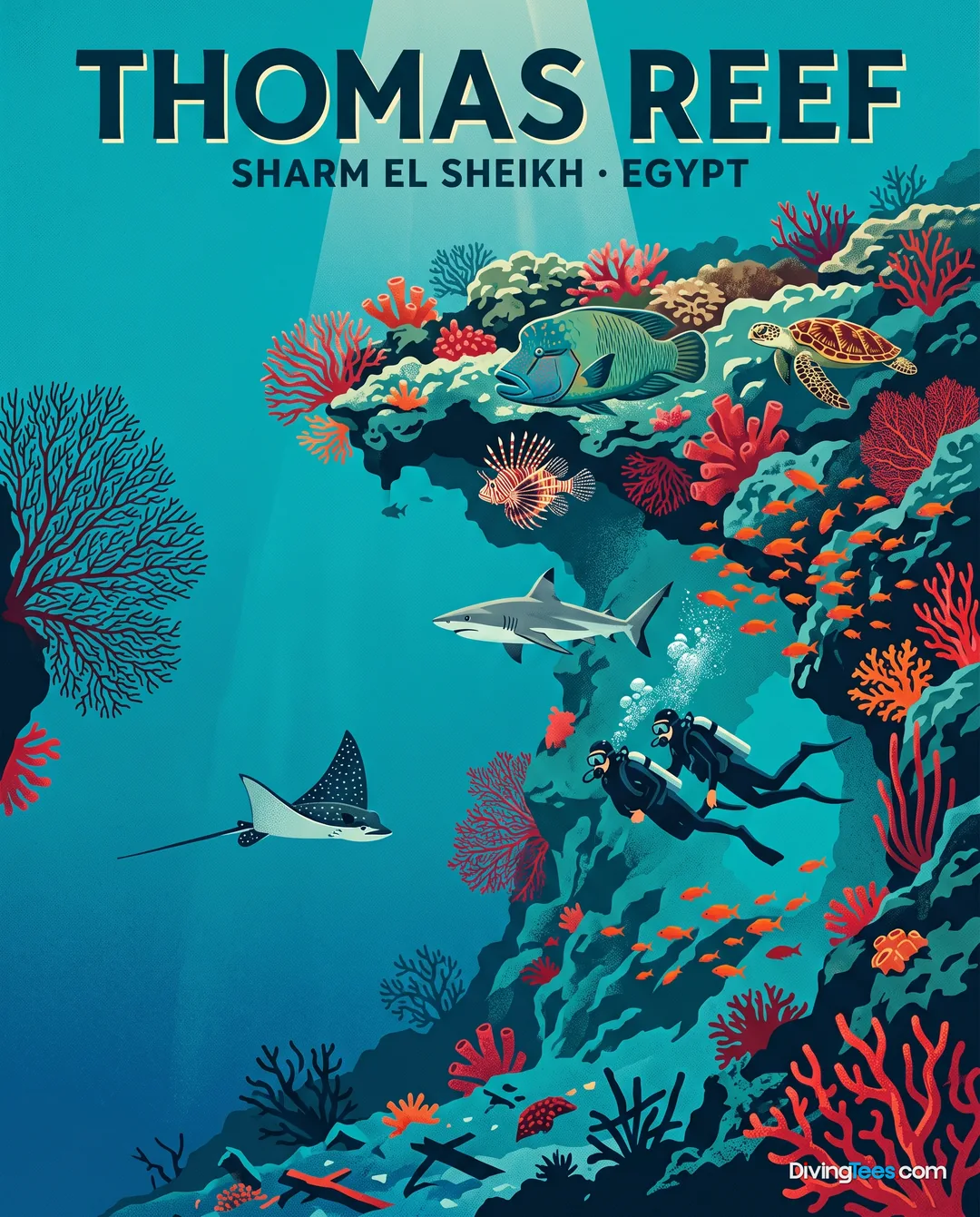
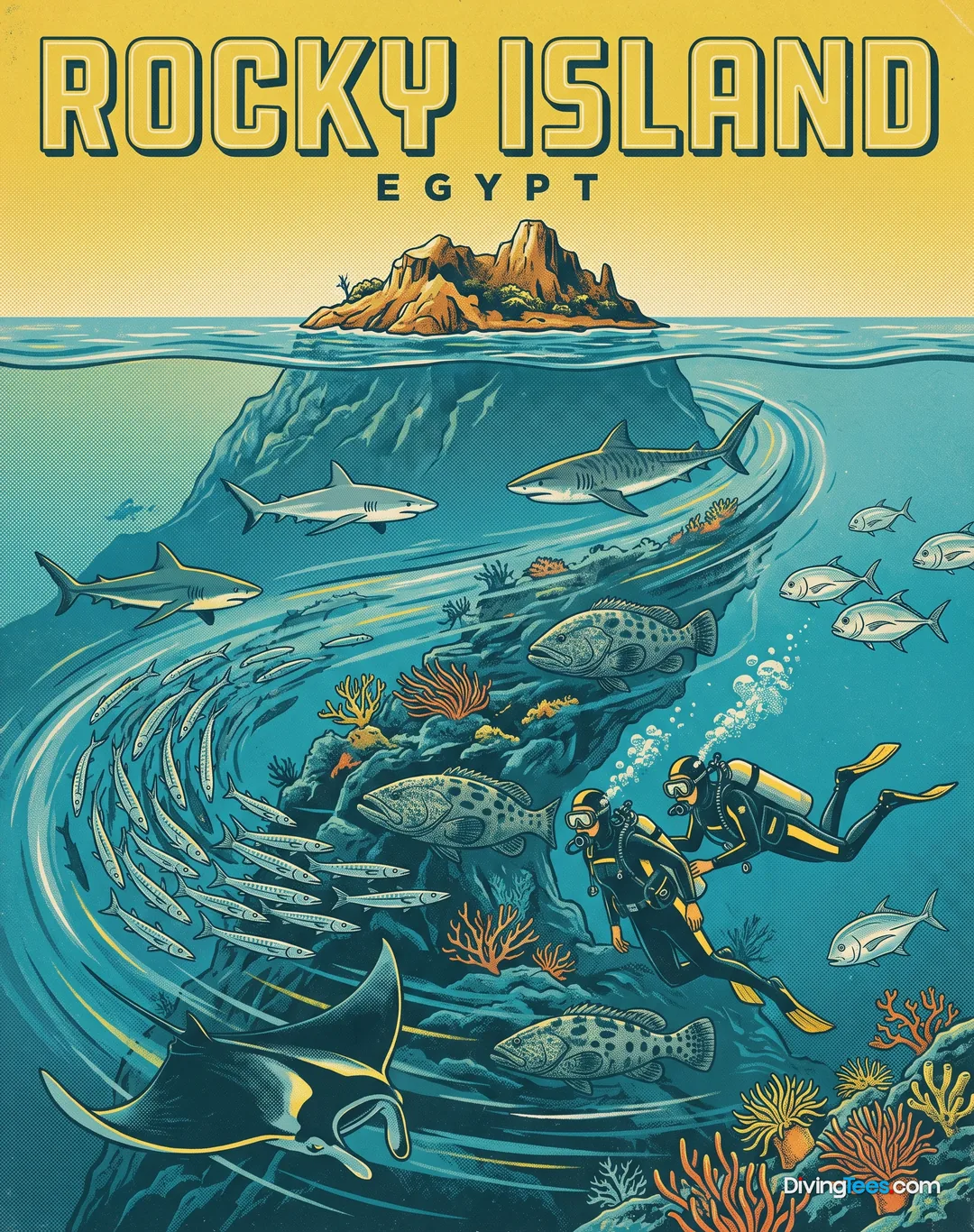
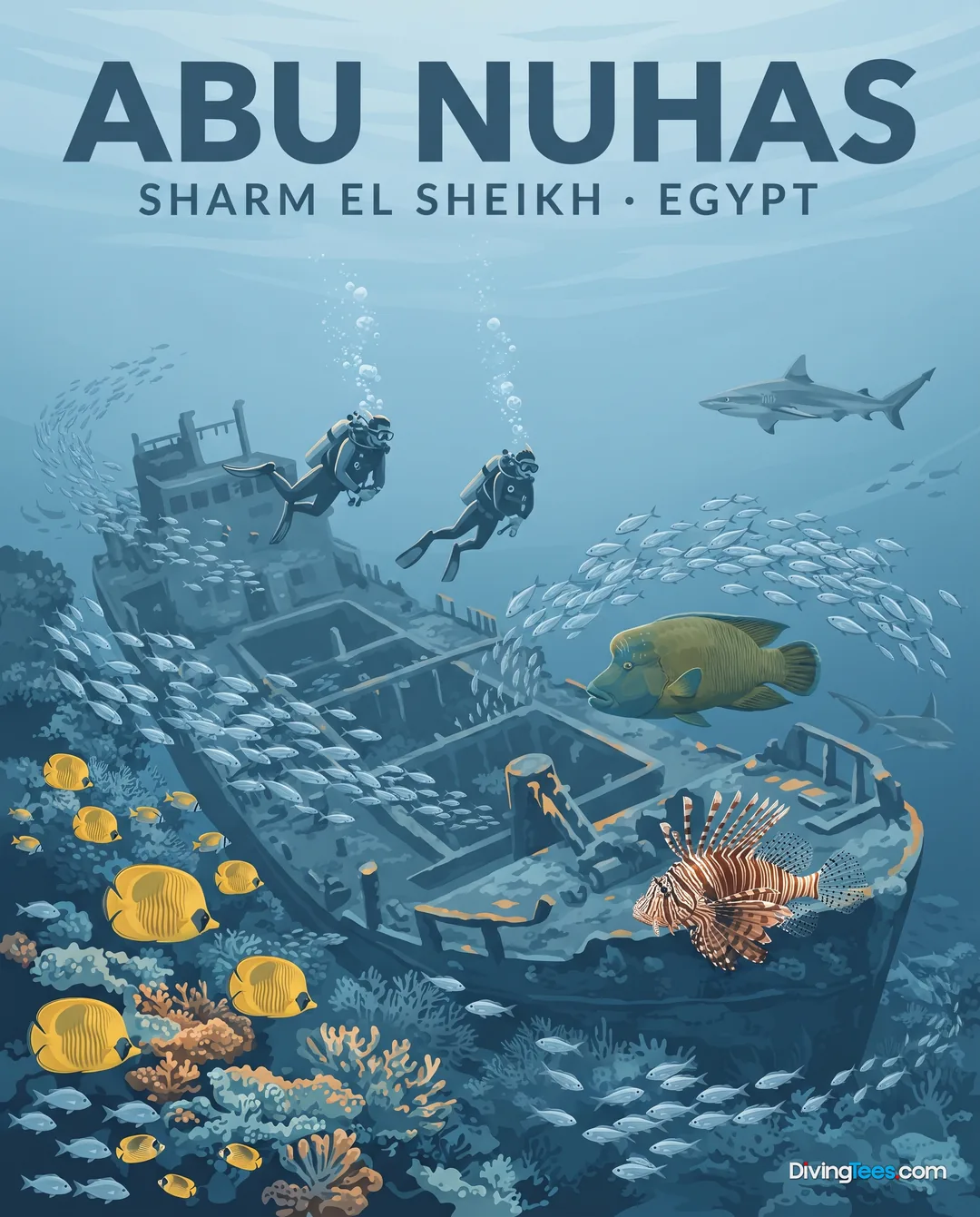
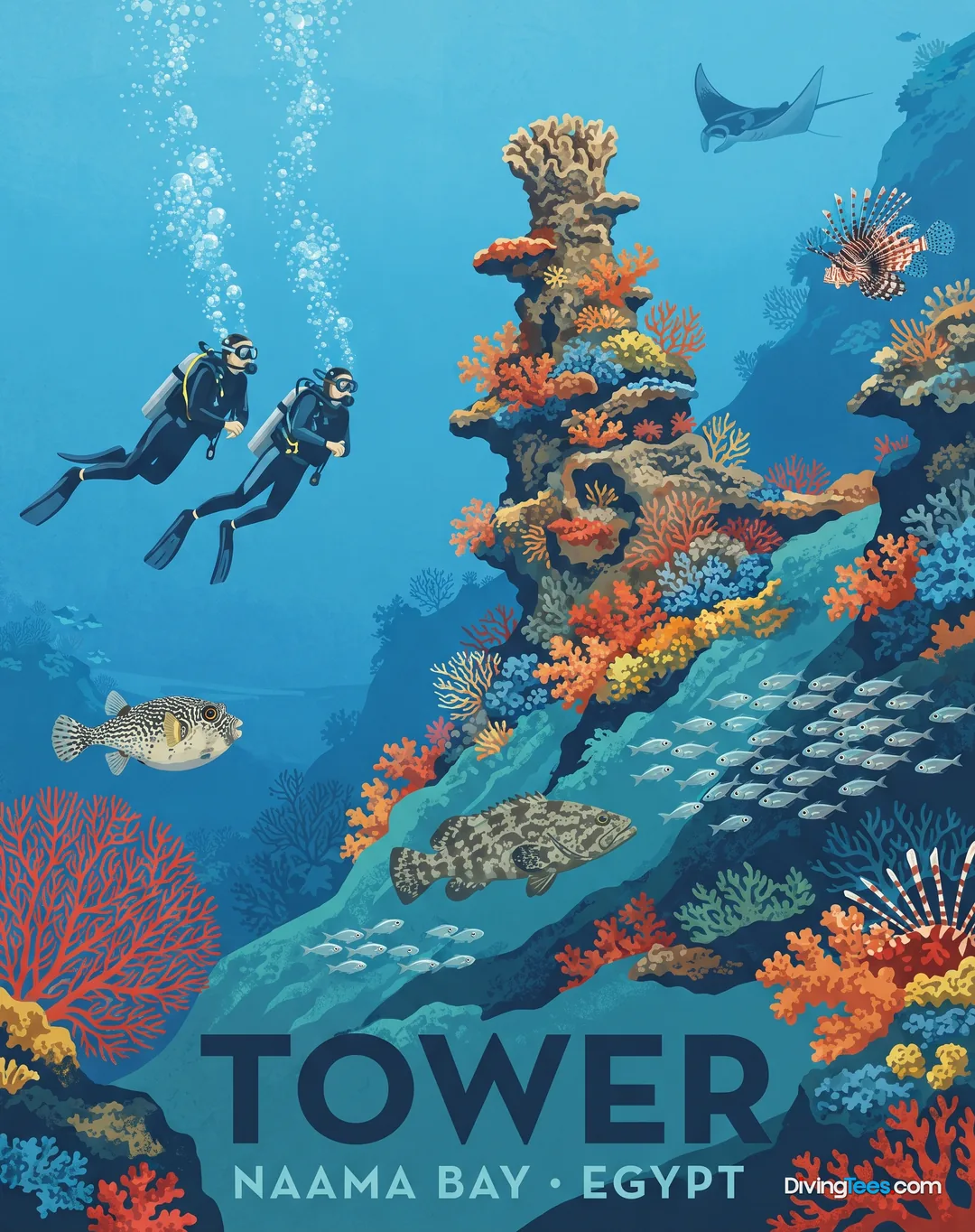
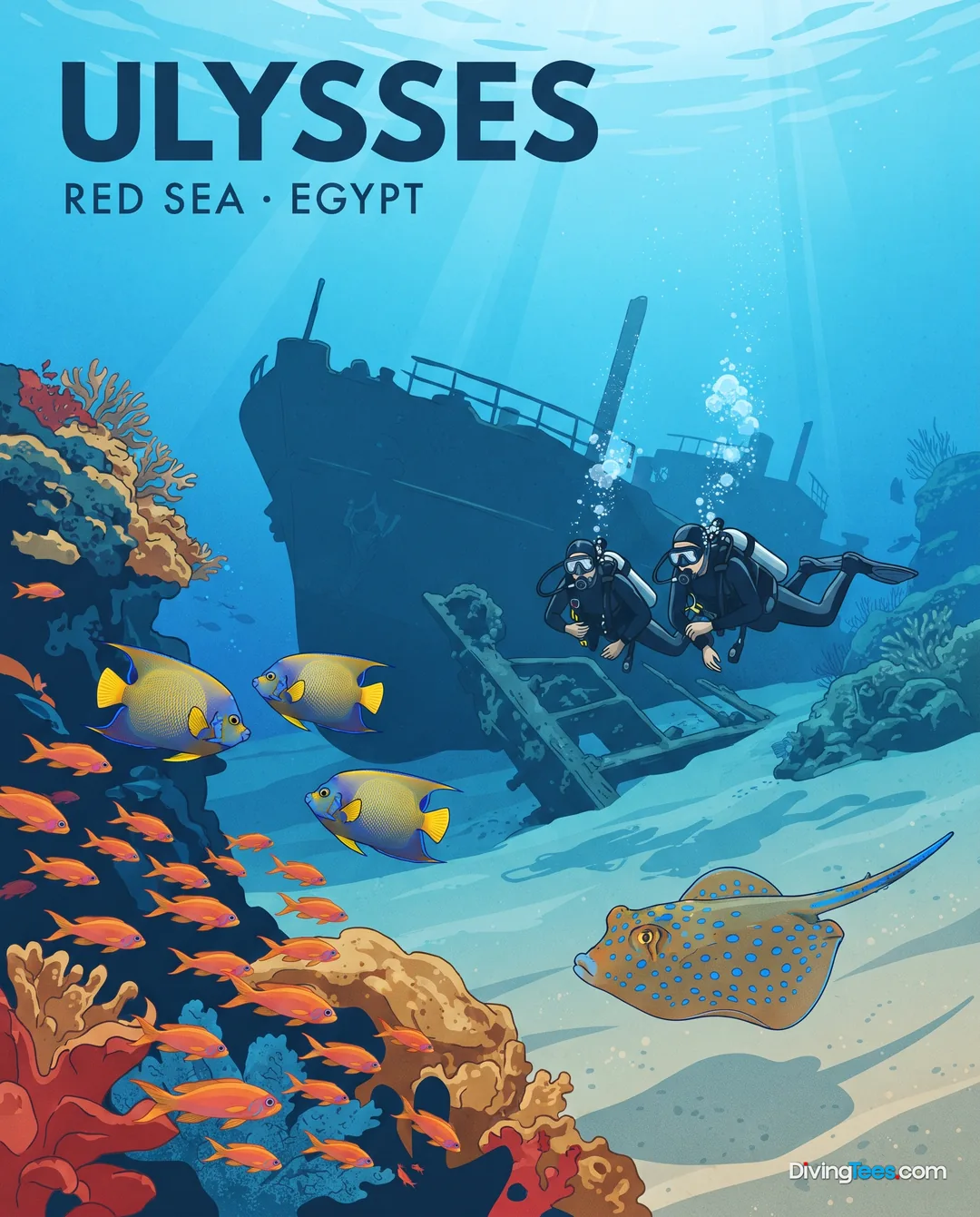
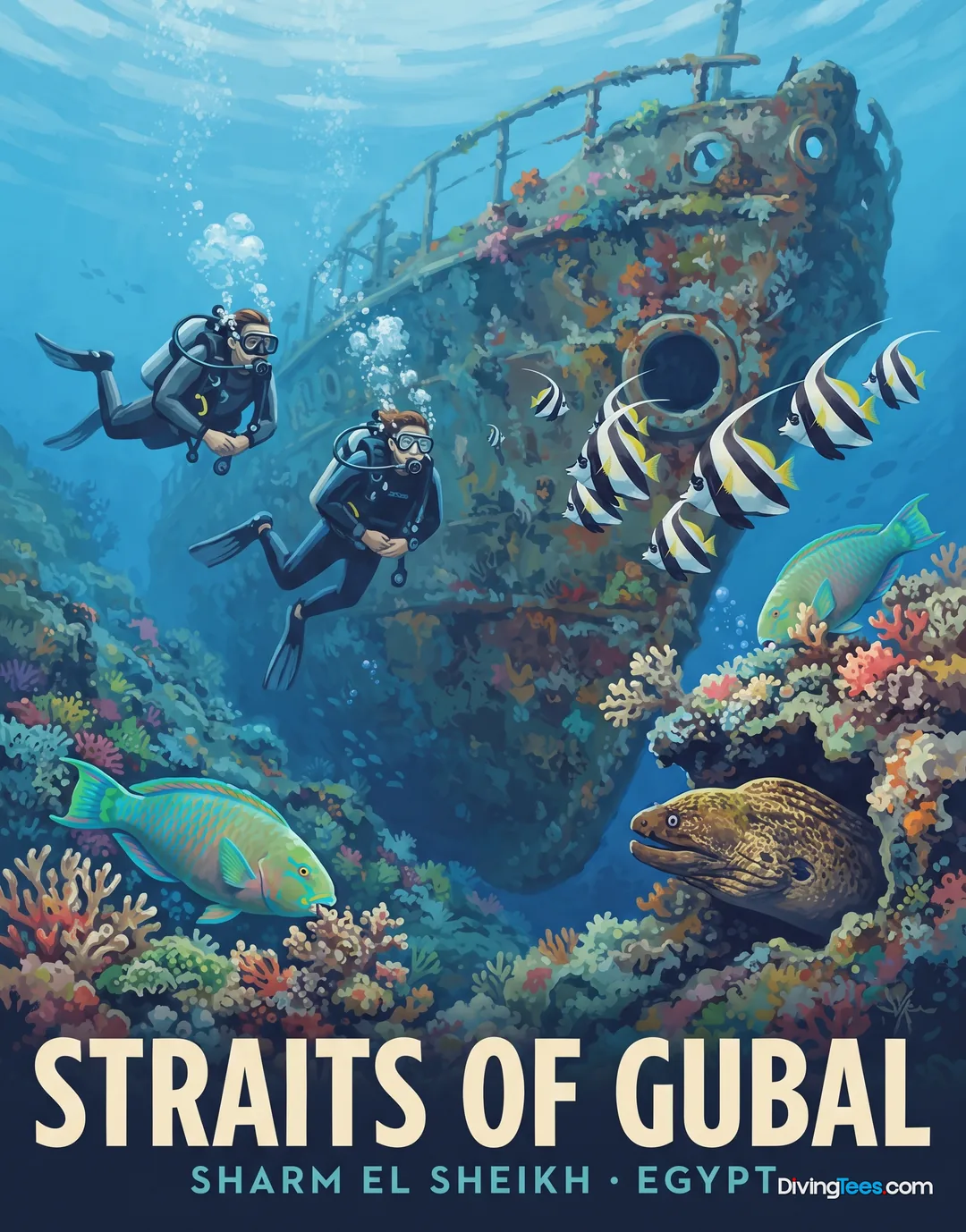
The route is the reason to book Freedom IV: 5 days and 4 nights covering the Thistlegorm, Dunraven, Ras Mohammed and Tiran. The Thistlegorm is the centrepiece, a British merchant ship whose preserved cargo holds turn a wreck dive into a submerged wartime museum at a maximum of -32m; barracuda, giant tuna, batfish, morays and glassfish move through the steel. The SS Dunraven lies inverted at a maximum of -30m, with a coral wall beside the artificial reef. In Ras Mohammed, Eel Garden drops to -35m over a sandy slope lined with garden eels, while Ras Nasrani reaches -60m along a current-swept cape hung with gorgonians and mushroom corals. Tiran brings four offshore reefs, walls and current, with Strait of Tiran reaching -40m. Longer northern routes can include Rosalie Moller, between 30 and 50m and down to -50m, or Thomas Reef to -90m, depending on the itinerary. Rocky Island, Abu Nuhas, Tower, Ulysses and the Straits of Gubal are also among the recorded sites.
Itineraries, dates and prices
Prices per person. Each month shows its lowest price: click a month, or pick an itinerary.
Next departures · 4 departuresfrom £502$672€600
November 2026
December 2026
See dates and prices
If you click these links and make a purchase on the partner site, DivingDeal may earn a commission, at no extra cost to you.
Dates and prices taken from Divebooker and liveaboard.com, updated 21 October 2026
What you’ll meet underwater
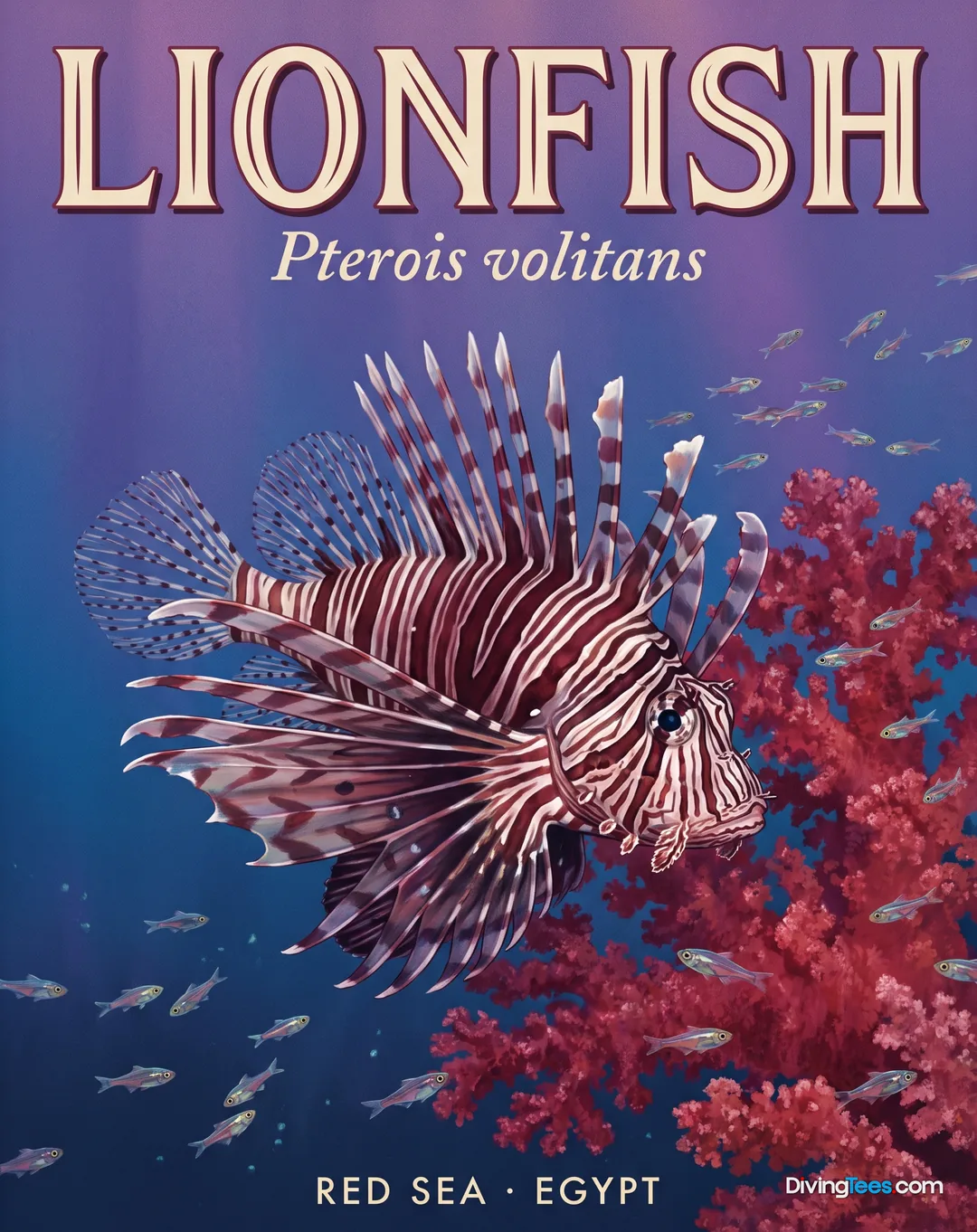
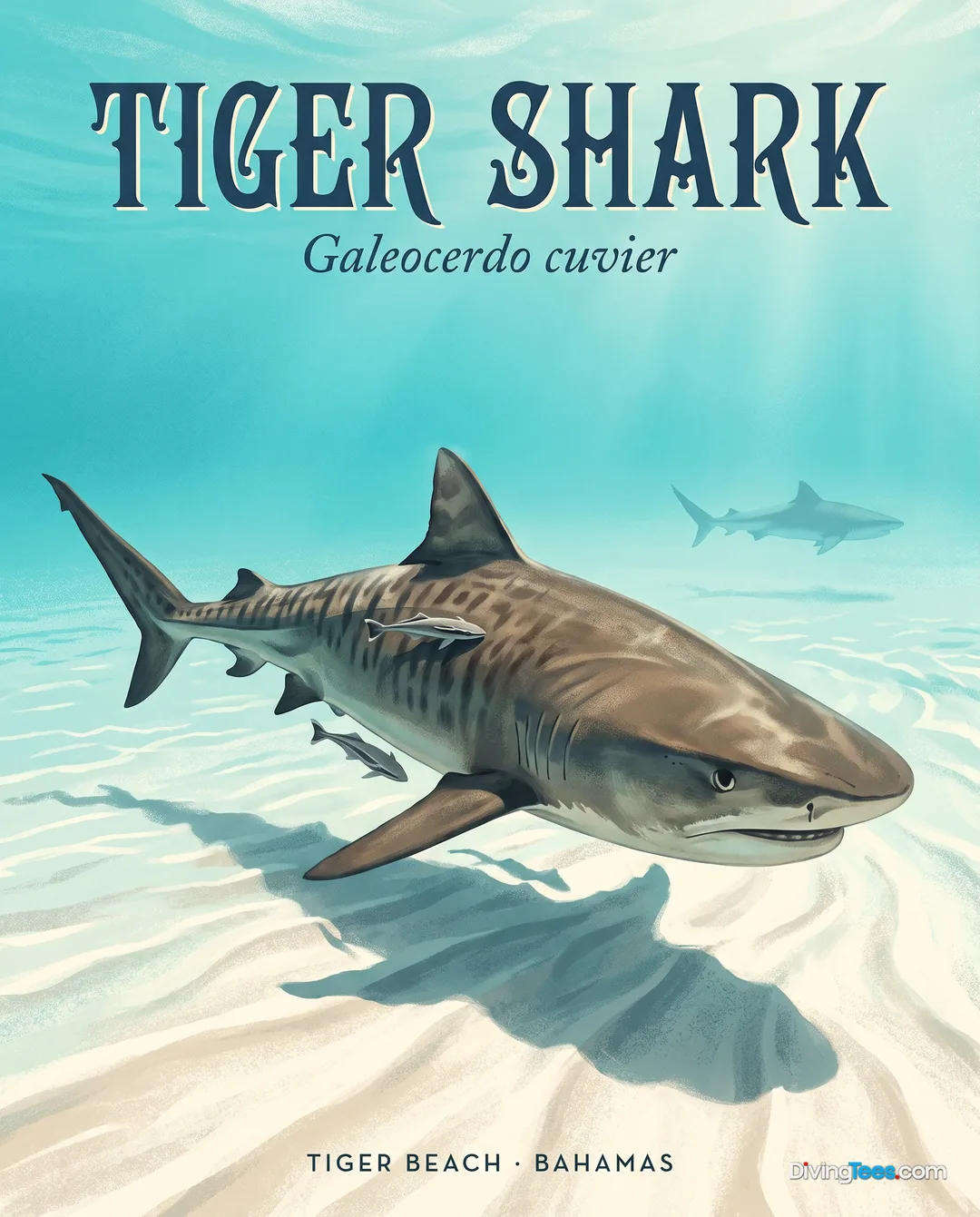
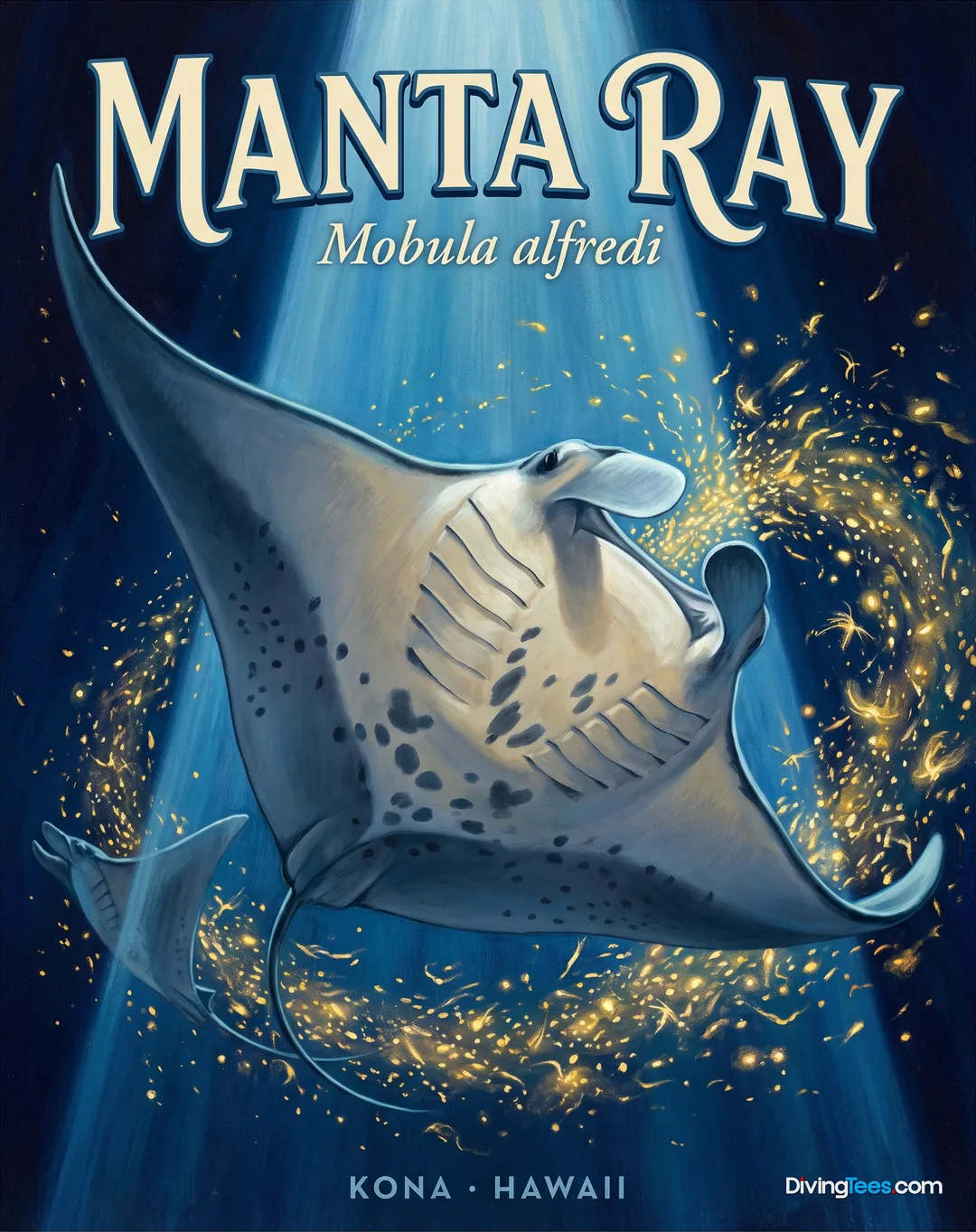
Across this route, barracuda, trevally, groupers, reef sharks, morays, scorpionfish, lionfish, turtles, Napoleon wrasse, tuna, soft corals, glassfish and nudibranchs form the familiar Red Sea cast. The larger encounters depend on the site and the conditions: currents through Tiran can bring reef sharks, hammerheads and other pelagic life, and Strait of Tiran is the only recorded site on this route for grey reef sharks, tiger sharks, green turtles, surgeonfish and unicornfish. Eel Garden is worth the name even before the rest of the reef appears, with a colony of garden eels rising from the sand; it is also the route's recorded site for triggerfish, angelfish and boxfish. Rosalie Moller can bring giant-eye trevally around the wreck. Ras Nasrani is the place for gorgonian fans, while the SS Dunraven is the recorded site for stonefish. Manta rays, dolphins and hammerheads are possible across selected sites, not promises made for every dive.

Who puts you in the water
The guides and instructors put the groups in the water, with support from skippers and tenders for the surface transfer. The crew speaks English, German, French, Spanish, Russian and Italian, and passenger feedback describes the guides as knowledgeable, professional and attentive to safe diving. The standard level expected for a liveaboard is PADI Advanced Open Water or equivalent with at least 30 logged dives. Courses and specialties are available through Umbi, including Open Water, Advanced Open Water, Rescue, EFR, Divemaster and Nitrox. Briefings organise the dive around the wreck, reef or current rather than around a rigid sightseeing script. Oxygen, first-aid kits, life rafts, lifejackets, VHF communications, radar, GPS, an EPIRB and fire equipment are carried.
The dive deck and the gear
The dive deck is set up for repeated boat diving, with 12-litre aluminium tanks and both DIN and INT fittings. Two Bauer compressors support filling, while rinse tanks, an ocean-facing platform, shaded work space and two toilets/showers keep the changeover moving. Two tenders take divers to the sites and bring them back to the boat, useful when current or surface conditions make a precise pickup preferable to a long swim. Nitrox is available, but it is not included by default and the Nitrox qualification is an extra. Technical diving, sidemount and rebreather diving are supported. Rental equipment is available, with specialist items such as 15-litre tanks, twin sets and other technical equipment treated as extras. The boat also has a photo area, charging stations, oxygen and first-aid equipment.
Between dives
Between dives, the shaded dive area is the practical centre of the boat: a place to sit out of the sun without leaving the equipment within reach. The air-conditioned salon gives the group a cooler refuge for meals, briefings, reading or a film, with a library and audio-video entertainment for the longer gaps. Above it, the terrace and observation deck are where the Red Sea earns its space: wind, glare, coastline and open water instead of another transfer van. A photo area and charging stations support the cameras that come out after every dive. There is also room for people who are not diving, with snorkelling and shore-side links through Umbi Sharks Bay. The quiet hours are not luxurious isolation; they are useful recovery time between cylinders.
A day on board
A liveaboard day starts with the compressor and the first briefing before the boat's main activity begins: diving. The group moves from the first descent to a surface interval, food, a second dive and another change of tanks, with a third dive commonly built into the safari and a night dive when the itinerary and conditions allow. The exact timing follows the site, current and weather rather than a fixed clock. Between entries, divers eat, rinse cameras, dry off in the shade and compare notes before the next briefing. On travel legs, the boat gets underway while the group rests or watches the coastline pass. The meals divide the day into useful blocks, but the dives give it its shape. At night, the deck quietens after the final entry, with the day's wrecks and animals still being discussed in the salon.
What you eat aboard
Food is one of Freedom IV's strongest points. Meals are served buffet-style as part of full board, with local cooking alongside more familiar dishes, and snacks available through the day. Vegetarian and vegan options are available, while soft drinks, water, tea and coffee are included; beer and wine are available separately. On a four-dive day, that matters more than elaborate presentation. The table has to work around the diving: something substantial after a morning in the water, a proper meal when the group is back on deck, and food available before tiredness turns into poor decisions. Passenger feedback consistently singles out the cooking, and the boat's food score is higher than its scores for the hull and diving service. That is a useful signal for anyone choosing between similar northern Red Sea boats.
Nights at sea
The cabins are simple, air-conditioned places to recover between dives, all with private bathrooms. Main-deck Master cabins and the Main Deck Master Double/Triple cabin suit divers who want easier access and a little more room; Twin cabins on the lower deck keep the choice more practical. Standard windows bring daylight without turning the rooms into panoramic suites. The important point is what happens after the last dive: wet gear stays out on the working decks, while the cabin remains a cool, private place to sleep. With 13 bathrooms for 11 cabins, queues should not define the evening. The boat is comfortable rather than spacious in a hotel sense. Bring only what needs to be within reach, keep the rest stowed, and the cabin does its job well.
Lower Deck - Twin Cabins
Main Deck - Master Double/Triple Cabin
Main Deck - Master Cabins
What to know before boarding
Freedom IV departs from Umbi Sharks Bay's private jetty in Sharks Bay, Sharm El Sheikh, and returns there at the end of the safari. Airport and hotel transfers are included, with arrangements made through Umbi for the arrival and departure details. Guests can usually sleep aboard the night before departure, and arriving the previous evening is the sensible choice for a liveaboard leaving from the jetty. The recorded route runs for 5 days and 4 nights.
- Year built
- 2022
- Year renovated
- 2022
- Length
- 30 m
- Beam
- 11.4 m
- Maximum number of passengers
- 24
- Number of cabins
- 11
- Number of bathrooms
- 13
- Engines
- 30 hp × 2
- Cruising speed
- 9 knots
- Website
- sharksbay.com ↗
Hello, I'm Marina, DivingDeal.com's AI assistant. I answer in detail about hotels, dive centres and liveaboards.
Thinking about the whole trip and the flights? Talk it over with Edith →
Marina is an AI. Some links are affiliate links: DivingDeal may earn a commission, at no extra cost to you. Bookings are made with the partner.