Liveaboards · Egypt
Golden Imperial — a modern Red Sea liveaboard built around serious diving
What makes this boat unique
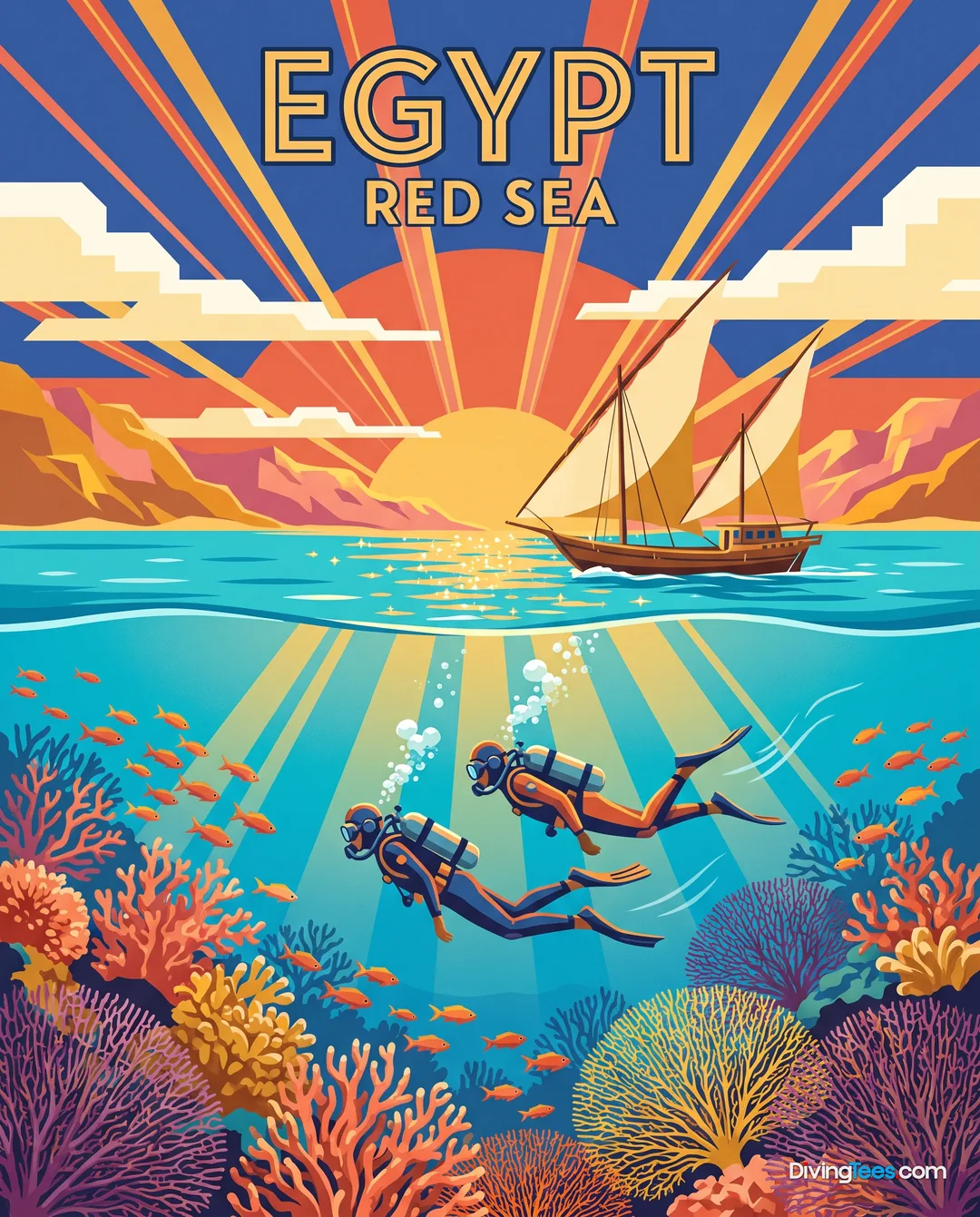
- The 2021 Golden Imperial follows Red Sea routes from the Straits of Tiran and the Brothers to Daedalus, Elphinstone, St. Johns and Zabargad.
- Nitrox is included up to 32%, with DIN adapters, technical diving, sidemount and rebreather support.
- The dive setup includes a shaded platform, rinse tanks, camera space and two Yamaha 100HP tenders.
- All cabins have private bathrooms and air conditioning; suite, twin and double cabins are located forward on the main deck.
- Full board combines buffet meals, local and Western cooking, snacks throughout the day and outdoor dining.
The invitation
Golden Imperial suits divers who want one boat to cover very different Red Sea objectives. Its recorded itineraries reach the Straits of Tiran, the Brothers, Daedalus, Rocky Island, Zabargad, St. Johns, Abu Fendera and Elphinstone, with routes also passing Dolphin Reef and Salem Express. That range matters: one departure can be about pelagic encounters and current work, another about reefs, shallow coral gardens or wrecks. The boat is set up for more than standard recreational diving, with included nitrox up to 32% and support for technical, sidemount and rebreather diving. A shaded dive area, two tenders and a platform keep the focus where it belongs: getting divers into the water efficiently, then back aboard with their equipment and cameras under control.
Boarding
Golden Imperial was built in 2021 and presented as a boat designed specifically for diving rather than a converted passenger vessel. Boarding leads into a layout made for a full group: cabins are forward on the main deck, while the shared areas include an air-conditioned salon, terrace and observation deck. The practical character is clear in the equipment choices—dedicated dive platform, shaded work area, rinse tanks and charging stations—rather than in decorative detail. Two tenders handle the transfers between boat and reef, so the main vessel can remain positioned away from the site while divers are collected after surfacing. It is a modern Red Sea platform for itineraries that may ask more of the diving than of the accommodation.
The atmosphere on board
The crew is local and speaks English and German. Their role is visible in the parts of the trip that need to work repeatedly: keeping the dive platform ready, moving divers through the tenders and maintaining the shared spaces between entries. Golden Imperial also carries the basic safety infrastructure expected on a dedicated dive vessel, including oxygen, first-aid kits and crew trained in first aid. The social side is likely to form around the terrace, the salon and the table rather than around a formal entertainment programme. There is space for barbecue meals, audio-video entertainment and an evening drink, but the boat's identity remains that of a diving platform. Divers who want a broad Red Sea route with a local crew and German- or English-language support will find the clearest fit here.
The sites you’ll dive
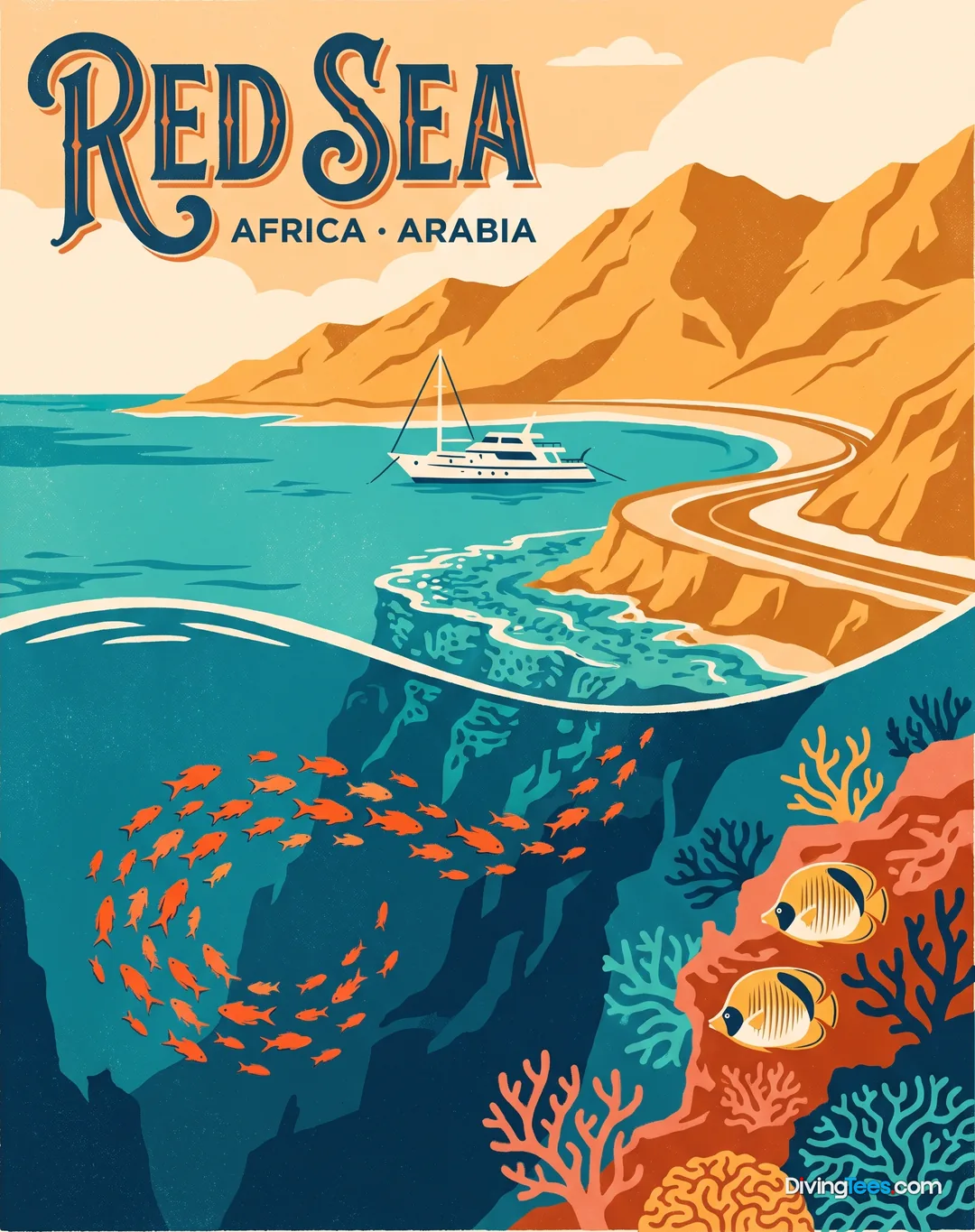
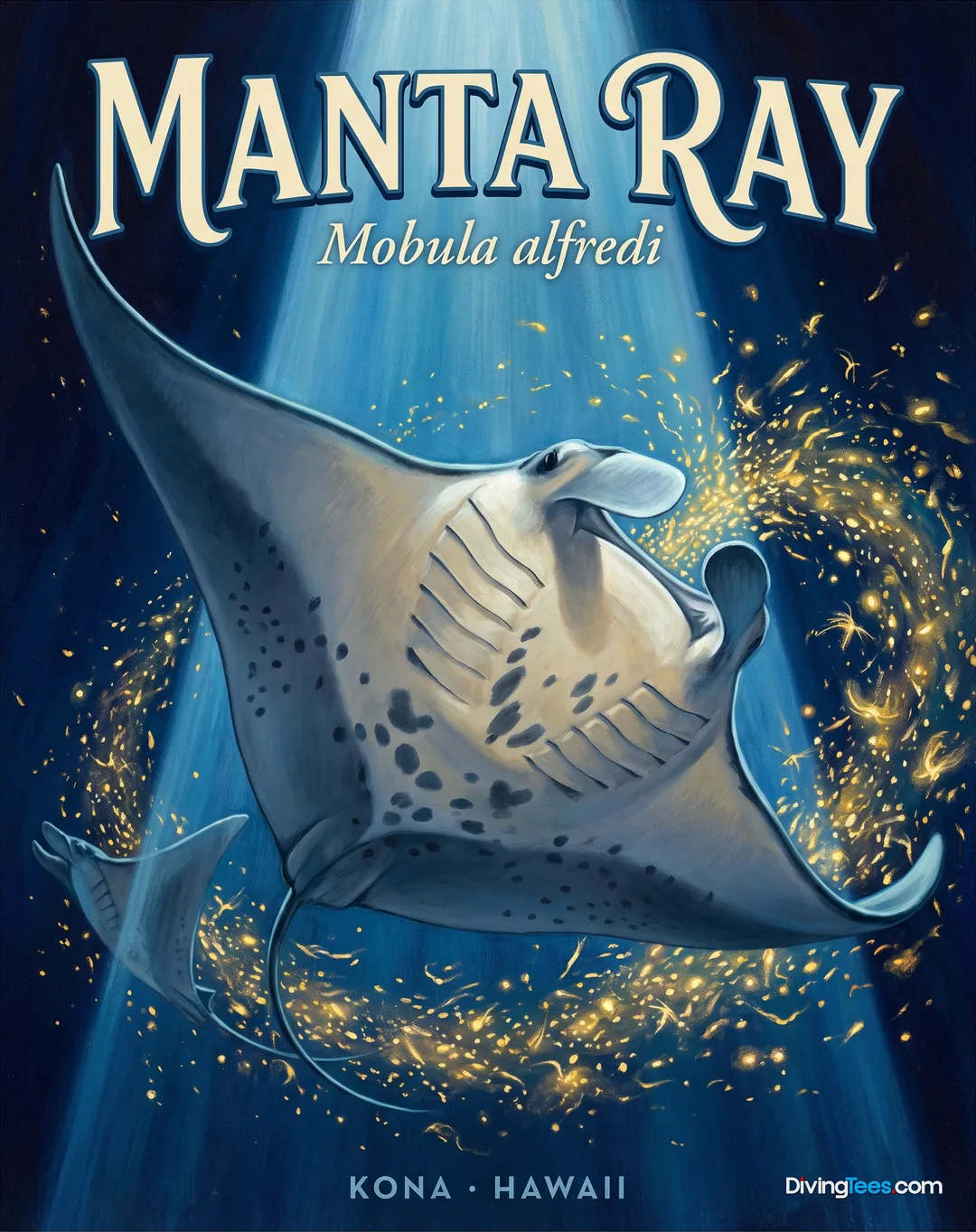
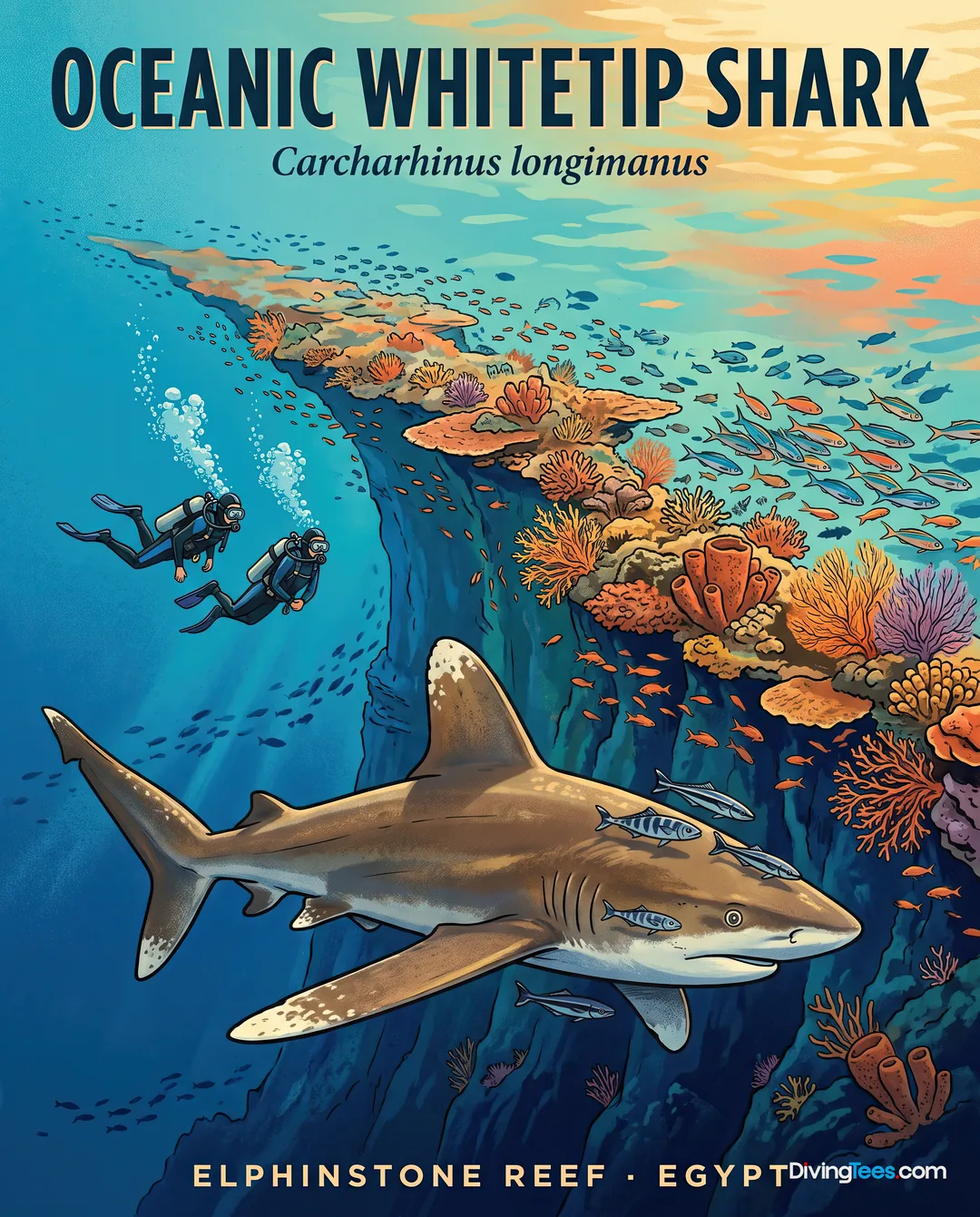
The route list is broad enough to change the character of a week. Elphinstone reaches maximum -60m on its walls, where oceanic whitetip, hammerhead, grey and silky sharks, whale sharks and manta rays may pass. Rocky Island brings strong current, pelagic sharks, barracudas and manta rays. In the Straits of Gubal, a natural funnel of Red Sea traffic, wrecks have become artificial reefs; the site reaches maximum -50m. Fanadir North and Fanadir South offer gentler walls and slopes to maximum -30m, with venomous fish and feather-tail stingrays over sand. Shaab Ruhr Umm Gamar descends to maximum -40m around a reef, plateau, pinnacles and the remains of at least three wrecks. Shallow sites include Gotha Abu Nugar South and North at maximum -9m and Shaab Sabina at maximum -14m. Other recorded sites are Zabargad Island, El Fanadir, South Laguna at maximum -30m, Shaab El Erg and Marsa Nakari South Reef. Departures run from eight-day/seven-night programs to a 15-day/14-night Hurghada route covering the Straits of Tiran, Brothers, Daedalus, Rocky Island, Zabargad and Salem Express. Eight-day departures also cover Elphinstone, Brothers–Daedalus–Elphinstone, St. Johns–Abu Fendera, Dolphin Reef and combinations of these areas.
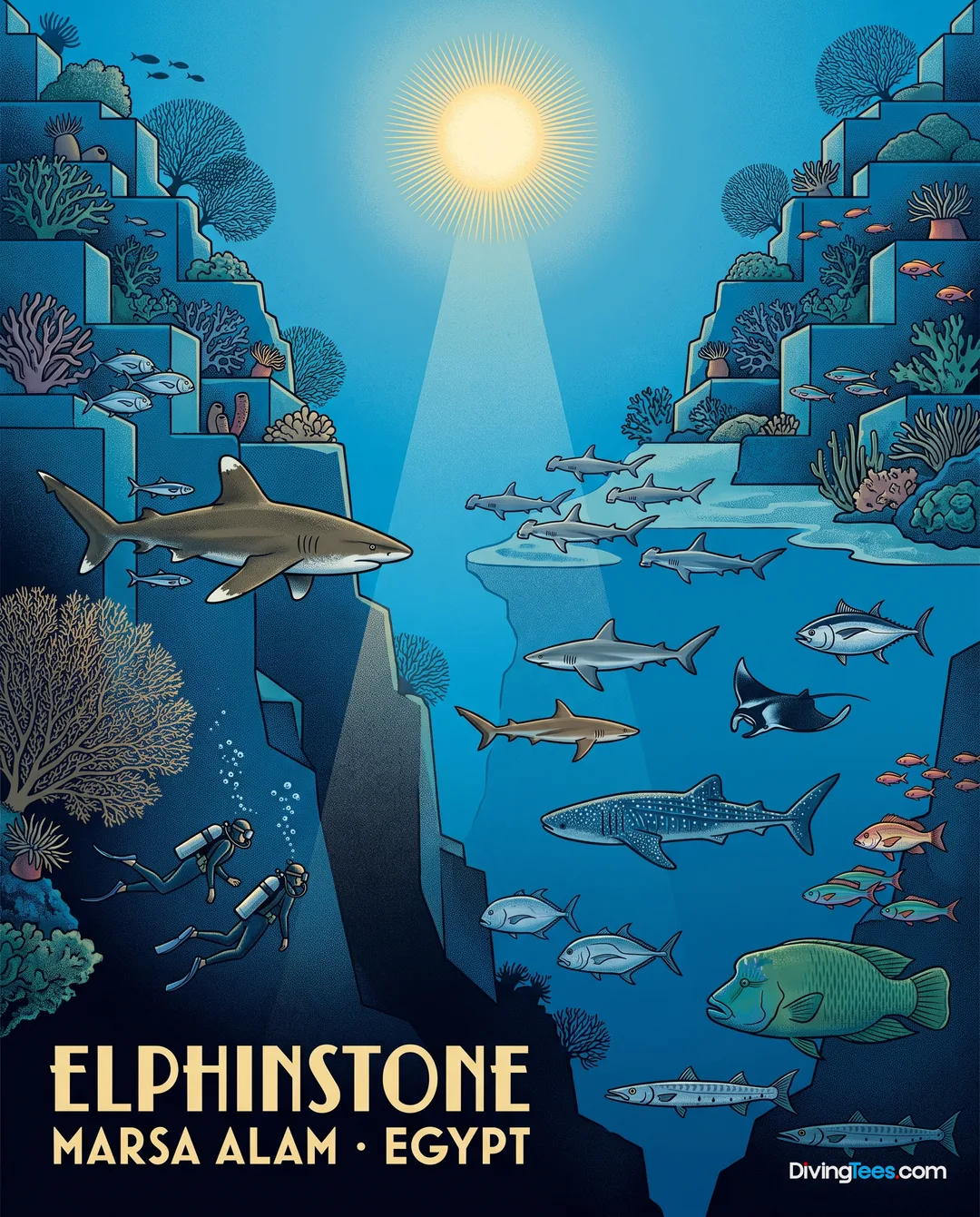
Elphinstone →
Max. depth · 60 m
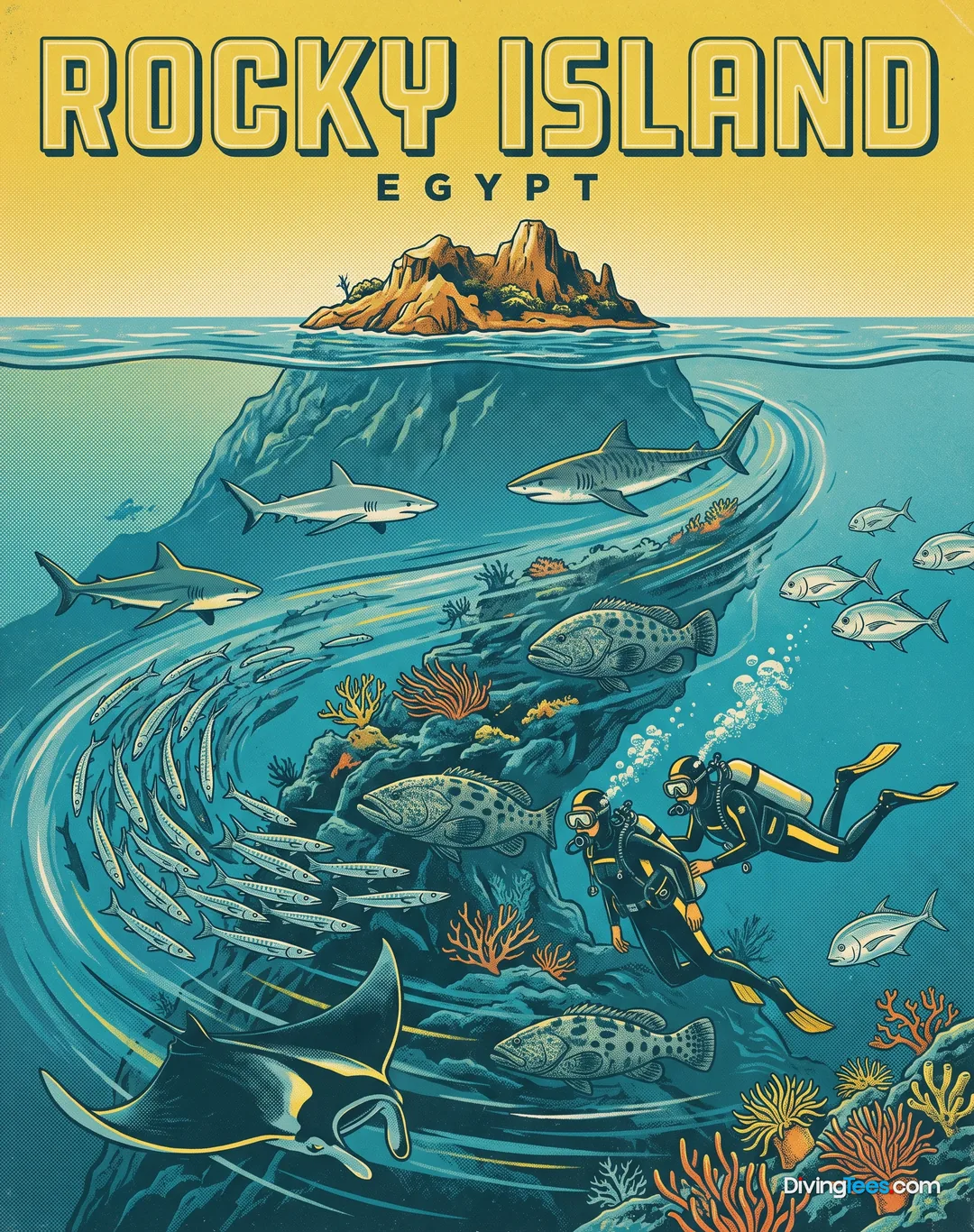
Rocky Island →
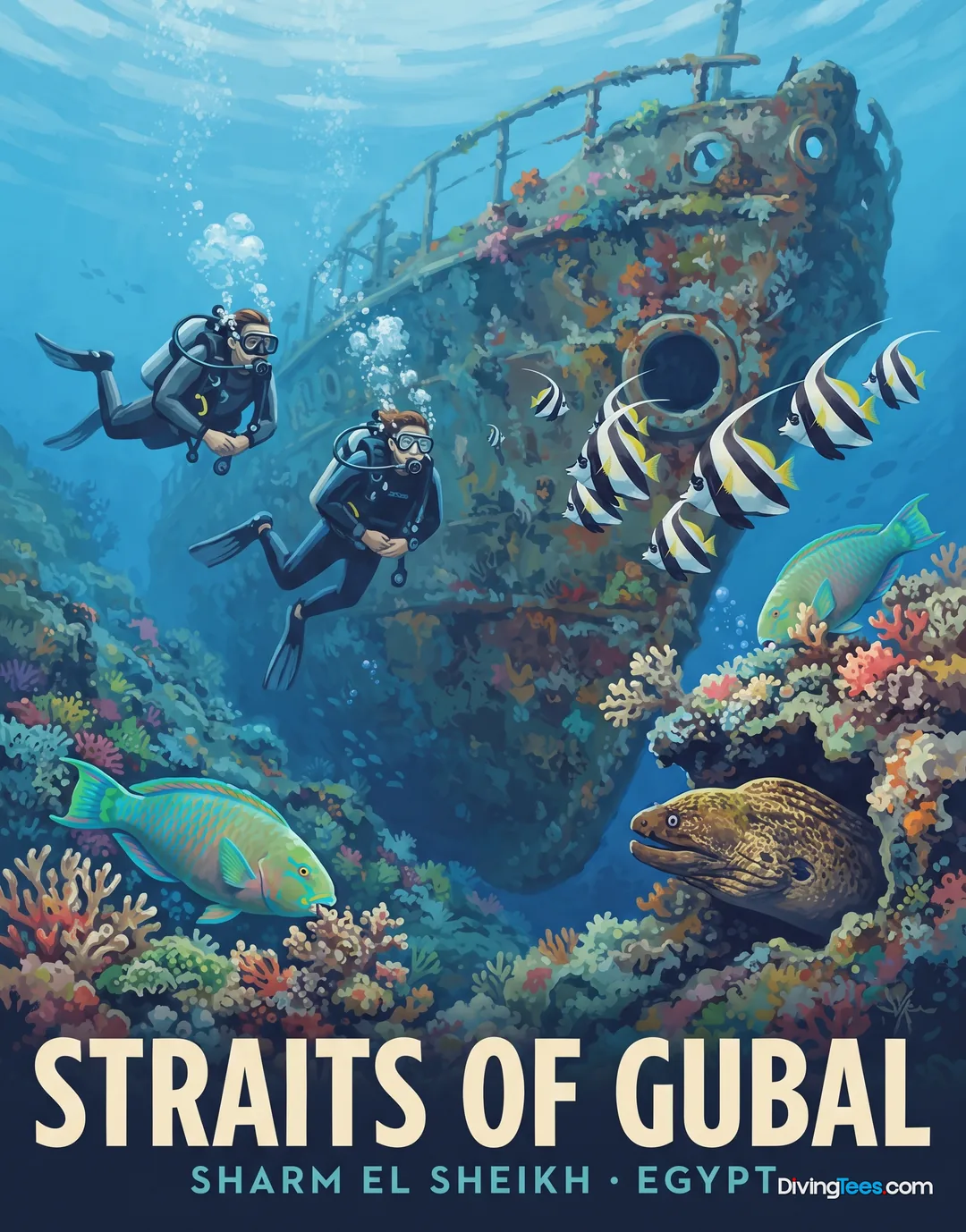
Straits of Gubal →
Max. depth · 50 m
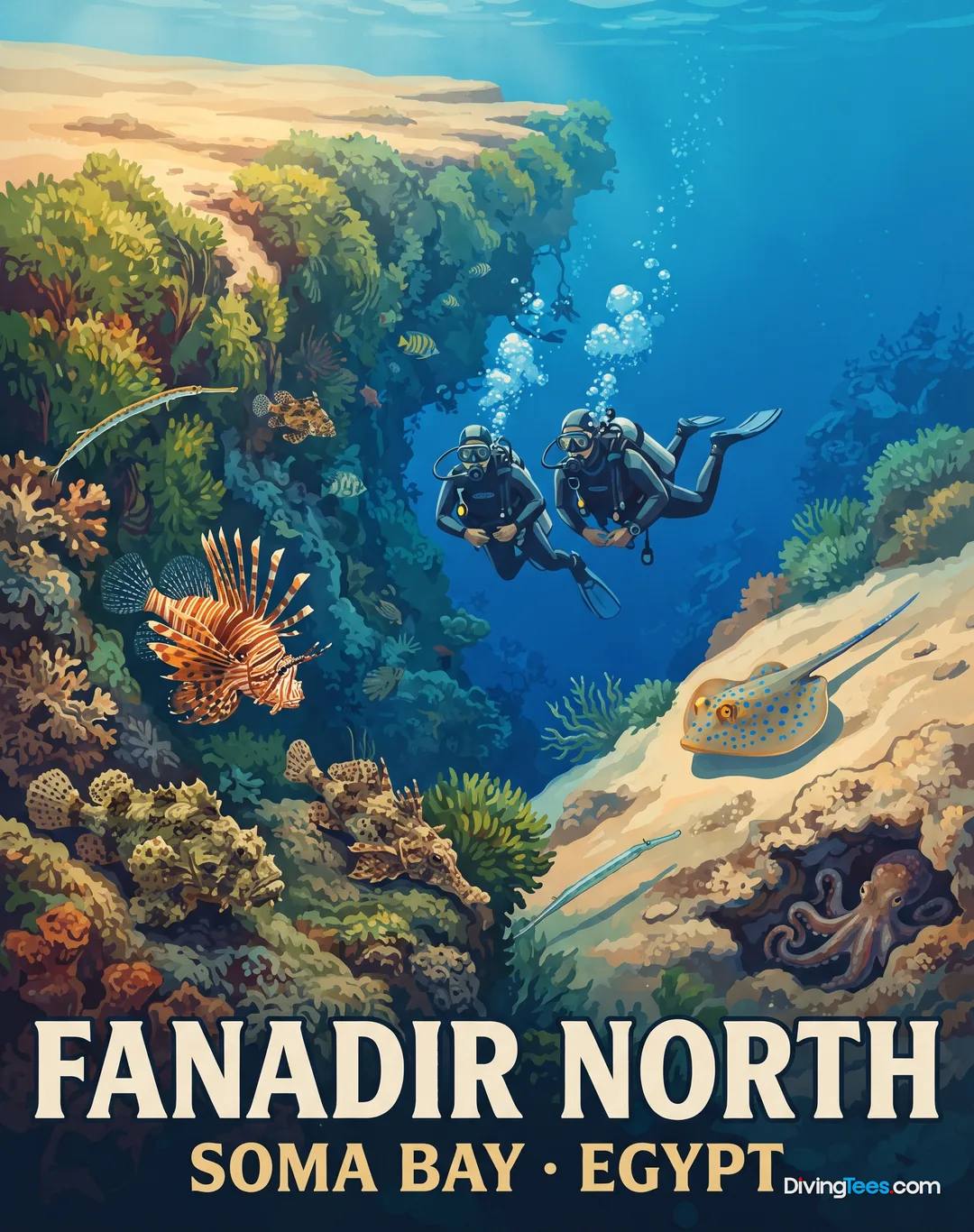
Fanadir North →
Max. depth · 30 m
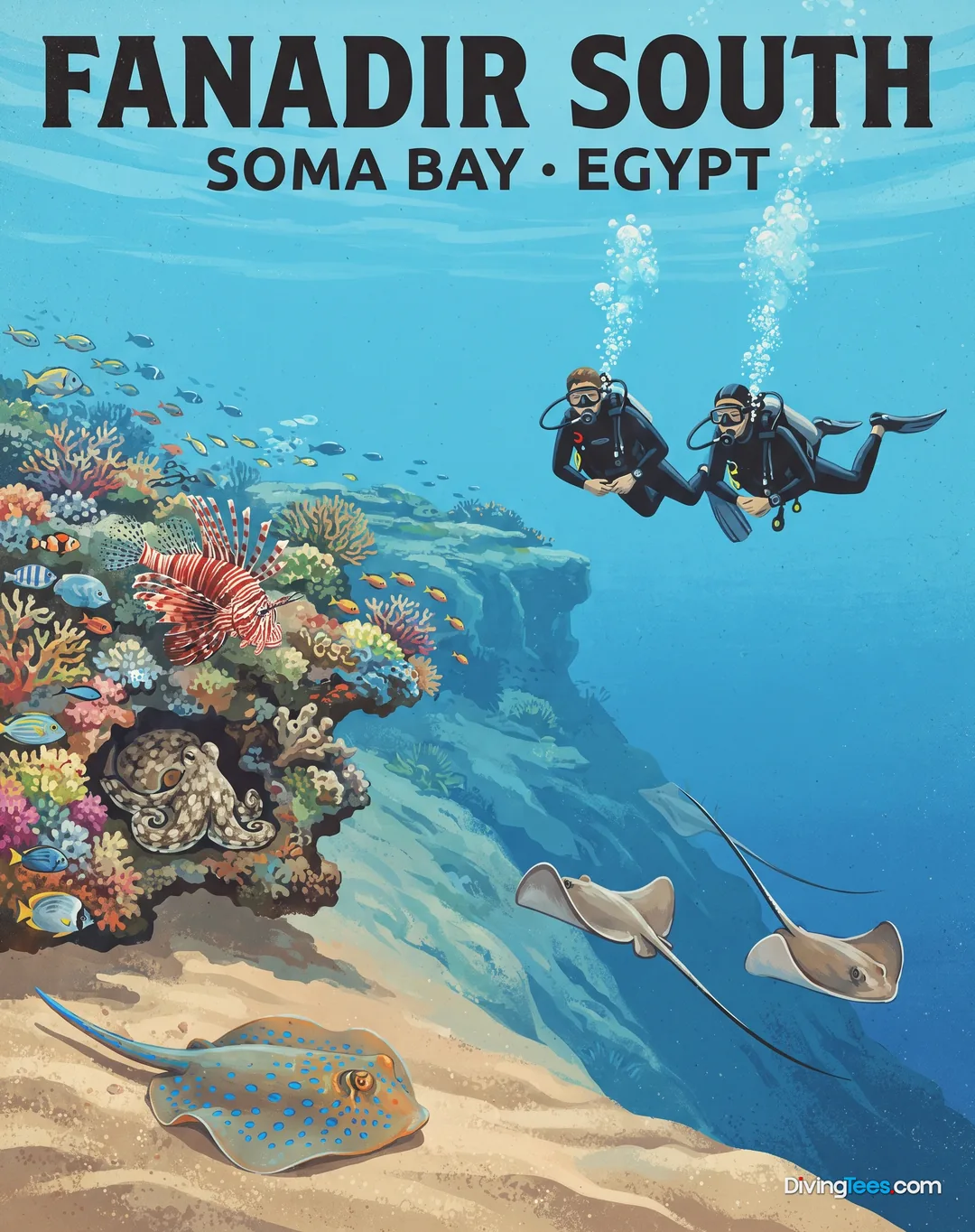
Fanadir South →
Max. depth · 30 m
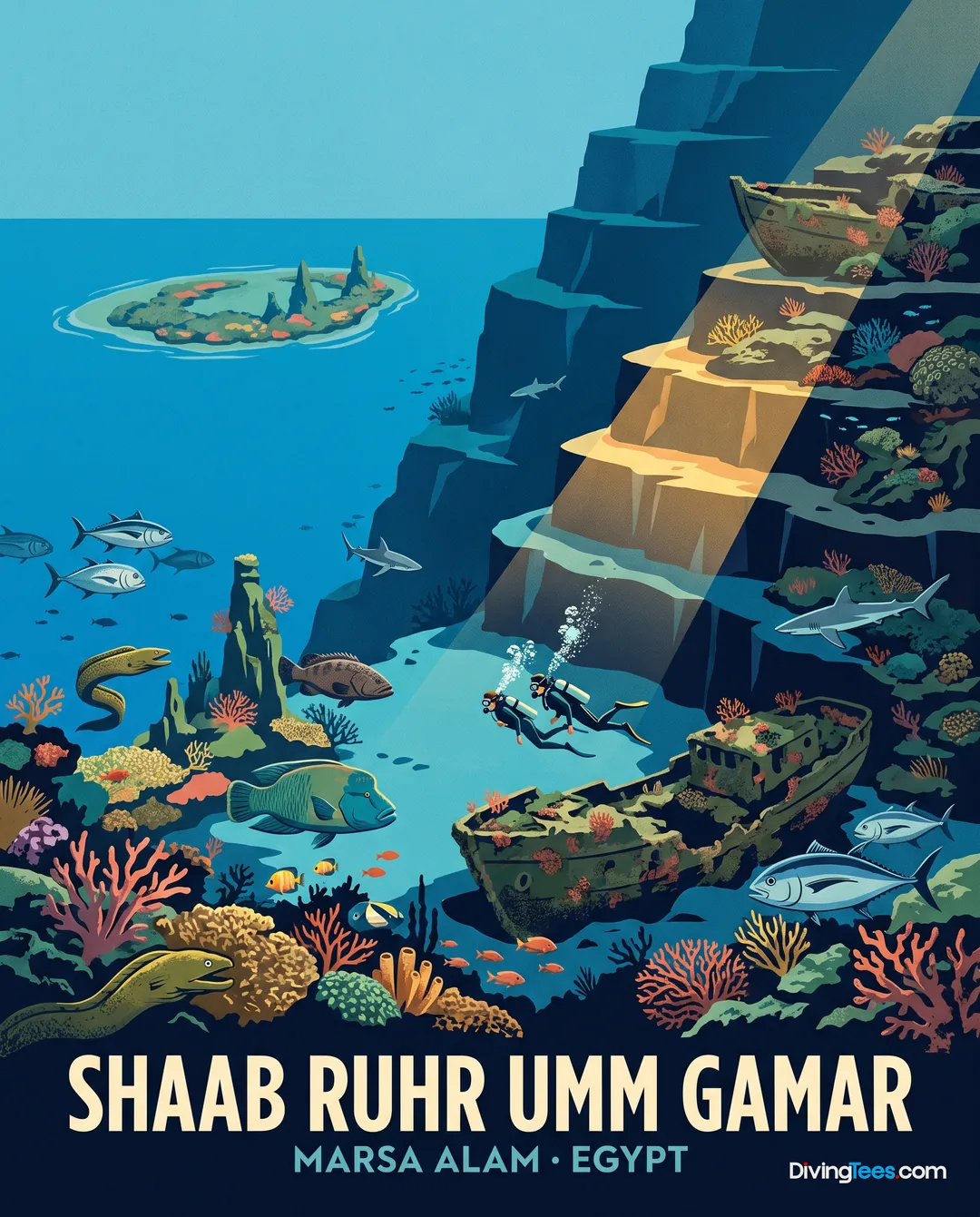
Shaab Ruhr Umm Gamar →
Max. depth · 40 m
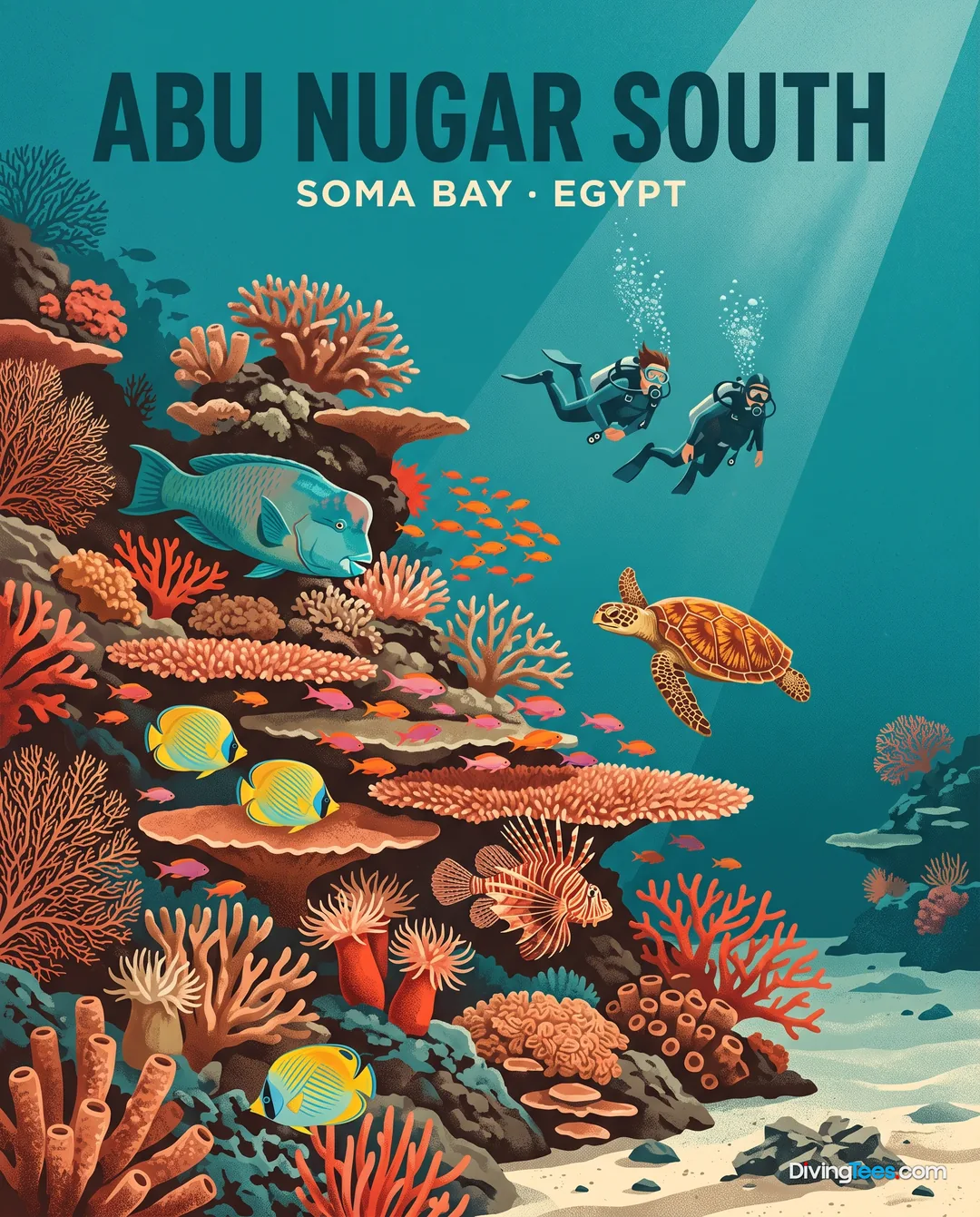
Gotha Abu Nugar South →
Max. depth · 9 m
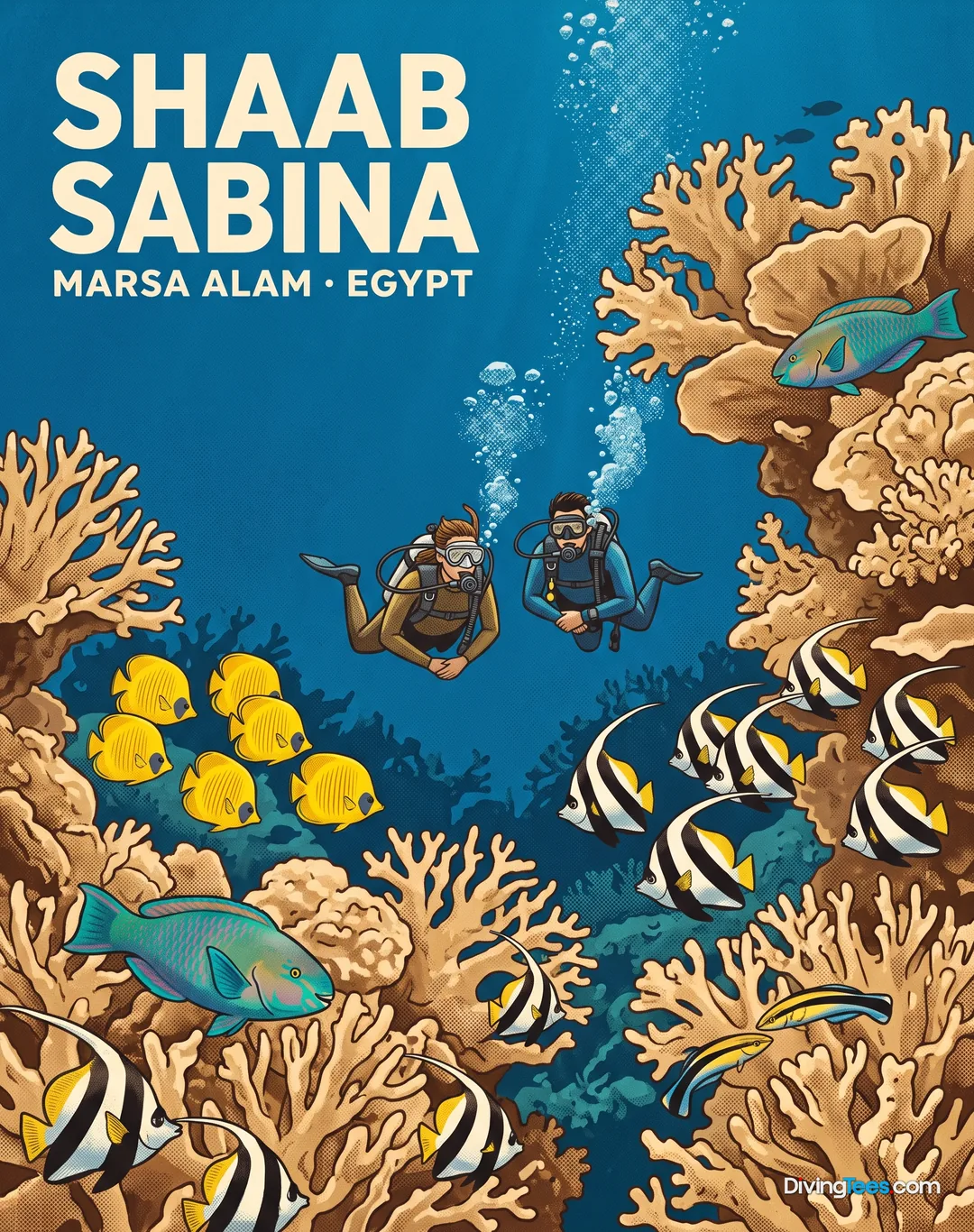
Shaab Sabina →
Max. depth · 14 m
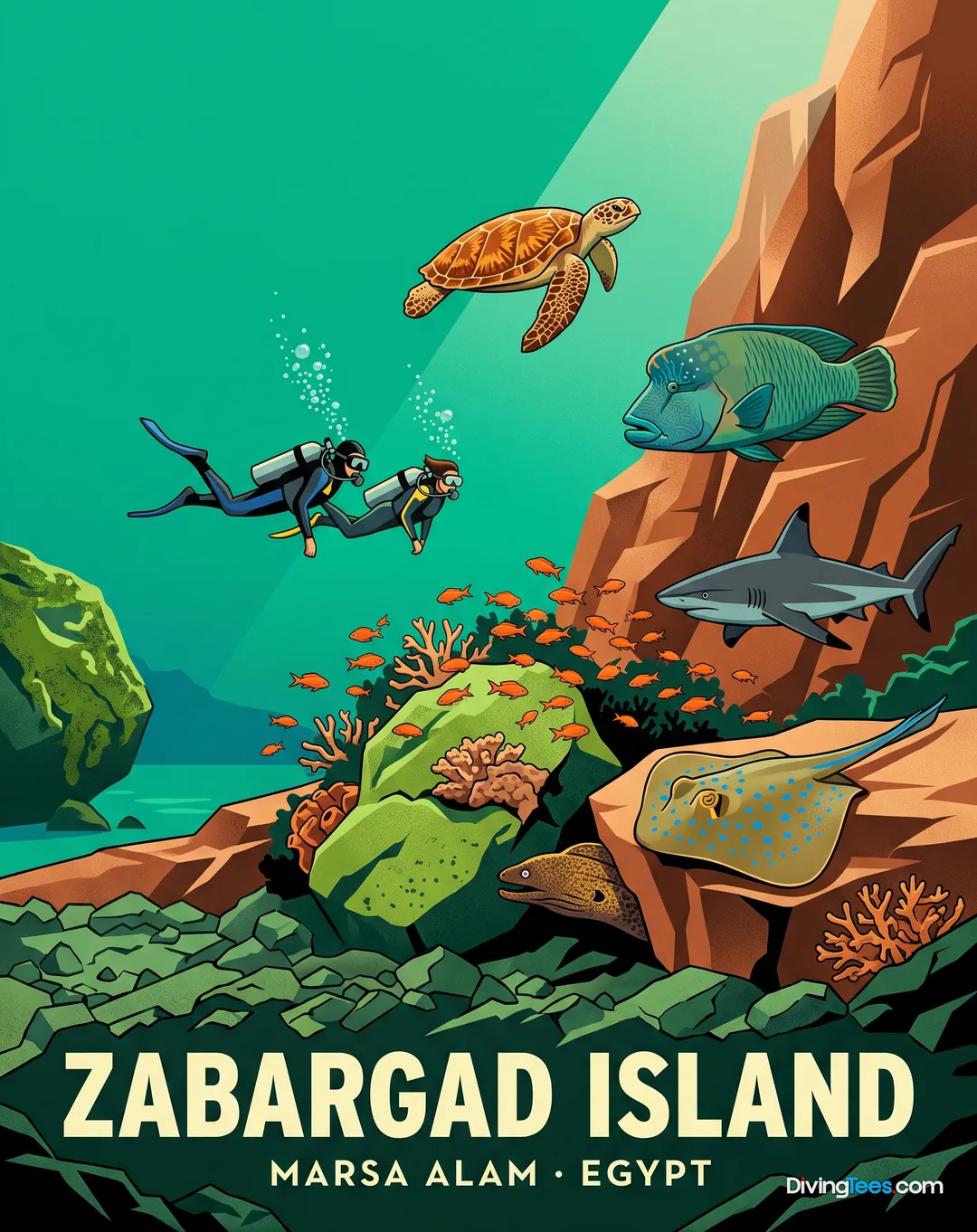
Zabargad Island →
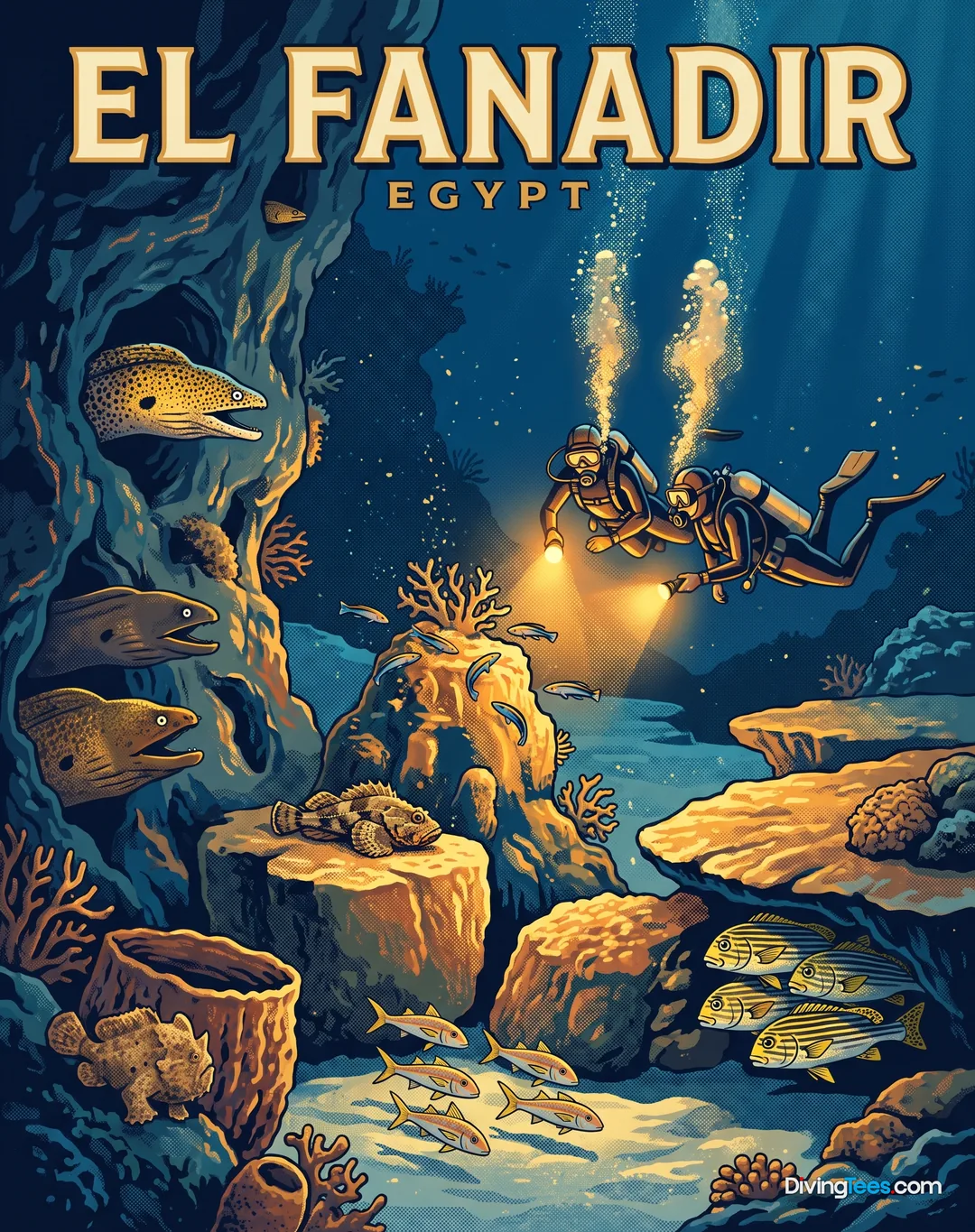
El Fanadir →
Max. depth · 40 m
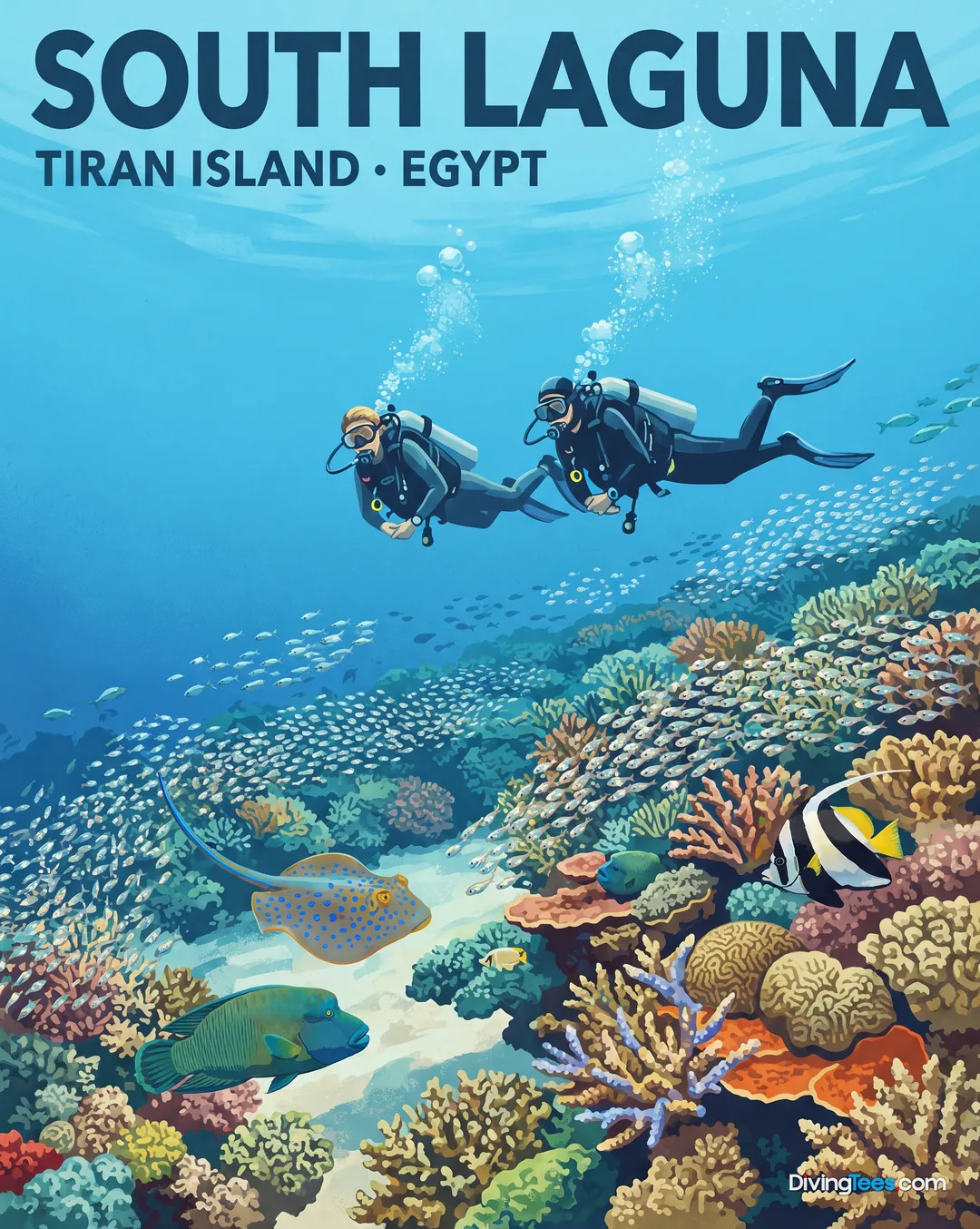
South Laguna →
Max. depth · 30 m
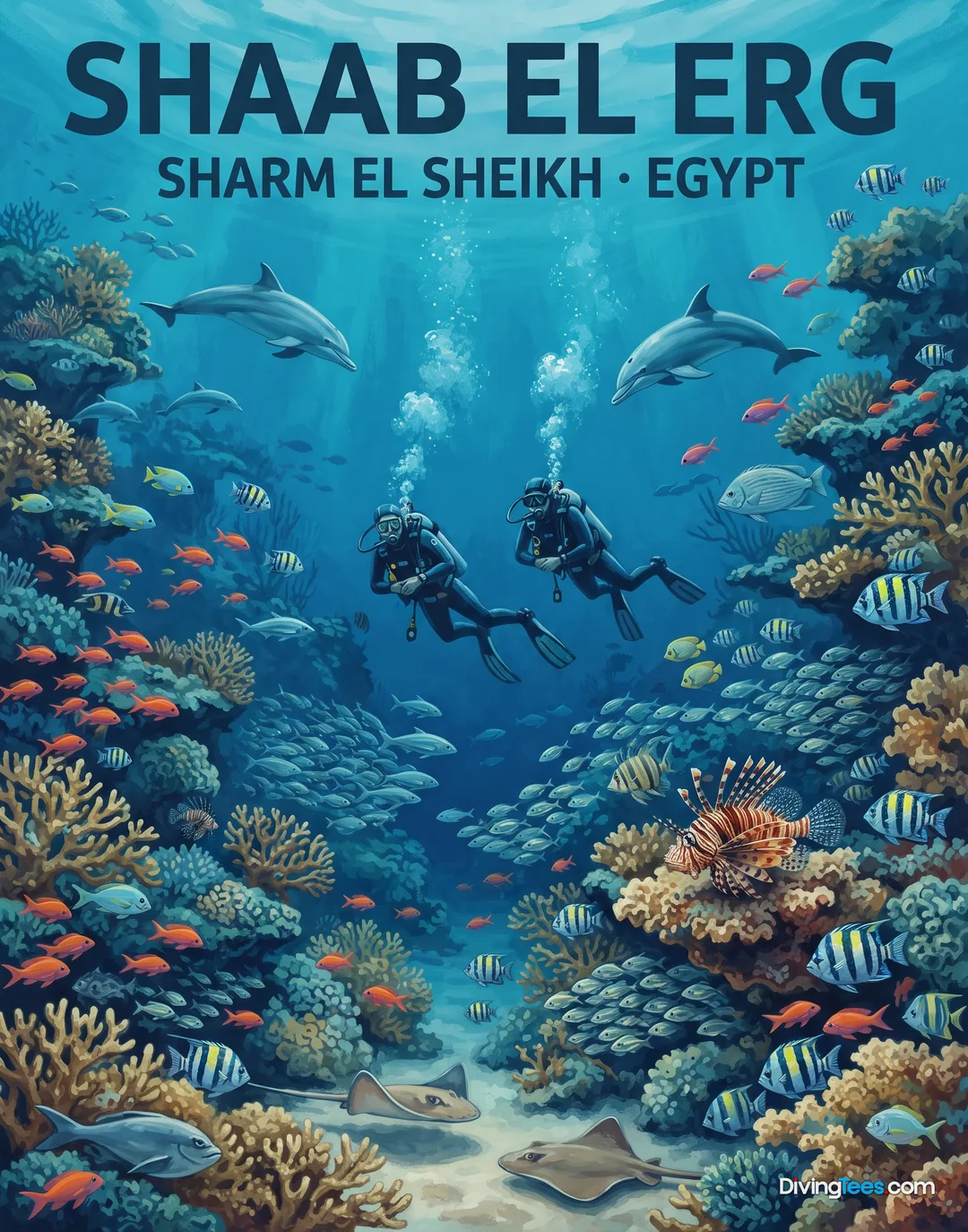
Shaab El Erg →
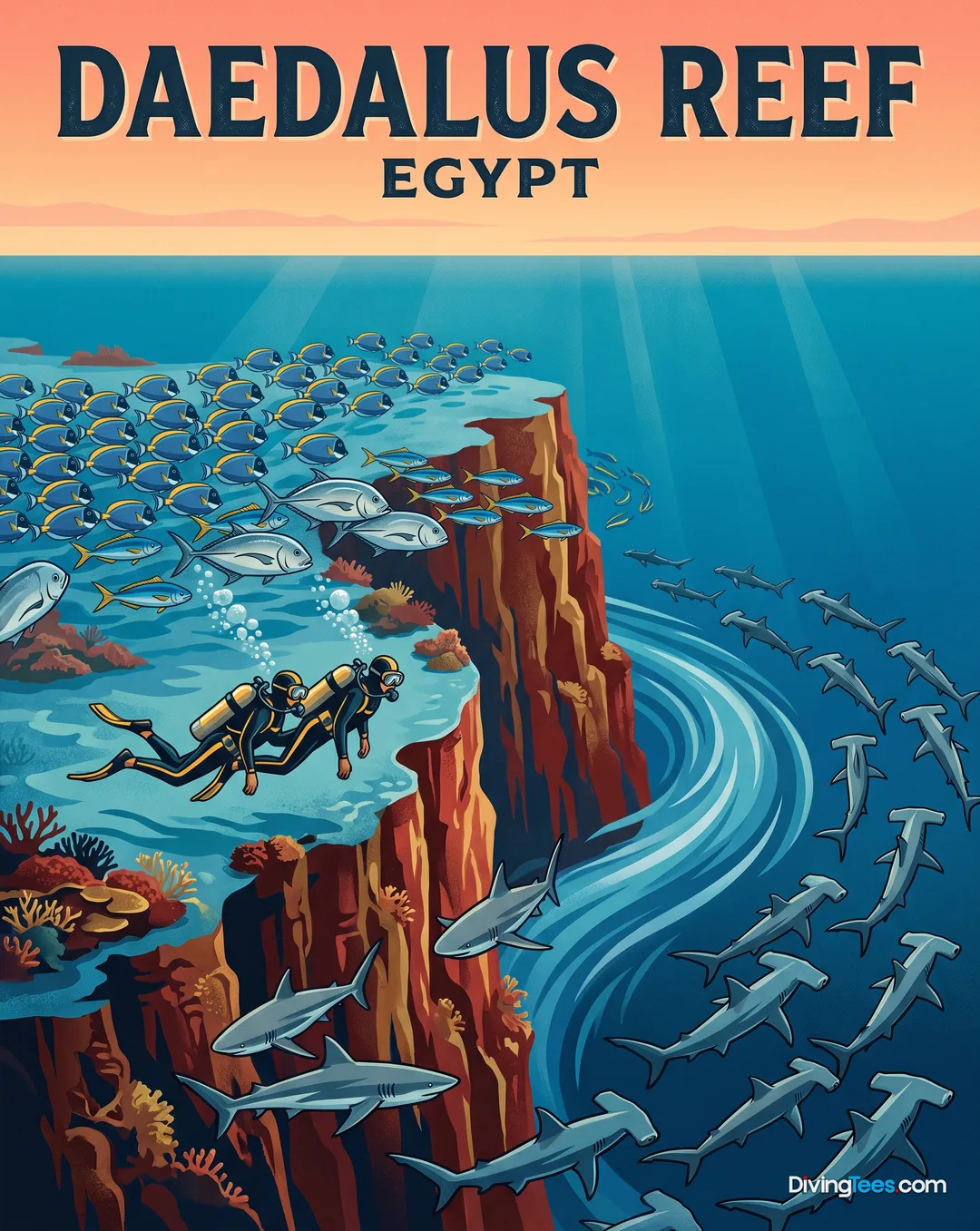
Daedalus →
Max. depth · 40 m
Itineraries, dates and prices
Prices per person. Each month shows its lowest price: click a month, or pick an itinerary.
Next departures · 7 departuresfrom £628$839€750
April 2027
June 2027
July 2027
August 2027
September 2027
See dates and prices
If you click these links and make a purchase on the partner site, DivingDeal may earn a commission, at no extra cost to you.
Dates and prices taken from liveaboard.com, updated 24 October 2026
What you’ll meet underwater
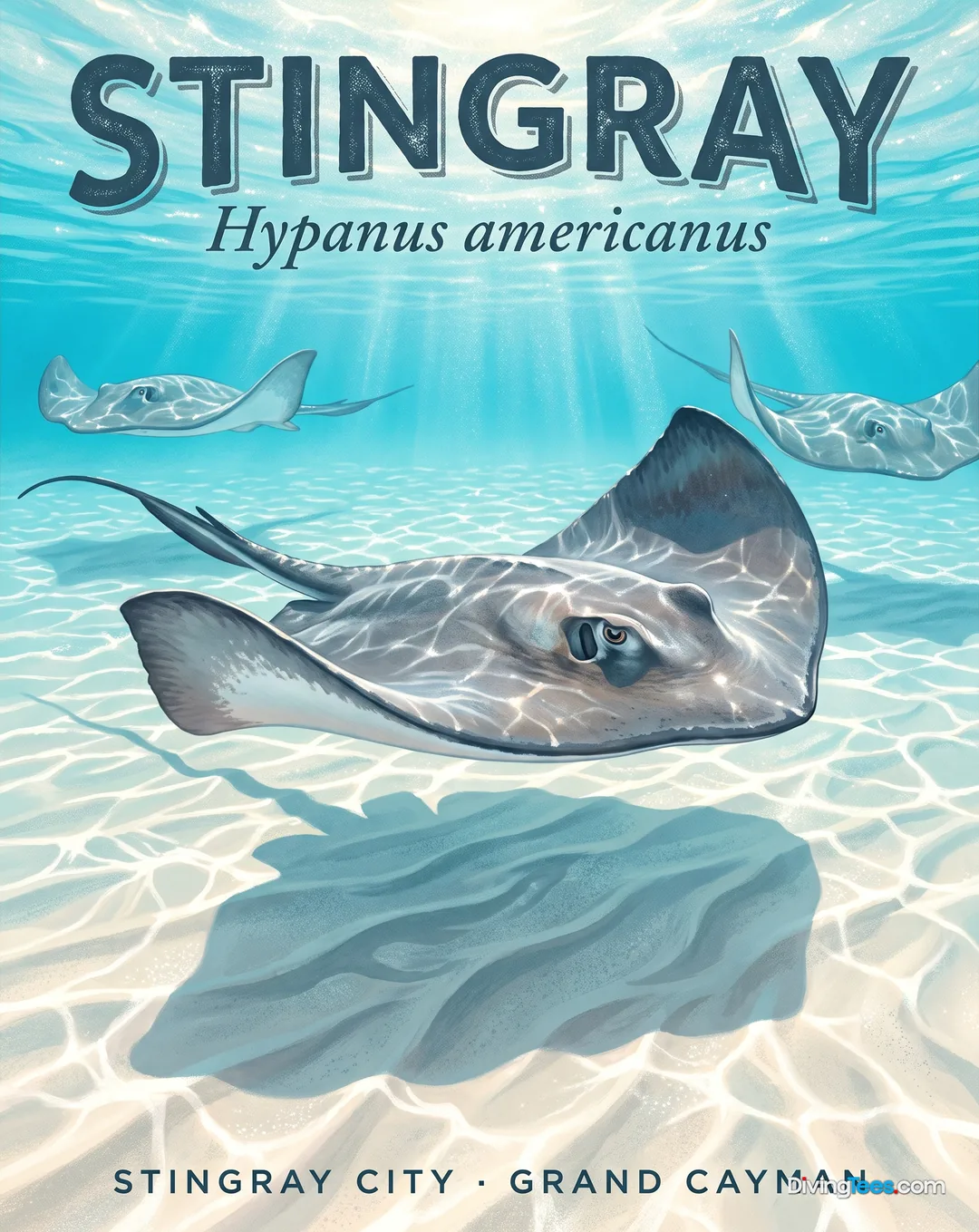
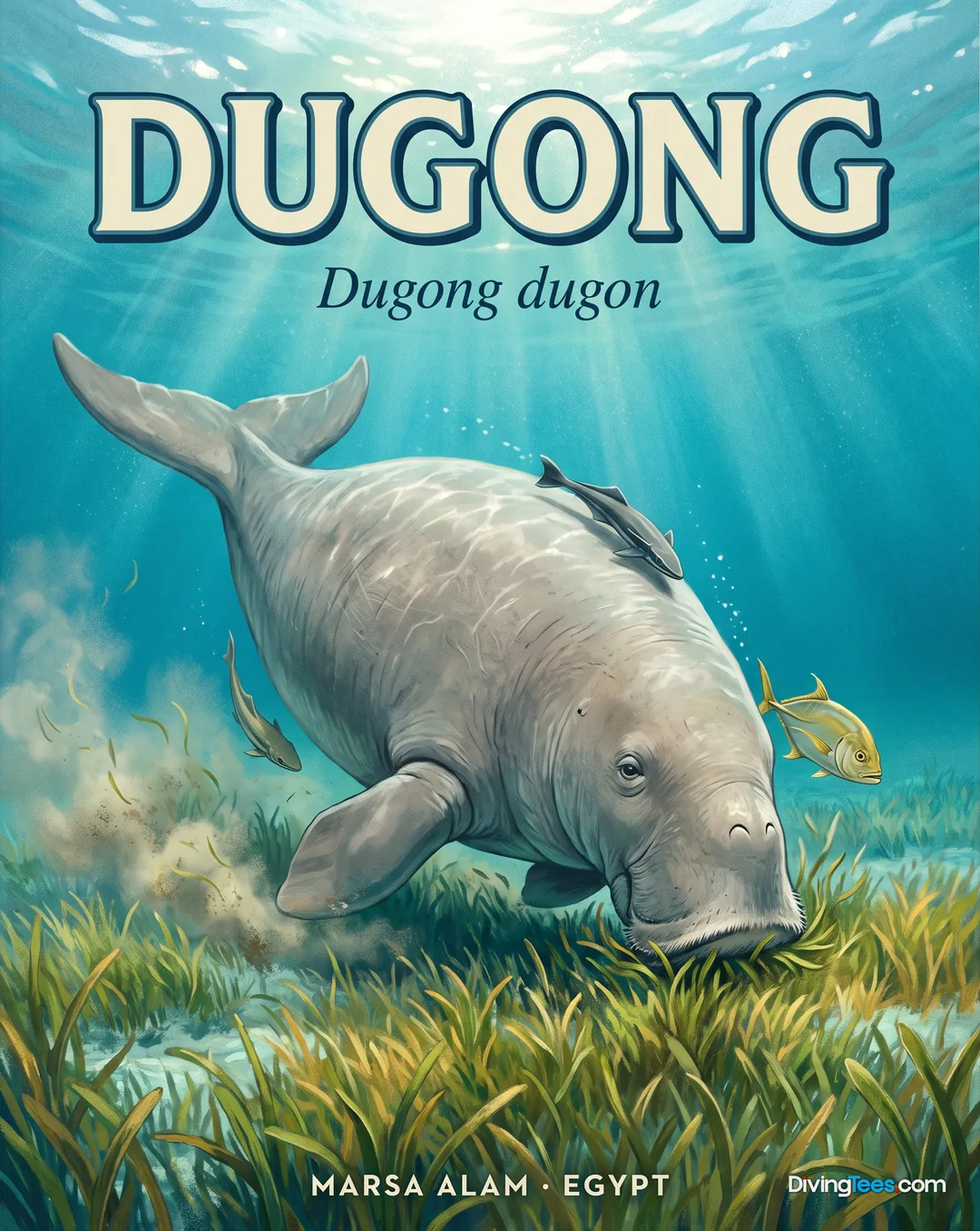
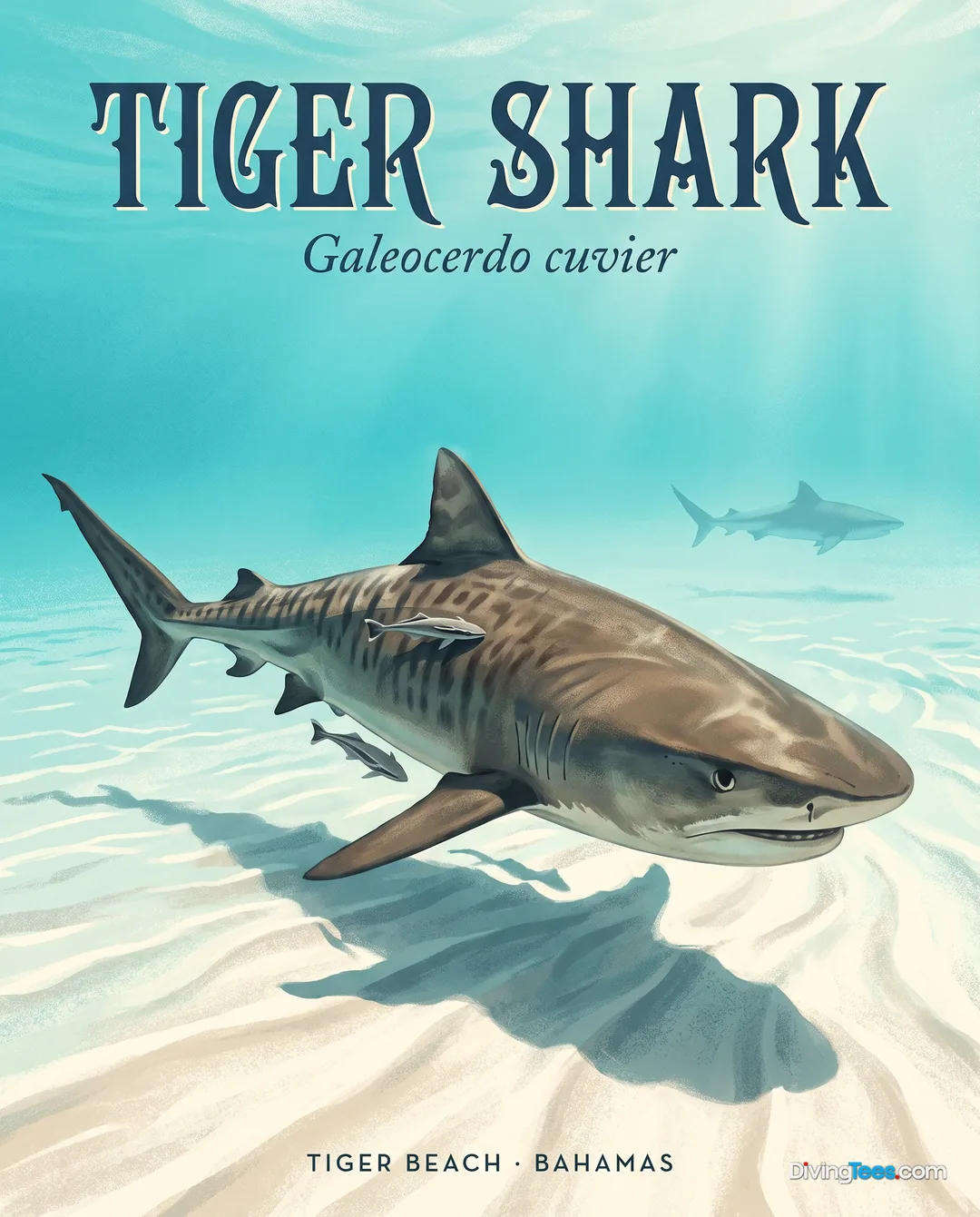
Murènes, corail mou, poissons-scorpions, poissons-papillons, rascasses volantes, pieuvres, mérous, barracudas, raies pastenagues, anthias and reef fish recur across the route, with sea turtles recorded at seven sites and dolphins at six. The larger encounters depend on site and conditions: currents around Rocky Island can bring schooling barracudas, sharks and manta rays, while Zabargad combines strong currents, coral reefs, pelagic life and nesting turtles; a dugong is recorded there alone on this route. Elphinstone is the specific destination for oceanic whitetip sharks, blacktip sharks, whale sharks, fusiliers and tiger sharks. Shaab Ruhr Umm Gamar is the only listed site for giant grouper. South Laguna is the place associated with whitetip reef sharks and triggerfish. At El Fanadir, a cleaning station sits on a shallow coral pinnacle, and Shaab Sabina adds the route's recorded damselfish encounter. Marsa Nakari South Reef is the only listed site for shrimp.
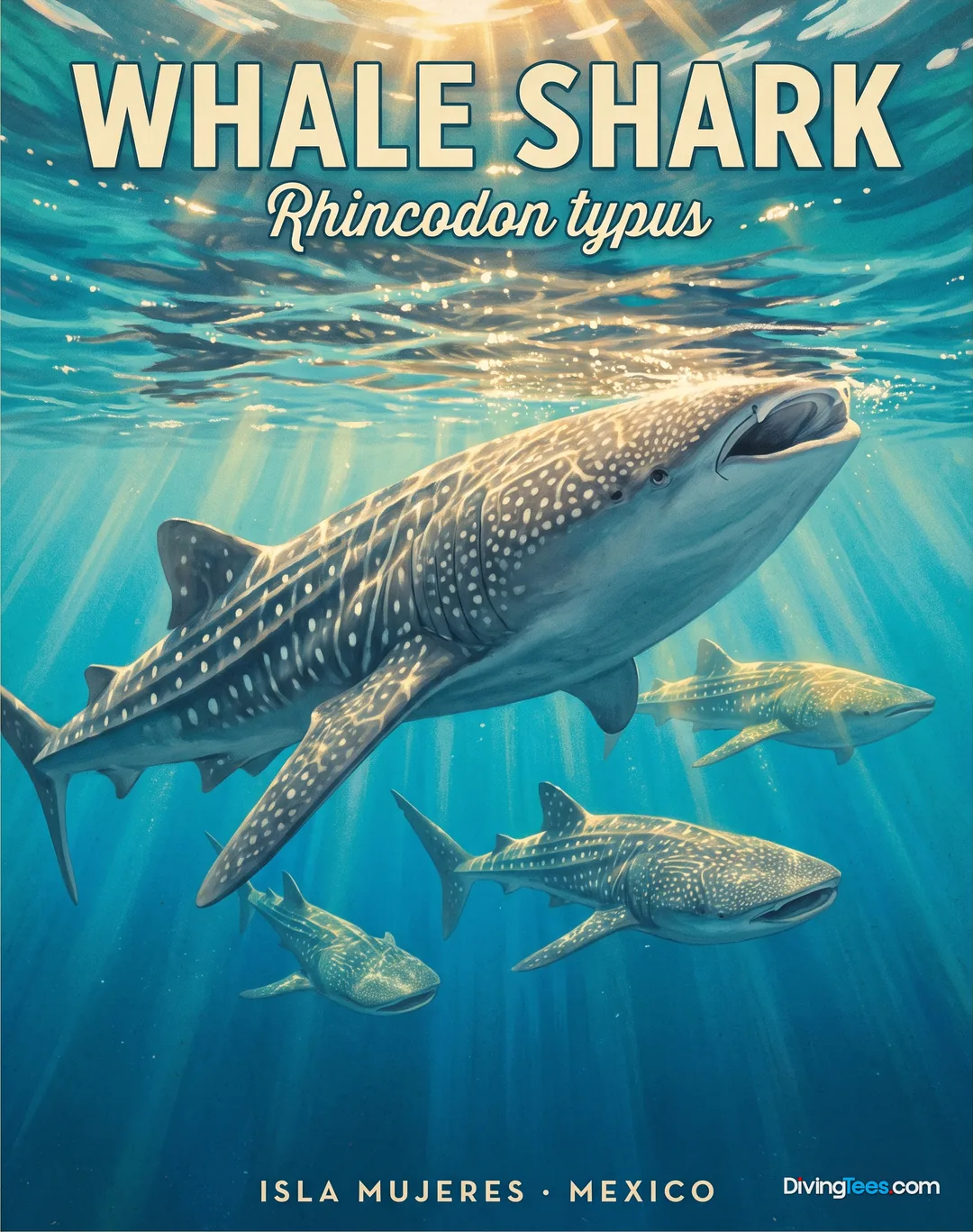
Who puts you in the water
The crew speaks English and German, and crew members are trained in first aid. Oxygen, first-aid kits, fire alarms and extinguishers, life jackets, lifeboats, emergency flares and marine communications are carried on board. The vessel also has radar, sonar, GPS, VHF/DSC/SSB radio, an emergency locator beacon and a fish finder. A private dive guide can be arranged as an option for divers who want more individual supervision. The operation supports standard recreational diving as well as technical, sidemount and rebreather use, with included nitrox up to 32%.
The dive deck and the gear
The dive deck is arranged for recreational and more specialised diving. Nitrox is included up to 32%, with DIN adapters available; technical diving, sidemount and rebreather diving are supported. The shaded dive space has rinse tanks, a camera area, charging stations and a dedicated platform, with hot outdoor showers for the return from the water. Two Yamaha 100HP tenders take divers to and from the sites, allowing the main boat to support the operation without placing every diver directly on the reef. Rental equipment, including snorkeling equipment, is available as an option.
Between dives
Between dives, the shaded dive area is the useful retreat: close enough to the equipment for the next entry, but protected from the strongest sun. The terrace, observation deck and outdoor seating provide more space when the weather is right, while the air-conditioned salon gives a cooler place to edit photos, talk through the last dive or simply sit quietly. There is a jacuzzi, outdoor showers and a dedicated photo area, plus charging stations for cameras and other equipment. The boat also has a bar and audio-video entertainment, but the strongest reason to choose its shared spaces is their connection to the diving operation. The deck lets divers stay near the action without having to remain in the cabin.
A day on board
The day is built around the order of diving rather than a fixed clock displayed here. A briefing comes before the first entry, followed by the tender transfer or a descent from the platform, then the return to the shaded deck, a rinse for diver and equipment, food and a pause before the next preparation. Camera space and charging stations let the surface interval include the practical work of checking images and batteries. The boat may move between sites during the gaps or while divers are resting, depending on the itinerary. Later, the pattern continues with another dive and a meal, and night dives are included in the operation. The exact number and timing of dives depend on the route and site conditions, but Golden Imperial is organised around repeated water entries, not long stretches of cruising with diving added as an afterthought.
What you eat aboard
Golden Imperial serves full-board meals as a buffet, with both Western and local cooking. Vegetarian and vegan options are available, and snacks remain available through the day rather than being limited to the main meals. Outdoor dining and barbecue meals give the table a change of setting, while a special dinner is included on the trip. Non-alcoholic drinks, water, tea and coffee are included; beer and wine are available separately. A Nespresso machine is on board for divers who want a more specific coffee ritual than the standard pot. On a diving route, that matters less as hotel polish than as simple timing: food is available around the repeated cycle of returning from the water, rinsing gear and getting ready for the next dive.
Nights at sea
The cabin choice is straightforward: suites, twins and doubles. Cabins sit forward on the main deck and have standard windows, air conditioning and private bathrooms with hot showers; sea-view cabins are available. The boat also provides cabin and deck towels, daily housekeeping, non-smoking cabins and televisions in the cabins. That gives the nights a clear practical purpose after diving: a private place to shower, dry out and sleep without giving up the basic comforts expected on a modern liveaboard. The shared indoor salon is air-conditioned for anyone who prefers a cooler space, while the terrace and observation deck offer the alternative when the evening is better spent outside. Internet and Wi-Fi are included.
Suite Cabins
Twin Cabins
Double Cabins
What to know before boarding
Departures and returns use Hurghada, Port Ghalib or a combination of Port Ghalib and Hurghada, depending on the itinerary. Airport and hotel transfers are included. On a route that starts or ends in a different port, the transfer arrangement is communicated with the booking details. Arriving the night before is sensible, especially when the trip begins after an international flight or involves changing ports.
Deck plan
- Year built
- 2021
- Length
- 43.5 m
- Beam
- 10 m
- Maximum number of passengers
- 28
- Number of cabins
- 14
- Number of bathrooms
- 14
- Engines
- 2 × MAN 1200 hp
- Cruising speed
- 10 knots
- Tenders
- 2 × Yamaha 100 hp
- Website
- golden-dolphin.net ↗
Hello, I'm Marina, DivingDeal.com's AI assistant. I answer in detail about hotels, dive centres and liveaboards.
Thinking about the whole trip and the flights? Talk it over with Edith →
Marina is an AI. Some links are affiliate links: DivingDeal may earn a commission, at no extra cost to you. Bookings are made with the partner.