Liveaboards · Egypt
Omneia Spirit — a purpose-built Red Sea dive boat with room for serious diving
Deal on this boat
Per person
£1,071$1,432€1,279 £836$1,118€999
Discount calculated by us, against the boat's usual price for a trip of the same length.
See all discounted dates ↓What makes this boat unique
- Built in 2018 and renovated in 2026, the steel Omneia Spirit carries up to 26 divers in 13 air-conditioned cabins.
- The dive setup includes two Bauer compressors, free nitrox, 12-litre aluminium tanks and two zodiacs carrying eight divers each.
- The boat accepts technical divers and groups, with scooters, double tanks and other technical equipment available by advance order.
- Main-deck cabins put sea views and the dive deck close at hand, while the lower-deck galley and restaurant create a useful buffer from the machinery spaces.
For subtitles in English: start the video firstthen click the gearat the top right of the video, select “Subtitles/CC”, then “Auto-translate” and choose “English”.
The invitation
The Omneia Spirit is for divers who want the boat designed around the day underwater, without giving up a proper place to eat, sleep and dry out. Its routes reach the Brothers, Daedalus, Elphinstone, St. John’s, Rocky Island and Zabargad, while other itineraries cover central Red Sea reefs and wreck country. The useful difference is in the details: a camera table and air shower on the dive deck, freshwater sinks for equipment, two zodiacs for sites away from the mother ship, free nitrox and a setup that accommodates technical diving. It suits an advanced recreational diver who wants up to four dives a day, but also a rebreather or technical group that needs more than a standard holiday boat. The minimum is 50 logged dives and AOWD or equivalent. This is a boat to choose for access to demanding sites and a dive operation that does not treat photography or technical diving as an afterthought.
Boarding
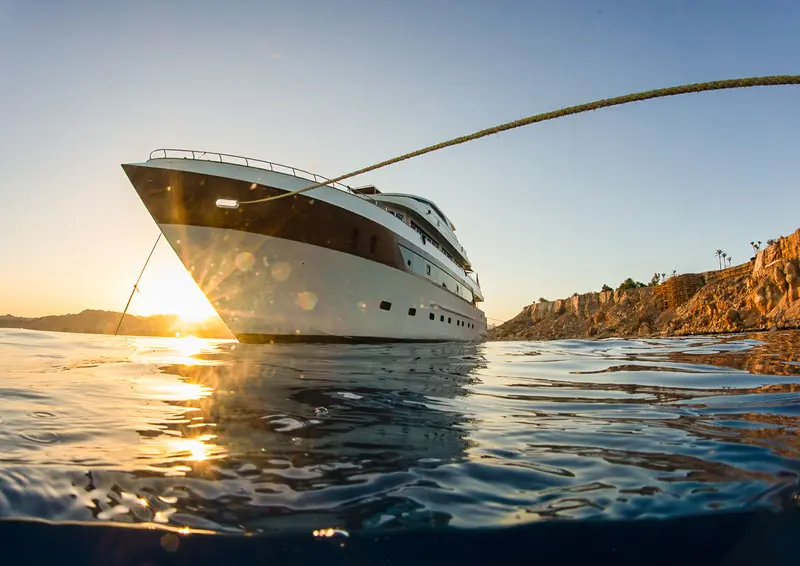
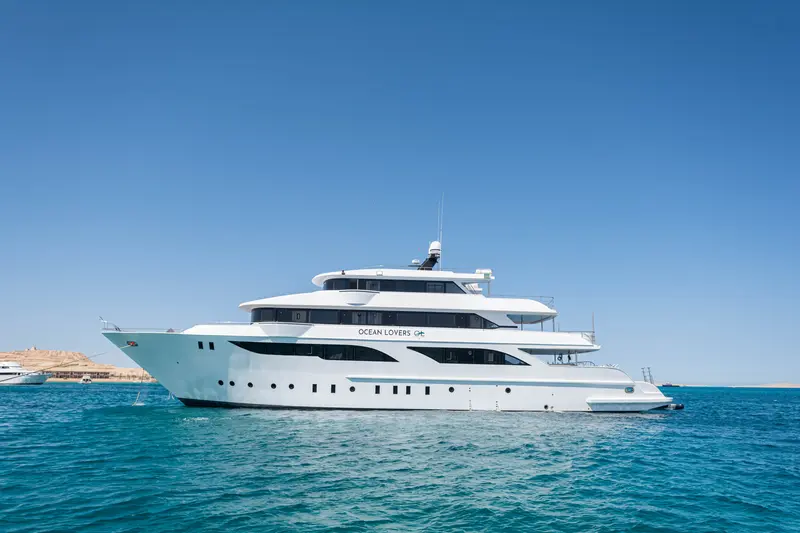
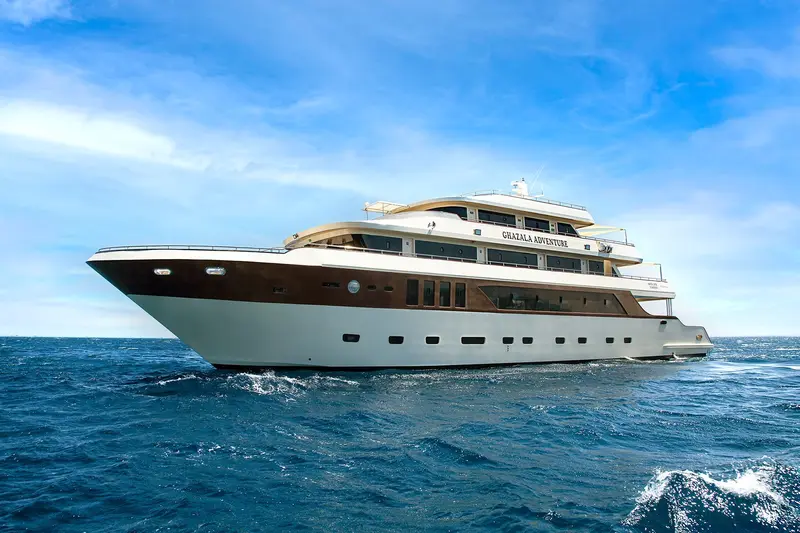
The Omneia Spirit makes a clean, modern impression rather than the worn, improvised feel of an older safari boat. Steel, broad decks and separate indoor and open-air spaces give the boat a solid working character, while the saloons and restaurant keep it from feeling purely utilitarian. The lower-deck kitchen and restaurant are an unusual arrangement for a Red Sea liveaboard: they sit between the cabins and the machinery spaces, so the forward lower cabins are not placed directly beside the engine room. From the main deck, the dive deck and saloon are only a few steps away. The upper areas open into sun, shade and sea views, with room to move between dives instead of one crowded common room. The Spirit was built as the first boat in the Omneia fleet, and the 2026 renovation gives that original diving brief a current finish.
The atmosphere on board
The Spirit has the feel of a boat built around divers who may spend most of the day preparing, entering, exiting and preparing again. The crew speaks Arabic, English and German, and the crew’s role is most visible in the small transitions: getting people to the right zodiac, keeping the dive deck usable, and making the return from the water less chaotic. The shared spaces are comfortable without turning the boat into a floating resort. After the last dive, the upper saloon, library, bar and shaded decks give the group somewhere to gather without forcing everyone into one room. The layout also works for mixed groups: recreational divers can settle into the social spaces, while photographers and technical divers have room to deal with their equipment. The result is a boat that keeps the focus on diving but does not make the hours above water feel like an afterthought.
The sites you’ll dive
The recorded routes range from 8 days and 7 nights to 11 days and 10 nights. They include North — Ras Mohammed, Strait of Tiran and Dahab — as well as St. John’s, St. John’s–Rocky Island–Zabargad, Brother Islands–Daedalus–Elphinstone and routes arranged for groups or charters. The site list is broad. Elphinstone reaches -60m on steep walls where pelagic sharks may pass; Rocky Island brings strong current, barracuda, sharks and manta rays. Carless Reef drops to -40m and is known for giant morays swimming free in the blue. Umm Gamar reaches -30m, with coral walls, a cave at 28m and the remains of Hans Hass’s shark cage. The Straits of Gubal reach -50m and turn wrecks into artificial reefs. Shaab Abu Nuhas reaches -30m among coral gardens and schooling fish. Fanadir North and South stay at -30m, while Gotha Abu Galawa reaches -35m and combines lagoon, wall, sand and night-diving possibilities. Sachwa Abu Galawa reaches -30m; Gotha Abu Nugar North is a shallow coral garden to -9m. Shaab Ruhr Umm Gamar and Shaab Umm Gamar both reach -40m, with pinnacles, wreck remains or pelagic encounters. Zabargad adds remote reefs, strong current, nesting turtles and pelagic water.
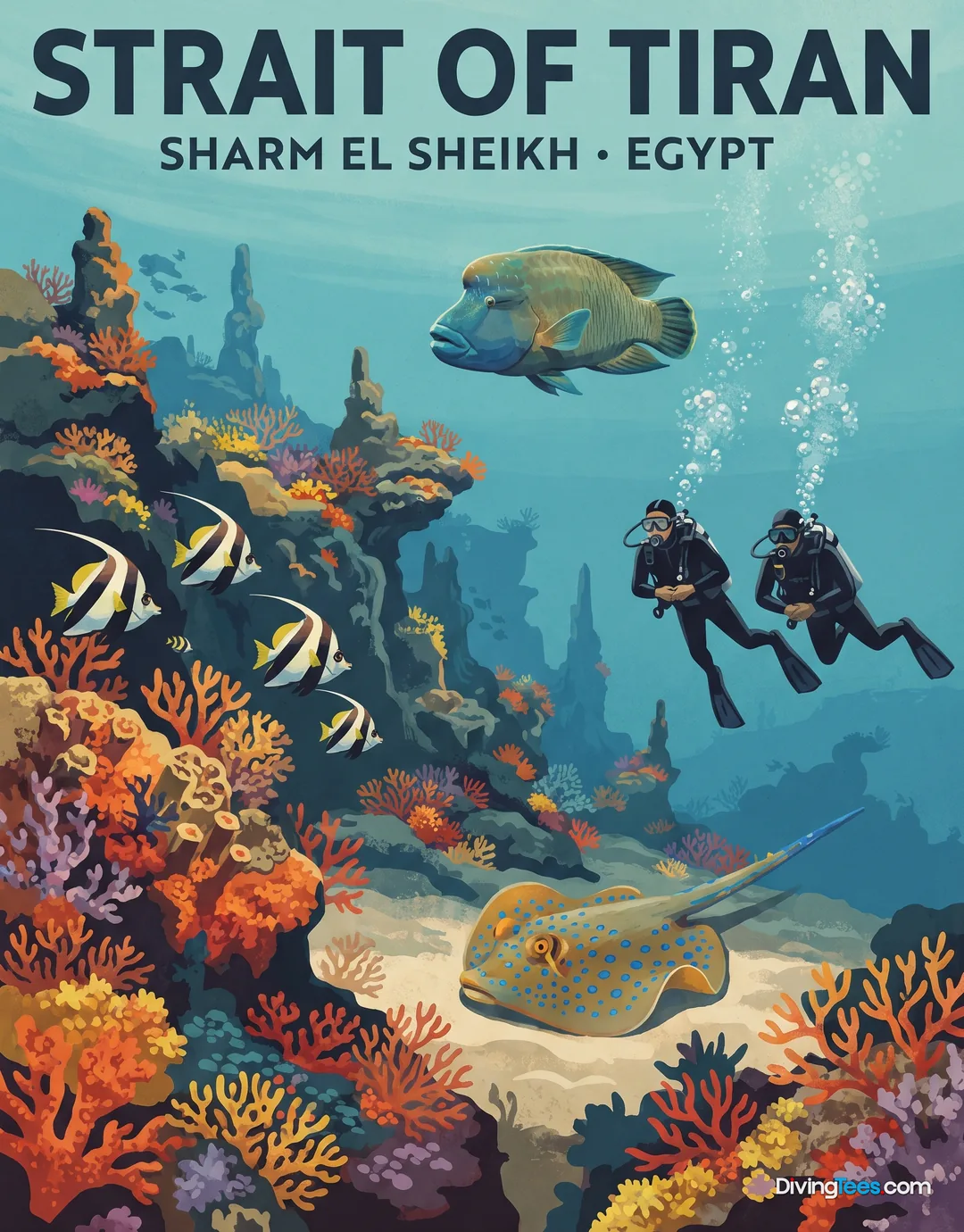
Strait of Tiran →
Max. depth · 40 m
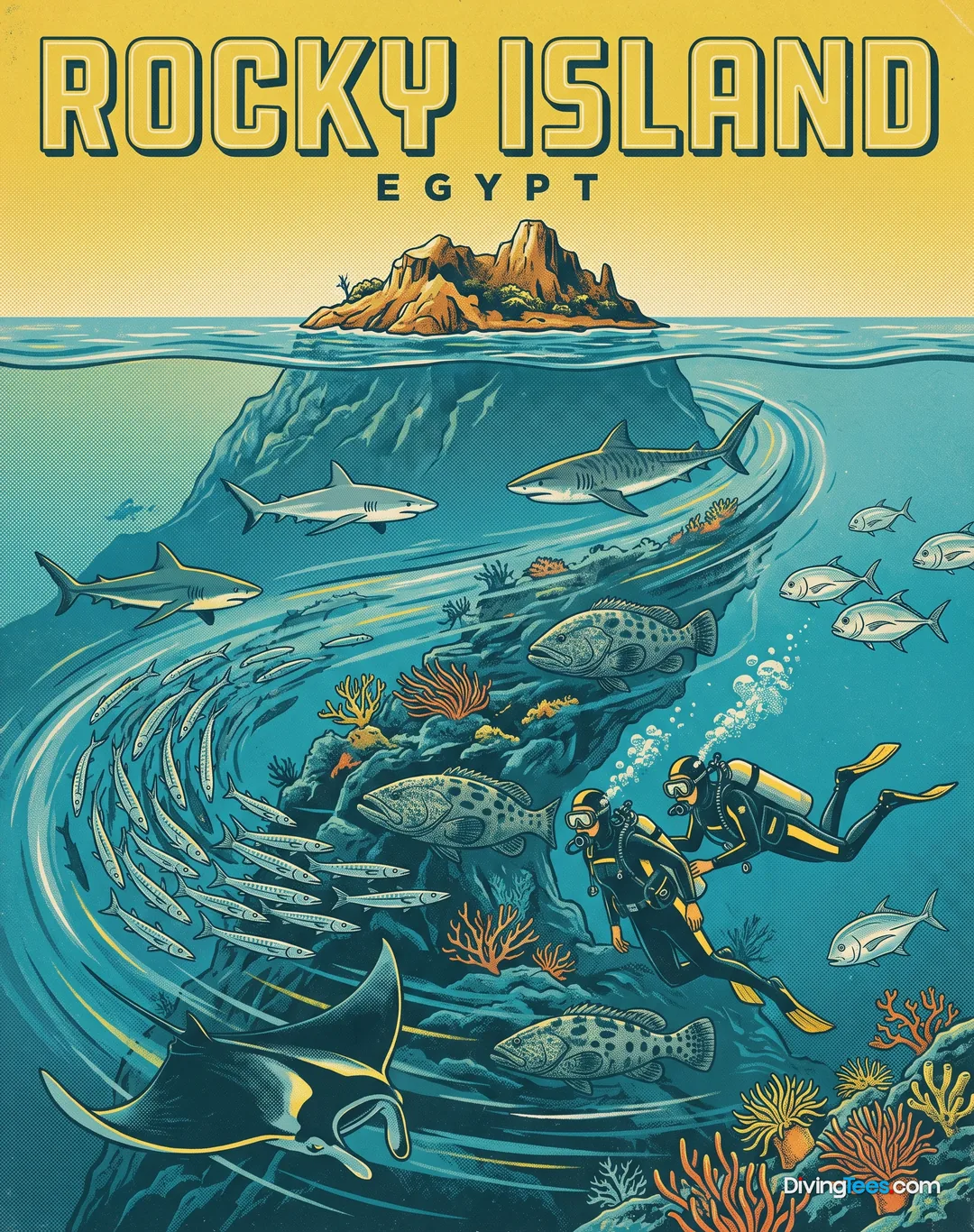
Rocky Island →
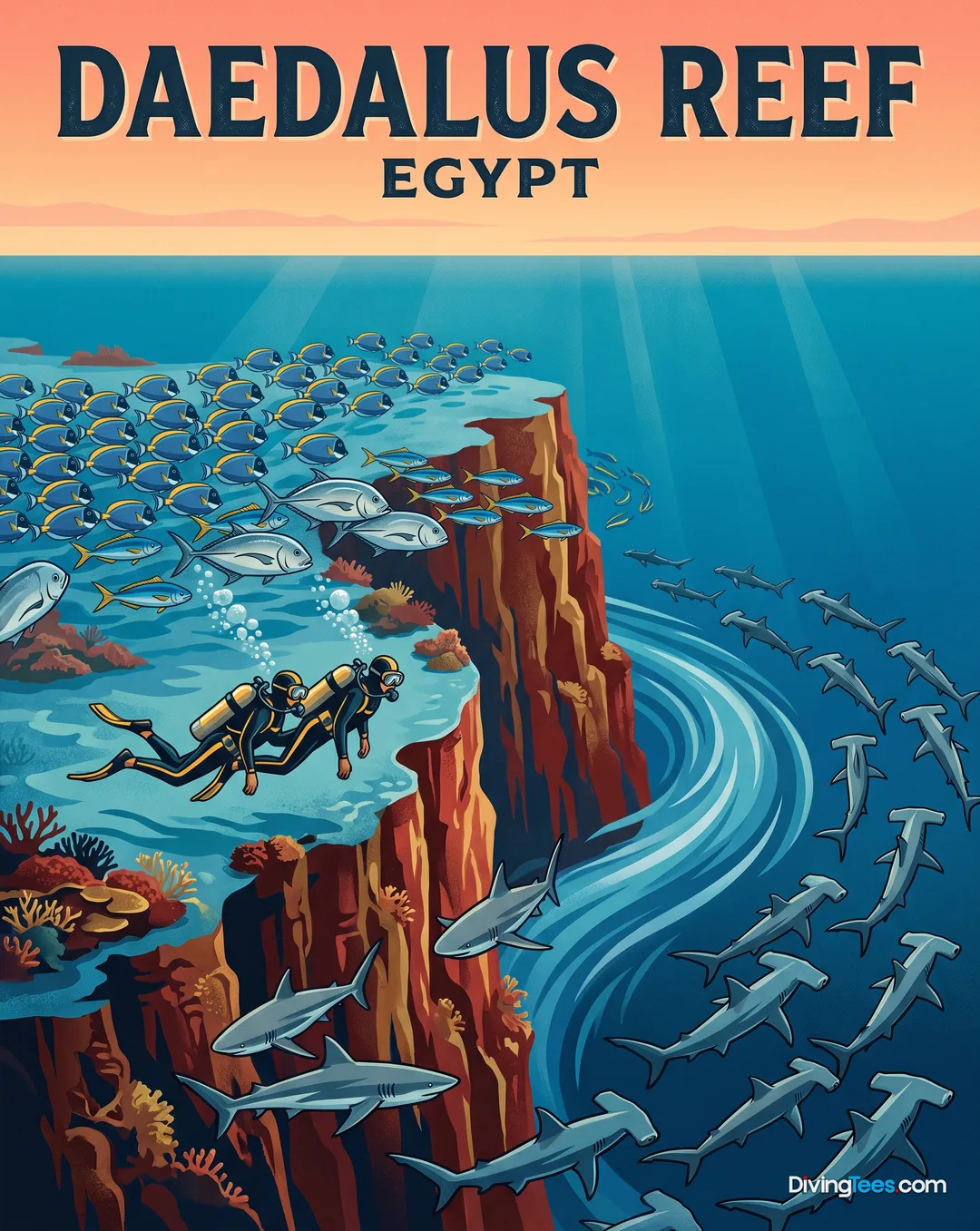
Daedalus →
Max. depth · 40 m
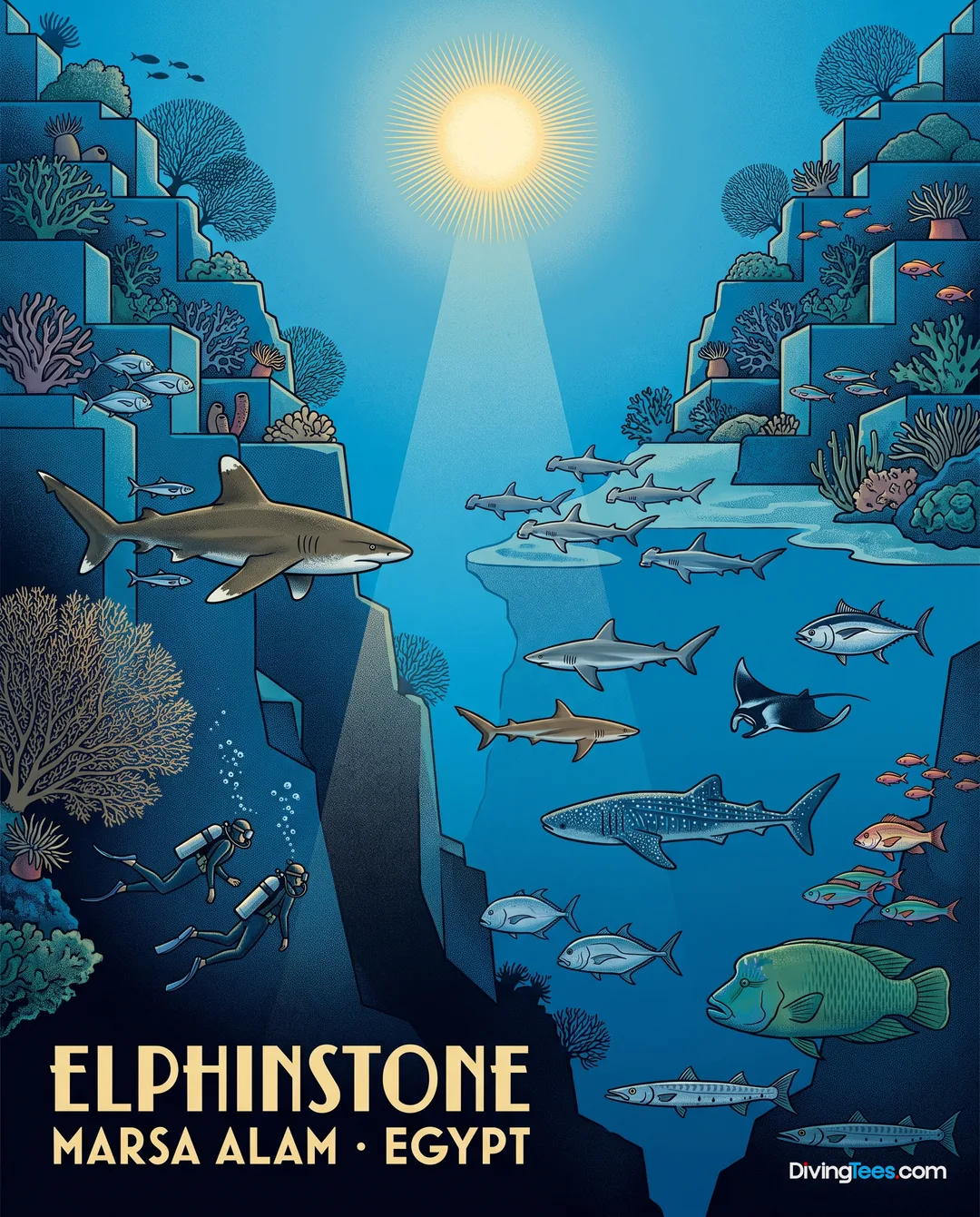
Elphinstone →
Max. depth · 60 m
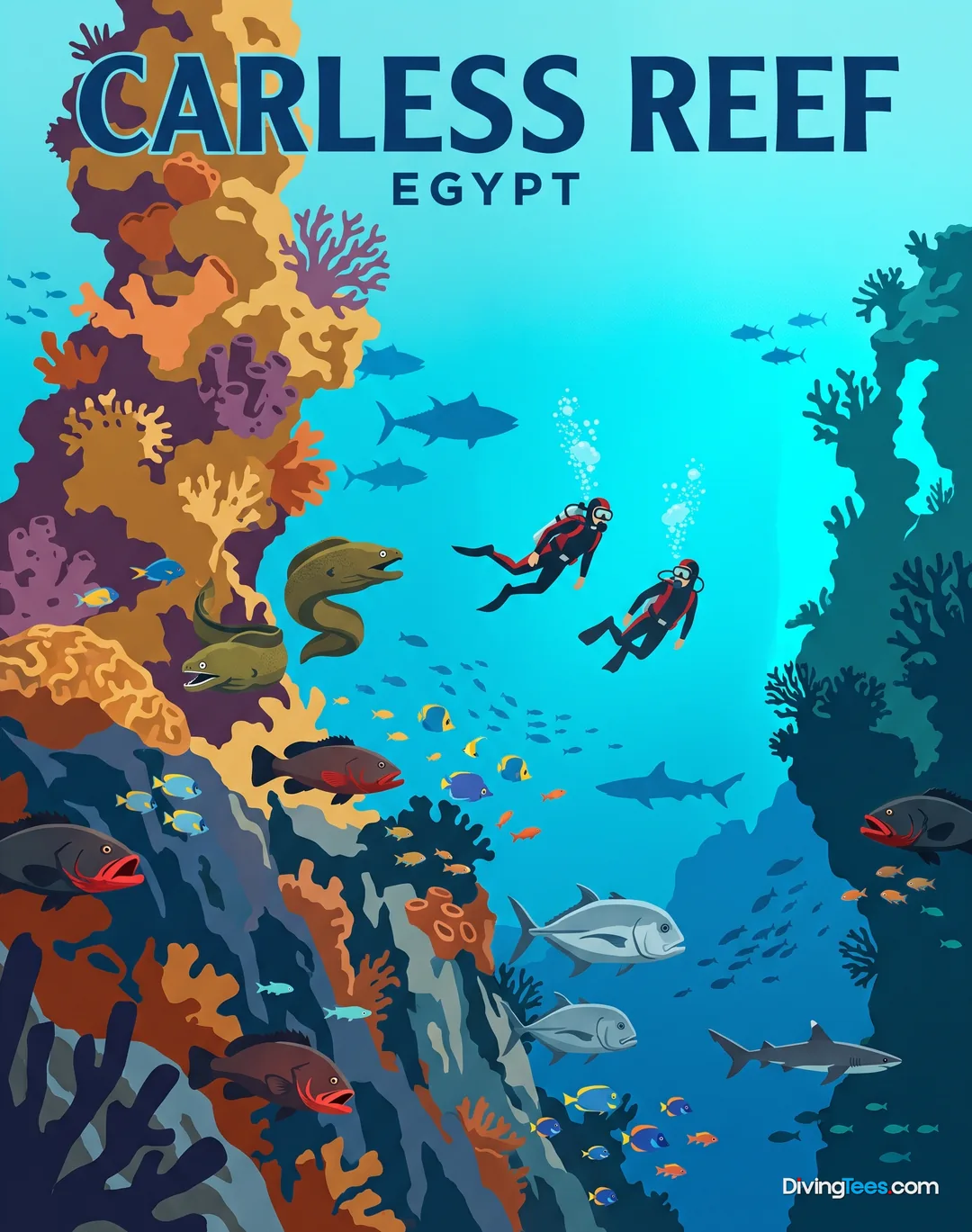
Carless Reef →
Max. depth · 40 m
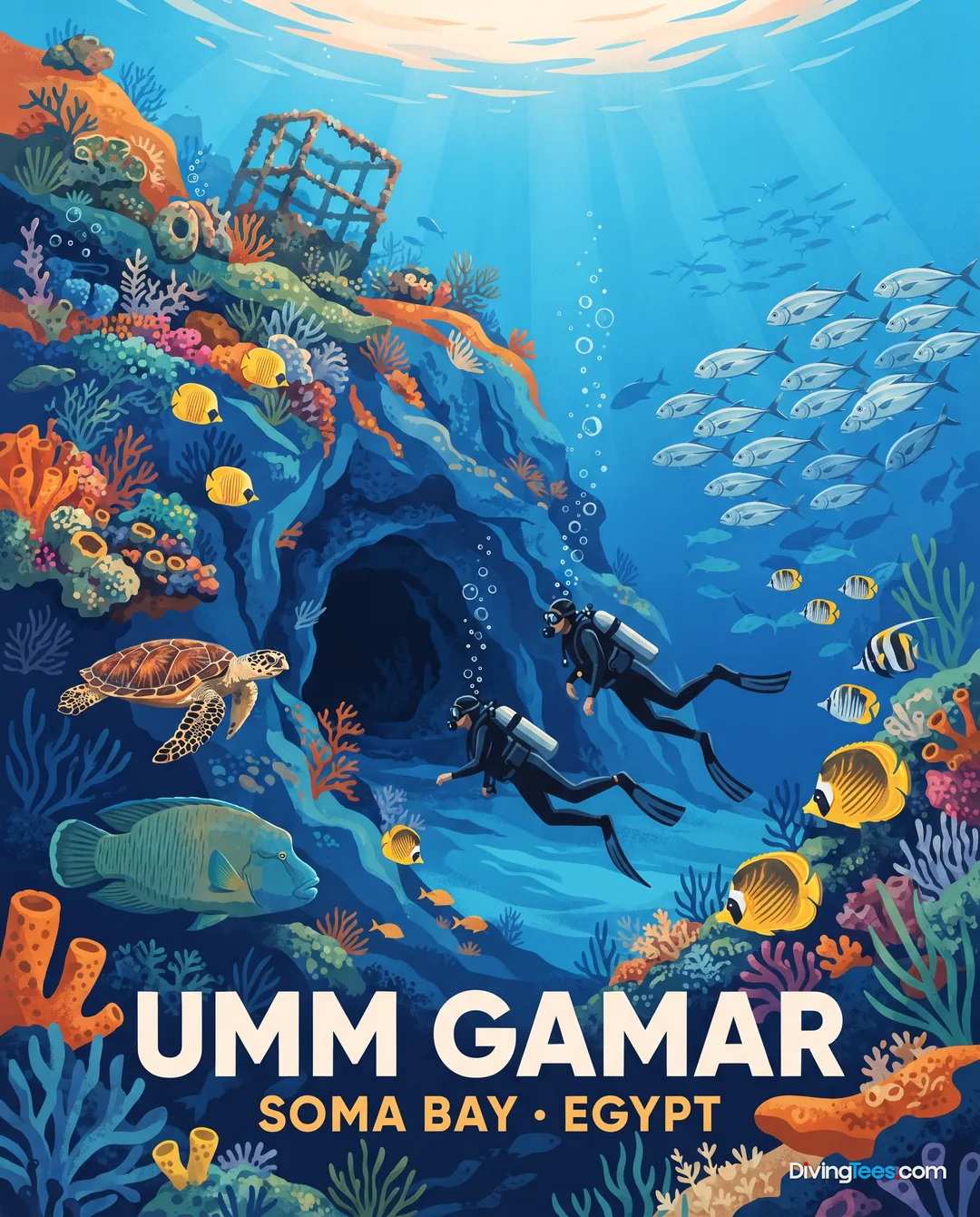
Umm Gamar →
Max. depth · 30 m
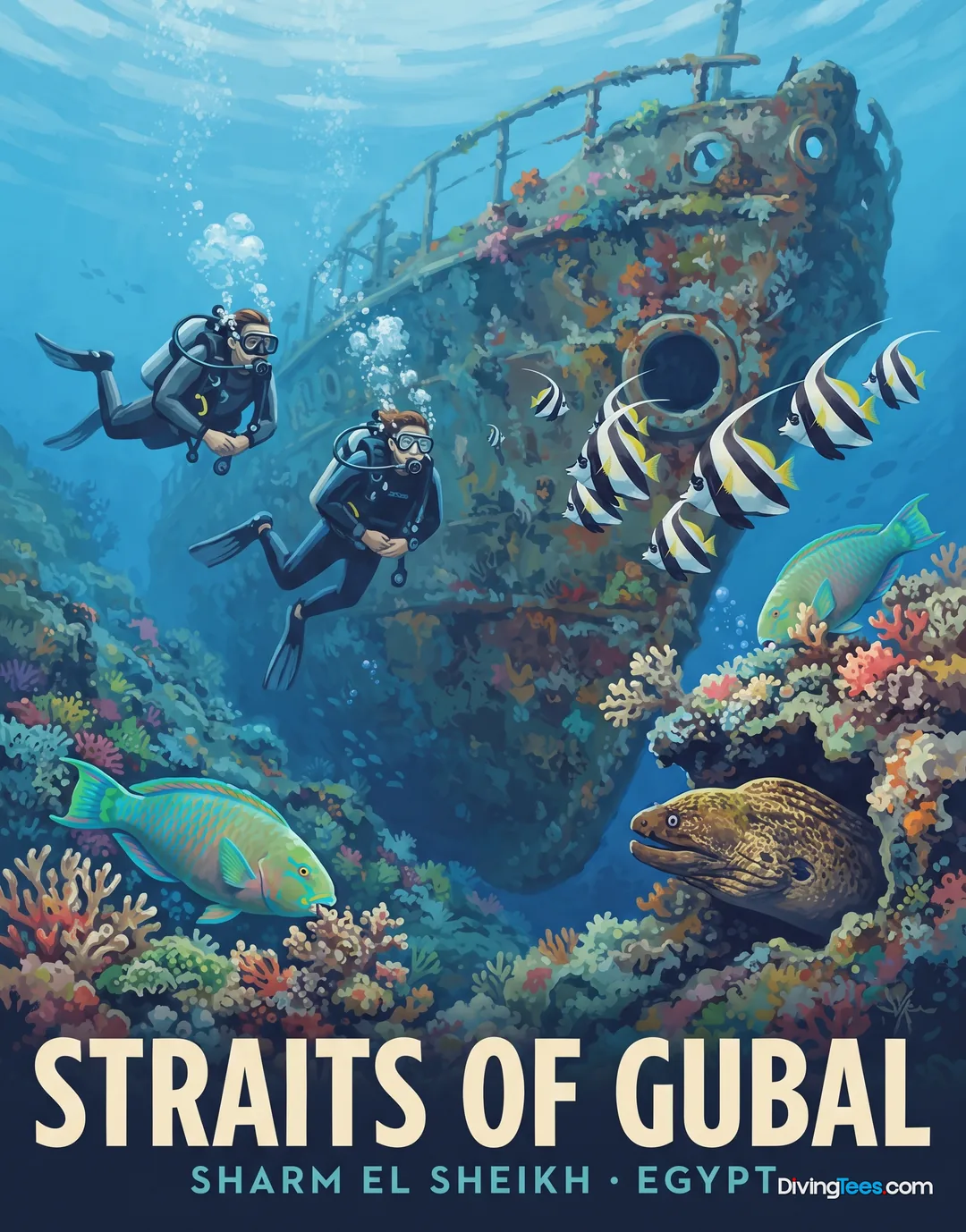
Straits of Gubal →
Max. depth · 50 m
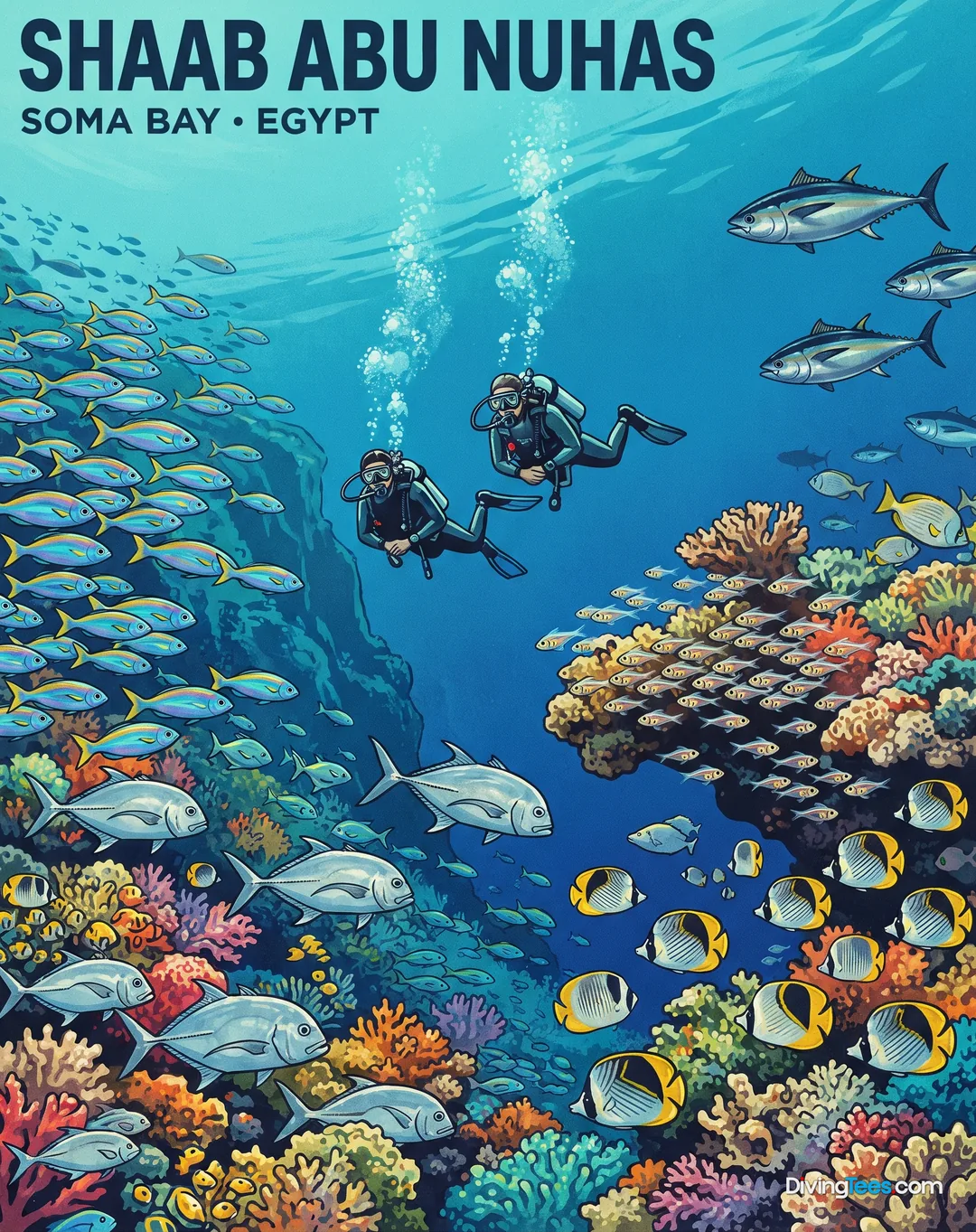
Shaab Abu Nuhas →
Max. depth · 30 m
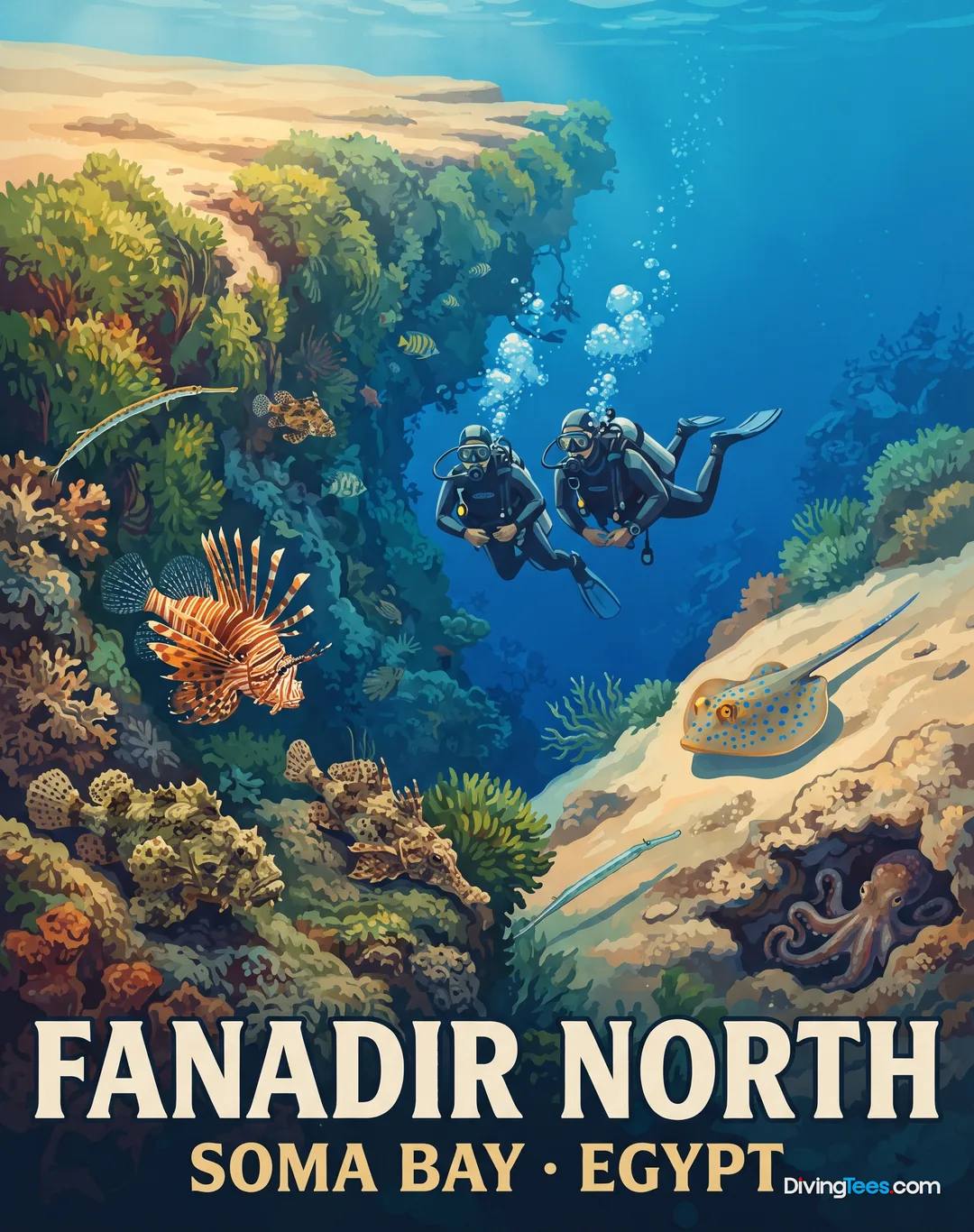
Fanadir North →
Max. depth · 30 m
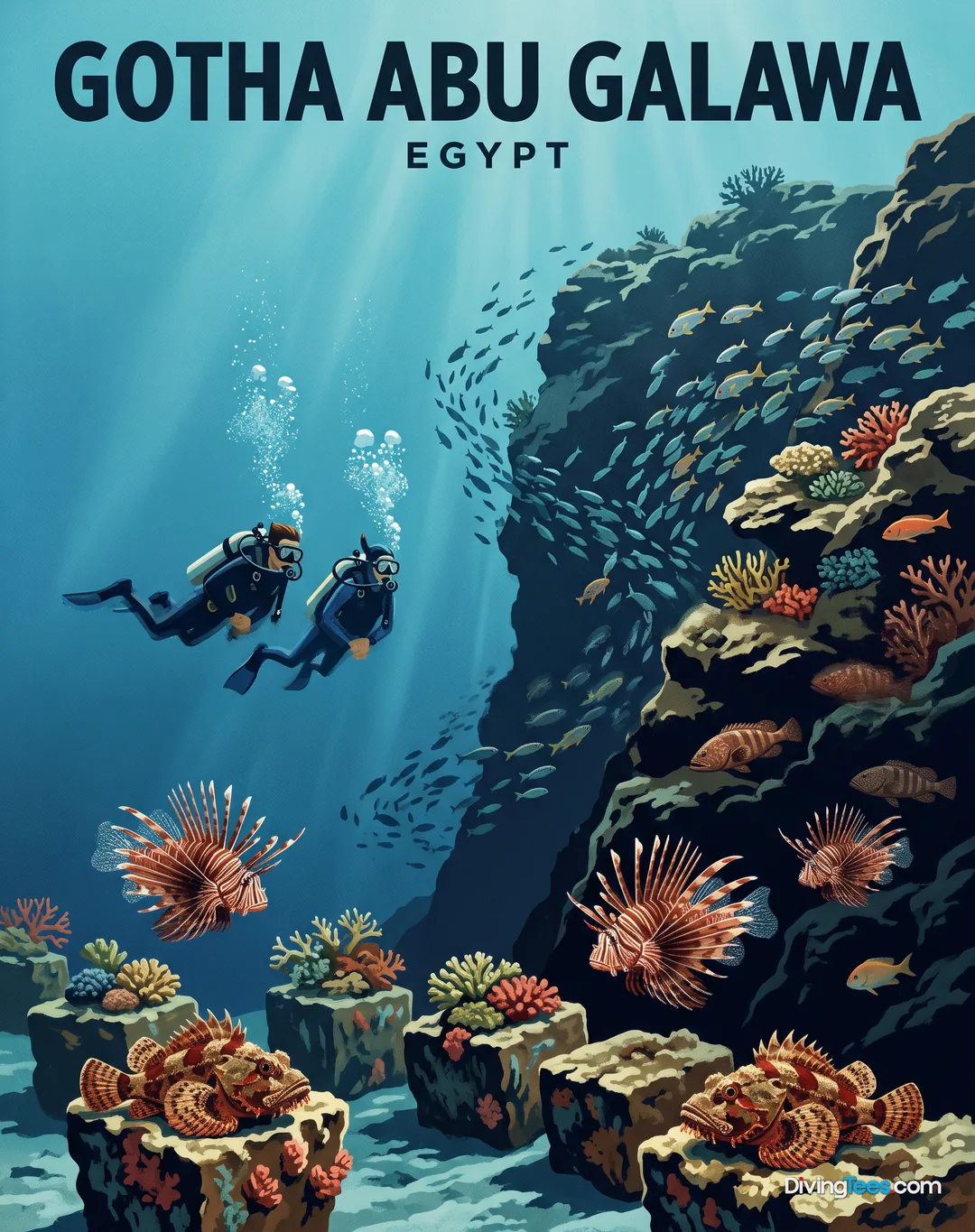
Gotha Abu Galawa →
Max. depth · 35 m
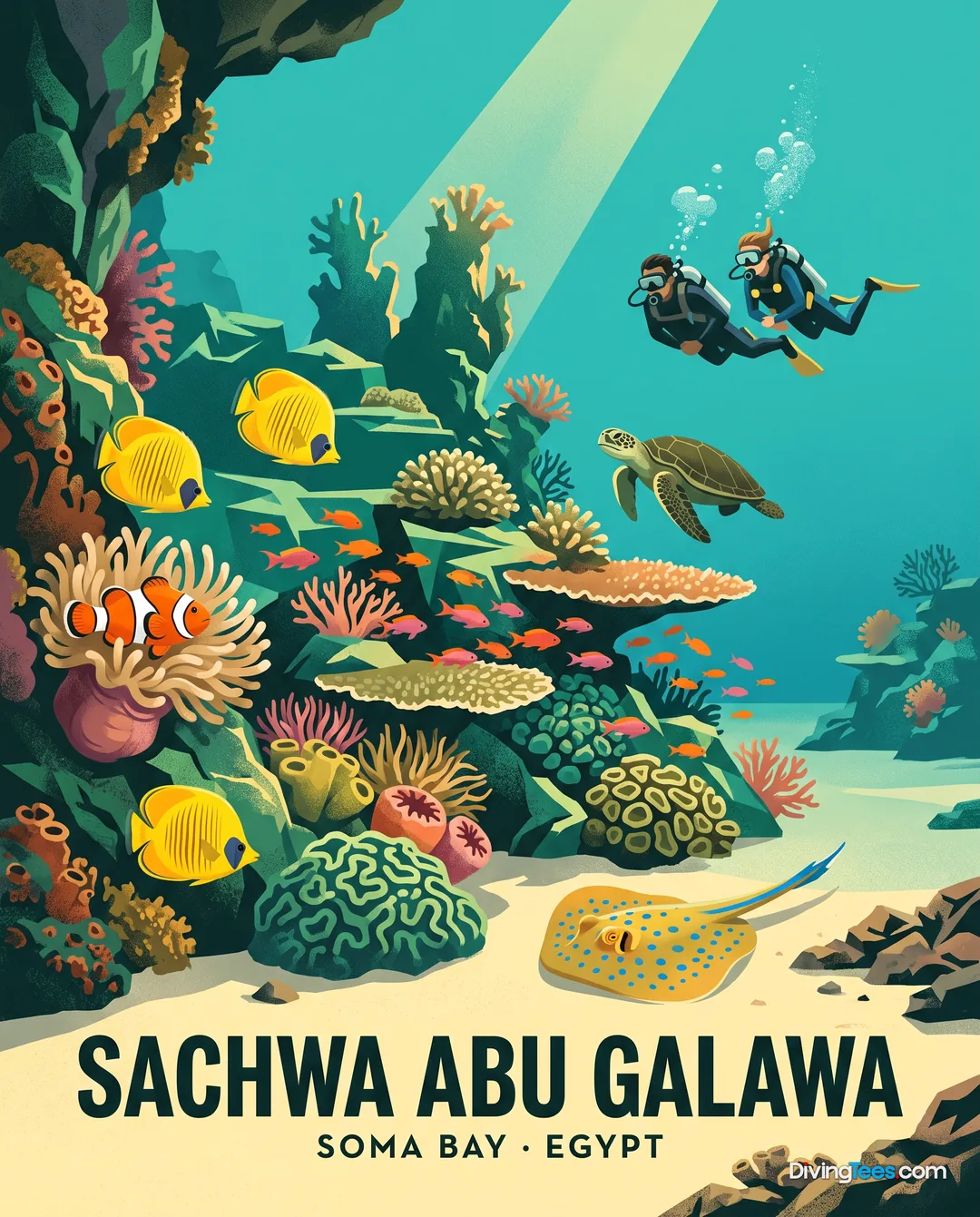
Sachwa Abu Galawa →
Max. depth · 30 m
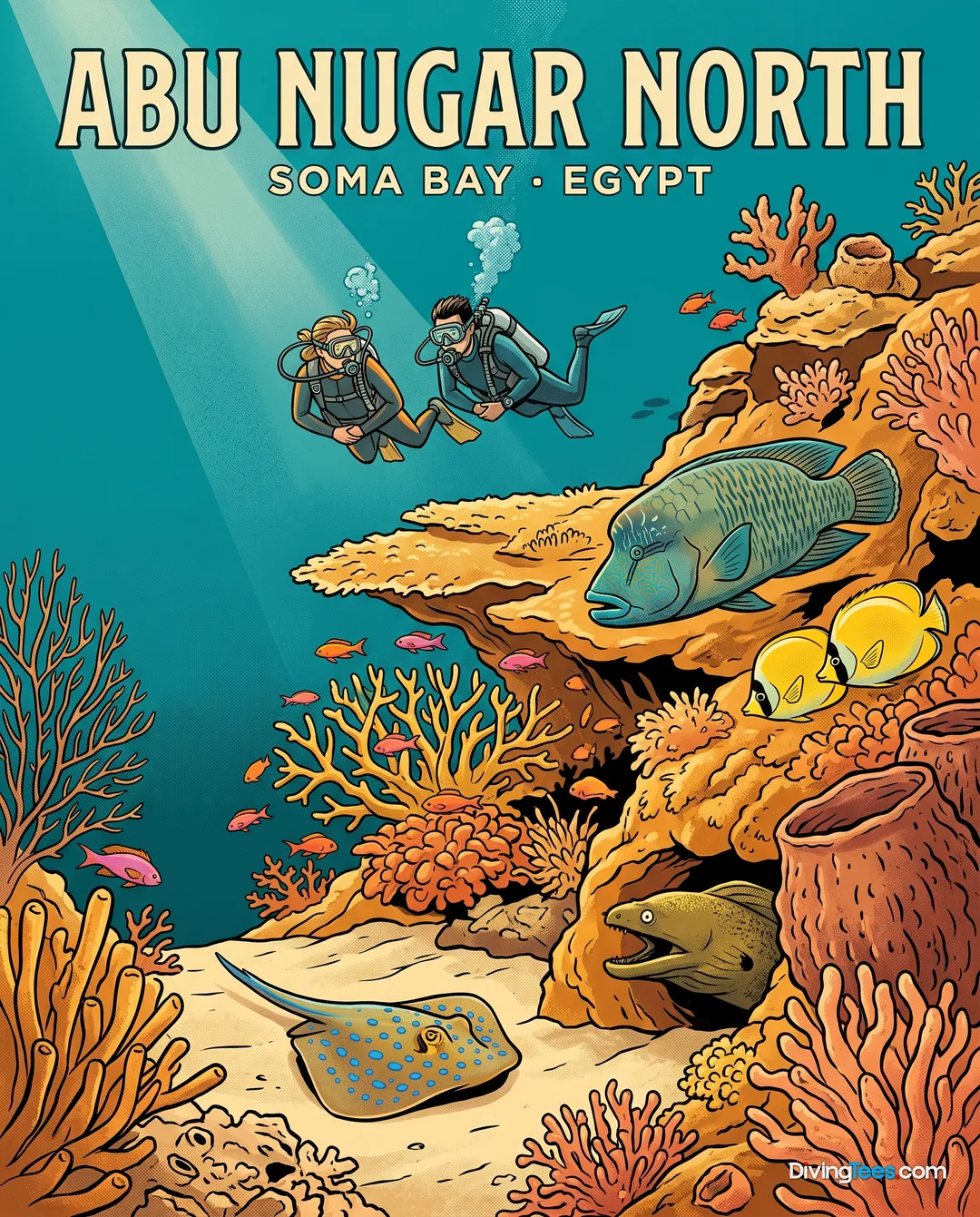
Gotha Abu Nugar North →
Max. depth · 9 m
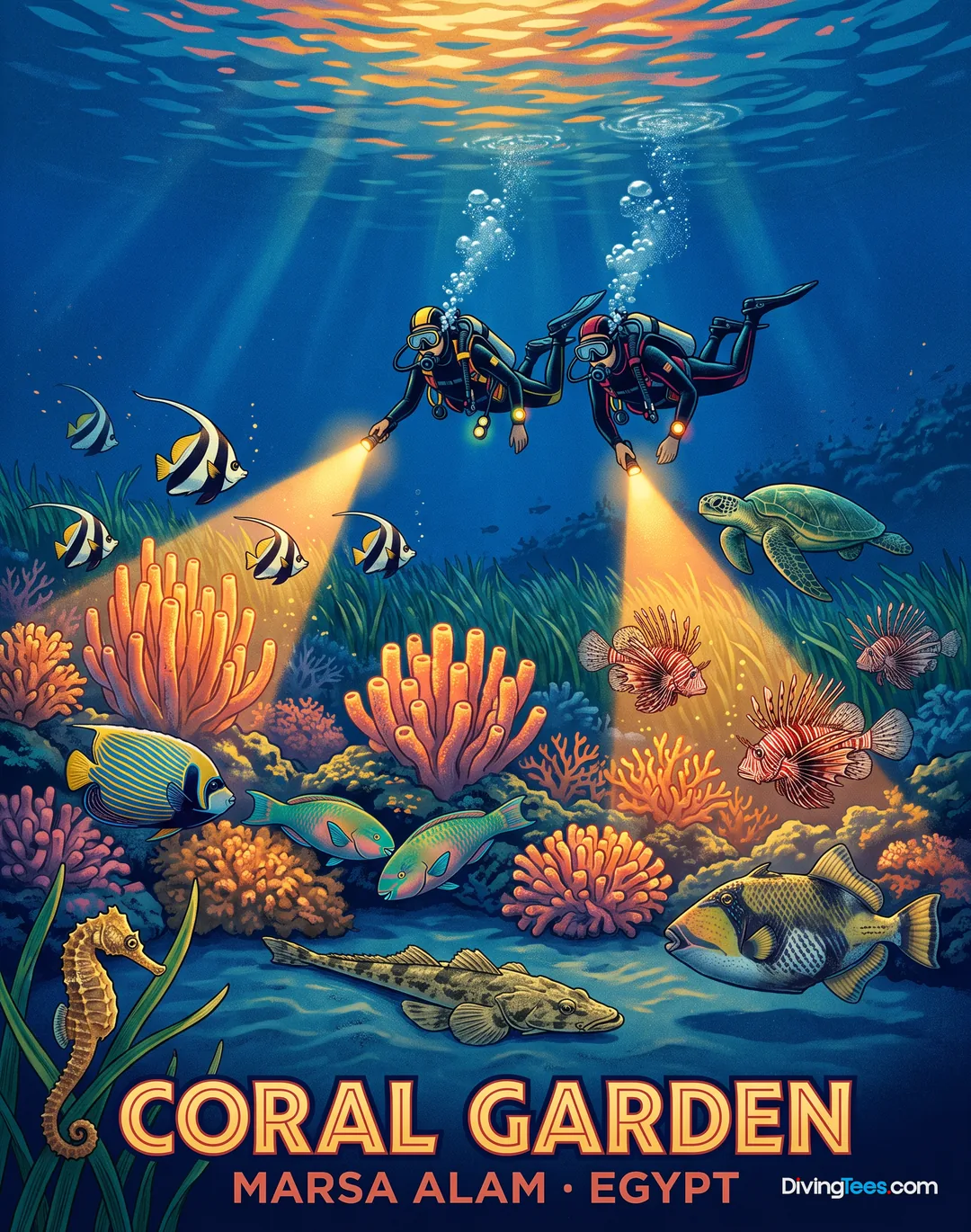
Coral Garden →
Max. depth · 20 m
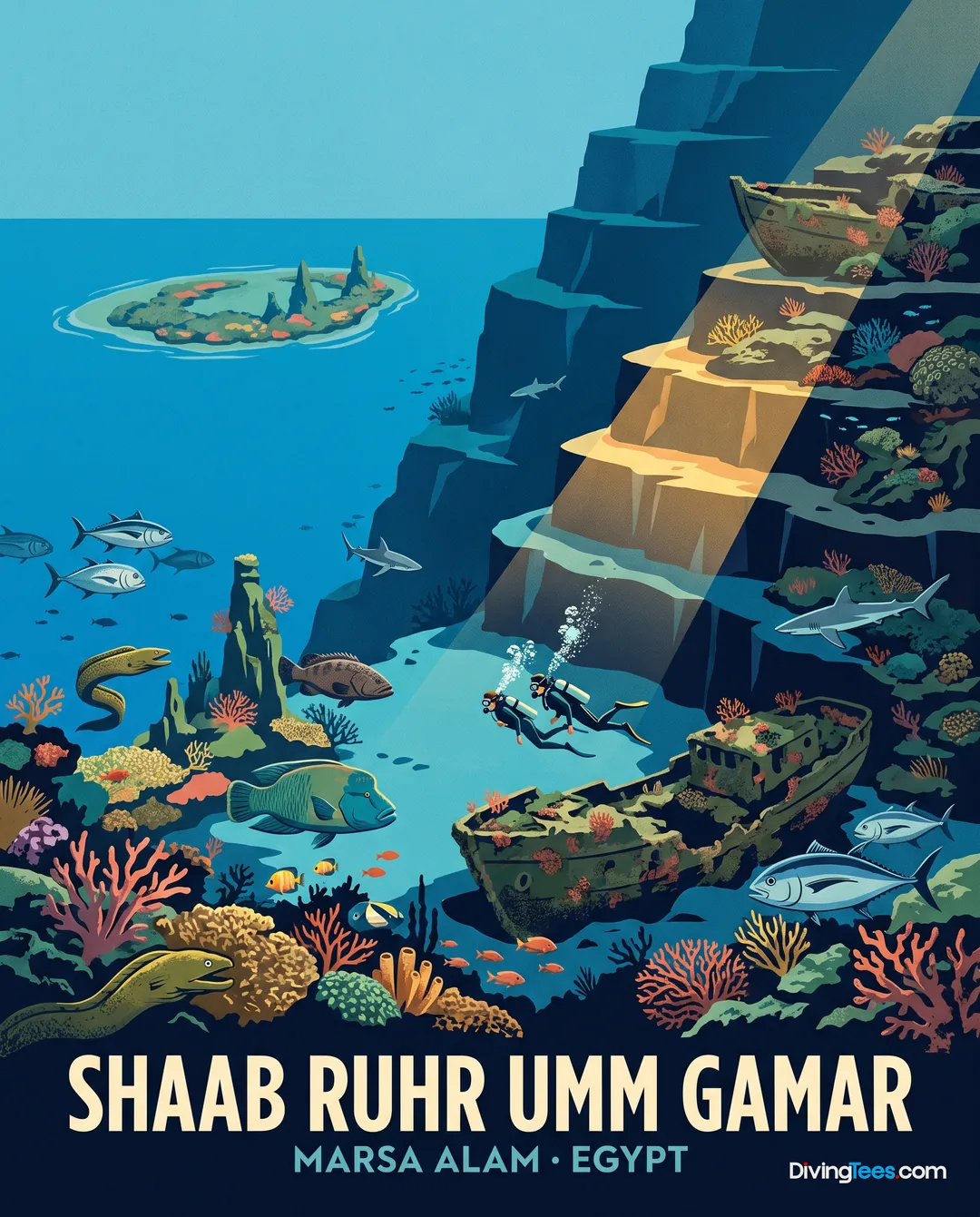
Shaab Ruhr Umm Gamar →
Max. depth · 40 m
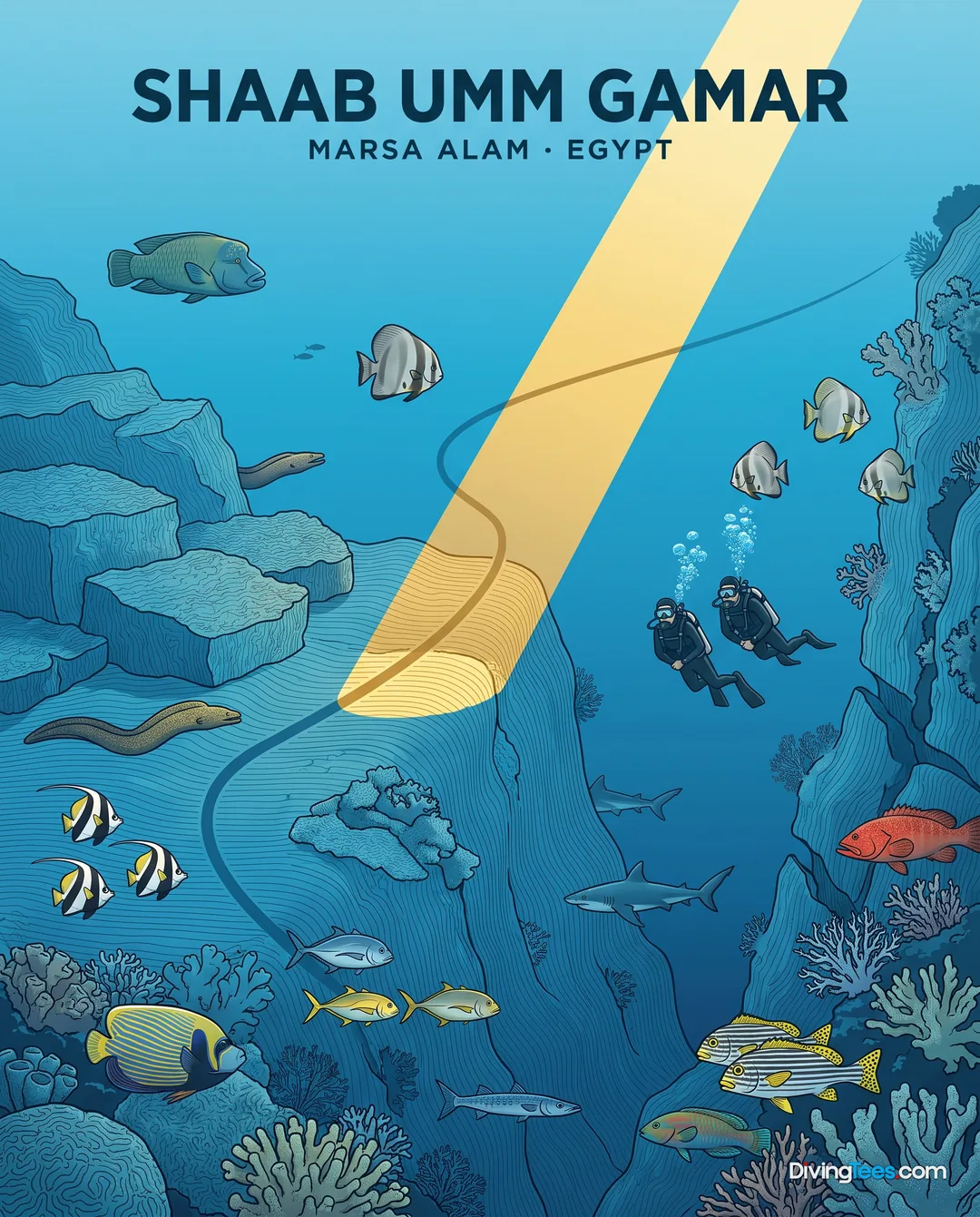
Shaab Umm Gamar →
Max. depth · 40 m
Itineraries, dates and prices
Prices per person. Each month shows its lowest price: click a month, or pick an itinerary.
Next departures · 29 departuresfrom £669$894€799
October 2026
November 2026
February 2027
Green dot: a discounted departure that month. Discount calculated by us, against the boat's usual price for a trip of the same length.
See dates and prices
If you click these links and make a purchase on the partner site, DivingDeal may earn a commission, at no extra cost to you.
Dates and prices taken from Divebooker, updated 26 October 2026
What you’ll meet underwater
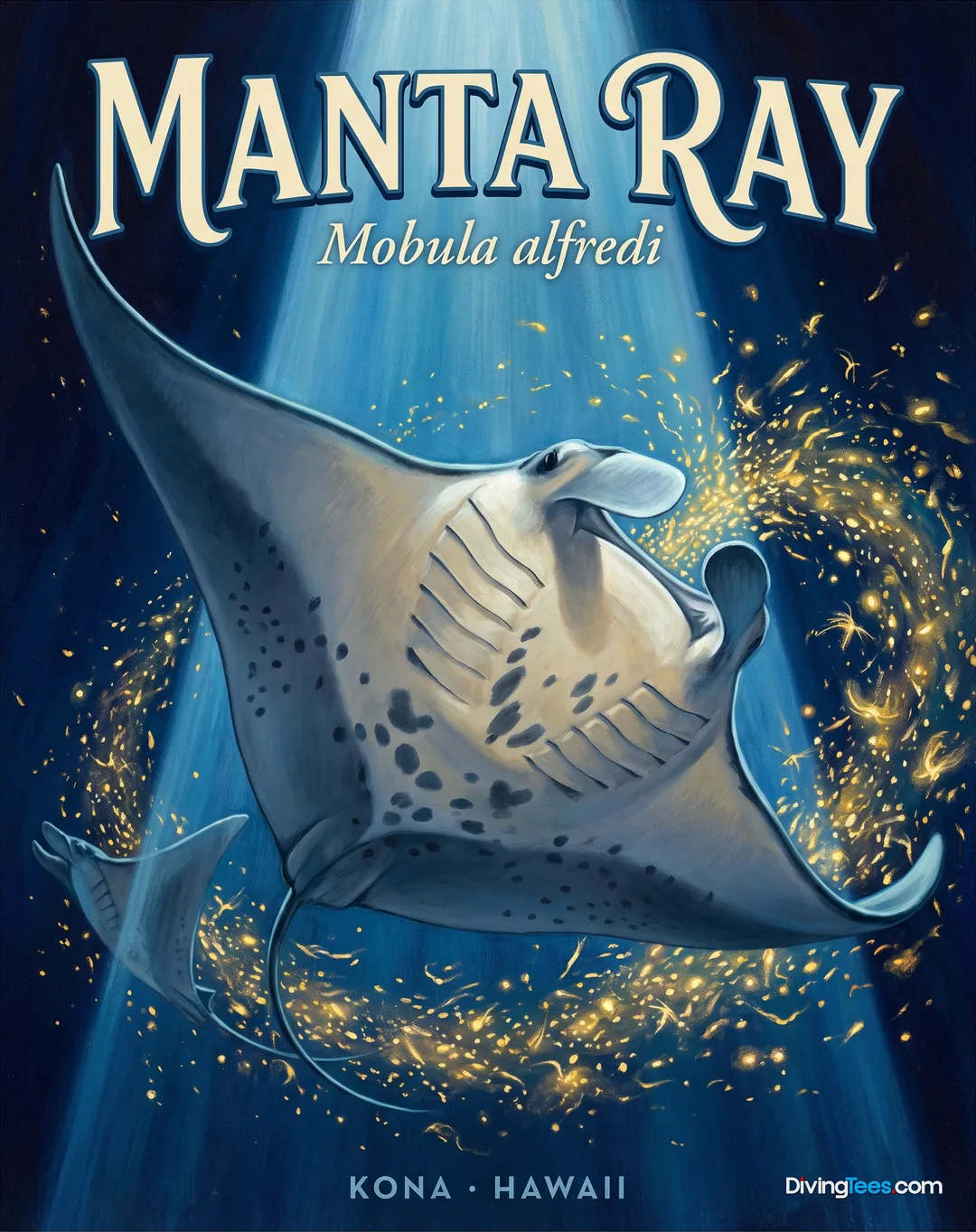
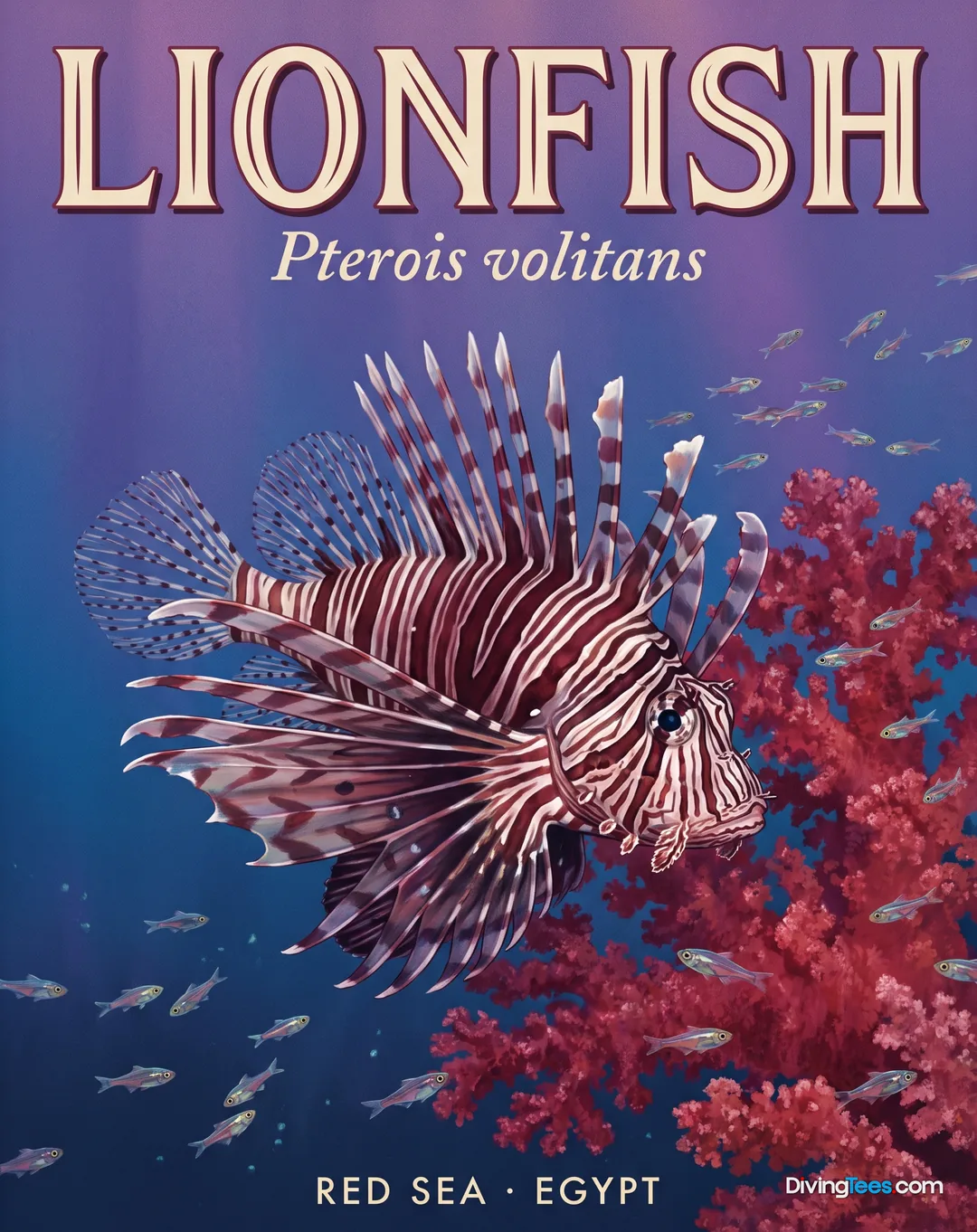
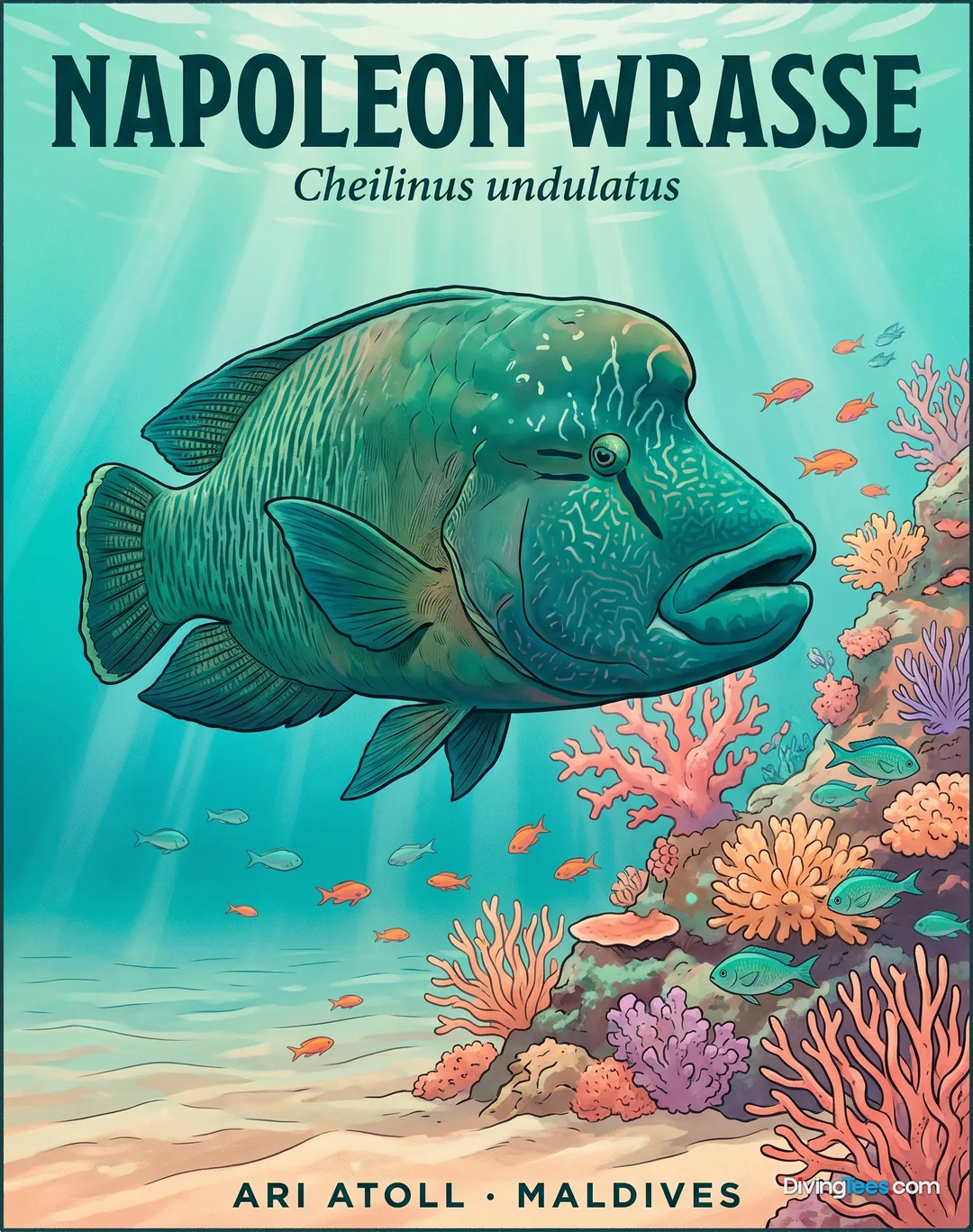
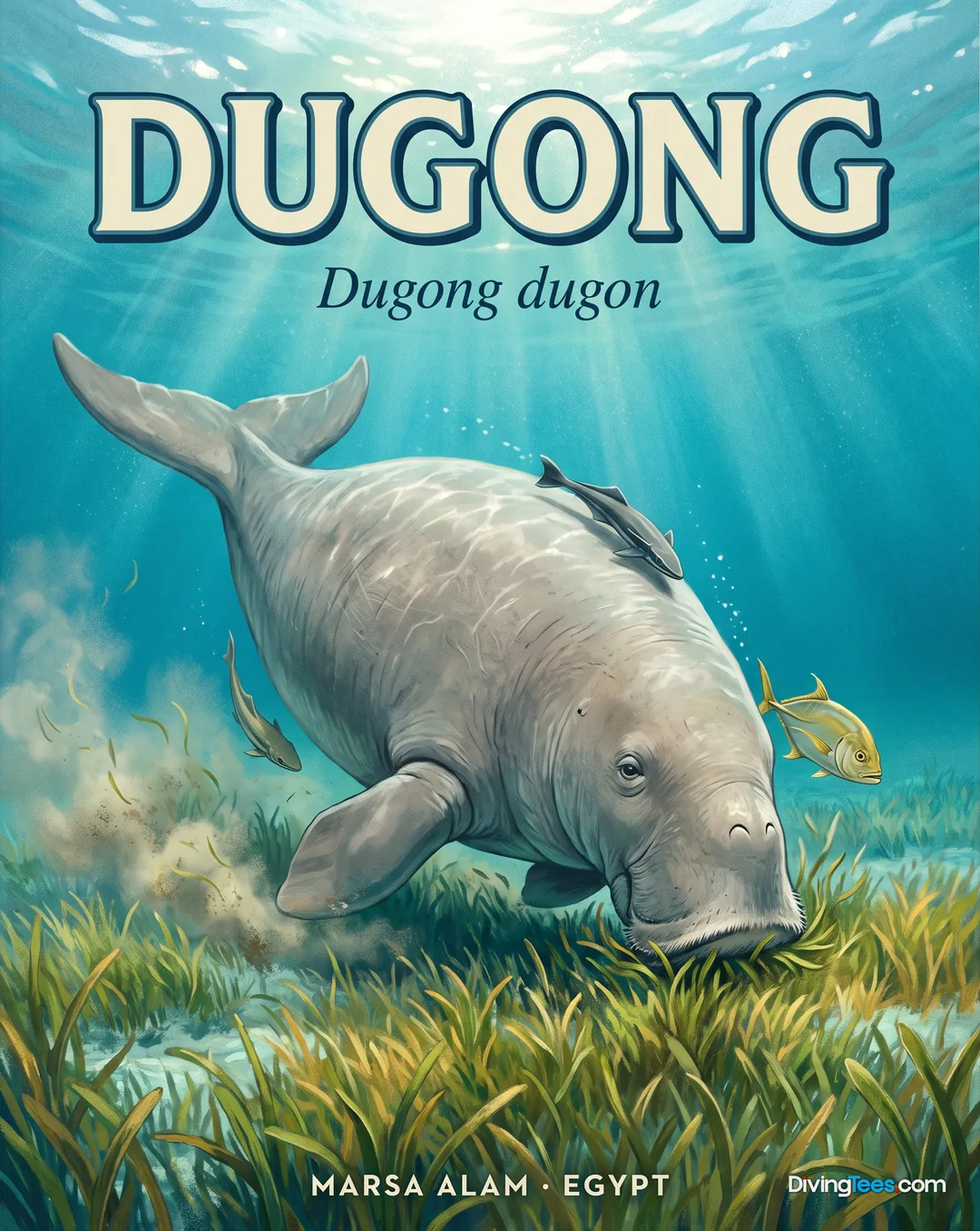
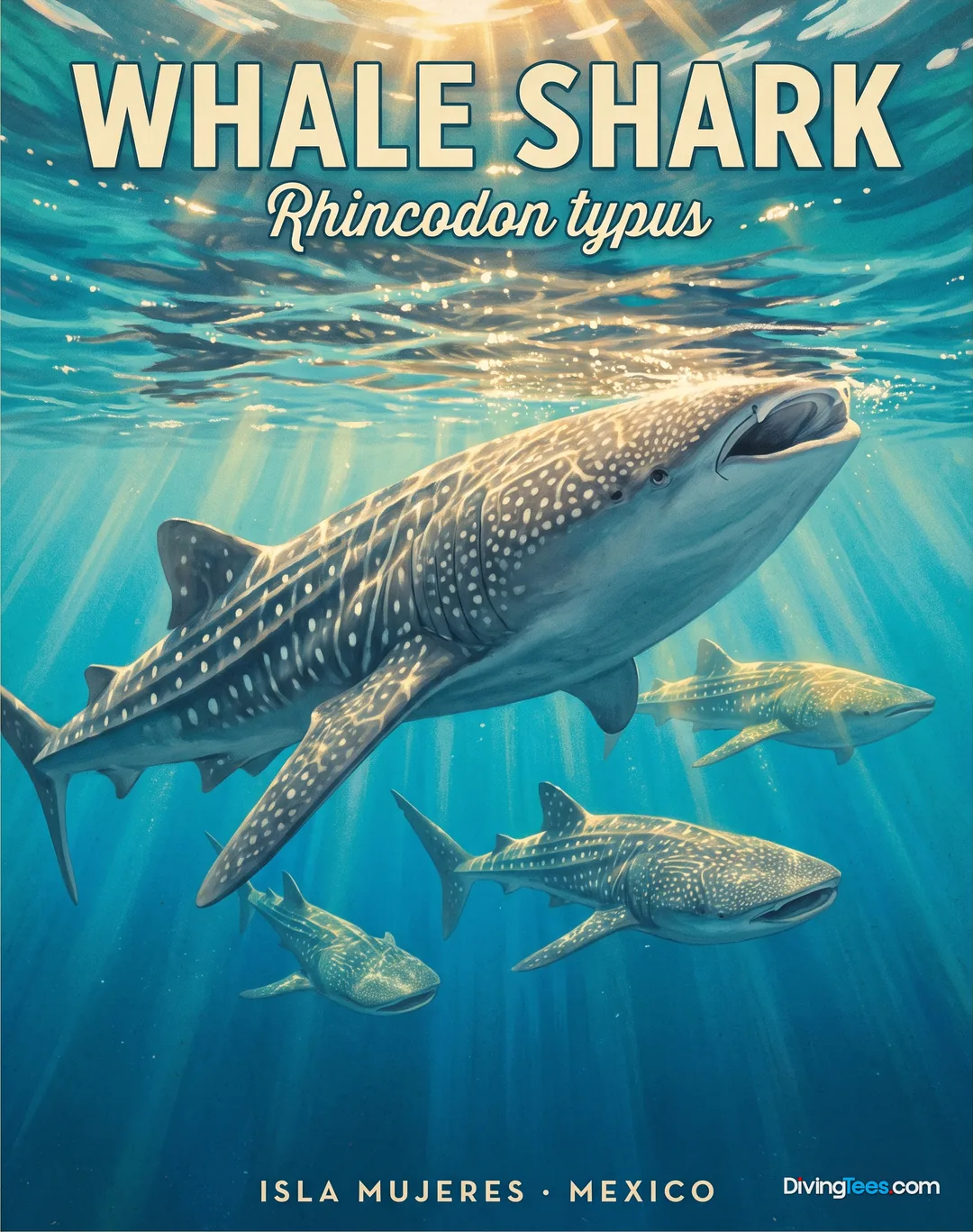
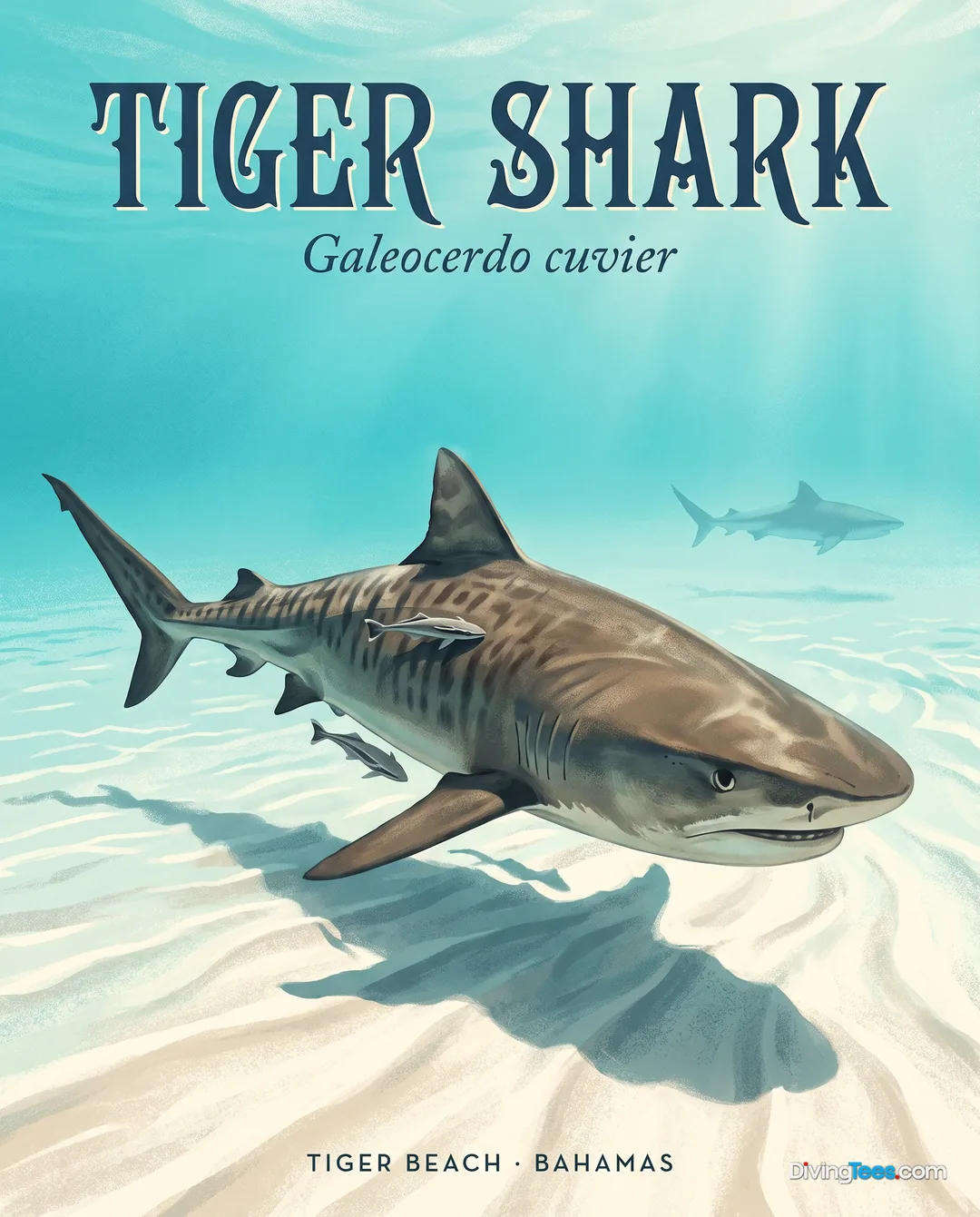
Murays, reef sharks, tuna, trevally, barracuda, scorpionfish and lionfish form the recurring Red Sea cast, with dolphins, Napoleon wrasse, turtles, groupers, manta rays and soft corals appearing across several sites. The route becomes more interesting when a particular animal gives a site its reason to exist. Zabargad Island is the only listed site for dugong. Shaab Ruhr Umm Gamar is the place associated with giant grouper, while Carless Reef is the named site for whitetip reef sharks. Elphinstone concentrates several of the route’s more ambitious possibilities: blacktip reef shark, whale shark, tiger shark and giant trevally are all recorded there. Straits of Gubal brings the listed carangid and hard-coral encounter among its wrecks. Shaab Abu Nuhas is the site for butterflyfish and parrotfish, and Fanadir North for stonefish. None of these sightings is guaranteed; current, visibility and timing decide how much of the reef’s larger life comes close.
Who puts you in the water
Dive guides work with a maximum ratio of one guide to twelve divers. Arabic, English and German are spoken on board. The trip requires at least 50 logged dives and AOWD or an equivalent certification, which fits the current, wall and pelagic sites listed for the boat better than a first liveaboard would. Nitrox courses can be arranged in advance. Oxygen and the ENOS diver-location system are part of the safety equipment, alongside life rafts, life jackets, fire extinguishers and first-aid equipment. The operation is built for organised groups rather than a single guide trying to control everyone from one platform: divers can be moved by zodiac when the site requires it, while technical and advanced groups can make prior arrangements for their equipment.
The dive deck and the gear
The dive deck is arranged for repeated dives rather than a single daily excursion. Standard equipment is based around 12-litre aluminium tanks and weights, with 15-litre tanks available at extra cost by advance order. Two Bauer compressors fill the tanks, while a membrane system supplies included nitrox. Technical diving is supported, with trimix, scooters and double tanks available by prior arrangement at extra cost. Rental equipment is available at extra cost. Underwater photographers have an air shower, freshwater sinks and a large camera table for equipment maintenance, plus a separate area for charging and storing cameras during crossings. Warm-water showers are available after dives. Two zodiacs carry eight divers each and take groups to sites that cannot be reached directly from the Spirit.
Between dives
Between dives, the Spirit gives people several ways to disappear for an hour. Three sun decks provide both sun and shade, with loungers, beanbags and a chillout area for the period when nobody wants another briefing. The upper saloon has a bar, library and TV/DVD area, while the open-air dining space keeps the sea in view during crossings. Photographers can work in the separate area beside the dive deck, where cameras can be charged, assembled and stored during the boat’s movement. The useful feature is the separation: wet dive equipment stays on the working deck, cameras have a place of their own, and people who want quiet do not have to compete with the group at the table.
A day on board
The day starts early, with the first briefing followed by the first descent while the light is still changing over the reef. Breakfast and coffee sit around the first dive, then the boat and the dive groups settle into the repeated pattern of briefing, entry, return, rinsing gear and eating again. Up to four dives are offered on a full day, with the final day limited to two. The zodiacs take divers to sites away from the Spirit; elsewhere, the dive deck handles the turnarounds directly. The gaps are for food, drying off, camera work or sleep in the shade. During crossings, the separate camera area and upper saloons keep equipment and people out of each other’s way. Night dives are not permitted in marine parks, so the evening rhythm depends on the site and itinerary rather than an automatic fifth dive. The boat returns to harbour before departure, leaving the final day for two dives and checkout.
What you eat aboard
Meals cover Western and local food and are served buffet-style, with dietary restrictions accommodated. The lower-deck galley and restaurant layout is unusual on a Red Sea safari boat, while the sun deck also provides an outdoor dining area with sea views. Hot and cold soft drinks, tea, coffee, water and bottled soft drinks are included; snacks and fresh fruit are available between meals. That matters on a four-dive day. Divers can eat without turning each meal into a formal interruption, return to the deck, and keep the next dive in view. The food is there to support the work of the day: enough choice for different diets, enough access between dives, and a proper table when the group finally sits down together.
Nights at sea
The cabins are practical places to recover between dives, not just berths fitted into spare corners. Each has air conditioning, a refrigerator and a private bathroom with a rain shower. The two lower-deck twin cabins and lower-deck suite are forward, with the galley and saloon separating them from the machinery spaces. Most cabins sit on the bright main deck, where sea views and short access to the dive deck matter more than a long walk through the boat. Twin cabins are available on all three decks; suites have double beds, and the main-deck single cabin has a wide bed and can be used as a double. The upper-deck master suite has a 180-degree panoramic view. At night, the point is simple: the cabin is air-conditioned, private and positioned with some thought about what a diver needs after four dives.
Twin Cabin
Suite Cabin
Single Cabin
What to know before boarding
The recorded North route departs from and returns to Hurghada; other itineraries use the port assigned to that safari. A group transfer runs from the nearest airport to the ship and back, while private transfers are arranged separately. Transfer details are normally tied to the booked route and flight information. Arriving the night before is the sensible choice, especially when the boat’s departure depends on harbour clearance.
- Year built
- 2018
- Year renovated
- 2026
- Length
- 42.5 m
- Beam
- 9 m
- Maximum number of passengers
- 26
- Number of cabins
- 13
- Engines
- 2 × MAN 1200 hp
- Tenders
- 2 zodiacs (8 divers each)
- Website
- omneia-fleet.com ↗
Hello, I'm Marina, DivingDeal.com's AI assistant. I answer in detail about hotels, dive centres and liveaboards.
Thinking about the whole trip and the flights? Talk it over with Edith →
Marina is an AI. Some links are affiliate links: DivingDeal may earn a commission, at no extra cost to you. Bookings are made with the partner.