


Cinderella Eldawley Diving Center
Google 4.9/5 (2,954 reviews)
2.4 km away as the crow flies
Sharm El Sheikh · Egypt · Red Sea
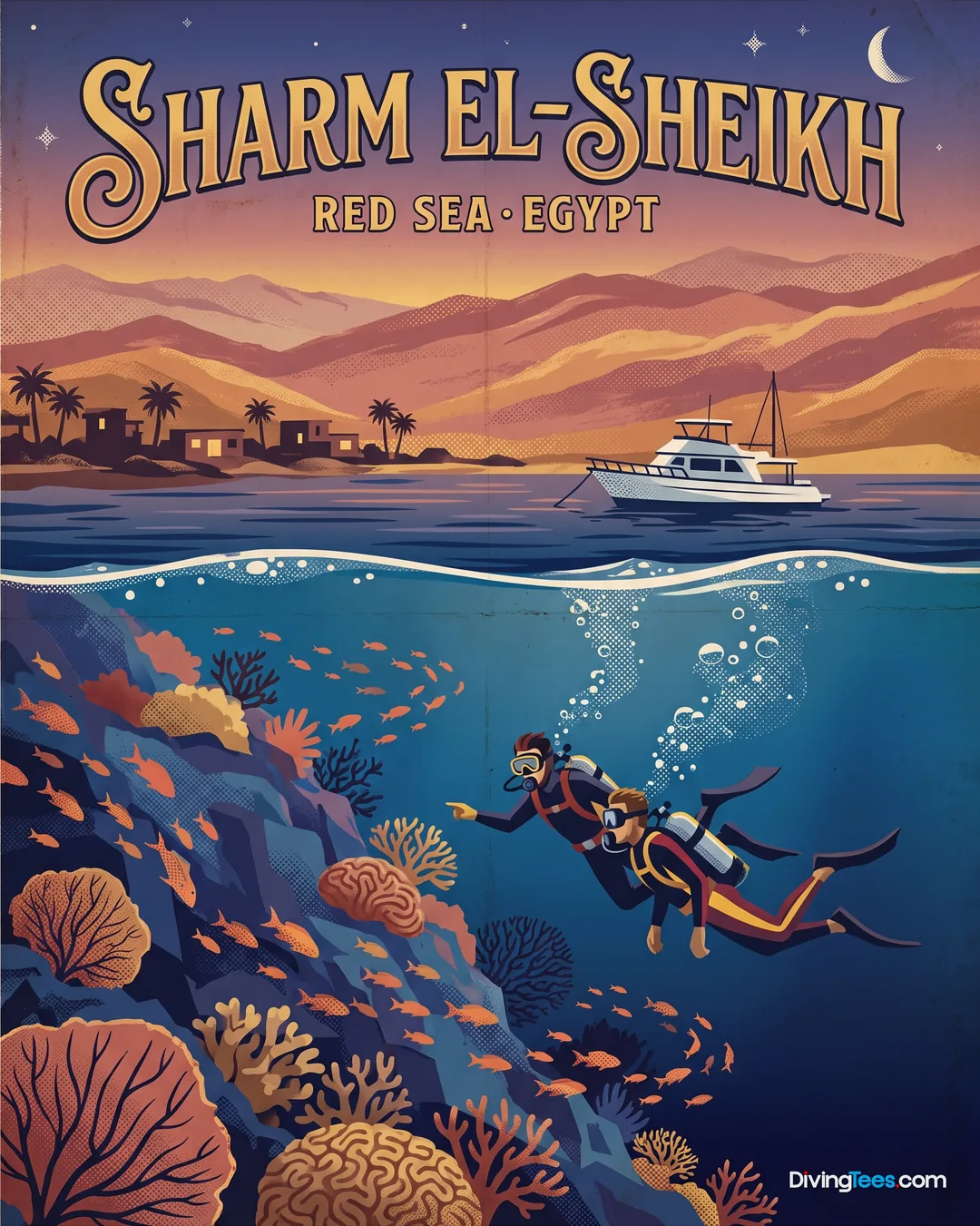
Ras Um Sid offers a protected bay for shore entry, leading to an easily accessible reef, particularly appealing for night diving.
For subtitles in English: start the video firstthen click the gearat the top right of the video, select “Subtitles/CC”, then “Auto-translate” and choose “English”.
Ras Um Sid is situated in a protected bay in Sharm El-Sheikh, offering direct shore access, which makes it an accessible option for divers. This protected environment creates calm, clear waters near the entry point, forming an ideal setting for both day and night dives. The reef extends from the shore, gradually descending and revealing its structure as you progress deeper, making the initial stages of the dive straightforward and comfortable.
Beyond the immediate shallows, the reef at Ras Um Sid develops into a more exposed area where the current can become a significant factor. While the bay itself frequently remains protected, venturing further out or along the exposed reef face often encounters stronger water movement. This variability means you can experience both tranquil drift and more demanding conditions on the same dive, depending on your trajectory and the specific timing.
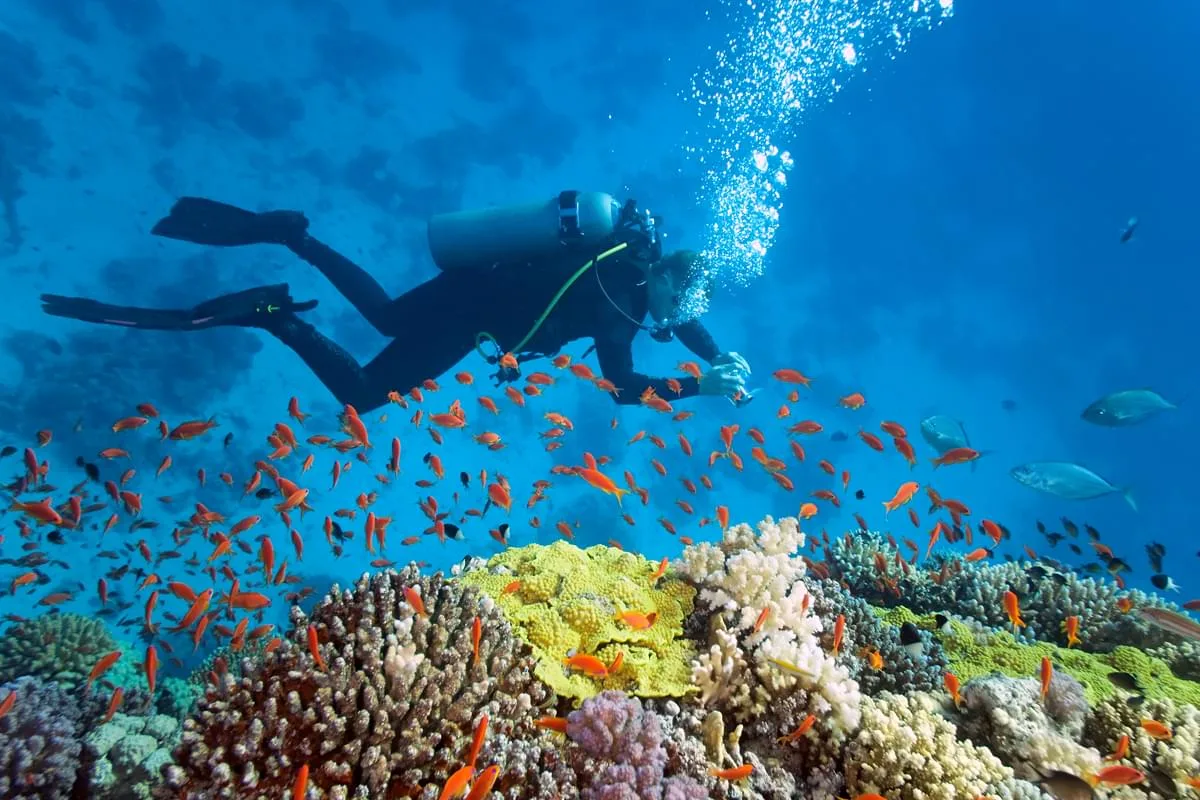
The topography of Ras Um Sid is primarily a reef dive, characterized by coral formations and a sloping profile. As you move away from the protected bay, the reef structure changes, presenting more exposed sections that interact directly with passing currents. This creates varying habitats and conditions within the site, allowing for different types of marine life to thrive in specific zones.
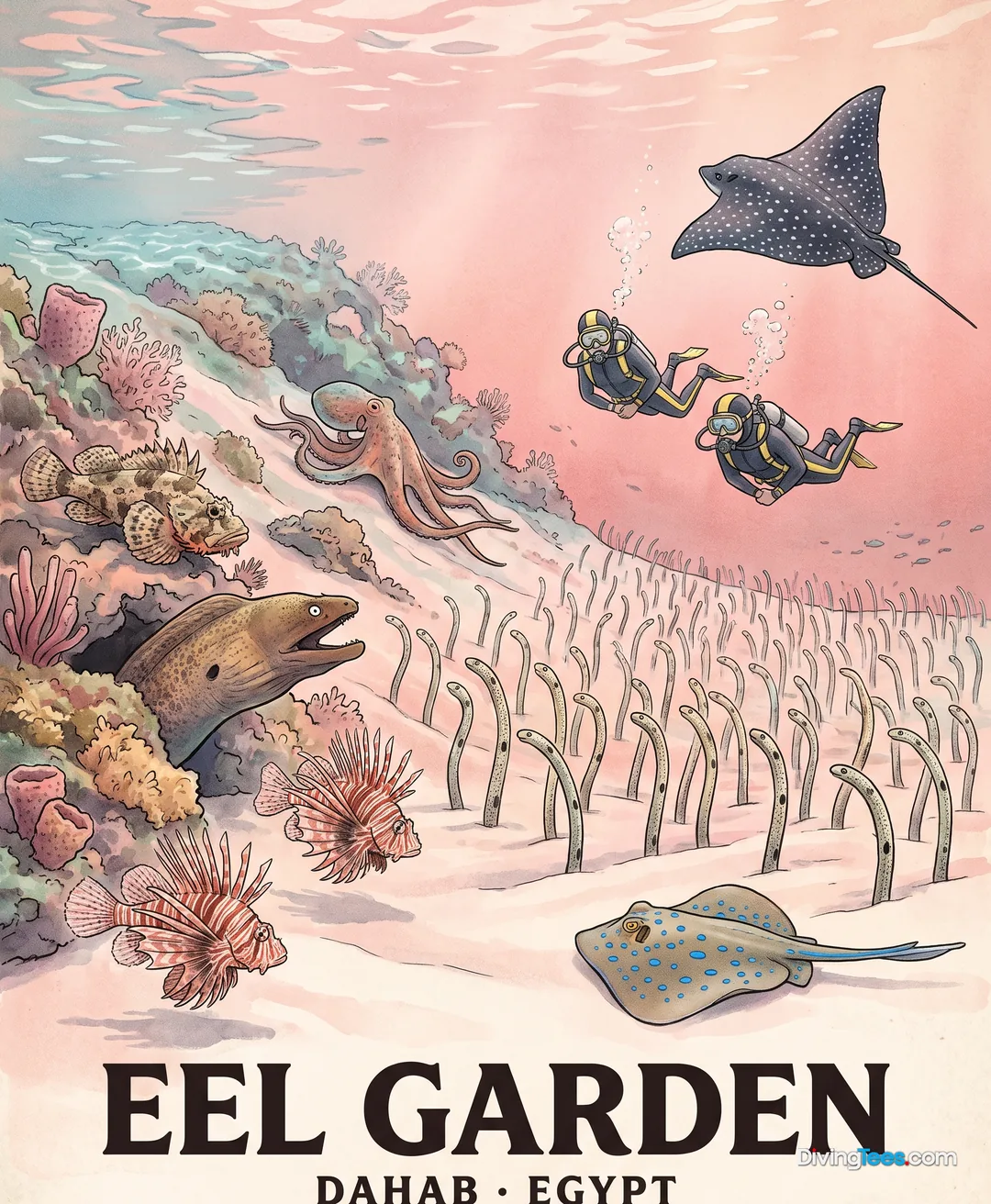
Below the surface, Ras Um Sid provides a habitat for resident reef species. You can expect to encounter lionfish, often solitary or in small groups tucked into crevices. Parrotfish graze on the corals, their presence indicated by the characteristic scraping sounds. Crustaceans are frequently found in and around the reef, and garden eels are sometimes seen extending from sandy patches on the bottom.
For divers looking to explore after sunset, Ras Um Sid's sheltered bay and easy entry make it a prime location for night dives. The transition from day to night often brings out different marine life, with nocturnal species becoming active. The calm, accessible waters allow for a relaxed pace, where you can focus on observing the change in ecosystem dynamics under your torch beam, with possibilities of encountering creatures like Spanish dancers.
While the entry from the protected bay offers calm conditions and is suitable for all levels, parts of Ras Um Sid can experience strong, fast-moving currents. For sections impacted by these currents, an advanced certification paired with at least 50 logged dives is advisable due to the potential for quick changes in water movement. The site is often noted for excellent visibility, and the water temperature typically remains above 27°C.
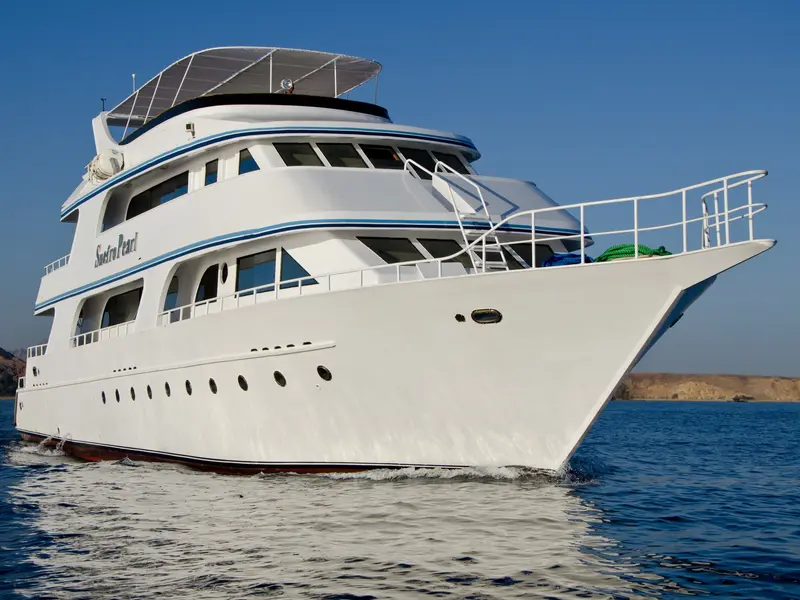
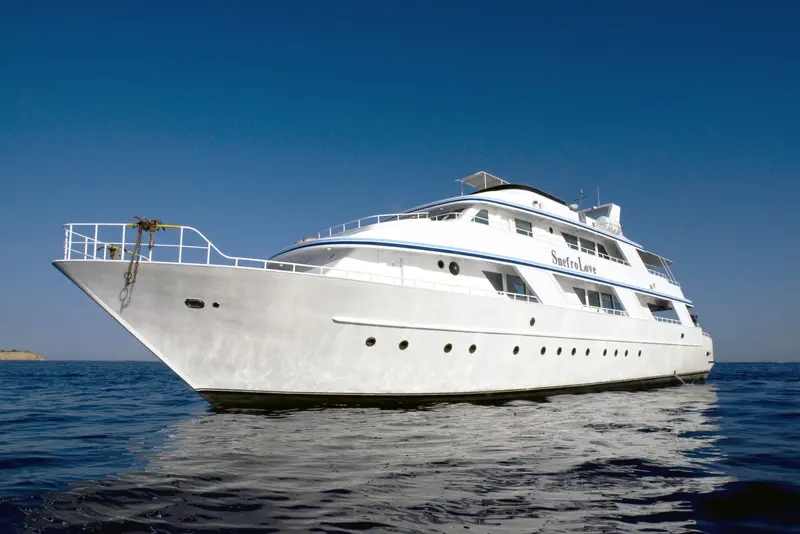
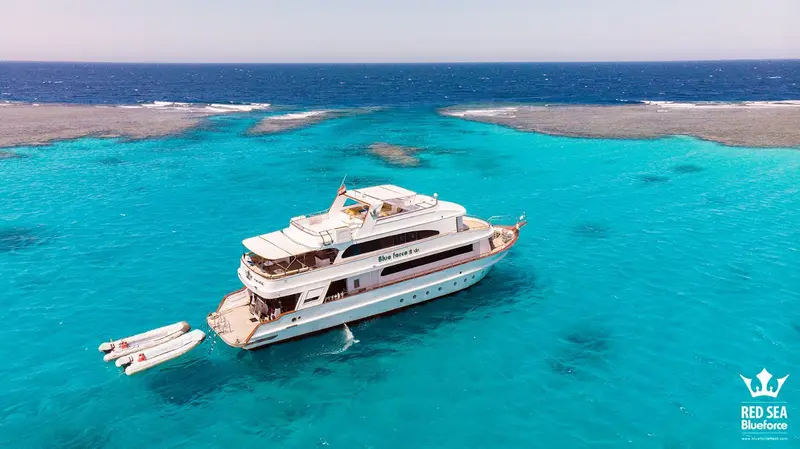
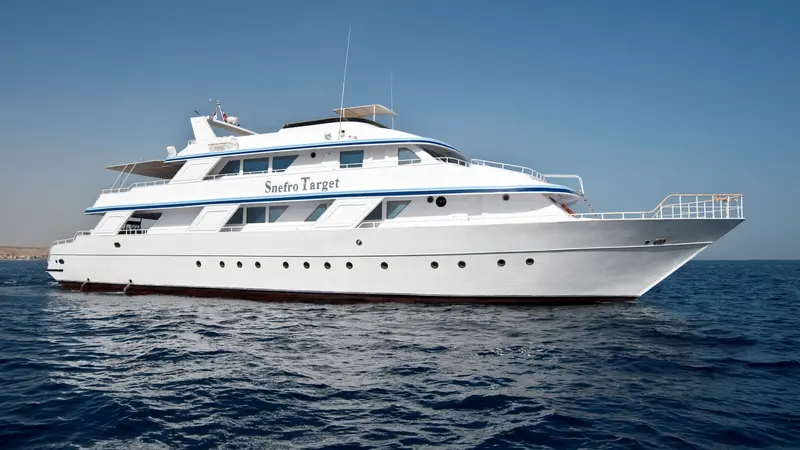
11 liveaboards depart from Sharm El Sheikh another way to explore the region, over several days at sea.
You can dive Ras Um Sid during the day or after sunset. The protected bay offers calm, clear water near the shore, making night diving accessible and relaxed. Visibility is often excellent, and the water temperature typically remains above 27°C, supporting comfortable exploration around the reef entry.
Ras Um Sid suits divers of all levels when you remain within the protected bay and near the shore entry, where conditions are calm and the reef slopes gradually. If you venture onto exposed reef sections affected by strong currents, advanced certification and substantial logged experience are advisable.
At Ras Um Sid, conditions can change as you move away from the protected bay or along the exposed reef face. The sheltered entry commonly remains calm, while exposed sections may have strong, fast-moving currents. Your route and timing can determine whether you encounter tranquil drift or more demanding water movement.
At Ras Um Sid, you can look for lionfish tucked into reef crevices and parrotfish grazing on corals. Crustaceans live around the reef, while garden eels may appear from sandy patches. During night dives, nocturnal species become active, with possibilities including Spanish dancers in the sheltered bay.