

Scuba Life Cozumel
Google 5/5 (1,421 reviews)
16 km away as the crow flies
Cozumel · Mexico · Americas
Max. depth · 25 mDescend into a vibrant coral garden that drops off into the abyss, offering encounters with turtles and eagle rays from the very first meters.
For subtitles in English: start the video firstthen click the gearat the top right of the video, select “Subtitles/CC”, then “Auto-translate” and choose “English”.
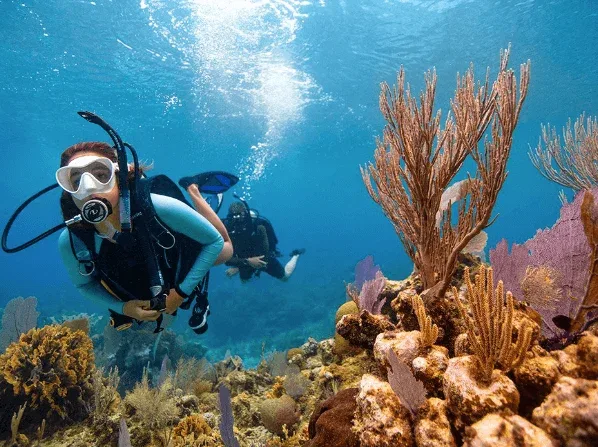
Dropping into Palancar Gardens from the surface, you immediately sense the unique character of this Cozumel wall dive. The current, typically gentle here, guides you effortlessly along, allowing you to settle into the dive profile. This site isn't just a wall; it's a living, breathing garden that spills over the edge of the deeper ocean; a vibrant tapestry of coral formations greets you, even in the shallower sections.
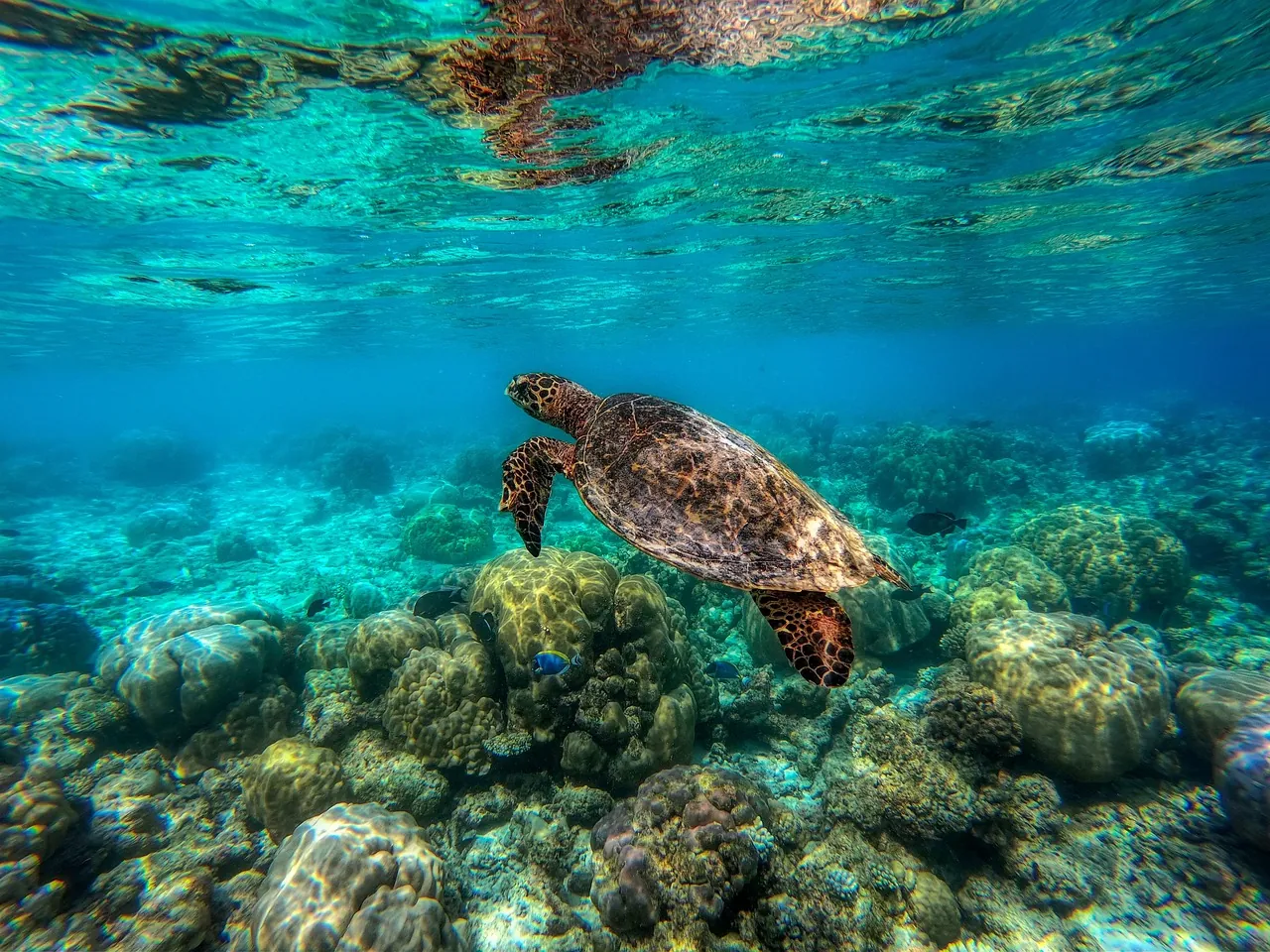
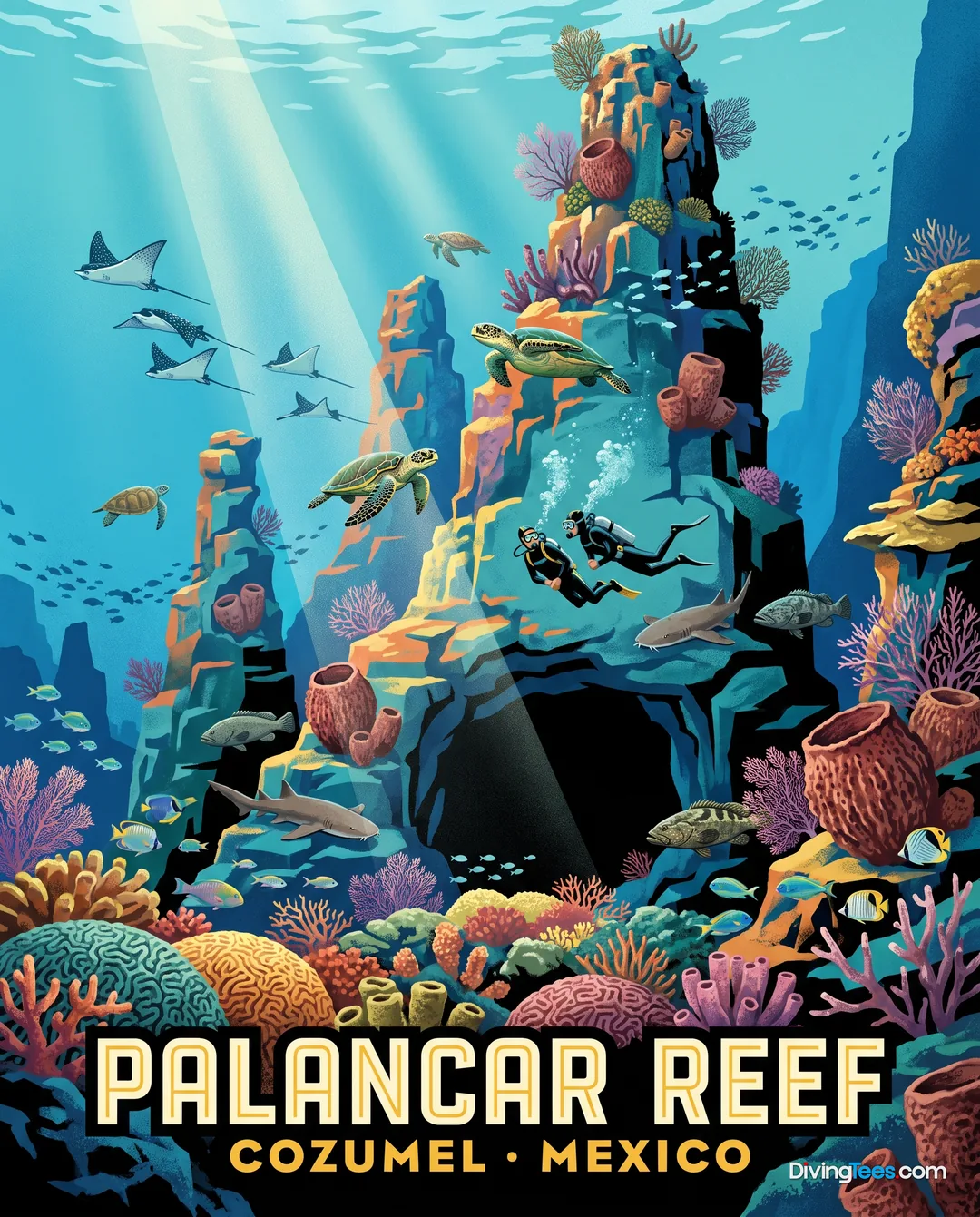
The dive begins in the upper reaches of the wall, where the light penetrates beautifully, illuminating intricate coral structures. As you drift along, keep an eye out for green turtles (Chelonia mydas) or hawksbill turtles (Eretmochelys imbricata) gracefully cruising past, their movements unhurried against the gentle current. Schools of blue tangs (Acanthurus coeruleus) might swirl around you, adding flashes of electric blue to the already colorful reef.
As you descend towards the deeper sections of Palancar Gardens, around 20 to 25 meters, the wall continues to unfold. Here, the structure presents numerous passages and crevices that invite exploration. This is where you'll often encounter larger residents such as solitary groupers (Epinephelus spp.) or the ever-present grunts (Haemulon spp.) sheltering in small caves. The opportunities for capturing vivid underwater photographs are abundant, with the dramatic drop-off as a constant backdrop.
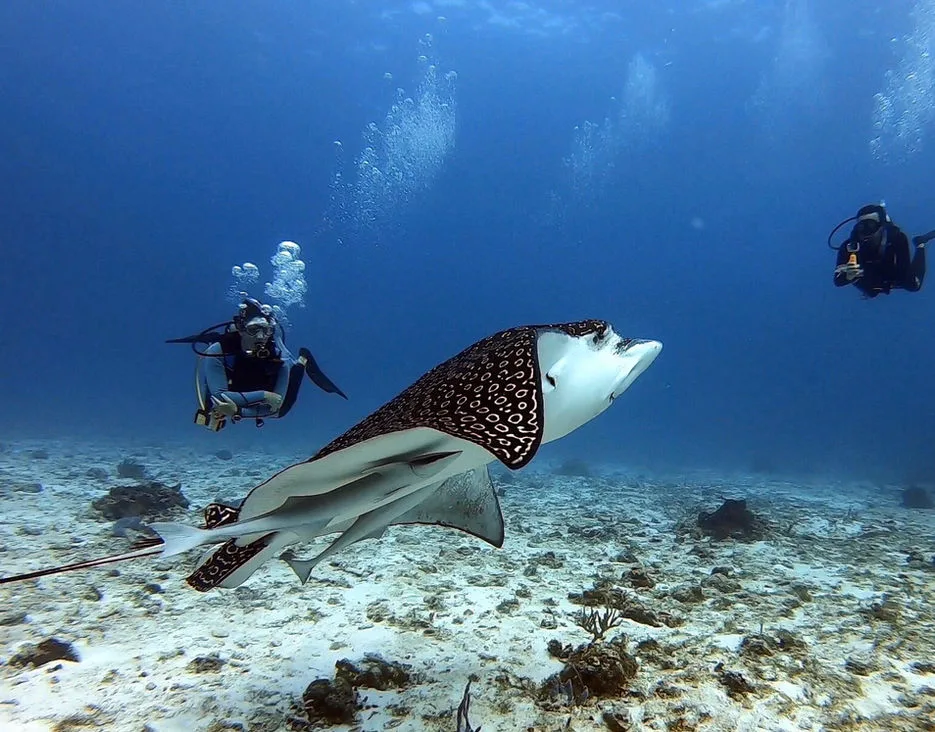
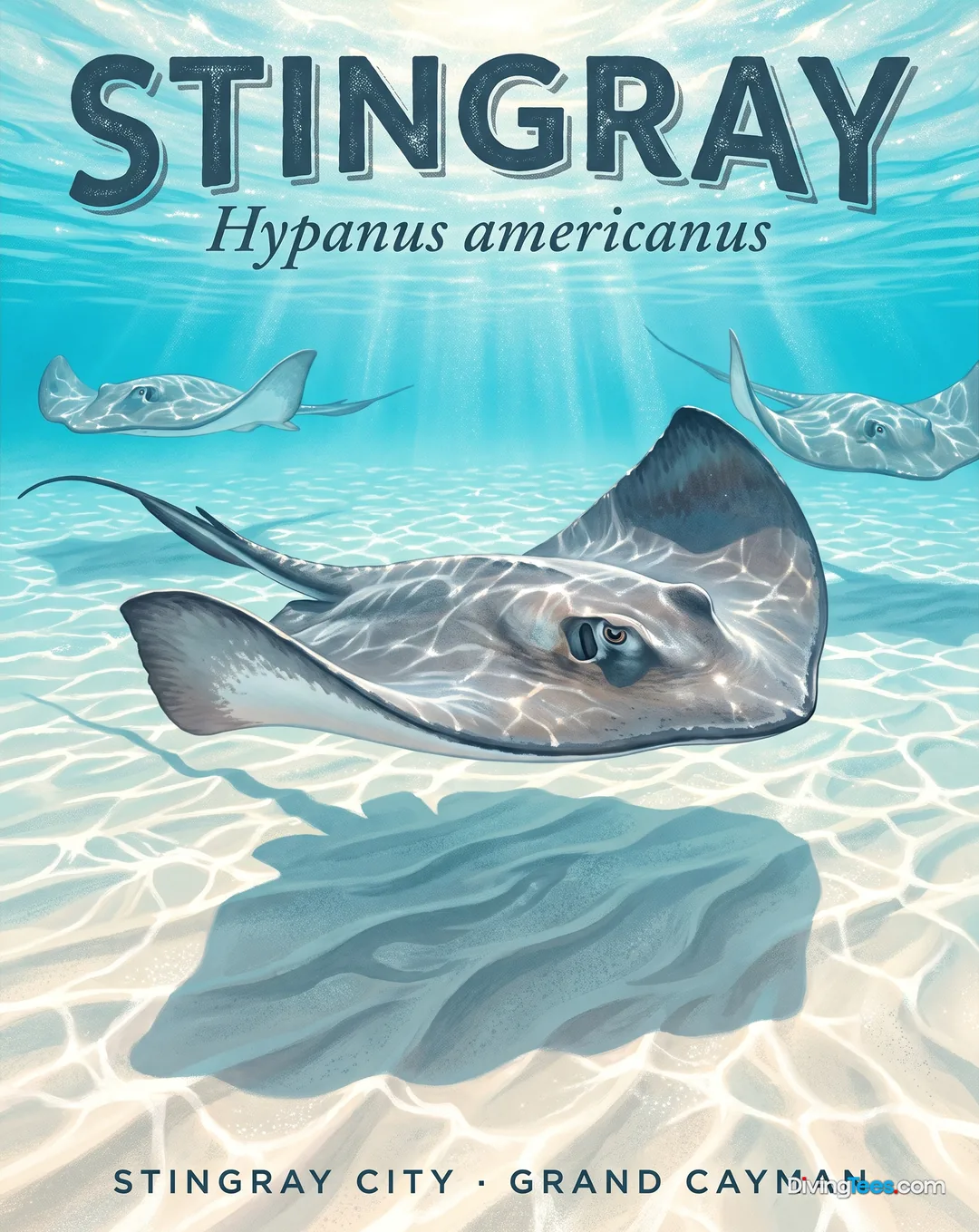
Look out into the blue beyond the wall for pelagic encounters; spotted eagle rays (Aetobatus narinari) are frequent visitors, their distinctive patterns making for an exciting sight. Stingrays (Dasyatis pastinaca) can be found gliding along the sandy ledges or resting camouflaged on the bottom plateaus. The sense of being suspended between a vibrant world and the deep blue void is palpable throughout this section of the dive.
The reef itself is teeming with activity. Angelfish (Pomacanthus spp.) and parrotfish (Scaridae family) add splashes of color, meticulously grazing on algae. You'll also spot damselfishes (Pomacentridae family) darting around their territories, and the striking electric blue of Chromis viridis (blue chromis) schools creating living clouds above the coral heads. Small, intricate life thrives in every crevice, rewarding patient observation.
One of the signature transitions of this dive is moving from the active wall to the serene grassy area that marks the end of the dive. This shallower, calmer zone is a natural refuge for various species. Here, you'll specifically seek out numerous stingrays (Dasyatis pastinaca) resting on the sandy bottom, perfectly at home amongst the waving seagrass. It’s also common to find conchs (Mollusca class) slowly moving across the substrate.
The gentle current you’ve experienced throughout the dive typically allows for a comfortable drift, minimizing effort while maximizing observation time. This natural flow is what sculpts the diverse communities you encounter, from the vibrant coral animals cementing the reef to the larger pelagics making their passes. The ever-present clear visibility, often exceeding 24 meters, ensures that every detail of this underwater garden is perfectly sharp, making for a truly immersive experience.
Palancar Gardens is an ideal beginners' dive, with depths ranging from 9 to 25 meters, making it accessible from Open Water Diver certification. The current is generally weak, allowing for a relaxed drift dive experience. Visibility typically ranges from 24 to over 30 meters, providing clear views of the extensive coral gardens and marine life. There is no specific best season mentioned for optimal diving conditions at this site.
Palancar Gardens is suitable for beginner divers and accessible from Open Water Diver certification. You can experience this Cozumel wall dive while drifting over coral formations, observing marine life, and finishing in a shallower grassy area. Its generally weak current supports a relaxed experience for divers at this certification level.
Palancar Gardens ranges from 9 to 25 meters deep. The dive begins in shallower sections of the wall, then reaches passages and crevices around 20 to 25 meters. You can also finish in a shallow, stingray-rich grassy area, where sandy ledges, seagrass, and conchs provide additional habitats to observe.
Palancar Gardens generally has a weak, gentle current that supports a relaxed drift dive. The flow guides you along the wall and typically minimizes effort while you observe coral formations and marine life. Toward the end, the dive transitions to a shallower, calmer grassy area with stingrays over the sandy bottom.
At Palancar Gardens, you may see green and hawksbill turtles, spotted eagle rays in the blue, and stingrays along sandy ledges or in the grassy area. The reef also contains angelfish, parrotfish, damselfish, blue chromis, groupers, grunts, coral formations, and conchs, with visibility often exceeding 24 meters.