Menjangan Snorkeling Trip & Diving
Google 5/5 (1,008 reviews)
13 km away as the crow flies
Bali · Indonesia · Asia
Max. depth · 50 mA fragmented wooden wreck resting on a steep slope, connected to a shallow anchor by a long chain.
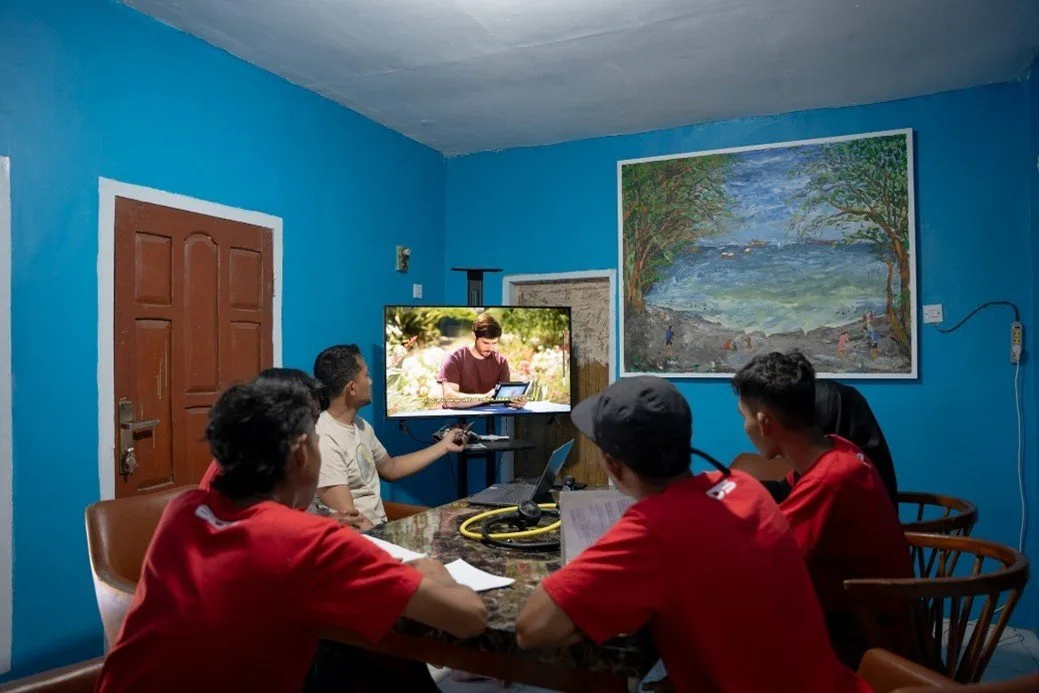
For subtitles in English: start the video firstthen click the gearat the top right of the video, select “Subtitles/CC”, then “Auto-translate” and choose “English”.
The Anker Wreck, sometimes referred to locally as Kapal Budak or Kapal Nedak, is not a single intact vessel but a collection of wooden fragments scattered along a steep descent. The site is defined by a significant topographical transition where a coral wall meets a sandy slope. You will find the wreck pieces dislocated, with the bow section resting at approximately 30 metres and the stern reaching down to 46 metres. This fragmentation means the dive is less about penetrating a hull and more about tracing the remains of a ship across a changing seabed.
A distinctive feature that guides your descent is a large, heavily encrusted anchor located in the shallower zone at about 6 to 8 metres. This anchor is connected to a second anchor at 30 metres by a long, visible chain. Many divers use this chain as a reference point to navigate the descent from the upper reef towards the deeper parts of the wreck. Following the line of the chain allows you to transition smoothly from the shallow coral plateau down to the deeper, more technical sections of the site.
The topography around the wreck is varied and provides several different environments for exploration. Near the wreck itself, the coral wall features a series of terraces, overhangs, fissures, and small cavities. These structures offer plenty of interest for those looking to observe how marine life utilizes the reef's architecture. As you move past the wreckage, the terrain shifts into a sandy bottom where some ship elements extend out to a depth of approximately 50 metres.
Visibility at the site typically ranges between 15 and 30 metres, allowing for clear views of the descent and the distant wreck components. The light levels change noticeably as you move from the shallow anchor down to the 35 to 50 metre range where the main wreckage resides. Because the site is located on a steep slope, the transition in light and pressure is rapid, requiring careful buoyancy control to maintain a steady profile as you move along the wall.
Current conditions at Anker Wreck are documented as generally very calm, with no reliable tidal or seasonal variations reported. This lack of heavy surge or strong flow makes the site more predictable than many other wreck dives in the region. You can focus your energy on navigating the descent and observing the fine details of the wood and the surrounding coral without fighting significant water movement. This calm environment allows for a more methodical approach to inspecting the fragmented remains.
The marine life at this site is closely tied to the structure of the wreck and the adjacent wall. You will frequently encounter white-tip reef sharks (Triaenodon obesus) patrolling the deeper sections or resting near the coral crevices. Schools of barracuda are also common, often hovering in the water column near the drop-off. The presence of these larger species adds a dynamic element to the dive, particularly as you move through the deeper zones of the wreck.
Soft corals cover much of the reef structure and the crevices within the wall, adding color and texture to the landscape. These corals thrive on the vertical surfaces and the overhangs that surround the wreckage. Observing the interaction between the coral growth and the decaying wood provides a clear view of how the reef eventually reclaims man-made objects. The combination of deep-water wreck elements and a healthy, living wall makes for a complete dive profile.
The dive depth ranges from 5 to 50 metres. Due to the majority of the wreckage being located between 35 and 50 metres, an Advanced Open Water certification and experience with deep diving are required. Visibility is expected to be between 15 and 30 metres, and currents are generally calm.
There are no reliable tidal or seasonal variations reported for Anker Wreck. Conditions are generally very calm, making the site relatively predictable from a water-movement perspective. You can plan around the site’s calm current conditions rather than a documented seasonal or tidal window.
Anker Wreck ranges from 5 to 50 metres, with most wreckage between 35 and 50 metres. An Advanced Open Water certification and deep-diving experience are required. The fragmented wooden remains extend from the bow at approximately 30 metres to the stern at 46 metres, with some elements reaching 50 metres.
Currents at Anker Wreck are generally very calm, with no reliable tidal or seasonal variations reported. The calm water allows you to concentrate on following the descent, maintaining buoyancy along the steep wall, and examining the fragmented wreck and coral structures without fighting significant movement.
At Anker Wreck, you can follow a long chain between a large encrusted shallow anchor and a deeper anchor, then explore fragmented wooden wreckage along a steep slope. Coral terraces, overhangs, fissures, soft corals, white-tip reef sharks, and barracuda add interest around the wall and deeper sections.