Liveaboards · Indonesia
Coralia — a spacious, quietly refined phinisi built around serious diving
What makes this boat unique
- Coralia is a traditional Indonesian wooden phinisi carrying up to 16 guests in eight air-conditioned cabins.
- The dive operation offers up to four dives a day, including a sunset or night dive when conditions allow.
- Dive groups are limited to four guests per guide, with complimentary nitrox for certified nitrox divers.
- Four Master Cabins have private balconies, while the lower-deck Double and Twin Cabins offer 24 m² and 22 m² respectively.
- The boat has received the DIVE Travel Award for Best Liveaboard in 2019 and 2021.
For subtitles in English: start the video firstthen click the gearat the top right of the video, select “Subtitles/CC”, then “Auto-translate” and choose “English”.
The invitation
Coralia is for divers who want Raja Ampat without accepting the cramped, improvised feel that can come with remote-water liveaboards. Her traditional phinisi character remains visible in the hand-built wooden hull, but the operation is organised around long diving days: small groups, two tenders, a proper camera room and space to move between dives. The choice is not simply between a basic boat and a larger one. It is between spending a week managing the boat’s limitations and spending that week looking for mantas, schooling fish and small reef life. Coralia suits divers who value attentive guides, a calm crew and room to spread out after a current-swept dive. It also works for non-divers, snorkelers and travellers who want Raja Ampat’s islands without treating the boat as a place to sleep between excursions.
Boarding
Coralia arrives as a real Indonesian phinisi rather than a floating hotel dressed in nautical language. Her wooden construction comes from the shipbuilding tradition of Bira in South Sulawesi, combined with modern engineering and finished guest spaces. On boarding, the impression is of a vessel made for open water but arranged so people do not have to fight for every quiet corner. Wide decks lead to shaded outdoor areas, an air-conditioned lounge and a sky deck open to the sea. The boat’s generous beam shows in the way guests can move from the dive operation to a meal or a place in the shade without creating a traffic jam. The hull has the character of a working sailing vessel; the guest areas are cleaner and more considered than that heritage might suggest. That balance is Coralia’s point.
The atmosphere on board
Coralia’s atmosphere is shaped less by formal luxury than by the crew’s ability to remove small problems before they become interruptions. Cabins are refreshed daily and prepared for the night, cameras are cleaned and dried, and tenders return with drinking water ready for divers. That kind of care changes a week of repetitive equipment handling. With a maximum of 16 guests, the group becomes familiar quickly, while the close crew-to-passenger ratio keeps support personal without making the boat feel managed. Evenings gather people around outdoor meals, the lounge or the sky deck after the last dive, with the day’s sightings still doing most of the talking. The boat scores particularly strongly for food, diving and crew, and those three parts reinforce each other: well-run dives, a meal worth sitting down for, and staff who understand when help is useful and when space is better.
The sites you’ll dive
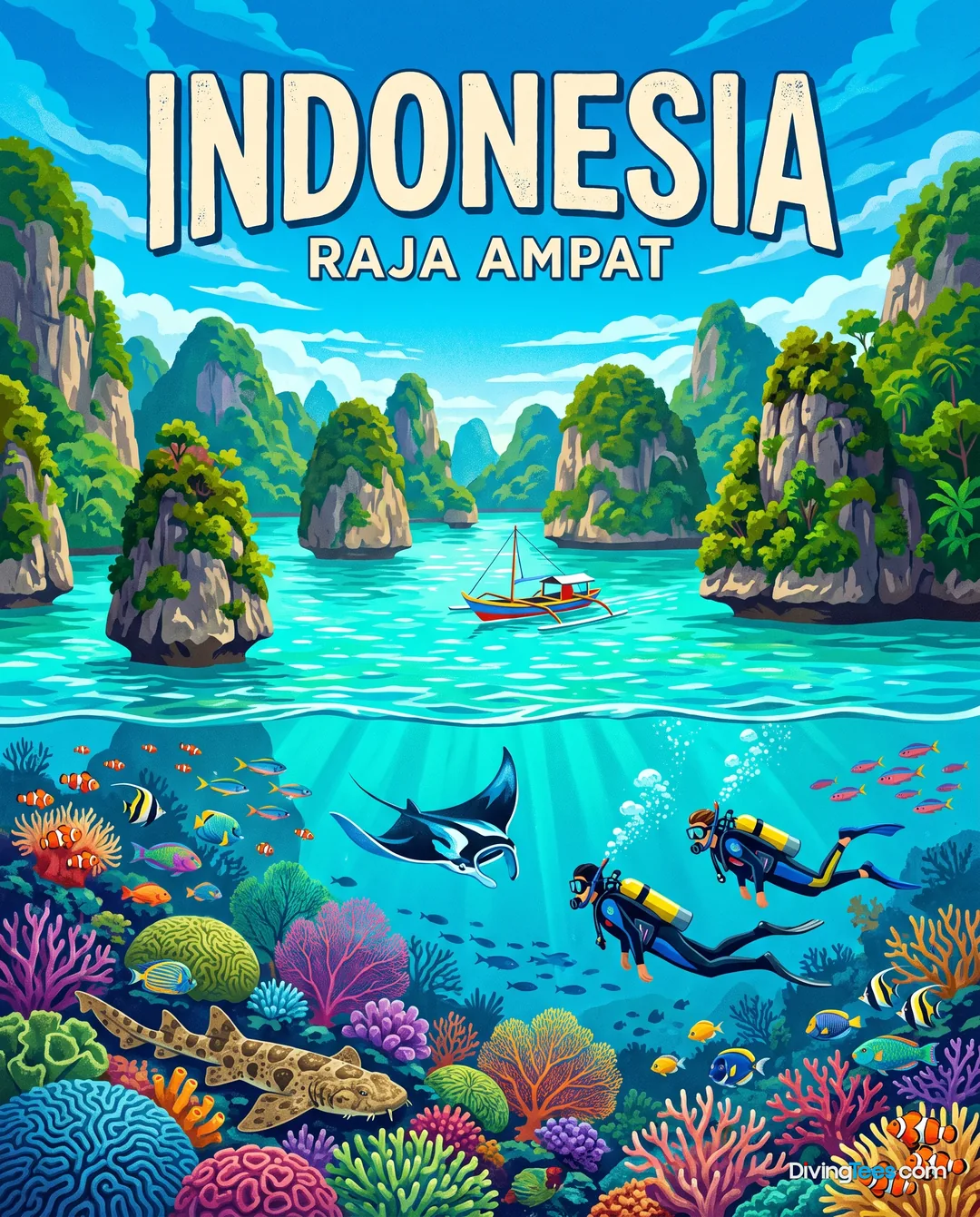
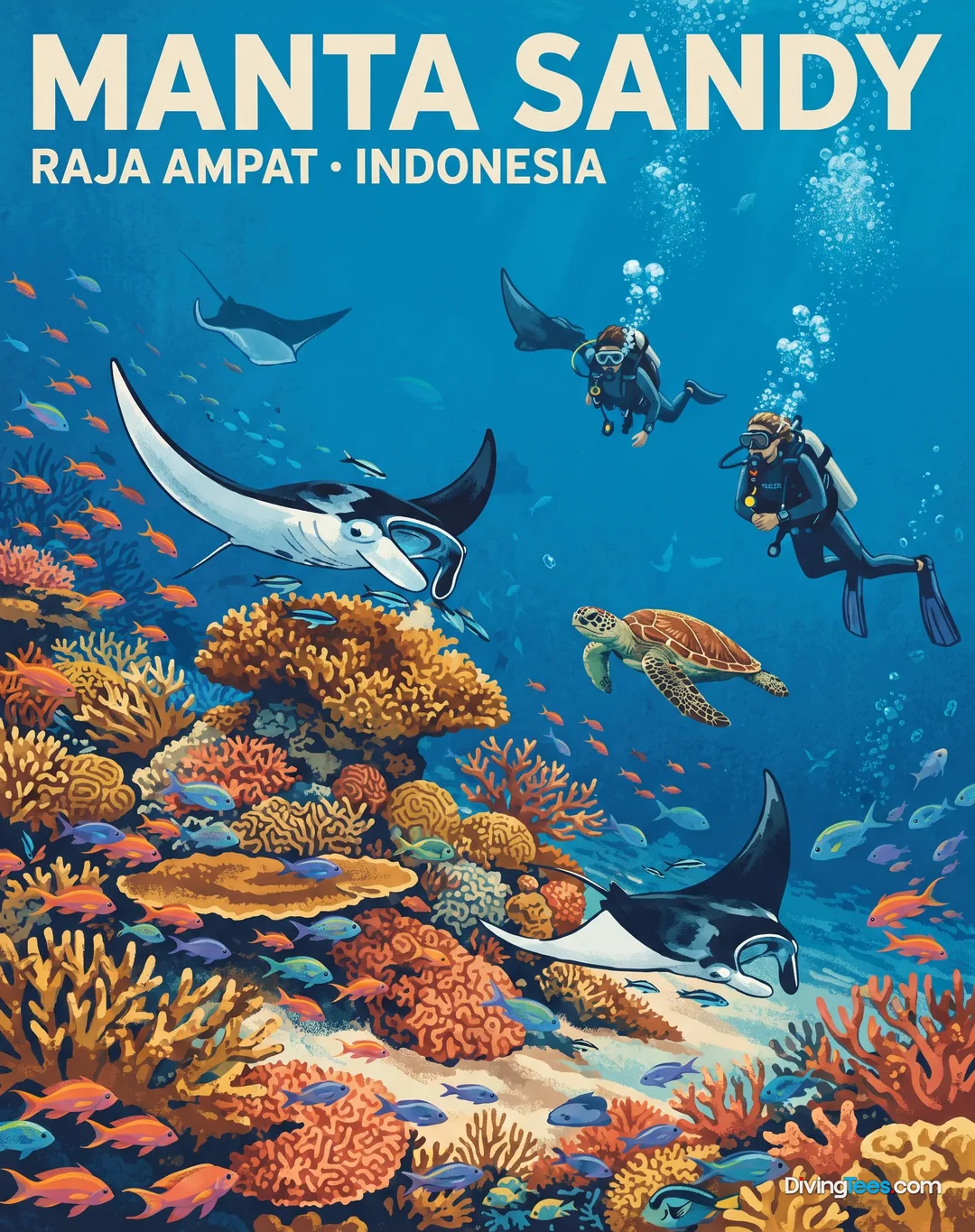
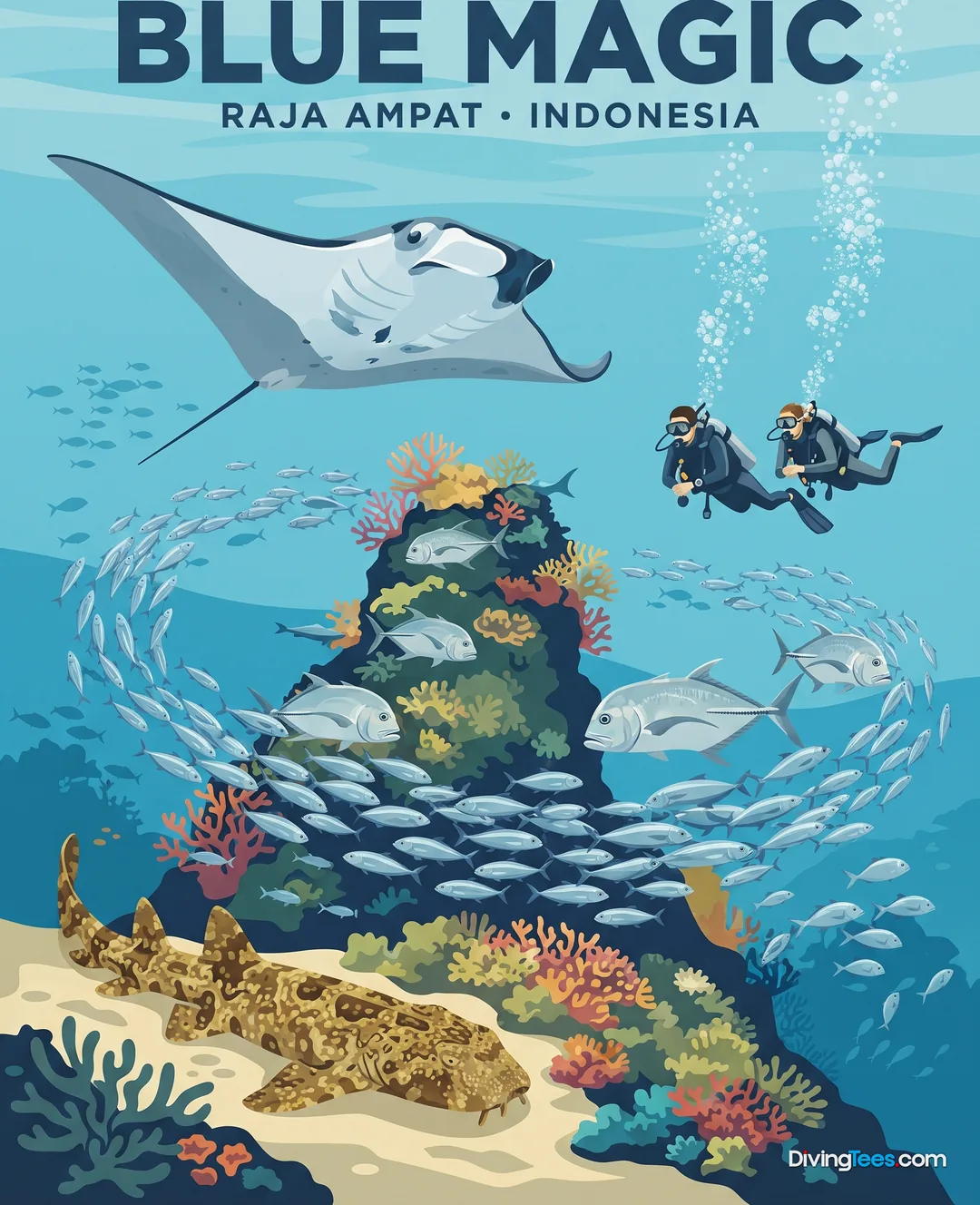
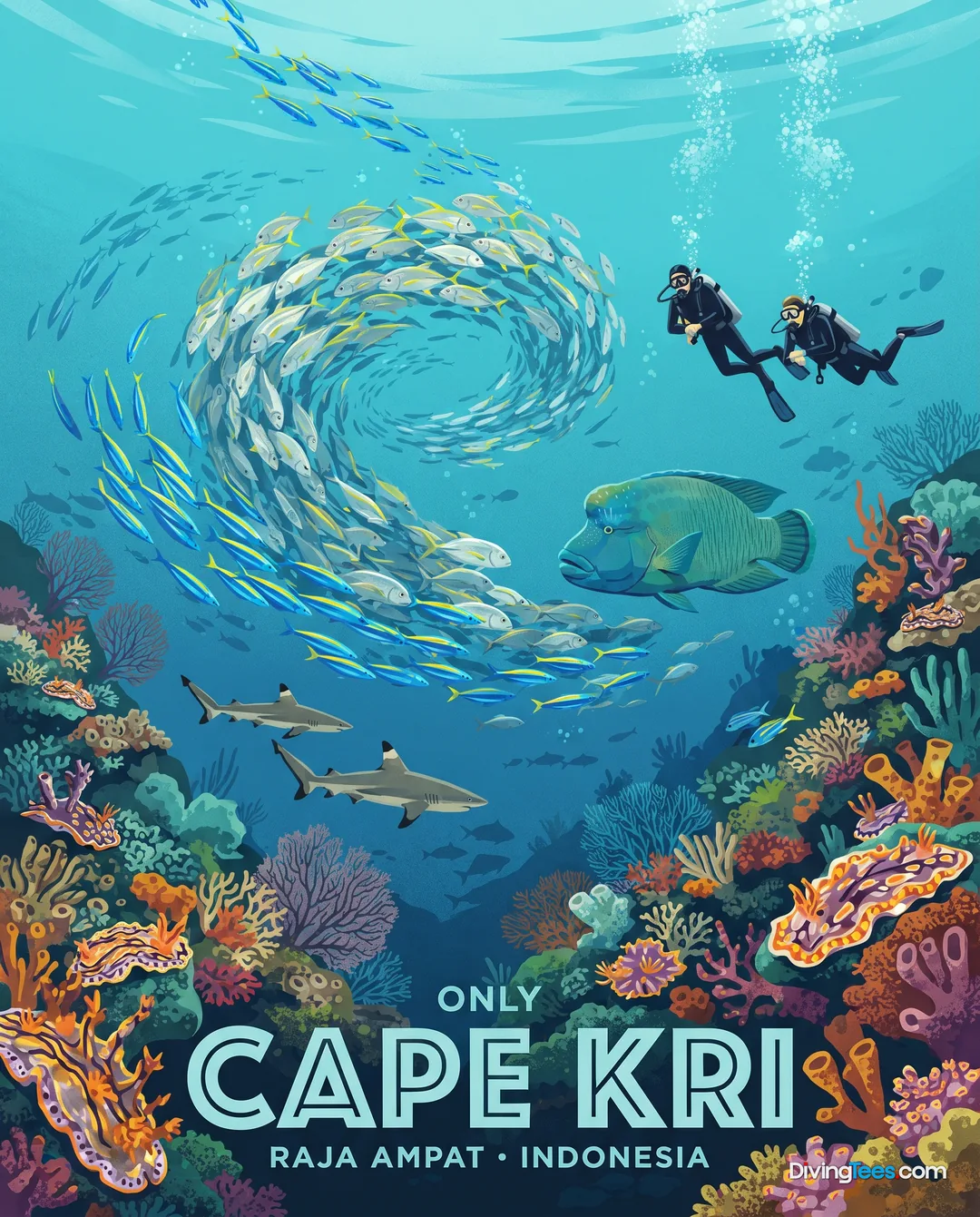
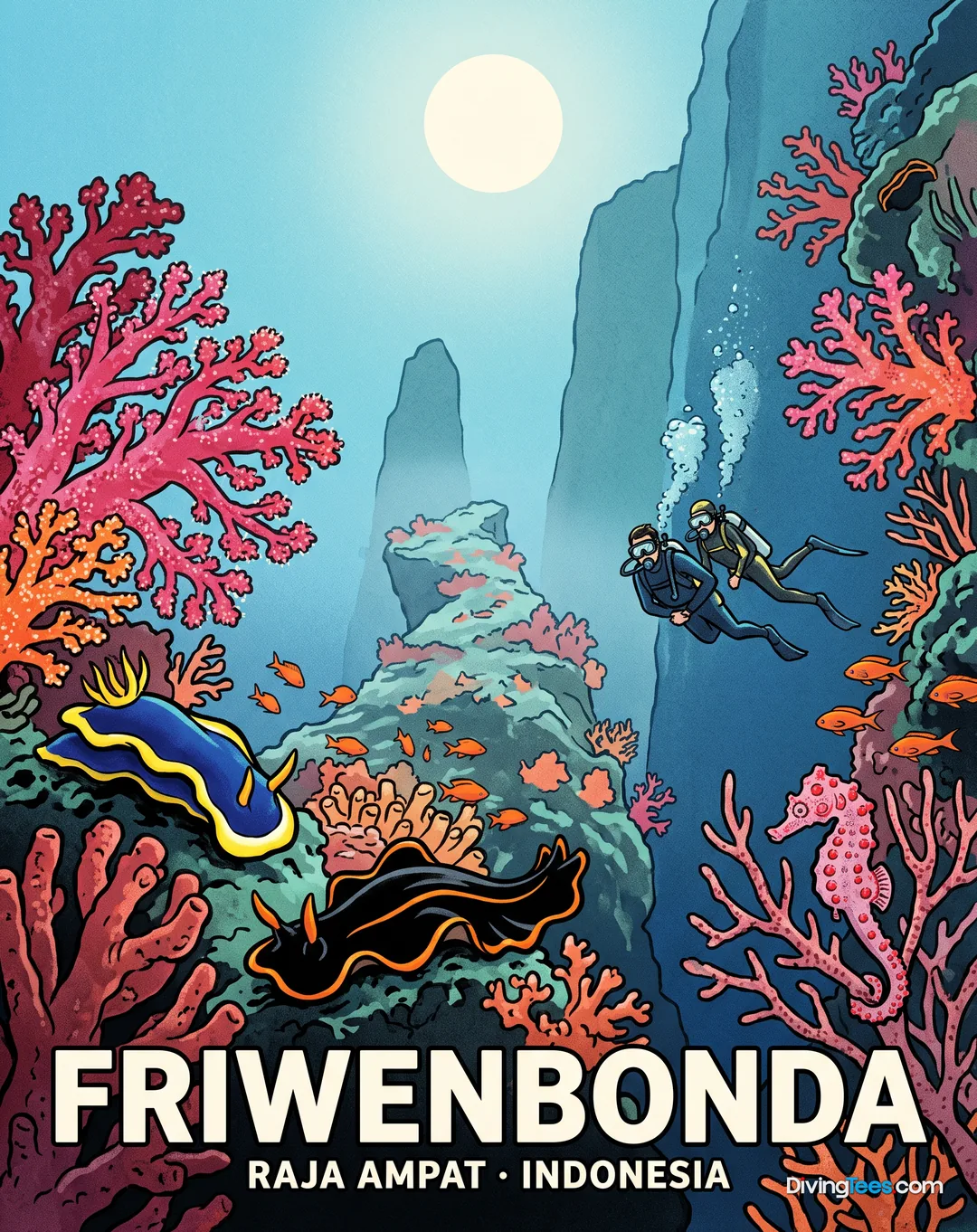
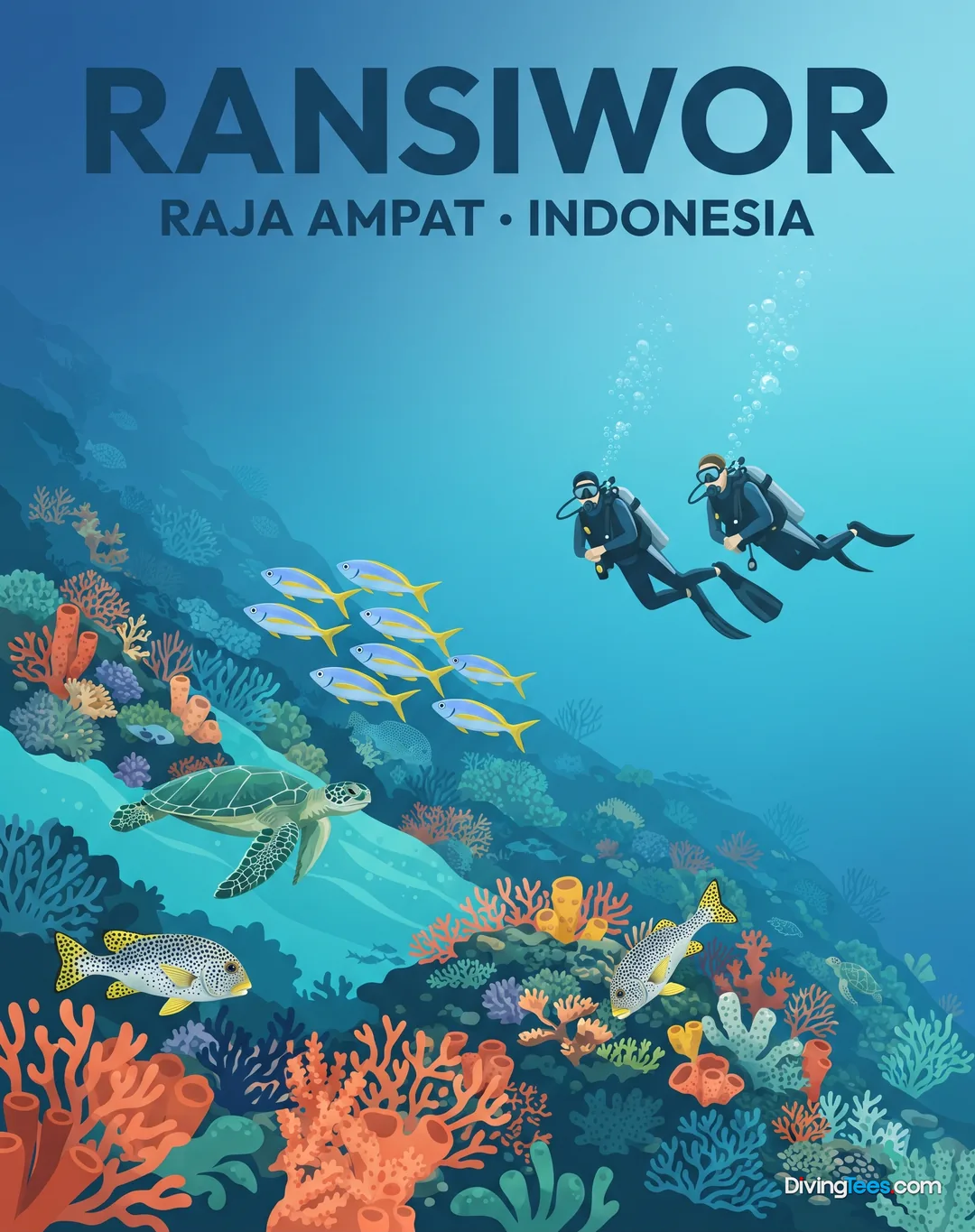
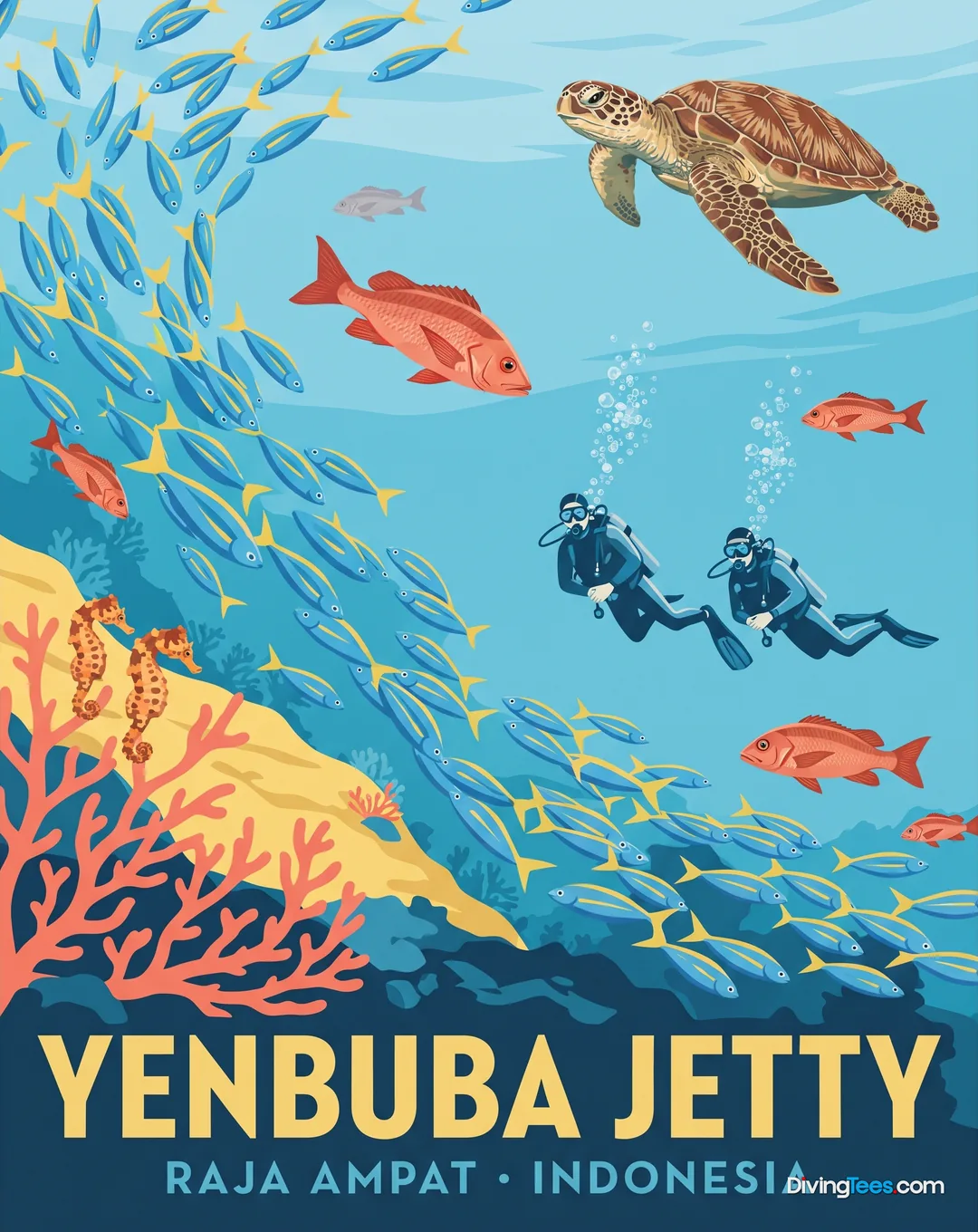
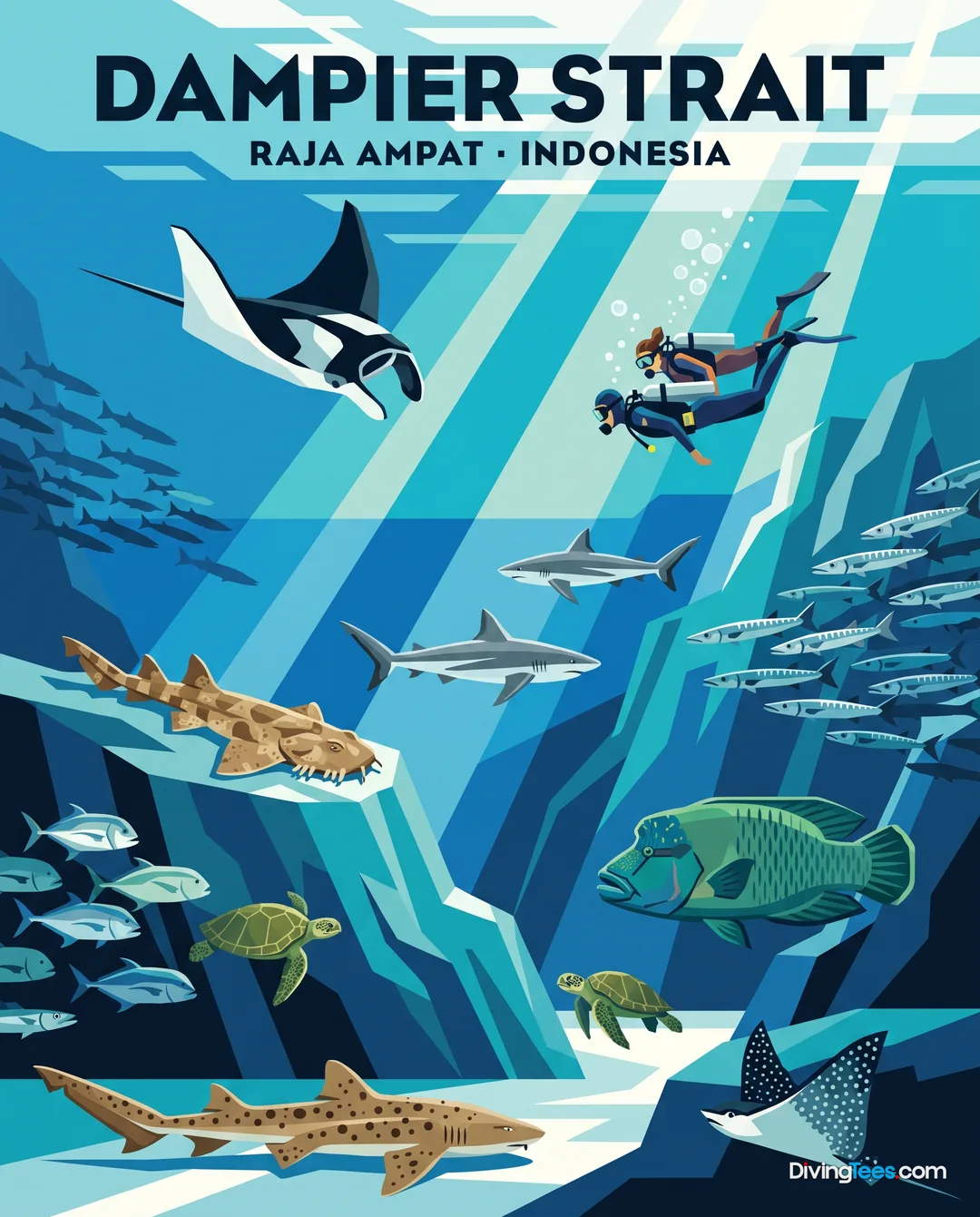
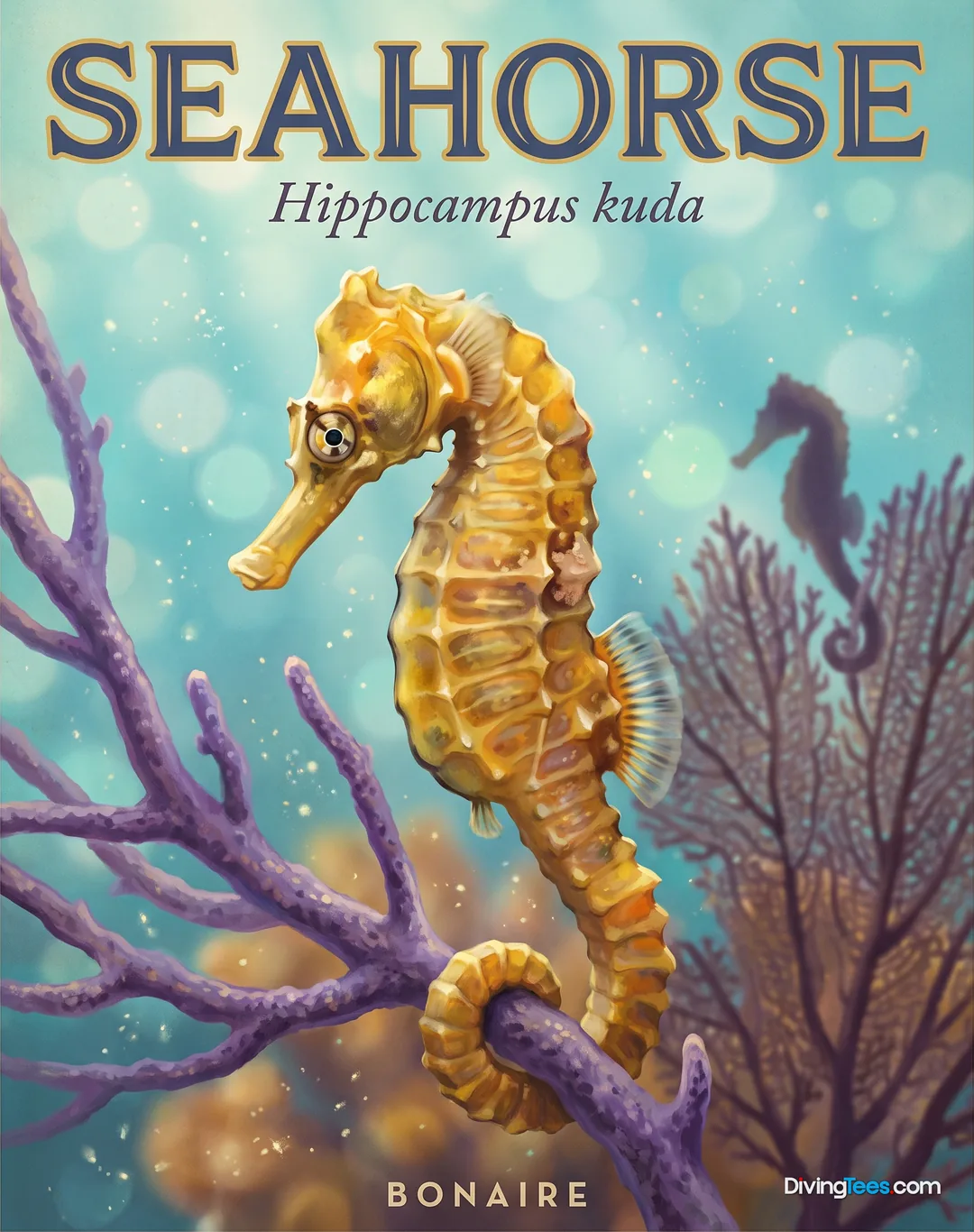
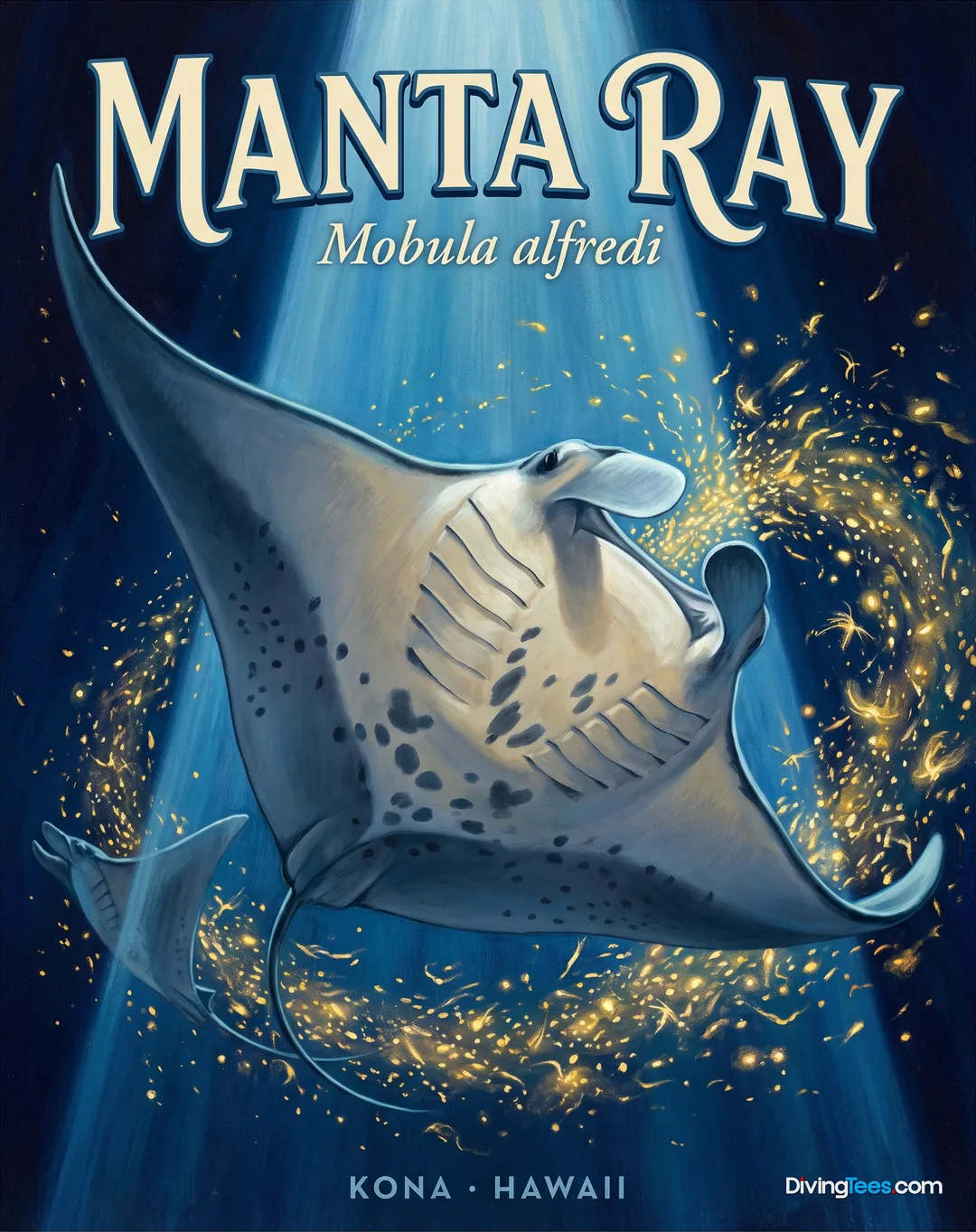
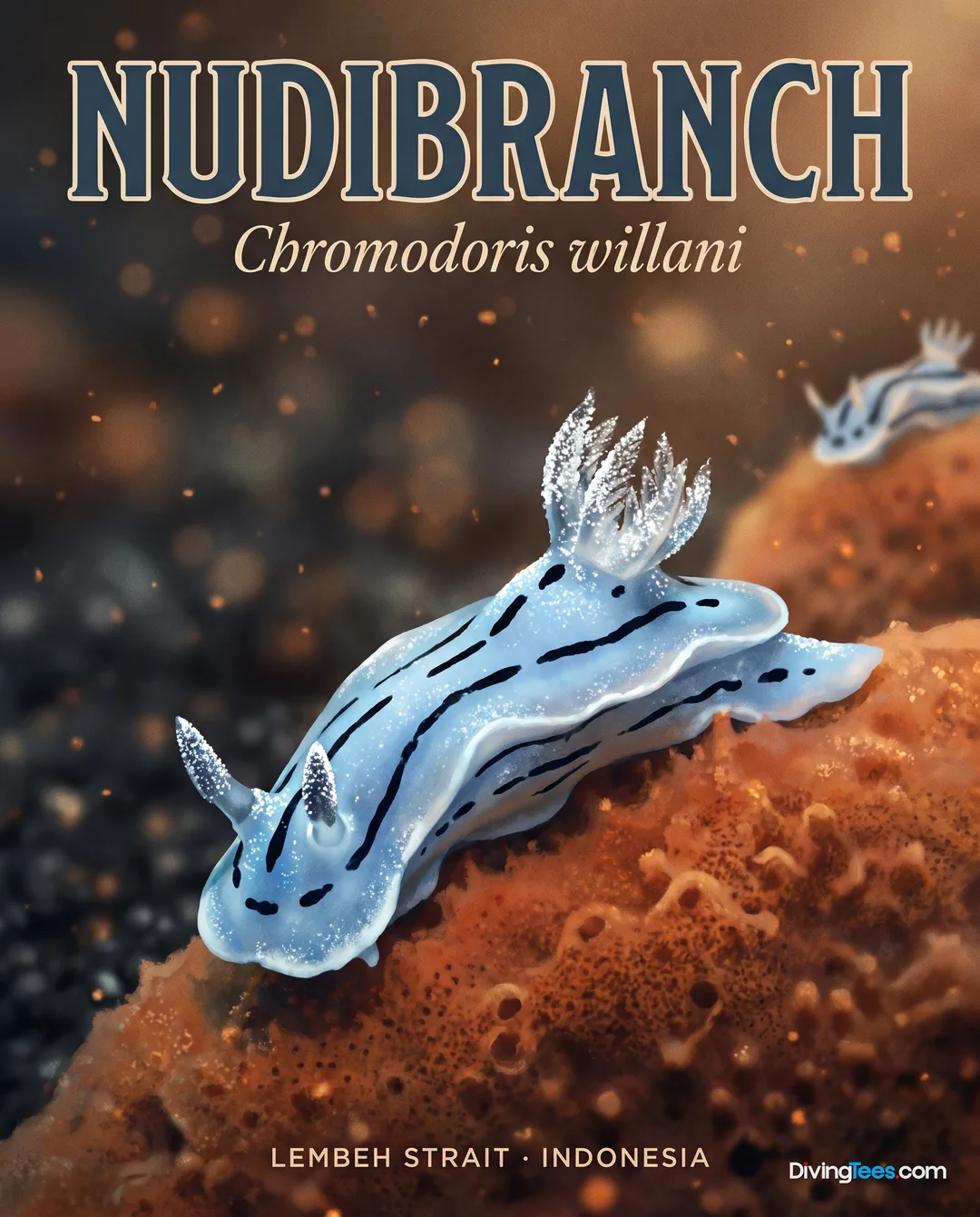
Raja Ampat is the reason to choose these routes: the reef is not one repeated postcard but a succession of walls, slopes, plateaus, jetties and cleaning stations. Manta Sandy brings reef manta rays to cleaning stations, with snorkelers able to share the encounter from above. Mike’s Point combines reef overhangs thick with soft corals and sweetlips with a flat plateau where eagle rays may pass; its maximum depth is -40m. Melissa’s Garden reaches -35m and is built around soft coral and staghorn formations. Blue Magic is a current-influenced reef known for schooling fish and oceanic manta rays, while Cape Kri is famed for extraordinary fish abundance. Friwenbonda offers a colourful soft-coral wall with pygmy seahorses and nudibranchs near the surface. Ransiwor reaches -30m and follows gentle slopes with cleaning stations; Yenbuba Jetty also reaches -30m, shifting from fish-filled pilings to a sloping reef. Available trips range from 8 days/7 nights to 13 days/12 nights, including Raja Ampat, Batanta, Kawe, the Dampier Strait, the Banda Islands, Ambon and the Forgotten Islands, with departures or returns through Sorong, Ambon or Saumlaki.
What you’ll meet underwater
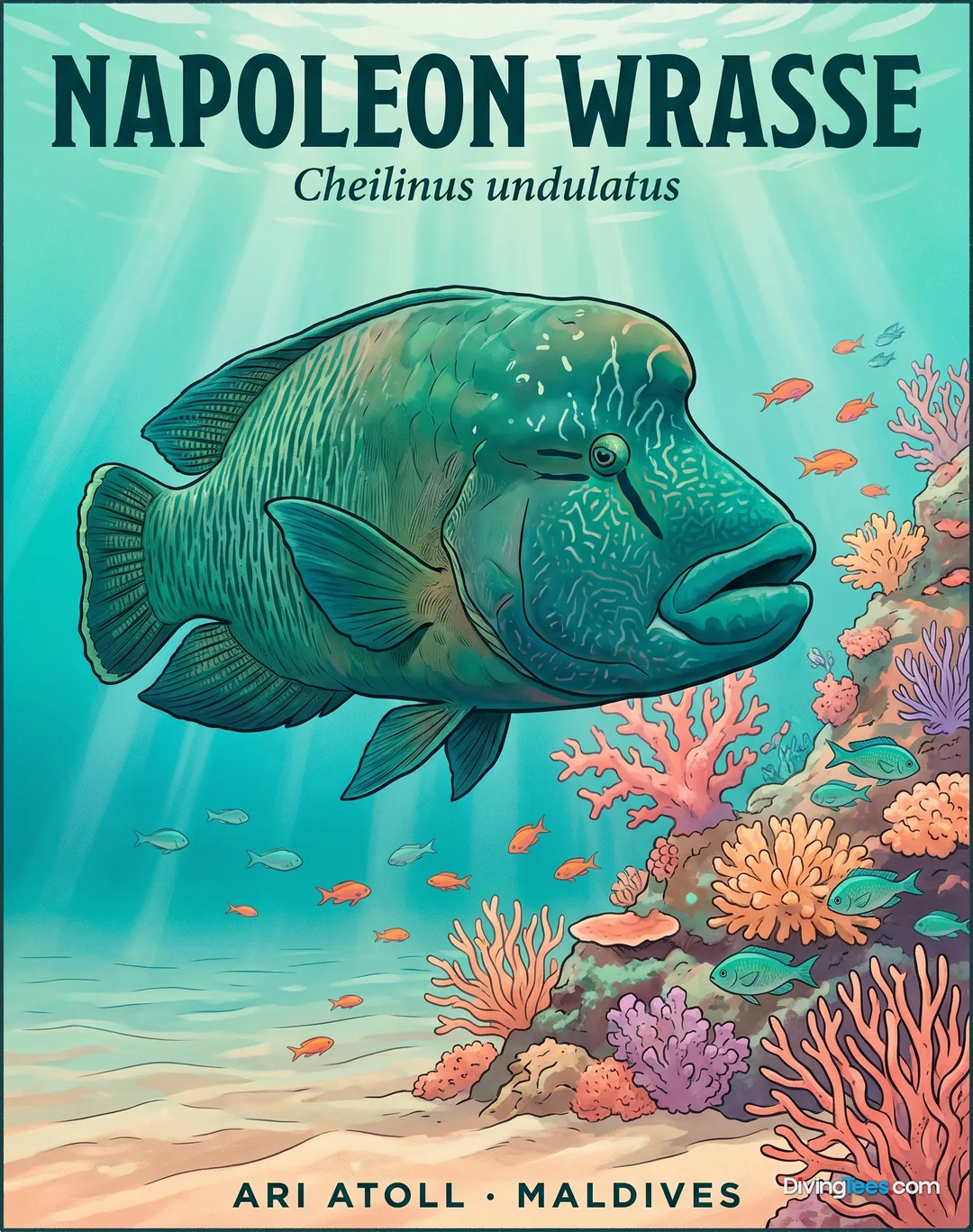
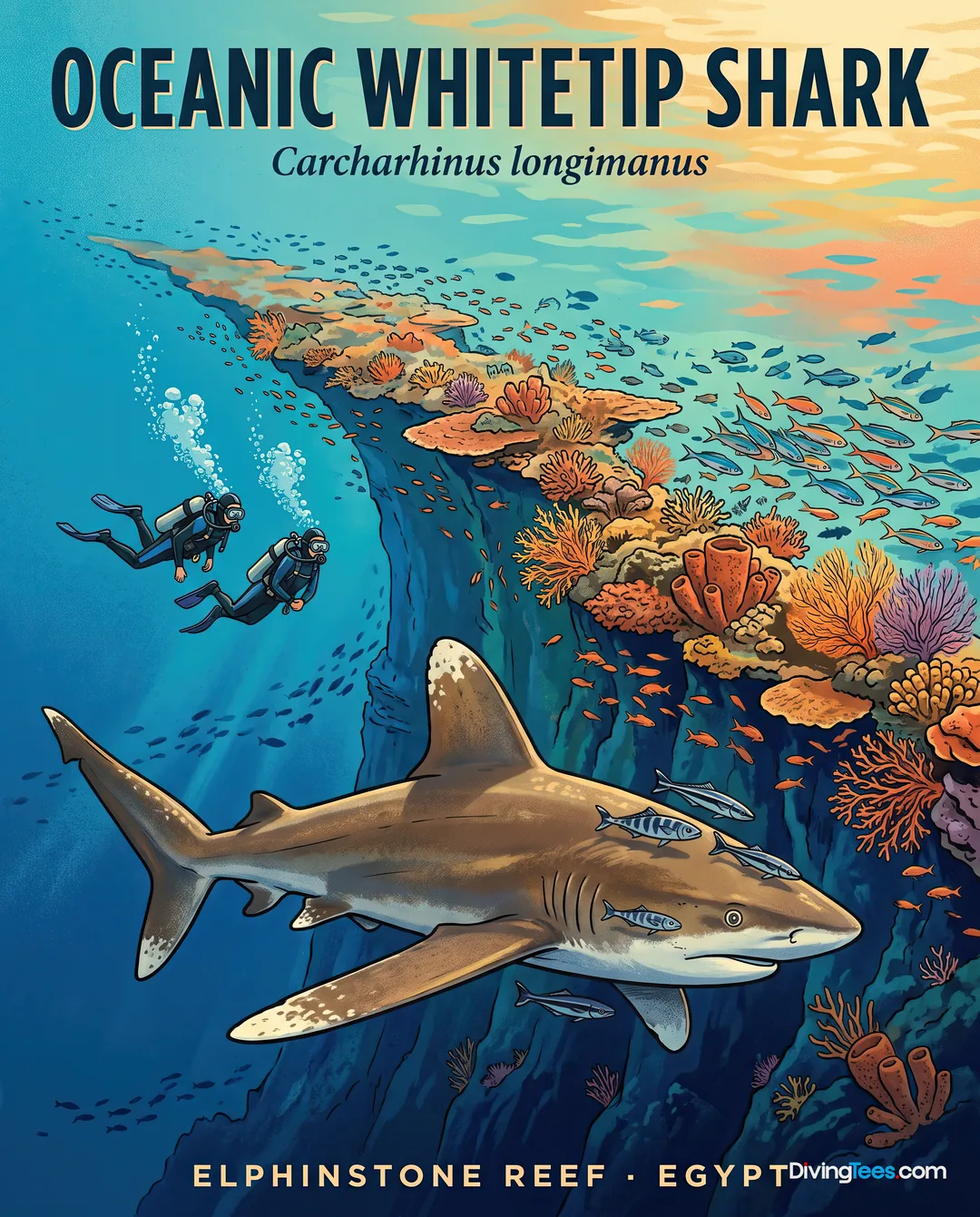
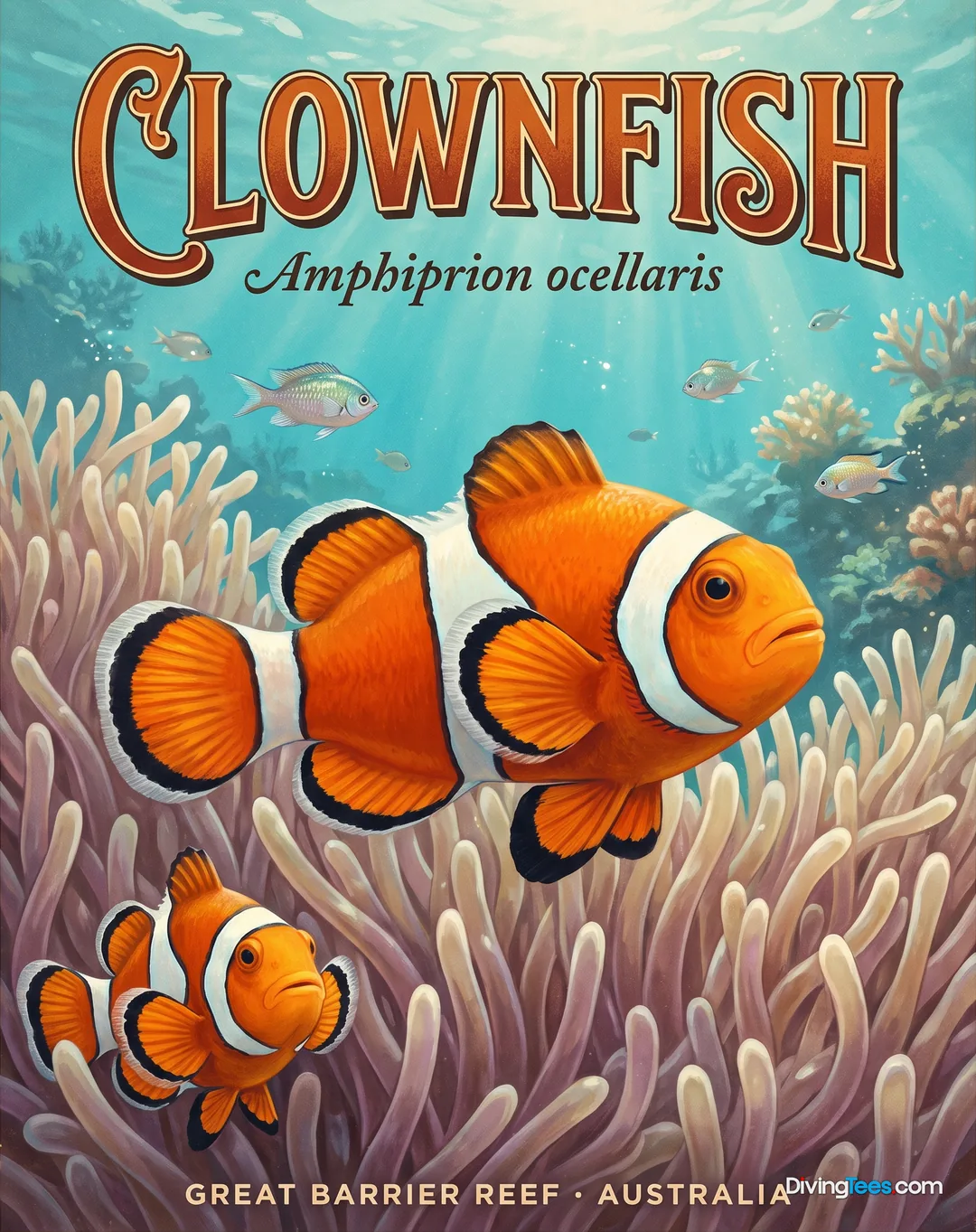
Across this Raja Ampat route, the recurring spectacle is scale: barracuda and reef sharks, trevallies, fusiliers, sweetlips, humphead parrotfish, Napoleon wrasse, turtles and eagle rays moving through coral that is as important as the larger animals. Nudibranchs and pygmy seahorses keep the same reefs rewarding when the pelagics stay out of sight. The site-specific encounters give the itinerary its sharper edges. Cape Kri is the place for the giant grouper and whitetip reef shark. Blue Magic is where oceanic whitetip sharks and tuna are recorded, alongside oceanic manta rays and large schools pulled together by the reef and current. At Yenbuba Jetty, anthias and damselfish fill the coral-covered pilings; South Kri adds bigeye trevally, crabs and shrimp among its schooling fish and macro life. Ransiwor is the named site for octopus and clownfish, while Sorido Wall brings surgeonfish into the barracuda-and-reef-shark scene. These are possibilities, not guarantees, but each site gives the guide a clear reason to be there.
Who puts you in the water
Certified divers of all experience levels are welcome, and selected trips can include PADI Open Water, Advanced Open Water, Enriched Air Nitrox, refresher and speciality courses. The dive team includes PADI-certified local guides, with cruise directors who are also PADI instructors. Guides lead no more than four guests, with groups formed around certification, recent experience and comfort in current. A clear briefing precedes every dive, and the plan can change when tide, weather or the site demands it. English, Spanish and Indonesian are spoken on board. The safety system includes oxygen, first-aid kits, emergency communications, radar, GPS, radio and two tenders kept with the diving operation. There is no published minimum number of logged dives for this boat; suitability is assessed through certification, recent experience and the diver’s comfort level rather than a blanket figure.
The dive deck and the gear
The dive operation is built for repeated entries rather than one ceremonial dive a day. A large shaded deck provides organised equipment storage, a changing area, a camera table, separate camera rinsing facilities and warm showers for the return. Standard cylinders are 12-litre aluminium tanks with both DIN and INT fittings; a limited number of 15-litre tanks can be arranged in advance as a paid extra. Nitrox is included for certified nitrox divers. Rental equipment is available, including individual items or complete packages, with advance reservation recommended; brands are not specified. Coralia also supports sidemount diving. Every buddy team receives a Nautilus Lifeline and SMB, and the crew prepares equipment before the tender transfer. Two tenders carry divers directly to the site, where the guide checks the surface and current conditions before entry. After the dive, the tender collects divers at the surface and brings them back to the platform rather than leaving the boat to guess where a group will appear.
Between dives
Between dives, Coralia gives guests several different ways to spend the surface interval. The shaded decks are for drying off, watching the islands pass and discussing whether that small fish was a pygmy seahorse or something else entirely. The sky deck offers loungers, open views and a place for a massage; the indoor lounge provides air conditioning, a fish-identification library and audio or video entertainment when the sun becomes too much. Photographers can work in the dedicated air-conditioned camera room instead of balancing equipment on a cabin desk. Kayaks, stand-up paddleboards, snorkeling, bird observation and land excursions add alternatives to another hour in the water. When the boat is underway, the wide decks make the movement part of the trip rather than something to hide from. There is room to do nothing.
A day on board
A Coralia day starts with a light breakfast and a briefing before the first dive. The full breakfast comes afterward, when divers can compare notes without rushing through a plate. The second dive leads into lunch, then an afternoon snack before the third dive. A fourth dive may be a sunset or night dive when the conditions permit, with dinner after the final entry. The gaps are long enough for a hot shower, camera work, a nap, a swim from the platform or time on deck while the boat moves toward the next reef. Land excursions, snorkeling and kayaking can replace some of the quiet hours on suitable itineraries. Nothing depends on an invented clock time: the rhythm follows the site, tide, weather and the decision to make the next dive safe and worthwhile. After an evening or night dive, warm towels and hot chocolate are waiting on return.
What you eat aboard
Meals are served often enough to match a four-dive day rather than forcing divers to choose between eating and making the next briefing. A light breakfast comes before the first dive, followed by a fuller breakfast; lunch follows the second dive, snacks appear before the afternoon diving, and dinner comes after the final dive. The kitchen combines Indonesian dishes with Western cooking, served buffet-style, with vegetarian and vegan options. Snacks remain available through the day, and tea, coffee, drinking water and non-alcoholic drinks are included. Outdoor dining gives the meals their proper setting: wet hair, salt on the skin and a table conversation that starts with the dive just finished. The food is one of Coralia’s strongest practical advantages, especially on a long trip where good meals restore energy rather than simply fill a gap.
Nights at sea
The cabins are on the lower, main and upper decks, so choosing one is partly a question of how close a diver wants to be to the water and the social spaces. The four Master Cabins are the clear upgrade: 30 m², large windows, a private balcony, a sun chair and an outdoor sofa. The lower-deck Double Cabins offer 24 m² and can become a triple room; the Twin Cabins provide 22 m² with separate beds. All cabins have air conditioning with individual controls, a private bathroom with warm freshwater shower, storage, a sofa and standard and USB charging points. At night, the practical details matter more than the word luxury: blackout and cooling when needed, a proper place for wet towels outside the sleeping area, and daily cabin service with evening turndown. The four Master Cabins are named Xenia, Tubipora, Anthelia and Ellisella; the lower-deck rooms are Galaxea, Isopora, Merulina and Halomitra.
Main Deck Master Cabins
Upper Deck Master Cabins
Lower Deck Double Cabins
Lower Deck Twin Cabins
What to know before boarding
Raja Ampat trips depart from and return to Sorong; some longer routes run from Sorong to Ambon, Ambon to Saumlaki or Saumlaki to Ambon. Airport and hotel transfers are included, arranged after the boat receives the flight details. Joining instructions provide the recommended flight connections for the chosen itinerary. Arriving in the departure city the night before is the sensible choice, especially when the cruise begins with a domestic connection.
Deck plan
What the boat does for the ocean
Coralia removes single-use plastics from its onboard operation, uses biodegradable garbage bags, reef-friendly laundry products and toiletries, and provides each guest with a reusable water bottle. Food, amenities and selected shop items are sourced locally when possible, supporting Indonesian artisans and small businesses while reducing transport. The boat’s wider conservation work includes support for the Raja Ampat SEA Centre, including its Dive Guide School for young Papuans, and involvement with reef protection, research and community programmes. In Raja Ampat, guests may also visit the ReShark facility when conditions allow, seeing the recovery work for leopard sharks. These measures connect the comfort on deck to the reefs and communities that make the itinerary possible.
- Year built
- 2018
- Length
- 48 m
- Beam
- 9.1 m
- Maximum number of passengers
- 16
- Number of cabins
- 8
- Number of bathrooms
- 9
- Engines
- Mitsubishi Marine 560 hp & 360 hp
- Cruising speed
- 7 knots
- Tenders
- 2
- Website
- coralia-liveaboard.com ↗
Hello, I'm Marina, DivingDeal.com's AI assistant. I answer in detail about hotels, dive centres and liveaboards.

Thinking about the whole trip and the flights? Talk it over with Edith →
Marina is an AI. Some links are affiliate links: DivingDeal may earn a commission, at no extra cost to you. Bookings are made with the partner.