
Tarzan-Diving
Google 4.9/5 (424 reviews)
77 km away as the crow flies
Raja Ampat · Indonesia · Asia
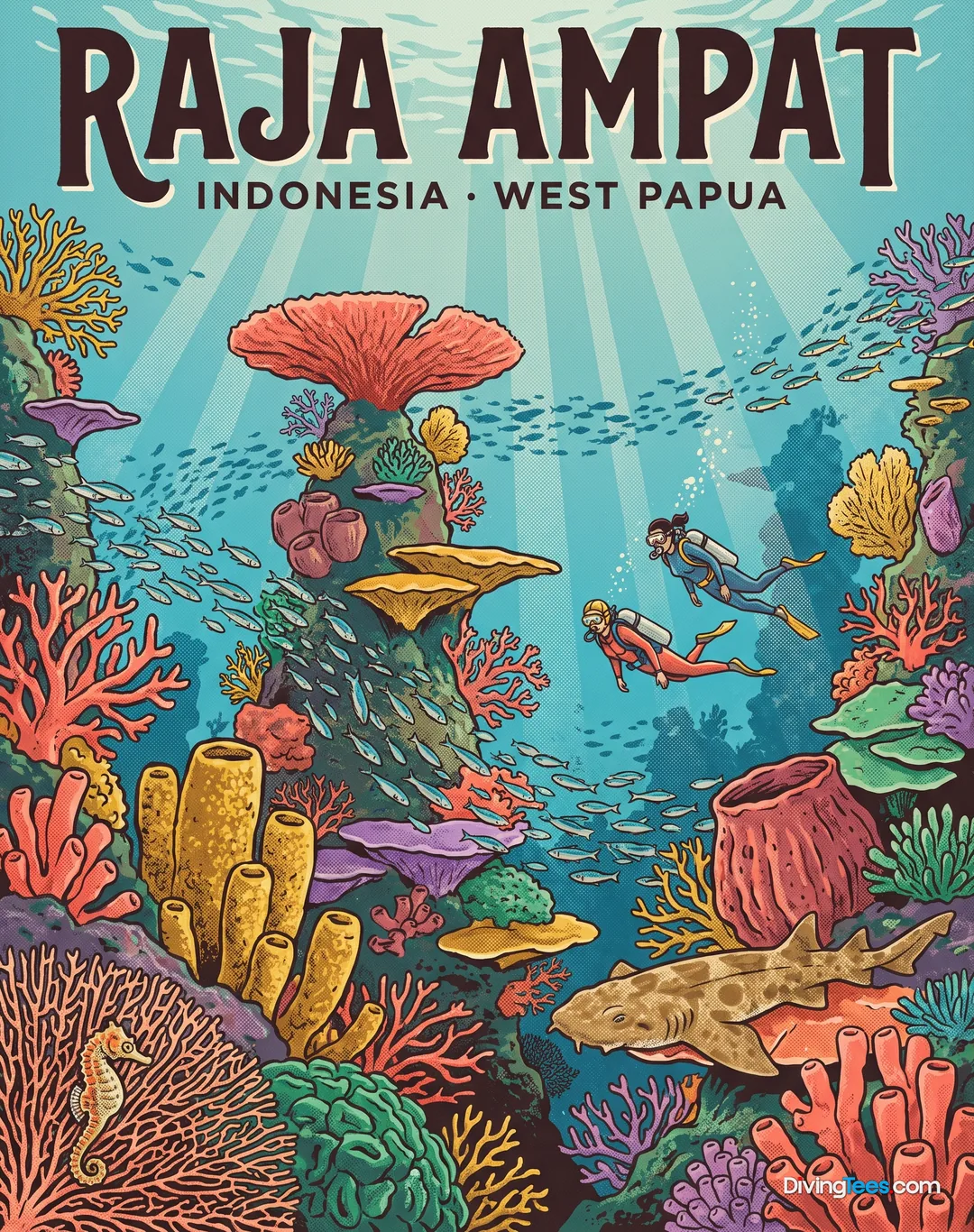
Descend into one of the healthiest diving destinations on Earth, where the dynamic currents of Dampier Strait sculpt vibrant underwater mountains and vertical walls teeming with pelagic life.
Diving Dampier Strait immediately reveals why this region is celebrated. You begin your descent into a realm shaped by powerful currents, carving out dramatic underwater mountains and sheer walls that disappear into the blue. The sheer scale of these formations is impressive, providing a complex topography of overhangs, ledges, and vertical surfaces that act as magnets for marine activity. The current here is often described as excellent, meaning it brings a constant flow of nutrients, fuelling the incredibly rich ecosystem found throughout the strait.
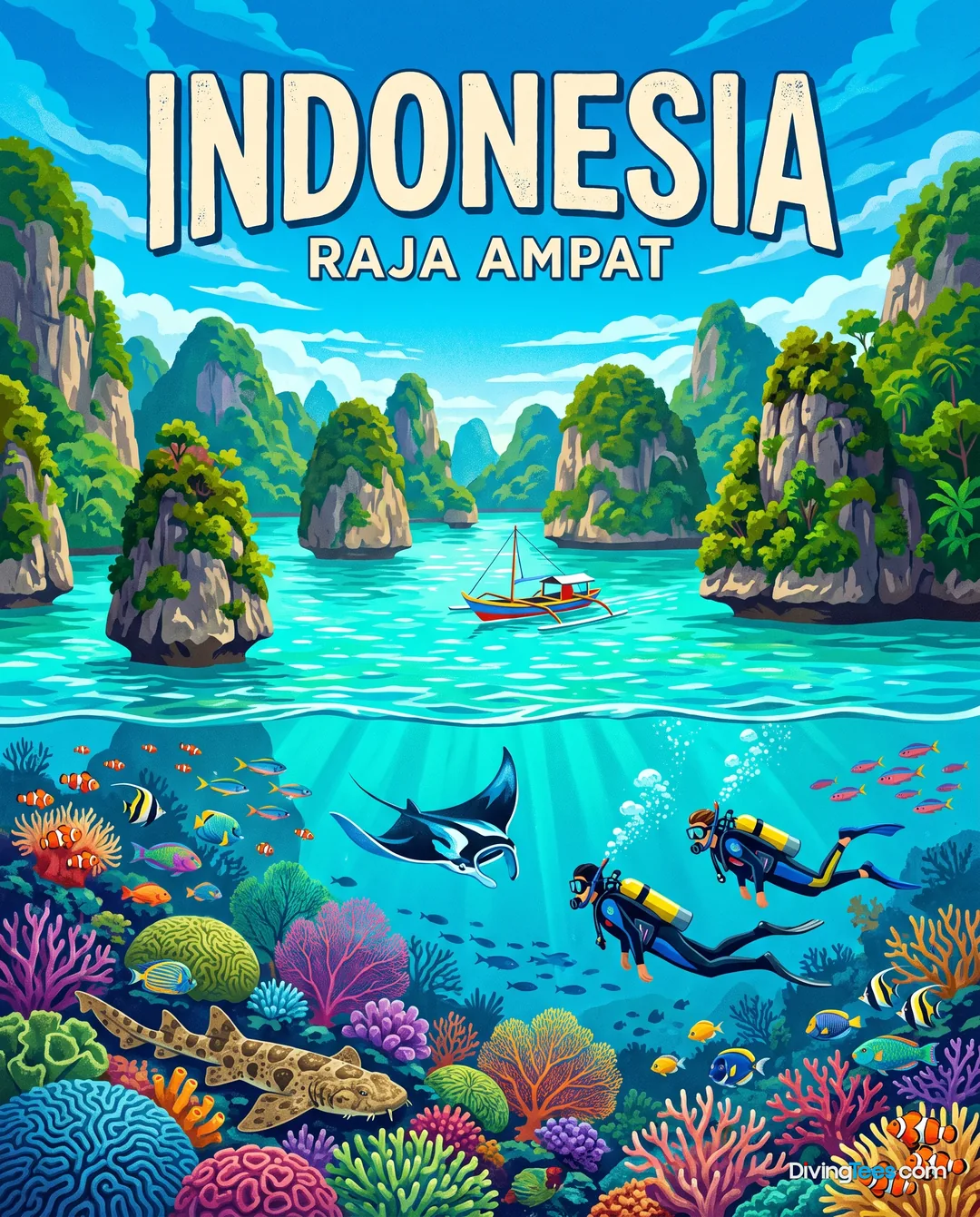
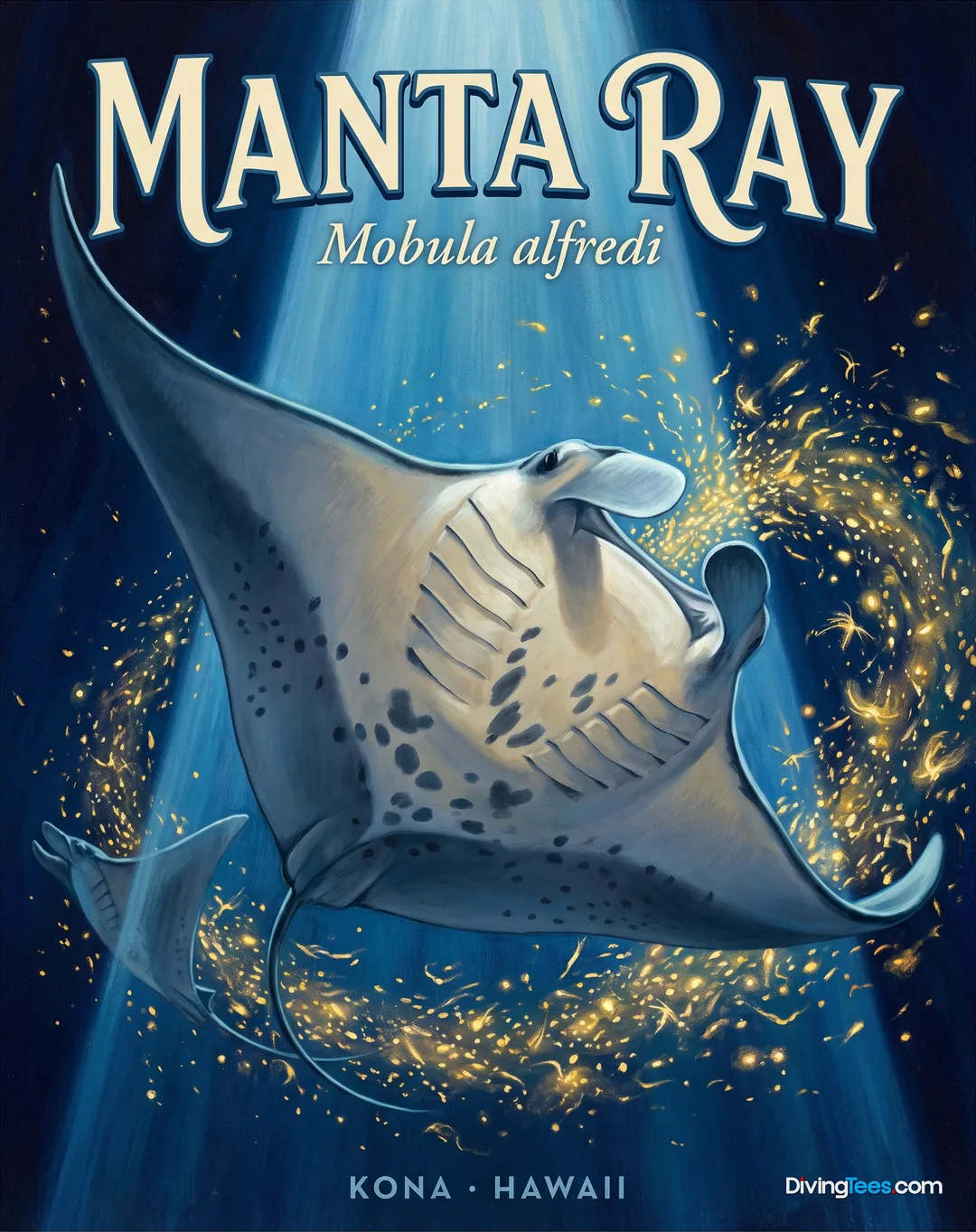
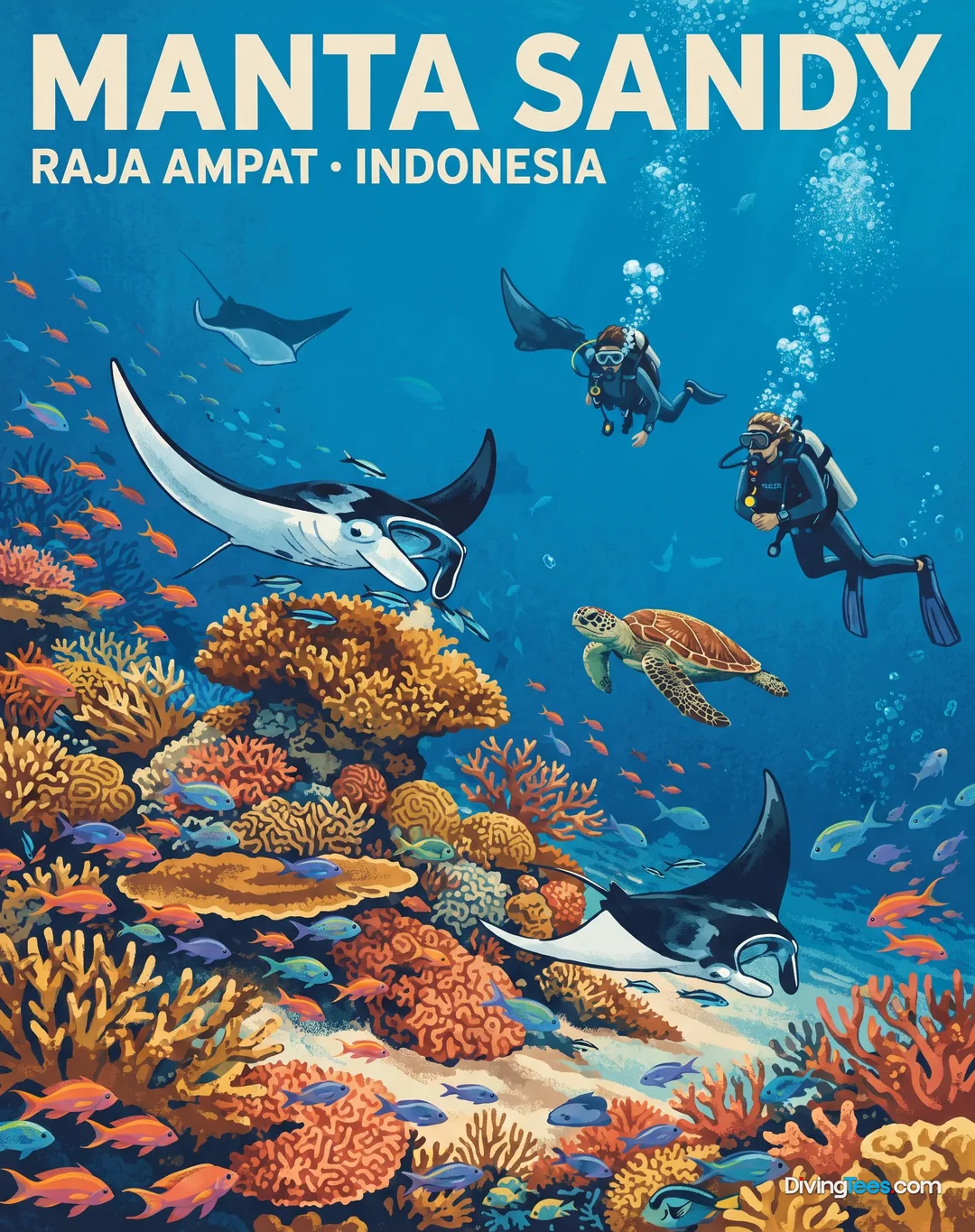
As you move along the dive profile, the vibrant colours of the reef inhabitants come into sharp focus. Keep an eye trained on the deeper sections and the blue water beyond the walls for the larger specimens gliding through the current. This is where you might encounter several species of pelagic visitors, including graceful mantas (Mobula birostris) and sleek eagle rays (Aetobatus narinari), often seen cruising effortlessly against the flow. Their presence is a testament to the health and productivity of the strait, where nutrient-rich waters support diverse food chains.
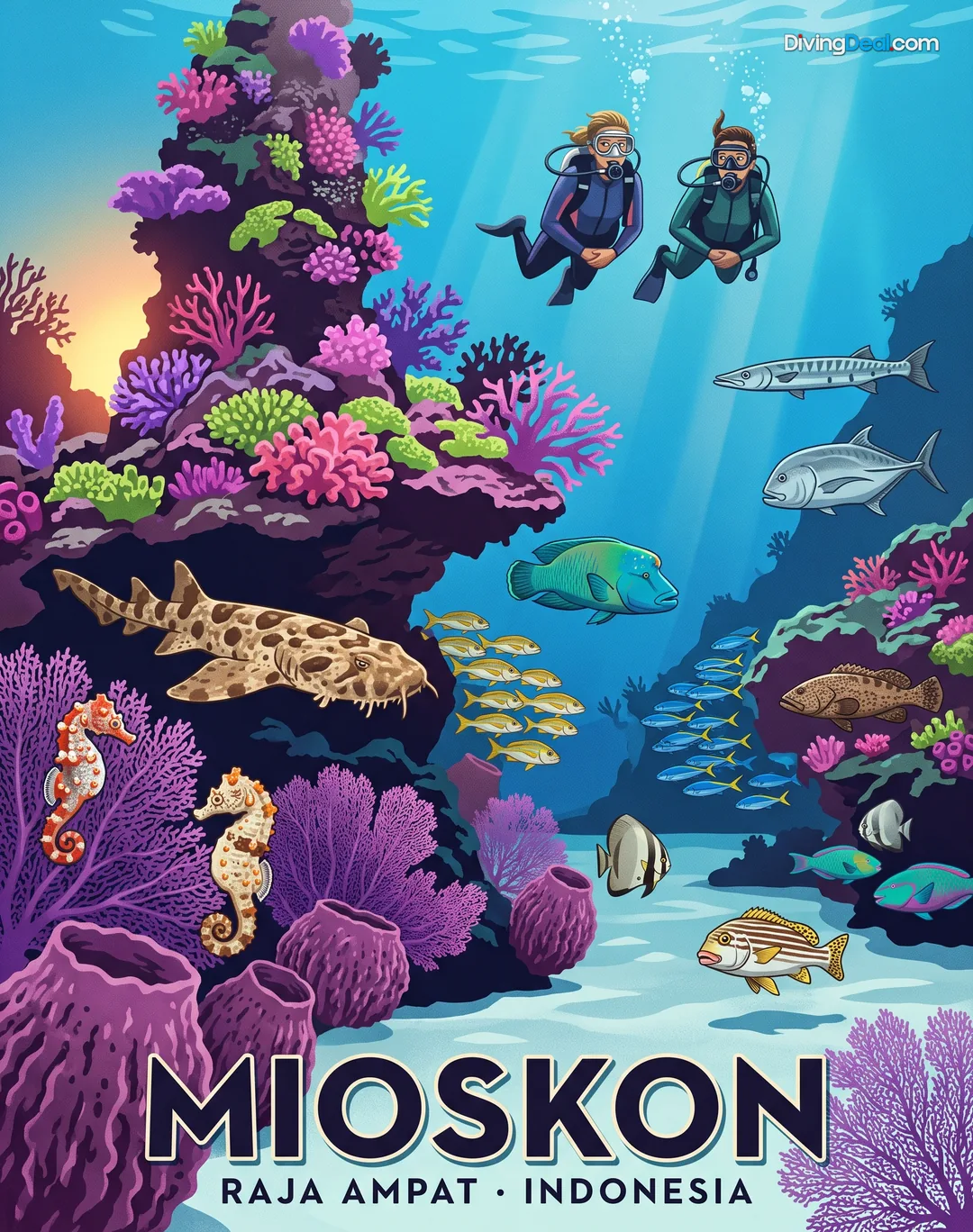
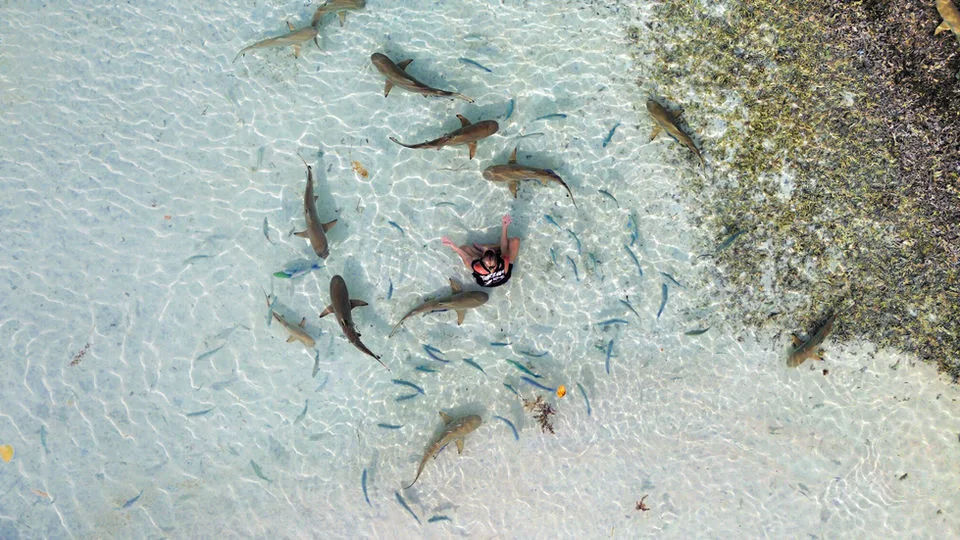
The resident shark population here is also a significant draw. Throughout the dive, you stand a good chance of spotting various reef-sharks patrolling the reef edges and deeper ledges. For those with a keen eye for the unique, be on the lookout for the endemic wobbegong shark (Orectolobus) and the fascinating walking shark (Hemiscyllium halmahera). These species are masters of camouflage, often blending into the coral or rocky substrate, making every sighting a rewarding discovery if you know where to look.
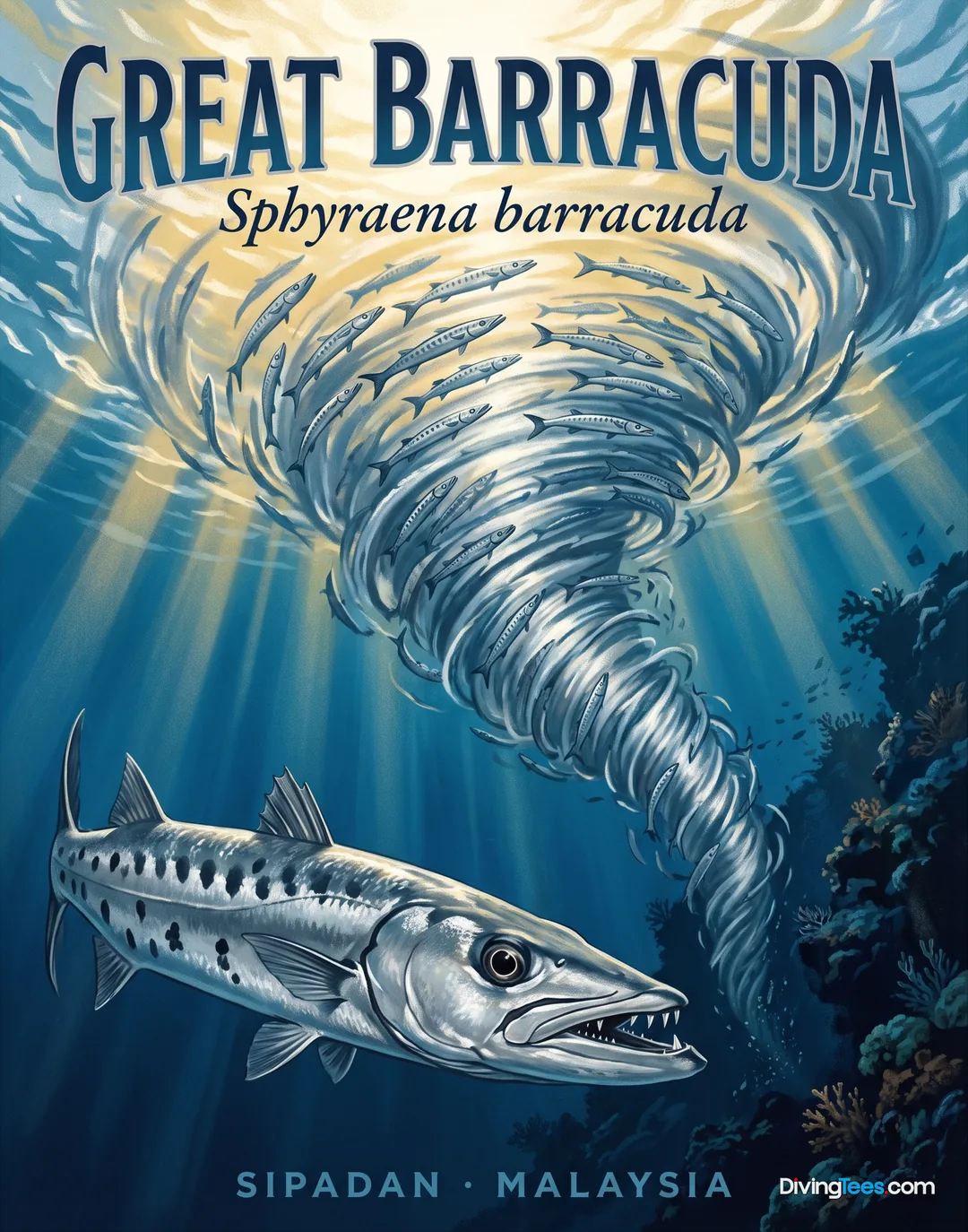
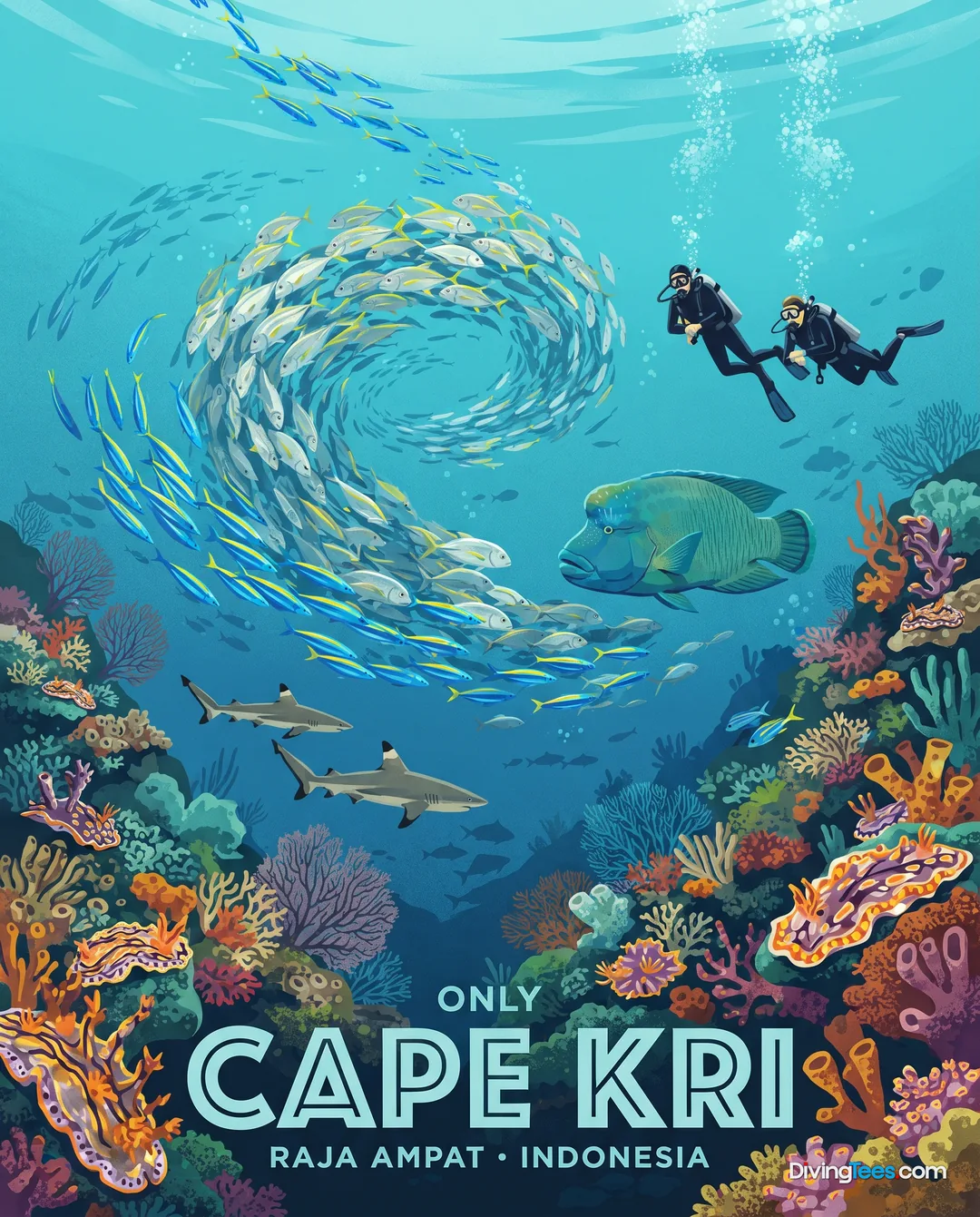
Navigating the currents here is part of the experience, and it is precisely these conditions that foster such a thriving environment. The excellent visibility experienced in the strait ensures that you can take in the broad vistas of the underwater landscape, as well as the intricate details of the reef structure. This clarity allows for an expansive view of the schooling fish, such as barracuda and jackfish, which congregate in dense formations, often swirling above the plateaus or along the walls.
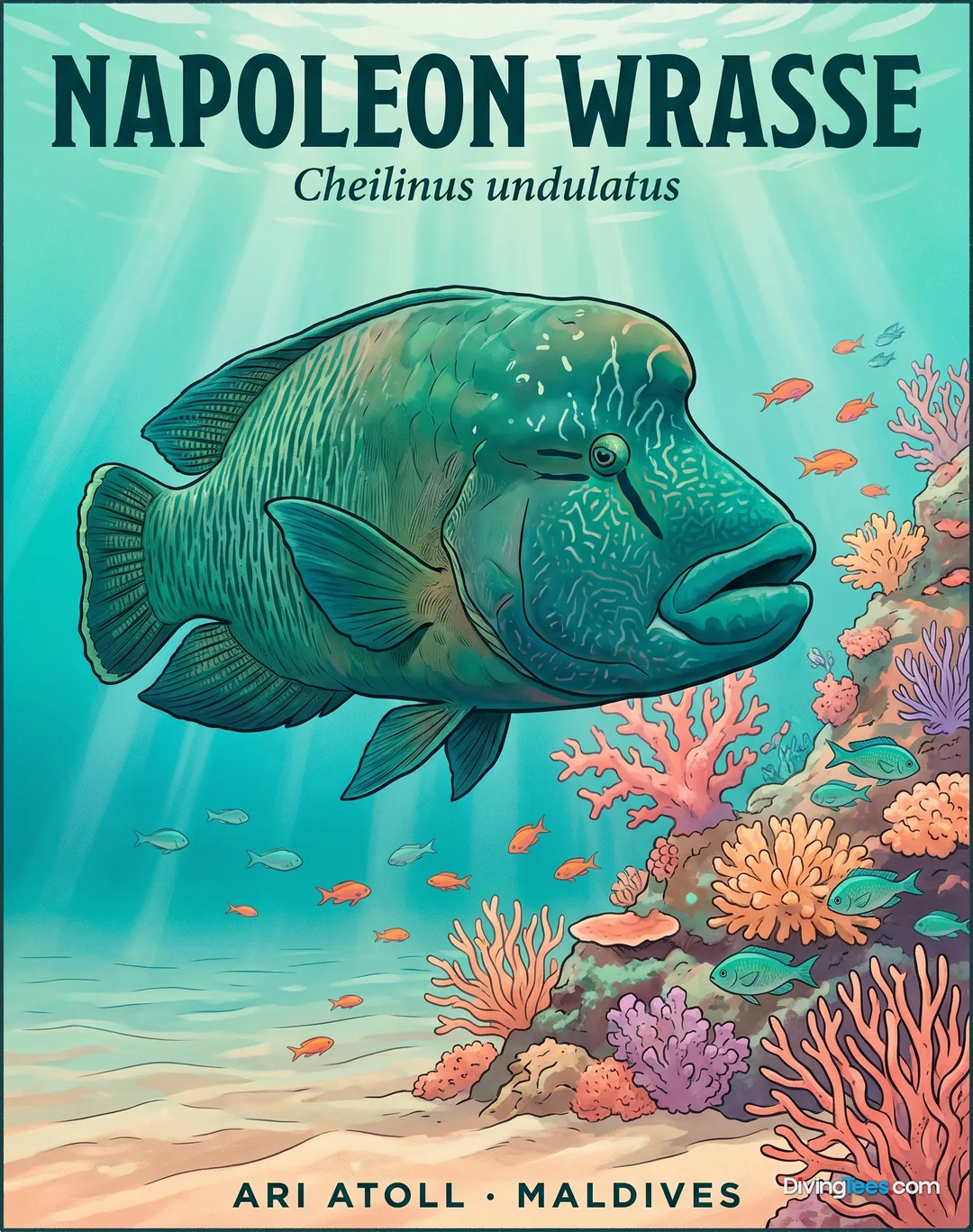
The sheer density of life here is remarkable, from the largest pelagics to the myriad of smaller creatures clinging to the coral formations. You'll encounter ancient turtles (Cheloniidae) making their slow, deliberate journeys along the reef, seemingly unperturbed by your presence. The impressive napoleon wrasse (Cheilinus undulatus), with its distinctive hump, is another common sight, often observed foraging among the corals or making its way along the wall, adding to the spectacle of a truly healthy reef system.
The Dampier Strait features excellent current, which contributes to the excellent visibility you'll encounter on your dives. The best period to experience these conditions aligns with the sunniest season, which runs from April to October.
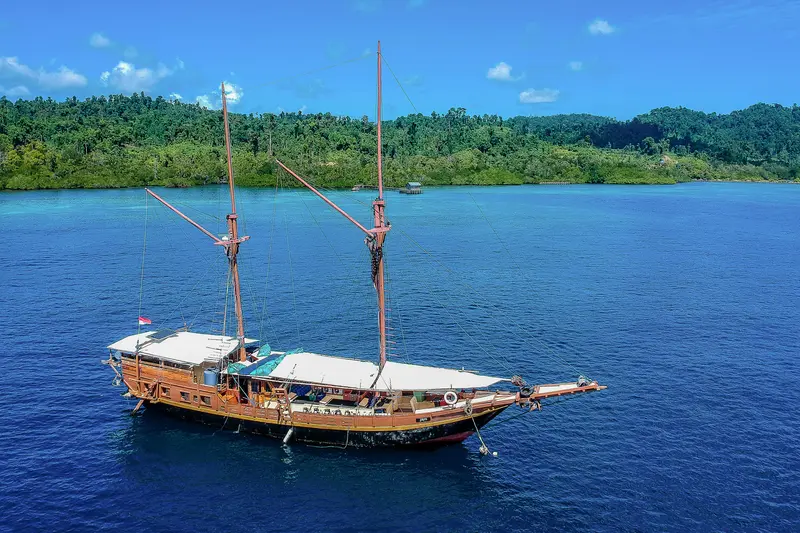
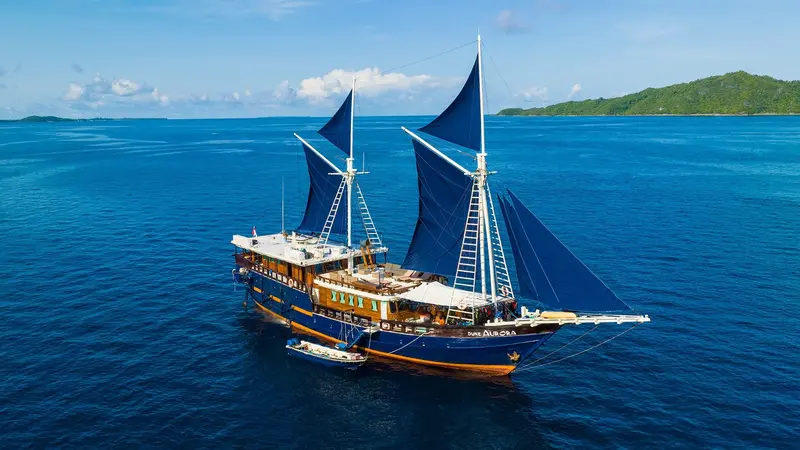
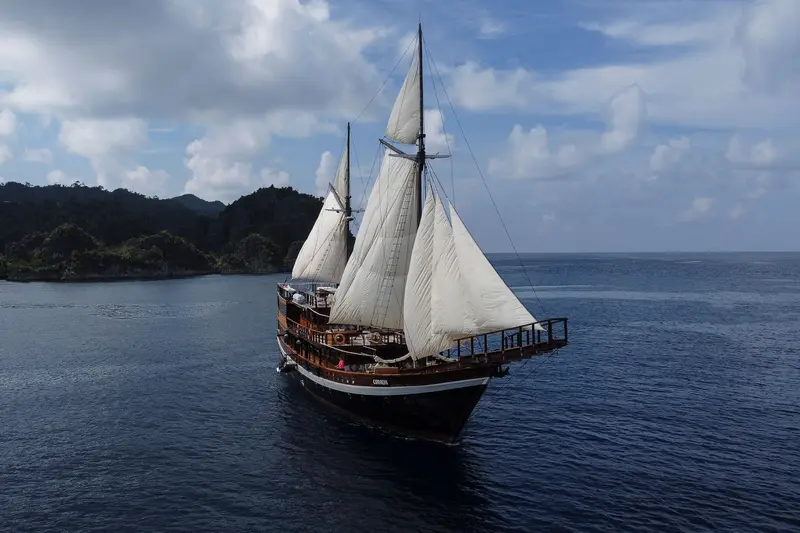
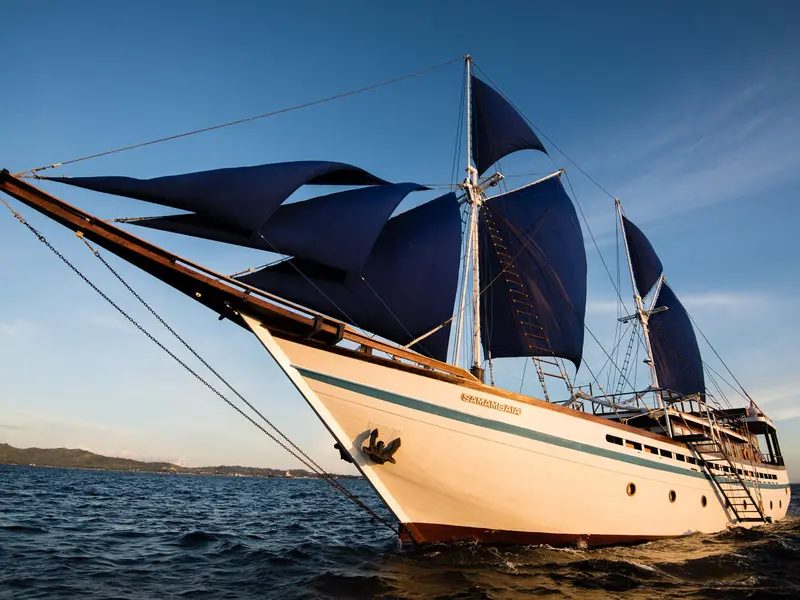
31 liveaboards depart from Raja Ampat another way to explore the region, over several days at sea.
You can experience the conditions associated with Dampier Strait’s clearest visibility from April to October, which aligns with the sunniest season. During this period, the strait’s excellent currents contribute to the visibility described for dives, helping you appreciate both the broader underwater scenery and the reef formations.
Dampier Strait is shaped by powerful currents, and the conditions are described as excellent. These currents bring a constant flow of nutrients through the area, supporting its rich ecosystem and helping create the visibility encountered on dives. Navigating the flow is an important part of experiencing the site and its marine activity.
At Dampier Strait, you may encounter mantas, eagle rays, reef sharks, wobbegong sharks, walking sharks, turtles and napoleon wrasse. Large schools of barracuda and jackfish gather around the underwater mountains and walls. The site also offers opportunities to observe the reef’s smaller inhabitants among colourful coral formations, ledges and overhangs.
Diving Dampier Strait takes you around underwater mountains and sheer walls that extend into the blue. The terrain includes overhangs, ledges and vertical surfaces, creating varied places for marine life. Excellent visibility can let you view the broad underwater landscape, schooling fish above plateaus and details within the reef structure.