Liveaboards · Indonesia
Jakaré — a traditional Indonesian phinisi built around small-group diving
What makes this boat unique
- Jakaré is a traditional Indonesian wooden liveaboard for up to 12 passengers, with five air-conditioned cabins and six bathrooms.
- The boat carries two tenders, two Bauer compressors, DIN adapters, separate camera rinse facilities, and a dedicated shaded dive area.
- Diving is normally organised as three dives per day, with early-morning starts and occasional night dives according to conditions and guest preference.
- The Raja Ampat route combines reef walls, coral gardens, current-swept sites, manta cleaning stations, schooling fish, sharks and macro life.
- Dewi Sri, the aft premium cabin, has a private wooden deck with direct access to the water.
For subtitles in English: start the video firstthen click the gearat the top right of the video, select “Subtitles/CC”, then “Auto-translate” and choose “English”.
The invitation
Jakaré suits divers who want Raja Ampat without joining a floating crowd. The boat takes only a small group, yet leaves enough room for non-divers, snorkelers, kayakers and families to share the journey without turning the diving into an afterthought. The reason to choose it is the combination: a traditional Indonesian wooden hull, a genuinely dedicated dive area, private guiding, and a route built around the reefs of central and southern Raja Ampat. You come aboard for manta rays, schooling fish, soft corals and the small animals hidden in them; you stay because the boat lets the days include beaches, hikes, kayaks and time simply looking out over the islands. The currents can be fierce at some sites. That matters. Jakaré is a better match for divers comfortable with drift diving and changing conditions than for someone looking only for sheltered, easy-water dives.
Boarding
Jakaré arrives as a traditional Indonesian wooden phinisi rather than a polished hotel barge. Its character comes from the open layout: there is no superstructure, so the living space spreads across the decks instead of being divided into enclosed floors. Forward, the dedicated dive area makes the boat’s purpose clear as soon as the kit starts moving. Aft, the shaded dining and lounge area opens onto the surroundings, with natural ventilation and a wide view rather than a sealed indoor room. The upper deck is given over to sun, yoga and long views across the Indonesian seas. Movement between these spaces is simple, and the small passenger capacity keeps the boat personal. By the second day, the same people are at breakfast, on the dive deck and in the tender. That is the point of Jakaré: traditional boatbuilding outside, modern diving logistics where they count.
The atmosphere on board
Jakaré feels more like a small working expedition than a hotel with a dive centre attached. Audrey, the cruise director and dive instructor, is central to that experience: she briefs dives, adjusts plans when conditions demand it and keeps the practical side of the trip moving. The local and international crew handle the boat, tenders, food and dive support across long days, and speak English, French and Indonesian. Guests have described the crew’s care in concrete terms: attention when a diver becomes anxious underwater, help recovering lost equipment, and the ability to adapt when a chosen site proves demanding. That last point is important in Raja Ampat, where current can change the character of a dive. Evenings gather around the shaded dining area and lounge rather than a formal entertainment programme. The group forms through repeated dives, meals and small decisions about what to do next.
The sites you’ll dive
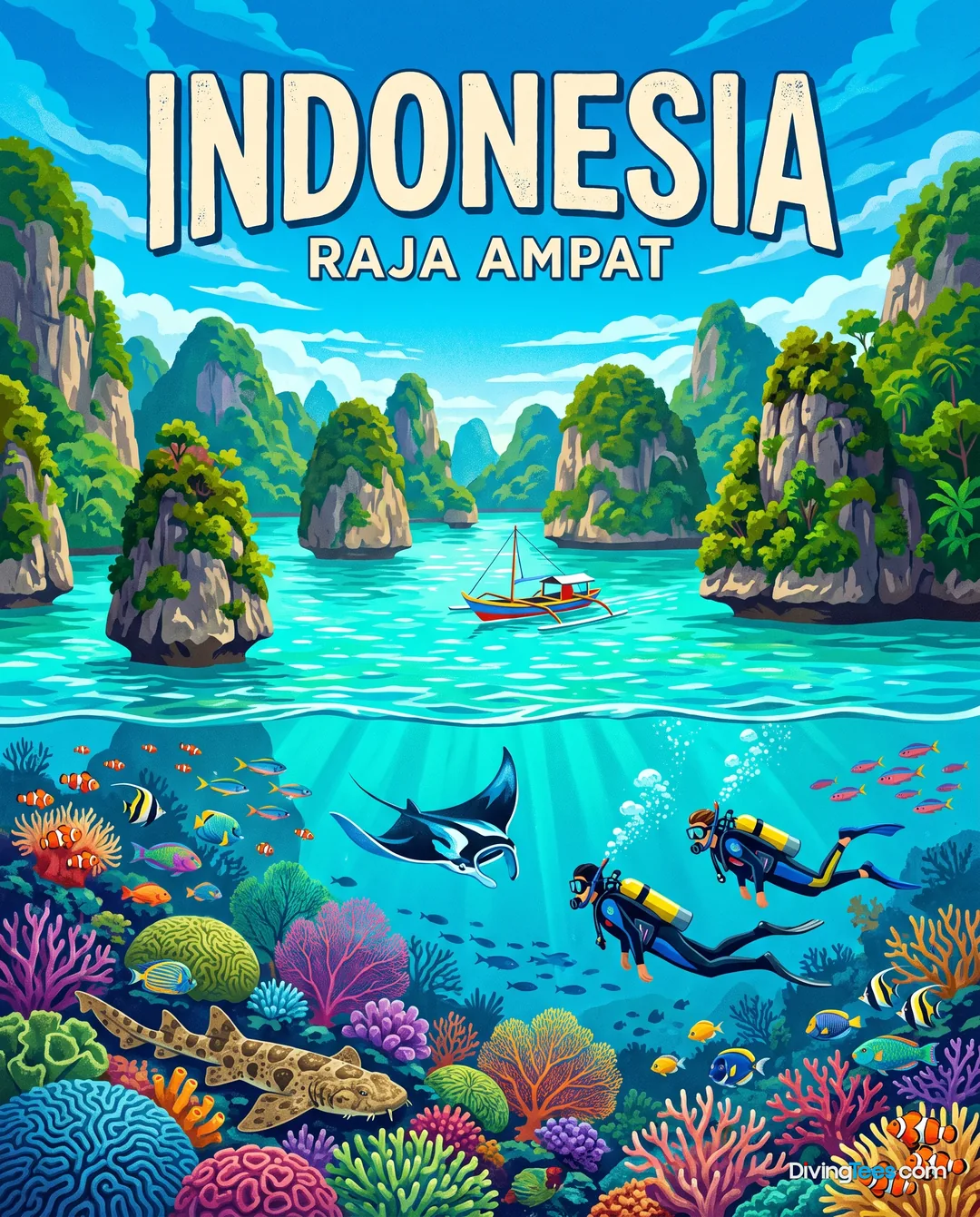
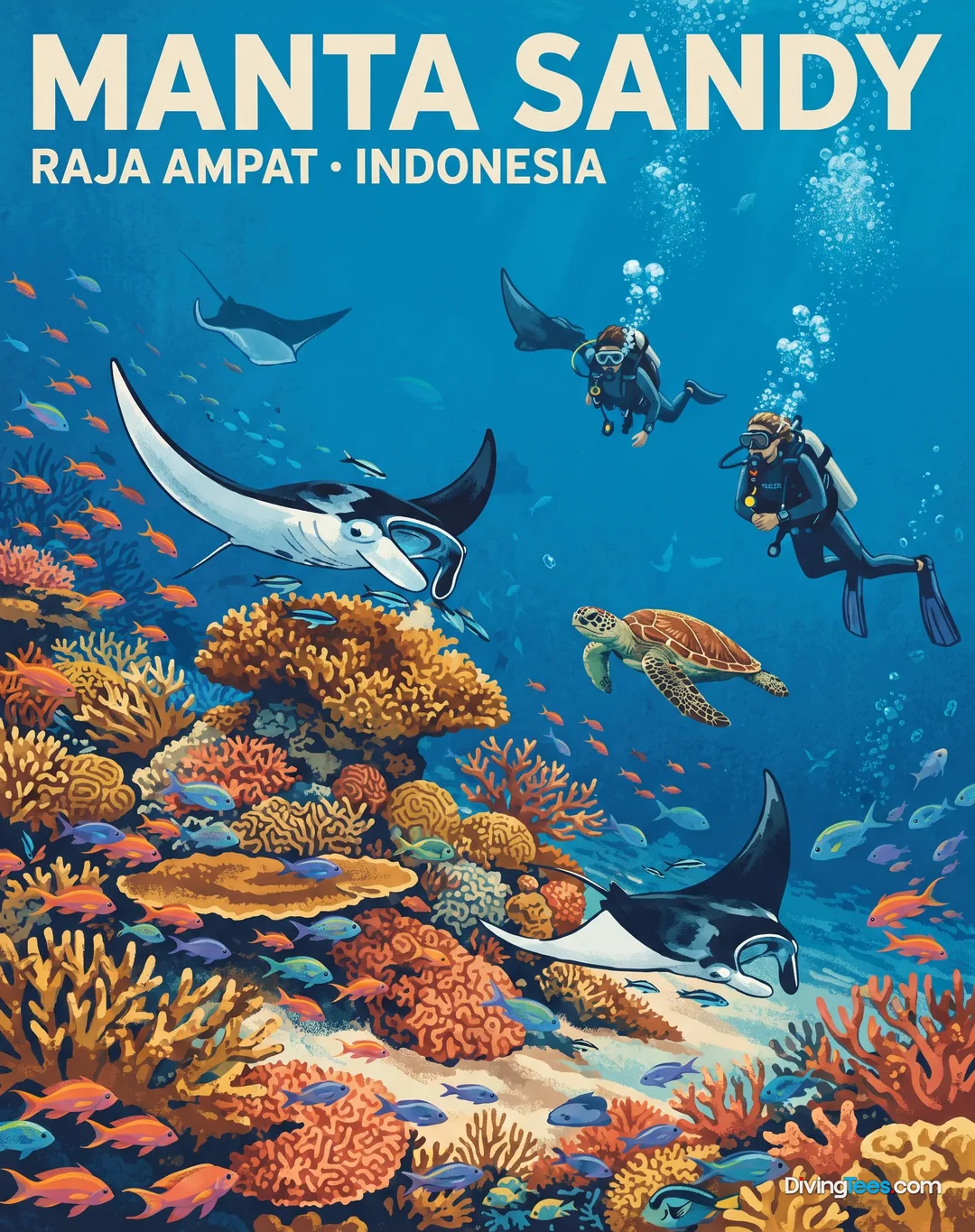
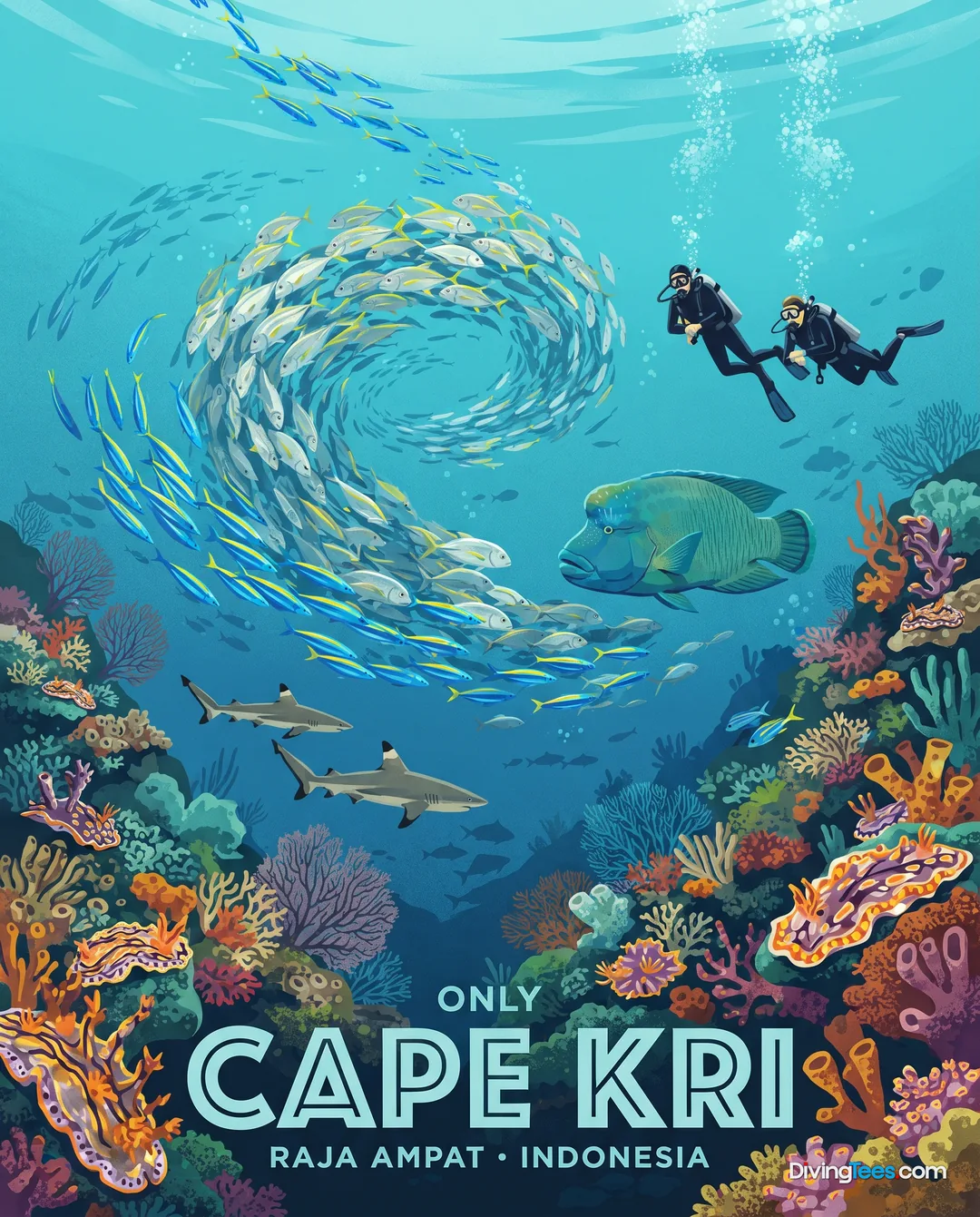
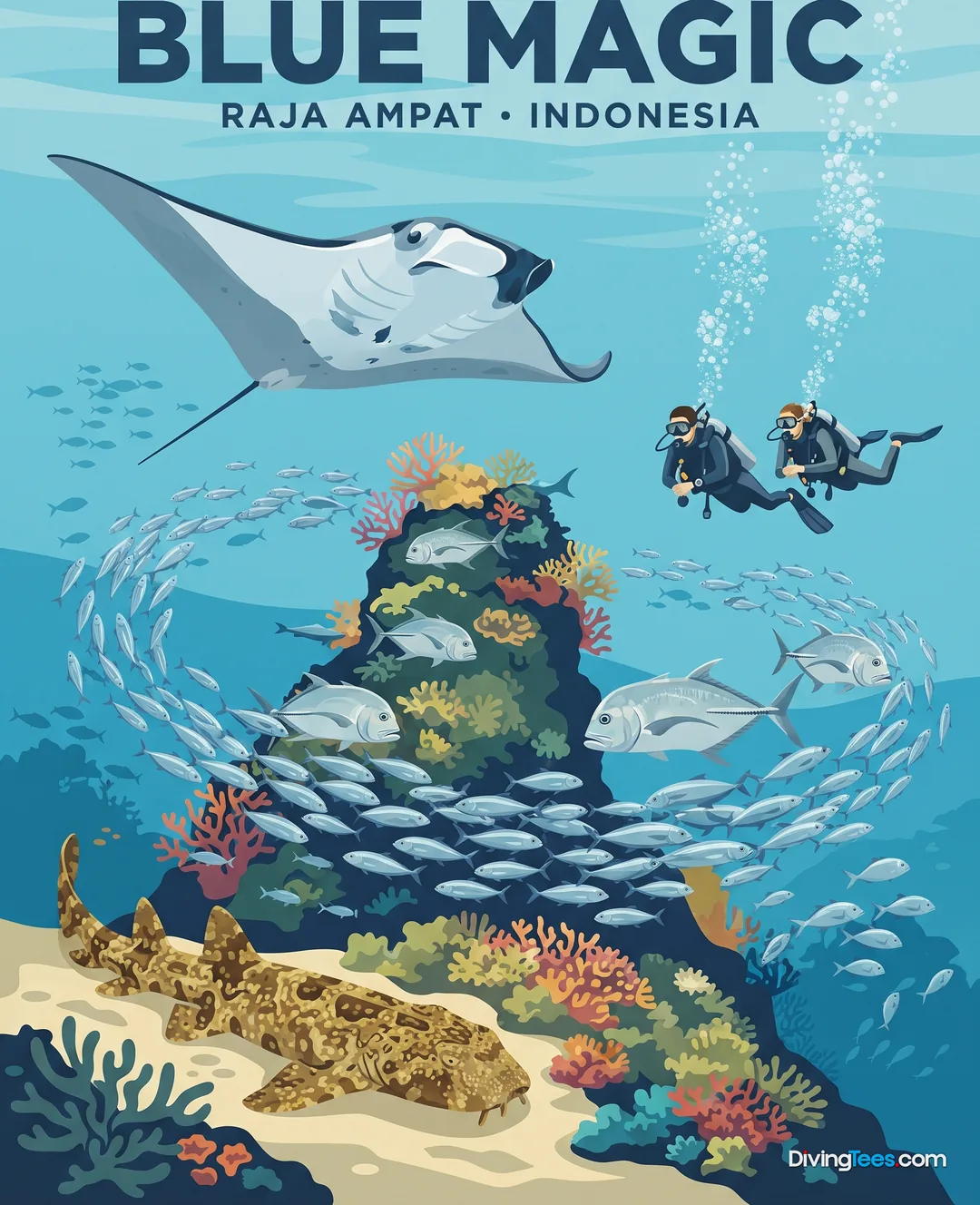
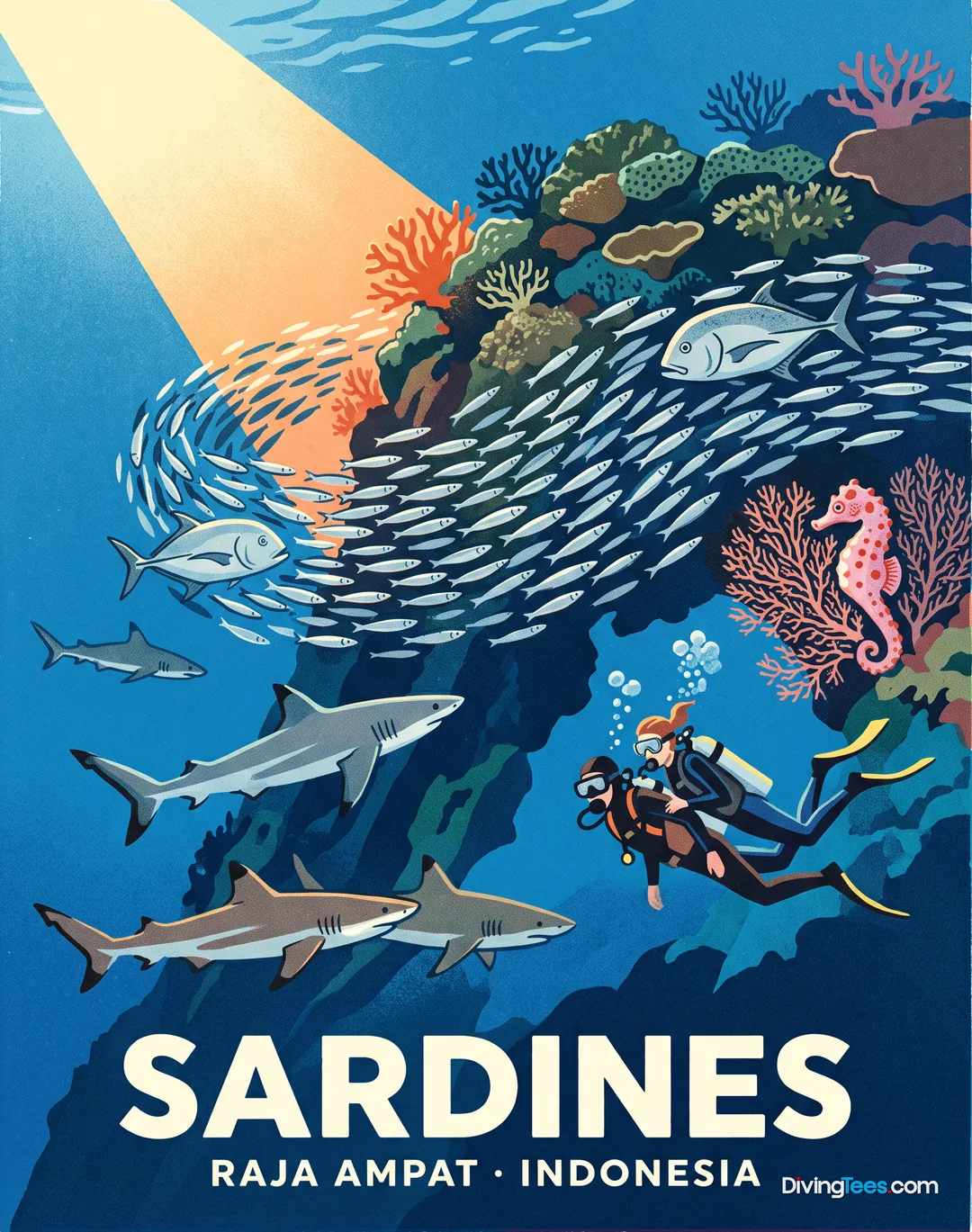
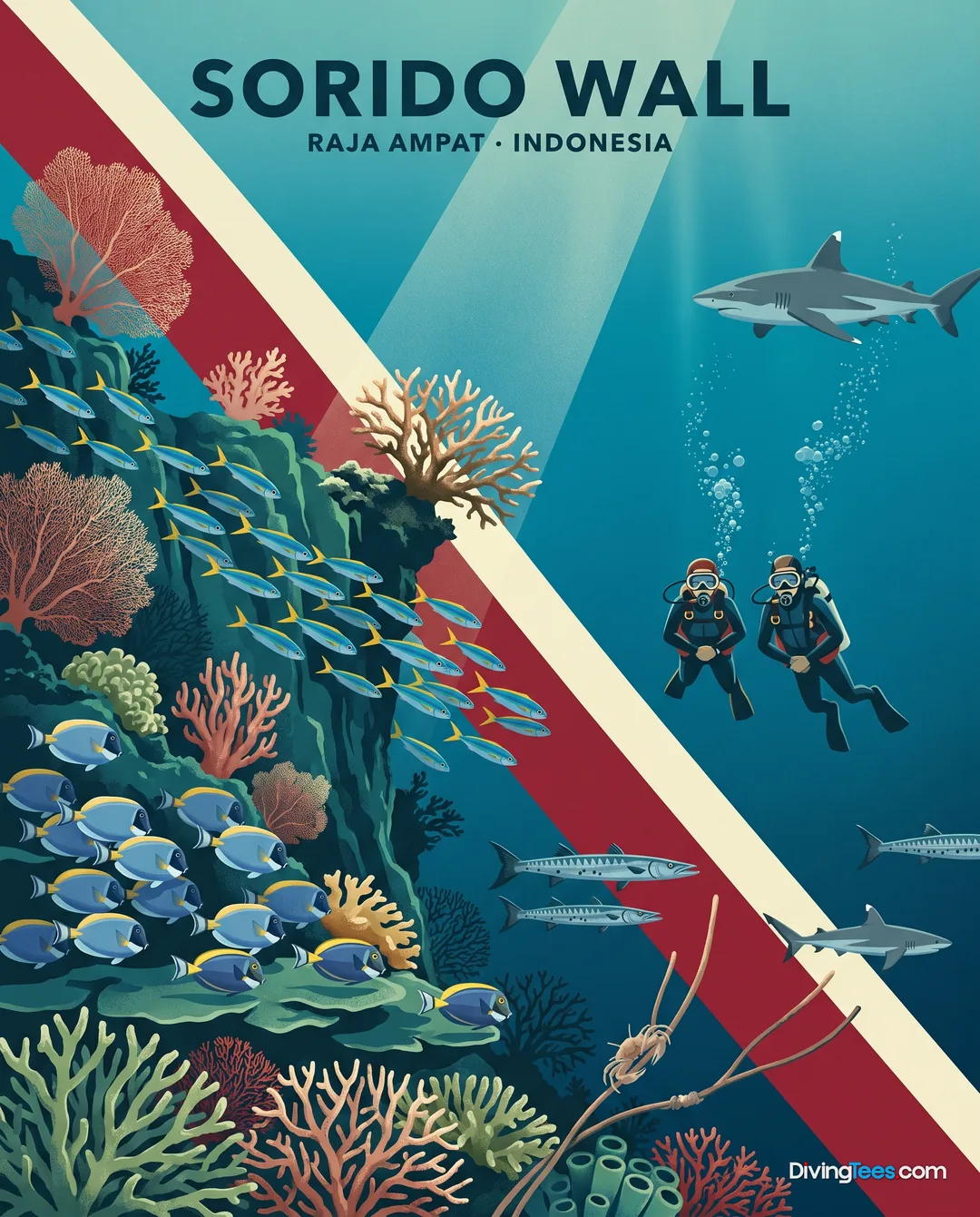
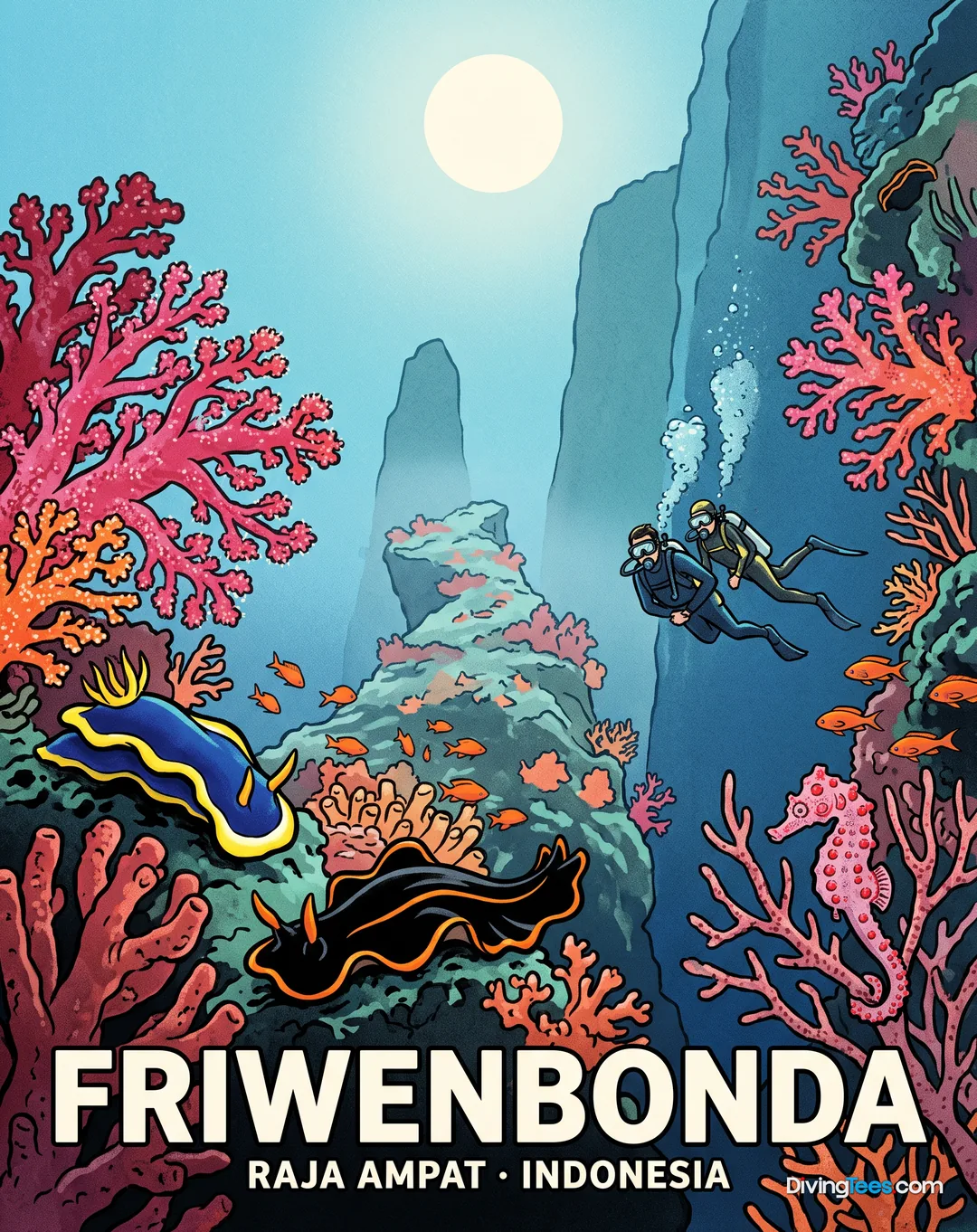
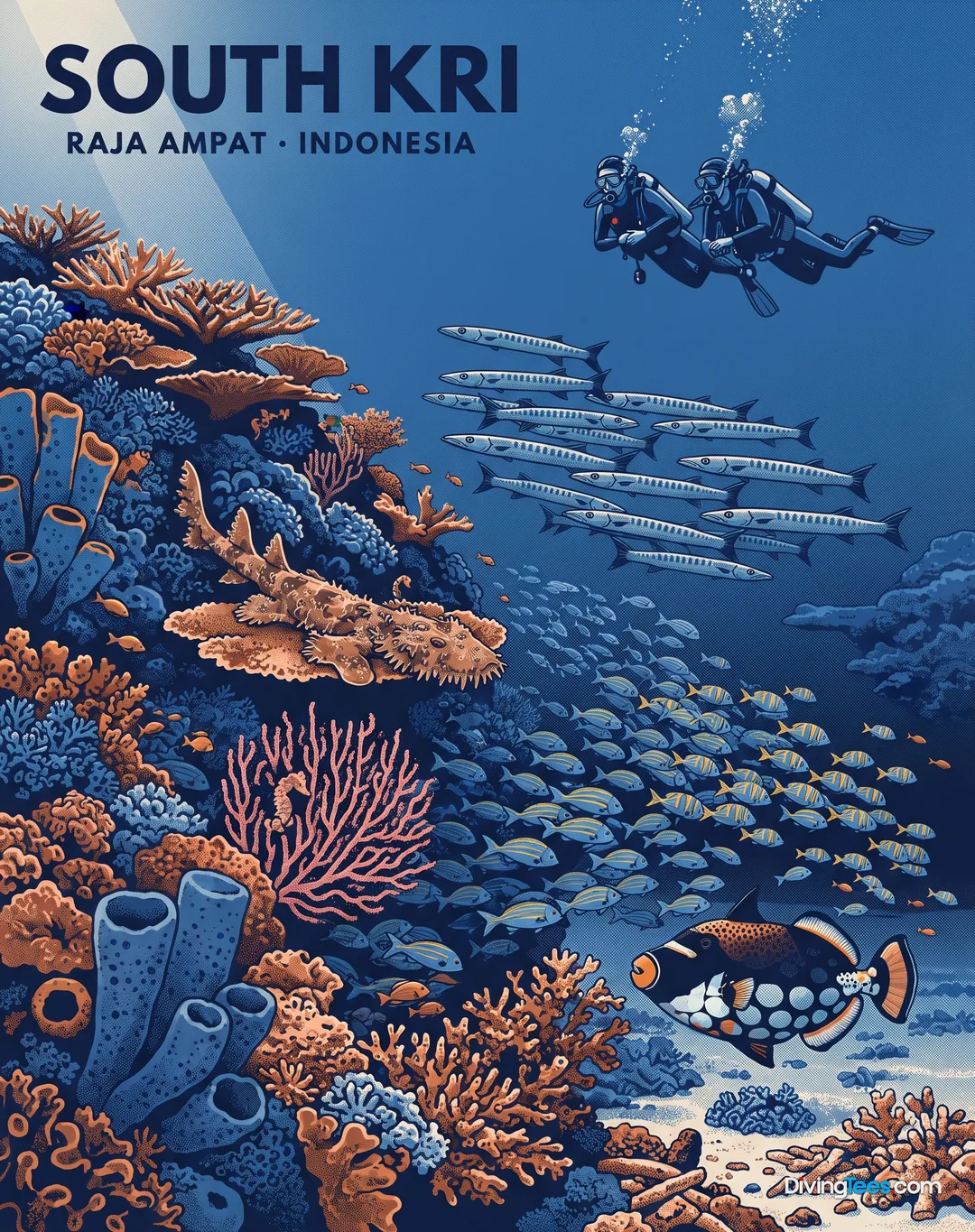
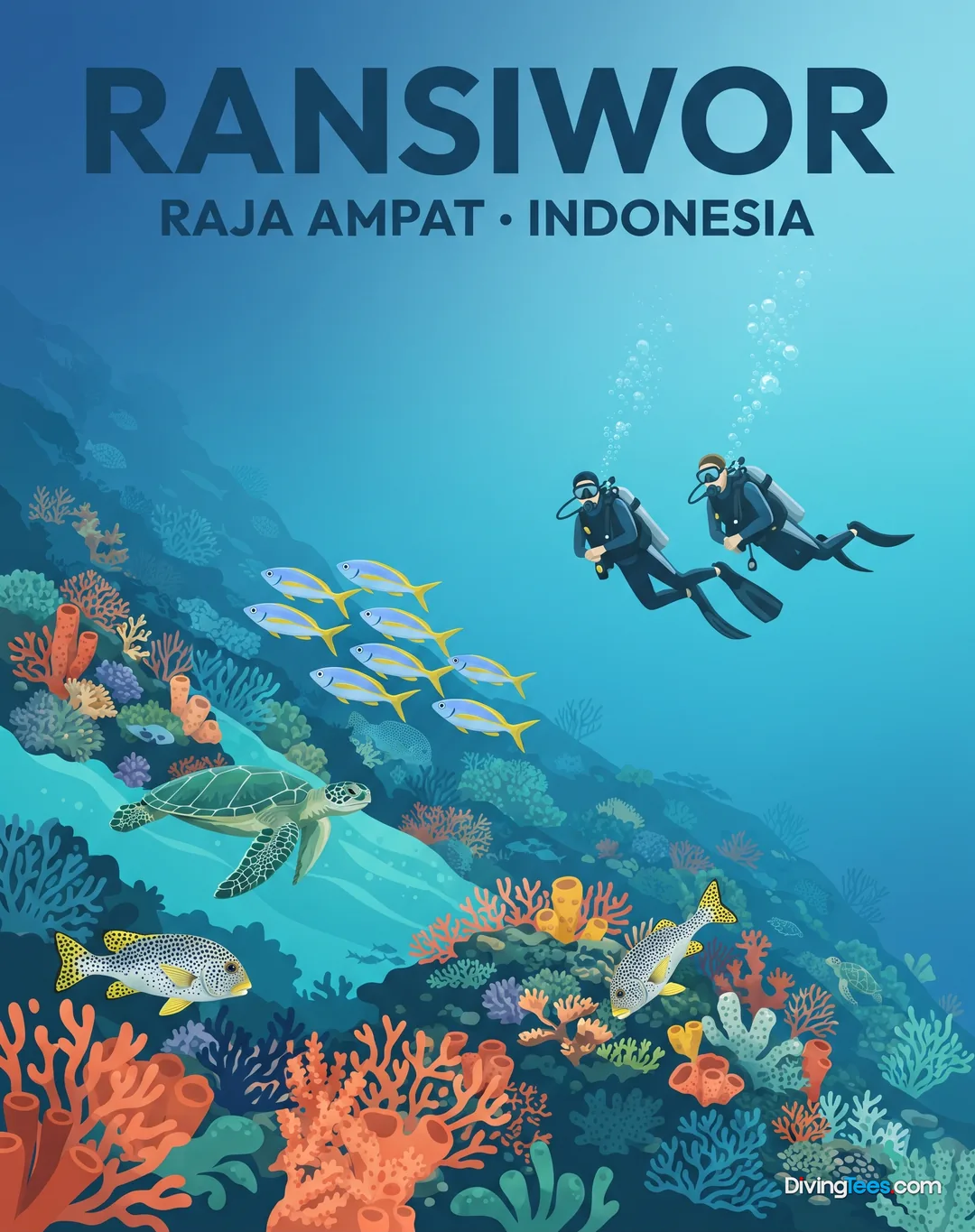
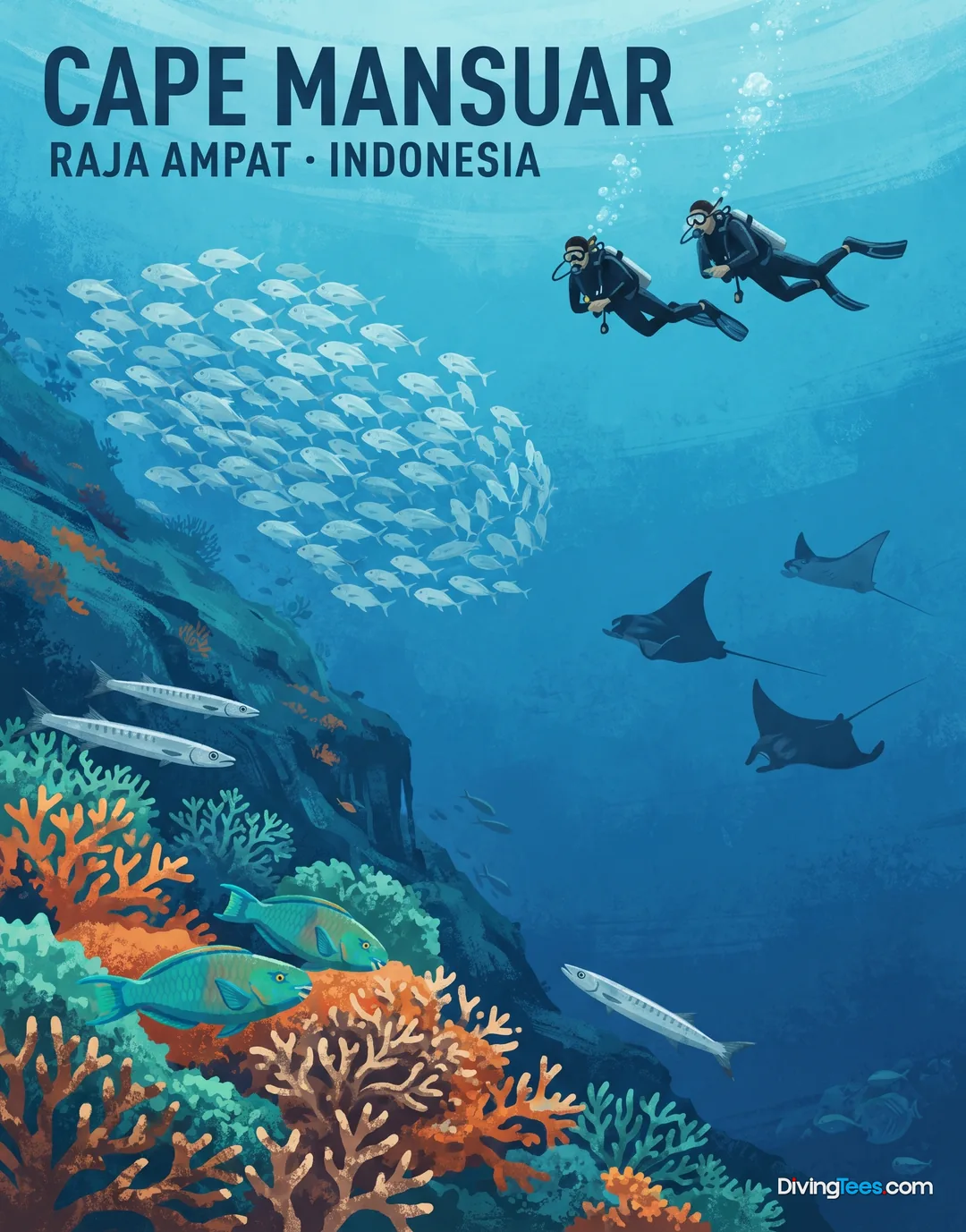
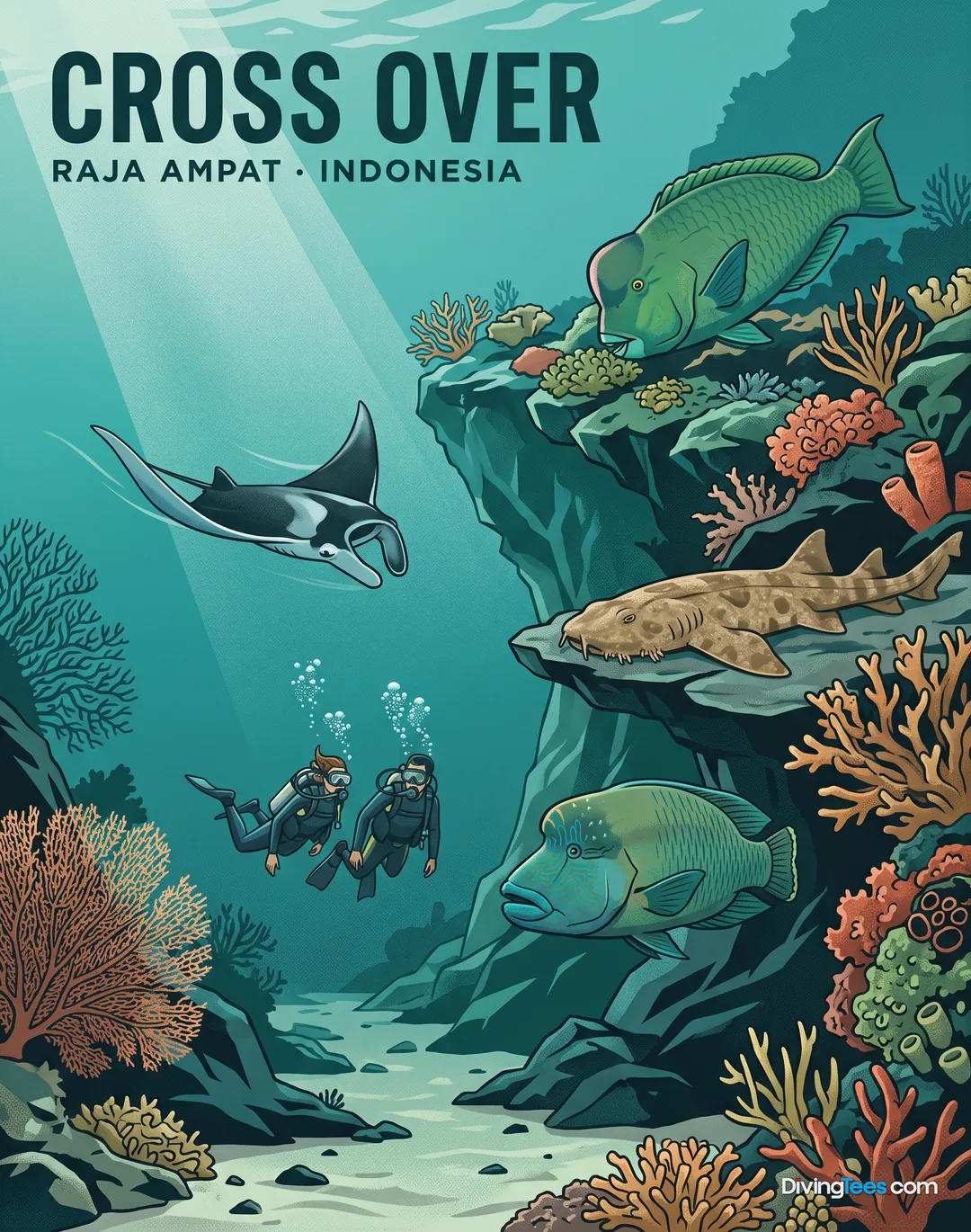
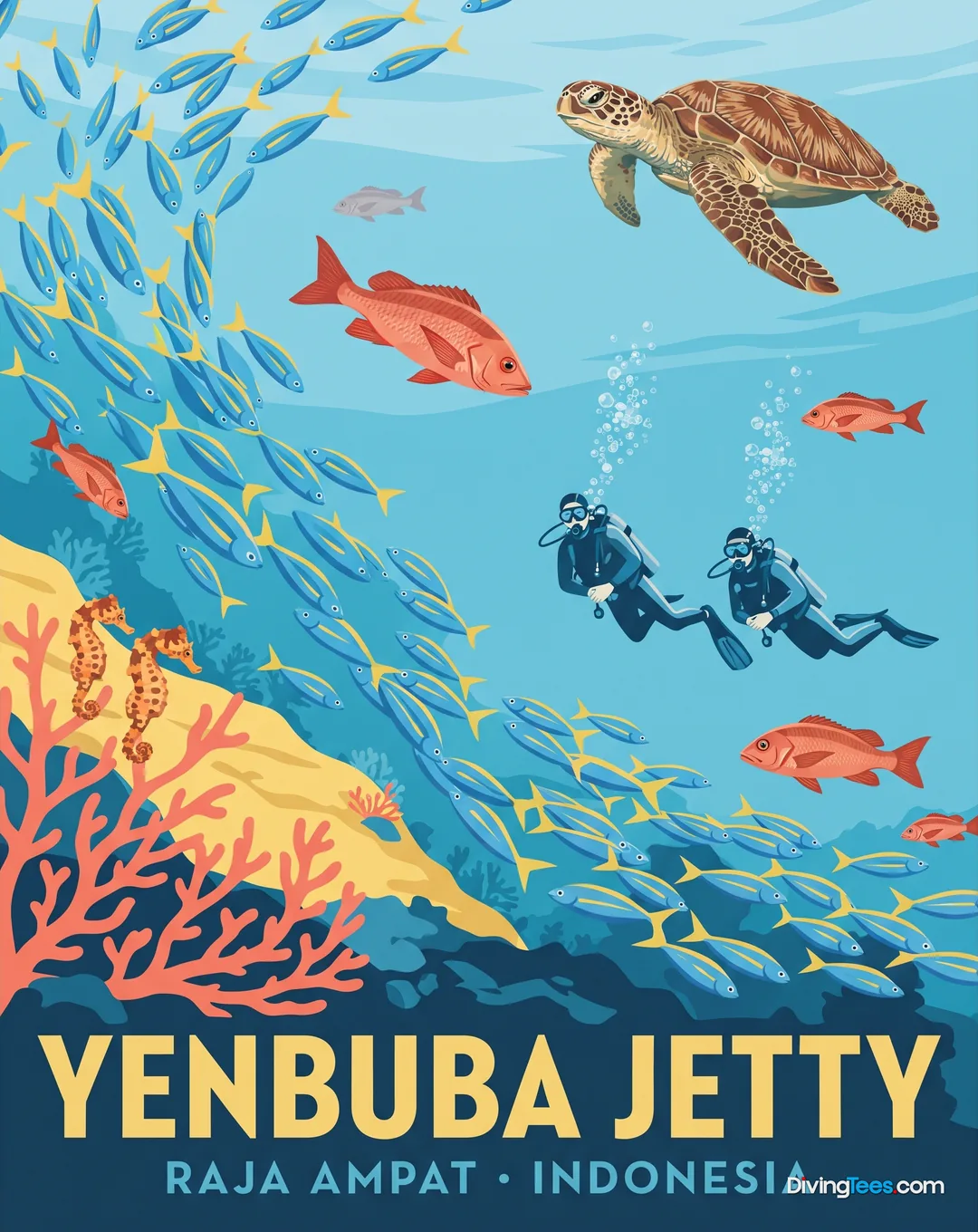
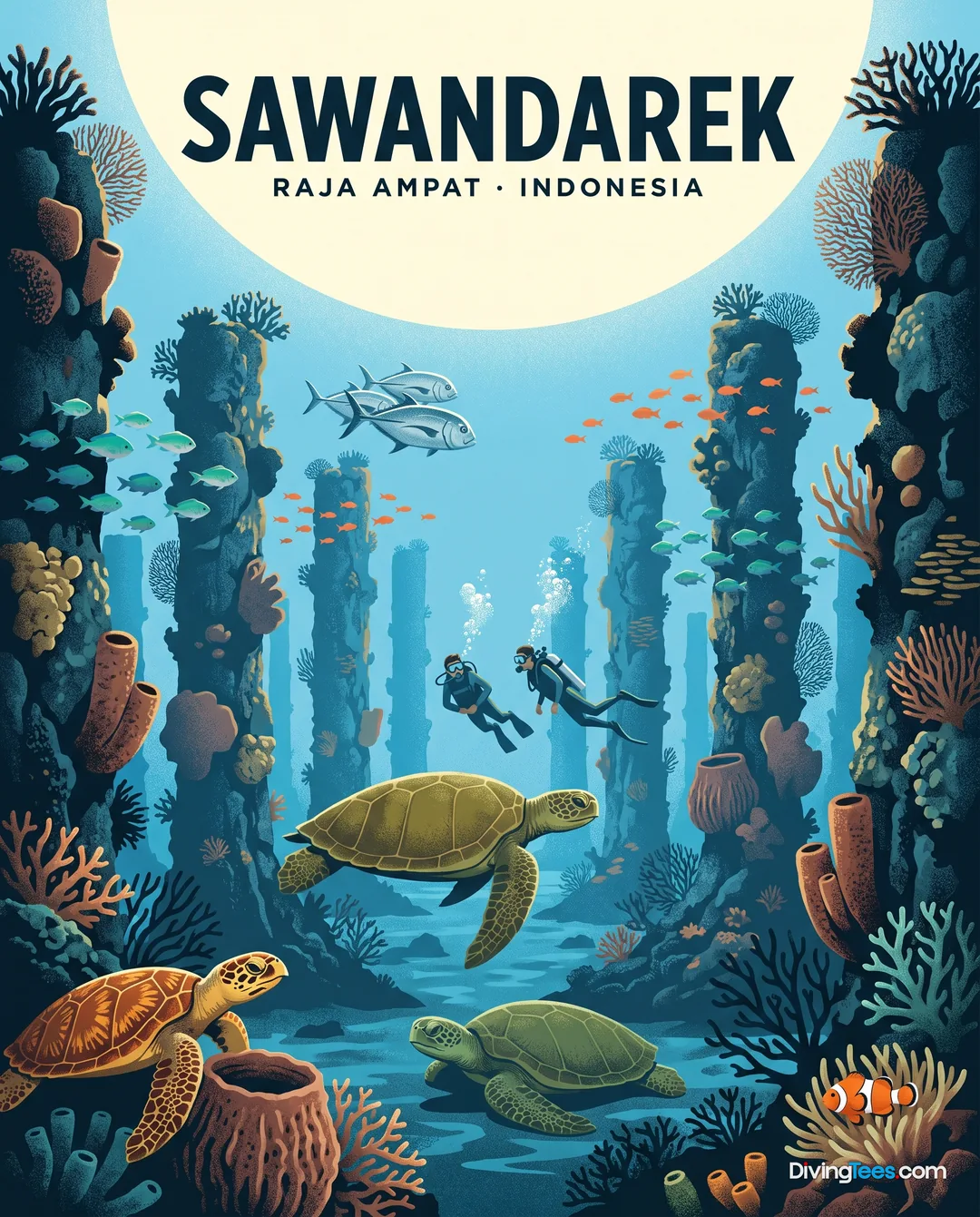
Raja Ampat is the reason to choose this route. Manta Sandy places divers and snorkelers beside reef manta rays hovering over cleaning stations. Mike’s Point combines reef overhangs thick with soft corals and sweetlips with a flat plateau where eagle rays may pass; its maximum depth is -40m. Cape Kri is the big-fish benchmark, with schools of emperors and fusiliers, Napoleon wrasse and reef sharks, and a record of 374 fish species observed on one dive. Melissa’s Garden reaches -35m, where soft corals and staghorn formations fill the reef. Blue Magic brings schooling fish, wobbegongs, giant trevally, dogtooth tuna, barracuda and possible oceanic mantas. At Sardines, dense fish schools meet hunting pelagics. Sorido Wall carries barracuda and reef sharks along schools of fusiliers and surgeonfish. Friwenbonda adds a colourful soft-coral wall and pygmy seahorses, while South Kri, Ransiwor, Cape Mansuar, Cross Over, Yenbuba Jetty and Sawandarek add drift reefs, macro life, turtles and schooling fish. Listed voyages include Banda Sea and South Raja Ampat from Ambon to Sorong over 12 days and 11 nights, alongside other Raja Ampat itineraries.
What you’ll meet underwater
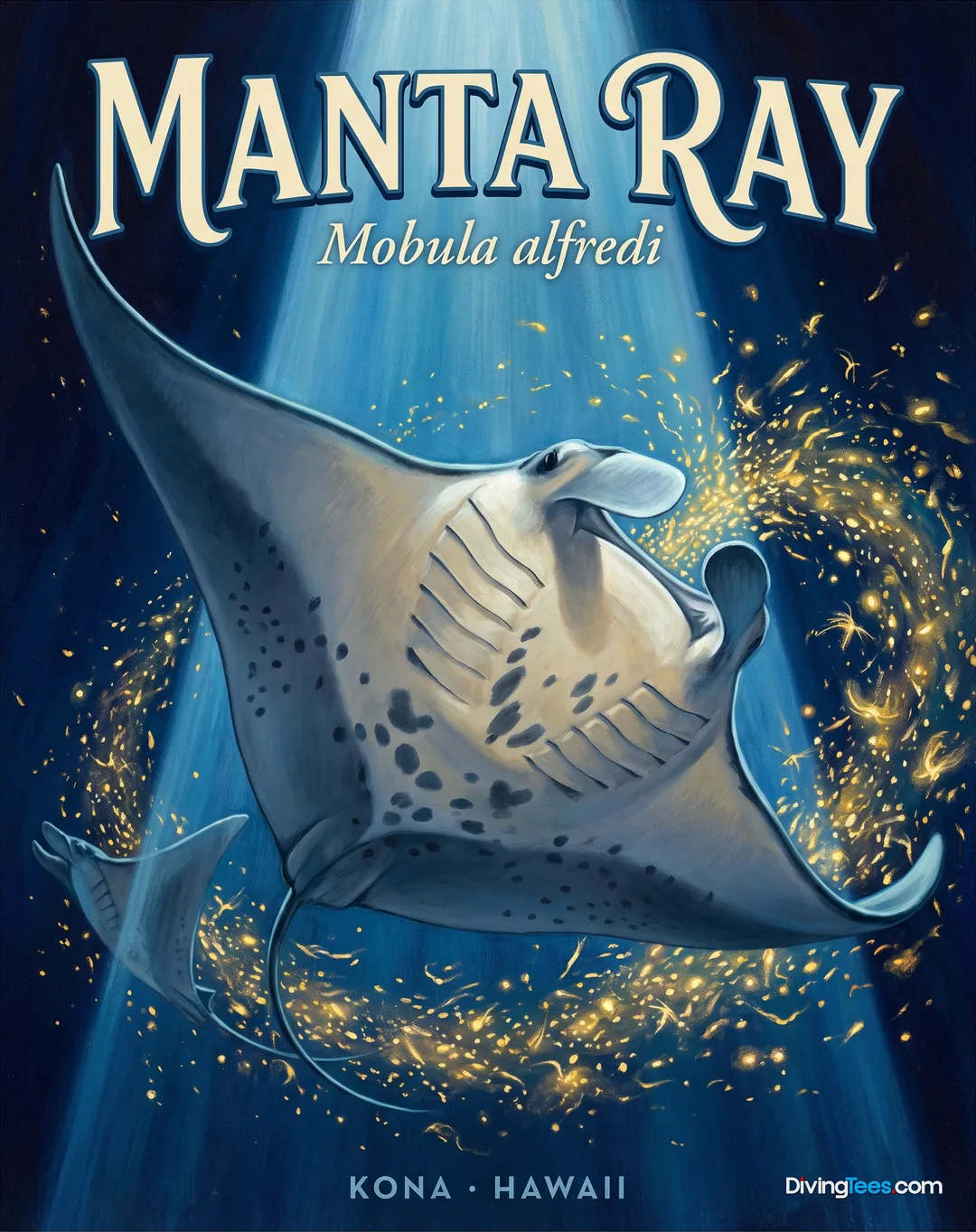
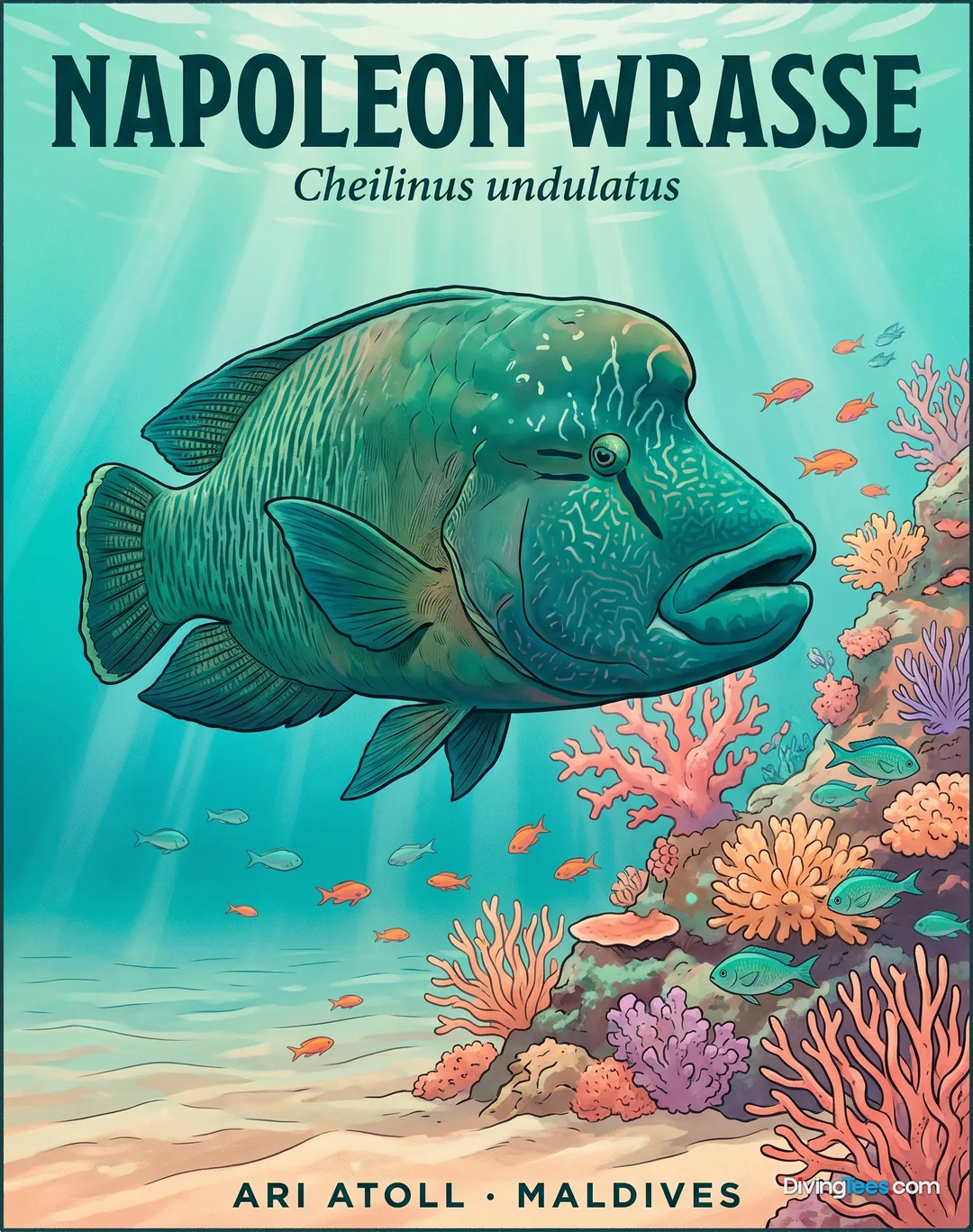
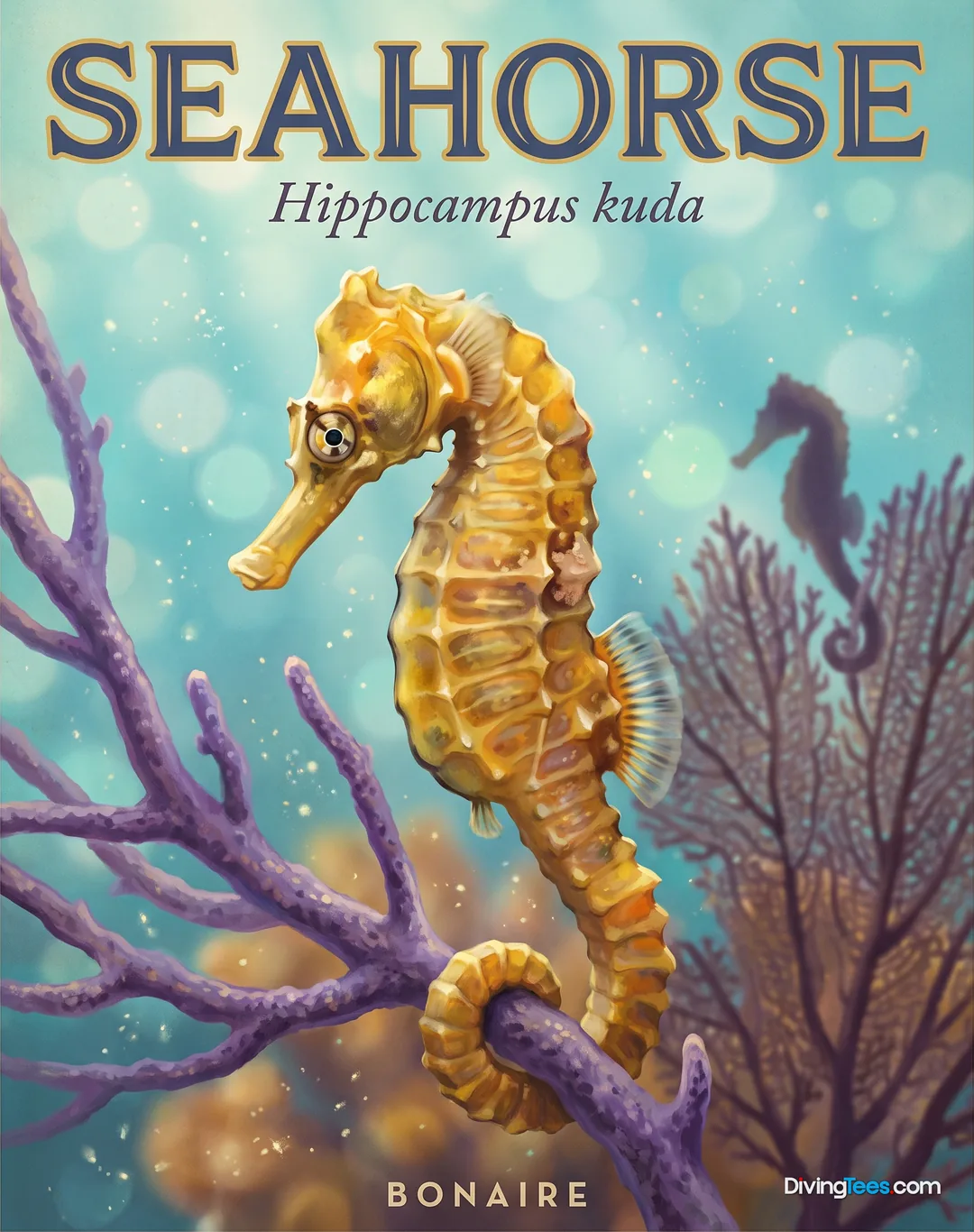
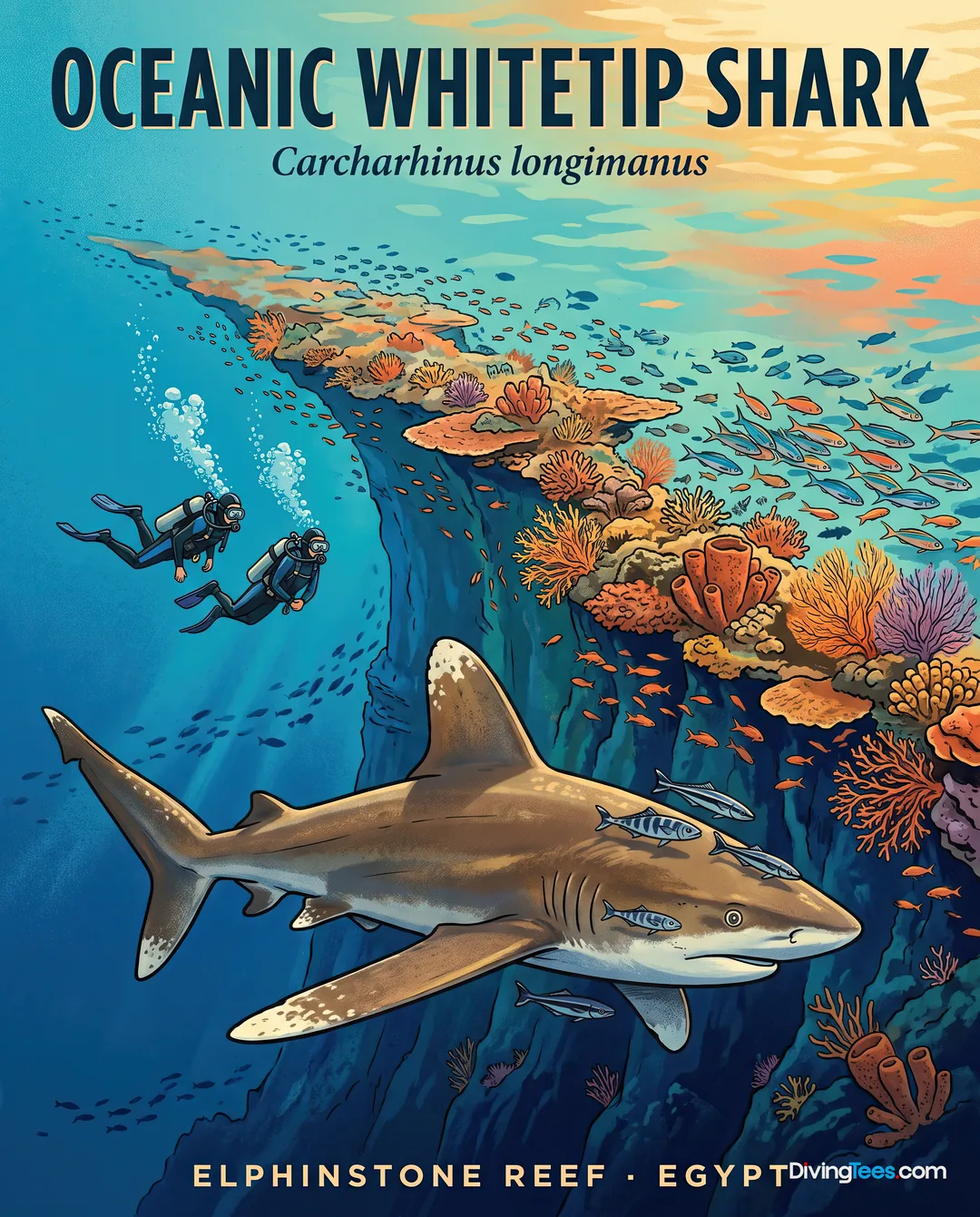
Across this route, the reef is busy with barracuda, reef sharks, Napoleon wrasse, sea turtles, trevally, fusiliers, sweetlips, humphead parrotfish, soft corals, nudibranchs and pygmy seahorses. The abundance changes with the site: schools gather where current and reef structure concentrate food, while cleaning stations bring larger animals close to the reef. Manta Sandy is the clear place to look for reef mantas at work above those stations. Blue Magic is the site for a chance at oceanic manta rays, oceanic whitetip sharks and tuna in the blue. Cape Kri is the only listed site for giant grouper and whitetip reef sharks, as well as the place associated with the 374-species single-dive record. Yenbuba Jetty offers anthias and damselfish around coral-covered pilings, while South Kri is the place for bigeye trevally, crabs and shrimp. Ransiwor may produce an octopus and clownfish; Sorido Wall is where surgeonfish join the barracuda and reef sharks. Nothing is guaranteed, but every site has a reason to descend.

Who puts you in the water
Dives are led by licensed instructors and experienced local guides, with Audrey providing French- and English-speaking instruction and the wider crew speaking English, French and Indonesian. The guiding model is deliberately personal: a private dive guide is included, and dives can be adapted to the level and preferences of the group. No fixed logged-dive minimum or guide-to-diver ratio is stated, so the important question is whether the diver is comfortable with Raja Ampat conditions, including strong current and drift procedures. Briefings cover the site and the plan before the tender leaves, with the decision adjusted to tide and weather. Night dives are possible when guests want them and conditions permit. Safety equipment includes emergency oxygen, first-aid kits, an AED, life rafts, life jackets, fire detection and satellite communication. The crew is trained in first aid and emergency response, with fire drills and established emergency procedures on board.
The dive deck and the gear
The dive area is on the forward deck, shaded and separate from the camera rinse facilities. Jakaré carries two Bauer high-pressure compressors, diving and snorkeling equipment from Aqualung, DIN adapters, TEK equipment and CCR support. Nitrox EAN is available for certified divers as an optional extra; rental equipment is also optional. The boat carries two tenders for transfers between the main vessel and the sites, so divers enter from the tender when the site requires it and return to it after surfacing. A dedicated platform keeps the operation centred on diving rather than making guests cross the whole boat with a set of gear. Camera users get a separate rinse area, while the main dive setup includes the practical support expected on a remote Indonesian route. The equipment list supports recreational, technical and rebreather divers, but the exact tank configuration and tank volume should be checked when booking.
Between dives
The hours between dives belong mostly to the open decks. The shaded aft dining area is naturally ventilated and looks out across the sea, while the adjacent lounge uses bean bags for reading, sleep and the slow conversations that start after a dive. Above, the sundeck gives space for yoga, sun and wide views of the islands. Kayaks, stand-up paddleboards and wakeboarding turn a non-dive afternoon into something active; a beach barbecue, hike or village visit takes the day ashore. The private aft deck is the simplest pleasure on board: step down for a swim, climb back out, rinse and return to the shade. The boat also welcomes snorkelers and non-divers, so a partner can spend the same stretch of sea kayaking, swimming or exploring a beach while the dive group is underwater.
A day on board
The day often begins with an early-morning briefing, sometimes before breakfast, when the current and tide make the first dive worth taking early. After the dive, breakfast becomes the first proper pause, followed by a return to the water later in the morning and again in the afternoon. Jakaré normally runs three dives per day, with the exact order shaped by weather, tide and the group’s wishes rather than by a fixed clock. Between dives, divers eat, dry kit, sleep in the shaded aft area, sit in the lounge or move upstairs for the view. The boat may get underway between sites, while a non-diver can kayak, snorkel, hike or remain on deck. If the group wants it and conditions allow, a night dive adds a final descent after dinner. Then the decks quieten, the equipment is secured, and the next briefing starts the cycle again.
What you eat aboard
Meals are full-board and combine local Indonesian cooking with Western dishes, buffet service, snacks through the day and outdoor dining. Vegetarian and vegan options are available, alongside non-alcoholic drinks, with beer and wine available on board. Breakfast follows the first dive when the boat starts early; later meals arrive around the remaining dives rather than forcing the diving into a rigid restaurant timetable. That matters on a liveaboard. After a current-swept reef, divers need food that is ready, substantial and easy to return to, not a long formal service. The galley also supports beach barbecues, so one meal can move ashore when the itinerary allows. Food is one of Jakaré’s strongest points, with local flavours sharing the table with familiar options for guests who have spent the day underwater.
Nights at sea
There are five cabins, all air-conditioned and fitted with a private bathroom and storage. The two Banggai Standard Cabins sit forward, with a 120 cm single bed and an 85 cm single bed; Lotus and Orchids are the premium central cabins, each with a 140 cm double bed and an 80 cm single bed. Dewi Sri is the premium aft cabin, with a 150 cm double bed and its own wooden deck opening directly to the water. The cabin choice changes the night more than decoration does. Forward cabins place sleepers closer to the working part of the boat, while Dewi Sri gives a private outdoor corner for a last swim or a first look at the sea. Between dives, the rear rest area offers bean bags and space for a nap. These are compact liveaboard cabins, but the boat’s open decks stop them becoming the only place to breathe.
Dewi Sri Large Cabin
Lotus & Orchids Premium Cabins
Banggai & Anthias Standard Cabins
What to know before boarding
On the Banda Sea and South Raja Ampat itinerary, boarding is in Ambon and the cruise ends in Sorong. Airport and hotel transfers are included for the itinerary, with the arrangements communicated before departure. Arriving in Ambon the night before boarding is the sensible choice, particularly for a remote cruise with a fixed embarkation point. Other Jakaré departures use different ports, including Labuan Bajo and Sumbawa Besar, so the embarkation and return points must be checked against the selected route.
Deck plan
- Year built
- 2017
- Length
- 35 m
- Beam
- 7 m
- Maximum number of passengers
- 12 PAX
- Number of cabins
- 5
- Number of bathrooms
- 6
- Engines
- 240 hp
- Cruising speed
- 6 knots
- Tenders
- 2
- Website
- jakare-liveaboard.com ↗
Hello, I'm Marina, DivingDeal.com's AI assistant. I answer in detail about hotels, dive centres and liveaboards.

Thinking about the whole trip and the flights? Talk it over with Edith →
Marina is an AI. Some links are affiliate links: DivingDeal may earn a commission, at no extra cost to you. Bookings are made with the partner.