Liveaboards · Indonesia
Raja Ampat Explorer — a traditional phinisi built for serious reef time
What makes this boat unique
- A 33.52-metre wooden phinisi carrying a maximum of 14 divers in seven air-conditioned cabins.
- Two 40 HP tenders make separate drop-offs and pick-ups practical around Raja Ampat’s current-swept reefs.
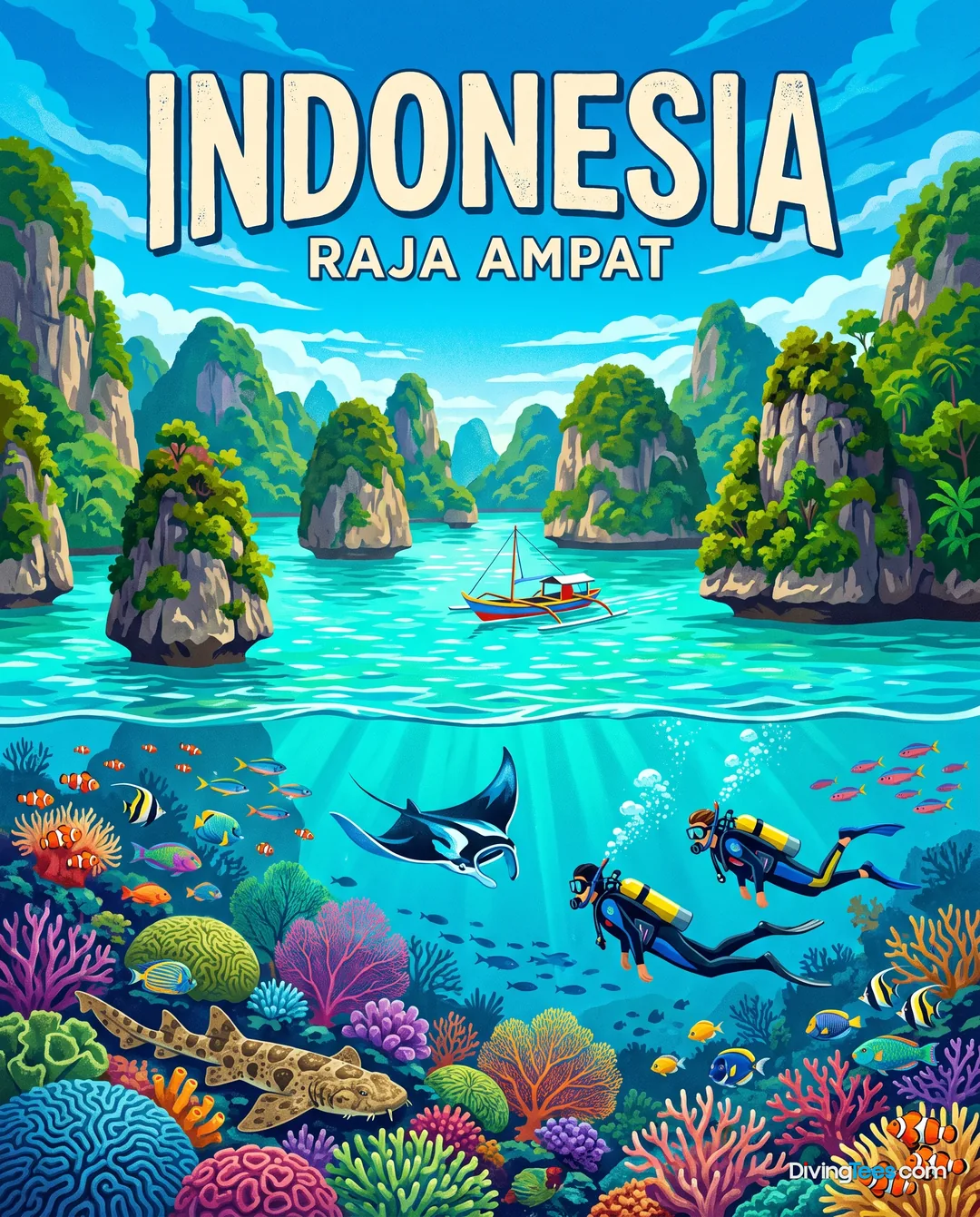
- The route combines manta cleaning stations, dense fish schools, soft-coral walls and strong-current sites.
- Meals are served buffet-style, mixing Indonesian and European food, with vegetarian choices, snacks and beach barbecues.
For subtitles in English: start the video firstthen click the gearat the top right of the video, select “Subtitles/CC”, then “Auto-translate” and choose “English”.
The invitation
Raja Ampat Explorer is for divers who want Raja Ampat’s main advantage: many different reef environments in one trip, without moving between hotels or losing days to road transfers. The traditional wooden hull gives the boat a more substantial presence than a small day boat, while the diving is organised around two tenders rather than one crowded launch. That matters in a place where current, tide and the exact point of descent shape the dive. The recorded Raja Ampat–Fam–Central itinerary runs from Sorong to Sorong for 11 days and 10 nights; some departures also combine Misool, Fam and Central Raja Ampat. Come for cleaning stations, schooling fish, soft corals and pelagics, then choose this boat if a practical, value-oriented phinisi suits the trip better than a newer luxury vessel.
Boarding
The boat arrives as a traditional wooden schooner with the broad, working proportions of a vessel built to spend real time between islands. It was built in 1994 and renovated in 2006, so the character is established rather than showroom-polished. Boarding leads into a boat arranged for diving first: a shaded dive space, a platform at the stern and an upper-deck cabin level, with the saloon and outdoor areas giving the group places to spread out between dives. The wood and the working layout matter more here than decorative finish. Raja Ampat Explorer is not trying to disguise its sailing-boat identity; it pairs that older hull with air conditioning, hot-water showers, private bathrooms and modern navigation and safety equipment.
The atmosphere on board
The atmosphere is helped by the boat’s size: with 14 passengers at most, the same people share the tender, the table and the dive deck until names become unnecessary. The crew speaks English and Indonesian, and their role is visible in the small practical decisions that make a dive trip work—keeping the deck ready, moving divers through the tenders and getting the boat back to the right place after a drift. Passengers describe the boat as cosy and the crew as friendly and professional. The food is the part that receives the highest feedback, while the vessel itself scores well rather than pretending to be new. That balance is useful to know: the crew and the diving carry the personality, and the older wooden hull supplies the setting.
The sites you’ll dive
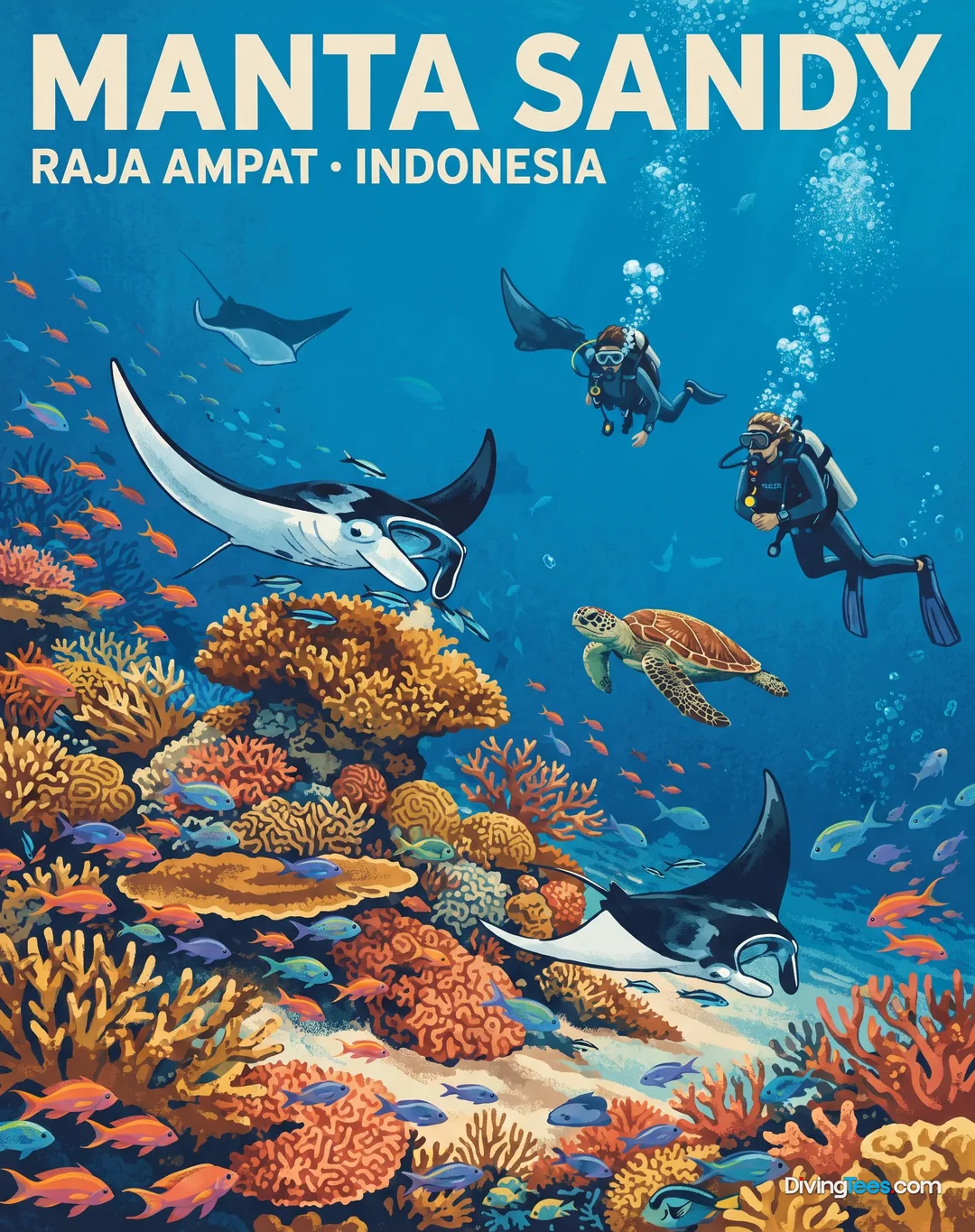
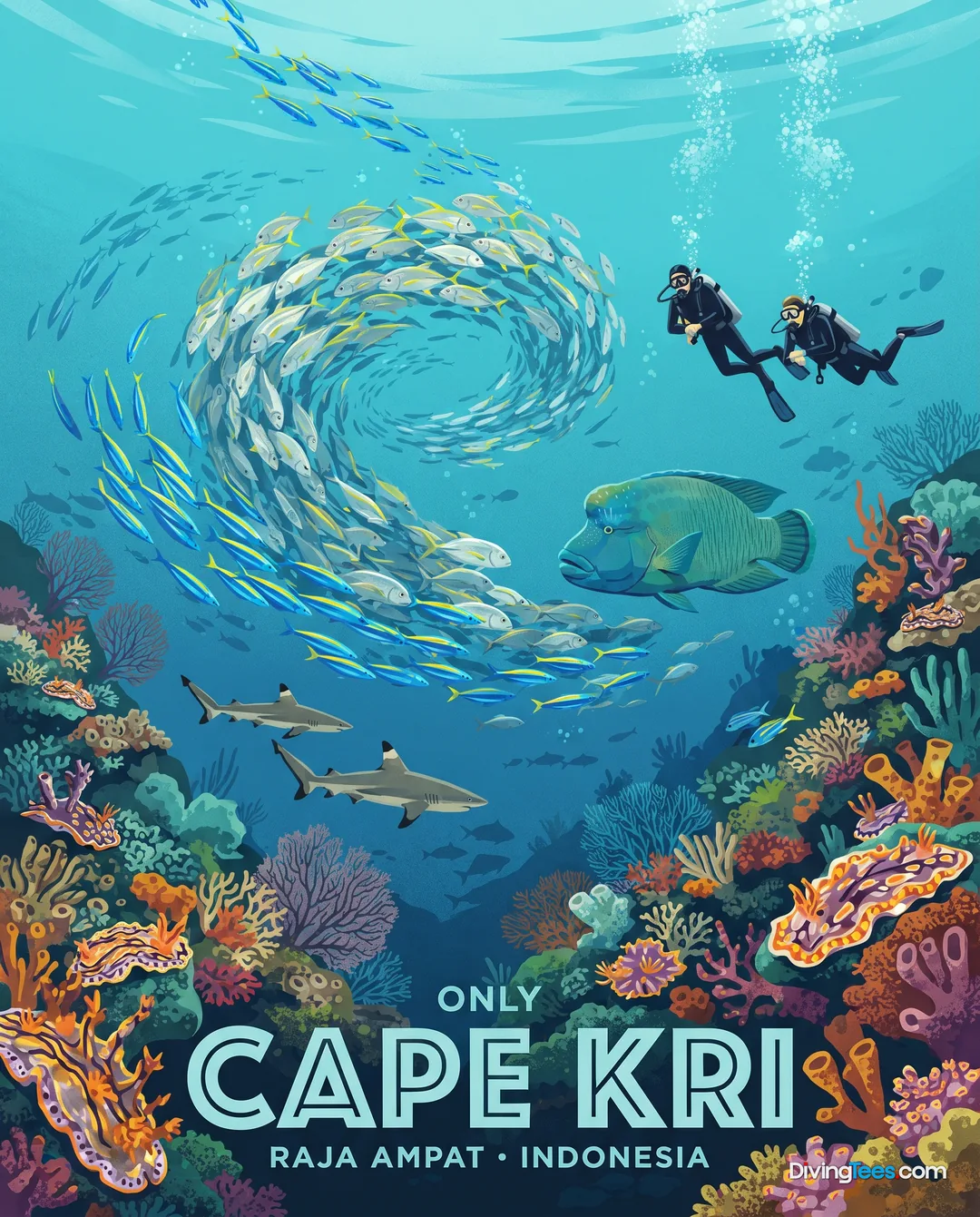
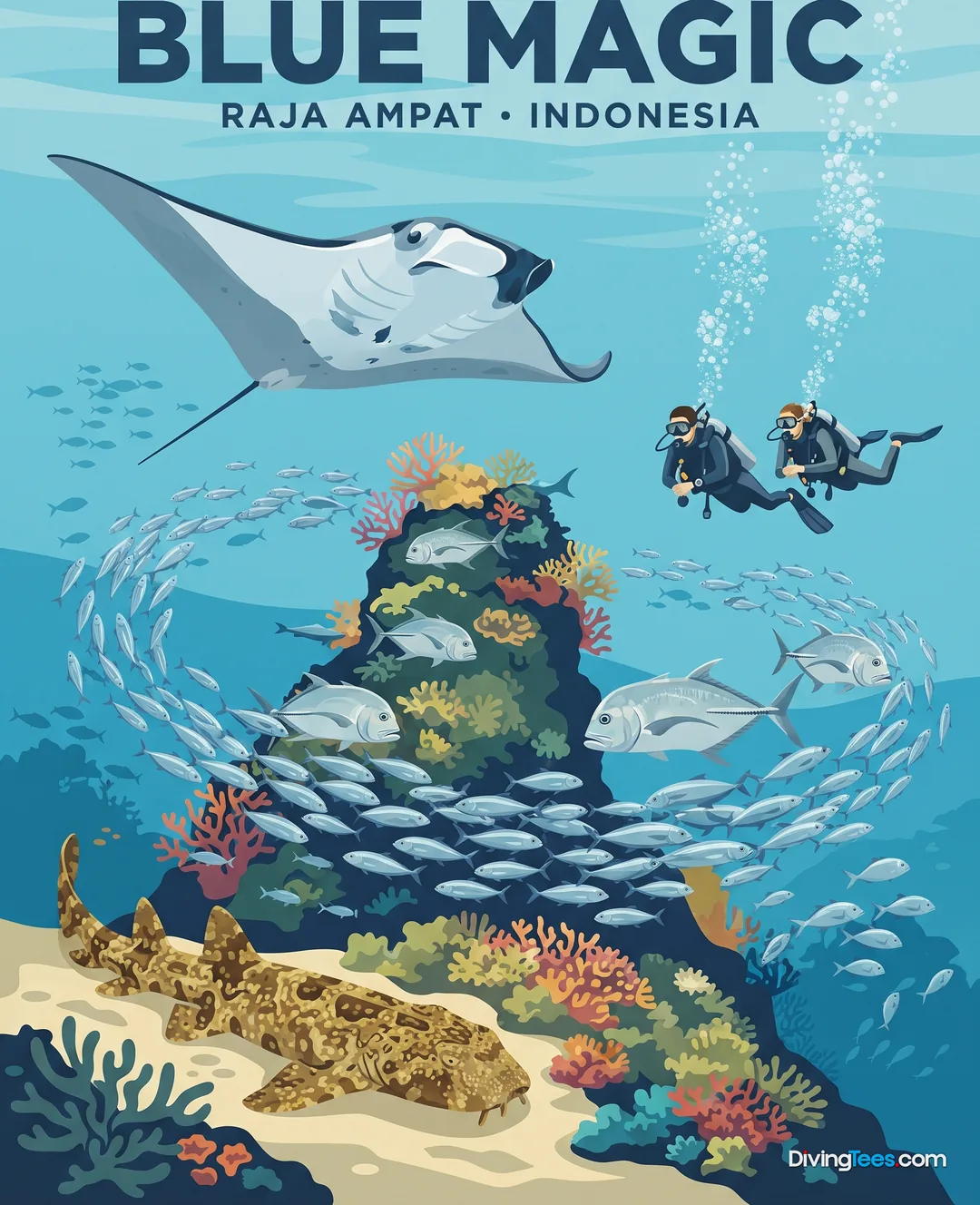
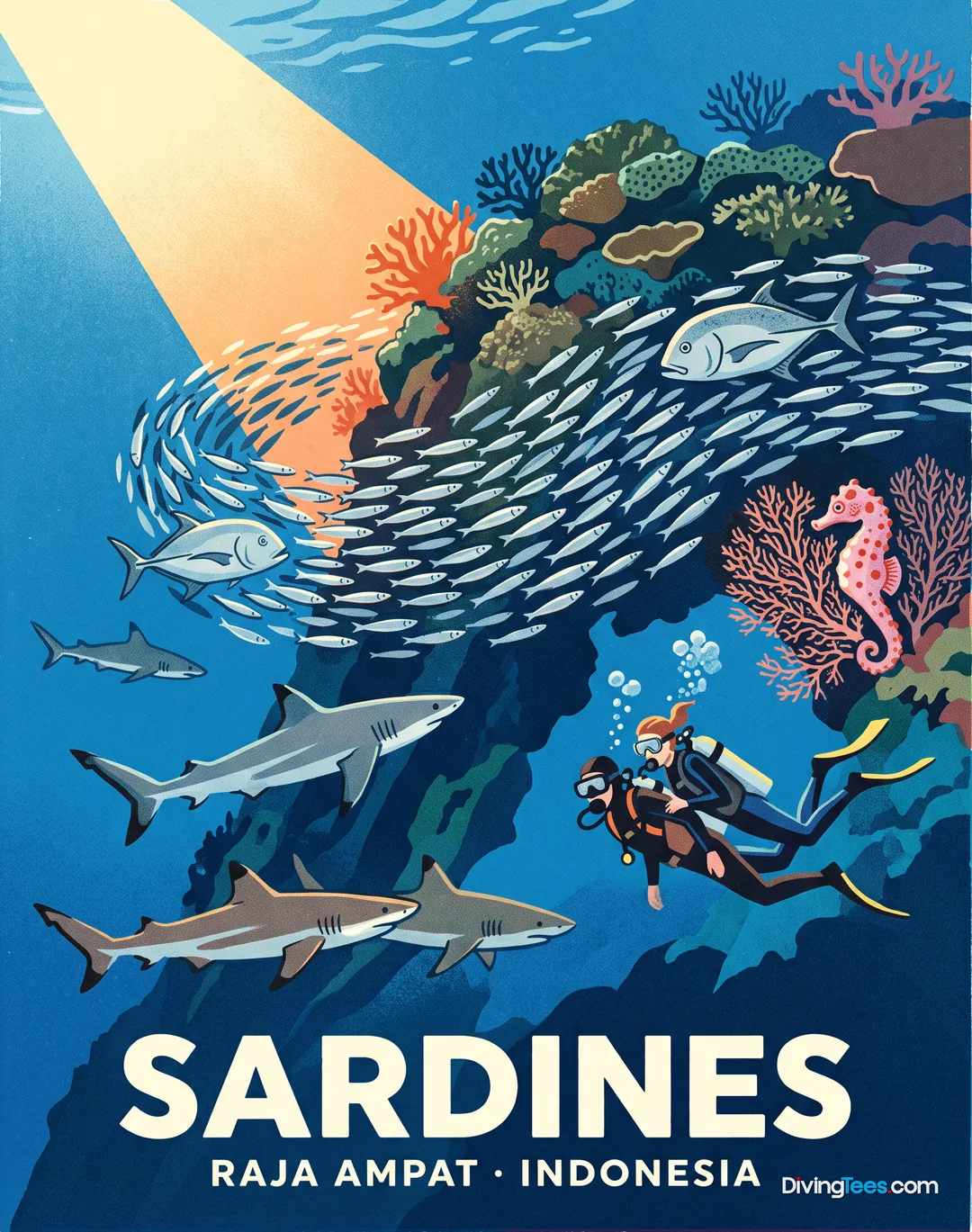
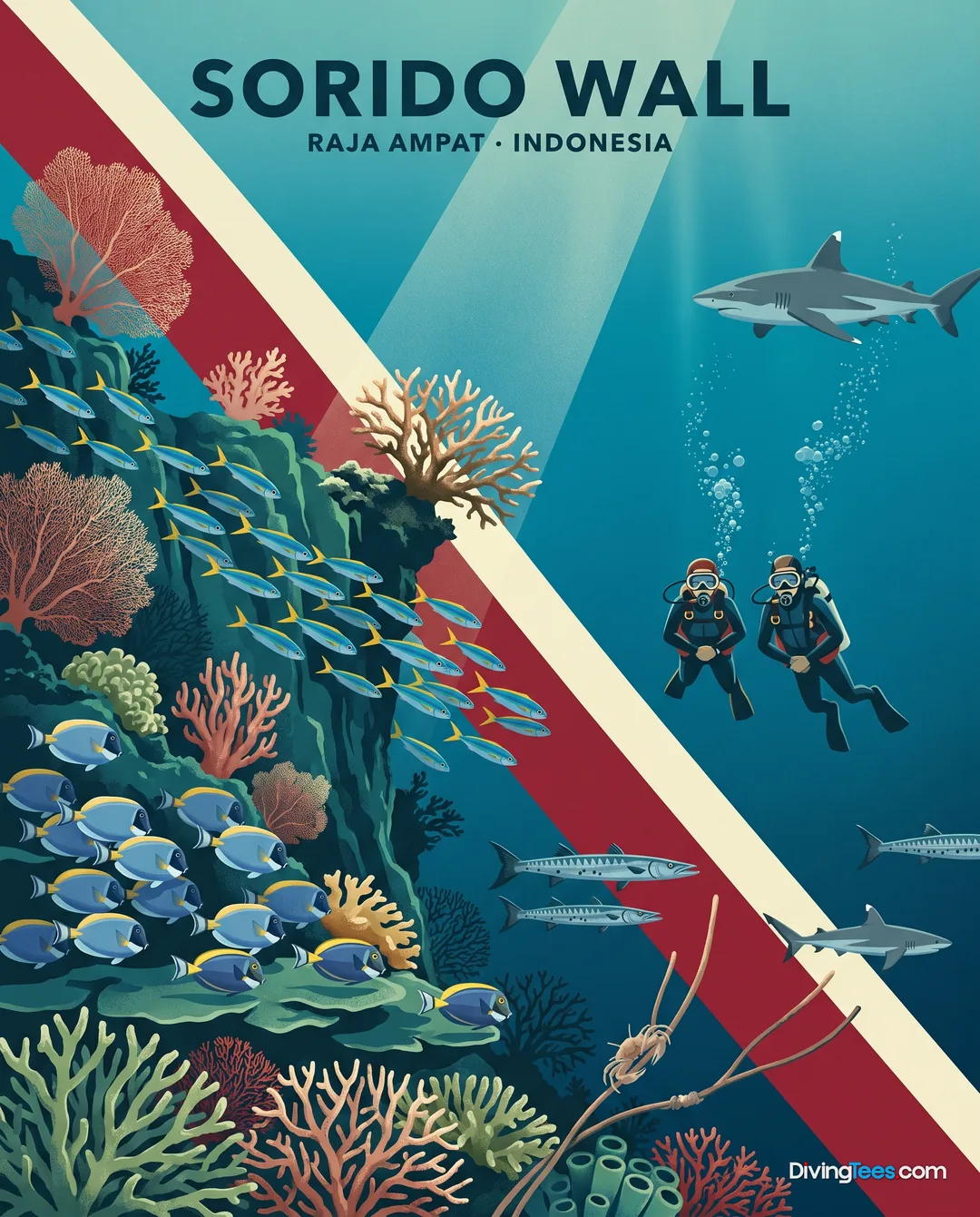
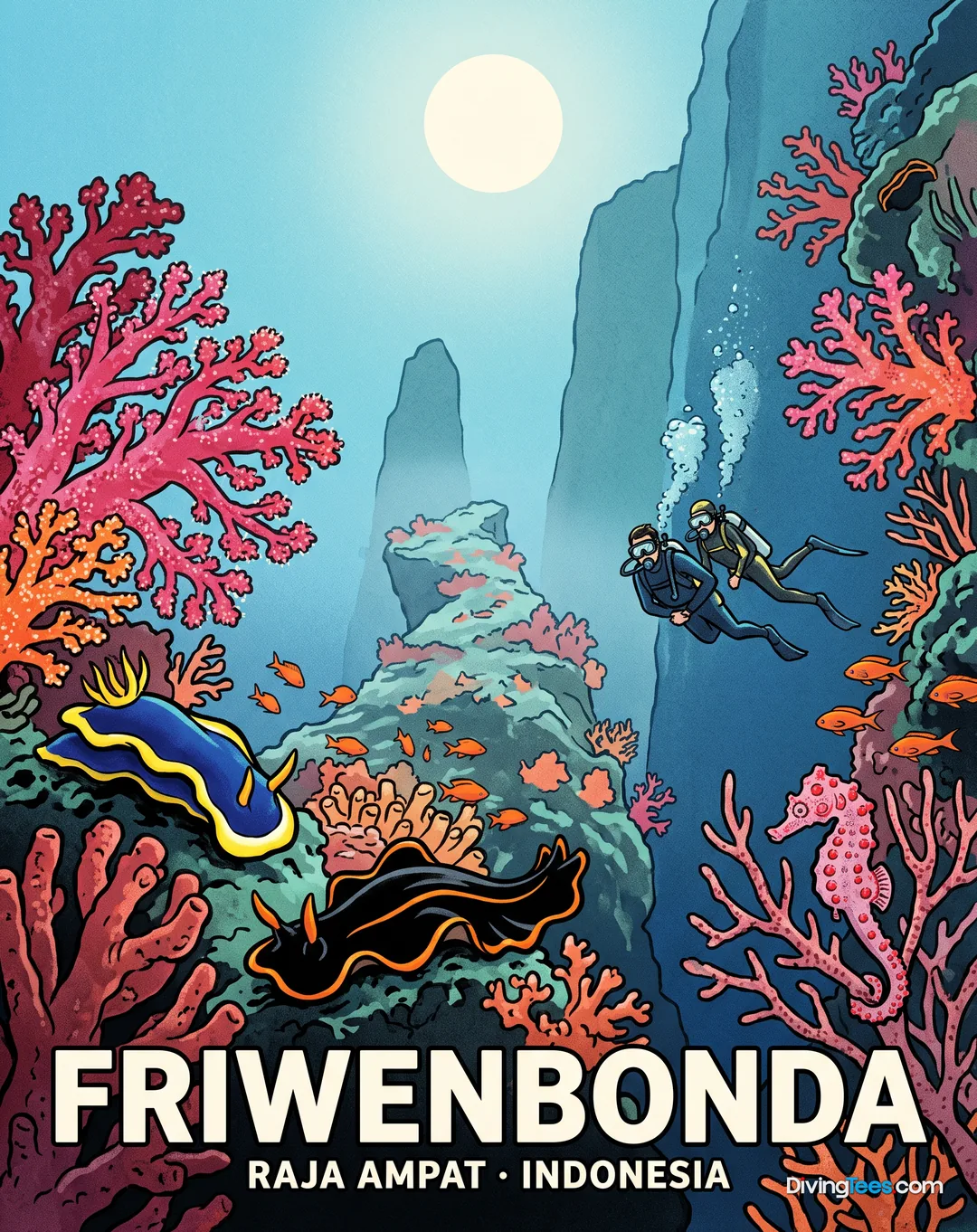
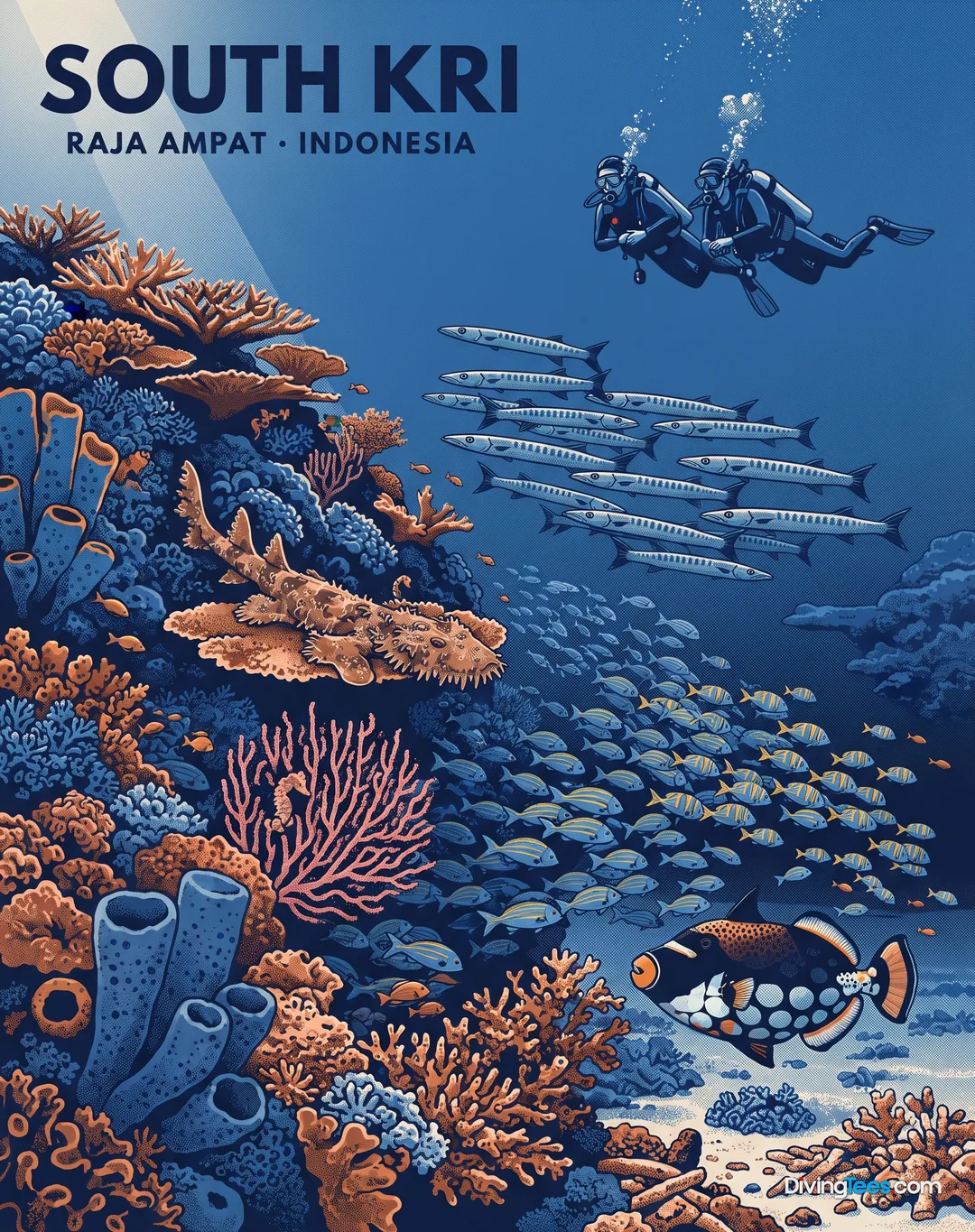
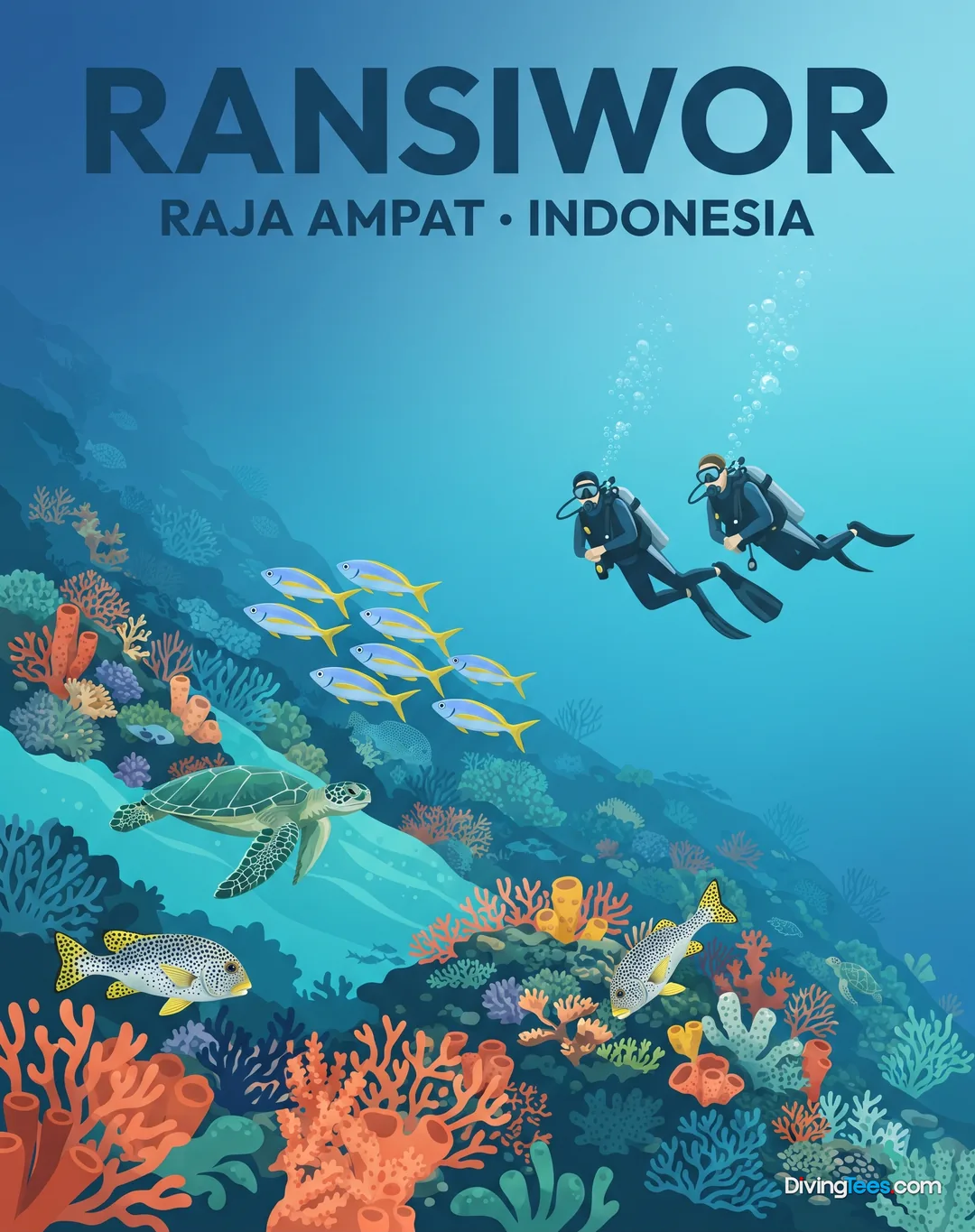
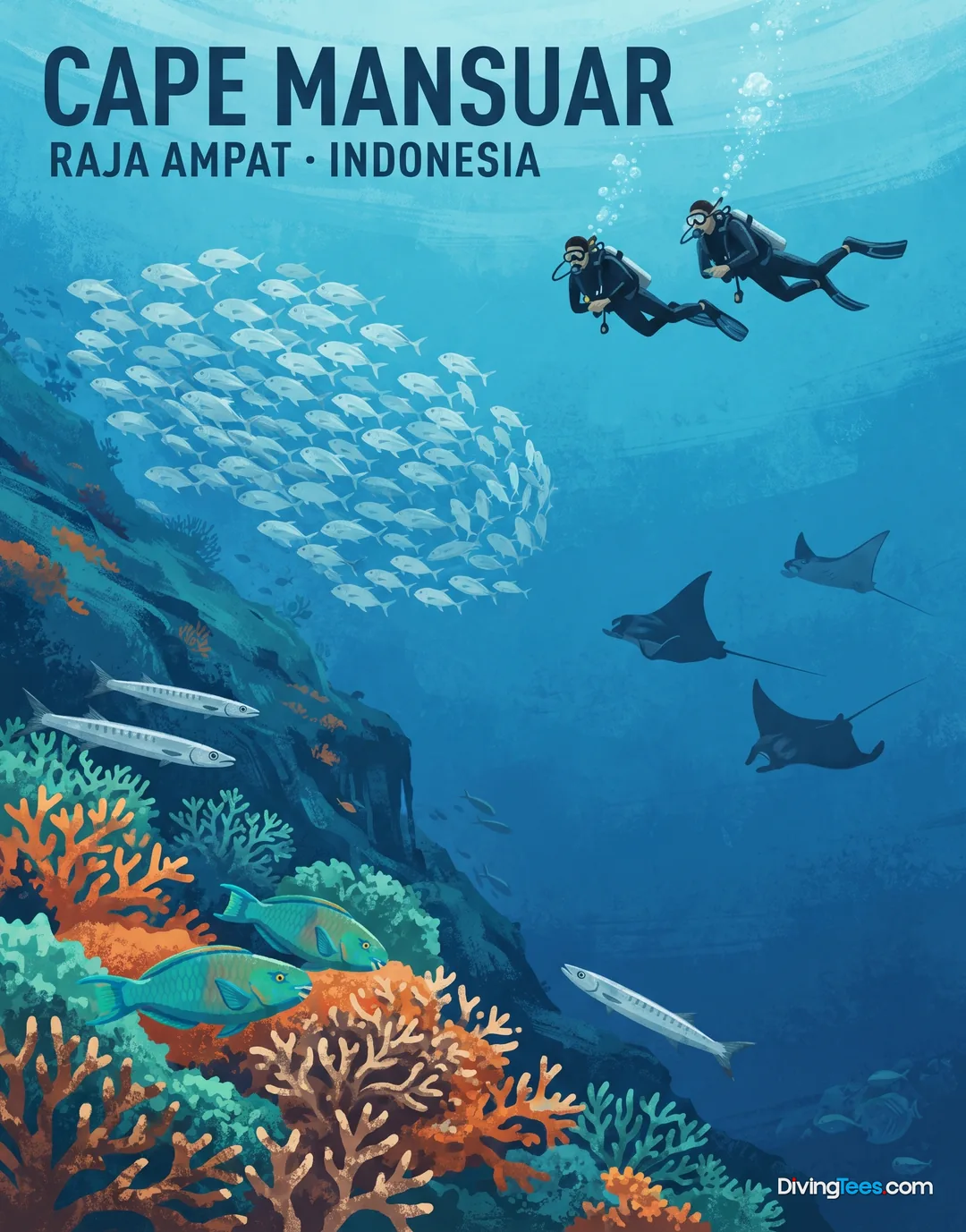
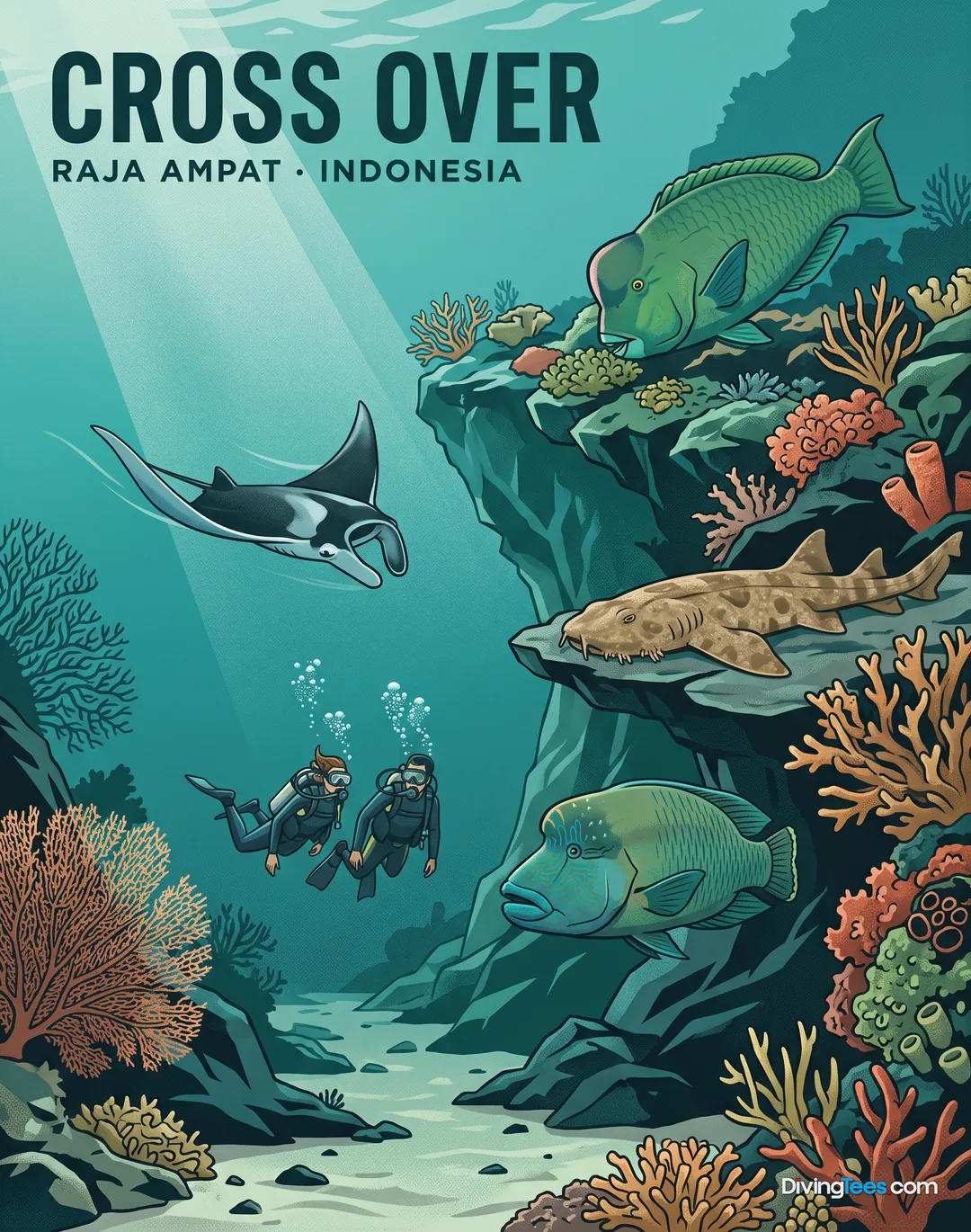
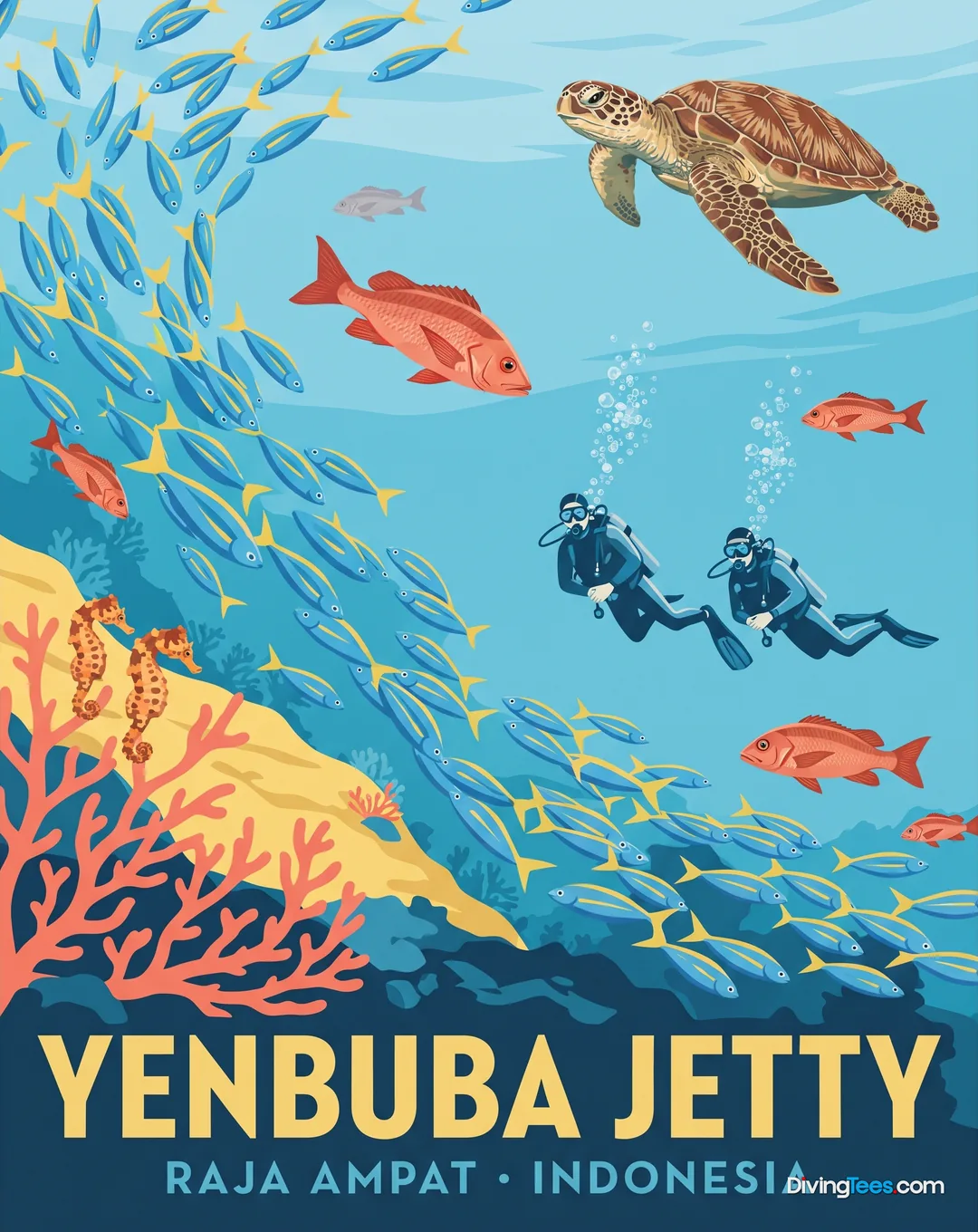
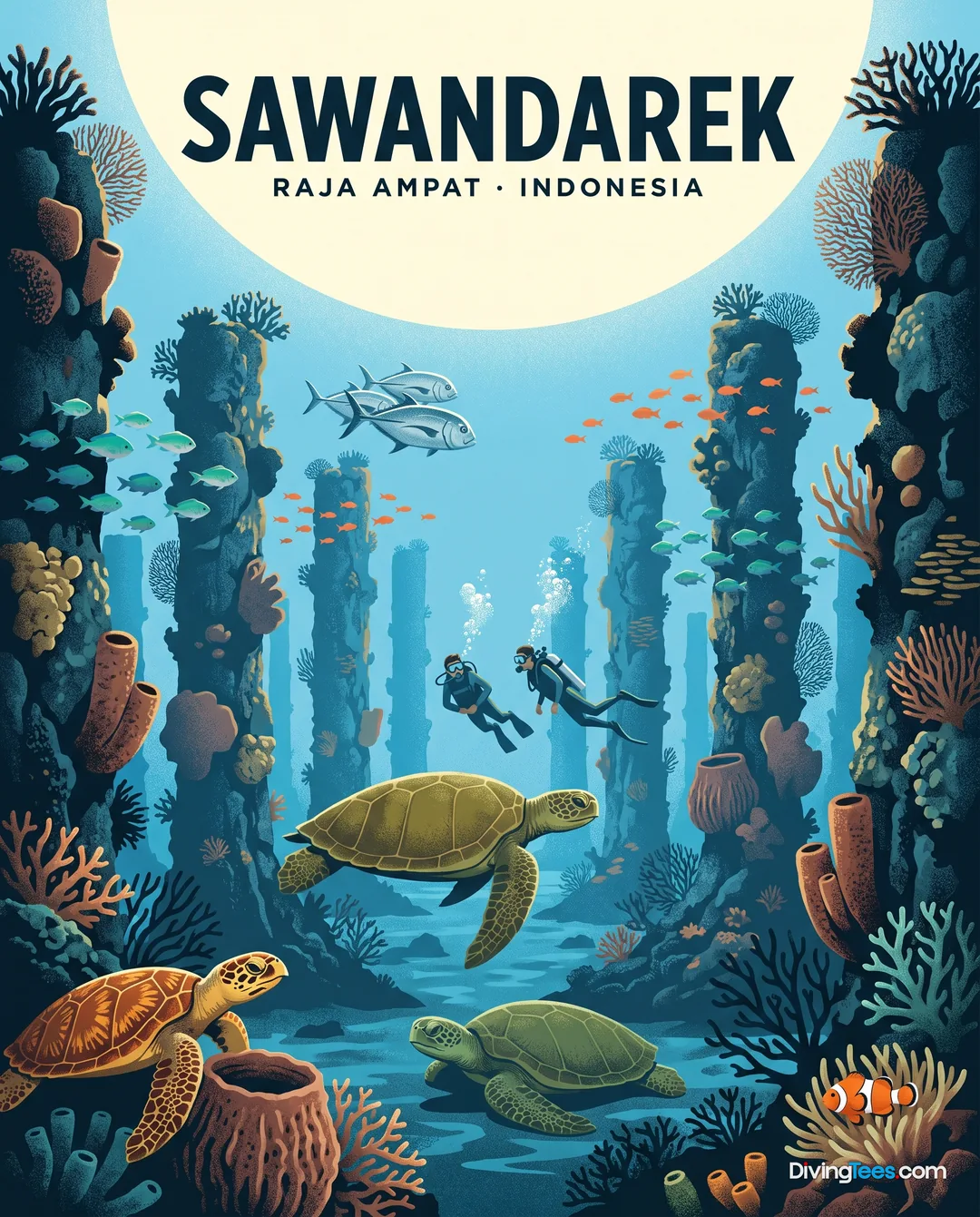
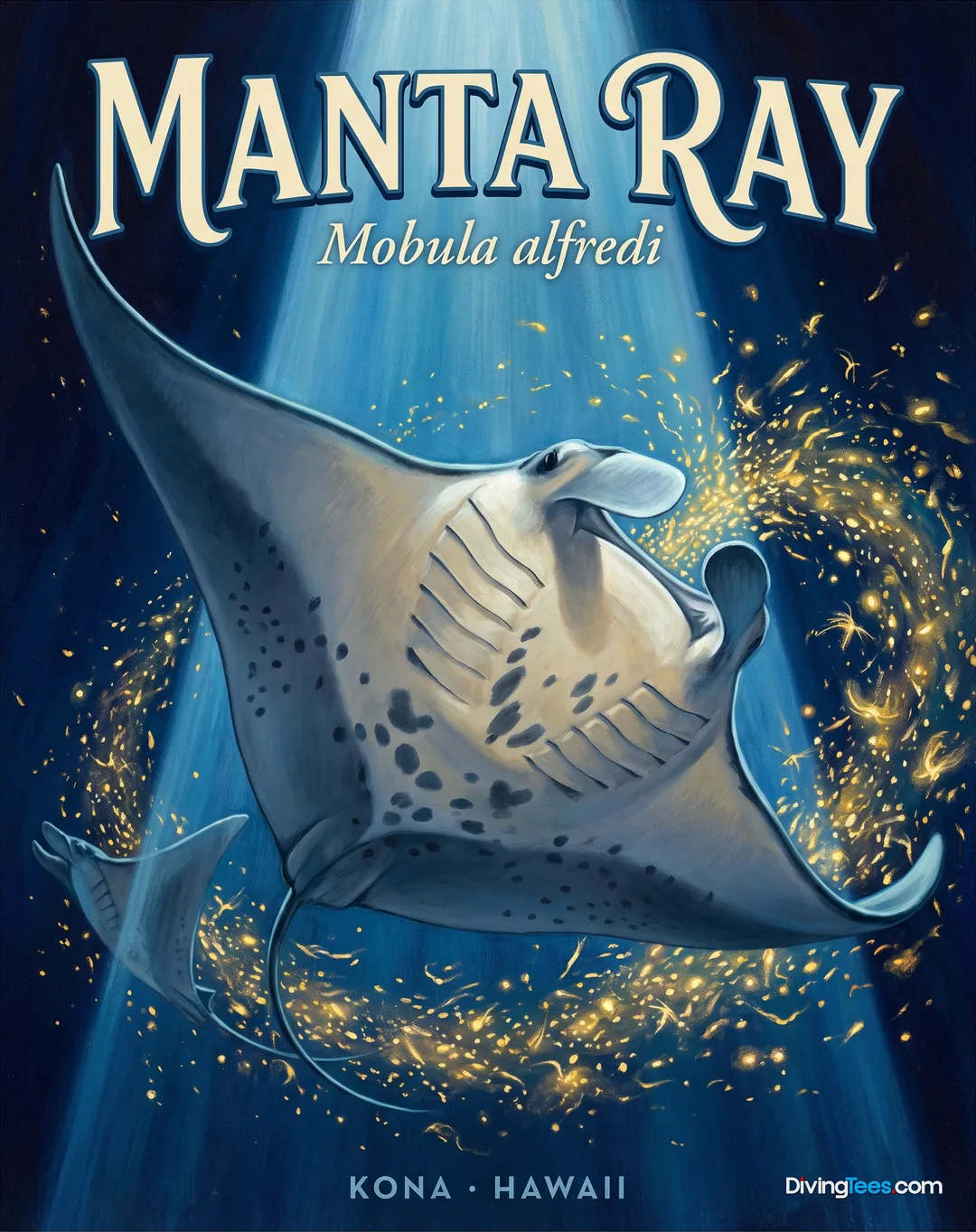
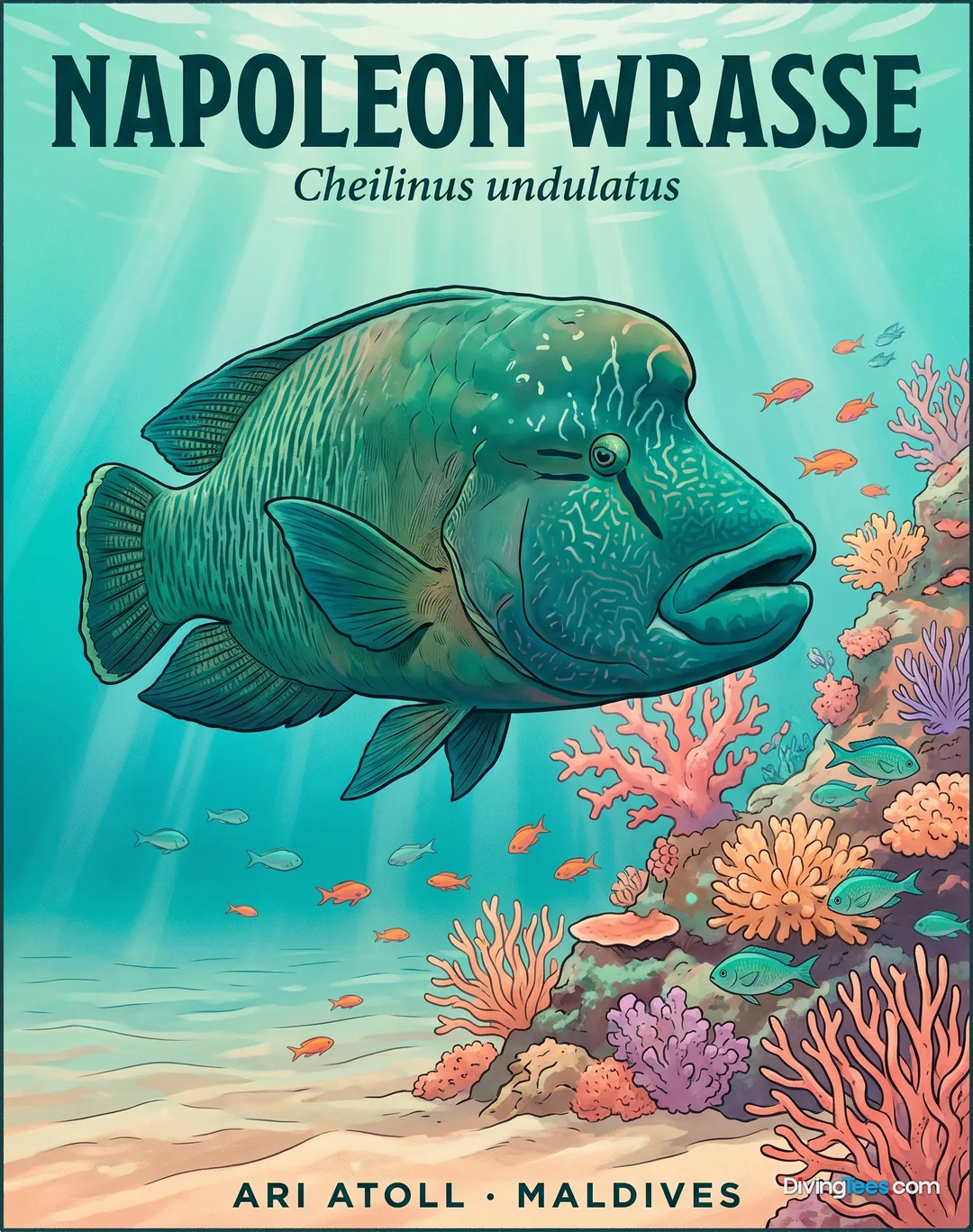
The route is built around Raja Ampat’s most varied reefs. At Manta Sandy, reef manta rays hover over cleaning stations, with snorkelers able to share the encounter from above. Mike’s Point combines reef overhangs crowded with soft corals and sweetlips with a flatter plateau where eagle rays may pass; its maximum depth is -40m. Cape Kri is the fish-school dive, with 374 fish species observed on a single dive, alongside napoleon wrasse and reef sharks. Melissa’s Garden stays shallower, reaching -35m, with soft corals and staghorn formations. Blue Magic brings schooling fish and oceanic mantas, while Sardines packs the reef with fish schools and hunting pelagics. Sorido Wall is a wall dive patrolled by barracuda and reef sharks. Friwenbonda follows a soft-coral wall rich in micro-life near the surface; South Kri adds a relaxed drift with macro life. Ransiwor slopes to -30m and centres on cleaning stations. Cape Mansuar uses current along a rich sloping reef, Cross Over adds strong current, and Yenbuba Jetty drops to -30m beneath fish-filled, coral-covered pilings. Sawandarek finishes with giant green turtles and jackfish in the shallows. Recorded departures include Sorong–Sorong Raja Ampat–Fam–Central trips of 11 days and 10 nights, as well as Misool–Fam–Central routes.
What you’ll meet underwater
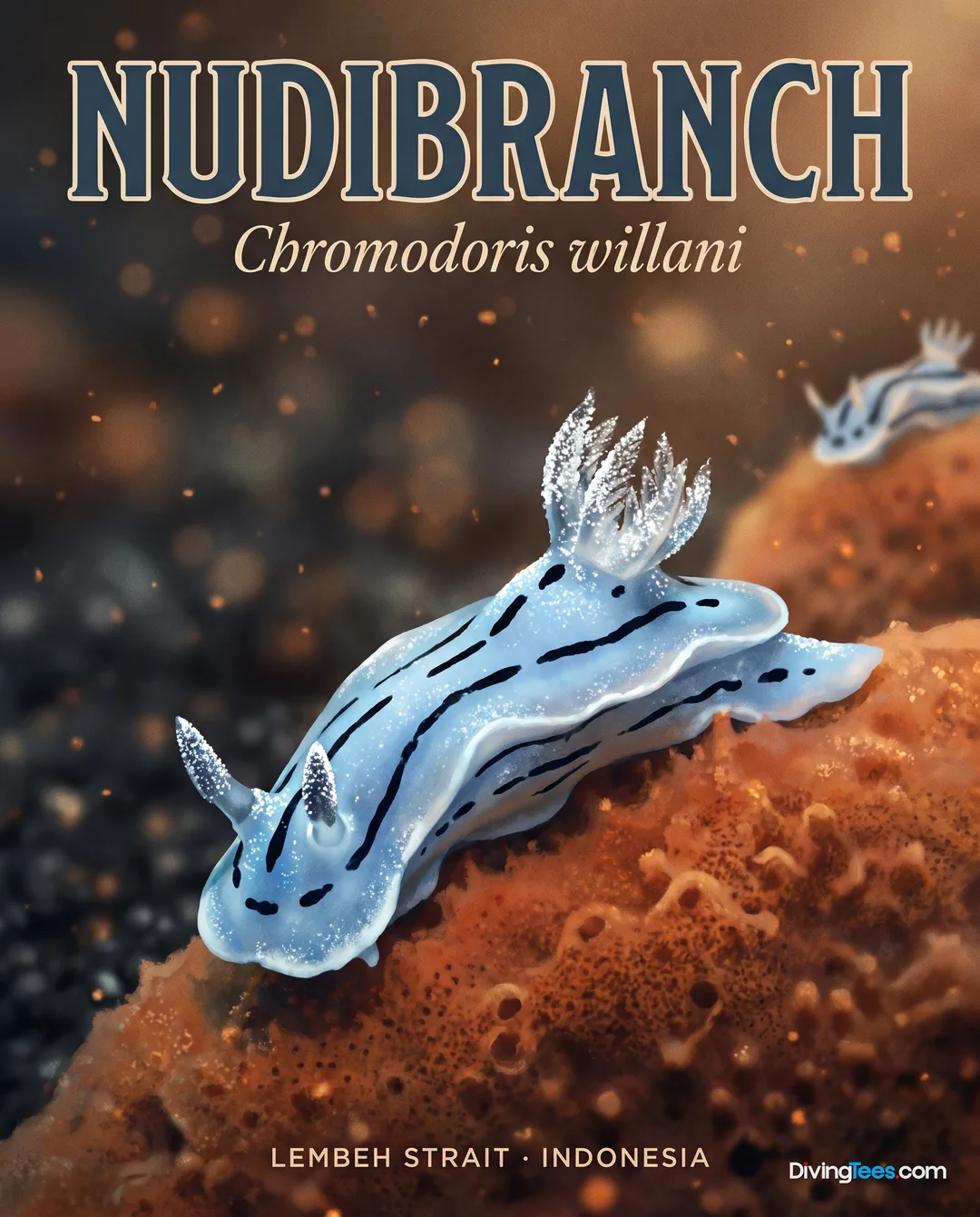
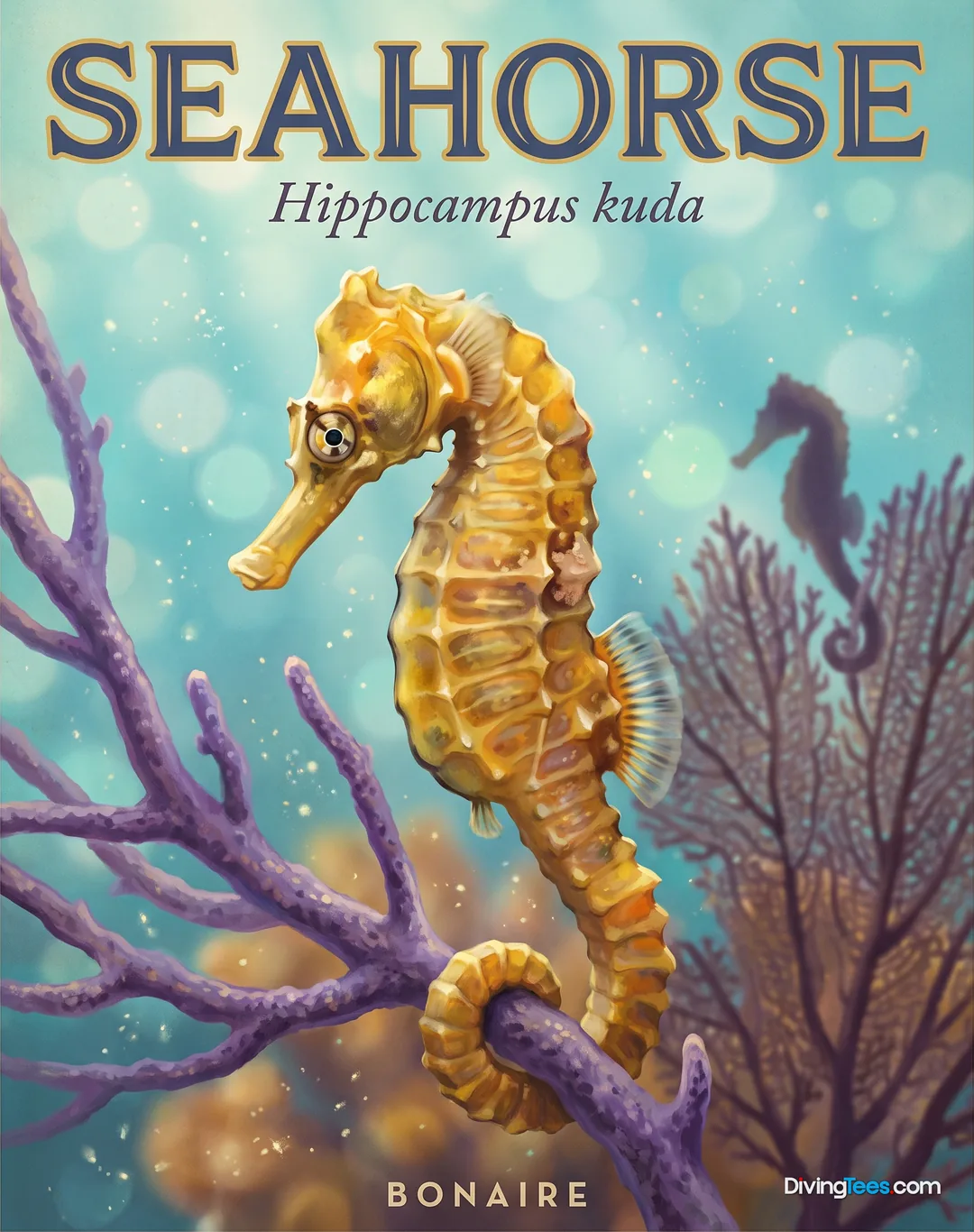
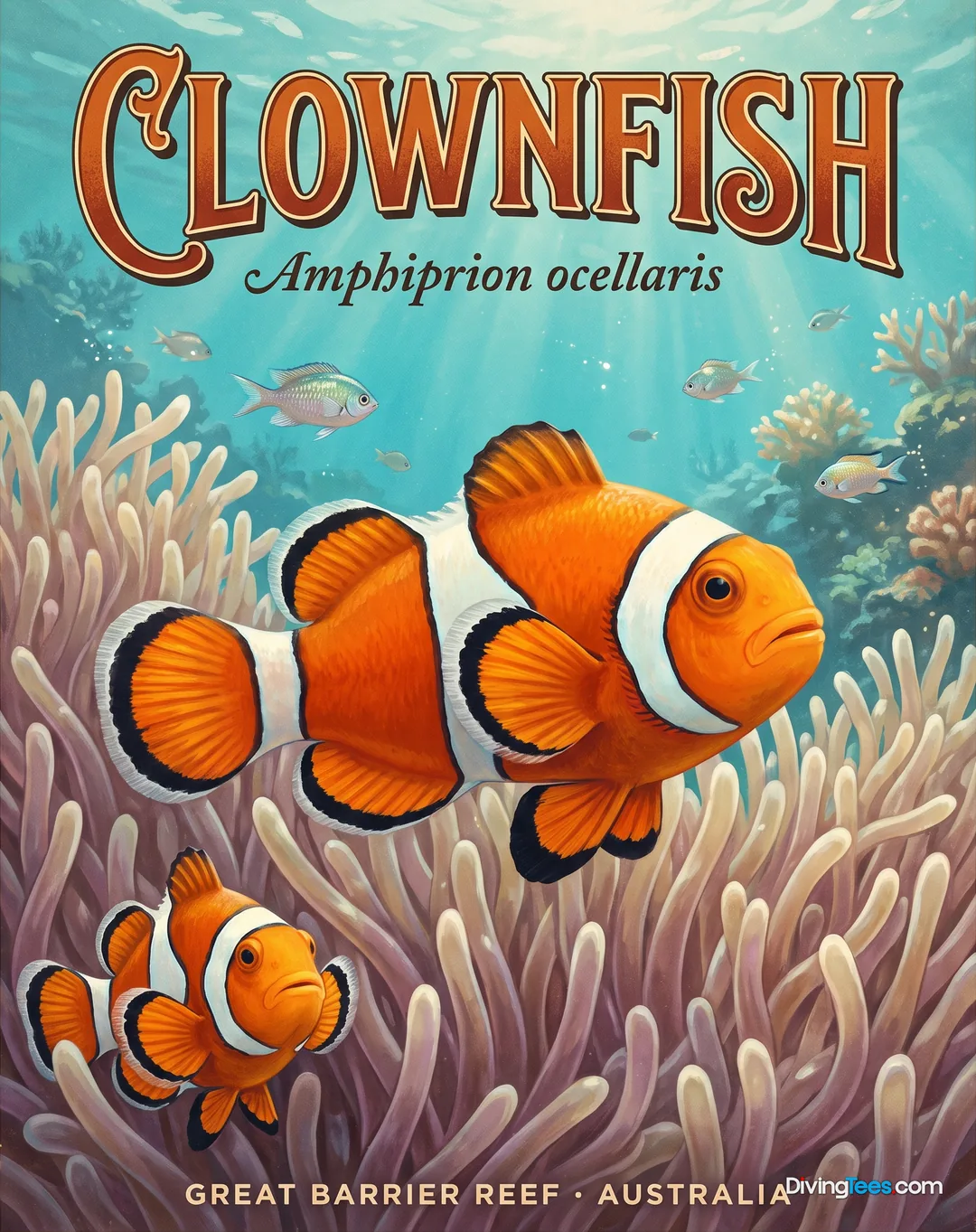
The recurring cast is large: barracuda and reef sharks appear across seven sites, nudibranchs across seven, while trevally and fusiliers move through six. Napoleon wrasse, turtles, sweetlips and humphead parrotfish are familiar possibilities, and soft corals and pygmy seahorses keep the reef interesting when the big animals are elsewhere. The reason to visit particular sites is the local speciality. Cape Kri is the place for giant grouper and whitetip reef sharks. Blue Magic is where oceanic reef sharks, tuna and oceanic mantas are recorded. South Kri holds bigeye trevally, crabs and shrimp, while Yenbuba Jetty is the site for anthias and damselfish around the pilings. Ransiwor may produce an octopus and a clownfish; Sorido Wall is the named site for surgeonfish. At Manta Sandy, the cleaning stations explain why manta rays come close, while current-fed sites such as Cross Over and Cape Mansuar concentrate schooling fish and passing pelagics.
Who puts you in the water
The crew speaks English and Indonesian, and the trip requires certified divers at least at Open Water level with 50 logged dives, as well as the fitness to dive in Raja Ampat. That threshold makes sense for a route containing drift dives and sites with strong current, including Cross Over. Briefings and guiding are handled around the dive groups, with the tenders allowing groups to enter and leave the water independently. The boat carries emergency oxygen, first-aid kits, fire alarms and extinguishers, life jackets and lifeboats. A VHF/DSC/SSB radio, GPS, sonar, mobile and satellite phones support navigation and communication. Group ratios, guide qualifications, courses and a recall system are not stated, so divers should judge the trip on the confirmed experience requirement and the equipment listed above.
The dive deck and the gear
The dive deck is shaded and built around a stern platform, with 14 gear-up stations so each diver has a defined place to prepare. DIN adapters are available, and the boat carries a compressor for onboard filling. The two 40 HP tenders are the practical advantage: divers can be dropped at separate points and collected where they surface instead of making every group return to one fixed ladder. The tenders also keep the main boat clear while a group is in the water. A dedicated camera rinse area and charging stations support photographers, while the platform shower and hot-water showers deal with the immediate post-dive routine. Tank material, tank volume, nitrox and rental brands are not part of the boat’s stated diving setup, so the confirmed strengths here are organisation, tender support, camera handling and DIN compatibility.
Between dives
Between dives, the shaded dive area is the natural centre of the boat: gear stays organised, cameras have their own rinse area, and the platform keeps the next entry close at hand. The sun deck has an awning for those who want air without sitting in full sun, while the air-conditioned lounge is the refuge after a hot tender ride or a demanding current dive. There is also a terrace, an indoor salon, a library and a photo space, so a surface interval can mean editing a file, reading, talking through the last dive or simply lying still. When the boat is under way between sites, the point is not entertainment. It is time to watch the islands pass and let the body recover.
A day on board
A day follows the logic of a dive boat rather than a resort. The day begins with the first briefing, then divers move from the gear stations to the tenders and return to the stern platform after the dive. Food arrives buffet-style around those water sessions, with snacks available when a full meal does not fit the interval. Between sites, the boat gets under way and the group moves from the dive deck to the shaded sun deck, the air-conditioned lounge or the camera stations. Another briefing comes before the next entry, especially where current changes the plan, and the tenders collect divers at their surfacing point. The evening leaves room for the last meal, a beach barbecue on the relevant itinerary, a drink or a quiet hour in the library. Then the wooden hull becomes a sleeping boat again, ready for the next reef.
What you eat aboard
Food is one of Raja Ampat Explorer’s strongest points. Meals are served buffet-style, with Indonesian and European dishes, vegetarian options and snacks available throughout the day. That format suits a dive schedule: a diver can take a modest plate after surfacing, return for more later, or avoid forcing a full meal before getting back in the water. Local cooking gives the menu a sense of place rather than reducing the trip to international resort food. Beer is available, and non-alcoholic and alcoholic drinks are optional extras. A beach barbecue is included and moves one meal ashore, giving the group something different from the saloon table without turning the cruise into a land tour.
Nights at sea
The seven cabins are arranged as lower- and upper-deck double or twin categories, each with air conditioning and a private bathroom. Standard windows bring daylight without turning the cabins into glass-walled suites. The cabin is a place to cool down, rinse salt away and sleep between dives, not a private apartment, and the older wooden hull gives the boat a lived-in character. Above, the air-conditioned lounge and sun deck with awning offer a change from the bunk. Towels and toiletries are provided, while charging stations and a separate camera rinse area keep wet equipment and electronics from competing for the same corner. The sensible choice is to treat the cabin as a quiet base and use the shared spaces for the rest of the trip.
Lower Deck Double Cabin
Lower Deck Twin Cabin
Upper Deck Double Cabin
Upper Deck Twin Cabin
What to know before boarding
Raja Ampat Explorer departs from and returns to Sorong on the Raja Ampat–Fam–Central itinerary, including the 11-day, 10-night route. Airport and hotel transfers are included. Arriving in Sorong the night before is the sensible way to protect the boarding day from flight delays and give the transfer team a clean handover.
- Year built
- 1994
- Year renovated
- 2006
- Length
- 33.5 m
- Beam
- 7.5 m
- Maximum number of passengers
- 14
- Number of cabins
- 7
- Number of bathrooms
- 7
- Engines
- 300 hp
- Tenders
- 2X : 40 hp
- Website
- grandkomodo.com ↗
Hello, I'm Marina, DivingDeal.com's AI assistant. I answer in detail about hotels, dive centres and liveaboards.

Thinking about the whole trip and the flights? Talk it over with Edith →
Marina is an AI. Some links are affiliate links: DivingDeal may earn a commission, at no extra cost to you. Bookings are made with the partner.