Liveaboards · Indonesia
Tiger Blue — a traditional phinisi for private Indonesian sea safaris
What makes this boat unique
- Tiger Blue is a traditional ironwood phinisi sailing Komodo, Raja Ampat and other waters of Eastern Indonesia.
- Five en-suite cabins accommodate up to 12 guests, with private-charter and set-date departures available.
- Diving runs with one guide for every four divers, using 12-litre tanks, two compressors and tender support.
- The boat carries kayaks and other watersports equipment, and combines diving with shore excursions, fishing and village visits.
The invitation
Tiger Blue suits divers who want the reach of a liveaboard without the feel of a floating dormitory. The traditional phinisi hull carries only five cabins, while the broad open decks leave room to spread out after a dive or watch the islands pass under sail. The reason to choose her is the mix: serious access to Raja Ampat and Komodo, a small group, and a trip that can include a reef dive, a village visit, a kayak through mangroves or a beach barbecue. Private charters make the boat especially natural for families and groups of friends, but individual-cabin departures are also available. This is not a boat built around a fixed resort routine. It is a sea safari with diving at its centre.
Boarding
Tiger Blue comes alongside as a working traditional phinisi, built from ironwood and shaped for Indonesian waters rather than for a marina showroom. The wood gives the boat its strongest impression: warm, substantial and connected to the craft of the region. Once aboard, movement is straightforward, with the main deck arranged around a large dining table, daybeds and an open aft area, and the upper deck reserved for sun and views. The boat has been sailing since 2008, so its character comes from use as much as from its construction. Crew and guests share the same compact world, but the open deck keeps it from feeling closed in. At departure, the scenery starts immediately: islands, reef water and the low profile of a vessel made for getting among them.
The atmosphere on board
The atmosphere is shaped less by formal service than by a crew that works across the whole day. The captain, cruise director and dive master, chefs, housekeepers, engineers and deckhands handle the transitions between tender, dive deck, meals, laundry and shore time. Guests are not handed from one department to another; the same small team keeps the trip moving. That matters on a boat with only five cabins, where people quickly know who is diving, who is snorkelling and who wants to go ashore. Evenings may end on the sun deck or around a beach fire, followed by dinner outside under the sky. The boat is well suited to a private group, but set-date departures retain the same compact scale rather than becoming a crowd.
The sites you’ll dive
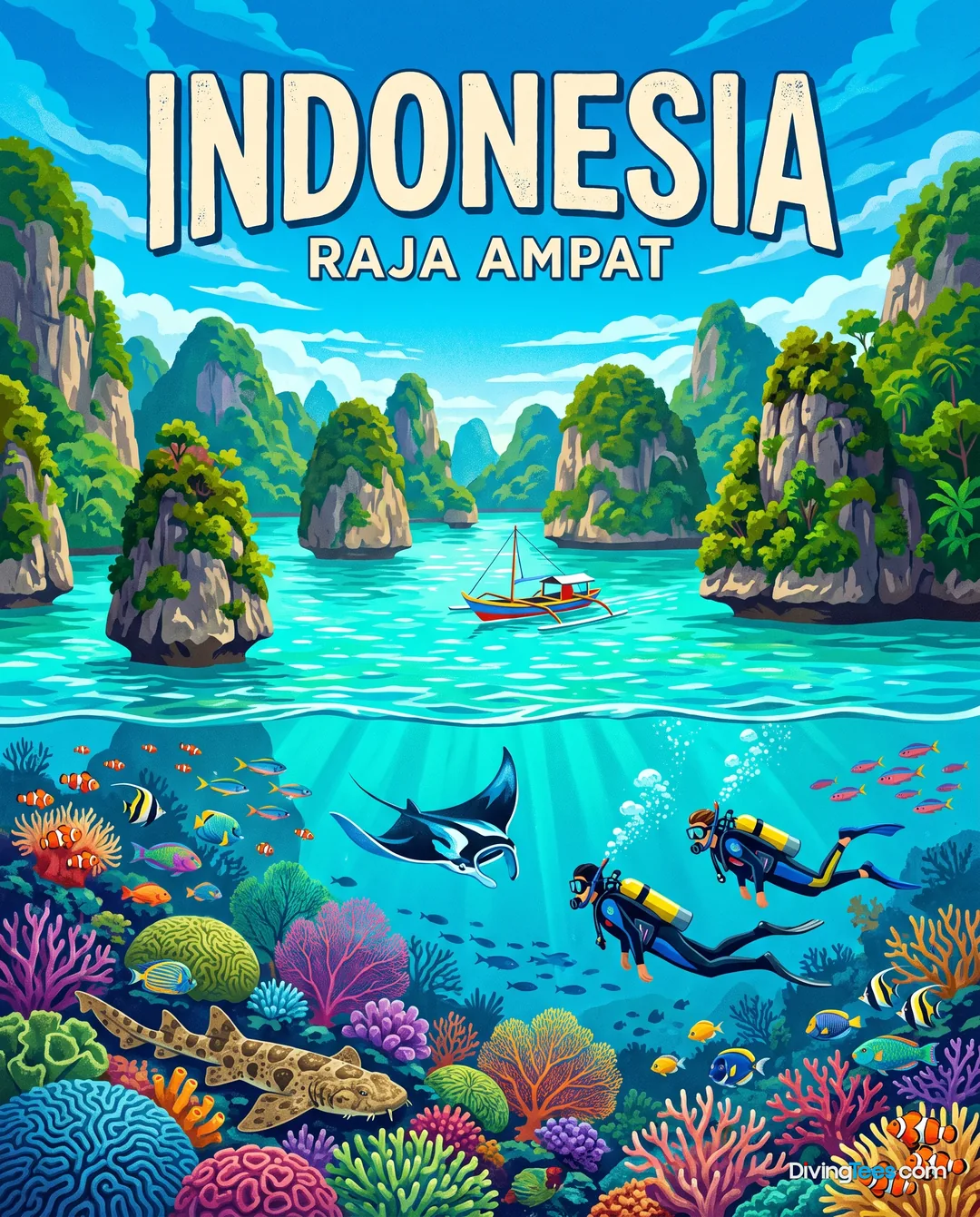
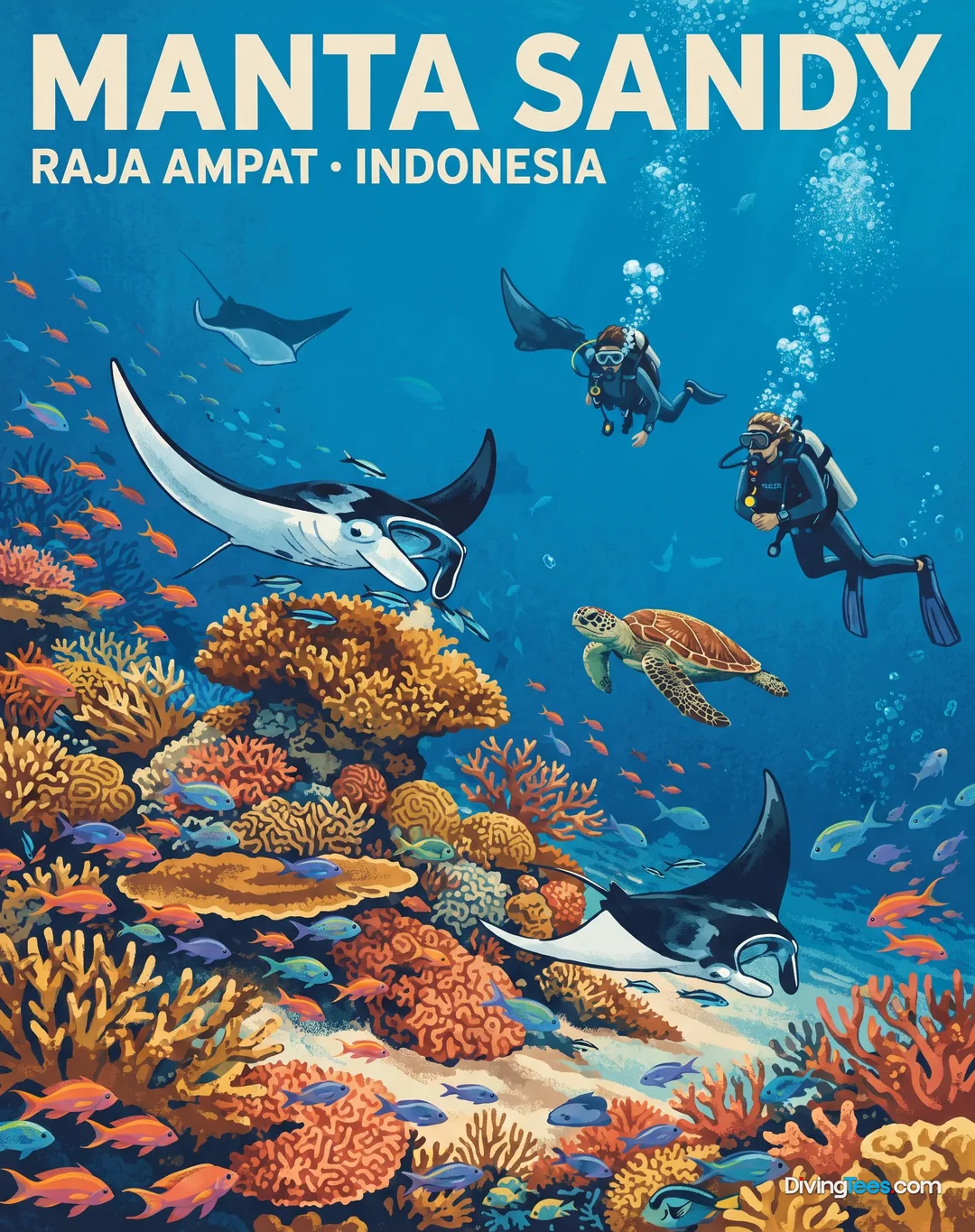
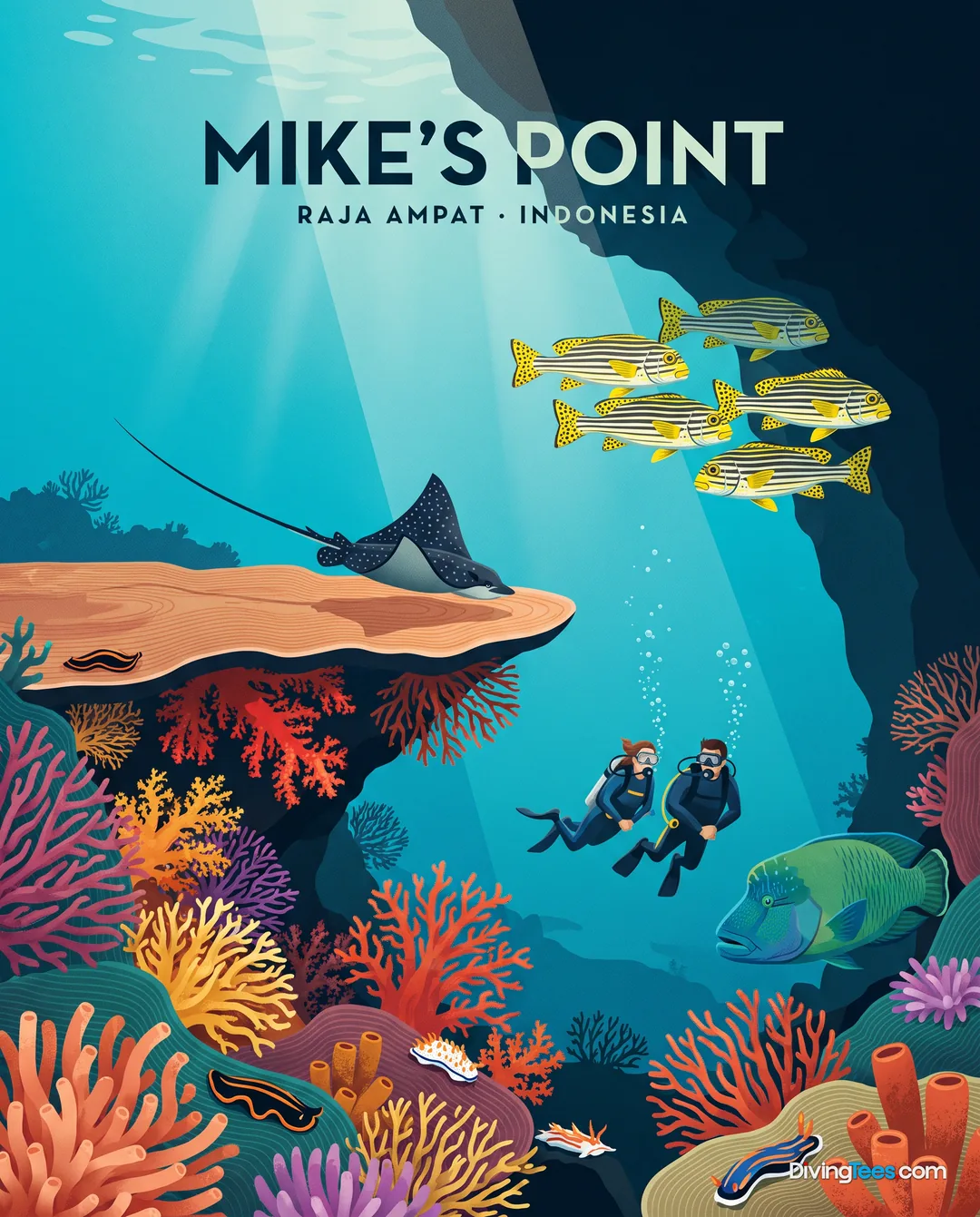
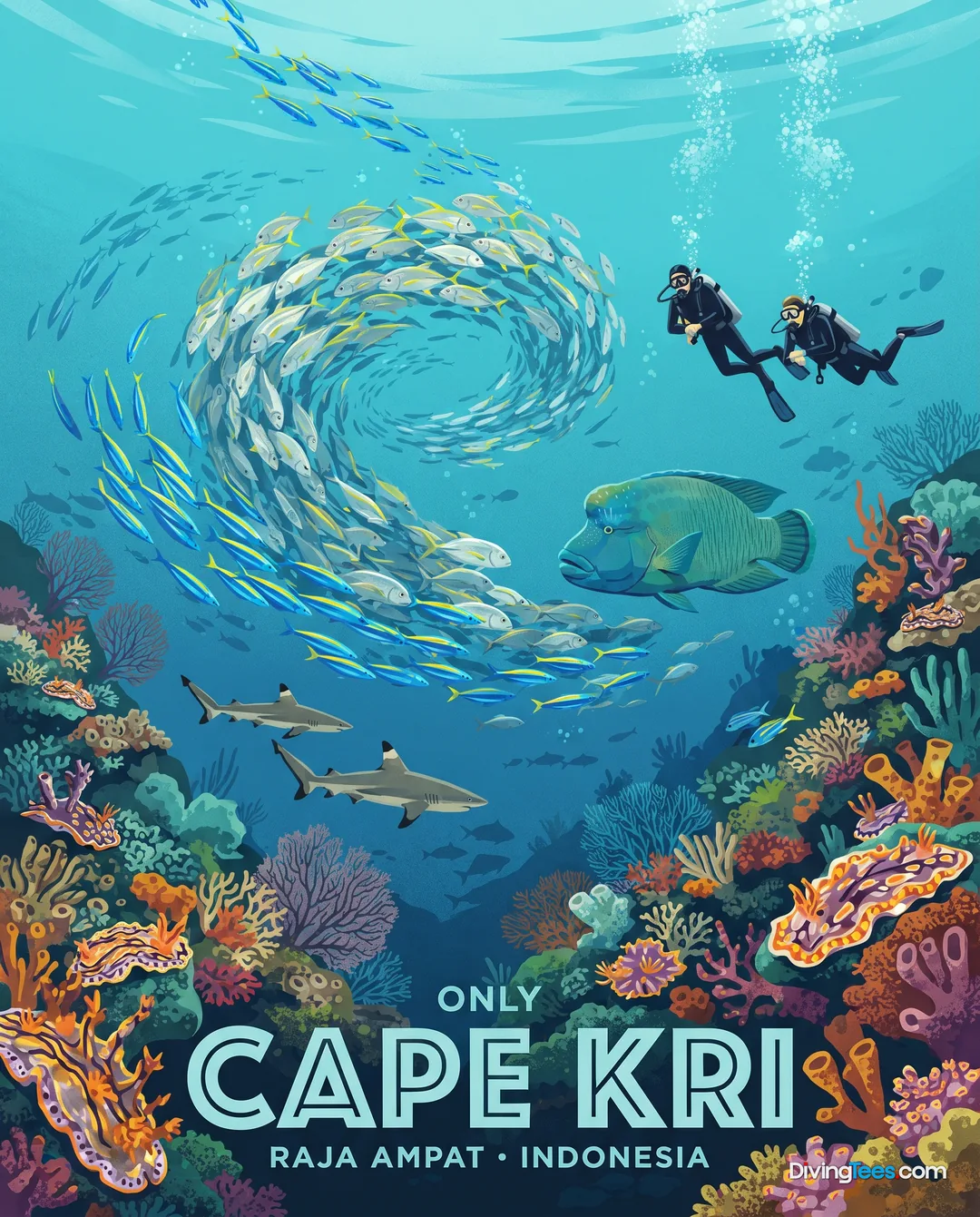
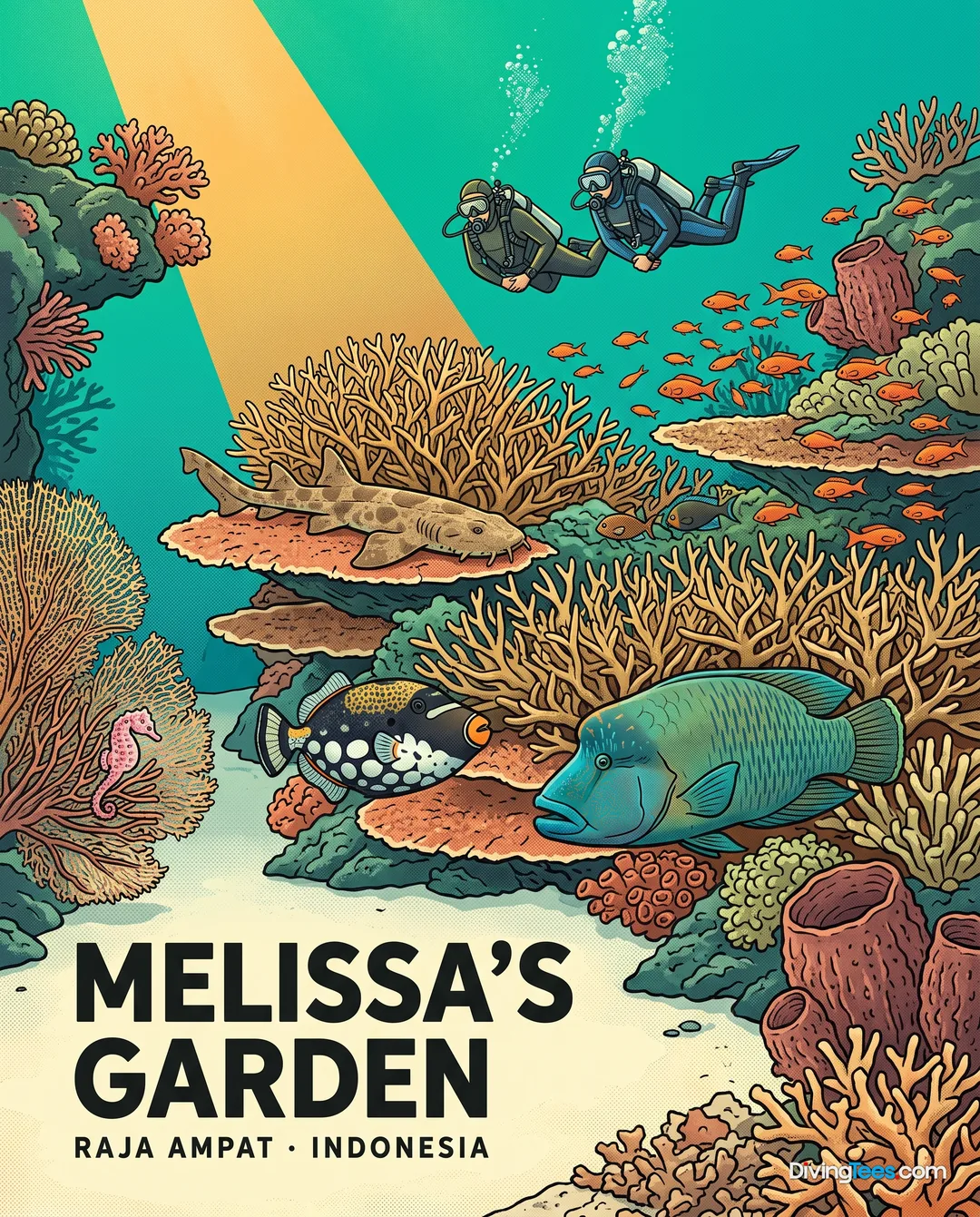
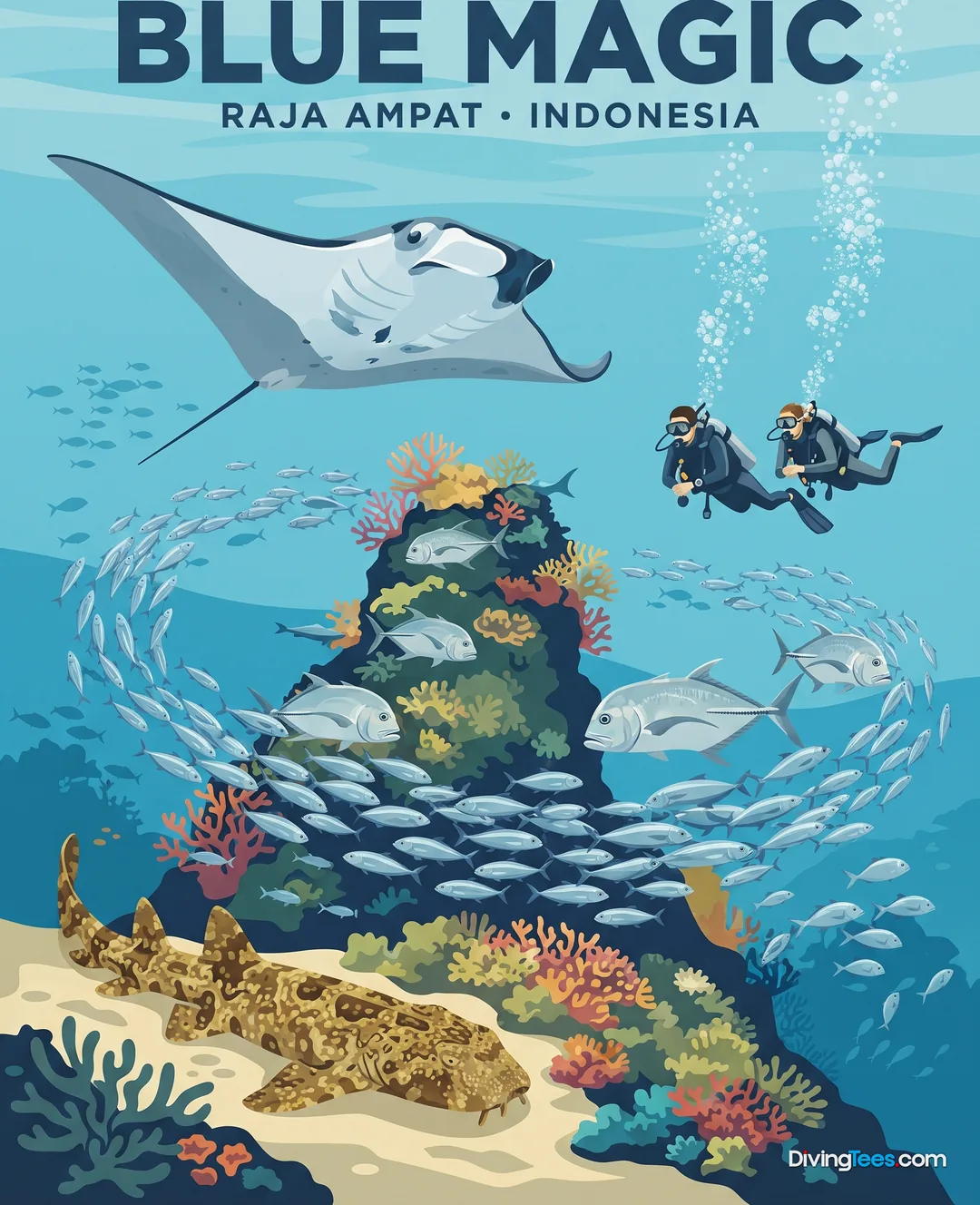
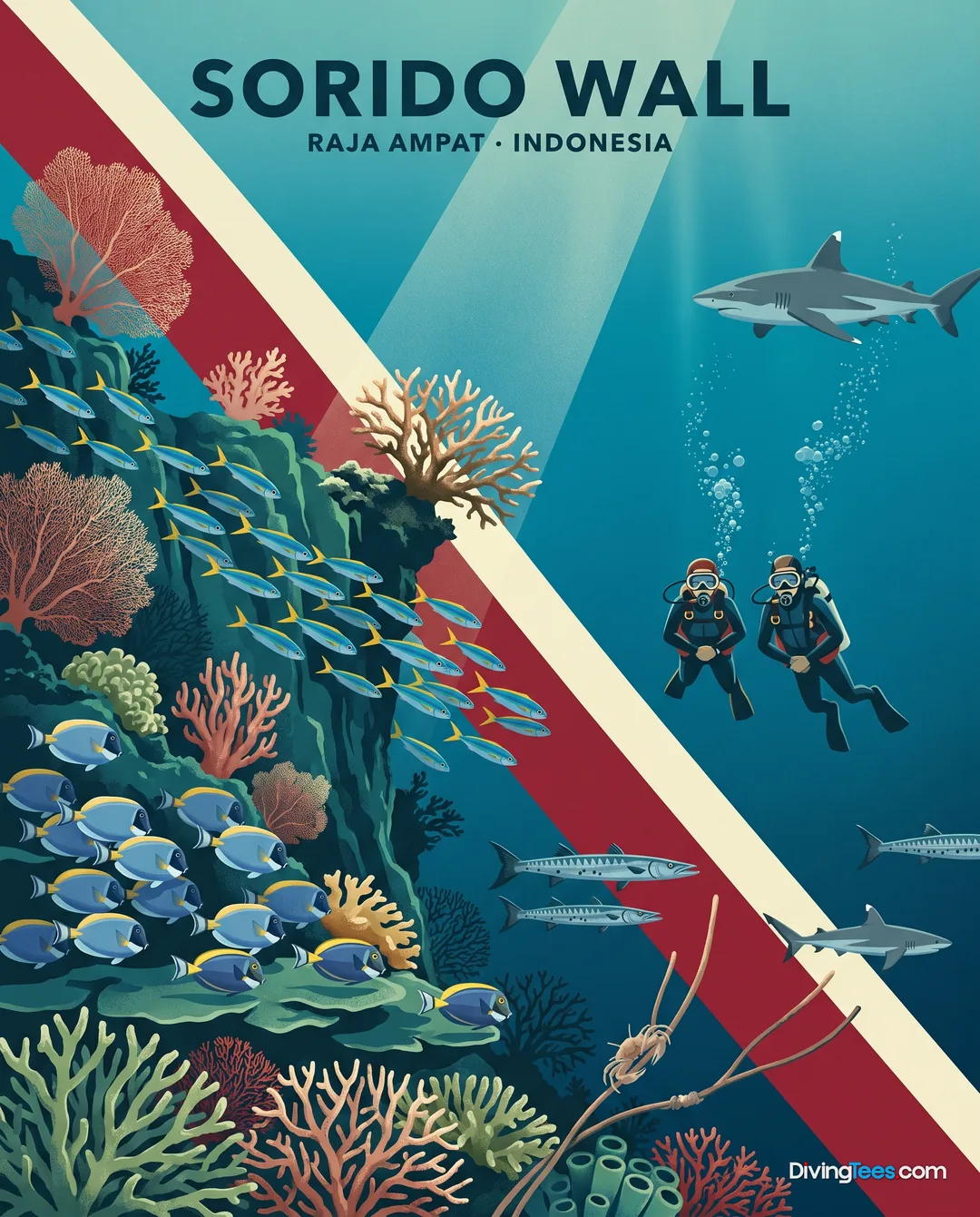
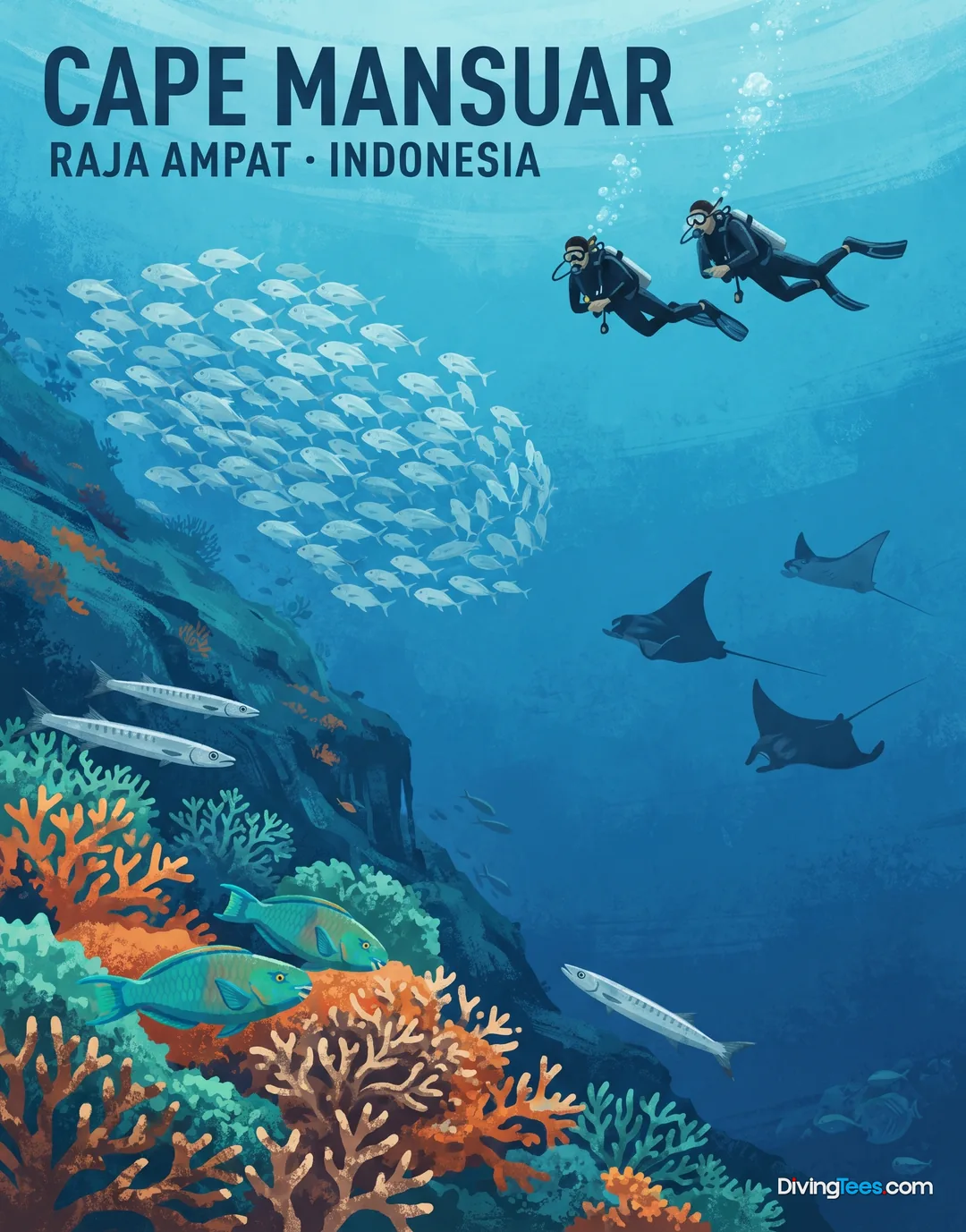
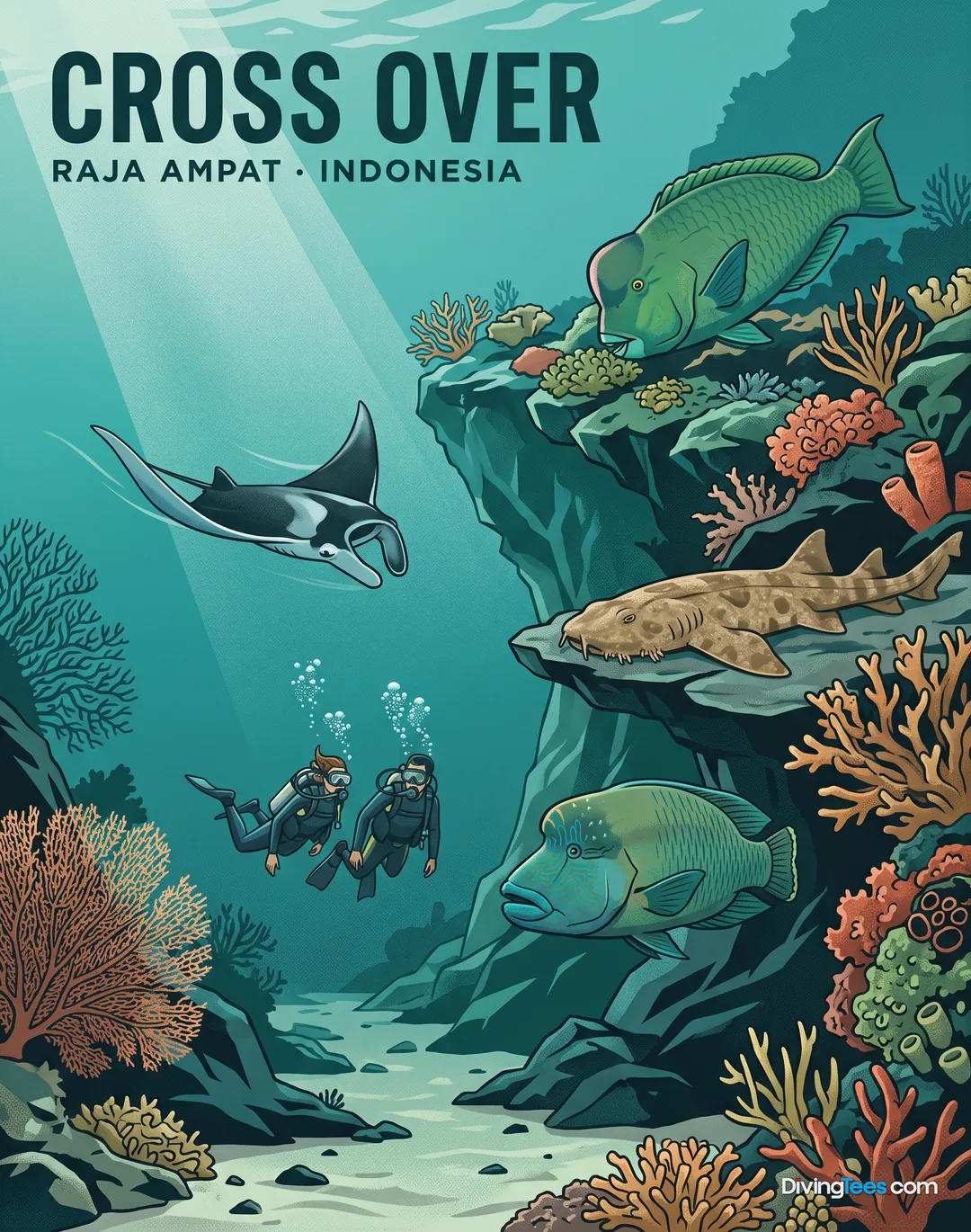
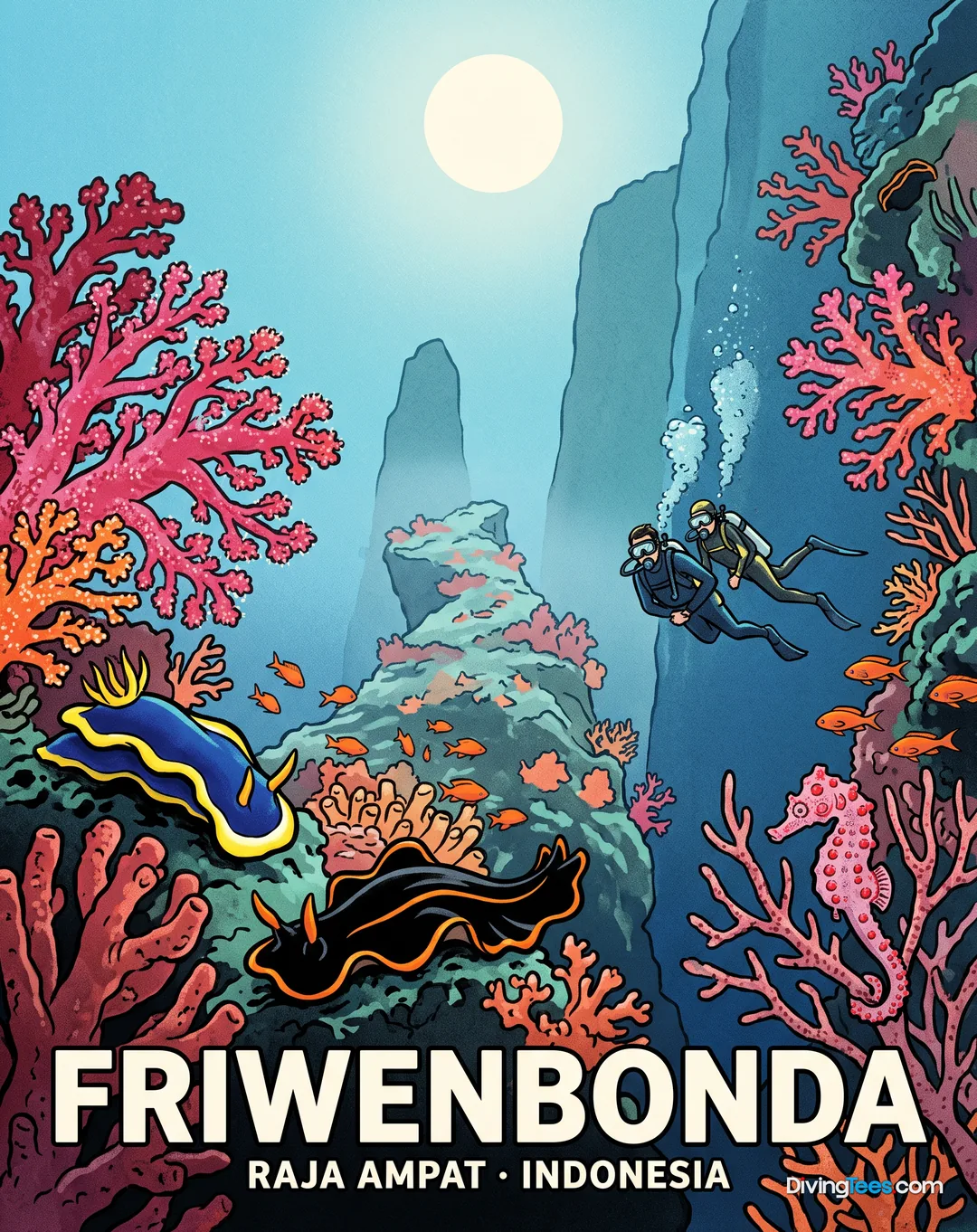
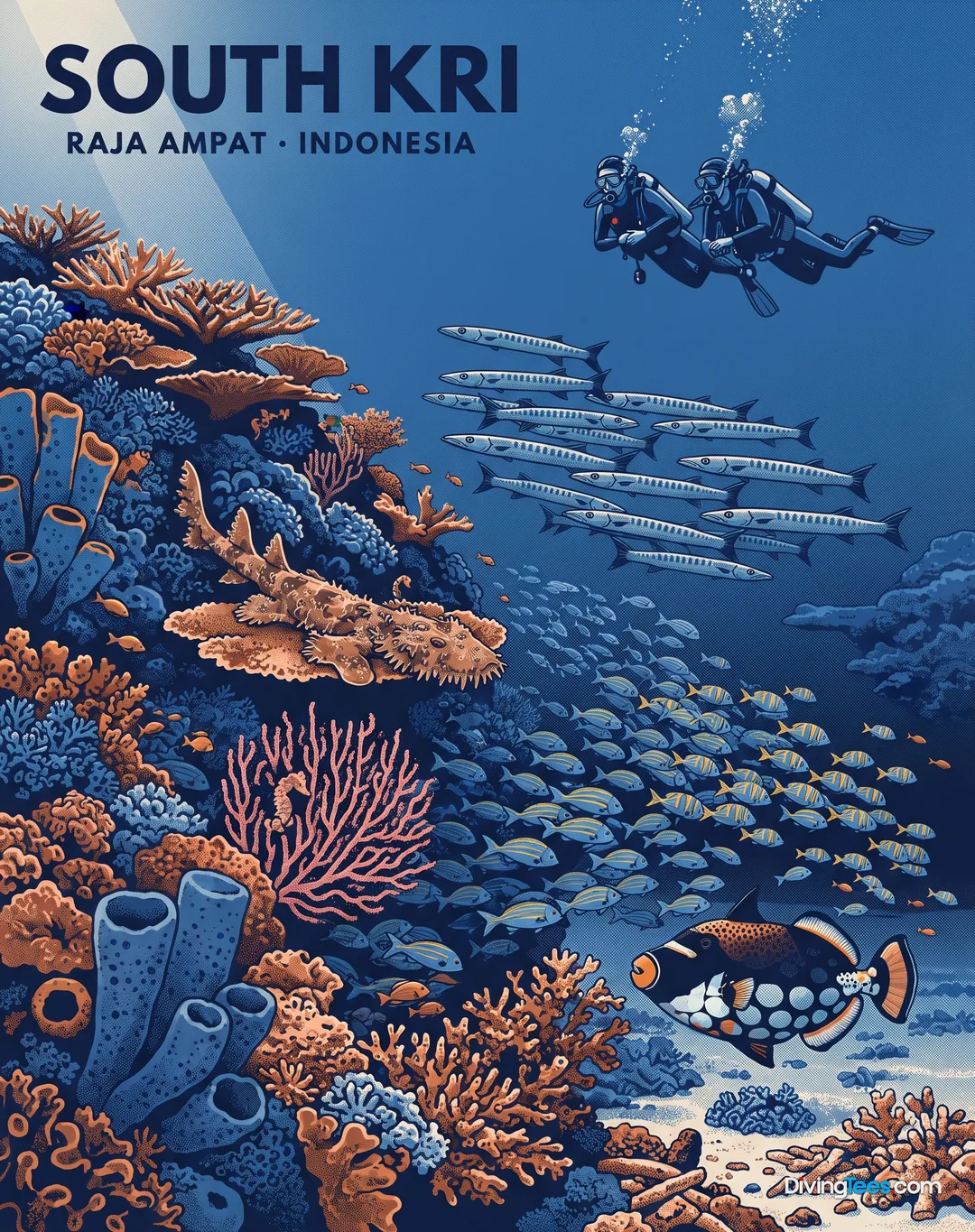
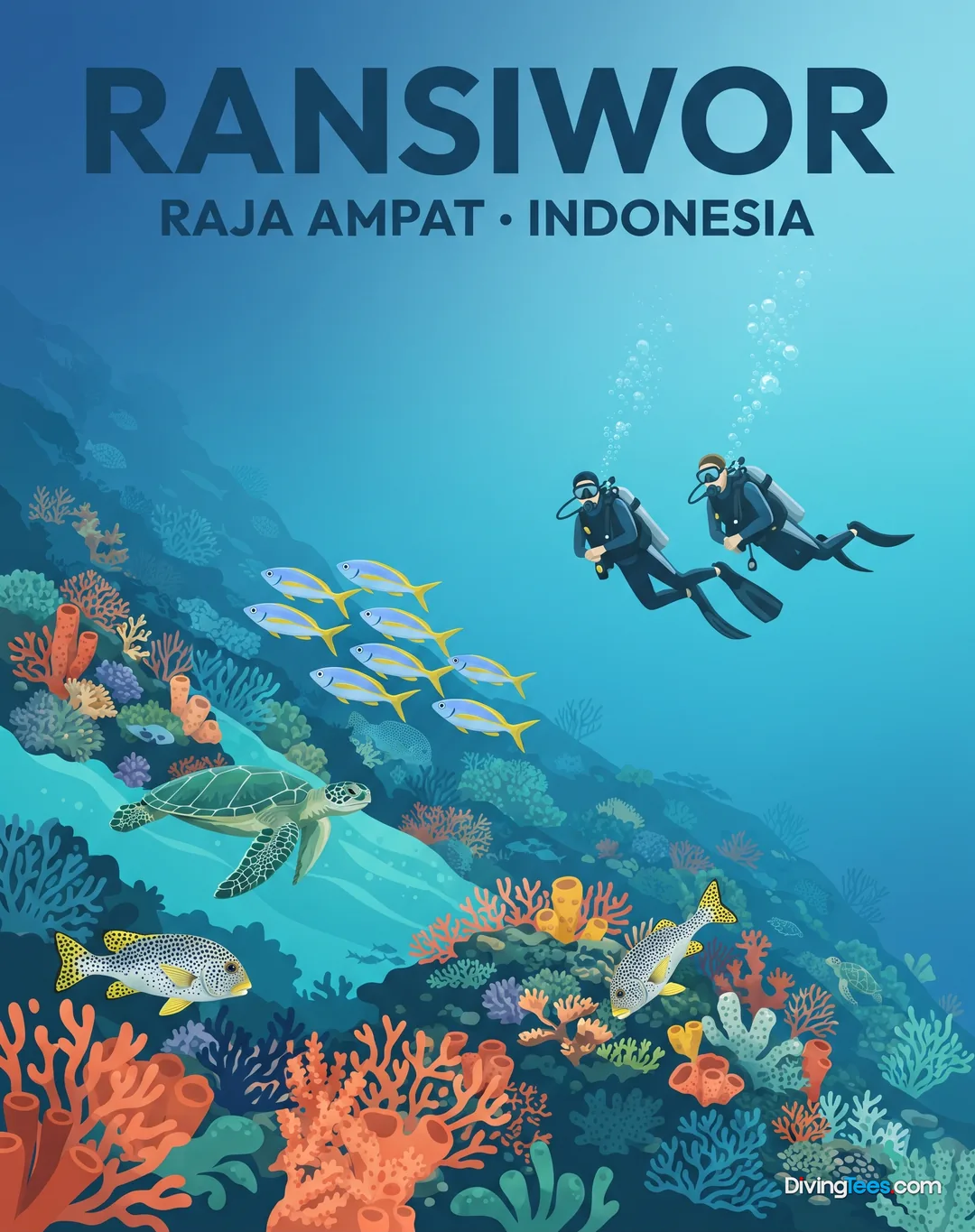
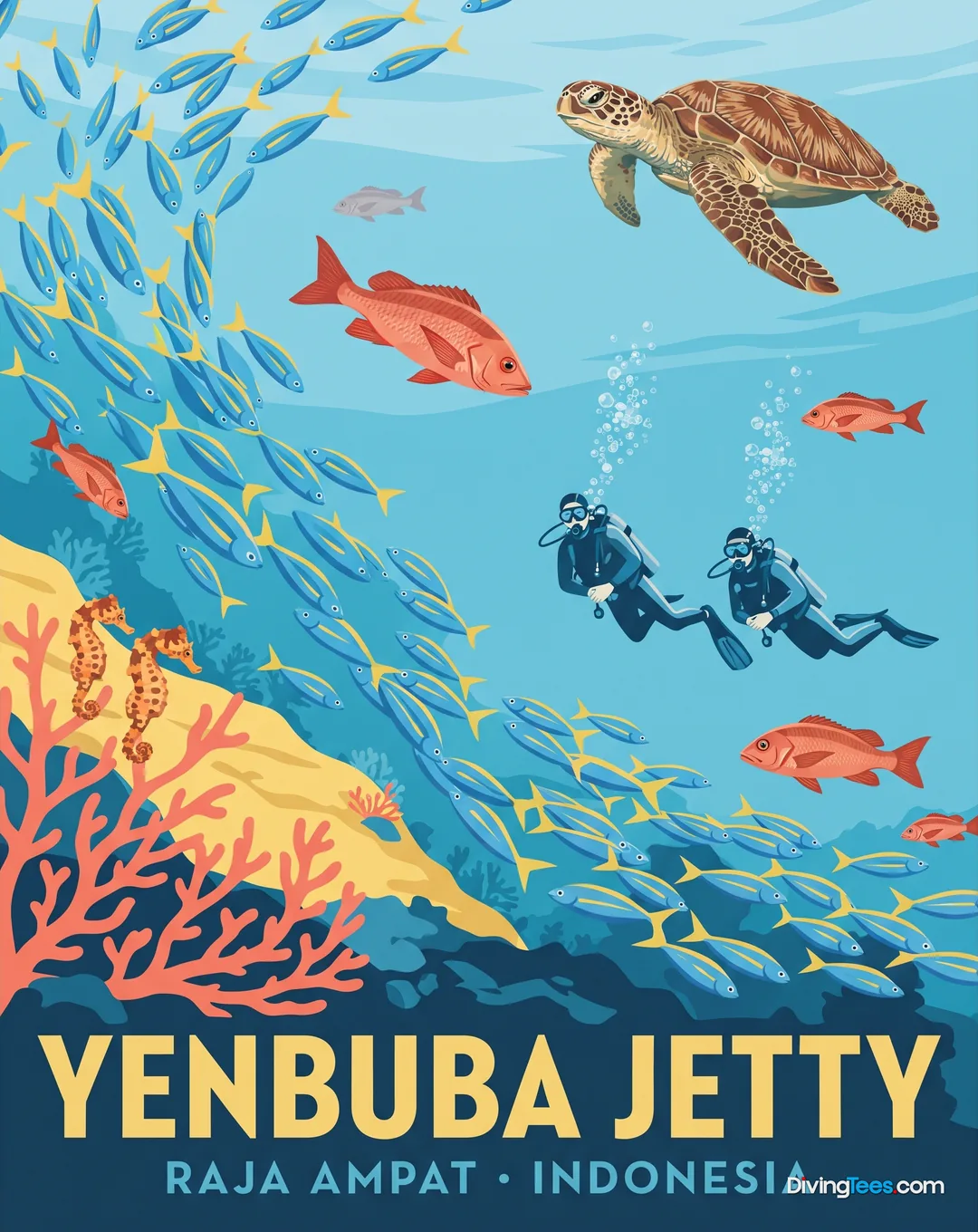
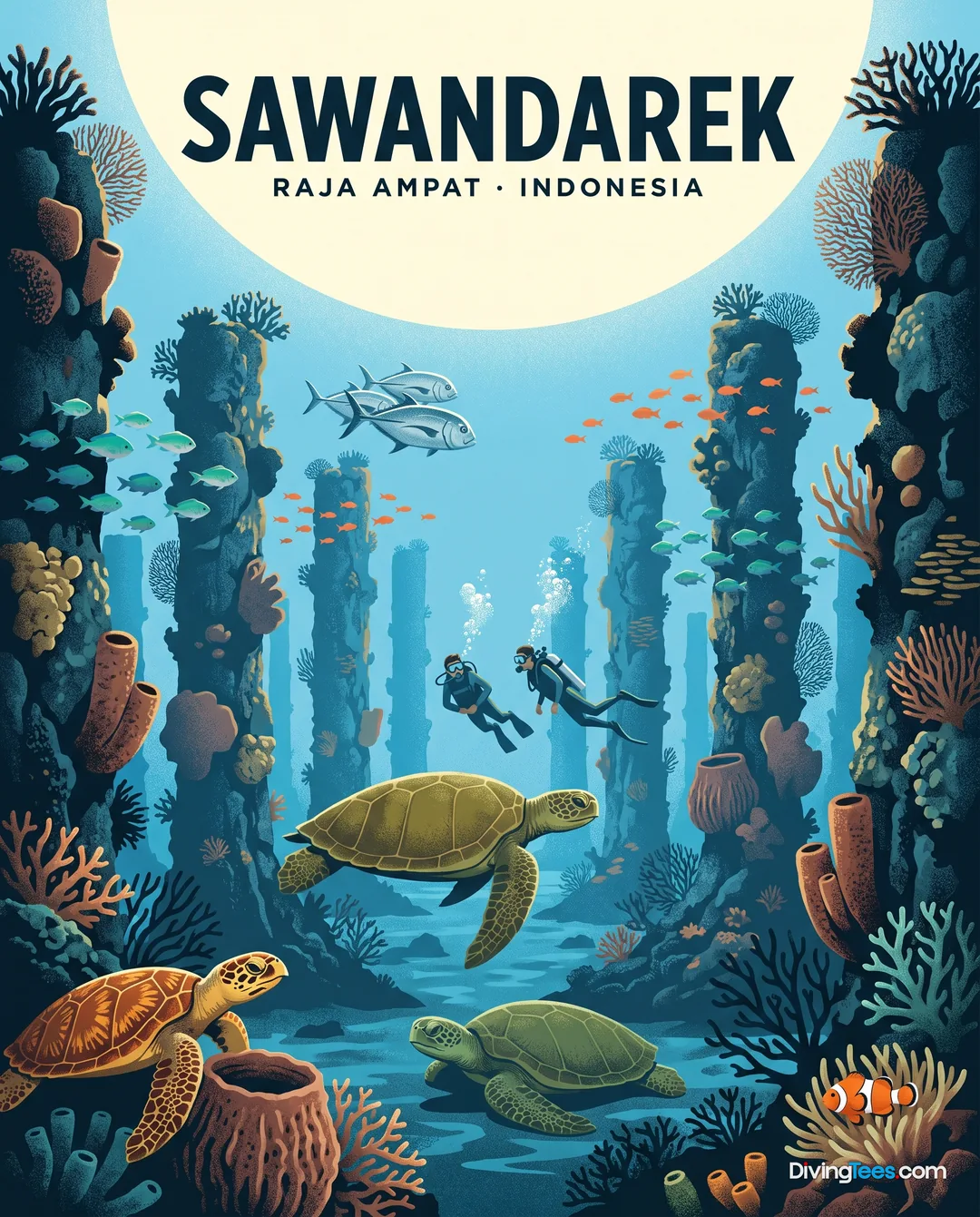
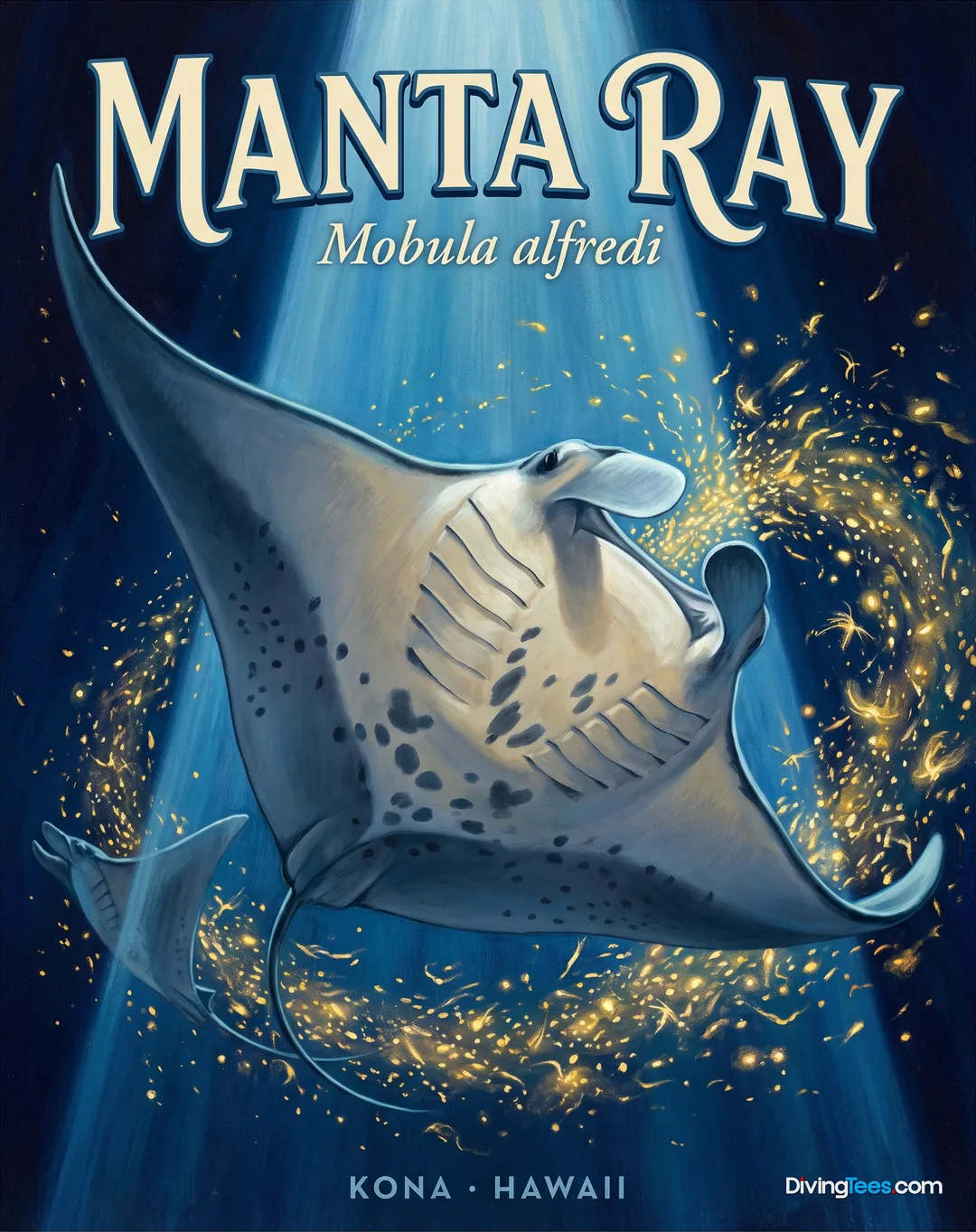
The Raja Ampat itinerary runs from Sorong to Sorong for 8 days and 7 nights, with a route built around reefs rather than one headline site. Manta Sandy centres on cleaning stations where reef manta rays may hover within reach of divers and snorkelers. At Mike's Point, overhangs hold soft corals and sweetlips, while eagle rays can cross the flatter plateau; the maximum depth is -40m. Cape Kri is known for extraordinary fish diversity, with 374 species observed on a single dive. Melissa's Garden combines soft corals and staghorn formations to a maximum of -35m. Blue Magic brings schooling fish and oceanic manta rays into the blue. Sorido Wall and Cape Mansuar add walls, slopes and passing pelagics, while Cross Over is a current-affected reef where blacktip reef sharks and humphead parrotfish may patrol. Friwenbonda, South Kri, Ransiwor, Yenbuba Jetty and Sawandarek complete the route with soft-coral walls, macro life, cleaning stations, coral-covered pilings and green turtles. Komodo departures run from Labuan Bajo to Labuan Bajo for 6 days and 5 nights or 8 days and 7 nights.
What you’ll meet underwater
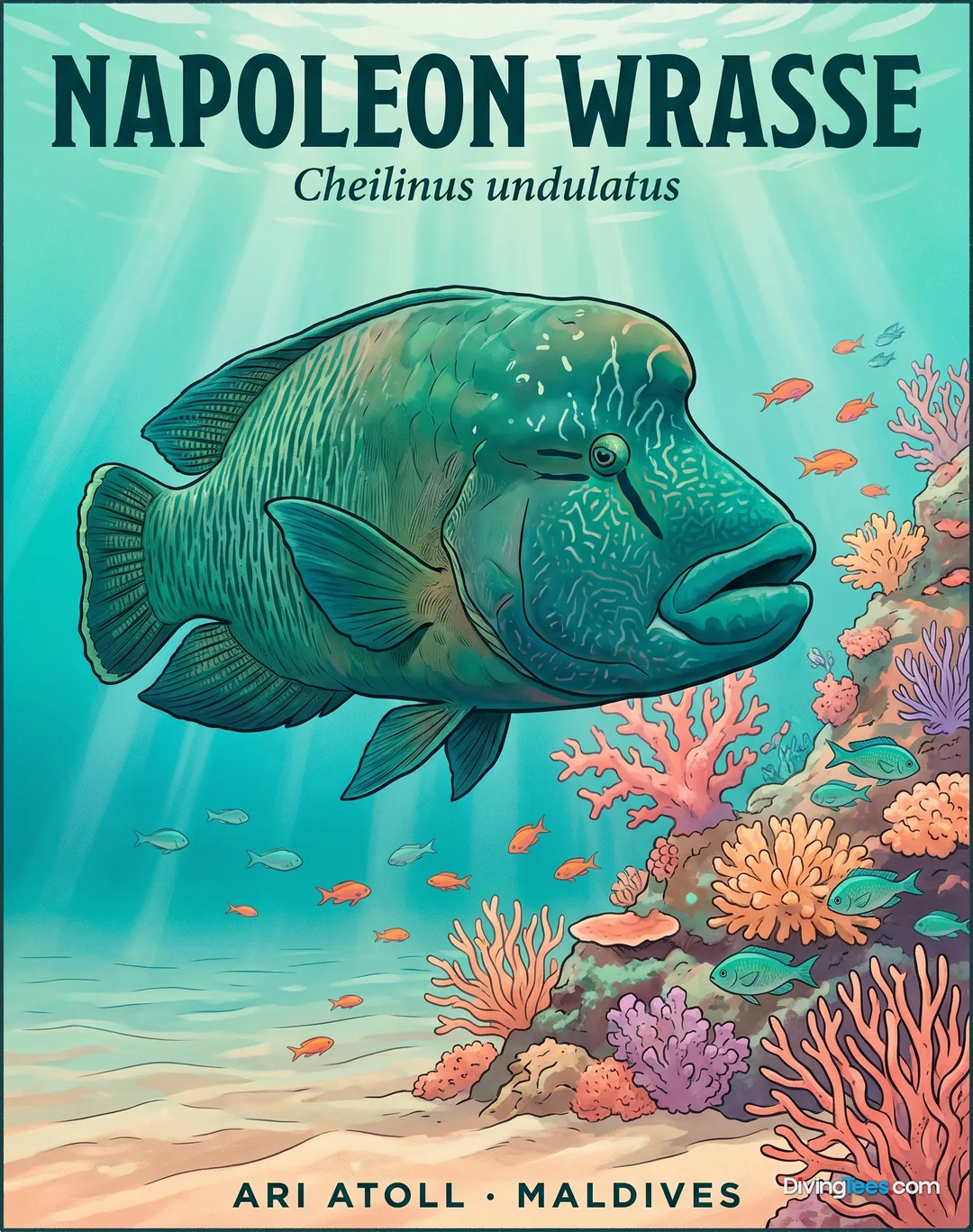
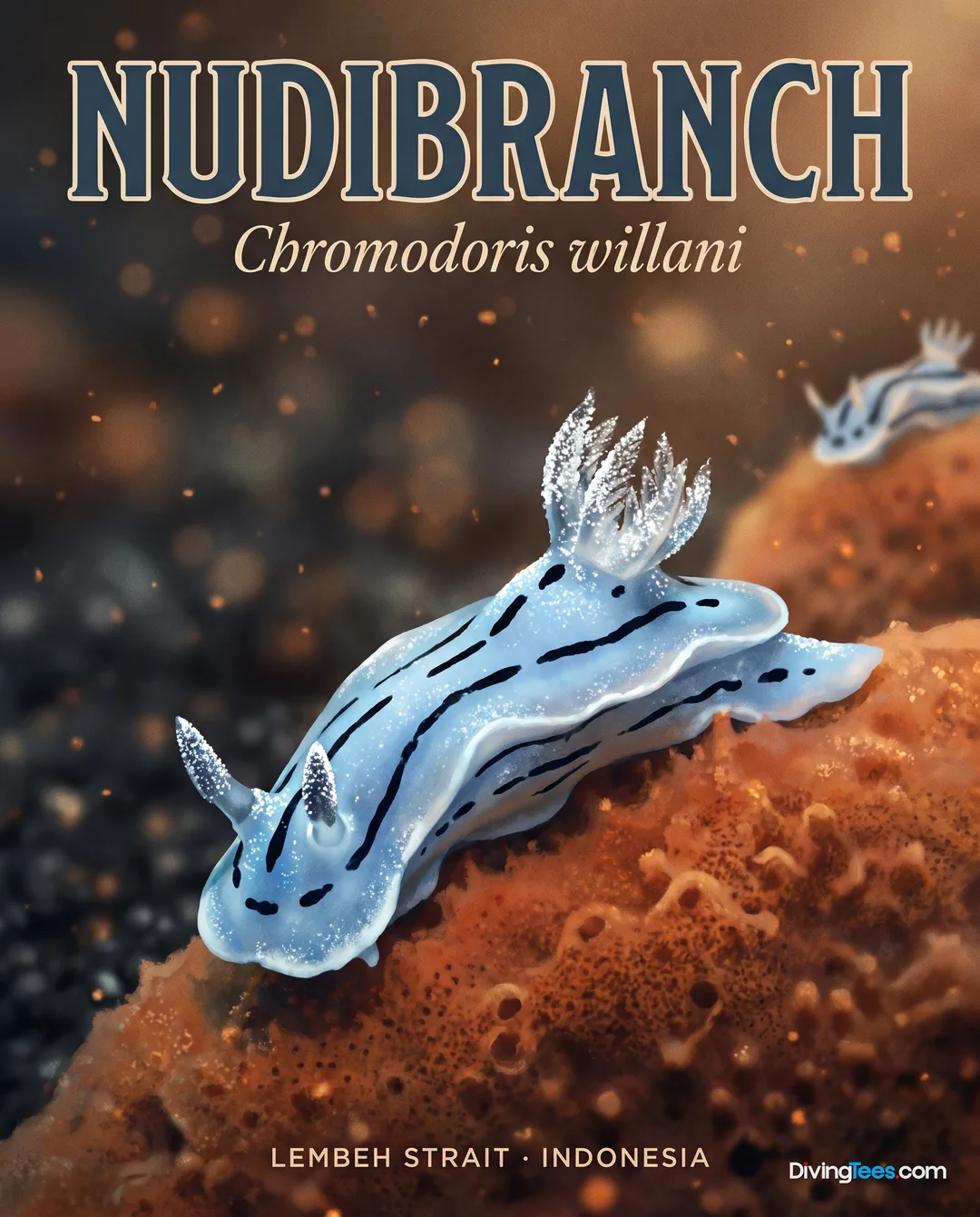
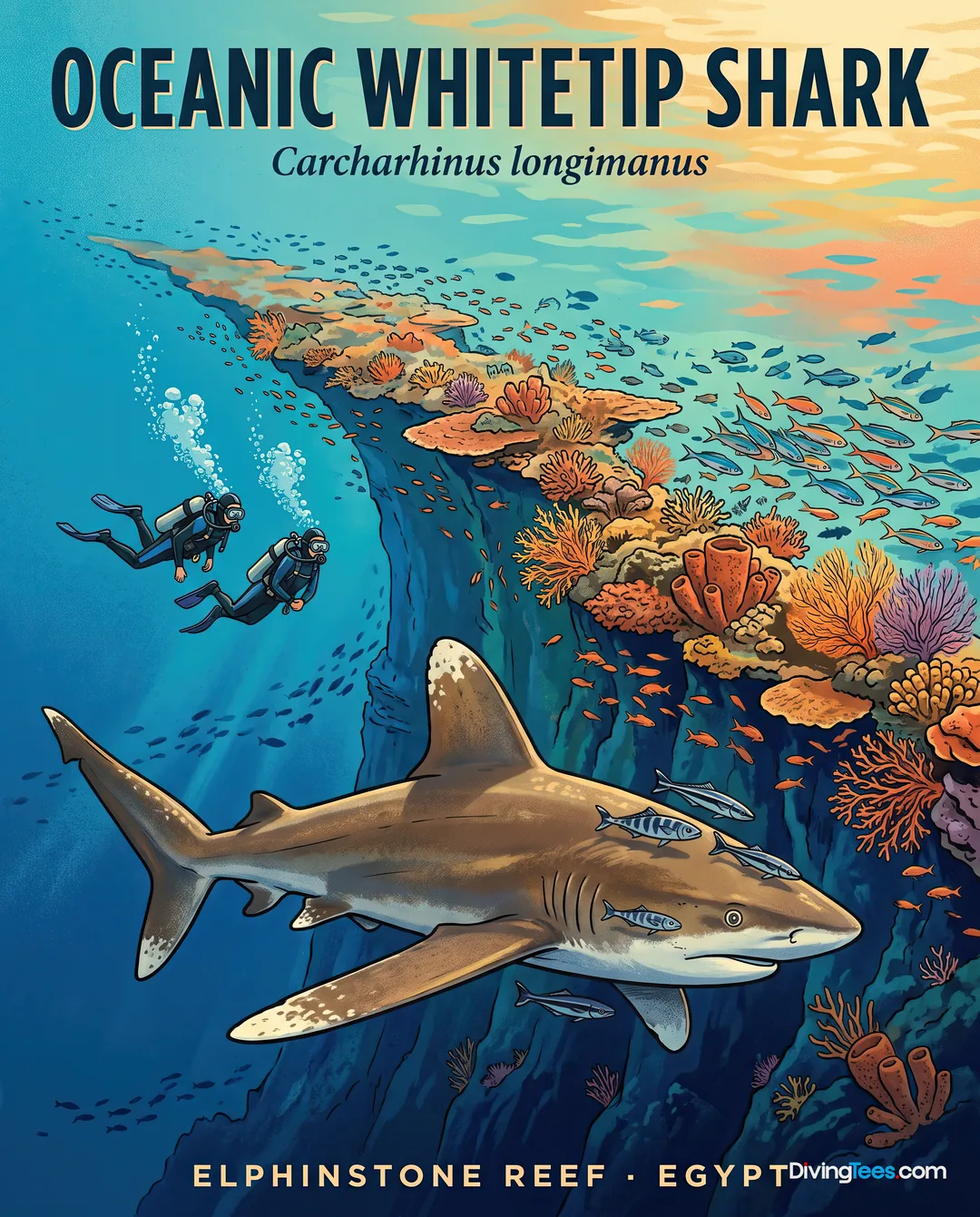
Raja Ampat gives the route its density: barracuda, reef sharks, blacktip reef sharks, Napoleon wrasse, sea turtles, trevally, fusiliers, sweetlips, humphead parrotfish, eagle rays, soft corals, nudibranchs and pygmy seahorses recur across several sites. The spectacle changes with the terrain and current. Schools of fusiliers fill Sorido Wall, while Blue Magic can bring oceanic manta rays, dogtooth tuna and the oceanic whitetip shark recorded only there. Cape Kri is the place associated with the giant grouper on this route. At Ransiwor, cleaning stations may produce an octopus, titan triggerfish or Moorish idol among the yellow-back fusiliers. South Kri is the specific stop for bigeye trevally, crabs and shrimp. Yenbuba Jetty concentrates fish around coral-covered pilings and is the only listed site for anthias and damselfish. These are possibilities earned by the site and conditions, not a checklist.
Who puts you in the water
The cruise director and dive master lead the diving, with a maximum of four divers per guide. The dive master is qualified through PADI, SMAS and SSI systems, and guides can add support for larger diving parties. Briefings take place on benches at the rear before the tender leaves, with groups organised around the divers' experience and the conditions at the site. Open Water Diver certification or an equivalent is required, along with at least 20 logged dives. Instruction can be arranged aboard, including discovery dives and practical or full Open Water and Advanced courses, although completing theory before arrival leaves more time for the water. The boat carries oxygen, first-aid equipment, lifejackets, life rafts and other stated safety equipment; no defibrillator or recall system is described.
The dive deck and the gear
The dive operation is built around a proper dive deck, two compressors, charging stations, a camera and photography station, and tender support. Standard equipment rental and 12-litre tanks and weights are included, while the boat does not offer nitrox or technical diving. The 5.8-metre RIB carries up to 10 people and is powered by a 150HP four-stroke engine; a smaller 3.8-metre, 50HP RIB carries up to five. Divers are briefed on comfortable benches at the rear before their equipment is prepared on the tender. Entry and exit are therefore handled from the RIB rather than from a fixed shore facility. Two fresh-water showers on the dive platform give divers a quick rinse on return. DIN or yoke fittings, tank material, SMB provision, rental brands and filling specifications are not stated, so those details should not be assumed.
Between dives
Between dives, Tiger Blue gives guests several different places to disappear. The main deck has two double daybeds, a large dining table and a sheltered area at the rear; the upper deck has sun loungers and the clearest view of the islands. A kayak can take the group closer to a mangrove or quiet shoreline, while a shore excursion may lead to a beach or local village. Watersports equipment includes kayaks, wakeboards, waterskis and kneeboards, although motorised watersports are not permitted inside Komodo National Park. Fishing is also restricted in national parks. On a no-dive afternoon, the useful luxury is space: someone can stay in the shade, someone else can swim or paddle, and nobody has to turn the day into an organised activity.
A day on board
A day begins with the dive team preparing the first briefing and the tenders taking divers to the reef. The boat then moves through the sequence that matters on a liveaboard: dive, return, rinse, eat, rest, and prepare again. Tiger Blue schedules two or three dives per day, with two dives on the final day. The gaps are long enough for a meal at the main-deck table, a nap on a daybed, a snorkel, a kayak outing or a trip ashore. When the boat gets underway, the upper deck becomes the place to watch the islands slide past. There is no need to invent a rigid clock for this trip; tides, currents and the chosen site set the order. By evening, the diving gives way to dinner, a shore barbecue or quiet time under the open sky.
What you eat aboard
Meals are prepared aboard by the chef and sous-chef, with a mix of local and Western food served at the large main-deck table. Dietary restrictions can be accommodated, and food may also move ashore for a beach barbecue when the itinerary allows. Breakfast, lunch and dinner do more than fill the gaps between dives: they are where the group compares sightings, checks the next site and settles into the unhurried part of the day. Soft drinks and local beer are included; spirits and other alcoholic drinks are available aboard. The galley can also work around requested items with advance notice. After a dive, that shared table is useful for one simple reason: everyone arrives with something to talk about.
Nights at sea
The five cabins are divided between Standard, Superior and Master categories, all with air-conditioning and en-suite bathrooms with rain showers and WCs. The Master Cabin sits on the main deck, close to the dining and seating areas, with a full-size window, king-size bed and daybed. Superior Cabins are amidships on the lower deck; Standard Cabins are forward. The lower-deck rooms are away from the open-air social spaces, which matters when the boat is moving or the saloon is still in use. Outside, the upper deck offers loungers rather than another enclosed lounge, so the best place to read or watch the last light is in the air. At night, the boat's wooden construction and open layout keep the sea present even after the cabins are closed.
Standard Cabin
Superior Cabin
Master Cabin
What to know before boarding
Raja Ampat departures leave from and return to the Port of Sorong. Komodo departures leave from and return to Labuan Bajo. A scheduled group airport-to-yacht-and-yacht-to-airport transfer is included; private transfers are separate. Arriving the night before is sensible, especially when the itinerary depends on a domestic connection.
- Year built
- 2008
- Length
- 34 m
- Beam
- 7.5 m
- Maximum number of passengers
- 12
- Number of cabins
- 5
- Tenders
- RIB 5.8 m 4-stroke 150 hp (10 man); RIB 3.8 m 50 hp (5 man)
- Website
- tigerblue.info ↗
Hello, I'm Marina, DivingDeal.com's AI assistant. I answer in detail about hotels, dive centres and liveaboards.

Thinking about the whole trip and the flights? Talk it over with Edith →
Marina is an AI. Some links are affiliate links: DivingDeal may earn a commission, at no extra cost to you. Bookings are made with the partner.