


Air Dive Alor
★ 4.9/5 (104 reviews)
6.4 km away as the crow flies
Alor · Indonesia · Asia
Max. depth · 40 mDescend into the Pantar Strait, where deep upwellings and powerful currents sculpt an underwater landscape of vibrant coral walls, volcanic cliffs, and seamounts teeming with pelagic life.
For subtitles in English: start the video firstthen click the gearat the top right of the video, select “Subtitles/CC”, then “Auto-translate” and choose “English”.
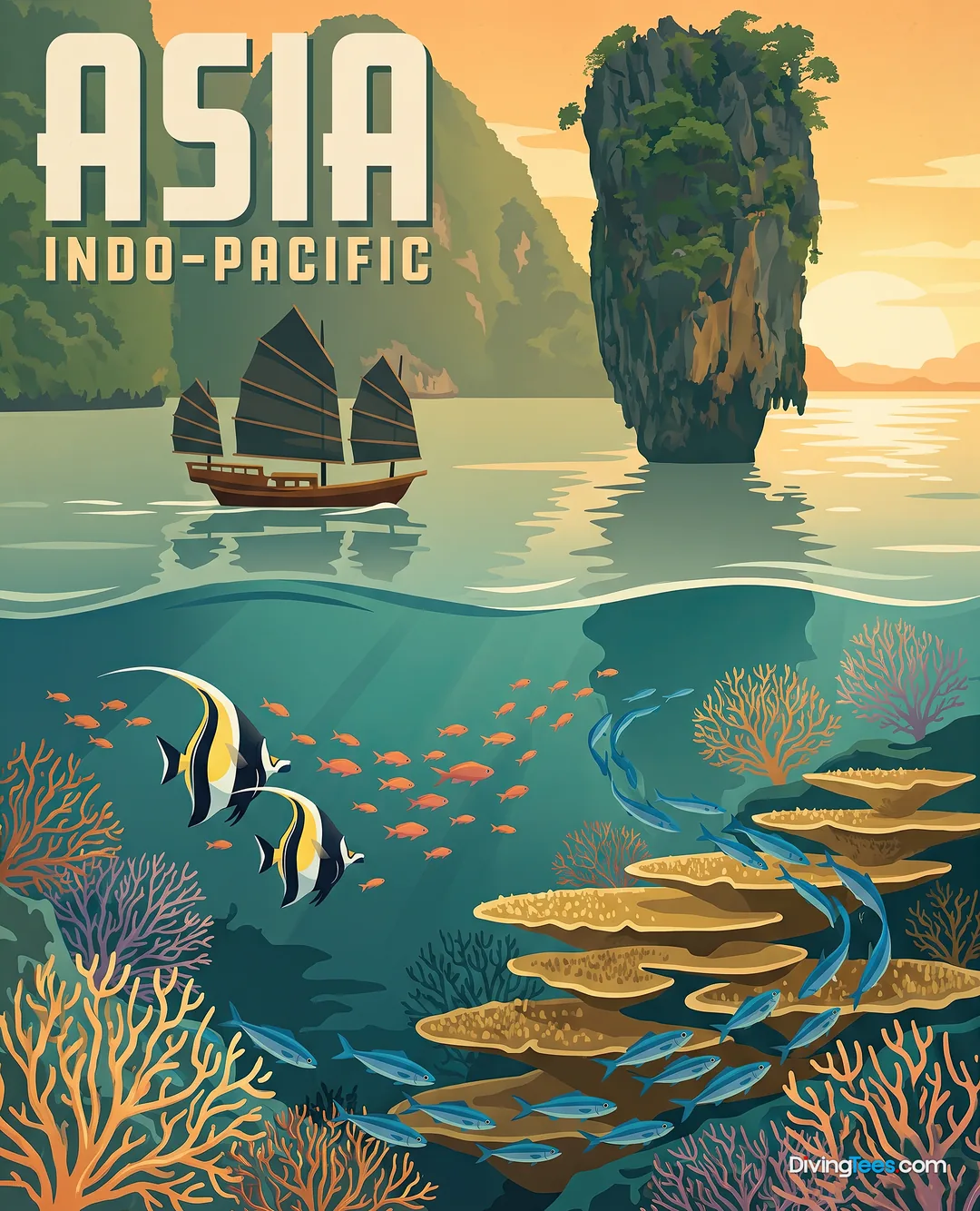
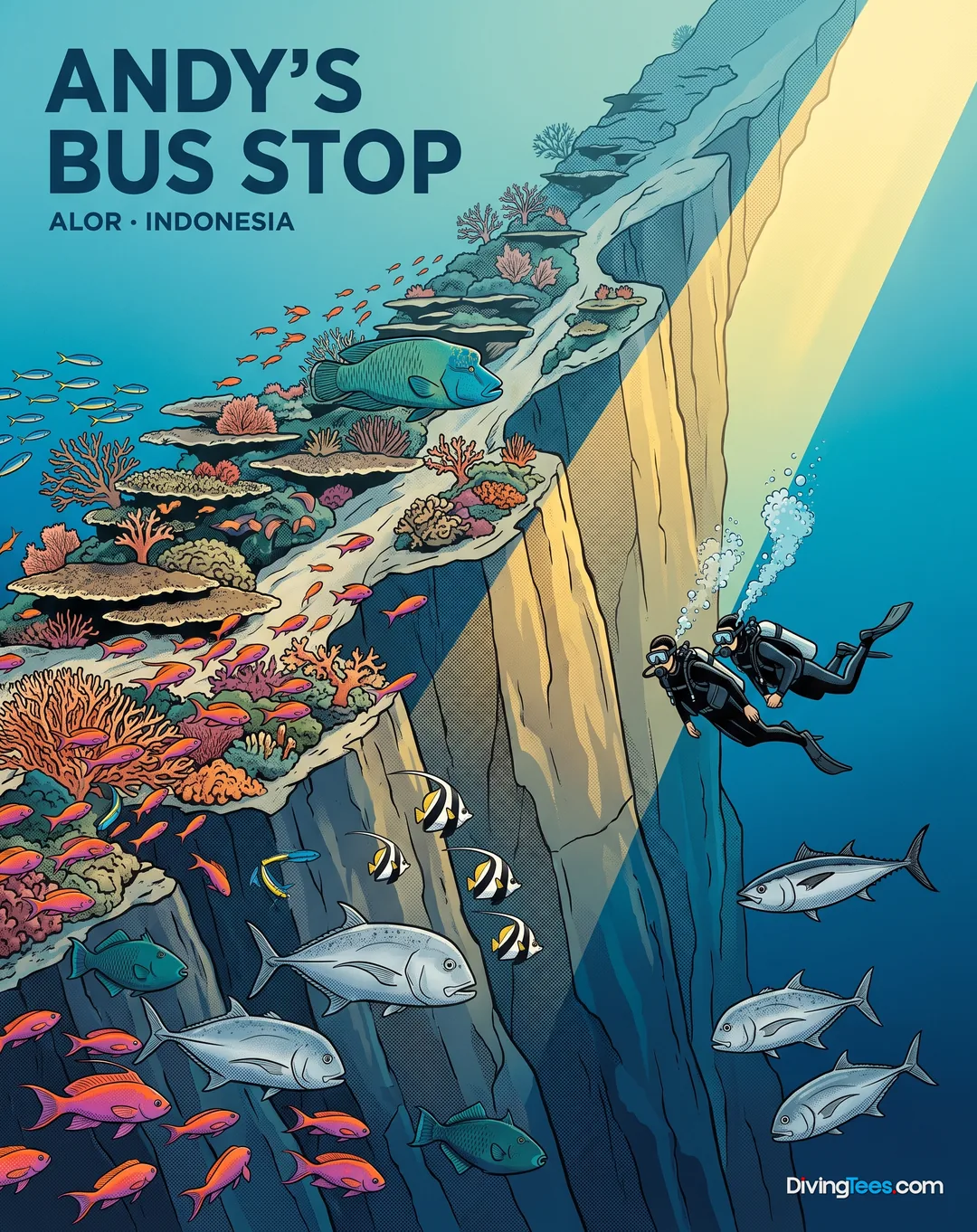
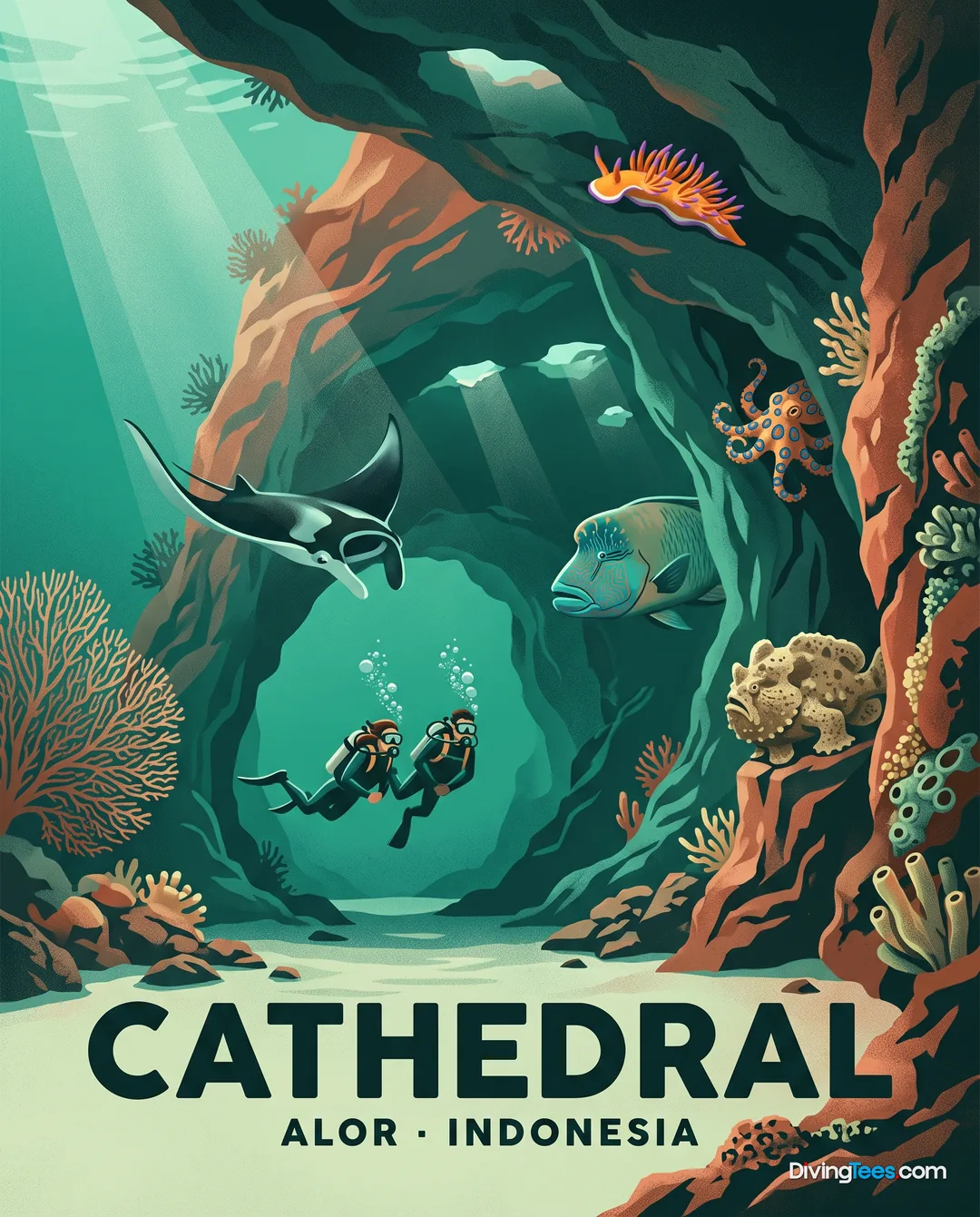
Diving the Pantar Strait means entering a dynamic underwater world shaped by the powerful forces of geology and oceanography. This deep channel, connecting the Banda Sea to the north with the Savu Sea to the south, is defined by steep coral walls, dramatic slopes, and scattered seamounts. The volcanic origins of Alor and Pantar islands are evident in the rugged cliffs and mysterious caves that punctuate the reef, creating a diverse tapestry of micro-habitats from sunlit shallows to darker recesses. You'll find yourself navigating a landscape that constantly shifts between vibrant coral gardens and stark, ancient rock formations.
The character of the Pantar Strait is profoundly influenced by its oceanography, particularly the cold-water upwellings that surge through after each new and full moon. These deep, nutrient-rich currents, originating from the southern seas, act as a natural regulator, maintaining a consistently cool and refreshing water temperature throughout the strait. This unique thermal stability, combined with the influx of vital nutrients, has allowed the coral reef ecosystems to flourish, growing into some of the most vibrantly coloured, biologically diverse, and densely covered formations you will encounter anywhere in the region.
The sheer density of colourful reef fish is a defining feature of the Strait. Every corner of the reef, from the shallow sunlit slopes to the darker recesses of volcanic overhangs, pulses with activity. Schools of fusiliers, snappers, and trevallies are a constant presence, swirling in the currents, while smaller, more intricate species like butterflyfish and angelfish graze among the corals. The vibrant palette of these fish, set against the equally diverse colours of the hard and soft corals, truly brings the underwater landscape to life, making every dive a visual feast.
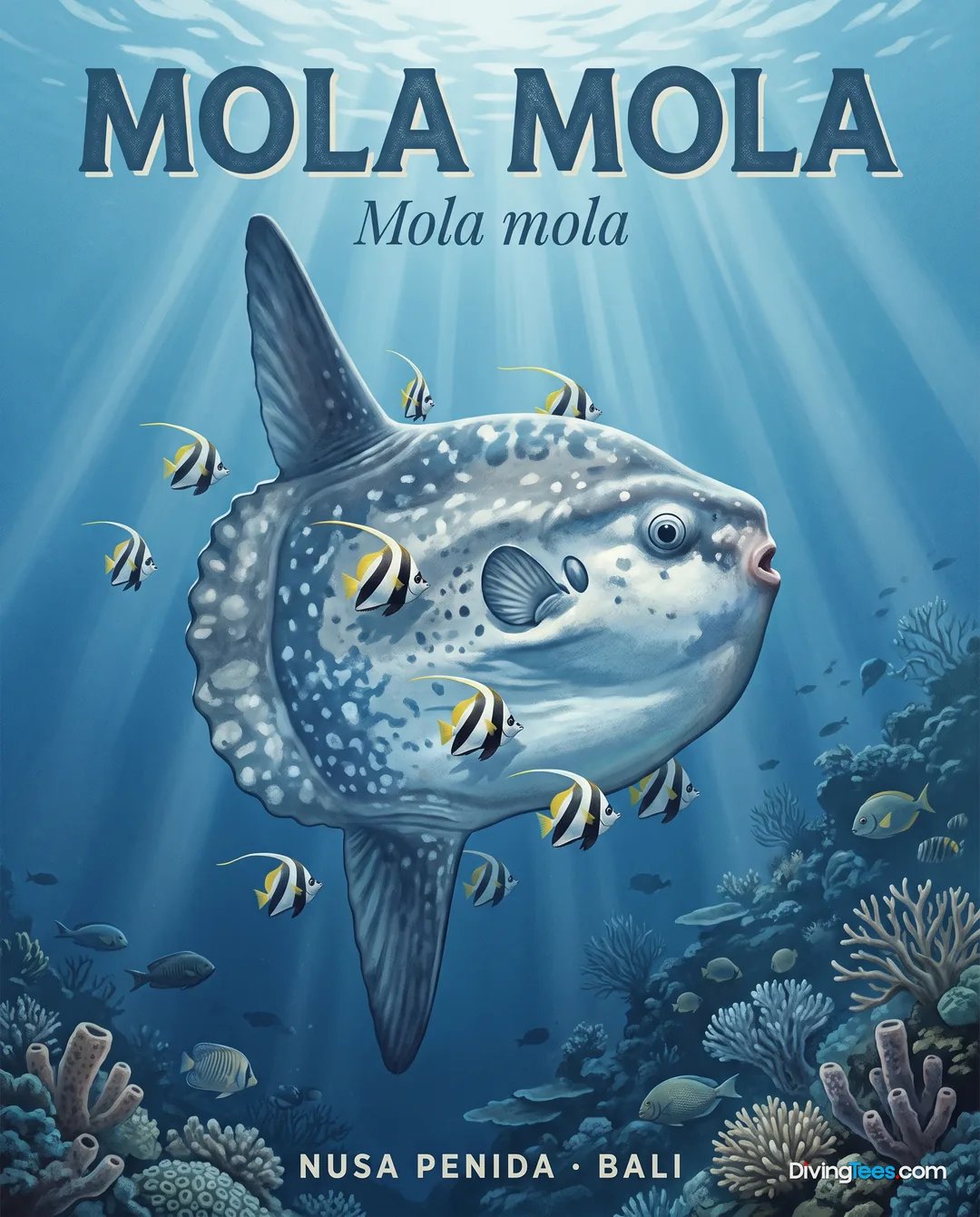
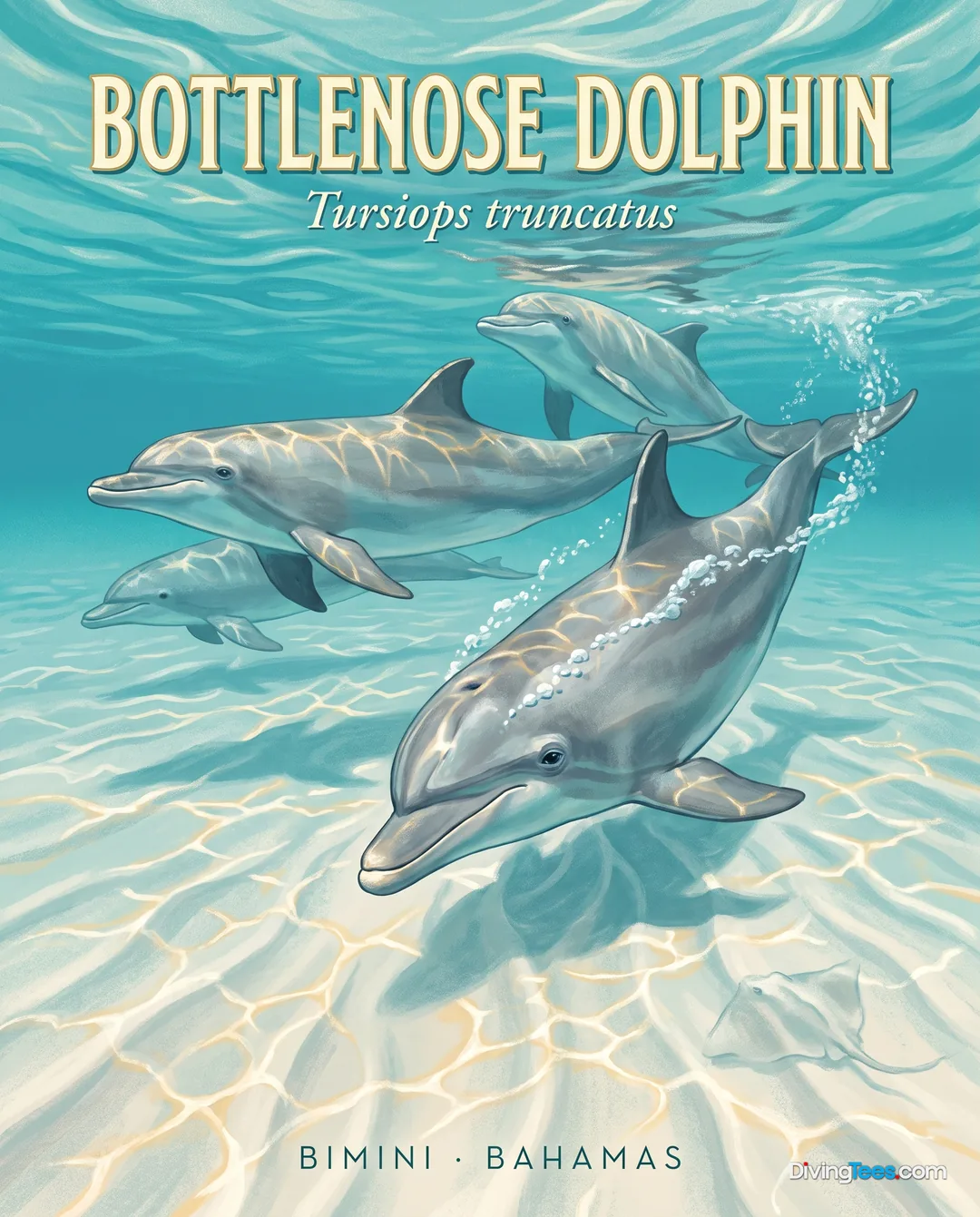
Beyond the intricate reef structures, the Pantar Strait is a known corridor for larger pelagic species. While exploring the vibrant corals, you may find yourself in the presence of sleek dolphins, which move gracefully through the currents, often making close passes as they hunt. The significant biomass supported by these rich waters also attracts larger, more enigmatic visitors. The elusive mola-mola, or ocean sunfish, is occasionally spotted here, often rising from the cooler depths to warmer surface waters, offering a rare encounter for fortunate divers.
The strong currents that define the Pantar Strait are not merely a challenge but the lifeblood of this ecosystem. These powerful drifts, driven by tidal exchanges between the Banda and Savu Seas, generate intense upwellings that bring plankton-rich waters, sustaining the entire food chain from the smallest organisms to large marine mammals. This constant flow dictates how and when specific sites can be dived, often requiring precise planning around slack or favourable tides to ensure both safety and the best possible encounters with the abundant marine life.
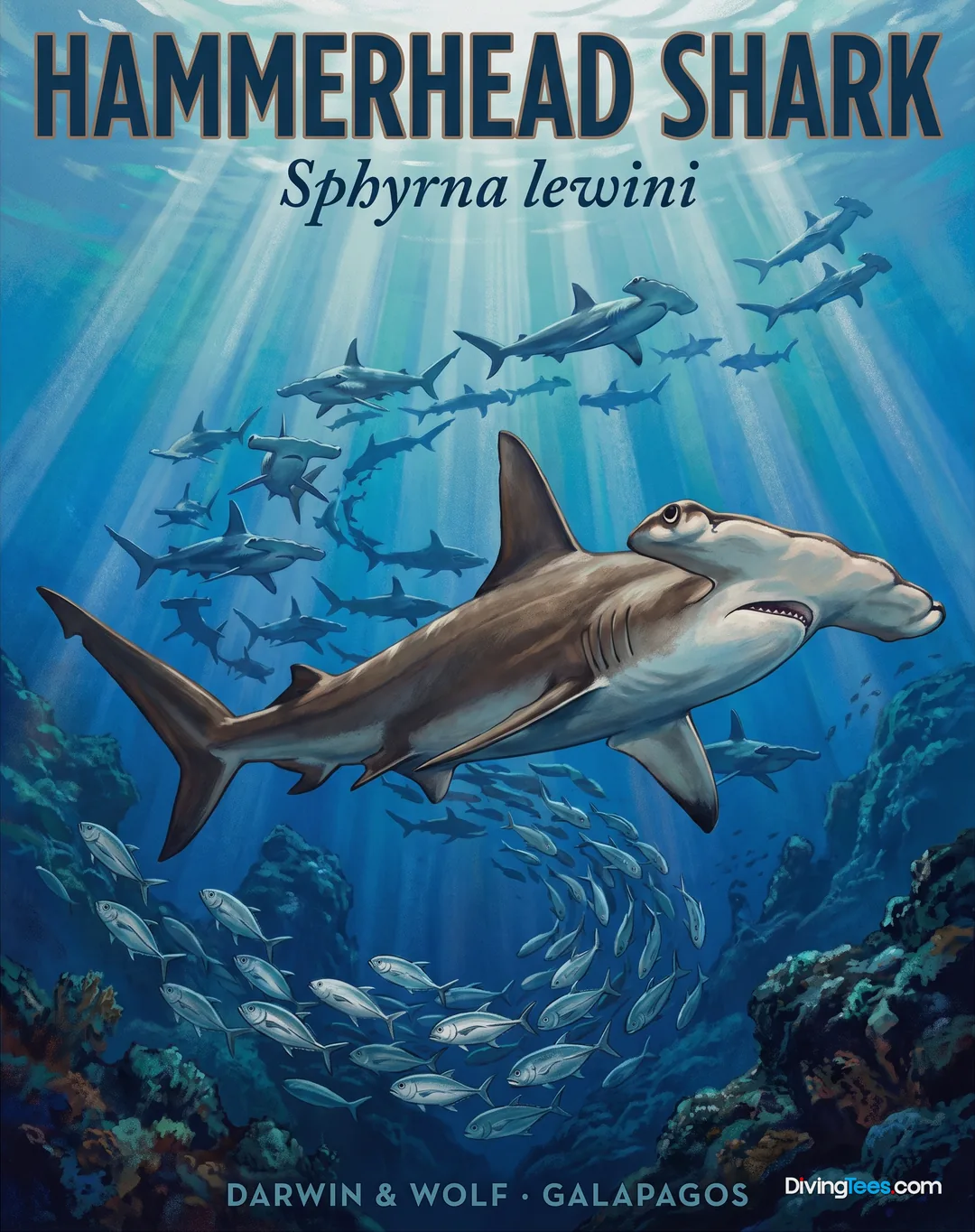
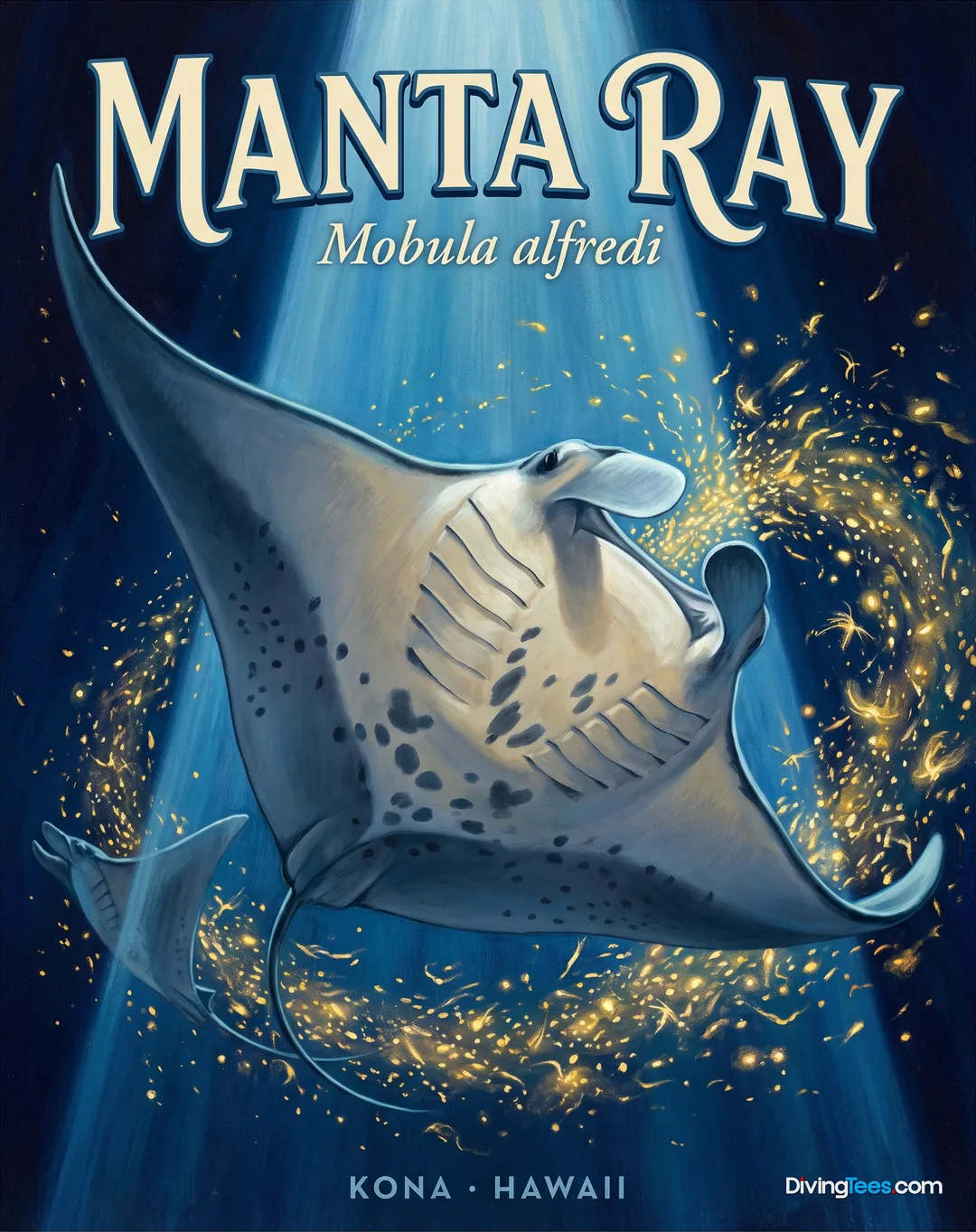
The Pantar Strait is home to a remarkable array of larger marine life. You can expect to encounter various shark species, including scalloped hammerhead sharks (Sphyrna lewini), grey reef sharks (Carcharhinus amblyrhynchos), blacktip reef sharks (Carcharhinus melanopterus), and silvertip sharks (Carcharhinus albimarginatus). Mobula rays and eagle rays (Aetobatus narinari) are also frequent visitors, gliding through the currents. Schools of barracuda and dogtooth tuna (Gymnosarda unicolor) patrol the deeper sections, adding to the thrill of these pelagic encounters.
Beyond the larger species, the intricate reef system supports a wealth of smaller, often overlooked creatures. Keep an eye out for nudibranchs, ornate ghost pipefish (Solenostomus paradoxus), and the well-camouflaged Rhinopias and frogfish (Antennariidae) blending seamlessly with the corals and volcanic rock. These macro subjects offer a different perspective on the Strait's biodiversity, rewarding careful observation and a slower pace in sheltered areas. Exploring these hidden gems adds another layer of discovery to the Pantar Strait's diverse offerings.
The comprehensive health and diversity of the coral ecosystems in the Pantar Strait are its true testament. These reefs are not just visually spectacular but also ecologically robust, showcasing a complex web of life. From the kaleidoscopic fields of anemones, vibrant with resident clownfish, to the intricate structures of hard coral gardens, the Pantar Strait stands as a glowing example of what healthy marine environments can achieve. This deep and thriving ecosystem supports everything from reef fish populations to the transient pelagic visitors, making every dive a dynamic and immersive experience.
Diving in the Pantar Strait typically ranges from 5 to 40 metres. This site is known for some of Indonesia's strongest currents, driven by tidal exchanges and upwellings, which can change rapidly. Therefore, it is generally suited to experienced and advanced divers comfortable with strong currents and drift diving. Many operators recommend at least an Advanced Open Water certification and 50–100 logged dives for the conditions found here. Visibility generally ranges from 15 to 40 metres. The main dive season runs from March to October, with peak pelagic activity often observed between September and November.
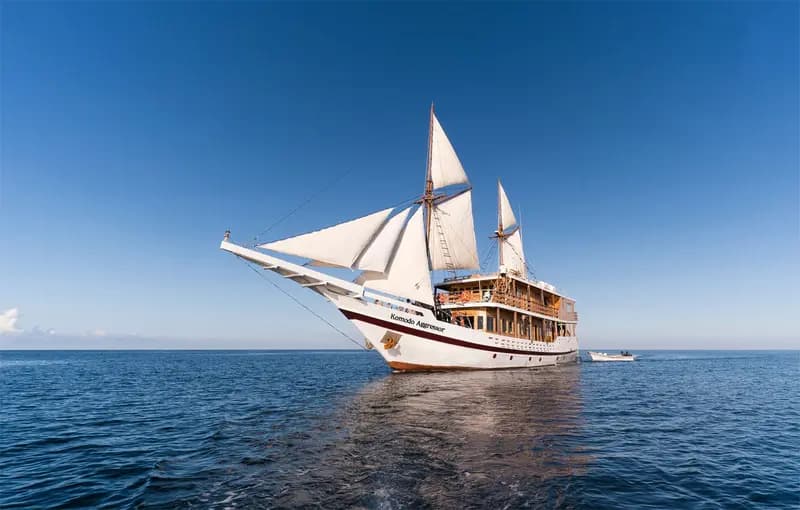
2 liveaboards depart from Alor another way to explore the region, over several days at sea.