
Tarzan-Diving
Google 4.9/5 (424 reviews)
Raja Ampat · Indonesia · Asia
Descend along the Wall of Grace, where vibrant soft corals meet the limestone cliffs, revealing a hidden world of pygmy seahorses and ghost pipefish.
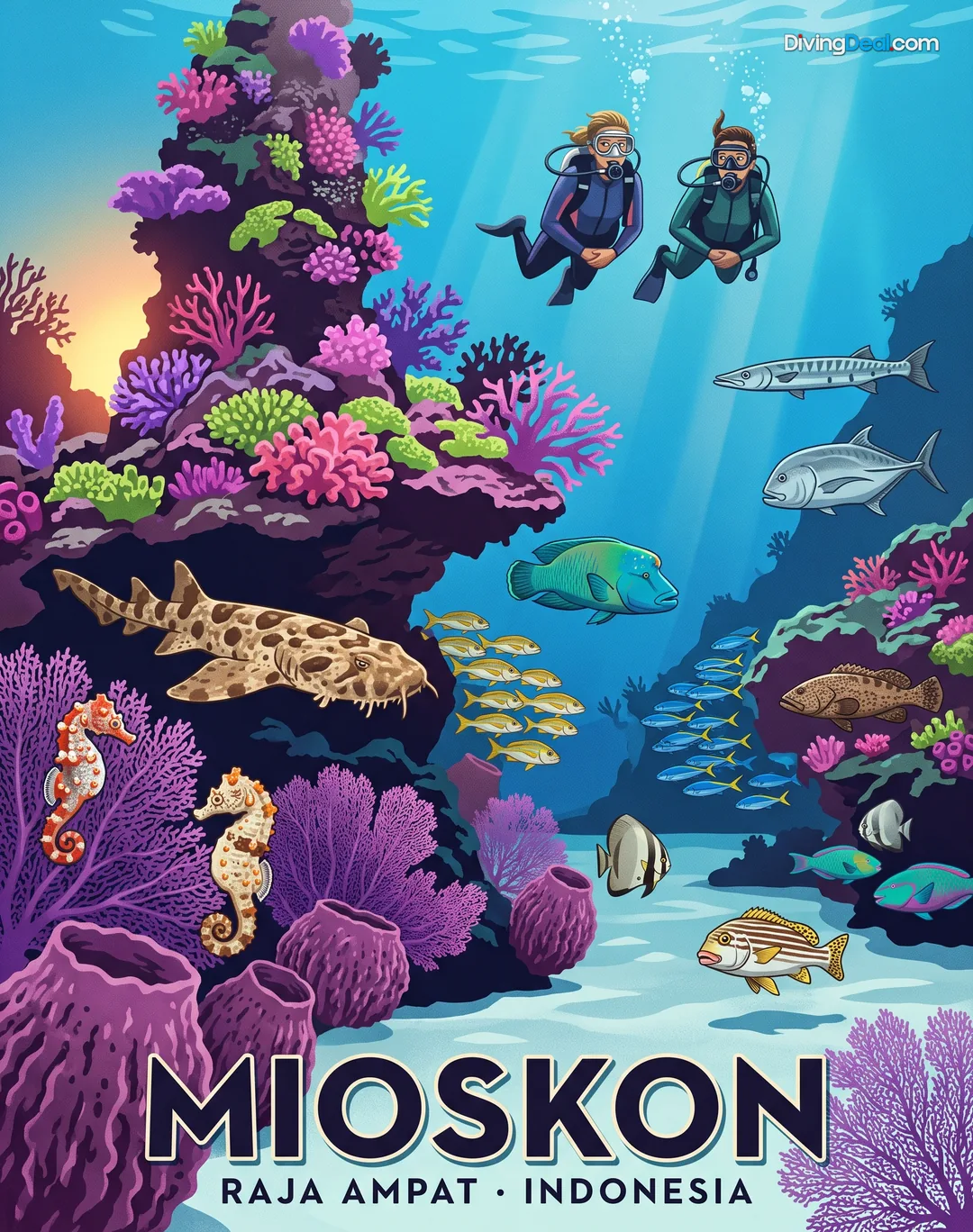
Diving the Wall of Grace immediately immerses you into Raja Ampat's intense biodiversity, starting with a true wall dive profile. As you descend, the sheer face of the reef drops away into the blue, its surface adorned with an explosion of soft corals. These delicate, pulsating organisms cling to the rock, creating a living tapestry that stretches from the shallow sunlit areas down into the deeper zones, contrasting beautifully with the harsh, ancient limestone cliffs above the surface.
The initial approach to this wall is often met with a sense of profound calm, as the currents, though present in the region, typically allow for a focused exploration of the reef's intricate details here. You'll find yourself slowly drifting or carefully finning along the vibrant face, eyes searching for the tiny residents that call this wall home. The interplay of light filtering through the water illuminates the rich colours of the soft corals, making every meter of the descent a visual feast.
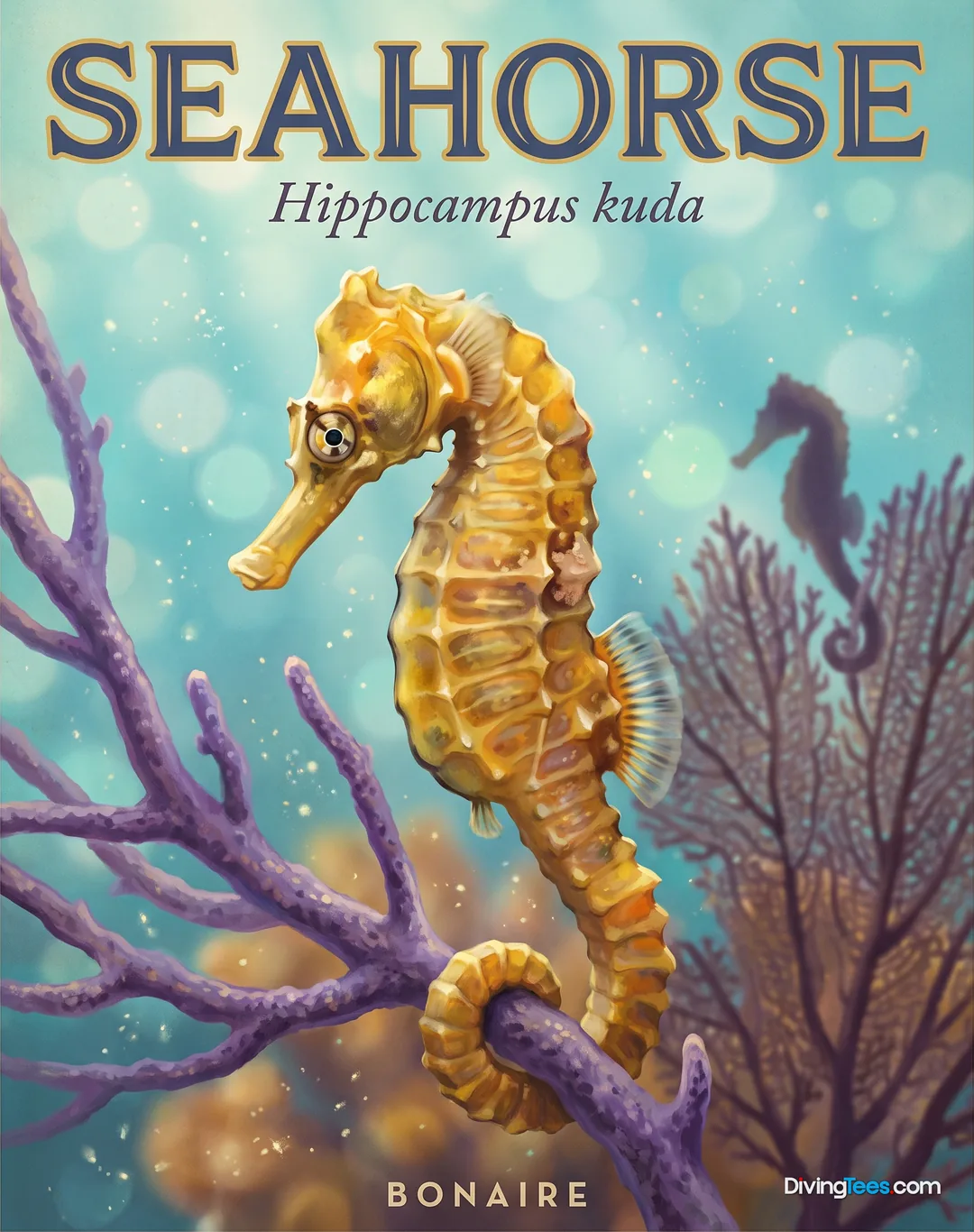
Keep your focus sharp as you explore the numerous nooks and crannies, as the Wall of Grace is renowned for its exceptional macro-life. It's in these sheltered spots, tucked amongst the coral branches and sponges, that you'll discover the elusive pygmy seahorses (Bargibant's pygmy seahorse, Hippocampus bargibanti, and Denise's pygmy seahorse, Hippocampus denise), blending almost perfectly with their gorgonian hosts. Their miniature size and intricate camouflage make them a rewarding find for the persistent diver.
Beyond the seahorses, the wall continues to reveal its secrets, with ghost pipefish (Solenostomus sp.) often spotted swaying gently near crinoids or soft corals, their elongated bodies mimicking surrounding fauna. These masters of disguise are a highlight for photographers and macro enthusiasts, adding another layer of wonder to this already rich environment. The diversity of life here is simply astounding, showcasing the intricate balance of the reef ecosystem.
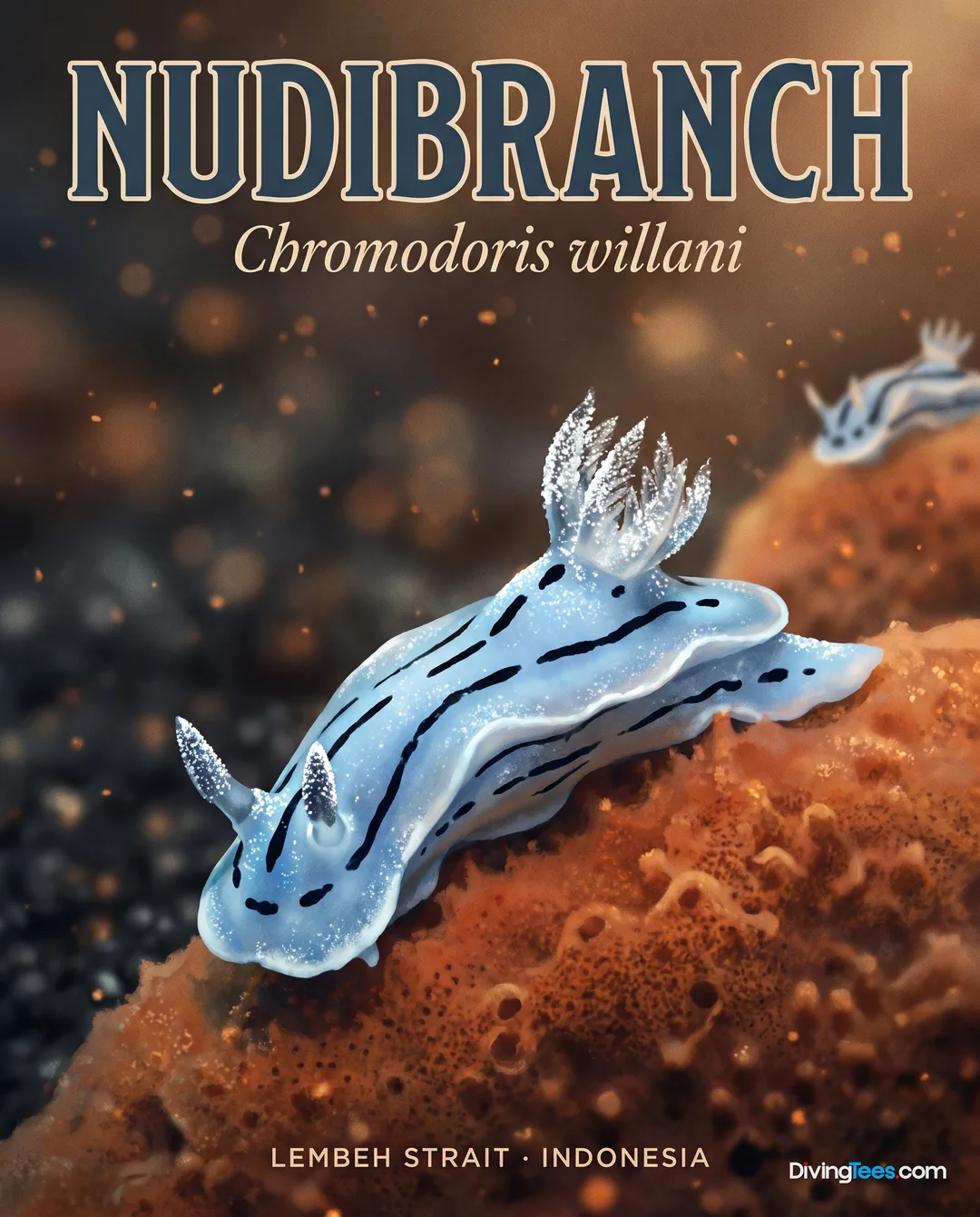
As you move further along the wall, the sheer number of nudibranchs and flatworms becomes apparent. These colourful molluscs, with their flamboyant patterns and varied forms, are dotted across the coral and rock surfaces, each a miniature work of art. From electric blues to fiery oranges, their presence adds bursts of colour to the already vibrant soft coral landscape, inviting closer inspection and deeper appreciation for the complex biodiversity of Raja Ampat.
The meeting point where the thriving soft coral reef crest merges with the exposed limestone cliffs above the waterline is particularly productive, acting as a transition zone of habitats. This ecological boundary creates unique conditions that foster a high concentration of these smaller creatures, making it an ideal hunting ground for macro photographers and anyone eager to witness the intricate details of marine life. This segment of the wall is often where the most diverse array of nudibranchs and flatworms can be observed, thriving in the shelter and food availability.
What sets the Wall of Grace apart from other wall dives in the region is this specific convergence of the soft coral dominance and the rich proliferation of minute invertebrates within a relatively protected environment. While many Raja Ampat sites boast pelagic action, this particular wall draws the diver's gaze inward, toward the delicate and intricate. It is a site that reminds you to slow down, to truly observe, and to marvel at the smaller wonders that often get overlooked in the rush for big fish encounters, defining a nuanced and rewarding dive experience.
This site is accessible from Beginner level, making it suitable for a wide range of divers looking to experience the macro wonders of Raja Ampat. While currents in the region can be strong and unpredictable, varying from mild to robust with the tides, the specific conditions at Wall of Grace typically allow for focused observation. Diving here is best experienced between October and April, which aligns with the dry season, generally offering improved visibility.
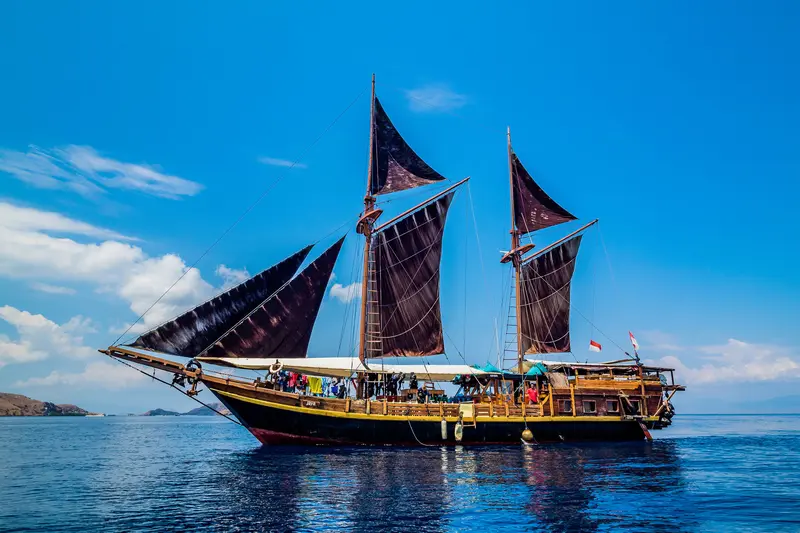
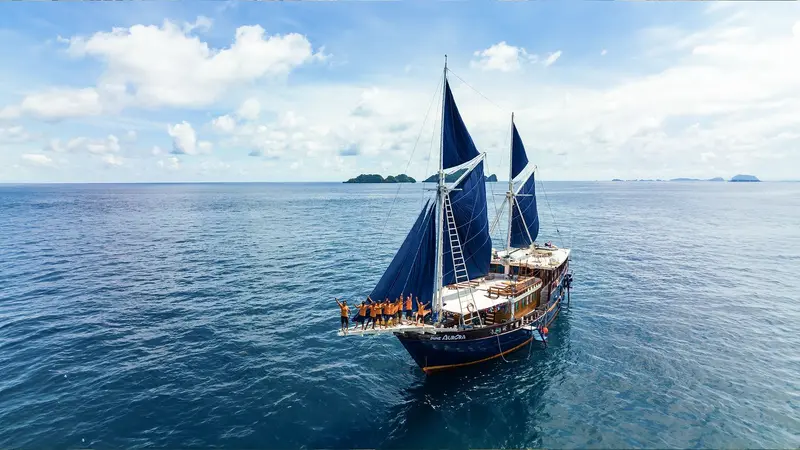
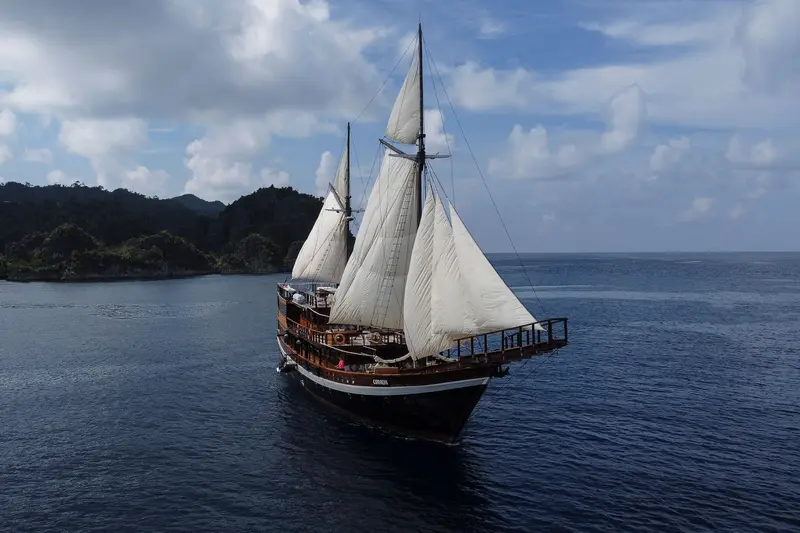
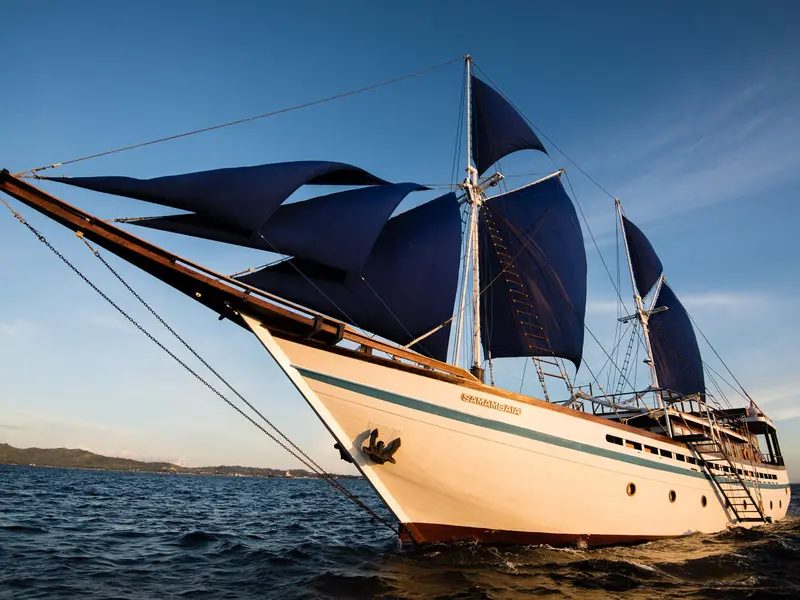
31 liveaboards depart from Raja Ampat another way to explore the region, over several days at sea.
The October to April period aligns with Raja Ampat’s dry season and generally offers improved visibility at Wall of Grace. This timing can help you examine the wall’s dense soft corals, sheltered spaces, and small reef creatures during a focused exploration, including pygmy seahorses, ghost pipefish, nudibranchs, and flatworms.
Wall of Grace is accessible to beginner divers, making it suitable if you are new to diving or looking for a manageable wall dive. You can explore the reef face while focusing on Raja Ampat’s macro life, including camouflaged creatures and colourful invertebrates among the soft corals and sponges.
Currents around Raja Ampat can be strong and unpredictable, changing with the tides from mild to robust. At Wall of Grace, conditions typically allow focused observation, so you can drift or fin carefully along the wall while searching its coral branches, sponges, nooks, and crannies for small marine life.
At Wall of Grace, you can see dense soft corals covering the wall, along with pygmy seahorses, camouflaged ghost pipefish, nudibranchs, and flatworms. The meeting point of the reef crest and limestone cliffs creates a productive transition zone, where sheltered habitats support a varied collection of small creatures.