
Nico Dives Cool Bali
Google 5/5 (1,033 reviews)
20 km away as the crow flies
Sanur · Indonesia · Asia
Max. depth · 12 mLembongan Bay offers a protected environment, making it an ideal location for exploring a diverse macro world across its sandy bottom and coral bommies.
Lembongan Bay, situated off the northwest coast of Nusa Lembongan, is a sheltered dive site characterised by its gently sloping sandy bottom. The bay acts as a natural crucible, protecting the area from stronger currents often found elsewhere in the region. Descending into the bay, you'll find the sand interspersed with numerous coral bommies and rocky outcrops that rise from the seafloor, providing structure and shelter for a variety of marine life. This topography, combined with its shallow profile, makes it a distinct site compared to the deeper walls and drift dives typical of surrounding areas.
The dive profile here is straightforward, largely remaining within a maximum depth of 12 meters, dropping to a minimum of 3 meters in sections. This shallow depth contributes to extended bottom times and allows ample light penetration, enhancing visibility and making colours vibrant. It’s a site designed for patience and observation rather than rapid exploration, rewarding divers who take their time to inspect the smaller details of the reef. The gradual slope of the seabed facilitates easy navigation, allowing you to choose your desired depth range and explore horizontally along the reef structures.
Current conditions in Lembongan Bay are consistently calm, a notable characteristic that sets it apart from many other dive sites in the region. This stability makes it an excellent location for skill practice, rebreather divers, or those looking to refine their buoyancy without external pressures. For photographers, especially those focused on macro subjects, the lack of surge and strong currents provides stable shooting platforms, allowing for precise focus and framing of small, intricate marine organisms. This calm environment also encourages marine life to remain in established territories, making repeat encounters more likely.
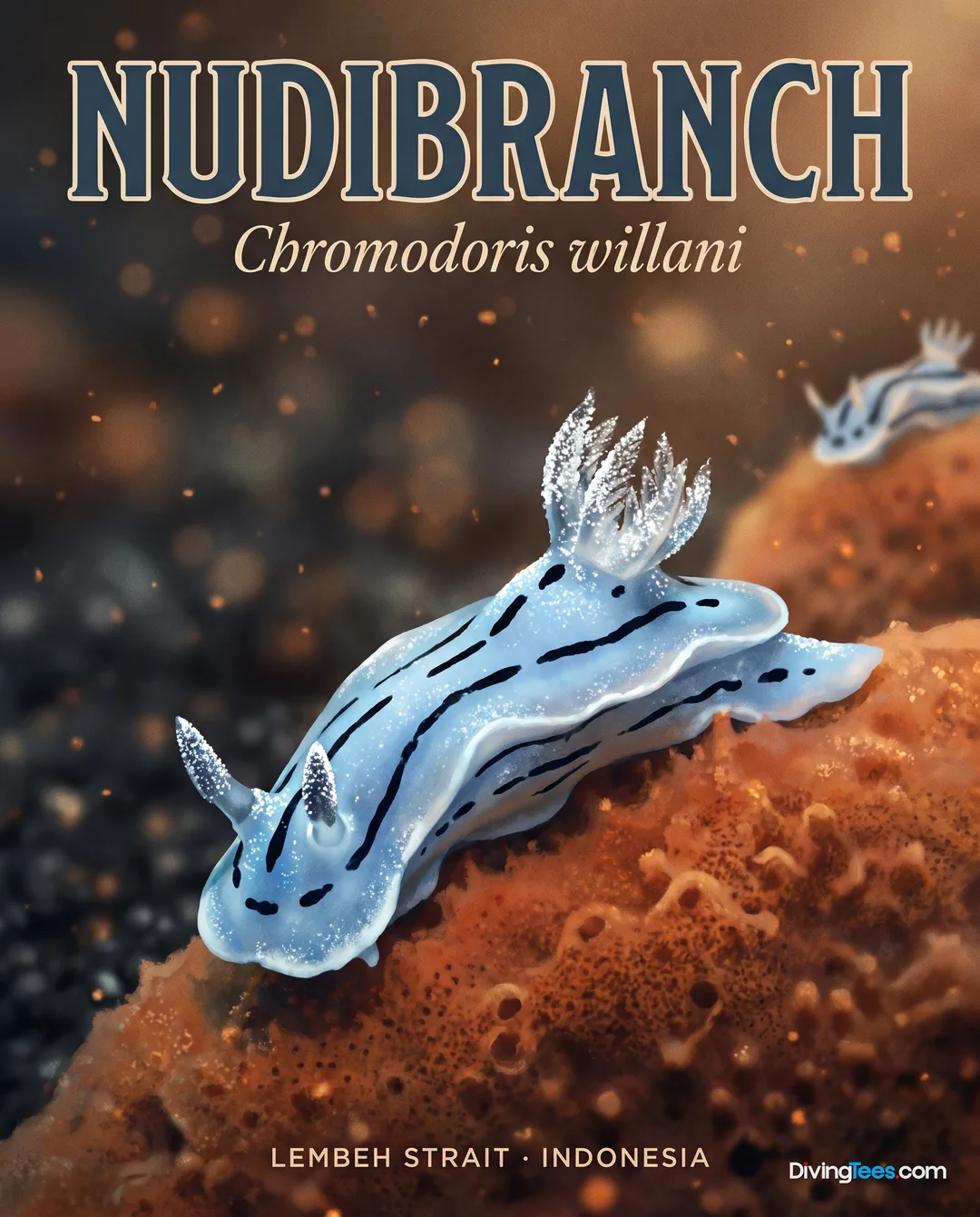
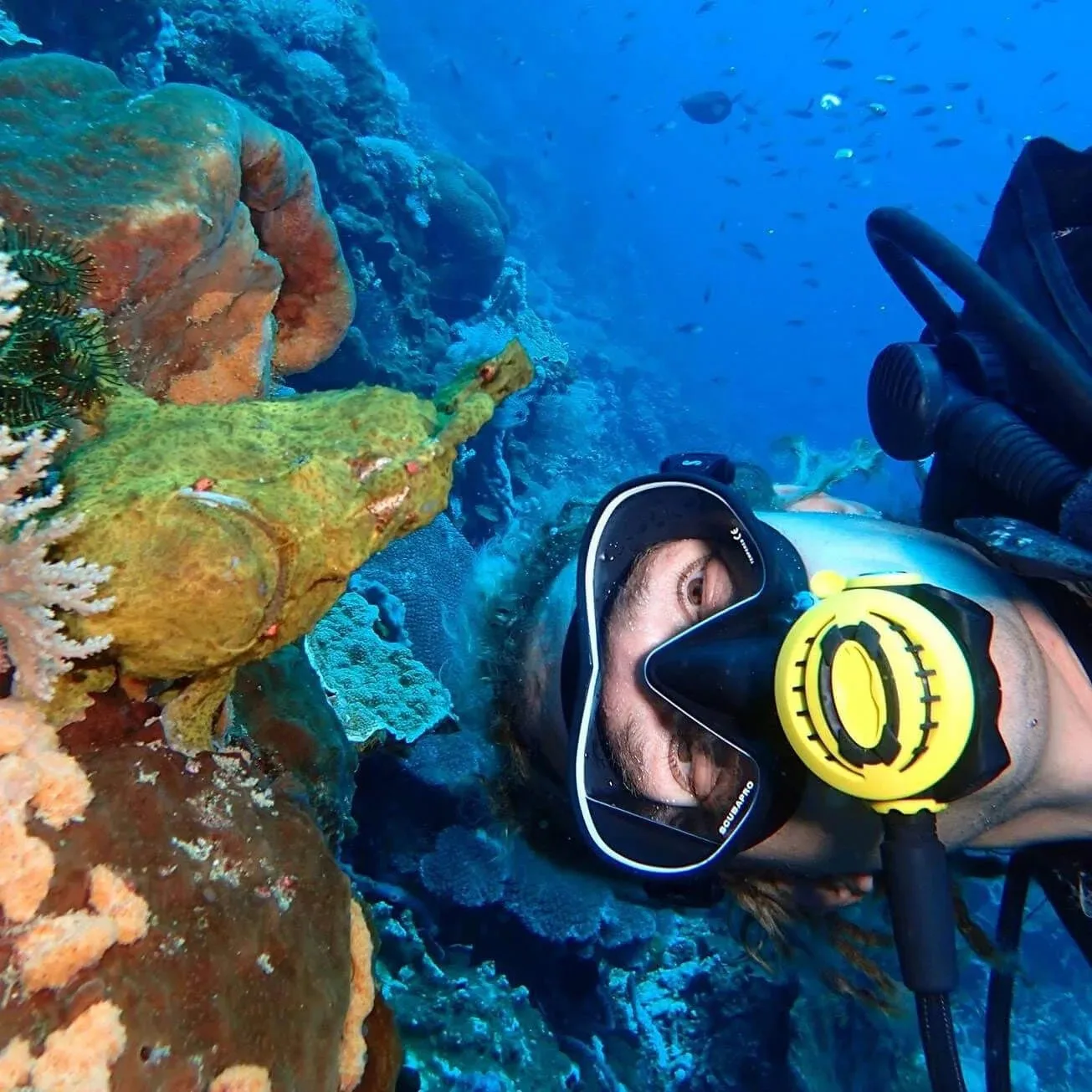
The sandy bottom, in particular, is a hunting ground for often-overlooked species. You'll find it populated with frogfish, camouflaged perfectly against the coral bommies and sand, and nudibranchs in various forms and colours. These masters of disguise are residents here, often revealing themselves only to the patient eye. Alongside these, you can observe moray eels peering from crevices, schools of silversides shimmering above the corals, and unicornfish navigating the open water between formations. The interaction between these species creates a dynamic, albeit subtle, underwater ecosystem.
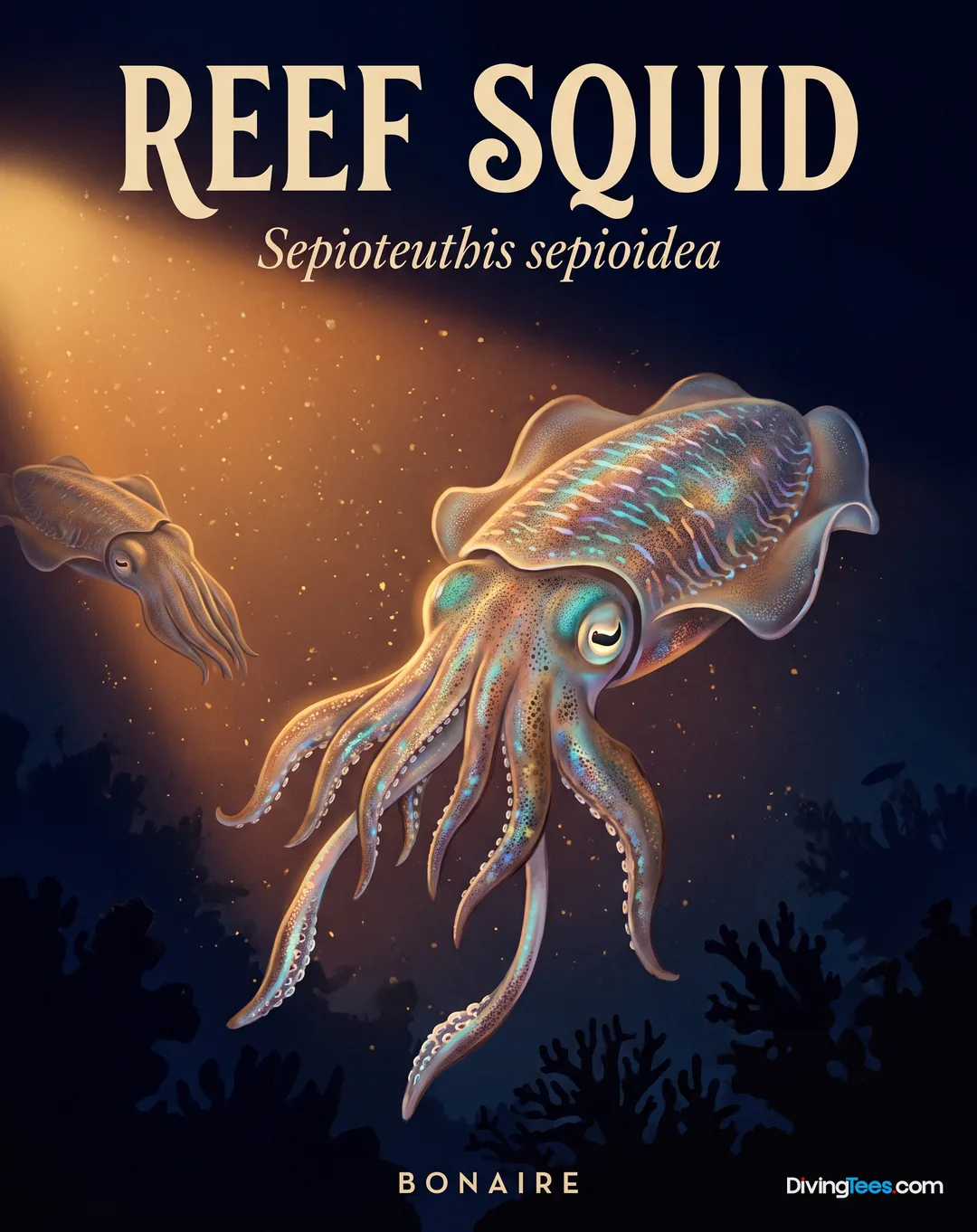
On the coral bommies themselves, you will encounter reef fish, lionfish (Pterois volitans), nudibranchs, and various crustaceans that hide within the coral heads. Look closely for pipefish and the often-elusive seahorse clinging to soft corals. Squids (Teuthida) are also present, often seen hunting or displaying complex colour changes. This resident fauna provides continuous interest, ensuring that even on repeat dives, there is always something new to discover through careful observation.
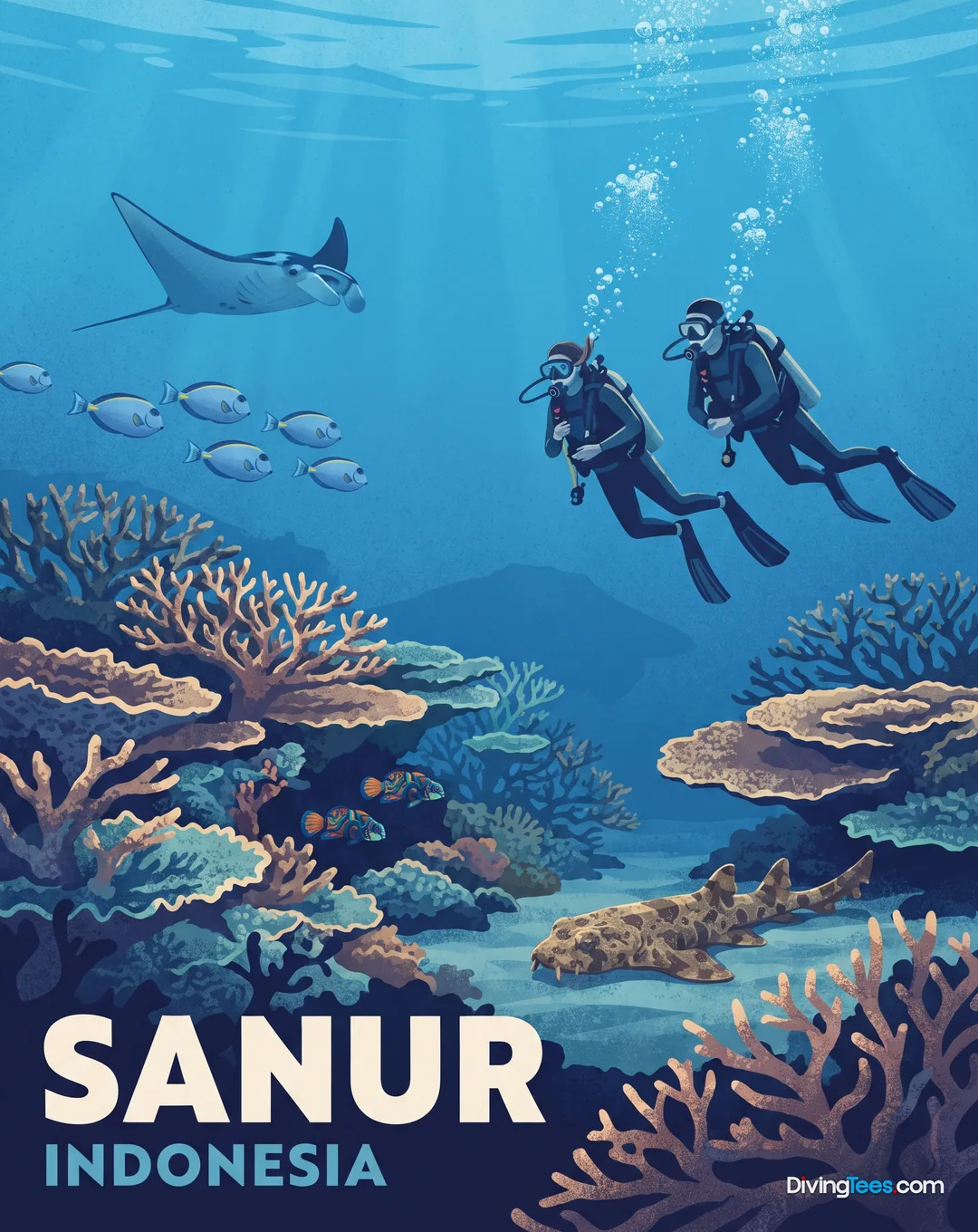
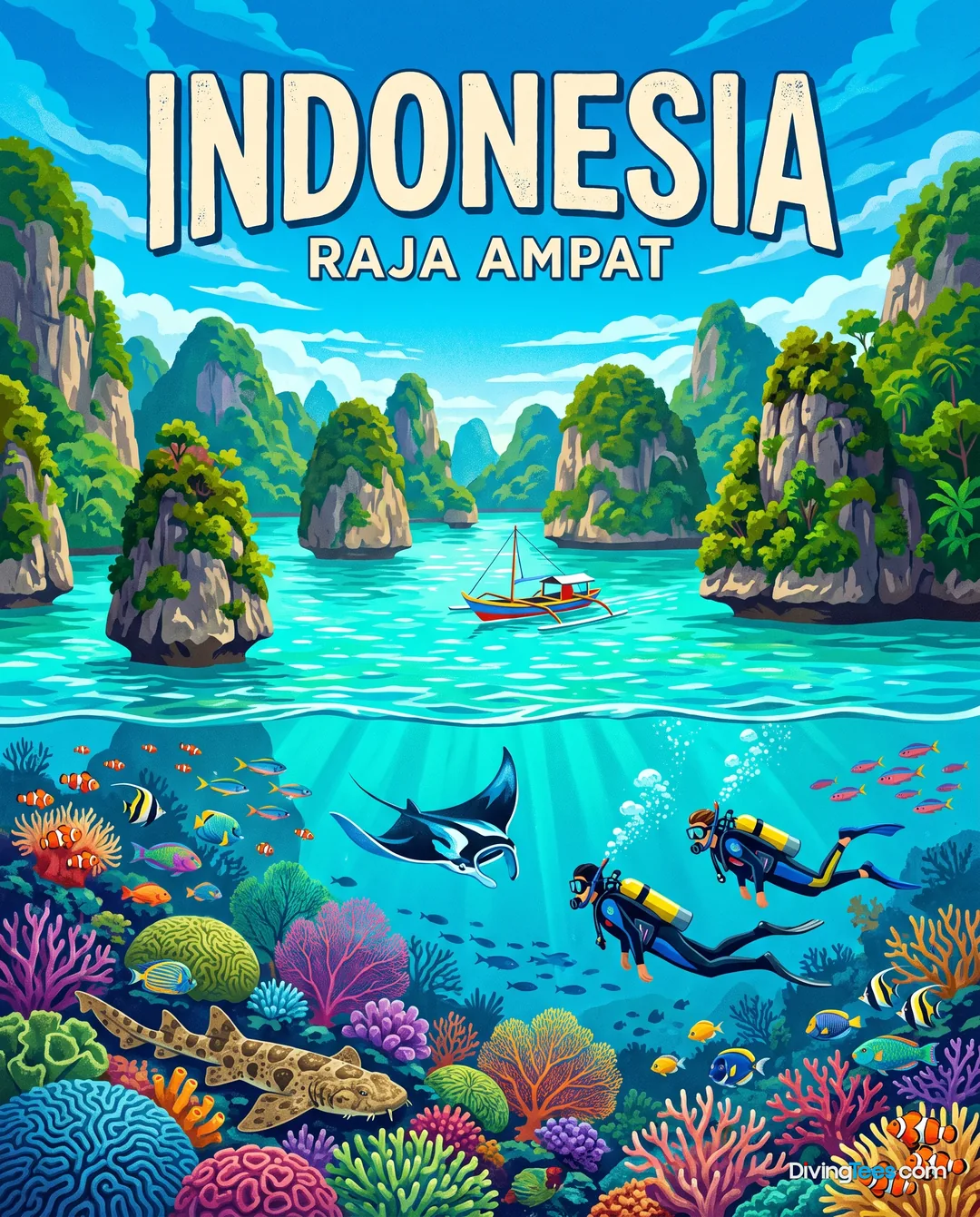
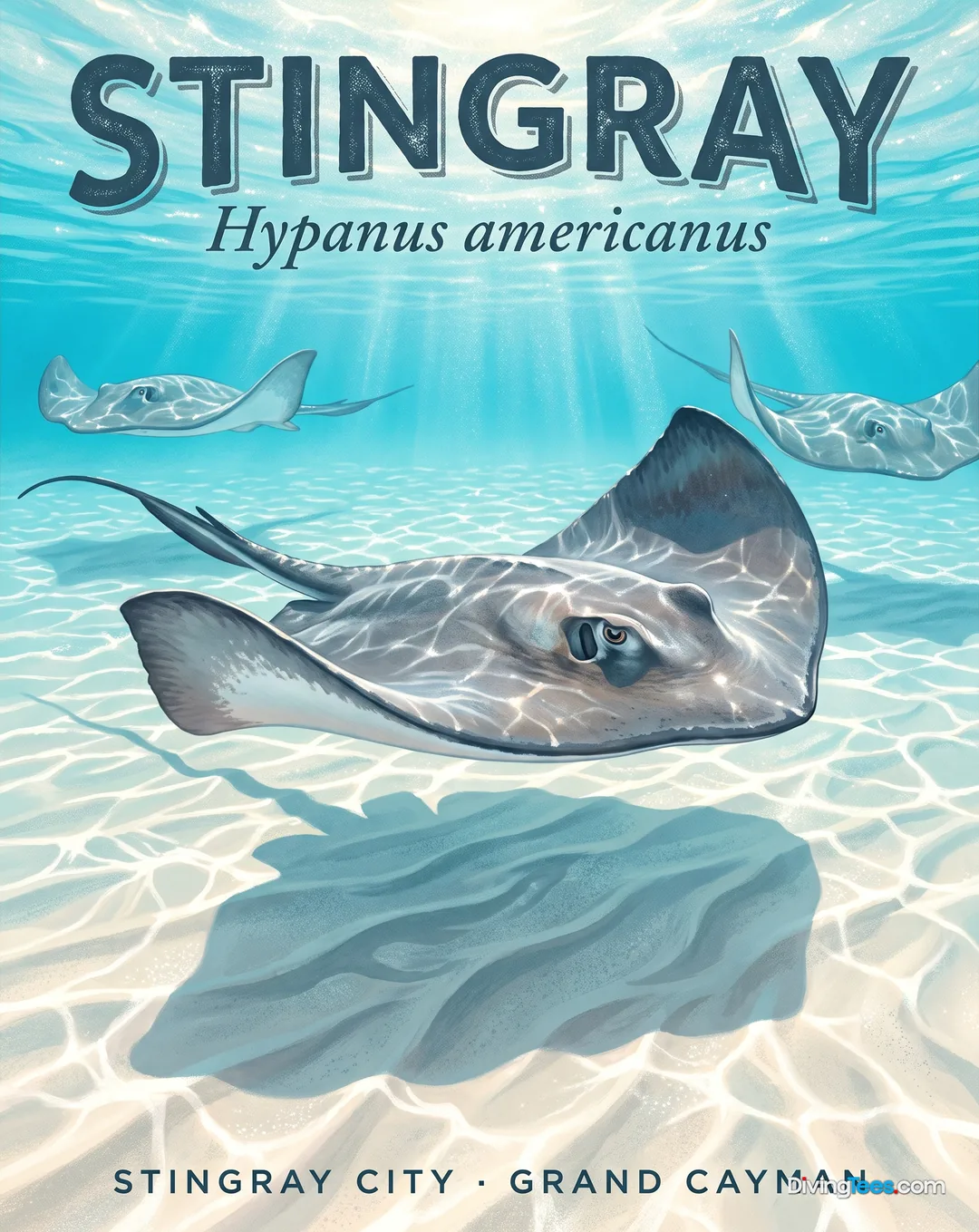
Beyond the smaller reef residents, the bay offers glimpses of larger, transient visitors. Bamboo sharks (Chiloscyllium punctatum) are occasionally seen resting on the sandy bottom or navigating the calmer waters. Stingrays (Dasyatidae) can also be spotted, often partially buried in the sand, sifting for food. These larger encounters add another layer of excitement to the dive, showcasing the bay's role as a diverse habitat supporting both macro and mesopelagic species, even within its sheltered environment.
What truly defines Lembongan Bay is its blend of accessibility and biological richness within a placid setting. It’s not a site for high-speed drift diving or dramatic drop-offs, but rather a place where you can slow down and immerse yourself in the detailed world of the reef. The combination of gentle conditions, varied macro life, and the potential for larger animal sightings makes it a distinctive location, particularly for night dives where nocturnal species emerge, offering a completely different perspective on the bay’s inhabitants.
Lembongan Bay is suitable for beginner divers and those undertaking training, with a maximum depth of 12 meters and a minimum depth of 3 meters. The current is consistently calm, providing stable conditions for diving. Visibility typically ranges between 10 and 20 meters, with water temperatures ranging from 26°C to 30°C. The site is accessible for diving throughout the year.
You can dive at Lembongan Bay throughout the year. Water temperatures range from 26°C to 30°C, while visibility typically ranges between 10 and 20 meters. The sheltered bay has consistently calm current and a gently sloping sandy bottom, creating stable conditions for relaxed exploration, photography, and patient observation.
Lembongan Bay is suitable for beginner divers and people undertaking training. Its consistently calm current supports skill practice and buoyancy refinement, while the gradual slope allows you to choose your depth and explore horizontally along coral structures. Rebreather divers and photographers can also benefit from the stable conditions.
Lembongan Bay ranges from 3 to 12 meters deep, with a shallow profile that supports extended bottom times and ample light. The current is consistently calm, as the sheltered bay is protected from stronger regional flows. You can follow the gently sloping sandy bottom and navigate around coral bommies and rocky outcrops.
At Lembongan Bay, you can look for frogfish, nudibranchs, moray eels, silversides, unicornfish, lionfish, pipefish, seahorses, crustaceans, and squid around coral bommies. Bamboo sharks and stingrays are occasional visitors. Night dives reveal nocturnal species, while the calm conditions support careful macro photography and patient observation.