
Nico Dives Cool Bali
Google 5/5 (1,033 reviews)
34 km away as the crow flies
Sanur · Indonesia · Asia
Max. depth · 25 mDescend onto the white sand reef of Jepun, where a small artificial wreck shelters diverse macro life and schooling reef fish.
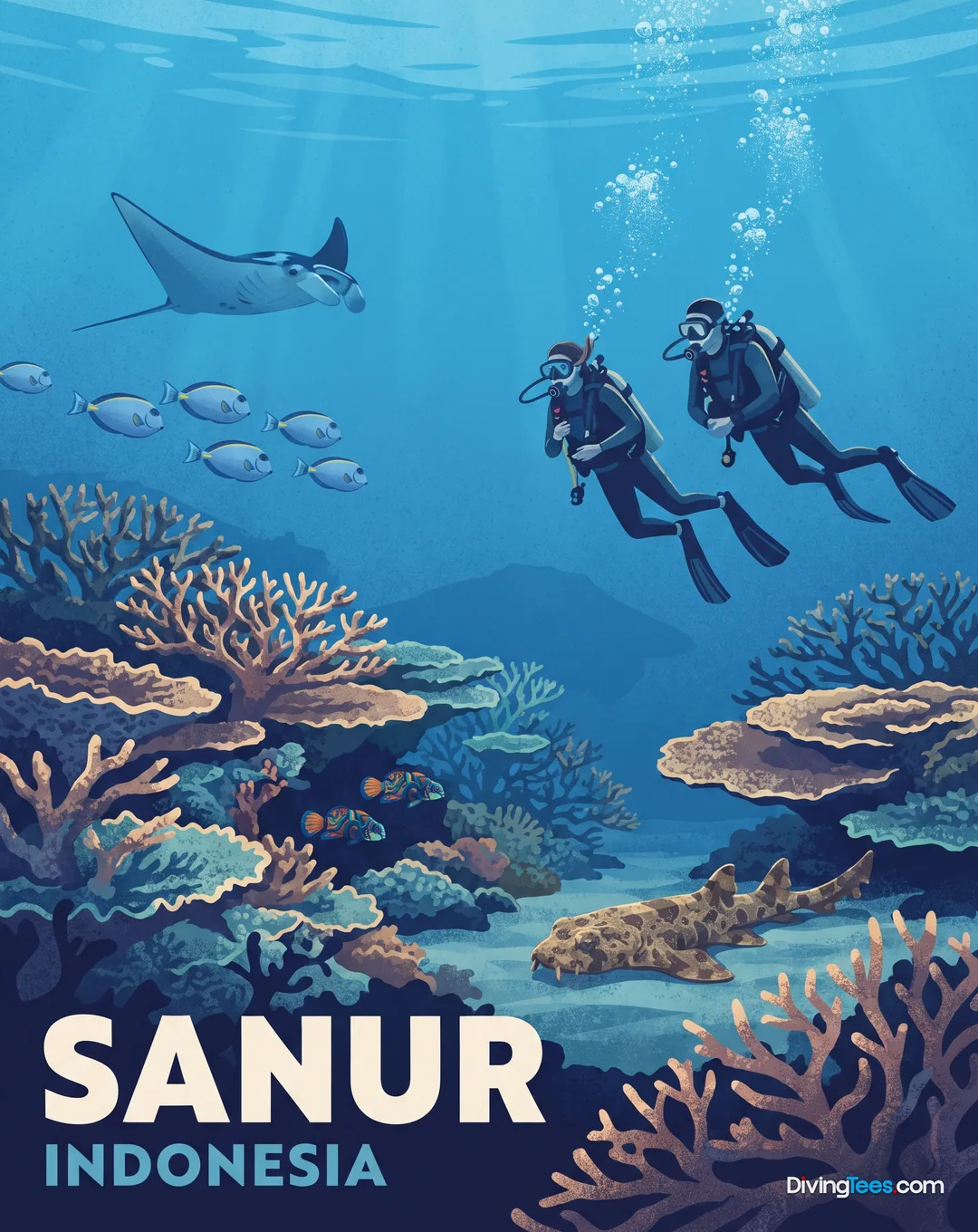
Jepun, named after the Balinese word for frangipani, begins as a sloped reef leading down to a white sand bottom. The dive typically involves descending along the reef line, where much of the macro activity is concentrated. You'll navigate through vibrant hard and soft corals, including healthy deer horn corals, sponges, and gorgonian fans, which provide a rich backdrop for observing smaller species. The light penetration at shallower depths illuminates these coral gardens, creating a dynamic environment for initial exploration.
A notable feature of Jepun is a small fishing boat wreck, which has been intentionally sunk to create an artificial reef. This wreck rests on its side at approximately 20 metres, serving as a focal point for marine life. It's not a large penetration dive, but rather a structure that has quickly become a habitat, attracting various species seeking shelter and feeding grounds. You can often find moray eels and larger groupers making the wreck their home.
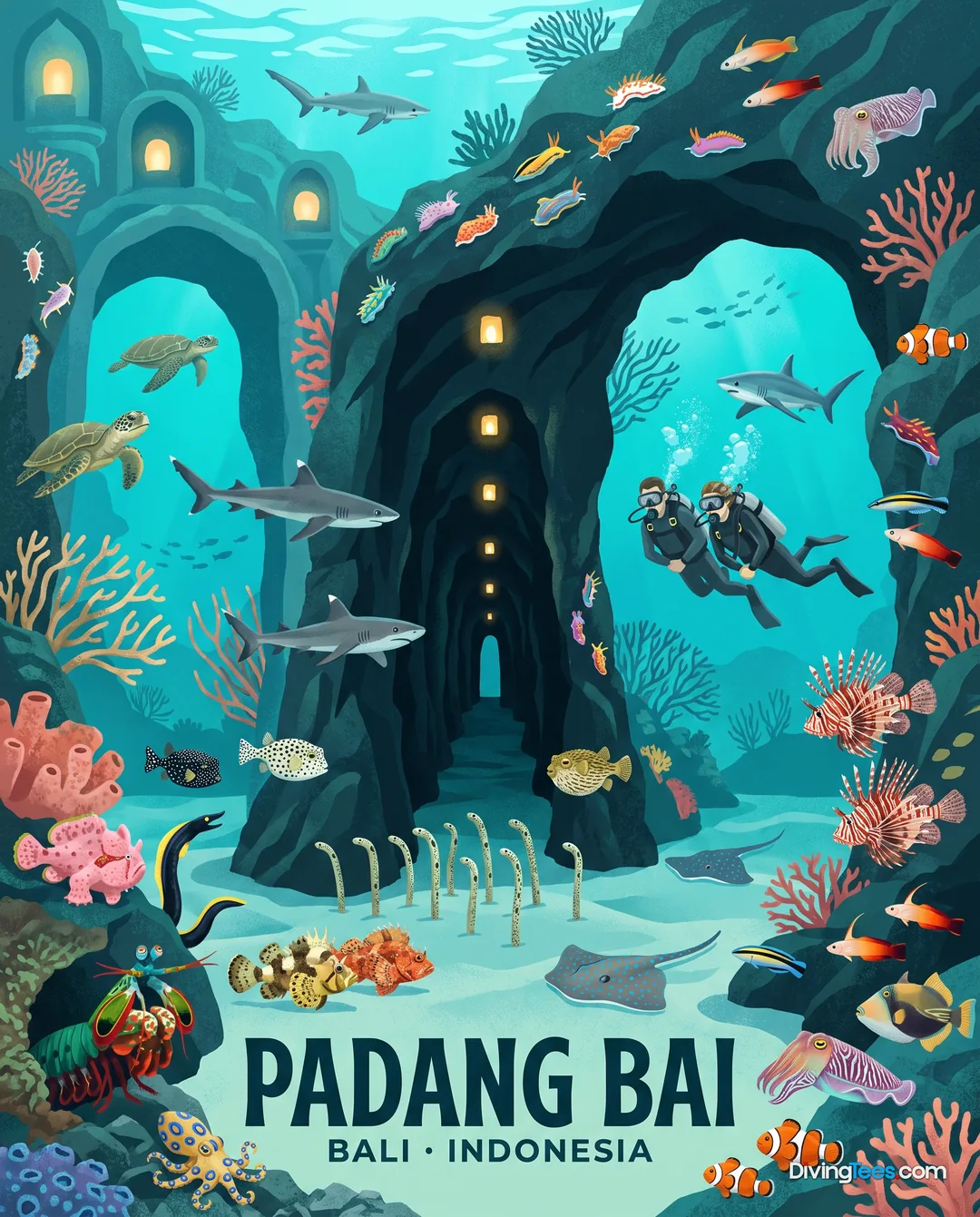
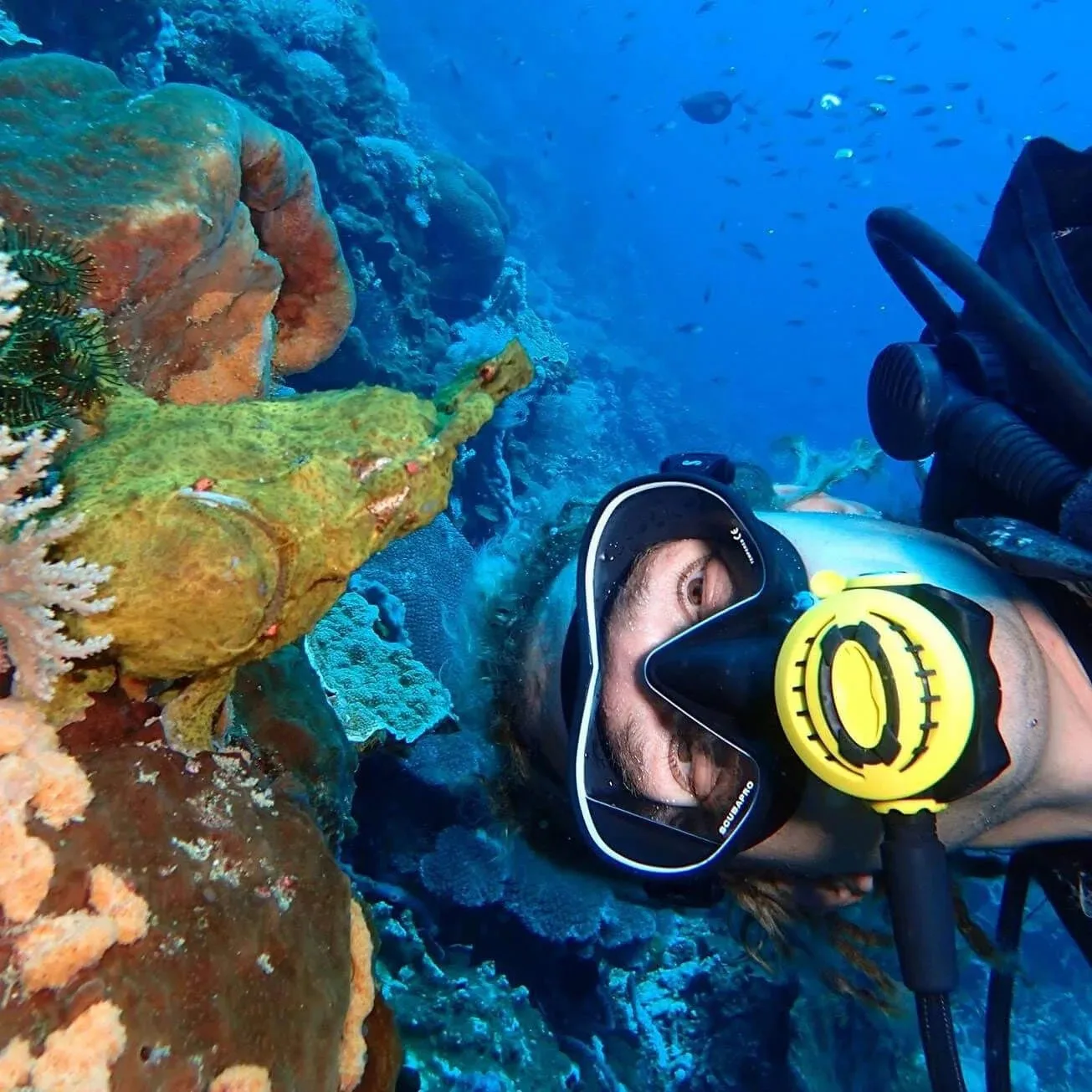
The site caters to macro enthusiasts, offering consistent sightings of intricate and often camouflaged creatures. Expect to find curious ribbon eels (Rhinomuraena quaesita) emerging from their sandy burrows, alongside colorful mantis shrimp (Odontodactylus scyllarus) and various species of frogfish (Antennariidae). These animals often blend into their surroundings, requiring a deliberate eye and slow movement to spot them, rewarding patient observation.
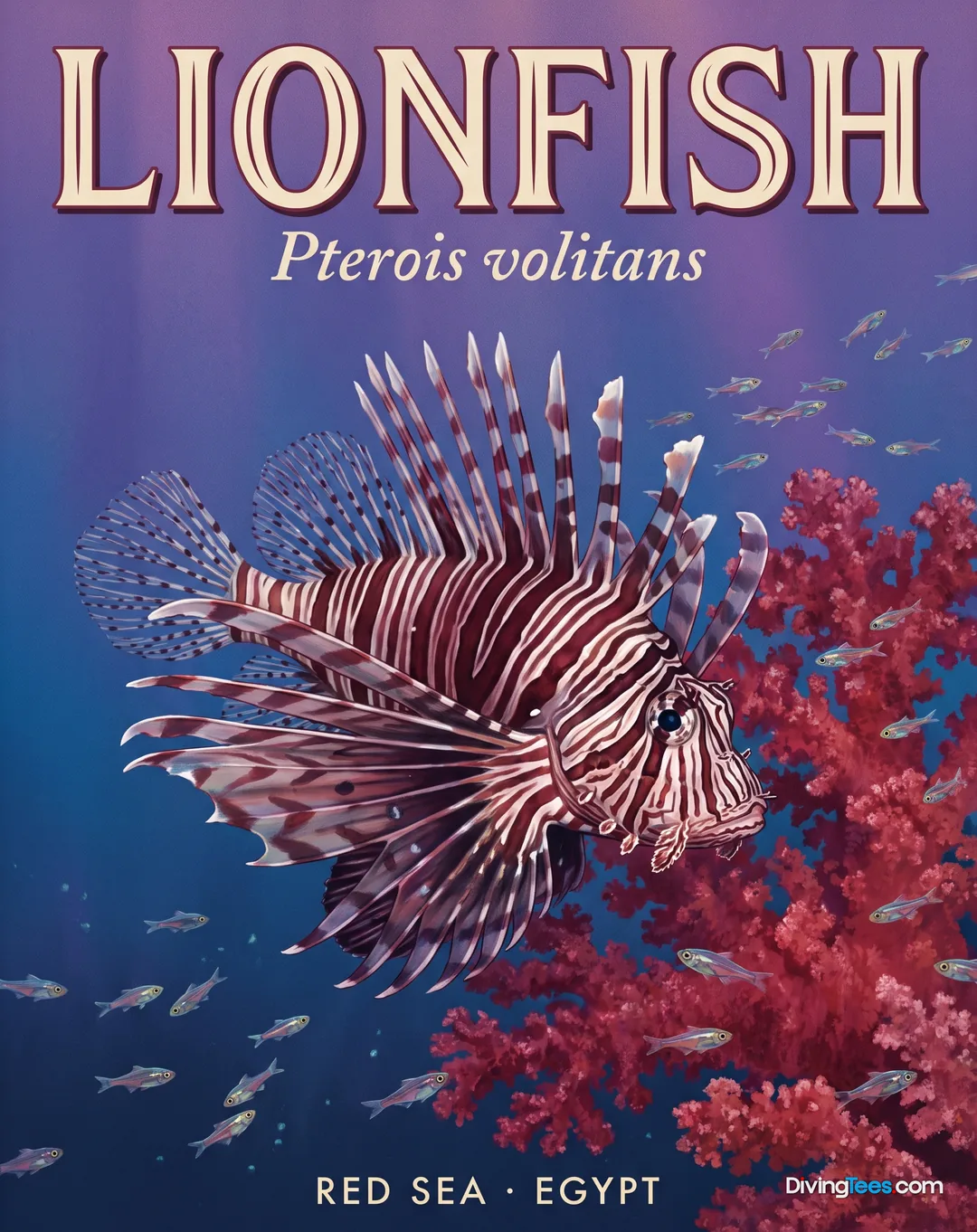
Beyond the macro, Jepun also supports a healthy population of reef fish. Schools of tropical fish navigate the coral formations, and you'll commonly encounter lionfish (Pterois), cuttlefish (Sepia), and different types of wrasses. Blue-spotted stingrays (Neotrygon kuhlii) are frequently seen resting on the sandy patches, and titan triggerfish (Balistoides viridescens) might patrol the reef, particularly if nesting.
While primarily known for its smaller inhabitants, Jepun can surprise with larger pelagic encounters. Depending on the day, you might spot passing blacktip reef sharks (Carcharhinus melanopterus) or even a whitetip reef shark (Triaenodon obesus) cruising in the deeper sections where the reef meets the sand. Pharaoh cuttlefish (Sepia pharaonis) are sometimes seen displaying their colour changes on the sandy bottom, particularly early in the dive.
The artificial elements blend with the natural reef, creating a diverse environment that supports a wide range of marine organisms. The presence of gardens of hard coral, diverse sponges, and gorgonian sea fans signifies a healthy ecosystem. This combination of natural and artificial structures enhances the site's biodiversity, providing various niches for different species to thrive and making each dive unique.
Jepun presents an opportunity for photographers to capture both wide-angle reef scenes and detailed macro shots. The clear visibility typically found at the site assists in this, allowing for bright and sharp images. The gentle slope and varied topography ensure there are always new sections to explore, making it a site that reveals more with repeated visits, particularly for those focused on discovering cryptic species.
Jepun is primarily a shallow dive, with a maximum depth of 20 metres, though some sources indicate up to 25 metres on the deeper sandy slopes. It is accessible for beginner divers, given its generally mild conditions. Current at Jepun is typically weak to moderate, which contributes to its suitability for all certified levels. Expect visibility to be consistently above 10 metres, often better, providing clear conditions for underwater observation and photography.
Jepun is accessible to beginner divers and suits all certified levels because conditions are generally mild. The current is typically weak to moderate, making navigation manageable while you explore the sloping reef, coral gardens, sandy patches, and artificial wreck. Visibility is consistently above ten metres and often better.
Jepun begins on a sloped reef and descends toward a white sand bottom, with the site reaching roughly ten to twenty-five metres. The small fishing boat wreck rests at about twenty metres on its side. It is an artificial reef habitat rather than a large penetration dive, attracting moray eels and groupers.
At Jepun, Pharaoh cuttlefish are sometimes seen displaying their colour changes on the sandy bottom, particularly early in the dive. Look carefully around the reef line and sand patches as you move slowly. The site also offers ribbon eels, mantis shrimp, frogfish, and other camouflaged creatures for patient macro observation.
Jepun combines healthy hard and soft coral gardens with sponges, gorgonian fans, a sandy bottom, and an artificial wreck. You may see blue-spotted stingrays, tropical fish, lionfish, wrasses, cuttlefish, ribbon eels, mantis shrimp, frogfish, moray eels, groupers, and occasional blacktip or whitetip reef sharks.