Liveaboards · Philippines
Seadoors: a purpose-built Philippine dive boat for sharks, pelagics and serious underwater time
What makes this boat unique
- Seadoors carries up to 16 divers in eight air-conditioned cabins, each with a private bathroom and hot-water shower.
- The dive platform is equipped for nitrox, technical diving, sidemount and rebreather use, with two chase boats for water access.
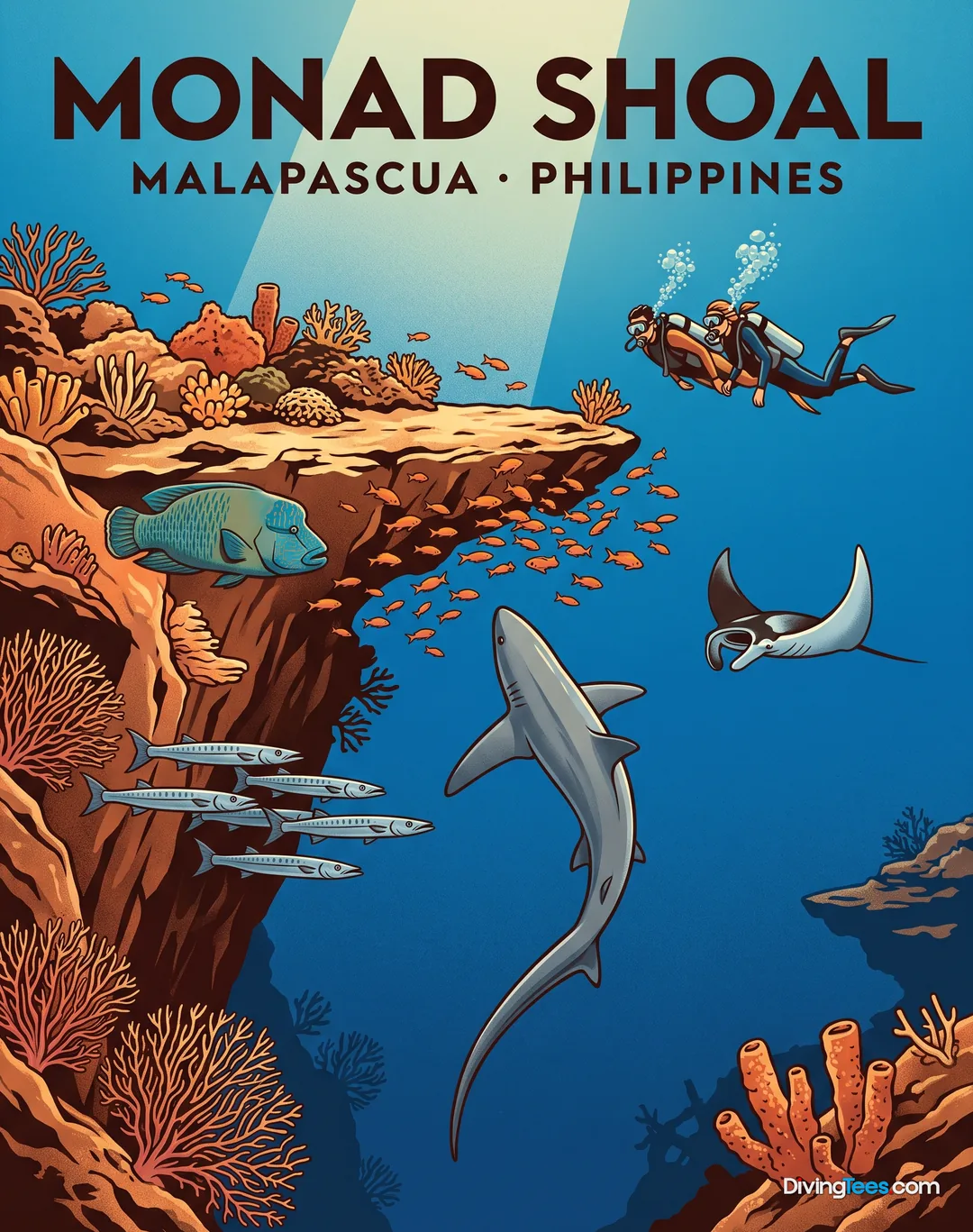
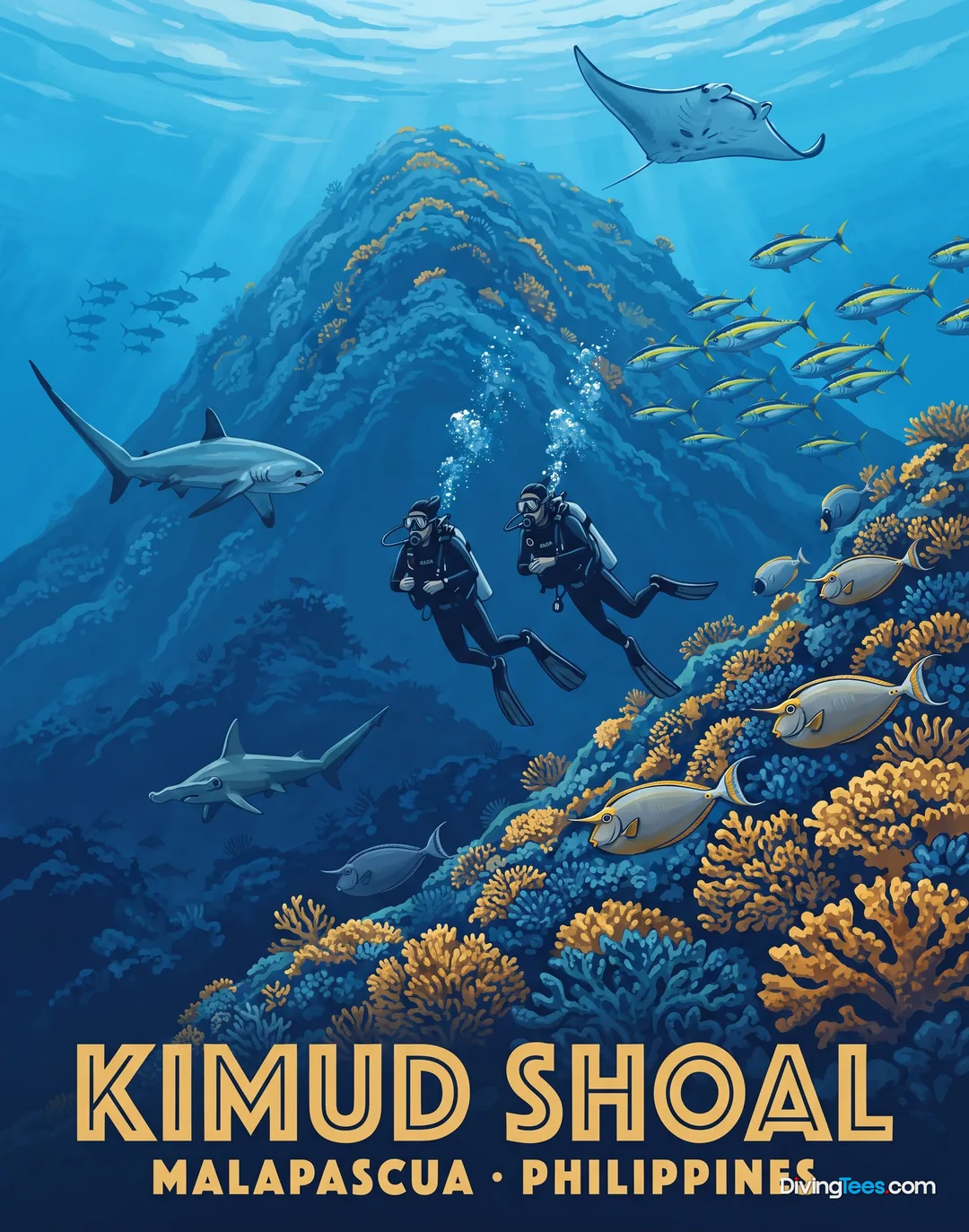
- Visayas routes reach Malapascua, Cebu, Bohol and other shark sites, including Monad Shoal and Kimud Shoal.
- The boat has a shaded dive area, separate camera rinse, charging space and a dedicated camera workbench.
For subtitles in English: start the video firstthen click the gearat the top right of the video, select “Subtitles/CC”, then “Auto-translate” and choose “English”.
The invitation
Seadoors is for the diver who wants the Visayas in one continuous trip rather than a string of day boats. The route can move from thresher shark cleaning stations in Malapascua to walls, wrecks, sardine bait balls, reef sharks and whale sharks around Cebu and Bohol. That variety is the point: the next dive may call for a wide-angle lens in blue water, or a slow search for a frogfish on a coral slope. The boat was designed around diving and underwater photography, not adapted from a cruising yacht. It carries nitrox equipment, rebreathers and chase boats, while the living room gives photographers somewhere to work between dives. English- and French-speaking crew cover the trip. Choose Seadoors when the priority is a shark-focused Visayas itinerary with enough range to keep both pelagic and macro divers interested.
Boarding
Seadoors is moored at Cebu Yacht Club, close to Mactan-Cebu International Airport. From the dock, the boat presents itself as a working dive vessel rather than a floating resort: the useful spaces are concentrated around the dive platform, the chase boats and the shaded areas where equipment is handled. The 2012 renovation supports the practical impression of a boat kept for extended diving, with air-conditioned cabins, an interior lounge and an outside dining area. Once aboard, movement is straightforward. Personal equipment can stay in individual drawers, the camera area has its own work surface, and access to the chase boats is directly from the diving platform. Two Yanmar engines keep the vessel moving between the islands, while the crew's arrangement around the diving operation makes the boat easy to understand within the first few hours.
The atmosphere on board
Seadoors carries a maximum of 16 passengers, and the crew-to-passenger ratio is close to one crew member per guest. That is felt most clearly around the dive platform, where equipment is arranged and the chase boats are loaded without turning the process into a crowd. English and French are spoken on board. The crew's role is practical: guides brief the site, deck staff keep the diving side moving, and the lounge becomes the common room once the cameras are dry. A week on a shark route tends to form around shared sightings rather than formal entertainment. One group returns talking about a thresher; another is already comparing nudibranch photographs. Evenings can remain quiet in the air-conditioned lounge or move outside for dinner and the view. The boat itself scores lower than its crew, while crew, food and diving score strongly; the benefit to a diver is that people make the operation work.
The sites you’ll dive
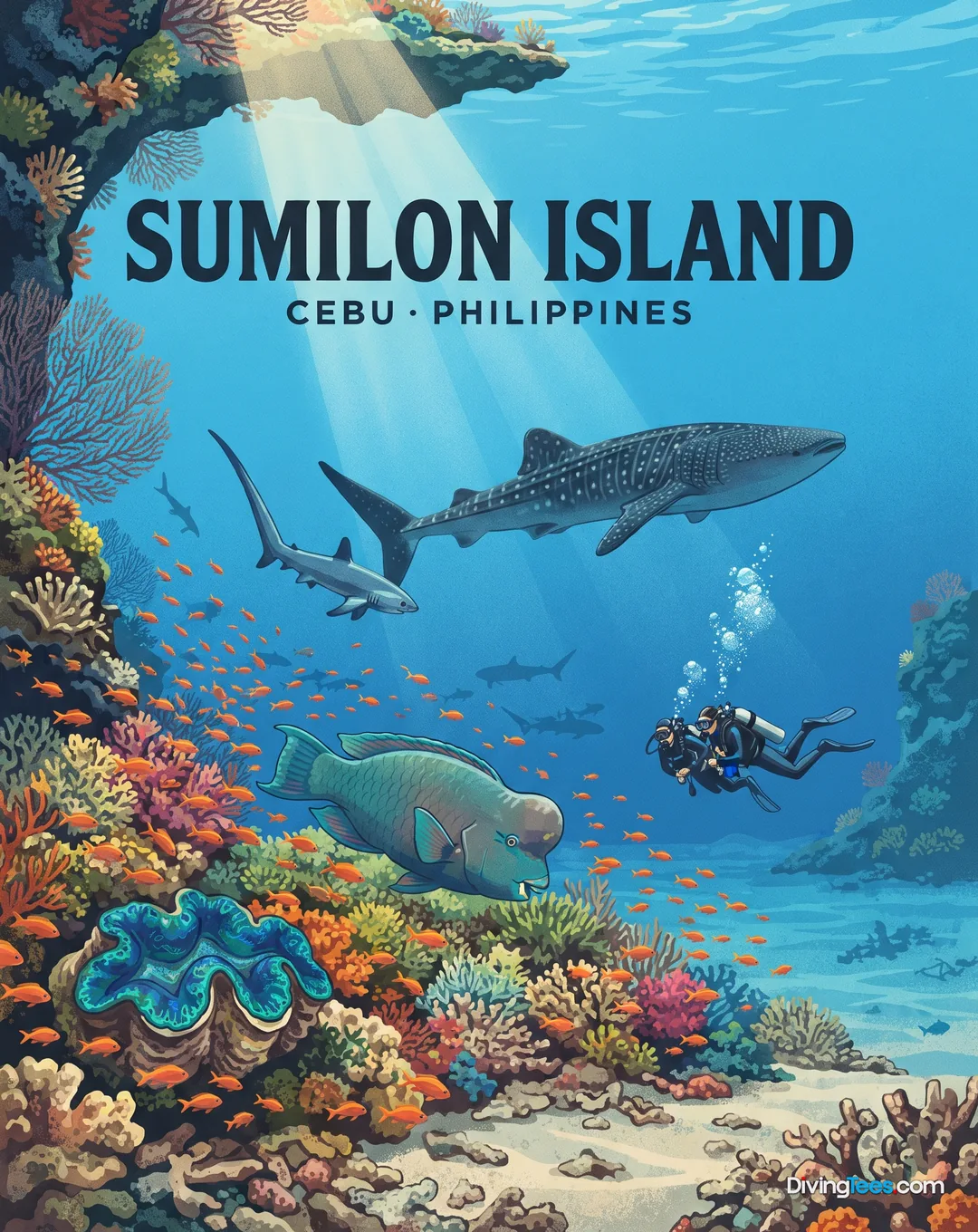
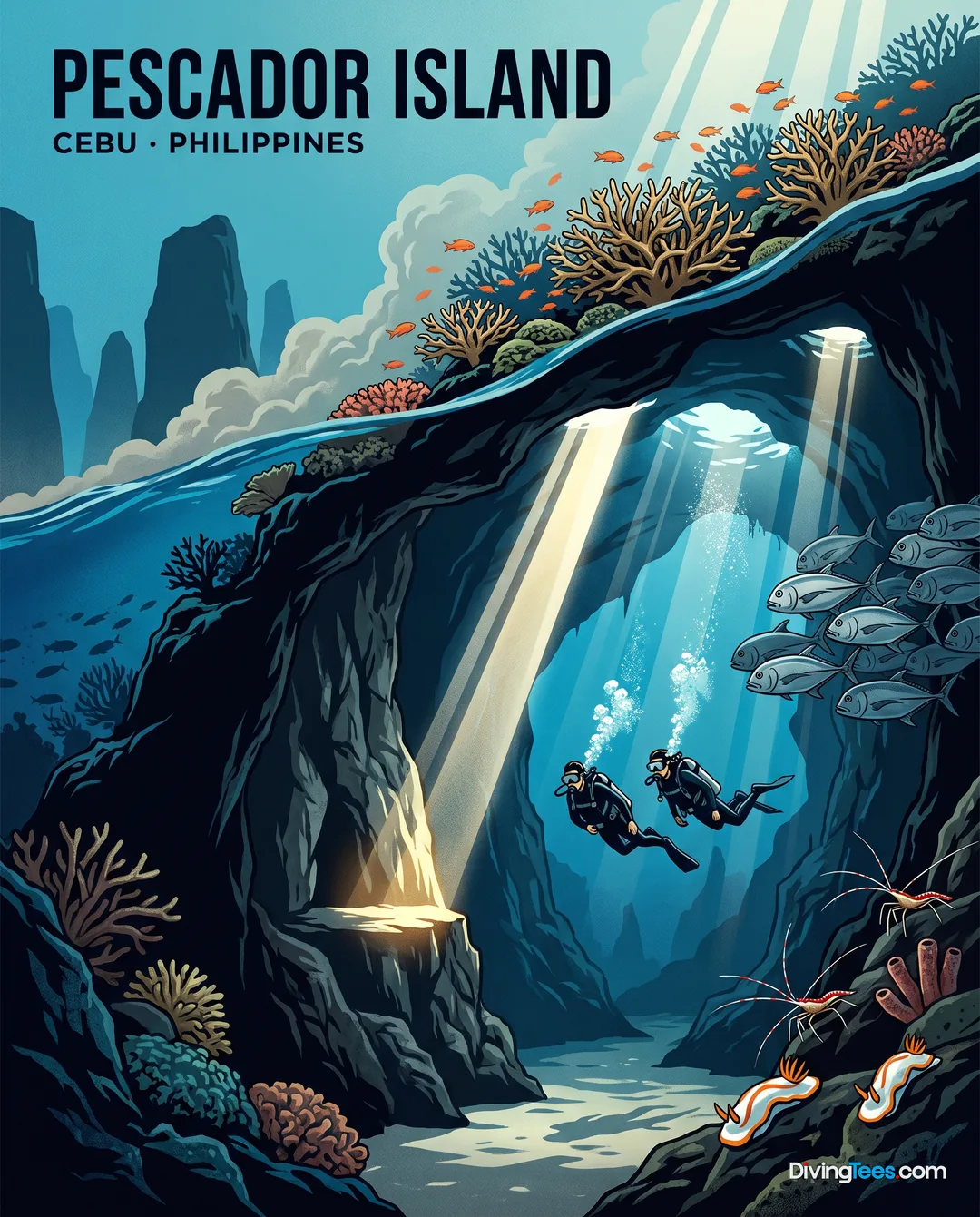
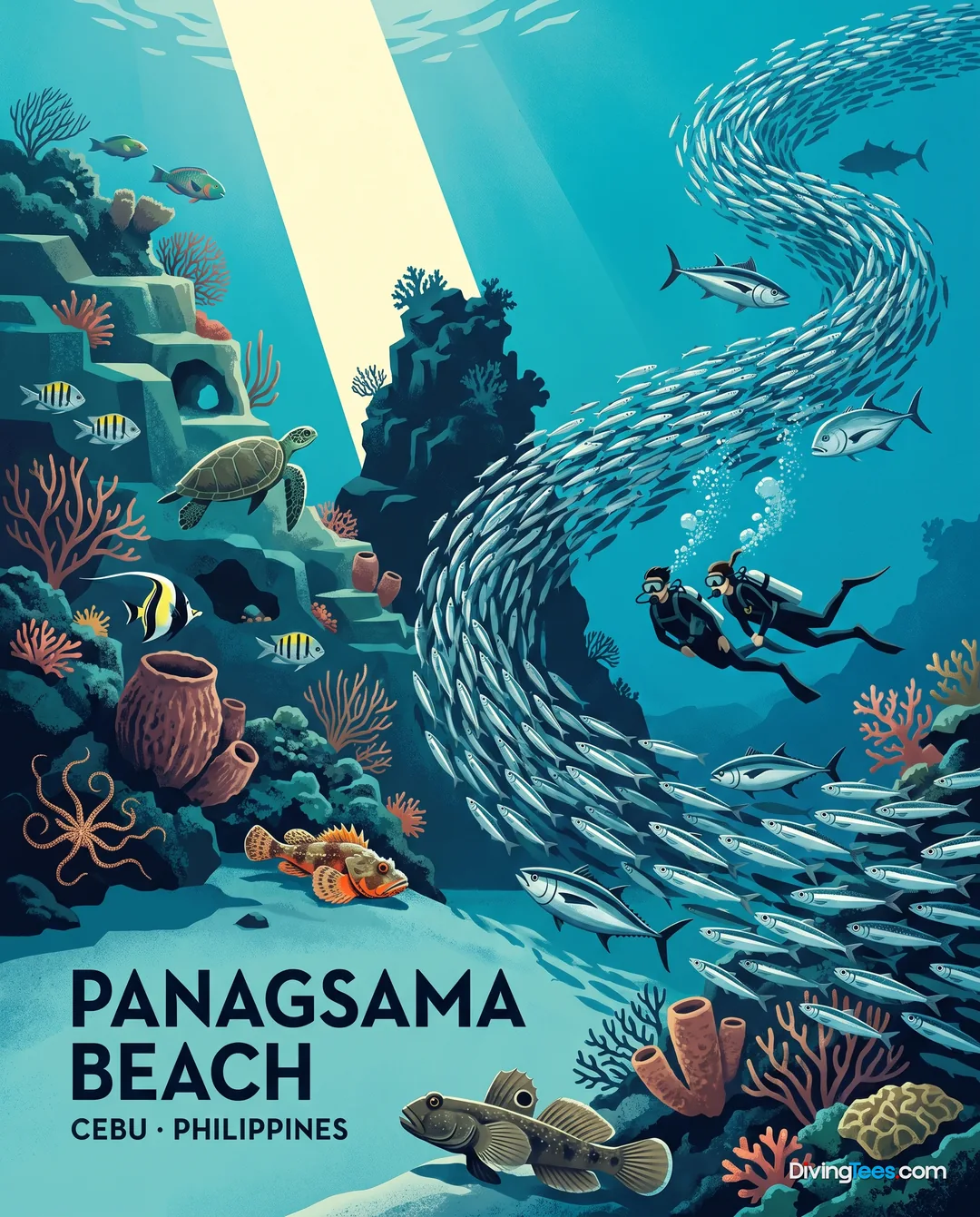
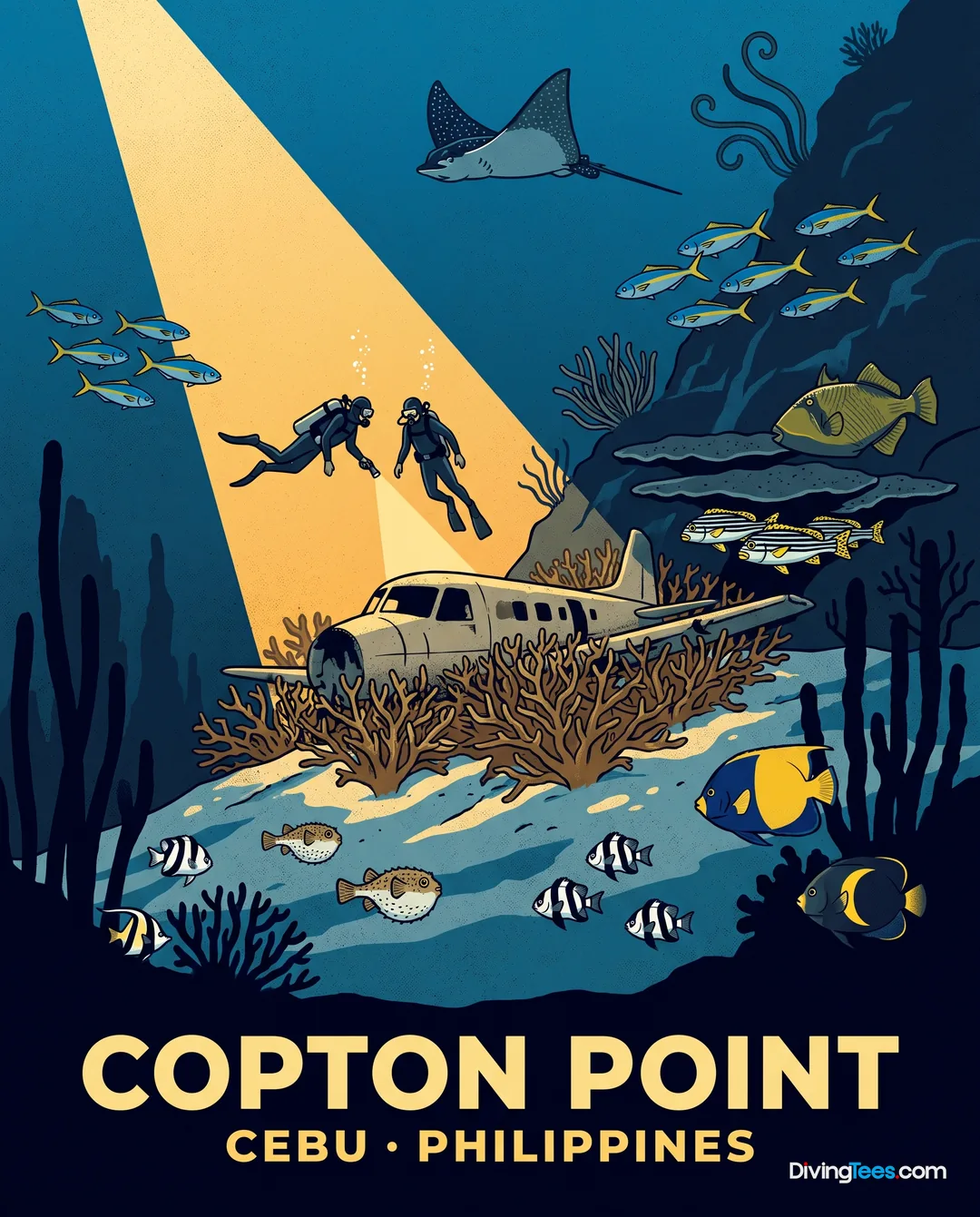
The Visayas Shark Special is the clearest reason to board Seadoors: the boat leaves Cebu overnight, reaches Malapascua, then works south toward Bohol and Cebu over 7 days and 6 nights. Monad Shoal is the thresher-shark cleaning station, with a maximum depth of -200m; the dive itself is about observation at the cleaning area rather than descending anywhere near that figure. Kimud Shoal reaches -22m and adds a pelagic setting where hammerheads may join threshers, tuna, mobulas and manta rays. Around Cebu, Sumilon Island is a protected sanctuary with reef life, blacktip reef sharks and possible whale sharks. Pescador Island reaches -40m, beginning on the sheltered southern slope before the wall and its underwater cathedral. Panagsama Beach reaches -30m, where thousands of sardines form bait balls pursued by tuna and jacks. Copton Point reaches -50m and includes an aircraft wreck at 20m. Other Visayas departures include Southern Visayas at 7 days and 6 nights, Malapascua at 6 days and 5 nights, and Visayas Odyssey at 10 days and 9 nights. The listed 10-day Visayas routes run 26 dives; the 7-day shark routes run 17 dives.
Itineraries, dates and prices
Prices per person. Each month shows its lowest price: click a month, or pick an itinerary.
Next departures · 57 departuresfrom £1,867$2,496€2,230
November 2026
December 2026
January 2027
See dates and prices
If you click these links and make a purchase on the partner site, DivingDeal may earn a commission, at no extra cost to you.
Dates and prices taken from Divebooker and liveaboard.com, updated 20 October 2026
What you’ll meet underwater
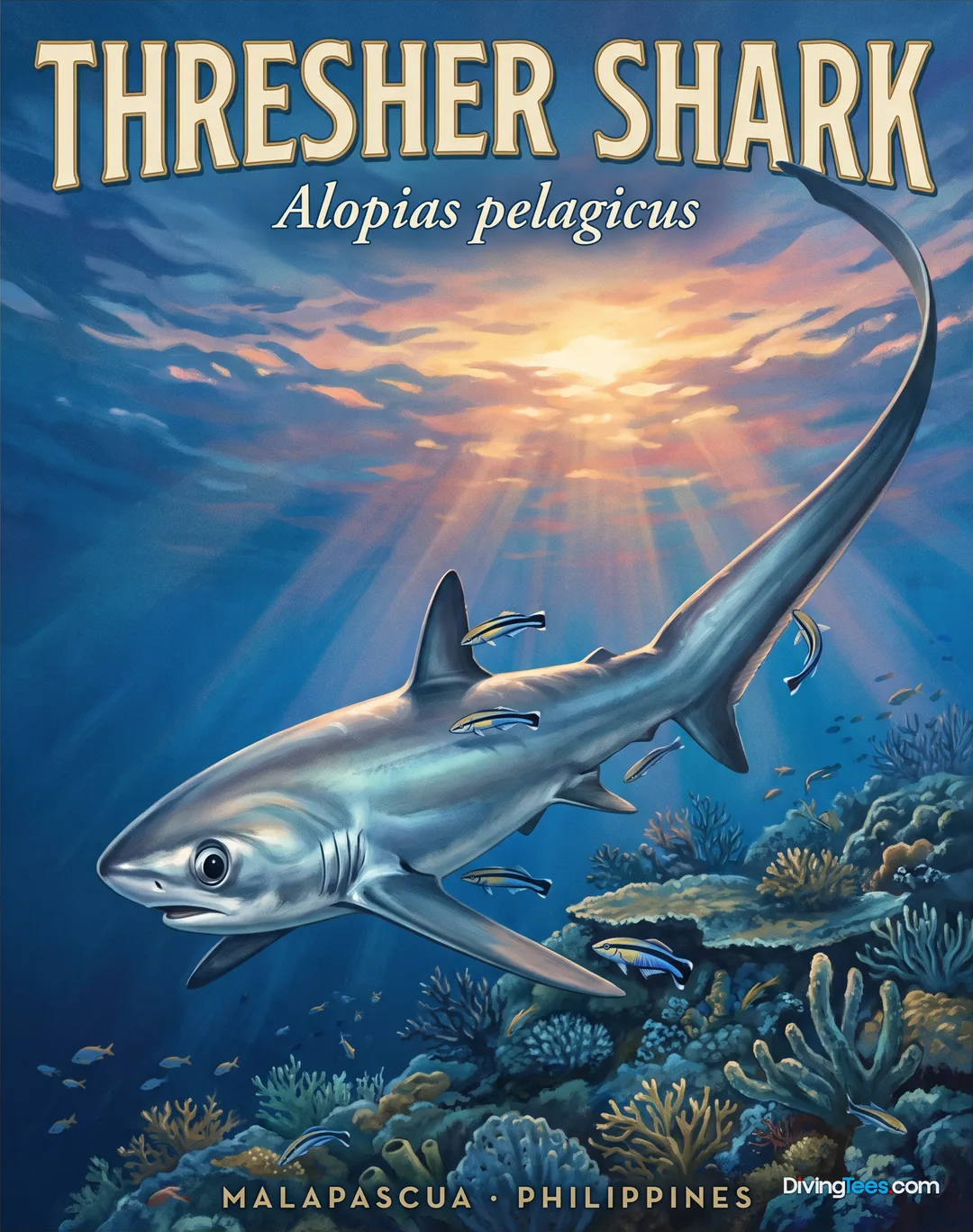
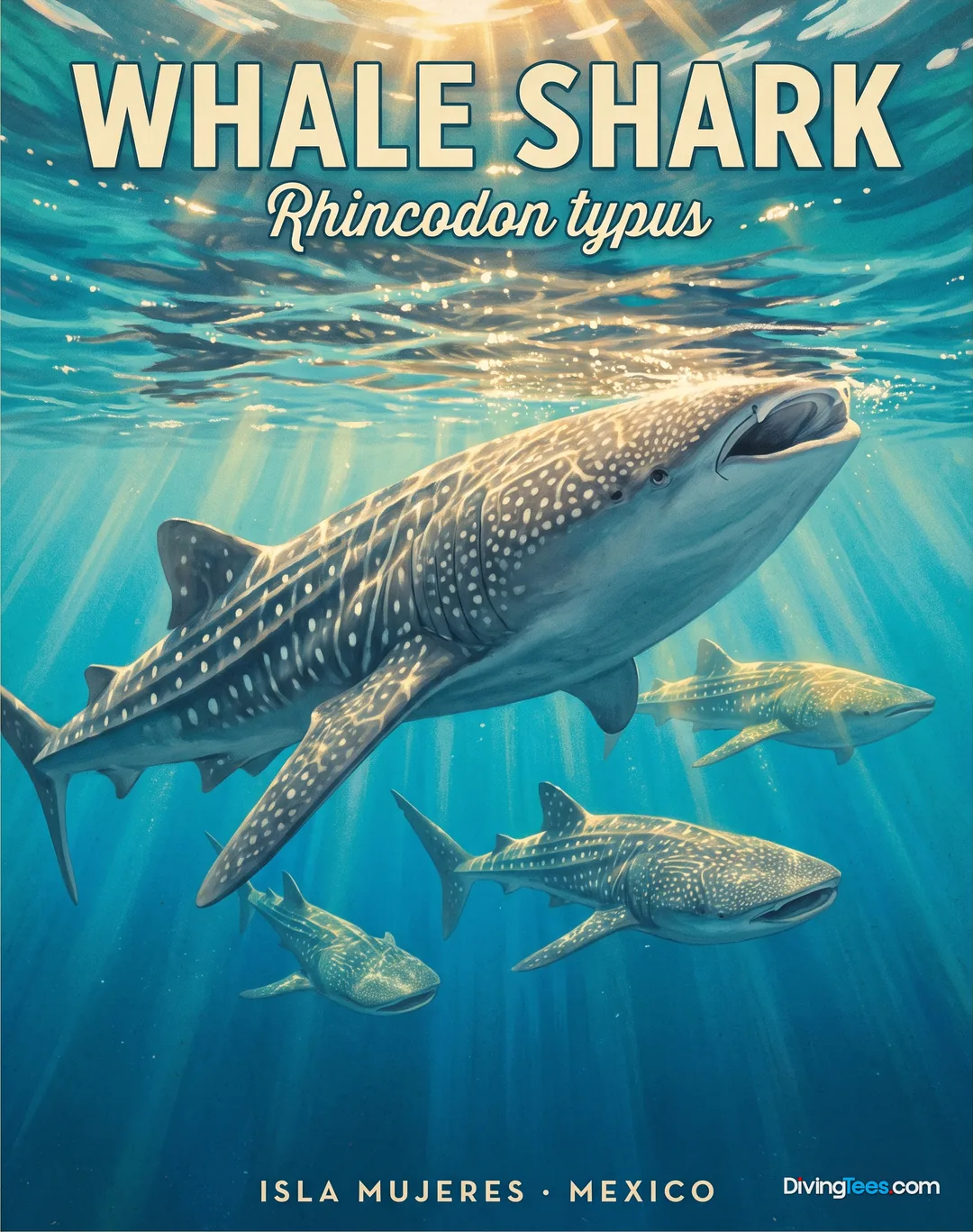
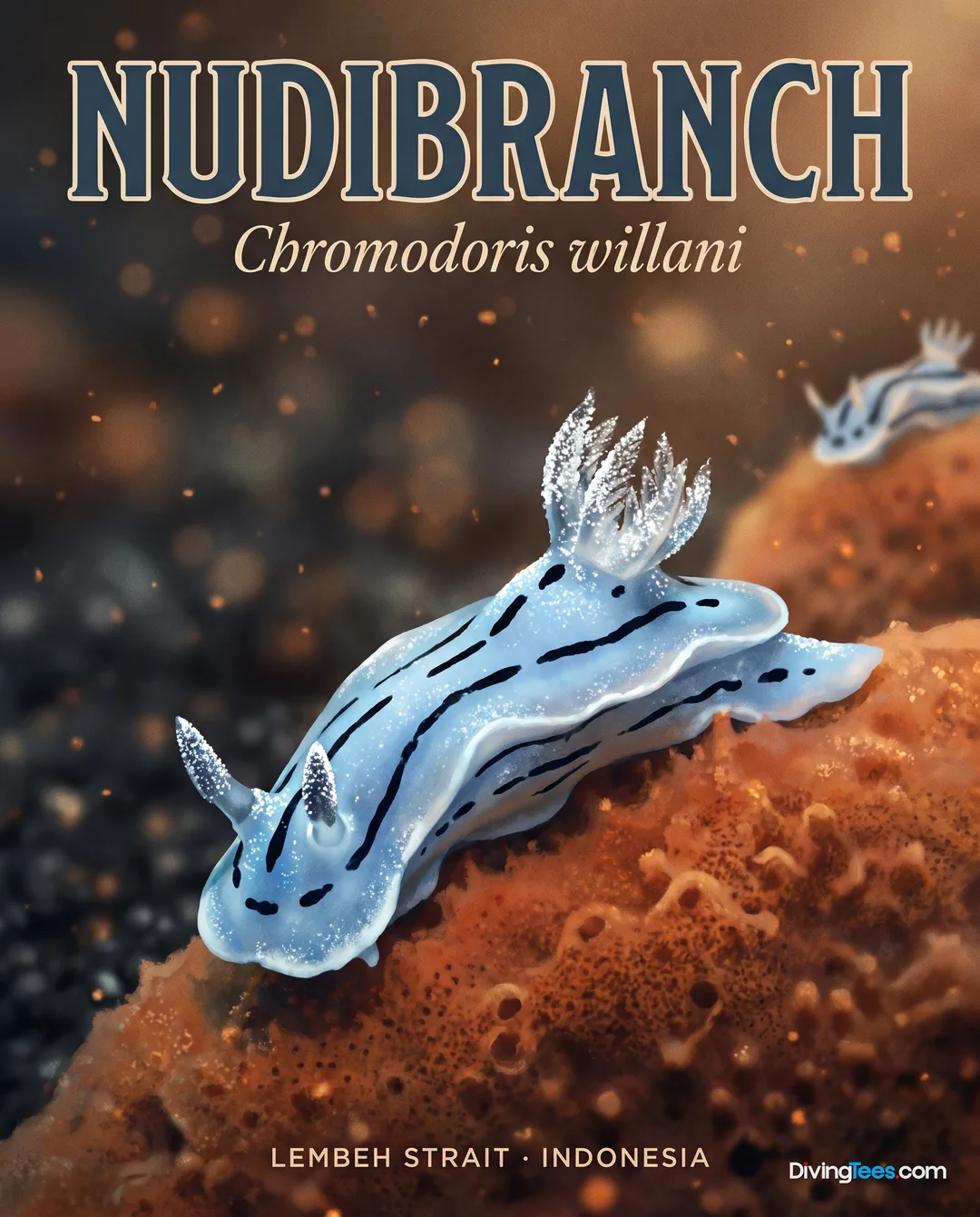
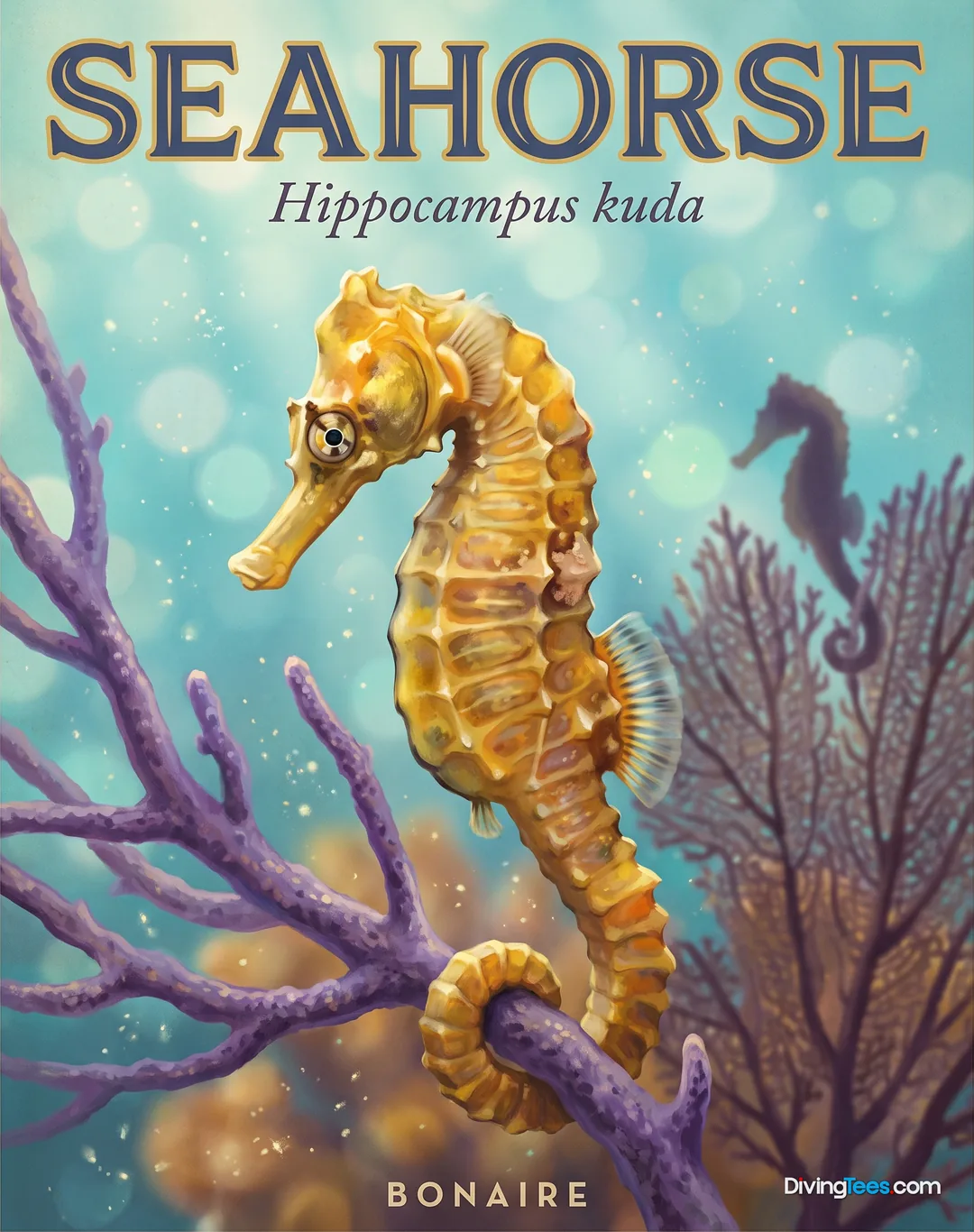
Turtles and nudibranchs are the reliable thread through this route, joined across several sites by tuna, green turtles, white-tip reef sharks, whale sharks, frogfish, gorgonians, batfish, filefish and eagle rays. The spectacle changes by site. Monad Shoal is where threshers visit cleaning stations and mobulas may pass; Kimud Shoal is the place to look for hammerheads in the pelagic blue. Marine Sanctuary shifts toward wide-angle and macro work among gorgonian forest, with the route's recorded mérou and ghostfish sightings there. Dolphin House Reef is shallow, reaching -12m, and offers frequent green turtle encounters; it is also the site linked with seahorses, eels, hippos and squid. Pescador Island is known for schools of jacks and the possibility of morays. Panagsama Beach puts thousands of sardines into one moving bait ball, with tuna and jacks hunting around it. Tongo Point is the specific place for fusiliers, while White Beach is recorded for castagnoles. Hammerheads, whale sharks and other pelagics remain sightings, not promises; season and local conditions matter.

Who puts you in the water
The diving team includes a PADI/CMAS instructor, two English- and French-speaking dive guides and divemasters. Briefings take place in the air-conditioned lounge before divers move to the platform and then into the chase boats. The operation is suited to certified divers comfortable with drift dives, currents and deep walls. A private guide can be arranged as an optional extra. Oxygen, first-aid kits, trained first-aid crew, fire equipment, liferafts and communications equipment are carried on board. The route and dive count can change with local weather or safety conditions, with the diving director making that call. That matters on a shark itinerary: the crew can protect the day rather than force a site when conditions are wrong. Nitrox, technical and rebreather diving are supported, with the relevant certifications available as optional extras.
The dive deck and the gear
The diving platform is built for repeated use, with space to gear up, individual storage drawers and easy access to the chase boats. Seadoors carries aluminium tanks in 12-litre and 15-litre sizes, with 10-litre tanks for children; DIN adapters are available. Two compressors and a nitrox mixer support air and nitrox diving, while an oxygen booster and emergency oxygen tanks are carried for the diving operation. Nitrox is available as an optional extra, and the boat is equipped for technical diving, sidemount and rebreather diving, including Megalodon units. Two 8-metre fiberglass Yamaha-powered chase boats take divers to the site and collect them after the dive; ladders make boarding from the water easier. There are rinse tanks, a separate camera rinse, a camera workbench, charging space and an outside freshwater shower. Warm towels after dives are a small but welcome detail. Rental equipment, additional dives and rebreather-related use are not part of the standard package.
Between dives
The hours between dives are spread across a few well-used places. The shaded dive area keeps divers out of the direct sun while equipment is checked and cameras are rinsed. The air-conditioned lounge is where briefings happen and where photographers can prepare or review images; its marine library is useful when an unfamiliar creature needs a name. Above, the sundeck has sunbeds and coffee tables, while the bow solarium gives a clearer view forward when the boat is underway. Stand-up paddleboarding, fishing and shore excursions are available on routes that allow them. When the boat sails overnight from Cebu toward Malapascua, the movement itself does useful work: distance is covered while divers sleep, leaving the daylight for Monad Shoal and the reefs. The spaces are not about hiding away. They keep the week close to the water and close to the next dive.
A day on board
A dive day starts with the first briefing before the boat takes divers out to the site. The shark-focused itinerary can build to four dives in a day, with repeated passes at Malapascua for threshers, mobulas, macro life and a night dive on a canyon or slope. After each dive, the chase boat returns divers to the platform, where tanks, cameras and wet gear are dealt with before food and the next briefing. The middle of the day may be spent moving between islands or resting in the shade, while later dives shift from walls and cleaning stations to drifts and reef slopes. Night diving is part of the Malapascua program, bringing out Spanish dancers, shrimps, crabs and nudibranchs. The boat then sails overnight toward the next area, as it does from Cebu on the first night. A 7-day shark itinerary carries 17 dives; longer Visayas cruises can reach 26 dives over 10 days.
What you eat aboard
Food is one of Seadoors' stronger points, with a galley that combines local and Western cooking, buffet service and full-board meals. Breakfast, lunch and dinner have to support repeated dives, so the useful detail is the continuity: snacks are available through the day, while non-alcoholic drinks, tea, coffee and drinking water are included. Vegetarian and vegan options are available. Meals can be taken outside, and a beach barbecue is part of the cruise rather than an afterthought. Beer, wine, cocktails and other alcoholic drinks are separate. On a four-dive day, the table becomes less about ceremony than recovery: something substantial after the water, something ready before the next briefing, and a proper evening meal when the equipment is finally put away. The high food score fits a boat where eating is treated as part of the dive operation.
Nights at sea
There are three cabin positions to choose from: Deluxe cabins, Standard cabins on the lower deck and Standard cabins on the upper deck. The difference matters most in the view and the room around the bed. Deluxe cabins have sea views and access to the bed from both sides; standard cabins have windows, storage and a desk, with the lower deck sitting closer to the water and machinery. Every cabin has a queen-size bed and a single berth, which works for shared occupancy, plus air conditioning, a private toilet and a hot-water shower. The bathroom window helps ventilation. Outside the cabin, the air-conditioned lounge is the quiet refuge after a late dive, with a flat screen and marine library. The sundeck and bow solarium offer open air when the weather is kind. These are functional nights built around sleep between dives, not oversized hotel rooms.
Deluxe Cabin (N1 - N2)
Standard Cabin - Lower Deck (N3 - N4)
Standard Cabin - Upper Deck (N5 - N8)
What to know before boarding
Boarding and disembarkation take place at Cebu Yacht Club. Boarding is between 13:00 and 17:00, and return disembarkation is between 08:00 and 11:00. Airport and Cebu City hotel transfers are included, with a guide driving passengers to or from the boat. Arriving in Cebu the night before is the sensible choice, leaving room for flight delays before boarding.
Deck plan
- Year renovated
- 2012
- Length
- 25
- Beam
- 6
- Maximum number of passengers
- 16
- Number of cabins
- 8
- Number of bathrooms
- 8
- Engines
- 2 × Yanmar engines
- Cruising speed
- 8 knots
- Tenders
- 2s yamaha 55 hp
- Website
- seadoors-liveaboard.com ↗
Hello, I'm Marina, DivingDeal.com's AI assistant. I answer in detail about hotels, dive centres and liveaboards.
Thinking about the whole trip and the flights? Talk it over with Edith →
Marina is an AI. Some links are affiliate links: DivingDeal may earn a commission, at no extra cost to you. Bookings are made with the partner.