Tubbataha · Philippines · Asia
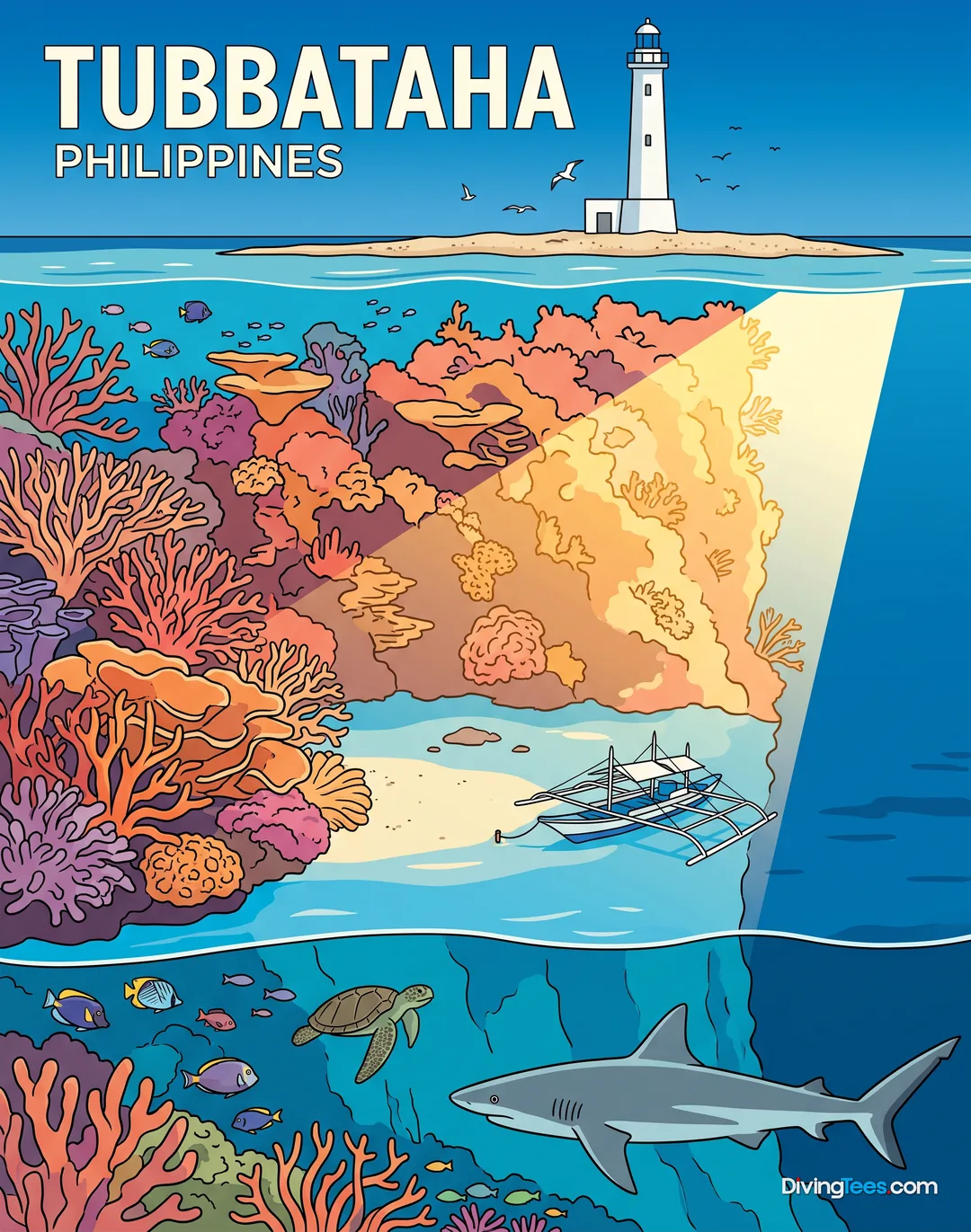
Max. depth · 30 mShark Airport, Tubbataha: Reef Sharks and Coral Plateaus
Descend onto the wide coral plateau of Shark Airport, where whitetip and grey reef sharks gather on sandy patches, navigating like aircraft on a runway.
What makes this site special
- Primary shark cleaning station for whitetip reef sharks
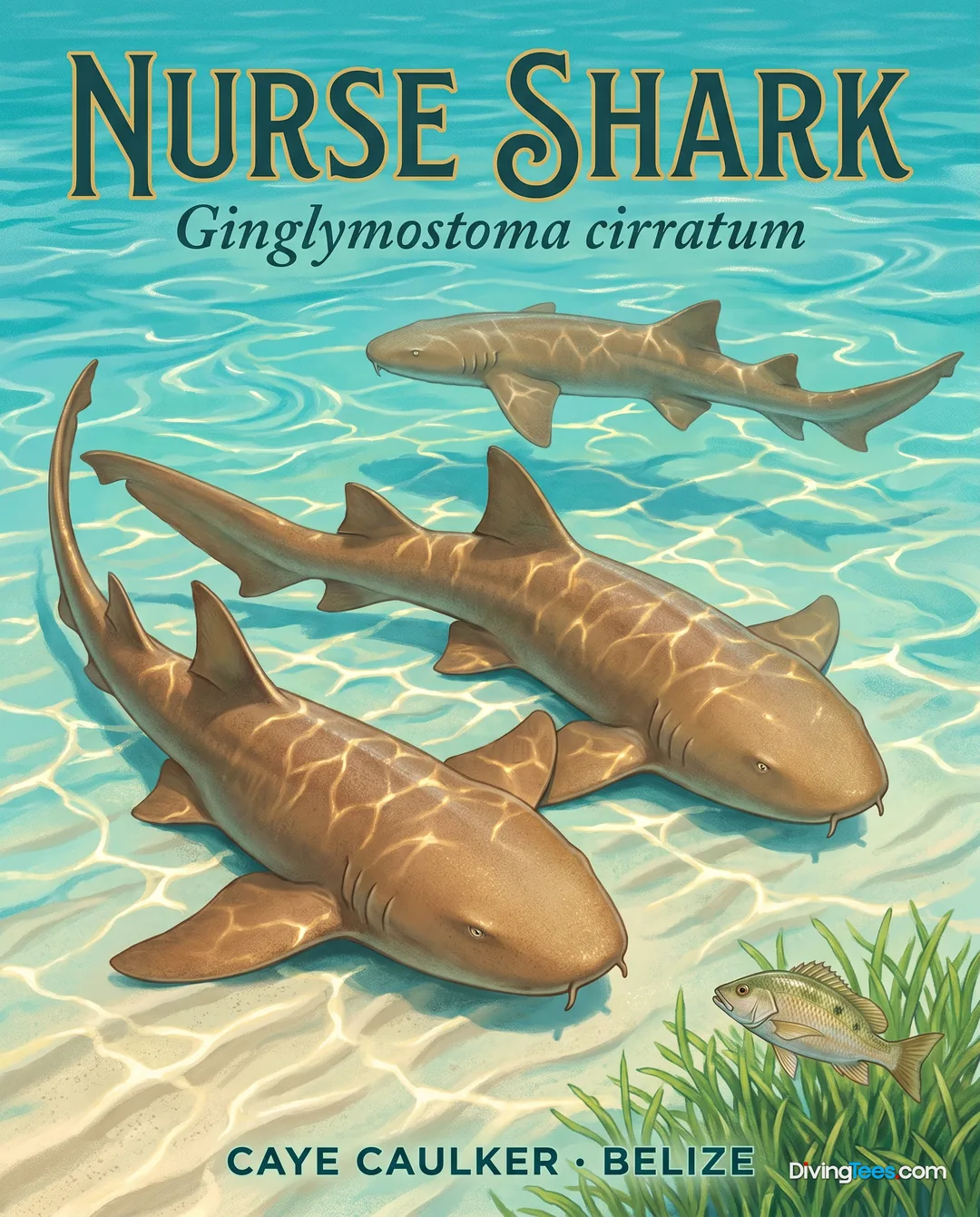
- Encounters with grey reef sharks and nurse sharks
- Healthy hard coral plateau with sandy 'runways'
- Sightings of dogtooth tuna and trevally
- Frequent presence of eagle rays and marble rays
- Diverse reef fish, including batfish and fusiliers
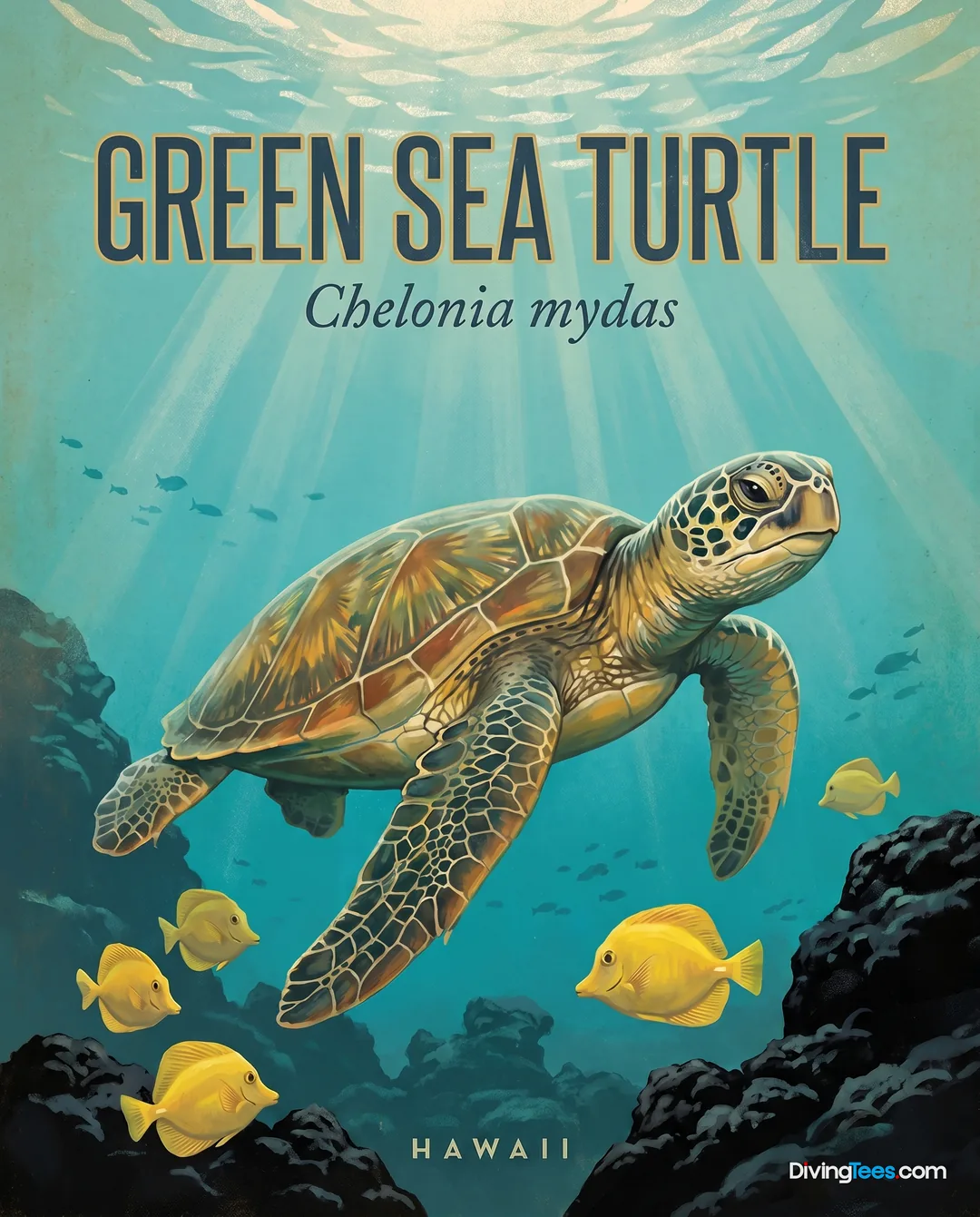
- Green and hawksbill turtle encounters
- Consistently high visibility (30-40 metres)
For subtitles in English: start the video firstthen click the gearat the top right of the video, select “Subtitles/CC”, then “Auto-translate” and choose “English”.
Shark Airport about the site
Shark Airport sits on the northeastern edge of Tubbataha's North Atoll, presenting itself as a broad, gently sloped coral plateau. Your descent begins over healthy hard coral, soon revealing expansive sandy 'runways' that cut between dense coral ridges. This unique topography, particularly noticeable in the 10 to 15-meter range, gives the site its name, as various shark species frequently rest or cruise these clearings, resembling planes awaiting takeoff.
Below the main plateau, the reef extends seaward before transitioning into a second, shallower shelf at approximately 25 metres. This area maintains a similar coral and sand composition but offers a different perspective on the resident marine life. Further down, the reef edge steepens, forming a wall punctuated by small overhangs and shallow caves, providing shelter and exploration opportunities for the more adventurous diver.
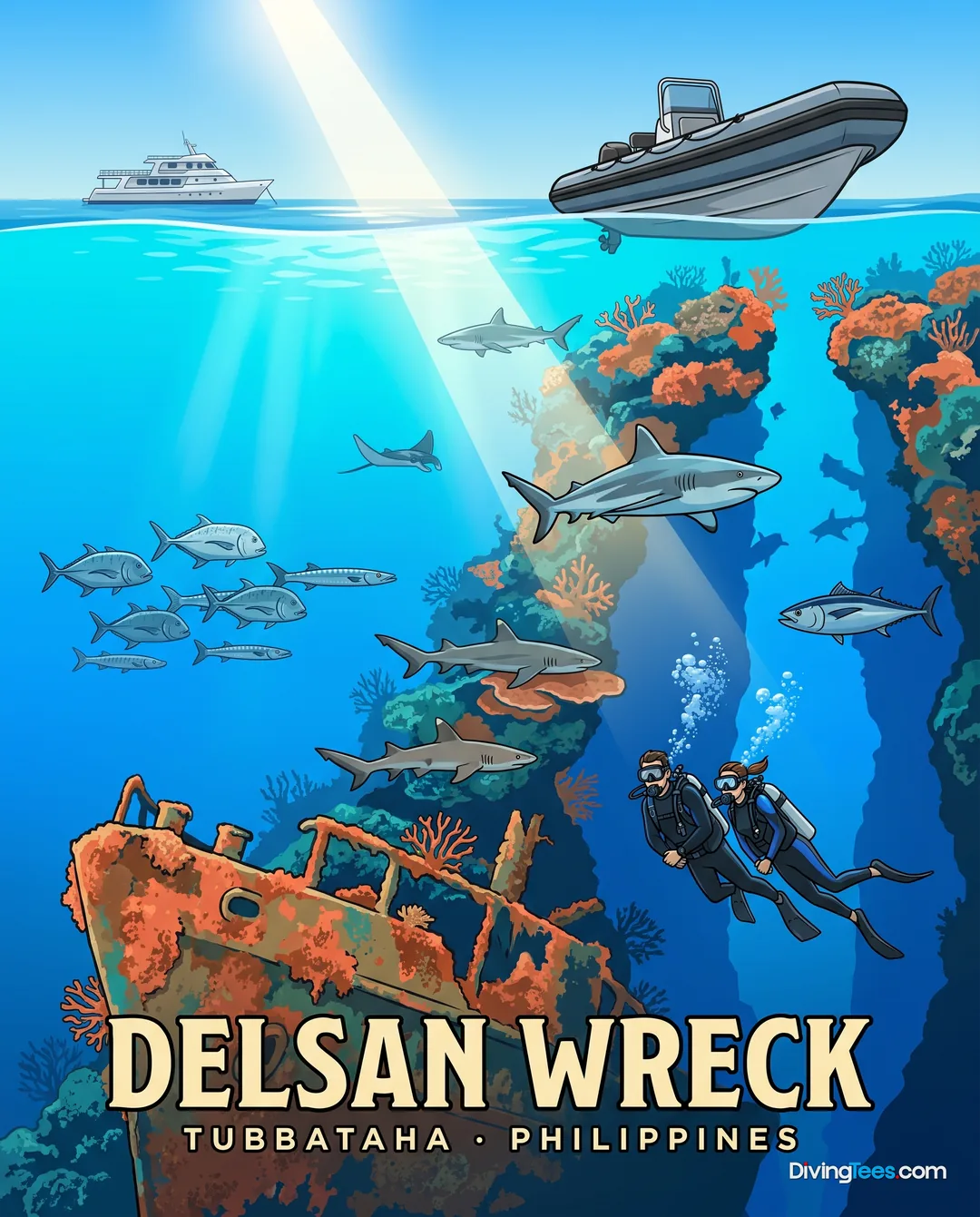
The site functions prominently as a shark cleaning station, which is central to its appeal. Whitetip reef sharks (Triaenodon obesus) are a consistent presence, often seen resting on the sandy bottom while smaller cleaner wrasse attend to them. You will also encounter grey reef sharks (Carcharhinus amblyrhynchos) patrolling the deeper sections of the plateau and the drop-off, maintaining a constant presence that defines the site's character.
Beyond the resident reef sharks, Shark Airport attracts a variety of pelagic species drawn to the nutrient-rich currents of Tubbataha. Keep an eye out for larger predators like dogtooth tuna (Gymnosarda unicolor) and trevally (Caranx ignobilis) cruising the reef edge. Eagle rays (Aetobatus narinari) and marble rays (Taeniura meyeni) can also be seen gliding gracefully over the sandy areas, often stirring up clouds of sand as they forage.
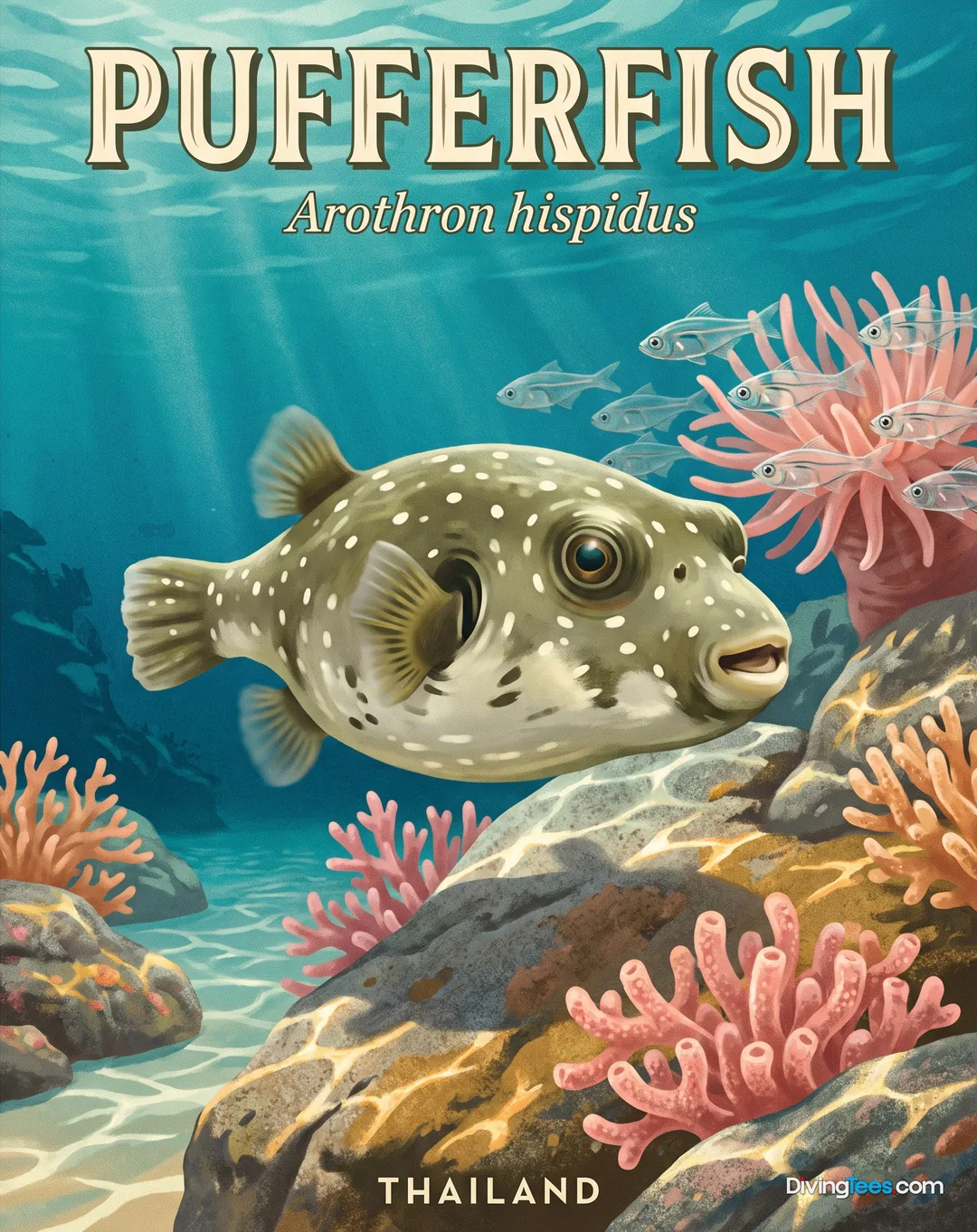
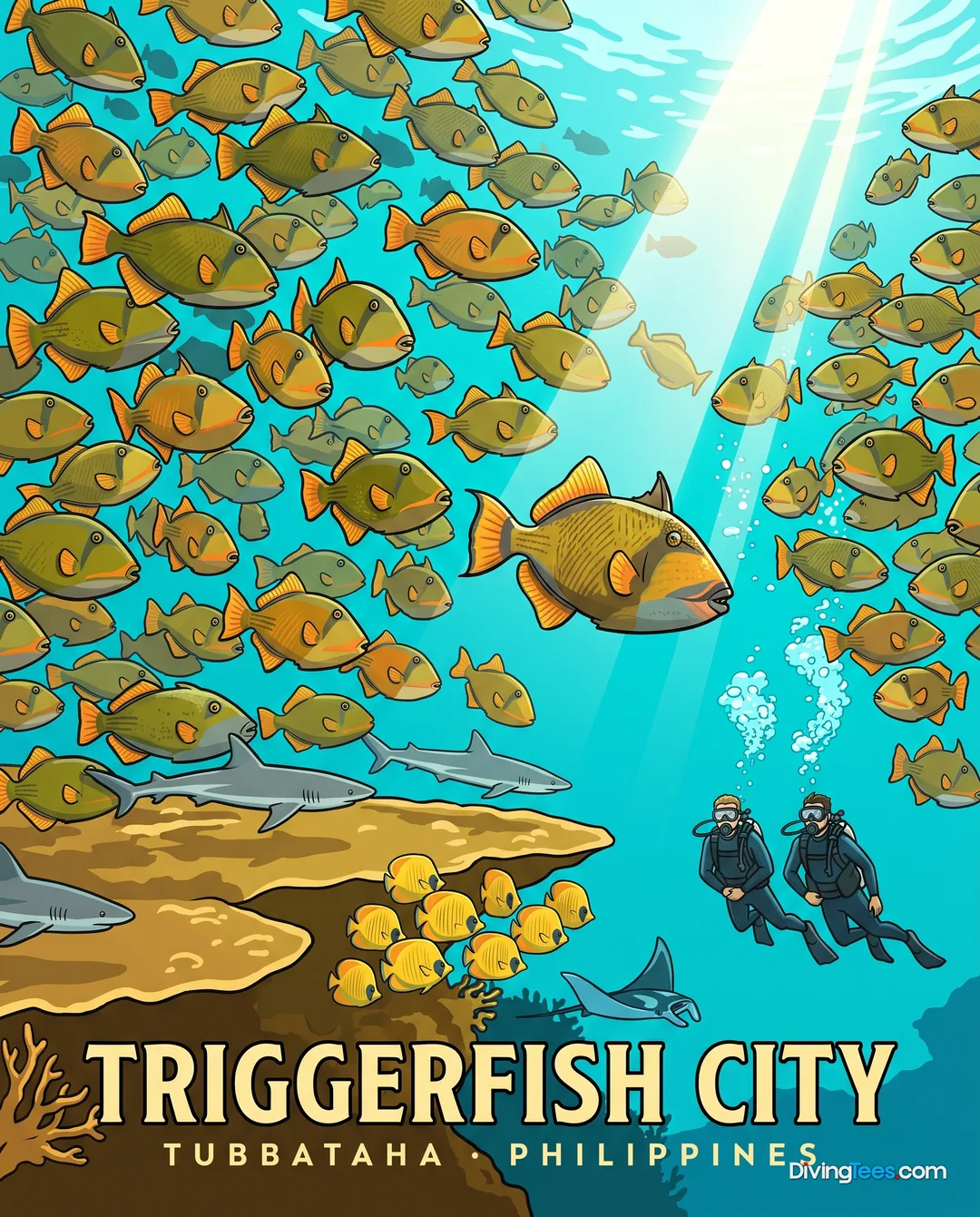
The coral formations here are robust, supporting a rich diversity of smaller reef inhabitants. You'll observe schools of batfish (Platax orbicularis), fusiliers (Caesio teres), and surgeonfish (Acanthuridae) navigating the reef. Pyramid butterflyfish (Hemitaurichthys polylepis) and Moorish idols (Zanclus cornutus) add splashes of colour against the vibrant hard corals, alongside various pufferfish species, including the star pufferfish (Arothron stellatus).
Visibility at Shark Airport consistently holds between 30 and 40 metres, offering clear views of the extensive coral structures and the marine activity. Current is typically moderate, which is often utilized for controlled drift dives along the reef. However, strength and direction are influenced by tides and prevailing winds, so be prepared for more energetic conditions on certain days, especially around the exposed reef corners.
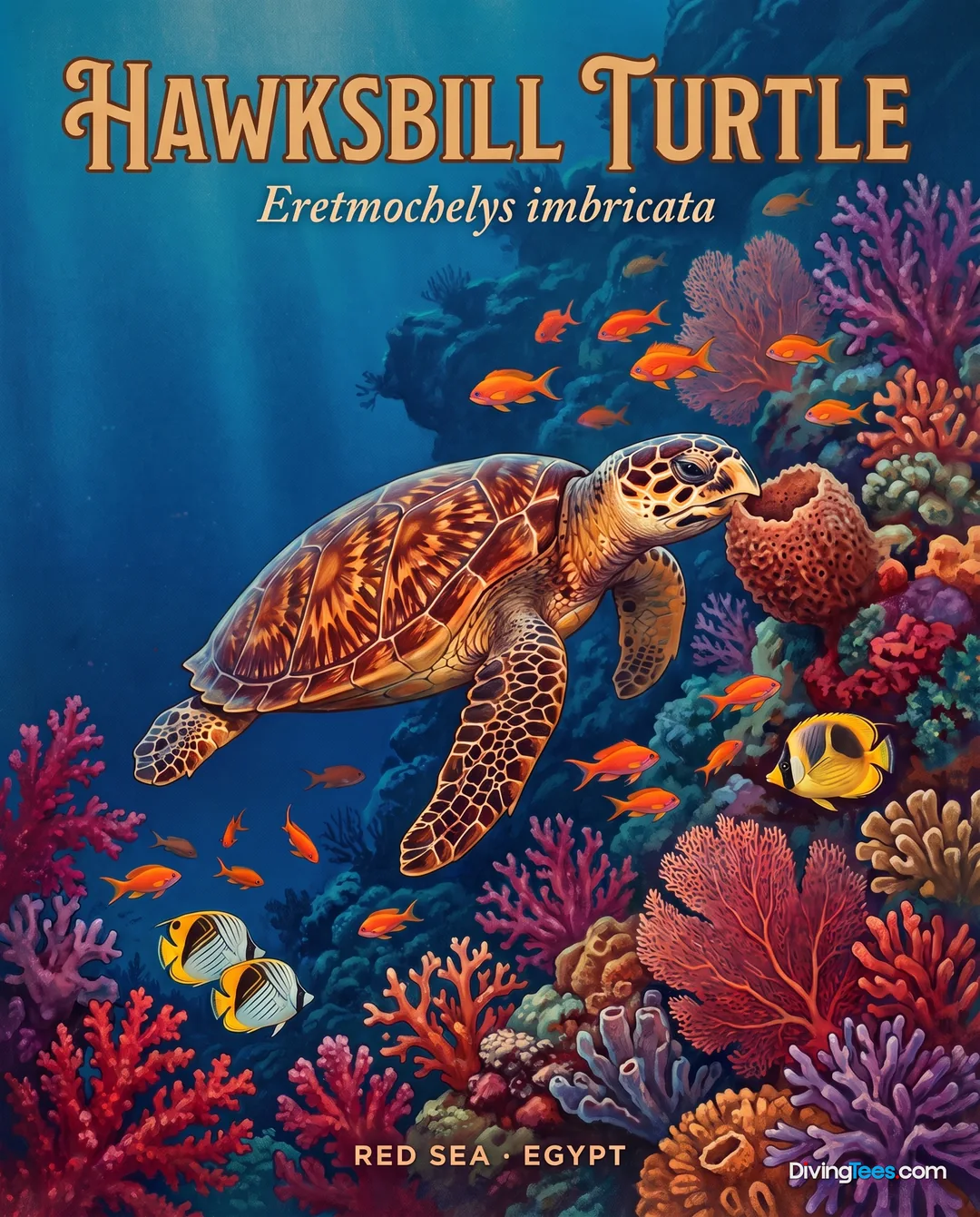
Beyond the sharks, the site also hosts a healthy population of green turtles (Chelonia mydas) and hawksbill turtles (Eretmochelys imbricata), frequently encountered grazing on the corals or resting in crevices. Moray eels (Muraenidae) are often visible tucked into the reef structure, their heads peering out, adding to the detailed observation opportunities available across the site.
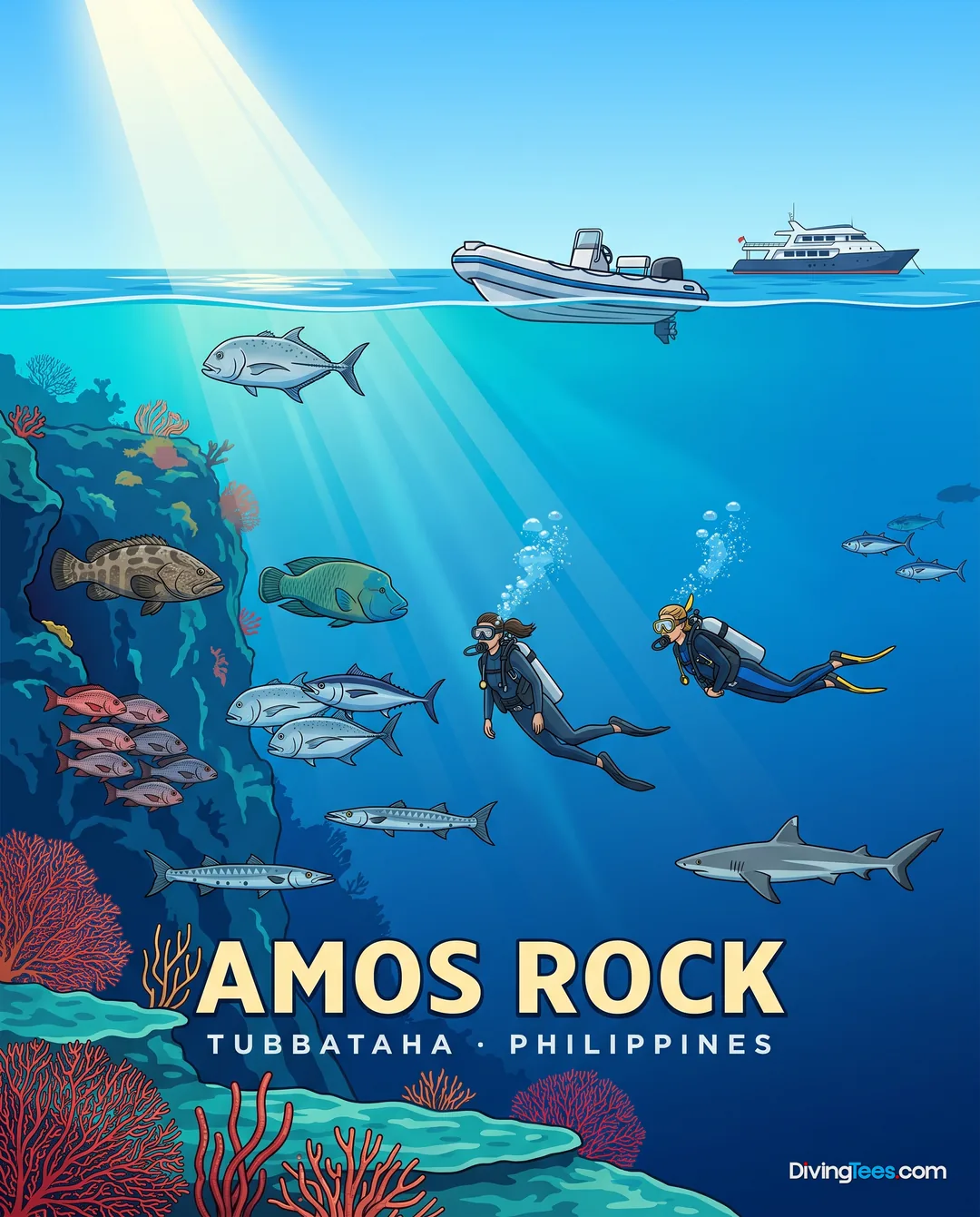
Diving Shark Airport: the marine life you’ll meet
Diving conditions
Diving Shark Airport requires a minimum certification of Open Water Diver with strong buoyancy control, though Advanced Open Water is preferred due to potential currents and depths reaching 30 metres. Dives are typically conducted as controlled drifts along the reef edge, with current strength varying with tides and wind. Visibility is generally excellent, ranging from 30 to 40 metres. The best conditions for diving here are experienced from mid-March to mid-June, with peak conditions usually falling between March and May.
Three dives not to miss
Map of dive sites in Tubbataha
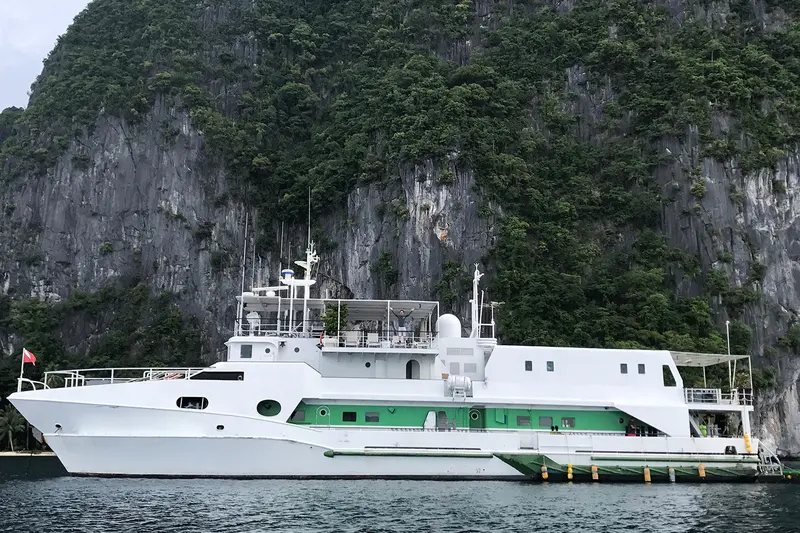
Dive liveaboards Tubbataha
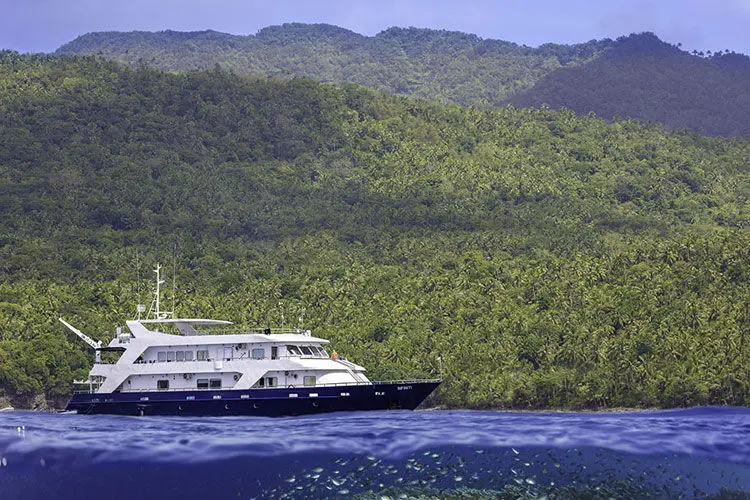
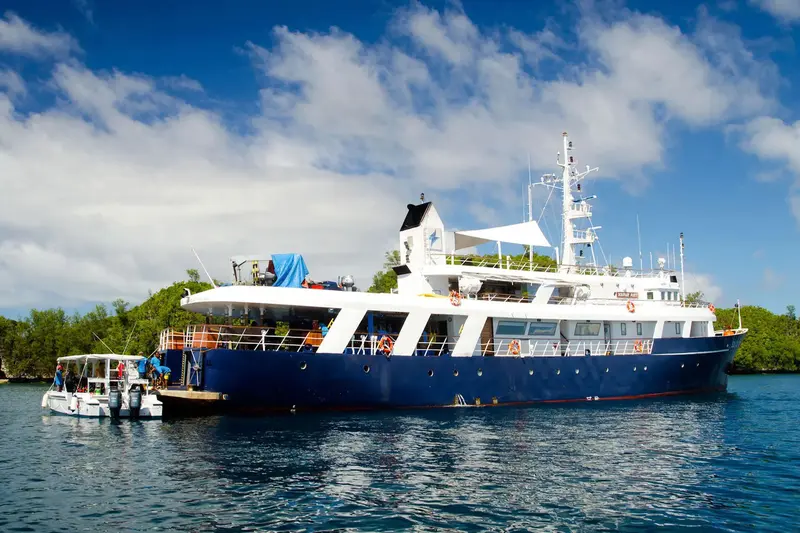
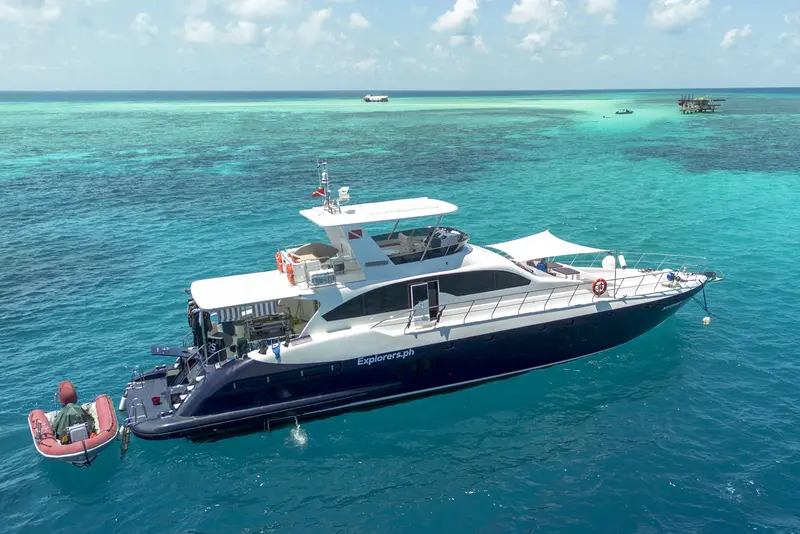
14 liveaboards run trips to Tubbataha.
Frequently asked questions about Shark Airport
When should you dive Shark Airport for the best conditions?
You will find the best diving conditions at Shark Airport from mid-March to mid-June, with peak conditions usually occurring between March and May. This period offers excellent visibility across the coral plateau, sandy runways, reef edge, and deeper sections where sharks and pelagic species are commonly encountered.
What certification and depth experience do you need for Shark Airport?
You need at least Open Water Diver certification and strong buoyancy control for Shark Airport. Advanced Open Water is preferred because the dive can involve potential currents and depths reaching the site’s deepest stated limit. The terrain includes shallow coral, a deeper shelf, and a steeper reef edge with overhangs and caves.
What currents should you expect at Shark Airport?
You should expect a controlled drift dive along the reef edge at Shark Airport, with currents that are typically moderate. Their strength and direction vary with tides and prevailing winds. Conditions can become more energetic around exposed reef corners, so strong buoyancy control helps you manage the changing flow.
What marine life can you see at Shark Airport?
At Shark Airport, you can look for whitetip reef sharks at the cleaning station, grey reef sharks, and nurse sharks. Dogtooth tuna, trevally, eagle rays, marble rays, green turtles, and hawksbill turtles may also appear, alongside batfish, fusiliers, surgeonfish, moray eels, and other reef fish.