Salines
★★★★
★ 8.9/10 (1,427 reviews)
3.5 km away as the crow flies
Dive centre · Hyères · France
4.9337 Google reviewsExplore the diverse wrecks and rocky reefs of the Port-Cros National Park aboard the powerful aluminium vedette, Ulysse II.
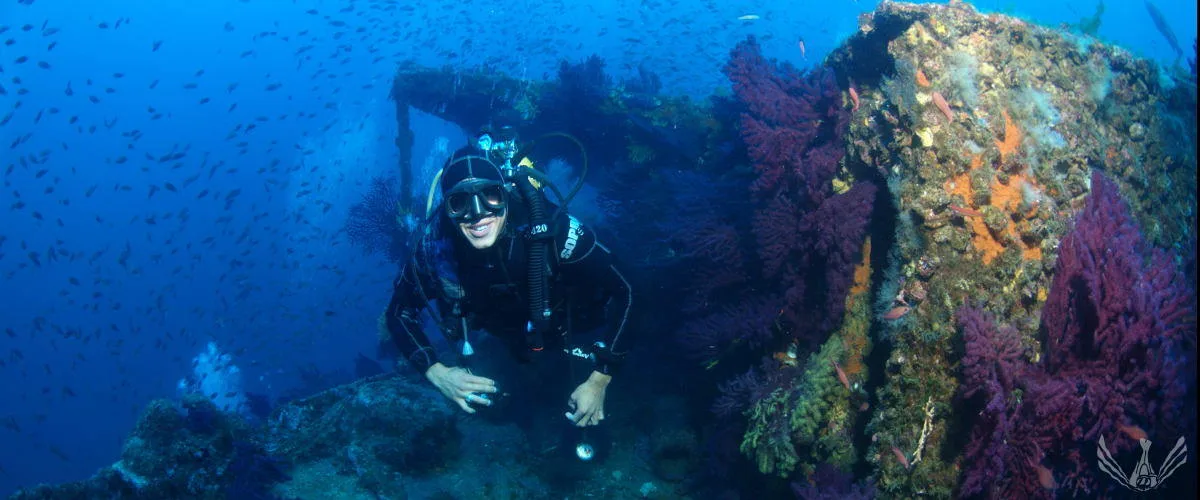
Located on the Giens peninsula at the Port de la Madrague, Ulysse Plongée has been a fixture of the Hyères diving scene since 1975. The centre's position provides direct access to the rich marine environments of the Port-Cros National Park, offering a diverse selection of dive profiles.
You can choose from a variety of underwater landscapes, ranging from protected coves to spectacular drop-offs and historic wrecks. Whether you are looking for a relaxed exploration of a reef flat or a more technical dive on a deep wreck, the centre is well-equipped to handle your requirements.
The centre operates with a focus on professional standards, offering instruction through both FFESSM and PADI frameworks. They provide a structured environment for all levels, from initial discovery dives to advanced technical training.
Instruction is delivered in both French and English, making it accessible for international divers. For those looking to progress, the centre offers a full suite of certifications, including the FFESSM levels from Niveau 1 through to Niveau 4, as well as specialised technical training. For guided explorations, the centre maintains a ratio of one guide per diver to ensure safety and precision.
The training programme is comprehensive, covering the entire spectrum of recreational and technical diving. Beginners can start with a Baptême or a Pack Découverte, eventually progressing through the FFESSM levels: Niveau 1 (CMAS*), Niveau 2 (CMAS**), and Niveau 3 (CMAS***).
For divers looking to expand their capabilities, the centre offers Nitrox Élémentaire and Nitrox Confirmé courses. Technical divers can access more advanced training, including Trimix and rebreather support, as well as specialised instructor-led programmes.
The Ulysse II is a fast, aluminium vedette powered by twin 330 Ch engines, designed to reach more distant sites with ease. It has a capacity for 32 divers and is configured for comfort, featuring a covered deck and side tarpaulins to protect you from the wind.
The boat is capable of supporting various dive profiles, including night dives. It is well-suited for trips to the more remote sites around the national park, ensuring you spend more time underwater and less time in transit.
The shore-based facilities are located in new premises under the harbour master's office, including a dedicated training room and a sheltered courtyard. The centre is an Aqualung partner, ensuring that the rental kit—including regulators, BCDs, wetsuits, and fins—is maintained to high standards.
For those requiring specific gas blends, the centre features a Nitrox station and is equipped for Trimix and rebreather diving. A high-capacity 60 m³/h compressor station is also available on-site to support your diving needs.
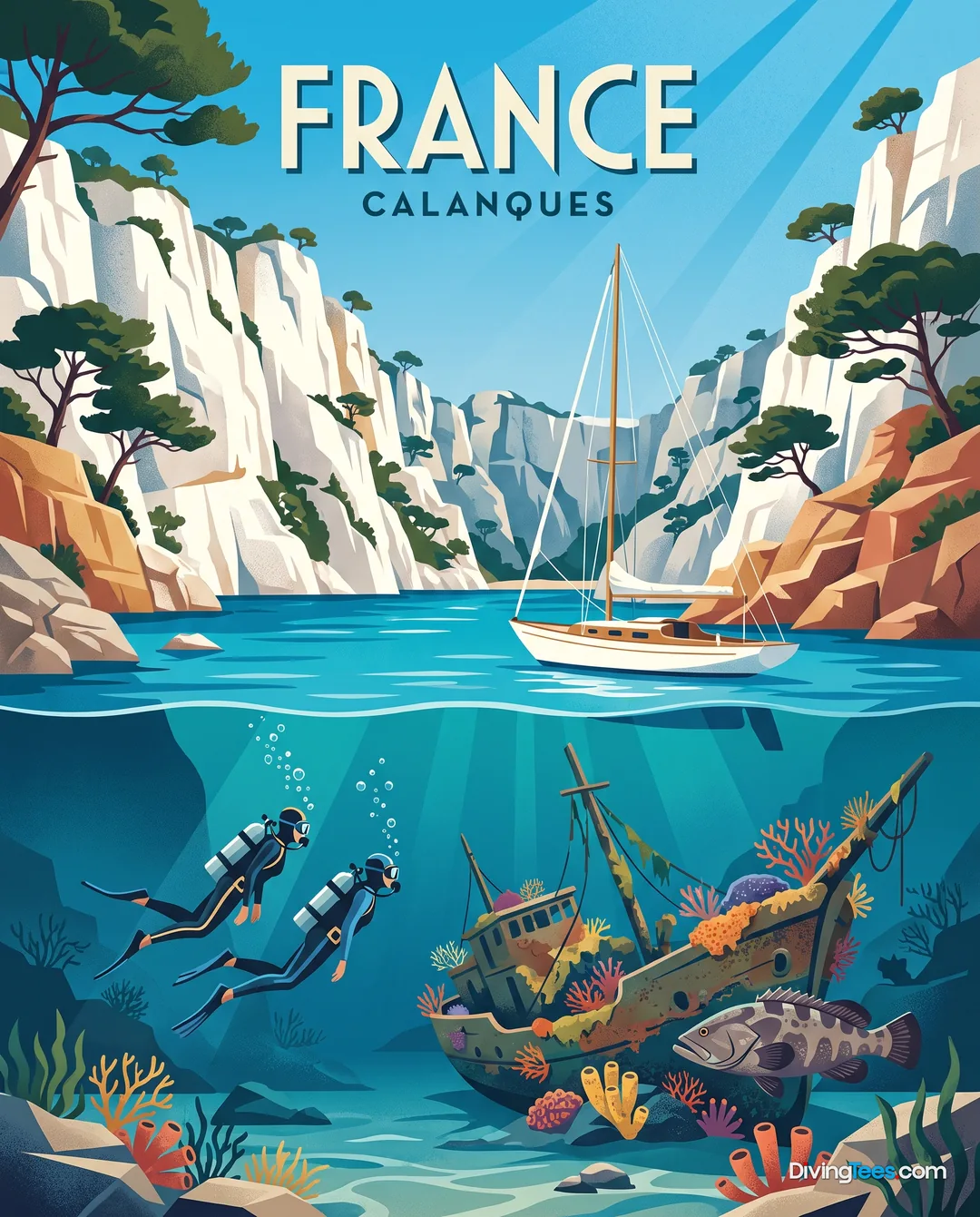
The Donator is a significant wreck dive that offers a fascinating look at maritime history, suitable for those with the appropriate experience. Other notable wrecks in the area include the Grec, the Arroyo, and the Dornier 24, an aircraft wreck that provides a unique profile.
For those who prefer rocky terrain, the Sarranier is a prominent sec (submerged ridge) that offers interesting topography. The La Gabinière site within the Port-Cros National Park is another essential destination, known for its exceptional biodiversity and vibrant marine life.
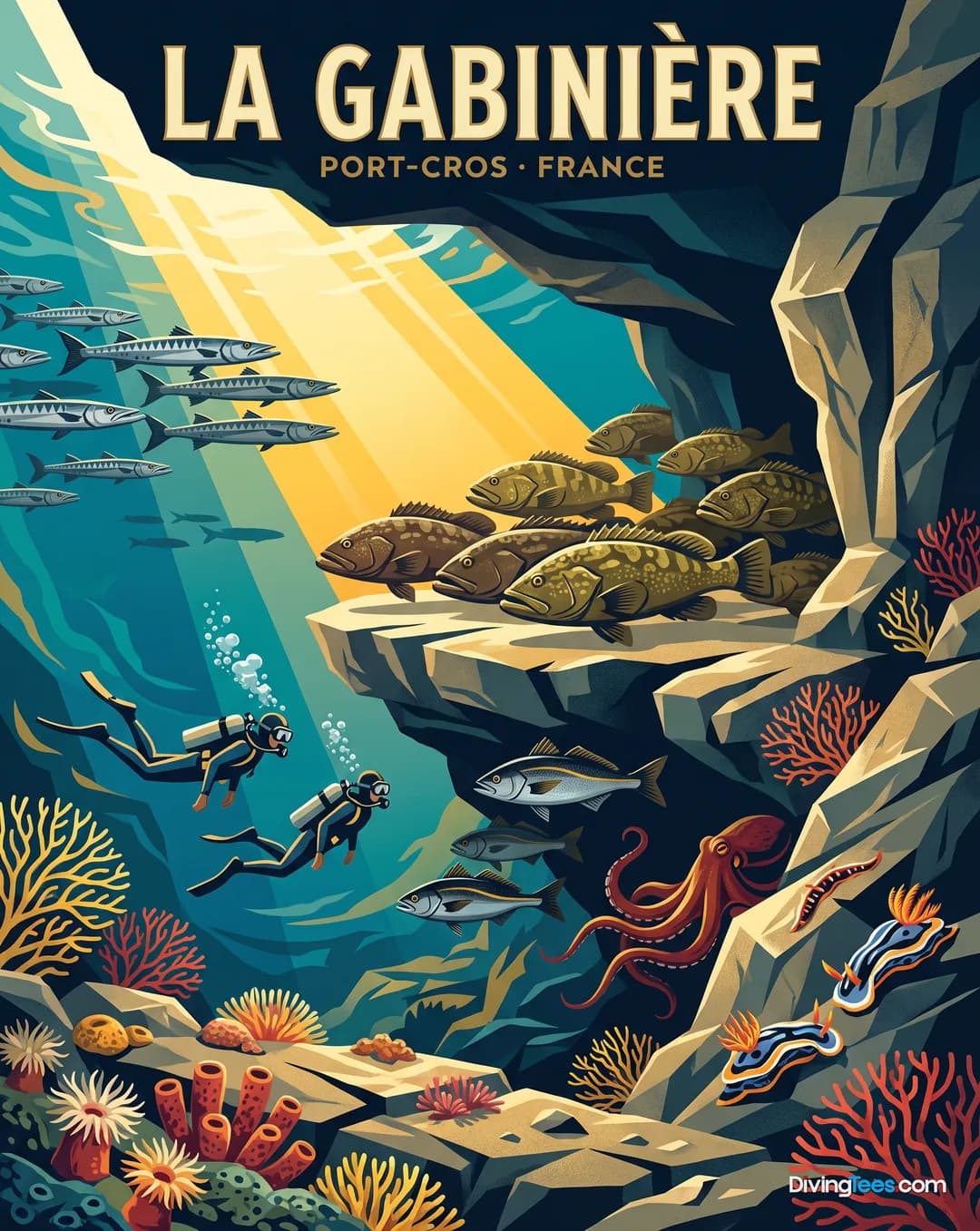
down to 45 m
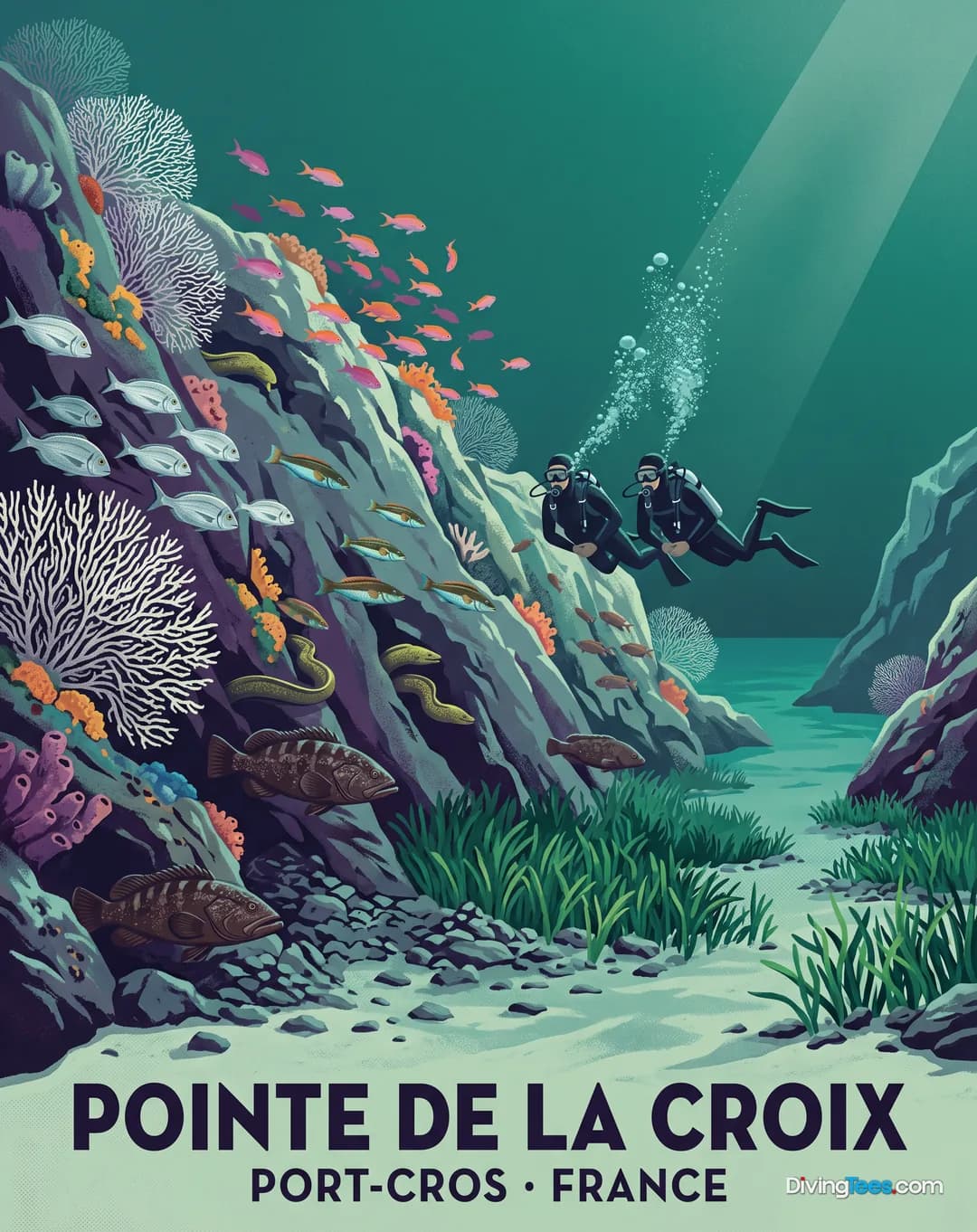
down to 30 m
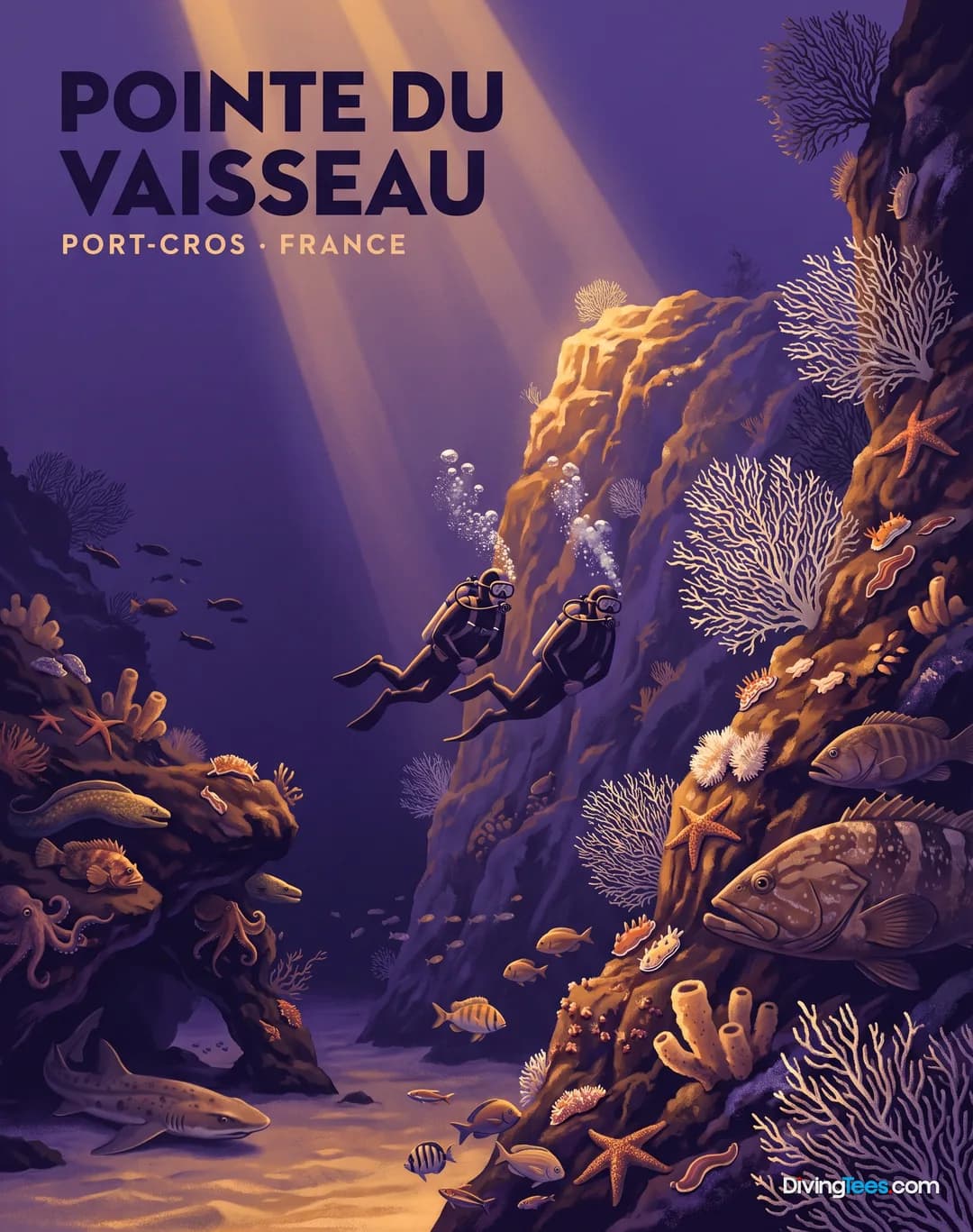
down to 40 m
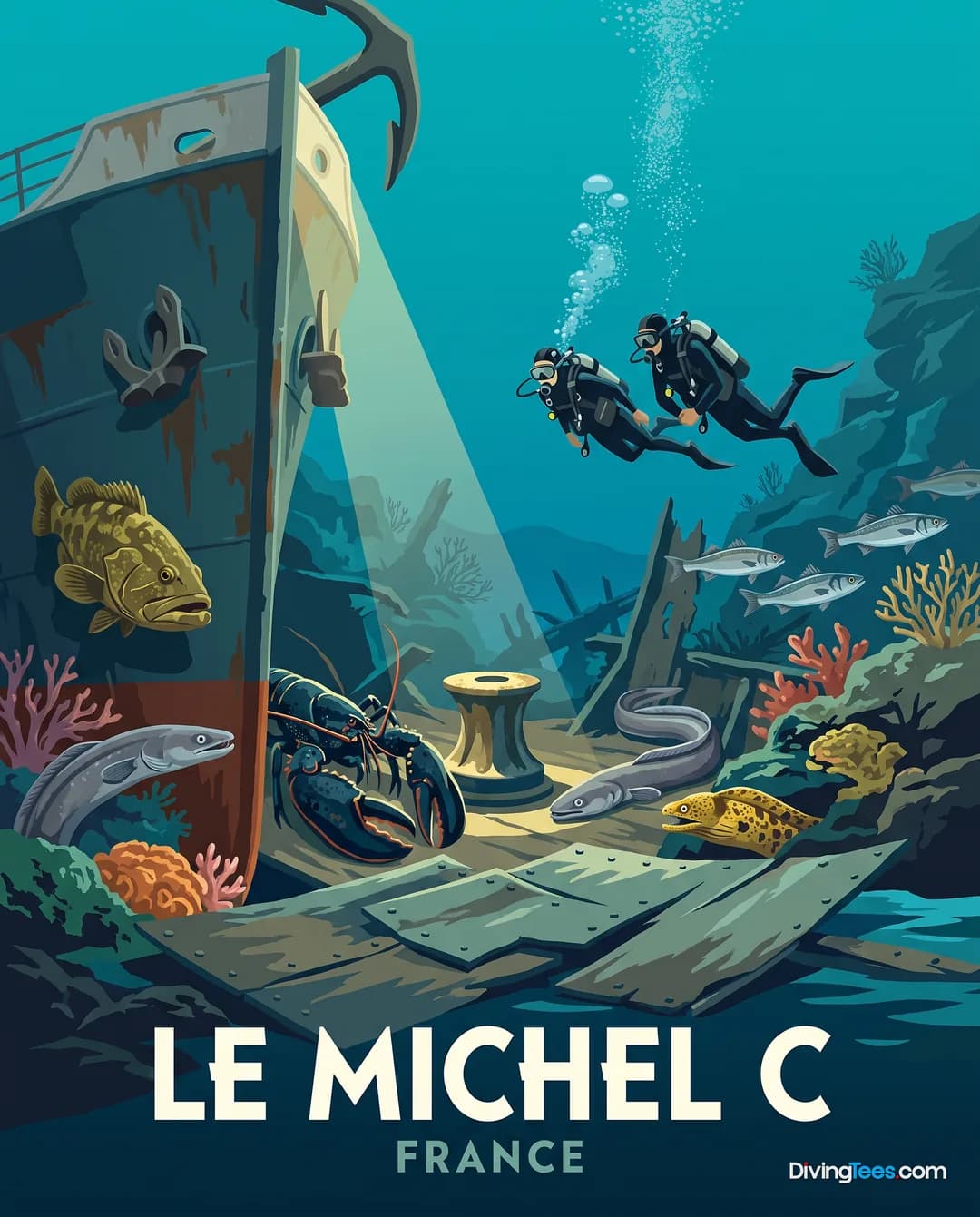
down to 40 m
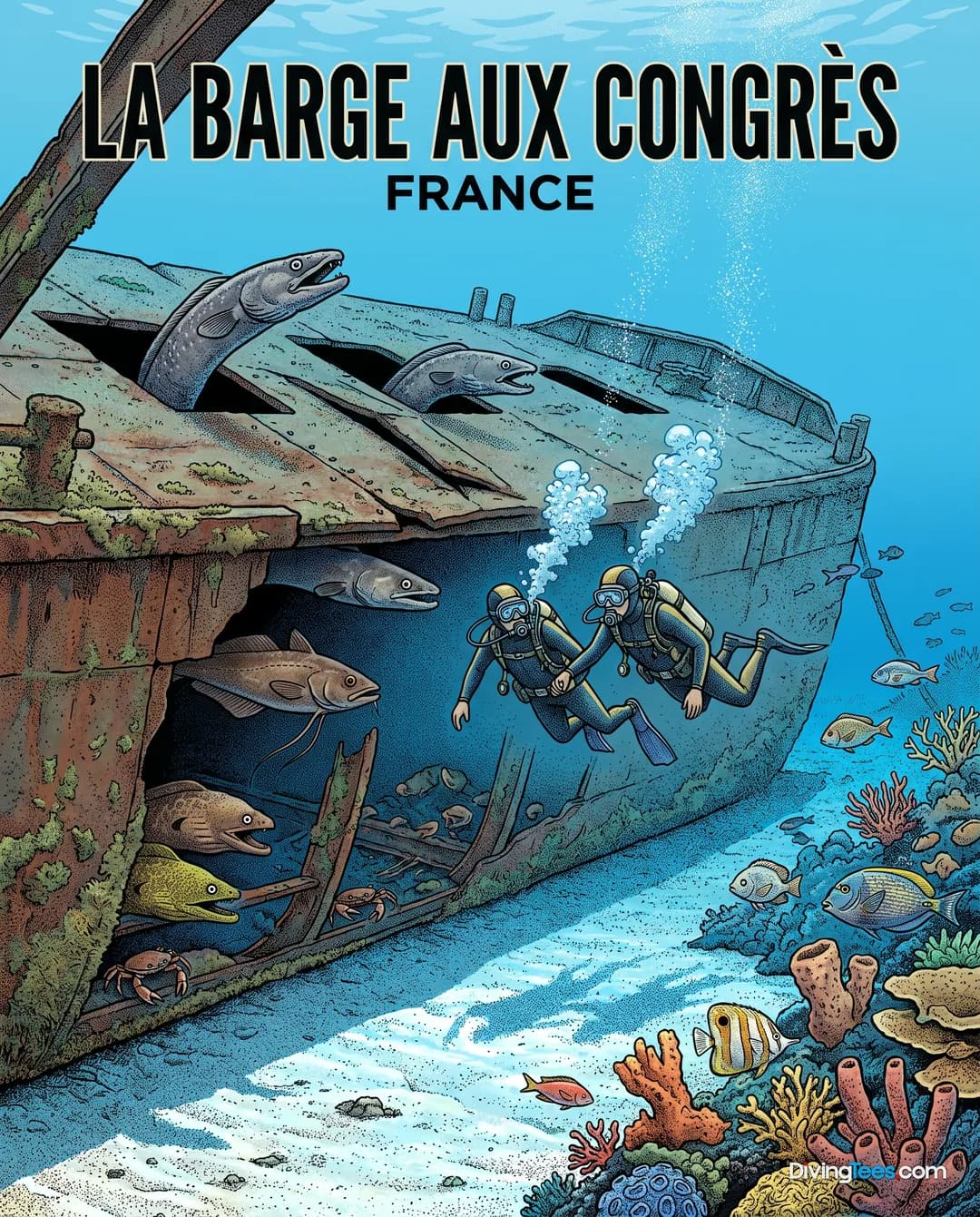
down to 49 m
And some of the dive sites the centre runs.
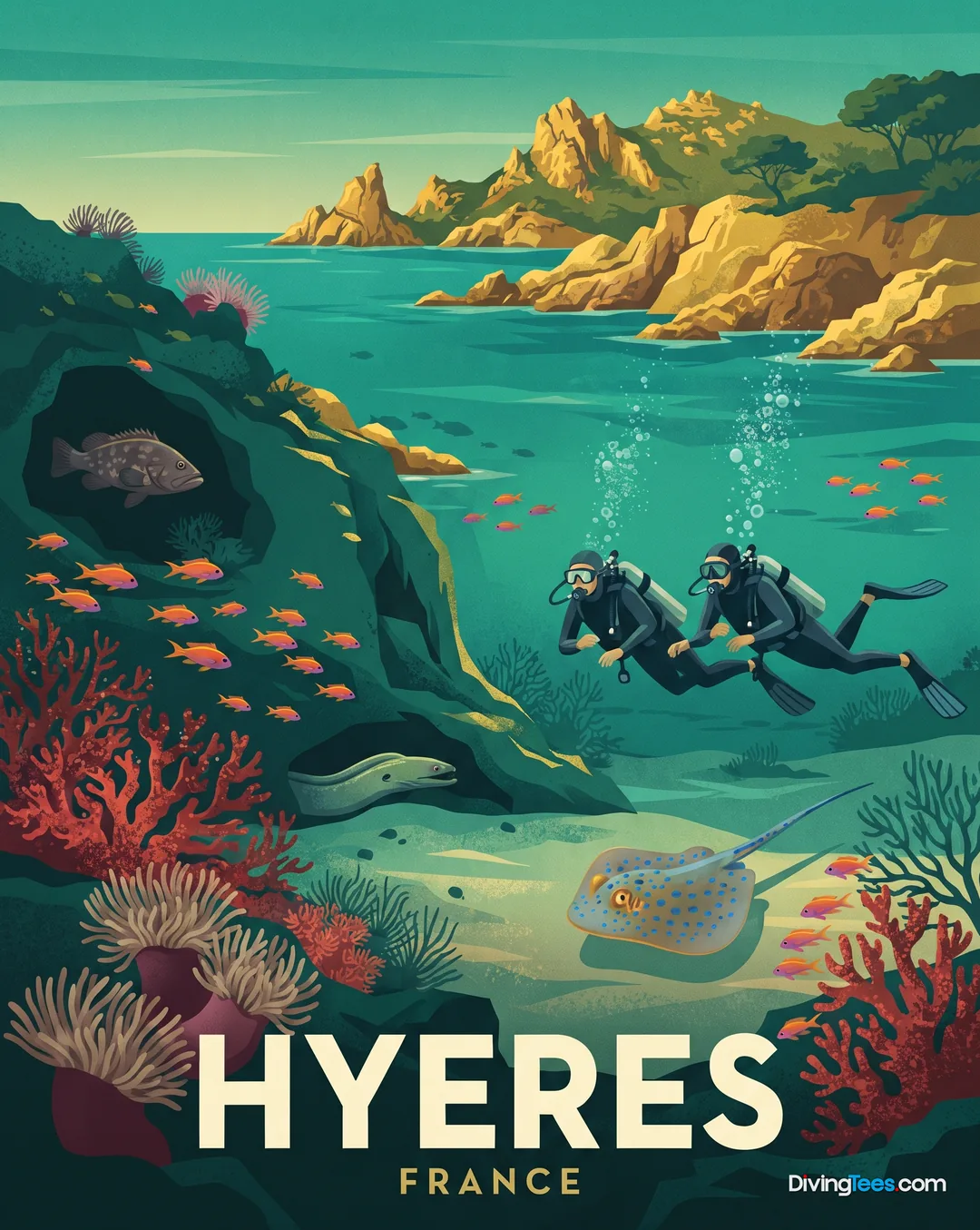
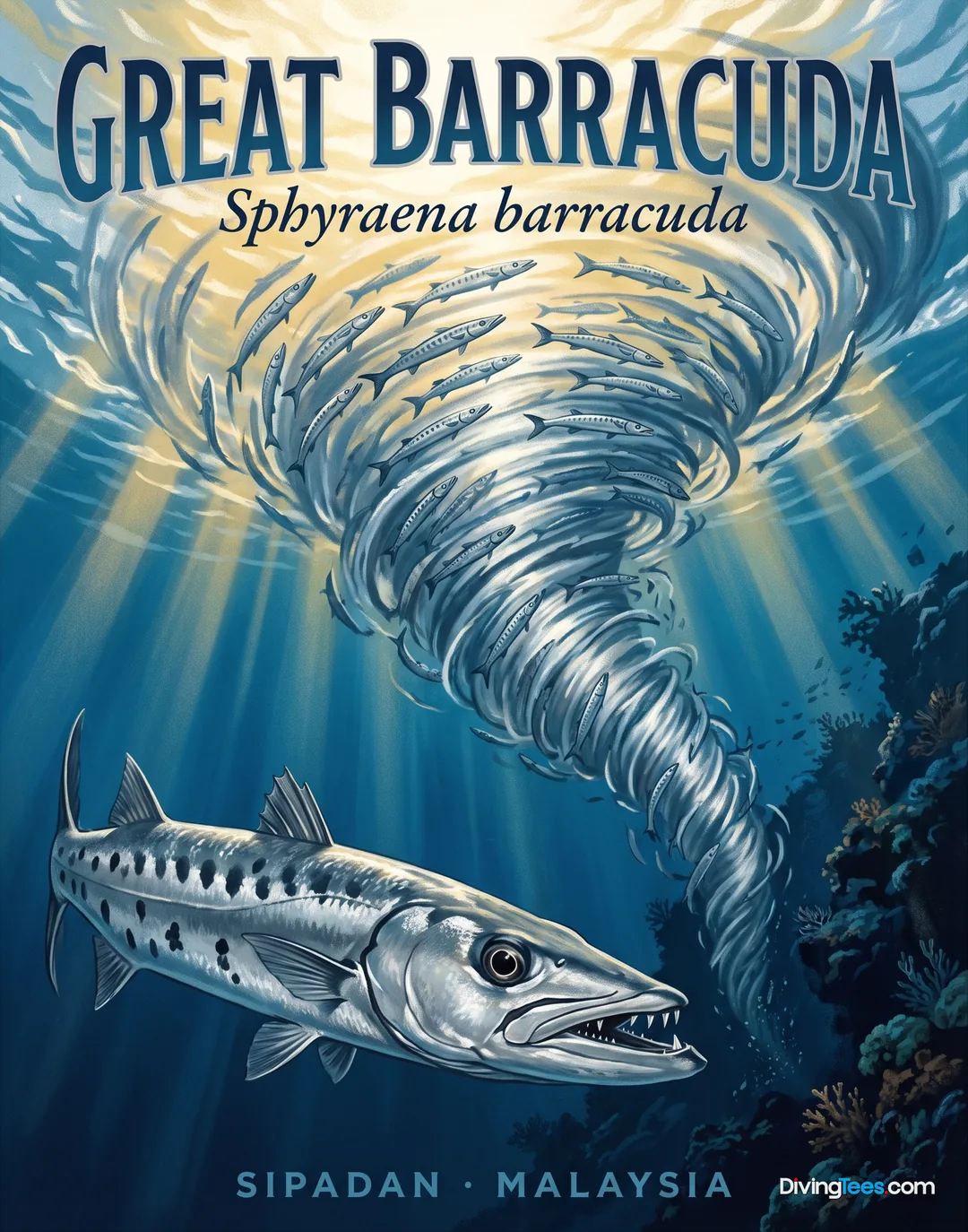
The rocky reefs and drop-offs are home to a vast array of life, including Dusky grouper (Epinephelus marginatus), Common dentex (Dentex dentex), and various species of sea bream (Sparidae). You will often see schools of Bogue (Boops boops) and Salema porgy (Sarpa salpa) moving through the water column.
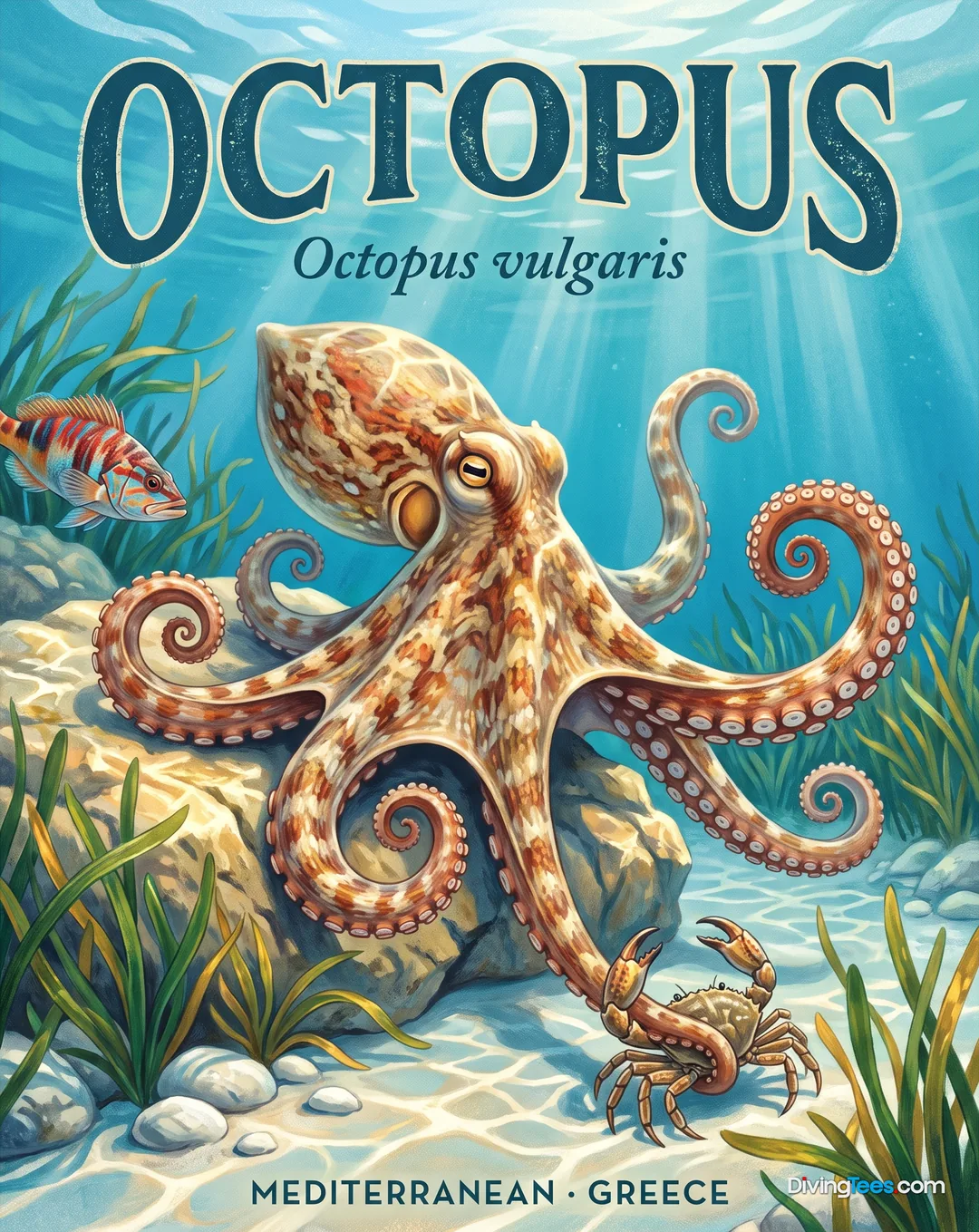
Macro life and smaller inhabitants are abundant among the sponges (Porifera) and gorgonians (Gorgoniidae). Keep an eye out for octopuses, Moray eel (Muraenidae), and various crustaceans, including Spiny lobster (Palinuridae) and shrimp (Caridea). Scorpionfish and Red scorpionfish (Scorpaena scrofa) are frequently found camouflaged against the rocks.
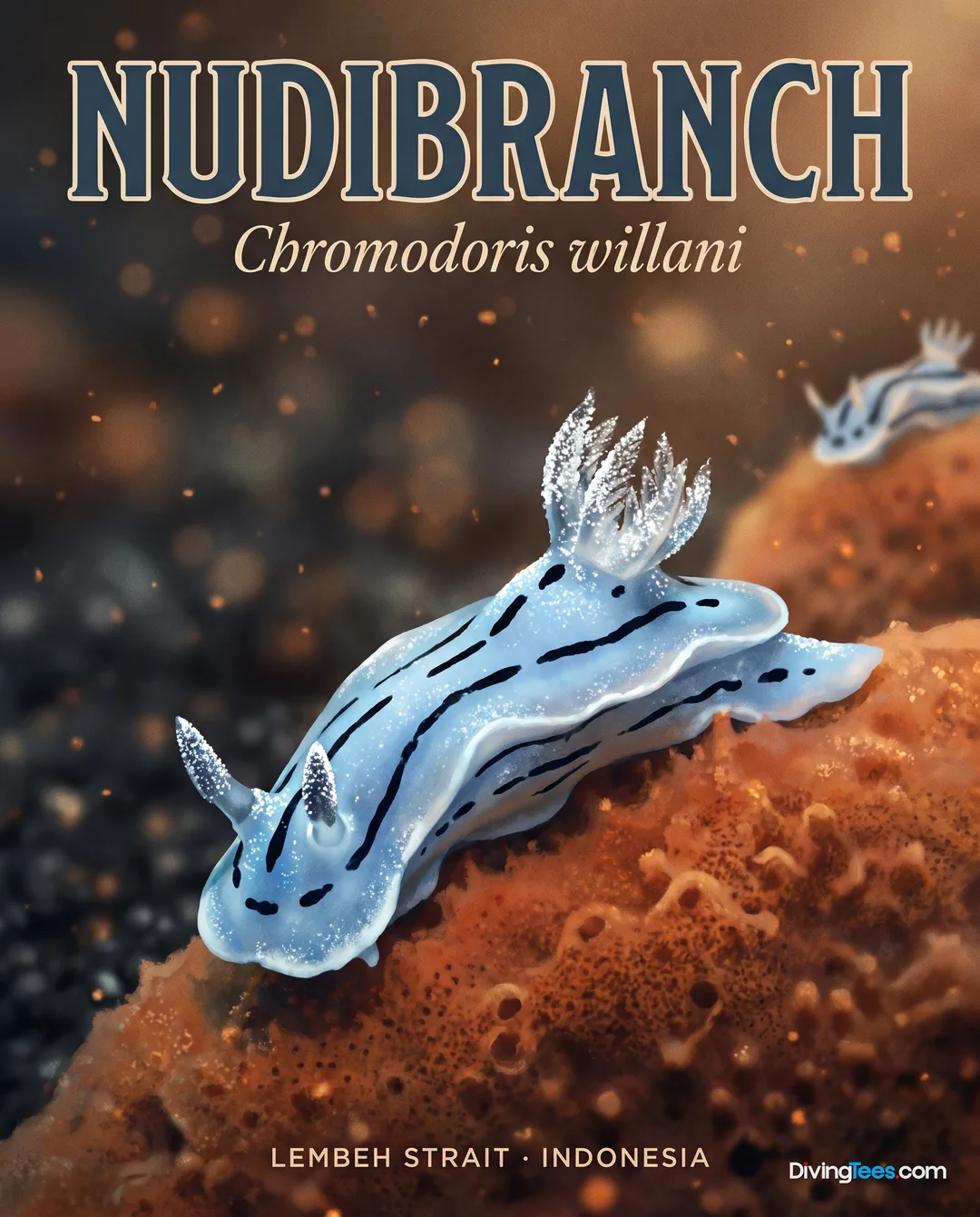
The seafloor is beautifully decorated with sea fans (Gorgoniidae), various anemones, and colourful sponges. These habitats support a dense population of nudibranchs (Chromodoris willani), wrasses, and many different types of crabs (Brachyura).
The area is characterised by a variety of environments, from sheltered coves to more exposed sites. Divers should be prepared for different conditions depending on whether they are visiting the protected areas of the national park or the more open offshore wrecks.
Night diving is a regular part of the local programme, offering a completely different perspective on the marine life that becomes active after sunset.
Hello, I'm Marina, DivingDeal.com's AI assistant. I answer in detail about hotels, dive centres and liveaboards.

Thinking about the whole trip and the flights? Talk it over with Edith →
Marina is an AI. Some links are affiliate links: DivingDeal may earn a commission, at no extra cost to you. Bookings are made with the partner.
★★★★
★ 8.9/10 (1,427 reviews)
3.5 km away as the crow flies
★★★
★ 8.8/10 (546 reviews)
3.2 km away as the crow flies
★★★★
★ 8.9/10 (265 reviews)
3 km away as the crow flies
★★★
★ 8.6/10 (676 reviews)
5.5 km away as the crow flies