


Rangiroa Diving Center
Google 4.9/5 (378 reviews)
Rangiroa · French Polynesia · Pacific
Max. depth · 26 mA wide coral shelf at 18 to 26 metres where large humphead wrasse congregate alongside passing pelagics.
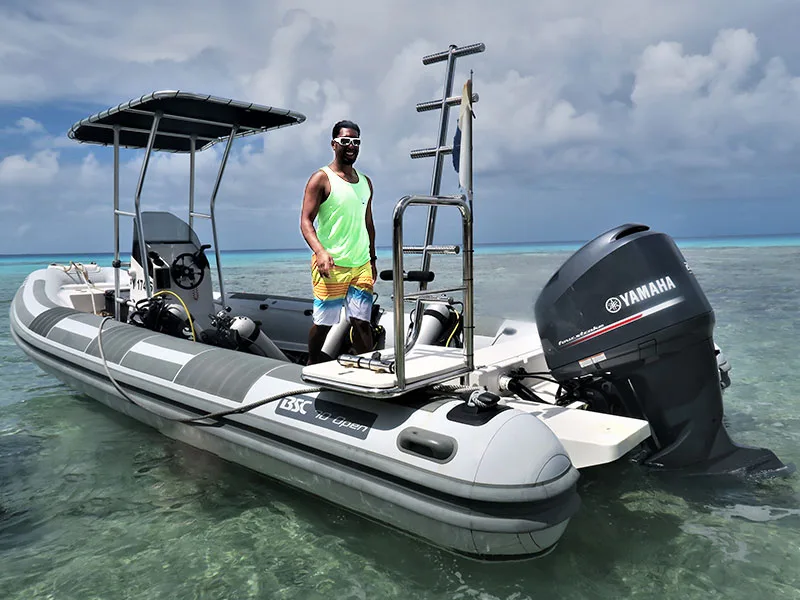
The Giant Wrasses Shelf is a plateau located on the reef slope near the tidal passes of Rangiroa. Unlike the vertical drop-offs often found in the region, this site is characterized by a relatively even reef shelf that levels out at depths between 18 and 26 metres. The topography consists of hard-coral structures, sandy patches, and various faults or small canyons that provide intermittent shelter from the moving water. You will typically approach the site by boat, entering the water outside or at the mouth of the pass to begin a drift dive along the shelf.
Navigating the site requires a steady hand as you follow the contours of the plateau. The dive profile is fairly consistent, allowing you to maintain a stable depth while drifting with the current. As you move along the shelf, the terrain shifts between coral heads and sandy areas, often creating small pockets of calmer water within the larger drift. These geological variations provide different vantage points to observe the reef life without constant effort against the flow. The proximity to the main pass channels means the environment is dynamic and constantly refreshed by tidal movements.
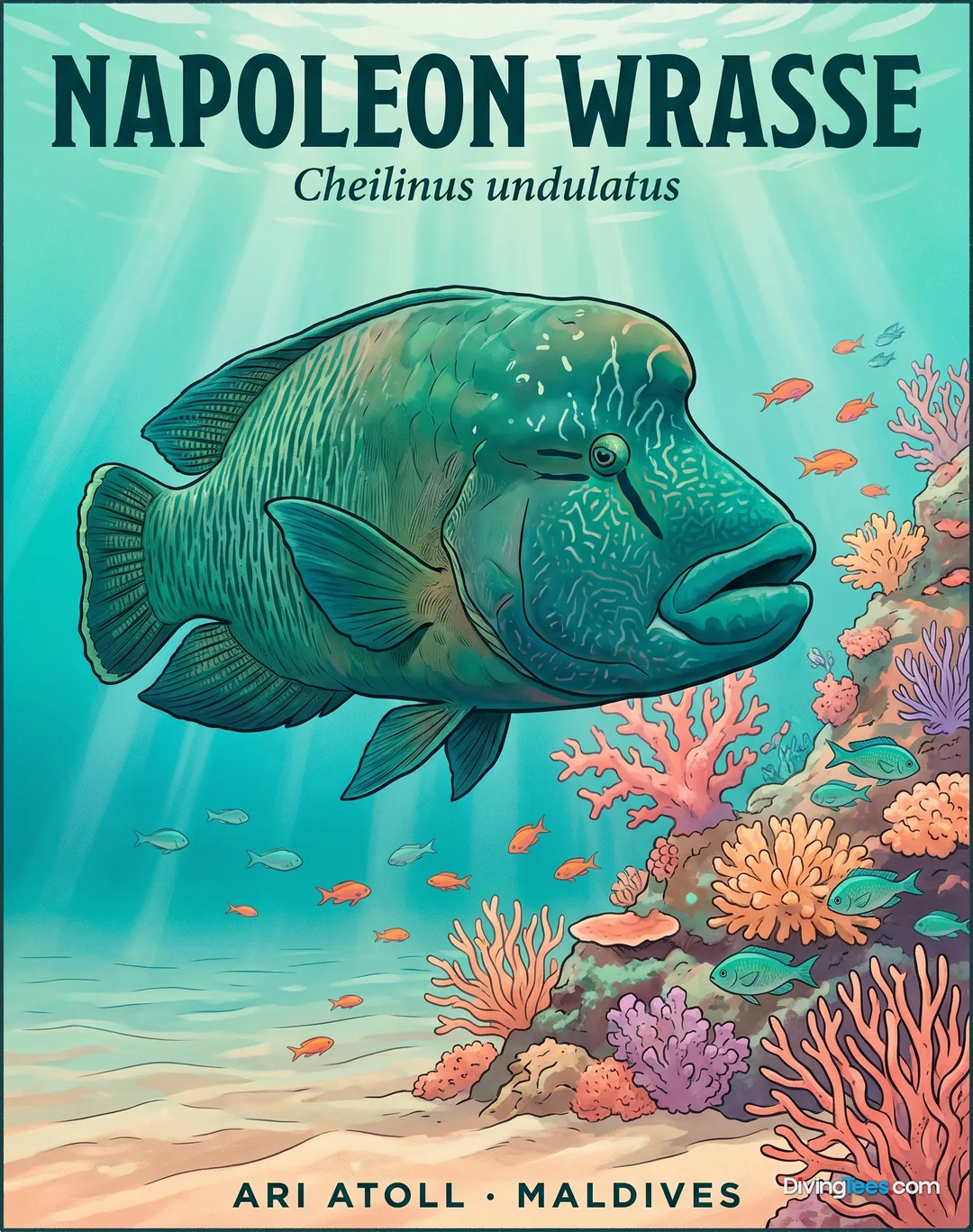
The site is named for its most prominent residents, the humphead wrasse. These large fish are regularly encountered patrolling the plateau and are often quite habituated to divers. Observing their slow, methodical movement across the reef provides a calm contrast to the faster-moving species in the area. They are frequently seen near the coral structures and sandy patches, making them a predictable highlight of the dive. Their presence is a reliable indicator of the healthy ecosystem maintained by the constant exchange of water between the lagoon and the ocean.
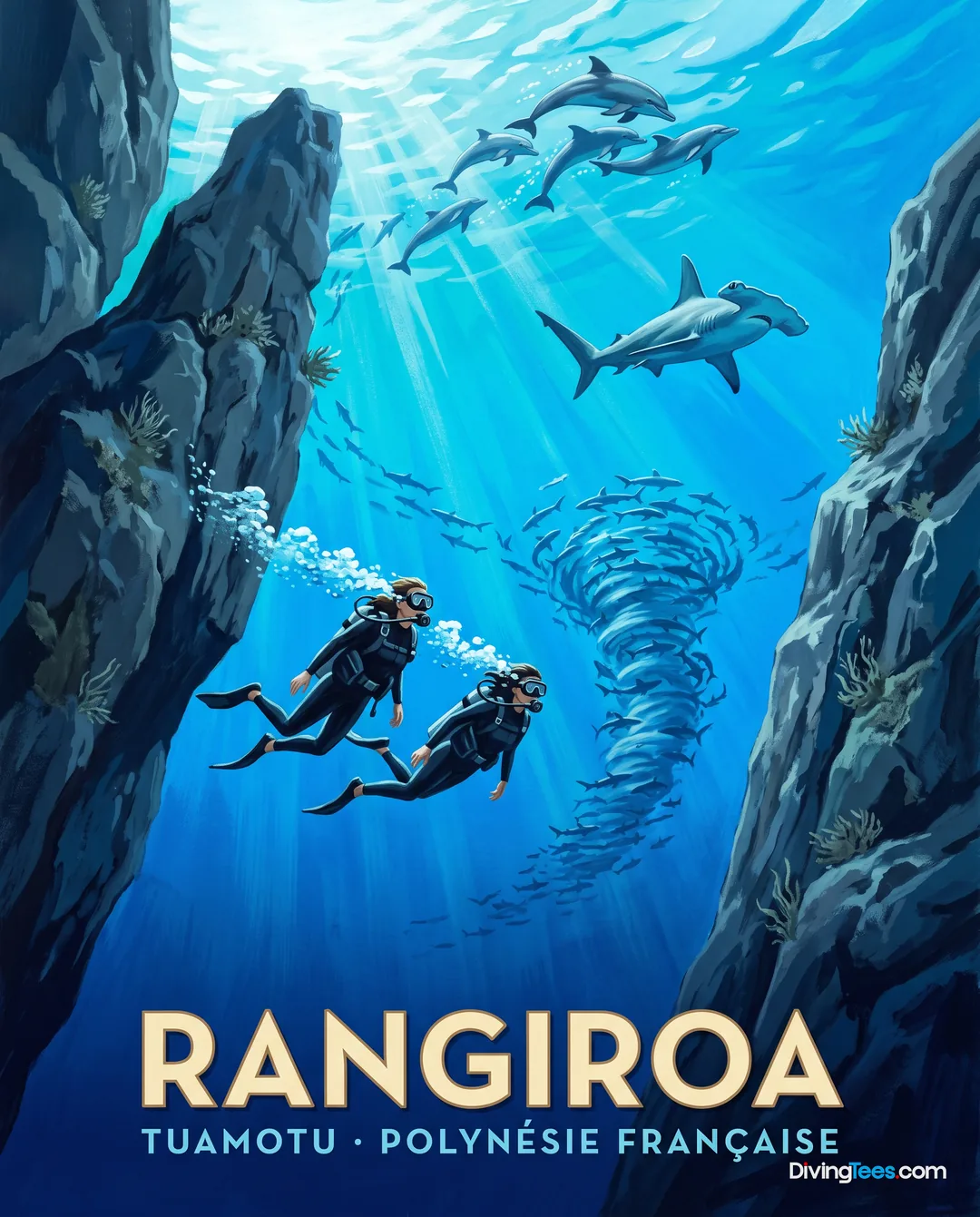
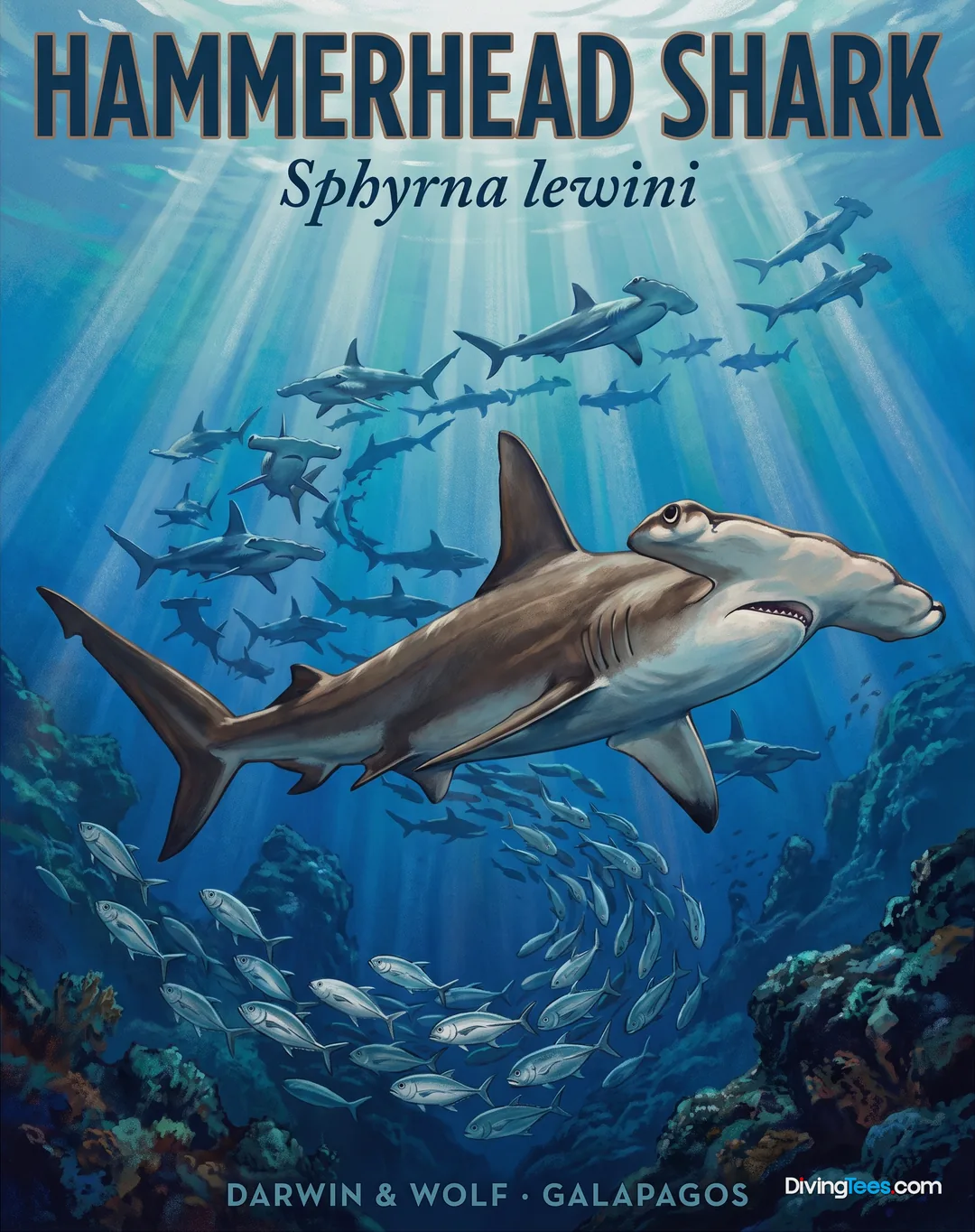
Pelagic activity is a significant component of the experience at this shelf. You can expect to see various sharks, including grey reef sharks and whitetip reef sharks, patrolling the edges of the plateau or hovering in the blue. Larger visitors such as great hammerhead sharks occasionally pass through the area, drawn by the currents flowing through the nearby passes. These encounters are often driven by the nutrient-rich water that the tidal exchange brings to the reef slope. Watching these predators move through the water column adds a layer of intensity to the drift.
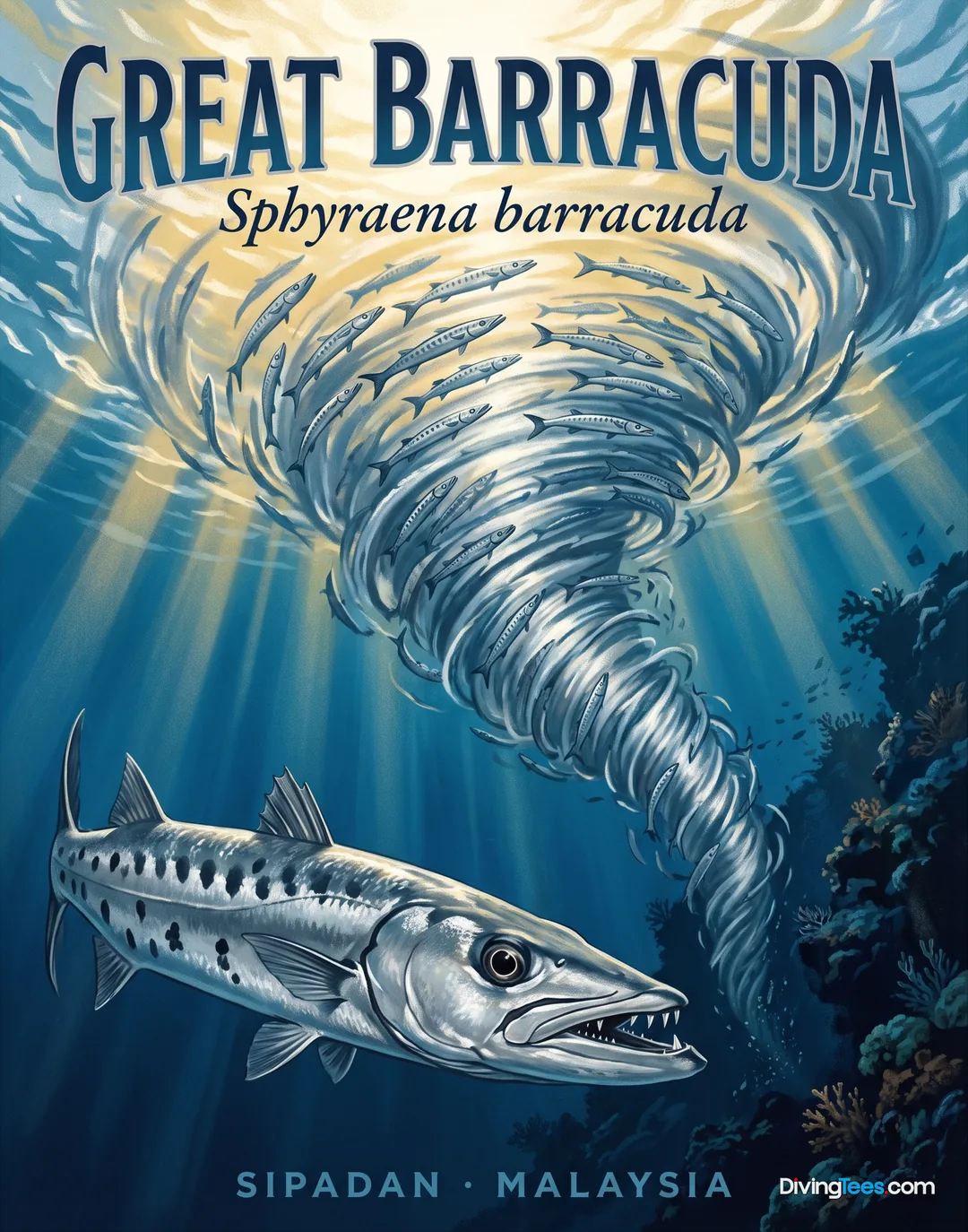
The water column above and beside the shelf is often active with rays and other large marine life. Eagle rays and manta rays are known to glide through the area, taking advantage of the currents to move efficiently. You may also see schools of jackfish, barracuda, and tuna passing by in the deeper water adjacent to the drop-off. The sheer volume of water moving through this section of the reef supports a high density of life, from the smallest reef fish to the largest oceanic predators. This constant movement defines the character of the site.
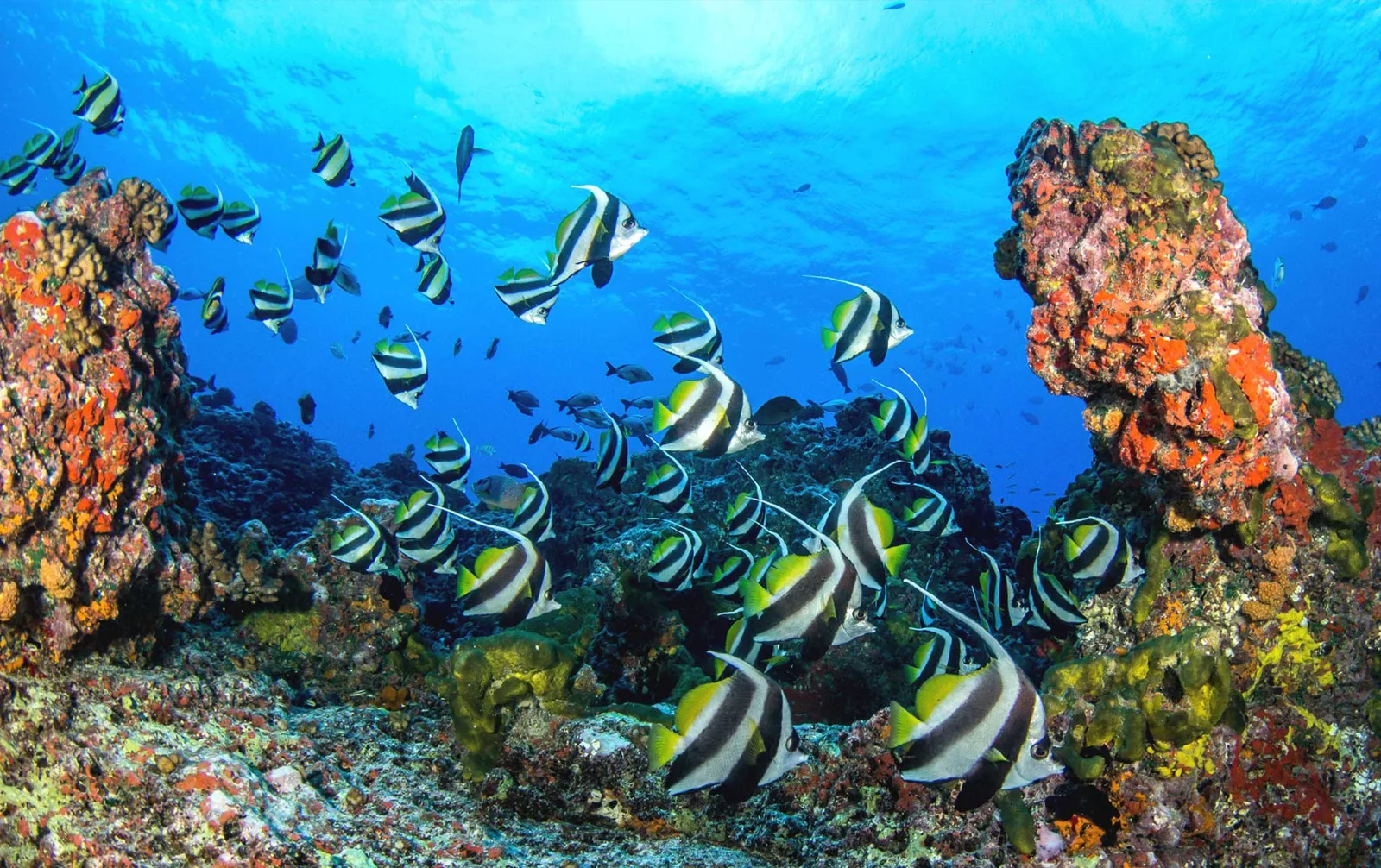
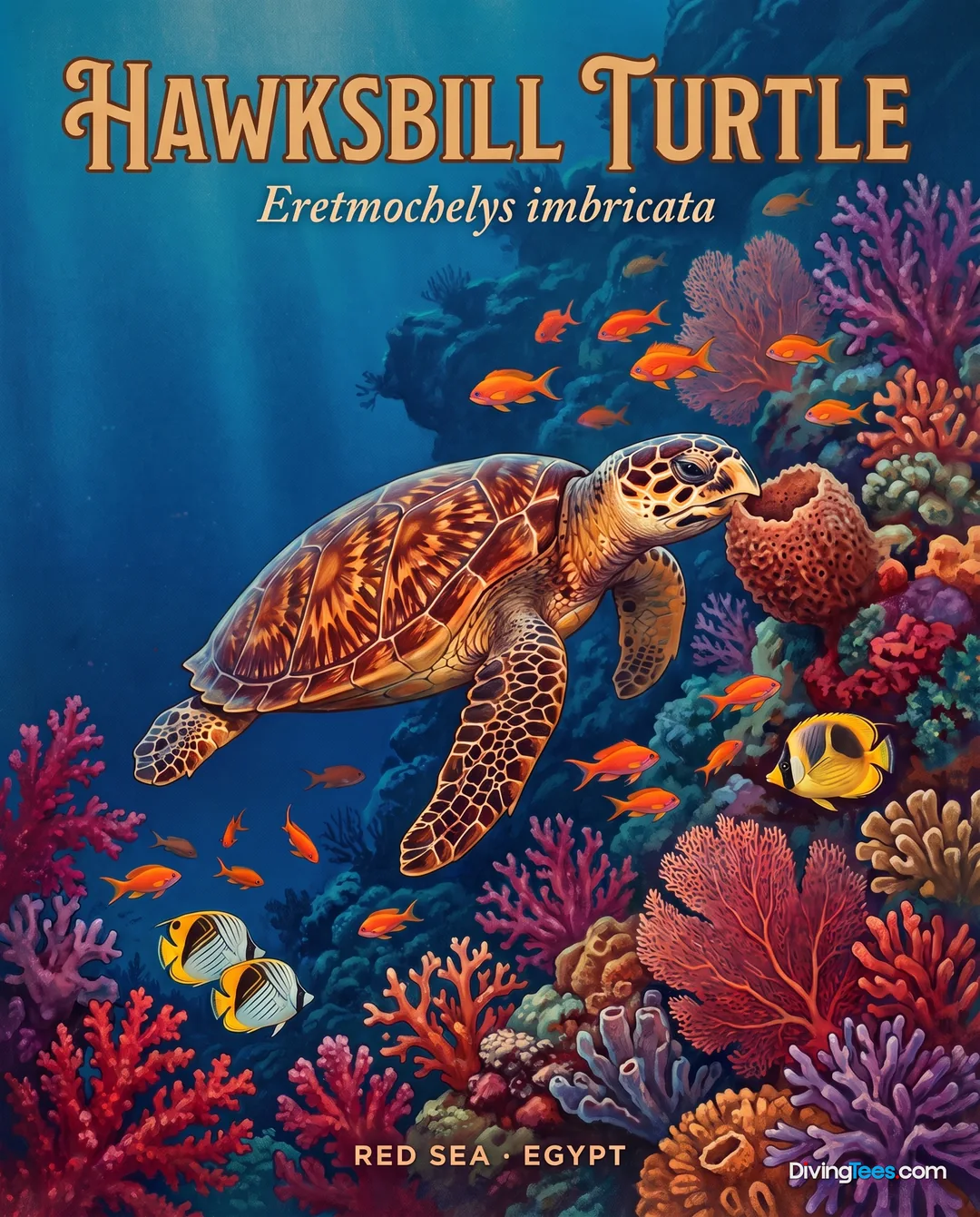
The reef itself is populated by a diverse range of resident species that occupy specific niches on the plateau. Surgeonfish, snapper, and various species of wrasse are common throughout the coral structures. You might also spot hawksbill or green sea turtles resting on the reef or moving slowly through the current. The presence of smaller fish like soldierfish and snapper in the crevices adds to the complexity of the reef life. These resident species benefit from the protection offered by the coral formations and the steady supply of food brought by the tides.
Visibility at the Giant Wrasses Shelf is typically high, ranging between 25 and 40 metres, which allows for long-distance viewing of the passing pelagics. This clarity is essential for spotting sharks or hammerheads before they move out of range in the blue. The light penetration at the 18 to 26 metre depth range is sufficient to clearly see the colours of the coral and the details of the larger marine animals. This combination of high visibility and consistent depth makes the shelf an ideal location for observing the interaction between reef and oceanic species.
The site is an advanced level drift dive, requiring divers to be comfortable with strong currents and blue-water ascents; a significant amount of logged experience is recommended. Depths range from 18 to 26 metres with visibility typically between 25 and 40 metres. Currents are strong and driven by the tidal exchanges of the Rangiroa passes.
Giant Wrasses Shelf is an advanced drift dive for divers comfortable with strong currents and blue-water ascents. A significant amount of logged experience is recommended. You will follow the reef shelf while drifting near the tidal passes, so steady navigation and confidence in moving water are important.
Giant Wrasses Shelf levels out between 18 and 26 metres on a relatively even reef plateau. The profile is fairly consistent, allowing you to maintain a stable depth while drifting. Hard-coral structures, sandy patches, faults, and small canyons shape the shelf and provide occasional shelter from the moving water.
At Giant Wrasses Shelf, strong currents are driven by the tidal exchanges of Rangiroa’s passes. You typically enter outside or at the mouth of a pass and drift along the shelf. Coral heads, sandy areas, faults, and small canyons create intermittent pockets of calmer water within the larger flow.
At Giant Wrasses Shelf, you can regularly encounter large humphead wrasse, along with grey reef and whitetip sharks. Great hammerhead sharks may pass through, while eagle rays and manta rays glide in the current. You may also see jackfish, barracuda, tuna, turtles, surgeonfish, snapper, and other reef life.