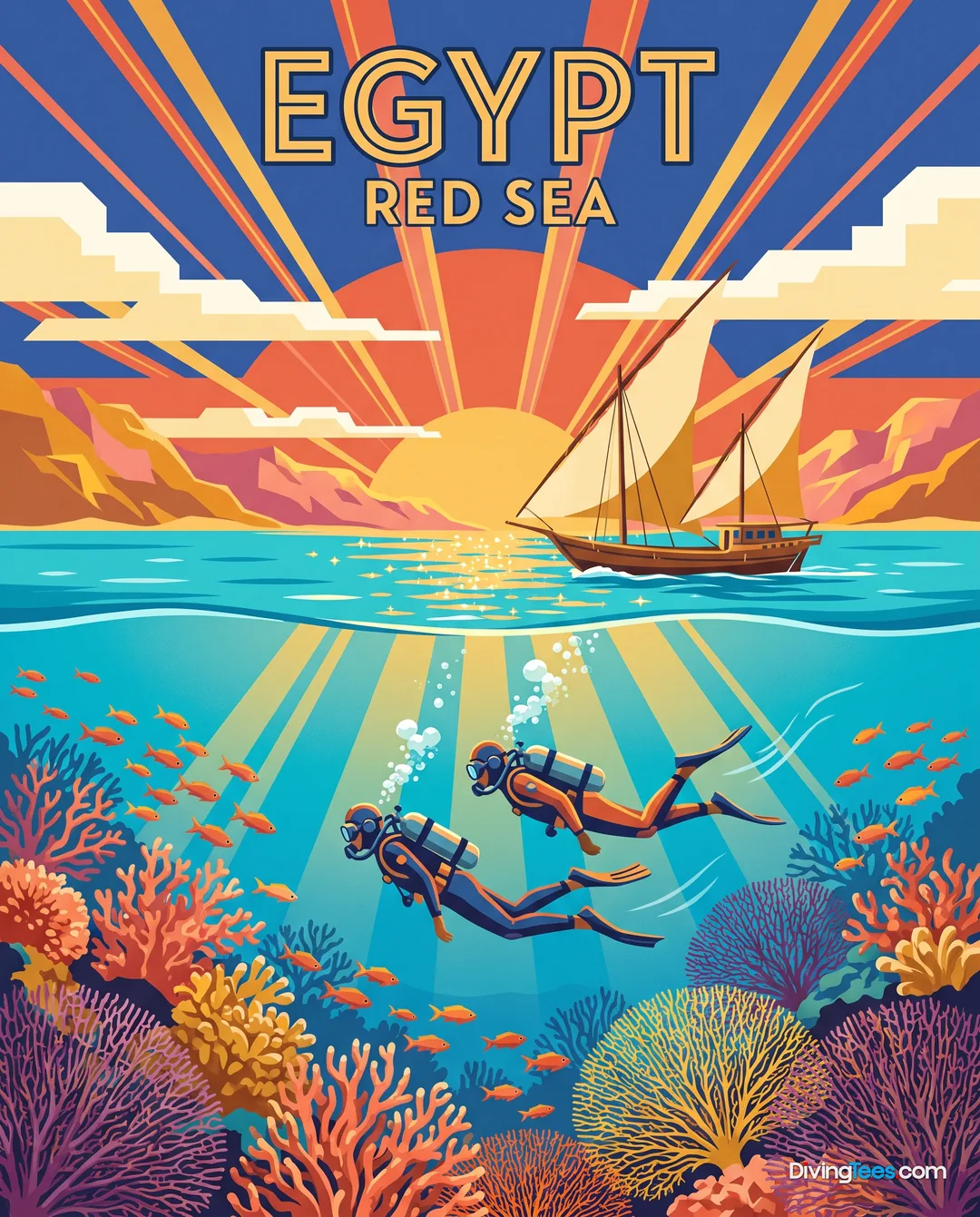
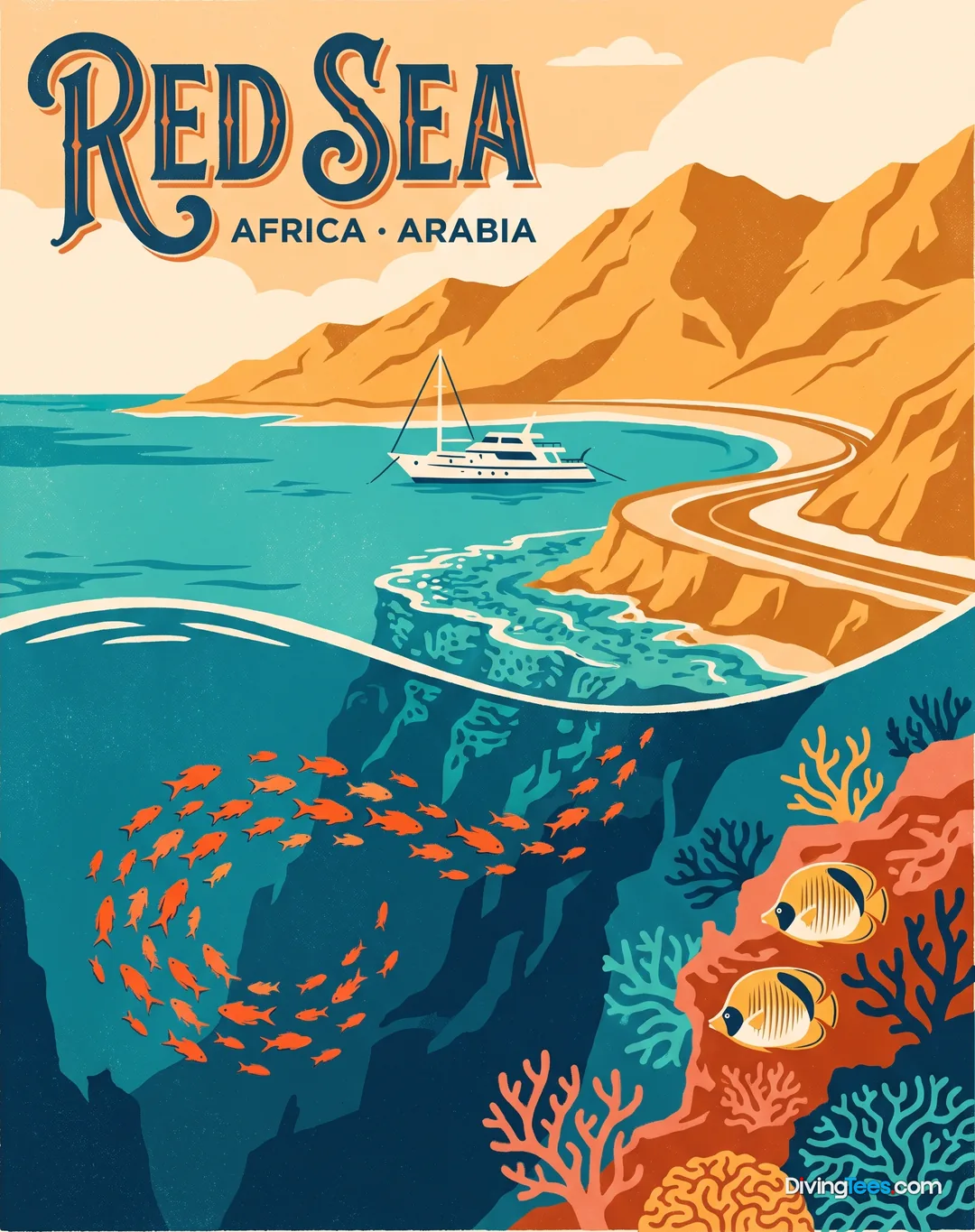
Liveaboards · Egypt
Galaxy 720 — a spacious Red Sea dive boat built for serious reef routes
What makes this boat unique
- Galaxy 720 is a 42-metre wooden liveaboard, built in 2009 and renovated in 2015, with space for up to 26 passengers.
- The dive setup includes a dedicated dive deck, two 5-metre tenders with 40 HP Yamaha engines, compressors and membrane nitrox up to 32%.
- The standard diving package includes 12-litre tanks, weights, guides and nitrox at 27–30%; 15-litre tanks and other equipment cost extra.
- Brothers–Daedalus–Elphinstone departures run from Hurghada to Hurghada over 8 days and 7 nights, with other routes available for groups and charters.
- A minimum of 50 logged dives and AOWD or equivalent certification are required.
For subtitles in English: start the video firstthen click the gearat the top right of the video, select “Subtitles/CC”, then “Auto-translate” and choose “English”.
The invitation
Galaxy 720 suits divers who come to Egypt for demanding walls, open-water encounters and long days below the surface rather than a resort-style holiday with occasional diving. The boat combines a roomy wooden hull with a dive operation designed around remote Red Sea sites, including the Brothers and Elphinstone. Its strongest reason to choose it is the range: a single trip can move from shark country and steep coral walls to wrecks, caves, sandy slopes and shallow gardens. The boat is not aimed at technical diving, and equipment rental is not included, so divers should arrive with their own setup or arrange what they need in advance. For an experienced recreational diver carrying the right kit, Galaxy 720 offers a straightforward week built around the water.
Boarding
From the dock, Galaxy 720 presents as a substantial wooden liveaboard rather than a compact yacht. The 2015 renovation matters here: the boat has the infrastructure of a working safari vessel, but the public areas are arranged for people to spend real time aboard between dives. Inside, a large air-conditioned saloon leads to a bar and indoor seating, while the dining area faces the sea. Above, the sun deck provides loungers, shade and an outdoor grill and dining area. The movement of the boat is practical: cabins below and above, dry indoor spaces for rest, and the dive deck kept separate from the saloon. The engine details are less important than the result for a diver—the boat has enough room to avoid turning every return from the water into a queue. Galaxy 720 can also take private groups and charters.
The atmosphere on board
Galaxy 720 is run as a working dive boat with an English-speaking crew and a family-owned operation behind it. That shows most clearly in the way the week is organised around the dive deck: guides, tenders and support crew keep the wet work there, while the saloon remains a dry place for meals and rest. The group usually forms quickly because the boat has shared spaces rather than isolated resort rooms. Divers meet over tanks, cameras, coffee and the first discussion of what the blue produced. In the evening, the upper-deck bar and saloon become the natural meeting points; a strong shark encounter or a difficult current does not stay private for long. The crew’s role is practical and visible—getting people to the reef, helping them return, and keeping the boat usable after several entries in one day.
The sites you’ll dive
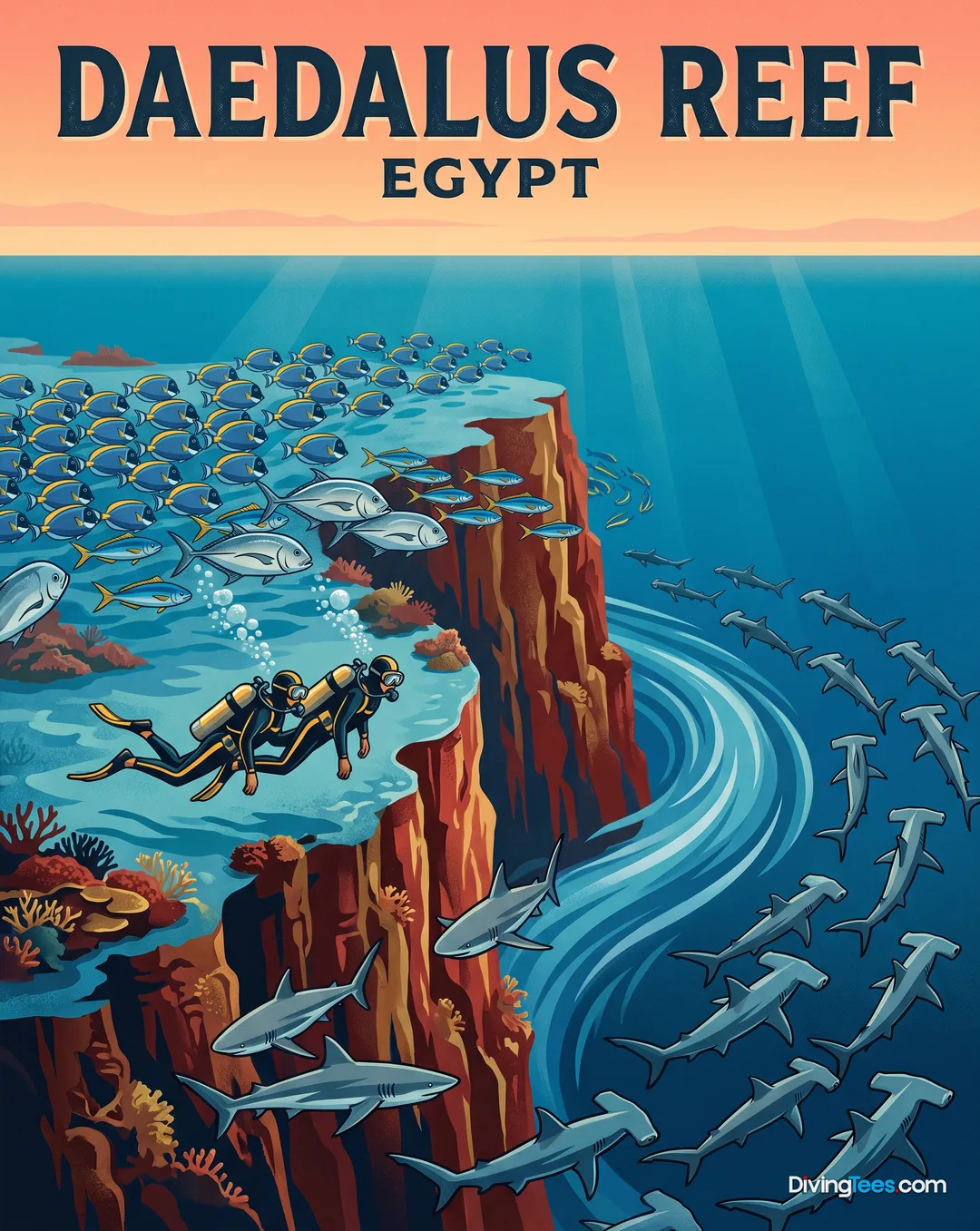
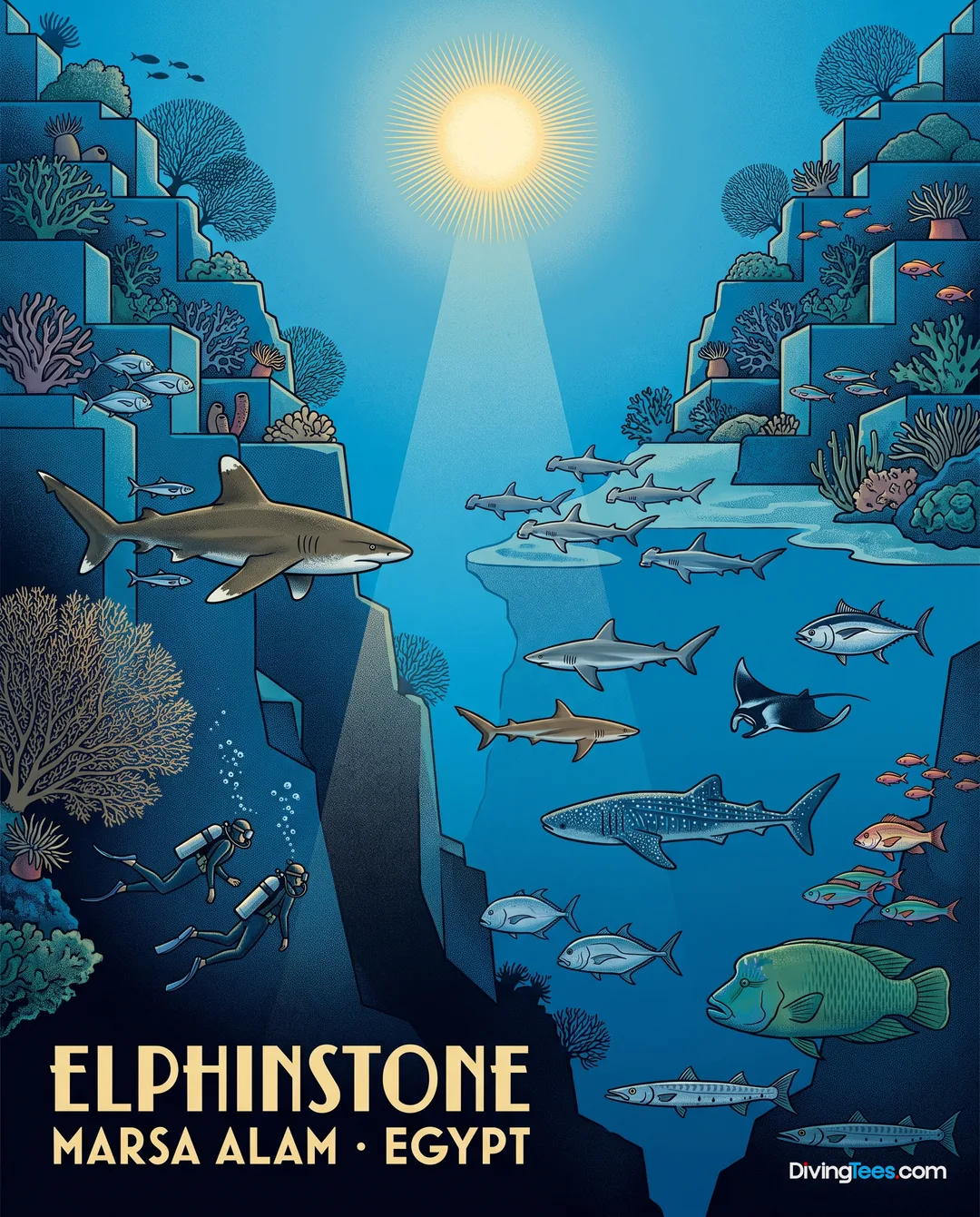
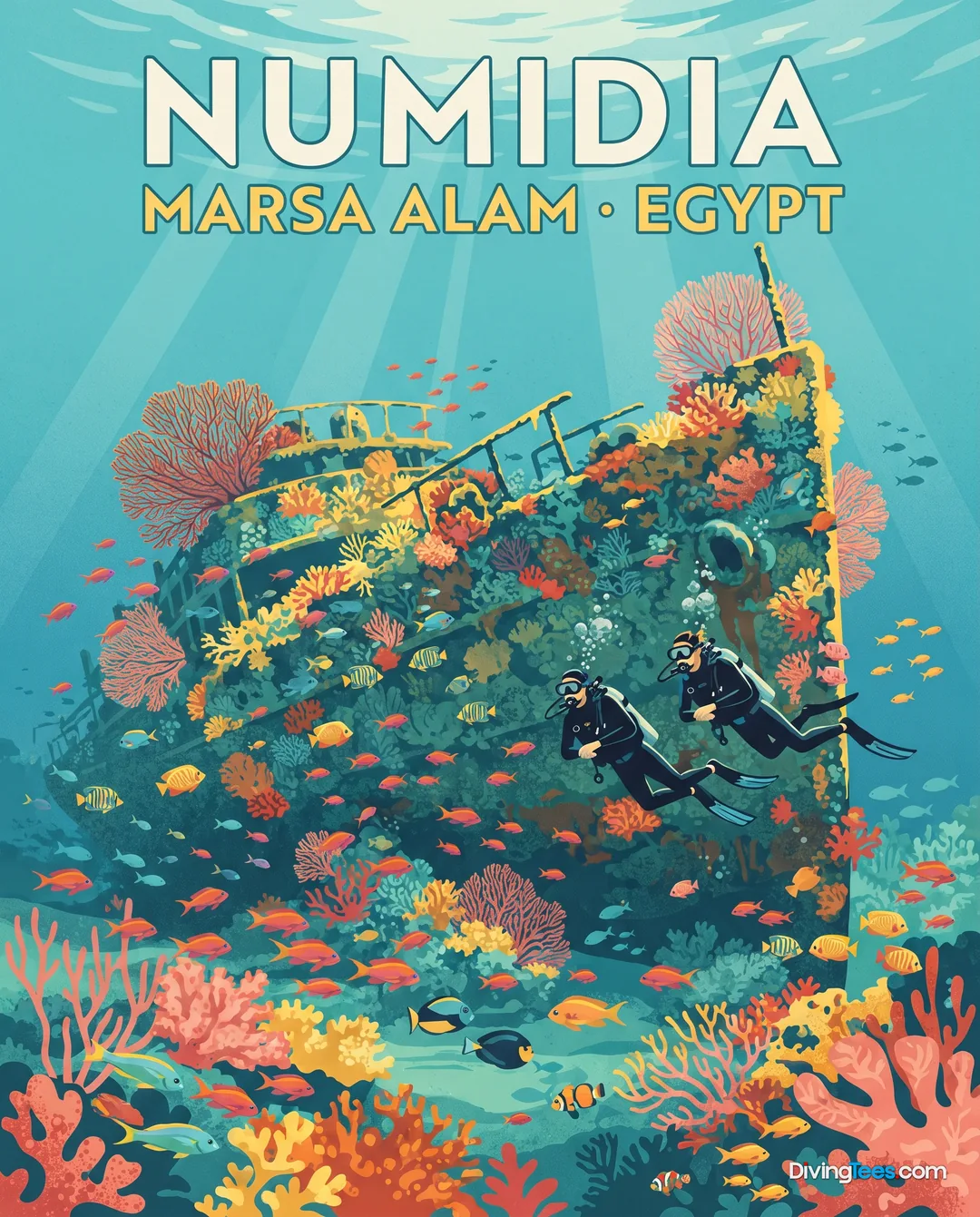
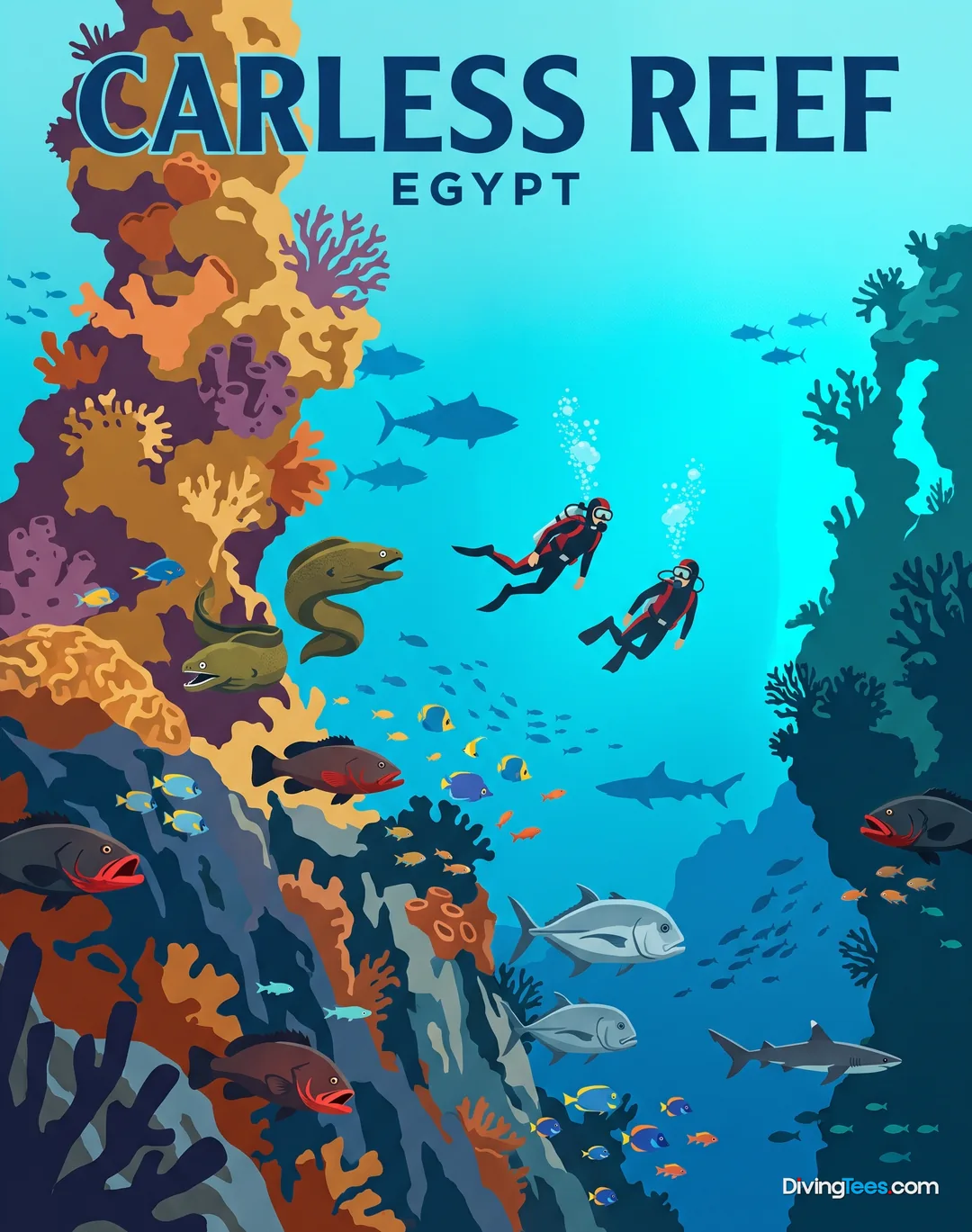
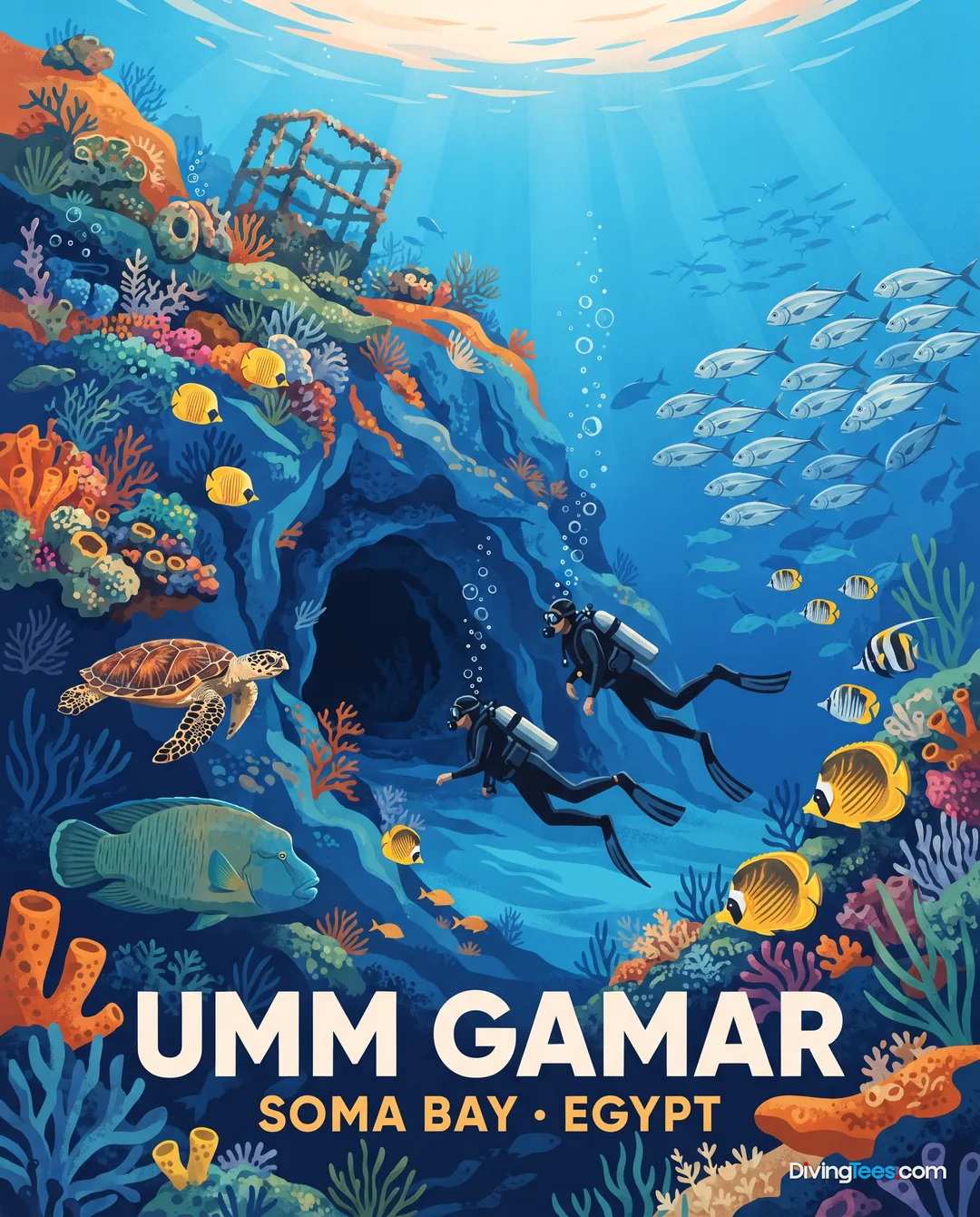
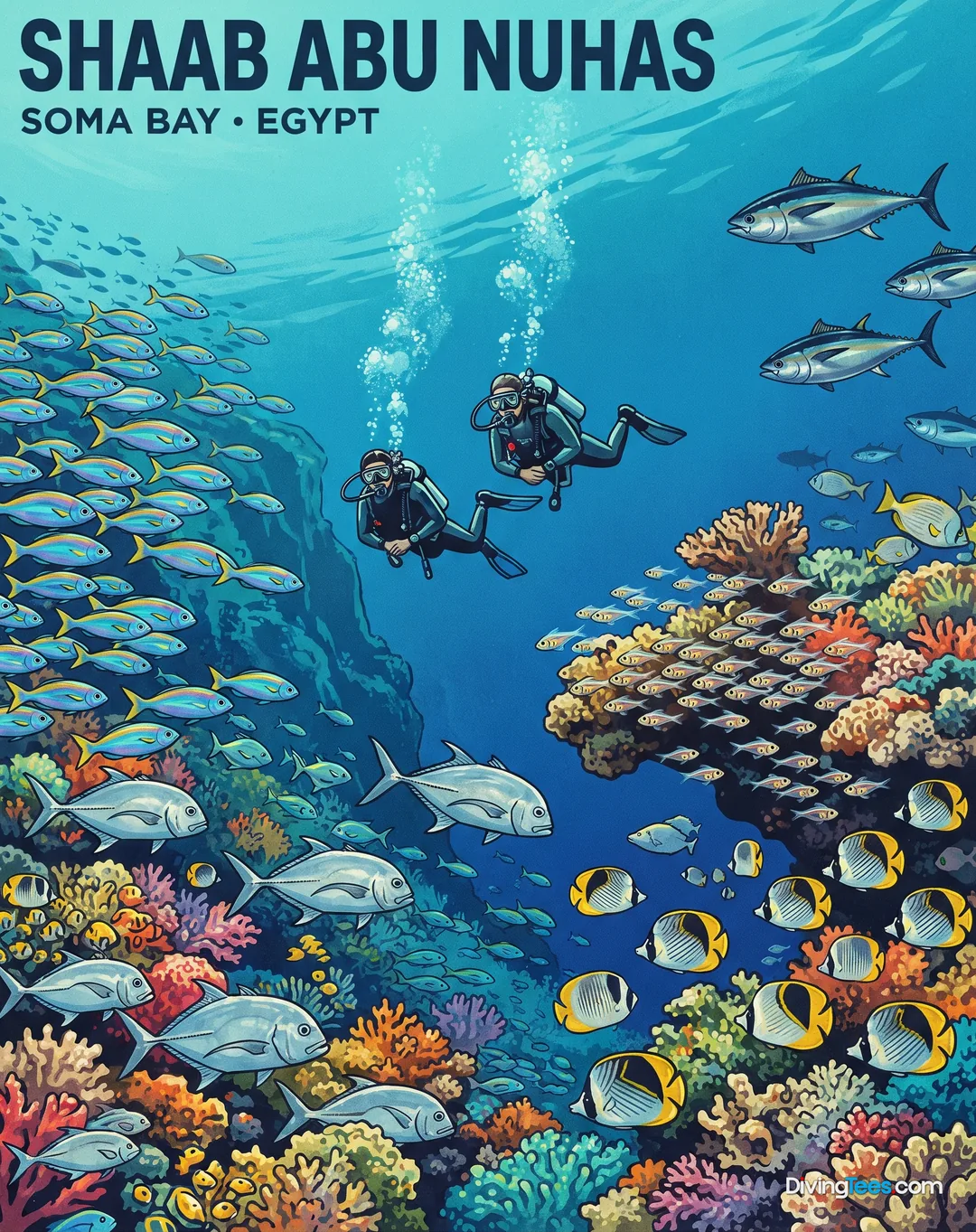
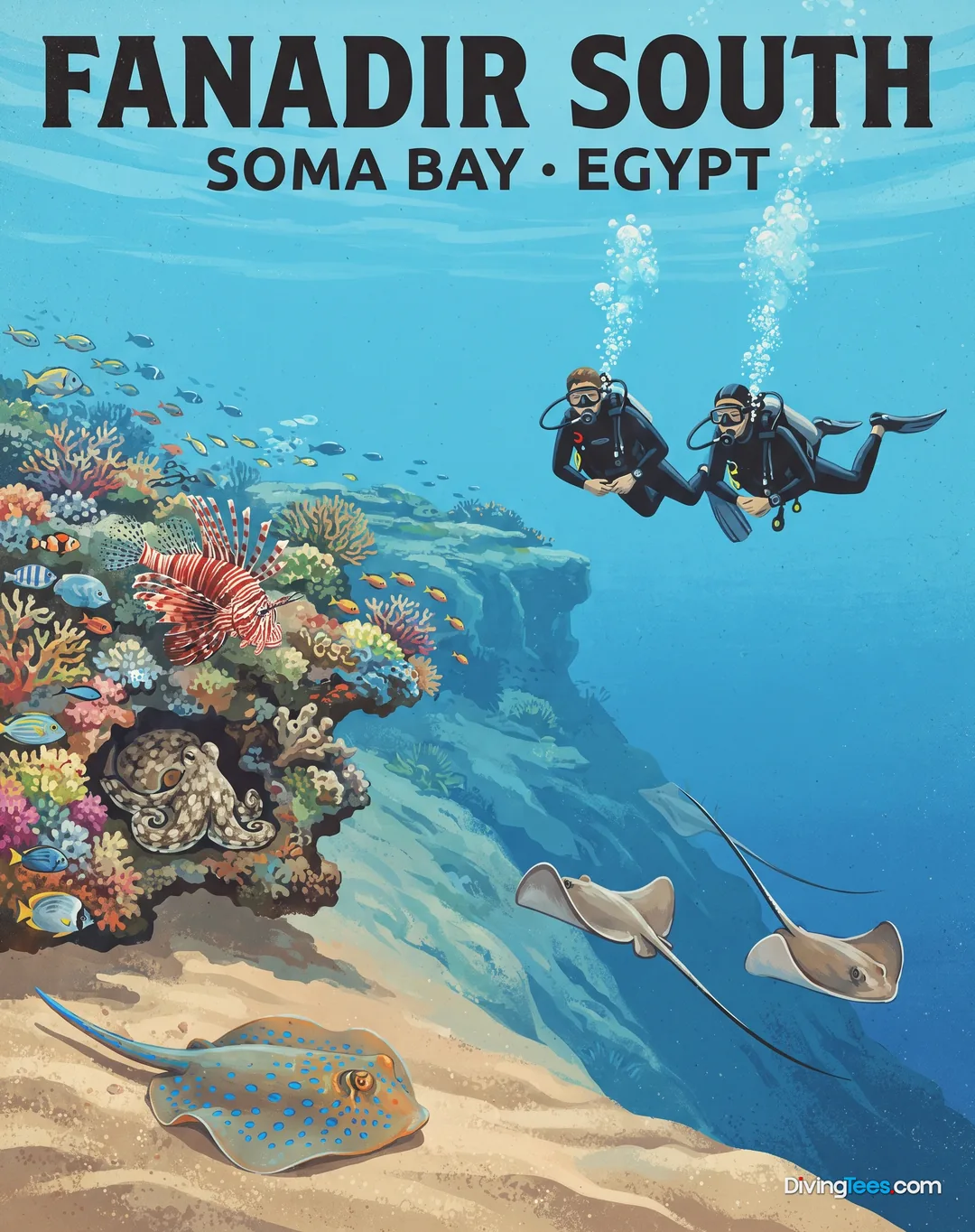
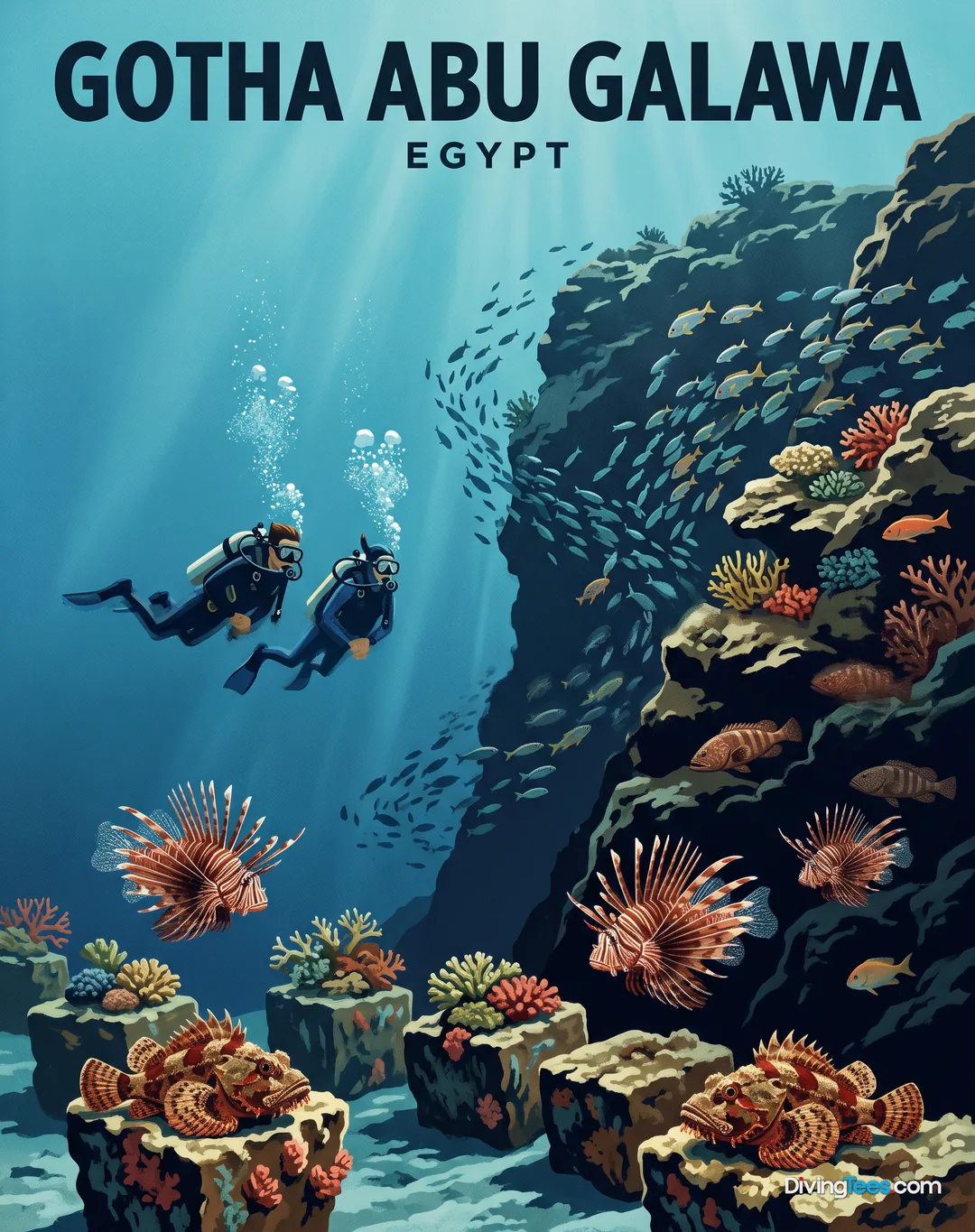
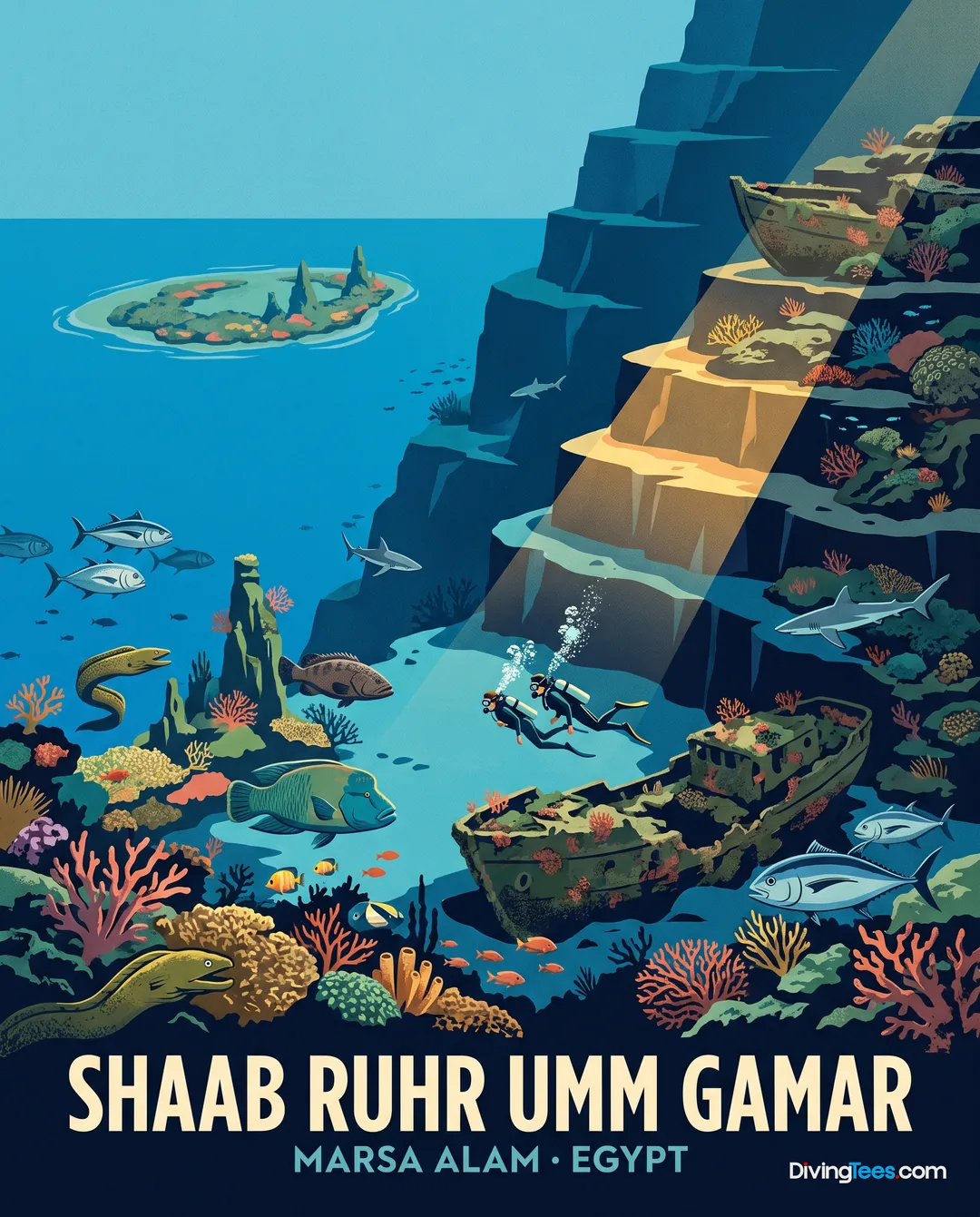
The recorded Brothers–Daedalus–Elphinstone route leaves from Hurghada and returns to Hurghada after 8 days and 7 nights. Brothers is the major draw: isolated oceanic reefs, walls, wrecks and pelagic possibilities, with the Numidia reaching down to -80m and the Brothers route itself listed to -85m. Elphinstone drops along dramatic walls to -60m, where oceanic whitetips, hammerheads, grey and silky sharks, whale sharks and manta rays may pass in the blue. Other recorded sites show the range available on Red Sea routes. At Carless Reef, giant morays can leave their holes and swim in open water above a reef dropping to -40m. Umm Gamar reaches -30m and has a cave at 28m, with the remains of Hans Hass’s shark cage. Shaab Abu Nuhas combines coral gardens and a drop-off to -30m. Fanadir South and North reach -30m, while Gotha Abu Galawa moves from a hard-coral lagoon to wall and sand, with notable night dives. Shaab Ruhr Umm Gamar reaches -40m and combines fish-filled reef, pinnacles and at least three wreck remains. Numidia and other sites depend on the chosen itinerary and conditions.
Itineraries, dates and prices
Prices per person. Each month shows its lowest price: click a month, or pick an itinerary.
Next departures · 1 departurefrom £1,005$1,343€1,200
October 2026
See dates and prices
If you click these links and make a purchase on the partner site, DivingDeal may earn a commission, at no extra cost to you.
Dates and prices taken from Divebooker, updated 25 October 2026
What you’ll meet underwater
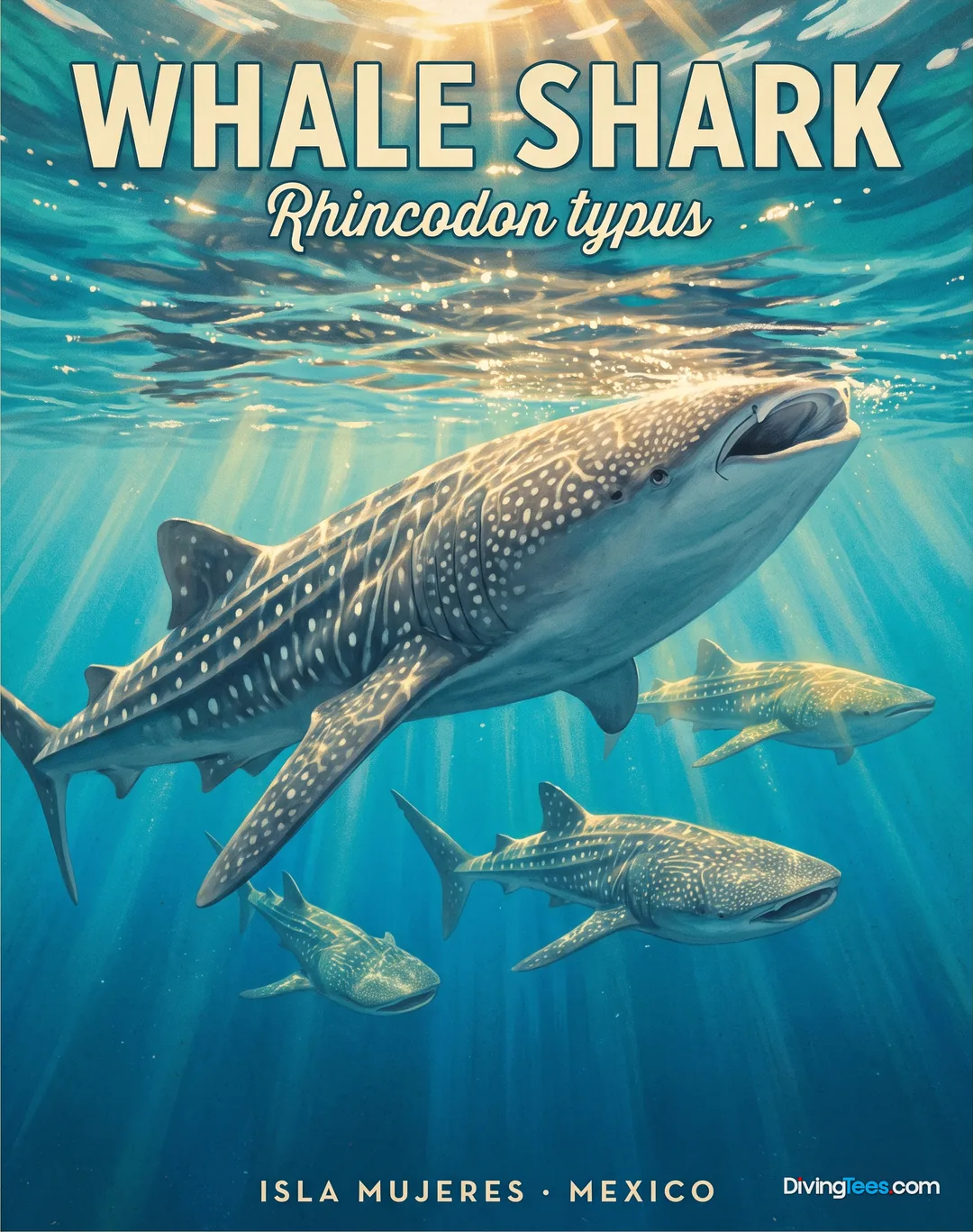
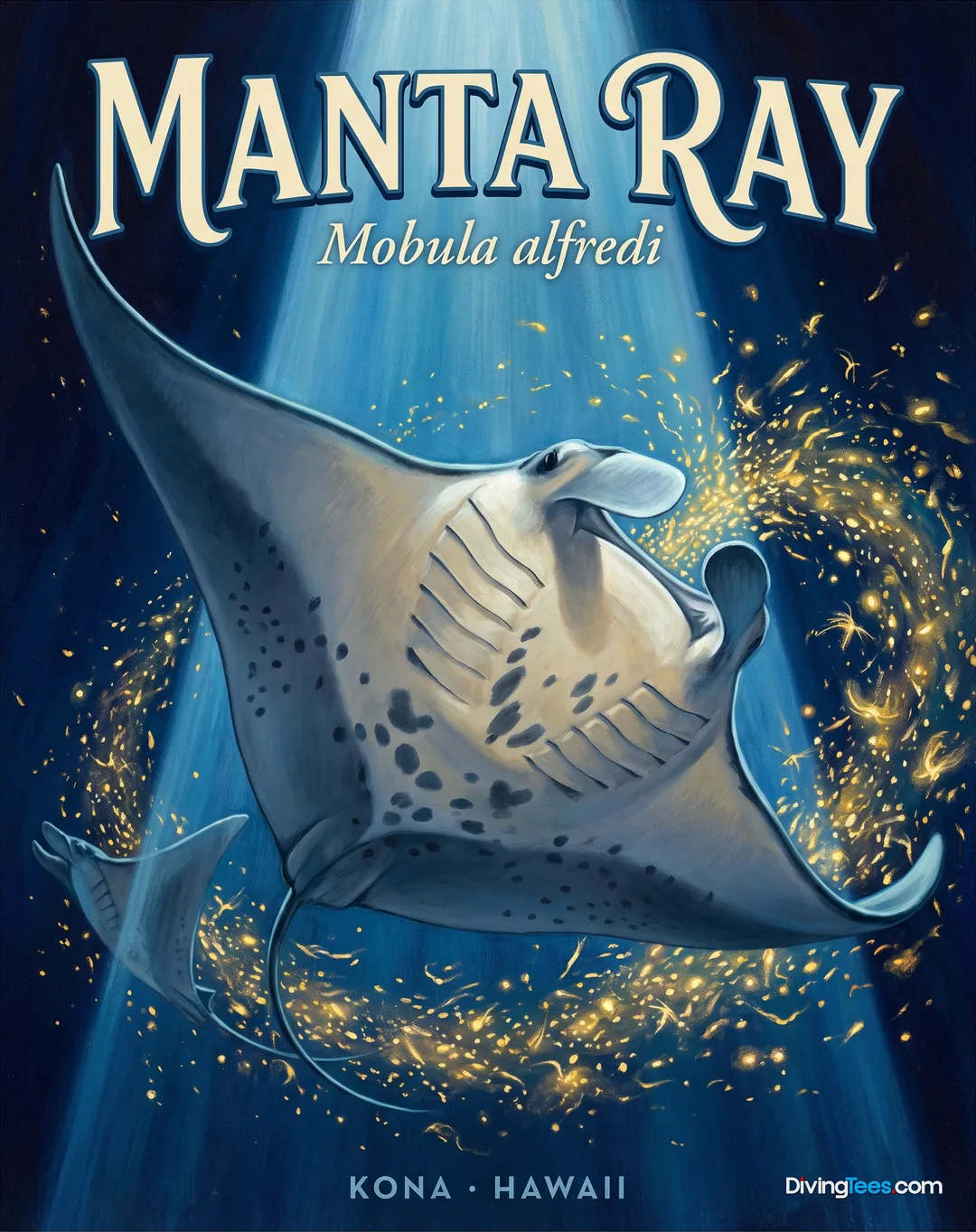
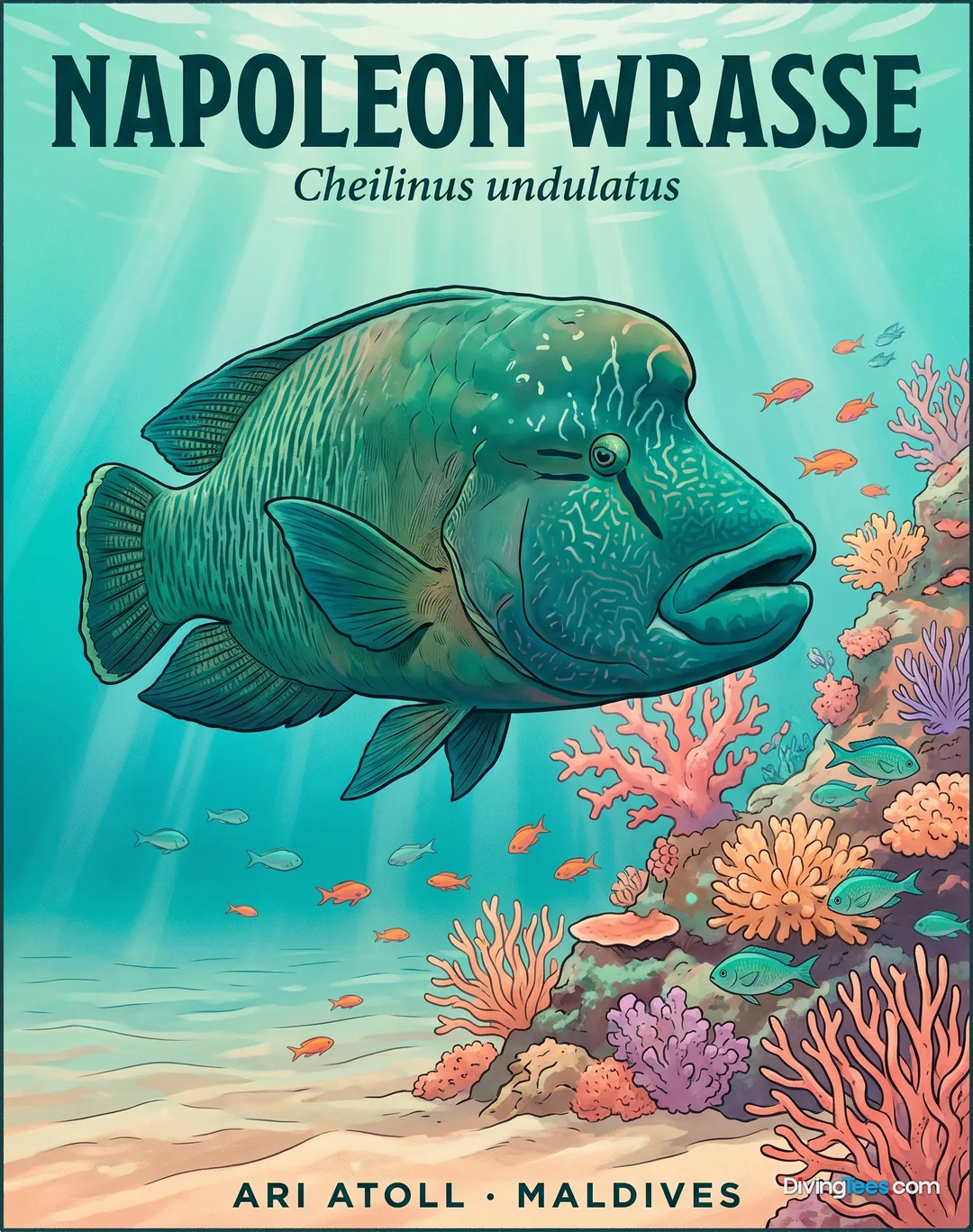
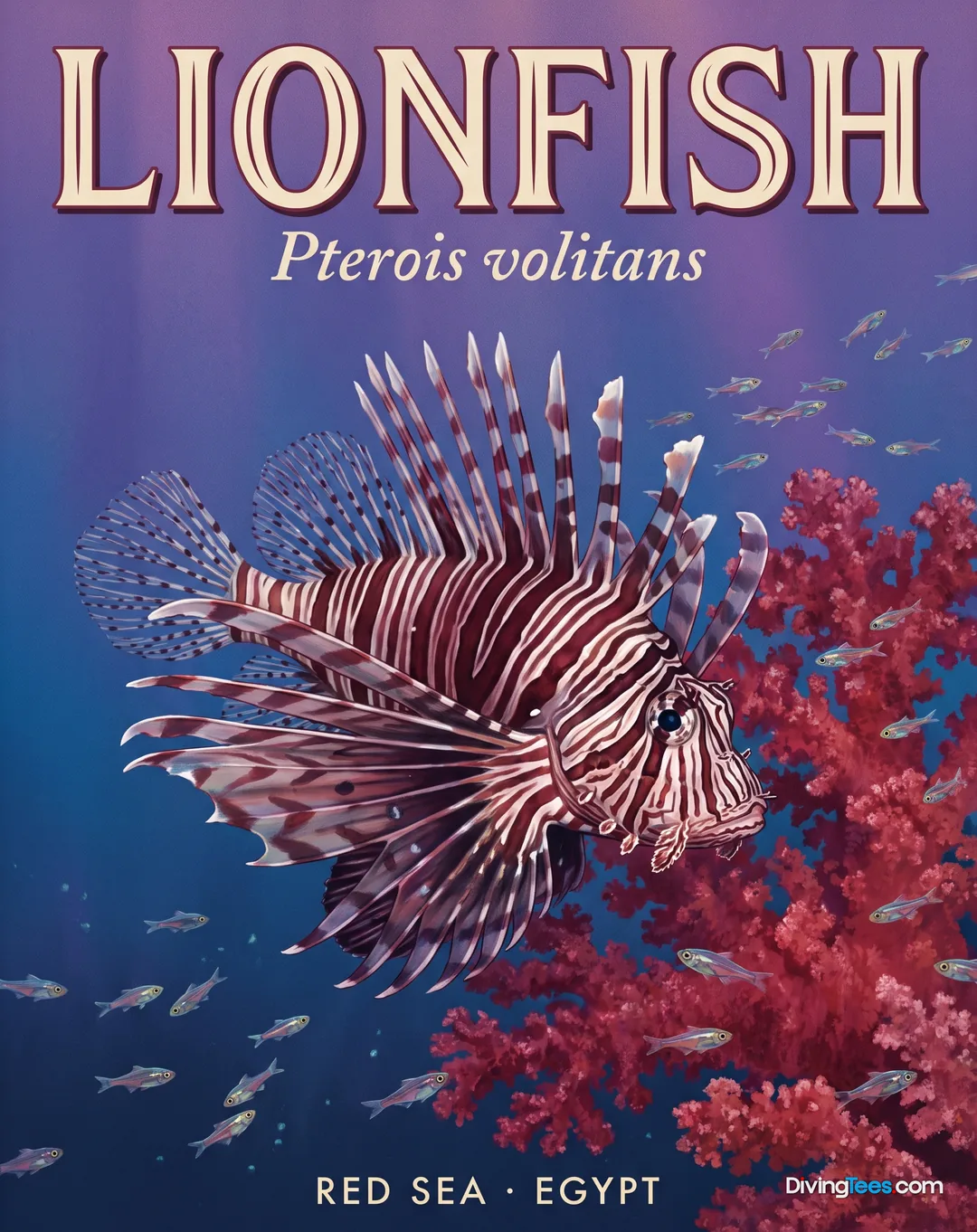
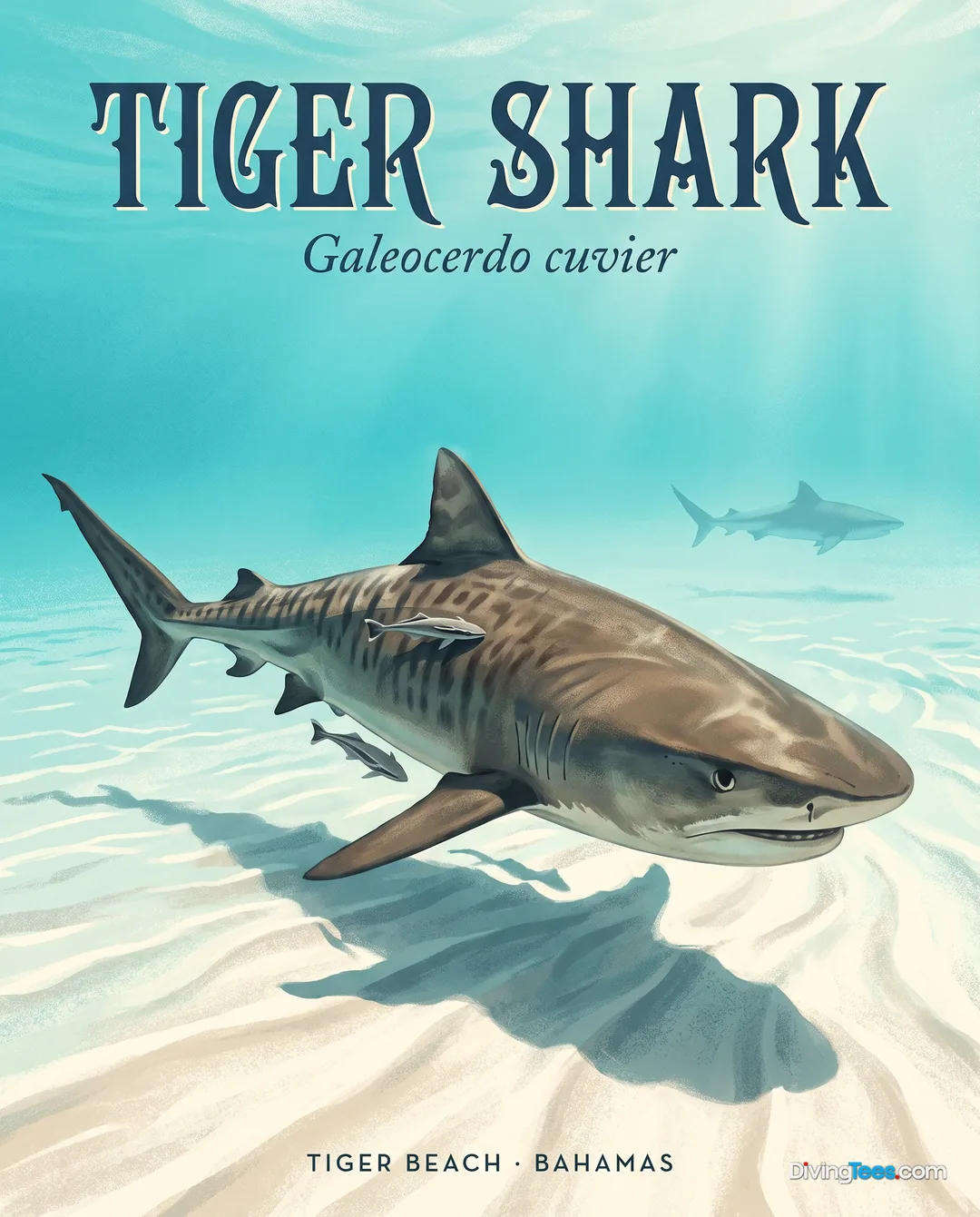
The common Red Sea cast is already strong: morays, reef sharks, tuna, jacks, Napoleon wrasse, groupers, scorpionfish, lionfish, anthias, soft corals and gaterins appear across several sites on this route. The setting changes what the animals are doing. On a wall or exposed reef, tuna, jacks and reef sharks use the blue; in cavities and coral gardens, morays, lionfish and smaller reef fish hold the diver’s attention. Some encounters are tied to one particular site. Elphinstone is the place in these records for blacktip reef sharks, tiger sharks and giant trevally, as well as oceanic whitetips and hammerheads. Brothers is the only recorded site for eagle rays and anemones. Shaab Ruhr Umm Gamar is the specific site for grouper and giant grouper. Shaab Abu Nuhas is where glassfish, butterflyfish and parrotfish are recorded, while Fanadir North offers trumpetfish. At El Fanadir, a cleaning station and a frogfish give the dive a different scale.
Who puts you in the water
The guides speak English and accompany the dives from the tenders and the main deck. The entry standard is at least 50 logged dives and AOWD or equivalent certification, suited to the Brothers route and other challenging Red Sea sites. Scuba courses, a private guide and nitrox training can be arranged as paid extras. Safety equipment includes life vests, emergency rafts, first-aid equipment and an ENOS satellite location and rescue system; emergency oxygen is carried in a 50-litre cylinder. Dive planning remains subject to the captain and guides, weather and site conditions. Each diver is expected to manage their own equipment, buoyancy and surface signalling, including an SMB, rather than relying on a beginner-training setup.
The dive deck and the gear
The dive deck is the centre of Galaxy 720. Two 5-metre diving tenders, each powered by a 40 HP Yamaha engine, carry divers between the boat and the reef, while the deck provides compressors, rinse facilities, hot-water showers and charging points. Divers return to the platform rather than climbing directly into the main living areas, keeping wet equipment and saltwater out of the cabins and saloon. The standard cylinder is 12 litres and is included; 15-litre tanks are available as an extra. Nitrox is produced through a membrane system that reaches 32%, with 27–30% nitrox included in the standard package. Nitrox courses and other gases are extra. Equipment rental is not part of the normal setup, so divers should bring their own BCD, regulator, computer, exposure suit, light and fins or arrange them before boarding.
Between dives
Between dives, Galaxy 720 gives people several ways to disappear for an hour. The air-conditioned saloon has sofas, a bar, audio and video entertainment, and large sea-facing windows. Outside, the upper deck offers loungers and shaded space; the sky deck also has a grill and dining area for those who would rather stay in the sun or watch the wake. A return from the tender can therefore lead straight to a hot shower, a quiet corner indoors or a place under shade with a drink. The boat has no Wi-Fi, which changes the use of the gaps between dives: cameras are charged, meals are taken, briefings are discussed and the group watches the sea instead of waiting for a signal. When the vessel is underway, the open decks are the place to feel the distance between sites.
A day on board
A day aboard starts with the dive operation, not with a hotel breakfast at leisure. Divers wake, prepare equipment and attend the first briefing before moving through the dive deck and tenders to the reef. After the first entry, breakfast and snacks restore the group while cylinders are prepared again. Further dives follow as the boat moves or holds position, with meals placed between water time and the quieter hours. The order stays familiar even when the site changes: briefing, tender, descent, return, rinse, food, rest, then another entry. On routes that include Gotha Abu Galawa, the site is also known for exceptional night dives, adding a final underwater chapter after daylight has gone. Back aboard, the saloon or upper deck takes over from the dive deck. The next day begins the same way, with cameras, computers and tanks ready before the group is fully awake.
What you eat aboard
Meals are served buffet-style, with both Western and local food, and the galley keeps snacks available through the day. Hot and cold soft drinks, water and alcoholic drinks are available aboard; soft drinks and water are included, while alcoholic drinks are extra. The practical value of this arrangement becomes clear after a deep wall dive or a long tender ride: food does not depend on everyone returning to the table at one exact moment. Breakfast, later meals and snacks fill the spaces between dives, while the saloon and dining area give the group somewhere dry to sit with a plate in hand. The food is part of the working rhythm of the boat—fuel between entries, not a performance that distracts from the reason people boarded.
Nights at sea
The cabins are built for a week at sea, not a night beside an airport. The standard twin cabins have private bathrooms, individual air-conditioning and scuttles that can be opened for fresh air. They are offered on the lower and upper decks, while the suites use double beds; the larger Royal Suite adds two sofas, a separate walk-in shower and a television with DVD player. Upper-deck suites have larger windows, and towels and basic toiletries are provided. The useful detail is the separation between wet and dry life: diving equipment stays out of the cabins and saloon, so the places where people sleep and recover remain clear. At night, the air-conditioning gives the cabins their controlled, closed-in feel; opening the scuttles when conditions allow brings back the sea air. Bedding and bathroom towels are changed during the trip rather than after every night.
Twin Bed Cabin
Suite Cabin
Suite
What to know before boarding
The recorded Brothers–Daedalus–Elphinstone departures start and finish in Hurghada. Transfers from the airport to the boat’s Red Sea port can be arranged on request and are not included as standard. Because the boat’s departure depends on the route and port arrangements, arriving in Egypt the night before is the sensible choice. Other routes are arranged for groups and charters.
- Year built
- 2009
- Year renovated
- 2015
- Length
- 42 m
- Beam
- 9 m
- Maximum number of passengers
- 26
- Number of cabins
- 13
- Engines
- MTU
- Tenders
- 2 × 5 m (40 hp Yamaha)
Hello, I'm Marina, DivingDeal.com's AI assistant. I answer in detail about hotels, dive centres and liveaboards.
Thinking about the whole trip and the flights? Talk it over with Edith →
Marina is an AI. Some links are affiliate links: DivingDeal may earn a commission, at no extra cost to you. Bookings are made with the partner.