Liveaboards · Egypt
Seawolf Steel — a purpose-built Red Sea dive platform
What makes this boat unique
- A 48-metre steel liveaboard built in 2022 and renovated in 2025 for up to 30 divers.
- Certified divers receive Nitrox at no extra charge, and ENOS tracking is available for every diver.
- Two 40-hp Zodiacs handle drop-offs and pickups at remote reefs and current-swept walls.
- The boat runs 8-day, 7-night itineraries from Hurghada or Port Ghalib, depending on the route.
For subtitles in English: start the video firstthen click the gearat the top right of the video, select “Subtitles/CC”, then “Auto-translate” and choose “English”.
The invitation
Seawolf Steel suits divers who want the southern Red Sea without a boat that treats diving as an afterthought. The layout is built around repeated preparation, entries, exits and refills: two Zodiacs take divers to the reef, Nitrox is included for certified divers, and the ENOS system adds a practical layer of protection in open water. The route choices reach Elphinstone, Brothers, Daedalus, Zabargad and Rocky Island, where steep walls, current and pelagic encounters matter more than a polished hotel experience. It is a good match for certified, active divers with at least 50 logged dives and AOWD-level training. The point of boarding is simple: spend the week close to serious Red Sea diving, with the boat making the transitions between dives easier rather than turning them into a daily chore.
Boarding
The first impression is of a large, modern steel vessel with room to spread out rather than a compact safari boat where every movement crosses someone else's kit. Seawolf Steel was built in 2022 and renovated in 2025, so the boat's character is more functional and current than weathered or nostalgic. Inside, the air-conditioned salon and dining area give shelter when the sun or wind becomes tiring; outside, the open decks and sun deck take over between dives. Movement is straightforward: dive preparation leads to the tenders, then back to the deck, rinse tanks and storage. The machinery is substantial, with two main engines and a separate Cummins engine, but there is no claim here about which cabins sit above it. What matters on arrival is the scale: 30 divers can board without the boat feeling like a small yacht forced to carry a full safari.
The atmosphere on board
Seawolf Steel has the feel of a working dive boat whose crew is judged by what happens between the headline sites. Guests describe the welcome as easy, the crew as attentive and supportive, and the organisation as calm rather than showy. That matters after a current-heavy entry, when a Zodiac pickup, a tank change and a meal need to happen without confusion. English and German are spoken on board. In the evening, the boat's air-conditioned salon, bar and open decks give the group somewhere to sit together after the last dive, while the DVD and music systems offer a quieter option. The strongest reason to choose this boat is the combination of a modern, spacious platform and a crew that appears to understand the unglamorous parts of safari life: moving kit, feeding tired divers and keeping the day running.
The sites you’ll dive
The route list covers North & Strait of Tiran, Northern Wrecks, Marine Parks North, Marine Parks South and Deep South/St. Johns, all recorded as 8 days and 7 nights. The exact sites depend on the departure: Hurghada routes can reach Elphinstone, Brothers, Carless Reef, Umm Gamar, Shaab Abu Nuhas and the Straits of Gubal, while Port Ghalib routes include Zabargad, Rocky Island and the southern reefs. Elphinstone drops to -60m, with steep walls, gorgonian gardens and possible oceanic whitetips or hammerheads. Brothers reaches -85m and combines isolated walls with pelagic encounters. Carless Reef reaches -40m, where giant morays may swim free in the blue; Umm Gamar reaches -30m and has a cave at 28m beside the remains of Hans Hass's shark cage. The shallower sites have their own rewards: Gotha Abu Galawa reaches -35m and is noted for night diving, while Fanadir North and South reach -30m. Gotha Abu Nugar South and North stay at -9m, useful coral-garden dives when conditions or profiles call for less depth.
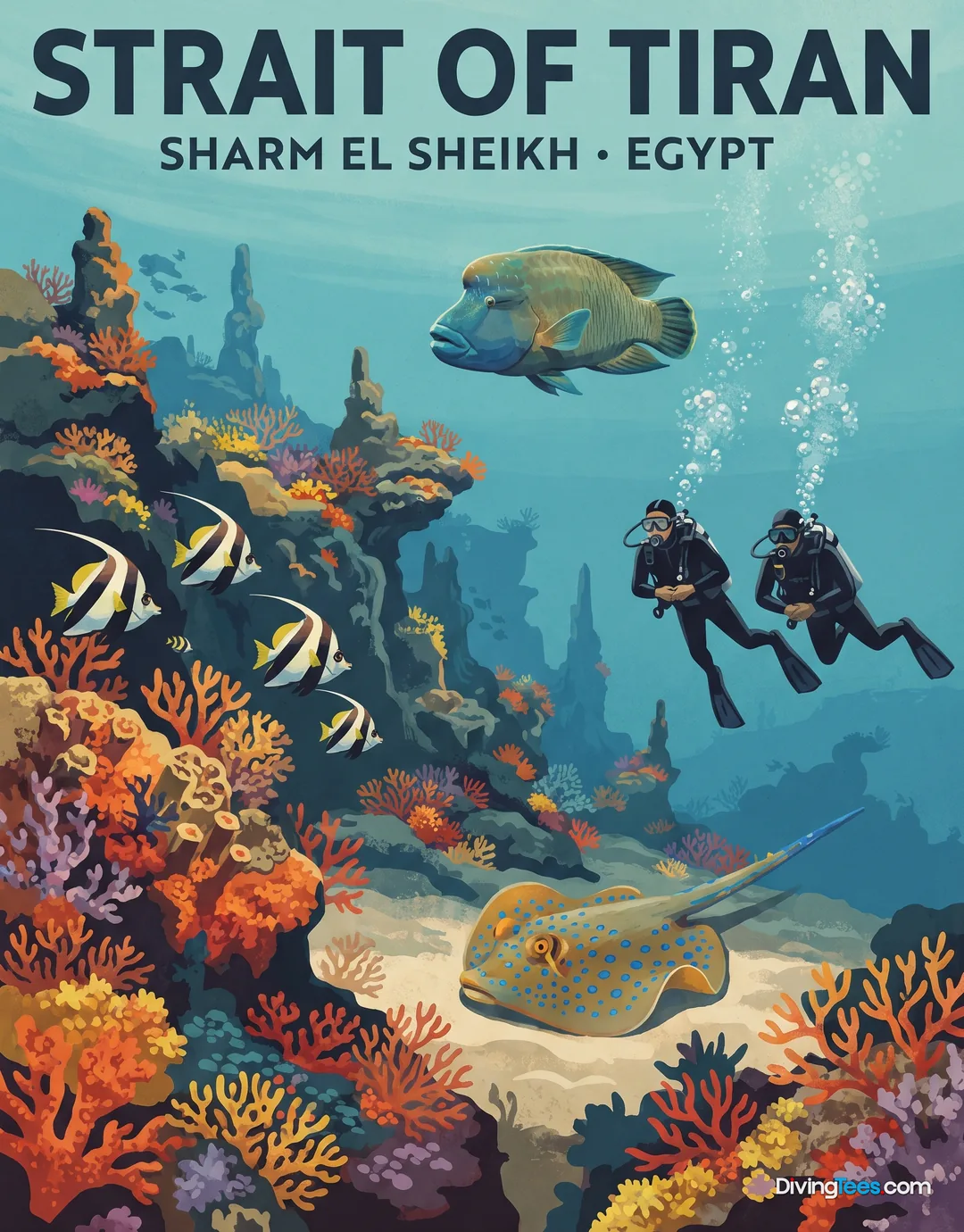
Strait of Tiran →
Max. depth · 40 m
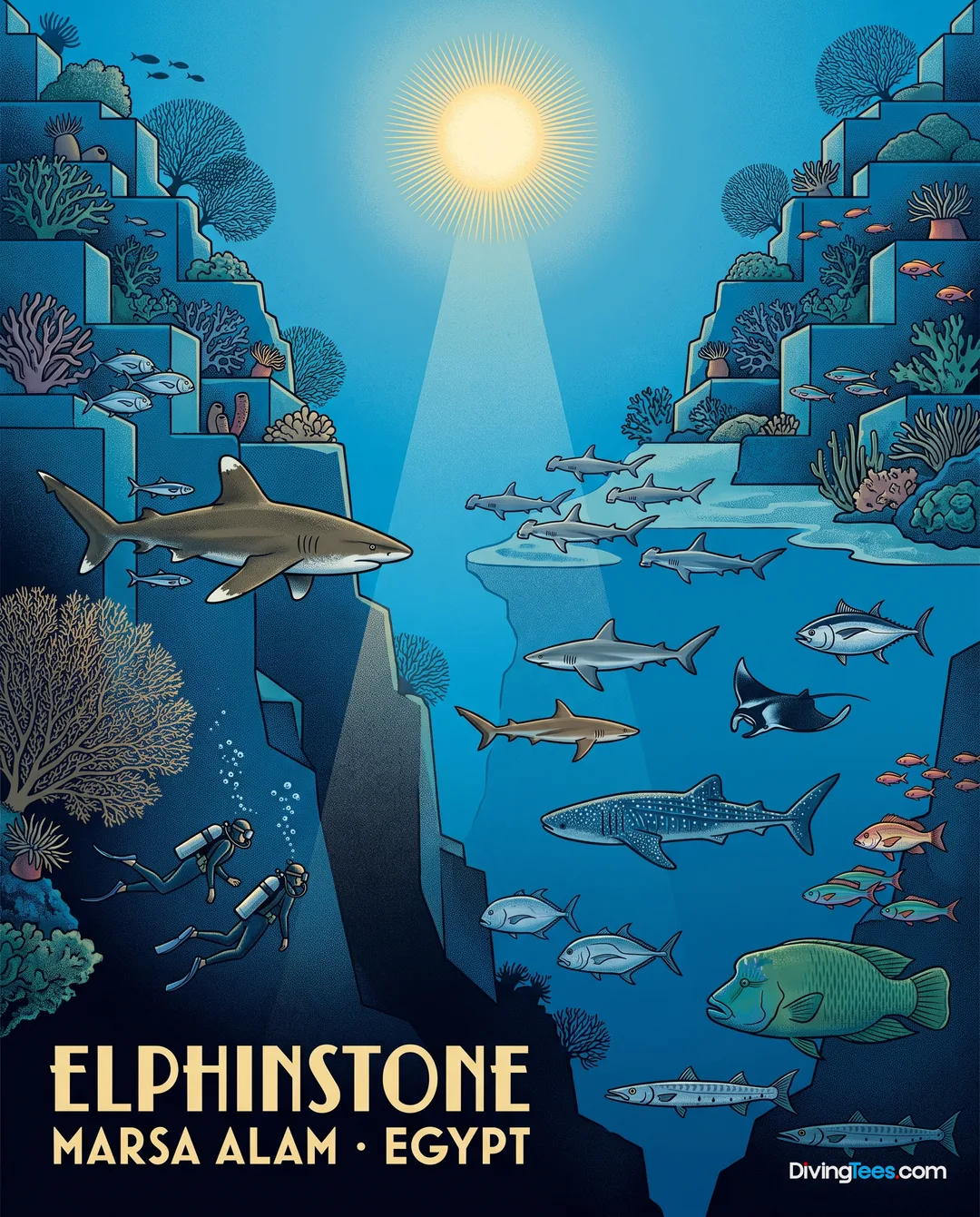
Elphinstone →
Max. depth · 60 m
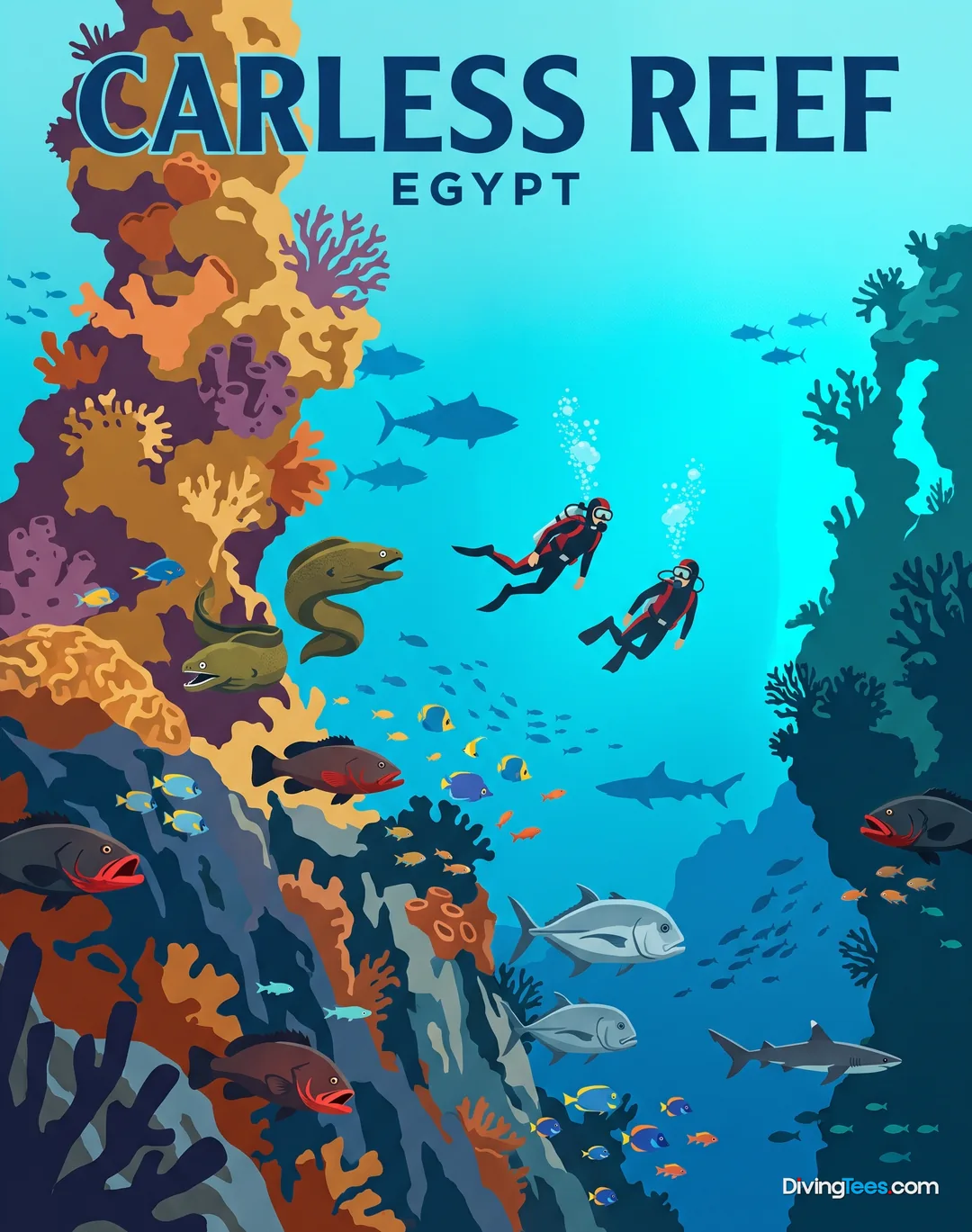
Carless Reef →
Max. depth · 40 m
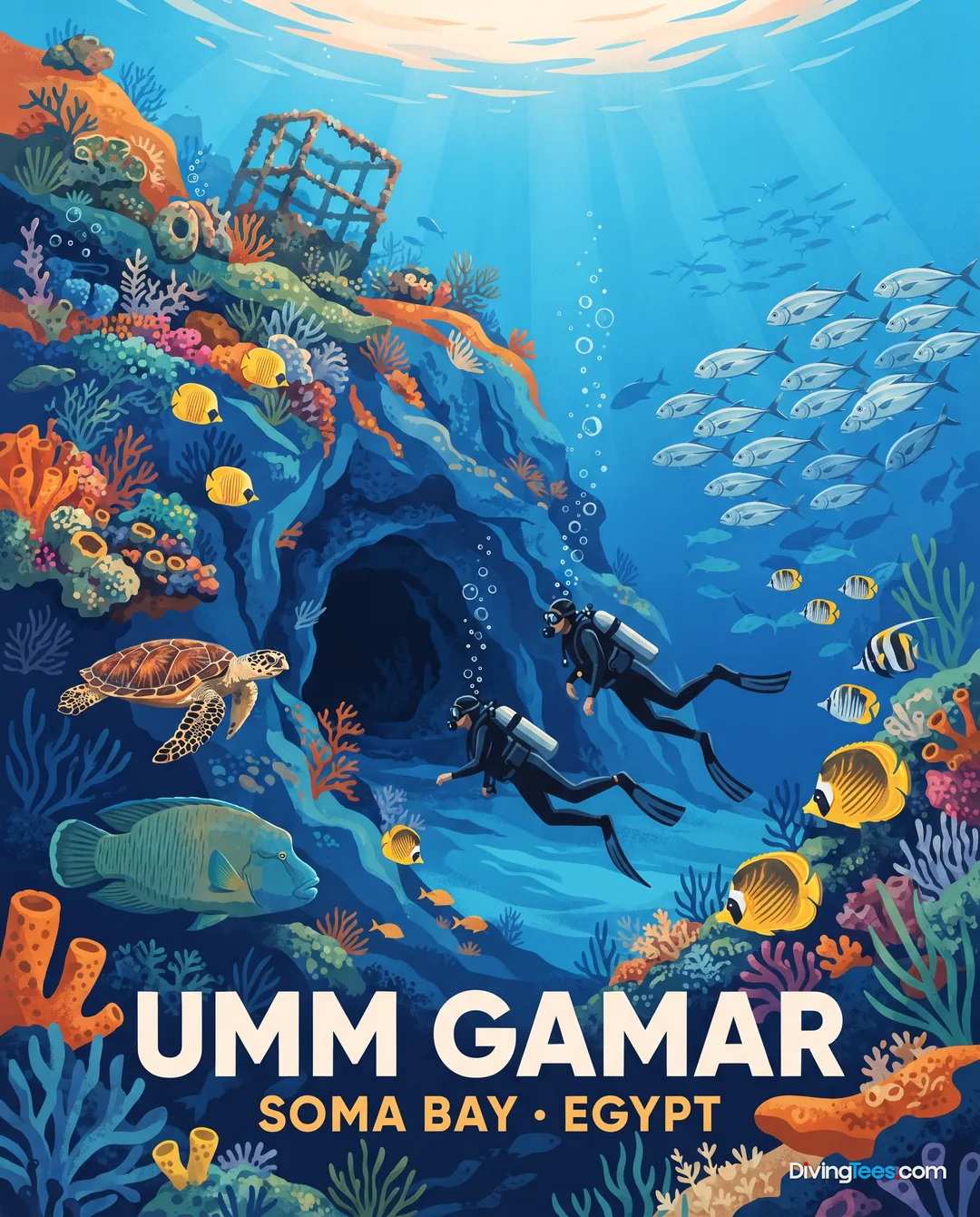
Umm Gamar →
Max. depth · 30 m
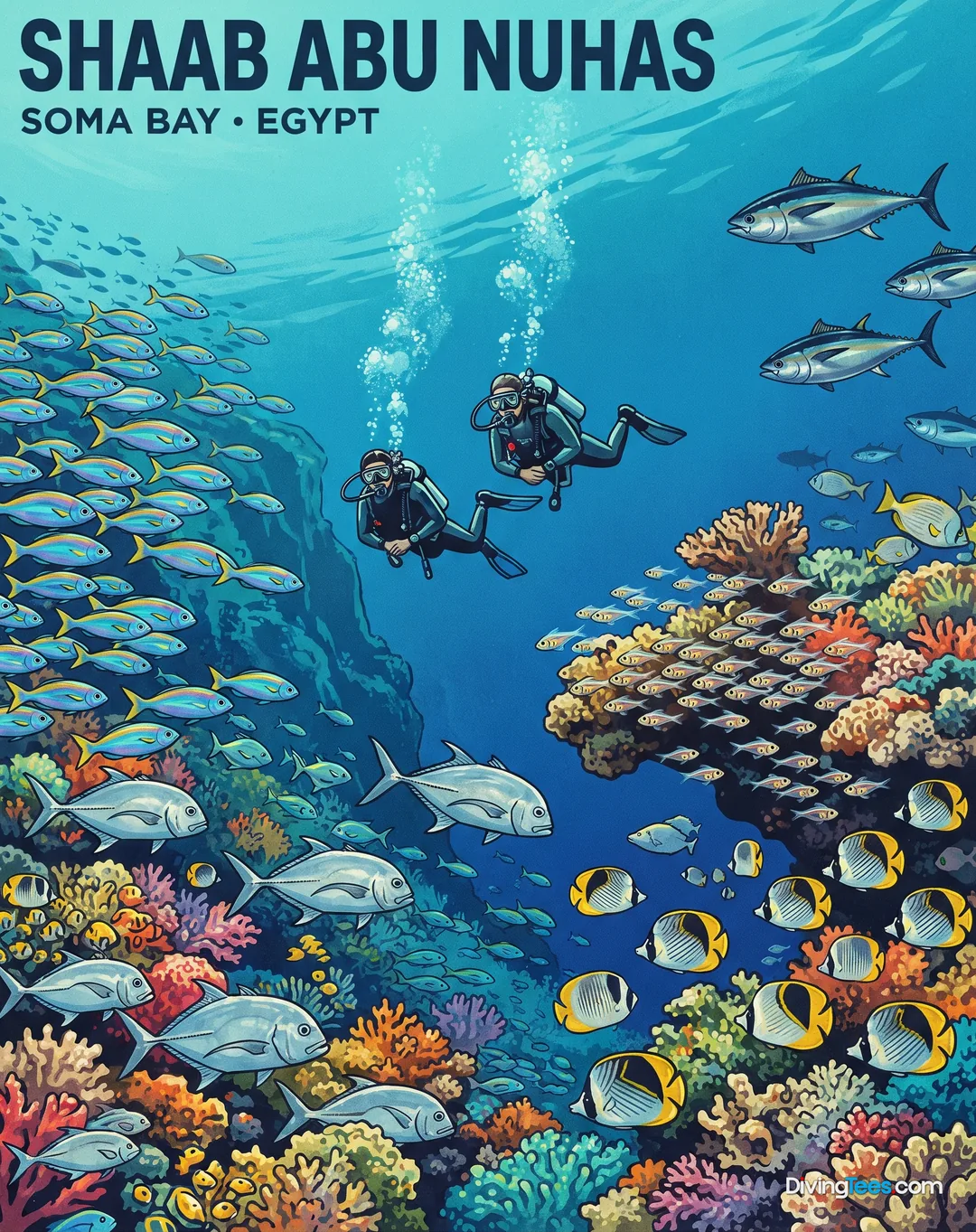
Shaab Abu Nuhas →
Max. depth · 30 m
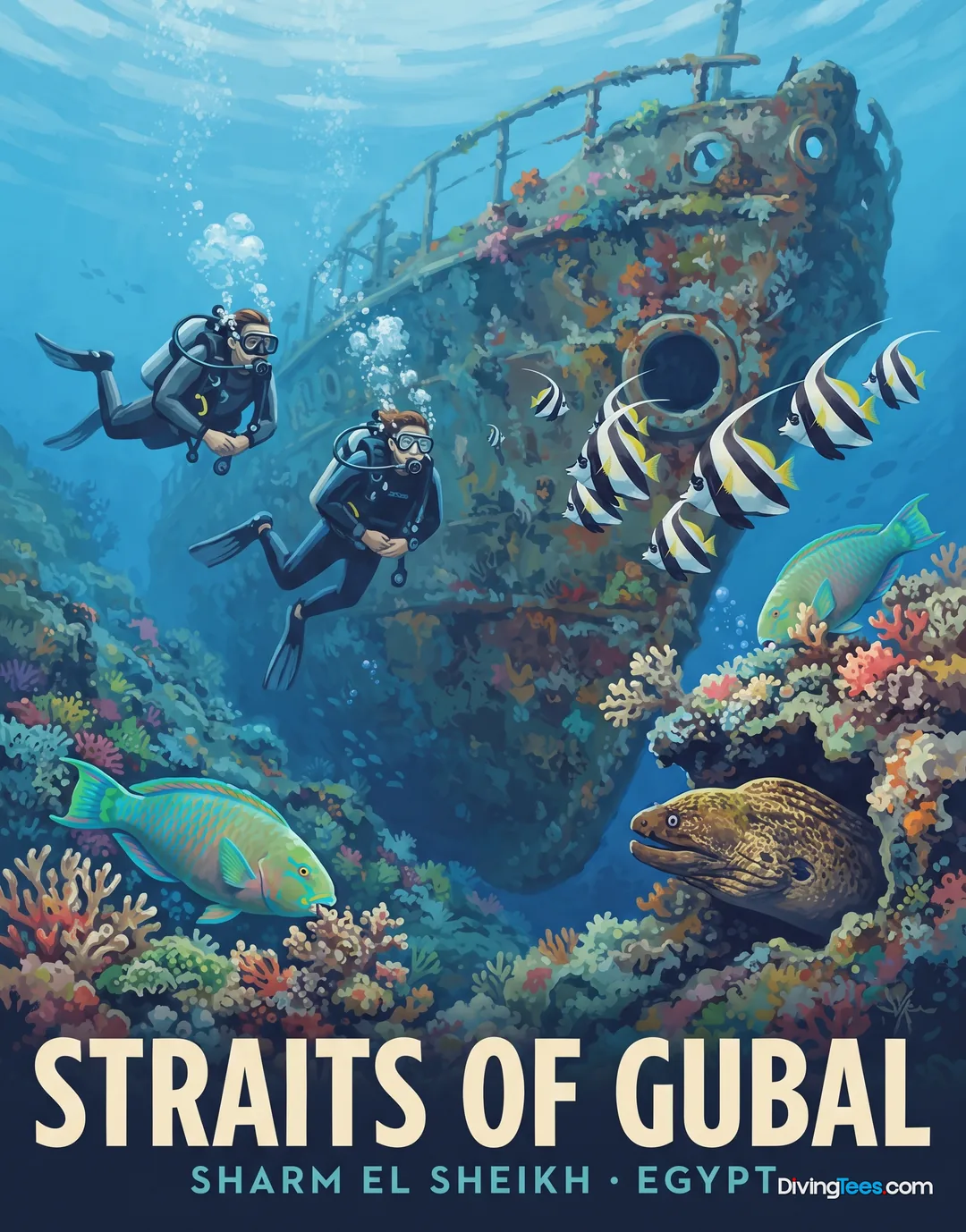
Straits of Gubal →
Max. depth · 50 m
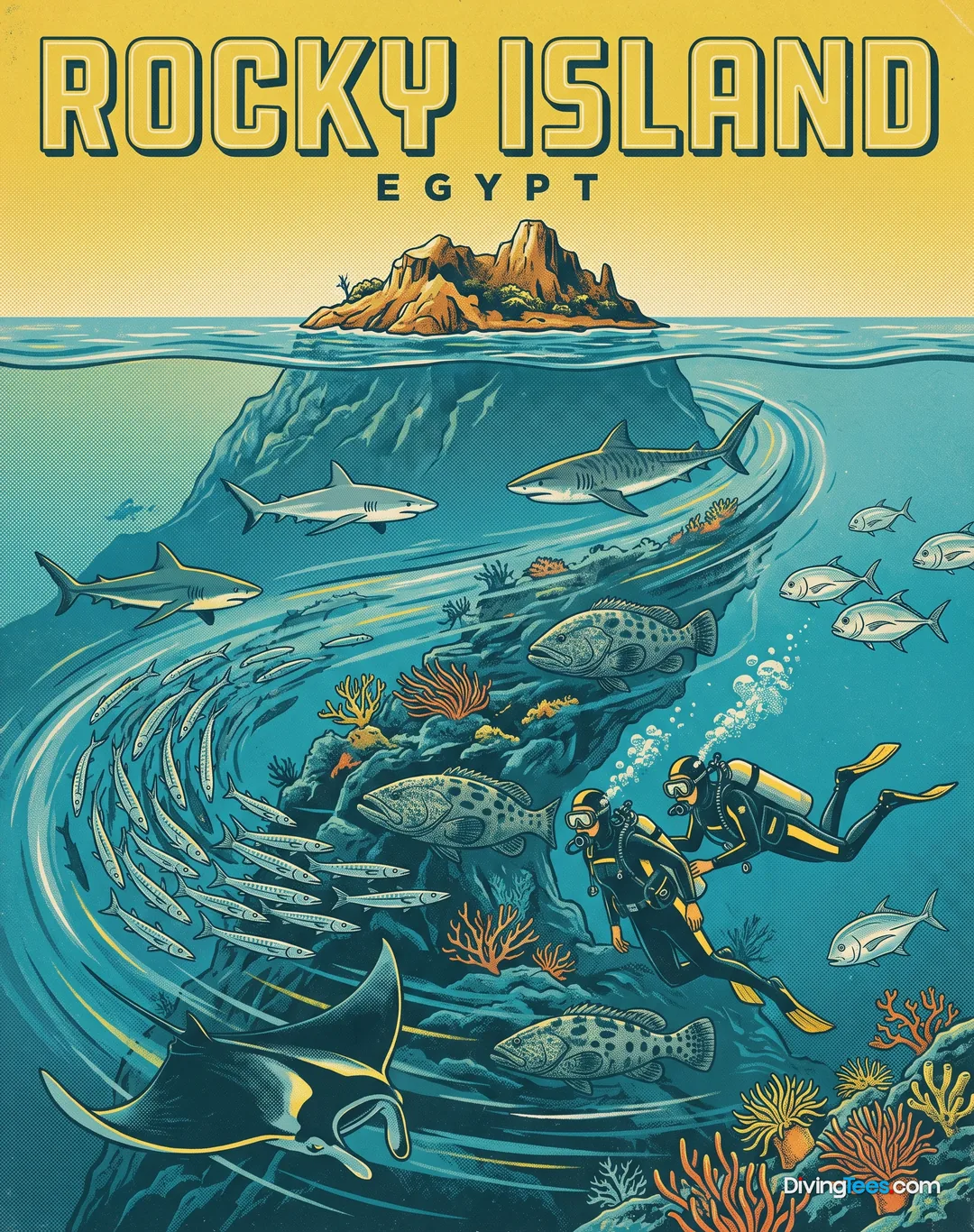
Rocky Island →
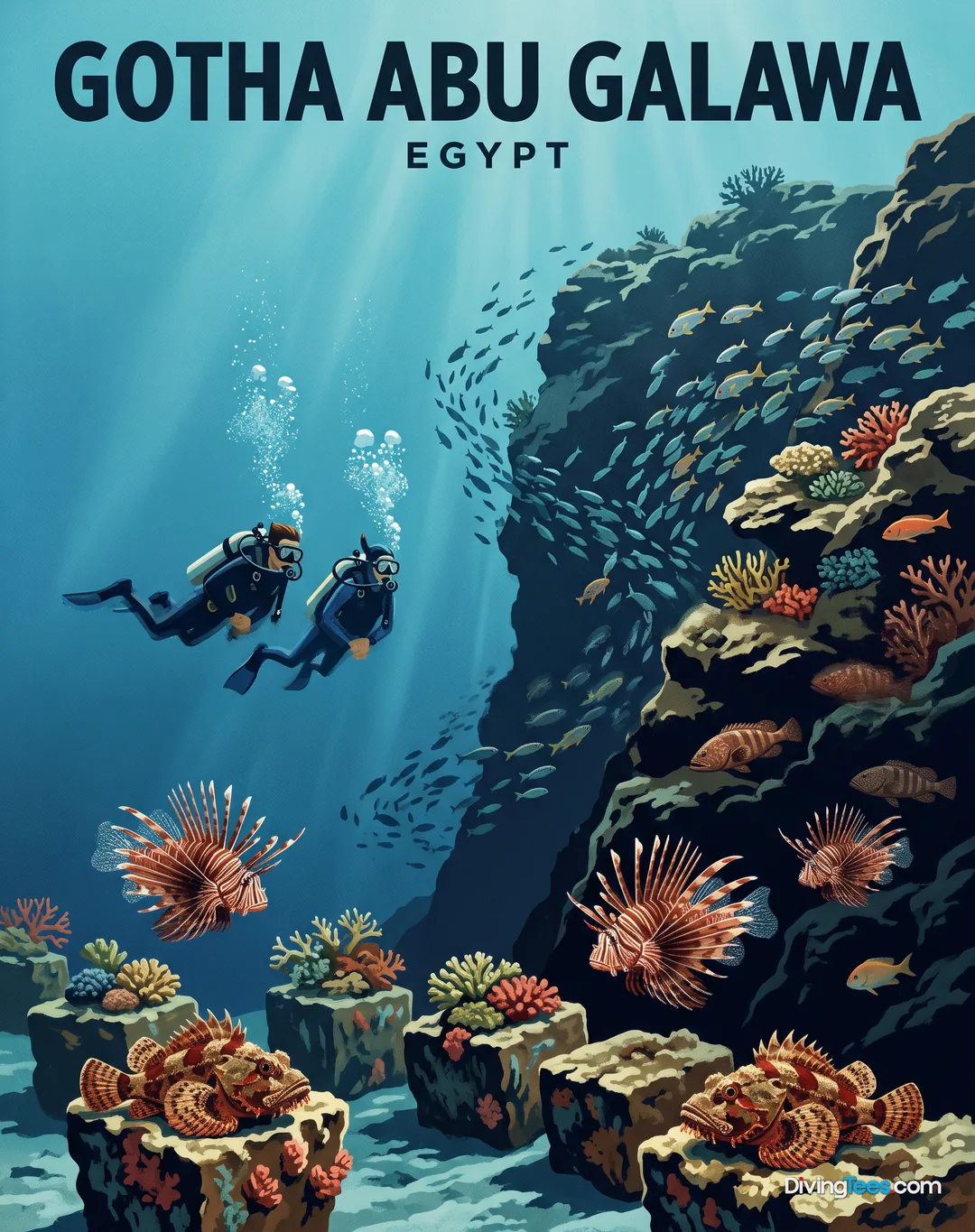
Gotha Abu Galawa →
Max. depth · 35 m
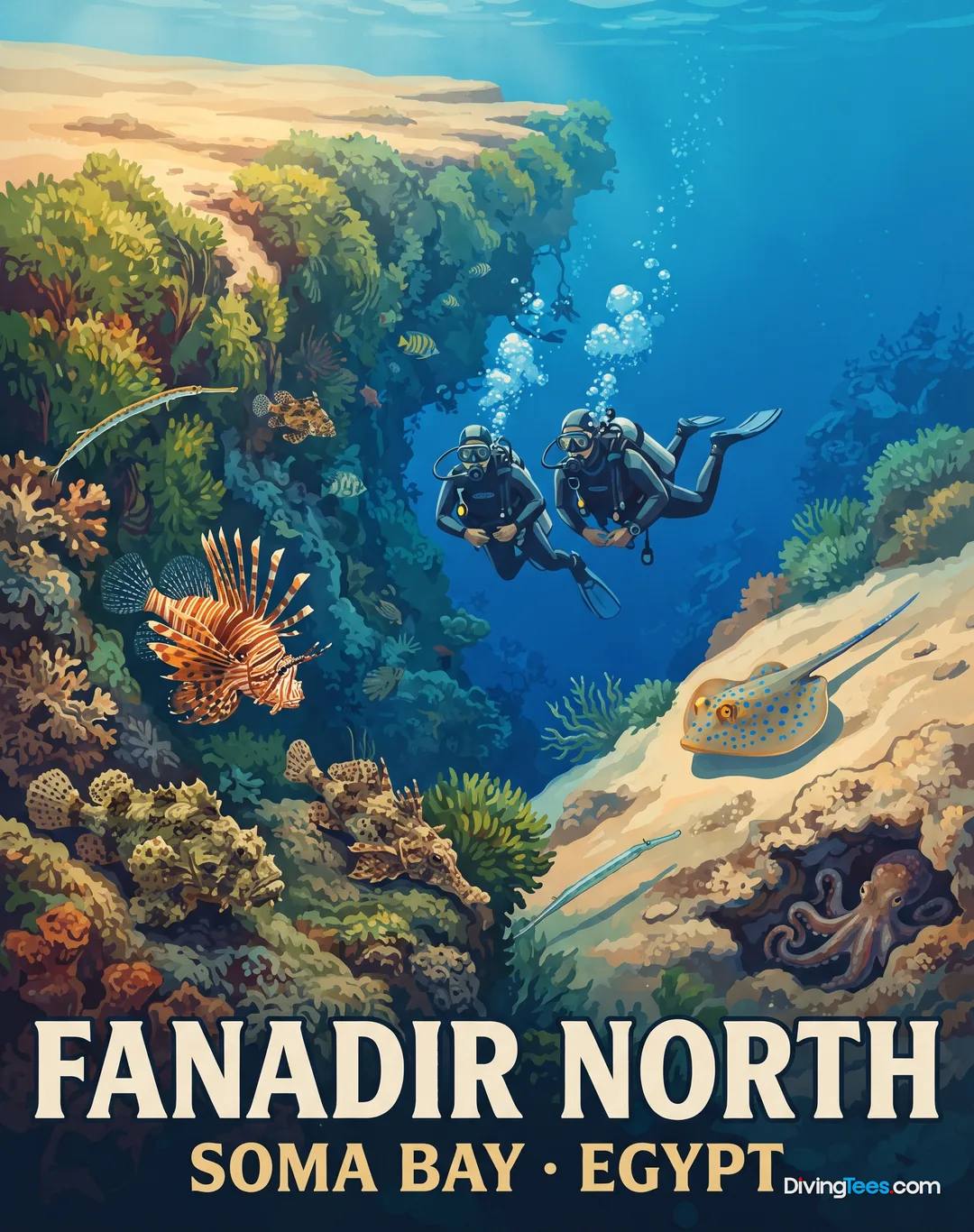
Fanadir North →
Max. depth · 30 m
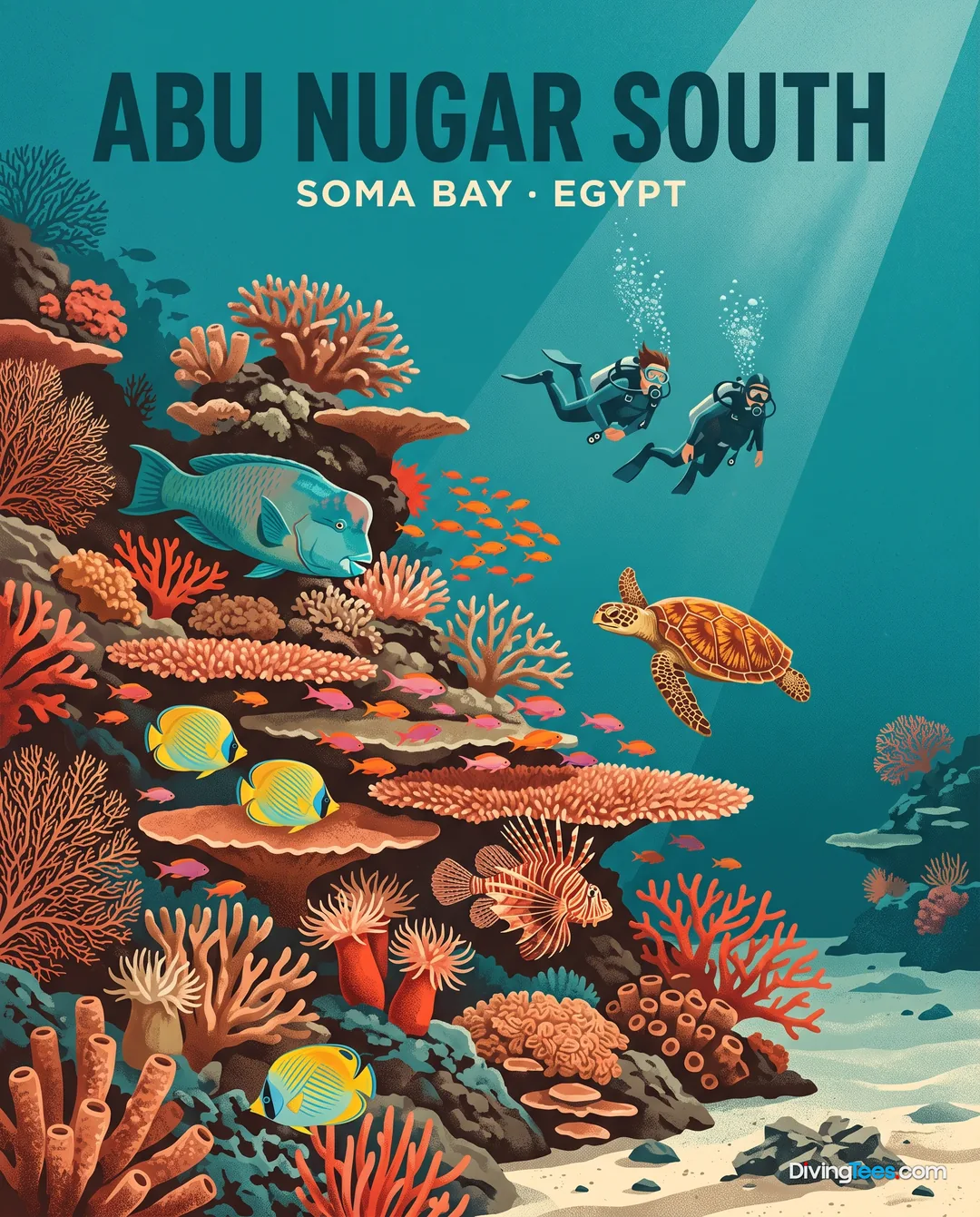
Gotha Abu Nugar South →
Max. depth · 9 m
Itineraries, dates and prices
Prices per person. Each month shows its lowest price: click a month, or pick an itinerary.
Next departures · 42 departuresfrom £1,072$1,433€1,280
October 2026
November 2026
December 2026
See dates and prices
If you click these links and make a purchase on the partner site, DivingDeal may earn a commission, at no extra cost to you.
Dates and prices taken from Divebooker, updated 26 October 2026
What you’ll meet underwater
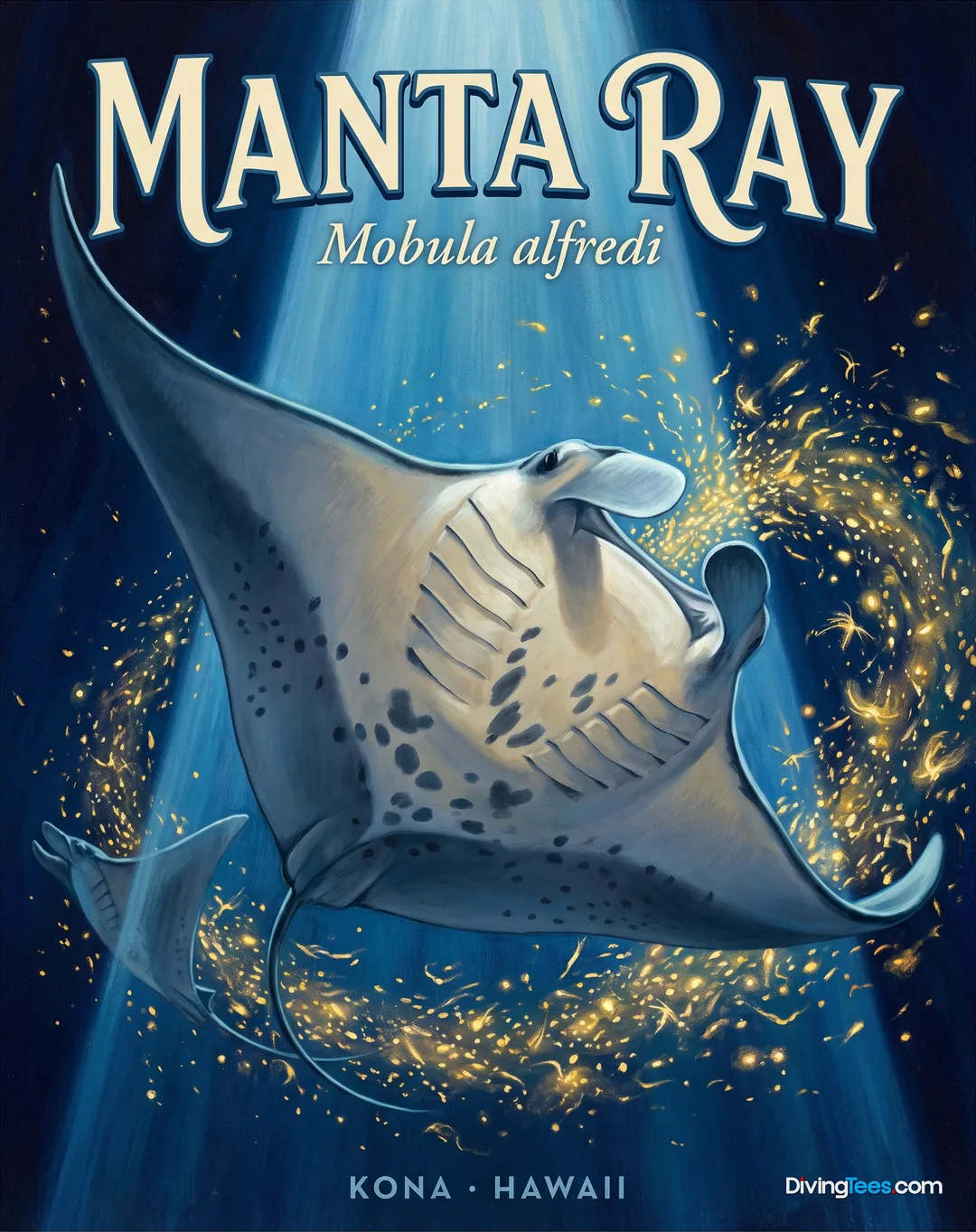
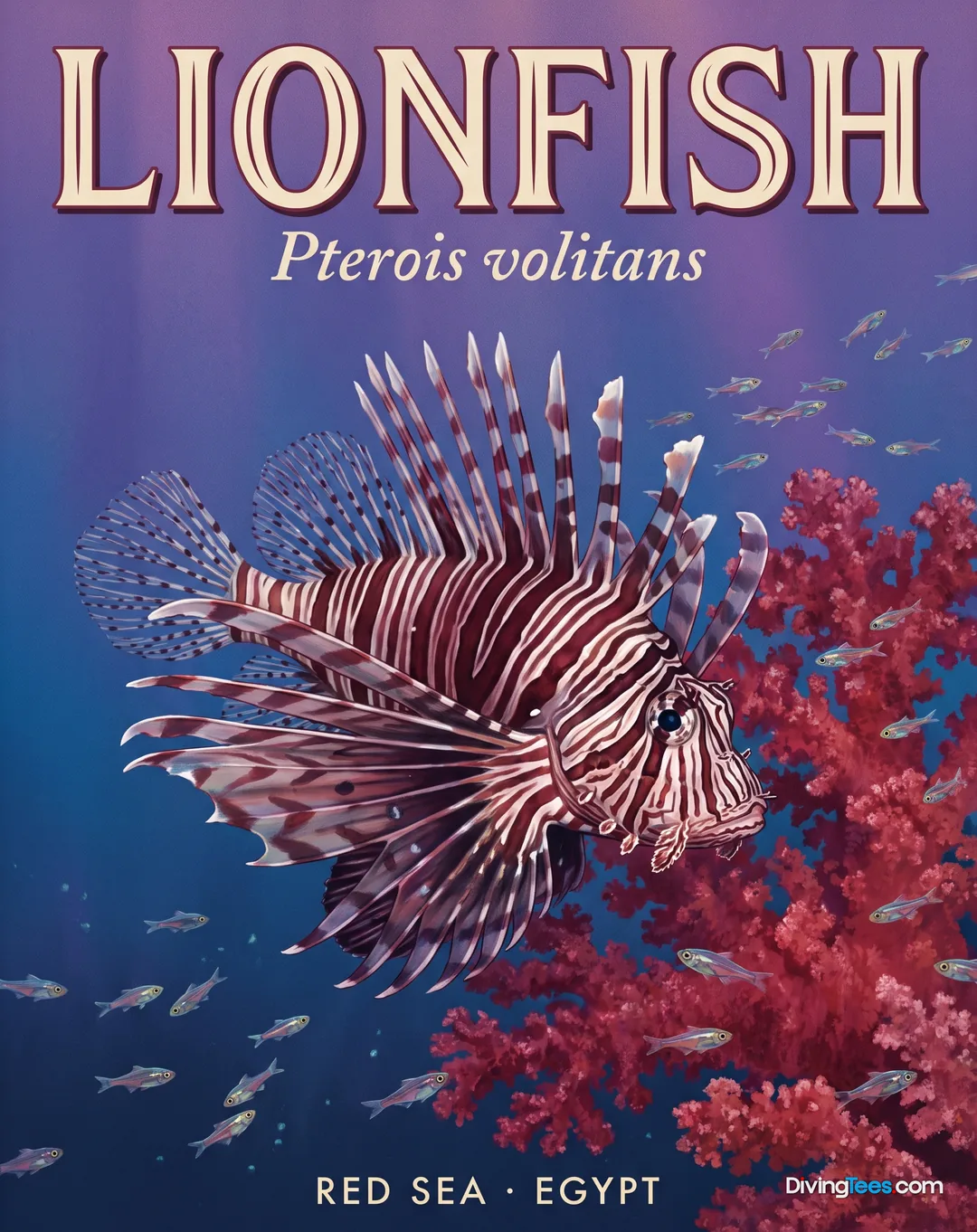
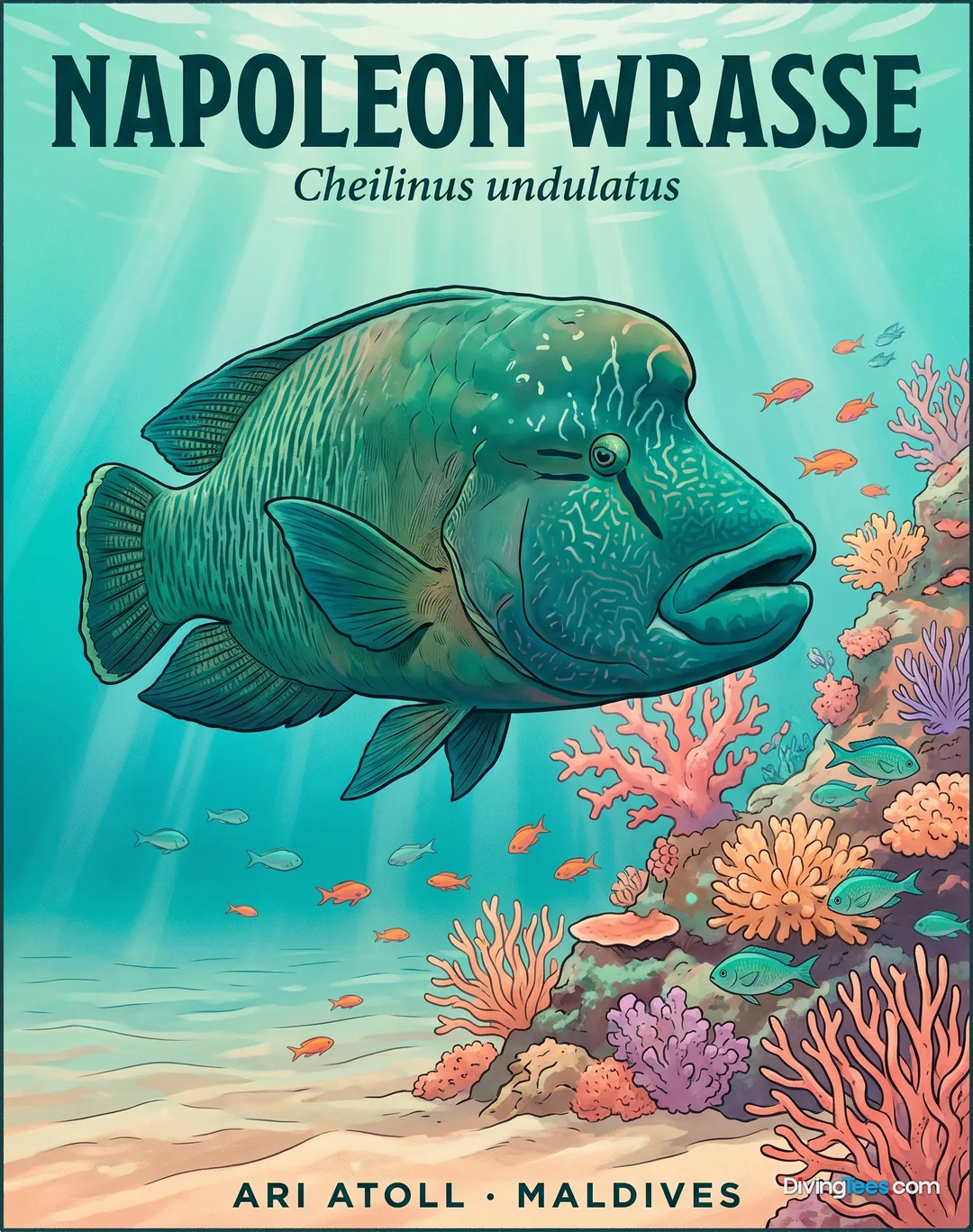
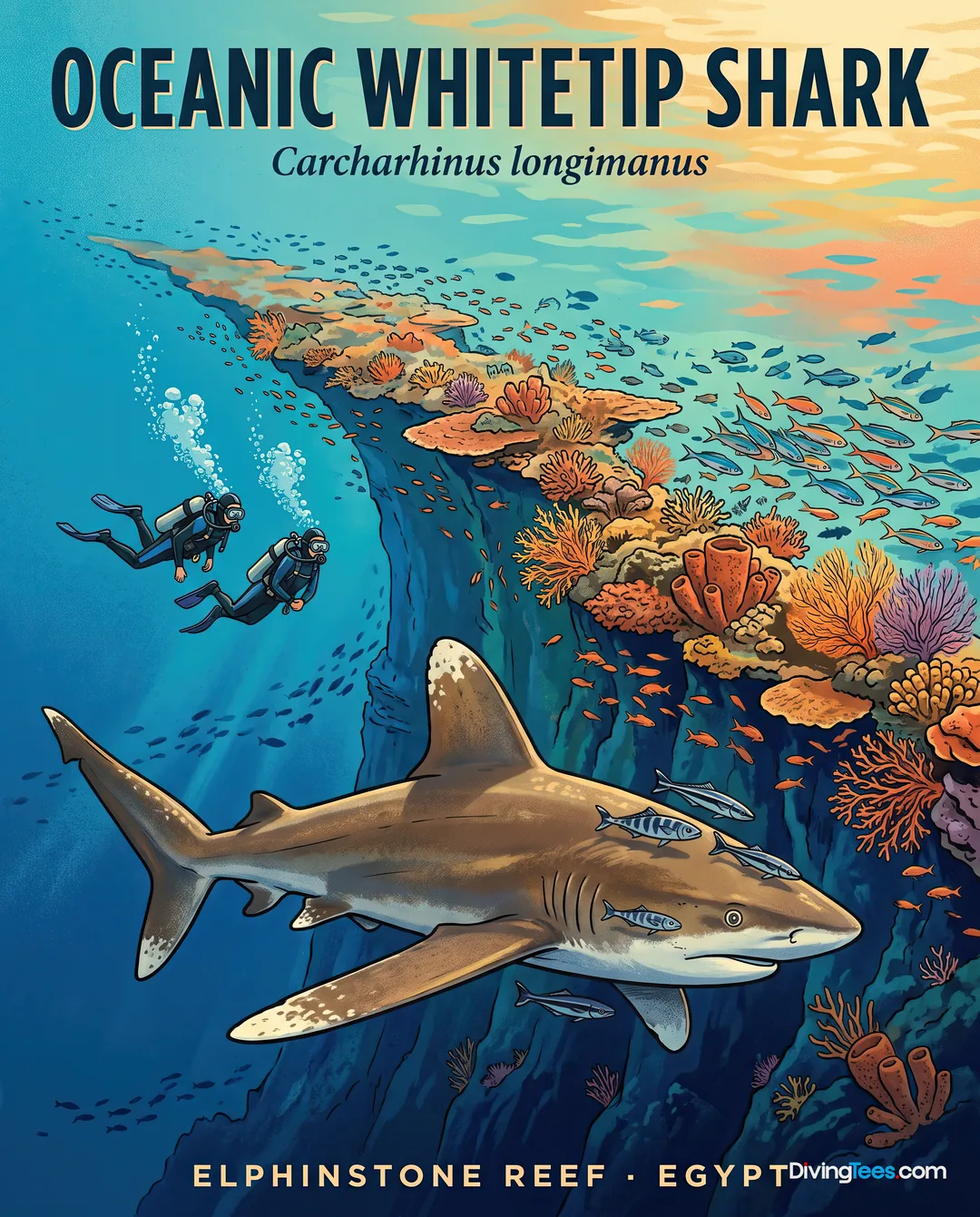
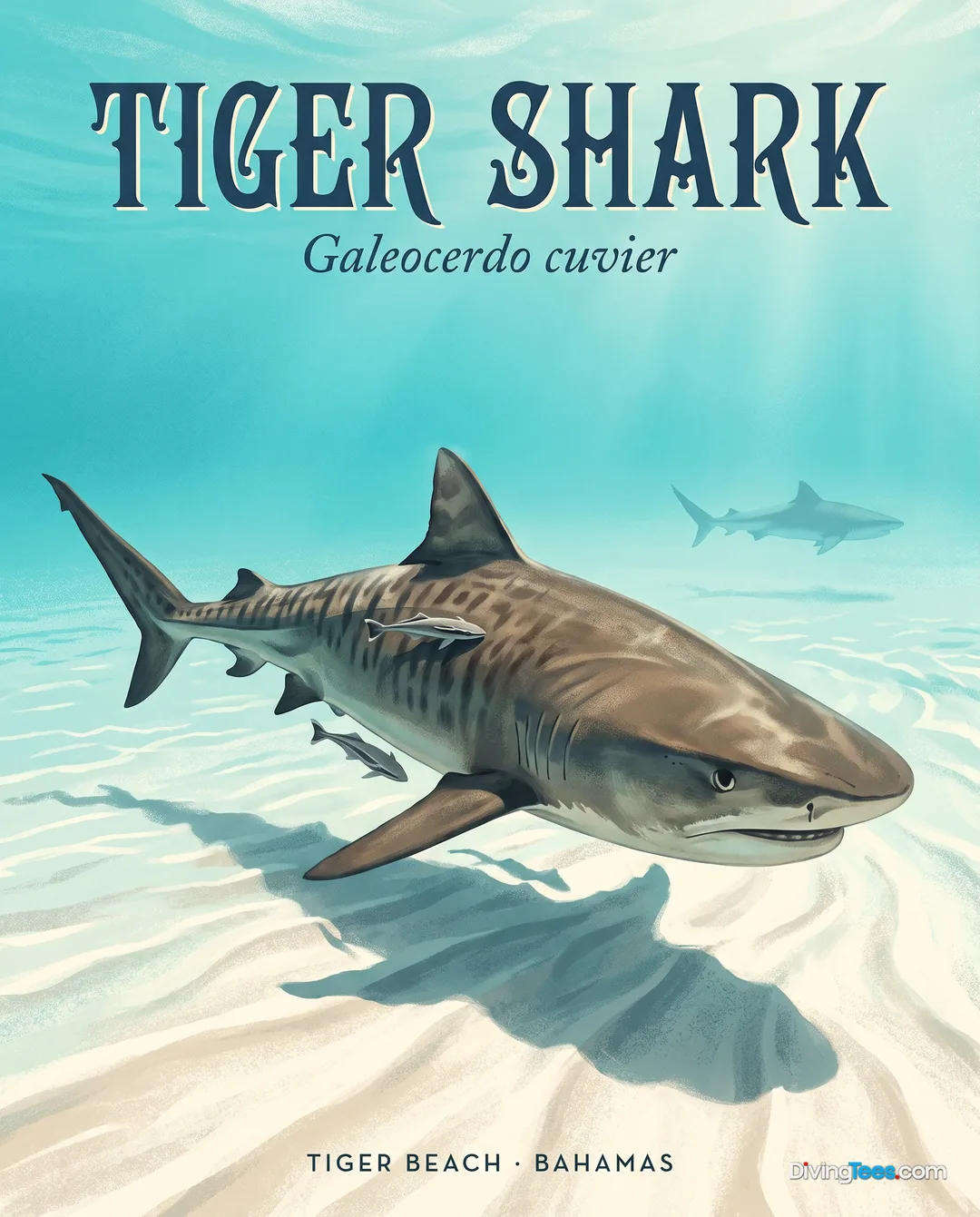
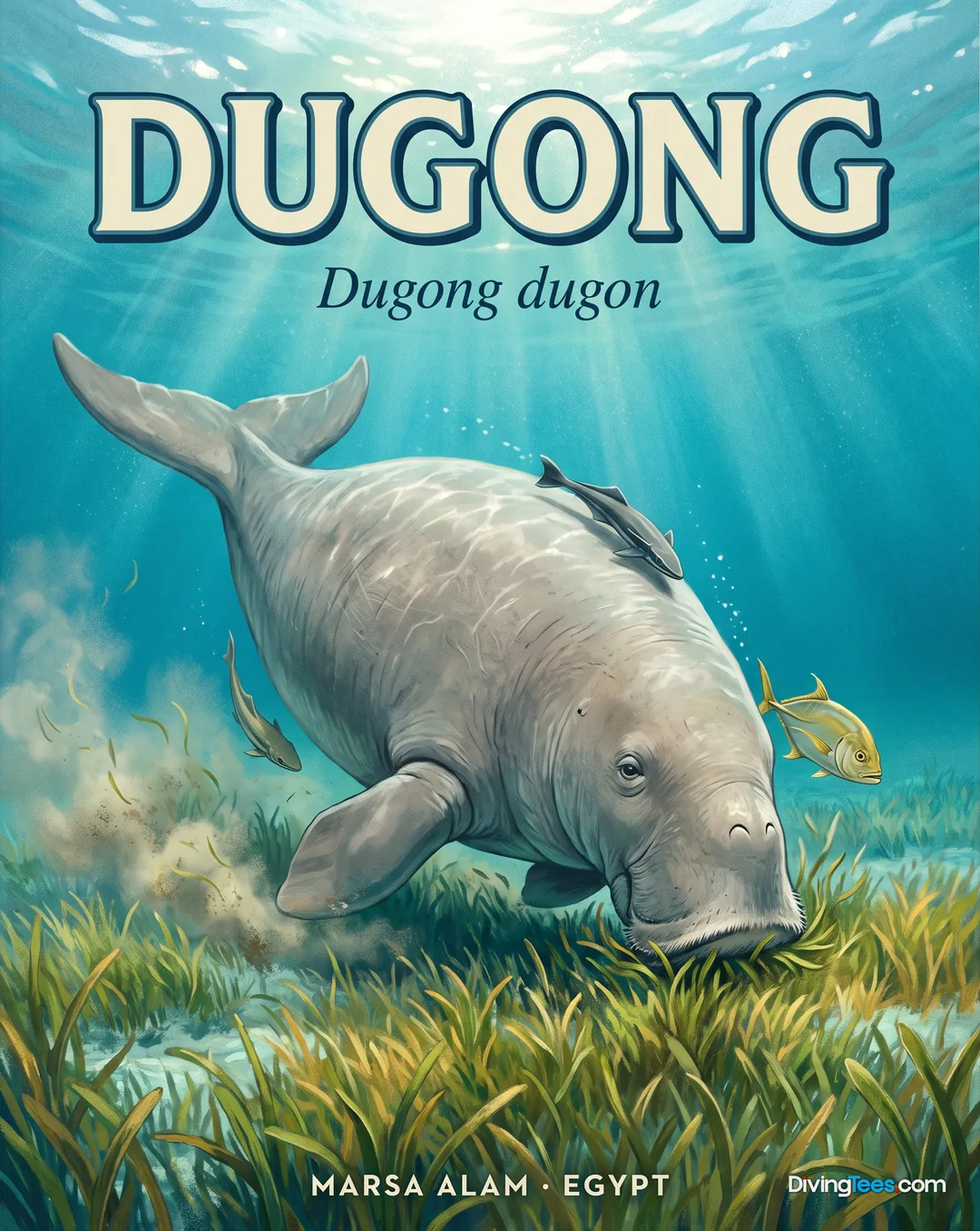
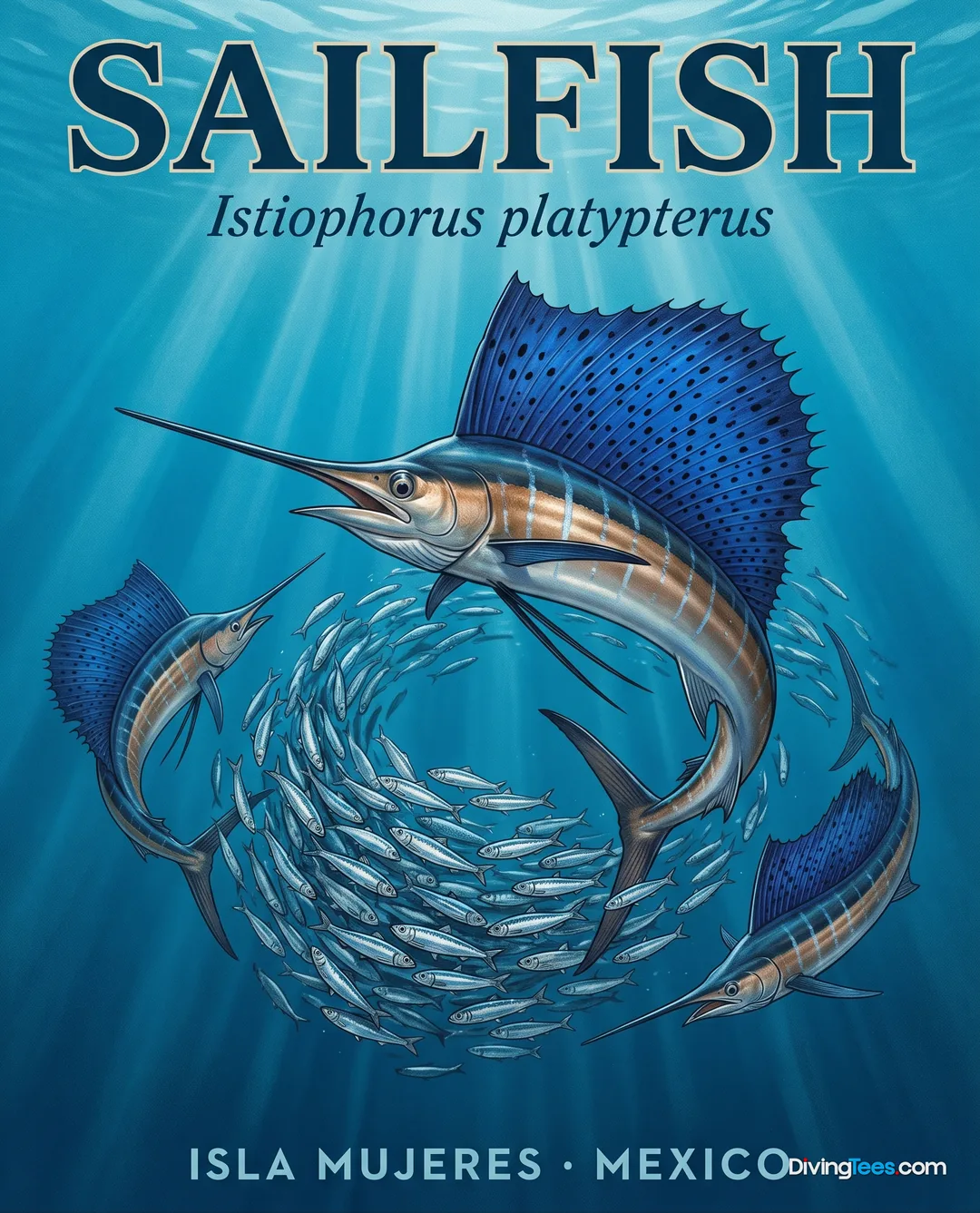
Across this Red Sea network, morays, reef sharks, dolphins, tuna, barracuda, manta rays, hammerheads, carangue, soft corals, scorpionfish and lionfish form the recurring cast, with turtles, octopus and Napoleon wrasse appearing across several sites. The places to chase particular encounters are more specific. Elphinstone is the site for oceanic whitetip sharks, and the route's canonical sightings also list blacktip and tiger sharks there; its exposed walls and pelagic water are the reason to look into the blue. Brothers is the named site for anemones alongside grey sharks, hammerheads and white-tip reef sharks. Zabargad is the only listed site for dugongs, as well as manta rays, dolphins, sailfish and nesting turtles. Umm Gamar concentrates unusual reef life around its walls and cave, including crocodilefish, batfish, butterflyfish and gaterin. Shaab Abu Nuhas is the place for butterflyfish and parrotfish, while Straits of Gubal brings wrecks covered in reef life and the route's specific record of giant carangue.
Who puts you in the water
A dive guide is included, and the crew speaks English and German. The entry requirement is a minimum of 50 logged dives and AOWD or equivalent certification, suited to the current, wall and remote-reef diving on these routes. Safety equipment includes oxygen, first-aid equipment, fire alarms, extinguishers, life rafts, and rescue or lifejackets. ENOS units can track divers in real time when needed, while the two Zodiacs remain ready during dives for pickup. The boat is not described as technical-diving friendly.
The dive deck and the gear
The dive setup is made for several dives a day rather than occasional water time. Standard tanks are 12-litre aluminium cylinders; 15-litre tanks can be requested for an extra charge. Two Bauer K 15 compressors fill at 360 litres per minute, and a membrane Nitrox system supplies the included Nitrox for certified divers. DIN adaptors are available, while complete rental equipment is charged separately. The deck provides personal storage, charging stations, a camera table, a dedicated photography station and separate rinse tanks for underwater cameras. Warm-water showers are available after the dive. Two 40-hp Zodiacs handle drop-offs and pickups, keeping the large boat clear of the reef and allowing flexible entries and recoveries. The boat is not set up for technical diving.
Between dives
Between dives, the boat gives a choice that matters in the Red Sea: air-conditioned shelter inside or open air outside. The salon has sea views and audio-video entertainment, while the sun deck provides loungers and shaded areas for drying off, reading or doing nothing until the next call. The outer decks are where most divers will spend the practical gaps, close to the kit and the route outside. Wi-Fi is free but limited in data volume, so it is better suited to messages than to treating the boat as a floating office. The open-air saloon and bar keep the social space close by without forcing everyone into the air conditioning. When the boat is underway between remote sites, the movement itself becomes the background to the surface interval.
A day on board
The day begins with a light pre-breakfast before the first briefing and dive. Divers prepare on the deck, board one of the Zodiacs when the site requires it, and return to tanks, rinse stations and food rather than having to move their equipment far across the boat. Breakfast follows the first dive, with lunch and dinner placed around the remaining dives; the schedule supports three to four dives a day, including a night dive, and two dives on the final day. The gaps are for eating, sleeping, sitting in the shade or watching the reef country slide past while the boat changes position. On a night-dive day, the final entry comes after the surface has gone dark and the deck changes character: lights, tanks and briefings replace the easy afternoon drift. Then the boat settles back into its overnight passage or anchorage before the cycle starts again.
What you eat aboard
Meals are buffet-style and combine Western dishes with local Egyptian food. A light pre-breakfast comes before the first dive, followed by breakfast, lunch and dinner arranged around the diving rather than fixed restaurant hours. Between dives, cakes, biscuits, fresh fruit and other snacks keep the gap short and useful; water, tea, coffee and soft drinks are available throughout the day. Dietary restrictions can be accommodated. The table matters here because four dives can expose a weak galley quickly: food has to be filling, available when divers return, and simple enough to eat without losing the next briefing. Guest feedback singles out the food as a strength, while the buffet format keeps service moving for a boat carrying up to 30 divers.
Nights at sea
The 15 cabins divide into lower-deck twin cabins, upper-deck twin cabins, suites and convertible twin/double cabins on the high deck. Every cabin has a private bathroom, individually controlled air conditioning and a minibar, so the useful luxury is control over the few hours available for sleep between dives. The air-conditioned salon and dining area offer a darker, quieter retreat than the open decks, while the sun deck gives space to lie out when rest means daylight rather than a bunk. Nights are therefore practical rather than theatrical: close the door, set the air conditioning to suit, and step away from the salt, noise and equipment until the next briefing. The boat is not advertised as handicapped friendly, and the cabin information is built around two-person occupancy.
Twin Bed Cabin
Suite
Twin / Double Bed Cabin
What to know before boarding
The departure and return port depend on the itinerary: recorded routes leave from and return to Hurghada, while Marine Parks South runs from Port Ghalib to Hurghada and Deep South/St. Johns can run from Port Ghalib back to Port Ghalib. Transfers are handled for the trip but are listed as a surcharge rather than a default part of the fare. Arriving the night before is the sensible choice, especially for a Port Ghalib departure or any route tied to an international flight.
- Year built
- 2022
- Year renovated
- 2025
- Length
- 48 m
- Beam
- 9.5 m
- Maximum number of passengers
- 30
- Number of cabins
- 15
- Engines
- 2 × Mitsubishi 800 hp + 1Cumns 1300 hp
- Tenders
- 2 zodiacs with 40 hp outboards
- Website
- seawolf-safari.de ↗
Hello, I'm Marina, DivingDeal.com's AI assistant. I answer in detail about hotels, dive centres and liveaboards.
Thinking about the whole trip and the flights? Talk it over with Edith →
Marina is an AI. Some links are affiliate links: DivingDeal may earn a commission, at no extra cost to you. Bookings are made with the partner.