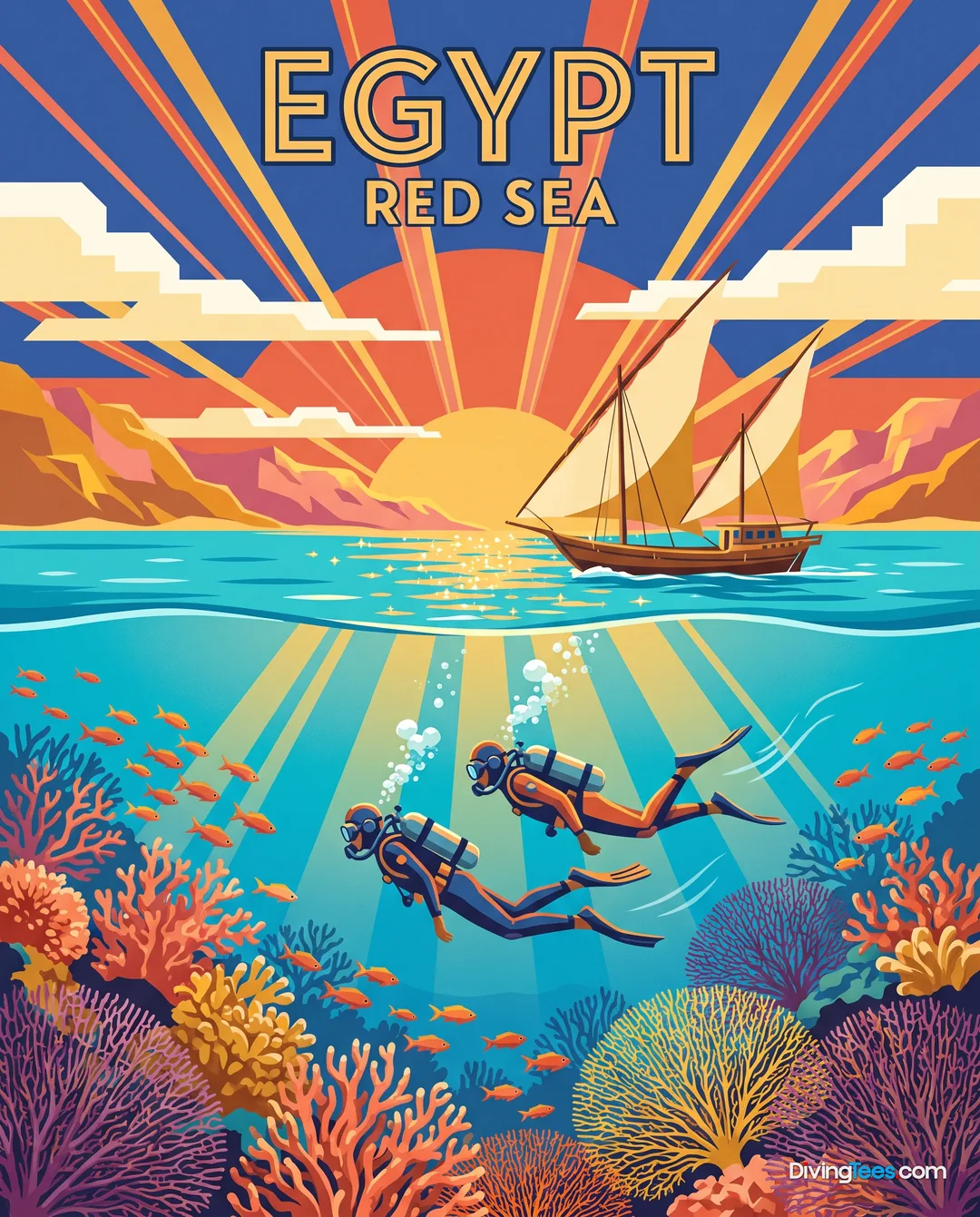
Liveaboards · Egypt
MV Tala — a Red Sea liveaboard built around serious diving
What makes this boat unique
- MV Tala carries up to 22 divers in 11 air-conditioned cabins with private bathrooms.
- Her dive centre supports recreational, technical, sidemount and rebreather diving, with Trimix and helium/oxygen filling equipment.
- Fresh local and international food is prepared onboard, with vegetarian and vegan choices.
- The routes include the Brothers, Elphinstone, Rocky Island, Zabargad, Dahab and the Blue Hole.
For subtitles in English: start the video firstthen click the gearat the top right of the video, select “Subtitles/CC”, then “Auto-translate” and choose “English”.
The invitation
MV Tala is for divers who choose the boat for what happens below it. The strong point is not a fashionable interior but a proper technical setup: Trimix, helium and oxygen support, rebreather and sidemount capability, scooters, stages and a large choice of tanks. That makes her a useful base for demanding Red Sea routes, while the air-conditioned cabins, shaded dive area and fresh cooking keep the week comfortable for divers who are not doing technical profiles. Come aboard for the sites, but also for the practical advantage of having the right infrastructure close at hand when the plan calls for more than a standard recreational dive.
Boarding
MV Tala makes the impression of a working dive vessel rather than a floating resort. The steel hull is paired with a wood and fibreglass superstructure, and the layout keeps the important parts of the trip close together: cabins, shaded outdoor areas, the air-conditioned lounge and the dive operation. The twin Caterpillar diesels give her the power to move between remote Red Sea sites without turning the passage into the main event. Once aboard, the useful details become clear: a proper galley, dedicated dive equipment, camera facilities and space to sit outside between dives. She is designed to carry divers efficiently, then get out of their way.
The atmosphere on board
MV Tala suits a group that wants the crew close to the operation. The crew speaks English and German, and their role is practical: helping with equipment, keeping the dive deck moving and making the transition from water to meal or rest uncomplicated. The boat’s strongest human qualities are reflected in the way the trip is run rather than in formal ceremony. Divers can spend the day around the shaded deck, regroup in the air-conditioned salon, then carry the conversation to the terrace after dinner. With food and crew as clear strengths, Tala earns her place with people who remember how a boat was run long after they forget the colour of the cushions.
The sites you’ll dive
The route selection ranges from shallow coral gardens to demanding oceanic walls. Elphinstone drops to -60m, with dramatic walls and pelagic shark potential. Rocky Island is about current, barracudas, sharks and manta rays around an isolated reef. At the Brothers, pristine oceanic reefs reach -85m, where grey sharks, hammerheads and silver tips may pass. Zabargad brings strong current, clean coral, pelagics, turtles and the possibility of dolphins or dugongs. North and Hurghada sites add variety: Fanadir North reaches -30m with stonefish, scorpionfish and lionfish; Shaab Ruhr Umm Gamar reaches -40m and includes a plateau, pinnacles and at least three wreck remains; El Fanadir reaches -40m and has a cleaning station. Shaab Sabina is a -14m coral labyrinth, while Gotha Abu Nugar North is a -9m garden. Dahab adds Ras Abu Galum at -80m, the Blue Hole at -130m, Napoleon Reef at -30m, The Islands at -18m and Gabr el Bint. Trips run from five days/four nights to eight days/seven nights, including Brothers–Daedalus–Elphinstone, North, North & Dahab, North & Brothers, and Daedalus–Rocky–Zabargad. Departures and returns use Hurghada, with some routes beginning or ending at Port Ghalib.
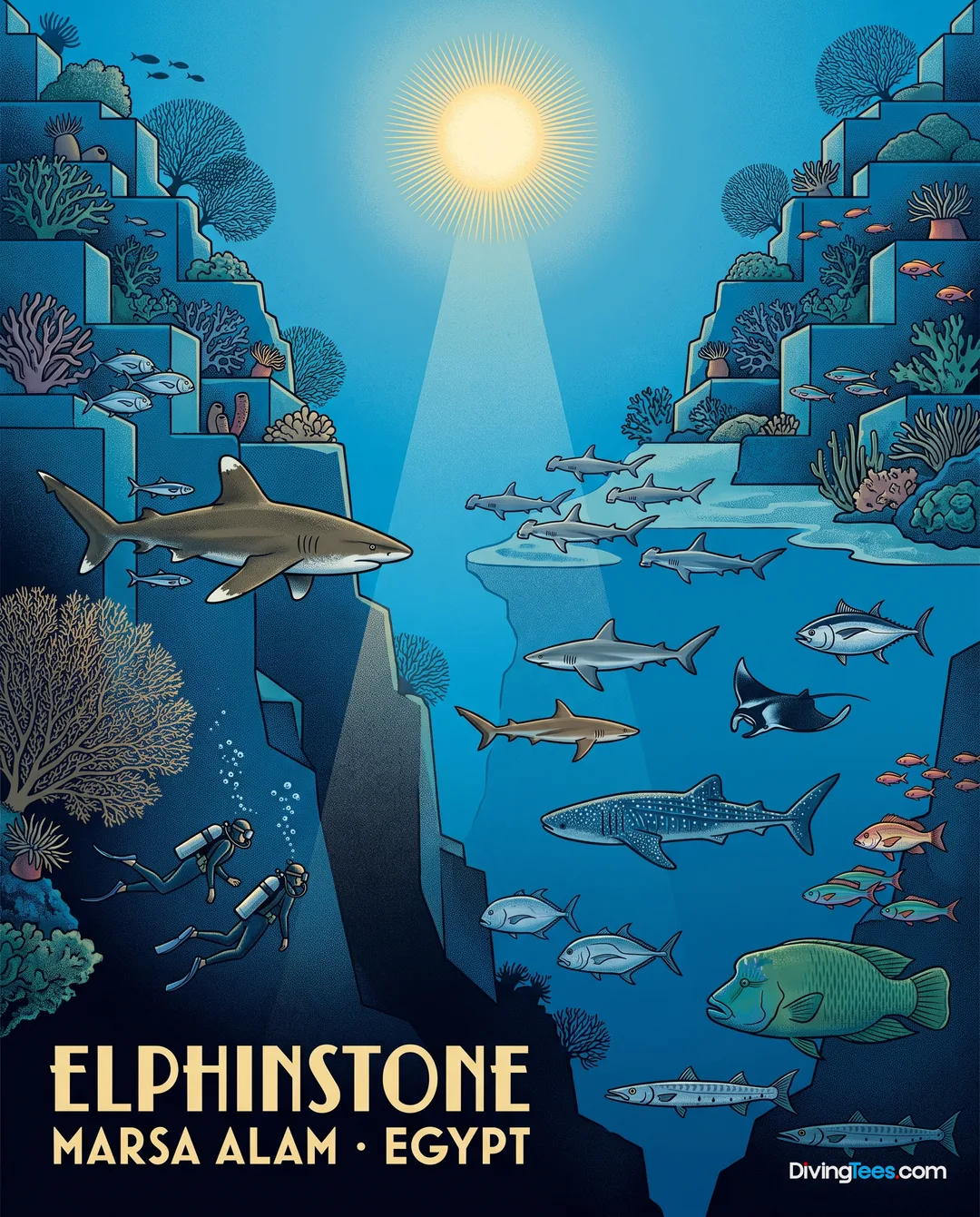
Elphinstone →
Max. depth · 60 m
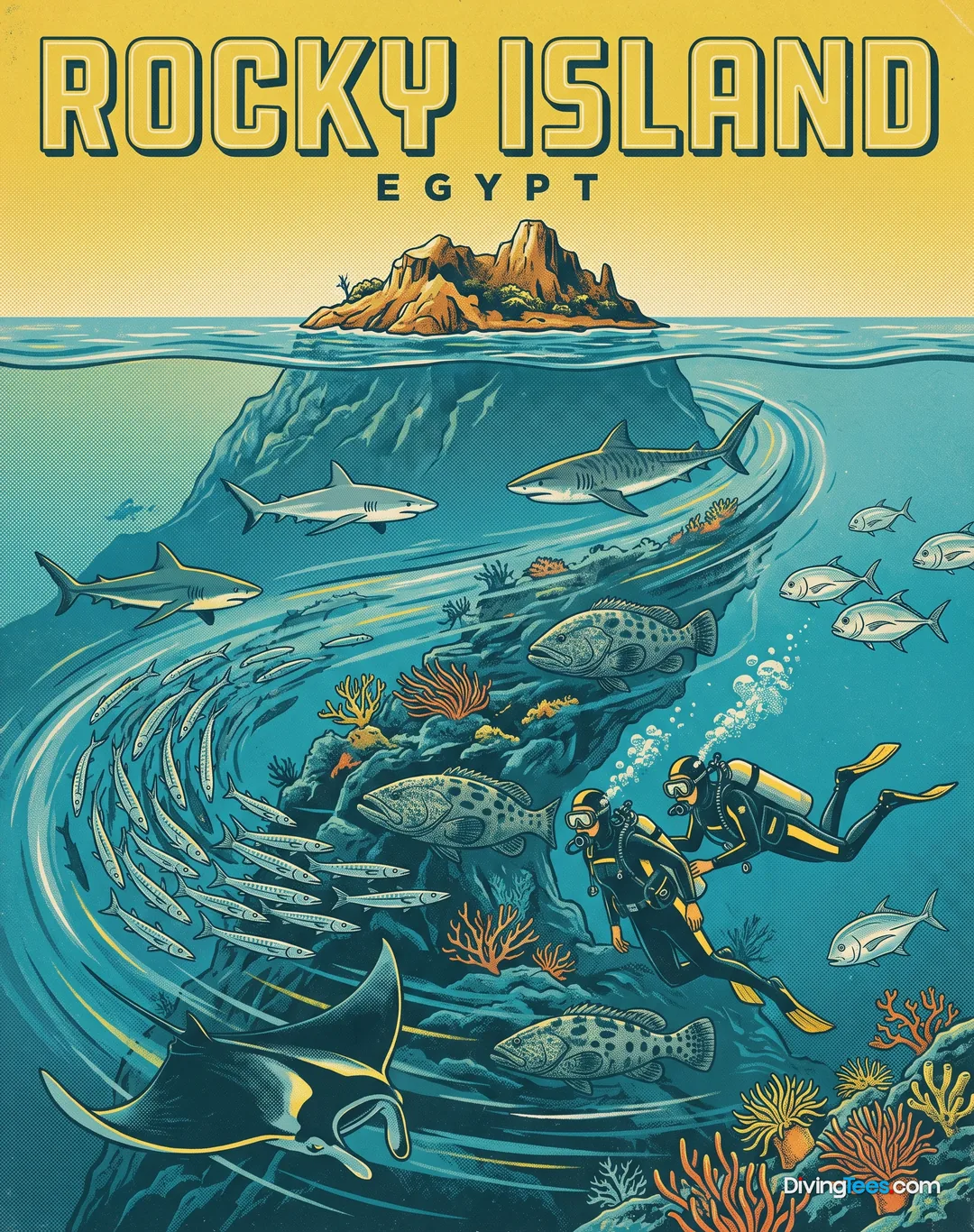
Rocky Island →
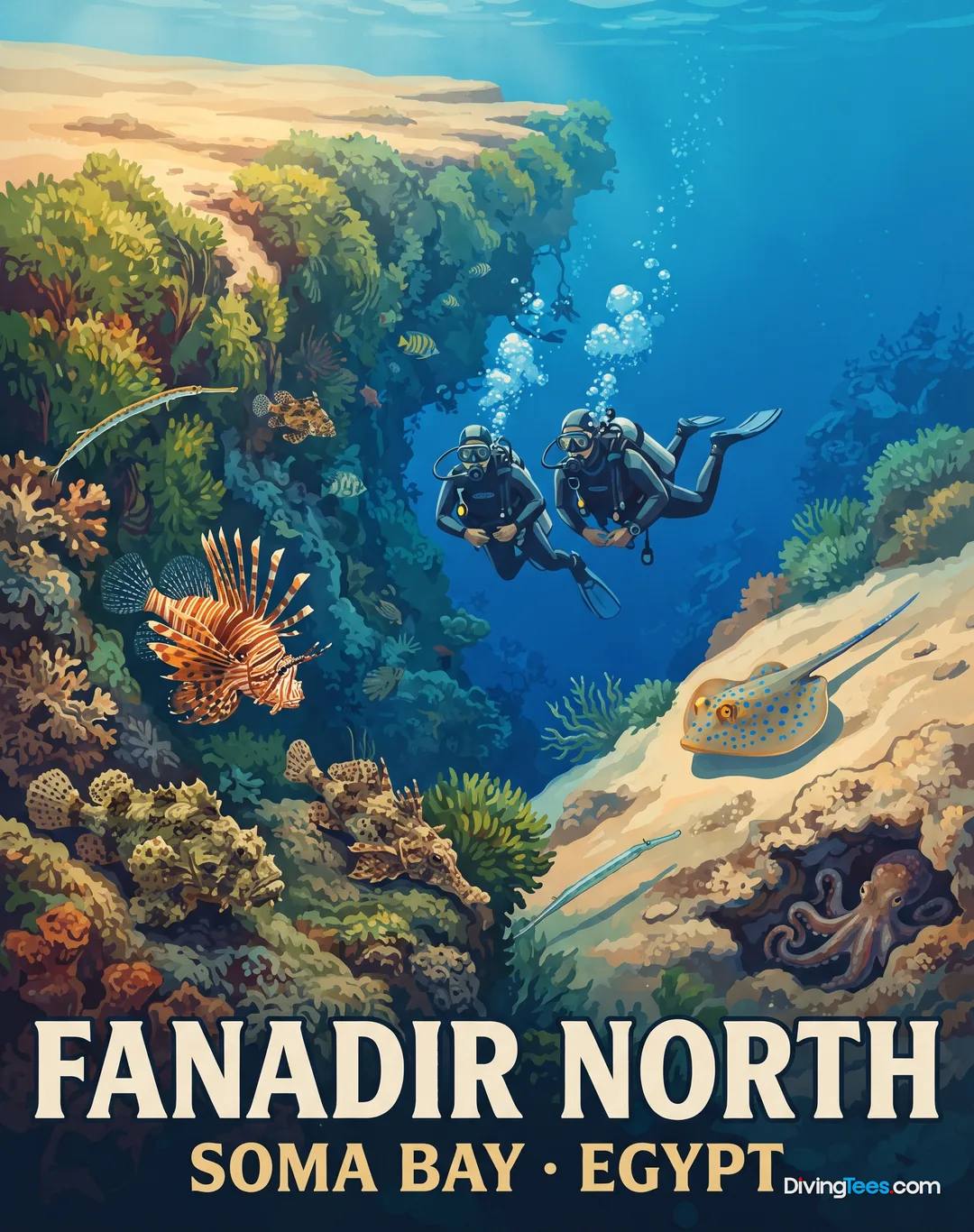
Fanadir North →
Max. depth · 30 m
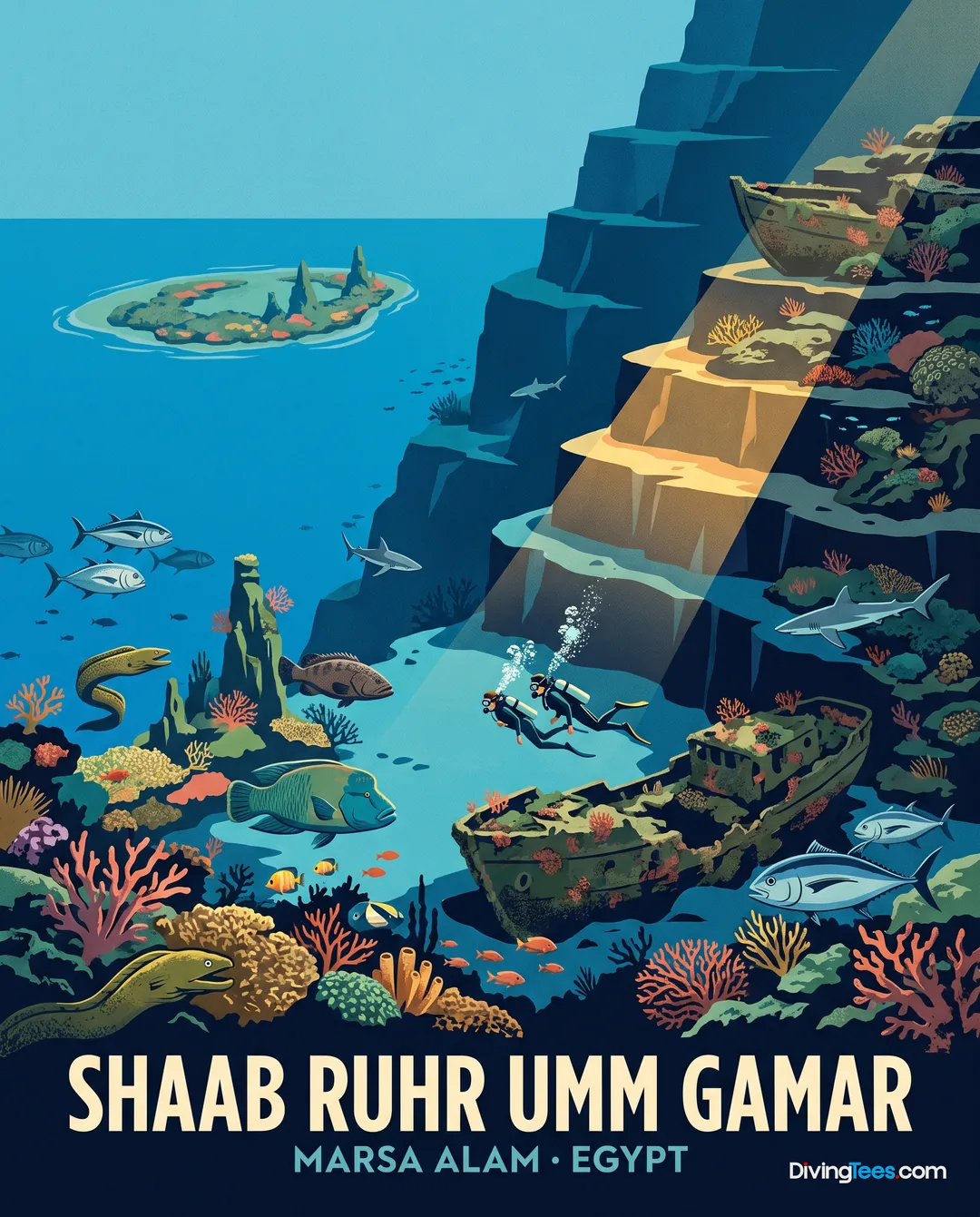
Shaab Ruhr Umm Gamar →
Max. depth · 40 m
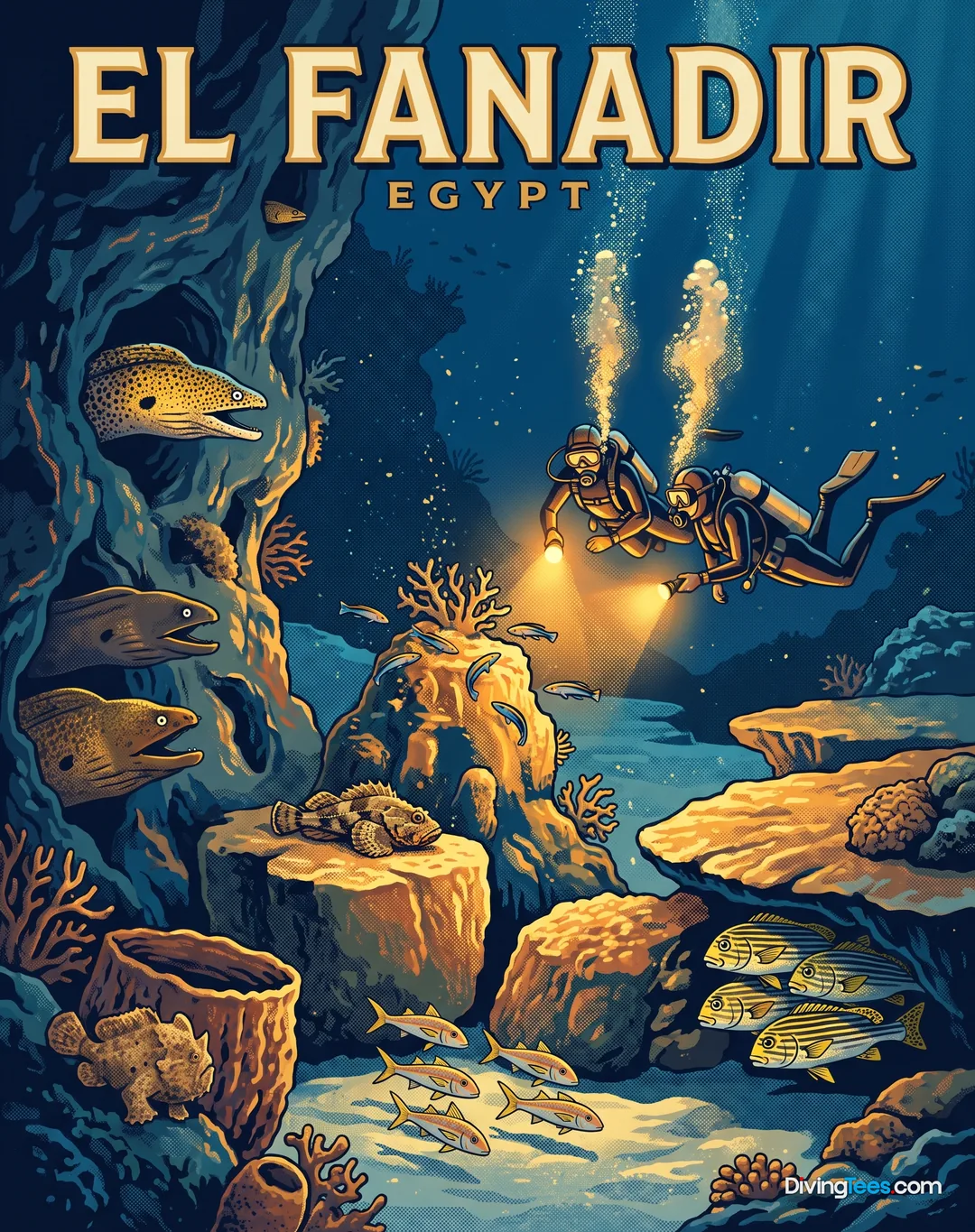
El Fanadir →
Max. depth · 40 m
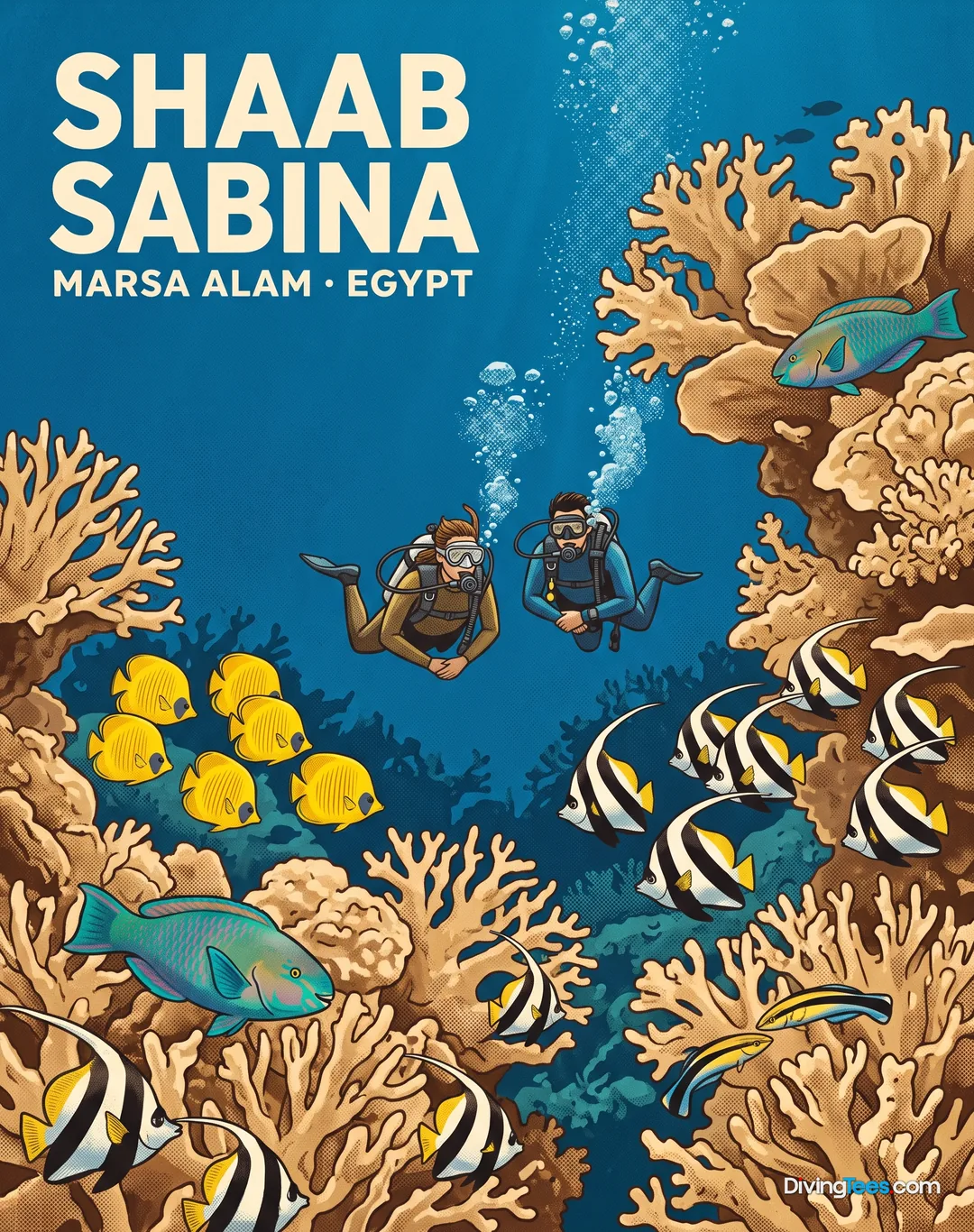
Shaab Sabina →
Max. depth · 14 m
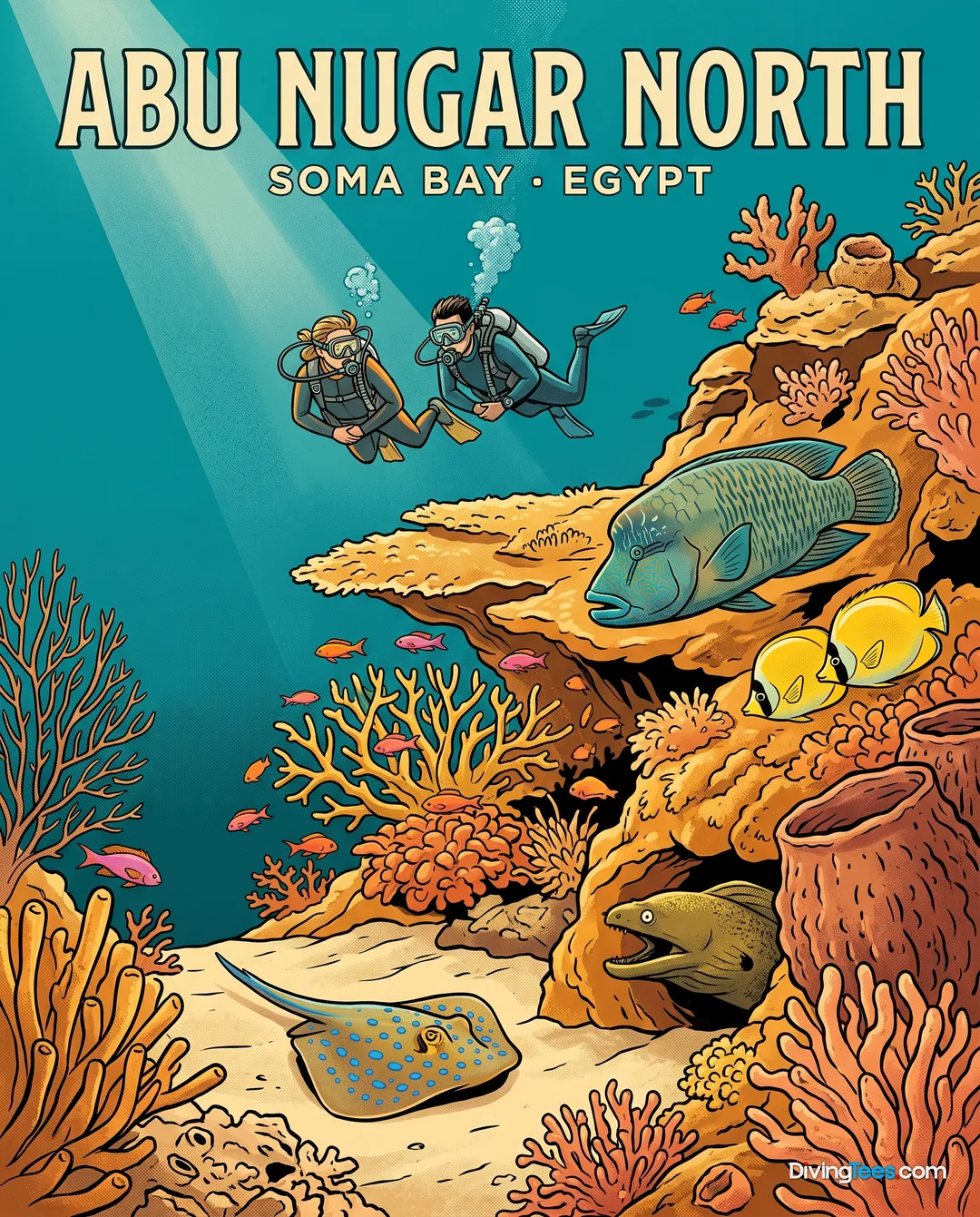
Gotha Abu Nugar North →
Max. depth · 9 m
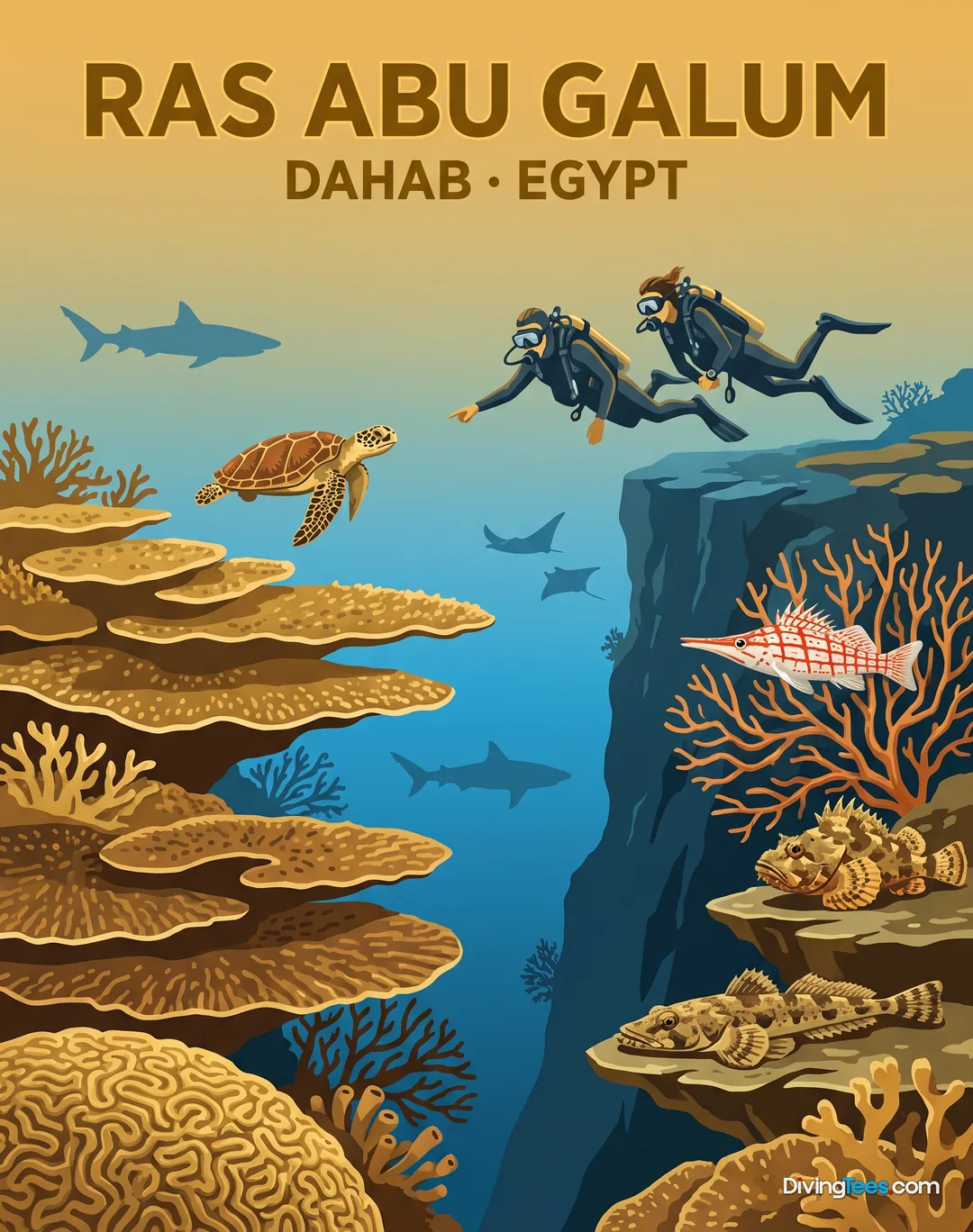
Ras Abu Galum →
Max. depth · 80 m
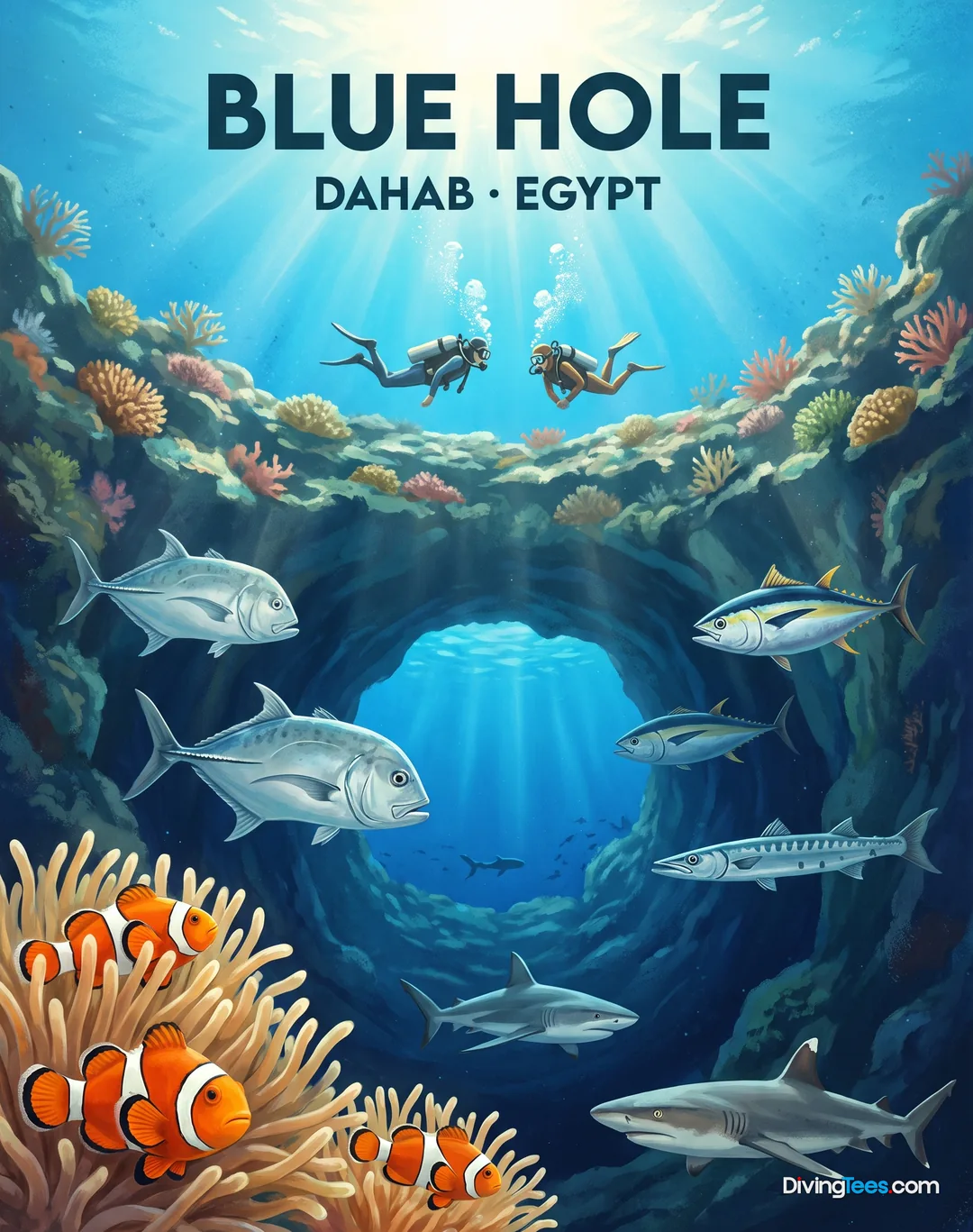
Blue Hole →
Max. depth · 130 m
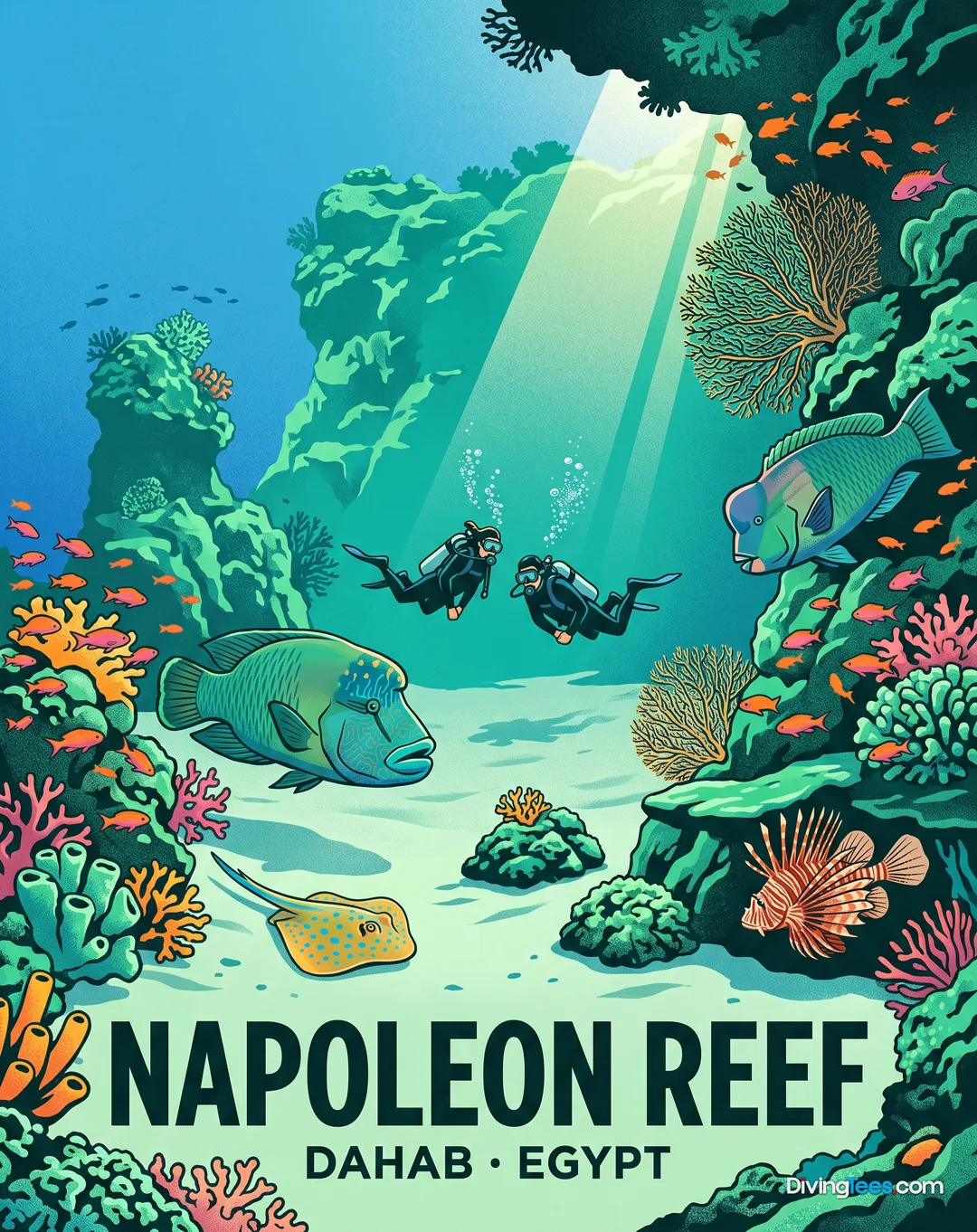
Napoleon Reef →
Max. depth · 30 m
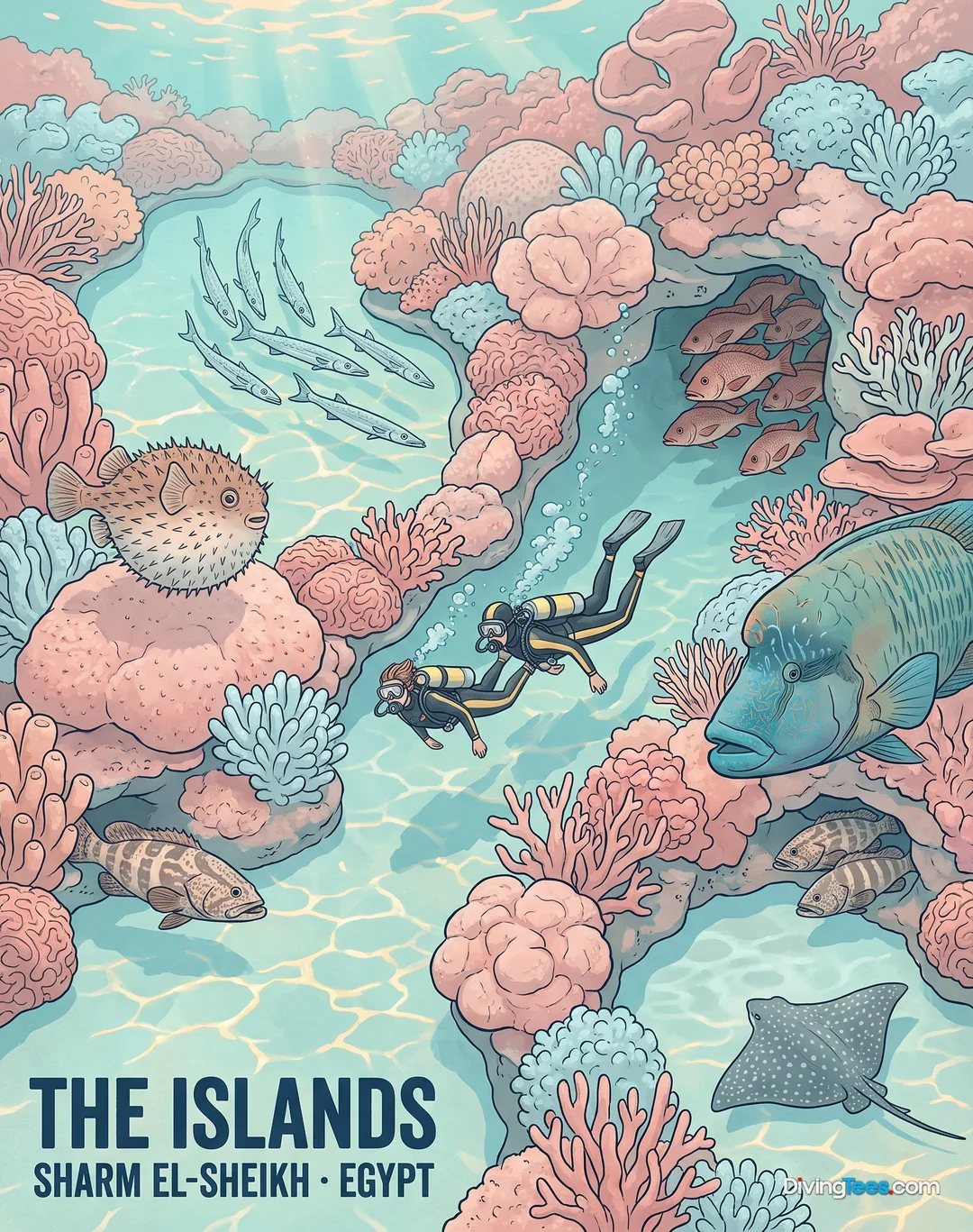
The Islands →
Max. depth · 18 m
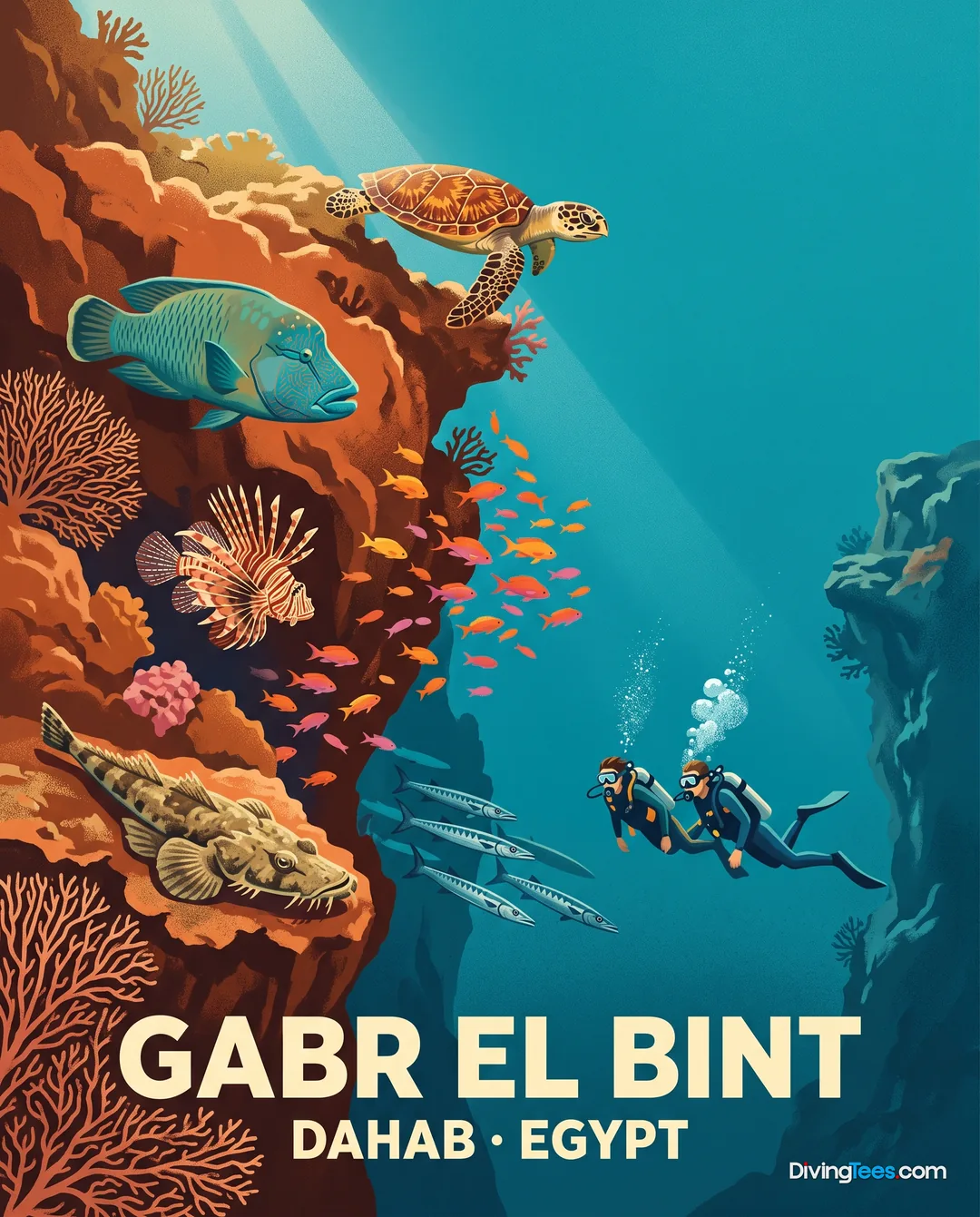
Gabr el Bint →
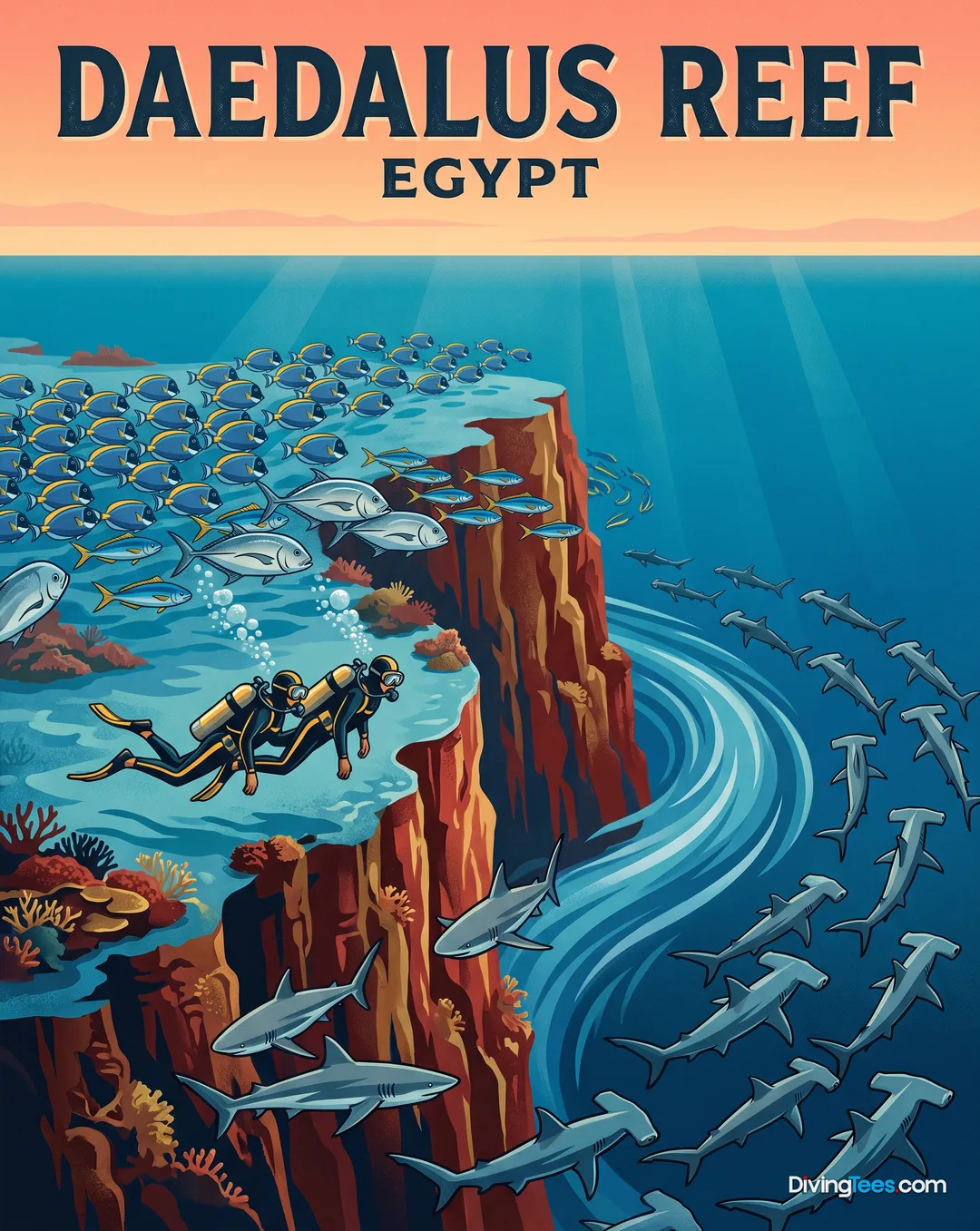
Daedalus →
Max. depth · 40 m
Itineraries, dates and prices
Prices per person. Each month shows its lowest price: click a month, or pick an itinerary.
Next departures · 42 departuresfrom £502$672€600
November 2026
December 2026
See dates and prices
If you click these links and make a purchase on the partner site, DivingDeal may earn a commission, at no extra cost to you.
Dates and prices taken from Divebooker and liveaboard.com, updated 23 October 2026
What you’ll meet underwater
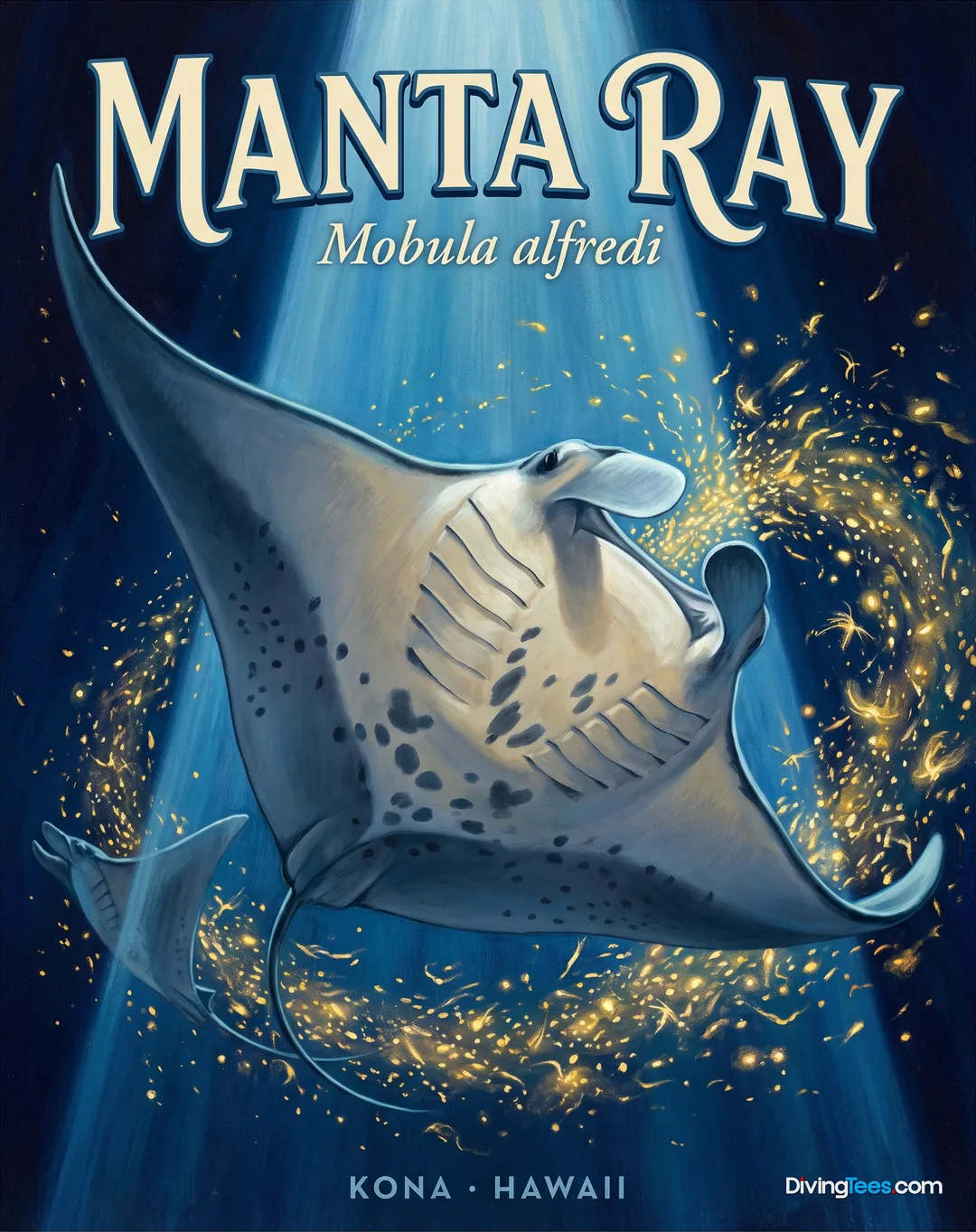
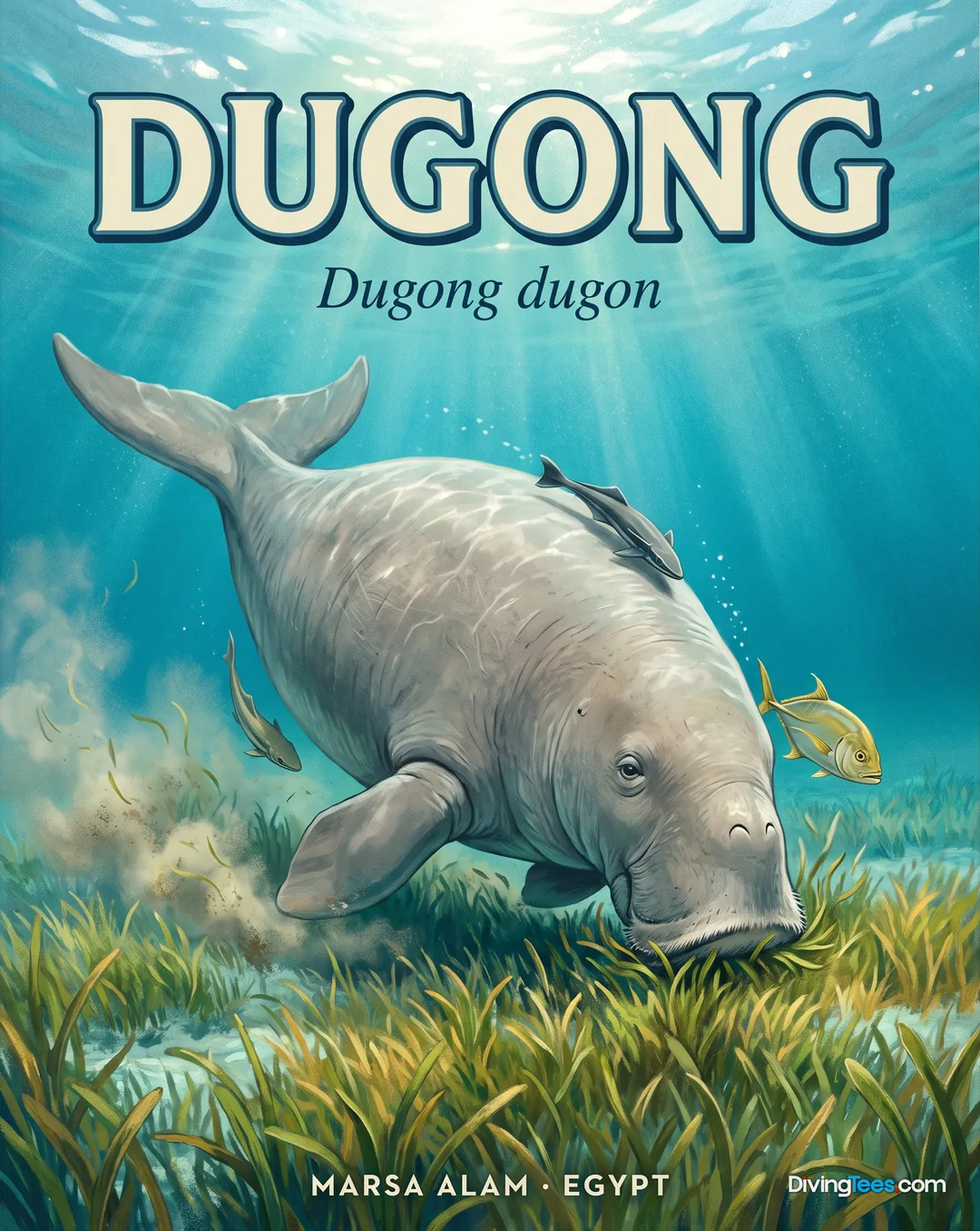
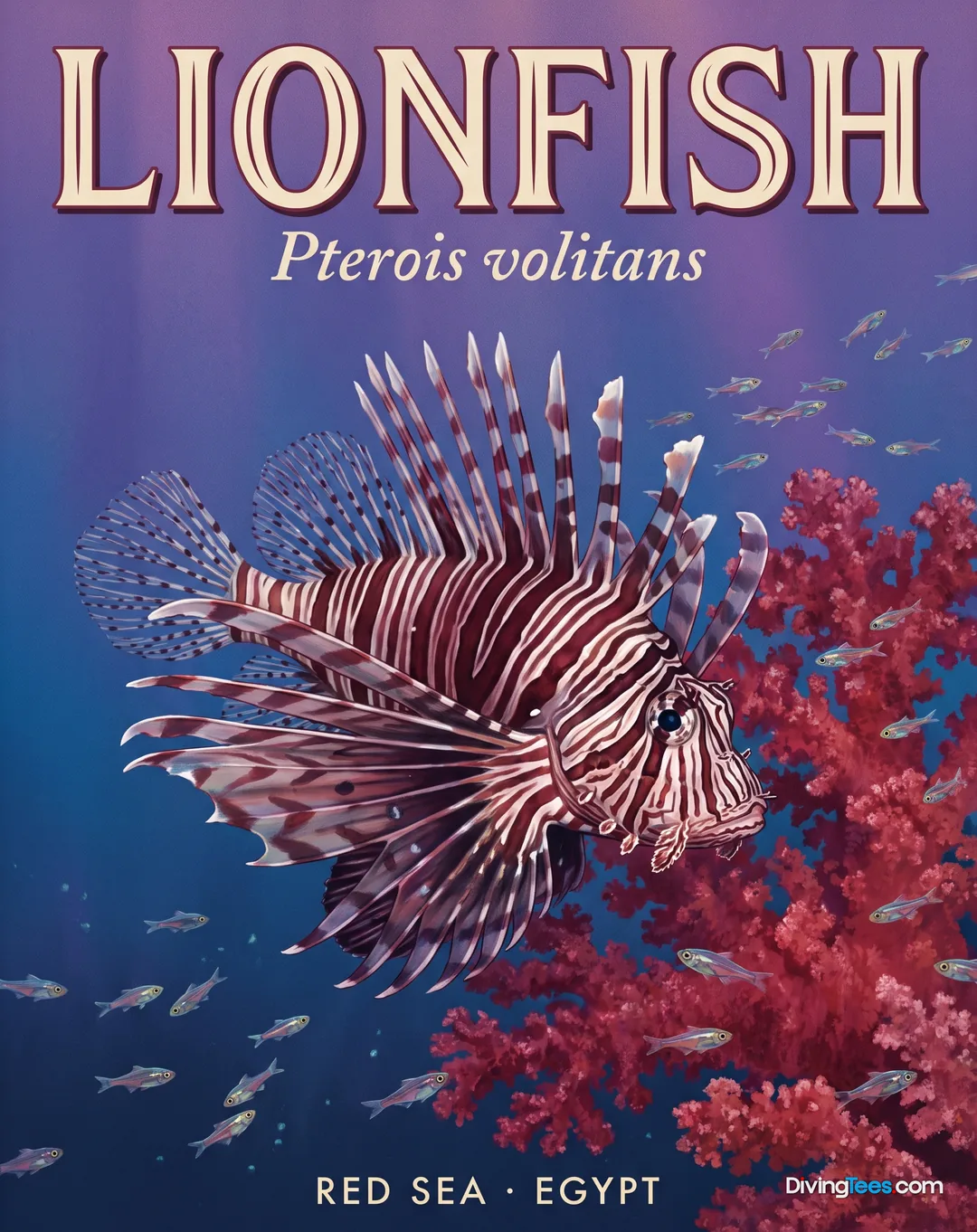
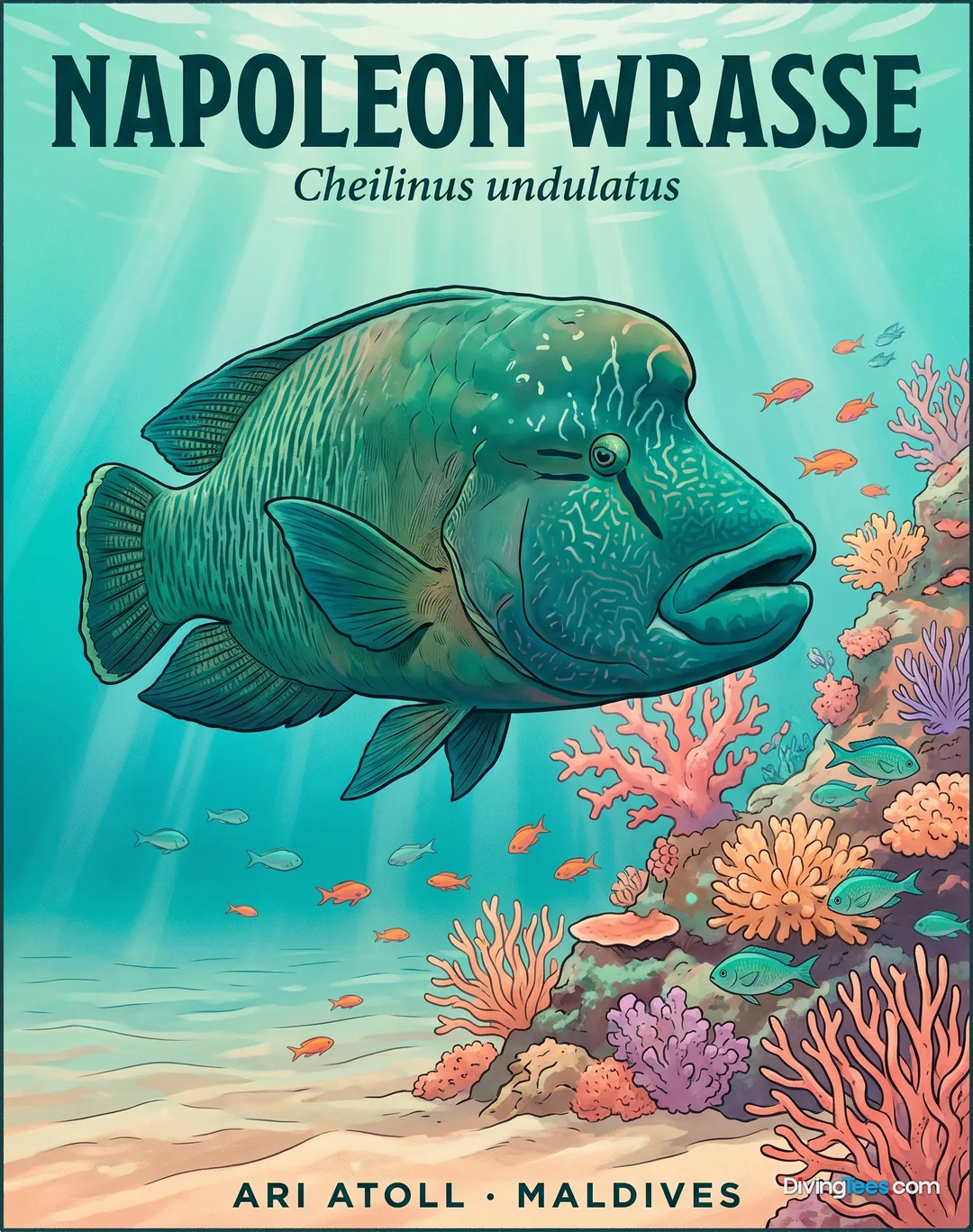
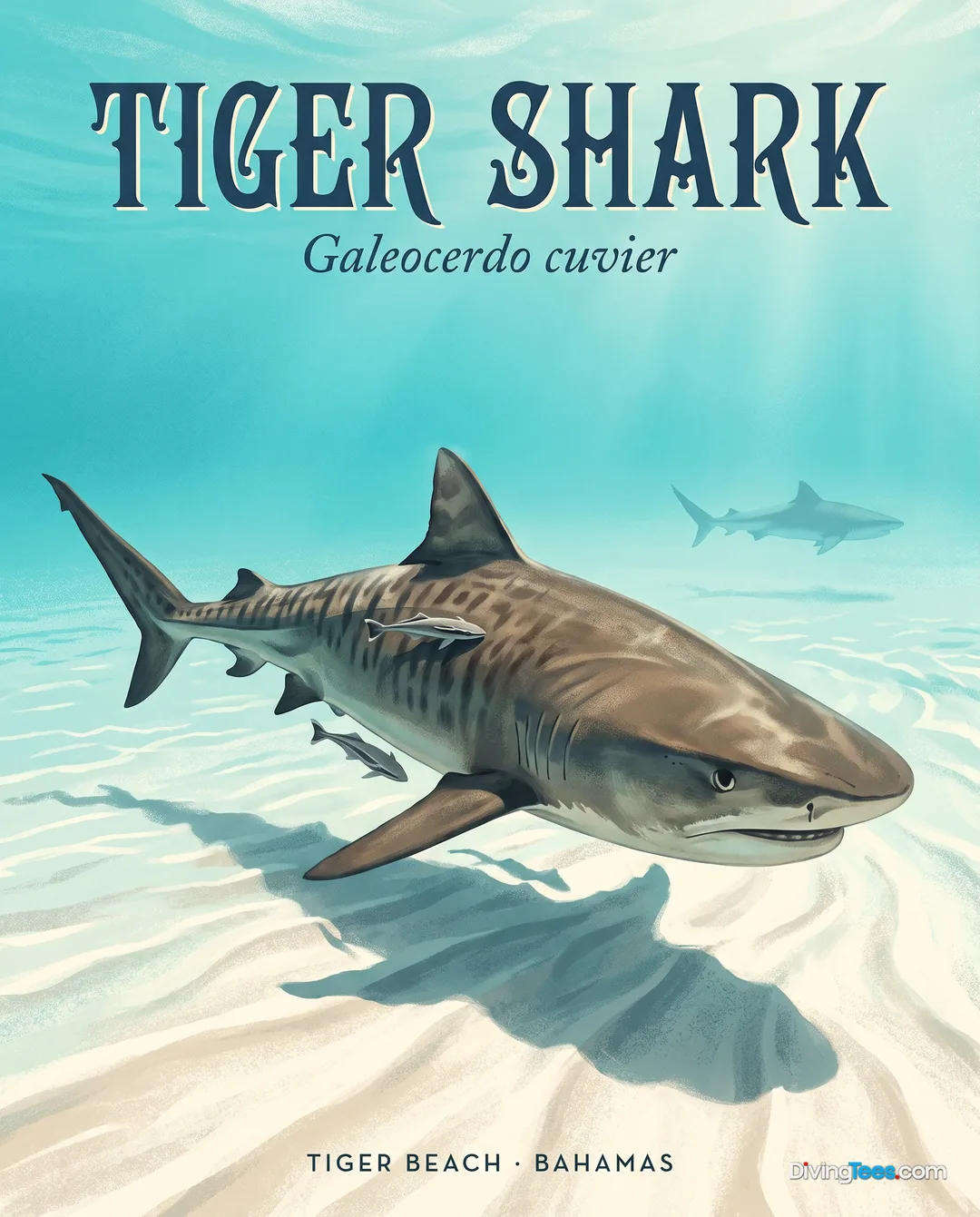
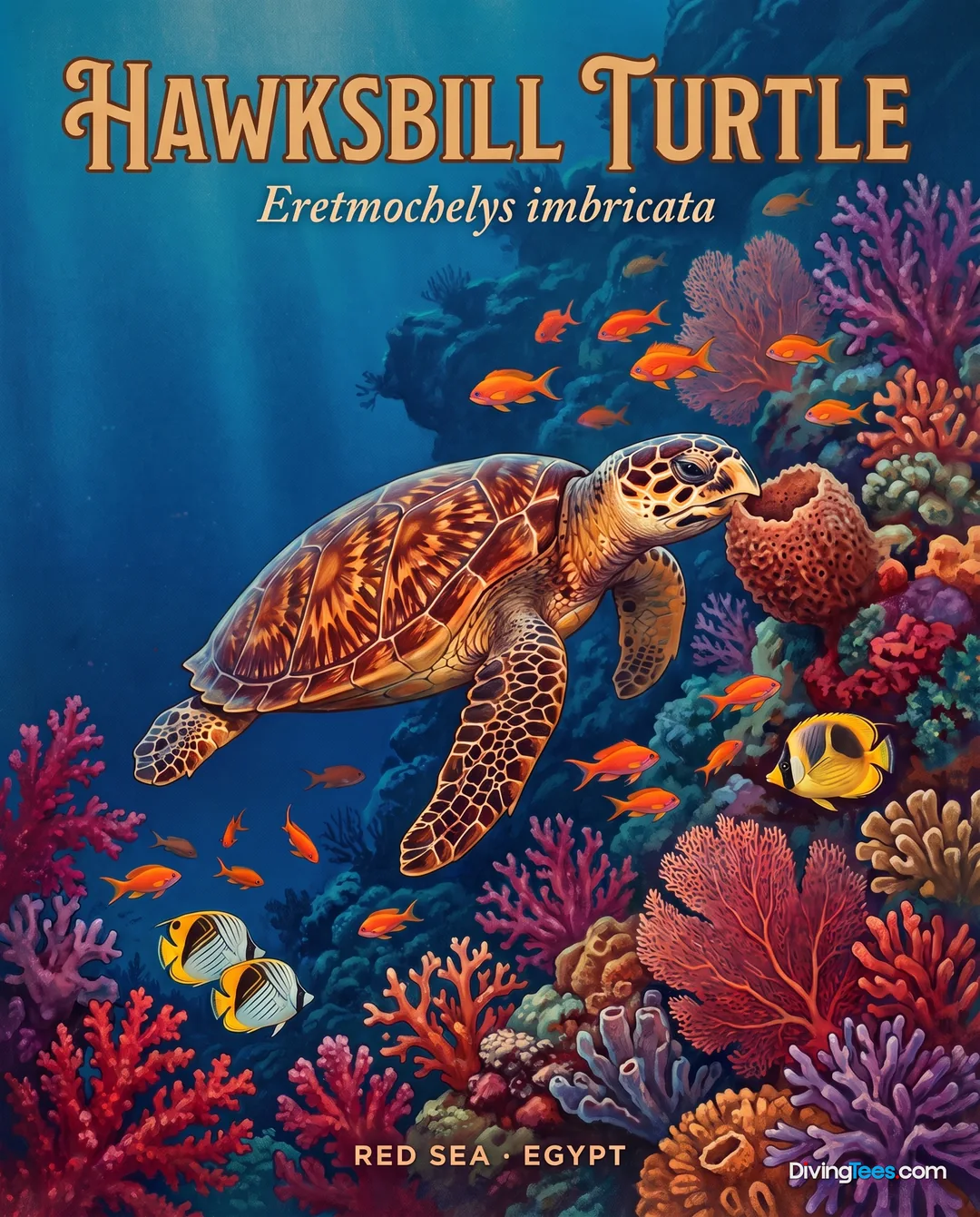
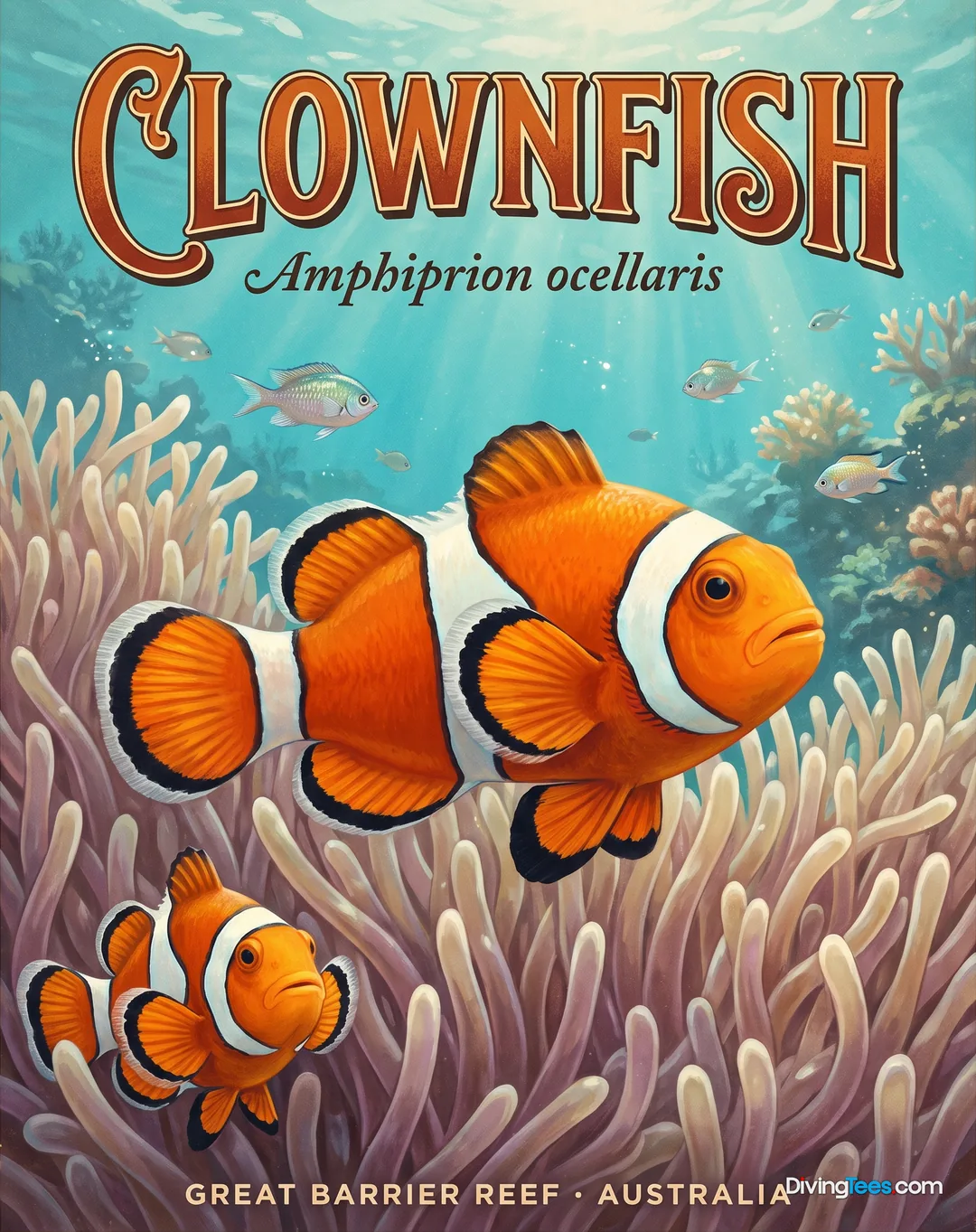
Across the route, the recurring cast is substantial: turtles, Napoleon wrasse, barracudas, reef sharks, tuna, groupers, manta rays, grey reef sharks, jacks and moray eels, backed by soft coral, anthias and scorpionfish. Currents and cleaning stations give the larger animals a reason to gather, while shallow gardens keep the dives busy when the blue stays quiet. Some sightings are tied to a particular site. Elphinstone is the place associated here with blacktip reef sharks, tiger sharks, oceanic whitetips, hammerheads and even hawksbill turtles. Brothers brings anemones and the isolated-reef pelagic action. Zabargad is the only named site on this route for dugongs. Ras Abu Galum can produce bigeye trevally in the blue, while Blue Hole is the place for clownfish and triggerfish among its coral walls and technical passages. El Fanadir has frogfish and sweetlips; Shaab Sabina has damselfish. None of these animals is guaranteed, but each gives a site its own reason for being on the itinerary.
Who puts you in the water
The crew speaks English and German and works with divers across recreational, technical, sidemount and rebreather profiles. The boat supports Trimix, helium and oxygen use, and Nitrox certification and scuba courses can be arranged onboard. Safety equipment includes oxygen, first-aid kits, fire alarms and extinguishers, life rafts, life jackets, radar, GPS and VHF/DSC/SSB radio. That is a solid vessel-level safety base; the personal standard remains the diver’s certification, experience and ability to handle the planned conditions.
The dive deck and the gear
This is the section that sets Tala apart. The fill station uses a Coltri Sub compressor rated at 200 L/min, with a Trimix system, six filling whips and full helium/oxygen partial-pressure blending. Nitrox is available, and technical support extends to rebreathers, sidemount, scooters and stages. The equipment inventory includes 25 single tanks, 10 sets of aluminium 11-litre doubles, aluminium 6-litre and 11-litre stages, DIN adapters, spare backplates, wetsuits, computers and booties, with lead weights available in different sizes. Rental equipment can be arranged, as can 15-litre tanks, doubles, stages and rebreather equipment. The deck has shaded working space, diver tenders, rinse tanks, a separate camera rinse, charging stations and hot-water showers. Oxygen and first-aid equipment are carried onboard.
Between dives
Between dives, the natural place to settle is the shaded outdoor dive area, where equipment can stay organised and the next entry is never far away. The terrace and other outdoor spaces give a choice between sun and shelter, while the air-conditioned salon is the retreat when the heat builds. Photographers have a dedicated area and a separate camera rinse tank, so a housing can be dealt with without competing with masks, fins and regulators. There is also an indoor lounge with audio and video entertainment, internet access and a bar. The useful luxury is being able to move from water to shade, meal and rest without leaving the working rhythm of the boat.
A day on board
A day on Tala is shaped by the next dive. The briefing comes first, followed by equipment checks, the tender transfer or entry from the dive platform, then the return to rinse, eat and recover. Meals divide the time without interrupting the diving: breakfast before or around the first water session, lunch after the morning work, snacks during the gaps and dinner when the day’s diving is finished. Passages between remote reefs are part of the plan, with the boat moving while divers rest, charge cameras, sit in the shade or retreat to the air-conditioned salon. The exact number and timing of dives depend on the itinerary, site conditions and the profile being planned. That flexibility matters on routes where a current dive, a deep wall and a shallow coral garden do not belong to the same timetable.
What you eat aboard
The galley prepares fresh local and international food from scratch, with three full meals forming the spine of the day. Expect buffet service, Western and local dishes, snacks through the day, and separate vegetarian and vegan options. Non-alcoholic drinks, drinking water, tea and coffee are included; beer and wine are available onboard. That matters more at sea than it sounds. After a current dive or a long technical profile, a plate that is ready without ceremony is worth more than elaborate service. The kitchen keeps feeding simple, regular and varied enough for a full week underwater.
Nights at sea
The cabins are air-conditioned and have private bathrooms, with Standard Twin, Standard Bunk, Main Deck Twin, Main Deck Suite and Upper Deck Suite categories. Upper-deck cabins bring the simplest advantage on a liveaboard: more direct access to daylight and outdoor space, while the standard window gives a view of the sea rather than a sealed cabin wall. The point is not hotel-style decoration. It is having a clean, private place to rinse off salt, leave the wetsuit behind and sleep between dives. Non-smokers will find designated cabins, and non-divers who snorkel are welcome, so the boat can work for a mixed group without changing its diving purpose.
Standard Twin Cabins
Standard Bunk
Main Deck Suite
Main Deck Twin
Upper Deck Suite
What to know before boarding
Most departures and returns are Hurghada–Hurghada. The Brothers–Daedalus–Elphinstone route also runs Hurghada–Port Ghalib, while Daedalus–Rocky–Zabargad runs Port Ghalib–Port Ghalib. Airport and hotel transfers are included, with the meeting details provided for the booked trip. Arriving the night before is the sensible choice, especially for a liveaboard departure where a delayed flight can cost more than a night on land.
- Length
- 36.6 m/36 m
- Beam
- 7.3 m
- Maximum number of passengers
- 22
- Number of cabins
- 11
- Engines
- 2 × 580 diesel caterpillars
- Cruising speed
- 12-14 knots
- Website
- redseaexplorers.com ↗
Hello, I'm Marina, DivingDeal.com's AI assistant. I answer in detail about hotels, dive centres and liveaboards.
Thinking about the whole trip and the flights? Talk it over with Edith →
Marina is an AI. Some links are affiliate links: DivingDeal may earn a commission, at no extra cost to you. Bookings are made with the partner.