Liveaboards · Indonesia
Alila Purnama — a traditional Indonesian vessel for small-group diving
The invitation
Alila Purnama suits divers who want Raja Ampat or Komodo from a traditionally crafted Indonesian vessel rather than a standard floating hotel. Its small guest capacity keeps the trip personal, while the five suites, full board and air-conditioned indoor spaces give the boat a clear comfort-first character. The reason to choose it is the balance: serious access to reef sites, manta encounters and macro life, with time set aside for kayaking, snorkeling and island excursions. It is also a practical choice for a group or private charter, since the boat is designed for up to 10 passengers and accepts groups and charters.
Boarding
The first impression is of a traditionally crafted vessel built in ironwood, with the visual character of an Indonesian sailing boat rather than a purpose-built dive platform. Alila Purnama brings that maritime identity into the interior: a bar, an air-conditioned saloon and an indoor saloon give the group places to gather without turning the boat into a resort replica. Movement between the shared areas and the dive deck is part of the experience, with the boat serving as both transport and base for the expedition. It is a compact guest community by liveaboard standards, with only five suites and space for no more than 10 passengers.
The atmosphere on board
The atmosphere is shaped by a small guest group, five suites and an English-speaking crew. That scale makes the shared spaces feel communal without requiring a large social programme: meals, briefings and excursions bring the same people together throughout the trip. The Indonesian design continues beyond the hull, through regional textiles, art and batik in the suites. Evenings can stay simple in the bar or saloon, with audio and video entertainment available when the group wants it. Guests who want more than diving have a genuine place in the trip through snorkeling, kayaking, paddleboarding and island excursions.
The sites you’ll dive
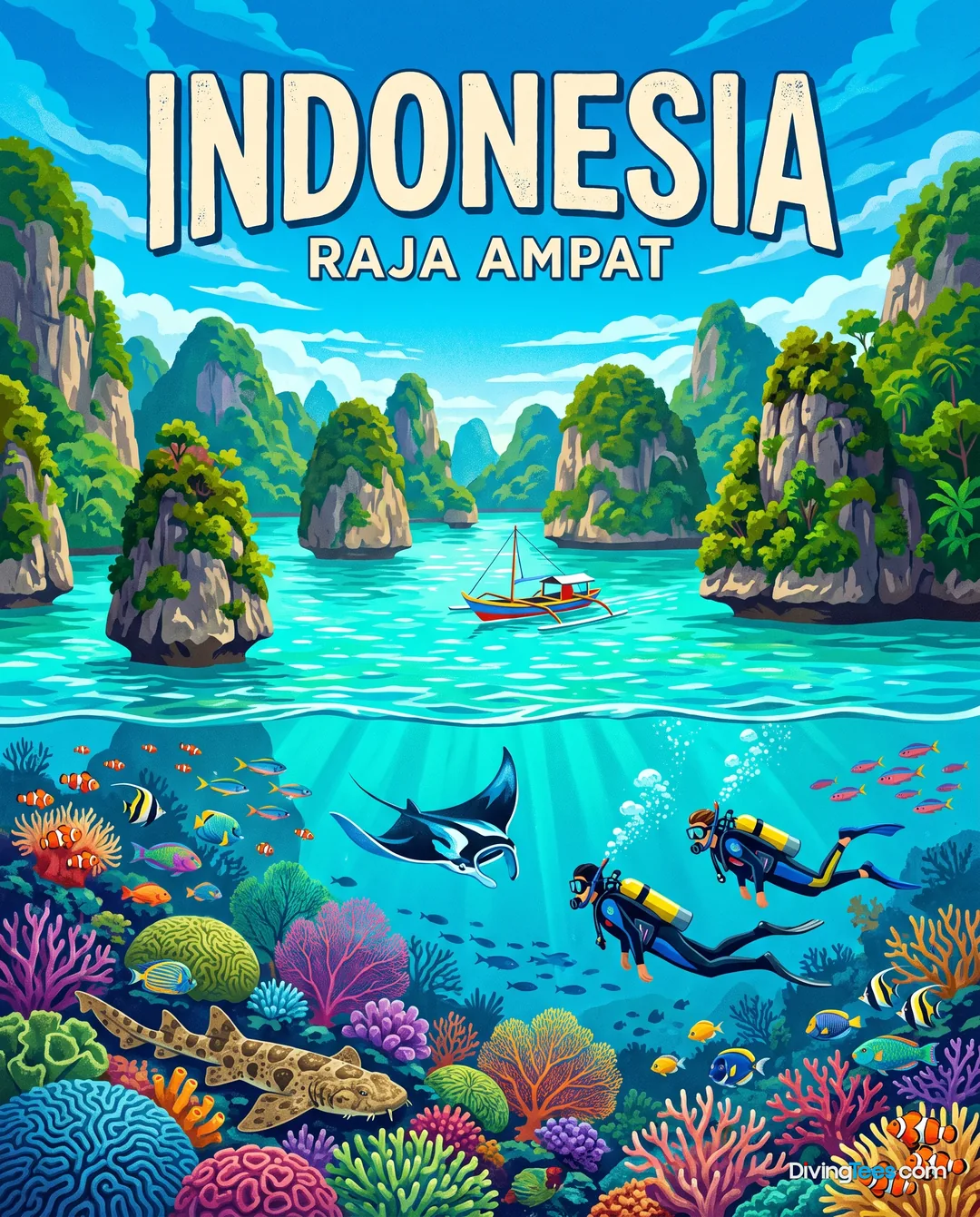
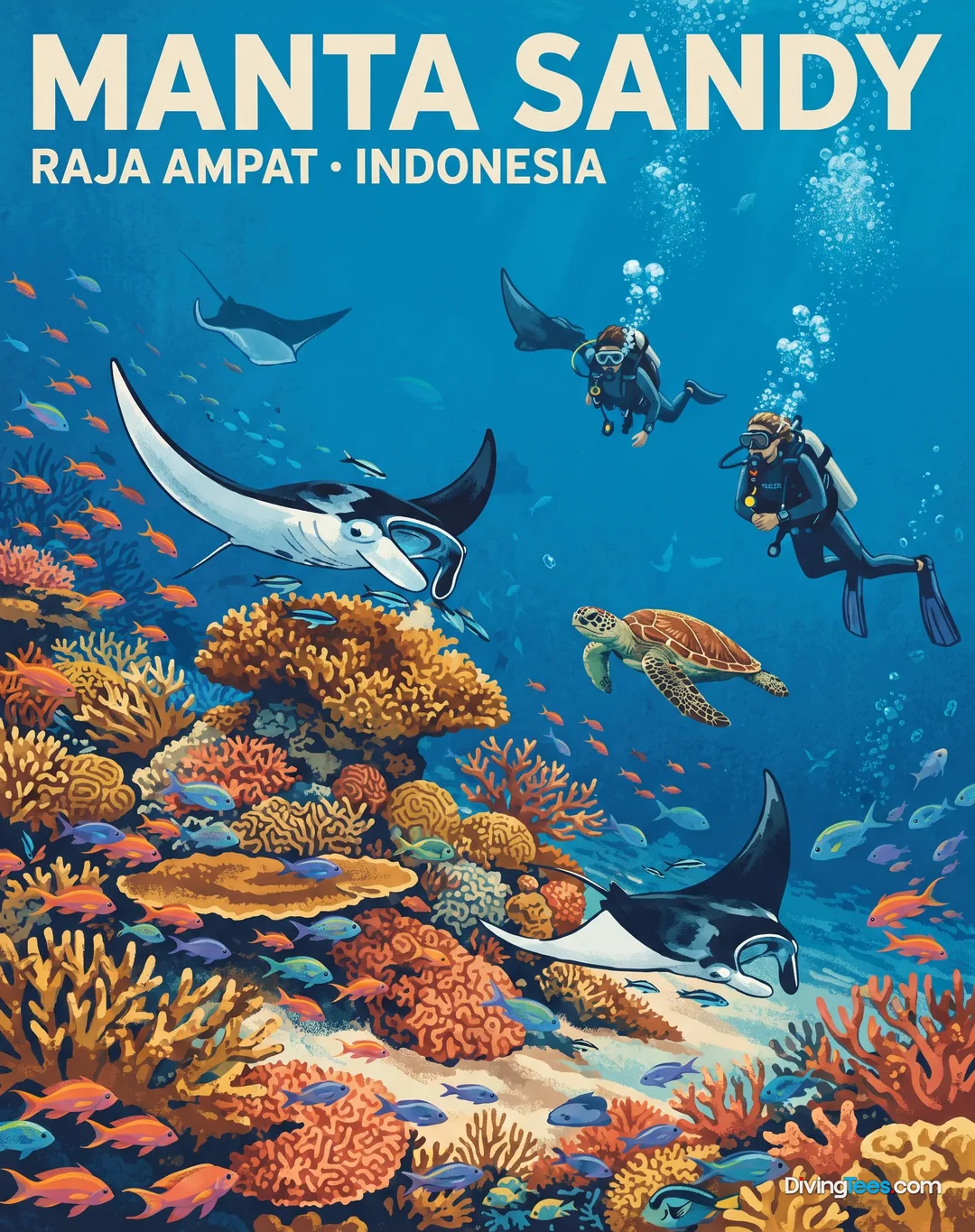
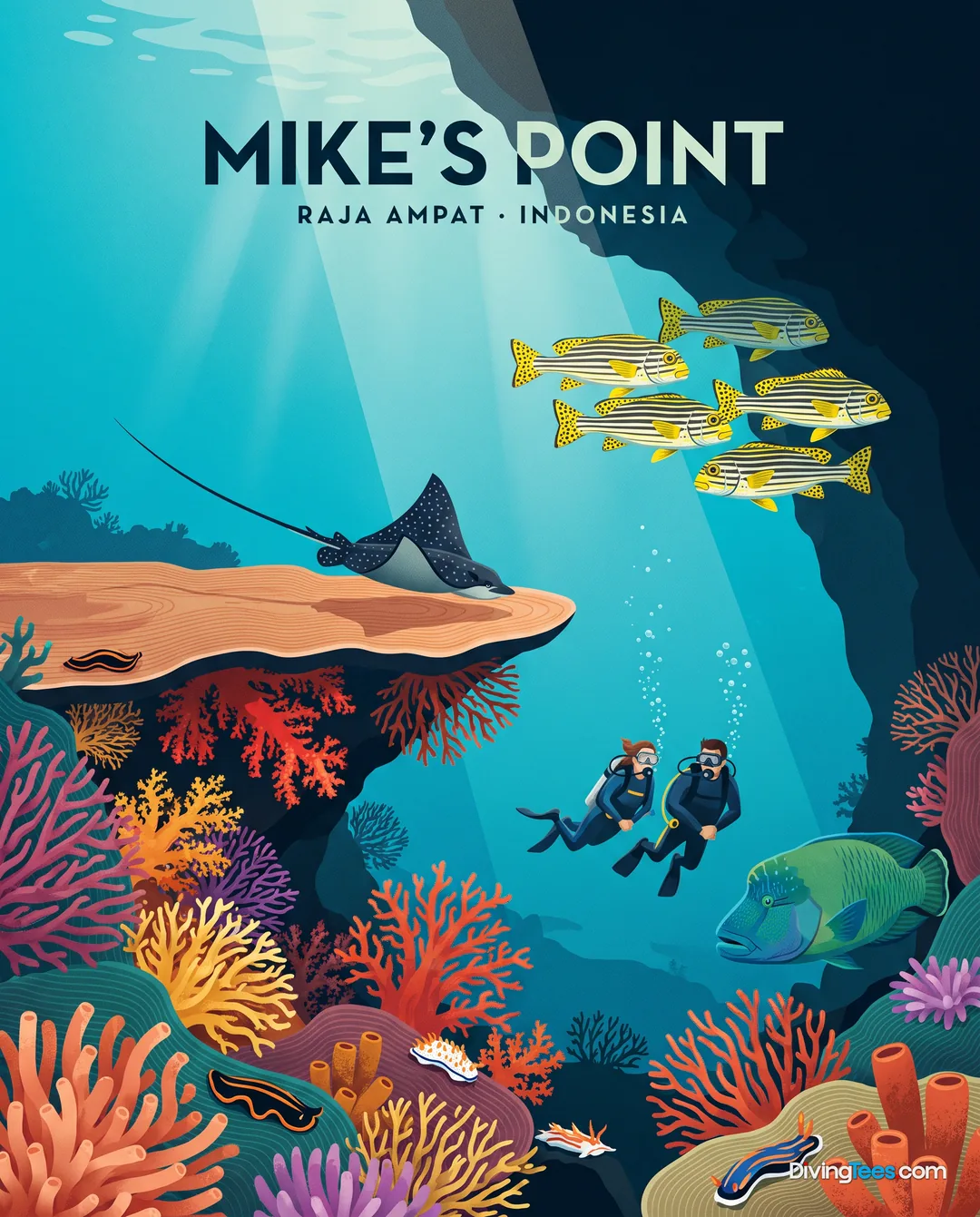
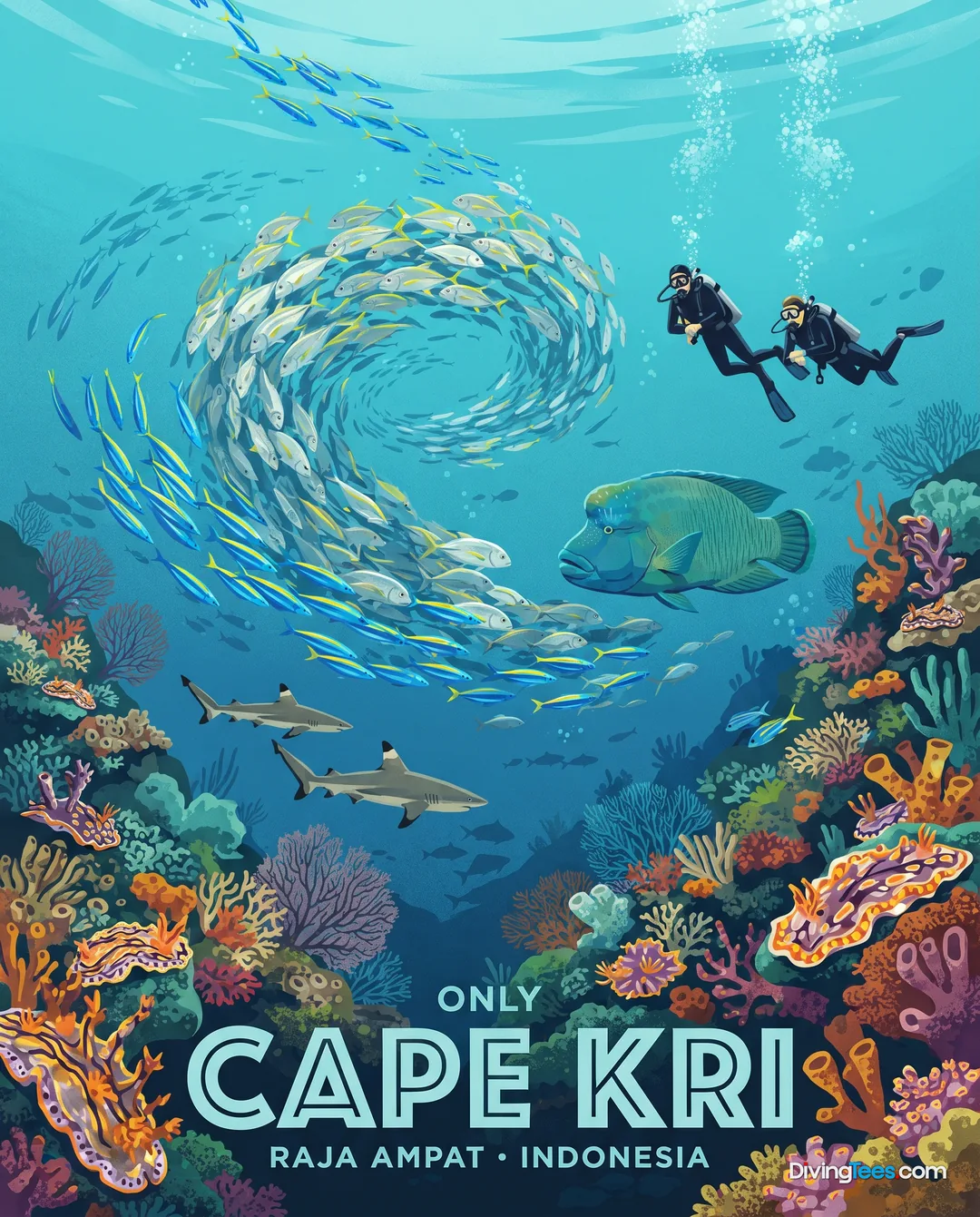
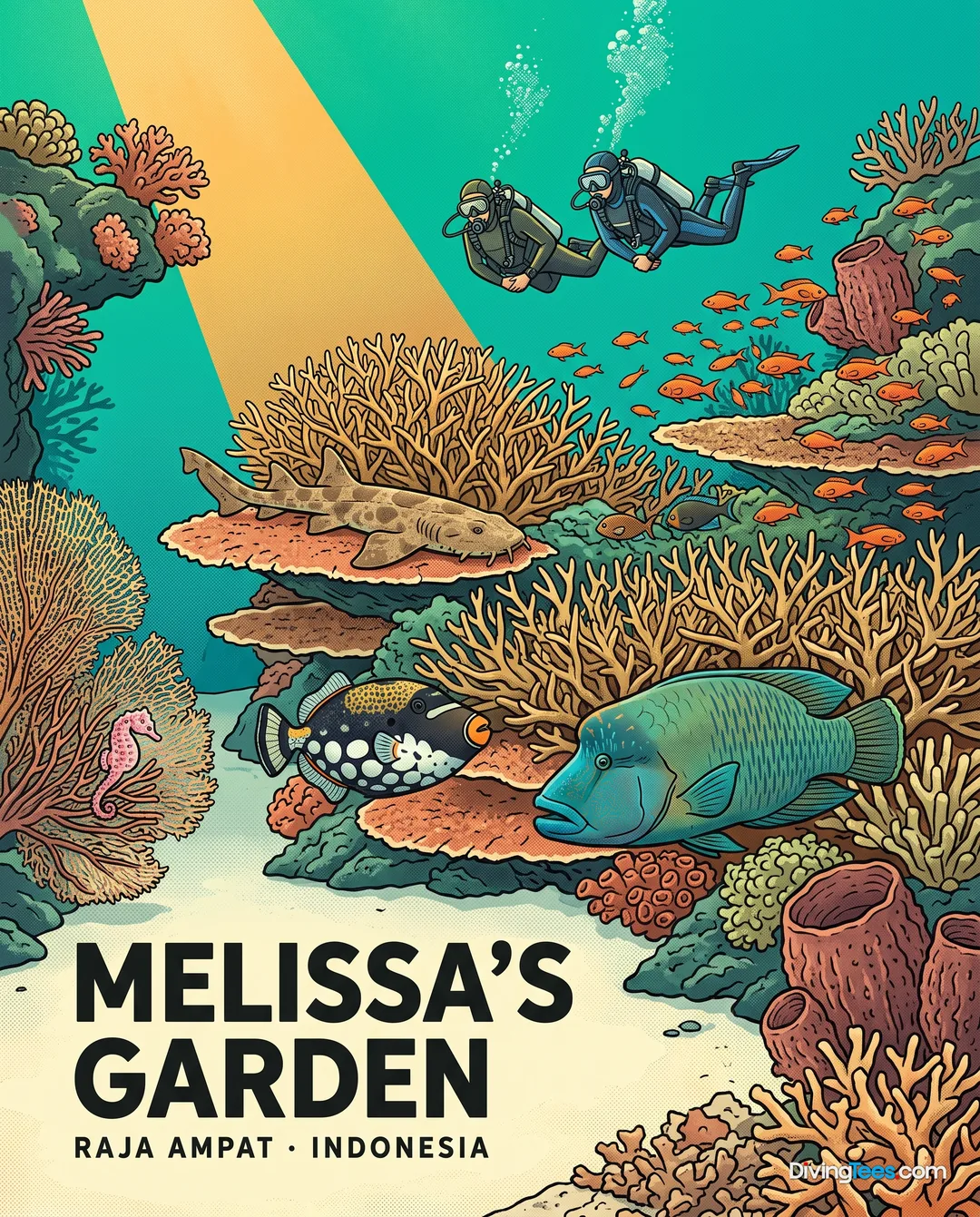
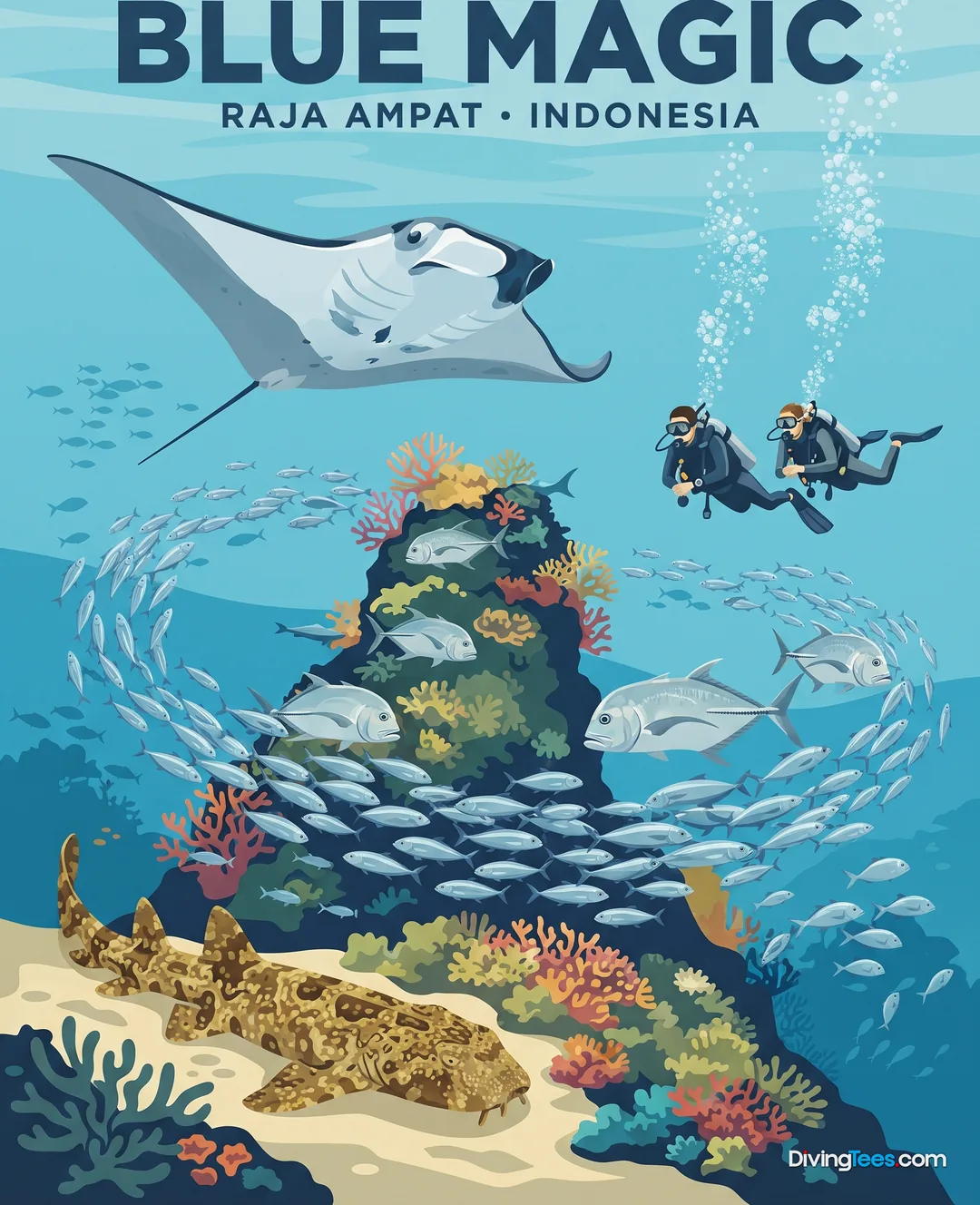
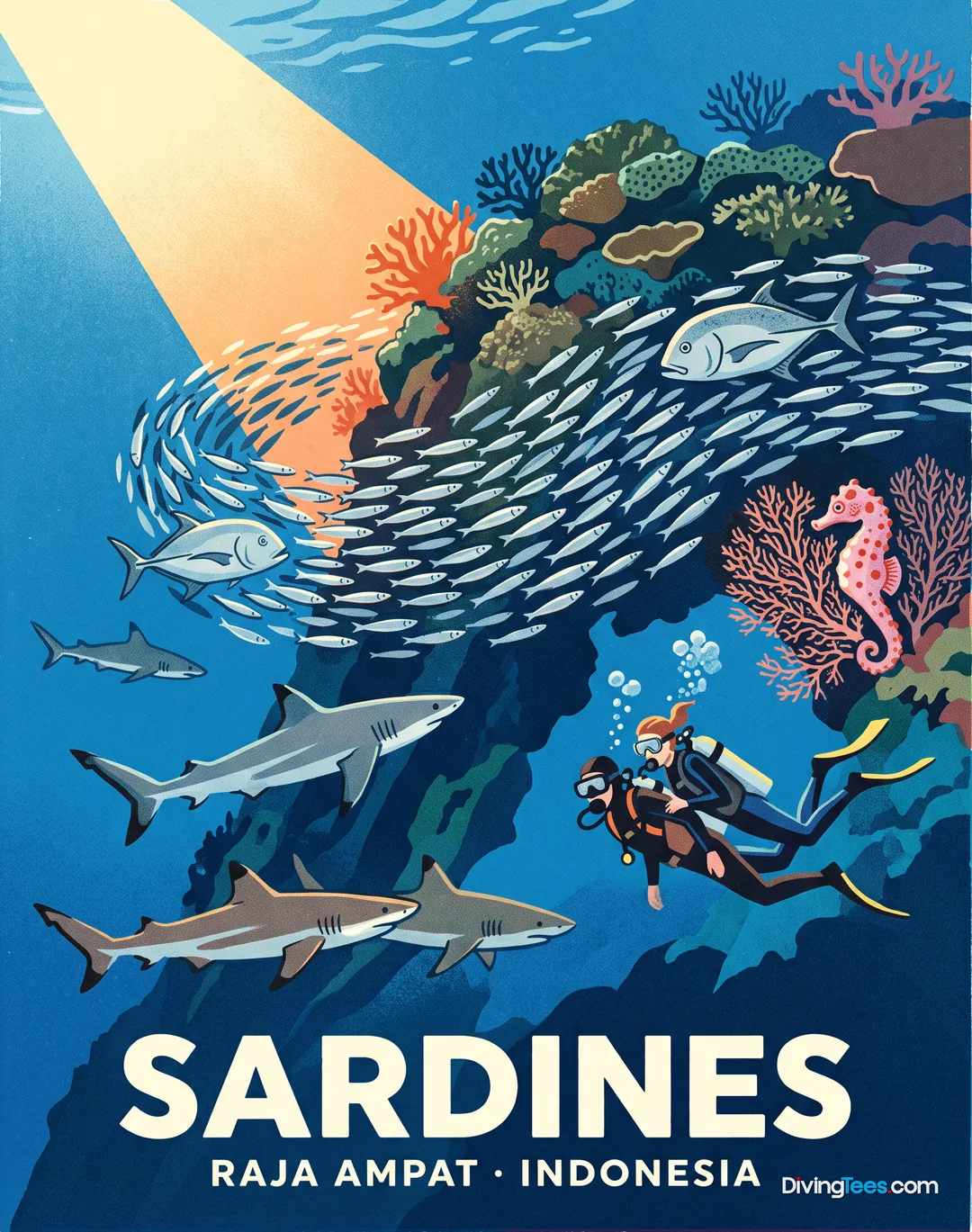
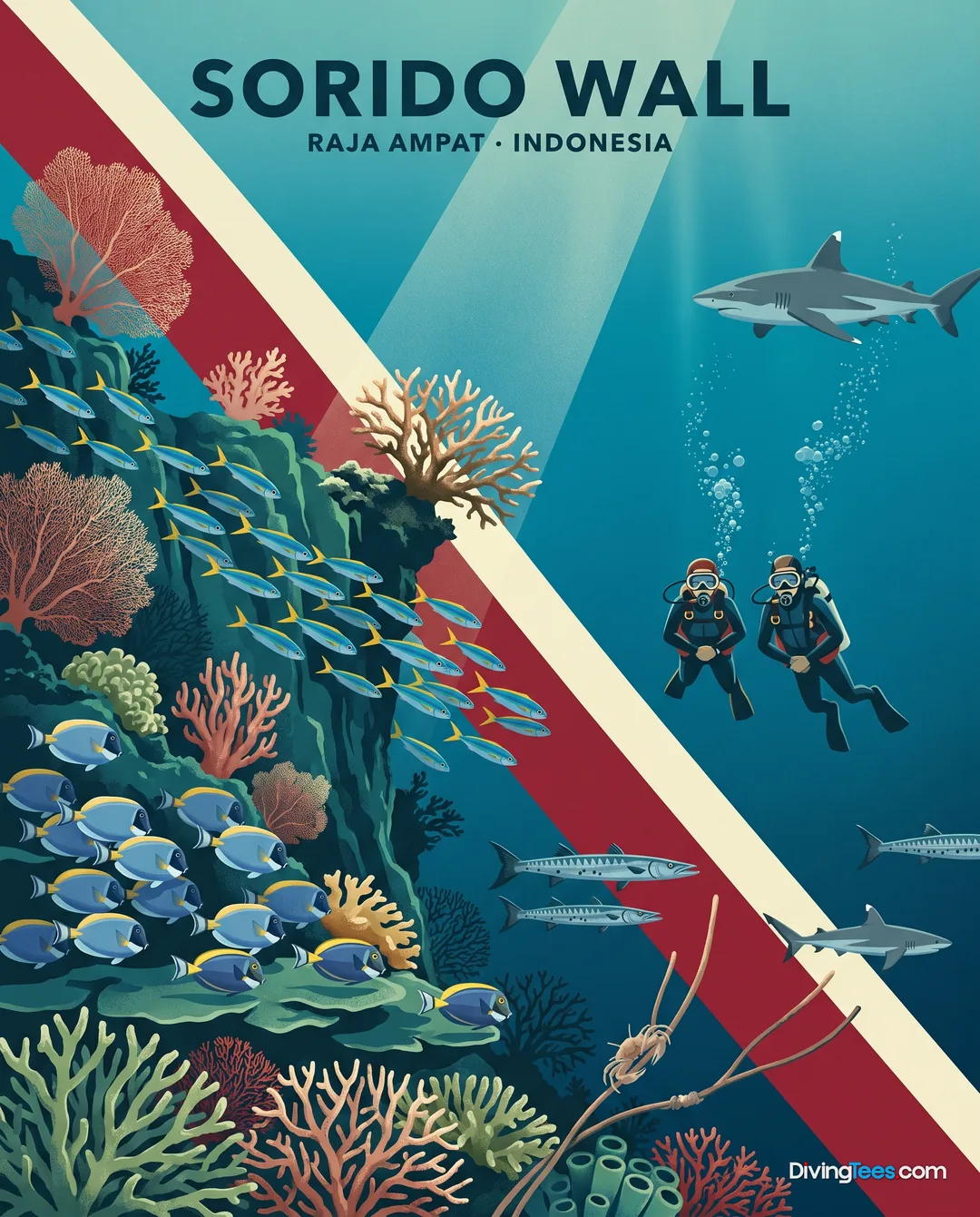
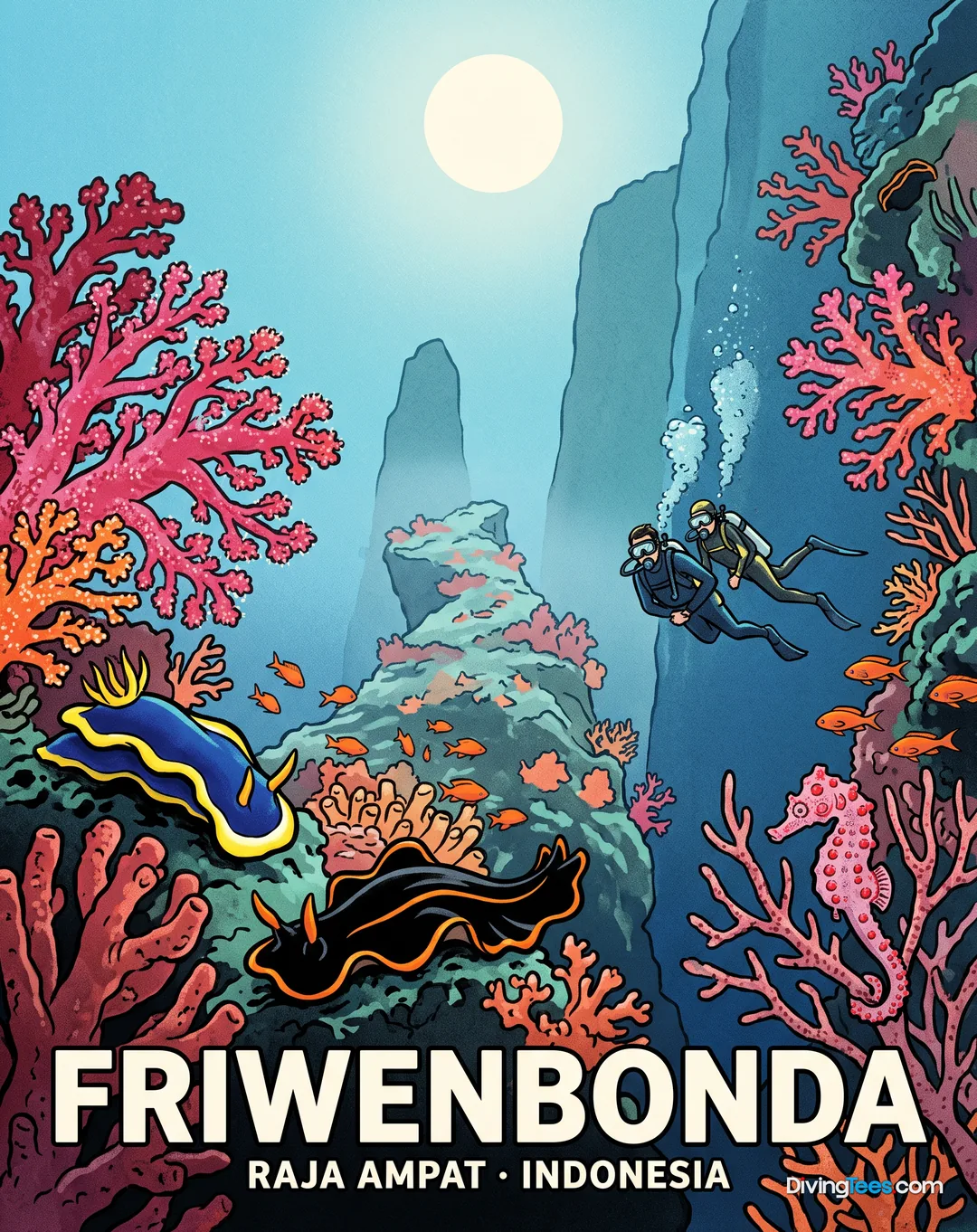
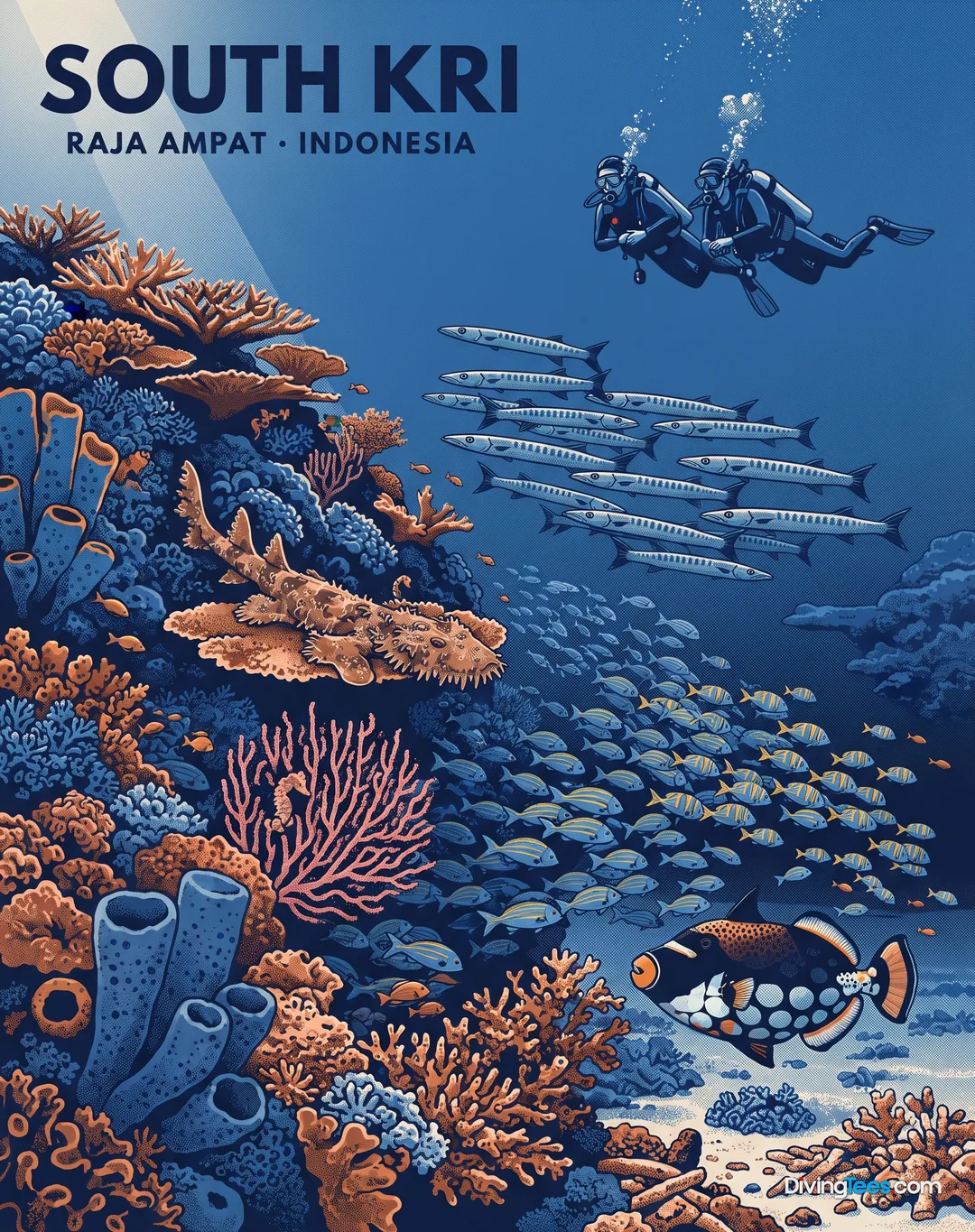
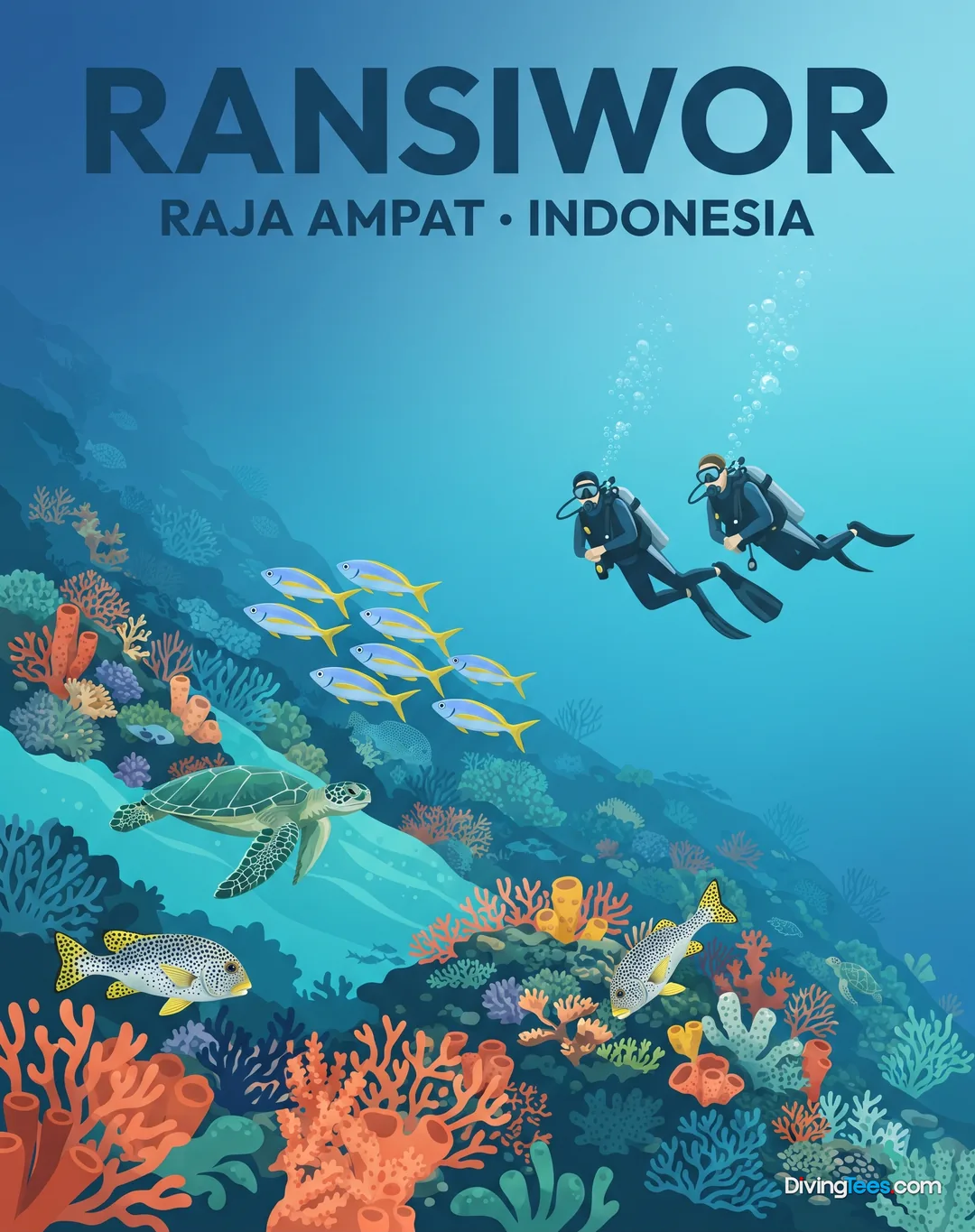
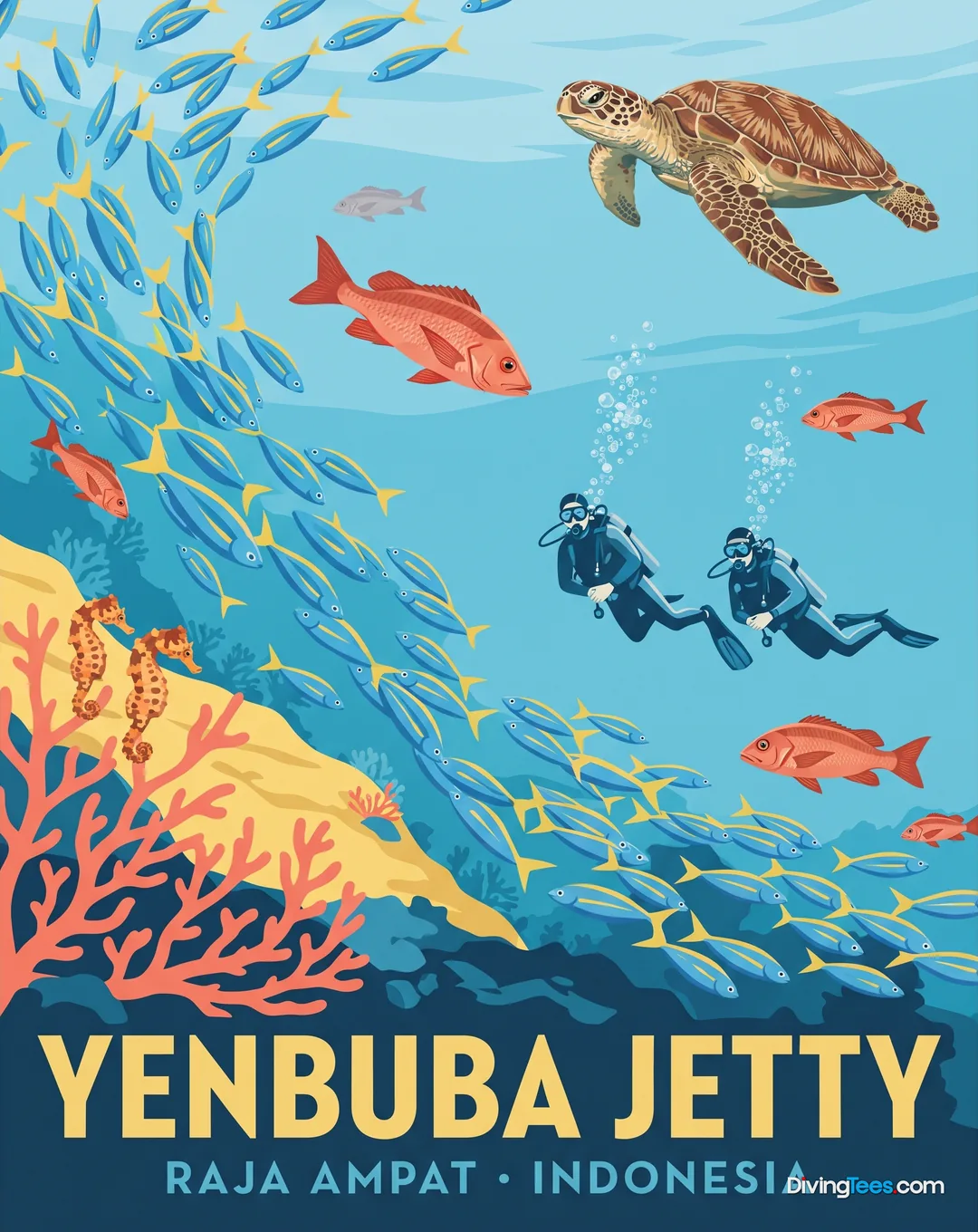
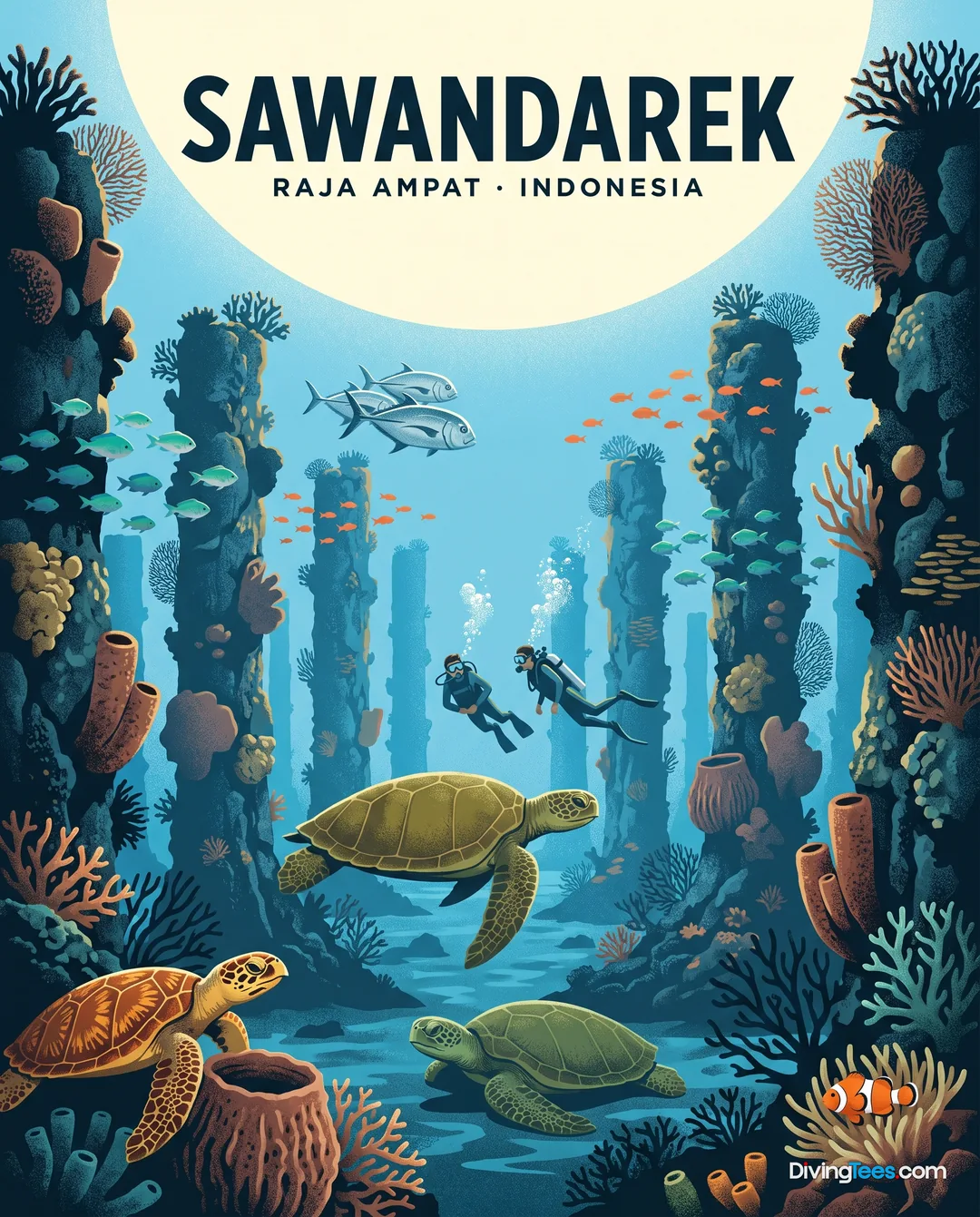
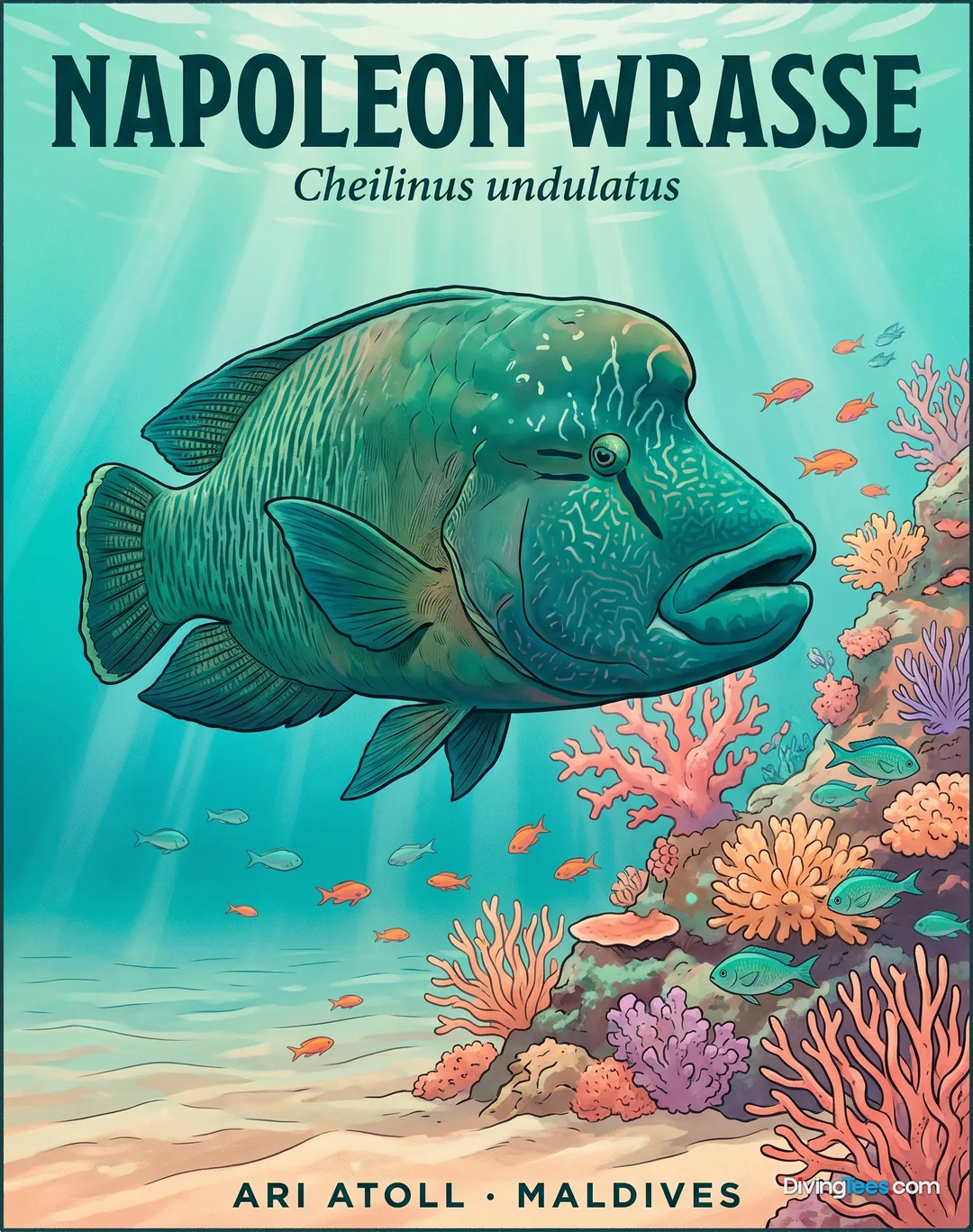
The Raja Ampat itinerary runs from Port of Sorong to Port of Sorong for 8 days and 7 nights. Manta Sandy brings reef manta rays to cleaning stations, while Mike's Point combines reef overhangs, soft corals and sweetlips with a plateau where eagle rays may pass; its maximum depth is -40m. Cape Kri is known for extraordinary fish abundance, with schools of emperors and fusiliers, reef sharks and Napoleon wrasse. Melissa's Garden drops to -35m among soft corals and staghorn formations. Blue Magic brings schooling fish and possible oceanic manta encounters, and Sardines turns dense fish concentrations into a moving reef scene. Sorido Wall places barracudas and reef sharks beside fusiliers and surgeonfish. Friwenbonda is a colourful soft-coral wall with macro life near the surface. South Kri is a drift with schooling fish and macro subjects. Ransiwor reaches -30m and centres on cleaning stations and yellow-back fusiliers. Yenbuba Jetty reaches -30m beneath fish-filled, coral-covered pilings before opening onto a sloping reef. Sawandarek adds giant green turtles and jackfish in shallower water. Recorded departures also include an 8-day, 7-night Komodo Expedition from Labuan Bajo to Labuan Bajo.
What you’ll meet underwater
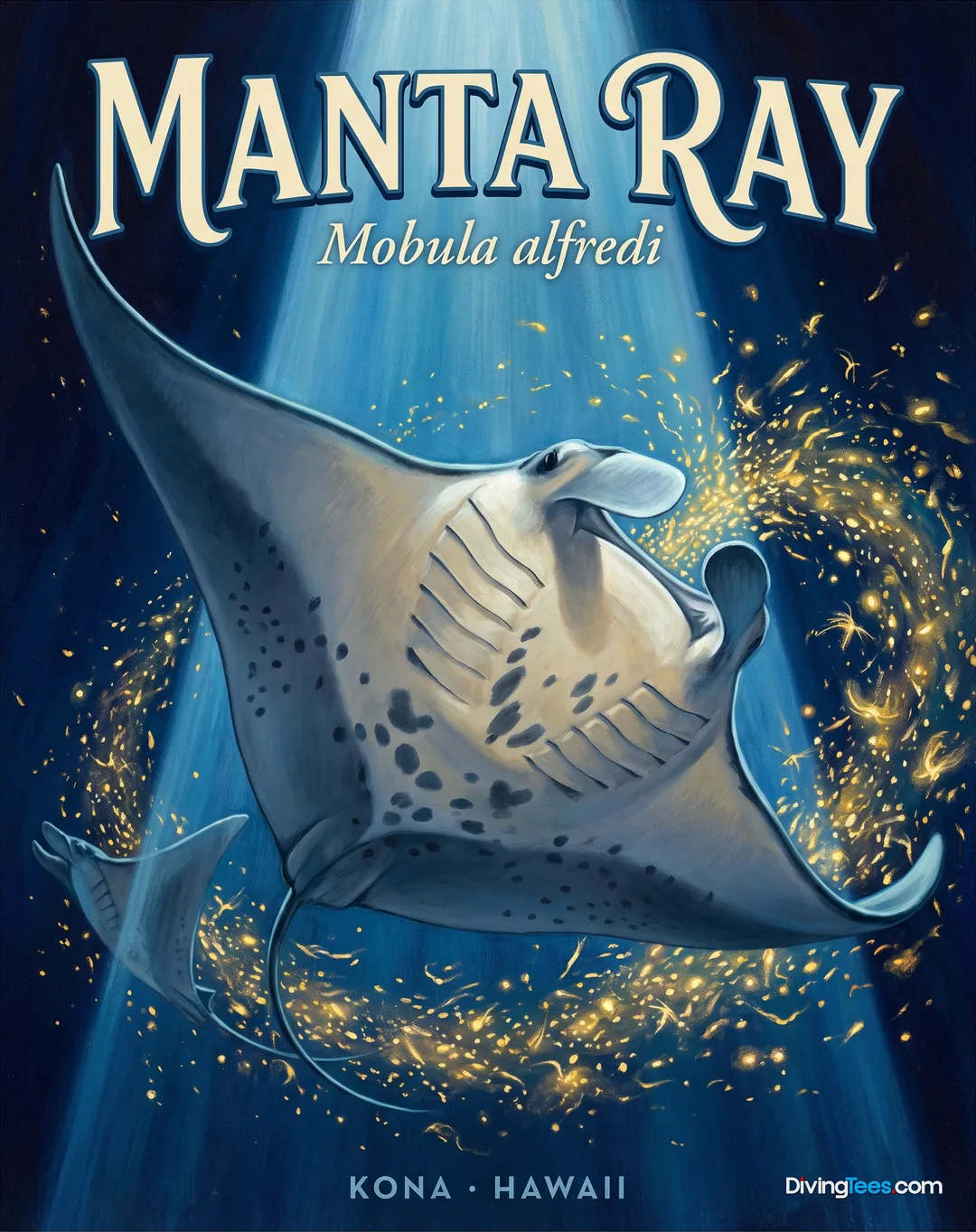
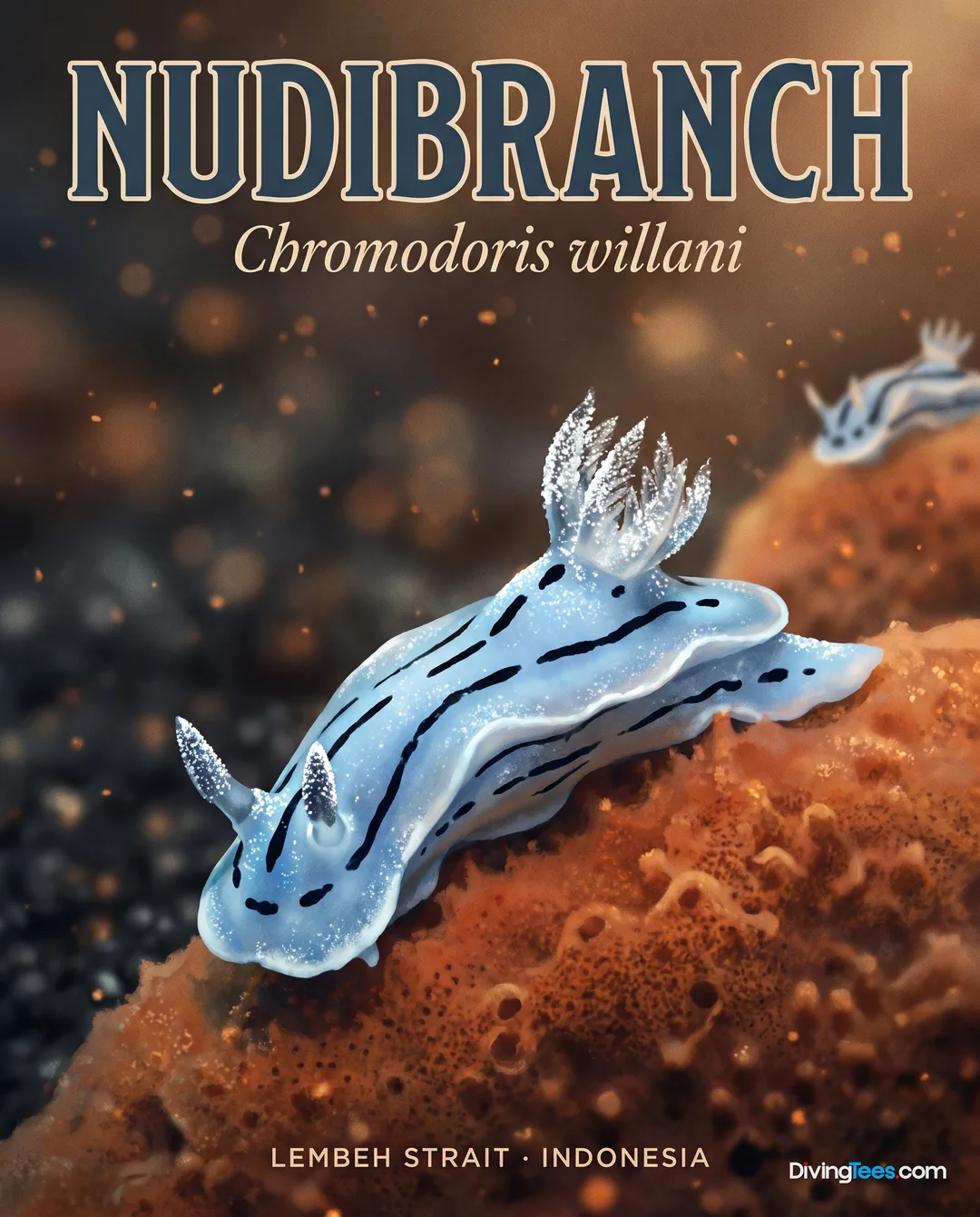
Across this Raja Ampat route, the recurring spectacle is movement: barracudas and reef sharks, schools of fusiliers and trevallies, Napoleon wrasse, bumphead parrotfish, groupers, turtles, soft corals and nudibranchs. Cleaning stations give Manta Sandy its direct manta-ray encounters, while the current and schooling fish at Blue Magic can bring oceanic manta rays, oceanic sharks and tuna into view. Cape Kri is the place associated with the giant grouper and its remarkable fish diversity. Ransiwor's cleaning stations may produce octopus, titan triggerfish and Moorish idols. South Kri combines macro life with schooling fish and is the only listed site associated with bigeye trevally, crabs and shrimp. Yenbuba Jetty is where anthias and damselfish join the small subjects around the jetty, while Sorido Wall is the site linked with surgeonfish. Sightings remain conditions-dependent, but the route gives both large-animal encounters and patient macro searches a clear place.
Who puts you in the water
Dives are organised with a maximum guide-to-diver ratio of 1:4, a useful limit for sites where current, schooling fish and large animals can divide a group quickly. The crew language is English. Guests need at least 10 logged dives and an Open Water Diver certification or equivalent, so the boat is open to recreational divers without being aimed at first-time beginners. Full boat safety is listed, but the available description does not detail the briefing format, guide qualifications, onboard courses, oxygen, defibrillator or diver-recall system.
The dive deck and the gear
The boat has a dedicated dive deck and compressors, so diving is handled from a proper working area rather than improvised from a leisure deck. Rental equipment is available for a surcharge. A nitrox membrane system is listed, while the diving specification marks nitrox as unavailable and the inclusions list also names nitrox; that combination needs careful attention when arranging the dive package. No details are given here for tank material or volume, DIN or yoke valves, tenders, camera facilities, rinse tanks, hot-water showers or surface-marker procedures. Technical diving is not supported.
Between dives
The gaps between dives are built around the Indonesian setting rather than only the saloon. Guests can take a kayak, stand-up paddleboard or snorkel, join an island-hopping excursion, or leave the water entirely and settle in the shaded or indoor shared spaces. The boat also carries fishing equipment, offers massage and spa treatments, and has audio and video entertainment for quieter hours. Non-divers are welcome, which matters on a charter or mixed trip: the itinerary can still offer the islands and surface life without asking every passenger to dive.
A day on board
A day follows the practical order of a diving expedition: the dive briefing comes first, then time in the water, recovery on deck, food and a return to the next briefing. Full board keeps meals close to the dive programme, while sailing between Raja Ampat sites creates the longer pauses in which guests can rest, snorkel, kayak or watch the islands pass. The boat's excursion programme adds island visits and paddleboarding when the itinerary allows. There is no published fixed timetable for wake-up, dive count or night dives, so the exact rhythm belongs to the route and conditions rather than a promise of identical hours each day.
What you eat aboard
Food covers both Western and local cooking, with buffet-style meals and plate service used on board. Dietary restrictions can be accommodated, while hot and cold soft drinks are available throughout the trip. Alcoholic drinks and spirits are also offered. The useful point after repeated dives is choice: a diver can take food as part of a buffet or sit down to a plated meal, rather than having every meal follow the same format. Special food requests that create additional sourcing or transport costs are treated separately.
Nights at sea
All five cabins are air-conditioned suites with ensuite bathrooms, towels and basic toiletries. Jawa, Bali, Madura and Cirebon are on the lower deck; bedding varies between double and twin arrangements in the suites where that option is offered. Their interiors draw on Indonesian design: rich textiles, regional art and, in Cirebon, blue Mega Mendung batik motifs. The Sriwijaya Master Suite is the one to choose for the strongest connection with the seascape, with wraparound windows giving 180-degree views, a private balcony and a large sundeck with a daybed and deckchairs. Every suite accommodates two guests, so the boat's 10-passenger capacity is matched to its cabin plan rather than created by squeezing in extra berths.
Jawa Suite
Bali Suite
Madura Suite
Cirebon Suite
Sriwijaya Master Suite
What to know before boarding
Raja Ampat departures leave from and return to Port of Sorong. The scheduled group transfer runs between the airport and the boat and is included. Arrive in Sorong the night before boarding so a delayed flight does not put the departure at risk. Komodo departures use Labuan Bajo for both embarkation and return, with the same 8-day, 7-night expedition format recorded.
- Year built
- 2011
- Length
- 46 m
- Beam
- 10 m
- Maximum number of passengers
- 10
- Number of cabins
- 5
- Engines
- 650 hp MAN
Hello, I'm Marina, DivingDeal.com's AI assistant. I answer in detail about hotels, dive centres and liveaboards.

Thinking about the whole trip and the flights? Talk it over with Edith →
Marina is an AI. Some links are affiliate links: DivingDeal may earn a commission, at no extra cost to you. Bookings are made with the partner.