Liveaboards · Indonesia
Alila Purnama — a traditional phinisi for small-group diving in Indonesia
What makes this boat unique
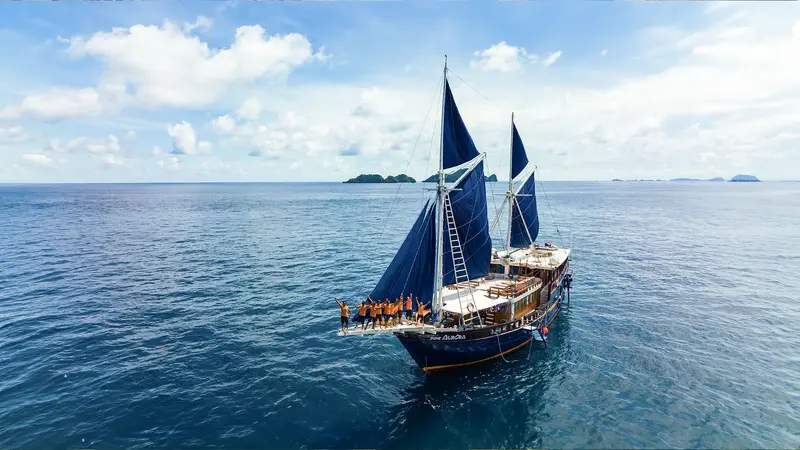
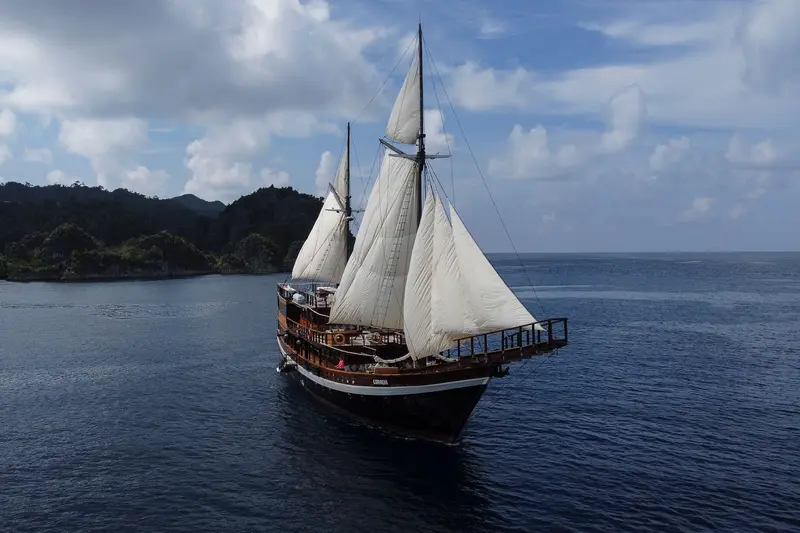
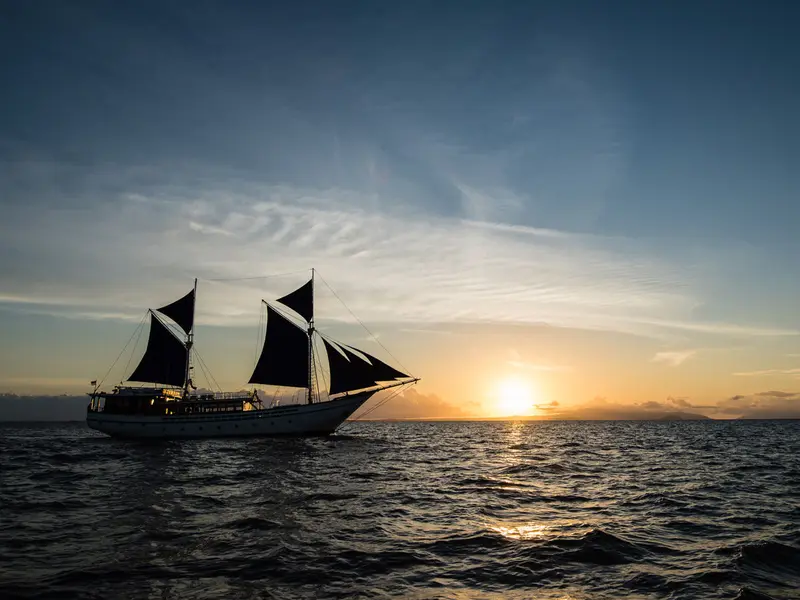
- Alila Purnama is a 46-metre traditional Indonesian phinisi with five air-conditioned suites for up to 10 passengers.
- Raja Ampat departures run for 8 days and 7 nights from Port of Sorong and return to Port of Sorong.
- The diving requires at least 10 logged dives and an Open Water Diver certification or equivalent.
- Five suites, including the Sriwijaya Master Suite with wraparound views, give the boat a private, residential feel rather than a large-ship atmosphere.
For subtitles in English: start the video firstthen click the gearat the top right of the video, select “Subtitles/CC”, then “Auto-translate” and choose “English”.
The invitation
Alila Purnama suits divers who want Raja Ampat from a small, carefully finished boat rather than from a purpose-built diving platform. Five suites keep the group to 10 guests, while the traditional phinisi hull and Indonesian furnishings give the trip a sense of place before the first dive. The reason to choose it is the combination: serious access to sites such as Cape Kri, Blue Magic and Manta Sandy, with a private suite, full-board meals and shore activities for the hours between dives. It also works for a mixed group. Certified divers have a defined diving programme, while snorkelers and non-divers can join kayaking, stand-up paddleboarding, island hopping and excursions. This is a boat for someone who wants the reef to be the centre of the trip without giving up air conditioning, a quiet cabin and a proper saloon at the end of the day.
Boarding
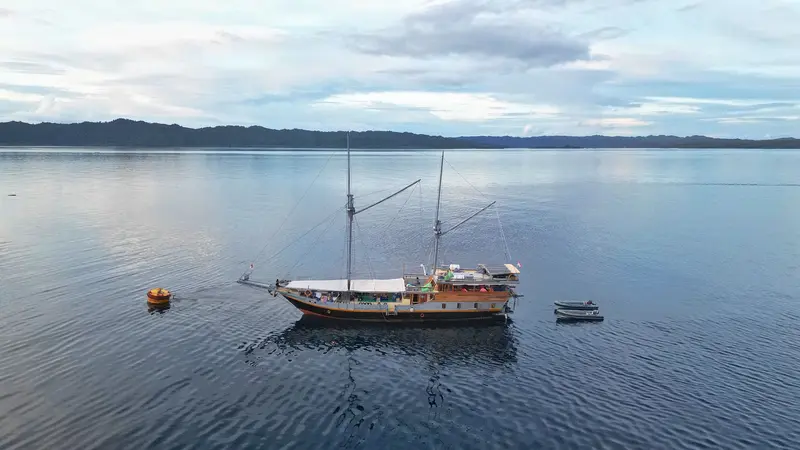
From the dock, Alila Purnama presents itself as a traditionally crafted Indonesian phinisi rather than a plain steel liveaboard. Ironwood is part of the boat’s identity, and the finish is built around locally sourced Indonesian materials, with custom furniture in teak, rattan and related woods. Once aboard, the atmosphere is residential: an indoor air-conditioned saloon, a bar, an outdoor deck and enough shared space for a small group to spread out without losing sight of the sea. The boat is also arranged for people who may not dive every time. Kayaks and other water activities make sense here because the vessel is as much a base for exploring islands and quiet bays as it is for reaching reef sites. With English-speaking crew and only five suites, guests are likely to recognise the same faces quickly. The boat’s character is polished, traditional and intimate, not anonymous.
The atmosphere on board
The atmosphere is shaped by a small passenger group and a crew that keeps the day moving without making the boat feel formal. A certified dive master guides each group, and the 4:1 ratio leaves room for attention without turning every briefing into a private lesson. The English-speaking crew also supports guests who are not diving, organising the water activities and excursions that keep the boat useful to a mixed group. Evenings return people to the same shared spaces: the saloon, the bar and the deck, with the day’s sites providing more than enough conversation. The locally made furniture and Indonesian textiles give the common areas a clear identity, while the absence of Wi-Fi removes one easy reason to disappear into a screen. Alila Purnama is at its best for guests who want service to be present and competent, but not theatrical.
The sites you’ll dive
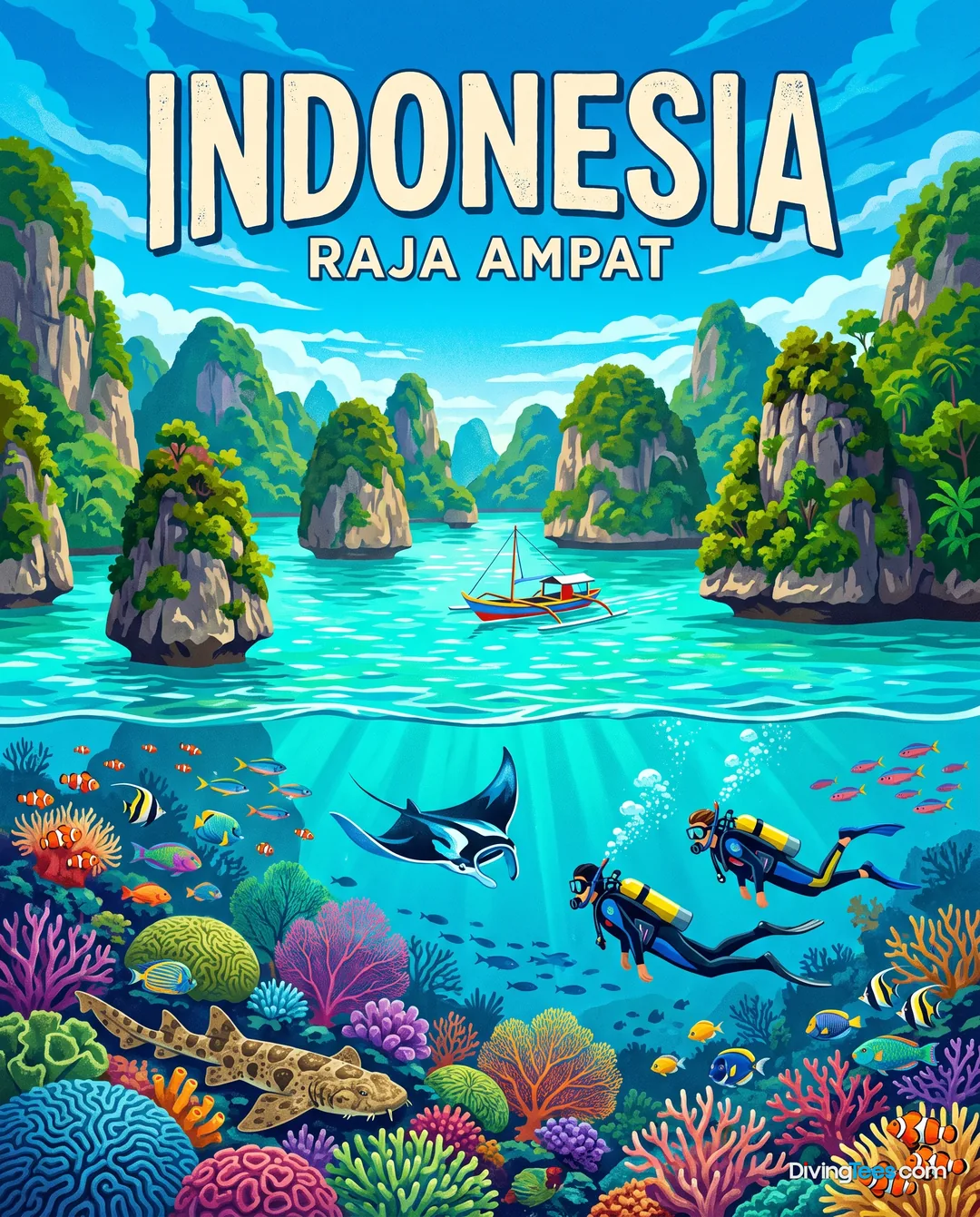
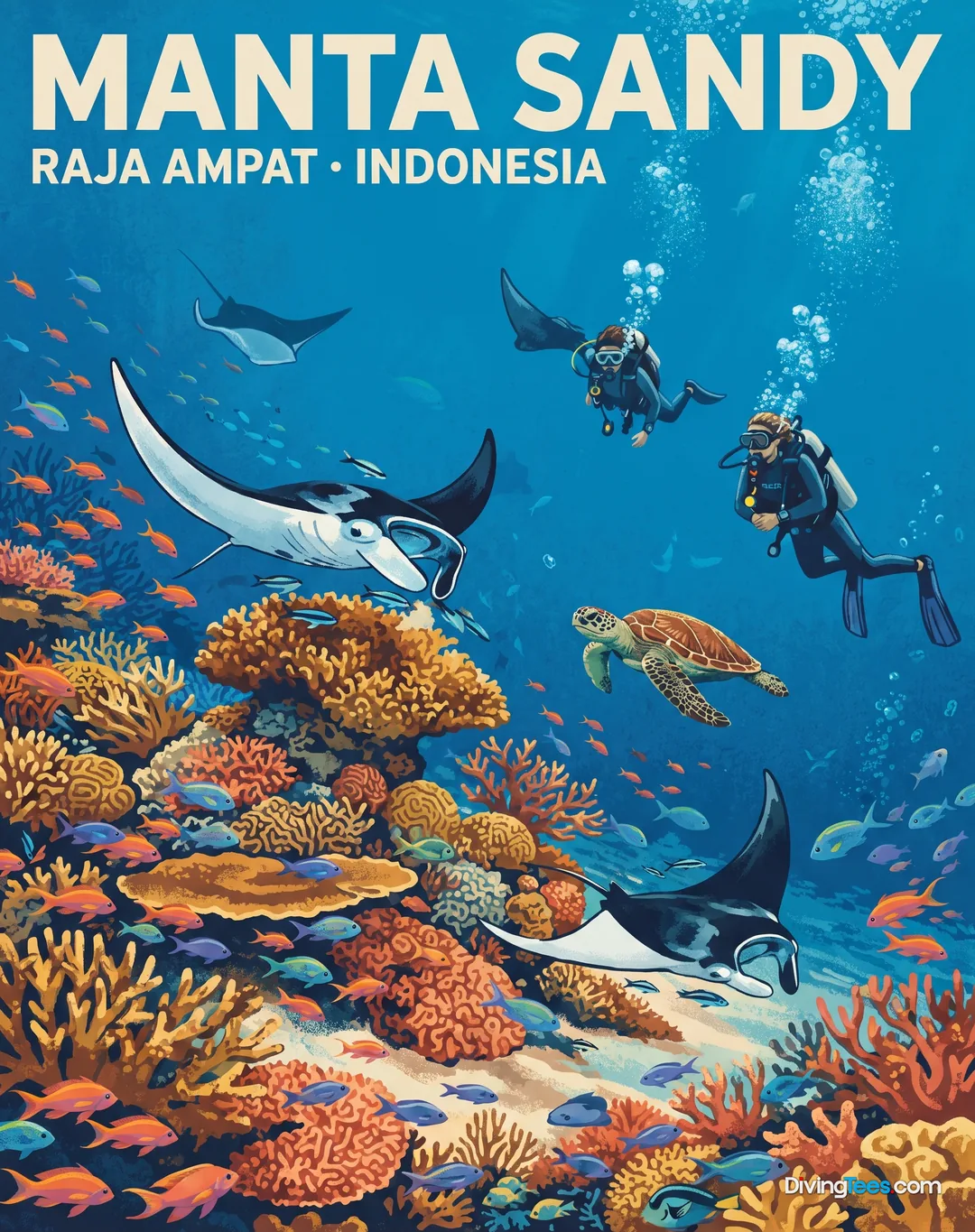
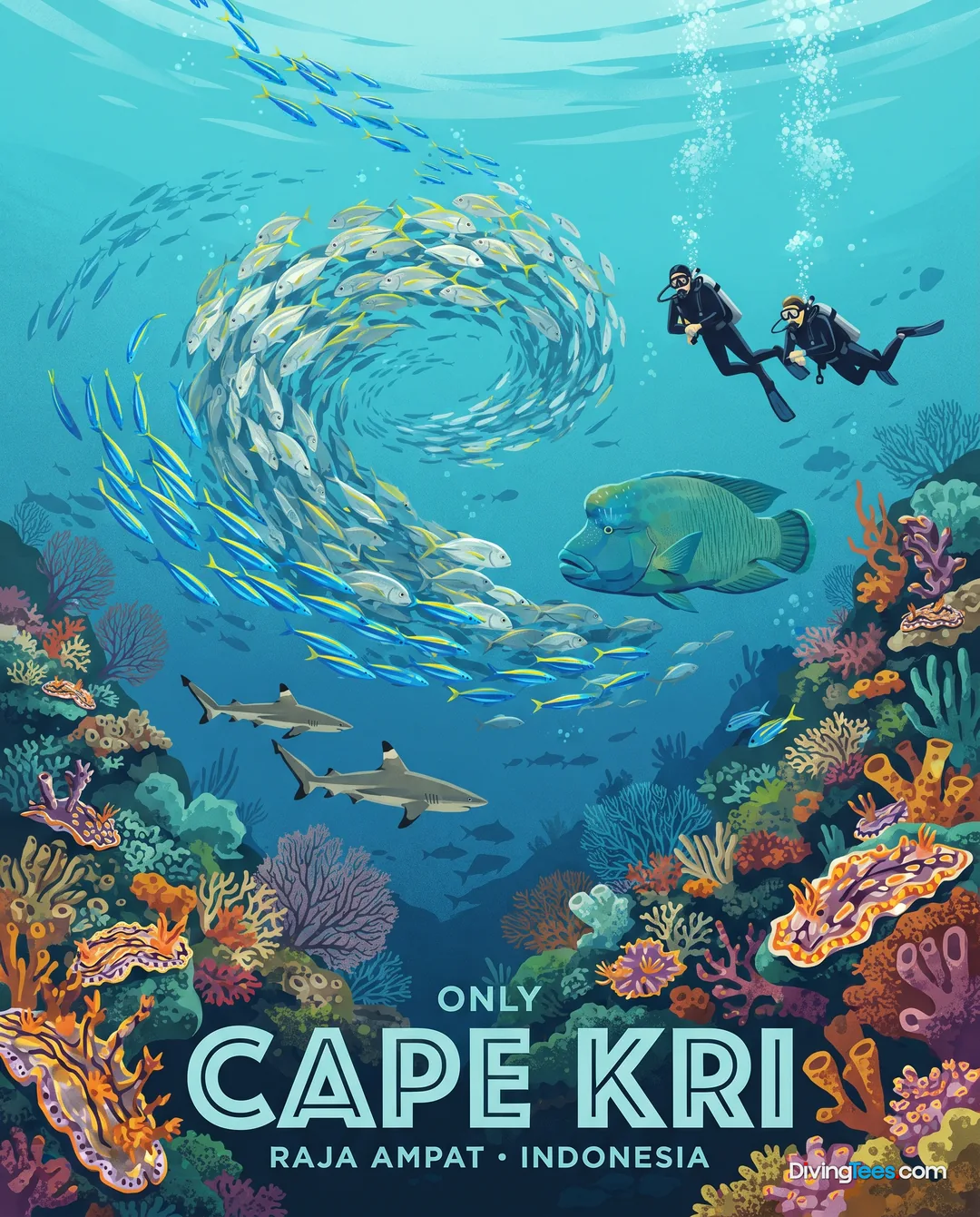
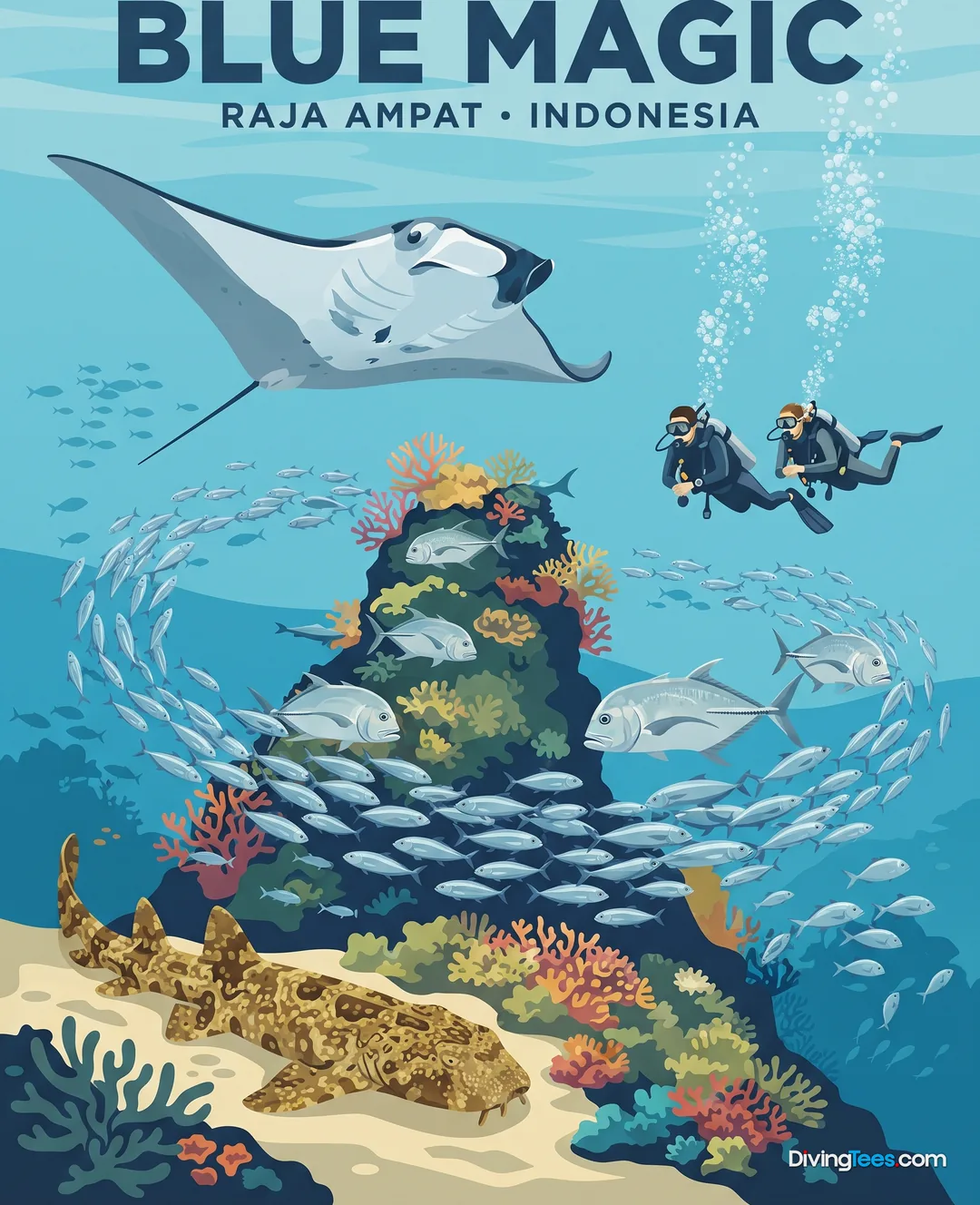
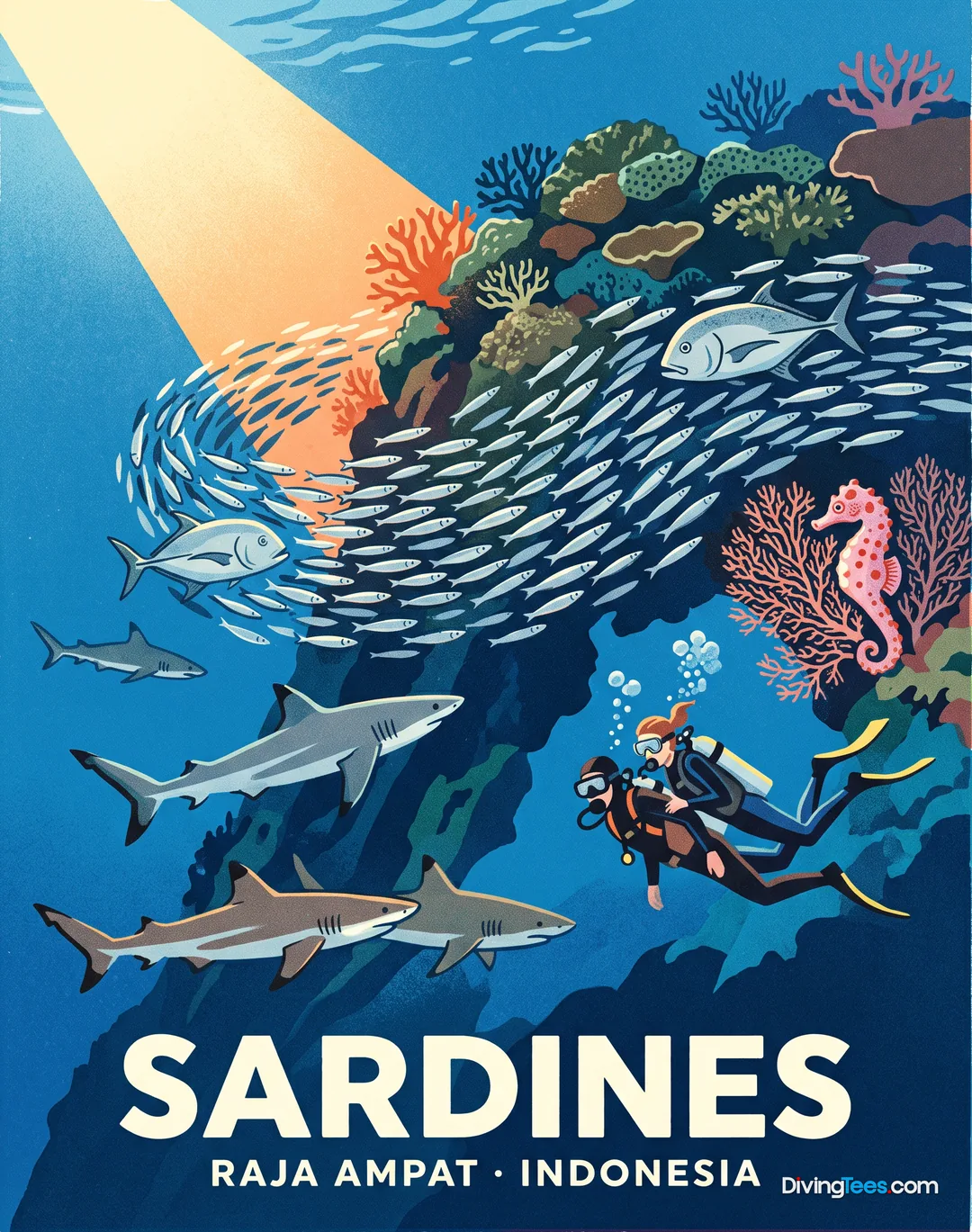
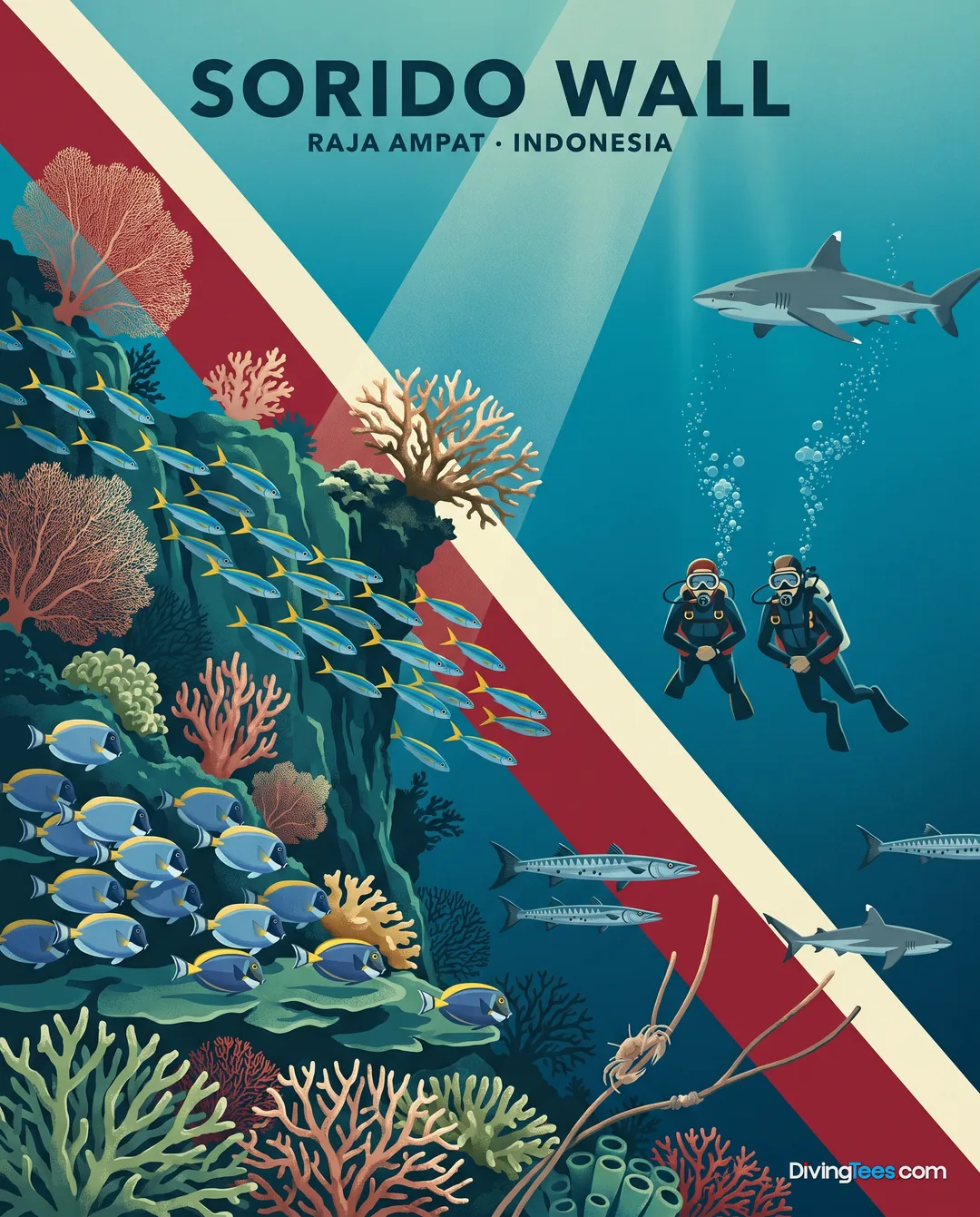
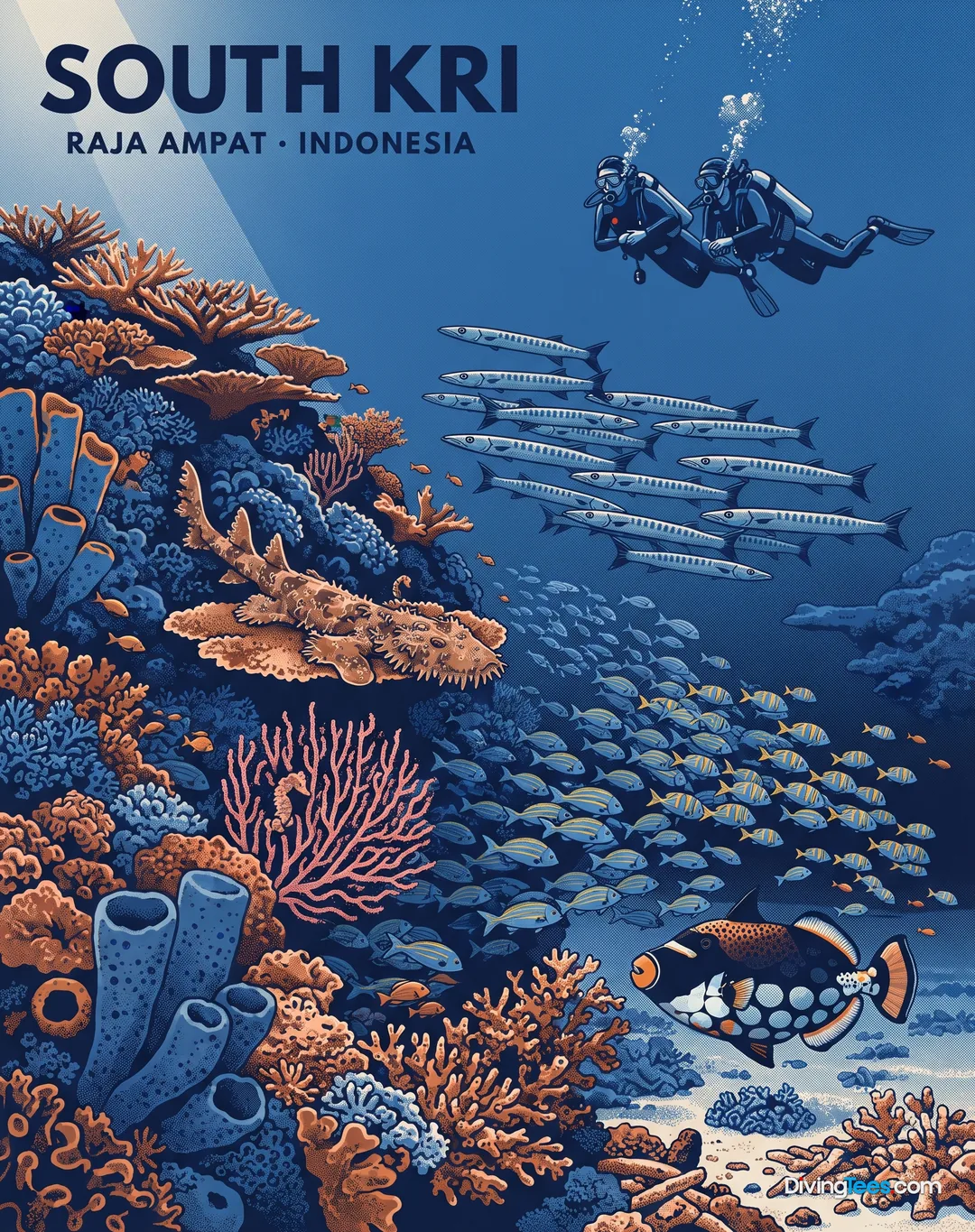
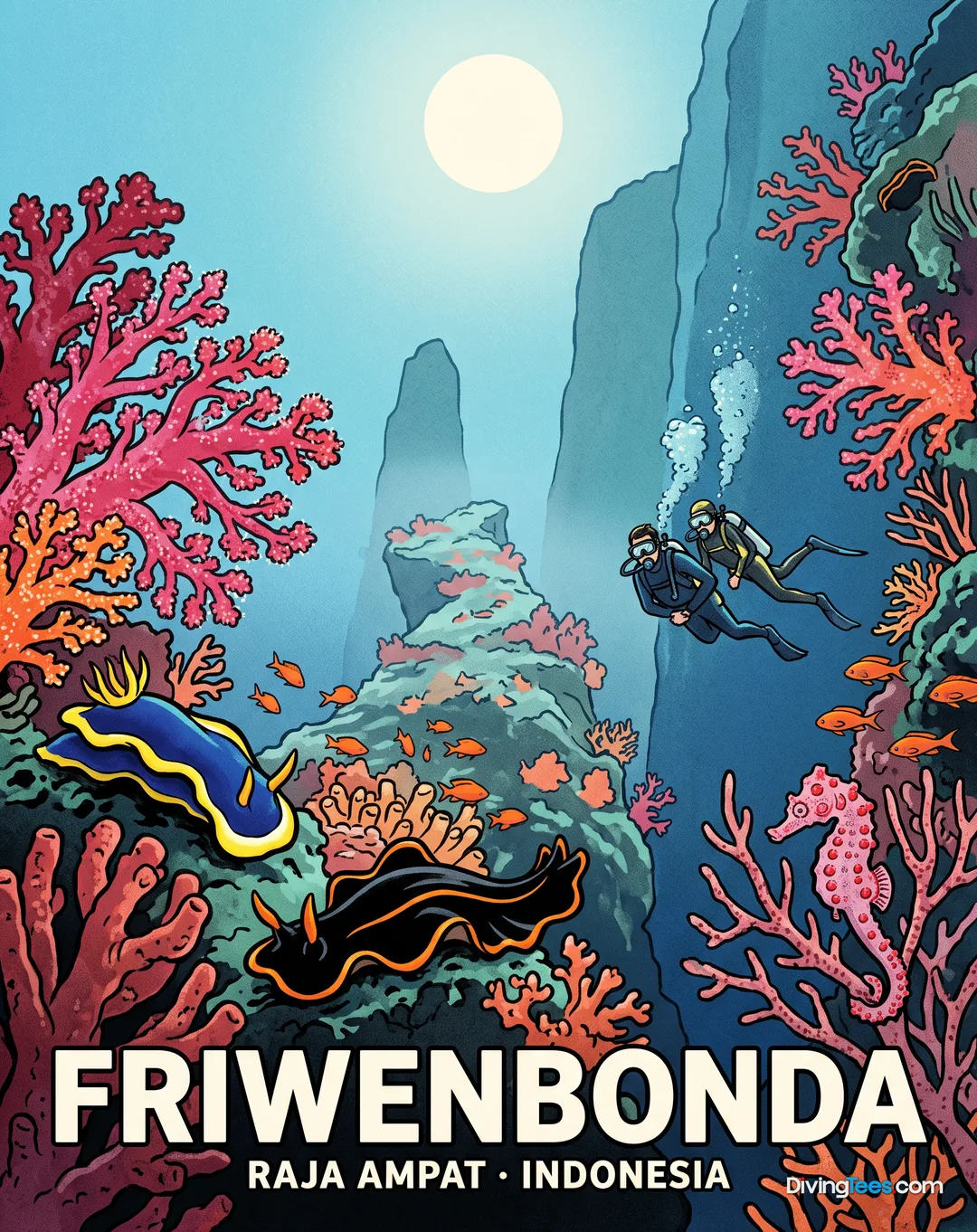
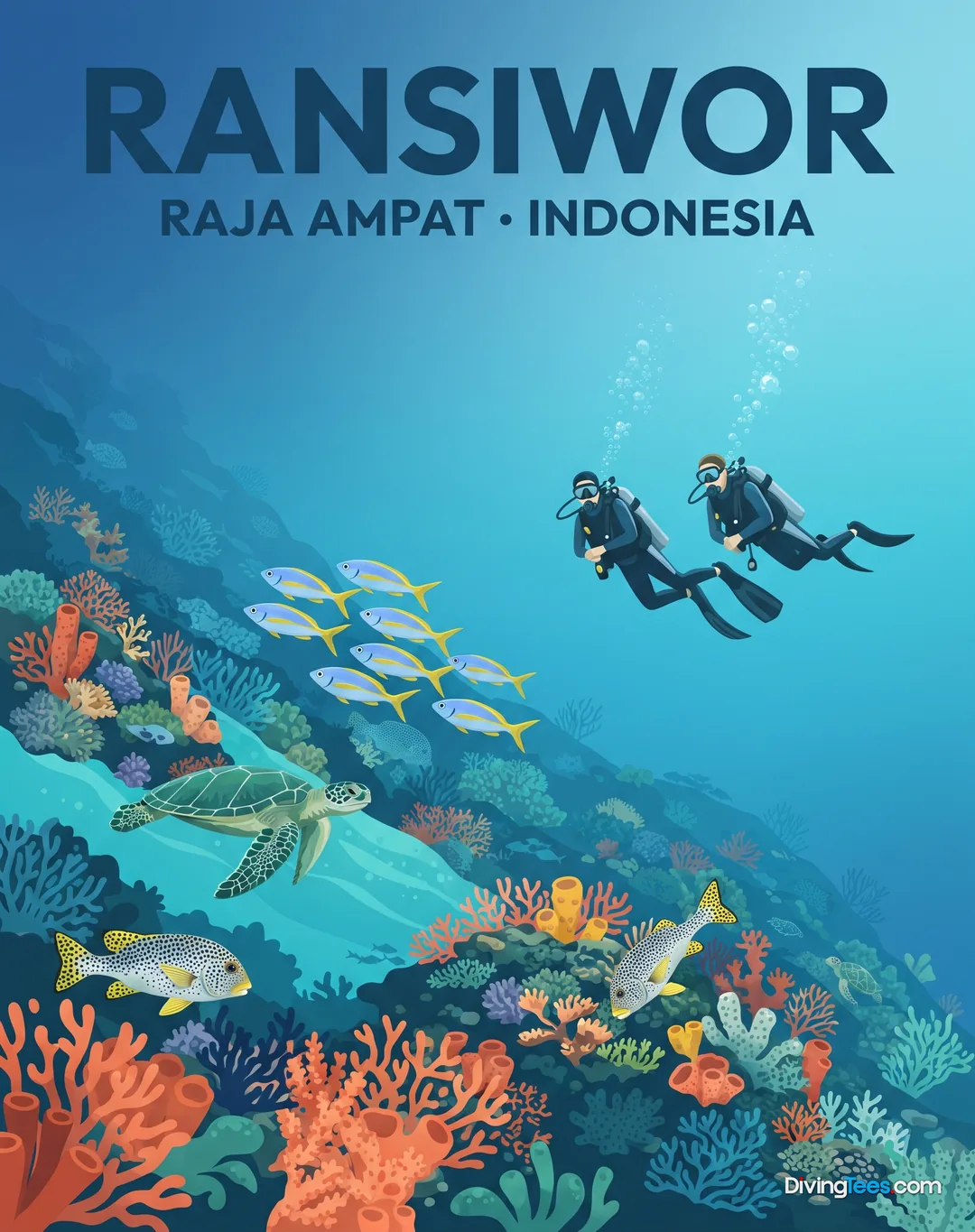
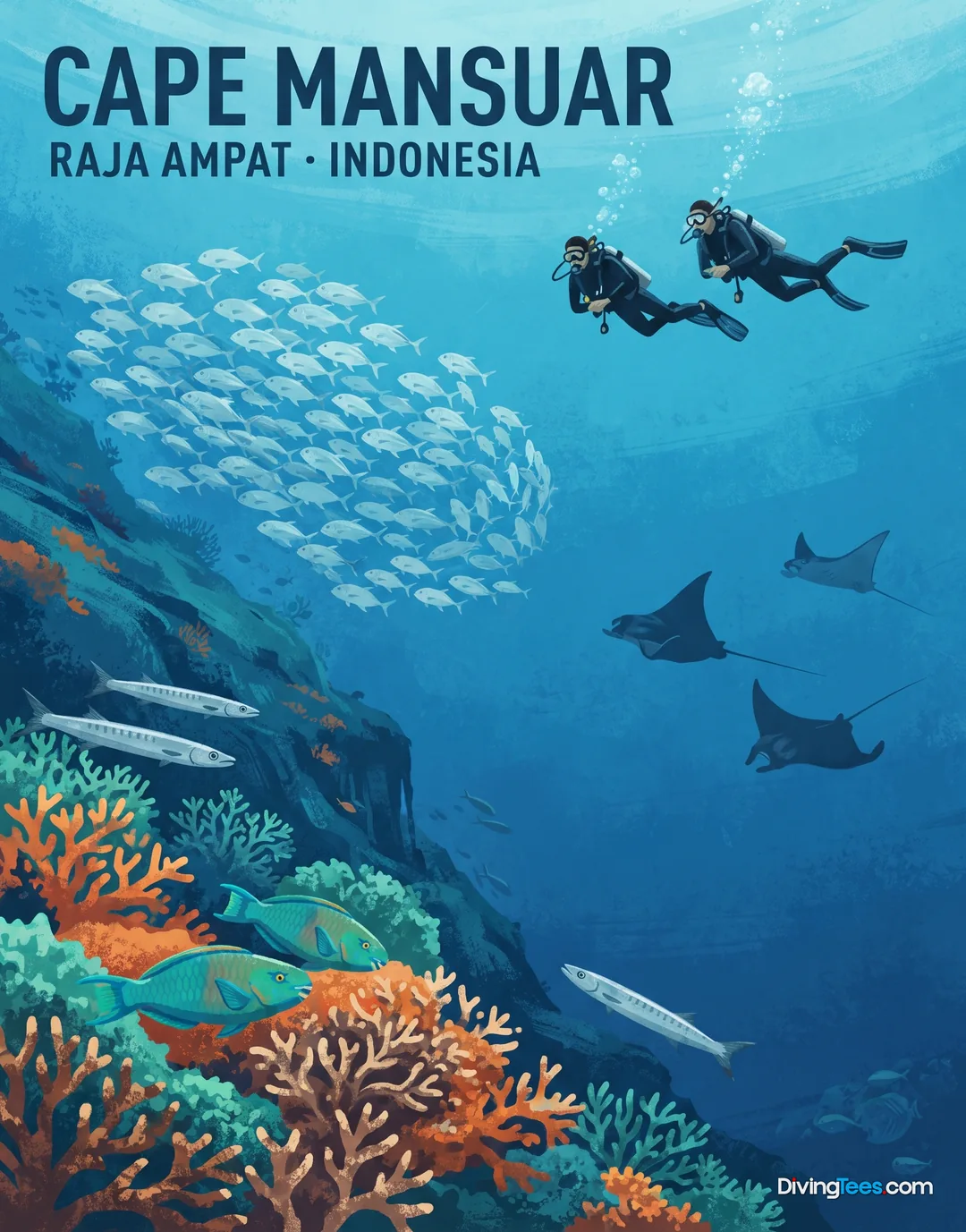
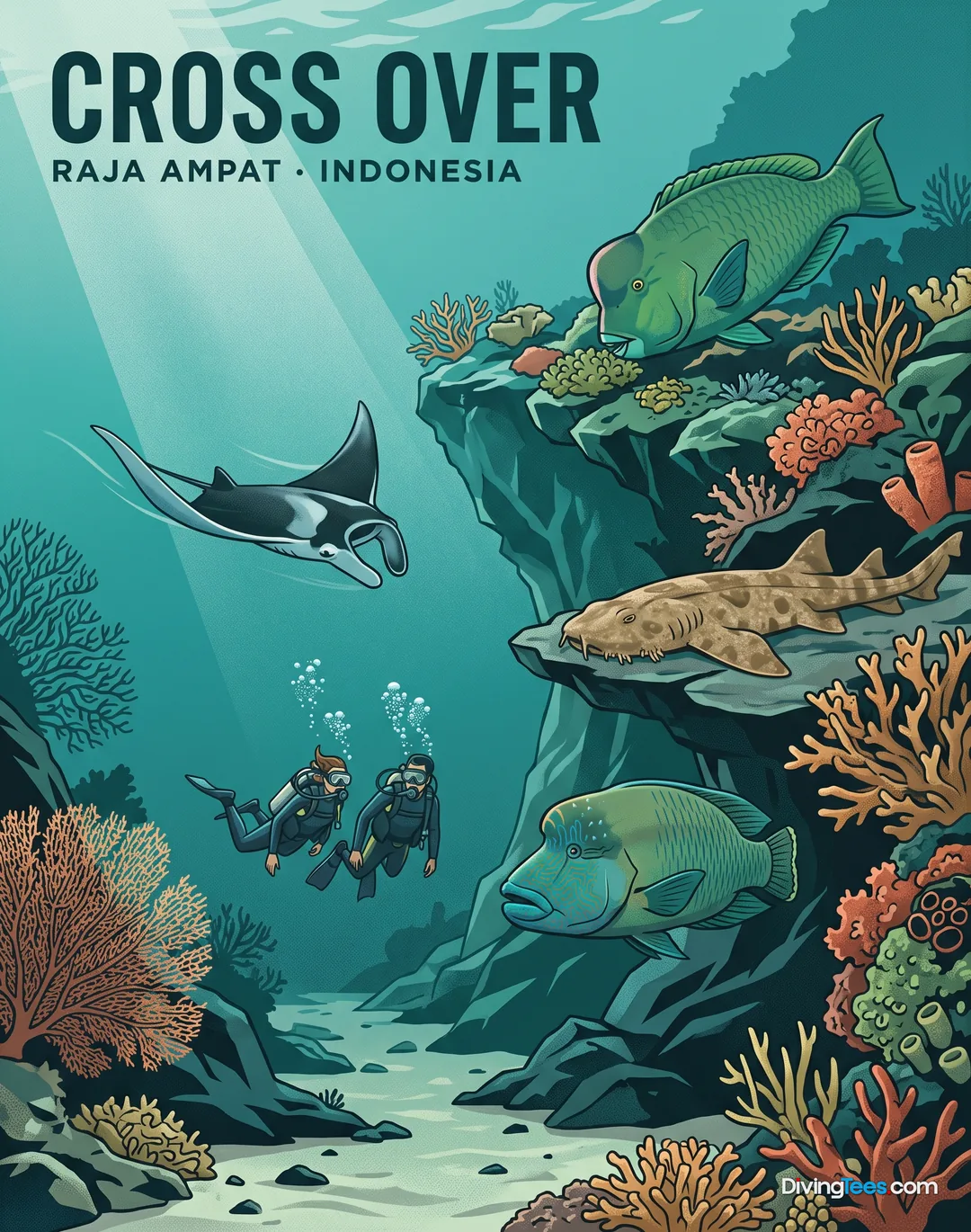
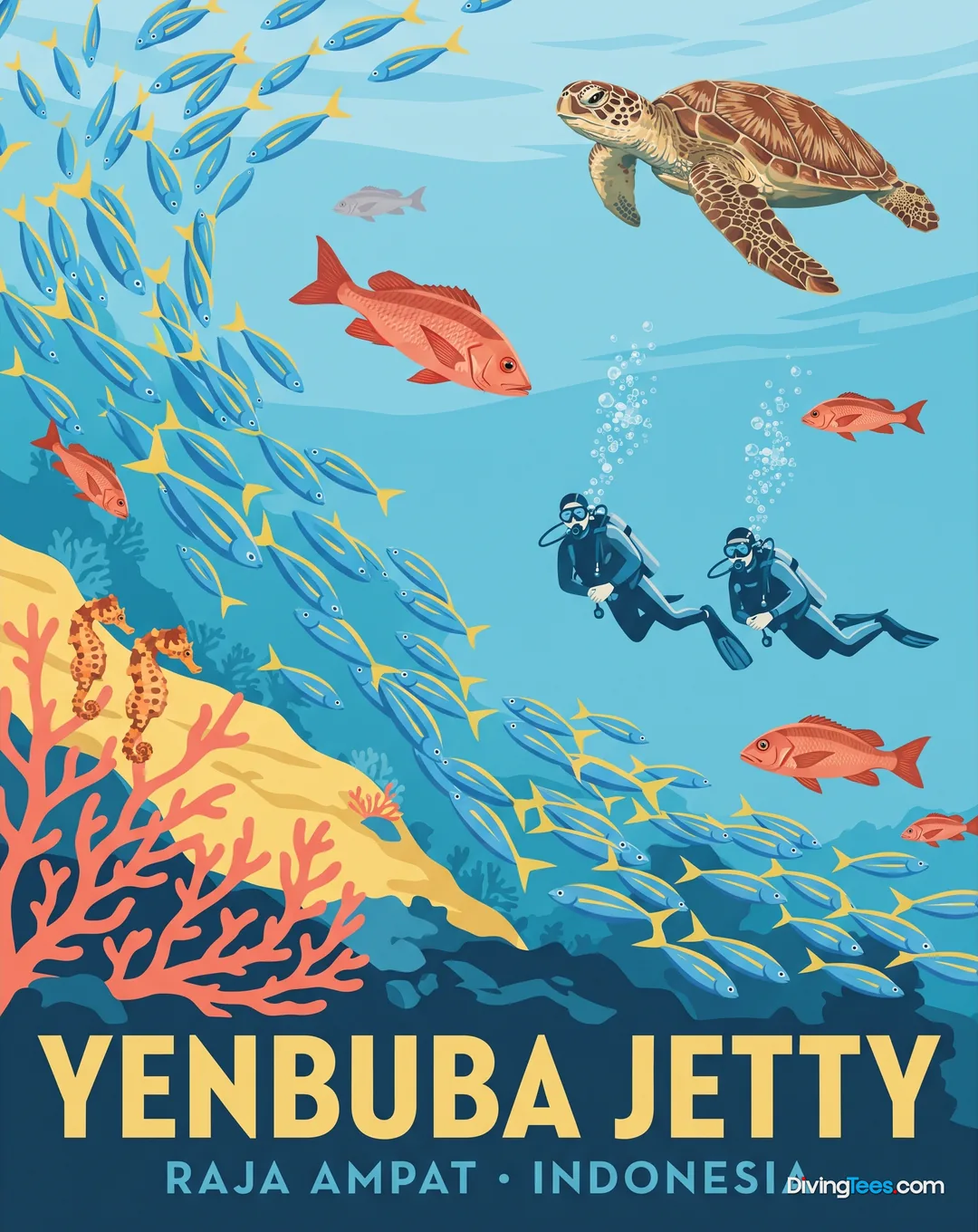
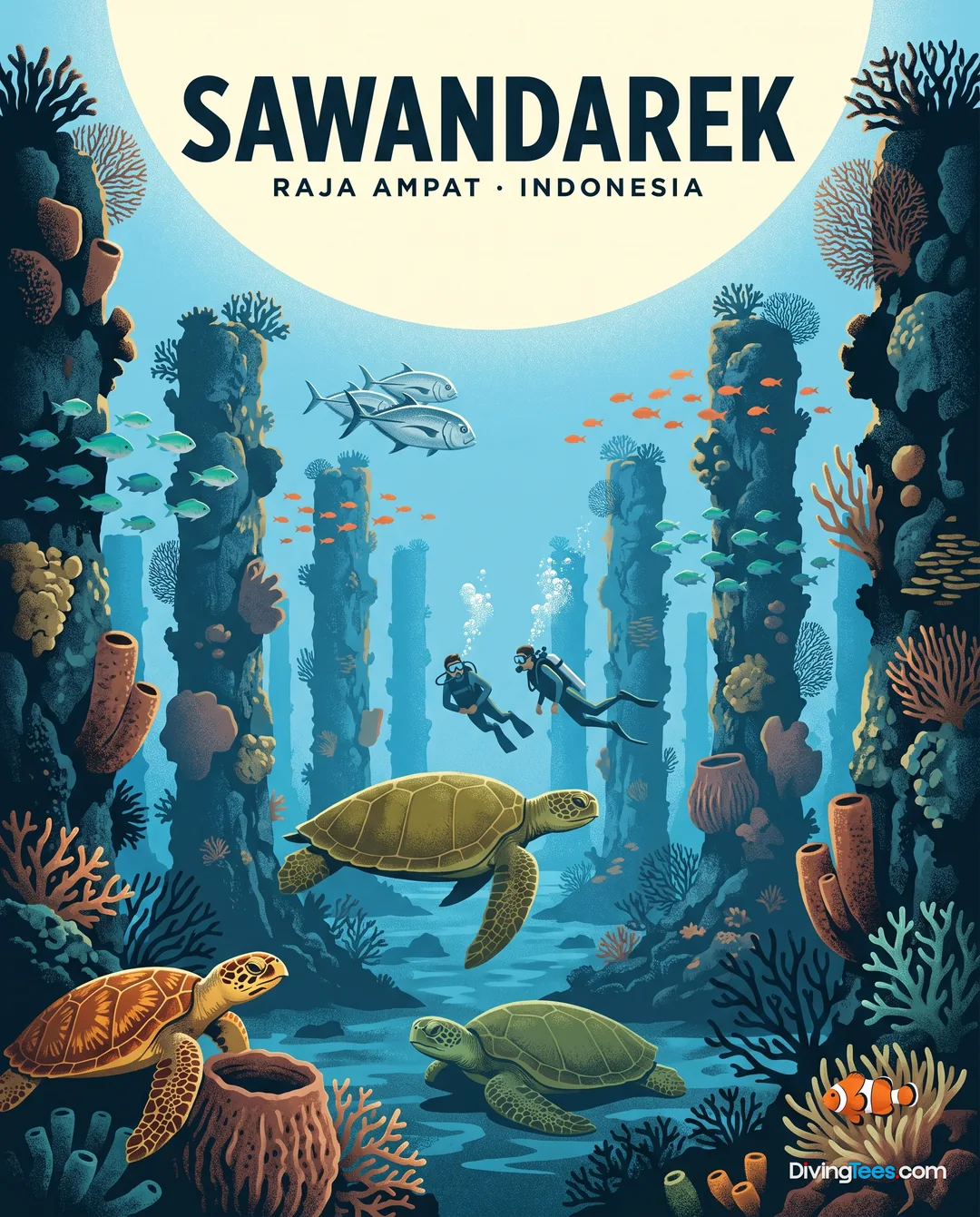
The Raja Ampat itinerary runs for 8 days and 7 nights from Port of Sorong back to Port of Sorong. Manta Sandy is the place for reef manta rays hovering over cleaning stations, with snorkelers able to share the encounter from above. At Mike’s Point, soft corals and sweetlips fill reef overhangs and eagle rays can cross the flat plateau; the maximum depth is -40m. Cape Kri brings dense schools of emperors and fusiliers, reef sharks and napoleon wrasse, and is known for 374 fish species recorded on one dive. Melissa’s Garden combines soft corals and staghorn formations, with a maximum depth of -35m. Blue Magic is a schooling-fish site where oceanic manta rays, wobbegongs, giant trevally, dogtooth tuna and barracuda may pass. Sardines, Sorido Wall and South Kri add moving schools, barracuda, reef sharks and macro life. Friwenbonda is a soft-coral wall with pygmy seahorses near the surface; Ransiwor reaches -30m and centres on cleaning stations and yellow-back fusiliers. Cape Mansuar, Cross Over, Yenbuba Jetty, with a maximum depth of -30m, and Sawandarek complete the route with current, coral-covered pilings, sloping reefs, turtles and schooling jackfish.
Itineraries, dates and prices
Prices per person. Each month shows its lowest price: click a month, or pick an itinerary.
Next departures · 10 departuresfrom £3,296$4,406€3,936
November 2026
February 2027
March 2027
April 2027
June 2027
See dates and prices
If you click these links and make a purchase on the partner site, DivingDeal may earn a commission, at no extra cost to you.
Dates and prices taken from Divebooker, updated 24 October 2026
What you’ll meet underwater
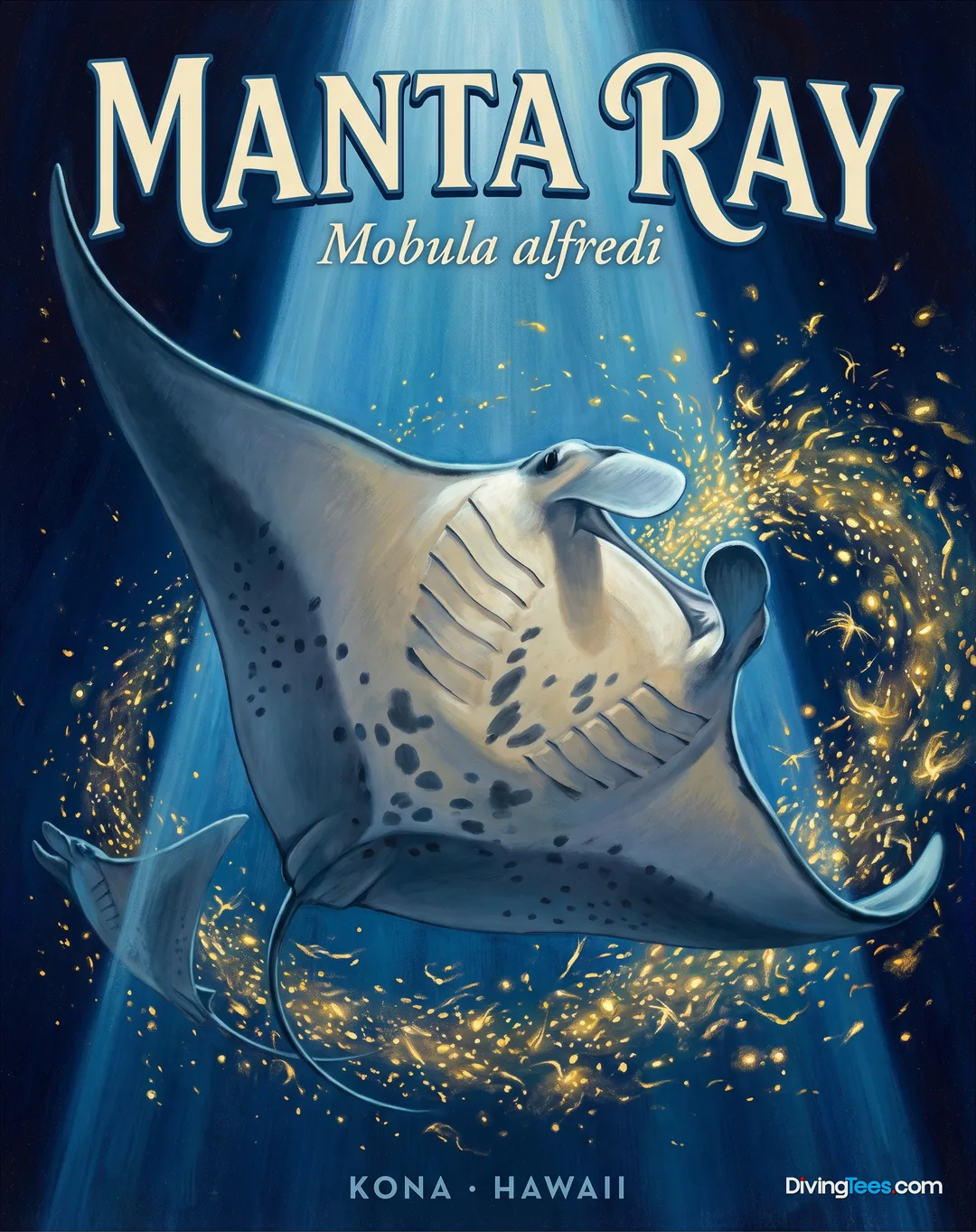
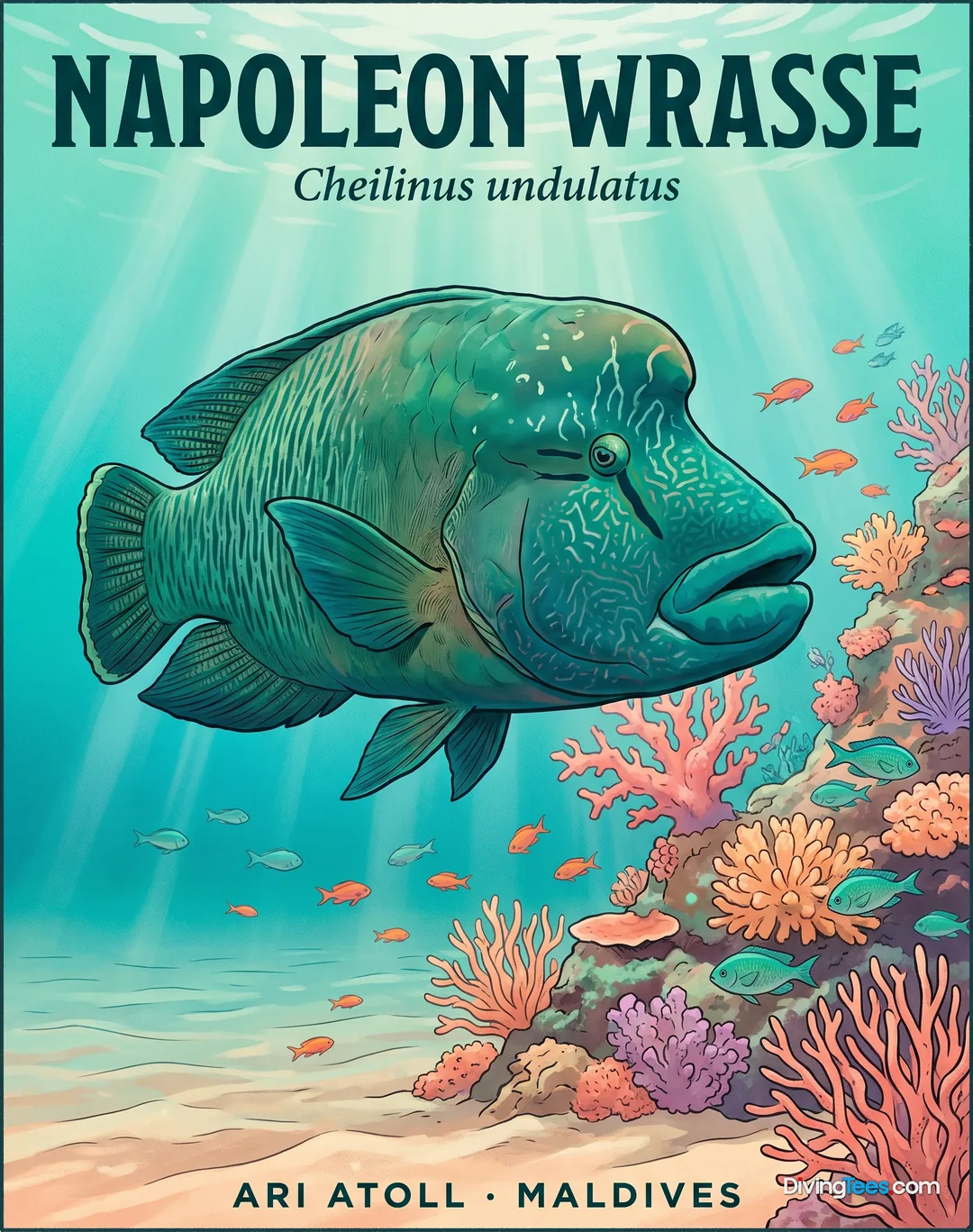
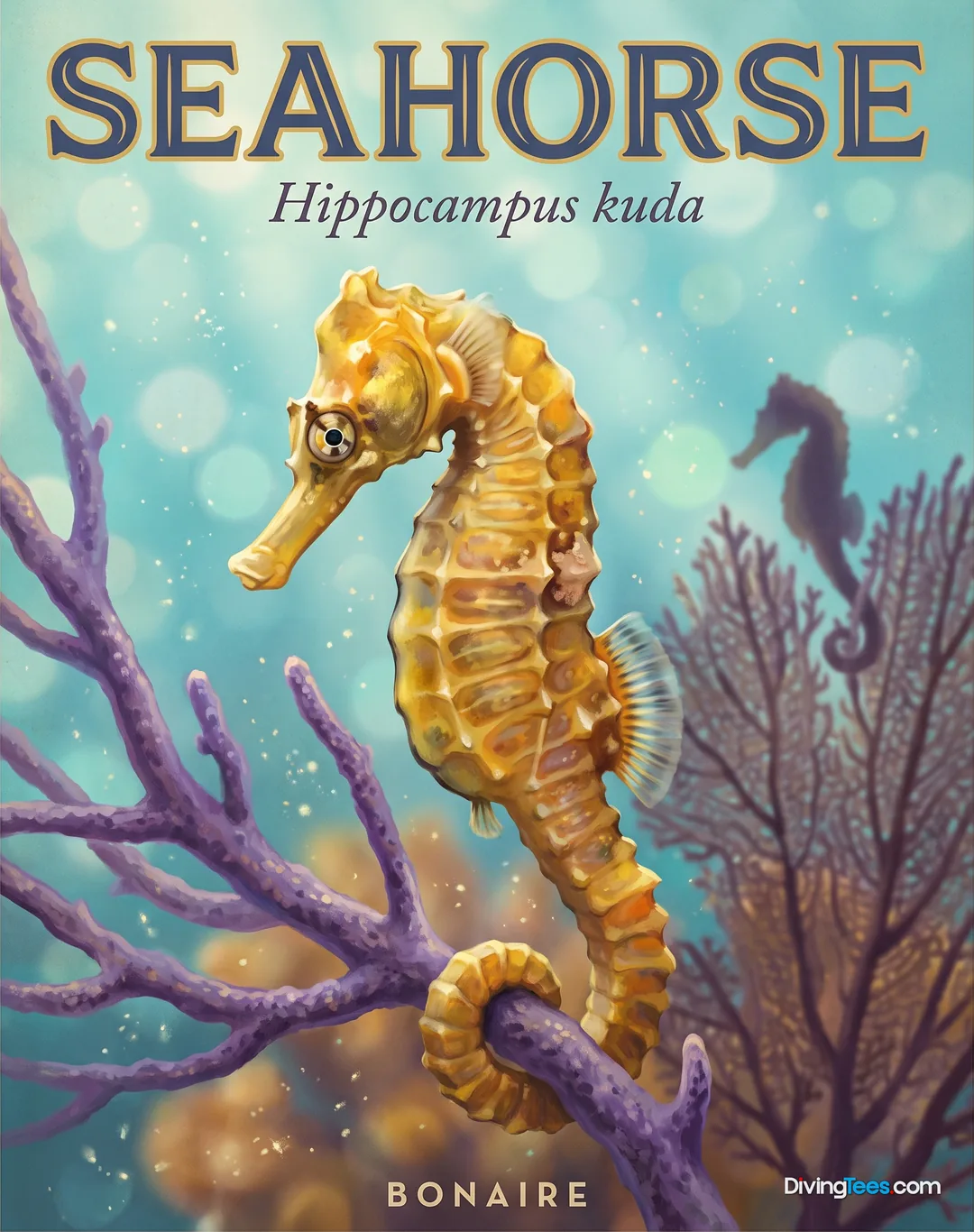
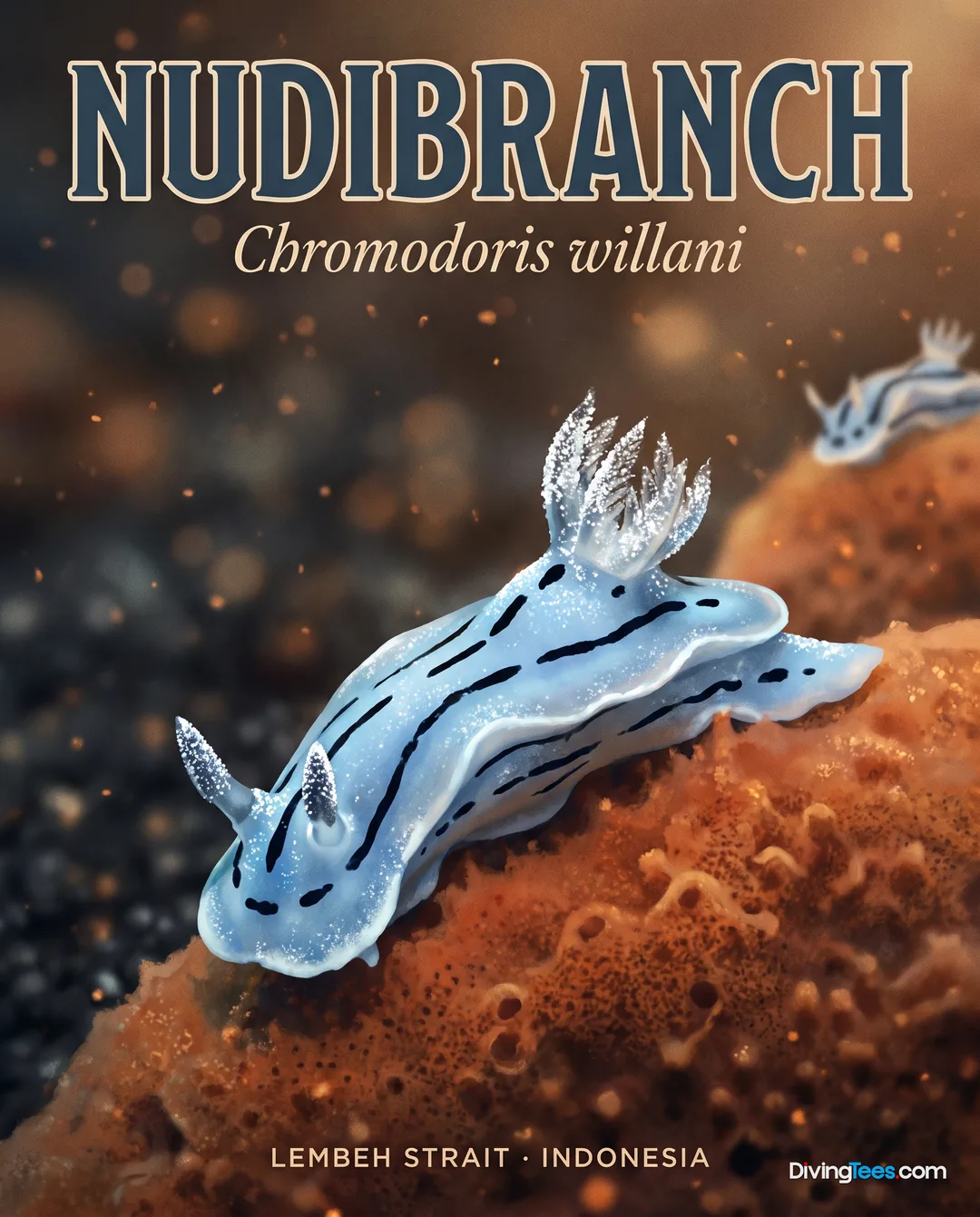
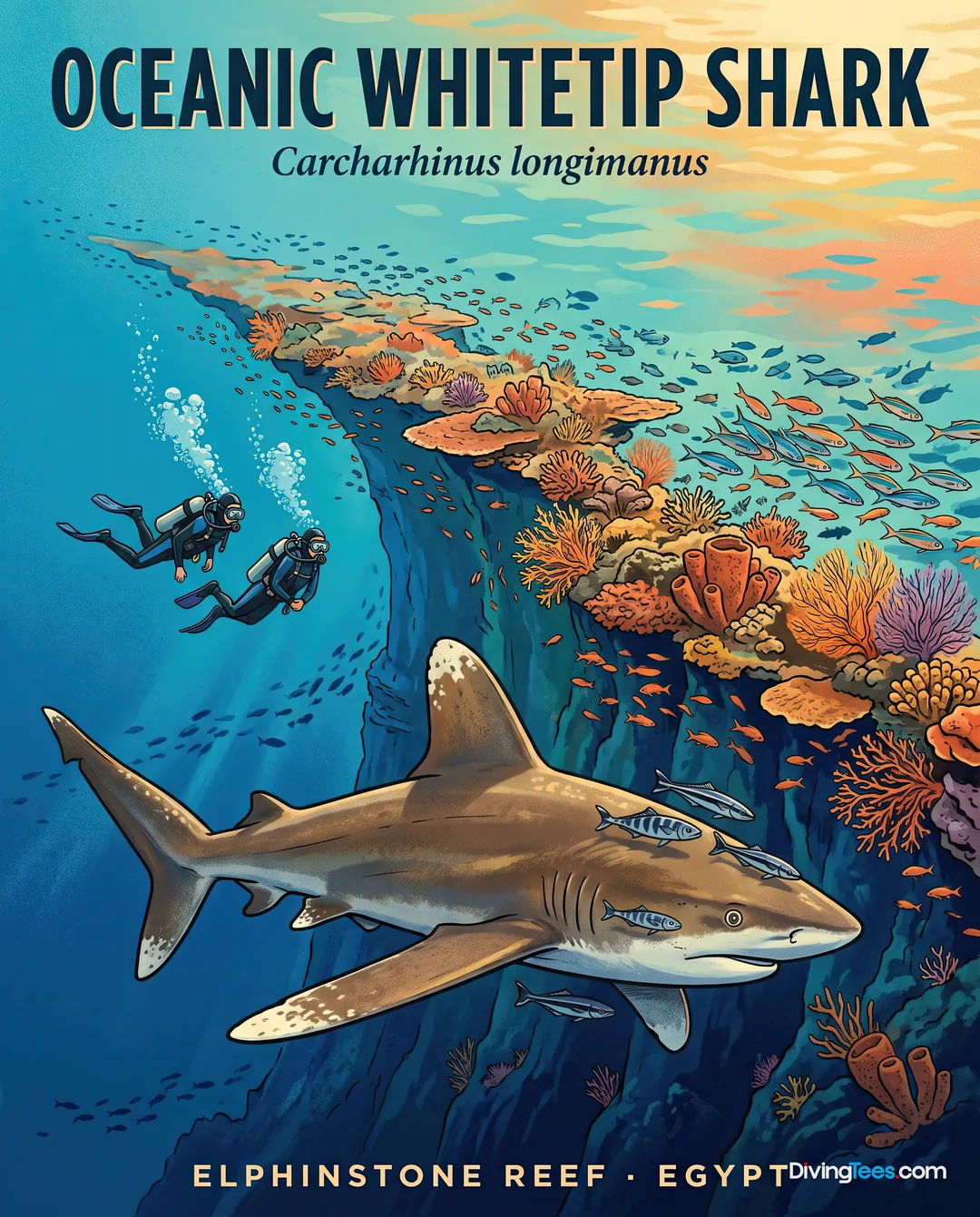
Across Raja Ampat, the recurring spectacle is movement: barracuda and reef sharks, napoleon wrasse, blacktip reef sharks, sea turtles, jacks, fusiliers, sweetlips, humphead parrotfish, soft corals, nudibranchs and pygmy seahorses appear across several sites. Cleaning stations give the encounters a reason and a setting, especially at Manta Sandy and Ransiwor. Cape Kri is the place to look for the route’s giant grouper, while Blue Magic is the named site for oceanic whitetip sharks and tuna, alongside oceanic manta rays. Yenbuba Jetty is where anthias and damselfish add colour around coral-covered pilings. Ransiwor is also associated with titan triggerfish, Moorish idols and octopus. South Kri is the site for bigeye trevally, crabs and shrimp, and Sorido Wall is the named site for surgeonfish among barracuda, fusiliers and reef sharks. Currents, cleaning stations and reef structure bring the larger animals together, but no sighting is guaranteed.
Who puts you in the water
Each dive group is guided at a ratio of one dive guide to four divers. The guides are certified dive masters, and the crew speaks English. Guests need at least 10 logged dives and an Open Water Diver certification or equivalent, which places the programme within reach of newer certified divers while still suiting experienced guests. Development courses can extend from Advanced Open Water Diver to more than 16 specialties, including Deep, Drift, Peak Performance Buoyancy, Underwater Naturalist and Enriched Air Nitrox. The 4:1 ratio is the important practical detail: groups are small enough for a guide to keep track of different experience levels and interests. Full boat safety is listed.
The dive deck and the gear
The boat has a dedicated dive deck, compressors and onboard diving equipment. Equipment rental is available as a surcharge. The boat carries a nitrox membrane system. No technical diving programme is offered. The dive deck is the working centre of the trip.
Between dives
Between dives, Alila Purnama gives guests several ways to leave the dive deck without leaving the sea. Kayaks, stand-up paddleboards and snorkeling are part of the programme, alongside island hopping and curated shore excursions. An afternoon can therefore mean a quiet stretch on the deck, a paddle close to shore or an excursion rather than another hour in the saloon. Non-divers have a genuine place in the itinerary, and divers can use the same activities when a dive is not on the plan. Massage and spa treatments are available for an extra charge. The boat also carries audio and video entertainment, fishing equipment and an indoor saloon, but the stronger reason to be here is outside: Raja Ampat’s islands, shallow water and changing coastline are not just scenery passed between dive sites. They are part of what the boat is designed to reach.
A day on board
A day aboard is built around repeated returns to the water. The first briefing comes before the first dive, then the boat and crew reset the group for the next entry while guests eat, rest or move between the deck and the saloon. Later dives take advantage of different light, current and reef positions, with meals and surface intervals marking the spaces between them. A guest can spend one gap on a kayak or paddleboard, join a snorkeling or island excursion, or simply let the air conditioning and a quiet cabin do their work. The boat is also used for curated shore activities, so not every useful hour is spent in scuba gear. By evening, the dive deck gives way to the bar, saloon and outdoor spaces, and the next day’s sites become the natural subject of conversation. The exact timetable depends on the route and conditions; the shape is water, food, recovery, then water again.
What you eat aboard
Meals combine Western and local food, with buffet and plate service used on board. Hot and cold soft drinks are available, and dietary restrictions can be accommodated; alcohol and spirits are also served. The useful part of this arrangement is its fit with a diving day. Guests can eat without turning every meal into an event, then return to the deck, the saloon or the water. Local dishes give the route an Indonesian connection that the cabin décor alone cannot provide, while familiar Western options keep the table practical after repeated dives. Special food requests that create extra sourcing or transport costs are treated separately. The full-board setup means the boat remains the centre of the day: meals, briefings, surface intervals and departures all happen around the same small group rather than sending guests ashore to search for the next meal.
Nights at sea
The five cabins are Jawa, Bali, Madura, Cirebon and the Sriwijaya Master Suite. All have air conditioning, an ensuite bathroom, towels and basic toiletries; the Madura Suite can be arranged with a double bed or twin beds, as can the Cirebon Suite. The details are distinctly Indonesian rather than generic hotel décor: rich textiles, island artwork and, in the Cirebon Suite, blue Mega Mendung batik with its cloud-like motifs. The Jawa Suite has 180-degree windows, while the Sriwijaya Master Suite adds wraparound windows, a private balcony and a large sundeck with a daybed and deckchairs. These are places to recover between dives, not just bunks reached through a narrow corridor. The boat has no Wi-Fi, which matters more here than it would on a city hotel: evenings are shaped by the saloon, the deck, conversation and the changing light outside the windows.
Jawa Suite
Bali Suite
Madura Suite
Cirebon Suite
Sriwijaya Master Suite
What to know before boarding
Raja Ampat departures leave from Port of Sorong and return to Port of Sorong. A scheduled group transfer between the airport and the boat is included; private transfers are available separately. Guests should arrive in Sorong the night before departure so a delayed flight does not put the embarkation at risk.
- Year built
- 2011
- Length
- 46 m
- Beam
- 10 m
- Maximum number of passengers
- 10
- Number of cabins
- 5
- Engines
- 650 hp MAN
- Website
- hyatt.com ↗
Hello, I'm Marina, DivingDeal.com's AI assistant. I answer in detail about hotels, dive centres and liveaboards.
Thinking about the whole trip and the flights? Talk it over with Edith →
Marina is an AI. Some links are affiliate links: DivingDeal may earn a commission, at no extra cost to you. Bookings are made with the partner.