Liveaboards · Indonesia
Dewi Nusantara — a spacious wooden schooner built around serious diving
What makes this boat unique
- A three-masted wooden schooner designed specifically for diving and snorkelling in Indonesia’s remote waters.
- Raja Ampat cruises run for 12 days and 11 nights between Sorong and Sorong, with up to four dives a day.
- Two spacious dive tenders take small groups from the ship to the reef in a few minutes.
- The boat carries 18 passengers in Deluxe Staterooms and a large aft Master Suite, with dining, camera and relaxation spaces built for long expeditions.
For subtitles in English: start the video firstthen click the gearat the top right of the video, select “Subtitles/CC”, then “Auto-translate” and choose “English”.
The invitation
Dewi Nusantara is for divers who want Raja Ampat without living inside a compact dive boat. The reason to choose her is the combination: a real wooden schooner, room to spread out after four dives, and a diving operation designed around tenders rather than a crowded rear platform. The ship can reach remote Indonesian routes while giving the trip the feel of a small expedition, not a floating bunkhouse. Step aboard looking for reefs packed with fish, current-sensitive sites, serious macro opportunities and enough space to recover between dives. Raja Ampat is the main draw here, but the boat also reaches the Banda Sea, Ambon and Alor, Cenderawasih Bay, Triton Bay, Halmahera and the Forgotten Islands. The right passenger is someone who values the underwater programme first, then appreciates having a proper room, a shaded deck and a good meal waiting afterwards.
Boarding
From the dock, Dewi Nusantara makes an immediate impression as a working sailing vessel rather than a converted hotel. Her wooden hull, broad decks and three-masted schooner rig give the boat a long-range expedition character, while the interior is finished with carved details, curved furniture and generous open space. Once aboard, movement is simple: the main deck holds the dive centre, camera room, large dive deck, outdoor dining area and lounge, with stairs leading towards the sun decks and cabins. The boat is large enough that a full group does not have to queue for every transition. You can move from the dive deck to the shaded lounge, then up to the bow or bridge without passing through somebody else’s kit. The tenders are lifted to the upper deck during longer passages, leaving the main working areas clear. It feels deliberate, not improvised.
The atmosphere on board
The atmosphere is polished without being formal. The boat gives people room to disappear for an hour, but the shared meals and tender groups bring everyone back together quickly. The crew’s role is visible in the small transitions: cameras are moved to the tenders, briefings are prepared with hand-drawn maps, drinks appear in the lounge and the next day’s plan is explained after dinner. The language mix is broad—English, German, French, Spanish and Indonesian are spoken among the crew—and the dive staff speak English. After diving, guests tend to gather on the upper decks or in the lounge to compare sightings, review photographs and decide whether the night dive is worth the effort. It is a boat where service is part of the operation rather than a performance around it. The result is comfortable, but the focus remains the day’s diving.
The sites you’ll dive
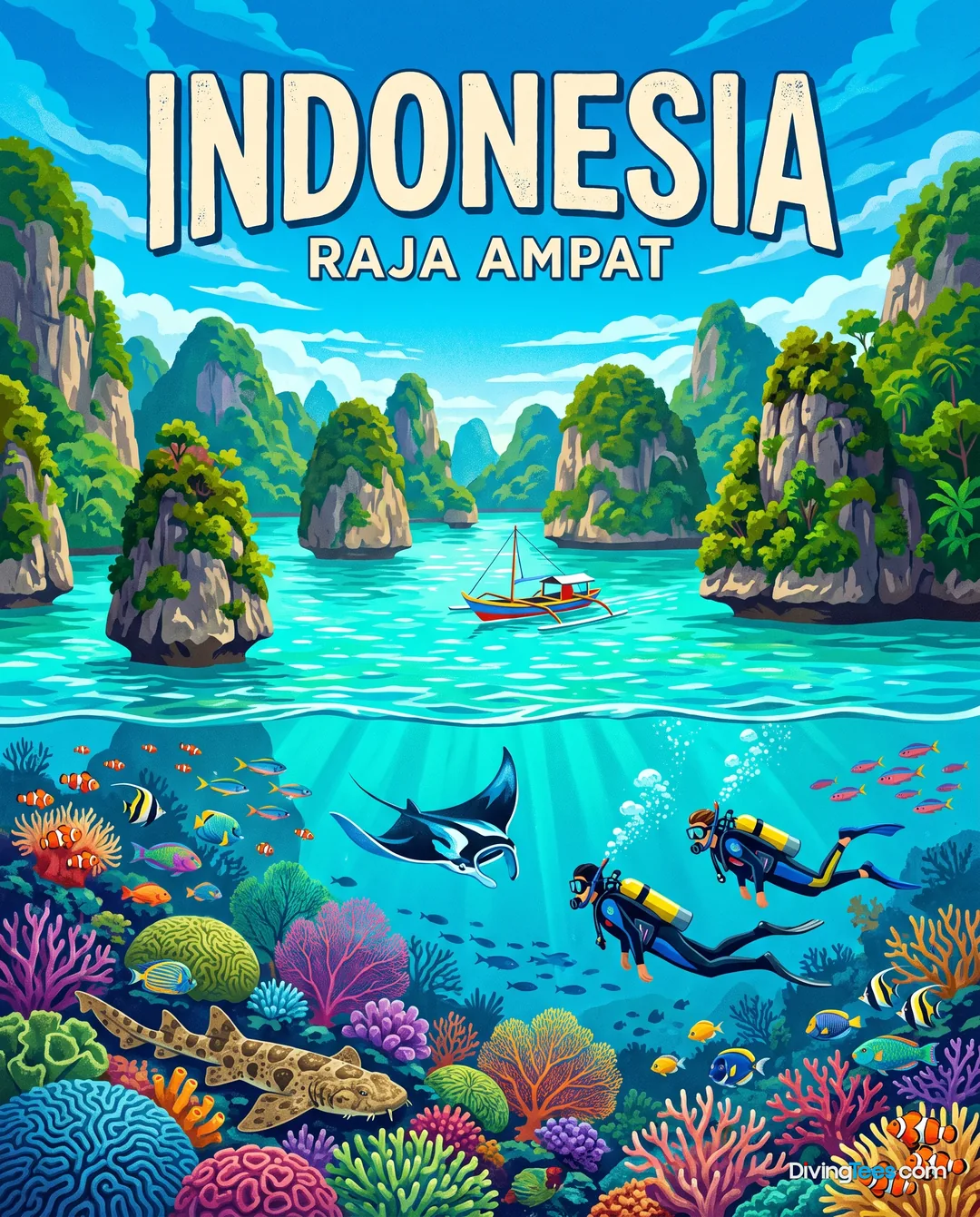
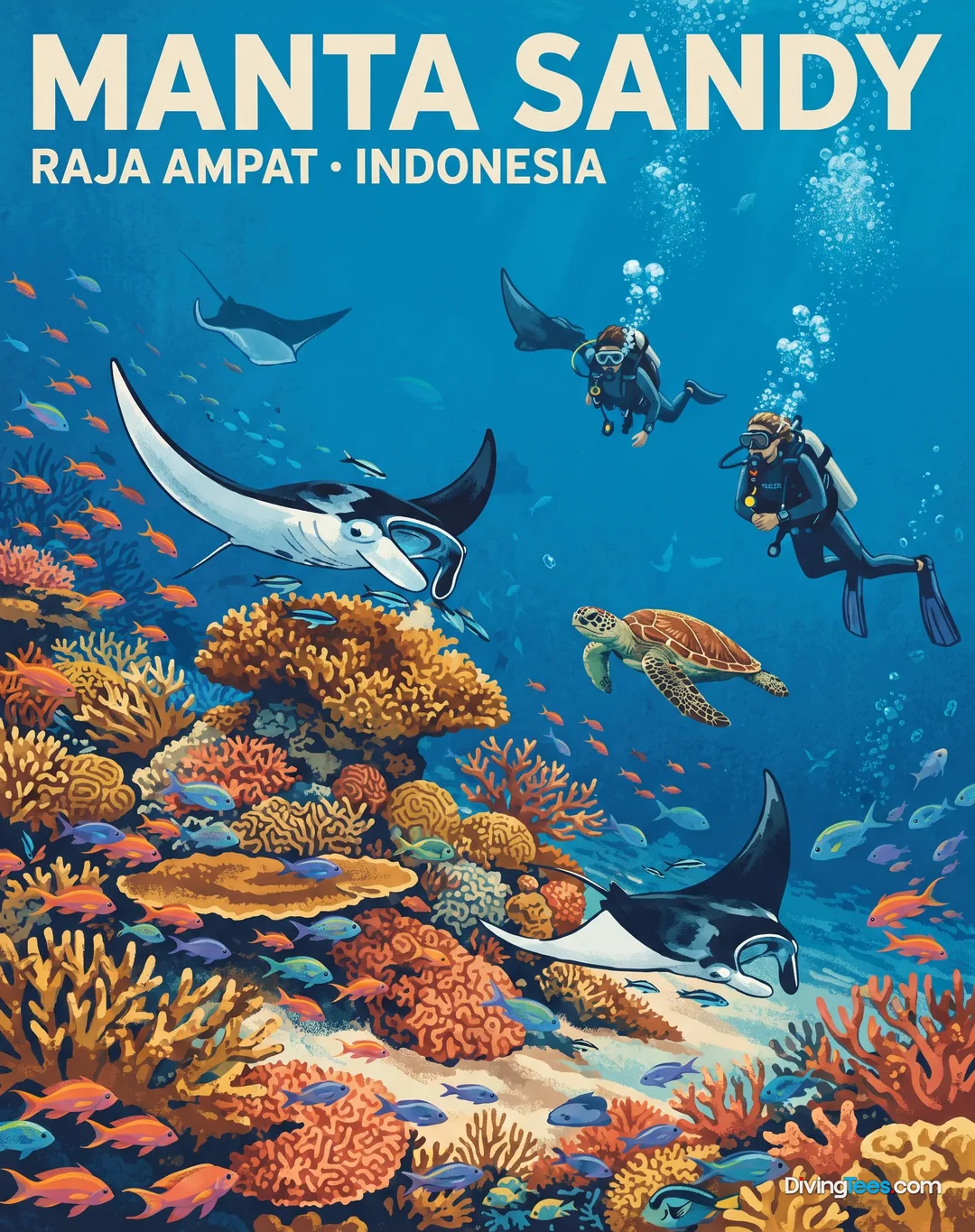
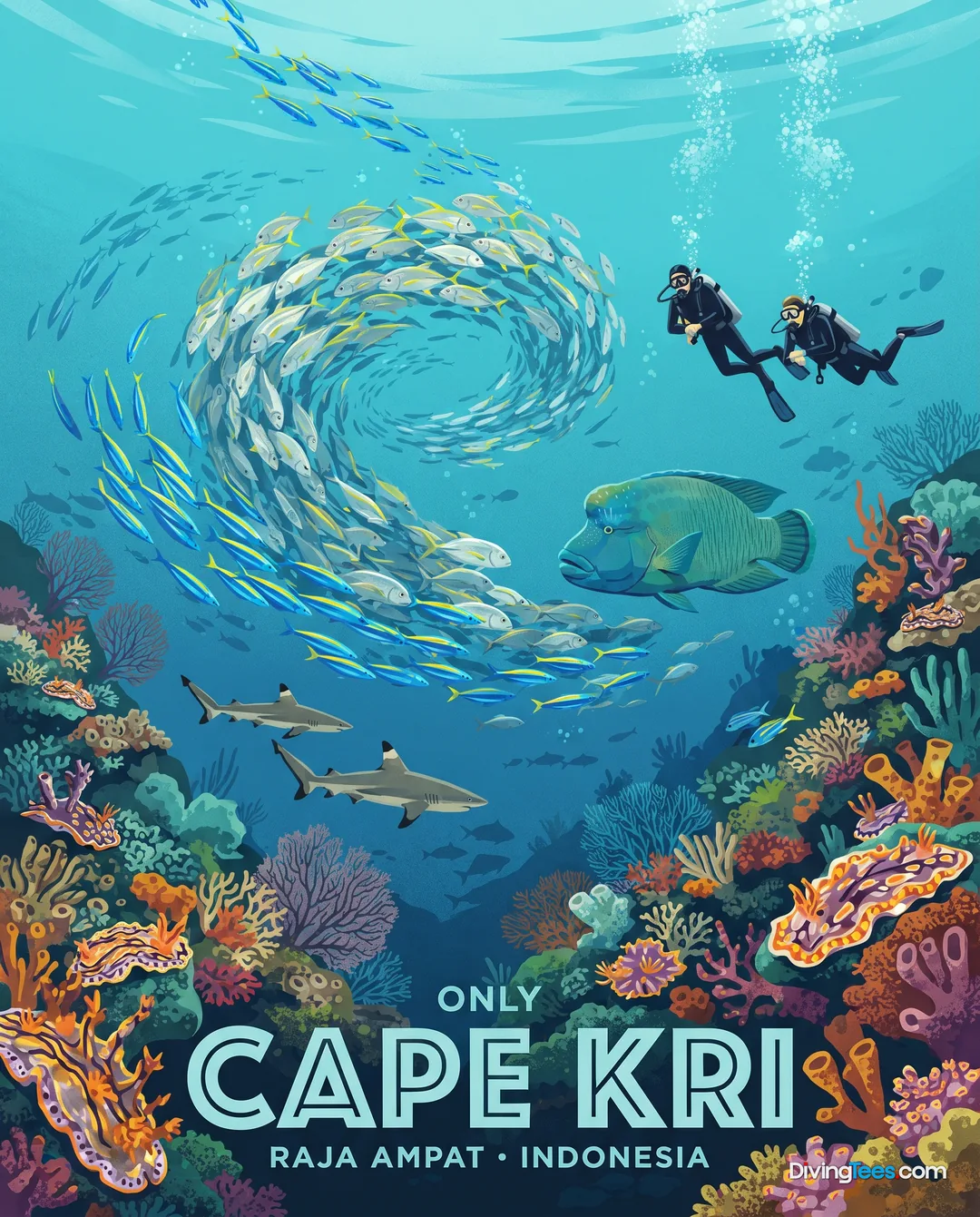
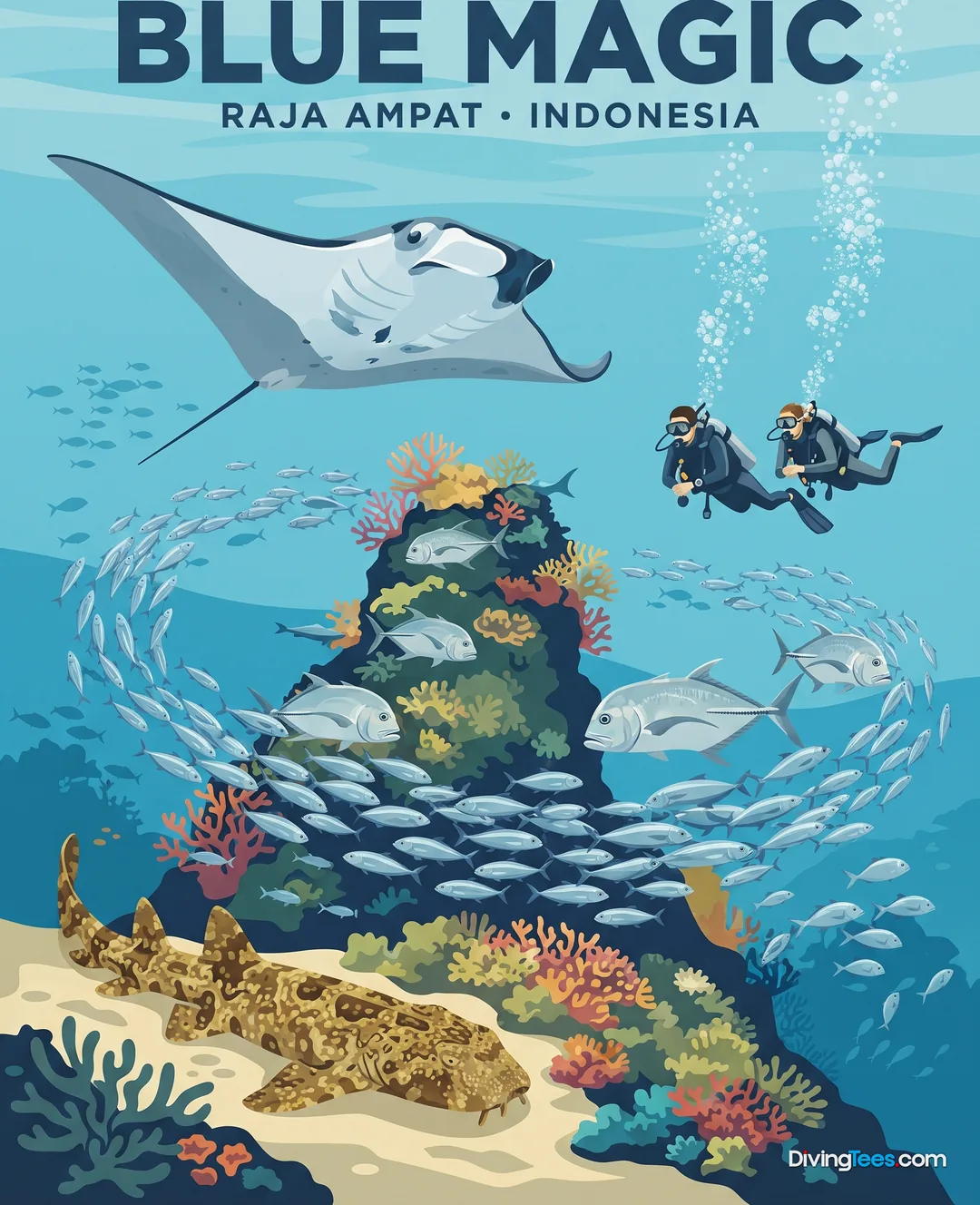
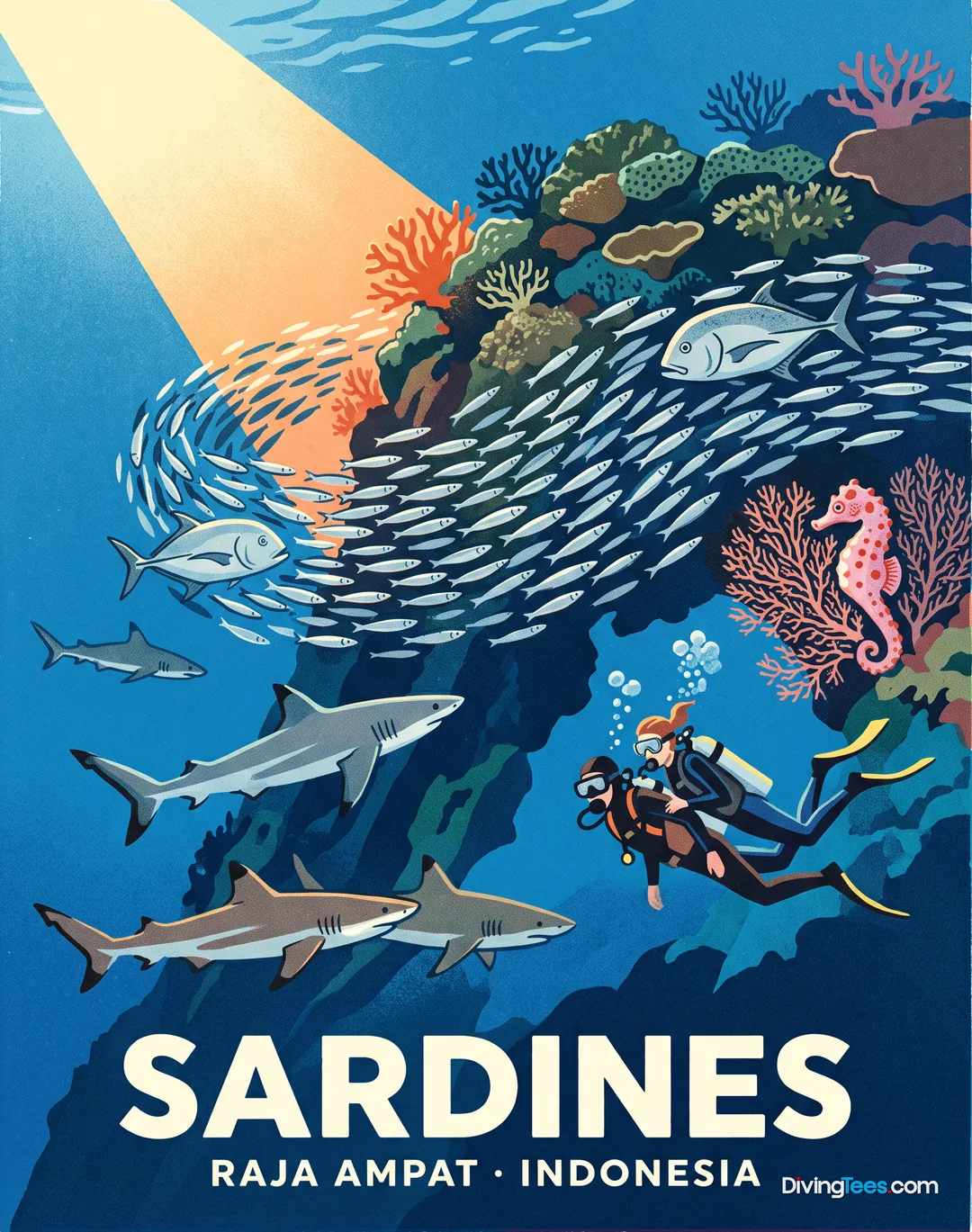
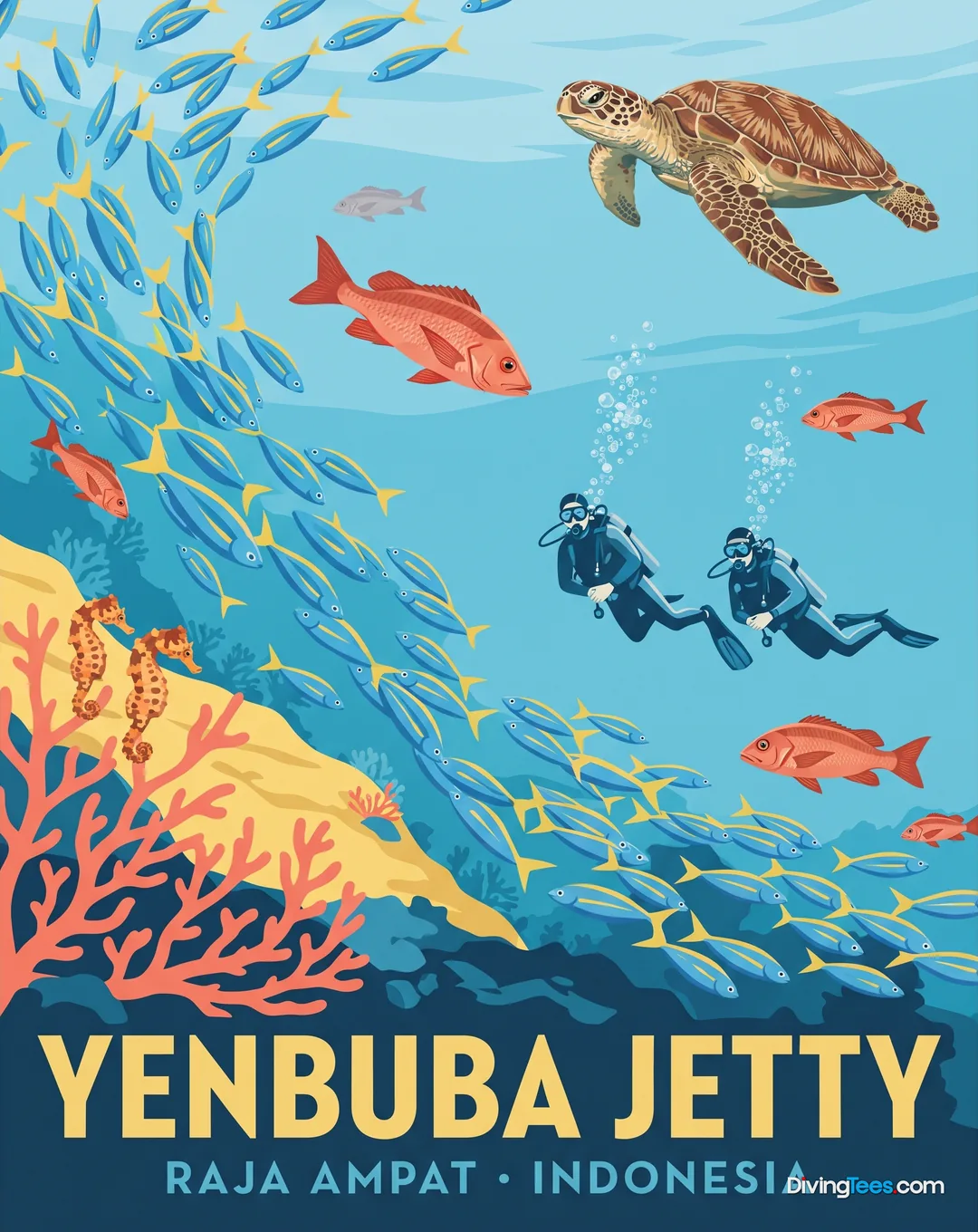
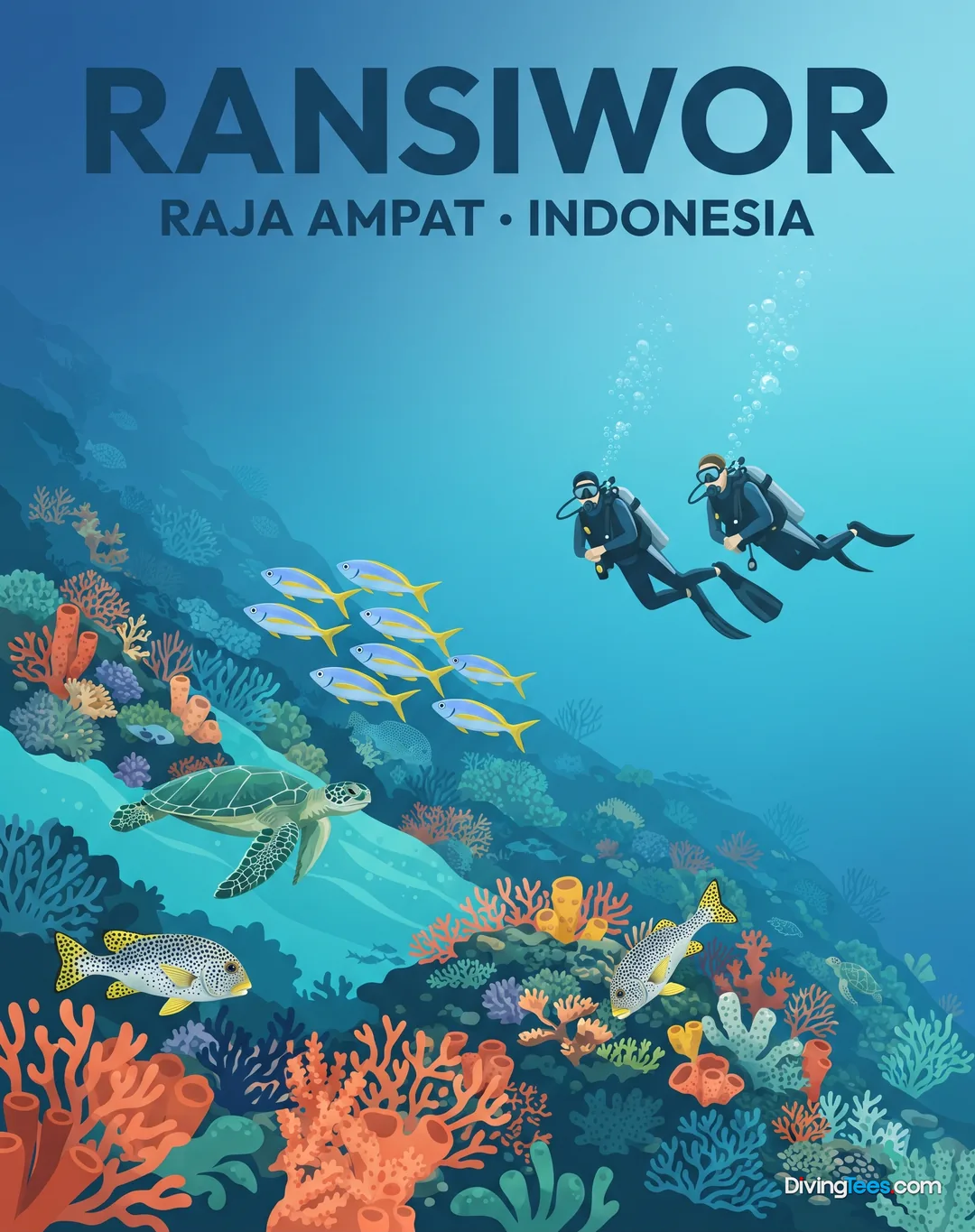
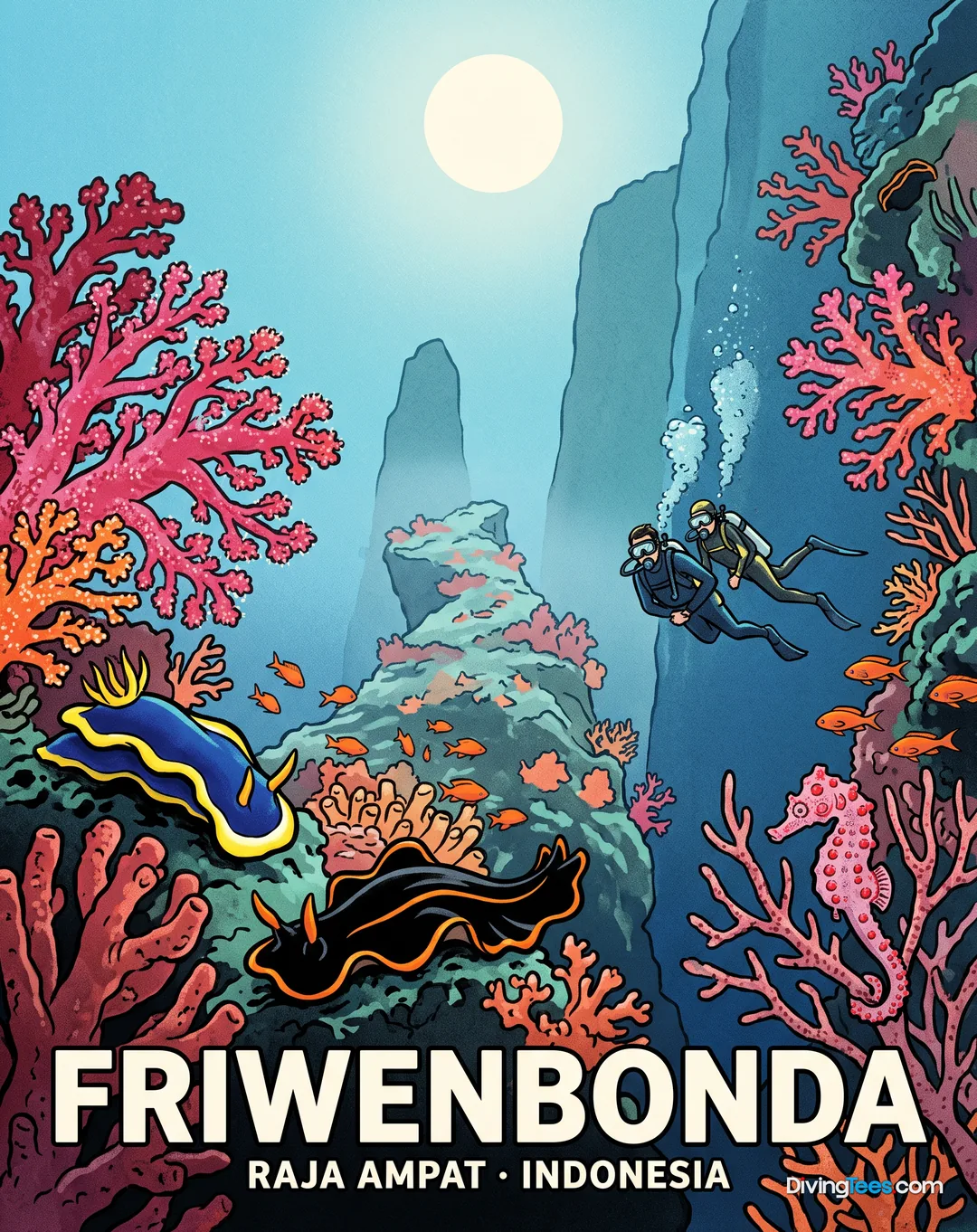
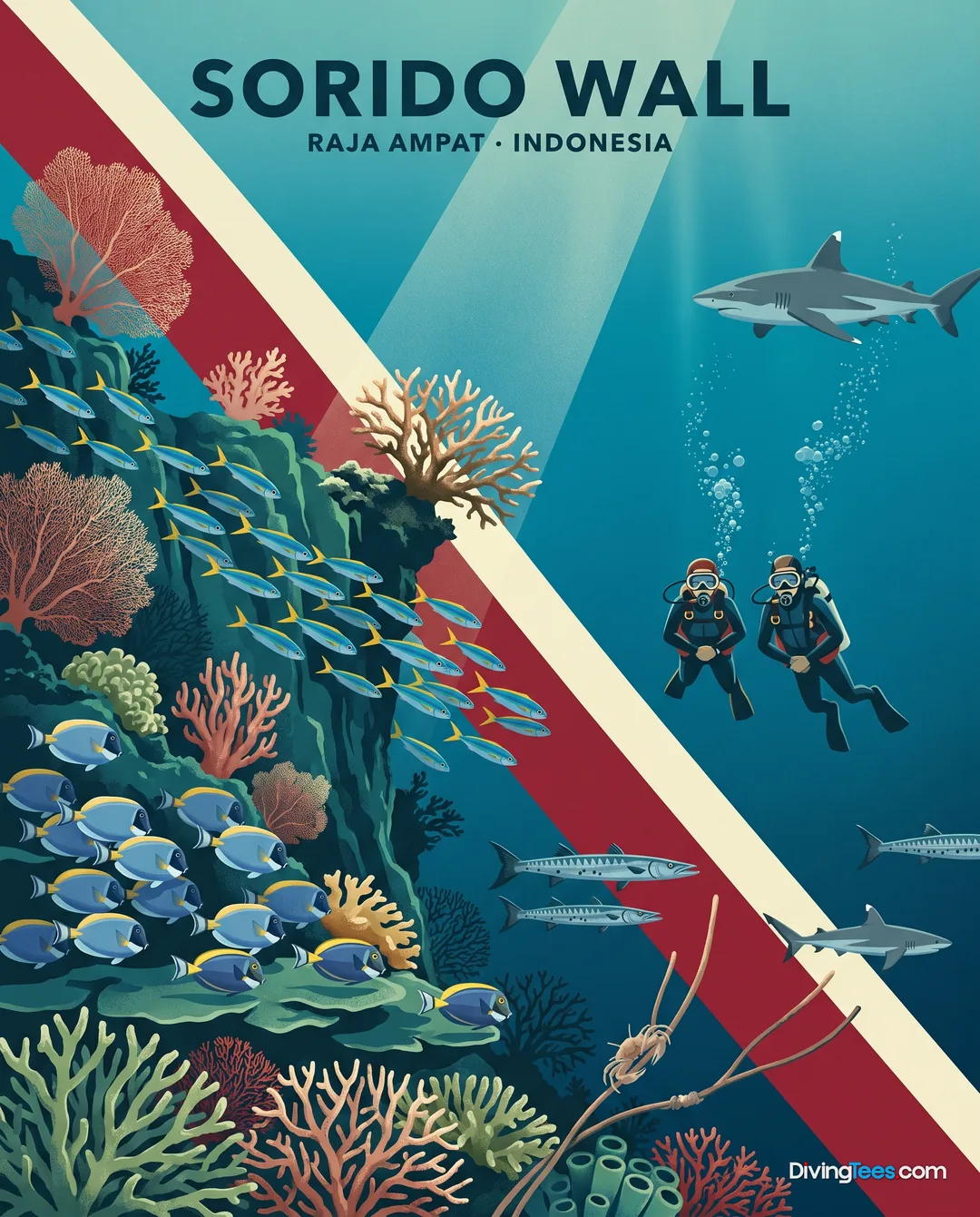
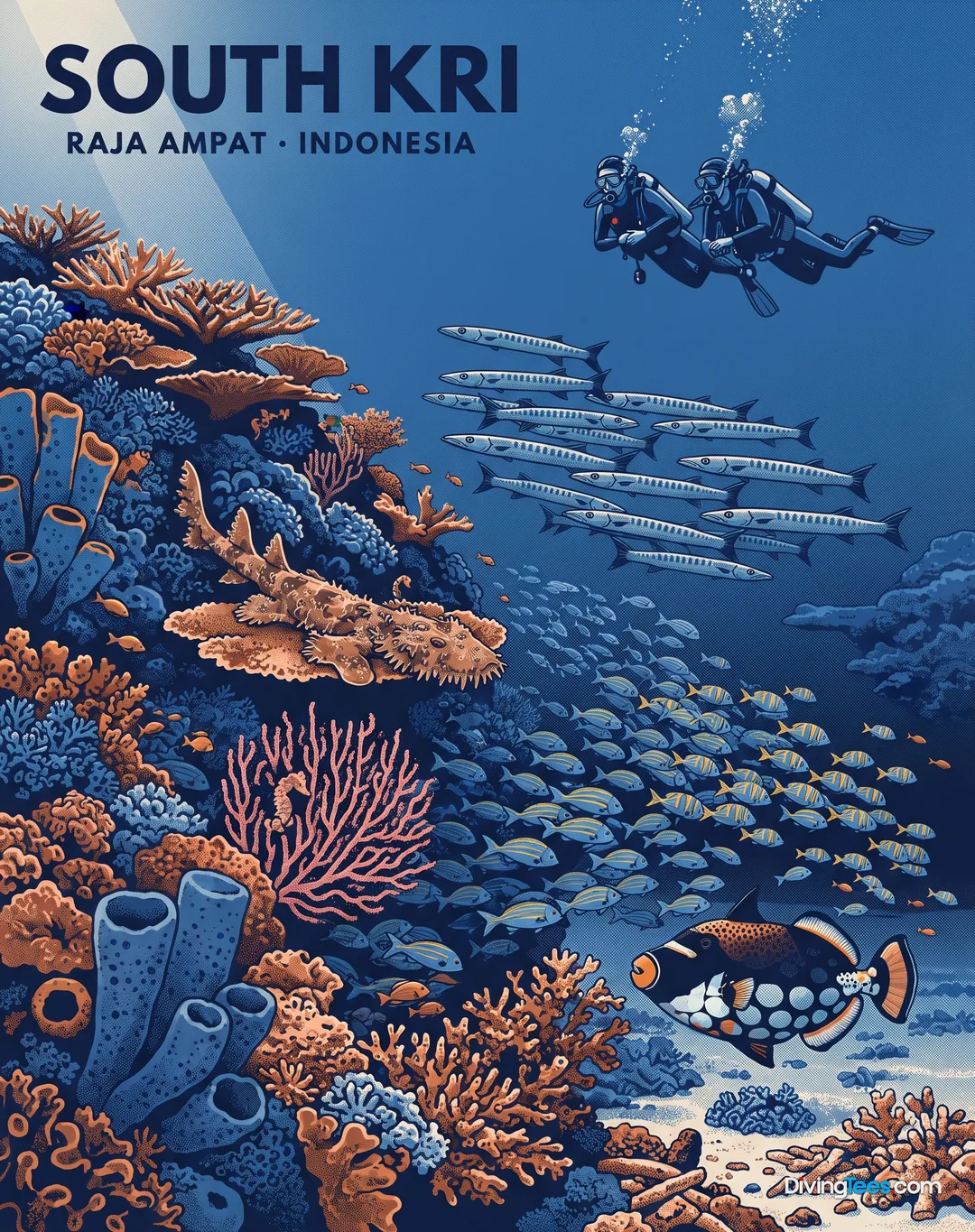
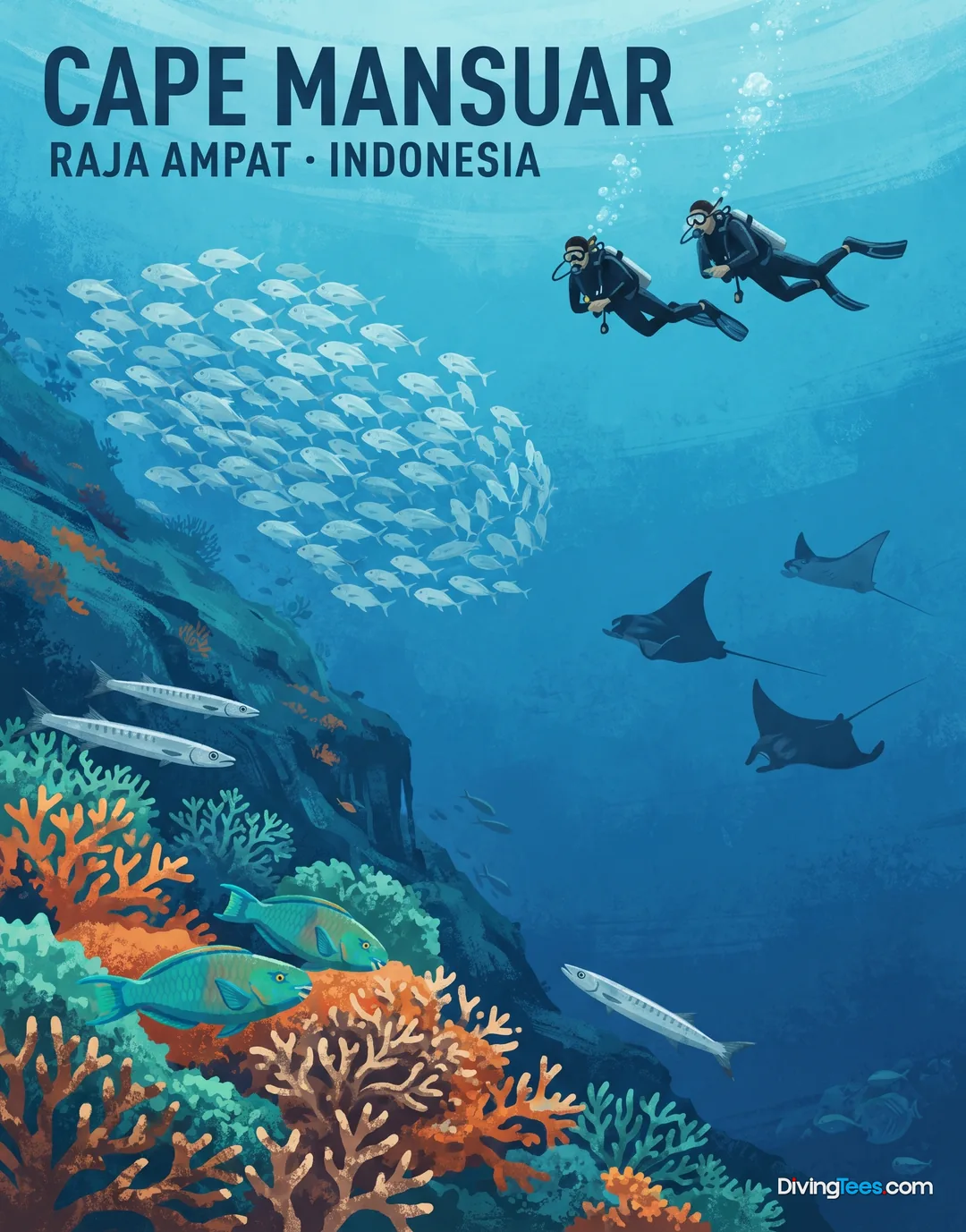
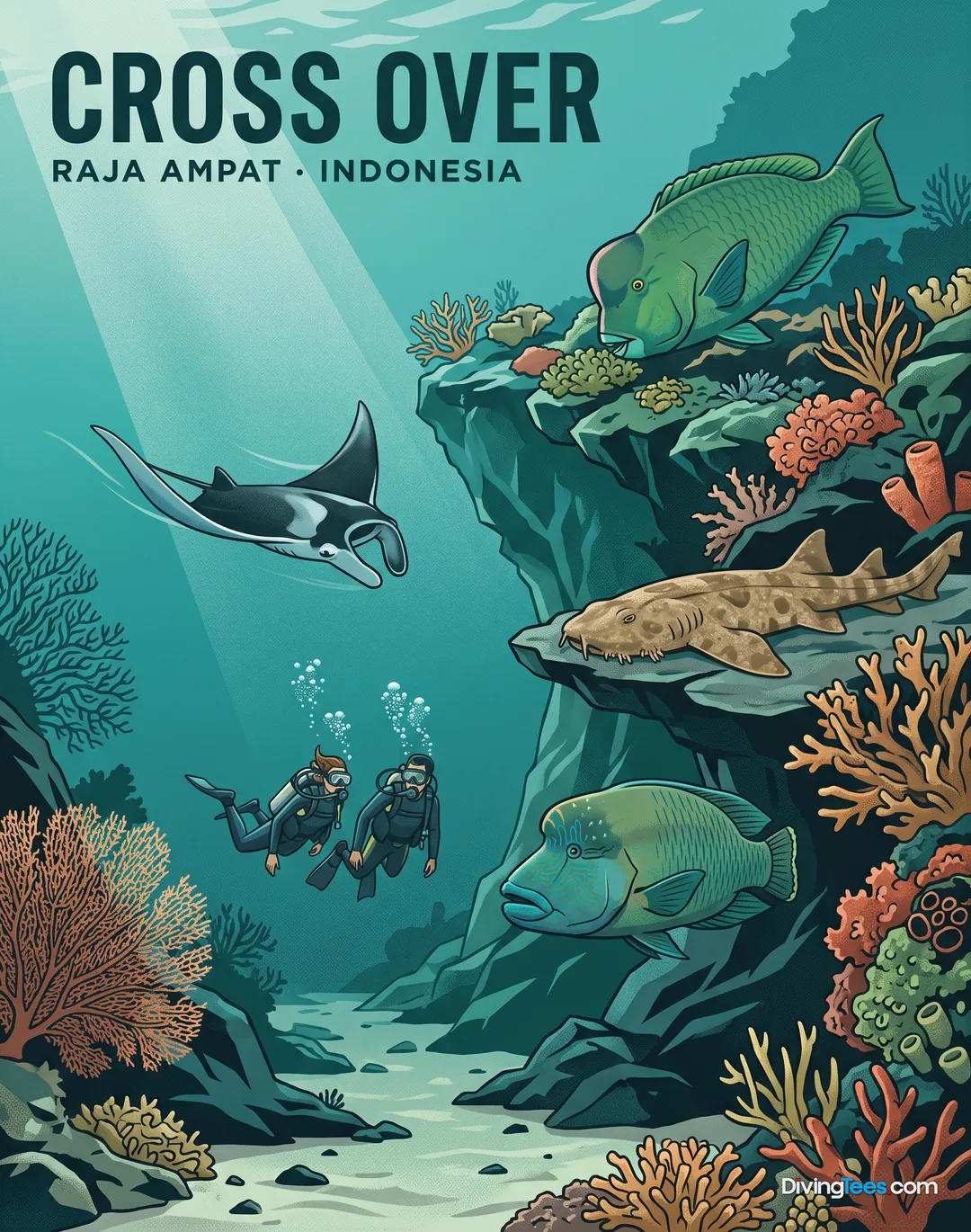
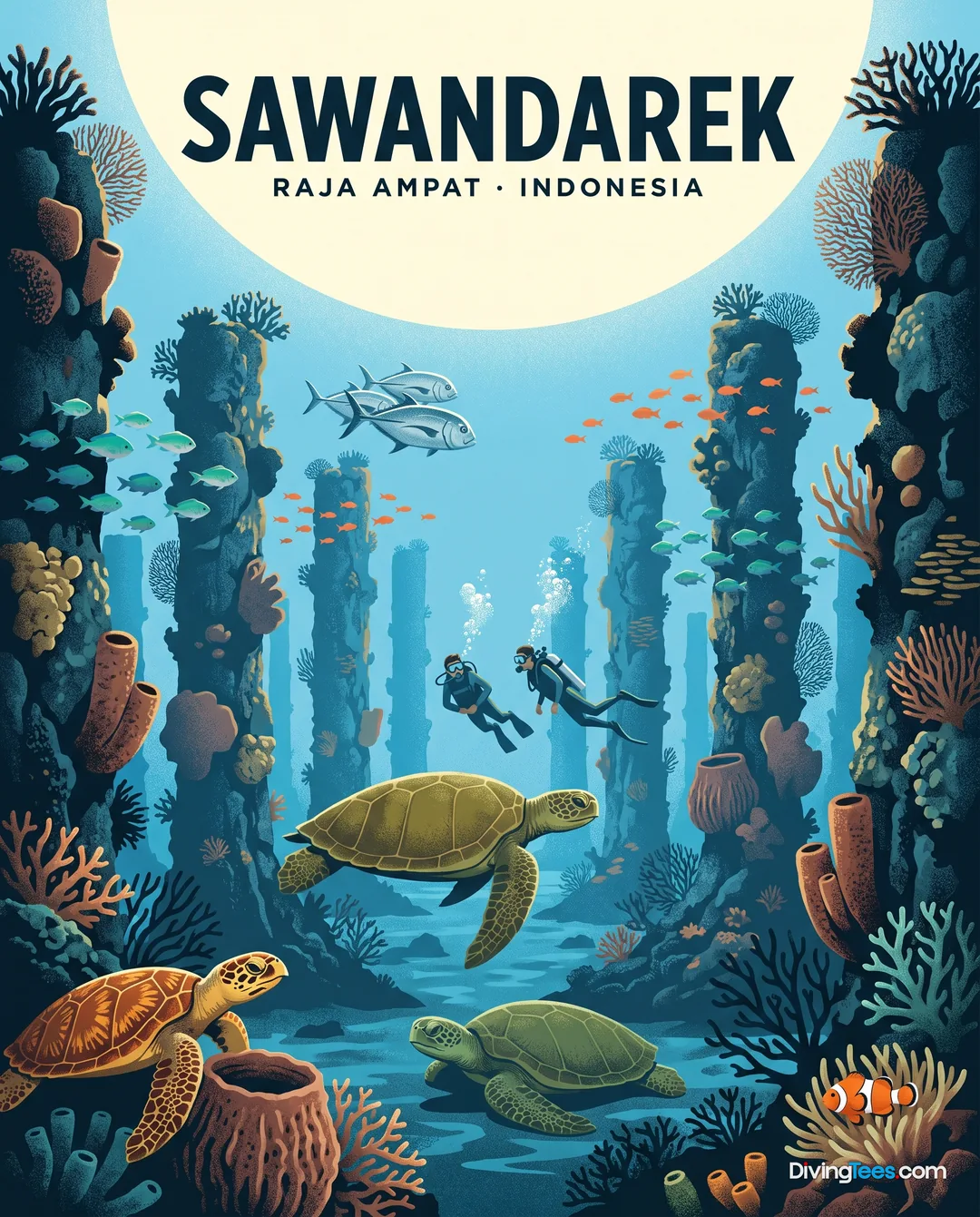
On the Raja Ampat routes, the sites range from cleaning stations and steep walls to coral gardens, jetties and current-swept plateaus. Manta Sandy is the direct encounter: reef manta rays hover over cleaning stations, with snorkelers able to share the scene from above. Mike’s Point reaches a maximum of -40m, with overhangs covered in soft coral, sweetlips on the reef and eagle rays crossing the flat plateau. Melissa’s Garden is shallower at a maximum of -35m, a coral garden of soft corals and staghorn formations. Cape Kri is the fish-heavy landmark, with schooling fusiliers, reef sharks and the possibility of a giant grouper; 374 fish species have been observed on one dive there. Blue Magic brings schooling fish, wobbegongs and oceanic manta rays, while Sardines turns the water into moving fish around jacks and humphead parrotfish. Yenbuba Jetty reaches a maximum of -30m, from coral-covered pilings into a sloping reef. Ransiwor also reaches -30m and follows gentle slopes, cleaning stations and yellow-back fusiliers. Friwenbonda, Sorido Wall, South Kri, Cape Mansuar, Cross Over and Sawandarek add soft-coral walls, macro life, barracudas, reef sharks and giant green turtles. The recorded Raja Ampat departures are Sorong to Sorong and last 12 days and 11 nights.
What you’ll meet underwater
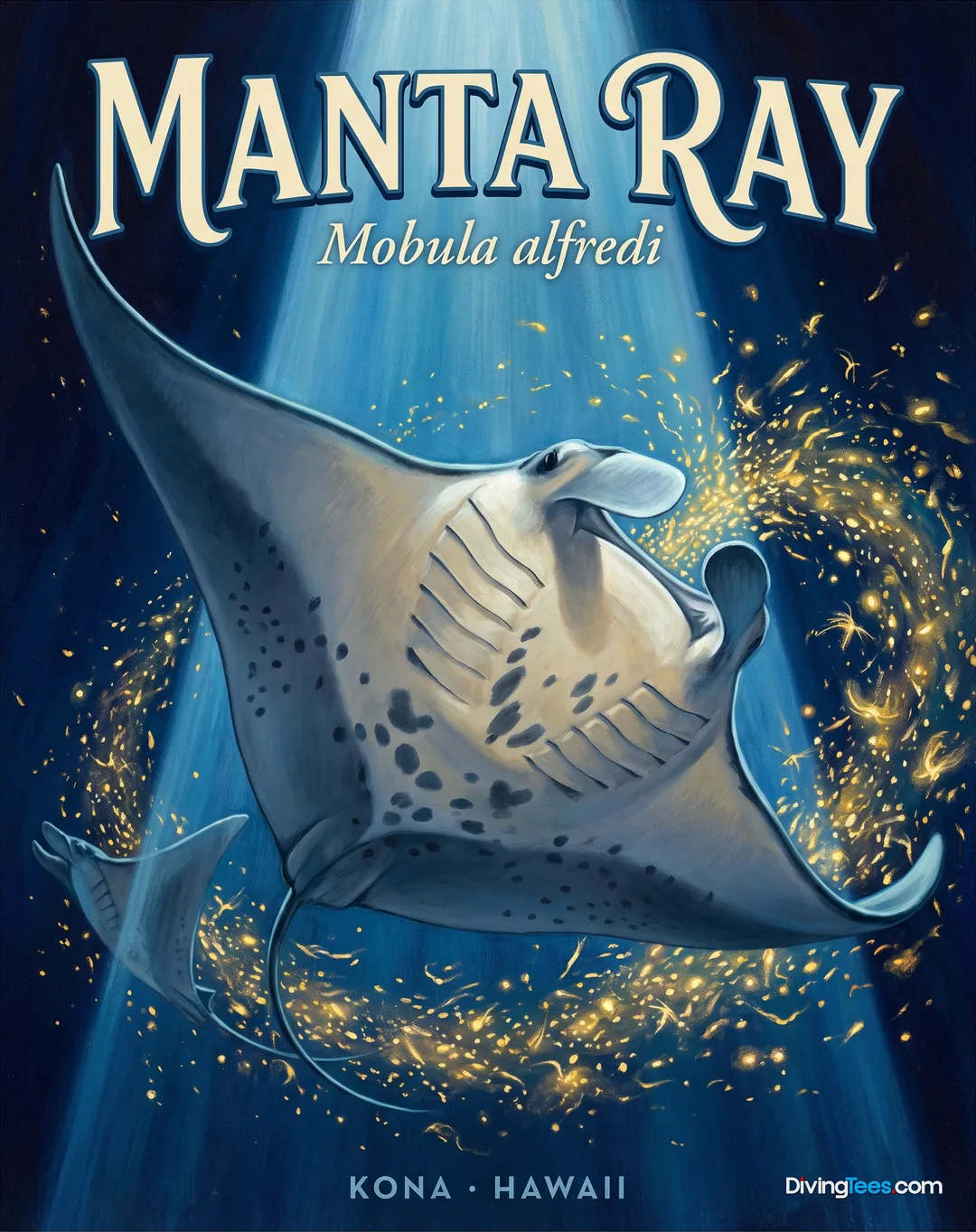
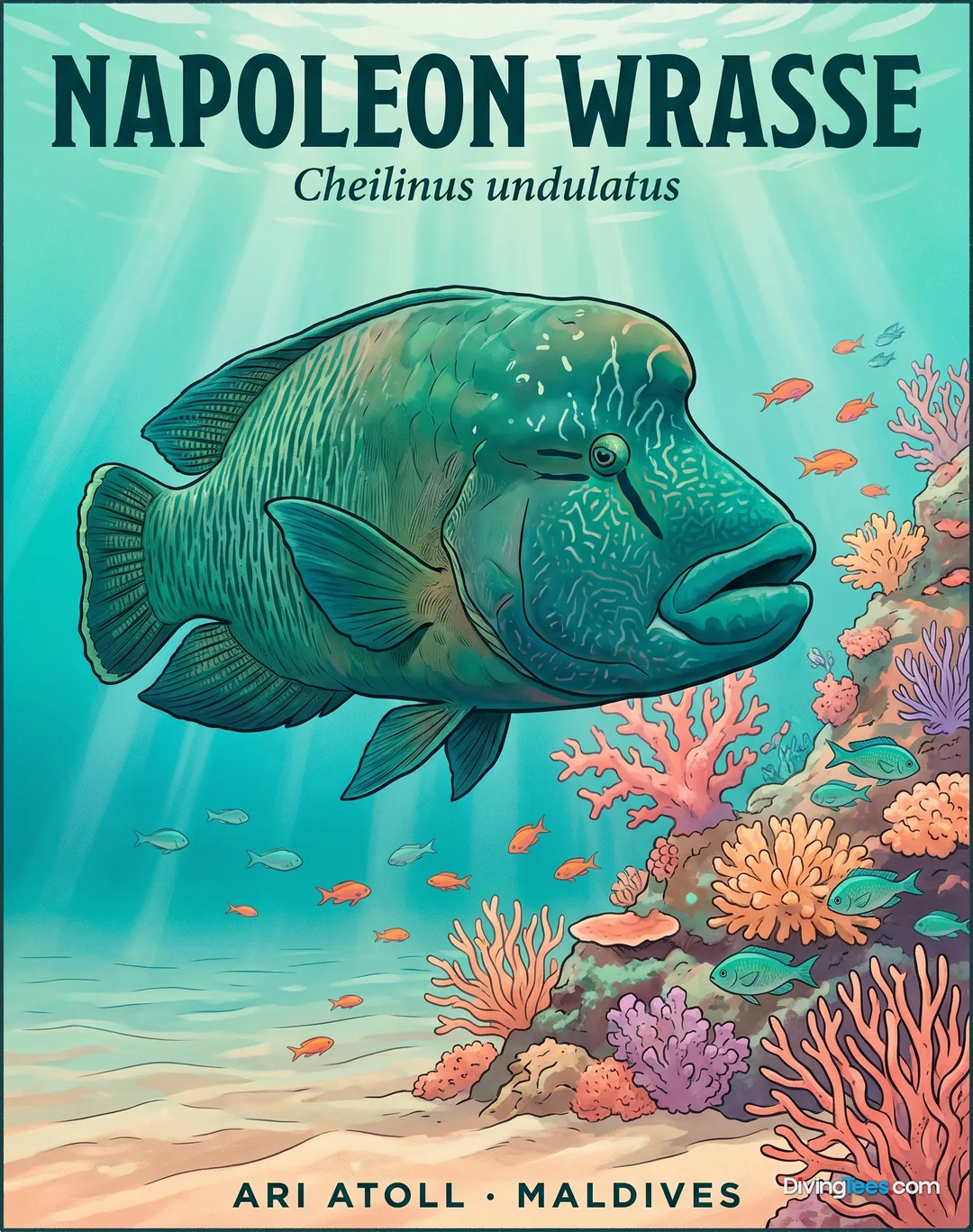
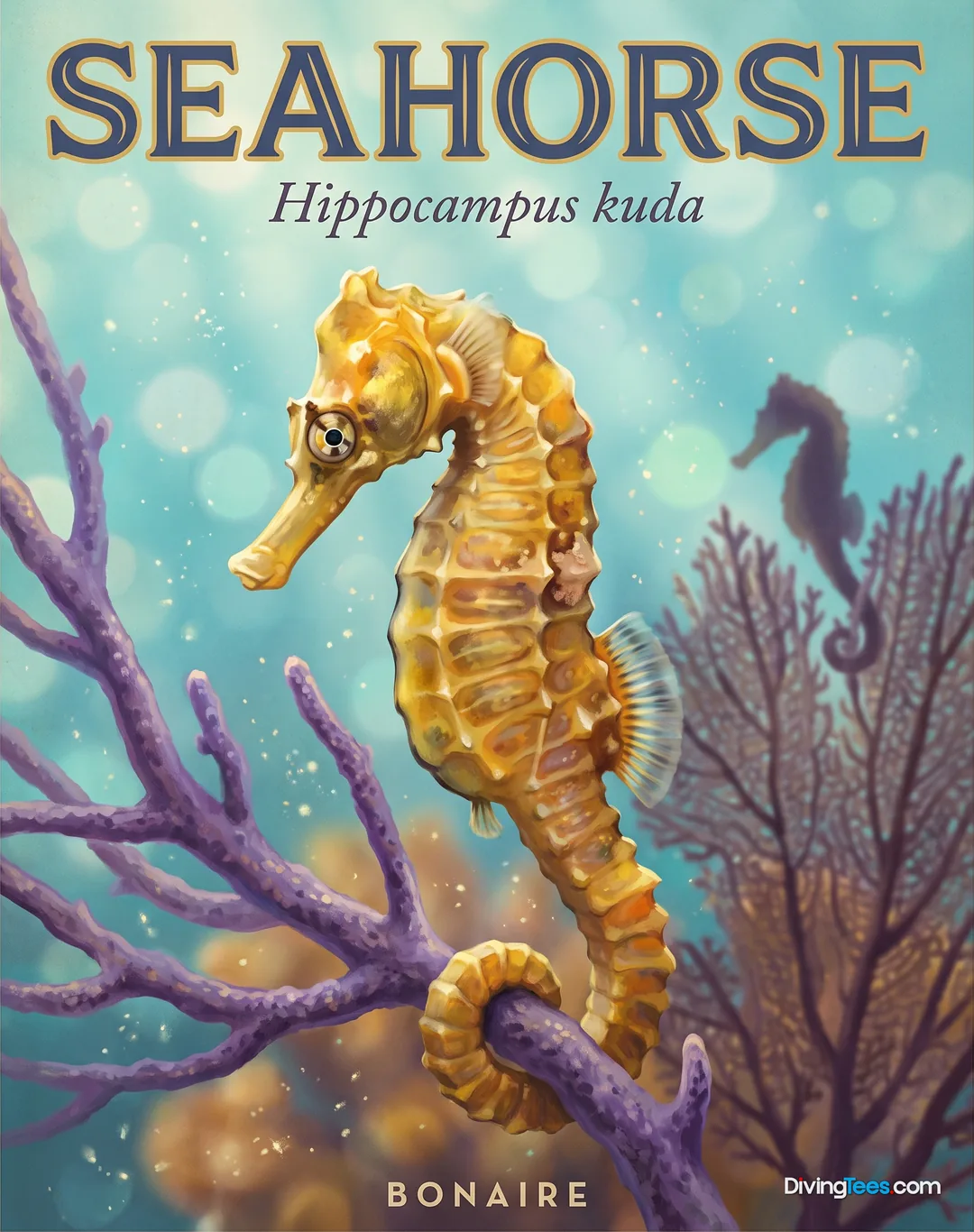
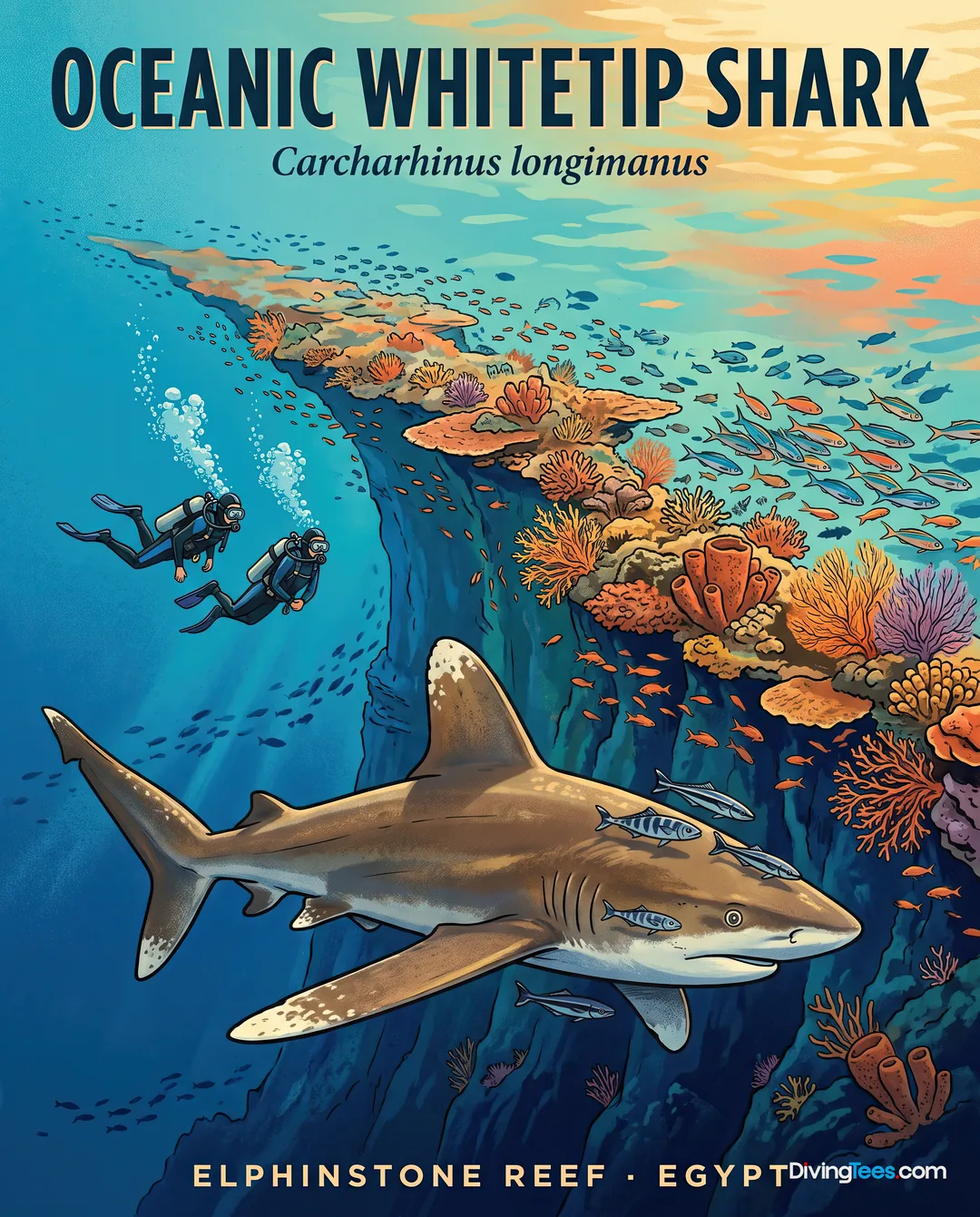
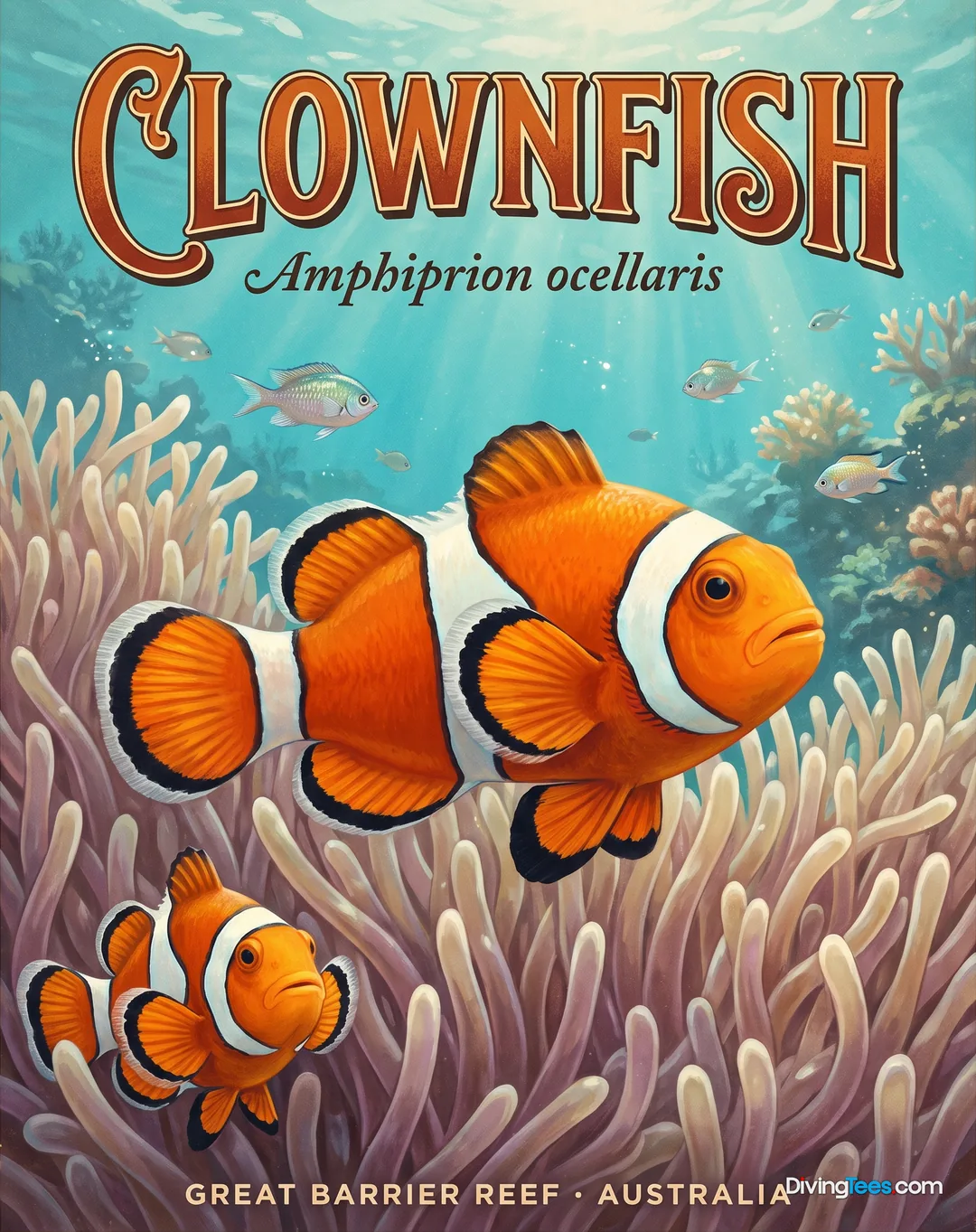
The recurring spectacle is density. Barracudas, reef sharks, jacks, fusiliers, sweetlips, humphead parrotfish, Napoleon wrasse, turtles, soft corals, nudibranchs and pygmy seahorses appear across several sites, so the route keeps changing scale from a moving wall of fish to a subject small enough to occupy a macro frame. Cleaning stations explain some of the action: manta rays at Manta Sandy and Ransiwor’s active reef slopes draw attention to precise points on the reef. Current-swept sites can bring the larger animals past the group, particularly at Blue Magic, Cape Mansuar and Cross Over. Some sightings belong to one place. Cape Kri is the site for giant grouper and whitetip reef sharks; Blue Magic is where an oceanic whitetip shark and tuna are recorded; South Kri is the place for bigeye trevally, crabs and shrimp; Ransiwor offers the recorded chance of an octopus and clownfish; Yenbuba Jetty is notable for anthias and damselfish; Sorido Wall is where surgeonfish join the barracudas and reef sharks. None of these animals is promised. That is why the guides brief the group on what the site is doing that day.

Who puts you in the water
The core dive team includes the cruise directors, both PADI instructors, and four local Dive Masters who know the Indonesian areas closely. Groups are limited to four divers per guide, a useful size when a site demands attention to current, reef position and small subjects. A first-day briefing covers procedures, safety, the Nautilus Lifeline Marine GPS supplied for the cruise, photography and marine-life awareness. Before every dive, the guide explains the dive type, suggested depths, expected current and direction, and likely sightings, using a hand-drawn site map. The tender checks the current before the group enters. Diving is recreational only: Nitrox is offered, but Trimix and rebreather support are not. The boat carries oxygen, first-aid kits, marine GPS units, radios, satellite phones and emergency equipment. A private guide can be booked separately when available.
The dive deck and the gear
The diving begins on two custom-built 7-metre tenders, each with room for divers, tanks and equipment, a seat for every diver and a semi-dry compartment below the seat. Their 200-hp four-stroke outboards reach most sites in a few minutes, and the tender crew stays close while divers are in the water. Back on the ship, the shaded dive deck has separate areas for general equipment and cameras, plus hot outdoor showers. Standard cylinders are 12-litre aluminium tanks for air or Nitrox 32; a limited number of 15-litre and 10-litre tanks can be arranged as paid extras. DIN and Yoke regulators are supported. Nitrox is available as an optional paid fill, and rental equipment is available from Scubapro, either as a complete set or by individual item. Photographers get a dedicated camera room open around the clock, charging stations, benches, storage, a 12-metre camera table and separate rinse tanks: one for cameras and computers, another for general gear.
Between dives
Between dives, the useful luxury is space. The shaded dive deck gives wet gear somewhere to drain, while the lounge offers air-conditioning, sofas, a library and a screen for films or photographs. Above, the sun decks open the view across Raja Ampat’s limestone islands; the bow has two hammocks for the hours when reading becomes too much effort. A massage can be arranged, and kayaks are available for quiet exploration of lagoons and shorelines. On cruises with land excursions, the gap may become a village visit, jungle walk, hidden lagoon or, on Banda routes, a fort and nutmeg plantation. When no dive is planned, the boat itself becomes the place to be: a book, a chess game with a crew member on the bridge, or simply shade and the sound of the vessel underway.
A day on board
The day starts with the light breakfast available from 6 am, before the first briefing and first dive. The cooked breakfast lands after that dive, when divers are ready for something substantial rather than another snack. A second dive follows, then lunch, with the third dive later and a fresh snack in the afternoon. Depending on the itinerary and conditions, a fourth dive or a dusk dive completes the active part of the day. Night dives are included in the cruise programme and dinner is arranged around them, so divers can eat before entering the dark or return to a meal afterwards. Between entries, the boat may be stationary over a site or underway towards the next island; the gaps belong to cameras, naps, showers, decks and food. The rhythm is demanding in the right way: the next dive is never far away, but neither is the place to recover from the last one.
What you eat aboard
Food is treated as part of the diving day, not as an afterthought between briefings. Before the first dive, a grazing breakfast brings fruit, muesli, croissants, toast, coffee and tea. A cooked breakfast follows, with Western and Indonesian choices; lunch is a buffet after the second dive, afternoon snacks appear after the third, and dinner is served before or after the night dive. The chef has trained in five-star restaurants in Bali, and the menus combine local Indonesian dishes with Western cooking, vegetarian and vegan options. Dinner can be taken outside with the islands passing behind the table or inside in the dining room. Meals are served often enough to match a four-dive schedule without turning the day into a rush to eat. The table is generally shared, which suits a boat where the best conversations start with the site just finished.
Nights at sea
The cabins are made for the part of the trip when the mask comes off and the body finally stops moving. Eight Deluxe Staterooms provide 20 square metres, private bathrooms, air-conditioning, storage, a desk and either twin beds or a double. The Master Suite is the boat’s signature room: it occupies the full aft width, has a 180-degree stern view, a king-size bed, sitting area, large sofa, extra wardrobe space and a bathroom with both shower and ocean-view bath. Its rear windows can be opened for fresh air. The important difference is not the furniture list but the amount of room around it. A wet camera case, clothes for tomorrow and a tired diver can coexist without blocking the door. At night, the air-conditioning can run while the sea moves beneath the hull; in the Master Suite, the stern windows offer another option when conditions allow.
Deluxe Cabin
Master Suite Cabin
What to know before boarding
The recorded Raja Ampat cruises depart from Sorong and return to Sorong. The package includes transfers between the embarkation airport and the harbour, with the Dewi team meeting arriving guests outside the airport arrival hall and helping with luggage. An early arrival can be taken to a hotel for breakfast and coffee before boarding at noon. Arriving the night before is the sensible choice if the flight schedule gives any risk of delay.
Deck plan
What the boat does for the ocean
Dewi Nusantara keeps laundry off the vessel because of ecological restrictions in the marine parks; laundry is handled ashore between cruises, with only minimal amounts permitted on board. The boat also produces fresh water with two desalinators, reducing dependence on shore supplies during remote voyages.
- Year built
- 2007
- Length
- 57 m
- Beam
- 12 m
- Maximum number of passengers
- 18
- Number of cabins
- 9
- Number of bathrooms
- 9
- Engines
- 2 × 500 hp Nissan twin-turbo diesels
- Cruising speed
- 8 knots
- Tenders
- 2
- Website
- dewi-nusantara.com ↗
Hello, I'm Marina, DivingDeal.com's AI assistant. I answer in detail about hotels, dive centres and liveaboards.

Thinking about the whole trip and the flights? Talk it over with Edith →
Marina is an AI. Some links are affiliate links: DivingDeal may earn a commission, at no extra cost to you. Bookings are made with the partner.