

Soul Scuba Divers
★ 4.8/5 (678 reviews)
less than 1 km away as the crow flies
Raja Ampat · Indonesia · Asia
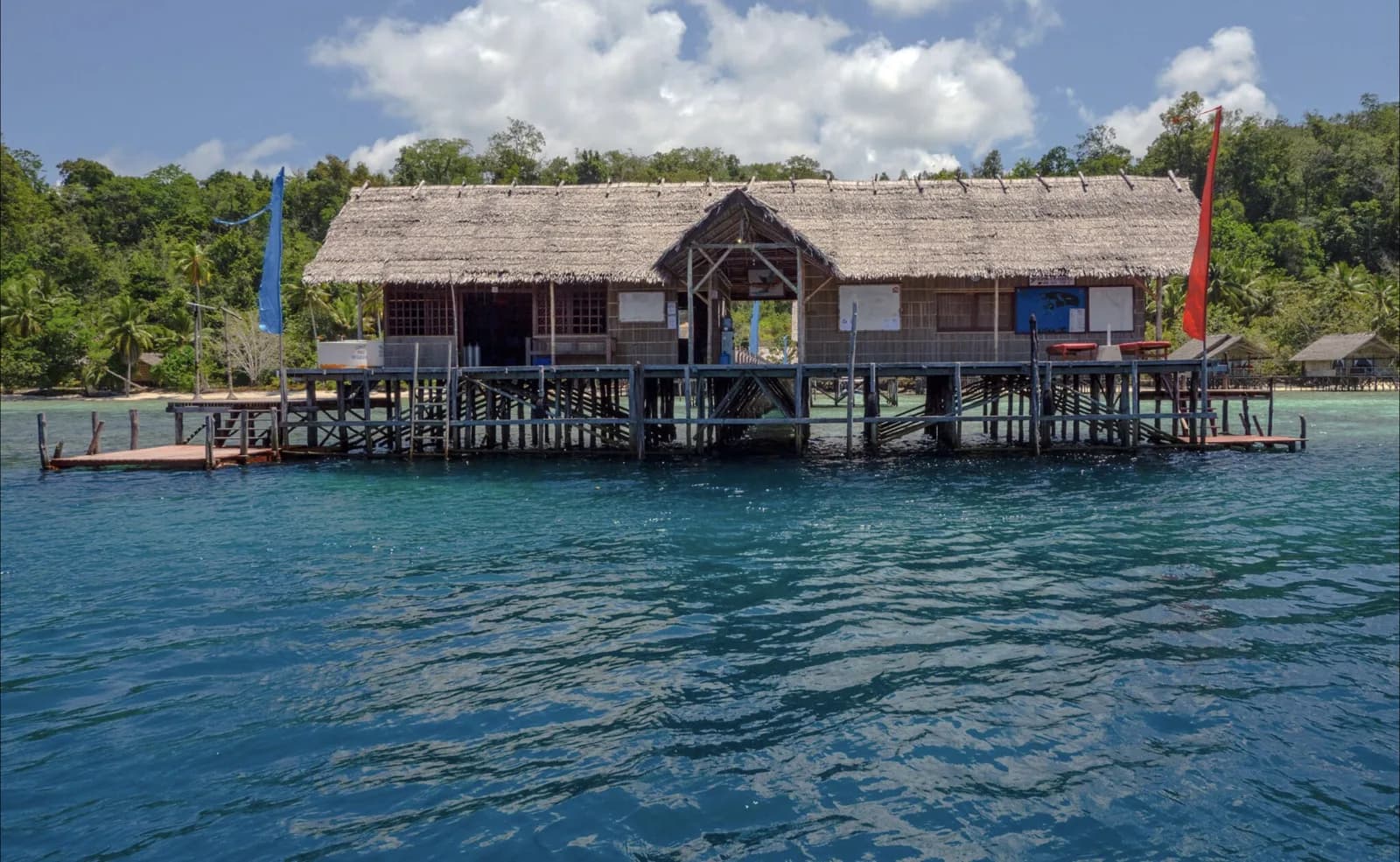
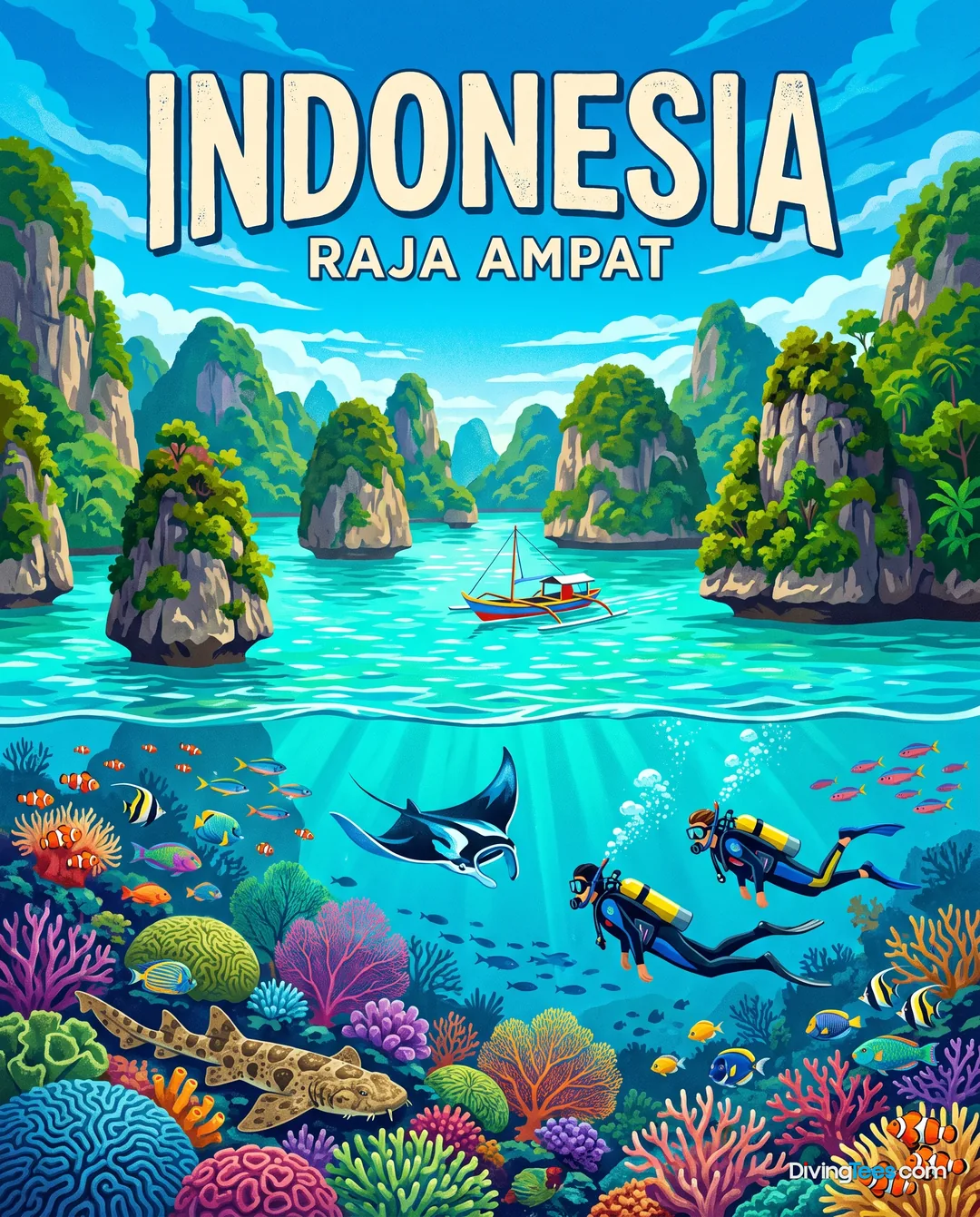
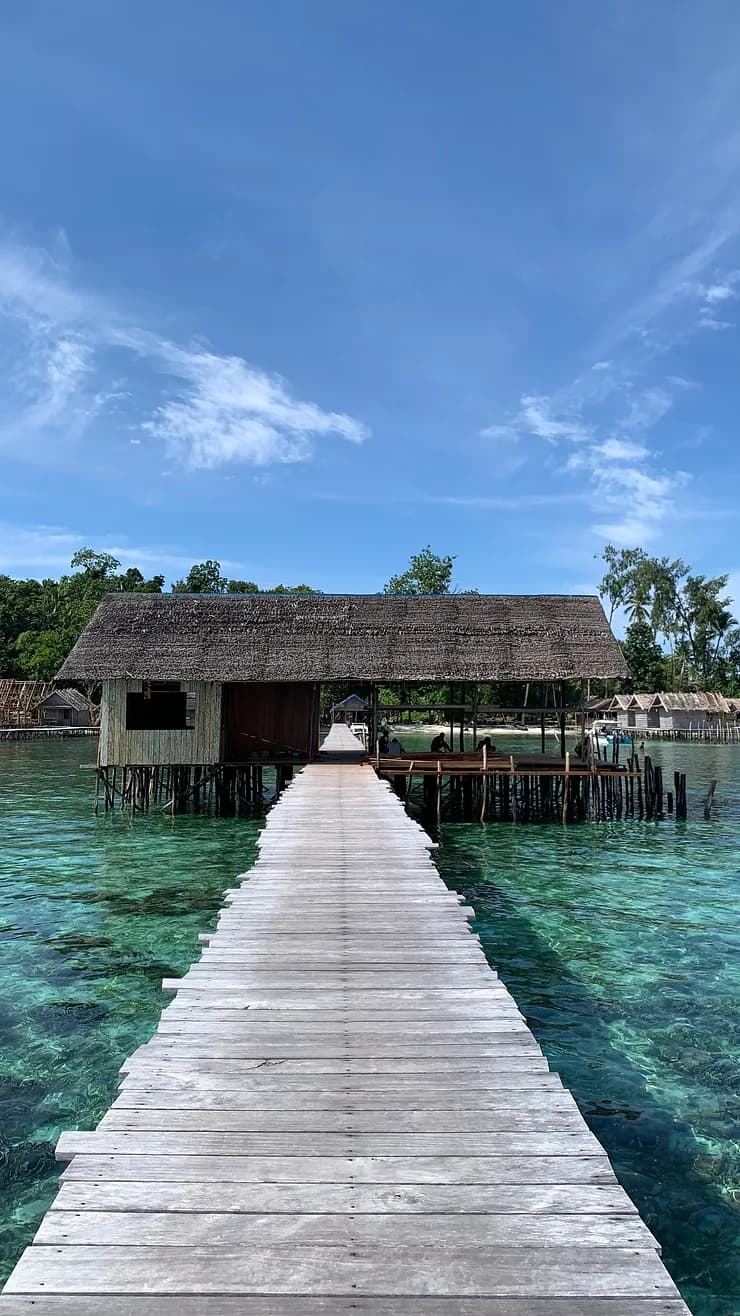
Max. depth · 30 mDive beneath Yenbuba Jetty to find dense schools of fish swirling around coral-covered pilings, transitioning to a gently sloping reef rich with marine life.
For subtitles in English: start the video firstthen click the gearat the top right of the video, select “Subtitles/CC”, then “Auto-translate” and choose “English”.
Your dive at Yenbuba Jetty begins directly beneath the wooden structure, a thriving habitat that immediately showcases the site's unique character. Here, large aggregations of schooling fish gather, swirling around the pilings as if choreographed by the tides. These schools provide a constant, dynamic spectacle, drawing you into the vibrant ecosystem from your first moments underwater. The structure itself is adorned with a rich tapestry of soft corals, their delicate polyps swaying gently with the water's movement, adding bursts of color to the shadowy undersides of the jetty.
Beyond the immediate shelter of the jetty, the reef gradually slopes downwards into deeper water, inviting you to explore its varied topography. This gentle descent allows for a relaxed dive profile, giving you ample time to observe the intricate details of the reef system. As you glide along the slope, you'll find yourself amidst a diverse community of reef inhabitants, each element contributing to the overall health and beauty of this Raja Ampat gem. The transition from the artificial structure to the natural reef is seamless, demonstrating how marine life adapts and thrives in varied environments.
The abundant schooling fish found directly beneath the jetty are a constant highlight, forming dense, shimmering clouds that move in unison. These groups often include species like fusiliers and surgeonfish, creating a living curtain that shifts and parts as you approach. Observing their coordinated movements provides insight into the complex social structures of these marine communities. The sheer density of marine life here is a testament to the healthy ecosystem that Raja Ampat is renowned for, offering a vibrant focal point for your dive.
While the jetty itself is a daytime marvel, its character transforms dramatically after sunset, offering an entirely different experience for night diving enthusiasts. Under the cloak of darkness, the reef's nocturnal residents emerge, and the soft corals often display their feeding polyps more prominently. The familiar daytime landscape takes on an ethereal quality, illuminated only by your dive light, revealing creatures and behaviors rarely seen during daylight hours. This allows for a deeper appreciation of the site's biodiversity and lifecycle.
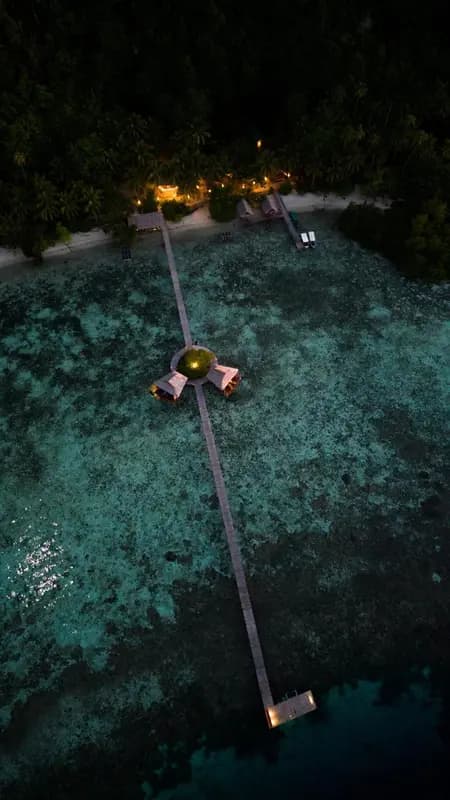
The topography of Yenbuba Jetty is a fringing reef on the east side of Mansuar Island, characterized by a gentle, sloping reef that starts very shallow near the shore. This slope gradually deepens offshore, leading to a richer reef area before returning to the relatively shallow jetty zone. The wooden supports of the jetty are densely covered in soft corals, hosting a concentrated fish population, which provides a long, shallow section that can be explored for a significant portion of your dive.
Currents at Yenbuba Jetty are generally light to moderate, making it a relatively gentle site compared to many other locations in Raja Ampat. However, like much of the Dampier Strait, tidal currents can occasionally become strong, requiring careful dive planning. When currents are present, the reef is typically dived east-west or west-east, allowing you to drift along the slope and observe the marine life with minimal effort. This variability means staying aware of the conditions, even on an otherwise calm day.
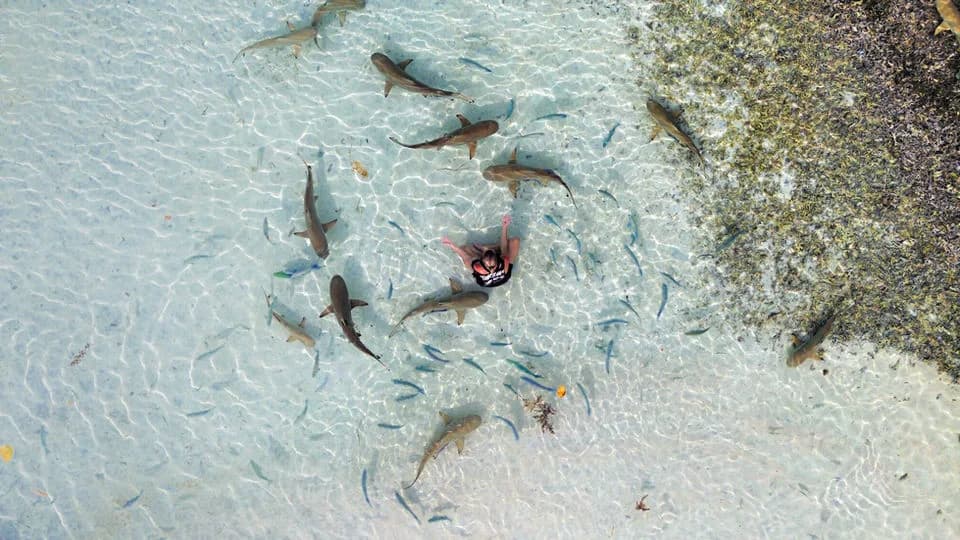
The site is home to a diverse range of reef inhabitants. You can expect to encounter blacktip reef sharks and whitetip reef sharks patrolling the deeper sections, while green turtles and hawksbill turtles are often seen grazing on the reef. Schools of spadefish, snapper, and grouper frequent the area, alongside angelfish, fusiliers, damselfish, anthias, parrotfish, butterflyfish, lionfish, and sweetlips. Look closely among the corals for nudibranchs and pipefish, adding to the macro diversity of the site.
Yenbuba Jetty's combination of a village jetty, a gentle reef slope, and rich macro and reef life creates a site that showcases both typical Dampier Strait biodiversity and the interaction between local communities and the marine environment. The shallow reef surrounding the jetty is particularly dense and fragile, emphasizing the need for good buoyancy control to avoid accidental contact. This site is often a first choice for divers new to Raja Ampat, offering accessible conditions without compromising on the vibrant marine encounters.
Yenbuba Jetty is suitable for beginner to intermediate divers, with depths ranging from 4 metres to a maximum of 30 metres. While generally considered an easy dive, currents can be variable, ranging from mild to potentially strong depending on tidal patterns. Visibility typically ranges from 15 to 30 metres. Diving is possible year-round, with calmer seas generally from November to April, and often best visibility around Mansuar from April to November. Good buoyancy control is important to protect the shallow, fragile reef sections.
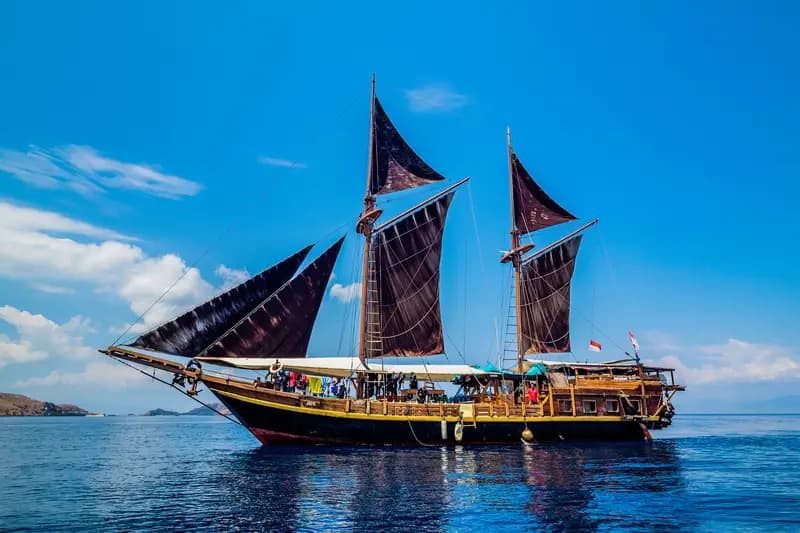
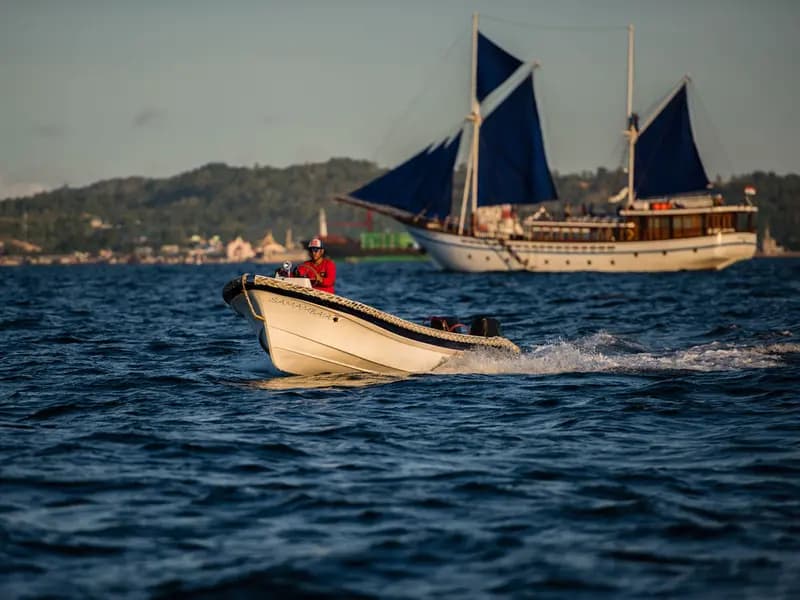
32 liveaboards depart from Raja Ampat another way to explore the region, over several days at sea.
Departing from Waisai
★ 9.2/10 (121 reviews)
from 218 €/day
Discover this boat →

Departing from Sorong
★ 9.3/10 (68 reviews)
from 352 €/day
Discover this boat →

Departing from Sorong
★ 9.6/10 (36 reviews)
from 474 €/day
Discover this boat →
Departing from Sorong
★ 9.5/10 (38 reviews)
from 498 €/day
Discover this boat →