Liveaboards · Indonesia
Gaia Love — a spacious Indonesian dive yacht built around the diving
What makes this boat unique
- Gaia Love is a 40-metre marine-steel motor yacht carrying up to 22 passengers in 11 en-suite, air-conditioned cabins.
- The large shaded dive deck gives up to 20 divers a personal station, separate wet and dry areas, and dedicated camera rinse tanks.
- Three aluminium dive tenders carry divers to the sites, while nitrox is available at a 31% mix for certified divers.
- Routes include Raja Ampat, the Derawan Islands, the Banda Sea, the Forgotten Islands, Halmahera and Manado.
For subtitles in English: start the video firstthen click the gearat the top right of the video, select “Subtitles/CC”, then “Auto-translate” and choose “English”.
The invitation
Gaia Love suits divers who want remote Indonesian sites without giving up room to live between dives. The point is not a compact boat with a narrow dive platform and nowhere to put a camera; it is a purpose-built yacht with space assigned to the parts of the trip that matter. The dive deck is wide enough for 20 divers to prepare without working shoulder to shoulder, and the three tenders take the crowd away from the hull and onto the reef. After the dive, the boat gives the day back to its passengers: a shaded deck, an open upper deck, a saloon, and cabins with real living space. That balance explains the scores: the boat, crew and food are rated particularly highly, while the diving still comes in at 9.5. Gaia Love is a strong choice when the destination demands long crossings but the boat should feel considered rather than merely functional.
Boarding
Gaia Love arrives as a modern motor yacht rather than a converted fishing boat: a marine-steel hull, clean lines and four levels of interior and exterior space. Boarding leads through the boat deck and into a layout that keeps the restaurant and saloon forward of the working dive area. Aft, the dive deck is the centre of operations; farther back, the tenders are stored and launched. The movement makes sense from the first transfer: luggage and passengers come aboard, then the dive equipment has a clear route to the water. Two Yanmar engines and separate generators keep the engineering and compressors in their own spaces, away from the social areas. Nothing about the layout suggests that diving was added as an afterthought.
The atmosphere on board
Gaia Love has the atmosphere of a small expedition run with a high crew presence. The crew speaks English, Dutch, French and Indonesian, and the close crew-to-passenger ratio shows most clearly in the repetitive jobs that make a dive trip easy: scuba units are loaded onto the tenders before a dive, unloaded after it, and returned to the diver’s station for filling. At the end of the cruise, the crew escorts passengers back to the airport or hotel rather than leaving the final transfer to chance. The evening can move between the saloon, the bar and the top deck, with dinner outside and the day’s footage or stories circulating afterwards. Passenger ratings put the crew just behind the boat and food, at 9.7. That is the useful distinction here: service is not only a welcome on arrival, but the steady handling of small tasks all week.
The sites you’ll dive
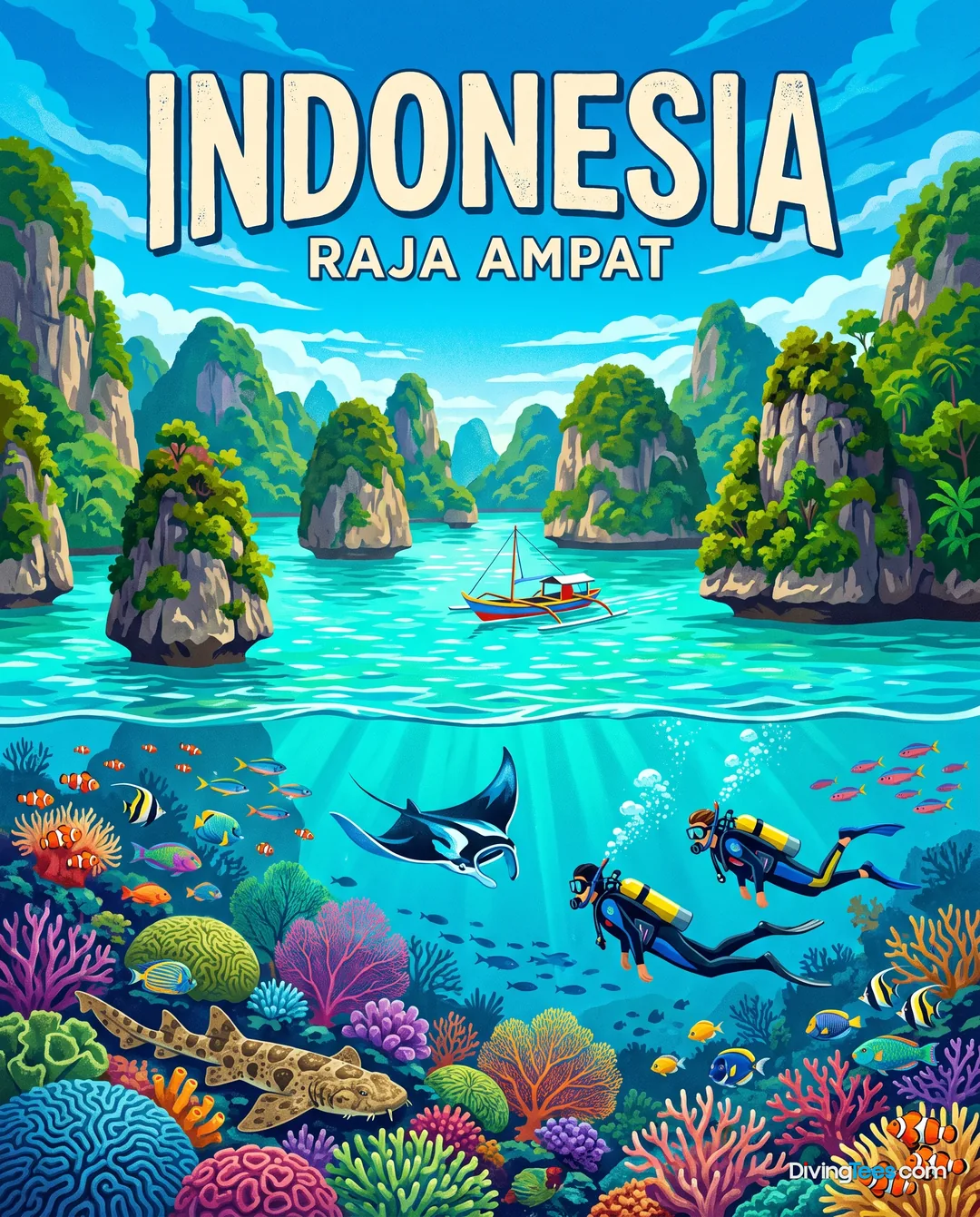
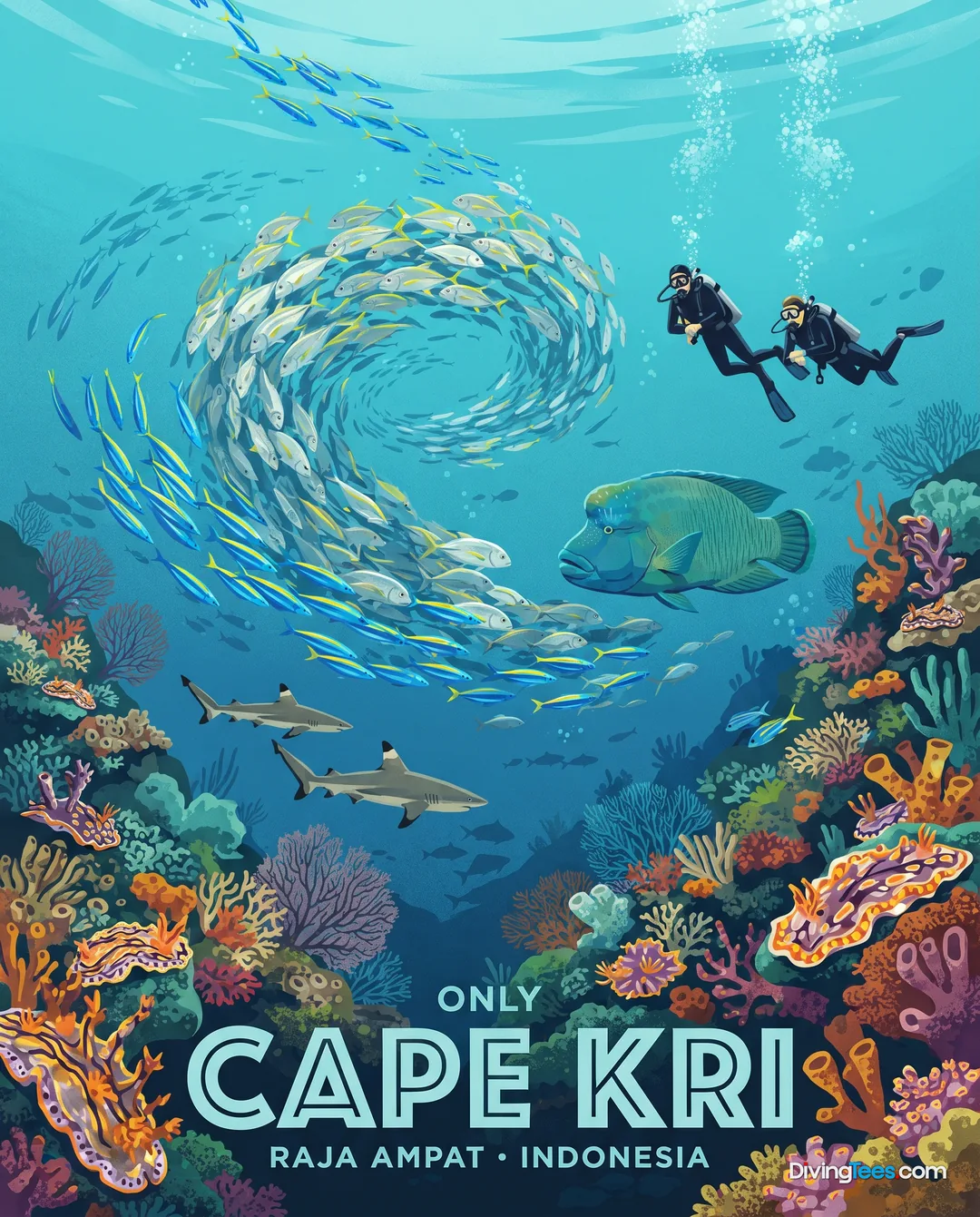
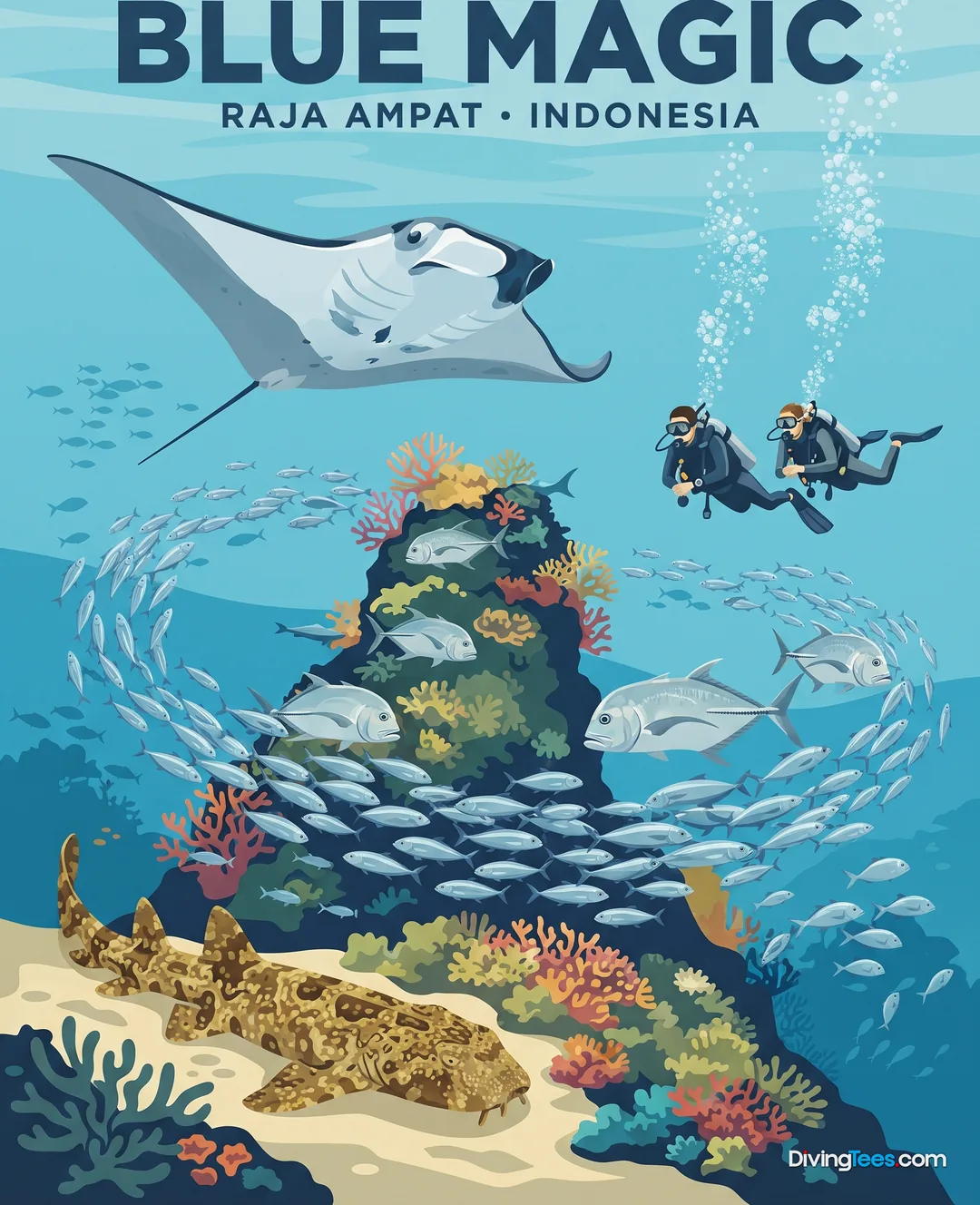
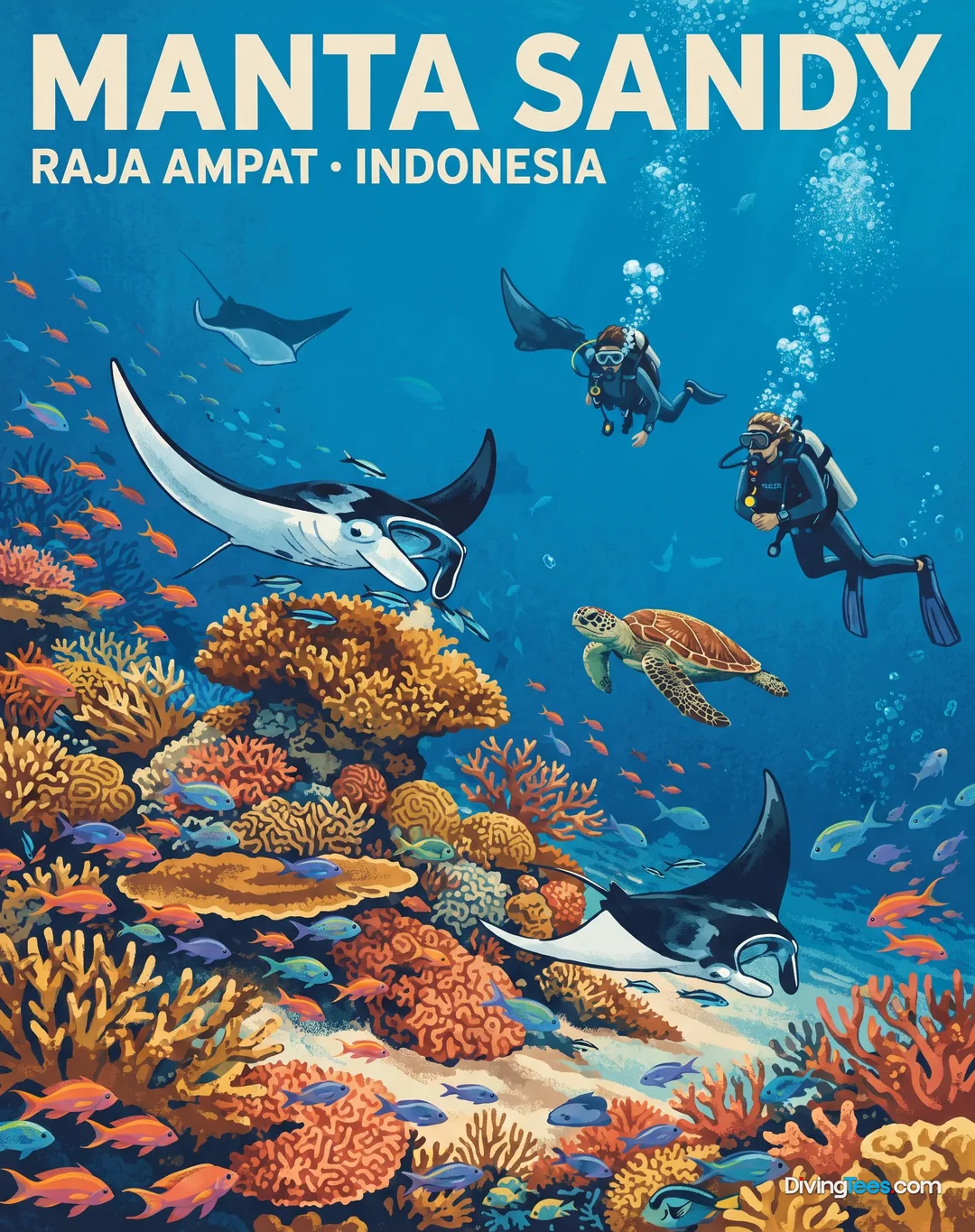
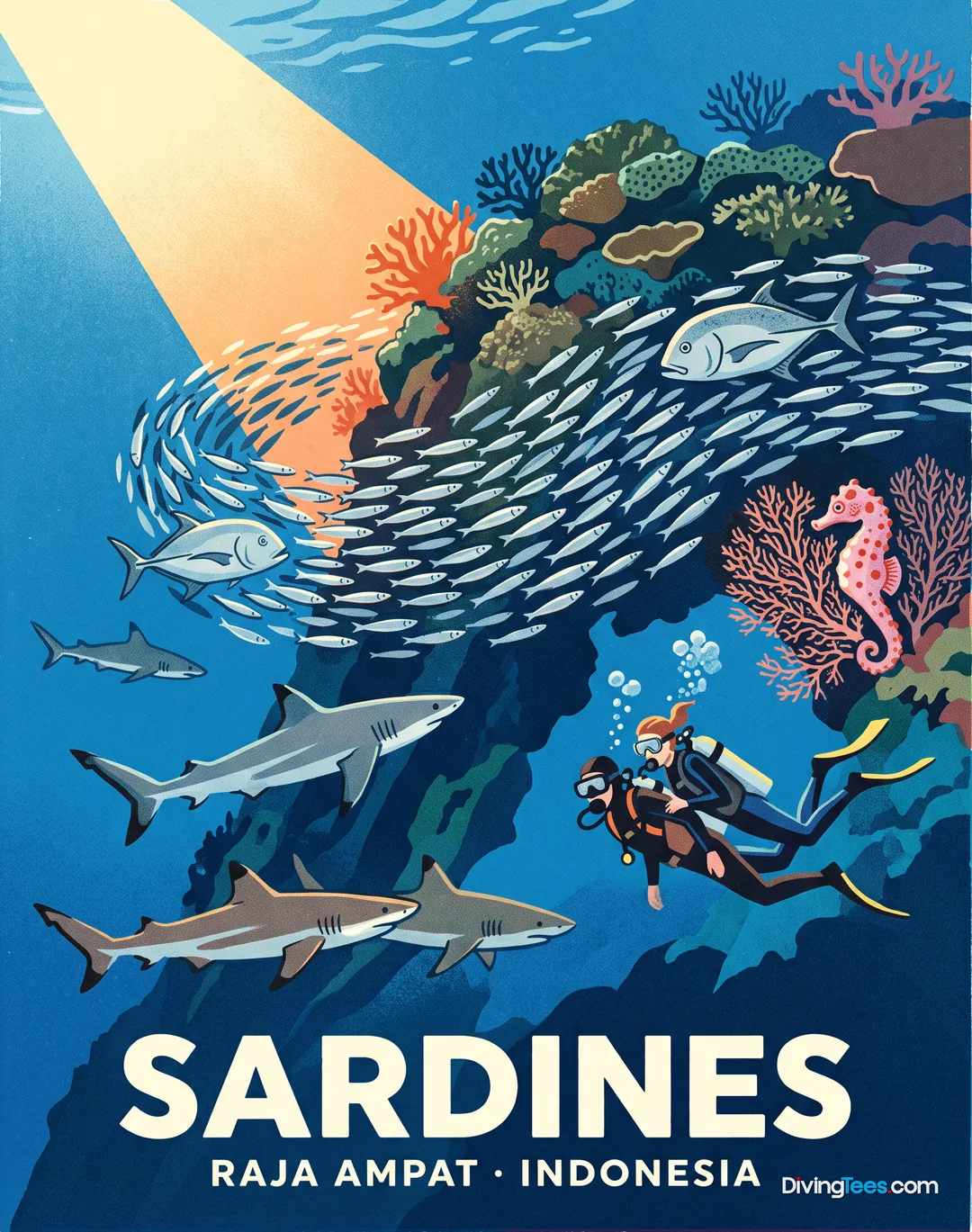
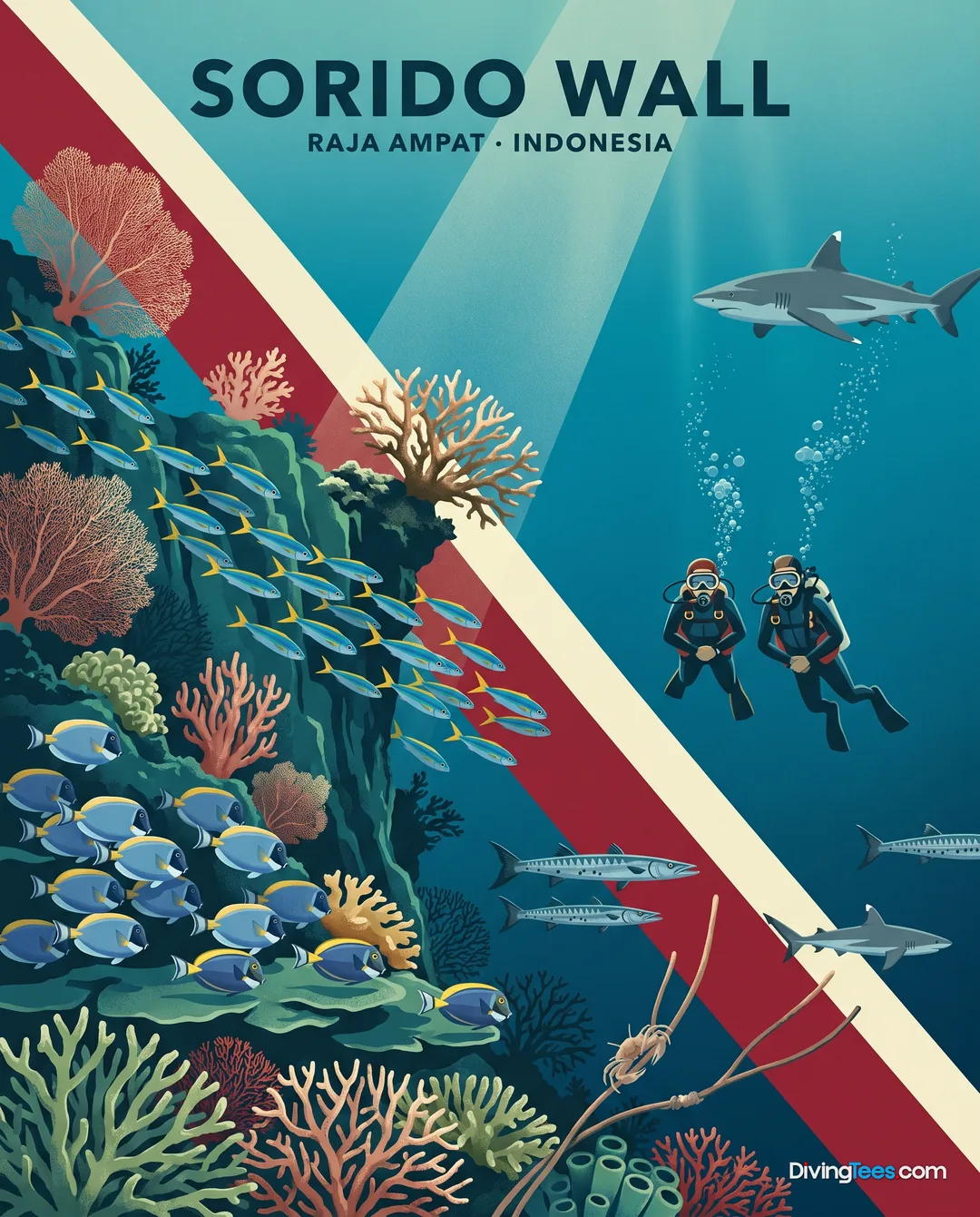
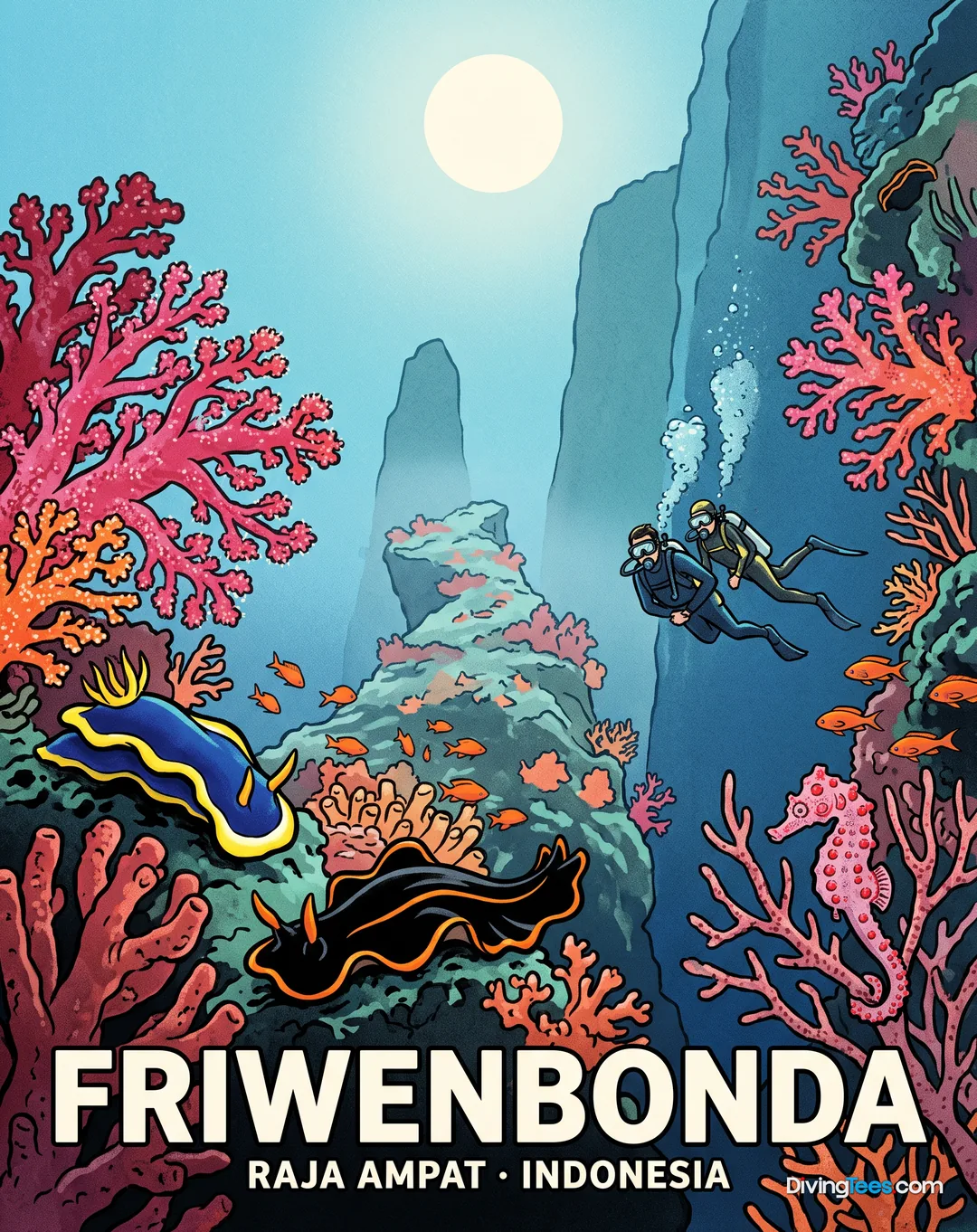
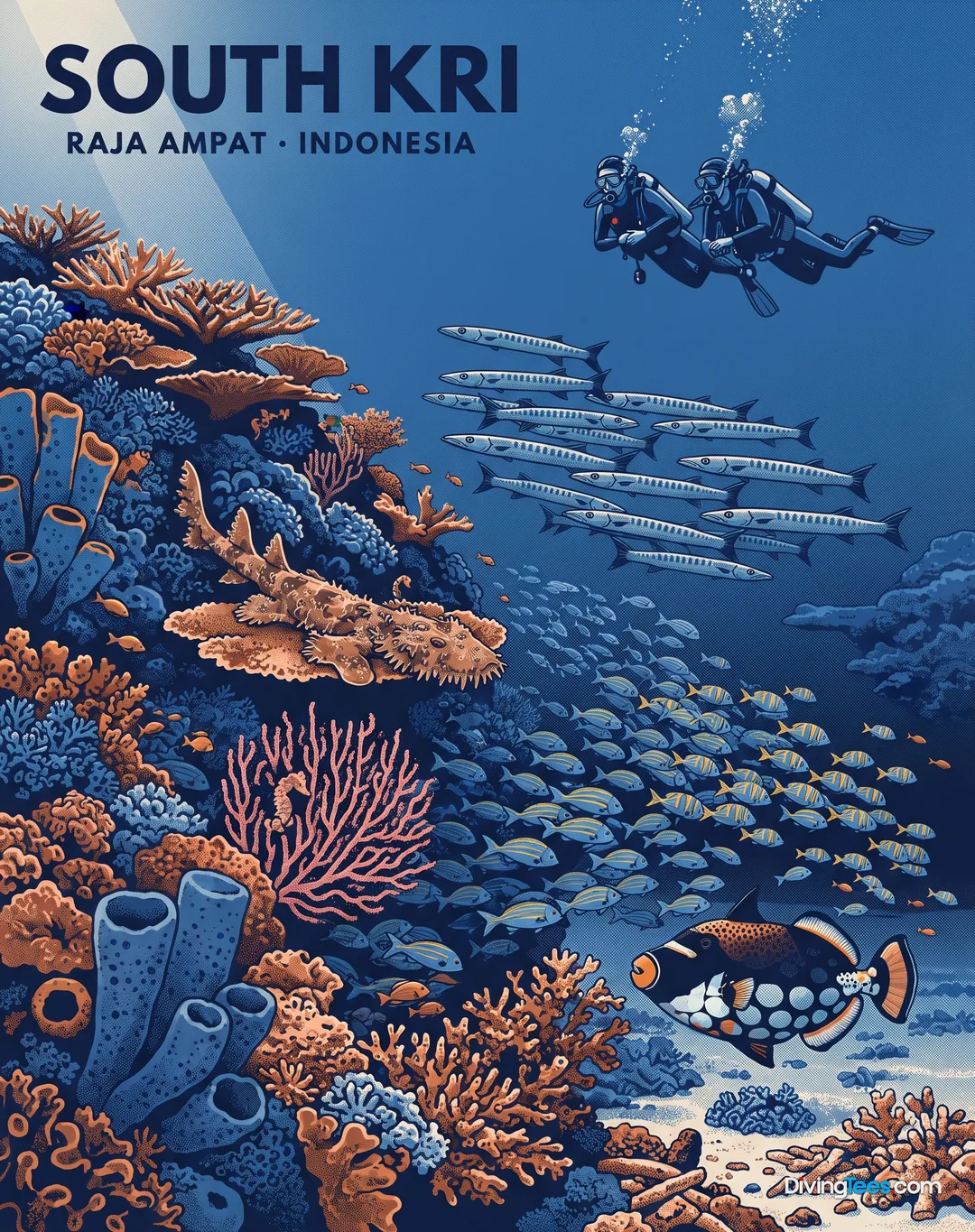
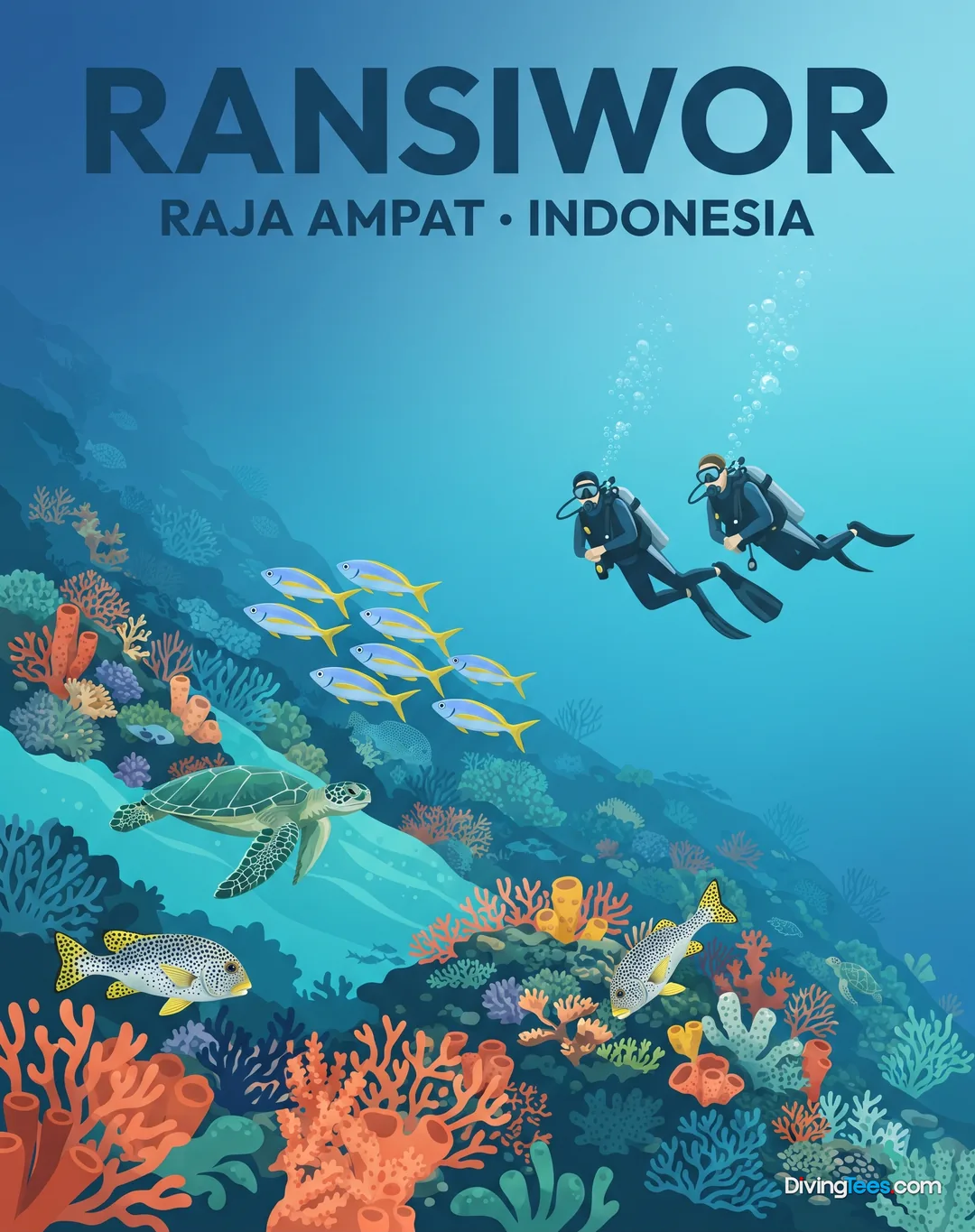
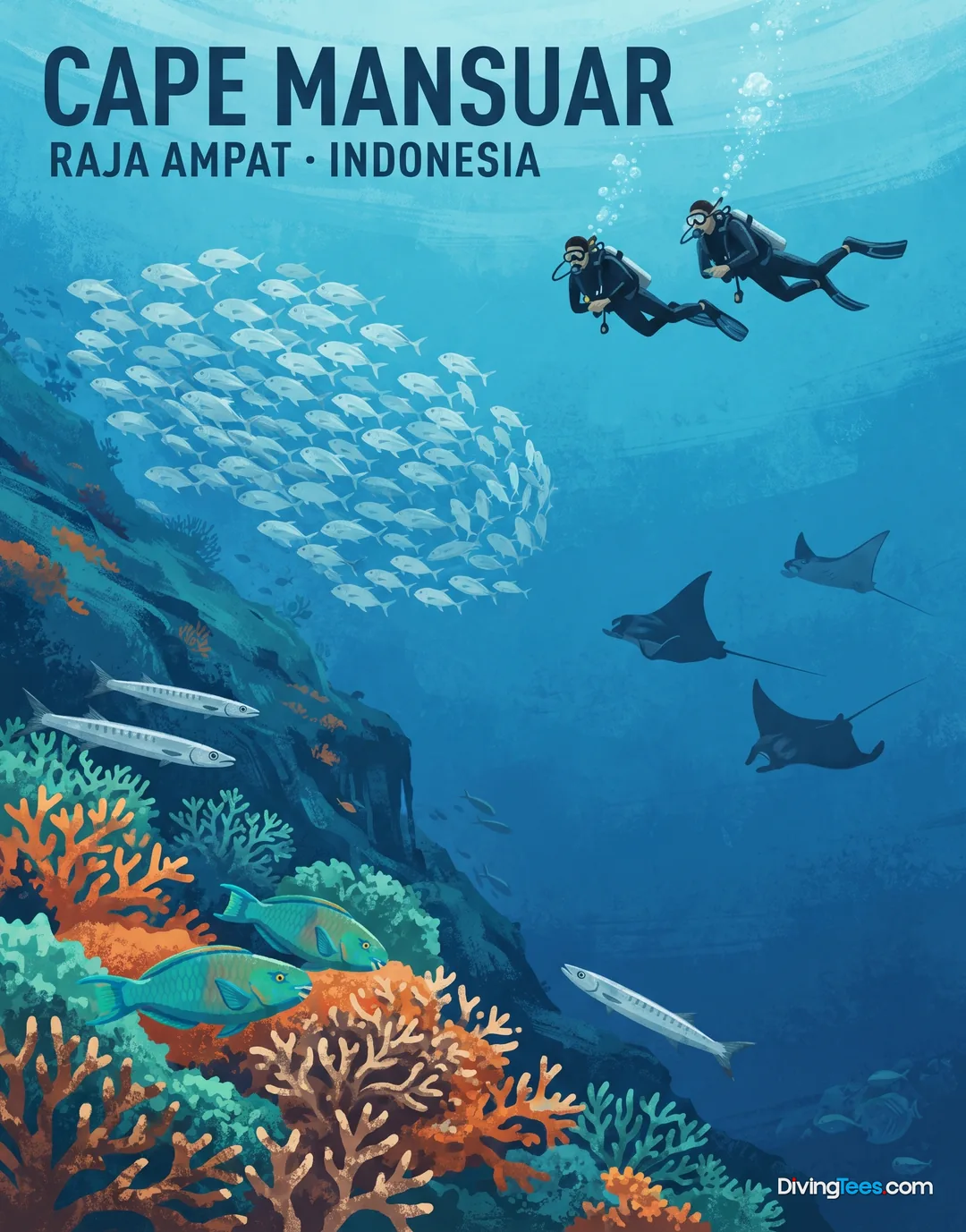
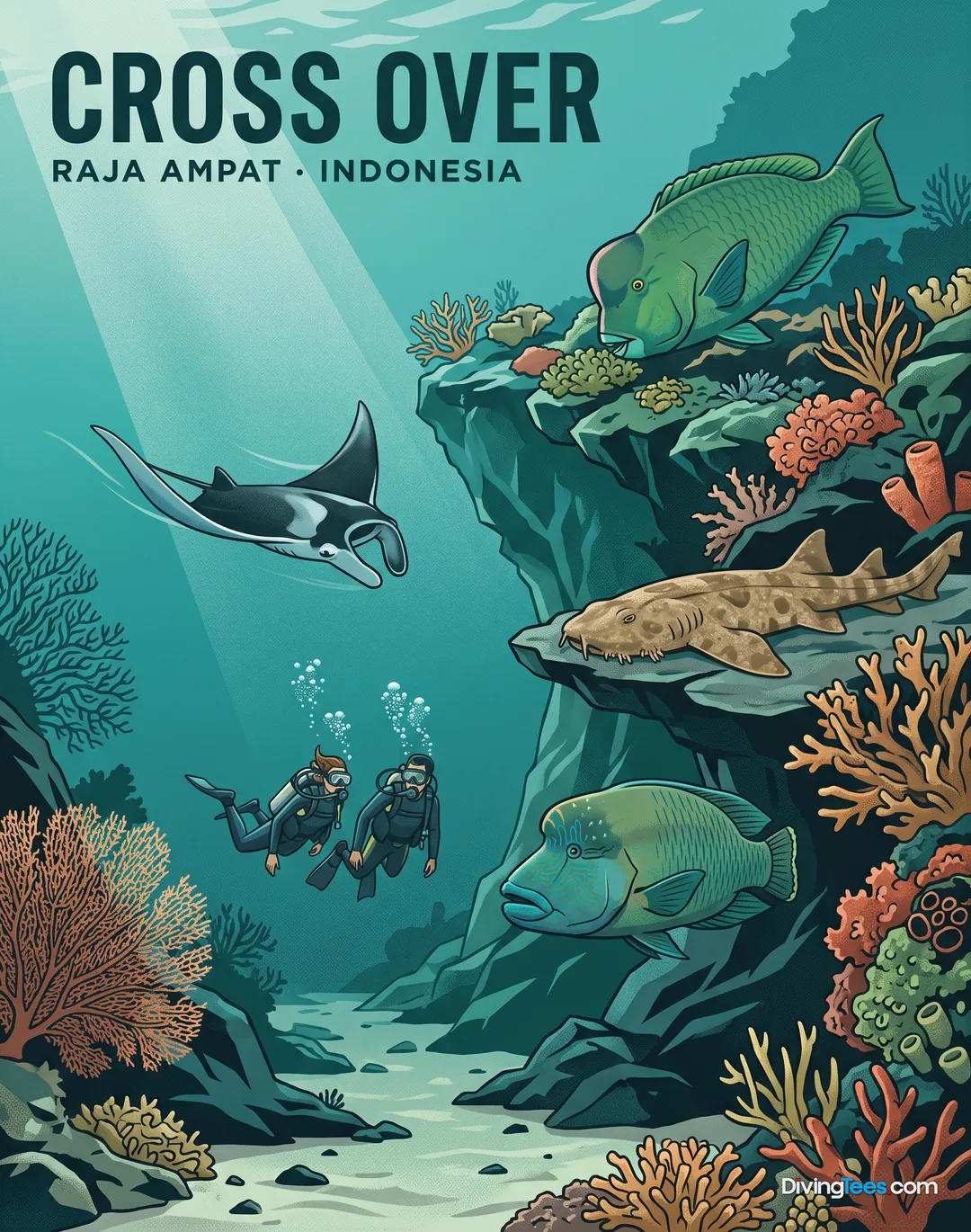
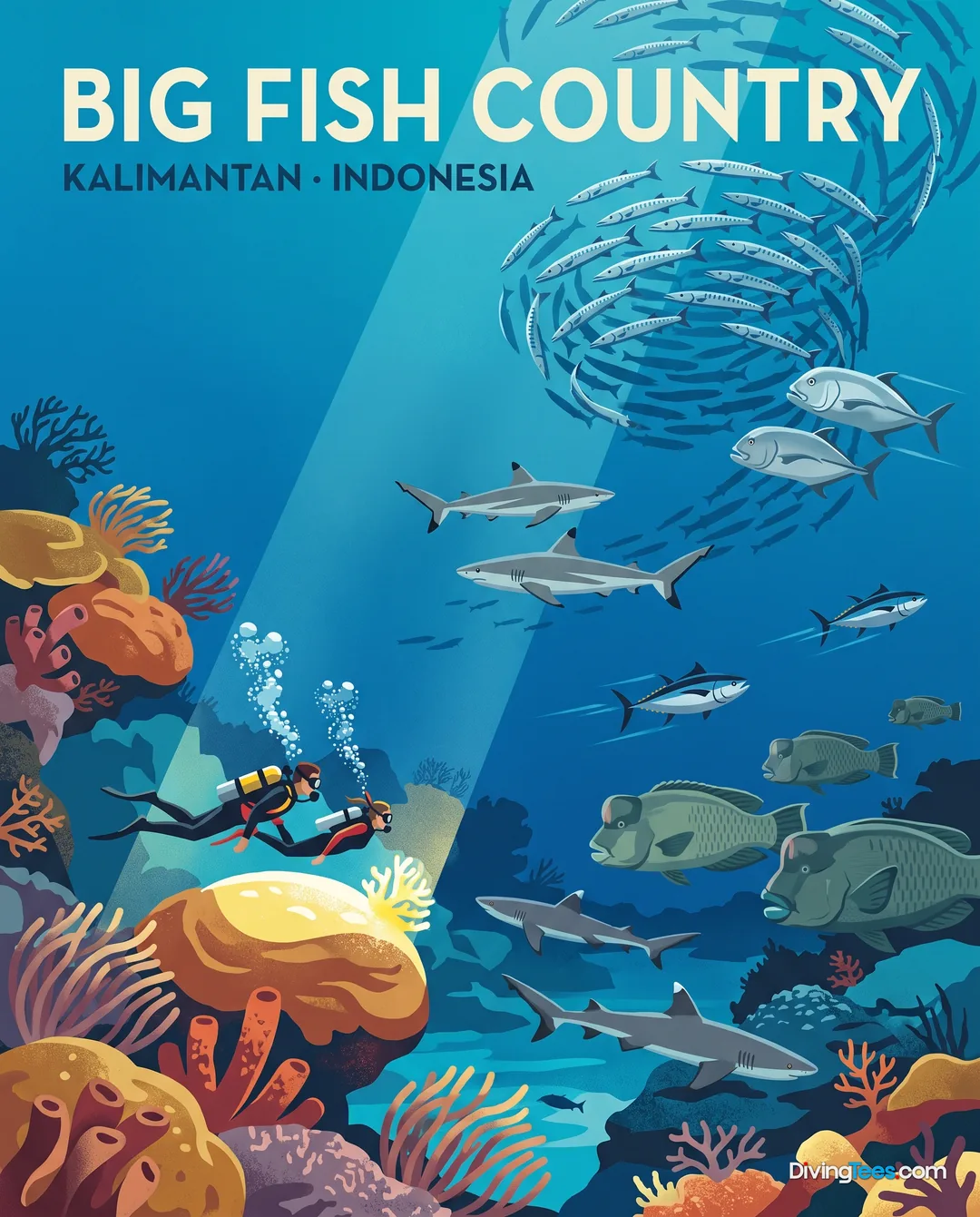
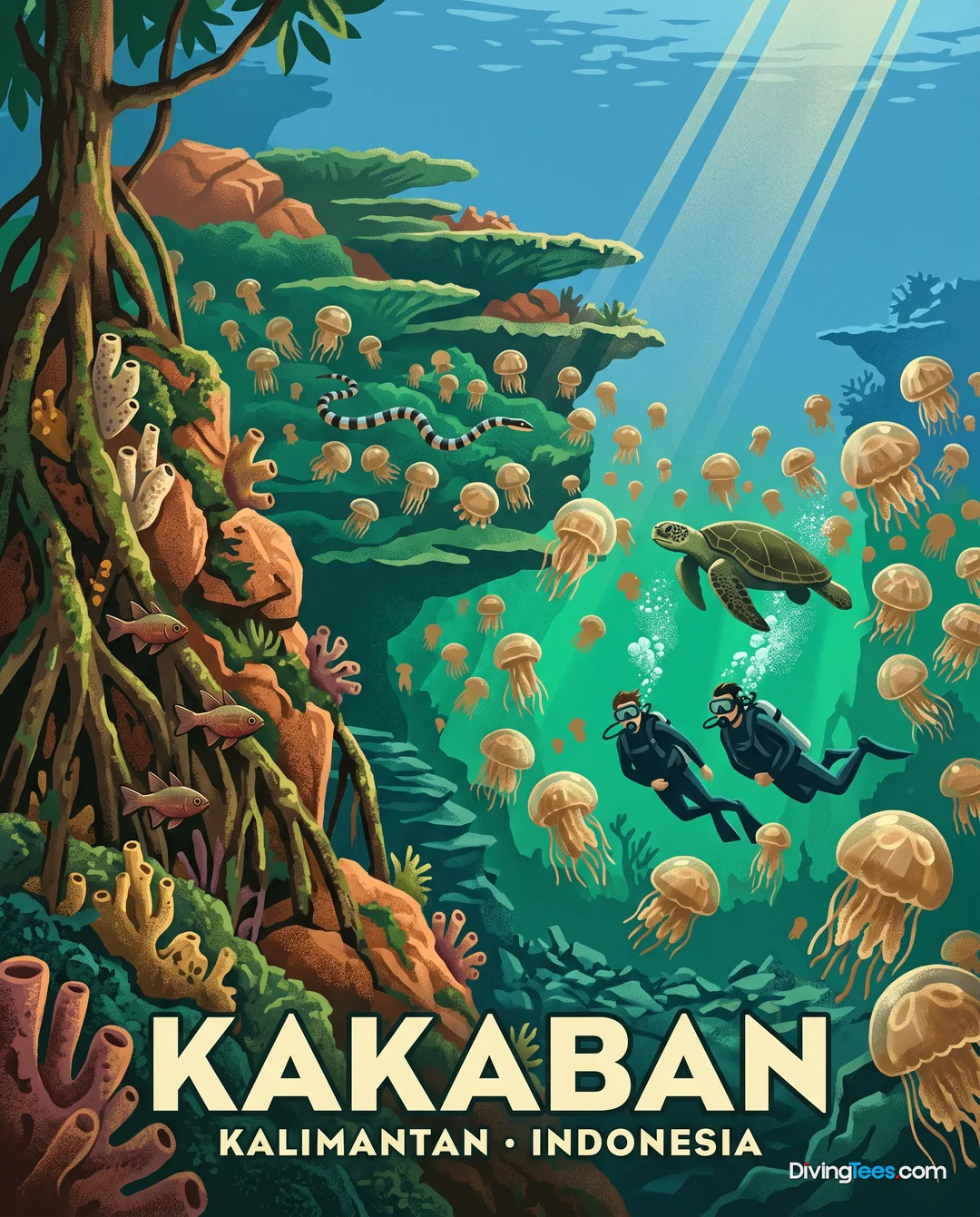
The Raja Ampat North & South itinerary runs from Sorong to Sorong for 11 days and 10 nights, with sites such as Cape Kri, Blue Magic, Manta Sandy, Mike’s Point, Melissa’s Garden, Sardines, Sorido Wall, Friwenbonda, South Kri, Ransiwor, Cape Mansuar and Cross Over. Cape Kri is the fish-school dive, with 374 fish species recorded on one dive; Blue Magic brings schooling fish and oceanic mantas. Manta Sandy centres on manta cleaning stations, while Mike’s Point combines overhangs, soft corals and eagle rays, with a maximum depth of -40m. Melissa’s Garden is a coral garden to -35m; Ransiwor slopes to -30m and its cleaning stations attract yellow-back fusiliers. Cross Over and Cape Mansuar are current-shaped reefs where pelagics pass. The wider programme also reaches Derawan sites: Big Fish Country is a channel of barracudas and sharks, while Kakaban combines walls, strong currents and a maximum depth of -65m. Other departures include Sangalaki–Maratua–Derawan, Palu–Sangalaki–Maratua–Derawan, Banda Sea and Forgotten Islands, Manado–South Halmahera–Ambon, and Ambon–Raja Ampat South, generally lasting 10 to 12 days and 9 to 11 nights.
What you’ll meet underwater
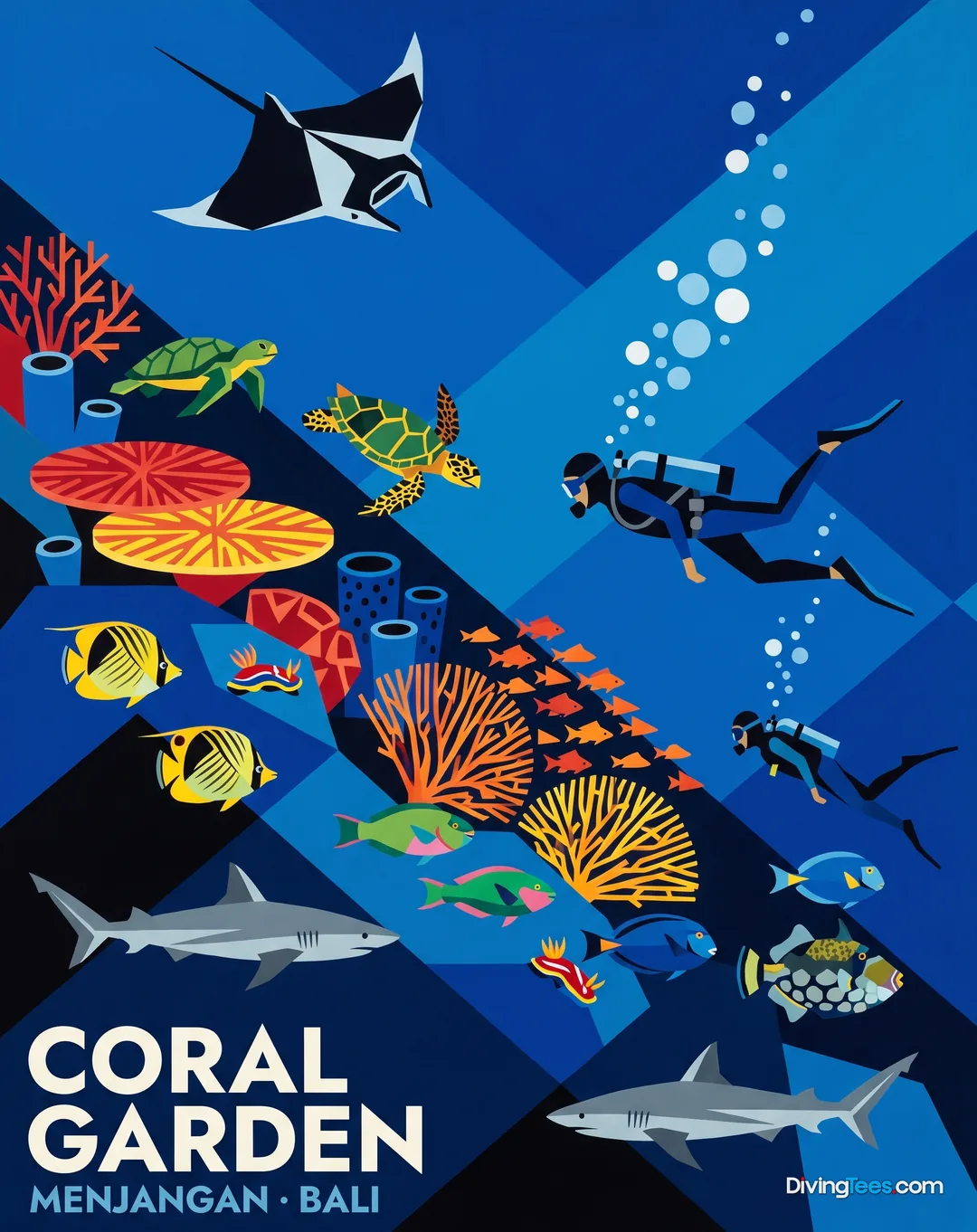
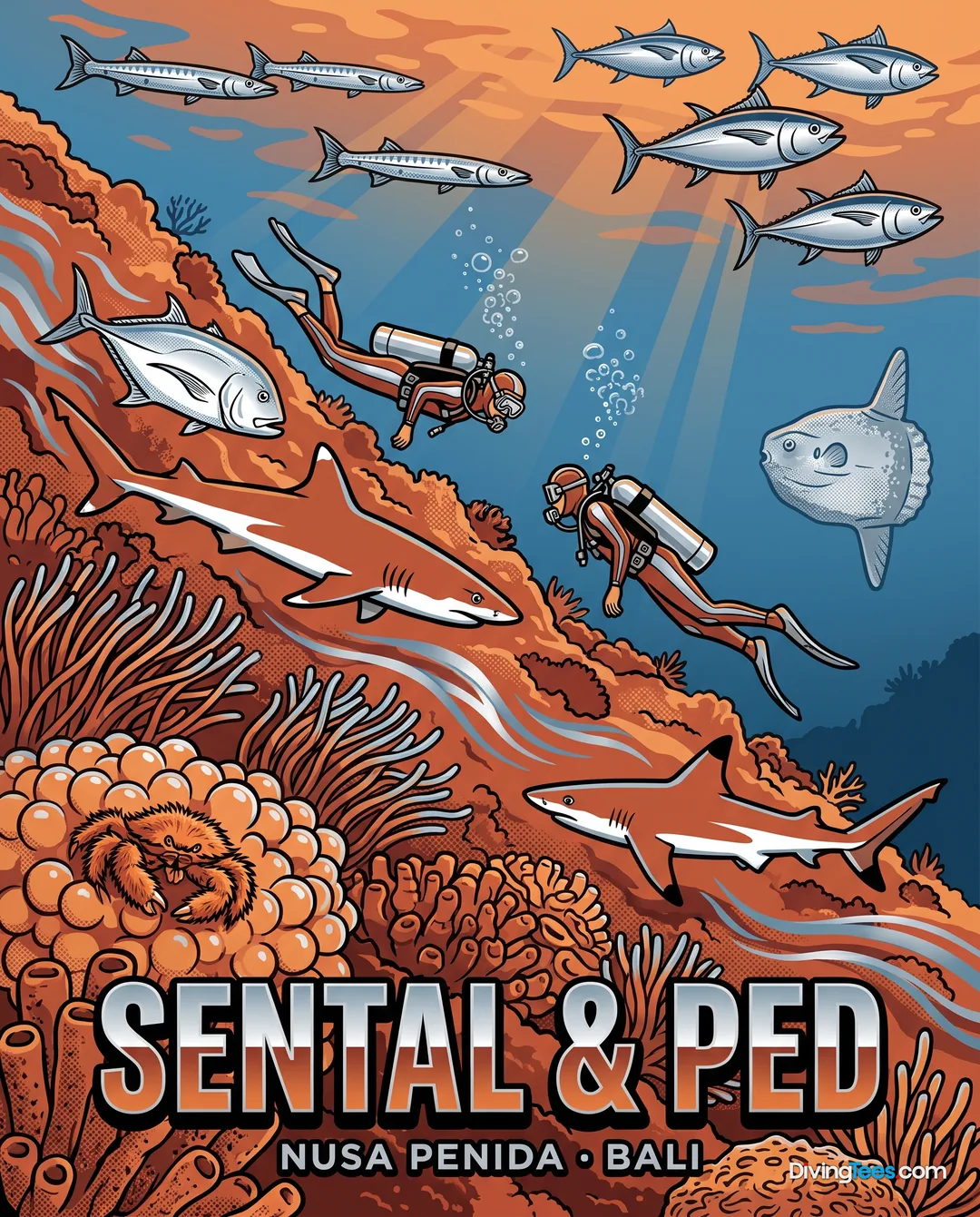
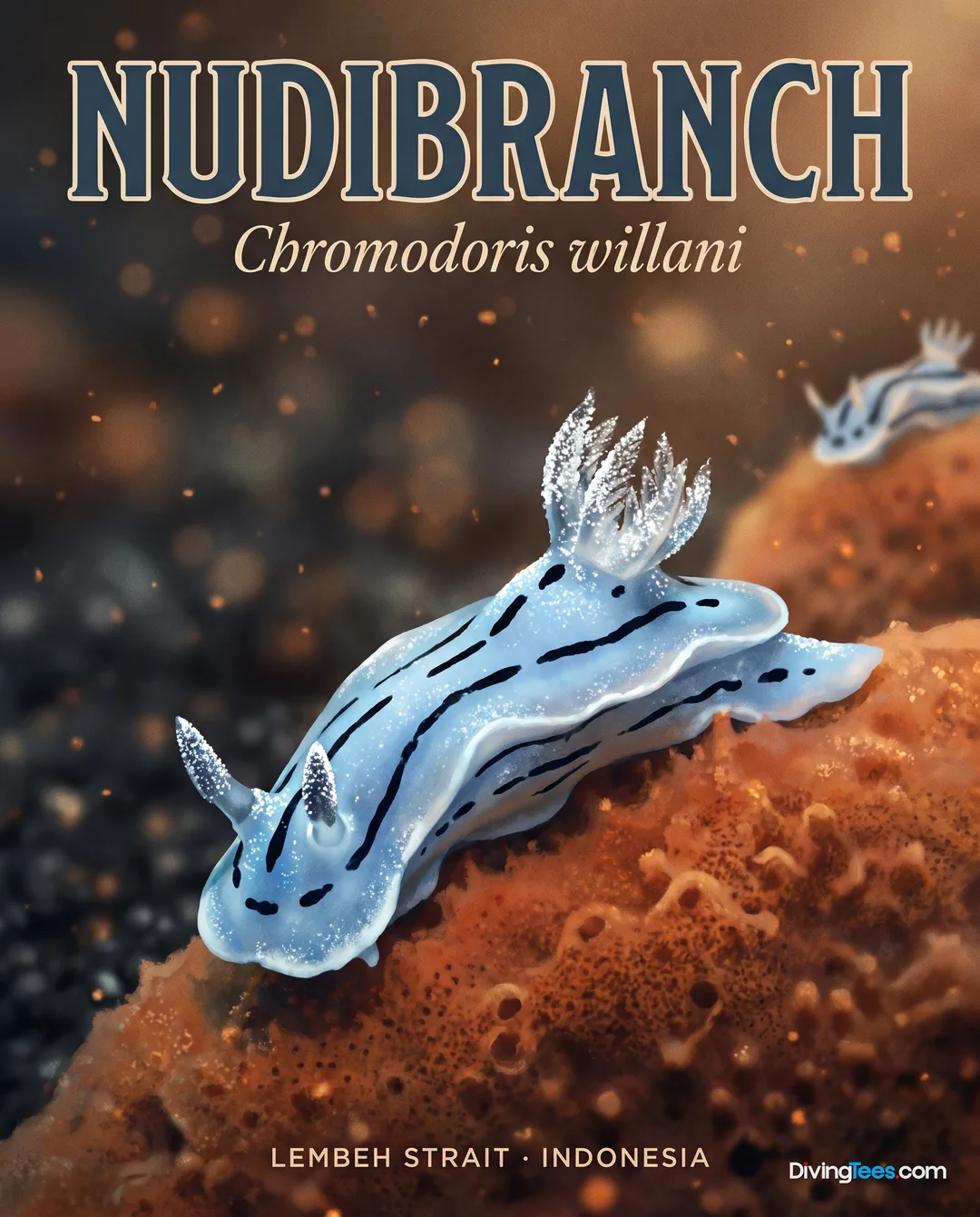
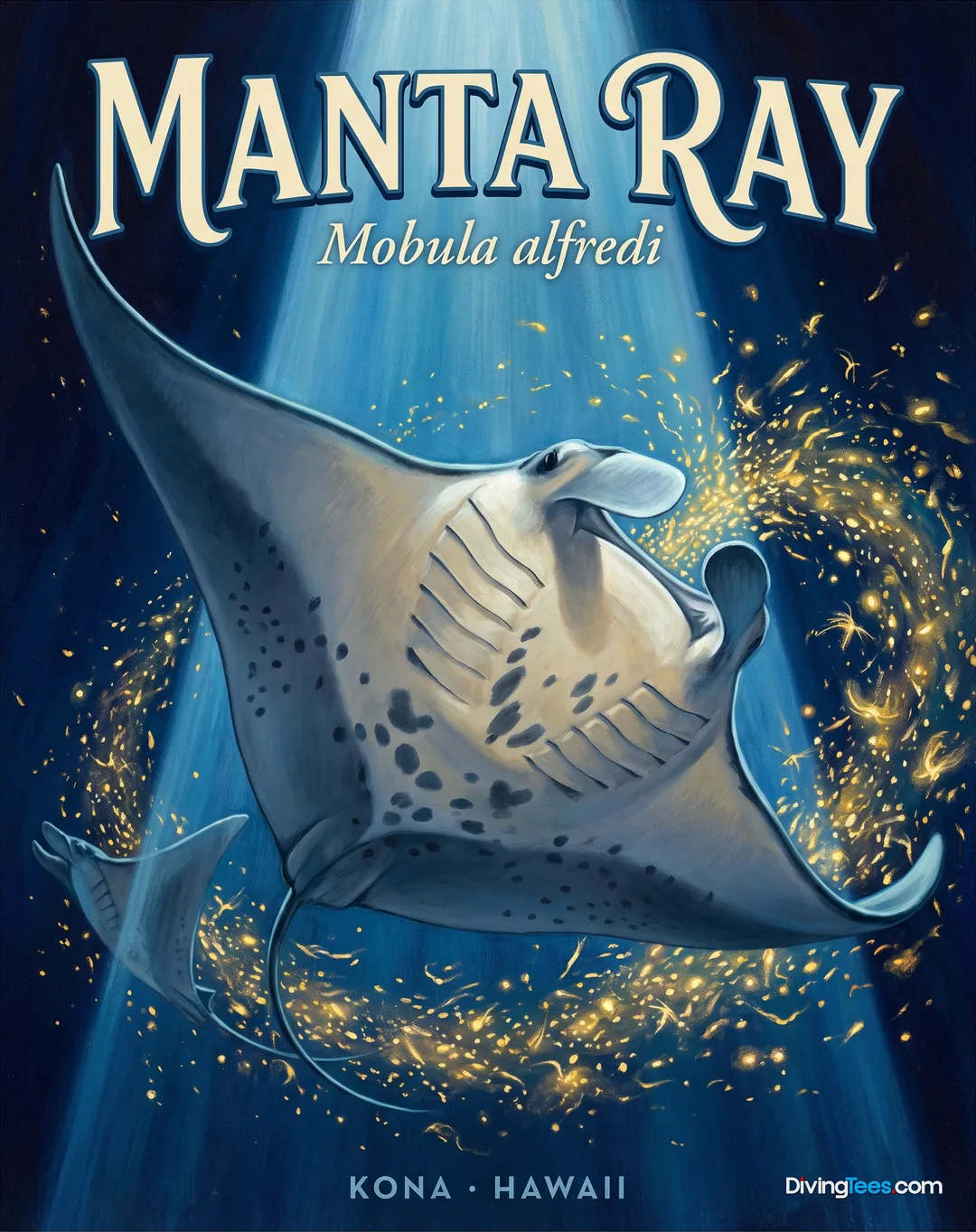
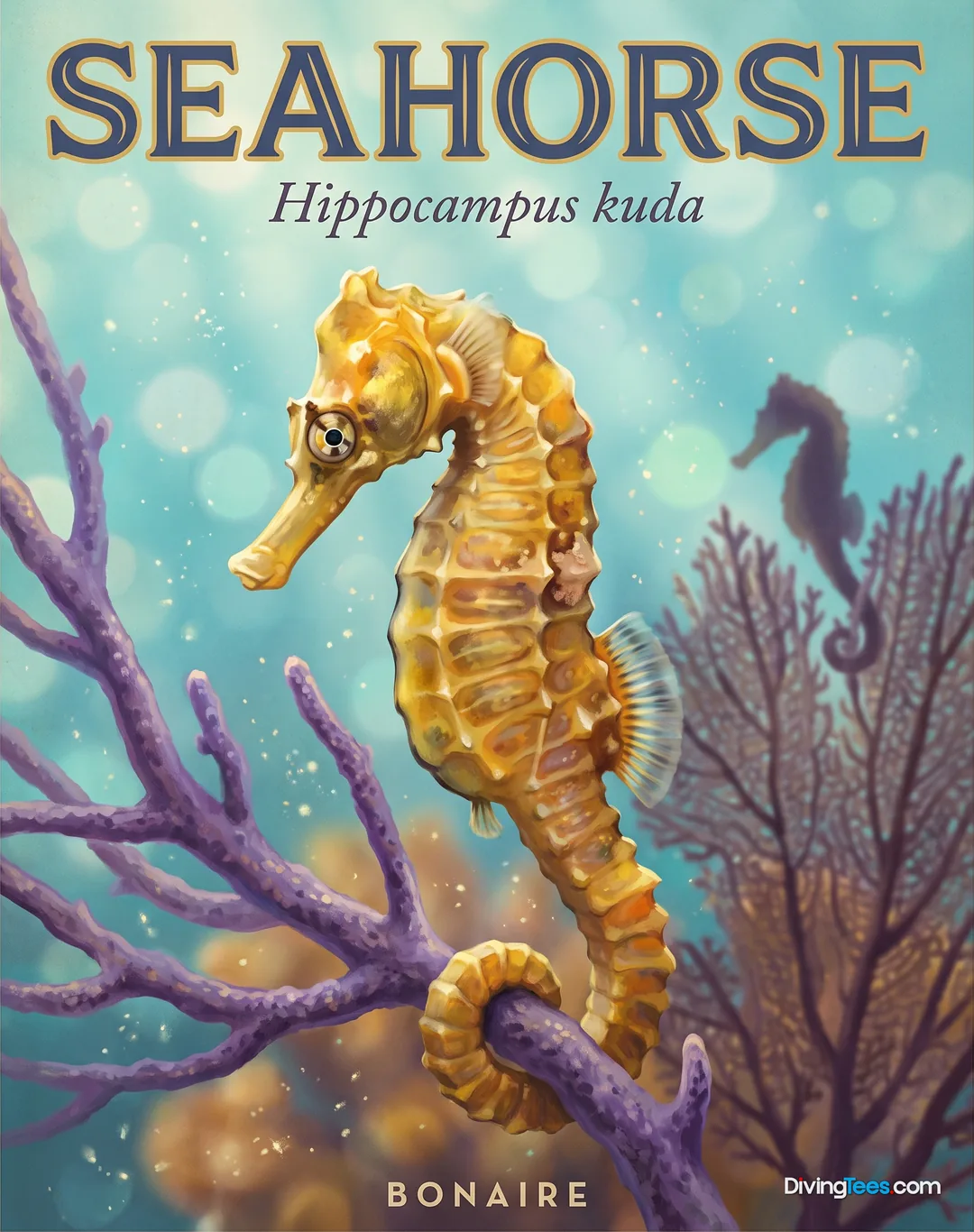
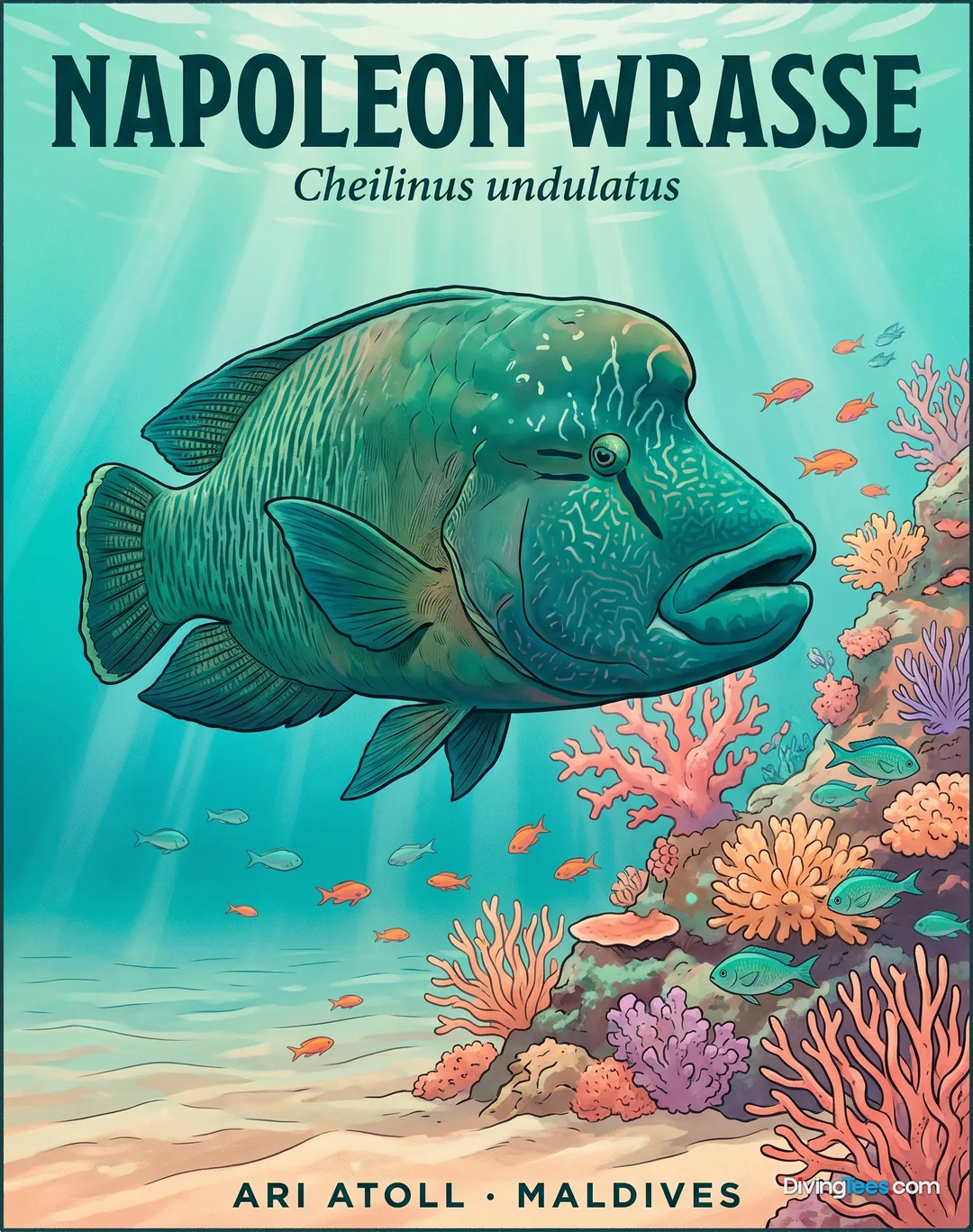
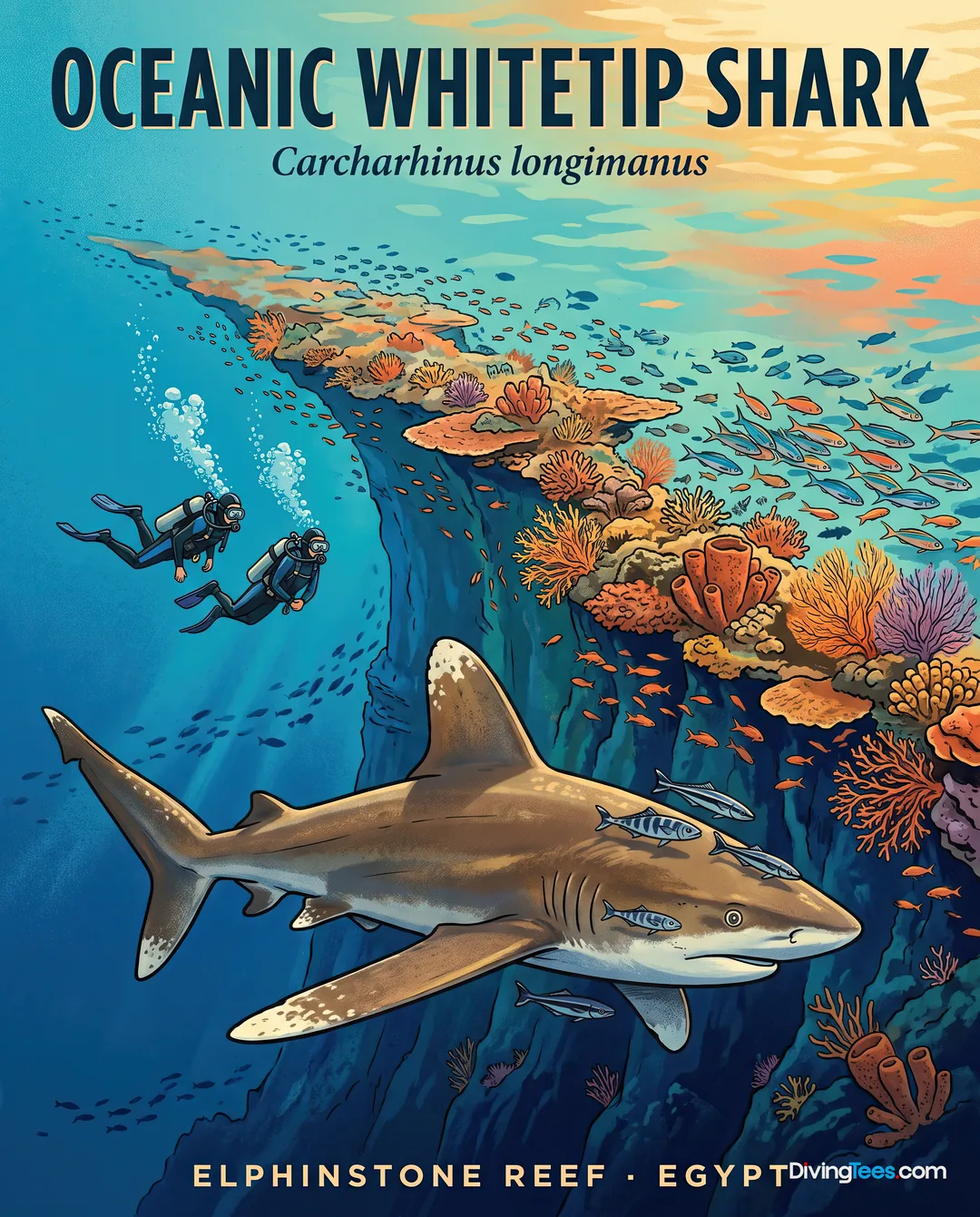
The recurring cast is built for both wide-angle and macro divers: barracudas and trevallies occur across seven sites, reef sharks across seven, nudibranchs across six, humphead parrotfish across six, and fusiliers across five. Turtles, reef manta rays, blacktip reef sharks, tuna, soft corals, pygmy seahorses, Napoleon wrasse and sweetlips add the repeated encounters without making any sighting a promise. The site-specific animals are the reason to pay attention to the briefing. Cape Kri is the place for a giant grouper and whitetip reef sharks; Kakaban may produce grey reef sharks, hammerheads and hard coral in its current-fed walls; Blue Magic is where an oceanic whitetip shark is recorded. Ransiwor holds the route’s green turtle, octopus and batfish, while South Kri is the specific stop for crabs and shrimp among the macro life. Cleaning stations, channels and strong currents shape these encounters: the big animals are there because the water moves food through the reef.
Who puts you in the water
The diving is guided, with a general briefing at the muster station before each dive and the daily schedule and locations posted on the board at the dive deck. The crew languages are English, Dutch, French and Indonesian. Each diver has an assigned station, and the tenders handle the transfer to and from the site, while crew members load and unload the scuba units. Gaia Love runs no-decompression dives only. Medical oxygen and first-aid kits are carried onboard, alongside marine communications and navigation equipment. The available information does not give a guide-to-diver ratio for each group, guide qualifications, logged-dive minimums, or courses run onboard, so those details should not be assumed. The boat welcomes snorkellers and non-divers as well as scuba divers, which makes sense on routes where the surface scenery and tender excursions are part of the expedition.
The dive deck and the gear
The dive deck is one of Gaia Love’s clearest reasons to book. Up to 20 divers have personal seating and stations, with designated wet and dry areas so cameras, towels and personal kit do not compete for the same space. There are separate camera rinse facilities and 11 compartmentalised camera rinse tanks. The boat carries aluminium 12-litre and 15-litre tanks, with DIN adapters available; 15-litre tanks and rental equipment are optional, subject to availability. Three 5.5-metre aluminium tenders, each with an 85 hp outboard, carry divers to the sites and return to collect them. Nitrox is produced through a 550-litre membrane system and supplied at a 31% mix for certified divers; it is an optional extra. Three Bauer compressors handle filling, and the main deck’s shaded platform keeps preparation out of the worst sun. Sidemount diving is supported.
Between dives
Between dives, Gaia Love gives passengers several different kinds of quiet. The partially sheltered top deck is the natural place for shade, sun, a nap or a book, while the bar and outdoor dining area take over later in the day. The open deck also suits a short yoga session or simply watching the islands slide past while the yacht is underway. Kayaks and stand-up paddleboards allow a closer look at a remote shore, and snorkellers can use the tenders and onboard snorkelling equipment. Inside, the air-conditioned saloon is set up for conversation, films and reading. A camera room gives photographers somewhere to work away from the wet deck. These are useful gaps in a four-dive day: not a catalogue of distractions, but enough choice to avoid spending every surface interval in the same chair.
A day on board
A day begins with the dive briefing, then the first tender run takes divers from the working deck to the reef. The cycle is simple and physical: enter from the tender, return to the boat or tender after the dive, hand over the unit to the crew, rinse and settle into the next surface interval. Up to four guided dives can fill the day, with breakfast, lunch, afternoon tea and dinner breaking up the water time. Between dives, passengers spread across the shaded dive deck, the saloon and the top deck, or take a kayak or paddleboard when the boat is at anchor. The daily plan and sites are posted at the dive deck, so the next move is clear without turning the trip into a rigid timetable. On routes where a night dive is planned, the torch comes back out after dark. Then the boat’s evening spaces take over before the cycle starts again.
What you eat aboard
The galley sends out three main meals and an afternoon tea, with snacks available through the day. Breakfast covers yoghurt, cereal, toast, jam, eggs or pancakes and fresh juice; lunch and dinner move between Indonesian and Western cooking. The chefs prepare the food daily in the commercial galley, and the choice includes vegetarian and vegan options. Dinner can be served outside on the top deck, where the meal becomes part of the evening rather than another indoor service. Non-alcoholic drinks, purified water, coffee and herbal teas are available throughout the day; beer and selected wines are separate, apart from the complimentary glass of wine at dinner. On a dive boat, good food is not a sideshow. It is the recovery window between one demanding water entry and the next.
Nights at sea
The cabins are the quiet part of Gaia Love. Wood-grain veneer, soft linen and pocket-spring mattresses give the rooms a settled, residential feel rather than a bare marine finish, while individual air-conditioning controls let each cabin set its own temperature. The 11 en-suite cabins are split between Upper Deck and Lower Deck categories. Upper Deck cabins open onto private balconies; Lower Deck cabins use portholes, with both categories offering sea views and approximately 20 m² of space. The saloon and interior lounge provide air-conditioned shelter when the sea is moving or the sun is high. A cabin television and the boat’s linked entertainment system are there, but the useful luxury is the space around the bed and the bathroom attached to it. After four dives, that matters more than decoration.
Upper Deck Cabins
Lower Deck Cabins
What to know before boarding
The embarkation and disembarkation port depends on the itinerary: the Raja Ampat round trip uses Sorong, while other departures connect ports including Tarakan, Manado, Ambon, Ternate, Palu, Sorong and Kaimana. Airport and hotel transfers to and from the port are included; the crew meets arriving passengers, escorts them to the harbour, and transfers them to Gaia Love by skiff. The operator recommends arriving at the embarkation city no later than noon, with the boat aiming to leave by 3 pm once harbour clearance is complete. Arriving the night before is the safer choice for an international journey.
Deck plan
What the boat does for the ocean
Gaia Love has waste treatment onboard, and the diving compressors are housed separately from the engine spaces. Its water supply is supported by two Spectra desalination systems, reducing reliance on shore-side freshwater loading during remote voyages.
- Length
- 40 m
- Maximum number of passengers
- 22
- Number of cabins
- 11
- Number of bathrooms
- 11
- Engines
- 2 Yanmar 829 hp
- Cruising speed
- 10 knots
- Website
- divegaia.com ↗
Hello, I'm Marina, DivingDeal.com's AI assistant. I answer in detail about hotels, dive centres and liveaboards.

Thinking about the whole trip and the flights? Talk it over with Edith →
Marina is an AI. Some links are affiliate links: DivingDeal may earn a commission, at no extra cost to you. Bookings are made with the partner.