

Divine Divers
★ 5/5 (1,495 reviews)
2 km away as the crow flies
Gili Islands · Indonesia · Asia
Max. depth · 30 mHalik Reef offers a dynamic reef system, from shallow coral gardens teeming with reef fish to a deeper wall where white-tip reef sharks patrol the bottom.
For subtitles in English: start the video firstthen click the gearat the top right of the video, select “Subtitles/CC”, then “Auto-translate” and choose “English”.
Halik Reef stretches along the northern coast of Gili Trawangan, presenting a topography that begins as a gentle slope and then transitions into a more defined wall at its deeper sections. The entry point typically leads you into vibrant shallow gardens, around 3 to 5 metres, dominated by an array of hard coral formations. Here, large bommies rise from the seafloor, providing shelter for a host of smaller reef inhabitants and an excellent spot for safety stops or extended bottom time for newer divers.
As you descend, the reef continues its gentle slope, covered with a diverse carpet of soft and hard corals, including extensive staghorn coral formations. This middle section, reaching depths of around 12 metres, is particularly rich in macro life. You'll often find octopuses and cuttlefish subtly camouflaged among the corals, while various moray eels, including the striking ribbon eels, peer from their crevices, adding to the visual texture of the reef.
Beyond 12 metres, the slope steepens, evolving into a distinct wall that progresses down to about 30 metres. This deeper section is where the larger species are regularly sighted. White-tip reef sharks, often juveniles, can be found resting under overhangs or patrolling the base of the wall, alongside blue-spotted stingrays partially buried in the sandy patches. The occasional black-tip reef shark will cruise by in the blue, offering a different perspective on the reef's inhabitants.
The currents at Halik Reef are generally mild to moderate, making it a good site for drift dives, particularly when the flow is from east to west. This allows you to glide effortlessly along the reef, observing the prolific life without strenuous finning. While typically calm, divers should be aware of the possibility of stronger, yet manageable, currents that can occasionally pick up, especially if diving closer to the deeper, exposed sections of the wall.
Visibility at Halik Reef typically remains good throughout the year, especially during the dry season, regularly exceeding 20 metres. This clear water, combined with comfortable surface temperatures, enhances the experience, allowing for excellent viewing of the extensive coral coverage and the active marine life. The site receives ample natural light, even at depth, illuminating the colourful reef structures.
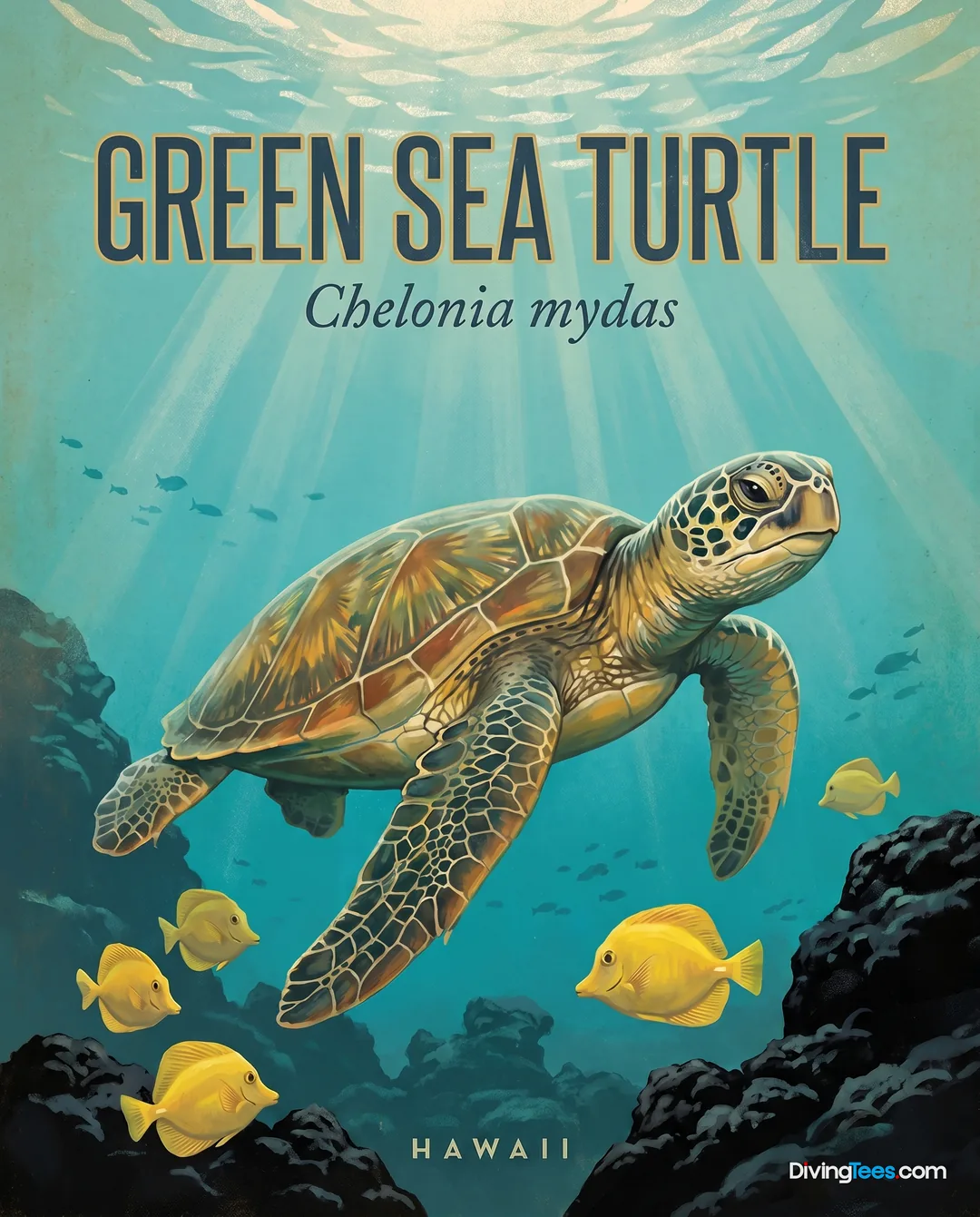
A notable feature of Halik is the prevalence of turtles, both green and hawksbill, which are frequently encountered throughout the dive profile, from the shallow coral gardens to the deeper slope. They are often seen grazing on the corals or resting on ledges. Beyond the turtles and sharks, the reef is home to schools of drum fish, unicorn fish, yellow snapper, and surgeonfish, alongside solitary pufferfish and batfish that add to the vibrancy of the reef.
The variety in depth and topography, combined with the consistent marine life, contributes to Halik Reef's popularity. It caters to a wide range of skill levels, from those making their first open water dives to more experienced divers looking for extended bottom times and pelagic encounters. The health of its hard and soft corals, coupled with its regular visitors, makes it a rewarding dive site in the Gili Islands.
Halik Reef is accessible from 3 metres down to 30 metres. The site is suitable for Open Water Diver level for its shallower sections, while its deeper parts extending to 30 metres are best navigated by Advanced Open Water divers. Currents are generally mild to moderate, making it conducive for drift diving as well, but always be prepared for potential shifts. Visibility is consistently good, often exceeding 20 metres, and the site offers good conditions year-round, with the dry season typically presenting the best visibility.
★★★★
★ 9.6/10 (144 reviews)
less than 1 km away as the crow flies

★★★
★ 8.9/10 (662 reviews)
5 km away as the crow flies

★★★
★ 8.3/10 (722 reviews)
2.2 km away as the crow flies

★★
★ 8/10 (162 reviews)
1.9 km away as the crow flies