Blue Marlin Dive Gili Air
★★★
★ 8.9/10 (662 reviews)
1.7 km away as the crow flies
Dive centre · Gili Islands · Indonesia
4.8315 Google reviewsDive with a PADI 5 Star IDC Centre established in 2001, offering small group dives with a maximum of four divers per guide.
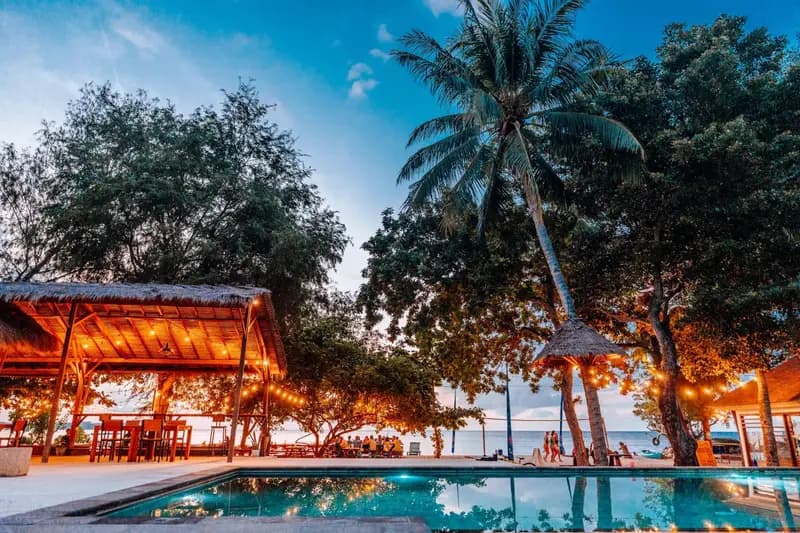
Blue Marlin Gili Meno has been a fixture of the local diving community since 2001. As a PADI 5 Star IDC Centre, it brings over three decades of operational experience to the Gili Islands, providing a reliable foundation for both recreational and professional training.
The centre is situated on Gili Meno, the most tranquil of the three Gili Islands, where motorised transport is not permitted. This location offers a peaceful atmosphere for divers looking to focus on their training or simply enjoy the surrounding marine environment.
The team is composed of international PADI instructors and local staff who are dedicated to high standards of safety and personalised service. This diverse team ensures a professional environment for all levels of divers, from those completing their first Discover Scuba Diving session to professionals pursuing Divemaster or IDC qualifications.
Commitment to the environment is central to the centre's identity. They actively participate in local reef clean-ups and host conservation conferences, supporting organisations such as GIDA and Project A.W.A.R.E. to ensure the local ecosystem remains healthy.
The course catalogue is extensive, covering the full spectrum of PADI certifications. Beginners can start with Discover Scuba Diving or Scuba Diver, progressing through Open Water Diver and Advanced Open Water Diver.
For those looking to advance their skills, the centre offers a wide range of specialty courses, including Nitrox, Deep, Wreck, Drift, and Sidemount. Technical divers can access training for rebreather use and Trimix. Professional training is also a core focus, with paths leading through Rescue Diver and Divemaster to the Instructor Development Course (IDC).
A unique aspect of the training offered is the Conservation Diver programme, which includes various internship levels ranging from one-day specialties to four-week intensive courses.
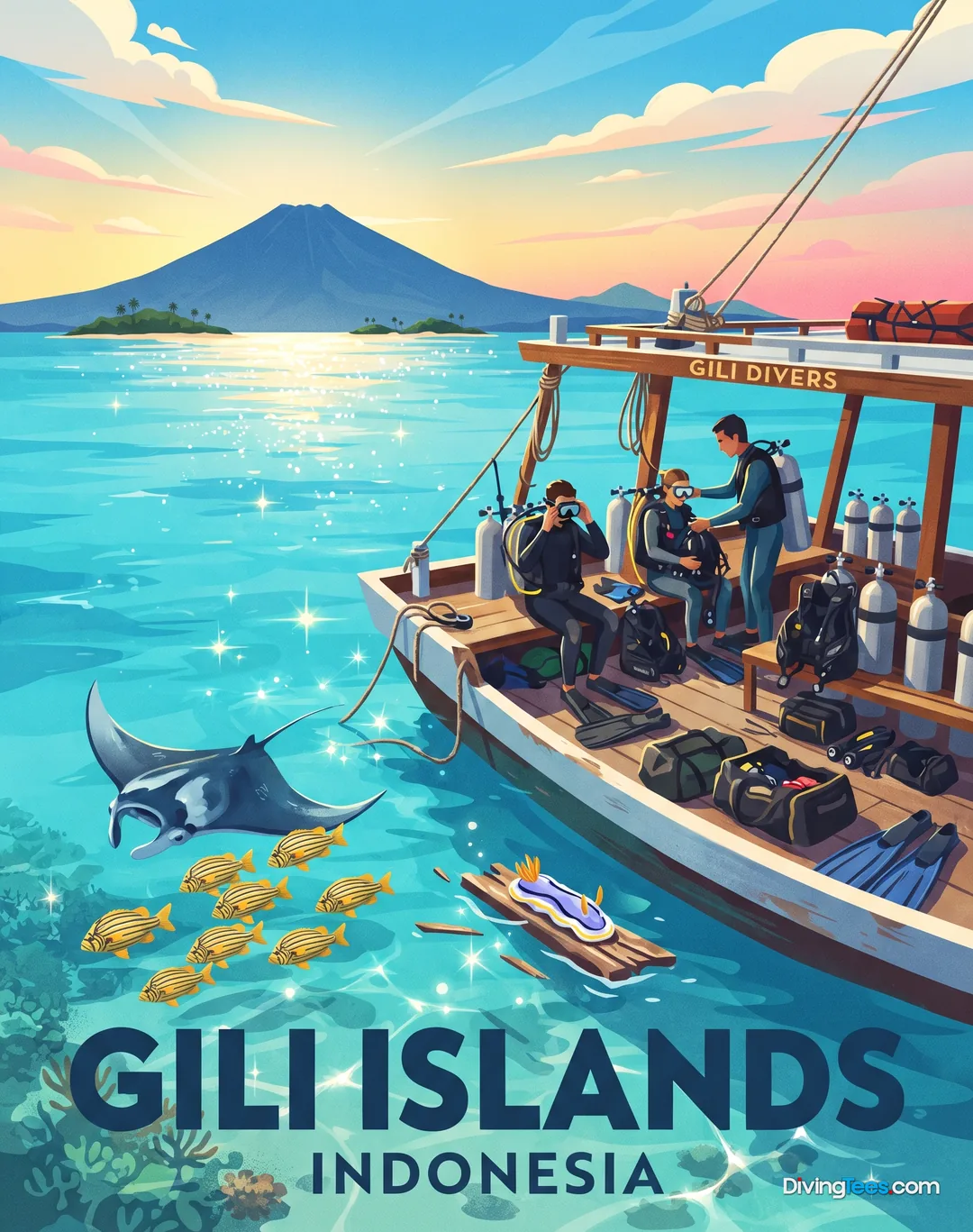
The centre operates two traditional outrigger dayboats, powered by 80HP motors. These vessels are used for daily excursions to the surrounding dive sites, most of which are located within a 15-minute transit from the island.
Nitrox is available for use on these boats, supporting divers looking to extend their bottom times. The boats facilitate various types of diving, including night dives and drift dives.
Full equipment hire is available on-site, covering all the essentials for a dive trip. For those looking to specialise, the centre provides the necessary kit for technical diving and sidemount configurations.
Nitrox and Trimix are available for divers requiring specialised gas blends. The centre's facilities are designed to support a seamless transition from the shore to the water.
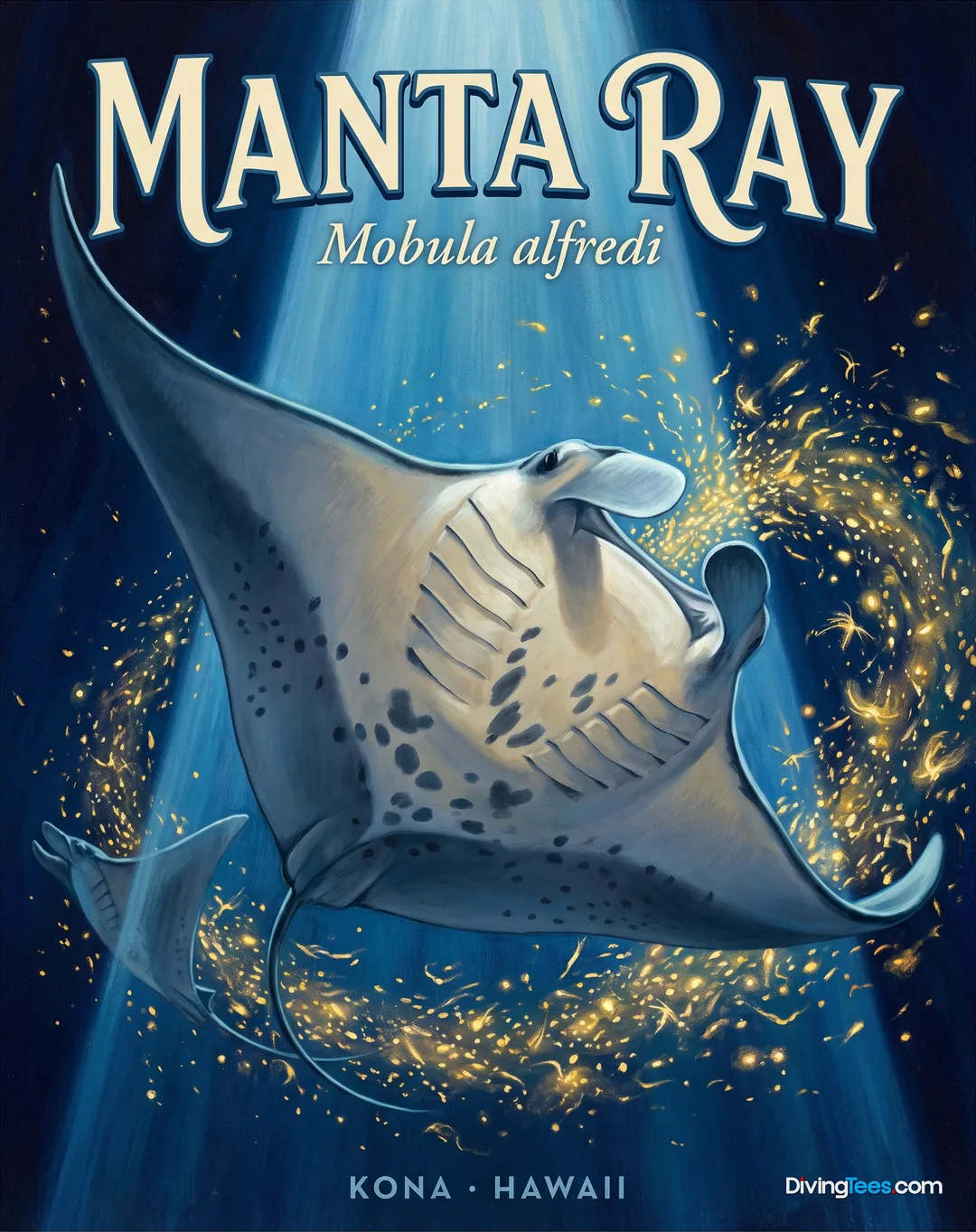
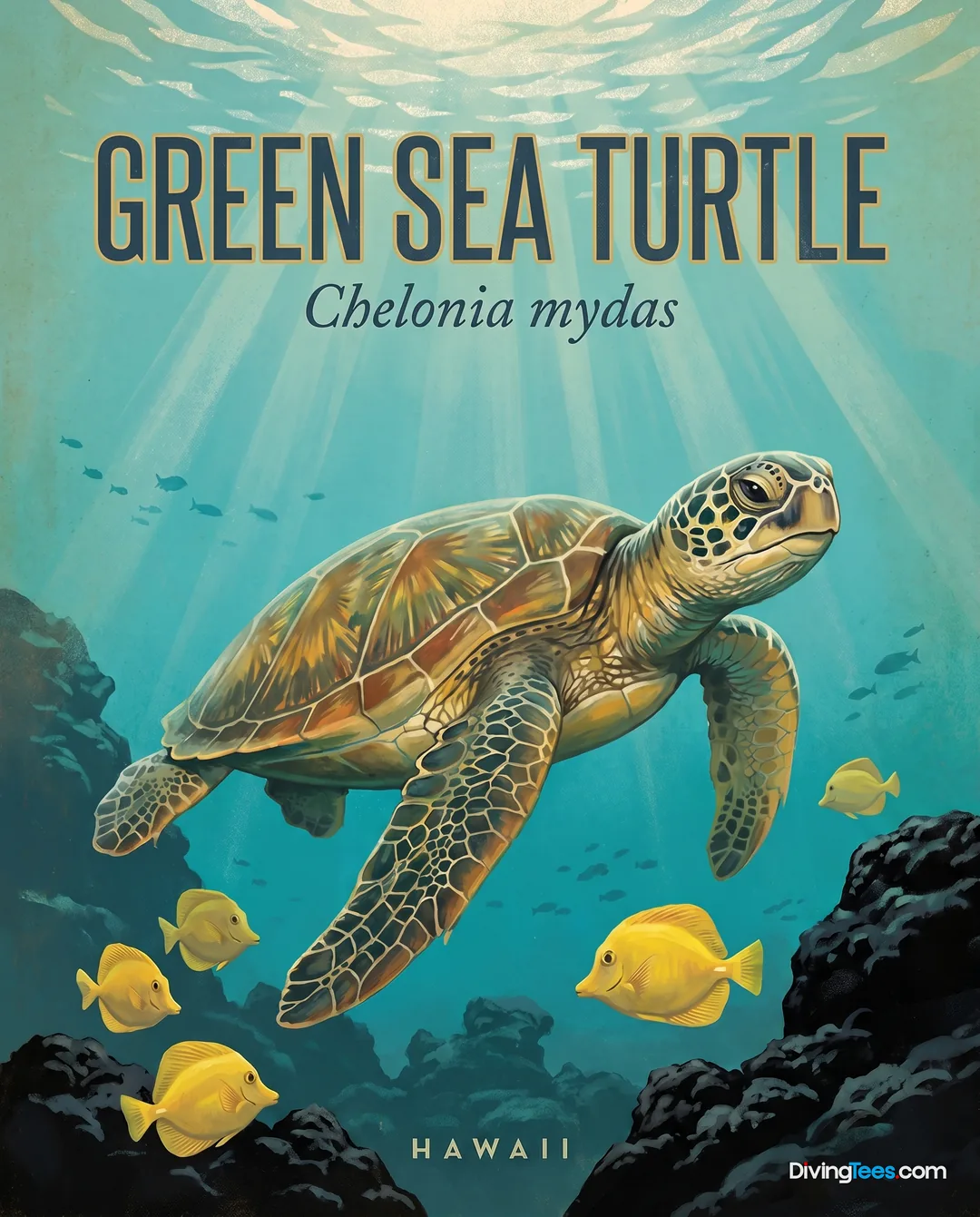
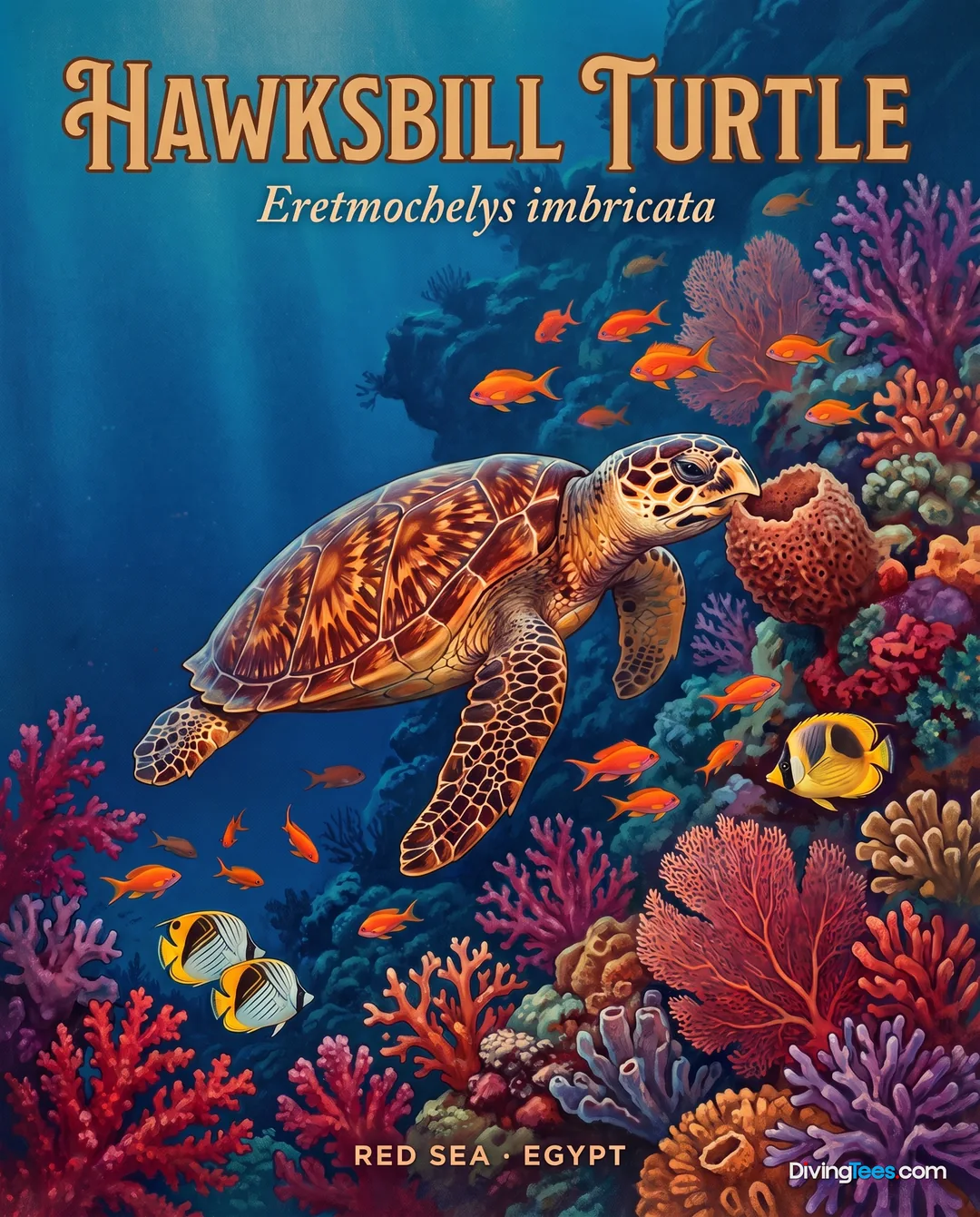
The reefs around Gili Meno are known for their resident populations of sea turtles, specifically Hawksbill turtle (Eretmochelys imbricata) and Green sea turtle (Chelonia mydas). You will frequently encounter various colourful reef fish, including many species of Angelfish (Pomacanthidae), Butterflyfish (Chaetodon), and Surgeonfish (Acanthuridae).
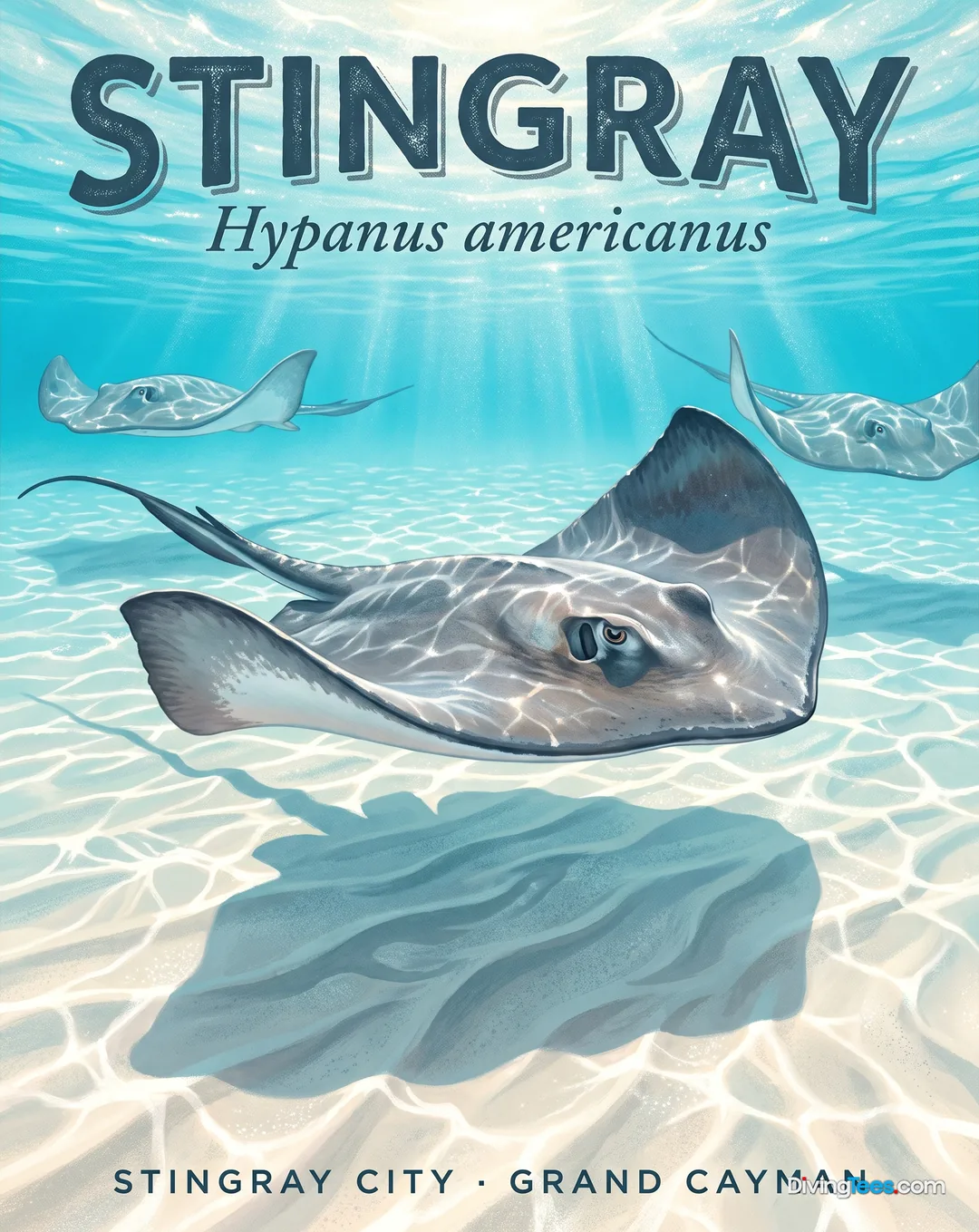
Larger visitors include various sharks, such as blacktip reef sharks, Whitetip reef shark (Triaenodon obesus), and reef sharks. You may also spot stingrays, including blue spotted stingrays and Southern stingray (Hypanus americanus), patrolling the sandy areas.
Macro enthusiasts will find plenty to observe, including Nudibranch (Chromodoris willani), various species of Octopus (Octopus vulgaris), and Seahorse (Hippocampus kuda). Look closely for Ghost pipefish (Solenostomidae), Ornate ghost pipefish (Solenostomus paradoxus), and different types of shrimp and crabs.
The ecosystem is supported by a vast array of smaller life, from Garden eel (Gorgasia) and ribbon eels to various species of anemonefish, damselfish, and even the occasional Pygmy seahorse (Hippocampus bargibanti).
The waters between the Gili Islands can experience very strong currents, which is a factor to consider when planning drift dives.
While the rainy season occurs from November to March, rainfall is typically short and does not frequently disrupt diving activities. The best window for diving is generally April, May, October, and November, when the weather is most stable.
Hello, I'm Marina, DivingDeal.com's AI assistant. I answer in detail about hotels, dive centres and liveaboards.

Thinking about the whole trip and the flights? Talk it over with Edith →
Marina is an AI. Some links are affiliate links: DivingDeal may earn a commission, at no extra cost to you. Bookings are made with the partner.
★★★
★ 8.9/10 (662 reviews)
1.7 km away as the crow flies
★★★★
★ 9.6/10 (144 reviews)
2.9 km away as the crow flies
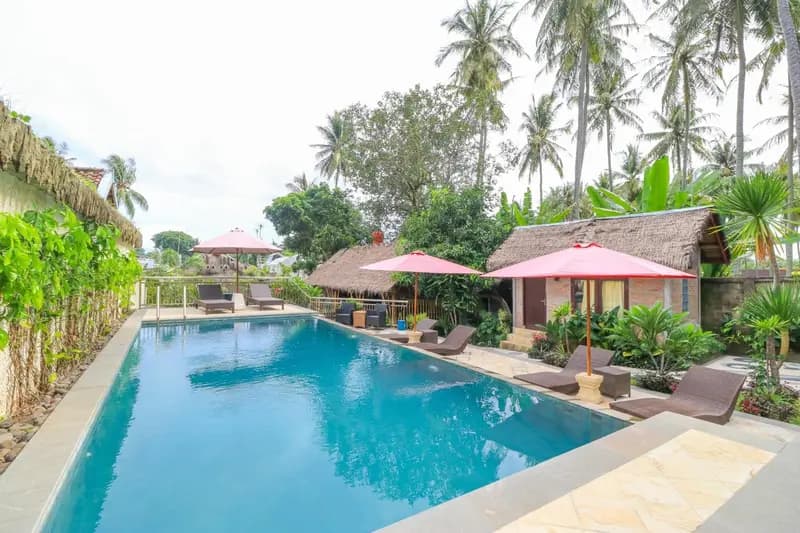
★★
★ 8.9/10 (296 reviews)
16 km away as the crow flies
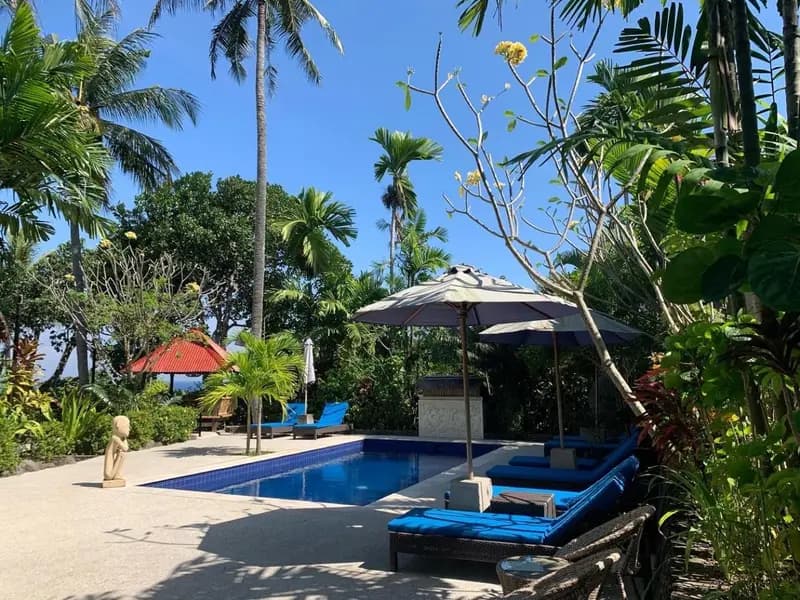
★★★
★ 8.8/10 (292 reviews)
16 km away as the crow flies
Your last day stays dry: no diving in the 18-24 hours before a flight the perfect window to see the destination from another angle.
 Culture
⏱ 2 h · ★ 5.0 (145 reviews)
from €34
see on Viator ↗
 Nature
⏱ 5 h · ★ 5.0 (47 reviews)
from €90
see on Viator ↗
 Adventure
⏱ 4 h · ★ 5.0 (1 reviews)
from €13
see on Viator ↗
Ratings and reviews collected by Viator and Tripadvisor.