

Uber Scuba Komodo
Google 5/5 (1,538 reviews)
33 km away as the crow flies
Komodo · Indonesia · Asia
Max. depth · 30 mLighthouse in Komodo offers a dynamic reef experience, where abundant corals give way to pelagic action, often encountering reef sharks and giant trevallies.
For subtitles in English: start the video firstthen click the gearat the top right of the video, select “Subtitles/CC”, then “Auto-translate” and choose “English”.
Descend onto Lighthouse and you find yourself exploring a colourful reef slope, starting shallow and extending down to 30 metres. This versatile site presents a varied underwater landscape, beginning with healthy soft and hard corals that carpet the shallows. As you transition deeper, the reef transitions, revealing fields of sponges and gorgonians, providing habitat for a wide array of smaller, resident marine life.
The topography here lends itself to exploration, with a gentle slope that invites longer bottom times to observe the intricate details of the reef system. Beneath the ledges and within the coral formations, you'll find leaf scorpionfish (Taenianotus triacanthus) camouflaged against the background, various nudibranchs (Nudibranchia) crawling across the substrate, and the watchful eyes of cuttlefish (Sepiida) and moray eels (Muraenidae) in their crevices.
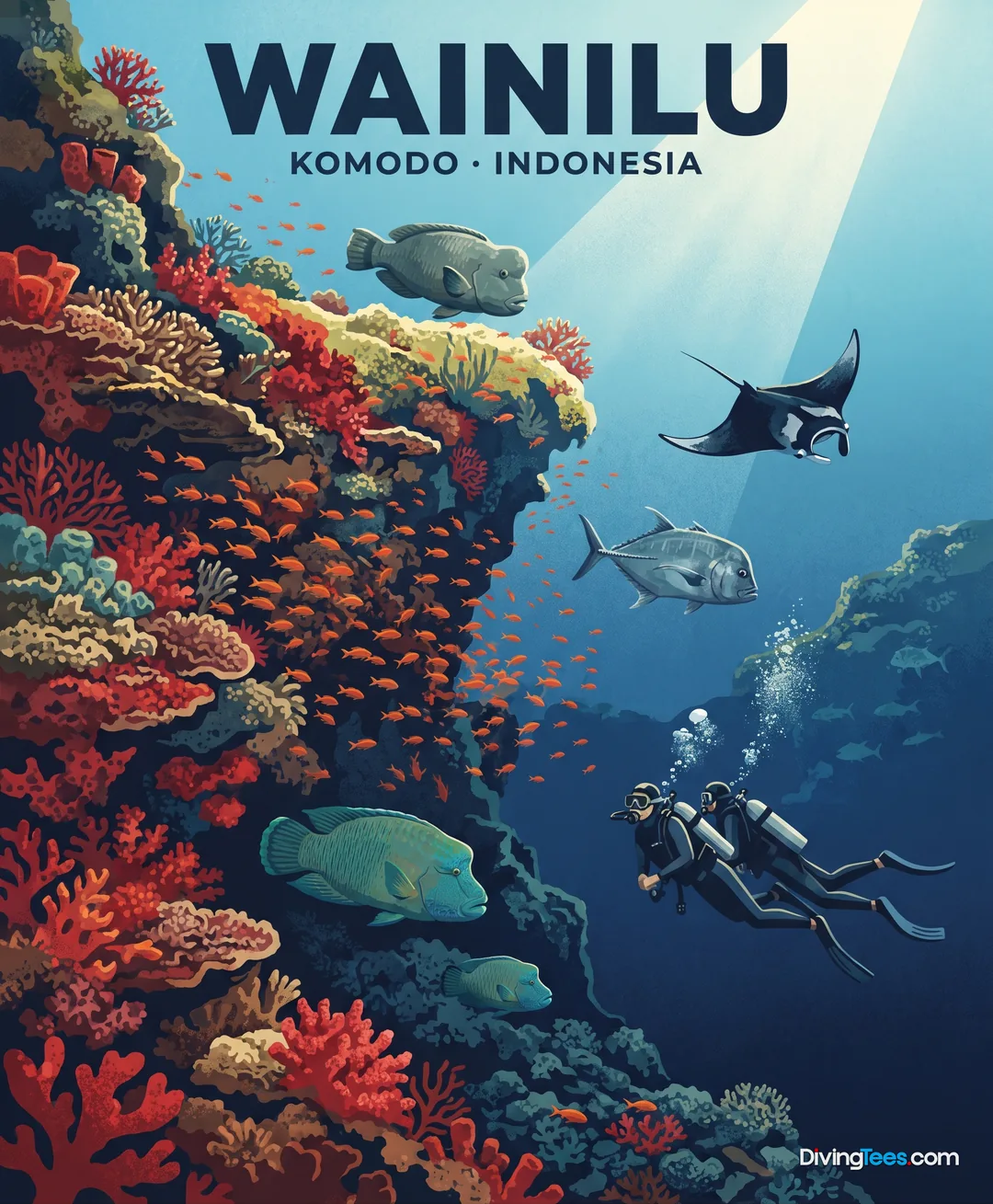
Beyond the smaller reef inhabitants, Lighthouse is also a site where larger pelagic species make their presence known. Blacktip reef sharks (Carcharhinus melanopterus) and whitetip reef sharks (Triaenodon obesus) are regular patrols, often seen cruising along the reef edge or through the bluer water. Giant trevallies (Caranx ignobilis) move in coordinated schools, adding to the site's dynamic feel.
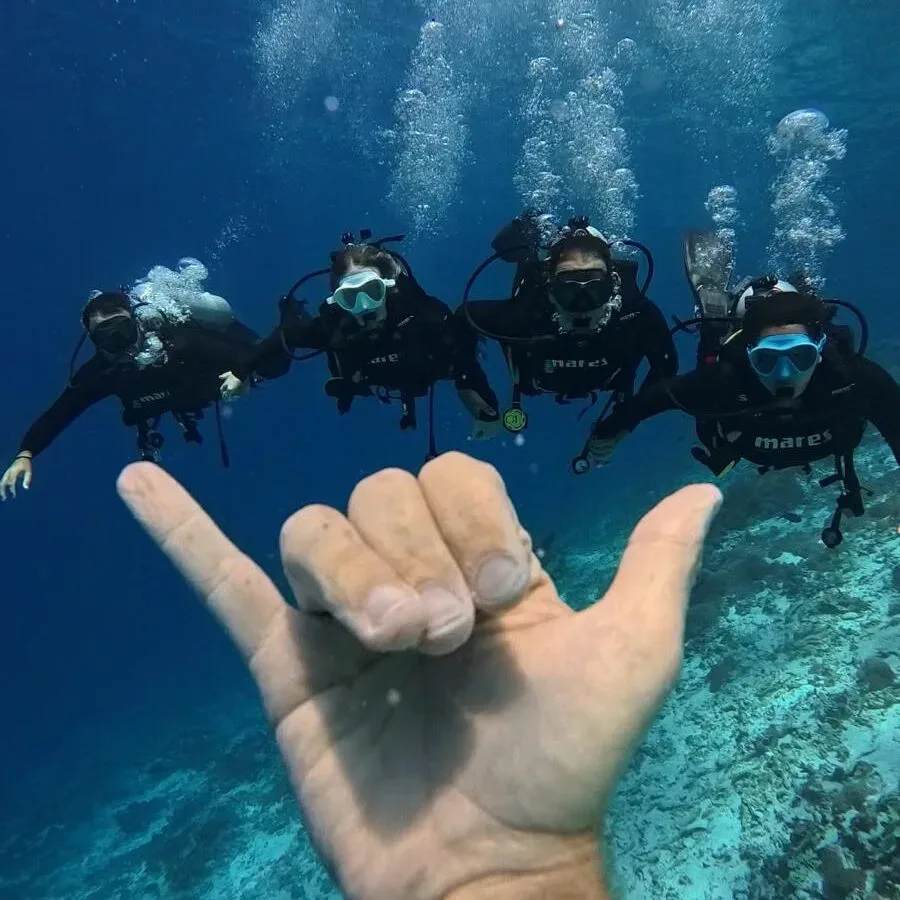
One of the defining characteristics of Lighthouse is its current. While you can find periods of calm, particularly within the more sheltered sections, it’s not unusual for the currents to pick up, reaching strong levels, especially when diving closer to Castle Rock. These stronger currents attract larger fish and necessitate proper drift diving techniques, allowing you to cover more ground and observe the marine life pushed by the flow.
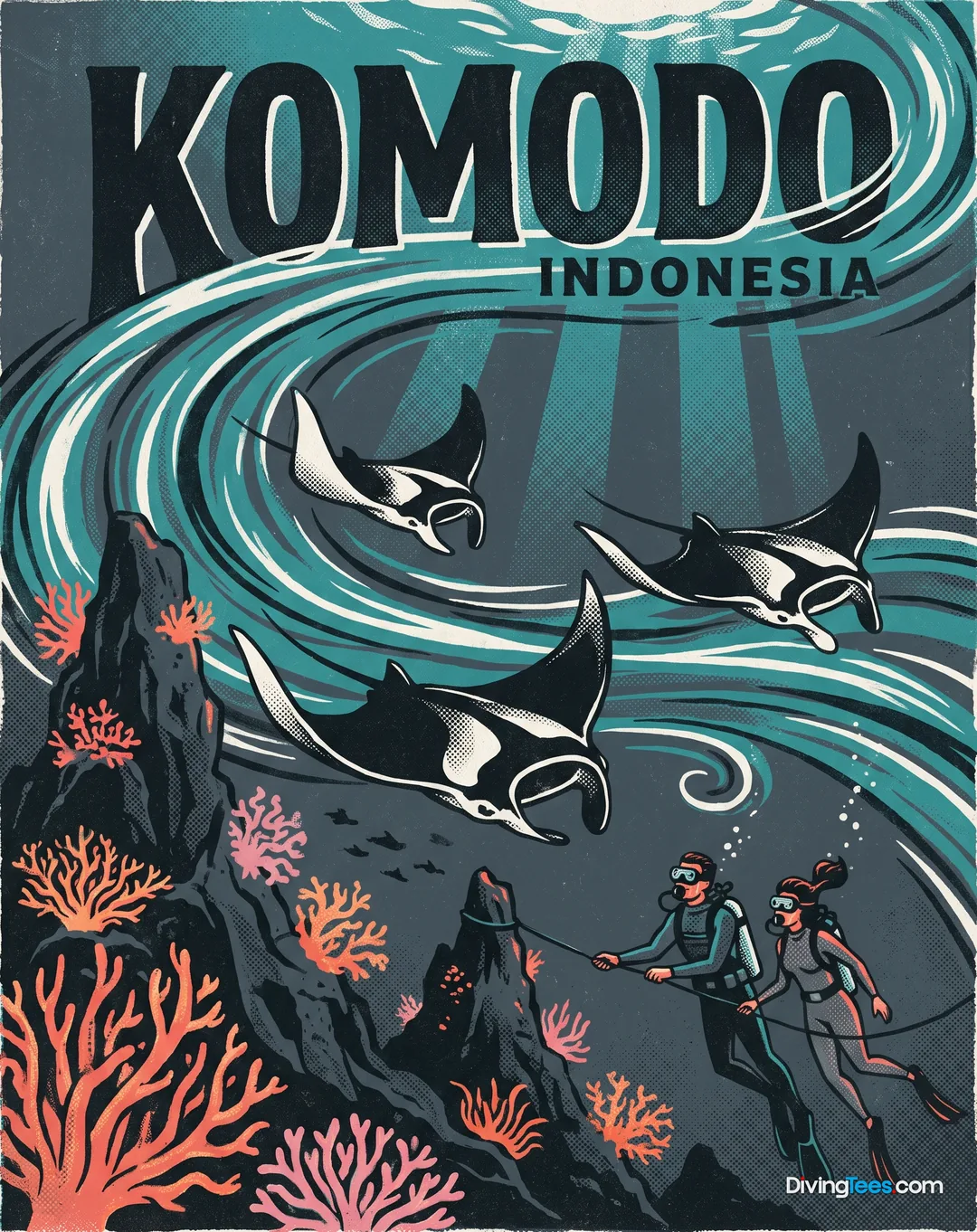
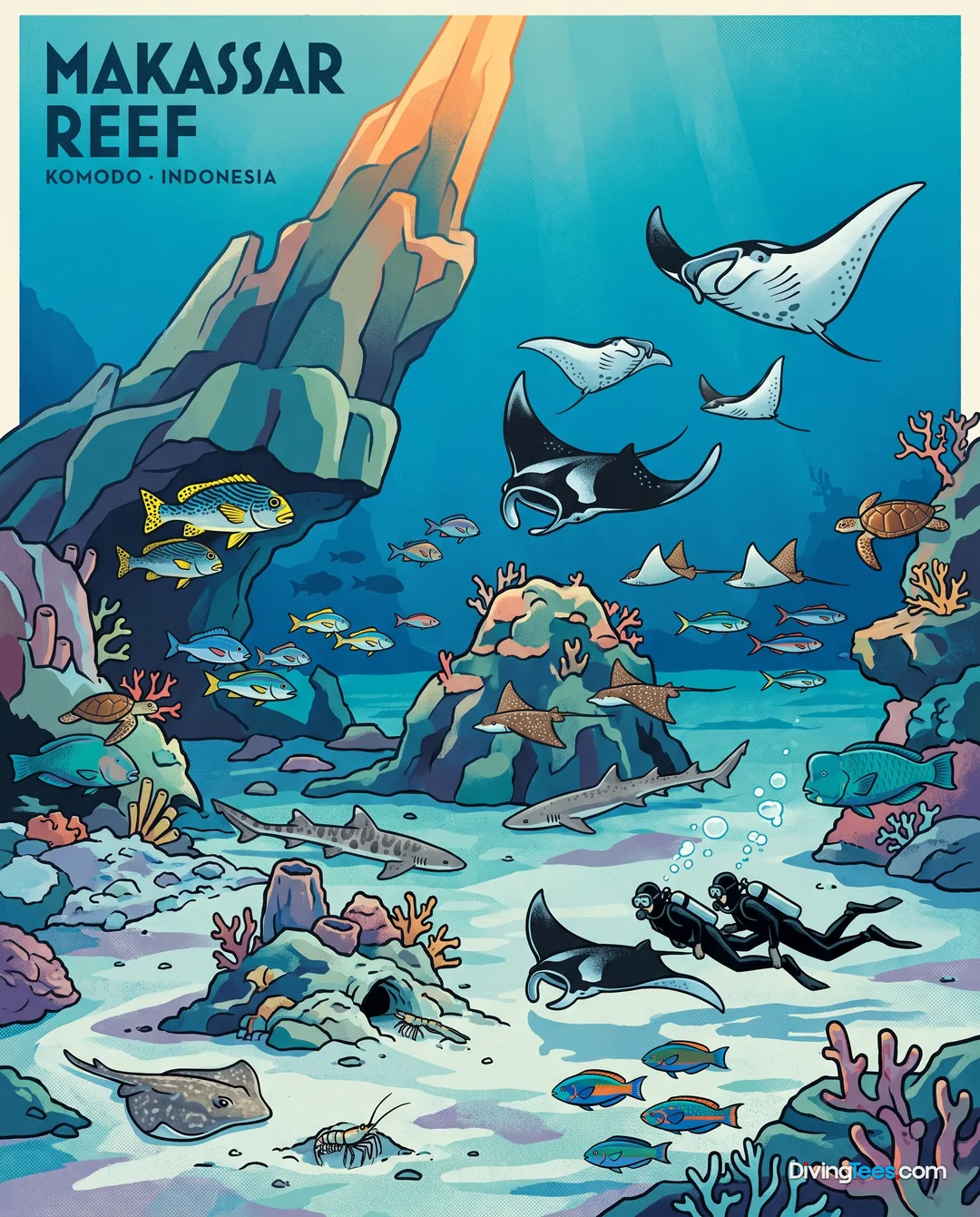
Additionally, Lighthouse serves as a cleaning station for manta rays (Manta birostris). Observing these large pelagics gracefully circling above the reef, often at shallower depths, offers a different perspective on the nutrient-rich waters of Komodo. Their presence underscores the site's importance within the larger ecosystem, drawing in visitors from the open ocean.
The site's proximity to Castle Rock suggests a connection to the nutrient-rich, current-swept waters that typically characterize that area, fostering the high visibility and vibrant marine life present here. This rich environment supports a complex food web, from the polyps of the hard corals to the predators that hunt along the reef lines, creating an engaging dive for those ready to adapt to varying conditions.
Lighthouse is an intermediate-level dive, with depths reaching 30 metres. While accessible to those with some experience, divers should be comfortable with currents that can shift from mild to strong. Visibility is consistently excellent, often exceeding 20 metres. The site is diveable year-round, but always be prepared for dynamic current conditions, which can change rapidly.
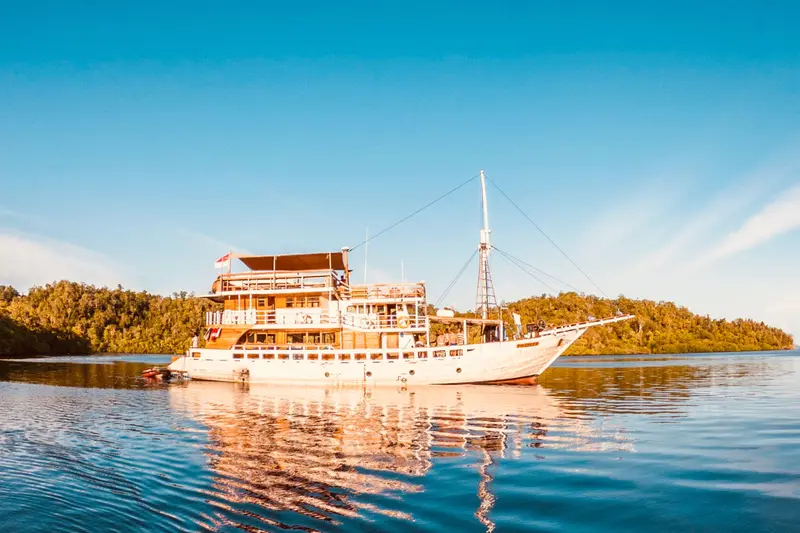
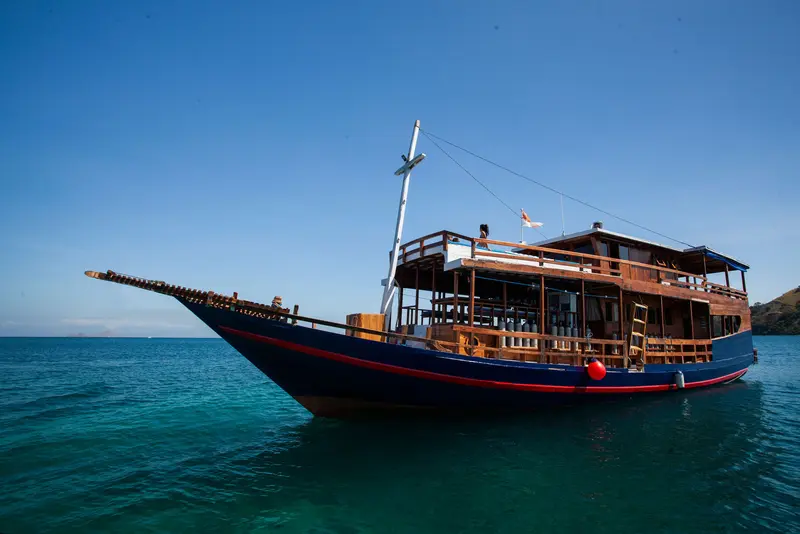
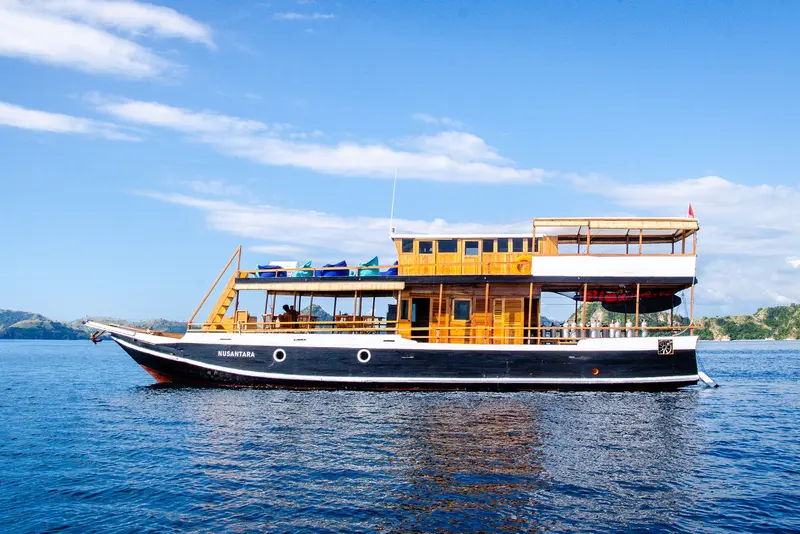
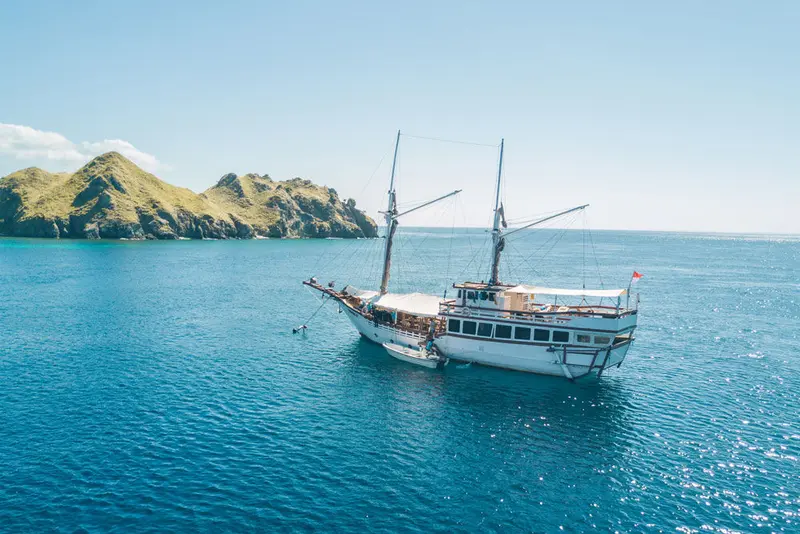
37 liveaboards depart from Komodo another way to explore the region, over several days at sea.
You can dive Lighthouse year-round. Visibility is consistently excellent and often exceeds twenty metres, but conditions remain dynamic. Currents can change rapidly during a dive, so you should stay prepared for shifts from mild flow to strong current, including stronger conditions closer to Castle Rock.
Lighthouse is an intermediate-level dive. It is accessible if you have some experience, but you should be comfortable with currents that may shift from mild to strong. Stronger flow can require proper drift diving techniques, particularly when exploring areas closer to Castle Rock.
Lighthouse begins in shallow water and reaches depths of thirty metres along a gentle reef slope. Currents may be calm in sheltered sections, but can become strong, especially closer to Castle Rock. These changing conditions make comfort with drift diving techniques important while exploring the site.
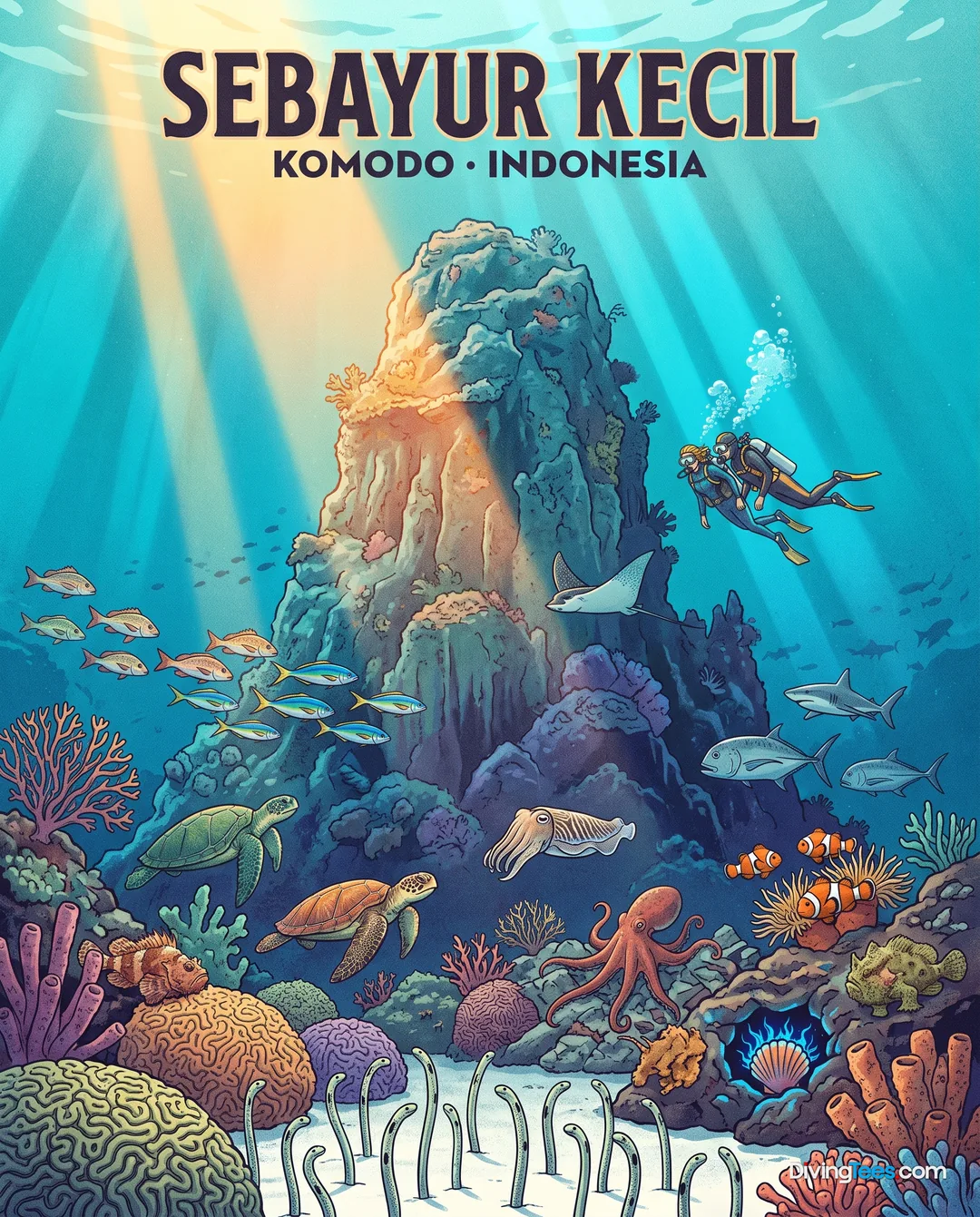
At Lighthouse, you can explore vibrant hard and soft corals, deeper fields of sponges and gorgonians, and smaller life such as leaf scorpionfish, nudibranchs, cuttlefish and moray eels. Blacktip and whitetip reef sharks, giant trevallies, schooling fish, and occasional manta rays at a cleaning station may also be seen.