Liveaboards · Indonesia
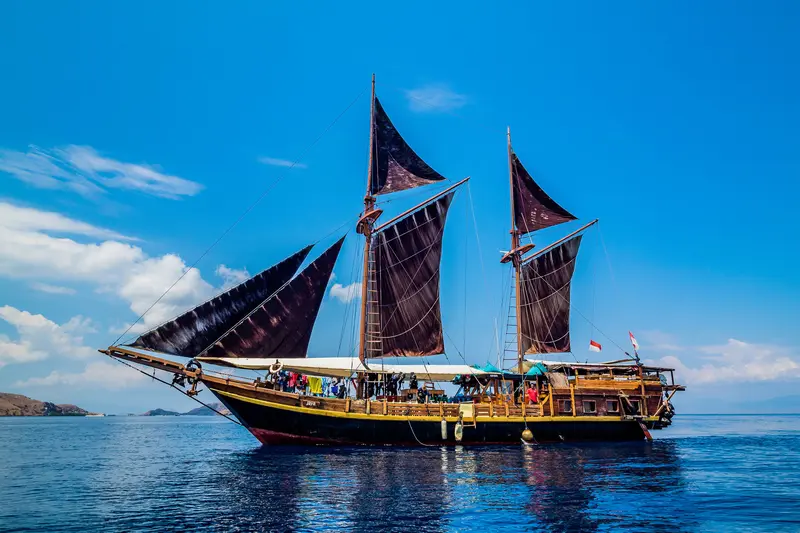
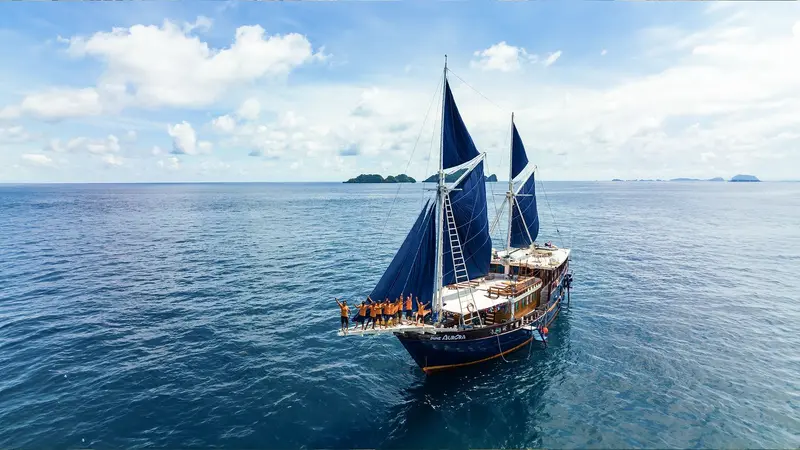
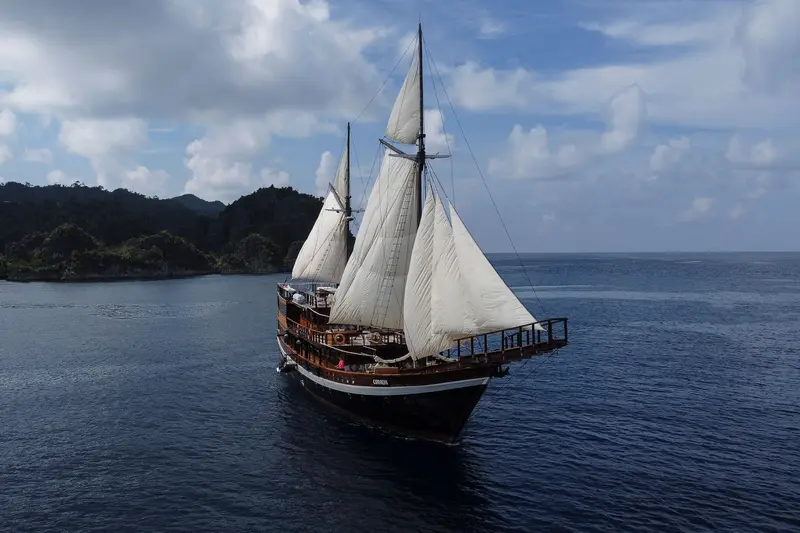
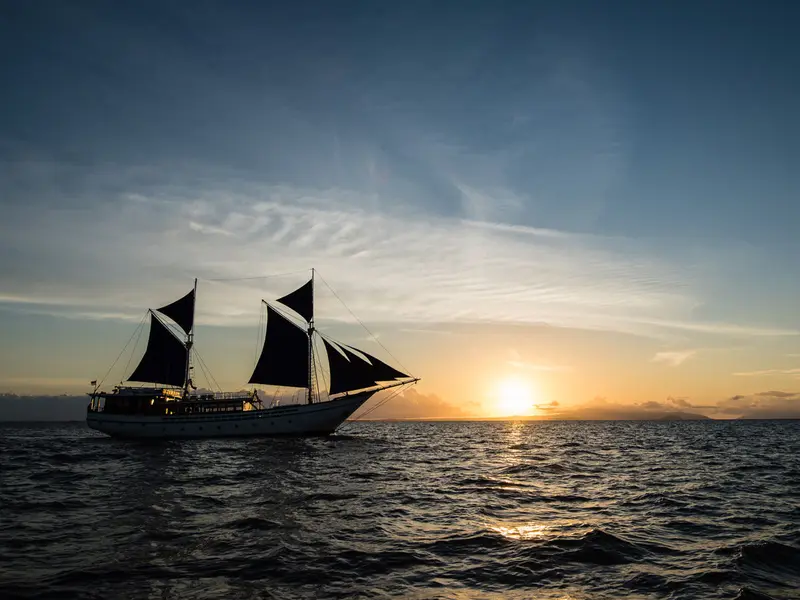
Emperor Harmoni — a traditional Raja Ampat liveaboard built around the diving
What makes this boat unique
- Emperor Harmoni carries up to 24 guests in 12 air-conditioned cabins, each with a private bathroom.
- Three 5-metre RIB diving tenders carry divers to and from the sites.
- Nitrox is included, with DIN adaptors, shaded dive space, rinse tanks and camera facilities on board.
- Port fees, park fees, airport and hotel transfers, full-board meals, Wi-Fi and the dive package are included.
- The Raja Ampat itineraries run from 8 days/7 nights to 13 days/12 nights.
For subtitles in English: start the video firstthen click the gearat the top right of the video, select “Subtitles/CC”, then “Auto-translate” and choose “English”.
The invitation
Emperor Harmoni is for divers who choose Raja Ampat for the water first, but do not want to spend a week making do on a cramped boat. The traditional liveaboard character comes with the practical details that matter after several days at sea: air-conditioned cabins, private bathrooms, shaded dive space, camera charging and three fast RIB tenders. The route reaches the reefs around Kri, Mansuar and the Dampier Strait, where schooling fish, mantas, reef sharks and small reef life share the same dives. Groups stay manageable, with up to four dive guides for 24 guests, and the crew takes an active part in getting divers ready on the tender. That combination is the reason to choose Harmoni over a more hotel-like vessel: the boat gives the week enough room, while the operation keeps its attention on the next descent.
Boarding
At the dock, Harmoni presents herself as a large traditional Indonesian liveaboard rather than a floating resort. Her Sulawesi ironwood construction gives the boat a working, seagoing character, while the interior is arranged for long days on the water: a proper lounge, dining area, camera room and several places to sit outside. Boarding does not funnel everyone into one small common room. Cabins are spread across the lower and upper levels, with the upper-deck cabins giving a higher position and standard windows. The two Yanmar diesel engines are a useful distinction on a Raja Ampat route: there is redundancy in the machinery rather than a single point of failure. Once the gear starts moving towards the RIBs, the purpose of the boat is clear. Harmoni is comfortable because she supports the diving, not because she tries to disguise it.
The atmosphere on board
Harmoni suits a group that wants contact with the crew rather than a service style that keeps staff invisible. The crew helps with the practical work around the tenders and kitting up, and passengers come back to the same people after every dive. That matters when three dives a day turn small delays into lost water time: tanks, equipment and transfers need to be ready without repeated requests. English is spoken on board. The passenger experience points to a crew that stays present, answers quickly and takes trouble out of the day, while the boat's strong food and diving scores show where that care is most visible. The social side follows naturally. Twenty-four divers share a substantial vessel, but the operation is small enough for guides and crew to recognise who needs help before the next entry.
The sites you’ll dive
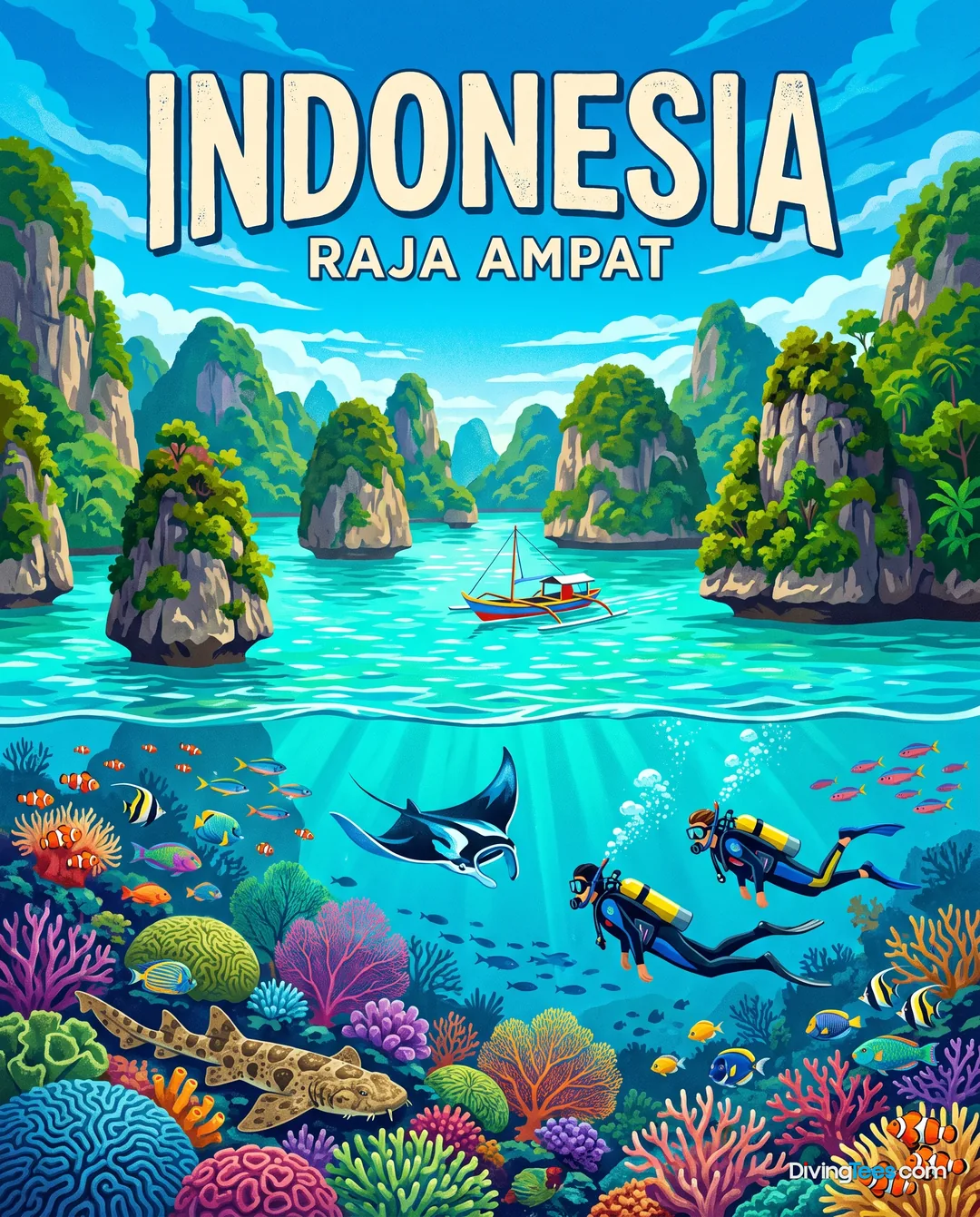
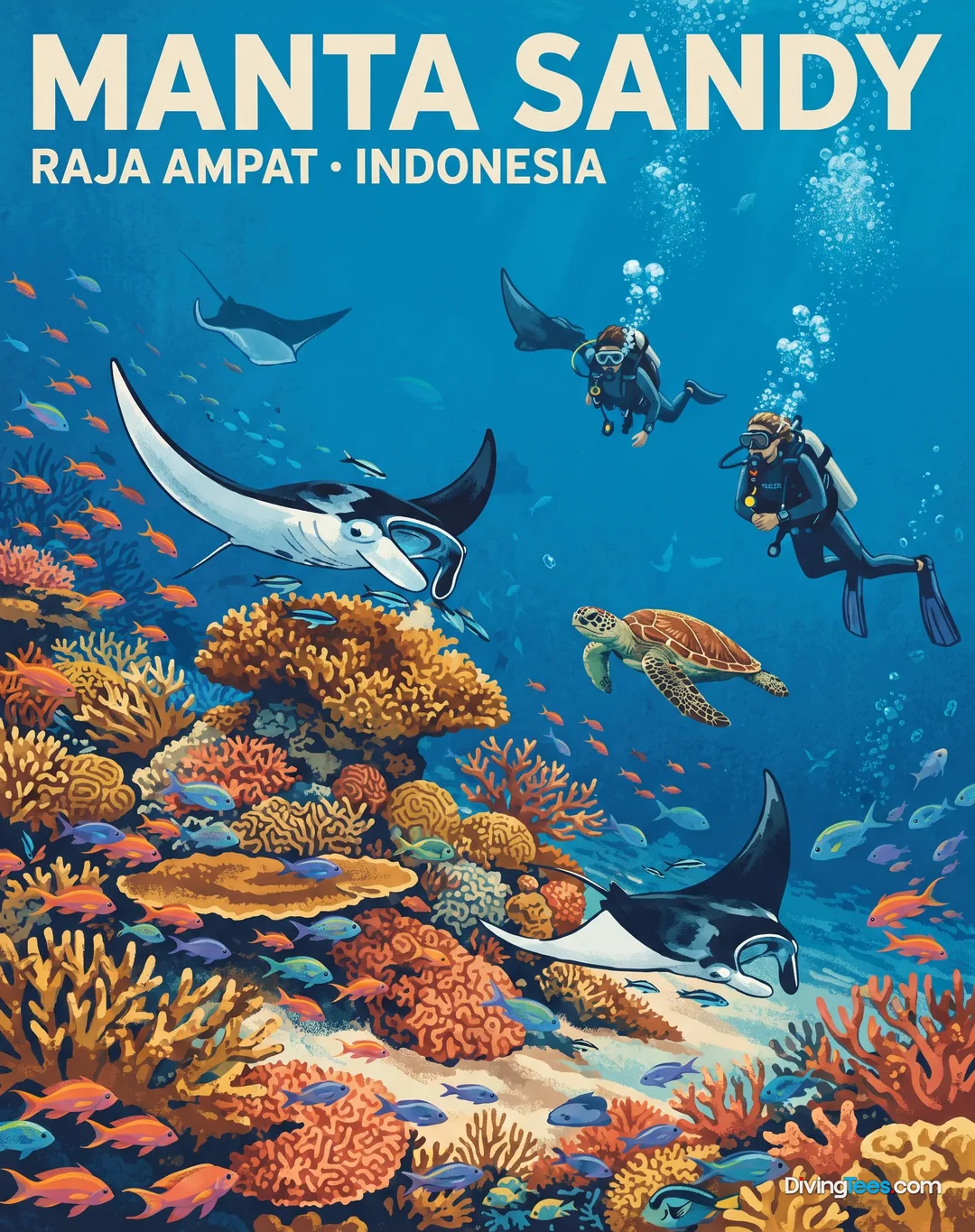
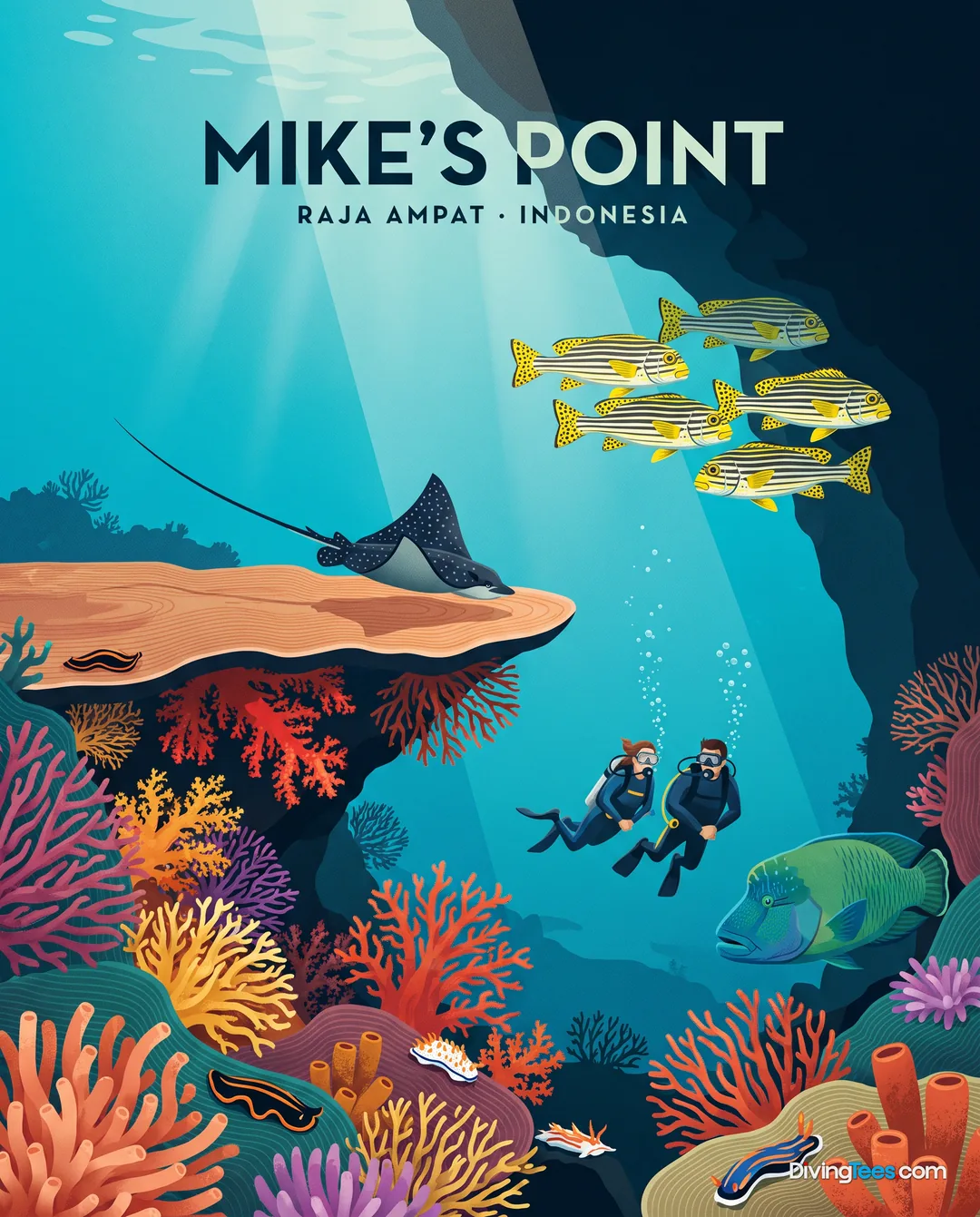
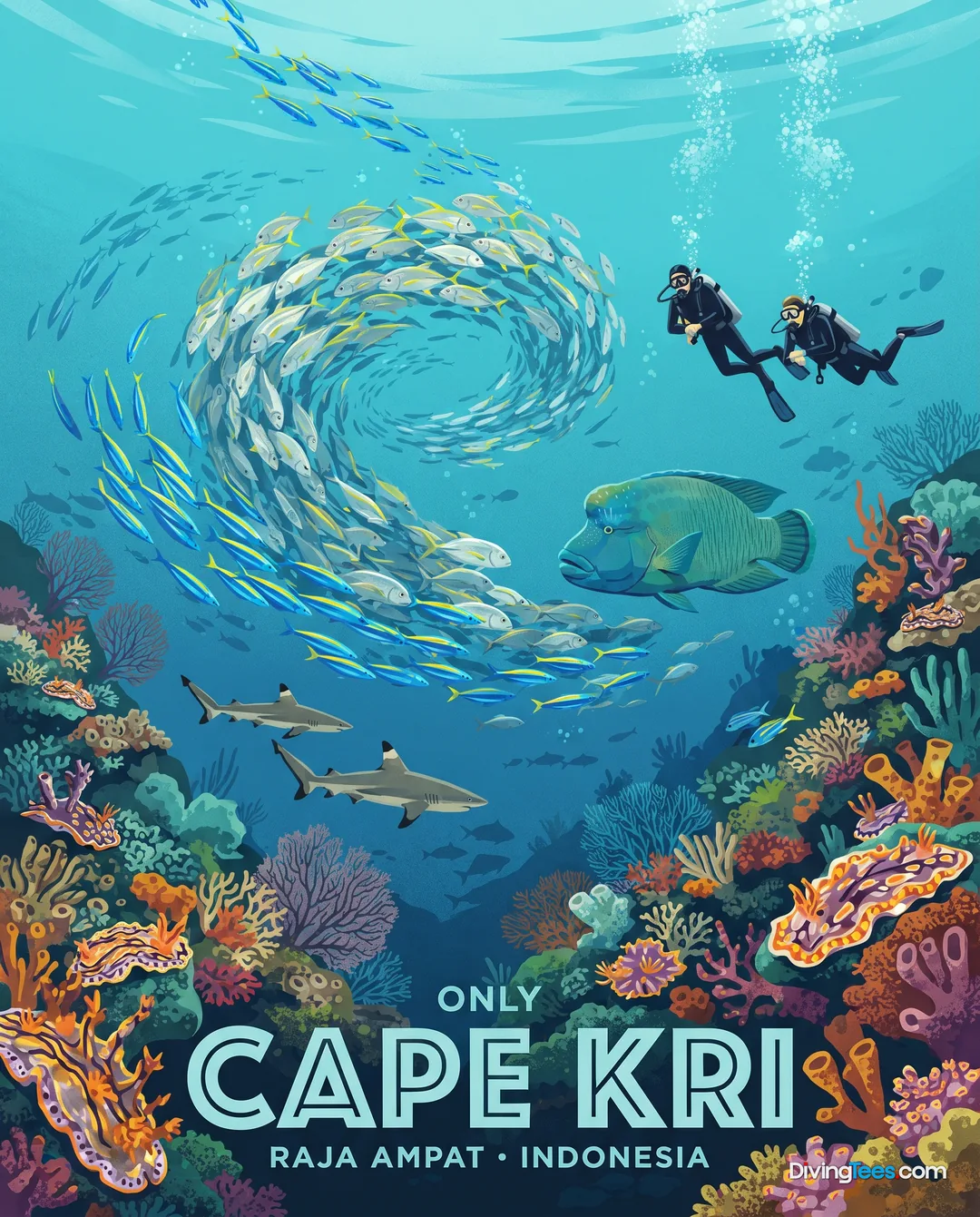
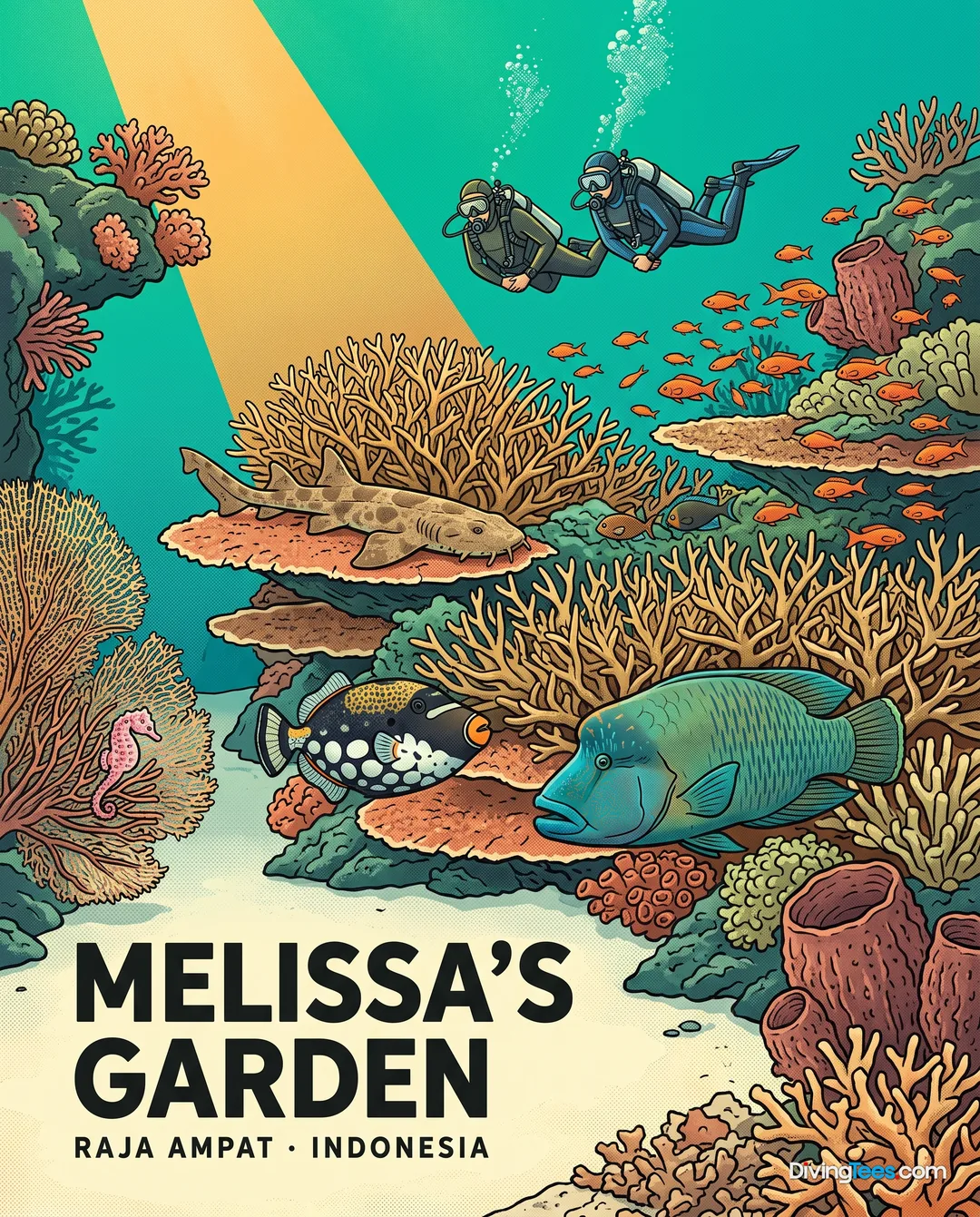
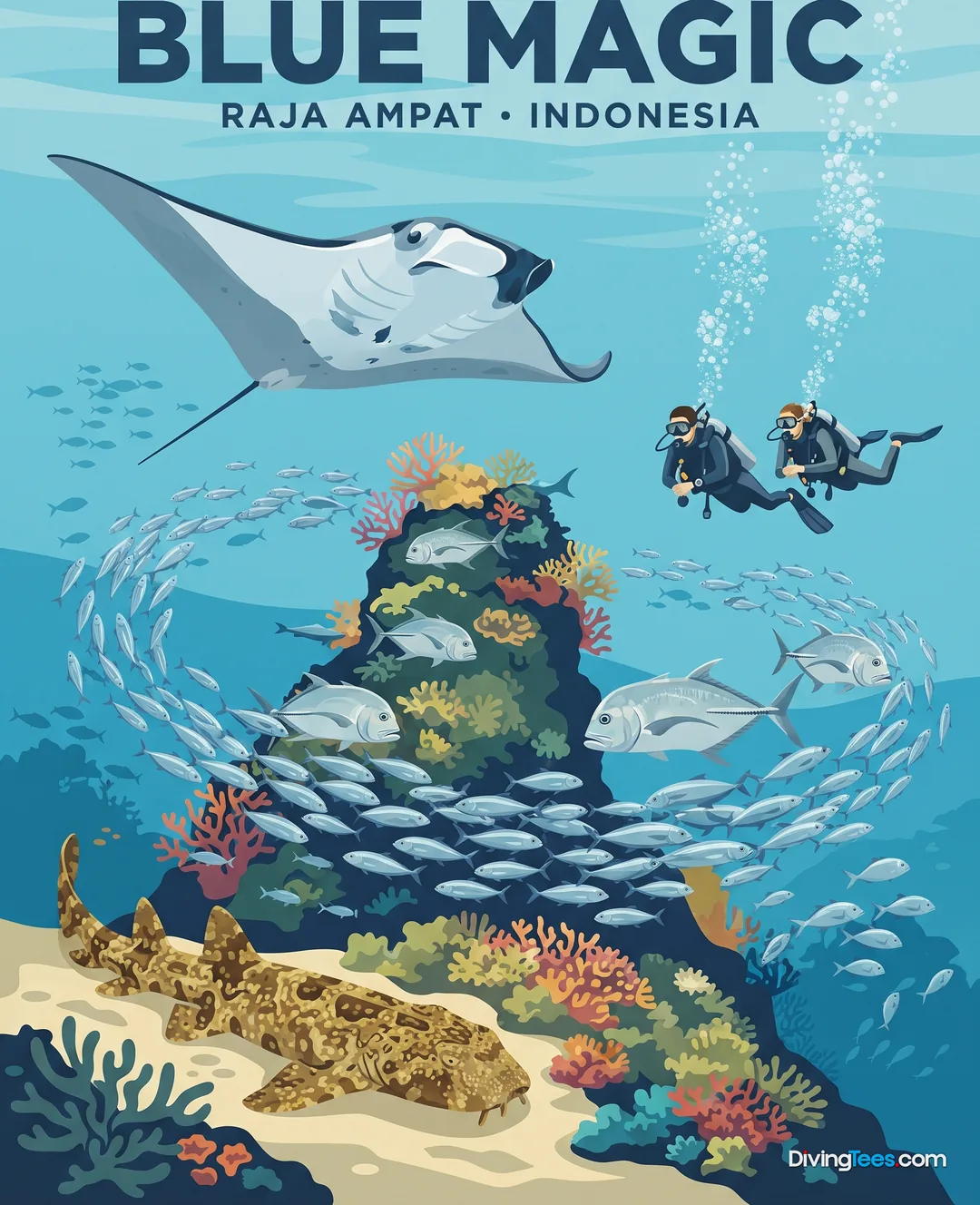
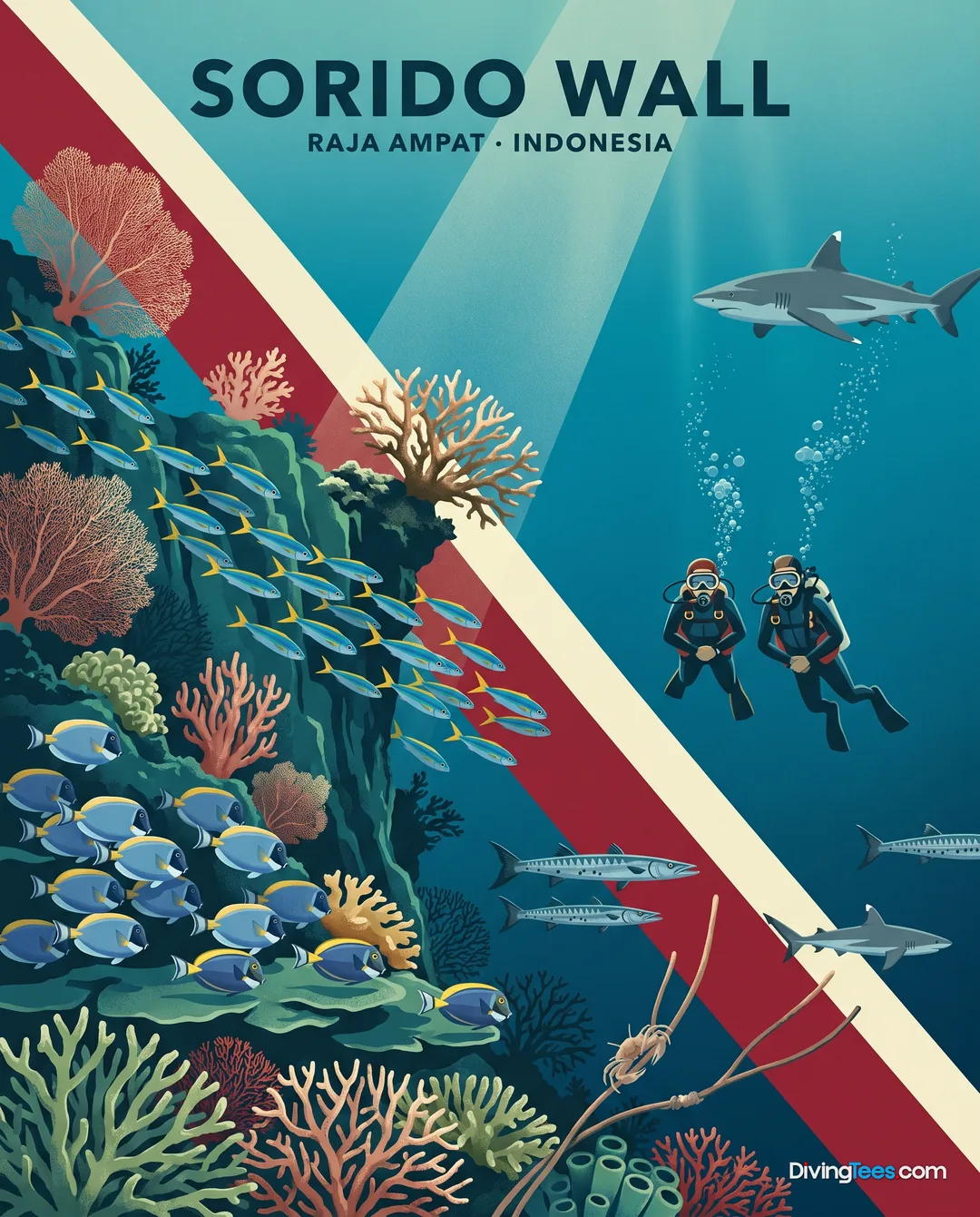
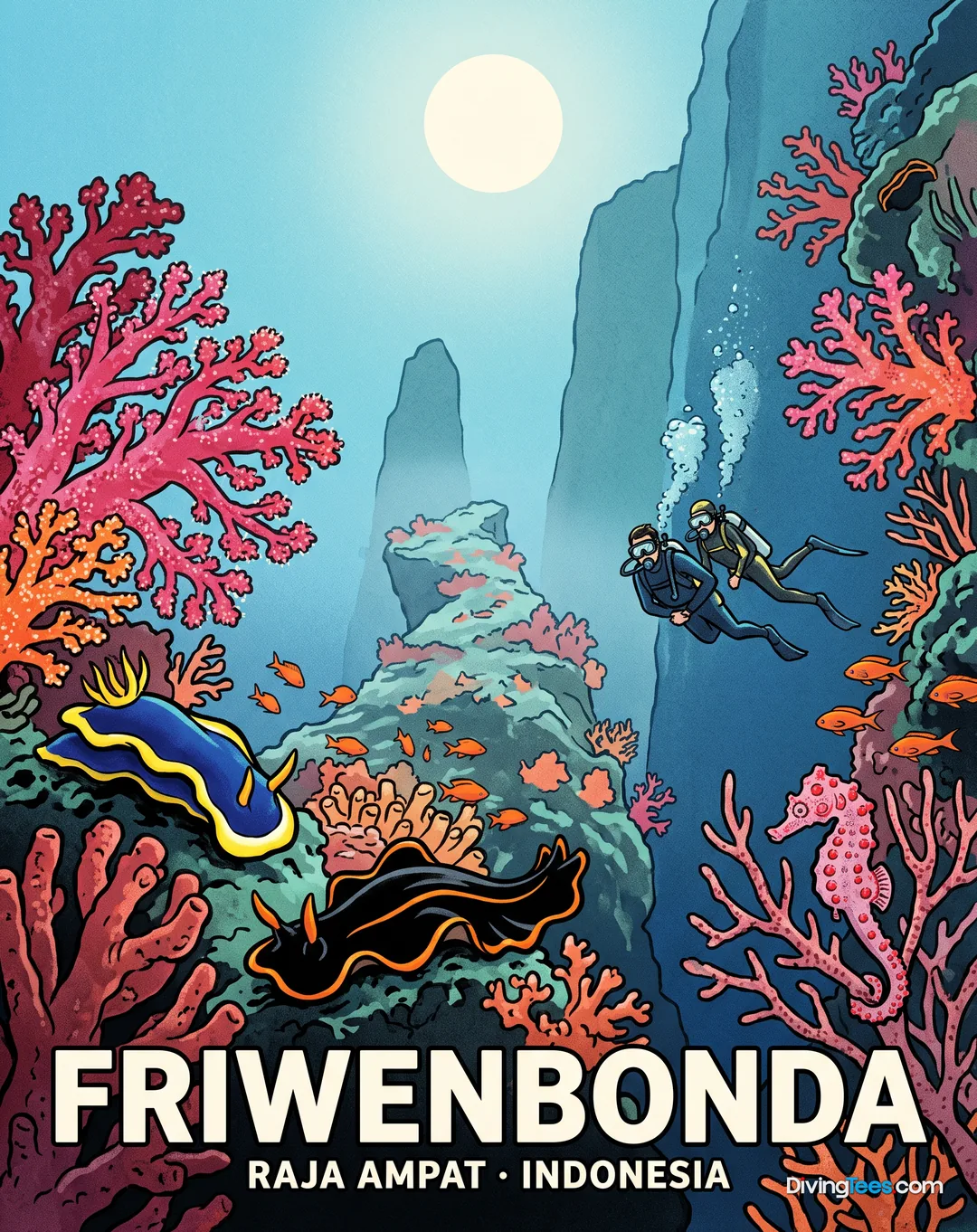
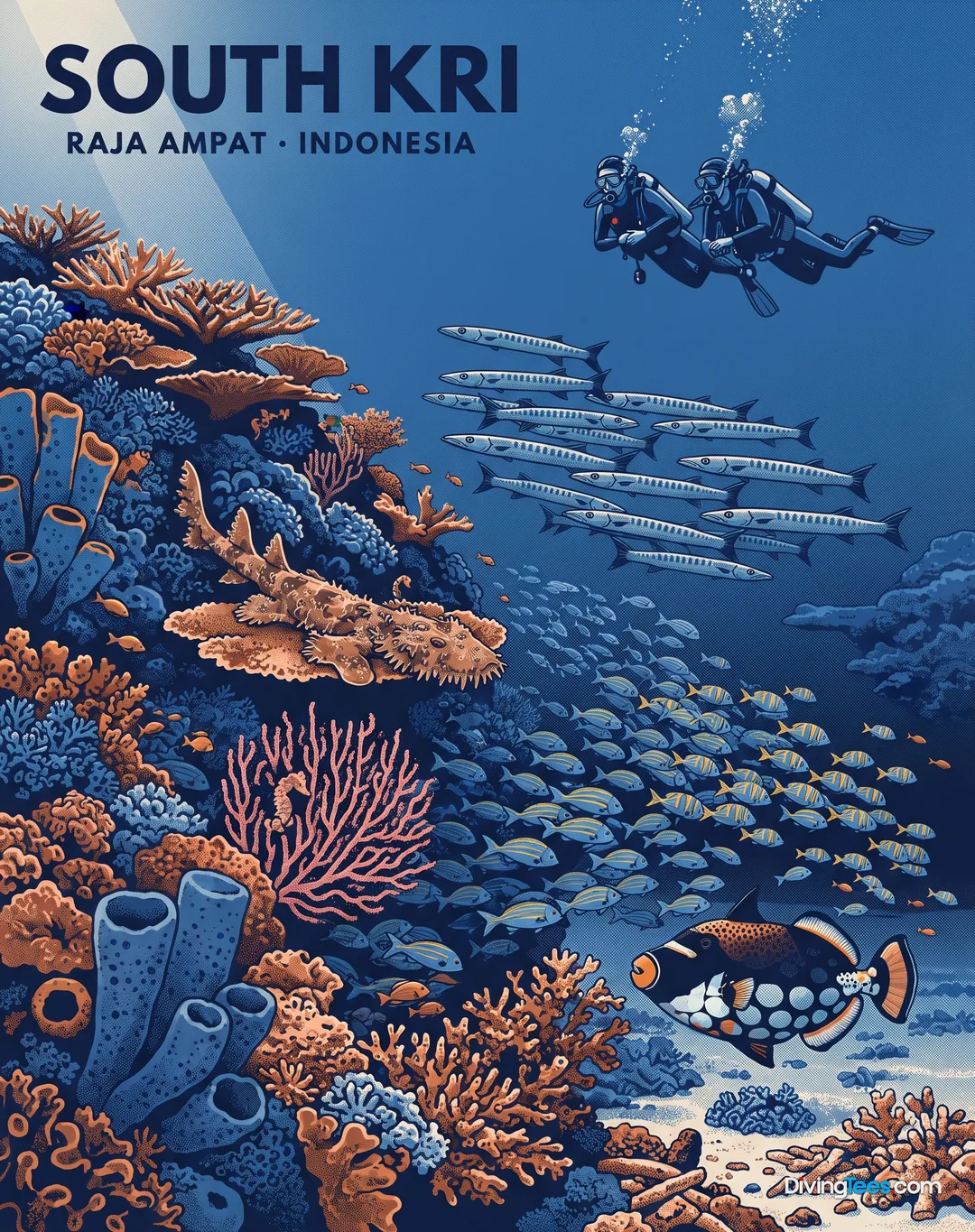
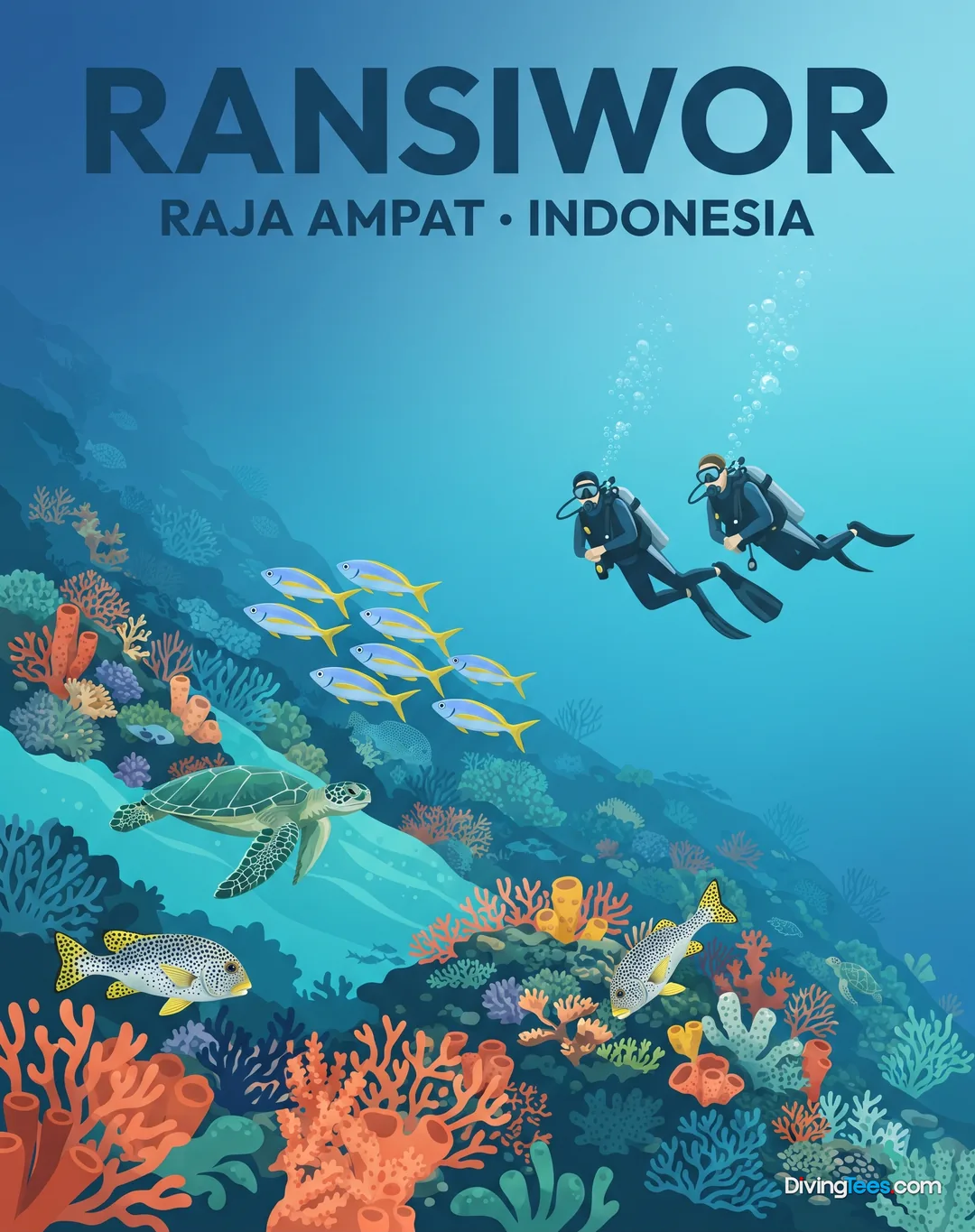
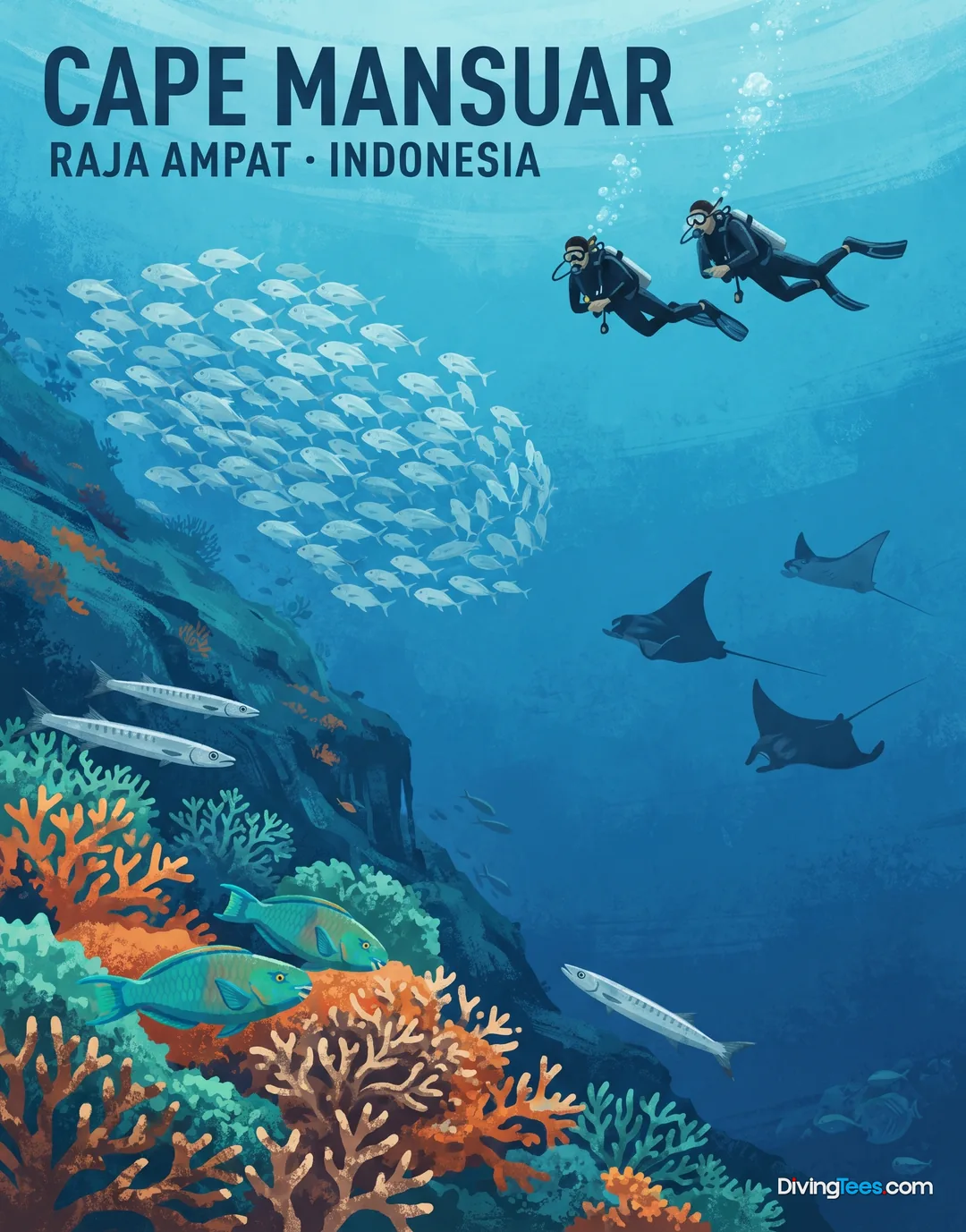
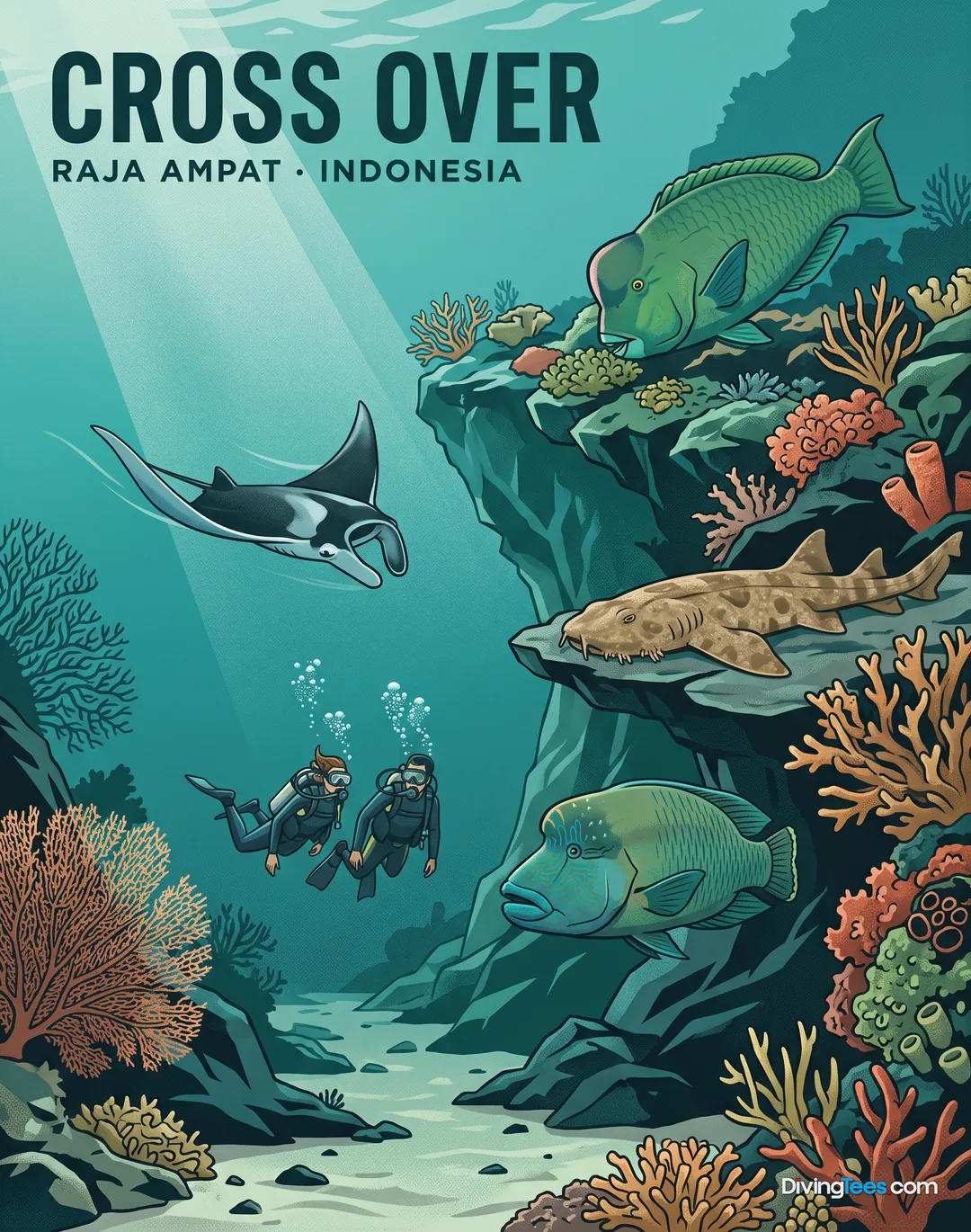
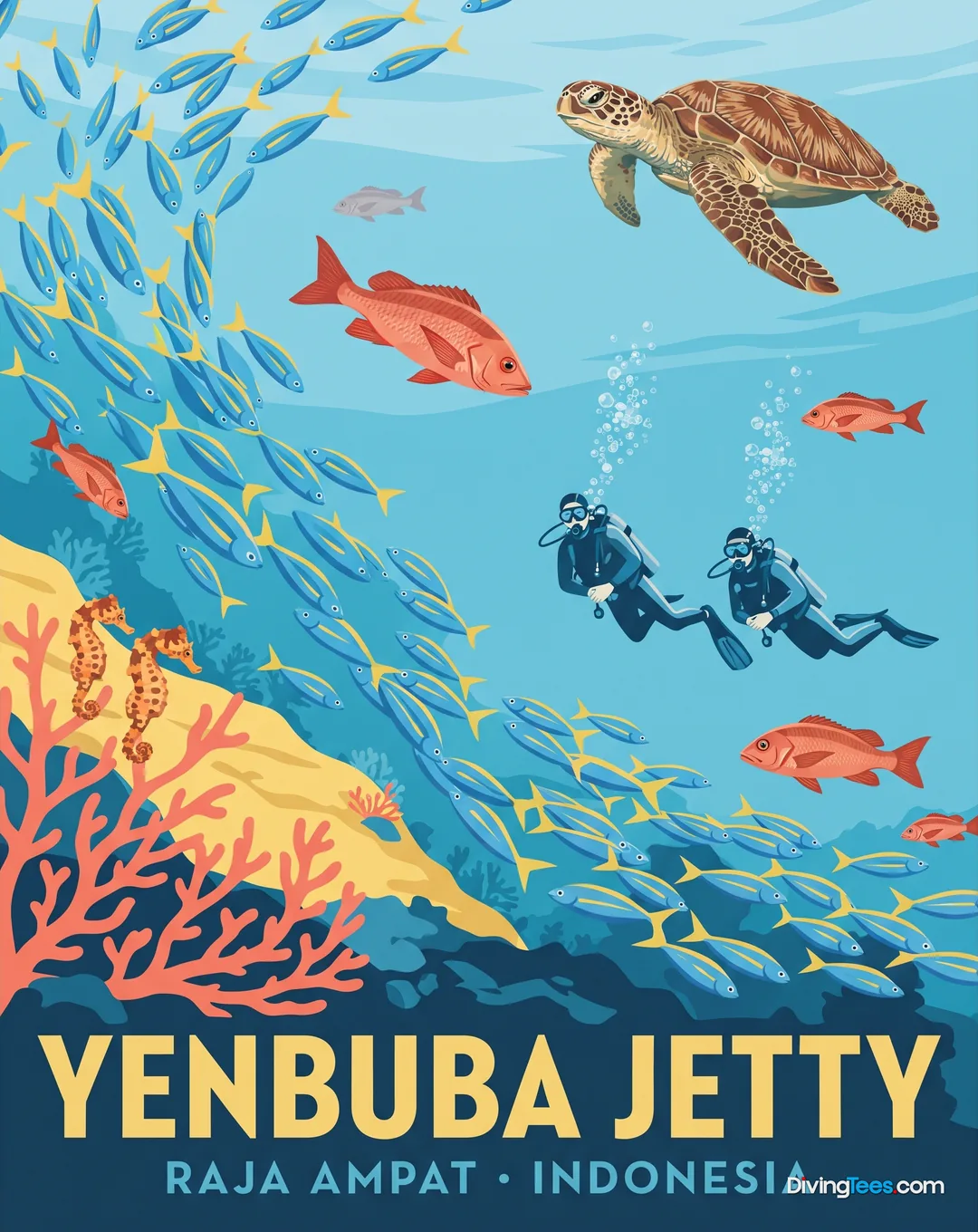
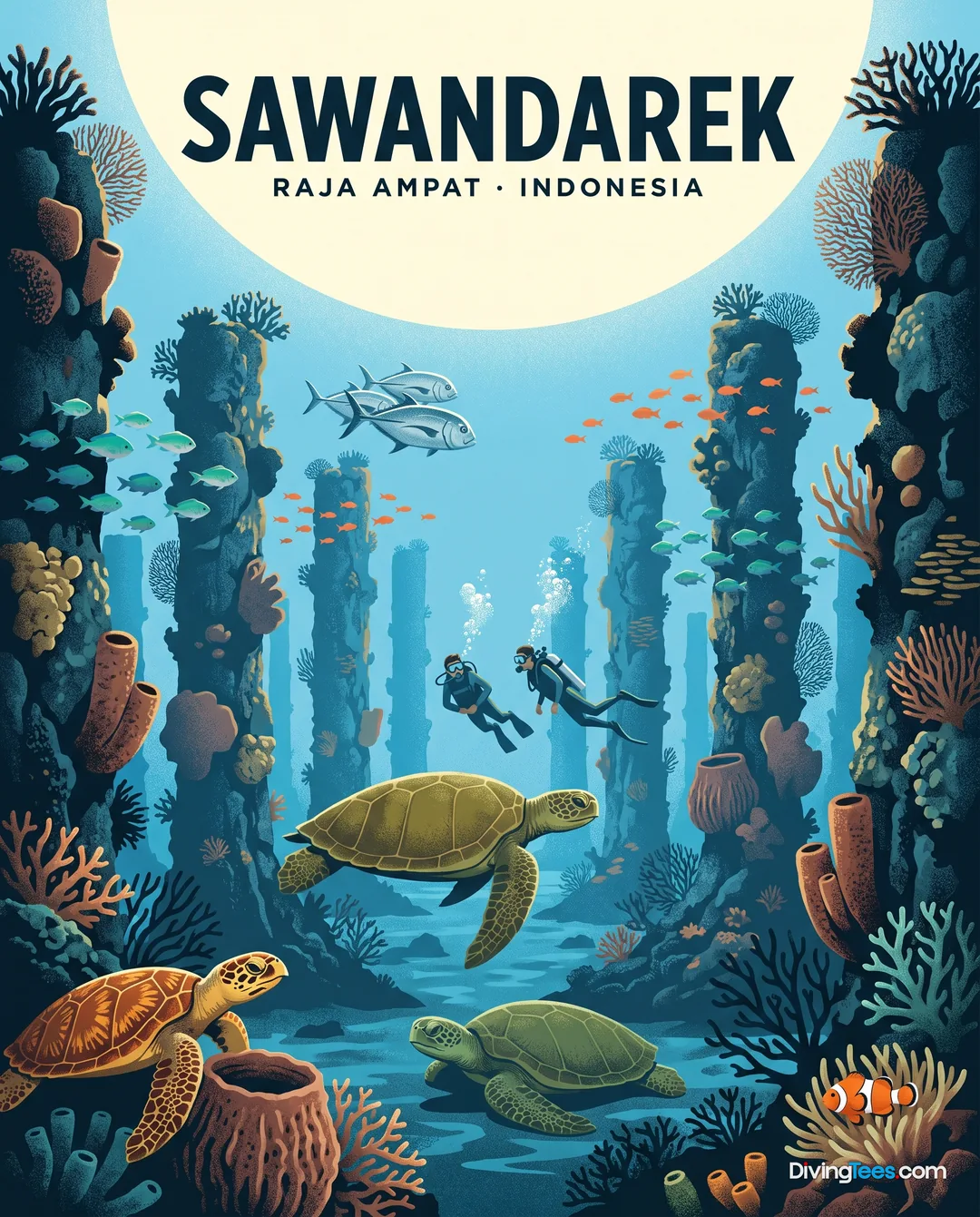
The Raja Ampat sites on these cruises move between reef walls, current-swept points, coral gardens and cleaning stations. Manta Sandy is the direct manta stop, where reef mantas may hover over cleaning stations and can also be watched by snorkellers. At Mike's Point, overhangs carry soft corals and sweetlips, while eagle rays may cross the flat plateau; the maximum depth is -40m. Cape Kri is the abundance dive, with huge fish schools and reef sharks, and is recorded for 374 fish species on one dive. Melissa's Garden reaches a soft-coral and staghorn garden to a maximum of -35m. Blue Magic brings schooling fish and possible oceanic mantas into the blue. Sorido Wall has barracudas and reef sharks beside fusilier schools, while Friwenbonda follows a colourful soft-coral wall rich in small life and pygmy seahorses. South Kri is a current-led drift with macro life and schooling fish. Ransiwor slopes to cleaning stations and yellow-back fusiliers, to a maximum of -30m. Cape Mansuar, Cross Over, Yenbuba Jetty and Sawandarek add schooling fish, blacktip reef sharks, coral-covered jetty pilings, pygmy seahorses and giant green turtles. Recorded departures include Best of Raja Ampat from Sorong to Sorong in 8 days/7 nights or 10 days/9 nights, plus Raja Ampat & Banda Islands and Raja Ampat & Forgotten Islands routes of 13 days/12 nights.
Itineraries, dates and prices
Prices per person. Each month shows its lowest price: click a month, or pick an itinerary.
Next departures · 40 departuresfrom £3,521$4,707€4,205
October 2026
November 2026
December 2026
January 2027
See dates and prices
If you click these links and make a purchase on the partner site, DivingDeal may earn a commission, at no extra cost to you.
Dates and prices taken from Divebooker and liveaboard.com, updated 20 October 2026
What you’ll meet underwater
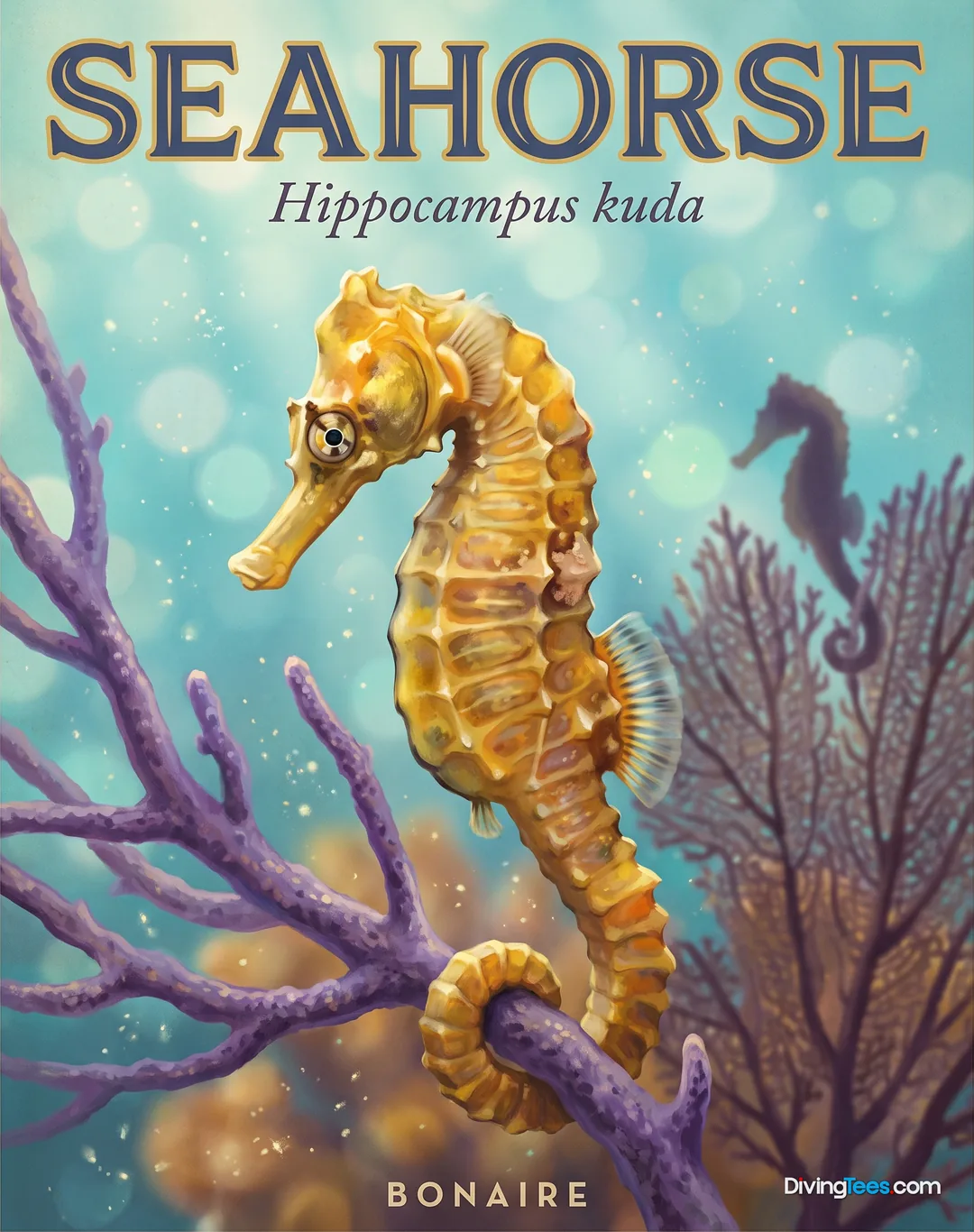
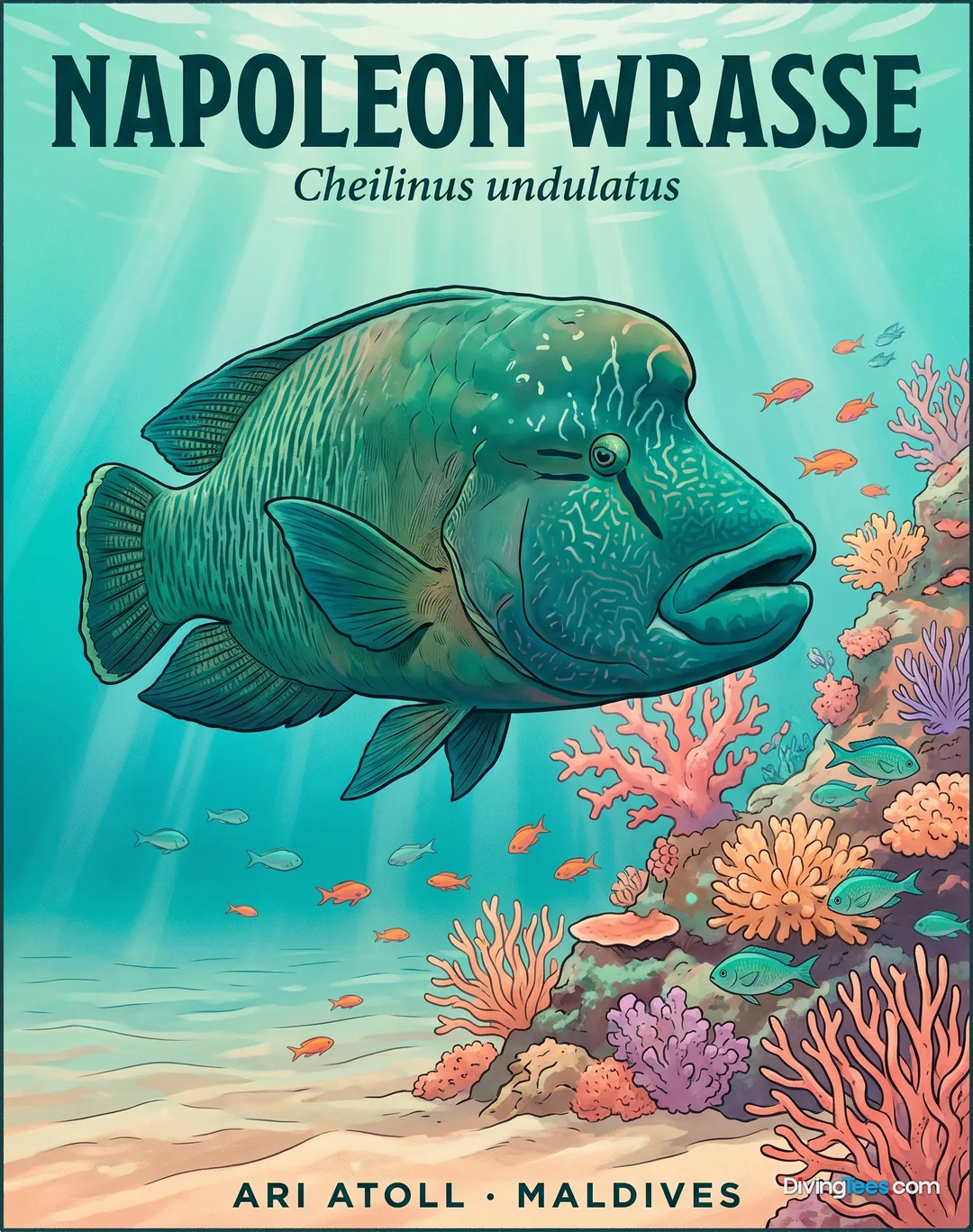
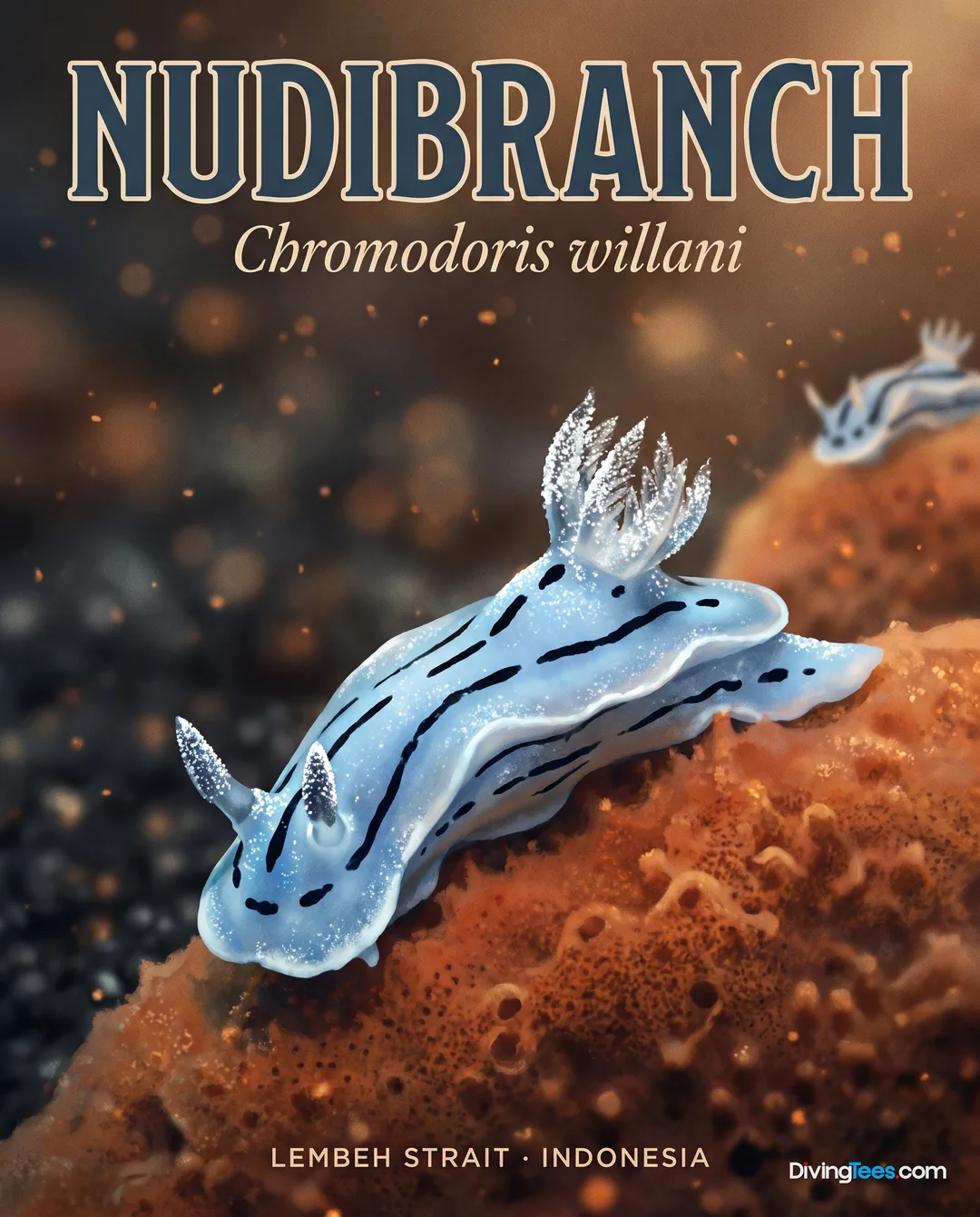
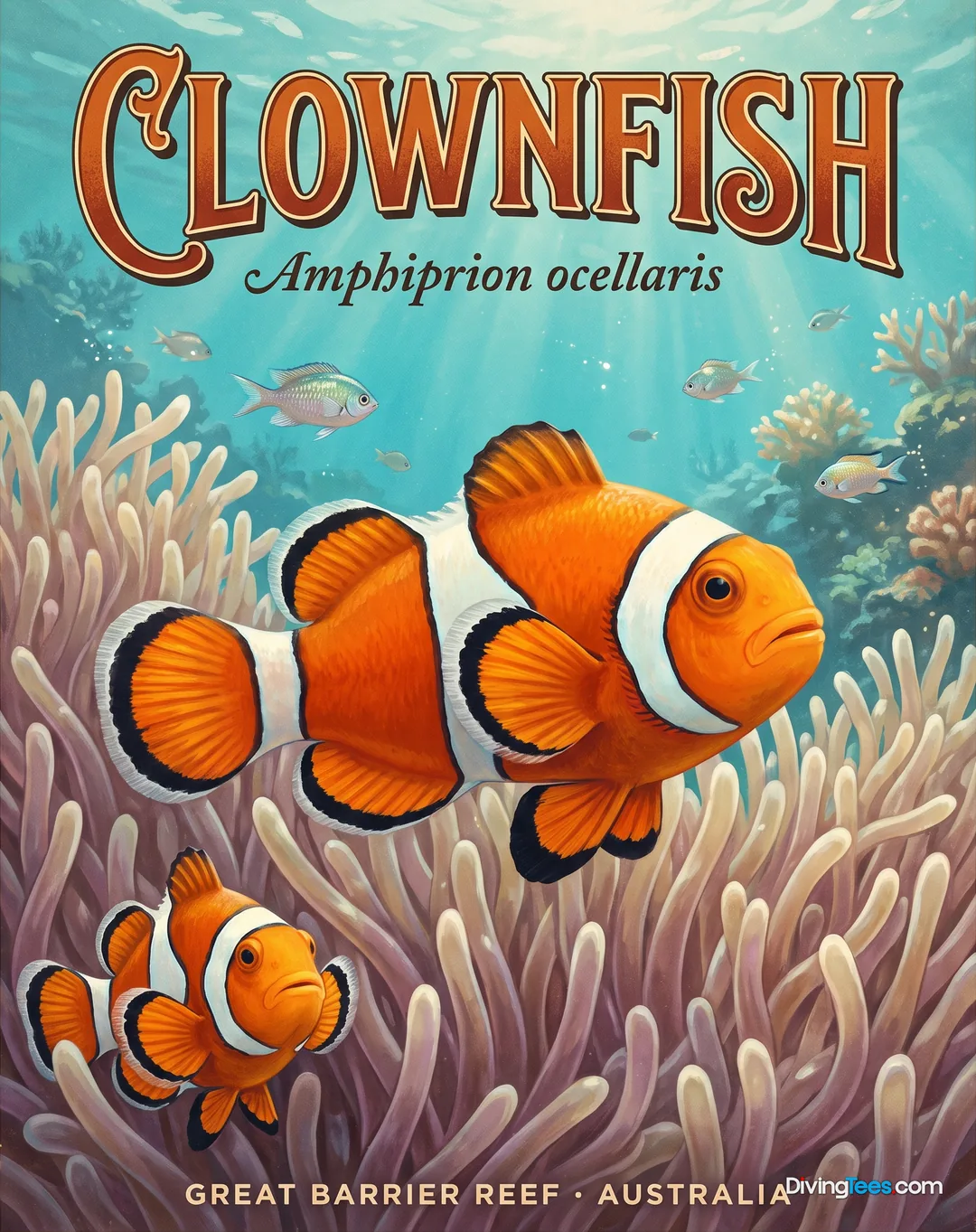
Across this Raja Ampat route, the recurring spectacle is movement: barracudas, trevallies and fusiliers crossing the reef in schools, reef sharks passing the slopes, Napoleon wrasse and humphead parrotfish working the coral, and turtles appearing among soft corals. Nudibranchs and pygmy seahorses reward a slower look, while eagle rays and mantas belong to the blue-water moments. The sites add their own reasons to stay alert. Cape Kri is the recorded place for giant grouper and whitetip reef sharks. Blue Magic is where oceanic reef sharks, tuna and oceanic mantas are specifically noted. Yenbuba Jetty concentrates fish around coral-covered pilings and is the site associated with anthias and damselfish. South Kri is the place listed for bigeye trevally, crabs and shrimp; Ransiwor is where an octopus and clownfish are recorded. Sorido Wall brings surgeonfish into the mix. These are possible encounters, not promises: current, visibility and the animals themselves decide what appears on a given dive.
Who puts you in the water
Up to four dive guides work with the group, and the crew speaks English. That guide capacity gives Harmoni a sensible way to divide 24 divers by experience, pace and interest instead of sending the whole boat into the same patch of reef. Briefings can therefore stay relevant to the site and the conditions rather than becoming a single speech for everyone. PADI Discover Scuba, Advanced Open Water and Nitrox courses are available on board. The route is not presented as a beginner-only programme, and Raja Ampat sites can involve currents; divers should be comfortable with their certification and with following a guide or buddy plan. Emergency equipment includes oxygen, first-aid kits, life jackets, fire alarms and extinguishers, with lifeboats and communications equipment on board. The crew's role is visible before entry as well as after surfacing, especially when divers are kitting up on the RIBs.
The dive deck and the gear
The diving setup is built around three 5-metre RIB tenders, each fitted with a 50 HP outboard and ladders. Divers kit up for the transfer, enter from the tender and use its ladder to climb back aboard after the dive; the main boat has a diving platform for the operation. The shaded dive area includes tank racks and rinse tanks. Aluminium 12-litre tanks are standard, with 15-litre tanks available on request, and DIN adaptors are provided. Free Nitrox is supplied through a membrane system, up to 32%. Every diver must use a dive computer and SMB, with a torch required for night dives. Rental equipment is available as an optional extra. Camera users have a dedicated room, charging stations, an air gun, a camera table and rinse facilities. Oxygen, first-aid equipment and an AED are carried for emergencies, while radar, GPS, VHF/DSC/SSB radio and mobile and satellite phones support navigation and communication.
Between dives
Between dives, Harmoni gives the group several ways to come off the gear without disappearing from the trip. The shaded dive area is useful in the heat, while the terrace and other outdoor spaces offer sun and air when the boat is under way. The indoor lounge has sofas, a library and audio-video entertainment, and the camera room provides a separate place for cameras rather than turning the dining table into a workbench. Wi-Fi is available for staying in touch, though the reason to choose this route is what lies beyond the signal. A non-diving traveller or snorkeller can join the boat, which makes Harmoni workable for a mixed group without making the divers give up the central role of the trip.
A day on board
A day on Harmoni is shaped by the compressor and the next briefing. Divers wake for the first dive, listen to the site plan, kit up in the shaded dive area and move across to one of the RIBs. After surfacing, the tender returns divers to the boat, where food, water and a place to sit come before the next descent. Up to three dives are scheduled in a day, with the gaps used for meals, rest, camera work or time on the terrace while Harmoni moves between sites. The route can include a night dive, for which a torch is required. Evening brings dinner, wine if wanted and the chance to compare what each group found on the reef. Then the boat goes quiet enough for sleep, and the same practical sequence starts again with the next briefing.
What you eat aboard
Full-board meals are served buffet-style, with Western cooking and vegetarian and vegan options. The table is set for the rhythm of diving rather than for ceremony: divers can eat, refill and get back to the next briefing without turning every meal into an event. Tea and coffee are included throughout, and wine is included with dinner; alcoholic and non-alcoholic drinks beyond that are optional. The kitchen's strength is choice, which helps when a group has different appetites after several dives. A buffet also lets a diver take a small plate before a later dive and return for more afterwards. On a Raja Ampat itinerary, that practical arrangement is worth more than a long restaurant menu.
Nights at sea
The 12 cabins are divided between lower- and upper-deck twin and double categories. Each has air conditioning, a private bathroom and a standard window, so the choice is mainly about berth arrangement and position on the boat rather than a different level of service. The living areas give guests somewhere to leave the dive deck behind: an indoor lounge, library, audio and video entertainment, cabin TVs and an outdoor terrace. Daily cabin cleaning, cabin towels and deck towels keep the practical side simple. At night, the boat offers more room than the berth itself, but the cabin remains a compact liveaboard space rather than a hotel room. That matters on a trip built around repeated dives: the useful luxury is being able to close the door, cool the cabin and sleep without having to share the bathroom.
Lower Deck Twin Cabins
Upper Deck Twin Cabins
Lower Deck Double Cabins
Upper Deck Double Cabins
What to know before boarding
The Raja Ampat cruises depart from and return to Sorong for the Best of Raja Ampat routes. The longer itineraries run between Sorong and Ambon for Raja Ampat & Banda Islands, or between Sorong and Tual for Raja Ampat & Forgotten Islands. Airport and hotel transfers are included. Arriving the night before departure is the sensible choice, especially when an international or domestic connection is involved.
Deck plan
- Year built
- 2019
- Length
- 48 m
- Beam
- 9.5 m
- Maximum number of passengers
- 24
- Number of cabins
- 12
- Number of bathrooms
- 12
- Engines
- 2 × Yanmar Marine Diesel, 400 hp
- Tenders
- dive tender: 3 × 5 m RIB with 50 hp outboard and ladders
- Website
- emperordivers.com ↗
Hello, I'm Marina, DivingDeal.com's AI assistant. I answer in detail about hotels, dive centres and liveaboards.
Thinking about the whole trip and the flights? Talk it over with Edith →
Marina is an AI. Some links are affiliate links: DivingDeal may earn a commission, at no extra cost to you. Bookings are made with the partner.