Liveaboards · Indonesia
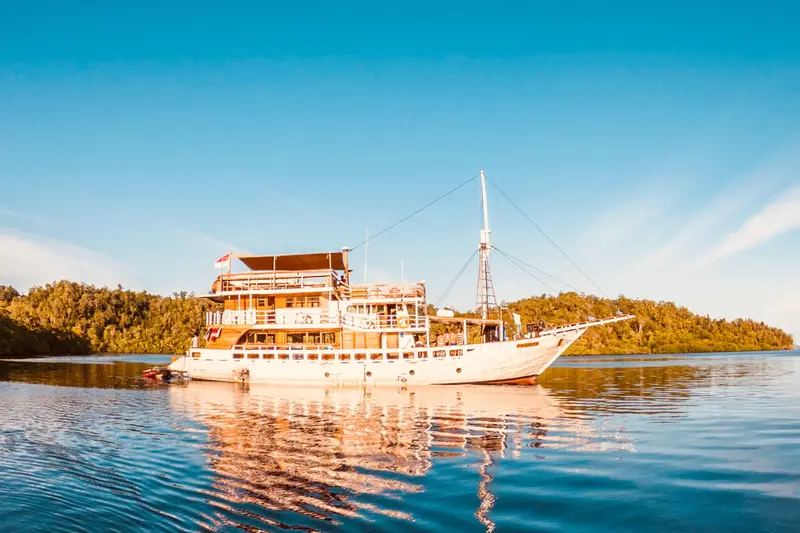
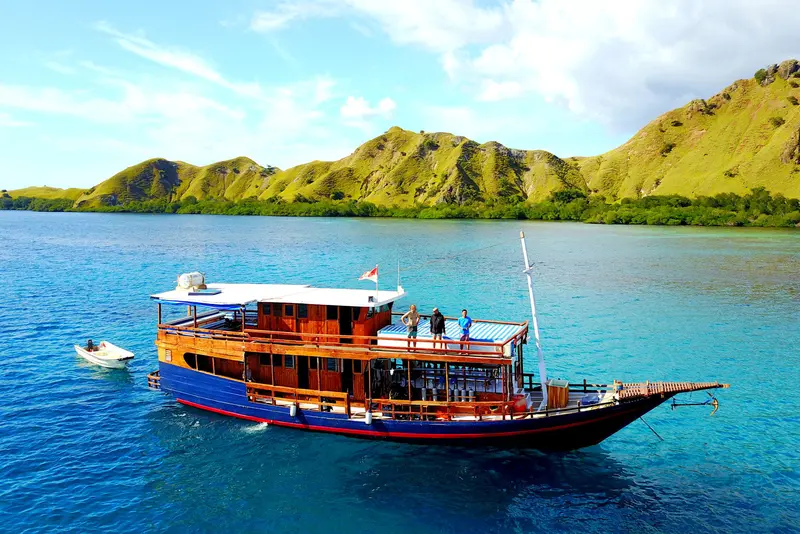
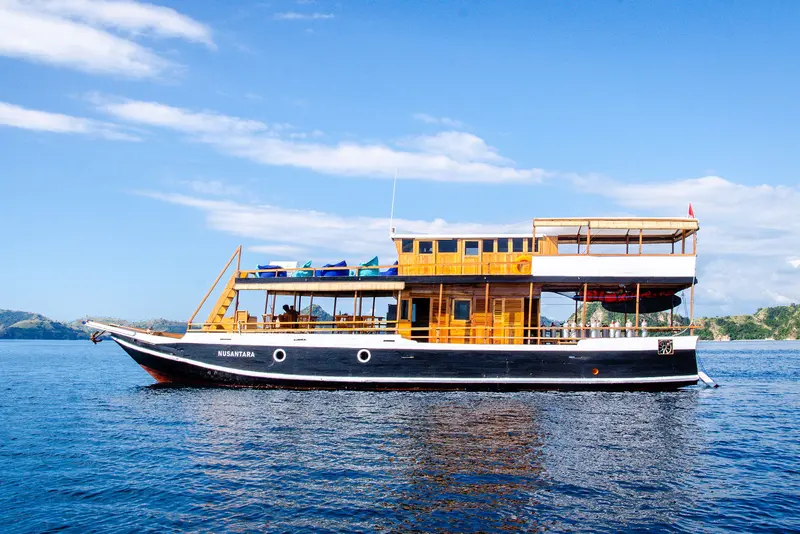
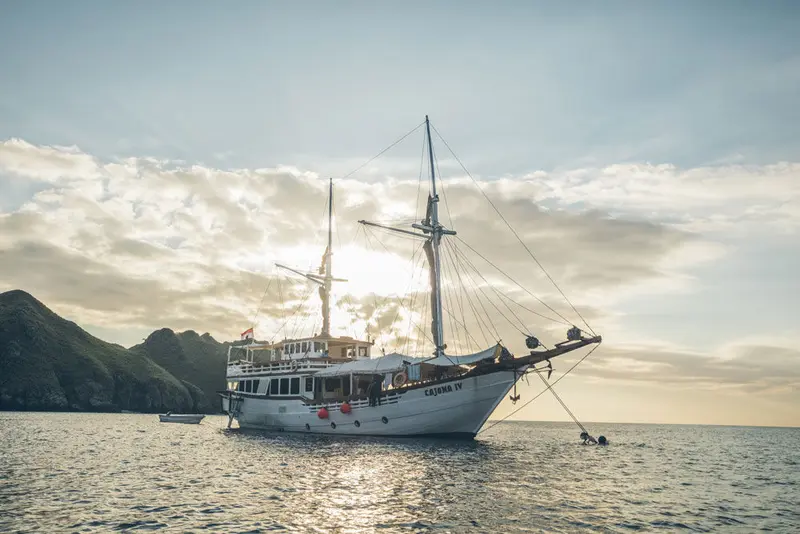
Situju7 — a small traditional phinisi for diving Komodo
What makes this boat unique
- Situju7 is a traditional Indonesian phinisi built from black ironwood and teak, renovated in 2025.
- The boat takes up to 10 passengers in five air-conditioned cabins with private bathrooms and hot water.
- The five-day Komodo itinerary includes 12 dives, with one night dive included.
- Labuan Bajo is both the departure and return port, with airport and hotel transfers included.
The invitation
Situju7 is for divers who want Komodo reached from a small, traditional boat rather than a large floating resort. The scale matters: up to 10 passengers, a close crew-to-guest ratio and a private dive guide included in the trip. Days combine diving with the islands themselves—Kelor and Padar hikes, Pink Beach, Komodo dragons and the flying foxes leaving Kalong Island at sunset. The boat is not sold on hull polish alone. Its boat score sits below the crew, food and diving scores, while the strongest feedback belongs to the people running the trip, the meals and the time in the water. That is the exchange: a characterful phinisi, warm local hospitality and a compact group in return for less of the finish associated with a newer luxury vessel.
Boarding
From the dock, Situju7 looks like a working traditional phinisi rather than a white hotel ship. Its black ironwood hull was shaped by Kojo master carpenters in South Sulawesi; aboard, scented teak, warm colours and copper details give the interior a handmade feel. The boat was renovated in 2025, but its identity remains tied to Indonesian construction and sailing tradition. Boarding begins at noon in Labuan Bajo. A dinghy takes guests out to the anchored boat, where the cruise director introduces the layout, safety procedures and cabin. A welcome drink and cool perfumed towel follow. Once underway, the boat moves at the pace of a phinisi, not a fast transfer vessel. The main deck and upper deck provide the first clear view of Komodo’s dry islands and blue water.
The atmosphere on board
Situju7 is small enough that the crew becomes part of the day rather than a service desk passed on the way to the cabin. The cruise director handles the first orientation, then the dive and naturalist guides carry the trip into the water and ashore. English and Indonesian are spoken aboard. Passengers share the same compact spaces, the same meals and the same views, so the group forms quickly without needing organised entertainment. Evenings can mean dinner outside, a drink on deck or the sunset at Kalong, when flying foxes leave the island over the anchorage. The crew’s score is higher than the boat’s, and the reason to choose Situju7 is clear in that contrast: the people and the way they run a remote Komodo trip are central to the experience.
The sites you’ll dive
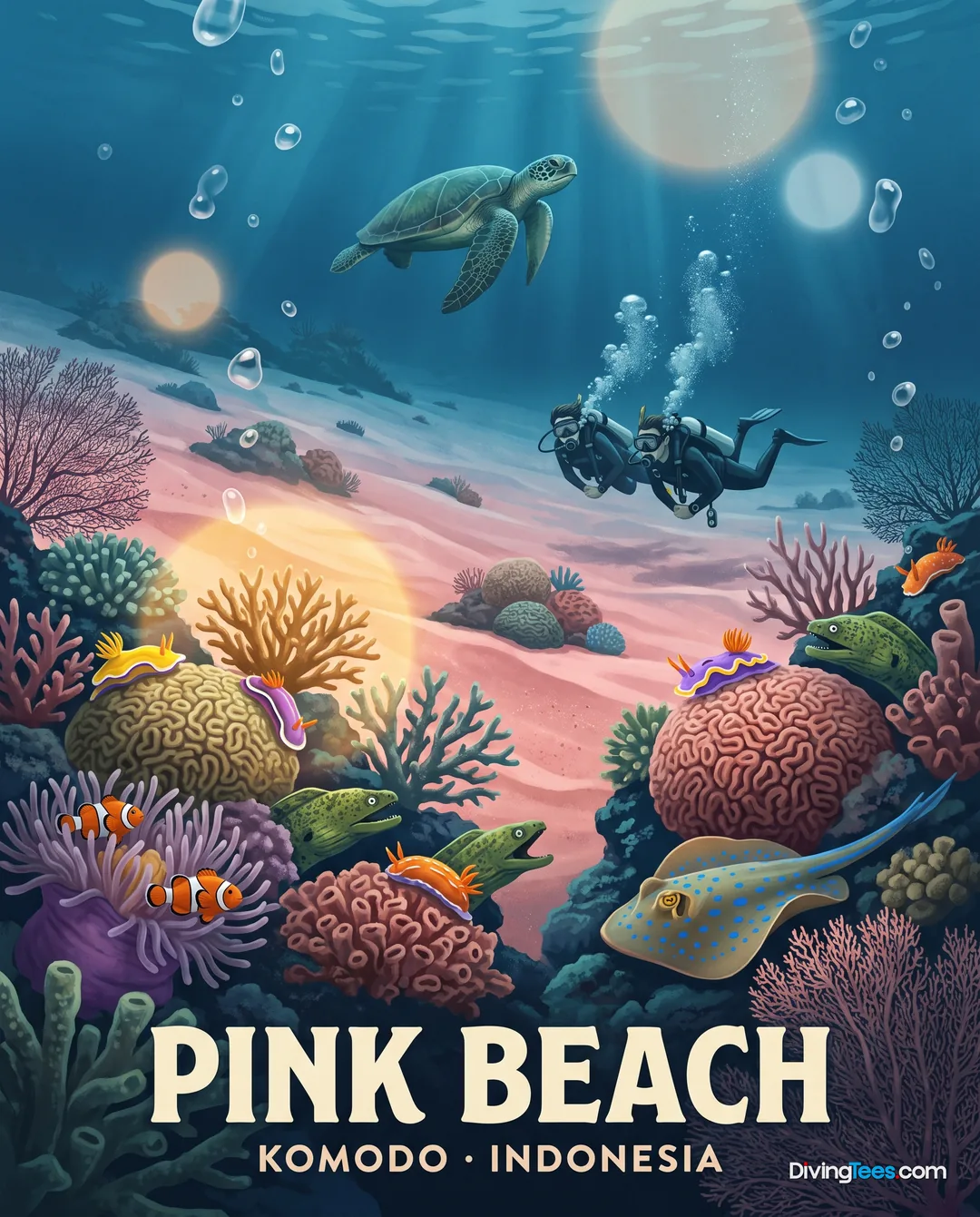
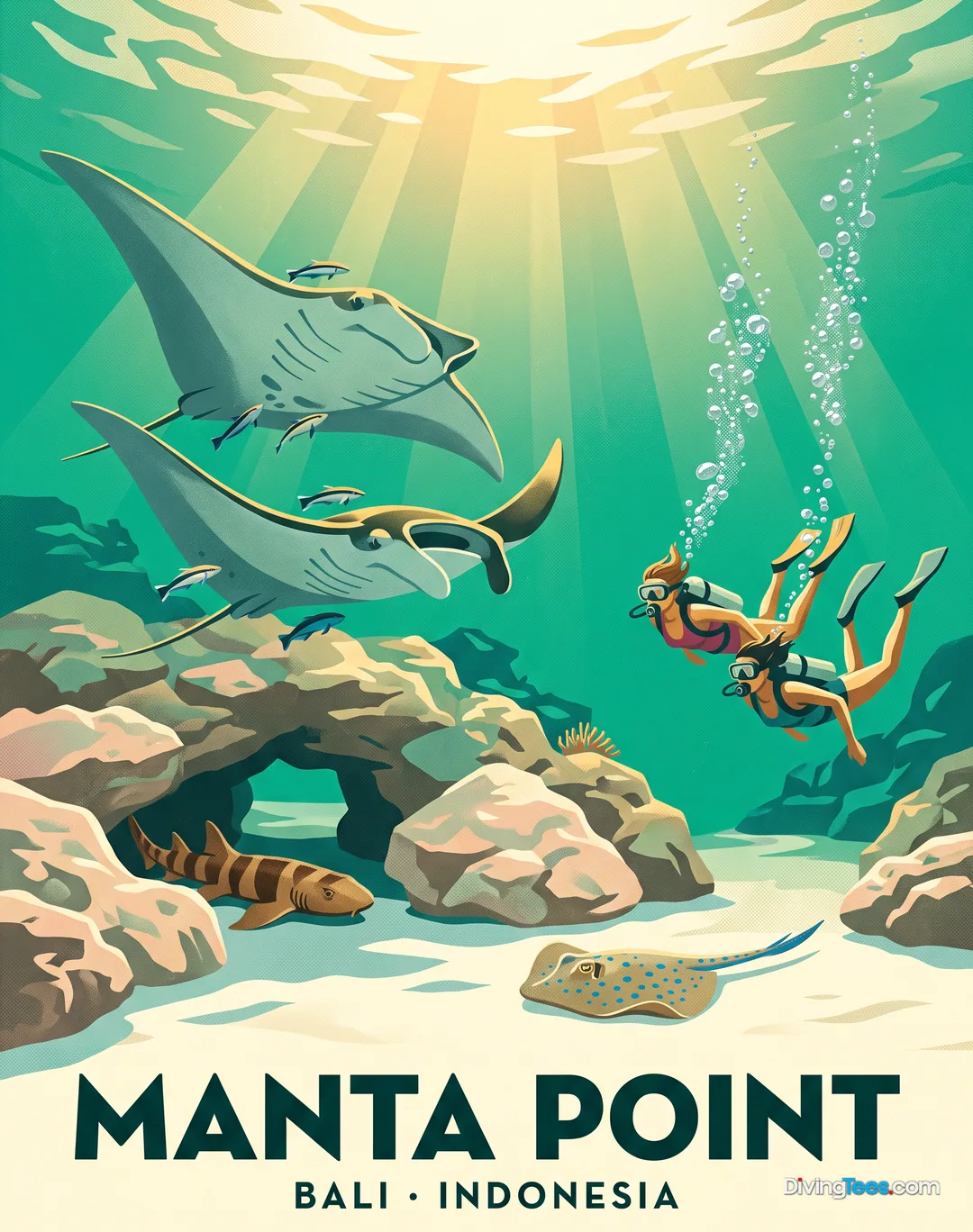
The recorded five-day, four-night route starts and ends in Labuan Bajo and moves through Komodo National Park. Kelor Island brings a hike and an elevated view across the park; nearby Manjarite is used for beach time, snorkelling and diving. Kalong is an evening stop for the flying foxes. Padar follows with a longer island hike, while Pink Beach combines a coloured shoreline with coral-rich water for snorkelling and diving. Komodo Island is the land excursion for the park’s dragons, and Taka Makassar is a shallow white-sand stop reached by dinghy. Manta Point is the route’s named manta site, visited for snorkelling and diving in the current. The itinerary includes 12 dives and one night dive, but no verified site depths or individual dive-site descriptions are available here.
Itineraries, dates and prices
Prices per person. Each month shows its lowest price: click a month, or pick an itinerary.
Next departures · 61 departuresfrom £1,233$1,649€1,473
December 2026
January 2027
February 2027
See dates and prices
If you click these links and make a purchase on the partner site, DivingDeal may earn a commission, at no extra cost to you.
Dates and prices taken from Divebooker and liveaboard.com, updated 25 October 2026
Who puts you in the water
The water work is led by a private dive guide, with a Diving Master who holds an SSI freediving qualification and accompanies snorkellers and divers. The crew speaks English and Indonesian. The cruise director gives the vessel and safety briefing at boarding, while dive briefings take place before entering the water and are adapted to the site and conditions. Oxygen, first-aid kits, fire equipment, radios, GPS, radar, emergency beacons and life rafts are carried aboard.
The dive deck and the gear
The dive setup is straightforward and built around small-group access to the water. There is a shaded dive area, a dive platform, rinse tanks and DIN adaptors. A dinghy carries divers between the anchored phinisi and the sites or shore, so entries and exits do not depend on everyone returning directly to the hull. Diving equipment is available for rental and is included in the package, although the onboard supply is limited. Snorkelling equipment is also carried, with a guide for guests who do not dive. The five-day Komodo programme includes 12 dives and one night dive; further night or additional dives are paid extras.
Between dives
Between dives, Situju7 gives passengers several different places to land. The shaded dive area is useful after a surface interval, while the main and upper decks are made for sun, views and watching the islands slide past. The air-conditioned lounge has a 40-inch smart TV and a small library whose books can be left for the next traveller. A stand-up paddleboard is available when the boat is stopped, and the dinghy opens the route to beaches and shore walks. On the first afternoon, Kelor brings a hike, Manjarite offers beach and water time, and Kalong provides the sunset setting. The quieter hours are therefore not simply spent indoors: they are divided between shade, deck space, short excursions and the next dive.
A day on board
On embarkation day, the dinghy collects passengers at the Labuan Bajo pier from noon onward and takes them to Situju7 at anchor. After the safety and cabin briefing, the boat departs at 2pm. The first day links Kelor’s hike, Manjarite’s beach and water time, then Kalong’s sunset before the night at sea. The following morning starts early, with a 5am departure listed for the run towards Taka Makassar and Manta Point. The day then moves between water time, the white sandbar and the longer passage towards Komodo Island. Other days bring the same basic logic: a dive or snorkel comes first, food and shade fill the interval, and the dinghy handles the short transfers. Across five days and four nights, 12 dives are included, with one night dive also included.
What you eat aboard
Meals are full-board, with buffet service, local cooking, snacks through the day and non-alcoholic drinks included. Vegetarian and vegan options are available, while beer and other alcoholic drinks are served aboard. Meals can be taken outside, which suits a dive trip better than a formal dining room: wet gear is exchanged for a plate, a briefing follows, and the table becomes the place to compare what appeared underwater. The food score is the boat’s highest, and that fits the way the trip is organised. There is enough food between dives, not just a single evening meal, and the cooking is tied to Indonesia rather than trying to imitate an international resort menu.
Nights at sea
The five cabins are air-conditioned and have private bathrooms, hot water, shower gel and shampoo. Bali is the Grand Suite, with wood, broad windows and a private terrace where meals can be taken; Flores is the Junior Suite at the bow of the lower deck. Sumba and Sumbawa are intimate Deluxe cabins, while Lombok is a practical main-deck cabin with separate bunk beds. The interiors use teak, copper and warm light rather than a generic hotel finish. At night, that matters more than decoration: the boat’s traditional woodwork surrounds the bunk, the sea lies outside the windows and the lounge remains close by if sleep comes later than planned. Cabin balconies are accessible, and the rooms are non-smoking.
Bali - Grand Suite
Flores - Junior Suite
Sumba - Deluxe Cabin
Sumbawa - Deluxe Cabin
Lombok - Twin Cabin
What to know before boarding
The cruise departs from and returns to Labuan Bajo. Airport and hotel transfers are included; flights to and from Labuan Bajo are not. Embarkation begins at noon, with the dinghy taking passengers from the pier to the anchored Situju7. Arriving in Labuan Bajo one day before departure is recommended because the boat leaves on time.
Deck plan
- Year built
- 2016
- Year renovated
- 2025
- Length
- 32.7 m
- Maximum number of passengers
- 10
- Number of cabins
- 5
- Number of bathrooms
- 5
- Engines
- Mitsubishi 6c 250 hp turbo
- Cruising speed
- 5 - 6 knots
- Website
- situju7cruise.com ↗
Hello, I'm Marina, DivingDeal.com's AI assistant. I answer in detail about hotels, dive centres and liveaboards.
Thinking about the whole trip and the flights? Talk it over with Edith →
Marina is an AI. Some links are affiliate links: DivingDeal may earn a commission, at no extra cost to you. Bookings are made with the partner.