

Nico Dives Cool Bali
Google 5/5 (1,033 reviews)
32 km away as the crow flies
Bali · Indonesia · Asia
Max. depth · 40 mManta Point offers an unparalleled opportunity to witness reef and oceanic manta rays in their natural cleaning stations, often in large numbers.
For subtitles in English: start the video firstthen click the gearat the top right of the video, select “Subtitles/CC”, then “Auto-translate” and choose “English”.
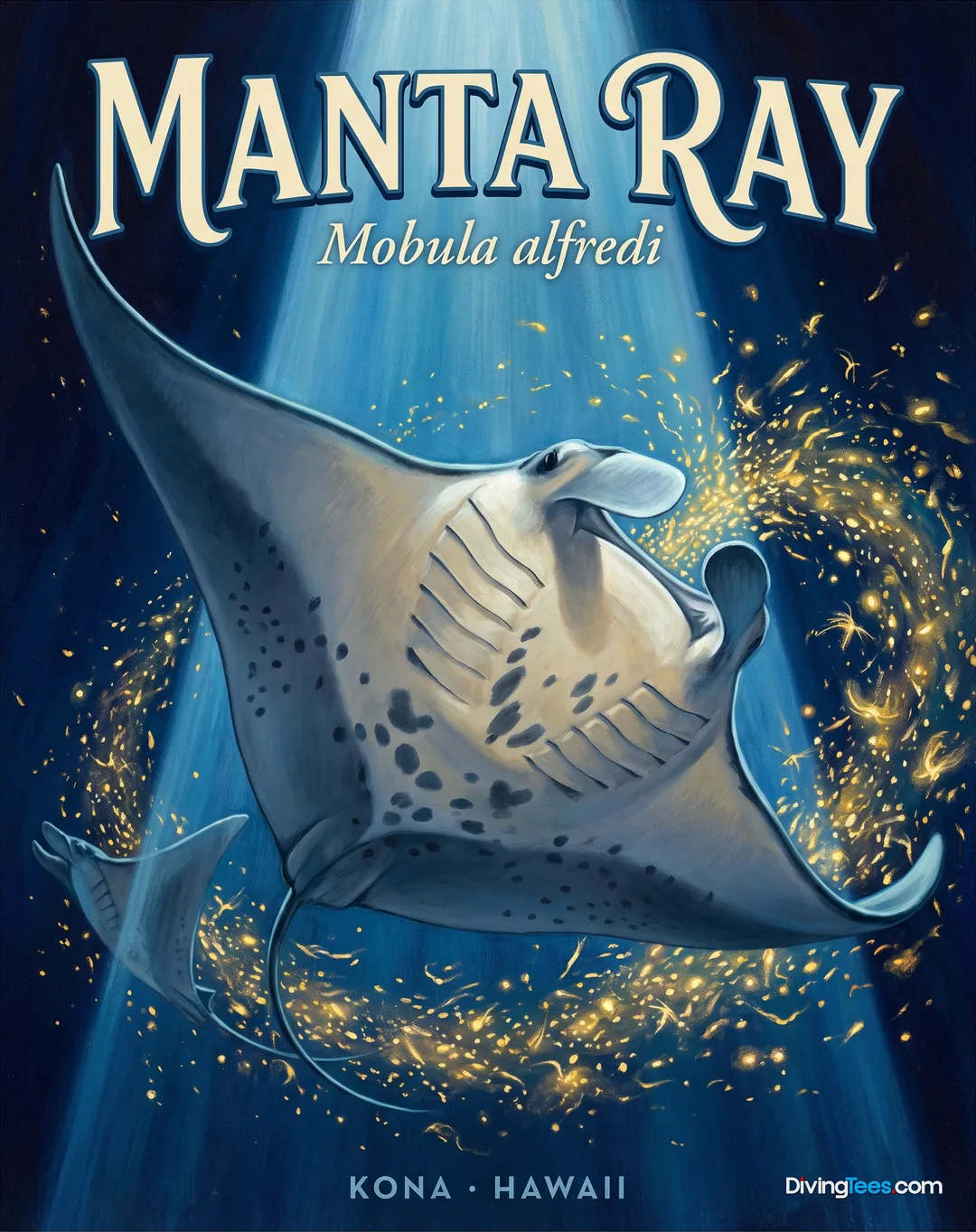
Manta Point, situated off the dramatic southwest corner of Nusa Penida, is a dedicated stage for one of the ocean's most charismatic megafauna. This site is primarily known as a cleaning station, where reef manta rays (Mobula alfredi) and the impressive oceanic manta rays (Manta birostris) pause to have parasites removed by smaller cleaner wrasse and butterflyfish. You'll typically find yourself descending onto a gently sloping reef, transitioning to rocky formations that host these stations. The approach often follows the coastline, a journey which itself offers views of Nusa Penida's rugged cliffs. The topography is characterized by large coral formations, creating a vibrant backdrop against fields of both hard and soft corals.
These healthy corals not only provide shelter and sustenance for smaller reef inhabitants but also define the contours of these crucial cleaning stations, typically around 8-10 meters deep. It’s here that mantas cycle in and out, often gliding just above the rocks, allowing for extended observations. Maintaining a respectful distance and position below the station is key to witnessing this natural behavior without disrupting it. Some reports mention the presence of melanistic (all black) manta rays. During peak season, the number of individuals can swell, leading to what some divers describe as 'manta storms,' with more than 30 mantas gracing the water column simultaneously. Oceanic manta rays here can boast wing spans stretching up to 5 meters, an awe-inspiring sight as they circle patiently above the cleaning stations, waiting their turn. The underwater landscape consists of white sand patches interspersed with large rock formations, providing both open areas for manta observation and nooks for smaller marine life.
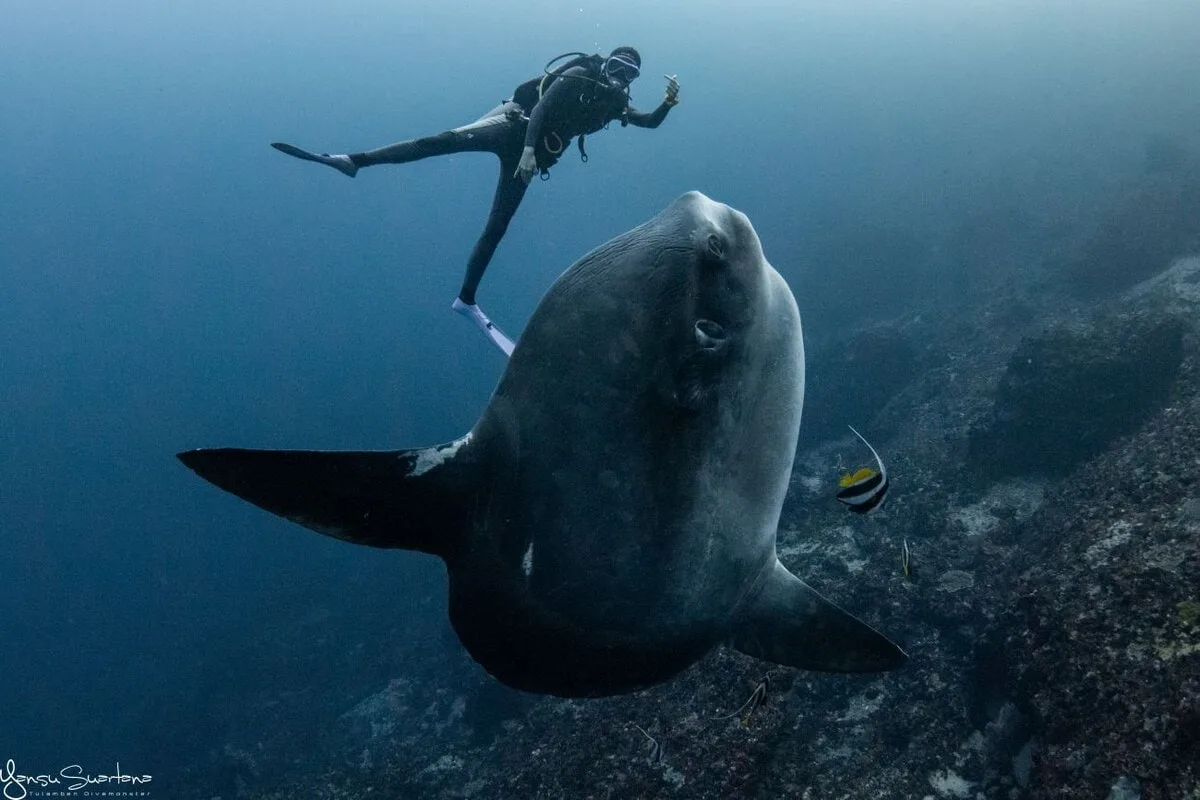
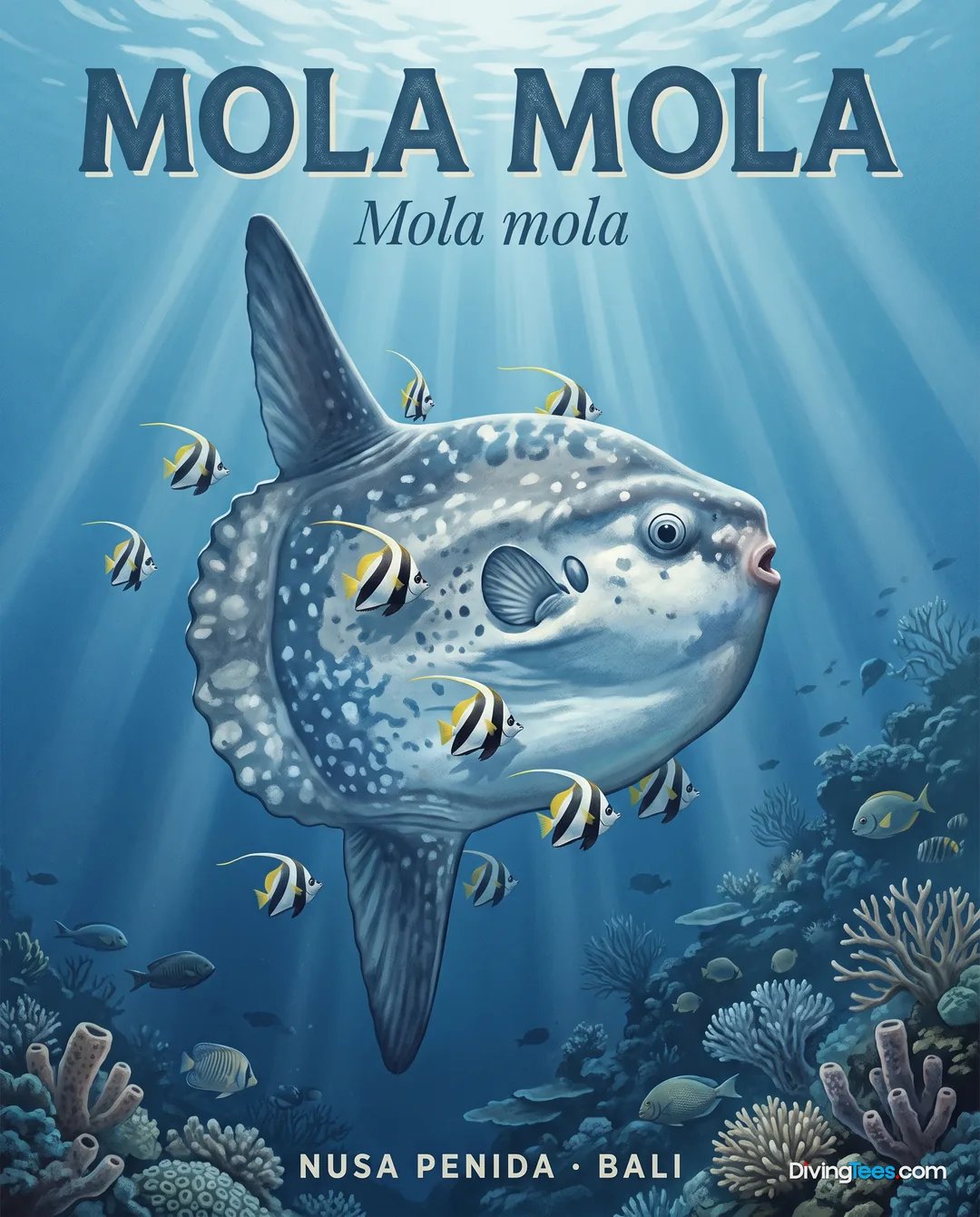
While manta rays are the constant draw, the full ecosystem of Manta Point extends beyond them. You might encounter various reef sharks, including bamboo sharks and nurse sharks, moving through the rocky terrain. White-tip reef sharks (Triaenodon obesus) and black-tip reef sharks (Carcharhinus melanopterus) are often found in a resting state in crevices and under ledges. Blue-spotted rays (Taeniura lymma) are frequently seen resting on the sandy patches. Occasional sightings of Mola mola (ocean sunfish) occur during their peak season from July to October, though this requires cooler water temperatures that can dip to 16°C. Outside of this period, the water temperature generally remains at a temperate 28-29°C. Detailed observation will reveal colorful nudibranchs, adding intricate beauty to the reef.
Cuttlefish (Sepia) are often spotted, their cryptic coloration and intelligent eyes a delight to observe. The meticulous observer might also find orangutan crabs (Achaeus japonica) camouflaged within the corals and the ever-present, graceful turtles (Chelonioidea) making their way across the reef. Even if the 'manta storm' isn't unfolding, the sheer density of invertebrate life, from the nudibranchs to cuttlefish and crabs, provides plenty to explore, making every dive a discovery.
Dive depths at Manta Point typically range from 5 to 20 meters, with occasional forays to 25 meters. Currents can vary from mild to strong and unpredictable, requiring at least an Open Water Diver certification with 50 logged dives or equivalent experience in current-affected environments. While generally clear, visibility can range from 5 to 25 meters, occasionally being moderate during plankton blooms. Water temperature is typically 28-29°C, but can drop to 16°C during the Mola mola season (July-October). Mantas are present year-round, with the rainy season often cited as the preferred time for best chances of encounters. The exposed nature of the site means it can experience significant swell and large waves, which can sometimes render it unreachable.
Manta rays are present at Manta Point year-round, while the rainy season is often preferred for the best chances of encounters. Mola mola sightings occur seasonally from July to October, when water temperatures can drop from the usual 28-29°C to 16°C. Large waves and swell may sometimes make the site unreachable.
Manta Point can have mild, strong, or unpredictable currents, so you should be comfortable in current-affected environments. The site requires at least Open Water Diver certification with 50 logged dives or equivalent experience. Its exposed position can also bring significant swell and large waves, affecting whether the site is accessible.
Manta Point ranges from 5 to 40 meters overall, although dives typically stay between 5 and 20 meters, with occasional excursions to 25 meters. The cleaning stations where mantas gather are usually around 8-10 meters deep, above gently sloping reefs, rocky formations, coral, and white sand patches.
At Manta Point, you can watch reef and oceanic manta rays circling cleaning stations, including possible groups of more than 30 and melanistic individuals. The reef also offers reef sharks, blue-spotted rays, turtles, cuttlefish, nudibranchs, orangutan crabs, healthy hard and soft corals, and occasional Mola mola from July to October.