

3W Dive Center
Google 5/5 (1,879 reviews)
7.1 km away as the crow flies
Lombok · Indonesia · Asia
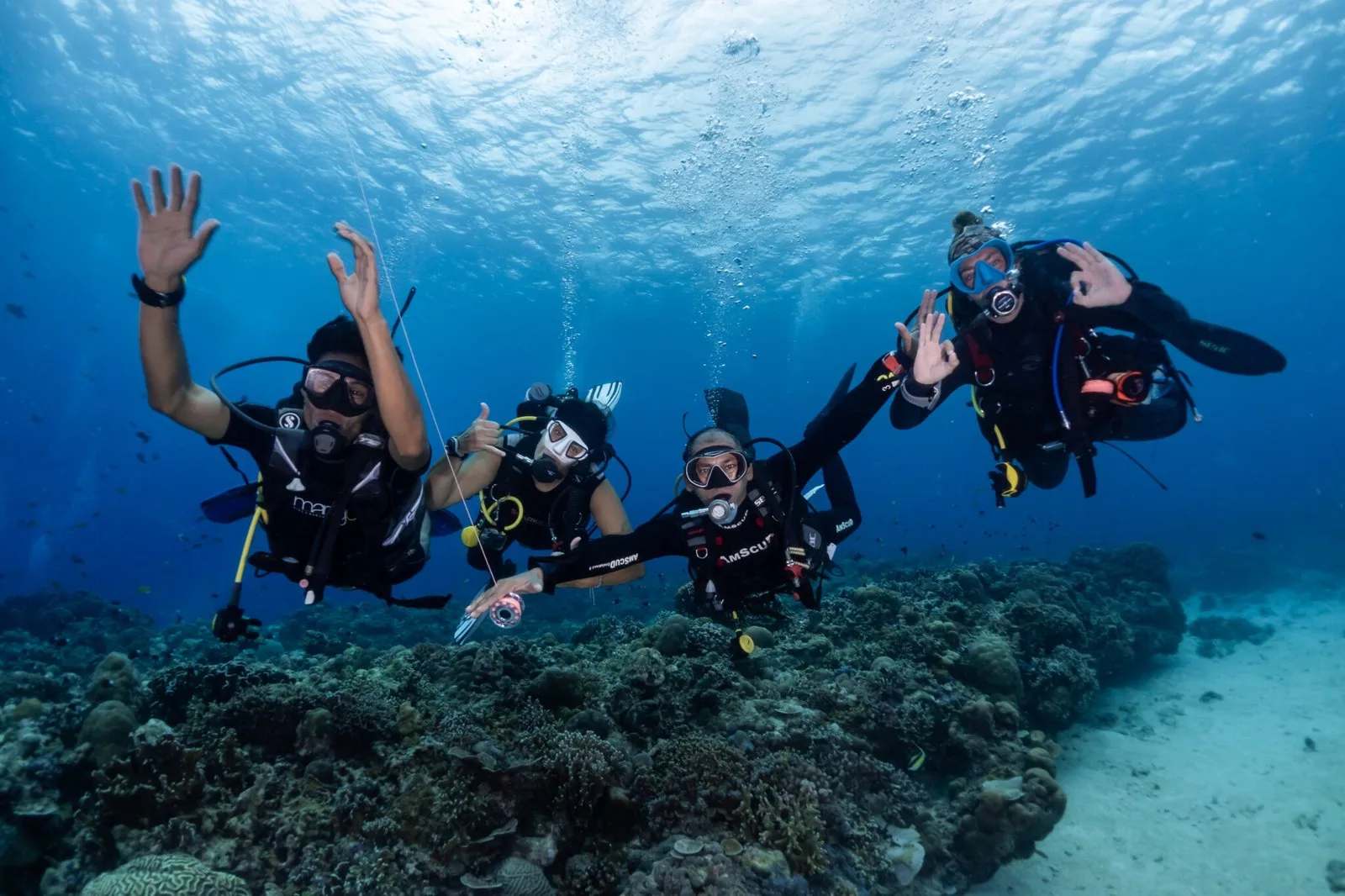
Descend onto a gently sloping plateau at Sunset Point, where vibrant hard and soft corals create a rich ecosystem for blacktip and whitetip sharks, various rays, and schooling barracuda.
Diving Sunset Point means starting on a gently sloping plateau that stretches out, offering a relaxed descent profile. The topography here is defined by extensive coral gardens, a mix of robust hard corals forming intricate structures and softer varieties that sway with minimal surge. You'll particularly notice patches of blue coral, which add a distinct colour contrast against the warmer tones of the reef.
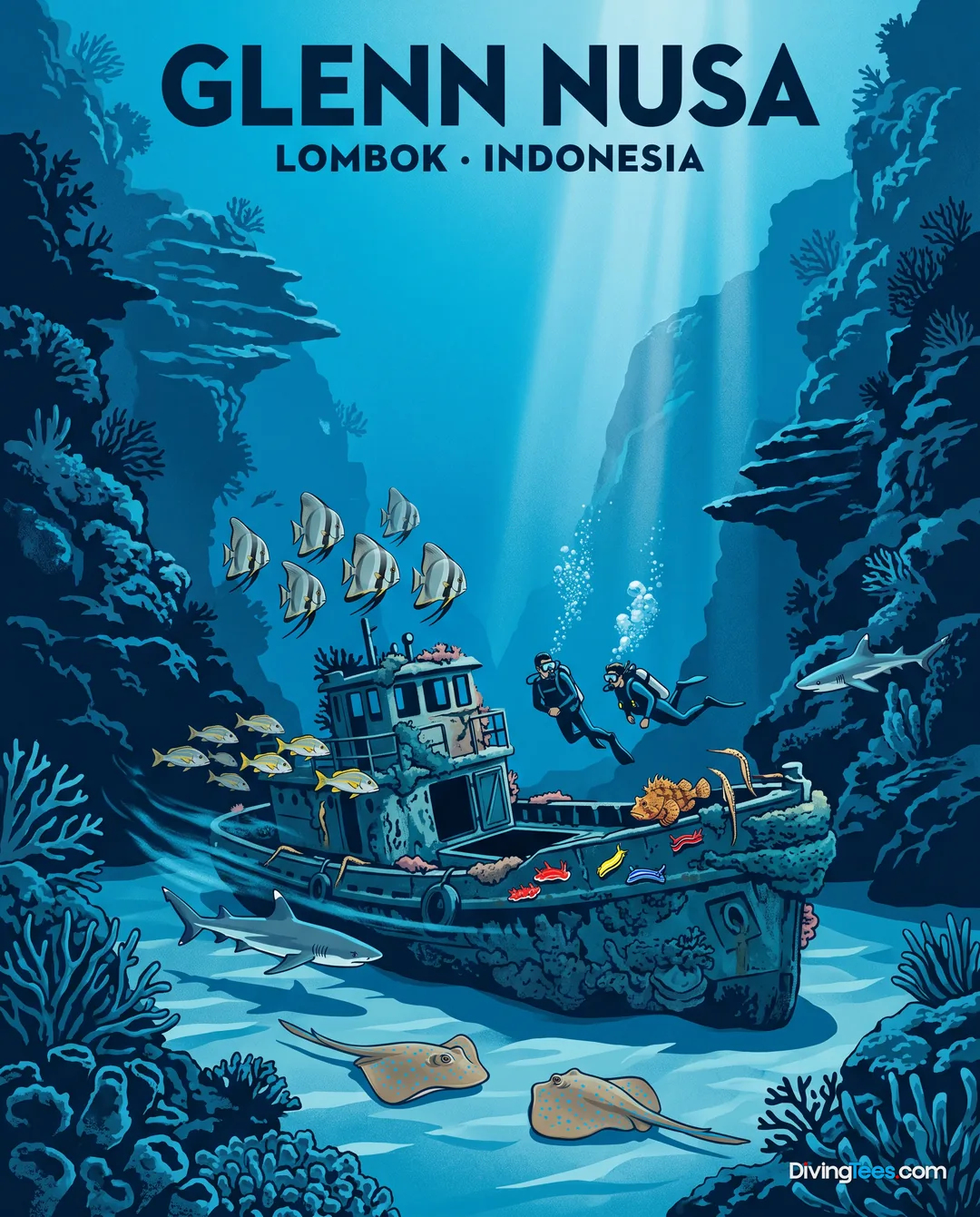
As you traverse the plateau, you'll find yourself amidst a dynamic reef ecosystem. Blacktip reef sharks and whitetip reef sharks are common residents. Keep an eye out for cuttlefish (Sepiida) hovering near the substrate, often displaying their remarkable camouflage. Stingrays (Dasyatidae) can be found resting on the sand, and schools of batfish (Ephippidae) often gather in the mid-water column, providing a constant flurry of activity.
The resident fauna at Sunset Point extends to include various moray eels (Muraenidae), typically tucked into crevices within the coral formations. Barracuda (Sphyraenidae) often school along the reef edge or in deeper areas, presenting an impressive sight. Turtles, both hawksbill (Eretmochelys imbricata) and green (Chelonia mydas), are frequently encountered, casually grazing or resting amongst the corals.
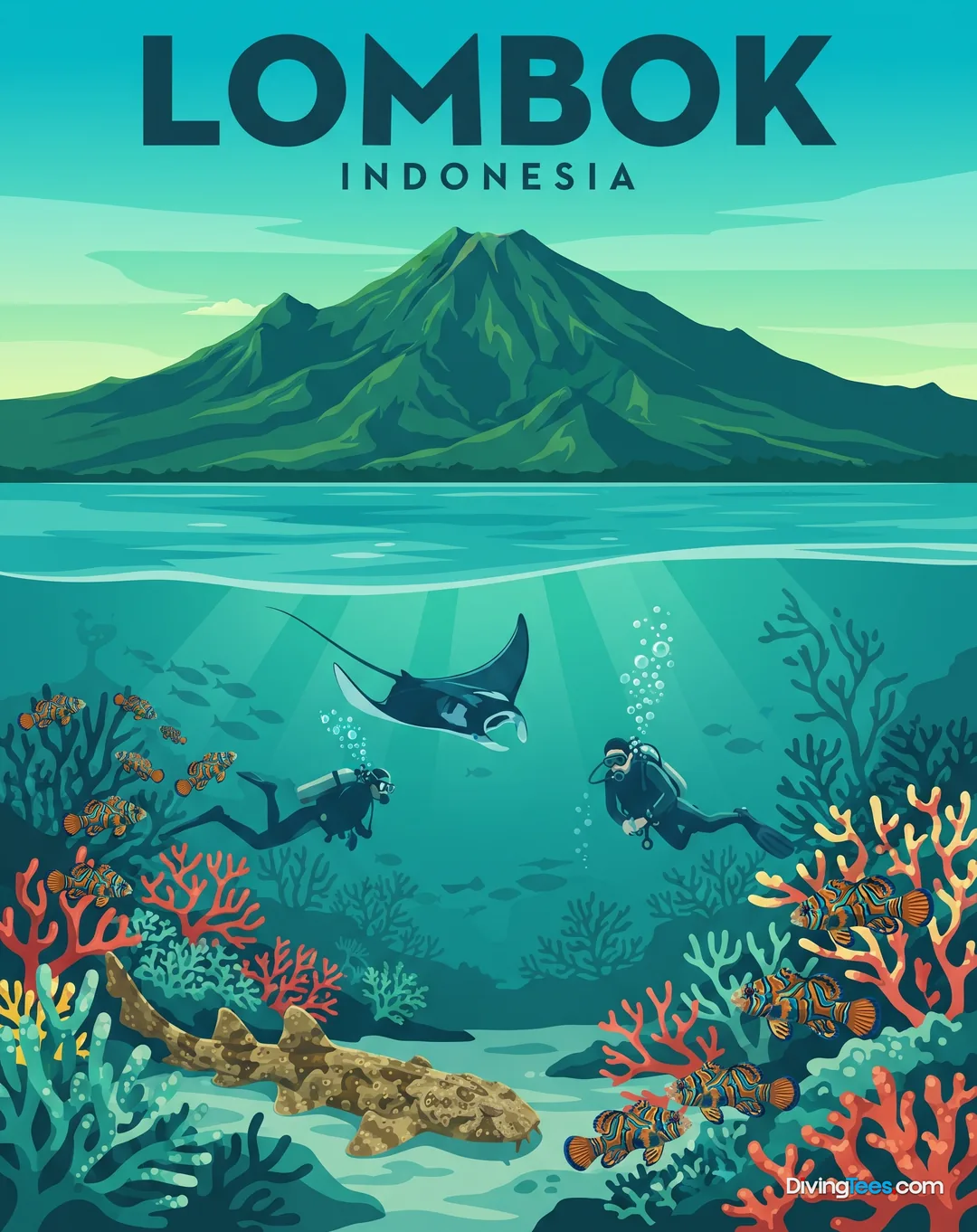
During the months of October through March, the waters around Sunset Point become a transient feeding ground for larger pelagics. This period brings the chance of encountering manta rays (Mobula birostris) and mobulas (Mobula spp.) gliding through the open water. These seasonal visitors add another dimension to the dive, offering a different perspective on the marine ecosystem, shifting from the reef's intricacies to the grandeur of oceanic life.
The site's general profile and diverse inhabitants make for a varied dive experience. You can spend time exploring the shallower sections of the plateau, observing smaller reef fish and invertebrates, or venture deeper to look for the larger predators. The gentle slope allows for flexible dive plans, accommodating different gas consumption rates and preferences for depth, while maintaining visual contact with the reef.
This site is classified as suitable for all levels of certified divers. Visibility typically ranges from 10 to 25 metres. The water temperature maintains a comfortable range between 25°C and 30°C. While currents can vary from mild to strong depending on tidal movements, the gentle sloping plateau allows for easier navigation. The best period for diving here, particularly for seasonal pelagic encounters, runs from October to March.
Dive Sunset Point between October and March if you want the chance to encounter seasonal manta rays and mobulas. During this period, the surrounding waters become a transient feeding ground for larger pelagics, adding open-water encounters to the reef’s coral gardens and resident marine life.
Sunset Point is suitable for all levels of certified divers. Its gently sloping coral plateau provides a relaxed descent profile, while the site offers shallower sections for exploring smaller reef life and deeper areas where you may look for larger predators. The slope also supports flexible dive plans.
At Sunset Point, currents can range from mild to strong according to tidal movements. The gently sloping plateau makes navigation easier, helping you maintain visual contact with the reef as you move across it. Water temperatures remain between twenty-five and thirty degrees Celsius, with visibility typically ranging from ten to twenty-five metres.
At Sunset Point, you can explore hard and soft coral gardens, including patches of blue coral. Blacktip and whitetip reef sharks, turtles, barracuda, cuttlefish, stingrays, batfish and moray eels are found around the reef. From October through March, manta rays and mobulas may pass through the open water.