
3W Dive Center
Google 5/5 (1,879 reviews)
Lombok · Indonesia · Asia
Max. depth · 30 mMeno Utara offers a continuous wall dive along Gili Meno, where you drift past soft coral gardens, resident green turtles, and resting juvenile whitetip reef sharks.
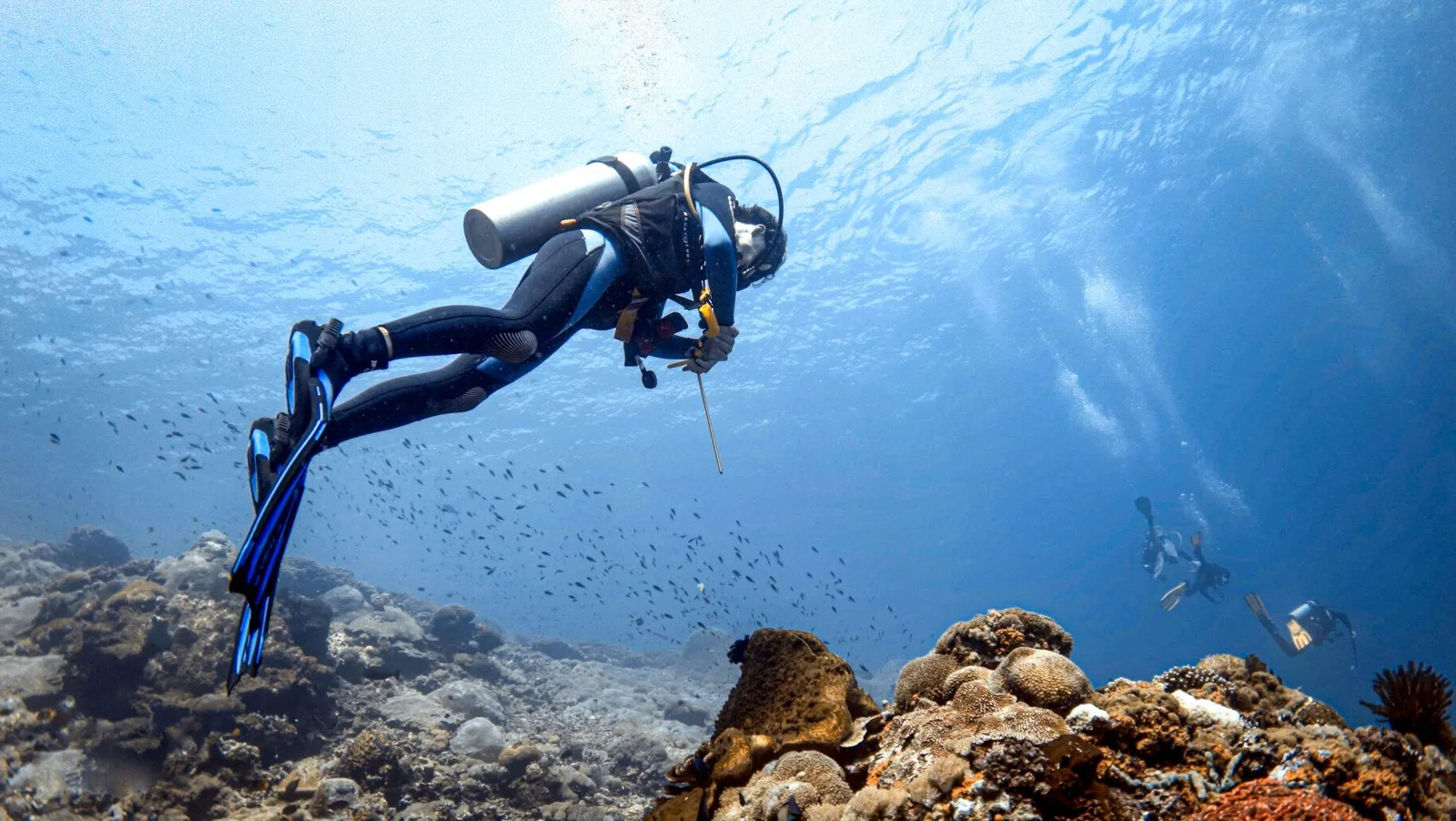
Meno Utara presents as a continuous wall, forming the northern section of the larger Meno Wall system that runs along Gili Meno. You typically begin your dive on the shallow reef top at around 5 metres, allowing the prevailing current to carry you along the face. The wall itself drops from this shallow reef into deeper water, extending past 25 to 30 metres, offering a straightforward profile that allows you to focus on the marine life unfolding before you as you drift.
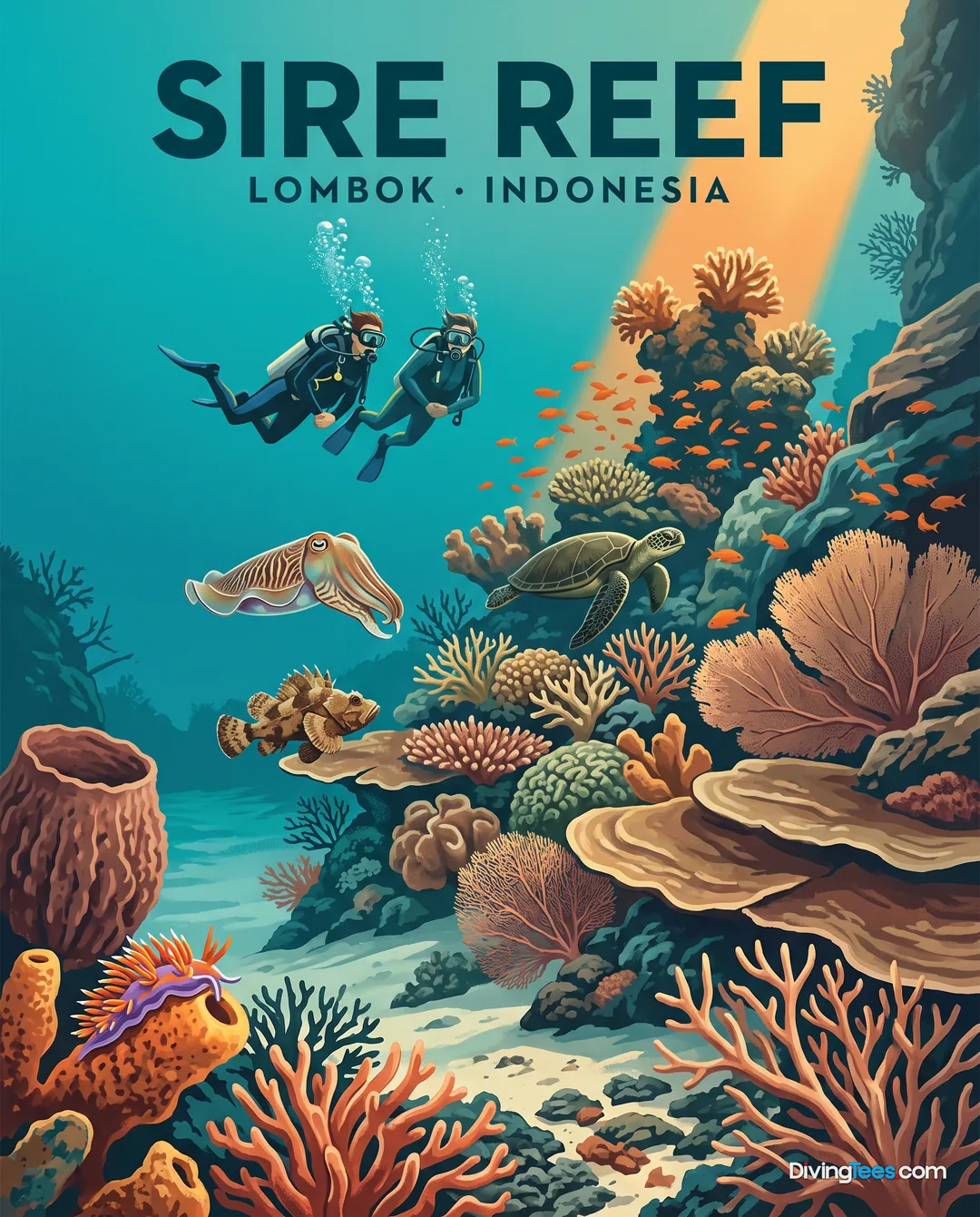
The topography of Meno Utara transitions from a vibrant shallow reef crest into a near-vertical wall. As you descend and drift, the environment shifts from hard coral formations to extensive soft coral gardens, sponges, and gorgonians that adorn the mid to deeper sections. This varied structure creates numerous hiding spots and feeding grounds, making each section of the drift unique and encouraging close observation of the diverse inhabitants.
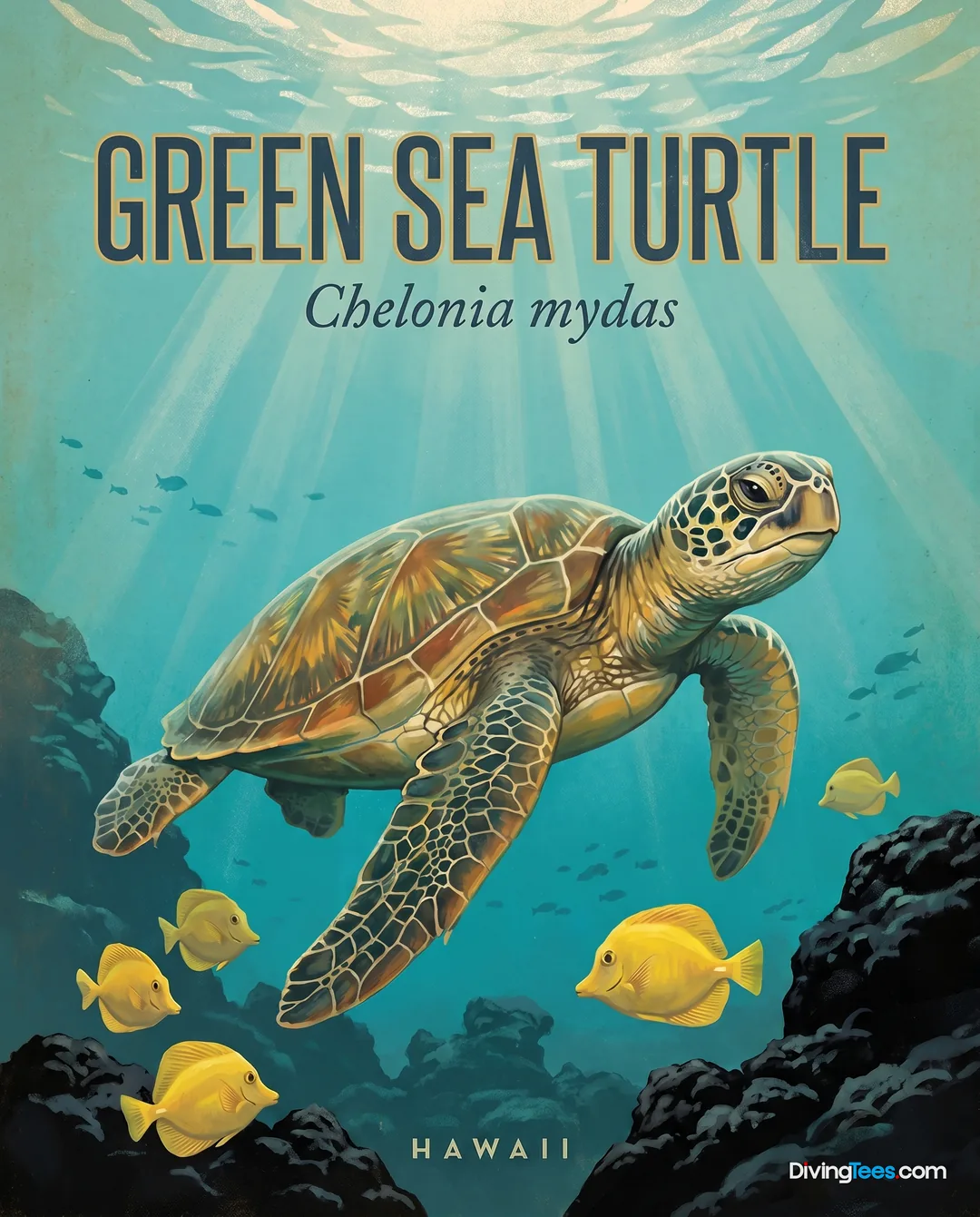
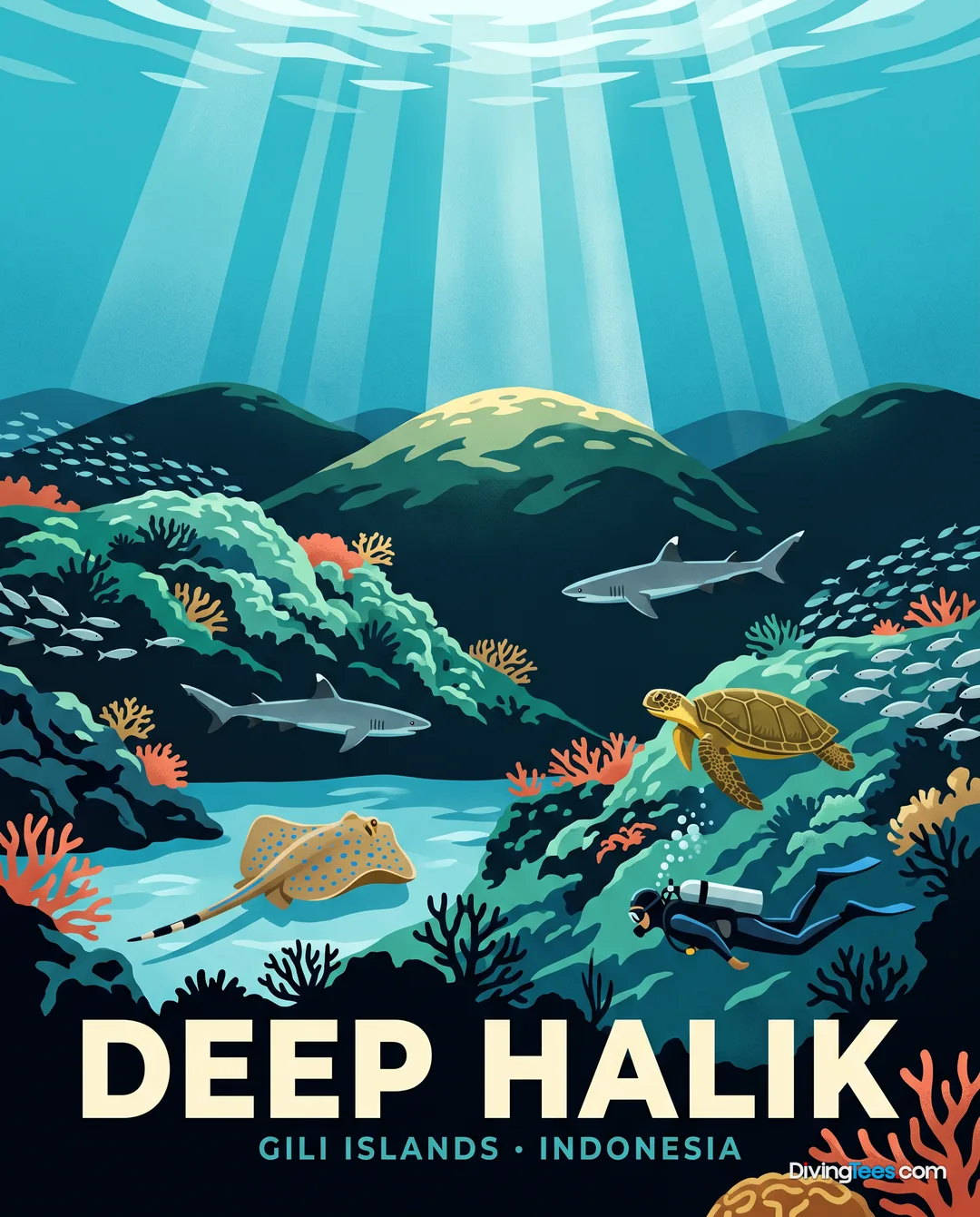
One of the defining features of Meno Utara is the consistent presence of its resident green turtles and hawksbill turtles. You will frequently encounter these animals grazing on the reef or resting in sheltered spots along the wall. Beyond the turtles, the site is home to dense schools of fusiliers (Caesio spp.) that move in unison with the current, often attracting the attention of larger predatory fish from the blue. Sergeant major fish (Abudefdu vaigiensis) are also common, particularly in the shallower reef zones.
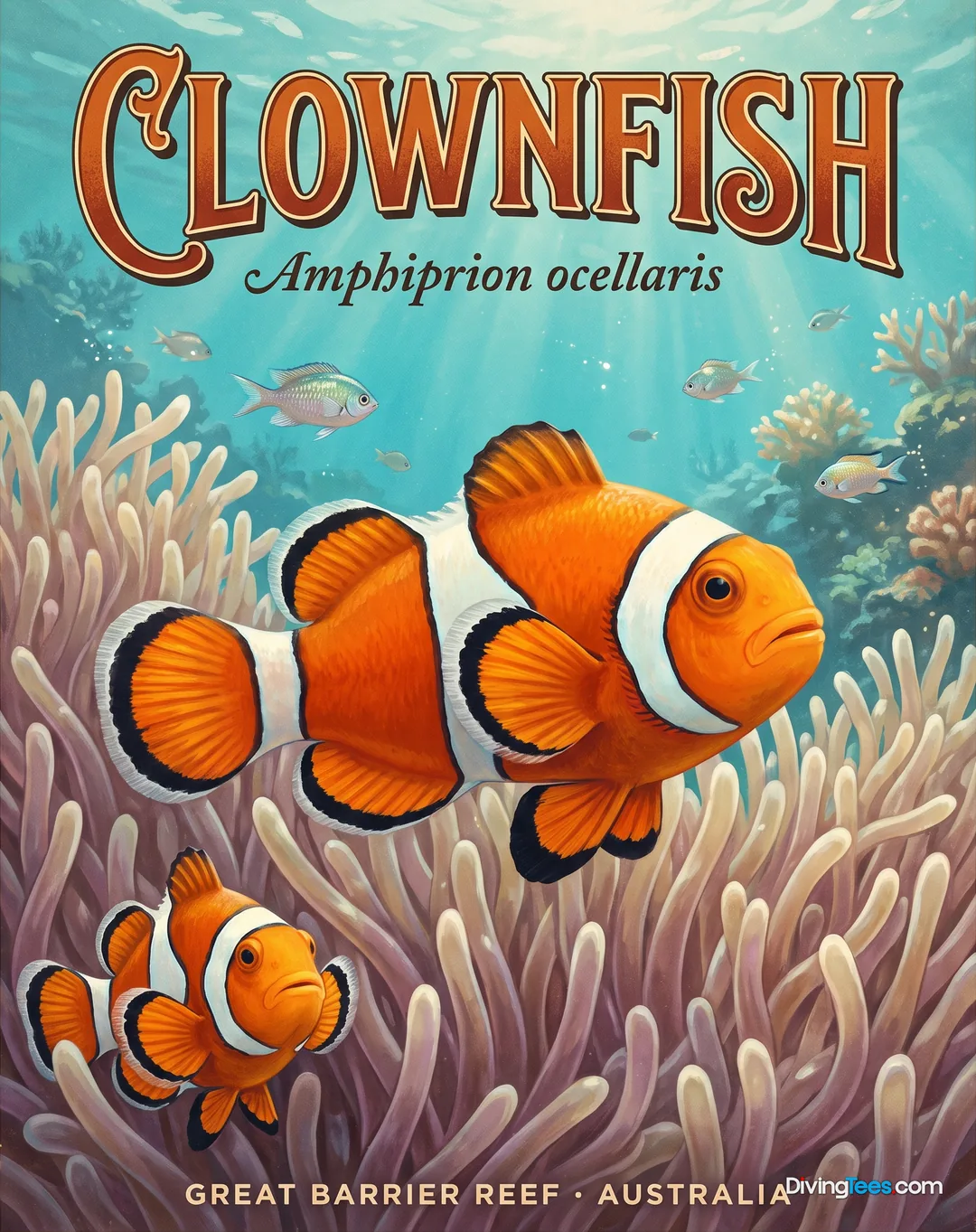
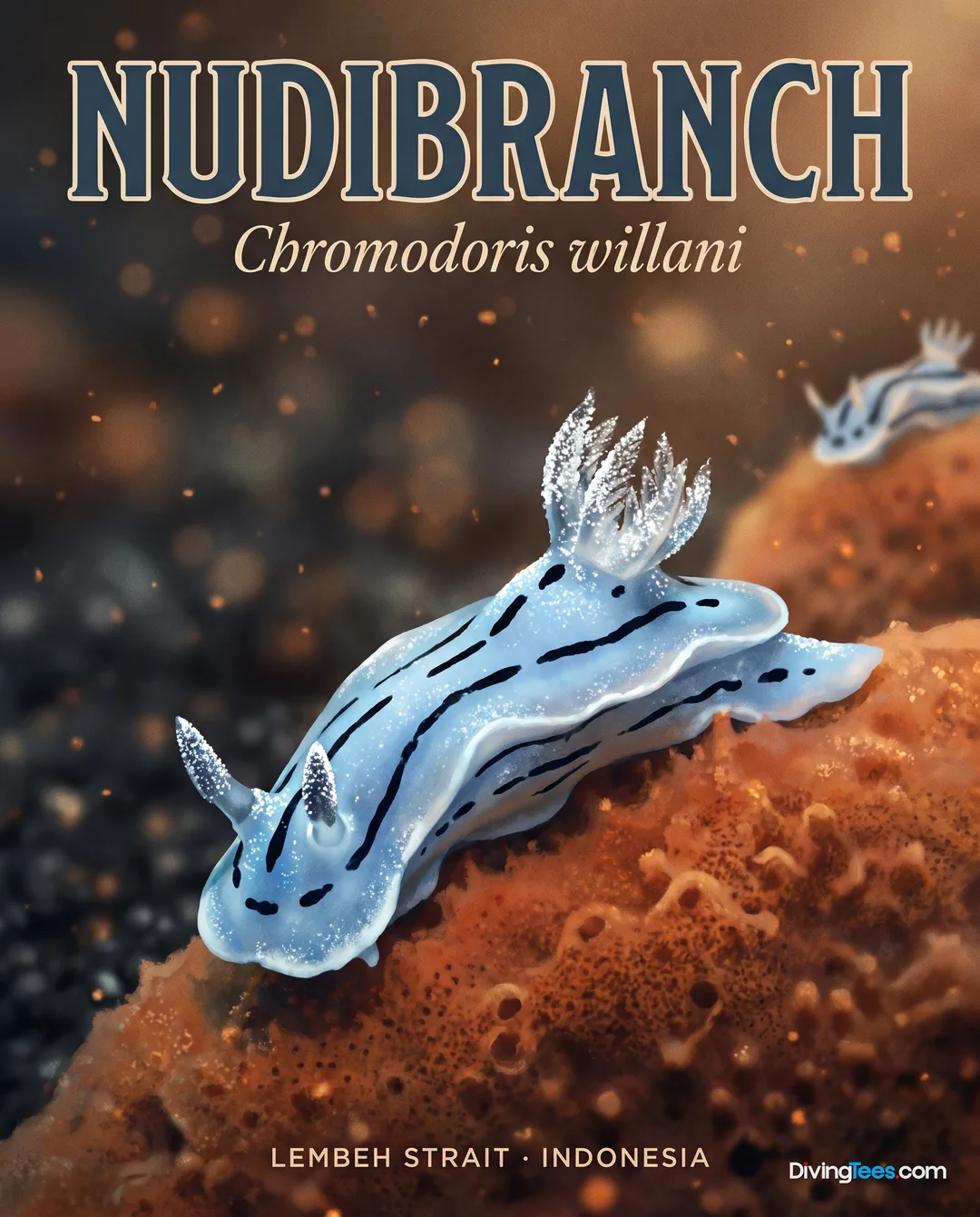
The wall is rich in macro life, with numerous anemones hosting various species of clownfish (Amphiprion spp.). As you drift, keep an eye on the crevices and overhangs along the slope, as these often provide shelter for juvenile whitetip reef sharks (Triaenodon obesus) resting during the day. The intricate details of the wall also reveal smaller crustaceans like crabs, lobsters, and shrimp, along with Spanish dancer nudibranchs, particularly during night dives.
Currents at Meno Utara are generally mild to moderate, making for a relaxed drift dive experience. However, conditions can become more dynamic, especially during tidal changes, when the flow can pick up significantly. This variability means that while much of the dive is a gentle ride, you should be prepared for stronger currents, particularly on the more exposed northern sections of the wall.
Visibility at Meno Utara is typically good, ranging from 20 to 30 metres, providing clear views of the wall's extensive coral formations and the marine life that inhabits them. This clarity, combined with the continuous drift, allows for an immersive experience where you can take in the full scope of the reef system without needing to fight against the water movement. The light penetration along the wall also highlights the vibrant colours of the soft corals and sponges.
Meno Utara is also highly regarded as a night dive site. The wall transforms after sunset, with nocturnal species emerging from their daytime hiding spots. You'll find an abundance of crustaceans, including decorator crabs, and other creatures like cuttlefish and octopus actively hunting. The change in behaviour and the different species encountered make a night dive here a distinct experience from a daytime drift.
Meno Utara is accessible from Open Water Diver level for its shallower sections, but an Advanced Open Water certification is recommended for deeper areas or when currents are stronger. Depths range from a minimum of 5 metres down to 30 metres. Current is generally mild to moderate, but can become strong during tidal changes, so timing your dive around slack tide is advisable. Visibility typically ranges between 20 and 30 metres. The best period to dive here is from May to November, with May-June and October-November often offering stable conditions.
You can dive Meno Utara throughout the year, but the best period is from May to November. Conditions are often stable during May and June, as well as October and November. Visibility typically ranges between 20 and 30 metres, providing clear views along the wall and its coral formations.
Meno Utara is accessible to Open Water Divers in its shallower sections, beginning at around 5 metres. An Advanced Open Water certification is recommended for deeper areas or stronger currents. The wall descends beyond 25 metres and reaches depths of approximately 30 metres, offering a straightforward drift profile.
Meno Utara usually has mild to moderate currents, making the site suitable for a relaxed drift dive. Flow can become strong during tidal changes, particularly along exposed northern sections of the wall. You should time your dive around slack tide and remain prepared for changing conditions during the drift.
At Meno Utara, you can encounter green and hawksbill turtles, fusiliers, sergeant major fish, juvenile whitetip reef sharks, clownfish, crabs, lobsters, shrimp, and Spanish dancer nudibranchs. Soft coral gardens, gorgonians, sponges, and anemones cover the wall. At night, crustaceans, cuttlefish, and octopus become active.