
3W Dive Center
Google 5/5 (1,879 reviews)
1.6 km away as the crow flies
Lombok · Indonesia · Asia
Max. depth · 24 mExplore the vibrant Hans Reef, where extensive coral gardens, sandy expanses, and a prominent pinnacle host abundant macro life and resident green turtles.
For subtitles in English: start the video firstthen click the gearat the top right of the video, select “Subtitles/CC”, then “Auto-translate” and choose “English”.
Hans Reef, located on the north coast of Gili Air, features a dynamic dive profile beginning with a shallow coral garden that transitions into a sloping sandy bottom. The site is characterized by scattered coral bommies, barrel sponges, and gorgonians, creating rich habitats across the sand. Its gentle contours and natural protection accommodate a deliberate dive pace, allowing focus on buoyancy control and observation of the varied substrate.
Beyond the initial reef, the topography leads to a sandy expanse culminating in a prominent main pinnacle of hard corals, often adorned with a large barrel sponge. This central feature, and other scattered coral heads, act as nurseries, sheltering juvenile snappers, surgeonfish, and angelfish. Observing these structures often reveals garden eels swaying rhythmically from the sand, adding to the site's unique charm.
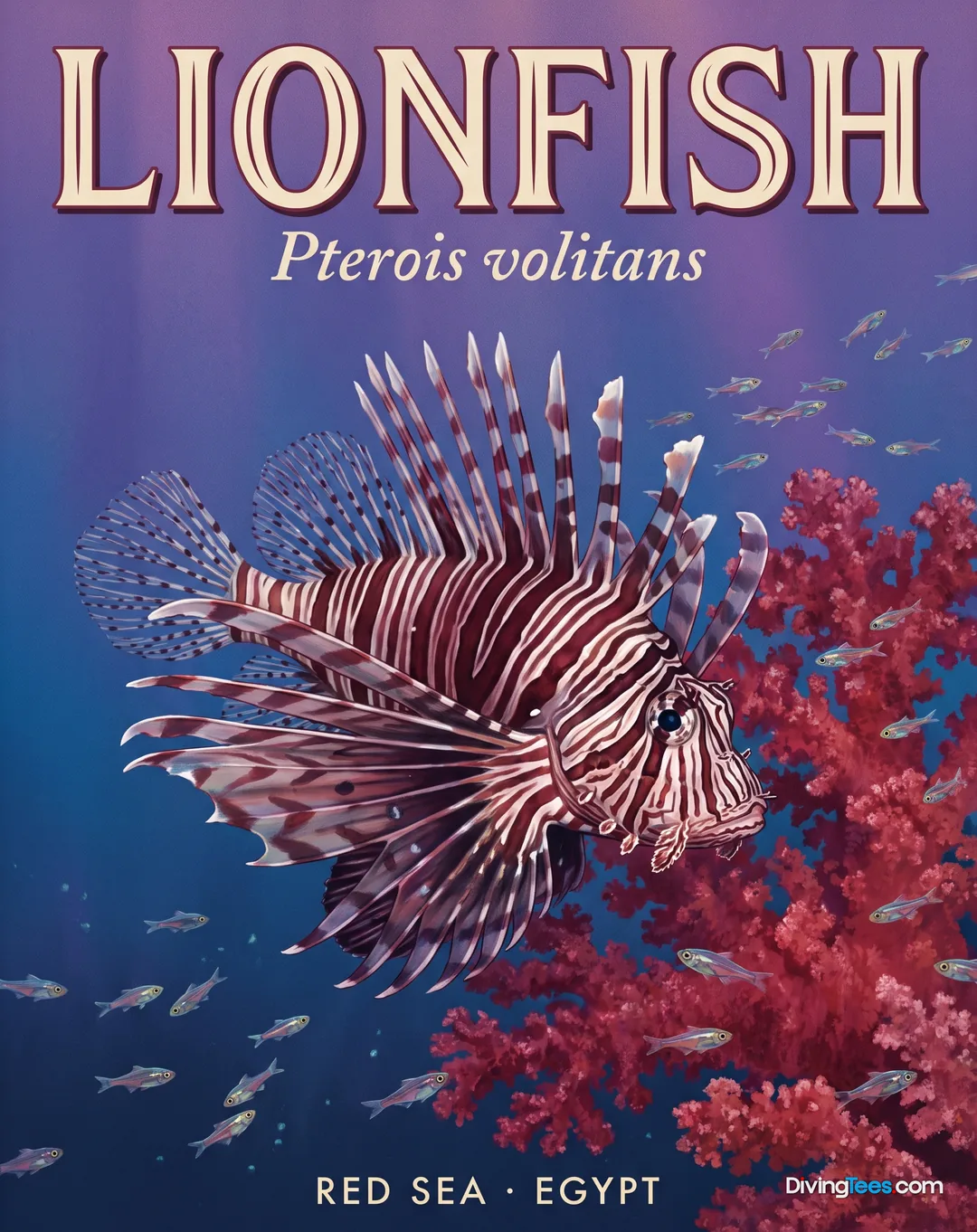
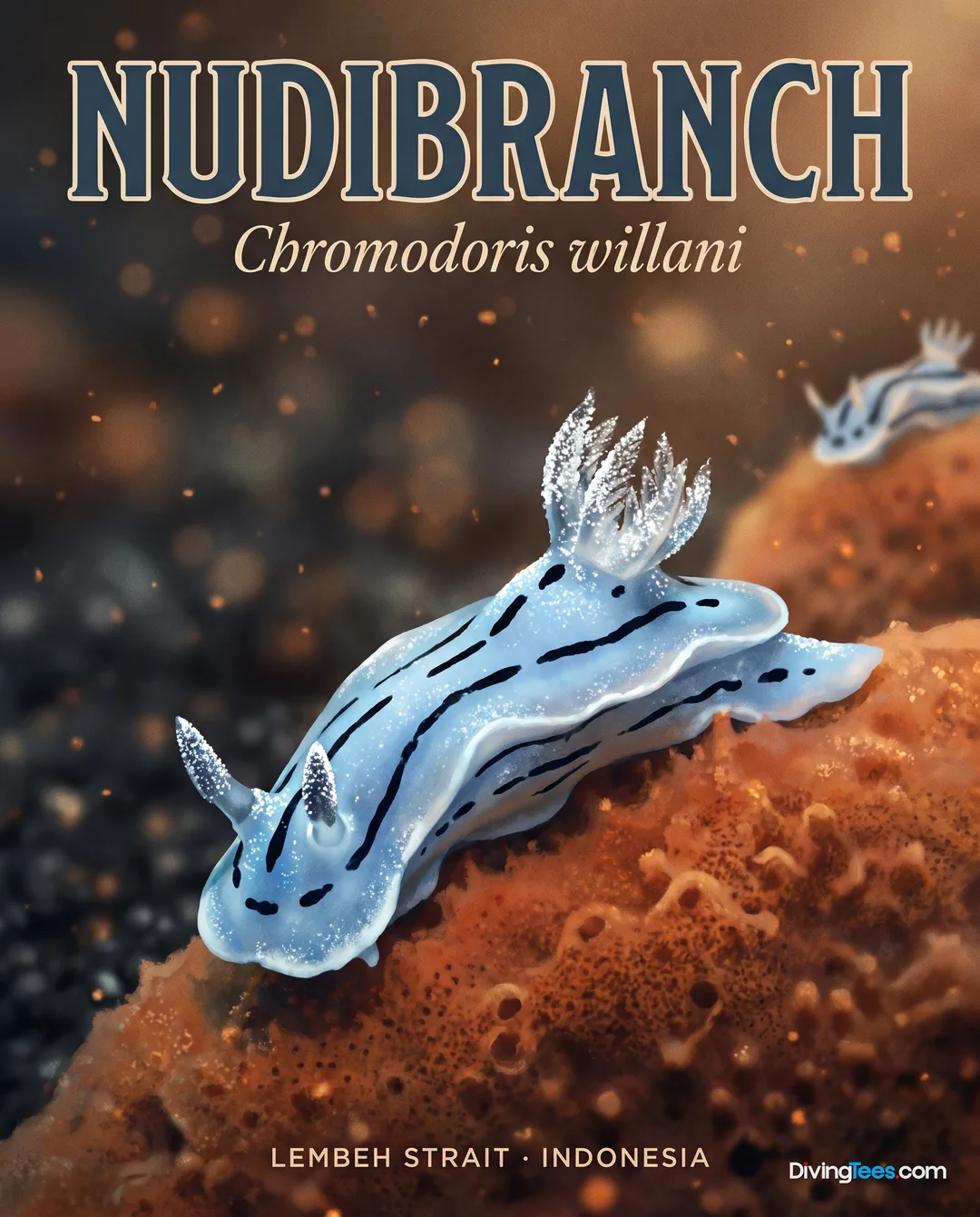
The site is celebrated for its macrofauna. Diligently search coral formations and rocky outcrops for scorpionfish, lionfish, and various nudibranchs, expertly camouflaged. Pipefish blend seamlessly with coral branches, while moray eels peer from their crevices. Sandy patches offer encounters with flounders and flying gurnards, which emerge from the substrate as you approach.
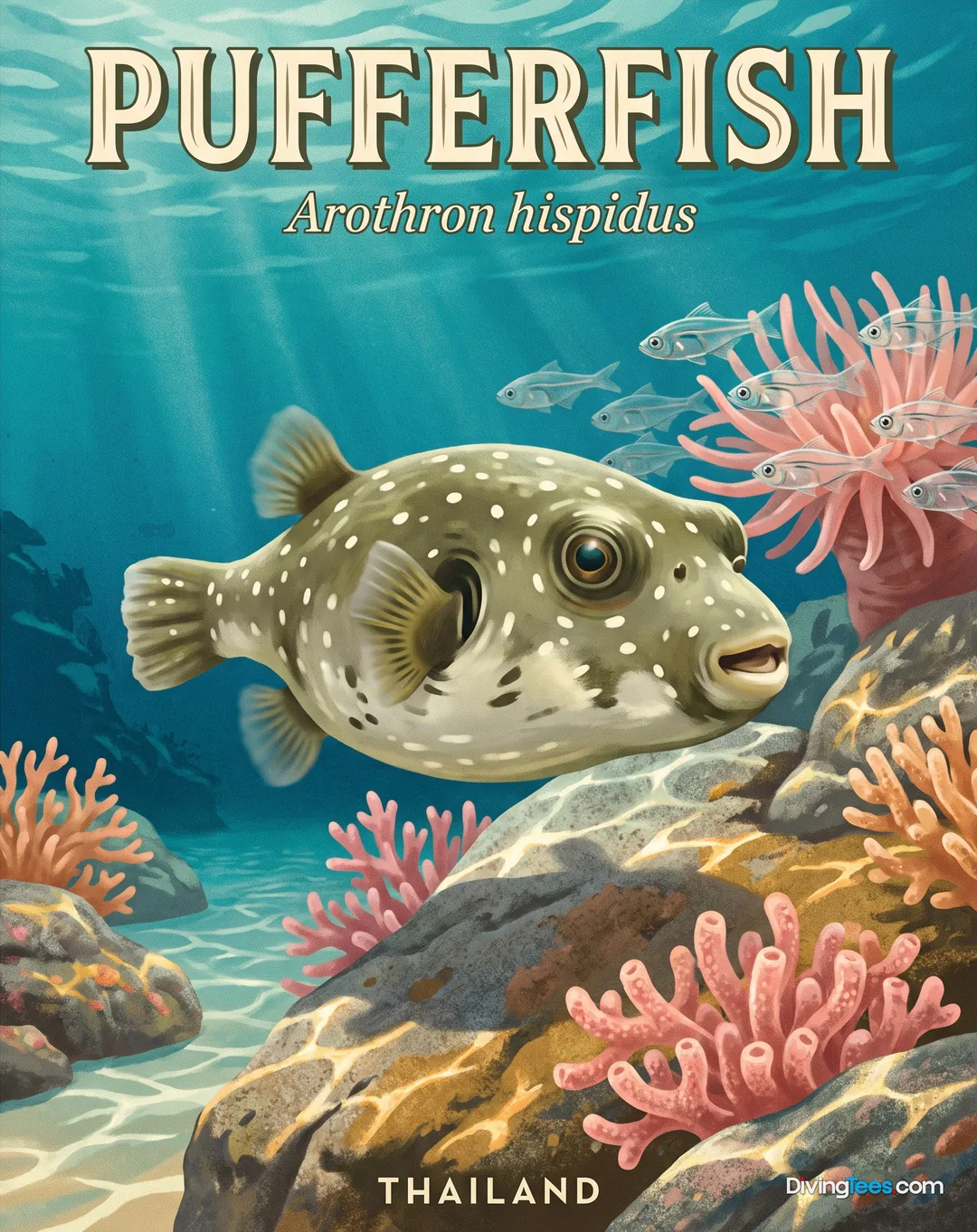
Hans Reef also incorporates artificial reefs, gradually integrating into the natural ecosystem and providing additional shelter for smaller reef fish. These structures enhance the existing coral gardens, expanding available habitat for species like cowfish and pufferfish. This blend of natural and artificial elements enriches the dive experience, creating varied textures and hideouts for marine residents.
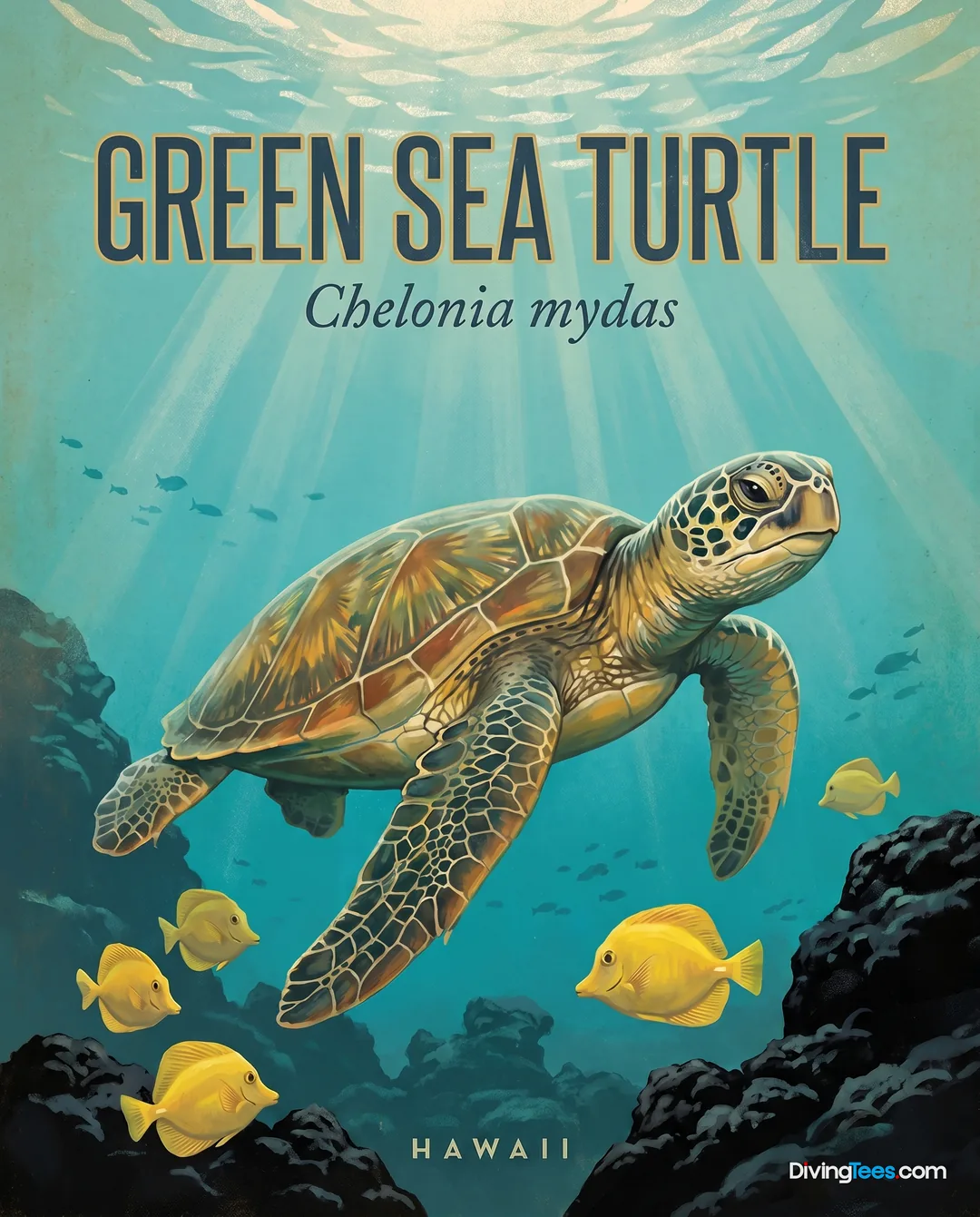
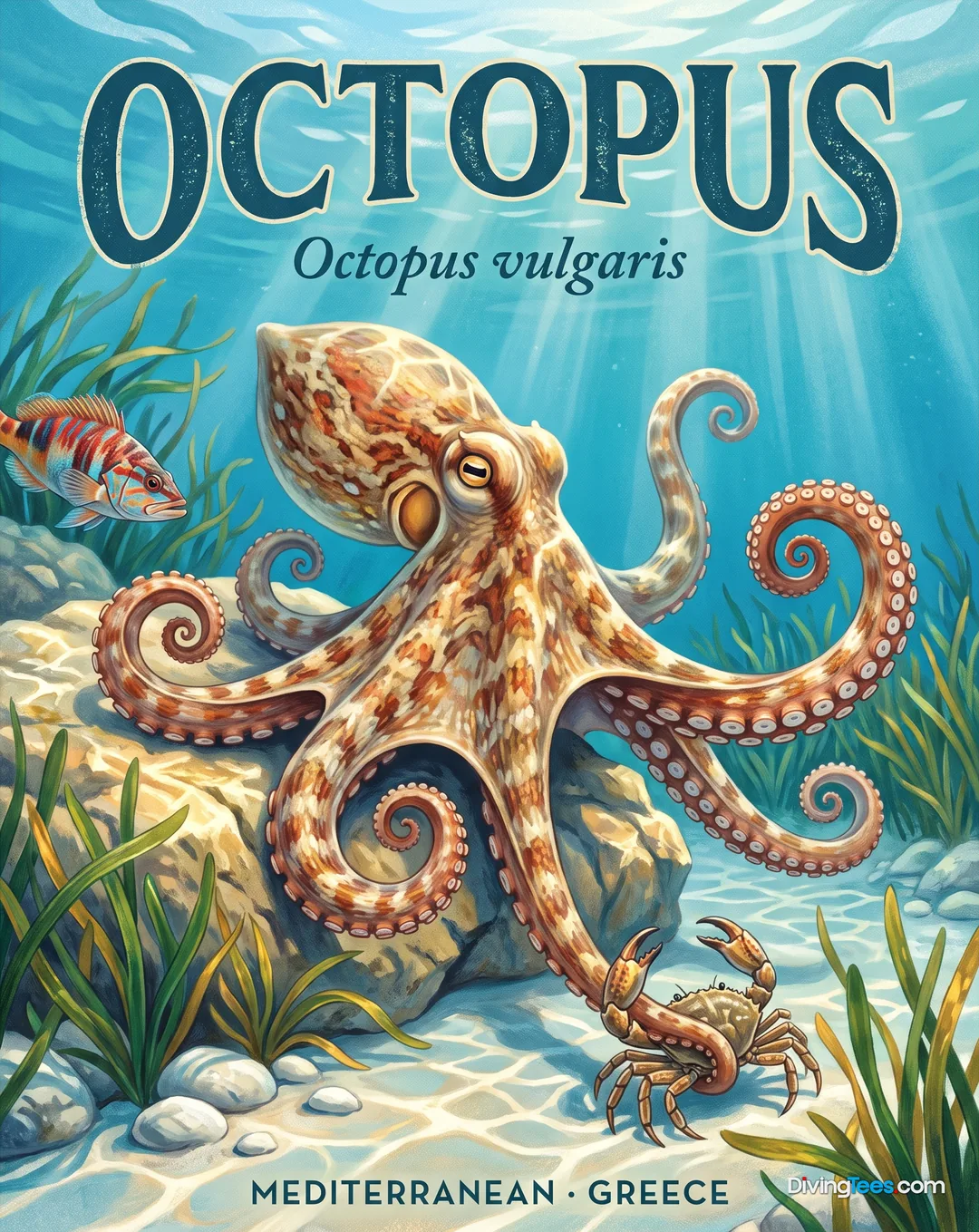
Green sea turtles are a consistent presence, frequently observed resting on barrel sponges or visiting cleaning stations around the pinnacles. These turtles are often accustomed to divers, permitting respectful observation. Exploring the deeper sandy areas, you may encounter octopus and cuttlefish, including bobtail squid and pygmy cuttlefish, often expertly camouflaged, or a frogfish patiently waiting for prey.
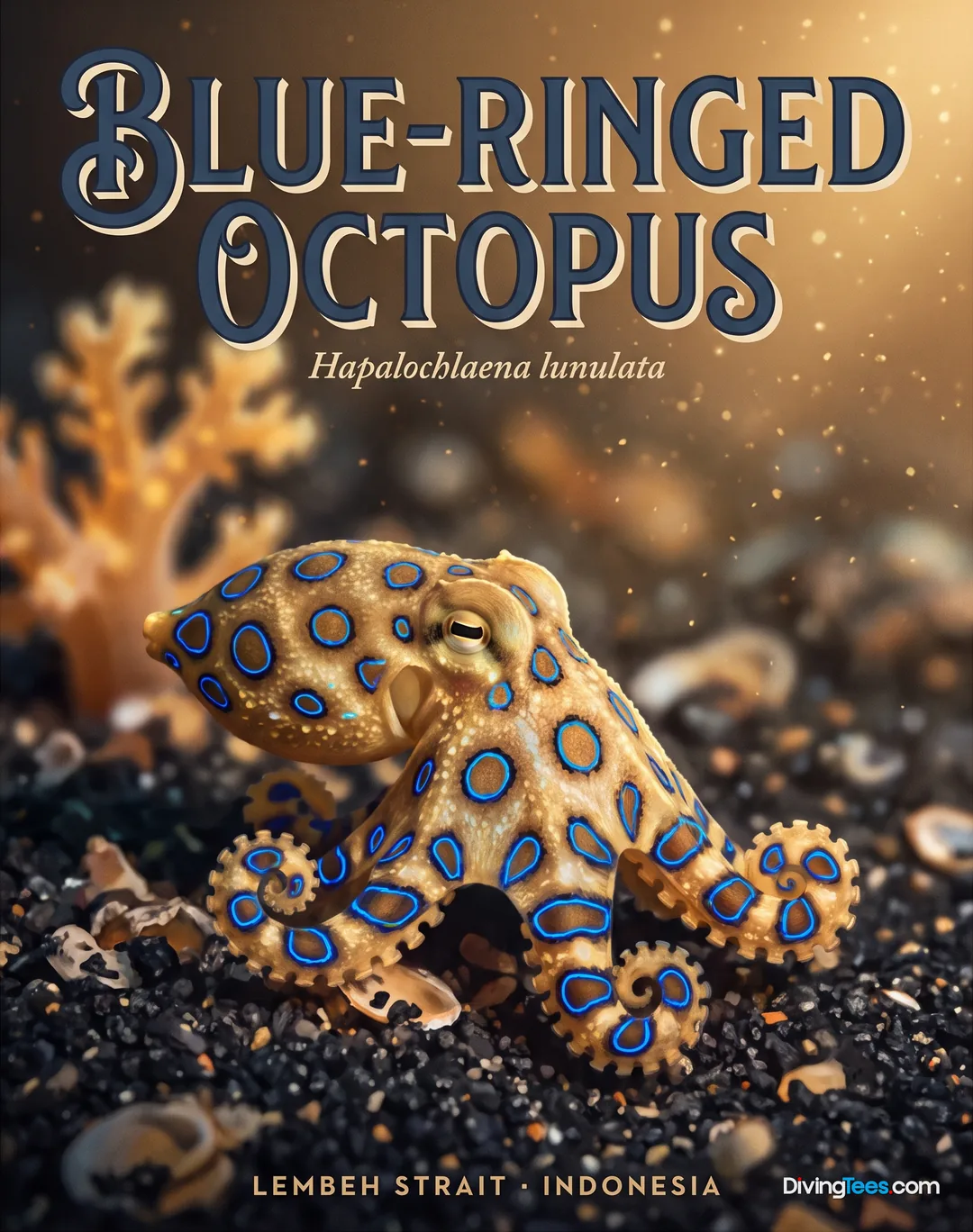
On night dives, the site transforms, with octopuses and sea slugs becoming more active. Blue-ringed octopuses might be found tucked into their retreats, while stingrays glide or rest partially buried. The general absence of strong currents at Hans Reef ensures a relaxed pace, conducive to developing buoyancy skills and capturing detailed macro photographs.
Hans Reef is suitable for divers from Open Water Diver certification. The maximum depth is 24 metres. Currents are typically mild or negligible, providing calm conditions. Visibility generally ranges between 10 and 25 metres. The best diving period aligns with the dry season, from March to October.
You can dive Hans Reef during the dry season, from March to October. This period aligns with the site’s best diving conditions. Visibility generally ranges between 10 and 25 metres, giving you a useful view across the coral gardens, sandy patches, pinnacles, and artificial reef sections.
Hans Reef is suitable for you from Open Water Diver certification onward. Currents are typically mild or negligible, creating calm conditions for a deliberate pace. The gentle water movement supports buoyancy practice, careful observation of the reef, and underwater photography across the natural and artificial reef areas.
Hans Reef ranges from 12 to 24 metres, with a maximum depth of 24 metres. The profile begins at a shallow coral garden, continues over a sloping sandy bottom, and leads toward deeper sandy areas and the prominent main pinnacle. You can explore varied terrain within this depth range.
At Hans Reef, you can look for frogfish, nudibranchs, scorpionfish, lionfish, pipefish, moray eels, flounders, flying gurnards, octopus, cuttlefish, and green sea turtles. Coral gardens, barrel sponges, gorgonians, garden eels, juvenile reef fish, artificial reefs, and a main pinnacle add varied habitats for observation.