Ocean King Dive Shop Bali
★ 5/5 (2,637 reviews)
Sanur · Indonesia · Asia
Max. depth · 30 mDescend onto Mawan's white sandy slopes and coral gardens, where manta rays frequent cleaning stations in shallow waters, offering close encounters.
Mawan is situated in the central part of Komodo National Park, near a small island with white sand beaches and turquoise waters. Unlike the expansive sandy flats of some other manta sites, Mawan centers around a compact reef system, creating a focal point for pelagic activity. The dive typically involves a gradual descent along gentle sandy slopes that transition into healthy hard and soft coral gardens, extending from surprisingly shallow depths. This topography acts as a natural aggregation point for marine life, particularly the large pelagic species that traverse the Komodo currents.
The primary draw at Mawan is the reliable presence of manta rays (Manta alfredi), which frequent dedicated cleaning stations along the reef. These stations are found in various areas, often in quite shallow water, allowing for extended observation time. You'll often see mantas circling gracefully, waiting their turn to be cleaned by cleaner wrasse. This behaviour provides an intimate viewing experience, often allowing you to hold position and watch their hypnotic movements as they glide just above the reef structures.
Beyond the mantas, Mawan presents a rich reef environment. The sloping profile includes both broad sandy areas and extensive coral formations. These coral gardens are home to a diverse array of reef fish, including parrotfish and clownfish tucked among their anemones. As you explore the various coral heads and crevices, you’ll also encounter blue-spotted stingrays (Neotrygon kuhlii) resting on the sand and various species of reef sharks, notably blacktip reef sharks (Carcharhinus melanopterus), patrolling the reef edge.
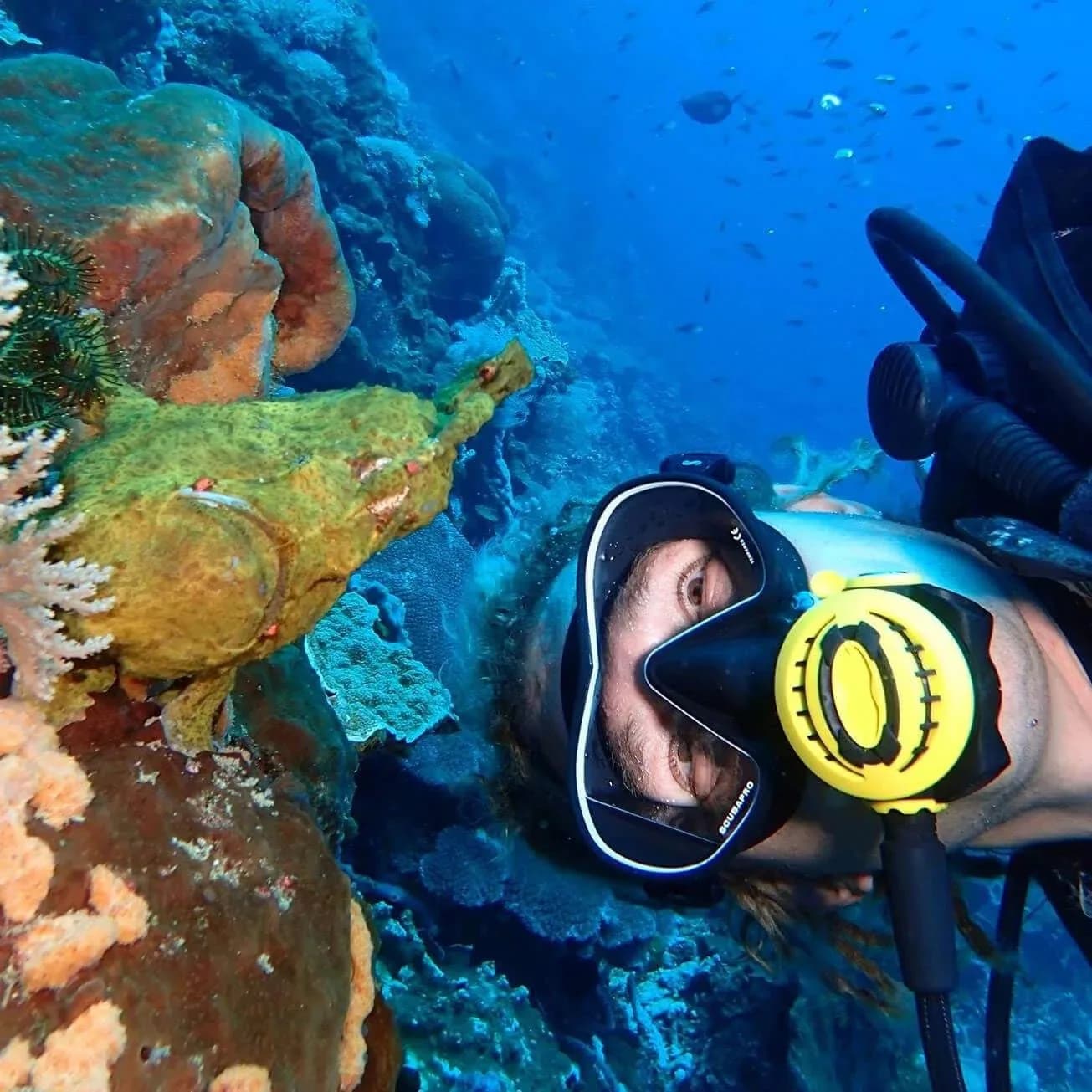
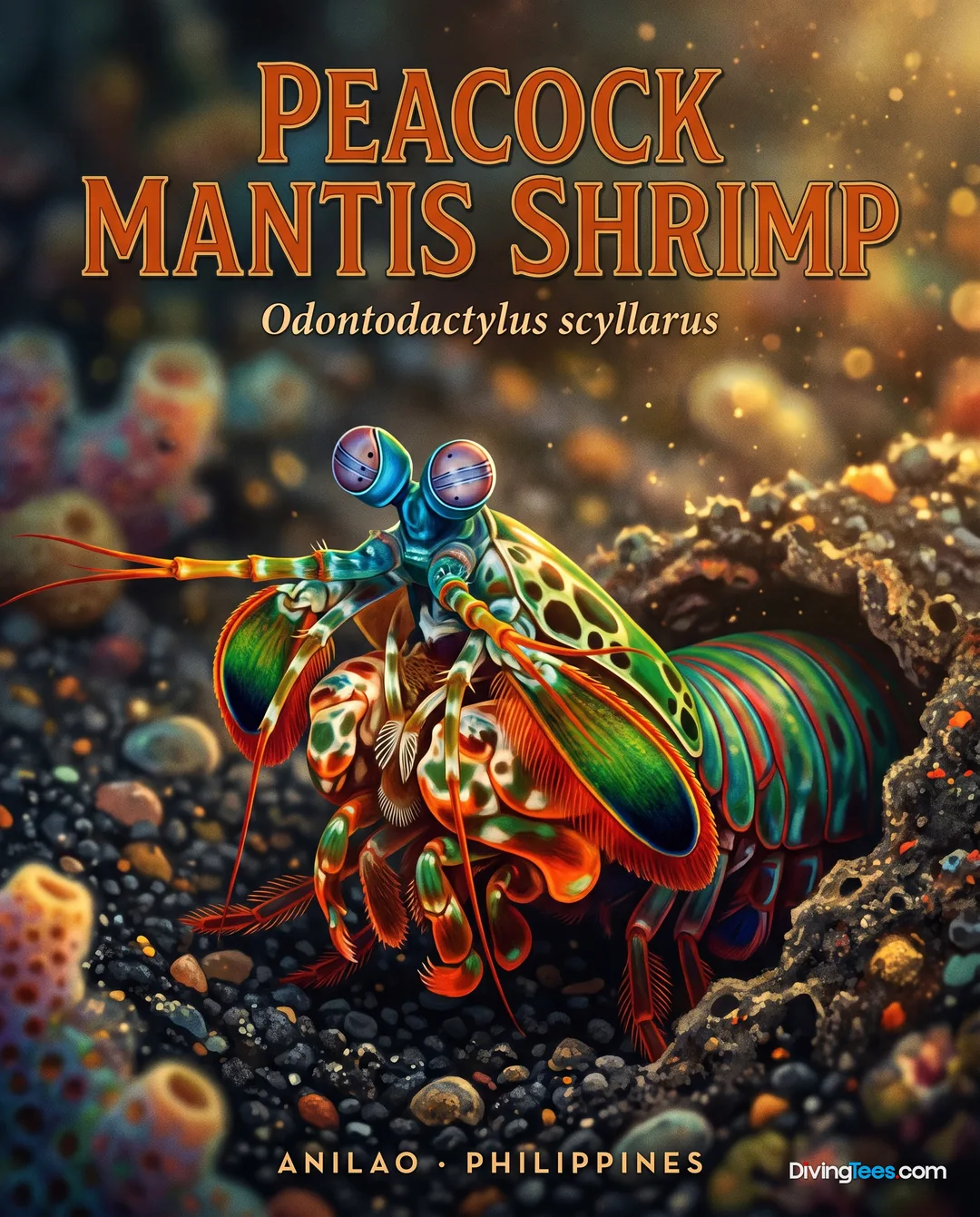
Mawan is also an excellent site for macro enthusiasts. The soft coral gardens, often noted for their pink hues, provide camouflage for leaf scorpionfish (Taenianotus triacanthus), while various mantis shrimp and nudibranchs are found on closer inspection. Octopus and cuttlefish are also commonly seen, blending seamlessly into their surroundings. This combination of large pelagics and intricate macro inhabitants makes Mawan appealing to a wide range of dive preferences, catering to both wide-angle and close-up photography.
The currents at Mawan are generally described as mild to moderate, especially compared to some of the more notorious sites in Komodo. This often allows for a relaxed drift dive along the reef, making it suitable for longer bottom times and more leisurely observation. However, it's important to note that currents can strengthen, particularly during full and new moon periods, or during tide changes. Optimal conditions, with excellent visibility, are often found during slack tide, enhancing the overall dive experience.
This site serves as a vital feeding and cleaning station for manta rays, drawing them into its sheltered waters. Their presence in shallower depths makes Mawan particularly ideal for both divers and snorkelers. The interplay of diverse micro-habitats – from the sand slopes to the dense coral patches and the open water where the mantas glide – creates a dynamic experience. You’re not just looking for mantas; you’re exploring a thriving ecosystem where every turn reveals new forms of life.
Compared to other manta hotspots like Karang Makassar, Mawan often maintains a calmer atmosphere. This relative tranquility, combined with the comprehensive health of its coral structures, offers a more focused encounter with manta rays and the resident reef life. The site's reputation for frequent manta sightings, coupled with its consistent reef ecology, secures its place as a reliable and rewarding dive in the Komodo National Park.
This site is generally accessible for beginner to intermediate divers, with a depth range typically from 5 to 30 metres. Current conditions are light to moderate for most of the year, providing for relaxed drift diving. However, during full and new moon phases, currents can become stronger. Visibility is consistently good, often reaching excellent levels during slack tide periods. Mawan can be dived all year, with manta encounters reliable throughout.