
Tarzan-Diving
Google 4.9/5 (424 reviews)
Raja Ampat · Indonesia · Asia
Max. depth · 20 mBlue Water Mangroves offers a unique dive profile where the intricate root systems of the mangroves transition directly into vibrant coral gardens, creating a visually striking underwater maze.
For subtitles in English: start the video firstthen click the gearat the top right of the video, select “Subtitles/CC”, then “Auto-translate” and choose “English”.
Blue Water Mangroves presents a dive unlike most, starting in a shallow, clear-water mangrove forest where the tree roots extend directly into the ocean. As you descend, the dense network of roots creates a filtered light environment, a stark contrast to the open reef. This unique interface, where freshwater influence meets the marine environment, provides a sheltered and nutrient-rich feeding ground, fostering a distinct biodiversity not found in typical reef or pure mangrove habitats.
The topography here is defined by this direct meeting of two ecosystems. You'll find reef formations beginning to establish themselves among the deeper mangrove roots, creating a living mosaic. This transition zone, from the intricate root structure above to the emerging coral gardens below, is a key characteristic of the site. It's a rare example of oceanic mangroves where coral reef communities and mangrove roots coexist side by side in just a few metres of water.
Visibility at Blue Water Mangroves is notably high for a mangrove habitat, often ranging from 20 to 40 metres. This clarity is due to the daily flooding by clear, nutrient-rich blue water on the rising tide. Sunlight penetrates the water column, illuminating the textures and colours of the merging habitats, creating a visually striking, maze-like environment that is particularly prized by underwater photographers.
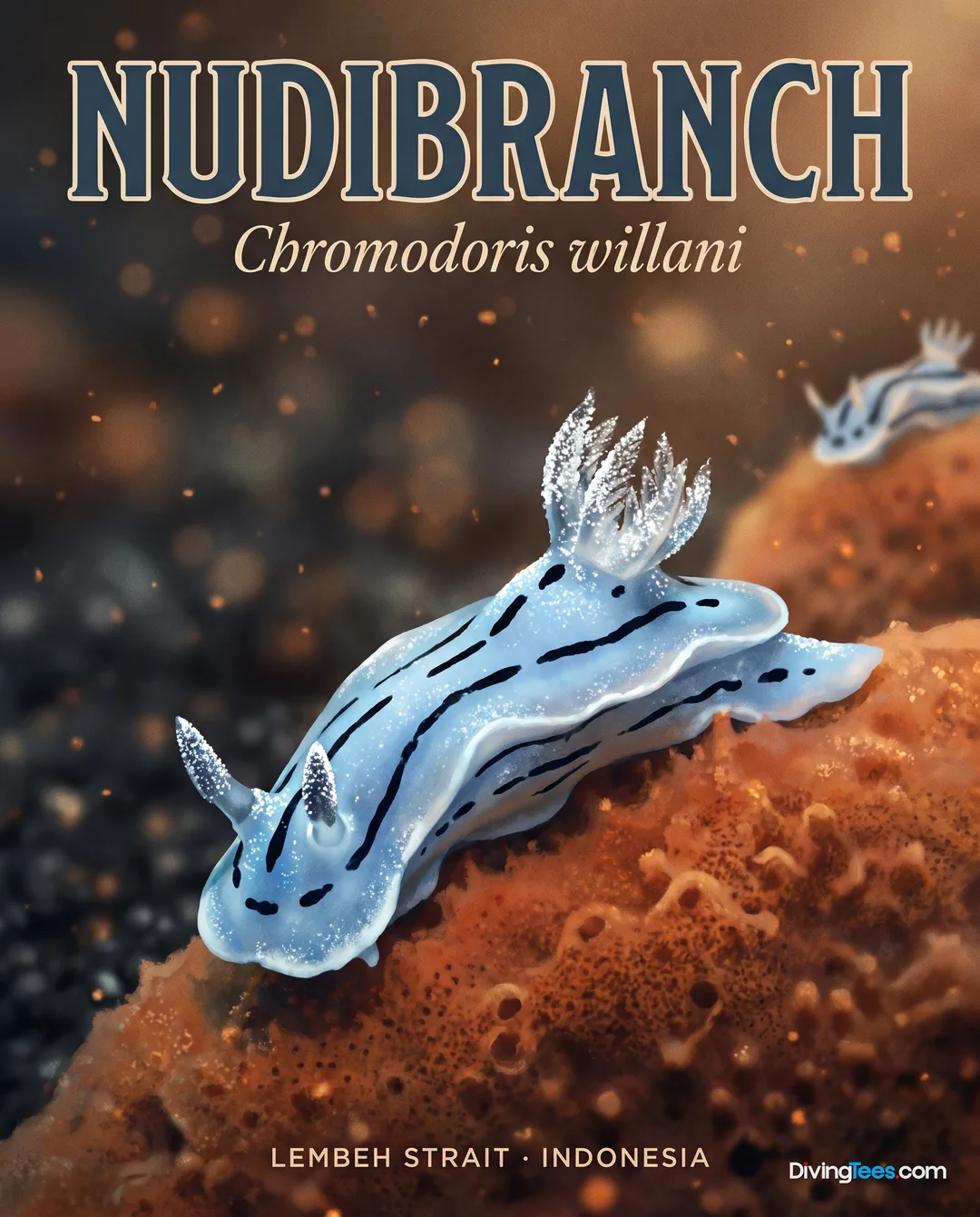
The marine life here is a blend of species adapted to both environments. Within the roots and developing corals, you'll encounter various small reef fish, including archerfish, cardinalfish, damselfish, snappers, and sweetlips. The site also hosts a variety of invertebrates such as nudibranchs, sea cucumbers, and sea stars, all navigating this intricate underwater landscape.
While the currents within the mangrove area itself are often mild, the site is part of Raja Ampat, where currents are generally strong and variable. The strength and direction of the current depend heavily on the tidal phase, with the site being flooded by clear water on the rising or flood tide. This tidal influence shapes the ecosystem, bringing in nutrients and supporting the abundant soft corals and sea fans that thrive here.
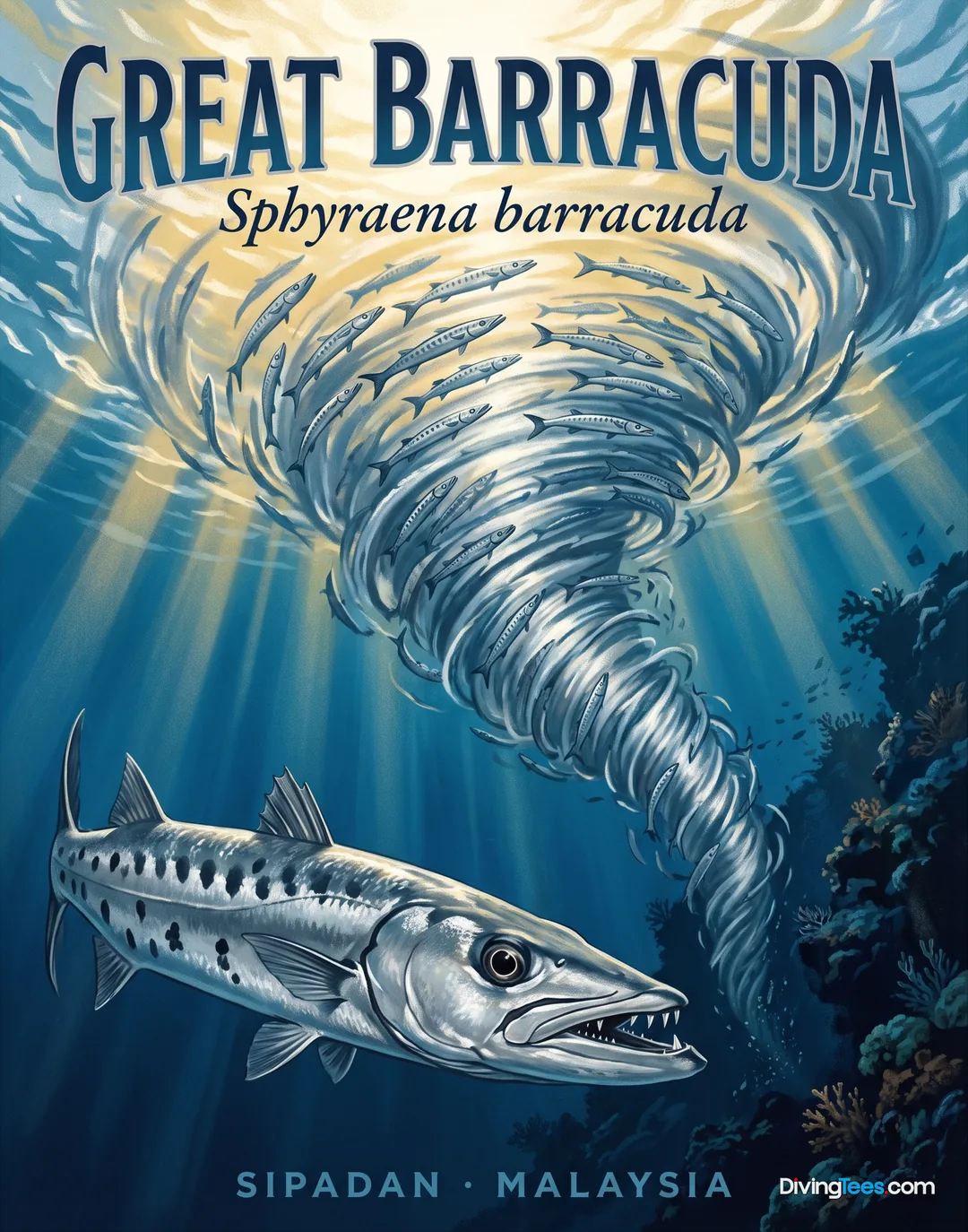
Beyond the immediate root systems, the mangroves lie adjacent to a deeper channel or drop-off. This means the shallow root zone transitions nearby into much deeper water, offering the potential for encounters with larger pelagics like barracuda moving through the adjacent waters. This proximity to deeper water adds another layer of ecological richness to the site, connecting the sheltered mangrove environment with the open ocean.
The site's unique characteristic is its role as a transitional ecosystem. It's not just a mangrove, nor just a coral reef, but a dynamic blend where both thrive in close proximity. This creates a distinct habitat that supports a different array of life and offers a perspective on marine ecology that is less common than either a pure mangrove or open reef environment.
Blue Water Mangroves is accessible for snorkelers and certified divers, including Open Water Diver and above. Depths range from 1 metre to a maximum of 20 metres. Currents can be variable, primarily influenced by tidal changes; expect mild conditions within the mangrove area during suitable tides, but be prepared for stronger currents in the adjacent channels. Visibility typically ranges from 20 to 40 metres. Water temperatures remain consistently warm, between 28°C and 29°C. The best time to dive for optimal visibility and calmer surface conditions is from October to April, aligning with the dry season in Raja Ampat.
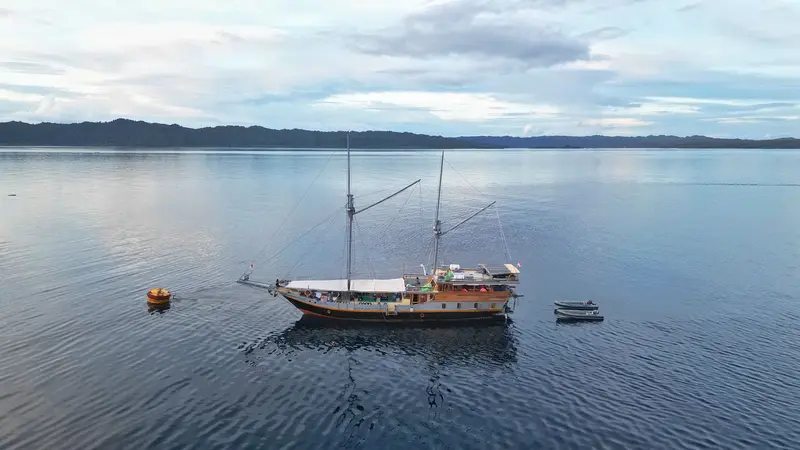
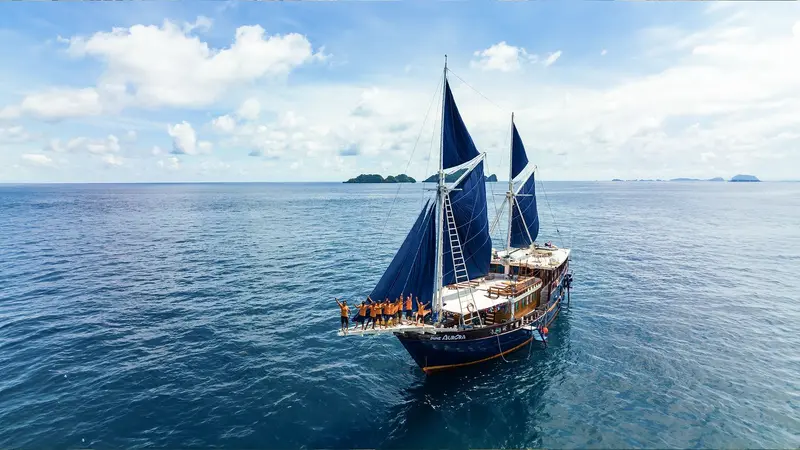
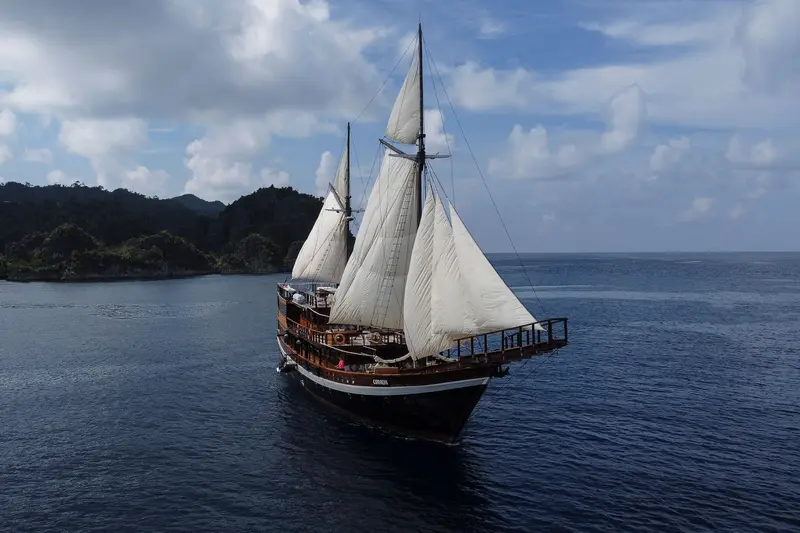
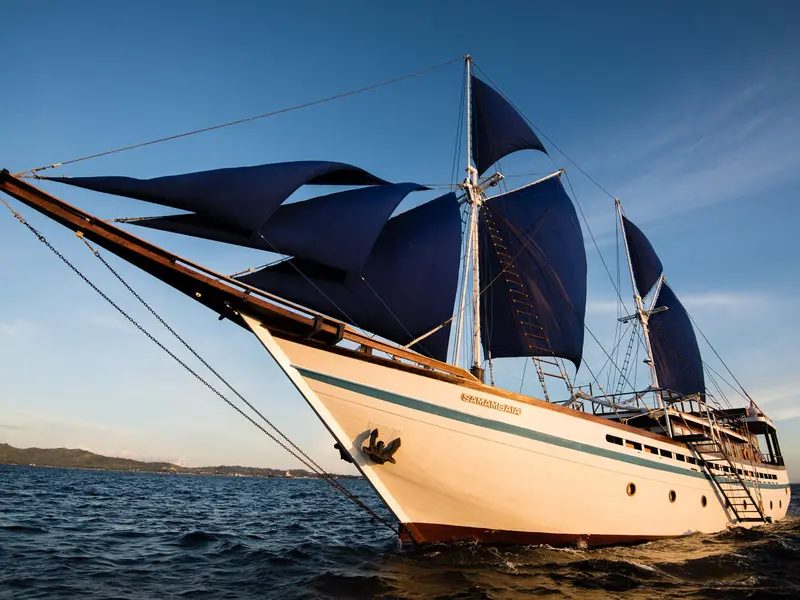
31 liveaboards depart from Raja Ampat another way to explore the region, over several days at sea.
Plan your dive from October to April, the dry season in Raja Ampat. This period offers the best chance of optimal visibility and calmer surface conditions. Water temperatures remain warm year-round, between 28°C and 29°C, while rising tides bring clear, nutrient-rich blue water into the mangrove habitat.
Blue Water Mangroves is accessible to snorkelers and certified divers, including Open Water Divers and above. The shallow mangrove setting allows you to explore among the roots and emerging coral gardens, while the nearby channels may have stronger currents. Your certification and comfort in changing tidal conditions should guide your dive.
Blue Water Mangroves ranges from 1 metre to a maximum depth of 20 metres. Currents within the mangrove area are often mild during suitable tides, but tidal changes can make conditions variable. Be prepared for stronger currents in the adjacent channels, where the shallow root zone transitions toward deeper water.
At Blue Water Mangroves, you can move from mangrove roots into coral gardens, with filtered light creating intricate patterns beneath the canopy. Look for soft corals, sponges, small reef fish, nudibranchs, sea cucumbers, and sea stars. Barracuda and other larger pelagics may pass through the adjacent waters.