Nyande Raja Ampat
★ 9.6/10 (451 reviews)
185 km away as the crow flies
Dive centre · Raja Ampat · Indonesia
4.8116 Google reviewsDive within a private 300,000-acre marine reserve in the heart of Raja Ampat's most biodiverse archipelago.
For subtitles in English: start the video firstthen click the gearat the top right of the video, select “Subtitles/CC”, then “Auto-translate” and choose “English”.
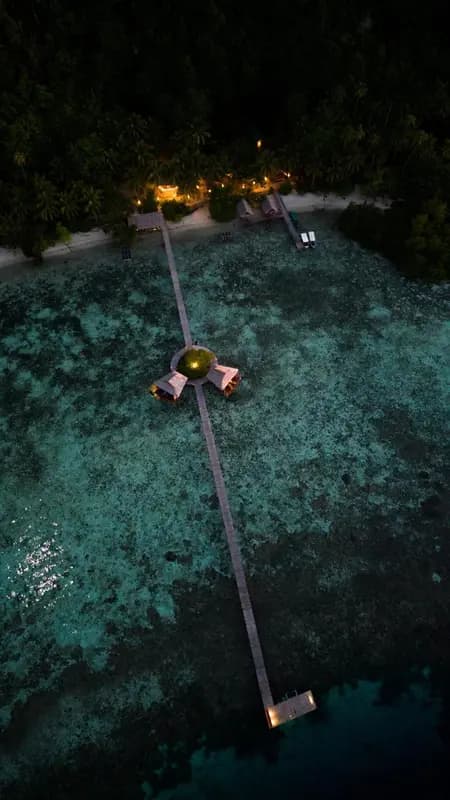
Located on a remote private island in the southern reaches of Raja Ampat, Misool Eco Resort sits at the centre of a vast marine sanctuary. The resort is surrounded by 300,000 acres of protected waters, established in 2005 to safeguard one of the most biodiverse marine ecosystems in the world. This isolation ensures that the reefs remain pristine and largely untouched by outside pressure.
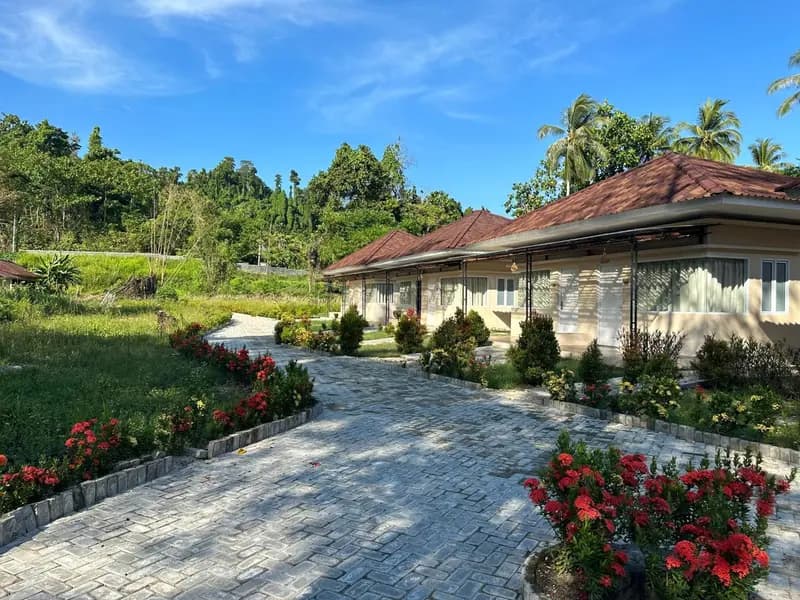
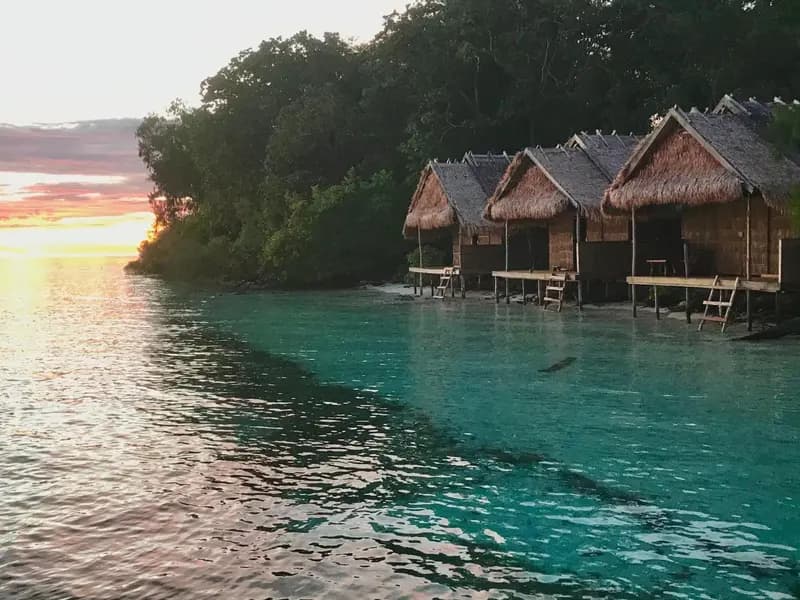
The resort was built using reclaimed tropical wood and is designed around the principles of sustainability and conservation. It serves as both a high-end retreat and a functional base for marine protection initiatives. For the diver, this means access to untouched coral gardens and high concentrations of marine life within a strictly managed non-taking zone.
The dive centre, known as 'The Hive', was inaugurated in 2022 and serves as the social and operational hub for all diving activities. It is equipped with dedicated rinsing stations, hot showers, and changing rooms to ensure a comfortable transition between dives and the resort.
Operations are conducted with a focus on small-group diving, maintaining a ratio of no more than six divers per guide. The team is composed of staff who are deeply integrated into the resort's conservation mission, ensuring that every dive respects the local ecosystem. Communication is handled in English and Indonesian.
Transfer to the island is conducted via the Merantau, a private fast boat that makes the approximately five-hour journey from Sorong. During these transfers, snacks and drinks are provided for guests.
While the specific fleet for daily excursions is not detailed, the centre operates three dives per day, with the option for a twilight or night dive each evening. The house reef is also accessible for divers wishing to explore closer to the accommodation between 08:00 and 20:00.
The Hive provides full equipment hire for those not travelling with their own kit, though guests are required to provide their own wetsuits. Nitrox is available and provided at no extra cost to qualified divers.
Safety is a priority with on-site oxygen availability. Due to the remote location and the distance from the nearest recompression chamber, the centre does not permit solo diving, decompression diving, or dives exceeding a depth of 30 metres.
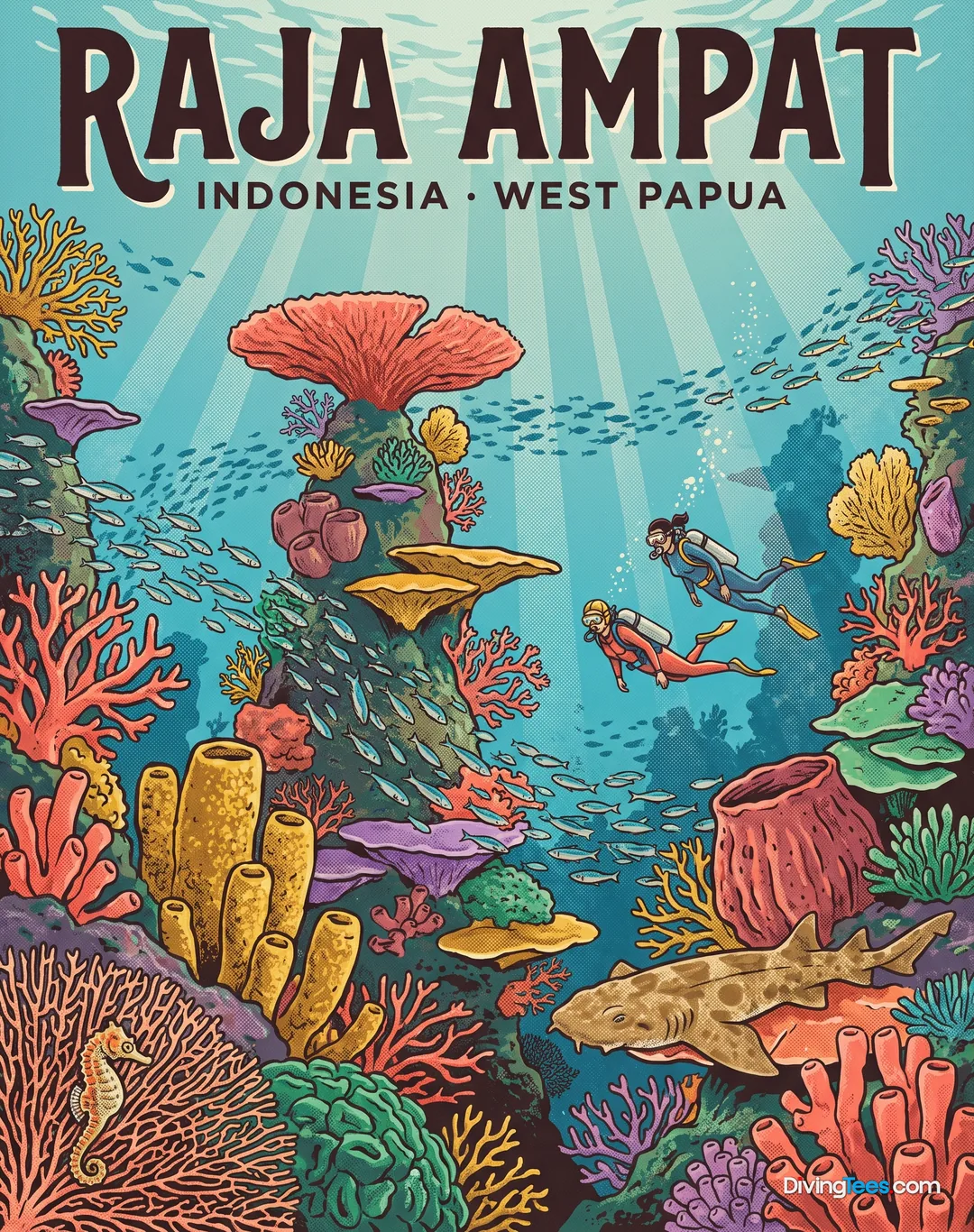
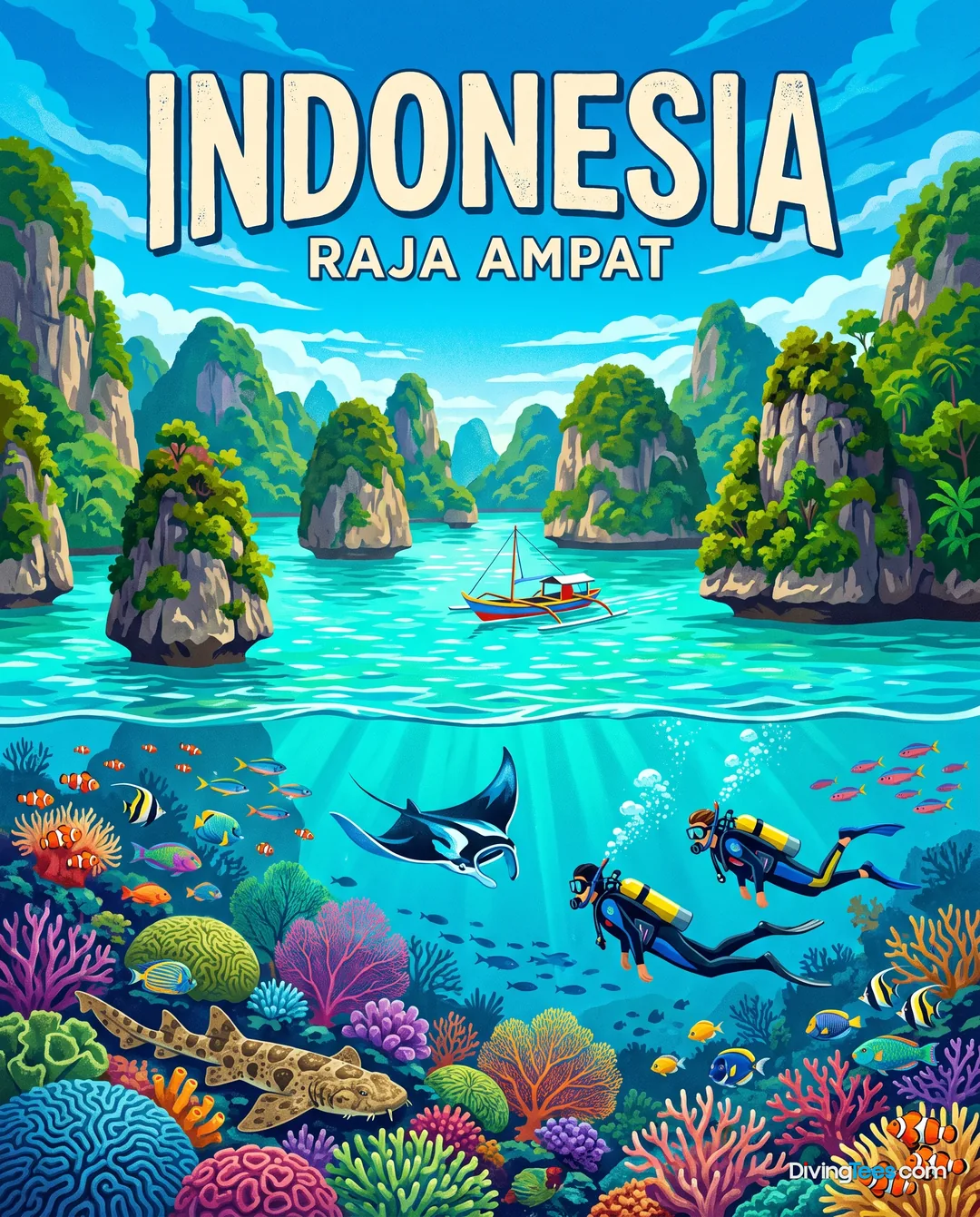
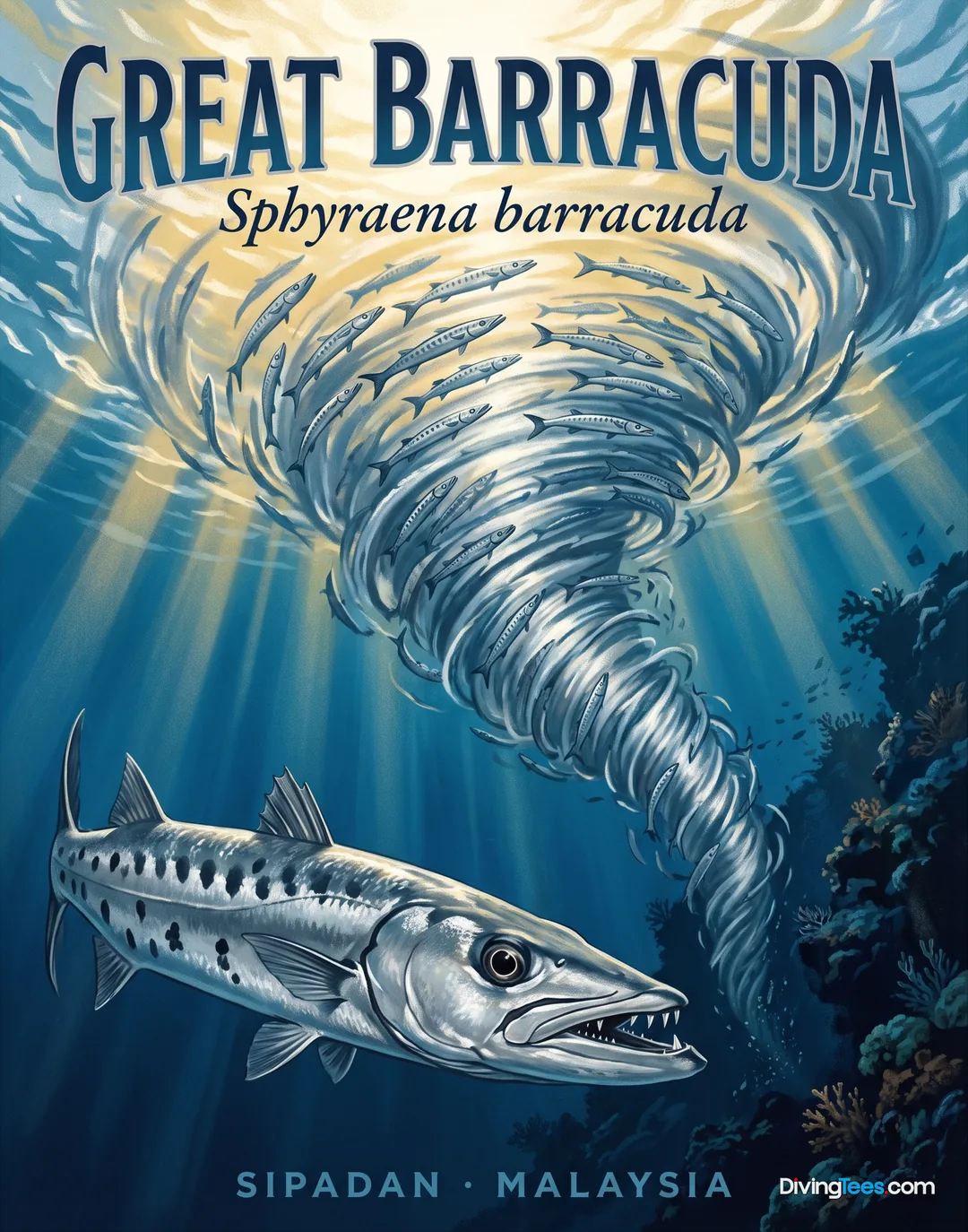
The surrounding reefs are home to a staggering array of large pelagics and reef species. You will regularly encounter reef sharks, including Blacktip reef shark (Carcharhinus melanopterus) and Whitetip reef shark (Triaenodon obesus), alongside various manta rays (Mobula alfredi). Large schools of trevally, snappers (Lutjanus), and fusiliers create constant movement across the reef slopes.
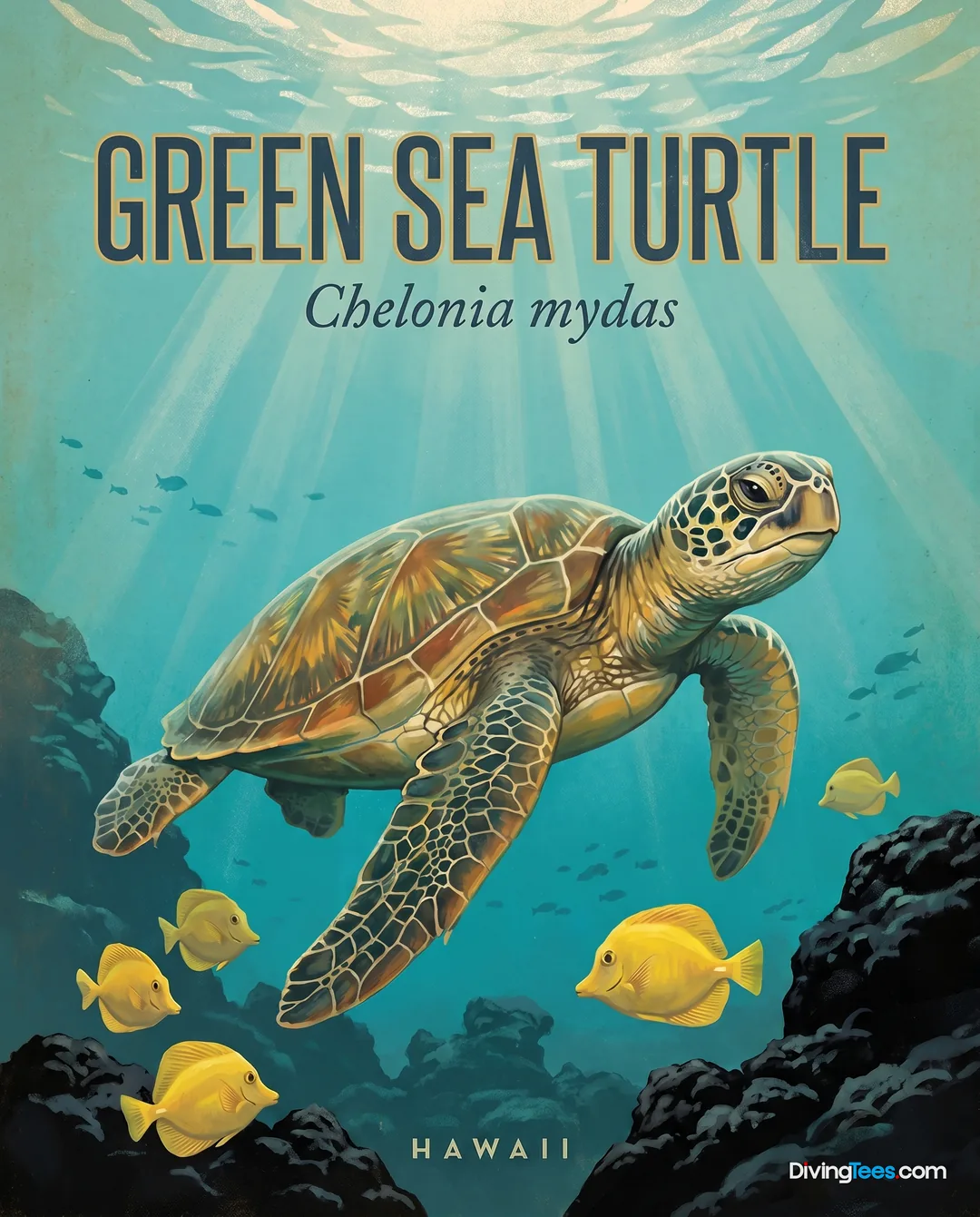
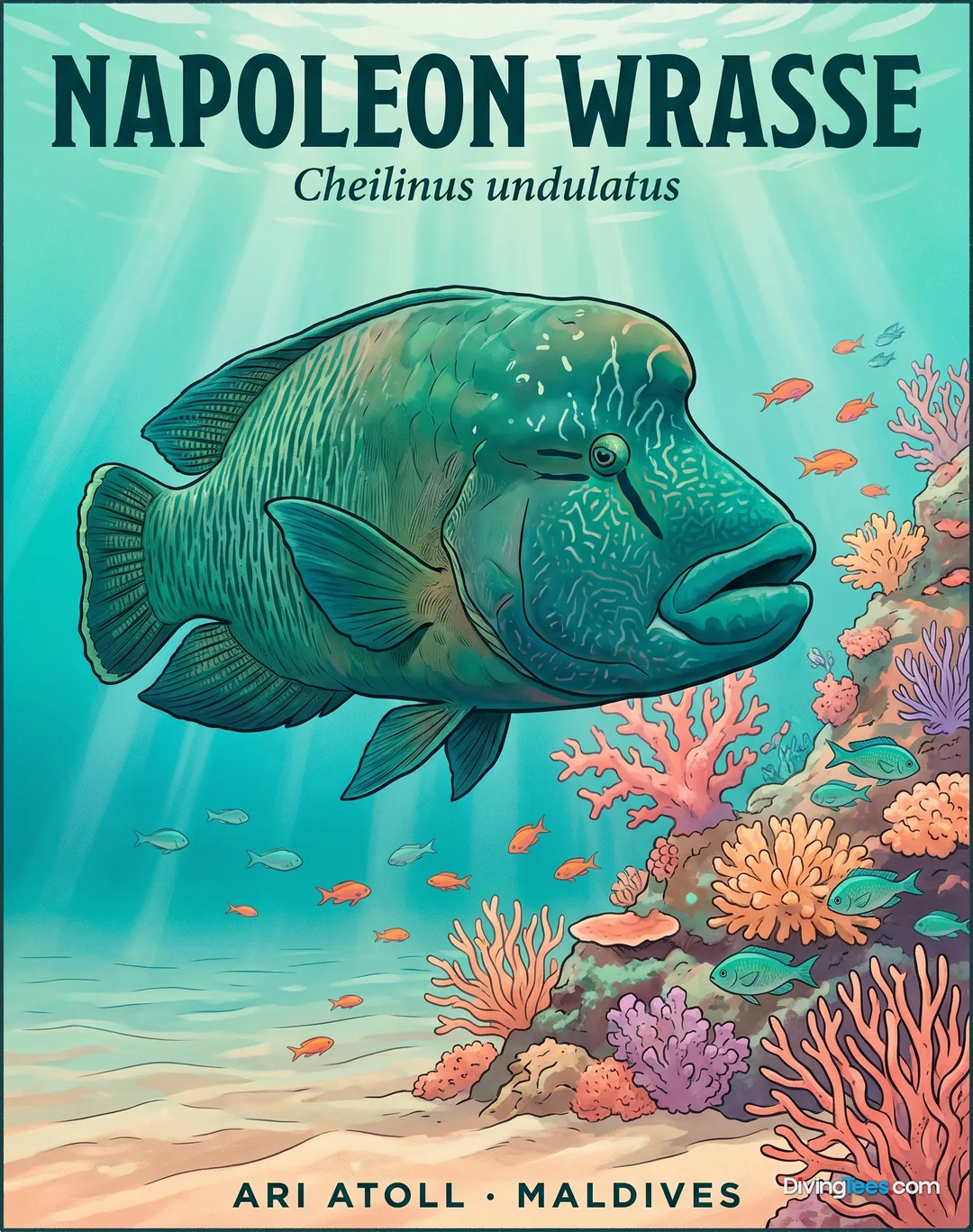
The hard coral (Scleractinia) and soft coral (Alcyonacea) structures provide the foundation for an immense variety of fish, from Humphead parrotfish (Bolbometopon) and Napoleon wrasse (Cheilinus undulatus) to massive schools of emperors and jacks (Carangidae). You can also find various sea turtles (Cheloniidae) and diverse species of surgeonfish (Acanthuridae) grazing on the reef.
For those interested in macro life, the area is a specialist's dream. The biodiversity includes various nudibranchs, Pygmy seahorse (Hippocampus bargibanti), and Pontohi pygmy seahorse, alongside Ornate ghost pipefish (Solenostomus paradoxus) and various species of shrimp (Caridea). Look closely for the walking shark, wobbegong sharks, and various species of octopus (Octopus vulgaris).
Seasonality plays a role in what you might encounter. Between May and June, there are increased opportunities to see larger pelagics and certain shark species. In September and October, you may see larger schools of baitfish and mobula rays.
Diving in Raja Ampat is not heavily dictated by seasons, though visibility is generally at its best during November and the period between February and March.
It is best to avoid diving during July, August, and early September due to rougher sea conditions. The months of June and September can also be variable, so it is wise to monitor local conditions before heading out.
Hello, I'm Marina, DivingDeal.com's AI assistant. I answer in detail about hotels, dive centres and liveaboards.

Thinking about the whole trip and the flights? Talk it over with Edith →
Marina is an AI. Some links are affiliate links: DivingDeal may earn a commission, at no extra cost to you. Bookings are made with the partner.