
Tarzan-Diving
Google 4.9/5 (424 reviews)
Raja Ampat · Indonesia · Asia
Max. depth · 30 mExplore the subtle movements and camouflaged forms of Saporkren's sandy slope, a dedicated muck dive where nocturnal creatures emerge under your light.
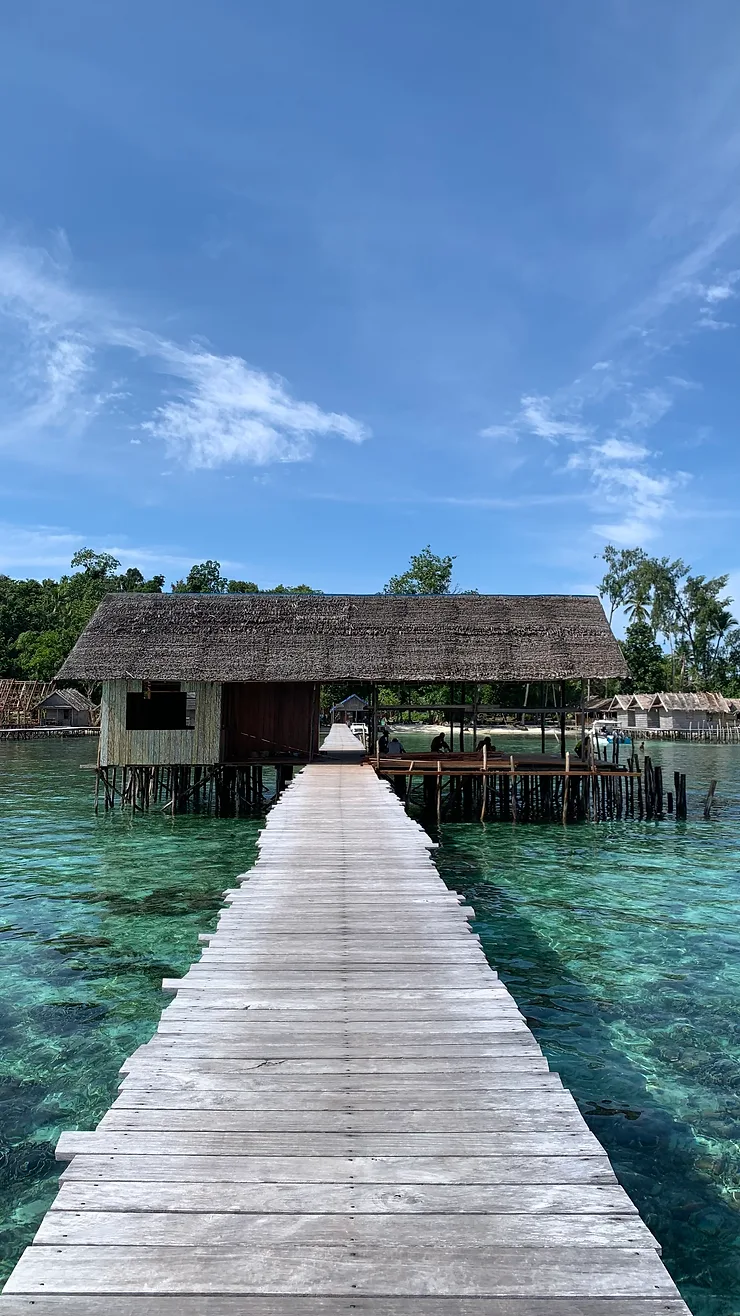
Saporkren, sometimes referred to as Saporken or Saporkren Jetty, presents a distinct dive profile compared to the vibrant coral walls often found in Raja Ampat. Here, the dive begins over a gentle sandy and rubble bottom, starting in very shallow water and gradually sloping down to a maximum depth of 30 metres. This topography, rather than continuous reef, creates a canvas for specialized marine life, encouraging a slower, more deliberate pace of exploration as you scan the substrate for hidden residents. Scattered coral bommies and patches of reef near and under the village jetty break the sandy expanse, providing additional habitat and structure.
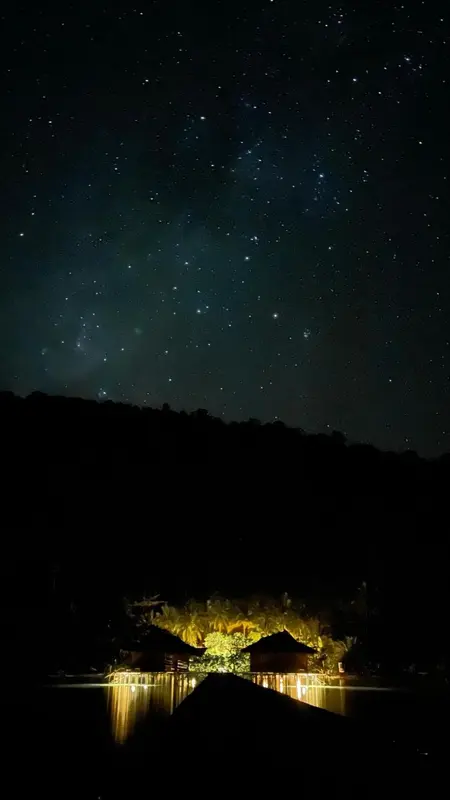
The character of Saporkren shifts significantly as daylight fades, making it a prime location for night dives. Under the focused beam of your dive light, the sandy bottom, which might appear less active by day, transforms into a bustling stage. Nocturnal creatures emerge from their hiding spots, and the subtle movements you might miss in brighter conditions become clear. This change in activity offers a different perspective on the ecosystem, revealing species that are typically unseen during the day and rewarding divers with a unique experience.
Navigating Saporkren requires patience and a keen eye. Unlike drift dives or sites focused on large pelagics, the objective here is meticulous observation of the small and camouflaged. You'll move slowly along the slope, allowing time for your vision to adjust and to pick out the intricate details of the seafloor. The gentle incline ensures a relaxed dive profile, giving you ample opportunity to hover and study the macro life without being rushed, making it accessible even if you are new to this specialized form of diving.
The site is a haven for macro benthic invertebrates and other cryptic species. You can expect to encounter various seahorses, including the common seahorse, along with different species of pipefish. Octopuses, bobtail squids, and the vibrant flamboyant cuttlefish are often spotted, masterfully blending into their surroundings until your light reveals their presence. Scorpionfish, including the leaf scorpionfish, also inhabit the area, perfectly camouflaged against the substrate.
Beyond cephalopods and fish, Saporkren is home to a diverse array of crustaceans. Keep an eye out for Coleman shrimp, boxer crabs, xeno crabs, and porcelain crabs, often found in association with anemones or other bottom structures. Flatworms add to the colourful tapestry of the seafloor, moving gracefully over the sand. These encounters demand a focused approach, often requiring a macro lens for underwater photographers to capture their intricate details.
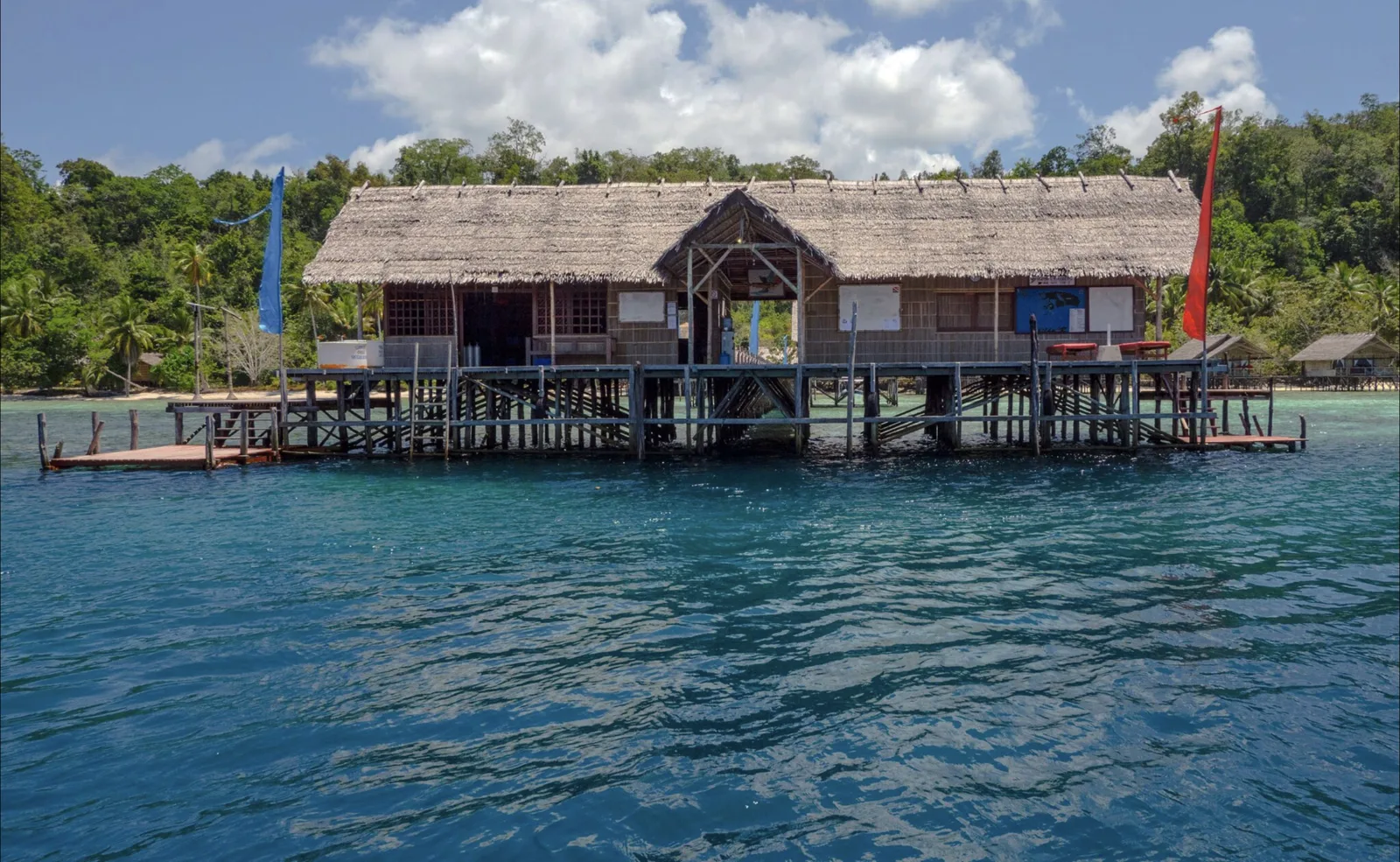
Currents at Saporkren are generally mild or negligible, though conditions can vary with tide and timing, occasionally reaching moderate levels. This variability means that while it's typically a calm site, being aware of potential shifts is prudent. Visibility is consistently good to very good, providing clear conditions for spotting the small, often camouflaged creatures that define this dive. Access to the site is straightforward, usually involving a short boat ride from nearby resorts or Waisai, with dives often concluding near or under the Saporkren village jetty.
The dive depth at Saporkren ranges from 3 metres to a maximum of 30 metres, making it accessible for all certified diver levels. While generally calm, currents can vary from mild to moderate depending on the tide, so maintaining awareness of conditions is advisable. Visibility is typically good to very good. The site is particularly renowned for night dives, when many of its unique faunal residents are most active and visible.
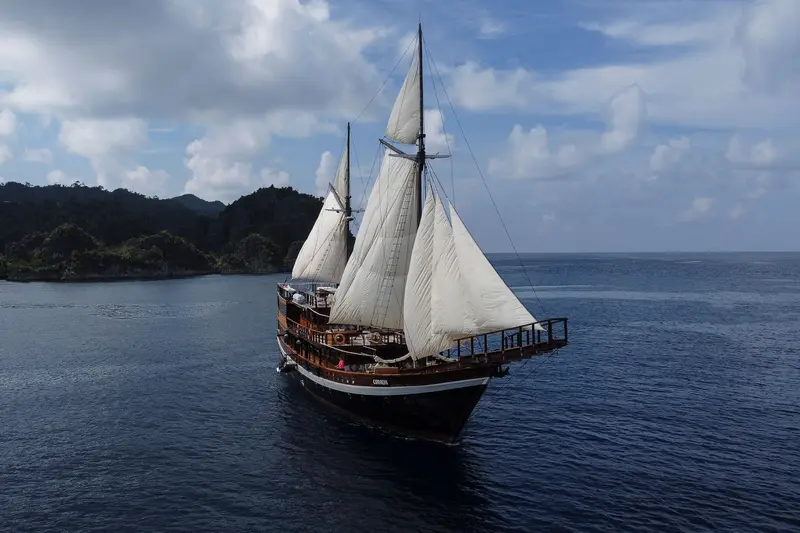
31 liveaboards depart from Raja Ampat another way to explore the region, over several days at sea.
You can dive Saporkren during the day, but the site is particularly renowned for night dives. After daylight fades, nocturnal creatures emerge and activity on the sandy bottom becomes easier to observe with your dive light. This changing activity reveals species that are typically unseen during daytime dives.
Saporkren is accessible for all certified diver levels. Its gentle sandy slope begins in very shallow water and gradually descends, supporting a relaxed profile. You can move slowly across the substrate and focus on spotting camouflaged macro life, making the site suitable even if you are new to specialized muck diving.
Saporkren ranges from 3 metres to a maximum of 30 metres. Conditions are generally calm, with mild or negligible currents, although the current can vary with the tide and timing and occasionally reach moderate levels. You should remain aware of changing conditions while exploring the sandy slope and areas near the jetty.
At Saporkren, you can look for flamboyant cuttlefish, bobtail squid, octopuses, seahorses, pipefish, scorpionfish and leaf scorpionfish. The sandy bottom also shelters Coleman shrimp, boxer crabs, xeno crabs, porcelain crabs and flatworms. Scattered coral bommies and reef patches provide additional habitat for these small, camouflaged animals.