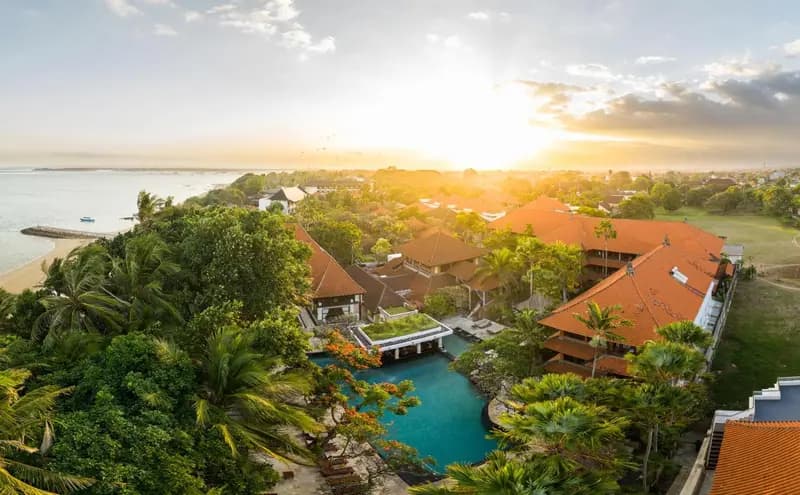
Puri Santrian Beach Resort And Spa
★★★★
★ 8.9/10 (1,975 reviews)
less than 1 km away as the crow flies
Dive centre · Sanur · Indonesia
5.0200 Google reviewsExplore the diverse marine ecosystems of Bali from a PADI 5 Star centre in Sanur, with departures to the Manta rays of Nusa Penida.
For subtitles in English: start the video firstthen click the gearat the top right of the video, select “Subtitles/CC”, then “Auto-translate” and choose “English”.
Located in the coastal town of Sanur, Planet Bali Dive serves as a gateway to some of Indonesia's most famous diving territories. From the wreck sites of Tulamben to the high-energy currents of Nusa Penida, the centre organises trips that cover the full spectrum of the Balinese underwater landscape.
Whether you are looking to start your training or are a seasoned diver seeking specific pelagics, the centre operates with a focus on professional standards and local knowledge. They facilitate travel to various dive hubs, making it a practical base for those staying in the southern tourist areas like Seminyak or Nusa Dua.
As a PADI 5 Star dive centre, Planet Bali Dive maintains a professional team of local instructors and Divemasters who live in Bali year-round. This ensures that the guides possess an intimate understanding of the local currents, swell, and seasonal animal movements.
The team is multilingual, capable of providing instruction and guidance in English, Indonesian, and Mandarin. This makes the centre a versatile option for international divers looking for clear communication during technical briefings or course training.
Planet Bali Dive offers a comprehensive suite of PADI training programmes. For those new to the water, they conduct Beginner Courses and the Open Water Diver (OWD) certification.
For more experienced divers, the curriculum includes the Advanced Course and professional career programmes designed to take you toward Instructor level. Their teaching approach is built around PADI standards, aiming to develop both recreational skills and professional competencies.
The centre provides a range of equipment for hire to ensure you have a complete setup for your dives. While specific brands are not listed, the facility is equipped to support divers from the initial stages of training through to advanced excursions.
For those on full-day trips, the centre includes lunch, snacks, cold drinks, and towels as part of the service. They also manage the logistics of land and sea transfers, ensuring your kit and yourself reach the dive sites efficiently.
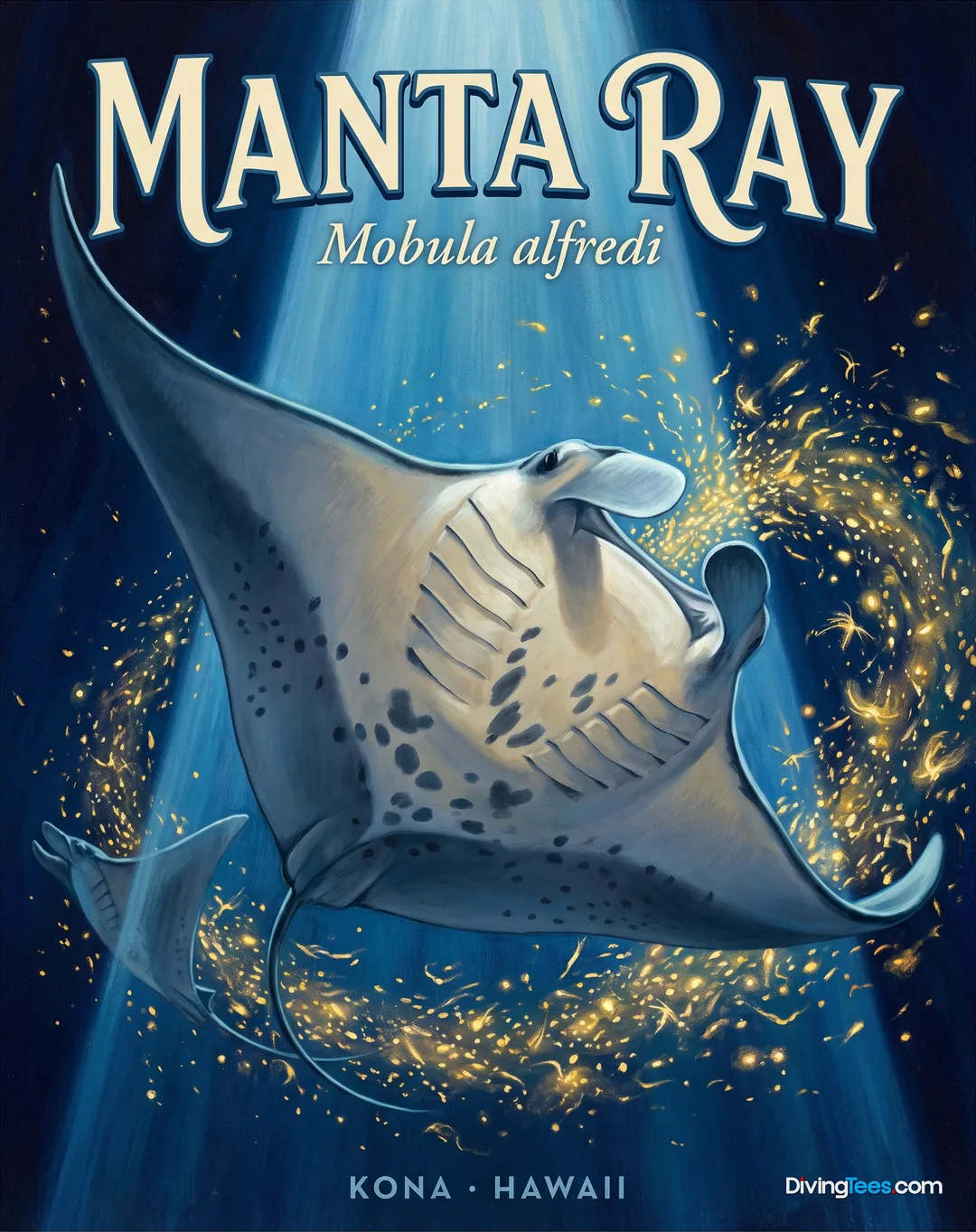
Manta Point (Nusa Penida) is a famous cleaning station where you can encounter resident Manta ray (Mobula alfredi). The site is known for its strong currents, making it a rewarding destination for those comfortable with drift diving.
Tulamben is a premier wreck diving location, home to the USAT Liberty wreck. Sitting at depths between 5 and 30 metres, this artificial reef is accessible to all levels and is a haven for both macro life and larger pelagics.
Crystal Bay (Nusa Penida) offers exceptional visibility and is a primary site for observing Mola-mola during their migration from July to October. The site features vibrant coral reefs and a diverse array of colourful reef fish.
Menjangan Island, located within the West Bali National Park, is renowned for its pristine coral gardens, walls, and caves. It is a quieter alternative for divers looking to explore healthy reef ecosystems and diverse fish populations.
And some of the dive sites the centre runs.
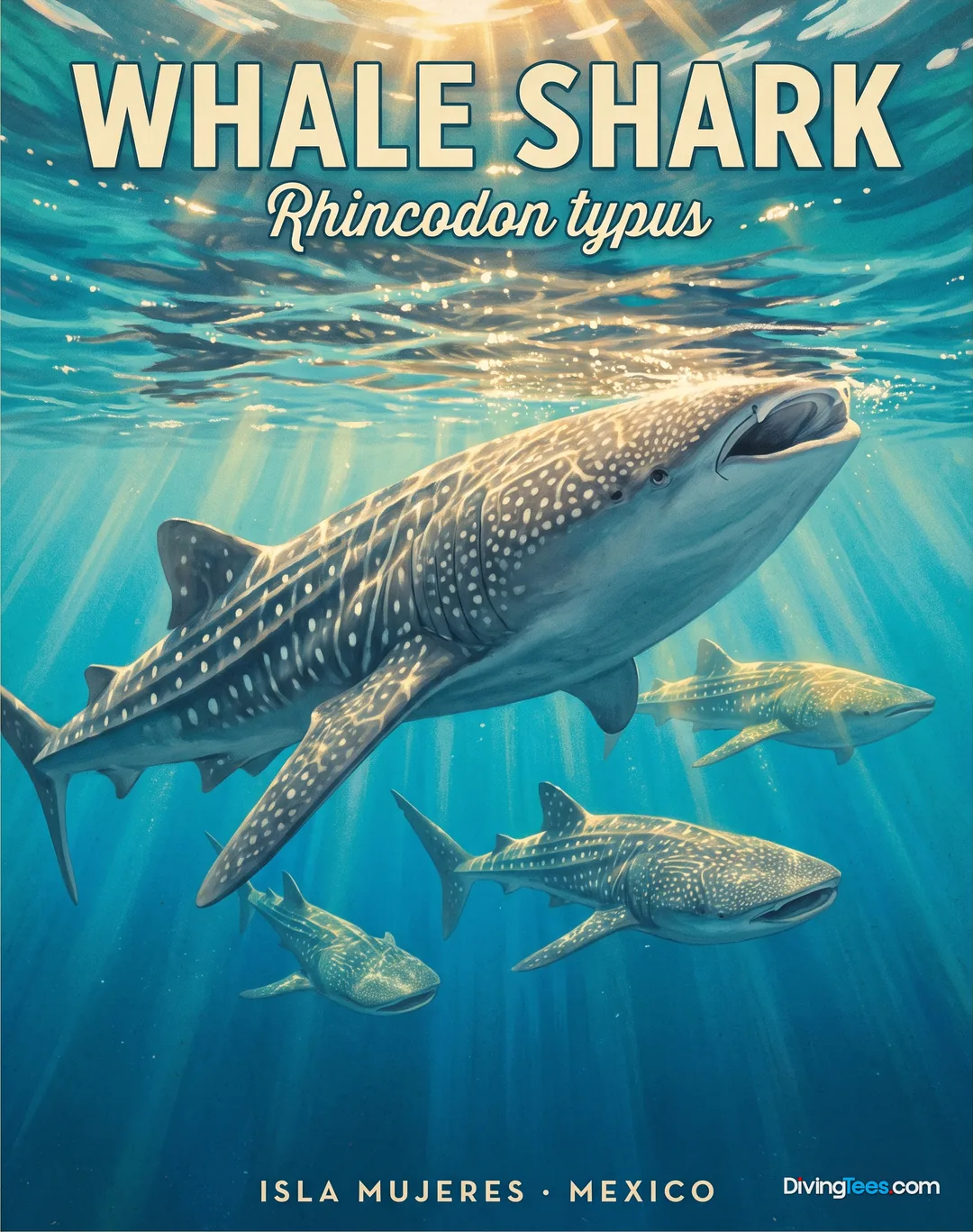
The waters around Bali are famous for large pelagics. You can encounter Manta ray (Mobula alfredi) from May to November, and Mola-mola during the July to November window. Other significant sightings include reef shark (Carcharhinus), whitetip reef shark (Triaenodon obesus), and occasionally whale shark (Rhincodon typus) or hammerhead shark.
The reef ecosystems are teeming with life, including various species of angelfish (Pomacanthidae), butterflyfish (Chaetodon), and parrotfish (Calotomus). You will also see schools of Jack (Carangidae), great barracuda (Sphyraena barracuda), and various species of snapper and grouper (Epinephelus) patrolling the coral structures.
For macro enthusiasts, the area provides incredible opportunities. Look for pygmy seahorse (Hippocampus bargibanti), ghost pipefish (Solenostomidae), and various nudibranchs (Chromodoris willani). The sandy and muck diving sites are also home to frogfish (Antennarius), seahorse (Hippocampus kuda), and various species of octopus (Octopus vulgaris) and blue-ringed octopus.
Diving conditions in Bali vary significantly by location. Sites around Nusa Penida and Gili Tepekong are known for having strong currents, which can create exciting drift dives but require experience and confidence.
In contrast, sites like Tanjung Benoa offer much calmer, low-current environments, making them suitable for beginner training and introductory dives. The best time to visit the region is generally during the dry season from April to October.
Hello, I'm Marina, DivingDeal.com's AI assistant. I answer in detail about hotels, dive centres and liveaboards.

Thinking about the whole trip and the flights? Talk it over with Edith →
Marina is an AI. Some links are affiliate links: DivingDeal may earn a commission, at no extra cost to you. Bookings are made with the partner.
★★★★
★ 8.9/10 (1,975 reviews)
less than 1 km away as the crow flies
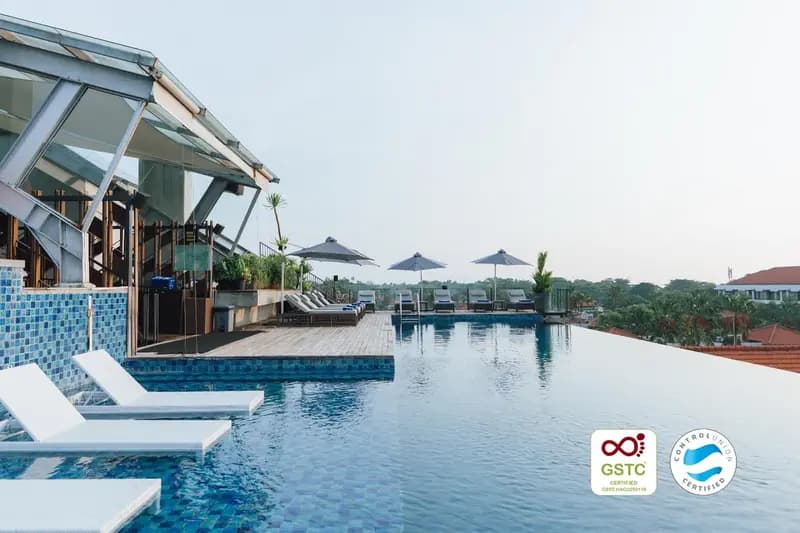
★★★★
★ 8.8/10 (1,237 reviews)
less than 1 km away as the crow flies
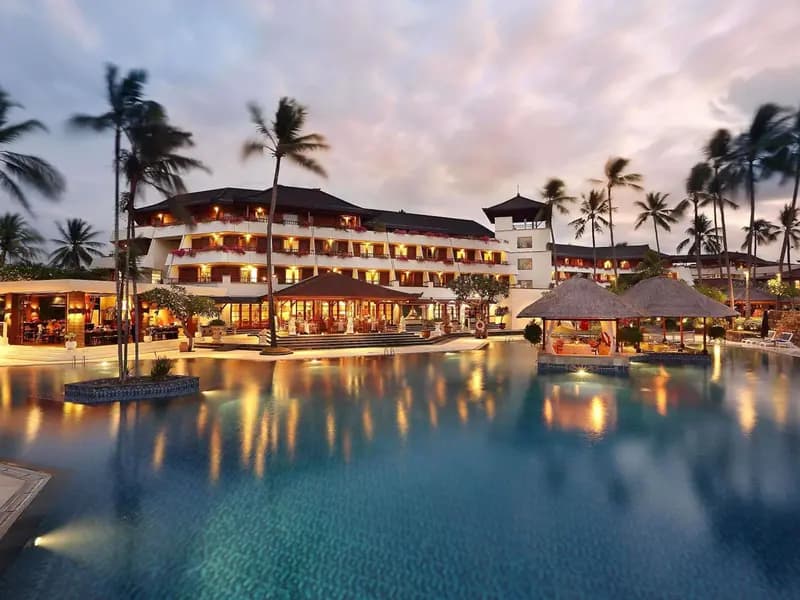
★★★★★
★ 8.7/10 (1,469 reviews)
10 km away as the crow flies
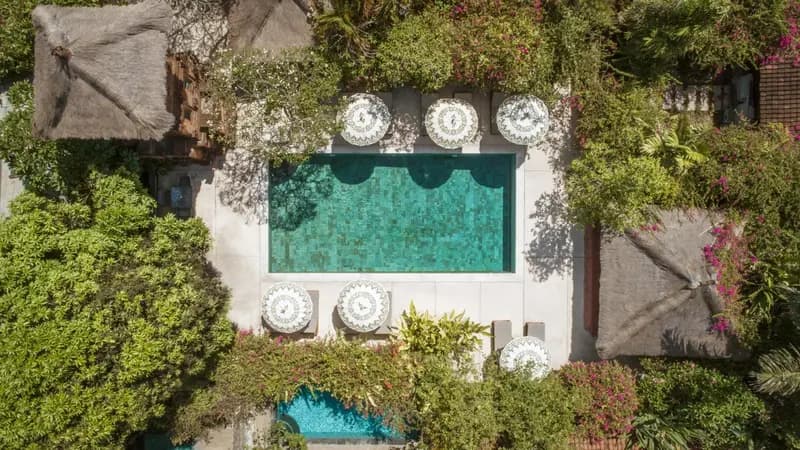
★★★★★
★ 9/10 (288 reviews)
2.1 km away as the crow flies